How to fish Teleferica: technique, spots and tackle
In-depth on Shore Fishing Technique with Live Bait

Every angler dreams of the perfect day. We show it to you first.
At the heart of ForecastX is an advanced marine-weather engine: it analyses waves, wind, sea temperature, tides, pressure and moon in real time and turns them into a Productivity Index (0-100) for every species. You'll always know, precisely, when the sea is on your side.
Coming soon to the App Store and Google Play — don't miss it.What teleferica really is
Shore-based teleferica is a technique in which you first cast an anchored sinker and then slide a hooklength with a live or dead bait along the main line, sending it out to the strike zone without stressing the bait with the cast. Its real strength is not just “getting a big bait out there,” but presenting it convincingly in the water layer where the predator is hunting. It is an active waiting game: you watch current, light, bait activity, and the behavior of the bait, and you keep making adjustments. That is why it is far more productive when used to read the spot, not simply to “send a live bait far out.”
The right spot and reading the coastline
Teleferica performs best from rocky shores, piers, river mouths, and beaches with gutters or sharp drop-offs, meaning places where predators have a recognizable travel lane. You need moving water, but not water that is impossible to manage: side currents, backwash that funnels baitfish, organized foam, and color changes are more useful signs than depth alone. A common mistake is fishing “in the middle of nowhere,” while fish often move along the edge between clean and stained water, off the tip of a rocky point, or at the entrance to a shallow reef. The reason is simple: that is where forage concentrates and the predator spends less energy to attack.
When it works and why
The classic season is the warm one, from late spring to deep into fall, but the real criterion is the presence of forage and predators hunting close to shore. Dawn, dusk, and night often offer the best balance between fish activity and the confidence of the live bait, while on very bright days it is better to take advantage of stained water or backlighting. A slight swell or a sea on the drop is often better than a completely flat calm, because it breaks fish wariness and moves bait schools; seas that are too rough, on the other hand, make the rig work poorly and tire the bait. In river mouths and harbors, water exchange also matters enormously: if the current flows in or out steadily, teleferica becomes more natural.
Well-thought-out tackle, not just heavy tackle
The rod needs enough backbone to handle serious sinkers and powerful fish, but also a tip that clearly shows the bait’s action and does not tear hooks free on the strike. The reel should be chosen more for reliable drag, line capacity, and smoothness under load than for simple retrieve speed; with teleferica the fight can start very far out and often among structure. On the main line, many use braid for sensitivity and control, but in abrasive environments or with a lot of sea movement a good mono of suitable diameter remains an excellent choice because it cushions and forgives. A sinker that is firmly anchored to the bottom and a reliable sliding clip or pulley are essential: if they do not slide properly, the bait stops halfway and the whole technique loses its purpose.
Rigging and useful variations
The basic principle calls for a sinker fixed or held firmly in place, a tight line, and a hooklength with bait that slides toward the sea by means of a teleferica device. The leader is matched to the target: more discreet and relatively long for sea bass and wary fish, tougher and more protected for bluefish and other toothy predators, where a bite-proof terminal section may be needed. A single hook often allows a cleaner baiting and better swimming action from the live bait; the double-hook setup, with a leading hook and an assist hook, is used when you need better hold on long baits or when fish are striking short. The choice is not aesthetic: it depends on species, bait size, the presence of structure, and how the predator attacks in that spot.
Baits and natural presentation
Mullets, garfish, horse mackerel, saddled seabream, and other small local fish are often the best baits because they are part of the regular menu of the predators present. The golden rule is to use a bait of the right size: too large is more selective but greatly reduces strikes, too small works well but is often harassed or swallowed by secondary species. Hooking must keep the bait alive, straight, and reactive: if it spins, rises too much, or rolls onto its side, the problem is almost always the hook placement or a leader that is out of proportion. With rough water and aggressive predators, a well-rigged dead bait can also be used, especially if it gives off vibration and scent steadily in the current.
How to read a bait that is fishing
A live bait “speaks” through the rod tip and line tension: short, irregular twitches indicate vitality, insistent pulls to one side show how the current is pushing, sudden stillness may signal stress, a light snag, or the presence of a nearby predator. Learning this language is a huge step up, because it lets you decide whether to reel in and change bait, shorten the leader, or move the sinker a few yards. A typical mistake is leaving too much slack in the belief that it gives the live bait freedom: in reality, you lose contact and teleferica works poorly. What you need instead is clean tension, enough to let the system slide properly and to read any abnormal change immediately.
Hookset, fight, and landing
Not all predators attack in the same way: bluefish often hits violently and may come back to the bait, sea bass can be more mobile and less linear, amberjack tends to use power and direction. That is why the hookset should not be automatic at the first hit: first you interpret the take, then you come tight decisively when you feel the fish’s real weight. During the fight, the angle of pressure matters more than brute force: keeping the fish away from points, boulders, and submerged lines is often the only real goal in the first few seconds. Long-handled landing nets, gaffs where allowed, and a landing point chosen before the bite prevent many fish from being lost in the last few feet.
Common mistakes and how to fix them
One of the most frequent mistakes is using sinkers that are too light for the current sea conditions: if the sinker moves, the bait fishes poorly and the leader tangles. On the other hand, an overly rigid setup with crude leaders and oversized hooks kills the live bait’s swimming action and reduces bites from suspicious fish. Many anglers always fish at the same distance, but teleferica allows you to cover a precise lane: if nothing happens, you need to reposition according to current, bait activity, or changes in light. Another serious mistake is neglecting the condition of the baits in the bucket or livewell: a weakened bait catches little, even if it is still “technically” alive.
Trade trick and safety
A little-known but very useful tip is to check, as soon as the bait reaches position, whether the rod tip transmits a steady swimming rhythm for at least a minute: if the rhythm is not clean, it is often enough to reel in a little, retighten, and send the teleferica back out to eliminate a half twist in the leader or a crooked bait posture. Another plus is watching birds and small surface chases not to cast on top of the bait ball, but to understand the direction of the forage and place the bait on the next line of passage. On the rocks, safety comes first: proper footwear, reading the sea cautiously, organized gear, and never fishing from places where you cannot quickly land a fish or retreat. Teleferica rewards patience, but even more it rewards those who arrive prepared and know how to read the reason behind every detail.
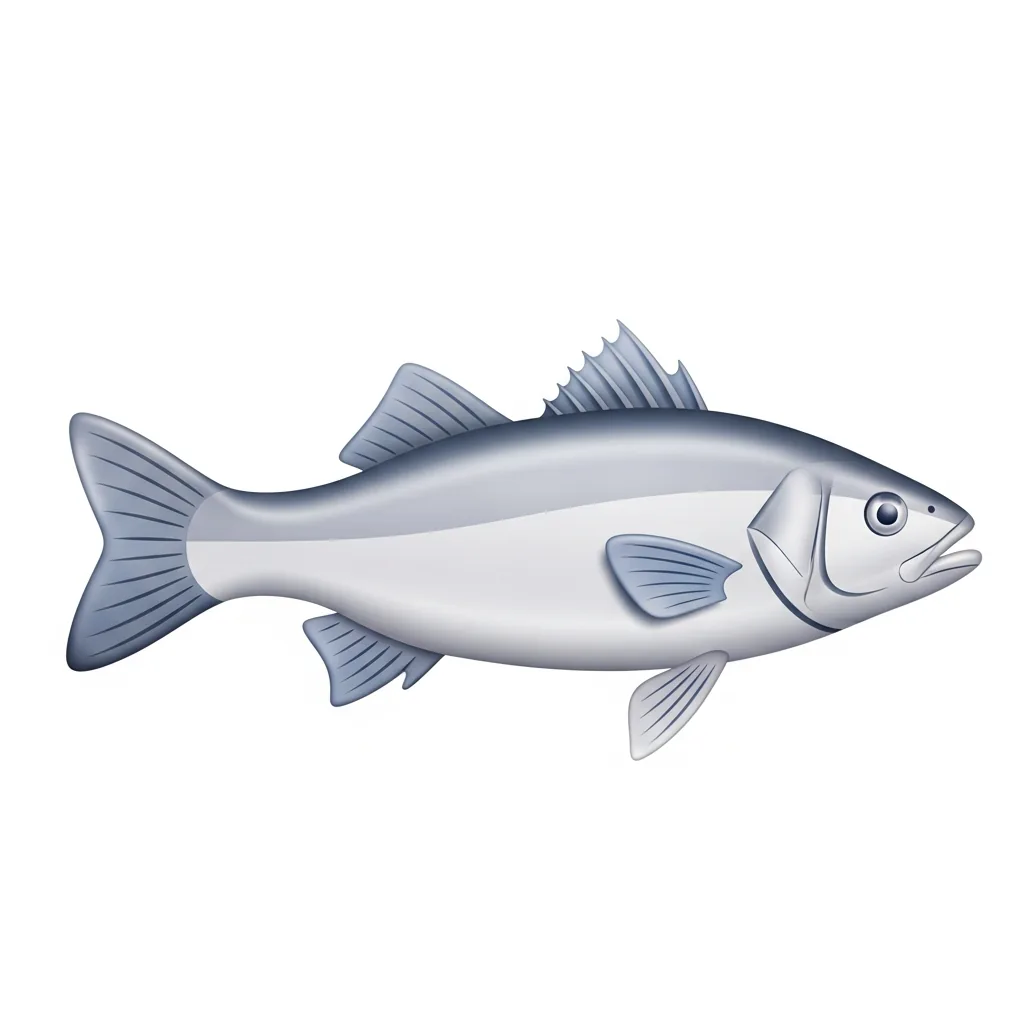
Fish to target with this technique
Frequently asked questions
How do you fish Teleferica?
Shore-based teleferica is a technique in which you first cast an anchored sinker and then slide a hooklength with a live or dead bait along the main line, sending it out to the strike zone without stressing the bait with the cast.
Teleferica: what tackle do you need?
The rod needs enough backbone to handle serious sinkers and powerful fish, but also a tip that clearly shows the bait’s action and does not tear hooks free on the strike. The reel should be chosen more for reliable drag, line capacity, and smoothness under load than for simple retrieve speed;
Teleferica: what is the best time?
The classic season is the warm one, from late spring to deep into fall, but the real criterion is the presence of forage and predators hunting close to shore. Dawn, dusk, and night often offer the best balance between fish activity and the confidence of the live bait, while on very bright days it is better to take advantage of stained…
Teleferica: where is it best?
Teleferica performs best from rocky shores, piers, river mouths, and beaches with gutters or sharp drop-offs, meaning places where predators have a recognizable travel lane.