How to fish Eging: technique, spots and tackle
Shore Fishing Technique for Cephalopods

Every angler dreams of the perfect day. We show it to you first.
At the heart of ForecastX is an advanced marine-weather engine: it analyses waves, wind, sea temperature, tides, pressure and moon in real time and turns them into a Productivity Index (0-100) for every species. You'll always know, precisely, when the sea is on your side.
Coming soon to the App Store and Google Play — don't miss it.Introduction to eging
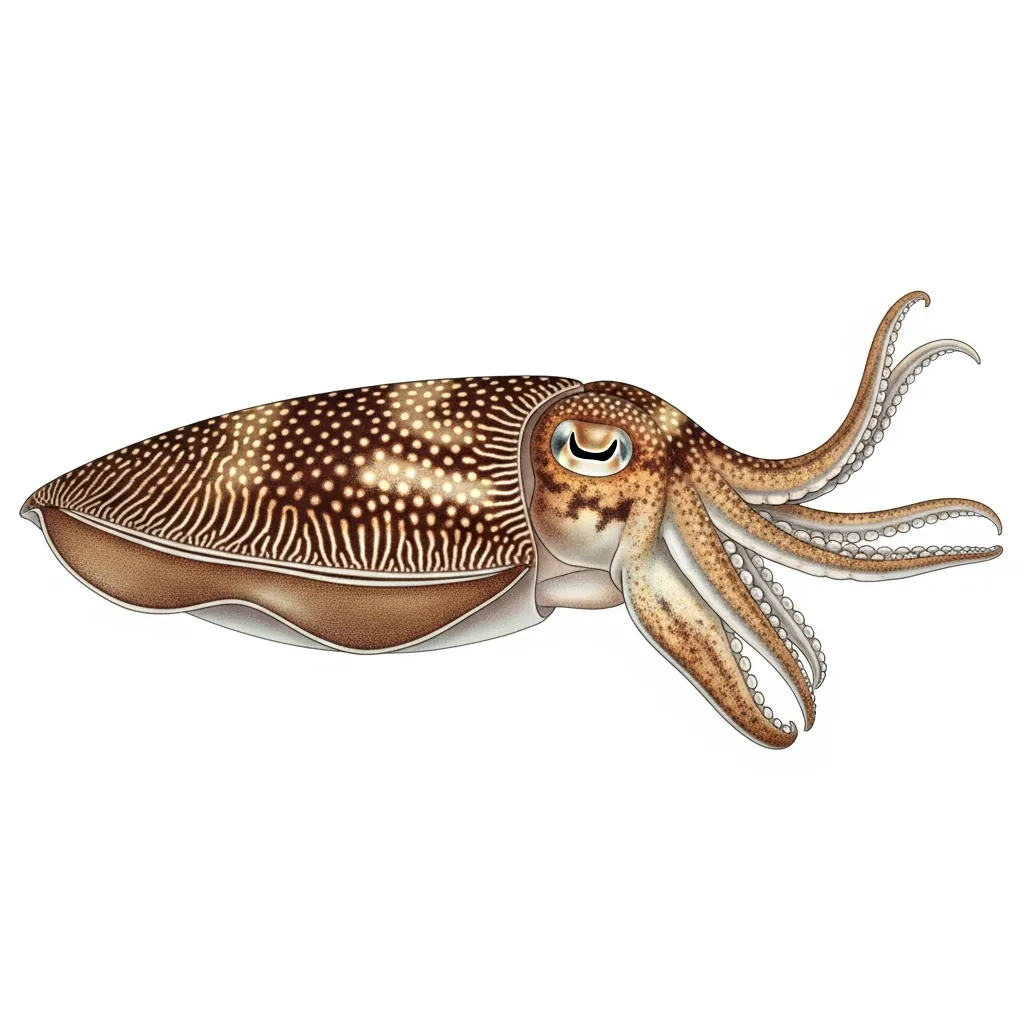
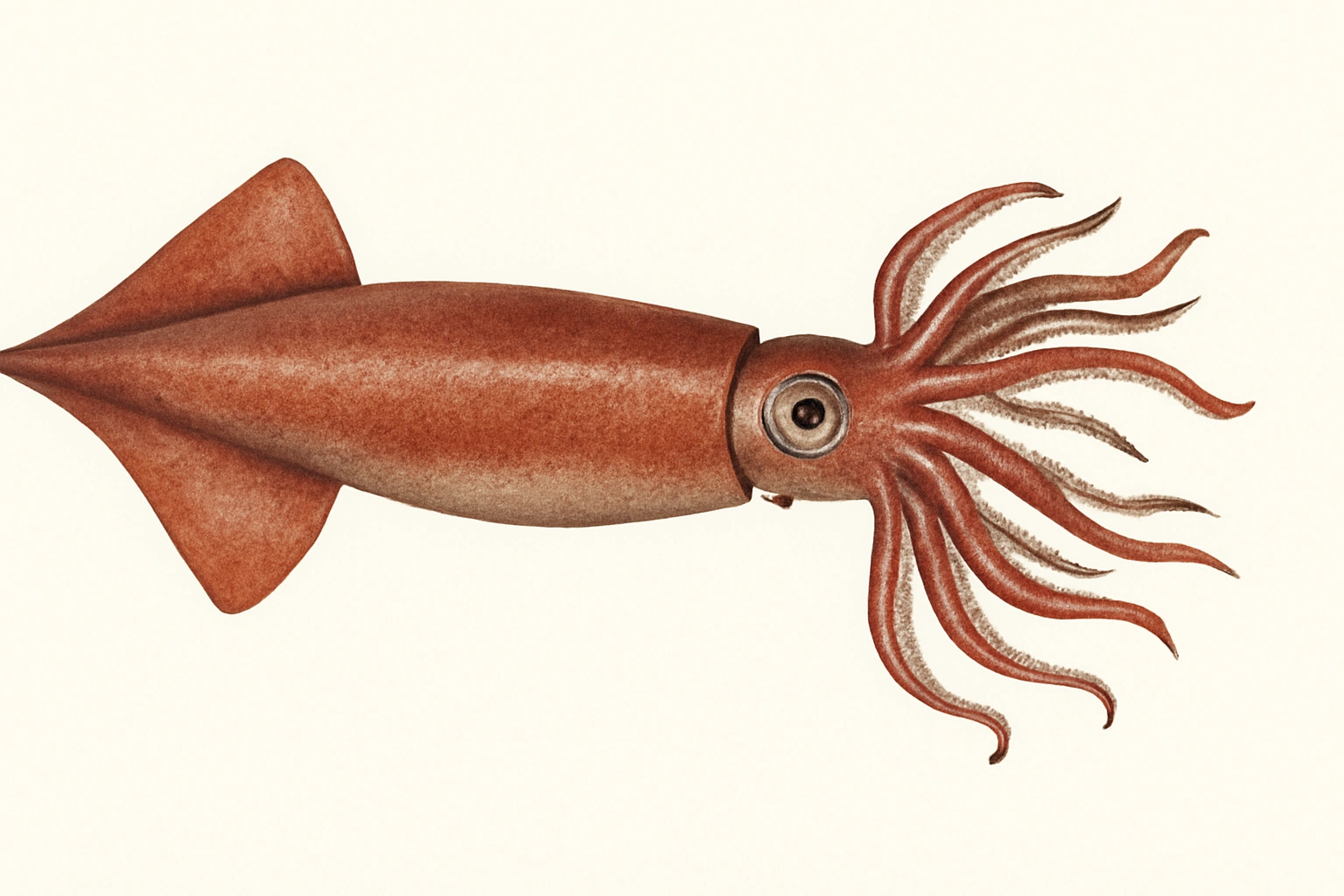
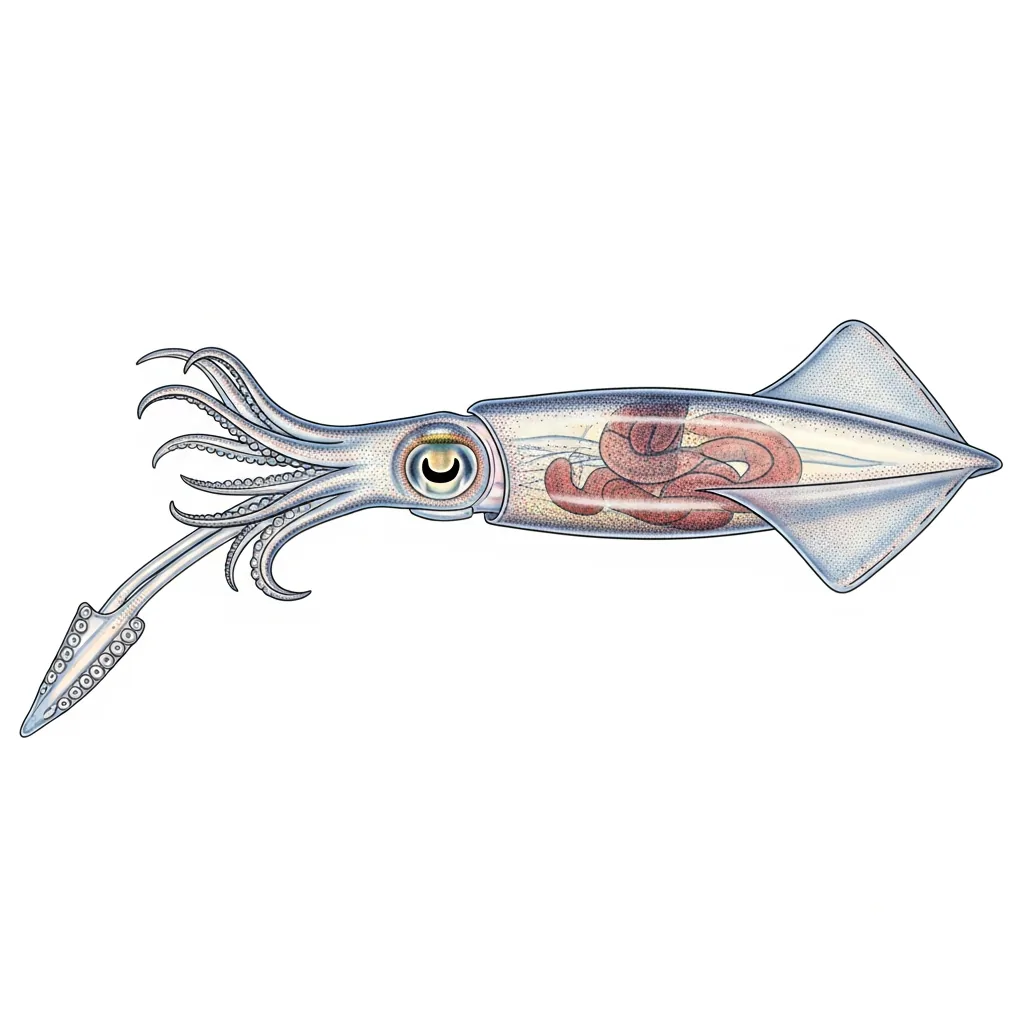
Eging is fishing for cephalopods with artificial squid jigs, developed for squid but also extremely effective for cuttlefish and, in particular situations, octopus. It is not just a simple sequence of jerks: it is a technique of reading the water, the bottom, and the behavior of predators that hunt mainly by sight and often attack cautiously. The egi works by alternating escape and suspension, that is, two key signals that imitate vulnerable but still-living prey. The real leap in quality comes when you stop 'casting at random' and start understanding where the cephalopod feels covered, where it hunts, and at what stage it decides to grab the lure.
Seasons, light, and activity
Eging can be practiced year-round, but it performs best when cephalopods move close to shore to feed or reproduce, with peaks that vary depending on the area, water temperature, and forage availability. Dawn, dusk, and night are classic windows because low-angle or limited light makes the egi more believable and cephalopods more confident; in very clear water, even daylight hours can be excellent over marked bottom. Overcast skies often help because they reduce contrast and extend activity in shallow water. One important detail: after light rough seas and water that clears up again, many cuttlefish and squid move in to hunt organisms stirred up by the swell, while fully turbid water and excessive current make lure perception much more difficult.
How to read the spot
The best places are not just 'piers and rocks,' but transitions: the end of a quay, depth changes, drop-offs, light-shadow zones, little channels between rocks, sparse posidonia beds next to sand or rock. Cephalopods love edges because there they can hide and cut off prey; for this reason an isolated shoal or the sheltered side of a structure often outperforms uniform water. In harbors, you should watch reflections, bait activity, small silversides, and the presence of artificial light that is not too harsh: squid often patrol the edge of the light cone, not the center. From shore, the trick is to imagine the path of the egi in three dimensions and not only on the surface: where it lands, where it sinks, where it bumps, where it enters current, and where it truly stops.
Gear and balance
An eging rod between about 2.4 and 2.7 meters with a sensitive tip but a responsive blank allows you to cast, work the lure, and above all detect the lightening and 'soft' hooksets typical of cephalopods. A well-balanced 2500-3000 size reel reduces fatigue during many hours of jerking; more than pure speed, smooth retrieval and a progressive drag matter. Thin braid helps with distance and sensitivity, but it should not be overdone if you are fishing among rocks and concrete: better a compromise that allows control without frequent break-offs. The fluorocarbon leader has two crucial functions, abrasion resistance and a bit of stiffness that limits tangles; a generous length often also helps when the quarry is wary or the water is very clear.
Squid jigs
SIZES, WEIGHTS, AND COLORS: Choosing an egi should not be done only 'by color,' but by combining size, sink rate, balance, and bottom type. Medium-small sizes are valuable when cephalopods are chasing tiny bait or are wary, while larger egi make themselves noticed better in swell, current, or on wide and deep spots. Natural colors work well in clear water and steady light; brighter colors or those with strong contrast help under dark skies, stained water, or at night. A very useful practical rule is this: first choose the sink speed suited to the depth and current, then refine with color and size; an egi in the perfect color but sinking poorly fishes worse than a less 'beautiful' one that runs at the right level.
Presentation and retrieves
The classic action involves the cast, controlled sink, a series of jerks, and a pause, because a great many strikes come precisely on the drop or in the first moments of suspension. The jerks do not always have to be violent: with apathetic cuttlefish and squid, a short, clean, rhythmic action often produces more, moving the egi without making it shoot out of the productive zone. Counting the sinking seconds is essential for covering the same water layer precisely and understanding where interest occurs. When you feel weight, softness, or simply a loss of contact, there is no need for a hard spinning-style hookset: just lift firmly and smoothly, always maintaining tension so the crown hooks can work well without tearing the tentacles.
Variations and choices based on the situation
With a crosswind or strong current, it is better to seek more diagonal trajectories, so the egi stays in the strike zone longer and the line is controlled better. If the bottom is dirty or full of obstacles, it is often more productive to keep the lure just lifted off the bottom with shorter pauses, because many catches still happen in the first meter above the structure. In harbor, when cephalopods follow but do not strike, reducing size or lengthening the pause can unlock the situation more than simply changing color. For cuttlefish holding on the bottom, it is better to almost 'drag and suspend,' while for hunting squid a sharper escape followed by an orderly fall works better.
Common mistakes and how to fix them
The number one mistake is always fishing at the same speed and with the same pattern without listening to the spot's response; the fix is simple: change only one variable at a time and understand what produced contacts. Another frequent mistake is not letting the egi sink enough or, on the contrary, constantly snagging because you do not control the descent with your finger and rod. Many beginners set too hard or reel too fast as soon as they feel weight, losing cephalopods almost at the shore: better to guide them in, keep the rod high, and use a landing net when the specimen is worthwhile. Personal lighting also matters: a headlamp blasted onto the water, heavy footsteps on the pier, and sudden shadows can disturb them, especially in calm conditions and small harbors.
Trade trick and final details
One underrated but highly effective adjustment is not to stop the egi completely motionless during the pause, but instead to maintain minimal contact so it can 'breathe' with the movement of the water: often it is precisely this micro-life that convinces a hesitant cephalopod. Another expert point is to memorize the type of touch: squid often lighten or hold, while cuttlefish more easily add weight near the bottom; recognizing this helps you give the right amount of time before coming tight. After the catch, beware of ink sprays and multiple hooks: keep the cephalopod away from the body, hold it securely, and unhook it in an orderly way. Finally, always rinse egi, split rings, and reel after the trip to preserve tackle sensitivity, and it truly makes a difference over the long term.
Related guides
Fish to target with this technique
Frequently asked questions
How do you fish Eging?
Eging is fishing for cephalopods with artificial squid jigs, developed for squid but also extremely effective for cuttlefish and, in particular situations, octopus. It is not just a simple sequence of jerks: it is a technique of reading the water, the bottom, and the behavior of predators that hunt mainly by sight and often attack…
Eging: what tackle do you need?
An eging rod between about 2.4 and 2.7 meters with a sensitive tip but a responsive blank allows you to cast, work the lure, and above all detect the lightening and 'soft' hooksets typical of cephalopods. A well-balanced 2500-3000 size reel reduces fatigue during many hours of jerking;
Eging: what is the best time?
Eging can be practiced year-round, but it performs best when cephalopods move close to shore to feed or reproduce, with peaks that vary depending on the area, water temperature, and forage availability.
Eging: where is it best?
The best places are not just 'piers and rocks,' but transitions: the end of a quay, depth changes, drop-offs, light-shadow zones, little channels between rocks, sparse posidonia beds next to sand or rock. Cephalopods love edges because there they can hide and cut off prey;