Bombarda Fishing: technique, spots and tackle
Versatility and Distance from Shore

Every angler dreams of the perfect day. We show it to you first.
At the heart of ForecastX is an advanced marine-weather engine: it analyses waves, wind, sea temperature, tides, pressure and moon in real time and turns them into a Productivity Index (0-100) for every species. You'll always know, precisely, when the sea is on your side.
Coming soon to the App Store and Google Play — don't miss it.Introduction to bombarda fishing
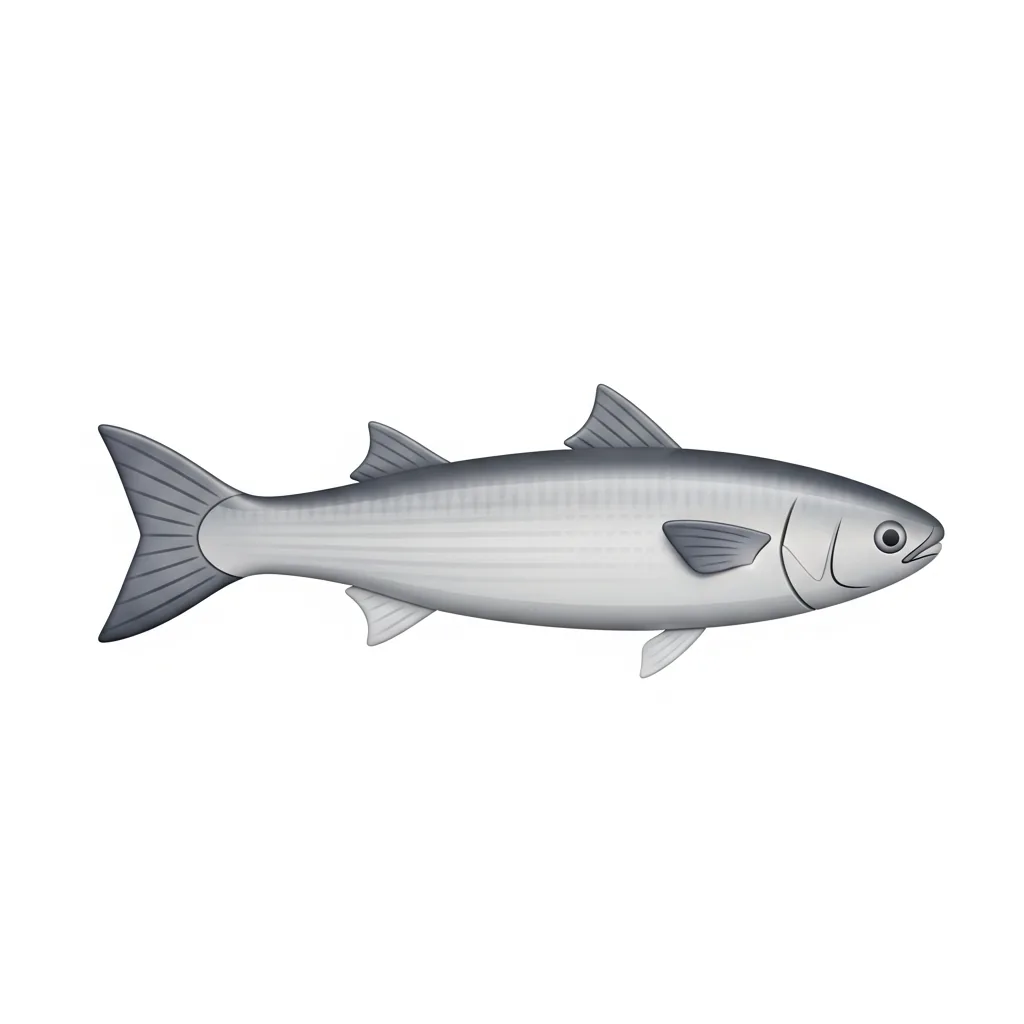
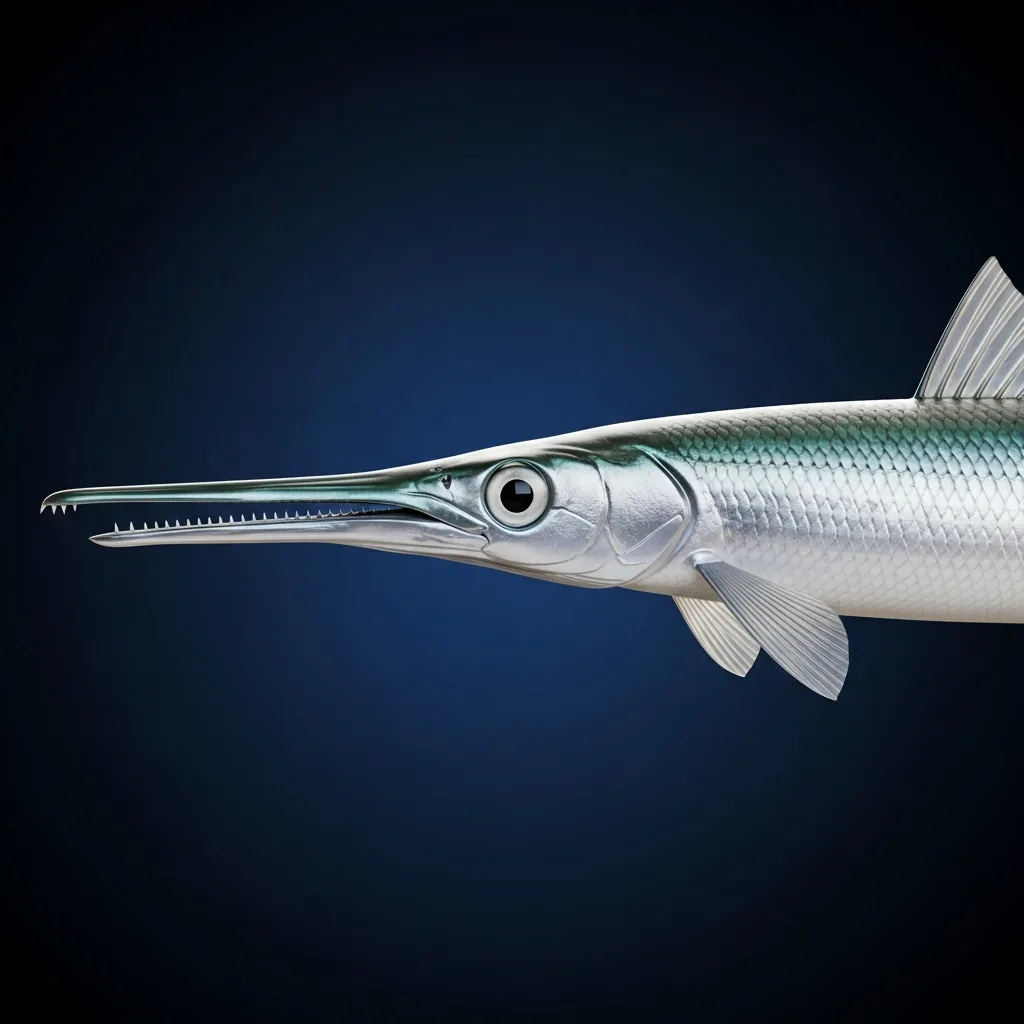
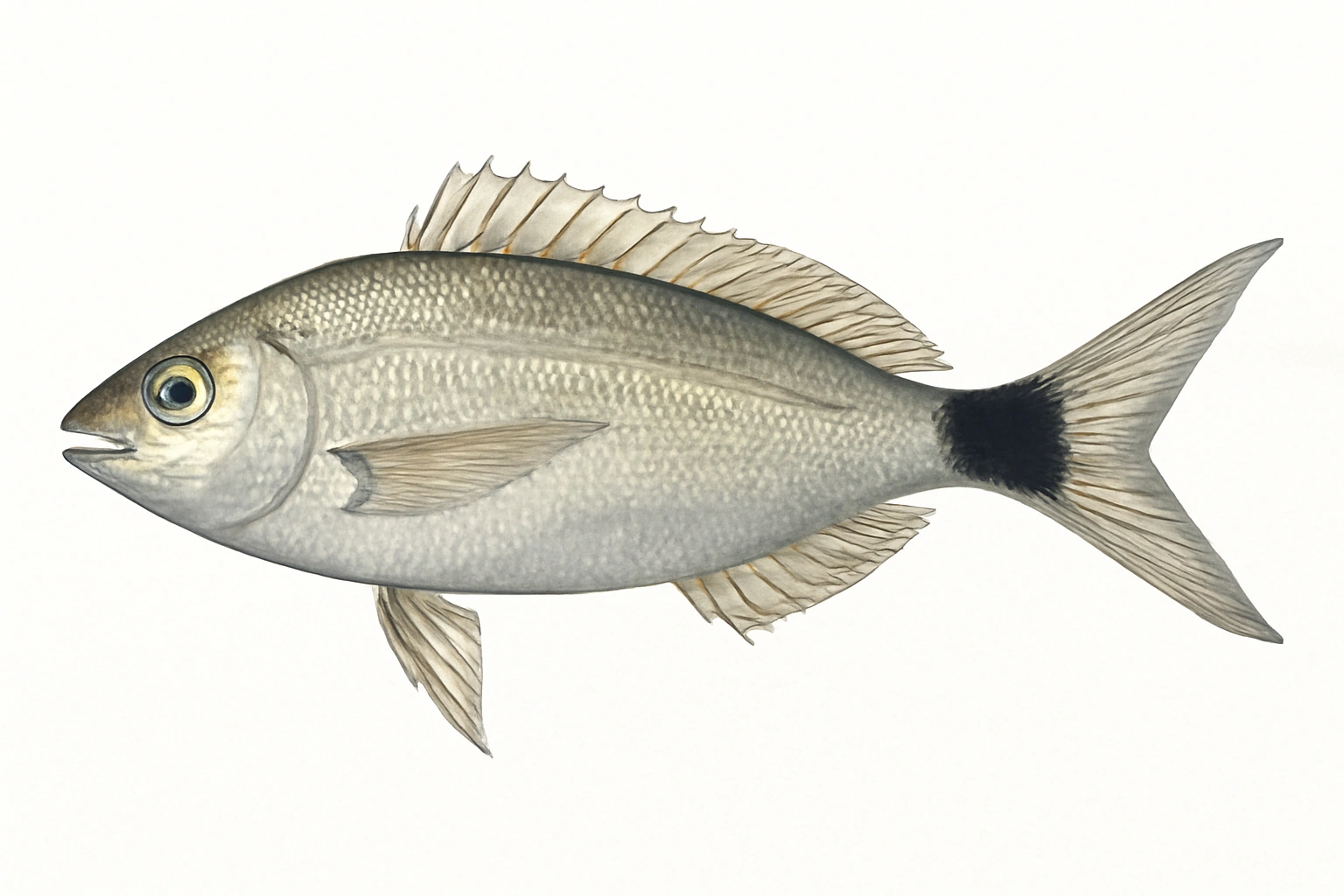
Bombarda fishing was developed to cast very small or ultra-light baits a long way, but its real value is not just distance: it is controlling the fishing depth during the retrieve. With the right bombarda, you can work just under the surface, mid-water, or deeper, following the school’s behavior without radically changing your setup. In saltwater it is an excellent technique for garfish, saddled seabream, horse mackerel, mackerel, blue runner, small seabass, and other inshore predators when they are feeding on baitfish. It also works well when fish are wary and reject sinkers or floats that are too intrusive, because the presentation can remain clean and natural.
How to read the spot
Before you even cast, observe the water, wind, and feeding activity. Bombarda performs at its best where there is room to search for fish “horizontally”: deep beaches, rocky points, piers, low rock shorelines, and river mouths with moderate current. If you see anchovies or silversides being chased, birds working a strip of water, or small surface flashes, it makes sense to start with a floating or semi-sinking bombarda and a long leader. If instead the sea is clear but with no obvious signs, the trick is to read the water color: darker streaks, channels, current seams, and side foam are travel lanes where the bait passes through productive water instead of “swimming in empty space.”
When and why it works
The best hours are still dawn and dusk, but the reason is not some magic rule: during those windows, baitfish rise in the water column and predators move in with more confidence. In summer and early fall, bombarda is deadly in calm or lightly rippled seas, especially when fish are feeding far from shore and refuse rigs that are too heavy. In winter it still produces, but it often requires slower retrieves, smaller baits, and more attention to the mid and lower layers. With water clouded by a light shore break, you can be a bit bolder with line diameters and presentation; with crystal-clear water, high sun, and no wave action, you need long leaders, fine terminal tackle, and fewer impulsive hooksets.
Tackle and smart choices
A 3.9 to 4.5 meter rod designed for bombarda helps with long casts and, above all, with managing a long leader without jerks; a progressive action is often more useful than pure stiffness. The reel must lay line well and retrieve smoothly: more than outright speed, consistency matters, because many bites come during a steady retrieve. For the main line, both thin braid and good monofilament make sense: braid gives better feel and helps at distance, while mono is more forgiving on the hookset and with fish that have delicate mouths. A fluorocarbon leader is a classic choice, but it must be matched to water clarity, species, and bait type: too thick stiffens the presentation, too thin leads to lost fish and abrasion.
Bombarda floats, rig balance, and when to change
There is no single “right bombarda” in absolute terms: floating, semi-sinking, or sinking models are used to cover different layers and maintain the intended path despite wind and current. The floating version is ideal for fish holding high, garfish, obvious surface feeding, and uneven bottoms; the semi-sinking one is the most versatile when you do not know what depth the school is holding at; the sinking one comes into play with deeper fish, head current, or wind that pushes the line too much on the surface. A common mistake is changing bait too soon when the real issue is the wrong swimming depth: first of all, try counting the sink seconds and repeat retrieves at the same depth to figure out where the take comes. When one band of water produces two or three signs, stay on it precisely instead of always casting “as far as possible.”
Rigging and presentation
The classic rig uses a sliding bombarda, bead, quality swivel, and a leader long enough to separate the bait from the body of the bombarda. A three-way swivel or a good rolling swivel helps a lot with baits that spin or with lively retrieves, but the key point is to avoid line twist and keep the bait free to work. With natural baits such as lugworm, Korean ragworm, fish strips, or small shrimp, the presentation must be straight: if the bait spins on itself, fish become suspicious and the leader gets damaged. With tiny soft plastics, feather lures, or ultra-light spoons, the leader must be chosen not only for invisibility but also to allow movement, because a rig that is too stiff kills the lure’s appeal.
Retrieve, hookset, and bite management
The retrieve should not be chosen “by feel,” but based on the species and the fish’s mood. Garfish and chased baitfish often like a continuous action with small accelerations; seabass, saddled seabream, and inactive predators respond better to slow retrieves with short pauses or slight changes of pace. The hookset must be measured: at long distance, a hard strike may only tear off the bait or open small hooks, whereas lifting the rod and continuing to retrieve tends to set the hook better. Many beginners also make mistakes after the bite by keeping the rod too low: with long leaders it is instead useful to work high, absorbing head shakes and keeping the line under constant tension.
Common mistakes and corrections
The first mistake is oversizing everything, convinced that the sea requires brute strength: bombarda too heavy, leader too short, hook too large, and an artificial result. The second is not accounting for crosswind, which creates a belly in the line and makes you lose contact with the bait; in these cases it is better to lower the rod tip, reduce the angle of the line on the water, and choose a setup that cuts through better. Another frequent mistake is always casting in the same direction and with the same sink time: bombarda is a search technique, so you need to “scan” fan, distance, and depth. Finally, many persist in overly rough seas and chaotic foam where the bait works poorly: better to move to a more sheltered side, a point that organizes the current, or an area where the wave creates a readable lane.
Trade trick and details that make the difference
One little-mentioned but very useful tip is to mentally mark the bombarda’s settling time after it hits the water and repeat it almost identically on every cast: that way, when a bite comes, you know exactly what depth you were fishing and can reproduce it. Another expert detail is to wet and fully stretch the leader before casting, avoiding memory and micro-loops that make the bait look unnatural and encourage tangles. If fish follow but do not strike, there is often no need to change bait: it is enough to lengthen the leader or slightly reduce speed in the last third of the retrieve, where much of their hesitation disappears. Bombarda rewards anglers who observe and keep track: more than a “long-casting” technique, it is finesse fishing done at distance, and those who learn to read depth, current, and rhythm catch far more than those who only think about the cast.
Related guides
Fish to target with this technique
Frequently asked questions
What is Bombarda Fishing?
Bombarda fishing was developed to cast very small or ultra-light baits a long way, but its real value is not just distance: it is controlling the fishing depth during the retrieve. With the right bombarda, you can work just under the surface, mid-water, or deeper, following the school’s behavior without radically changing your setup.
Bombarda Fishing: what tackle do you need?
A 3.9 to 4.5 meter rod designed for bombarda helps with long casts and, above all, with managing a long leader without jerks; a progressive action is often more useful than pure stiffness. The reel must lay line well and retrieve smoothly: more than outright speed, consistency matters, because many bites come during a steady retrieve.
Bombarda Fishing: what is the best time?
The best hours are still dawn and dusk, but the reason is not some magic rule: during those windows, baitfish rise in the water column and predators move in with more confidence.
Bombarda Fishing: where is it best?
Before you even cast, observe the water, wind, and feeding activity. Bombarda performs at its best where there is room to search for fish “horizontally”: deep beaches, rocky points, piers, low rock shorelines, and river mouths with moderate current.