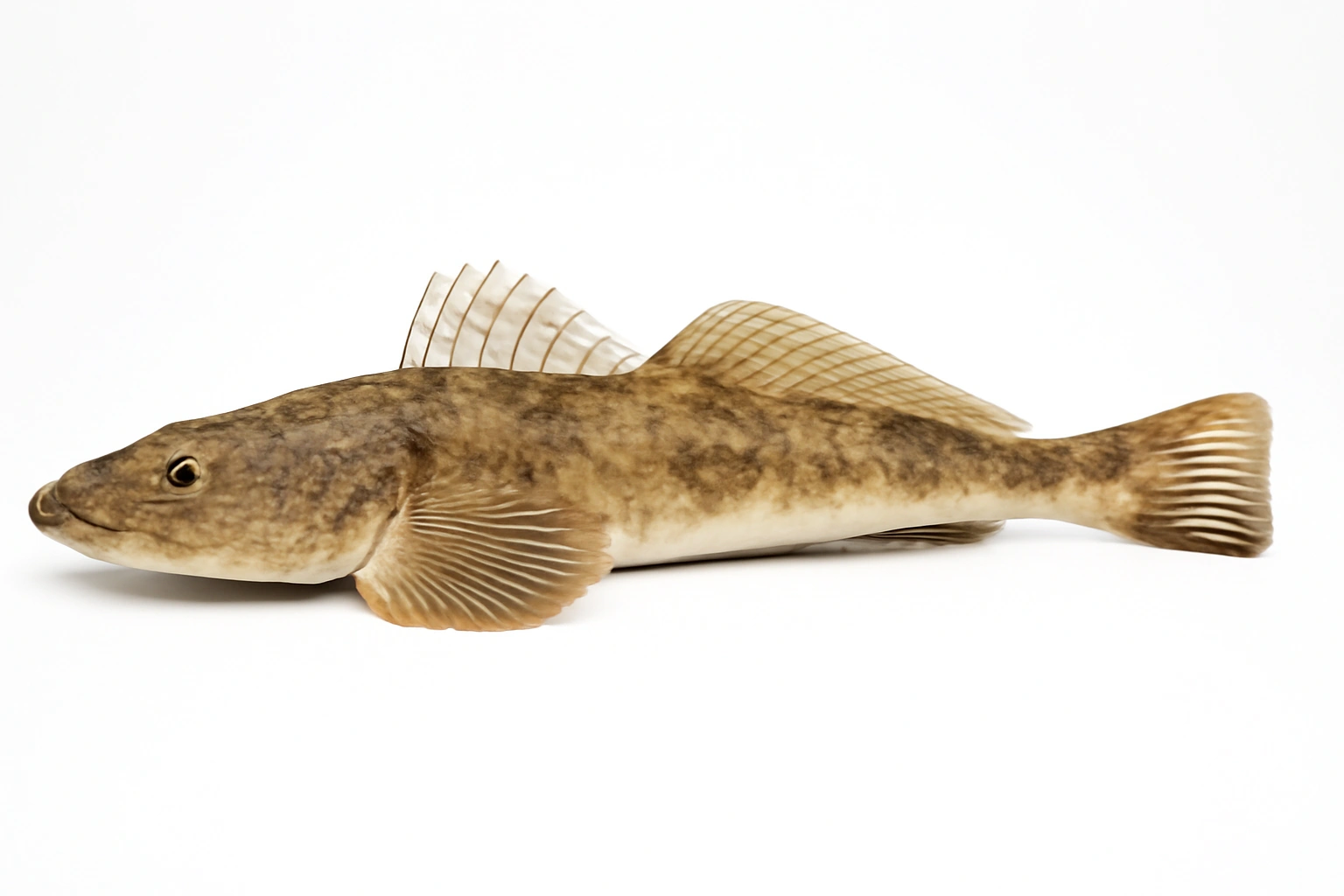

Overview
The Sand Flathead is one of the most abundant species in southern Australian waters, particularly in Port Phillip Bay. Easy to catch, making it ideal for beginners. Excellent eating quality and one of the most consumed fish in Australia.
Identification
- Body
- Elongated, flat body with a wide, flat head.
- Colouration
- Color pattern varies in shades of brown and beige with darker spots to blend with sandy bottoms.
- Sexual dimorphism
- Absent/not very noticeable
- Growth
- Moderate, grows gradually but stabilizes quickly in size
Taxonomy
- Family
- Platycephalidae
- Order
- Scorpaeniformes
- Class
- Actinopterygii
Related species
Habitat & distribution
- Environment
- Coast, Open sea
- Preferred bottom
- Sand, Mud
- Geographic distribution
- Common species along southern Australian coasts, especially in Port Phillip Bay.
- Micro-habitat
- Prefers sandy and muddy bottoms where it can camouflage among debris to ambush prey.
Prefers temperate waters with good availability of benthic prey.
Presence by sea area
Diet
- Primary prey
- small fish, shrimp, polychaetes
- Secondary prey
- crustaceans, mollusks, fish larvae
- Occasional prey
- jellyfish, kelp, algae
- Feeding behaviour
- Hunter that patiently waits on the bottom, leveraging its coloration to approach prey.
- Natural predators
- sharks, rays, humans
Varied diet due to the presence of different prey species in its habitat.
Behaviour
- Activity
- diurnal
- Social behaviour
- solitary
- Aggressiveness
- low
- Migration
- Non-migratory, prefers to stay in the same habitat.
- Seasonal behaviour
- More active during summer months when prey is abundant and water temperature is warmer.
- Juveniles
- Juveniles tend to stay in shallower, sandy waters for protection.
- Adults
- Adults are territorial and settle in areas rich in food resources.
Reproduction
- Spawning season
- November, December
- Spawning depth
- between 20 and 60 meters
- Eggs
- Benthic eggs, often laid on sandy or muddy bottoms with good oxygenation.
- Larval stage
- Pelagic larval stage with rapid development in coastal waters.
- Sexual maturity
- 2-3 years
When to catch Sand Flathead
Activity calendar
Activity by season
Best times
This species shows peak fishing activity in spring, summer and autumn, when the productivity index (FPI) reaches its highest values.
Fishing activity decreases in winter, when conditions are less favourable.
Ideal conditions
Water temperature
Where to catch it
Best spots
Bottom preference
Spot type
Fishing techniques
Recommended
Other applicable
Recommended baits
Baits by pressure
How to really catch it
The sand flathead is a bottom predator that almost vanishes into its own ground: sand, mud, scattered debris. If you want to catch it consistently, you need to read the bottom and picture that flat body lying still, ready to strike only when something passes within reach.
🐟 Good to know
Although it lives on the bottom and hunts by ambush, this species lays benthic eggs on well-oxygenated sandy or muddy bottoms, while the larvae spend a pelagic stage in coastal waters. It is a life cycle that ties the fish closely to both the seabed and the water column in its earliest stages.
🌊 Where & when
Along southern Australian coasts, especially in Port Phillip Bay, look for sandy and muddy bottoms from 2 to 150 meters, both inshore and offshore. It becomes more active in warmer months and remains highly worthwhile from March to November; in November and December it spawns between 20 and 60 meters.
🎣 How to really catch it
The most practical approach is light bottom fishing, or a medium-light rod with artificial lures worked tight to the seabed. Shrimp, annelids, anchovies, and sardines match its diet well; use 10-15 lb line, a 20 lb fluorocarbon leader, size 2/0 hooks, and 20 to 50 gram sinkers, keeping the offering low, slow, and close to the sand.
💡 The detail that makes the difference
The small detail that matters most is not lifting the bait too high: this species hunts from below while camouflaged, taking what moves along the bottom or just above it. If you feel only weight and a stubborn push downward, do not strike hard at once; stay connected and guide the fish, because the take is often short and very close to the seabed.
Catch & handling tips
- Fight
- Subdued behavior, tends to push towards the bottom.
- Handling
- Beware of spiny dorsal fins, use gloves.
- Release
- Release gently back into the water to avoid damaging the spiny fins.
Curiosities & culture
- Record catches
- Maximum documented size: up to about 55 cm and 3.1 kg (source: FishBase). There is no official IGFA All-Tackle record for this species.
- In the kitchen
- The meat is white and delicate, excellent for frying and grilled fillets.
- Cultural notes
- They participate in sport fishing competitions in Australia.
- Historical notes
- Traditionally fished in Australian waters both commercially and recreationally.