
Overview
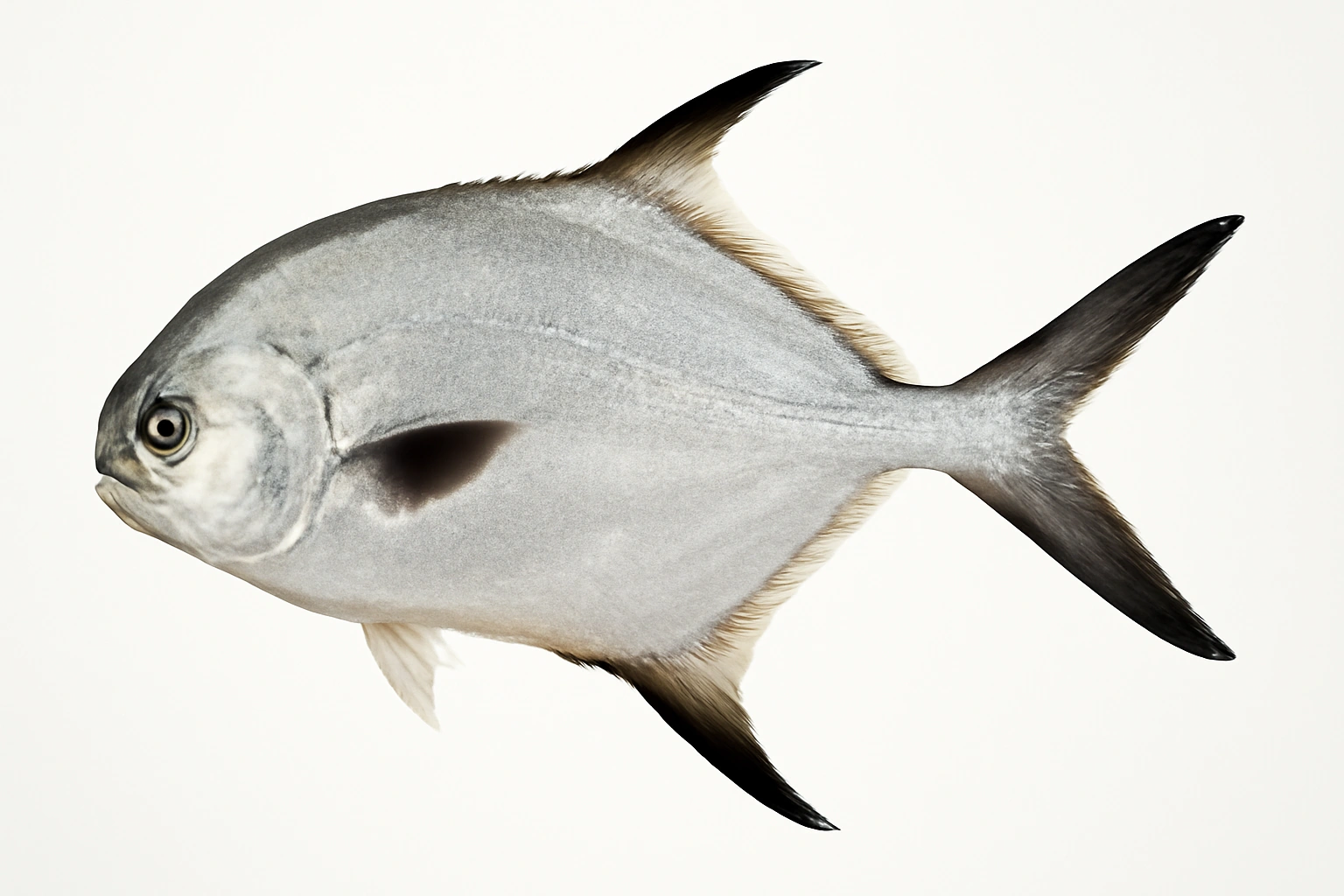
The Dart is a fast, hard-fighting fish found in the surf zone of Australian beaches. A perfect target for beach fishing with light lures. Often found in small schools hunting in gutters formed by waves.
Identification
- Body
- Fusiform body compressed laterally, with well-developed pectoral fins.
- Colouration
- Silvery color with golden hues and dark fin edges.
- Sexual dimorphism
- Absent/not prominent
- Growth
- Fast, reaches adult size in a few years
Taxonomy
- Family
- Carangidae
- Order
- Perciformes
- Class
- Actinopterygii
Related species
Habitat & distribution
- Environment
- Coast, Reefs
- Preferred bottom
- Sand
- Geographic distribution
- Found along the coasts of Australia, often spotted in oceanic waters near sandy shores.
- Micro-habitat
- Often present in the wave channels on beaches, where it hides among the sand and waves.
Prefers well-oxygenated, moving coastal waters, near waves.
Presence by sea area
Diet
- Primary prey
- crustaceans, small fish, shrimp
- Secondary prey
- squid, annelids, seaweed
- Occasional prey
- small cephalopods, plankton
- Feeding behaviour
- Active and fast predator, hunts in small packs in surf areas, using speed to surprise prey.
- Natural predators
- sharks, larger predatory fish, dolphins
Often hunts in turbulent environments to use waves as cover.
Behaviour
- Activity
- diurnal
- Social behaviour
- small_groups
- Aggressiveness
- medium
- Migration
- Resident, but makes small movements depending on waves and tides.
- Seasonal behaviour
- More active in the warmer months when prey is abundant near the beaches.
- Juveniles
- Juveniles tend to form small groups and stay near the coast for protection.
- Adults
- Adults actively hunt in small packs, using waves as cover.
Reproduction
- Spawning season
- November, December, January
- Spawning depth
- between 5 and 15 meters
- Eggs
- Pelagic eggs, small and transparent, laid in large numbers.
- Larval stage
- Pelagic larvae that develop quickly before moving closer to the shores.
- Sexual maturity
- 3-4 years
When to catch Dart
Activity calendar
Activity by season
Best times
This species shows peak fishing activity in spring, summer and autumn, when the productivity index (FPI) reaches its highest values.
Fishing activity decreases in winter, when conditions are less favourable.
Ideal conditions
Water temperature
Where to catch it
Best spots
Bottom preference
Spot type
Fishing techniques
Recommended
Other applicable
Recommended baits
Baits by pressure
How to really catch it
The dart is a fast, compact beach predator, always tuned to moving water. When a breaker opens and leaves a darker channel running over the sand, that is where this fish can appear without warning, chasing tiny prey with sharp, nervous bursts.
🐟 Good to know
One real and useful biological trait is that dart lay small, transparent pelagic eggs and pass through a pelagic larval stage before juveniles move closer to shore. That link to open water helps explain why the species thrives in dynamic, well-oxygenated coastal environments.
🌊 Where & when
You find it along the Australian coast, especially on ocean-facing sandy beaches, in shallow water and in wave channels, often from 1 to 20 meters. It is diurnal, resident but mobile with tides and wave action, and becomes more active in the warmer months, with a very favorable window from March to November; spawning occurs from November to January, between 5 and 15 meters.
🎣 How to really catch it
To really catch it, the most concrete approach is beach fishing with light spinning tackle: a light spinning rod, 6-10 lb monofilament and a 20 lb fluorocarbon leader, working small lures or soft baits through the surf channels. Shrimp and small baitfish also work well fished from shore with a simple surfcasting setup, letting the bait sweep through the disturbed water where the school hunts.
💡 The detail that makes the difference
The most defensible secret is to read the water before you cast: dart use waves as cover and move in small groups through sandy lanes. If your bait or lure tracks through the right channel, among foam and suspended sand, it enters the fish’s natural feeding zone and the presentation becomes far more convincing.
Catch & handling tips
- Fight
- Feisty and quick, makes rapid lateral dashes and tries to use the current.
- Handling
- Handle carefully to avoid scale abrasion.
- Release
- Ensure the fish is well rehydrated before release, avoid prolonged exposure to air.
Curiosities & culture
- Record catches
- Maximum documented size: up to about 75 cm and 2.5 kg (source: FishBase). There is no active IGFA All-Tackle record for this species.
- In the kitchen
- Valued for its white, delicate flesh, often grilled.
- Cultural notes
- Considered a symbol of agility and speed in Australian coastal cultures.
- Historical notes
- Already fished by Australian Indigenous people long before European arrival.