How to fish Light Jigging: technique, spots and tackle
A versatile and light technique for boat fishing

Every angler dreams of the perfect day. We show it to you first.
At the heart of ForecastX is an advanced marine-weather engine: it analyses waves, wind, sea temperature, tides, pressure and moon in real time and turns them into a Productivity Index (0-100) for every species. You'll always know, precisely, when the sea is on your side.
Coming soon to the App Store and Google Play — don't miss it.Introduction to the technique
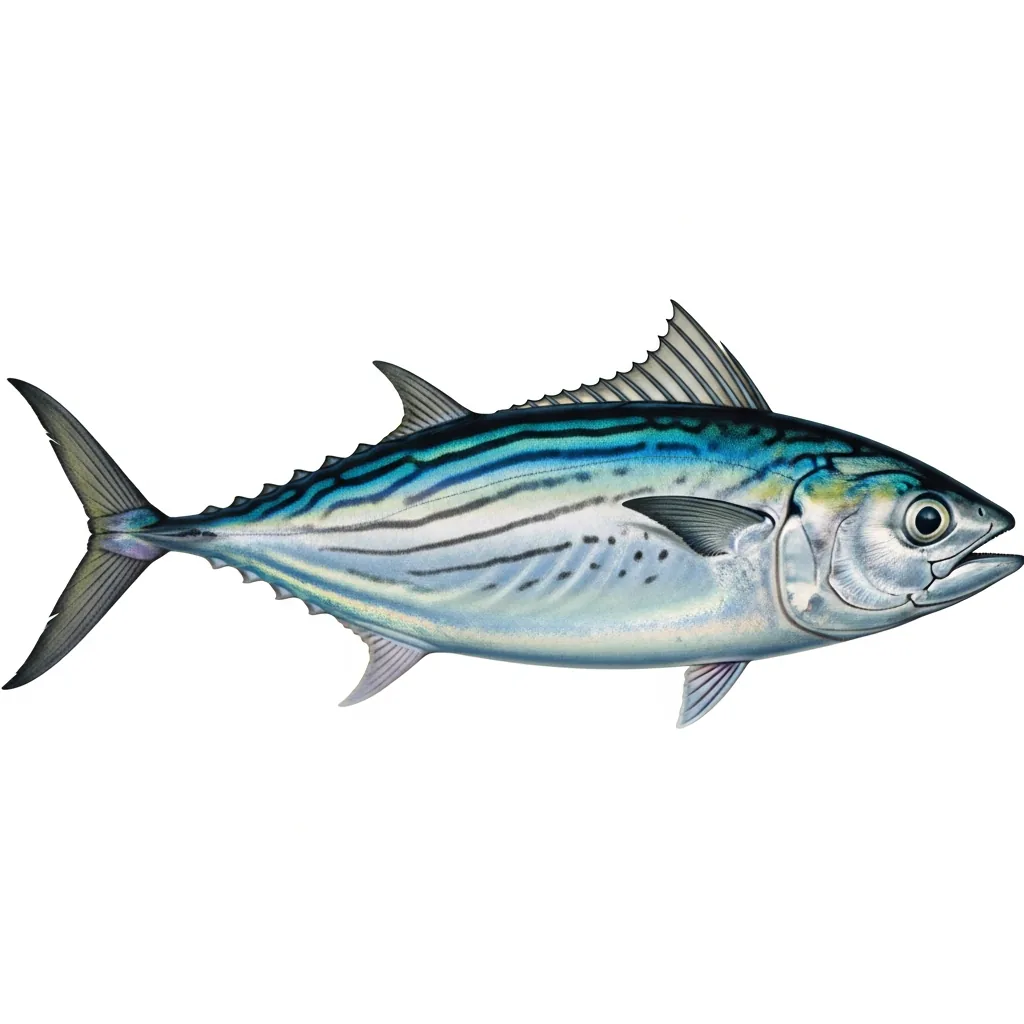
Light jigging is the finesse, dynamic version of vertical jigging: you work a metal lure vertically or diagonally with relatively light tackle, targeting predators that feed on small baitfish. It is not simply “small jig = small fish”: with the right presentation and balanced tackle, it can fool quality snapper, passing amberjack, bonito, large horse mackerel, little tunny, bottom-dwelling groupers, and barracuda. Its strength is quickly reading the water column, adapting the jig’s weight, profile, and rhythm until you find the level where fish are feeding. It is a very technical technique but also extremely educational, because it forces you to understand current, drift, fishfinder readings, and bait behavior.
Where and how to read the spot
The best spots are not just “good-looking bottoms,” but places where food concentrates: drop-offs, reefs, submerged points, wrecks, slides, bottom-composition changes, and the edges of deep seagrass beds. Baitfish often hold up-current or on the current side of a structure, while predators stay slightly below or just outside the bait ball, ready to intercept prey that breaks away. If the fishfinder shows bait lifted off the bottom or suspended arches in midwater, it makes sense to start from that level instead of always working from the bottom all the way to the surface. One often overlooked detail is the line angle: if the line is stretched out too much, the jig loses verticality and control; it is often better to reset the drift and present properly again rather than badly “dragging” the lure out of the strike zone.
Truly balanced tackle
A 1.85 to 2.05 m rod designed specifically for light jigging, with a sensitive tip but solid backbone, helps both with lure action and with managing hooksets on assist hooks. The reel should prioritize smooth drag, strong gearing, and a retrieve ratio consistent with the type of jig: a retrieve that is too fast is tiring and leads many anglers to work above the proper rhythm all the time. Thin, round braid improves verticality and sensitivity; the fluorocarbon leader should be chosen based on bottom type, fish dentition, and water clarity, remembering that around rocks and wrecks abrasion resistance matters as much as breaking strain. Quality split rings and assist hooks are essential: in light jigging, terminal hardware is an integral part of the lure’s action, not just a simple accessory.
Jigs, shapes, and smart choices
Not all 60-gram jigs fish the same way: a long, slim model cuts current and depth better, while a shorter, fuller-bodied one falls more slowly and stays longer in the strike zone. In clear water and on wary fish, natural falls and controlled flash often work best; with strong current or aggressive predators, however, you need a profile that maintains its attitude and transmits sharp movements. Colors should be read in terms of contrast and visibility, not magic: natural and sardine patterns when bait is present and the water is clean, glow or UV accents in deep water, under cloudy skies, or in stained water. Trade trick: before changing spots, change the jig’s “falling style”; a huge number of strikes come on the drop, and a simple change in profile, more than color, can turn the day around.
Presentation and action
There are three basic actions: short jerks near the bottom, fast straight retrieve on actively feeding fish, and long fall or pitch with controlled pauses to imitate an injured prey. Snapper, grouper, and other structure-oriented fish often prefer presentations starting from the bottom with 3-8 meters of clean, orderly work, while amberjack, bonito, and small tunas may strike in midwater or even under the boat during more sustained upward runs. The practical rule is simple: if you see bait high, work high; if the bottom is “dirty” with signals and compressed bait schools, stay lower and more precise. Many anglers make the mistake of using wide, theatrical movements: in light jigging, a clean motion that is repeatable and readable by the jig, not by the rod, is more effective.
When it really works
The technique produces year-round, but the reason for success changes: in the warm season predators are often more mobile and reactive, while in cold water it matters more to stay right in the fish’s face and slow down with more noticeable pauses. Dawn and dusk are classic windows, but with depth, the right current, and present bait, you can fish very well even in the middle of the day; with the sun high, in fact, it is often easier to read the bait on the electronics and fish more methodically. Seas that are too rough make jig control difficult, but a light breeze or organized current can be allies because they activate the food chain and provide a productive drift. Tides, where noticeable, should be read not only for peak flow but especially for the start of movement and the slowdowns near the turn, times when bait regroups and predators position themselves better.
Target species and a dedicated approach
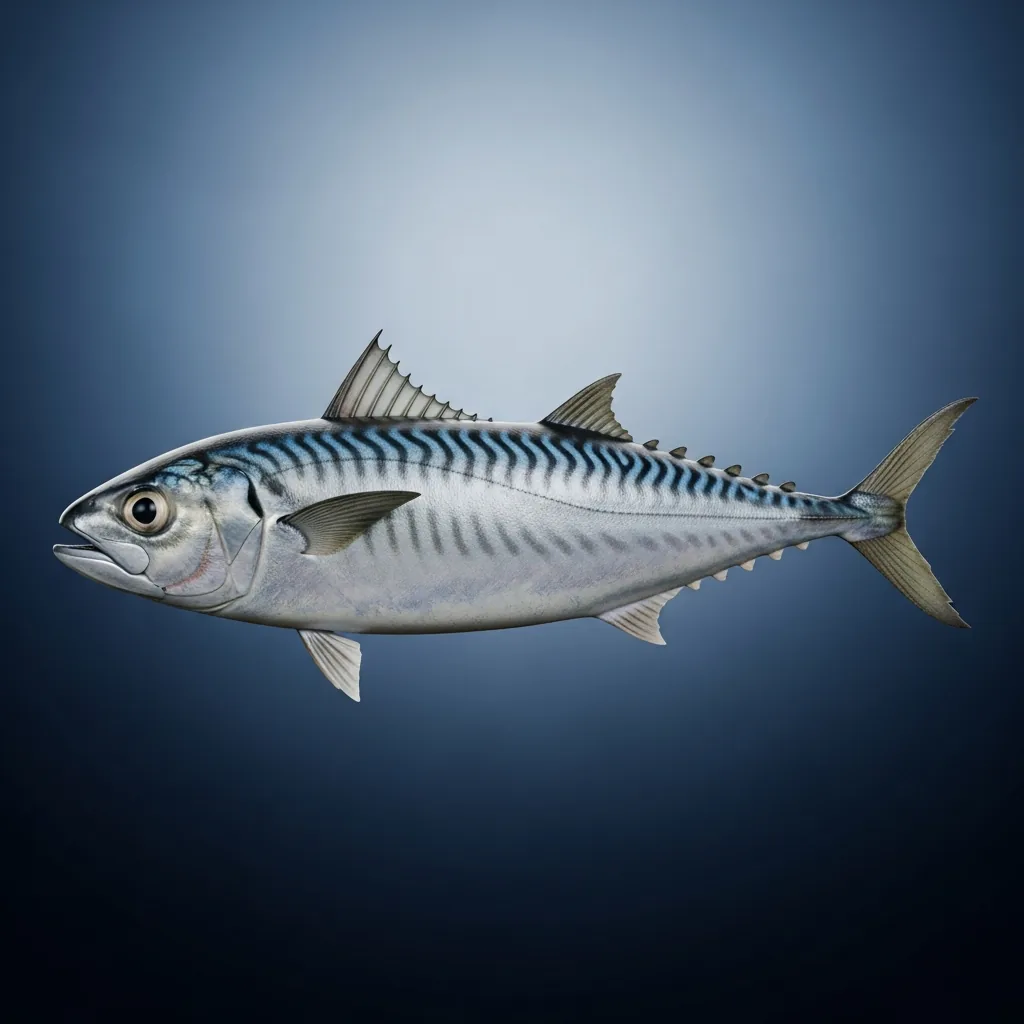
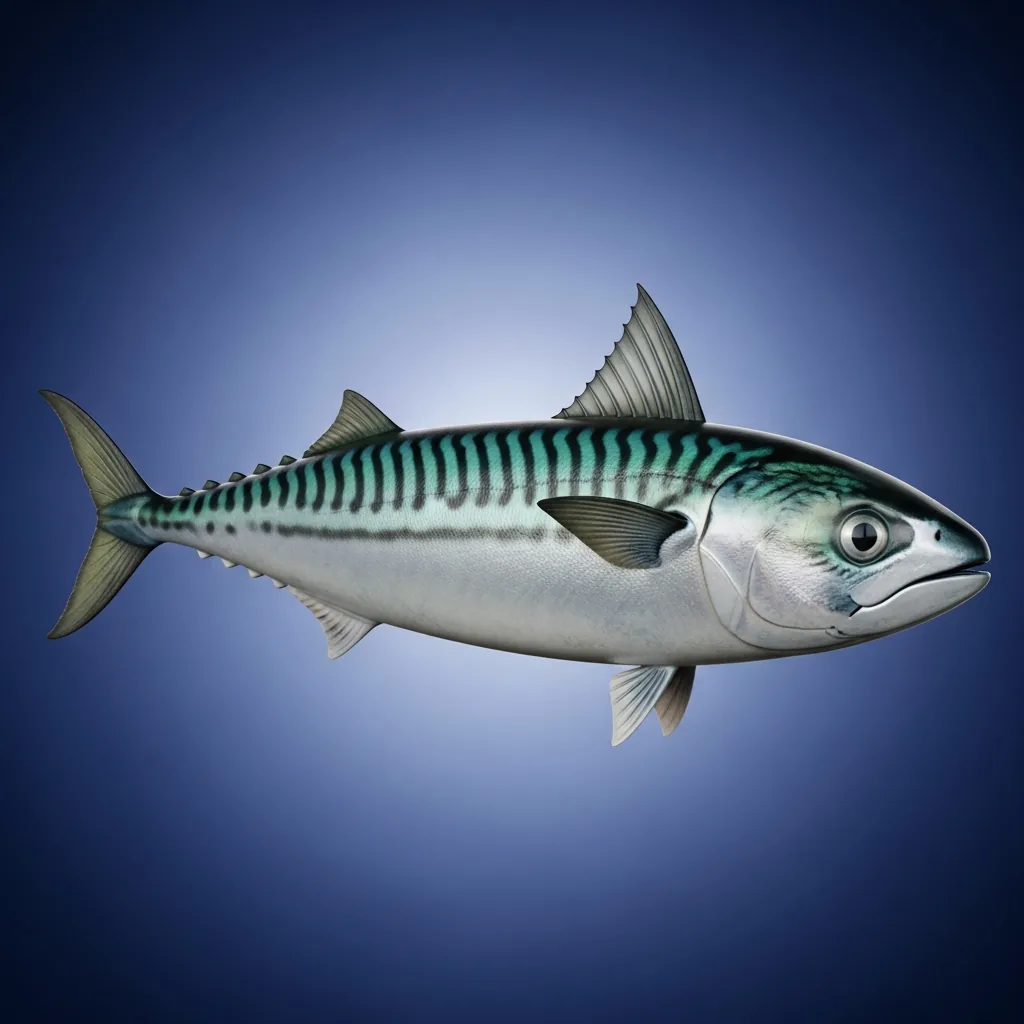
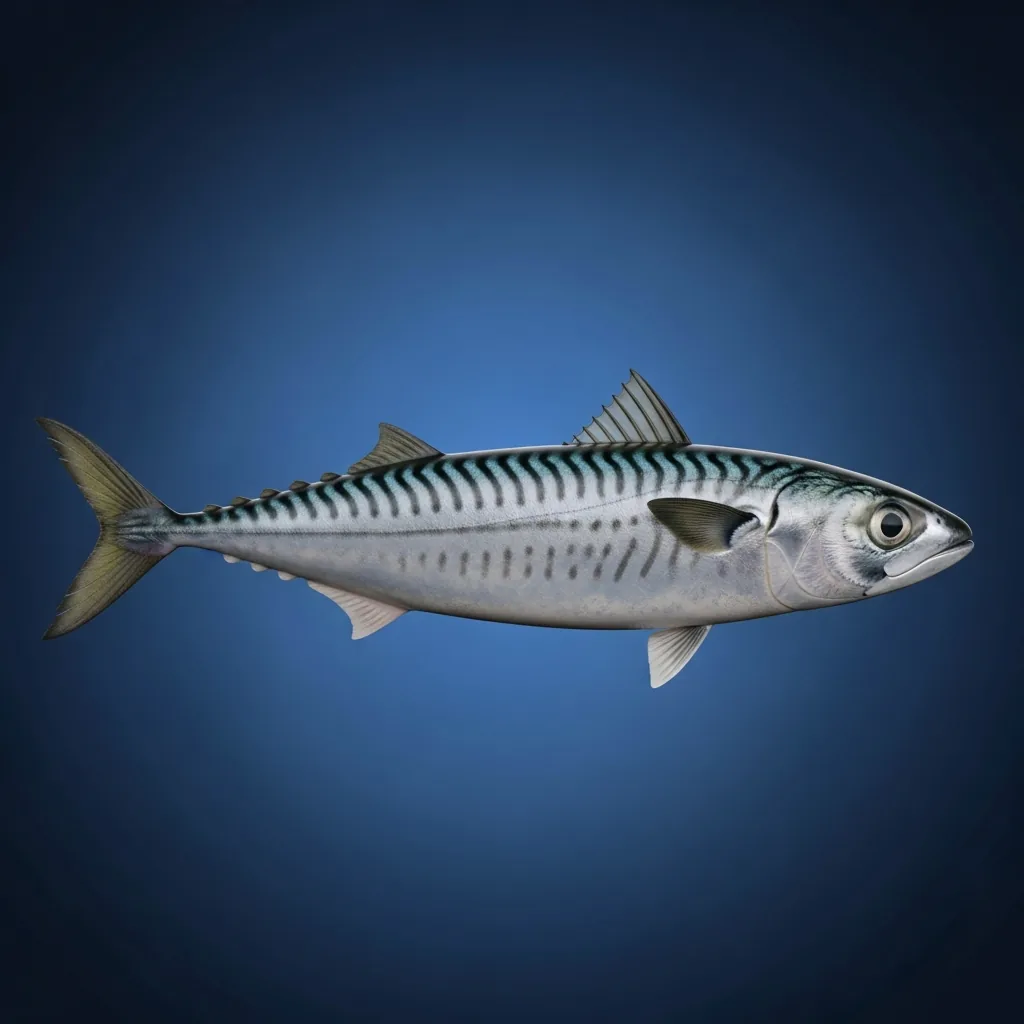
Snapper should be targeted precisely near the bottom, over rock and rubble, with jigs that work well on the fall too and with a moderate hookset, because they often hook themselves on the assist hooks. Amberjack, especially when schooling or on marked bait, responds well to more decisive upward runs and to elongated jigs that imitate garfish, horse mackerel, or round sardinella; after the first strike, it is best not to slow down abruptly. Barracuda readily strike on acceleration and changes of pace, but require attention to leaders if the fish are of good size and the activity is nervous. Groupers, red porgy, bonito, and little tunny often come as “situational” catches: this is why light jigging rewards those who quickly adapt their working depth, not those who get stuck on a single pattern.
Common mistakes and how to fix them
The number one mistake is fishing off-axis from the vertical and continuing anyway: the remedy is to correct the drift, increase the weight slightly, or release earlier on the pass. The second is using jigs that are too heavy “just to be safe,” losing naturalness and tiring yourself unnecessarily; it is better to use the minimum weight that allows real control of the bottom and the water column. Another common mistake is always working the entire ascent all the way to the surface: if contacts happen in the first few meters or halfway up the column, concentrate there with more disciplined repetitions. Finally, many anglers strike violently at every tap: with assist hooks and thin braid, it is often enough to keep the motion going and let the fish load up, avoiding pulled hooks and leader shock.
Safety, fight management, and a final plus
In light jigging you often fish standing up, on the drift, and with very mobile hooks: stable footwear, a tidy deck, gloves when handling the leader, and absolute attention to swinging jigs are part of the technique, not details. During the fight, the rod should be used with short pumps and the drag already set properly, because pulling hard with your back on light tackle leads to pulled hooks or break-offs right under the boat. If the hooked fish is a bottom-dweller, the first few seconds are decisive: keep the rod low and maintain steady pressure to pull it off the bottom, then settle into a more measured retrieve. The least-known trade trick is to mentally mark, or mark on the GPS, not the capture point but the exact path of the productive drift: in light jigging, fish often do not bite “on the spot,” they bite in a precise window of current, angle, and depth, and being able to repeat that is worth more than ten jig changes.
Related guides
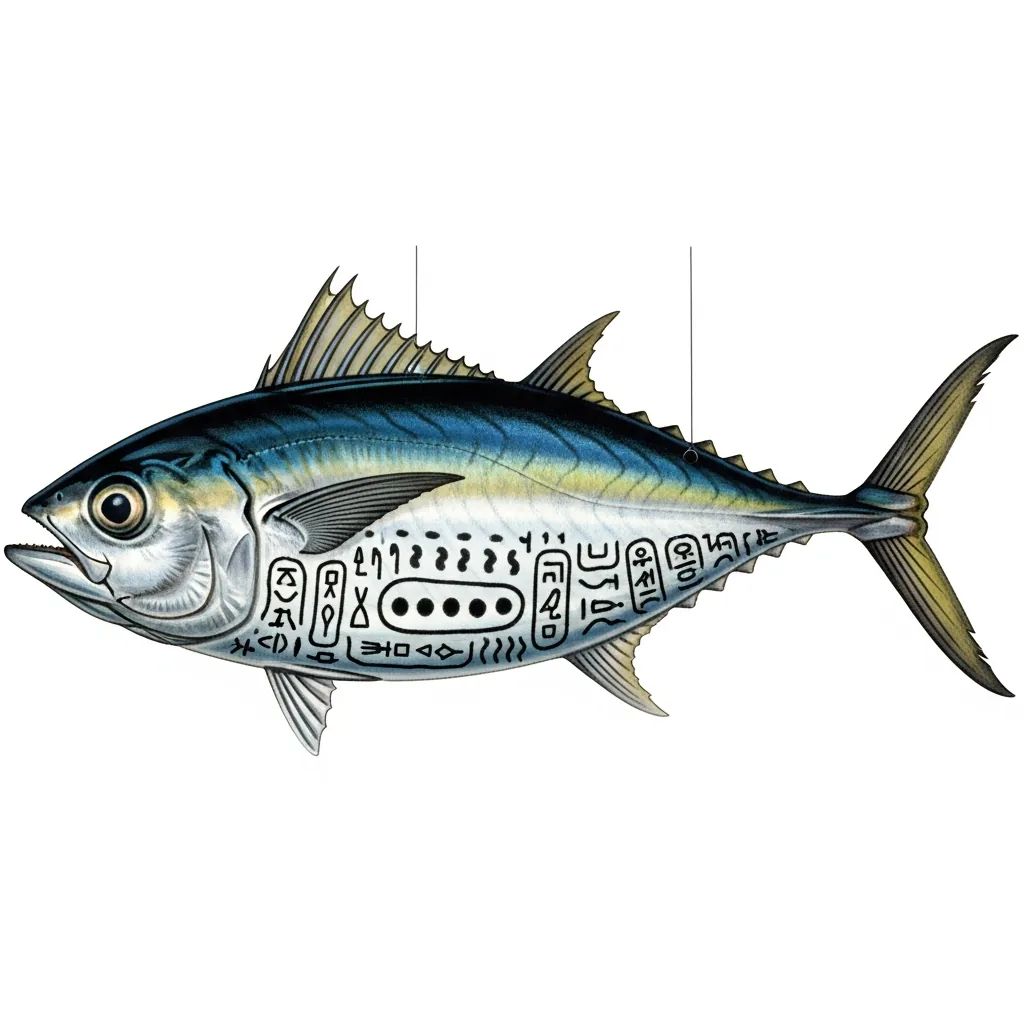
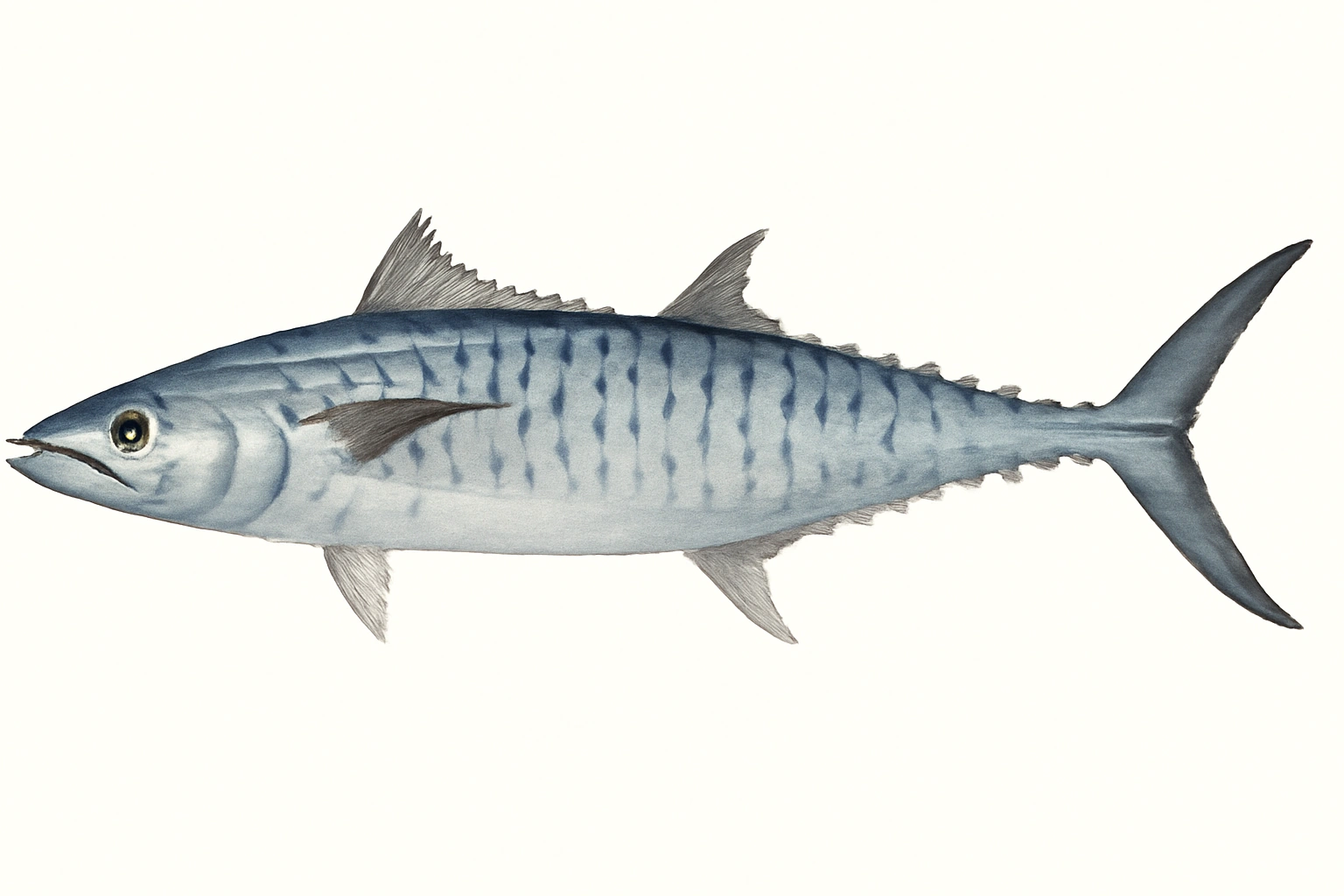
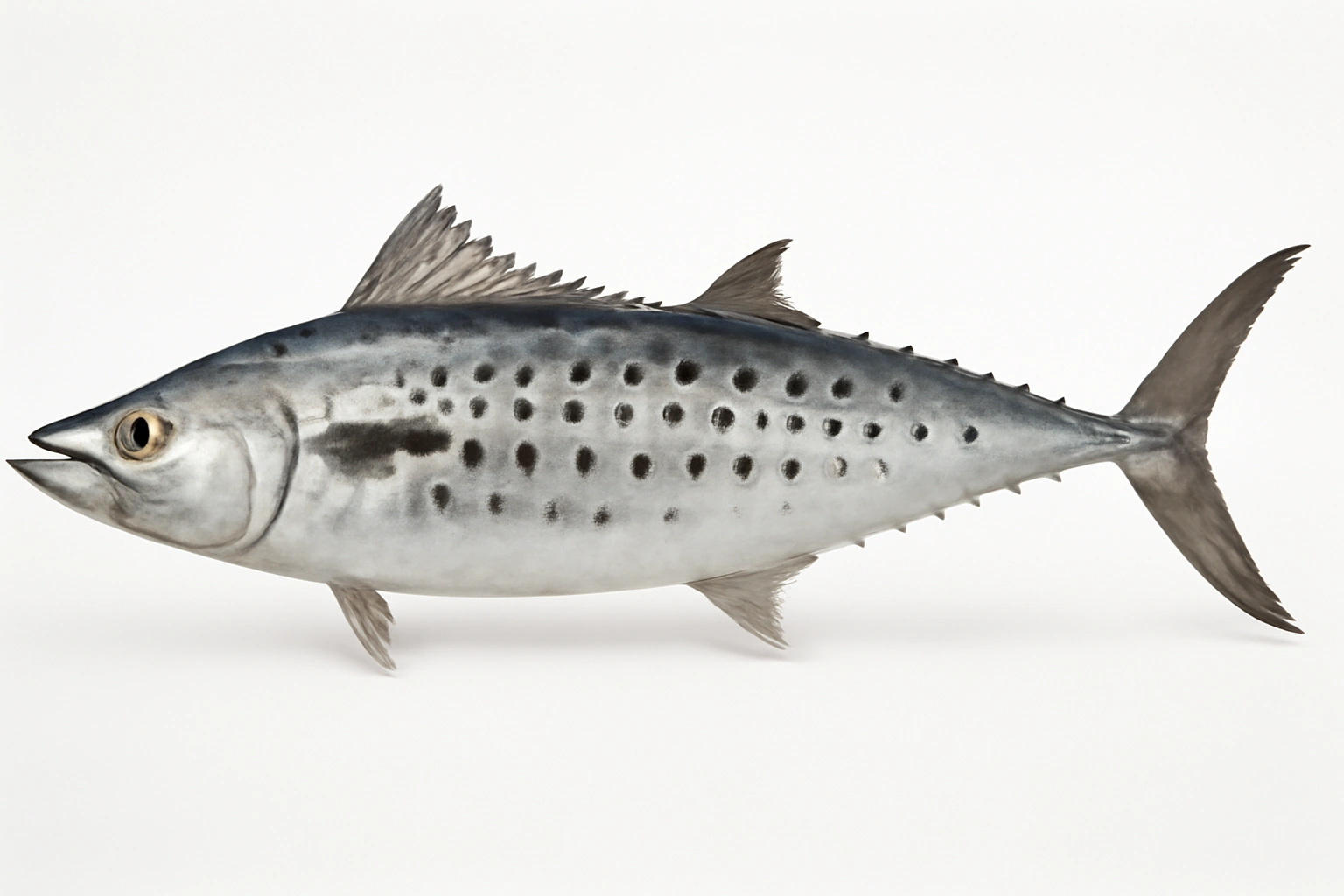
Fish to target with this technique
Frequently asked questions
How do you fish Light Jigging?
Light jigging is the finesse, dynamic version of vertical jigging: you work a metal lure vertically or diagonally with relatively light tackle, targeting predators that feed on small baitfish.
Light Jigging: what tackle do you need?
A 1.85 to 2.05 m rod designed specifically for light jigging, with a sensitive tip but solid backbone, helps both with lure action and with managing hooksets on assist hooks.
Light Jigging: what is the best time?
The technique produces year-round, but the reason for success changes: in the warm season predators are often more mobile and reactive, while in cold water it matters more to stay right in the fish’s face and slow down with more noticeable pauses.
Light Jigging: where is it best?
The best spots are not just “good-looking bottoms,” but places where food concentrates: drop-offs, reefs, submerged points, wrecks, slides, bottom-composition changes, and the edges of deep seagrass beds.