How to fish Shore Jigging: technique, spots and tackle
Shore-based fishing technique for pelagic species using artificial lures

Every angler dreams of the perfect day. We show it to you first.
At the heart of ForecastX is an advanced marine-weather engine: it analyses waves, wind, sea temperature, tides, pressure and moon in real time and turns them into a Productivity Index (0-100) for every species. You'll always know, precisely, when the sea is on your side.
Coming soon to the App Store and Google Play — don't miss it.Introduction to shore jigging
Shore jigging is the “search” style of heavy shore spinning: compact metal jigs are cast to reach active water, depth, and current lanes where hunting predators move through. It works well on high coastlines, rocky points, breakwaters, and beaches with nearby troughs—that is, anywhere the bottom drops quickly or creates travel corridors. It is not just a technique of power and distance: the real advantage is covering different layers of the water column and reading in real time where fish are feeding. Typical targets are little tunny, bonito, leerfish, amberjack, mackerel, and mahi-mahi, but in many Mediterranean settings bluefish and barracuda also show up on the right retrieves.
Reading the spot
The right spot is not simply “deep,” but offers current, irregular structure, and bait. Look for points exposed to open water, sides of breakwaters where the water speeds up, harbor mouths only where allowed, rocky headlands with side wash, and areas where the water color changes sharply: these often indicate depth changes or current seams. Valuable signs are surface feeding activity, fleeing garfish, gulls working low, small baitfish skipping, and bubble trails pushed in a constant direction. A common mistake is always casting “as far as possible”: often fish travel parallel to shore or hold along the current edge, so it pays to fan-cast and change angle before changing lure.
Sea, light, and season
Dawn and dusk remain excellent windows, but in shore jigging light, water clarity, and wave action matter enormously. With a slight sea running and oxygenated water, predators move in with more confidence, while in flat calm and high sun it is better to focus on long casts, deeper water, and more restrained retrieves. In spring and summer, working feeding frenzies and fast retrieves for mobile pelagic species is very effective; in autumn, with water still mild and bait abundant, the best shore days often arrive. Wind and current should not just be endured: a moderate crosswind can help read the jig’s drift and keep the lure in the strike zone longer, while a strong headwind calls for more aerodynamic jigs and a clean casting setup.
Thoughtful tackle
A shore jigging rod must cast well but above all control the jig and handle long-distance hooksets, so it needs backbone, reliable guides, and a comfortable grip for working with arm and forearm. Lengths around 2.9-3.3 meters are versatile from rocks and breakwaters; the reel must have a smooth drag, even line lay, and suitable retrieve, without obsessing over speed alone. Thin braid improves distance and sensitivity, but it must be matched to the spot: around abrasive rocks and powerful fish, it is better not to go too extreme; a fluorocarbon or hard mono leader absorbs abrasion and protects against hookset shock. Split rings, assist hooks, swivels, and snaps must match the rest of the setup: in shore jigging, many lost fish and break-offs come from undersized terminal tackle, not the main line.
Jigs and choosing the shape
There is no absolute “best” jig: it changes according to wind, current, depth, and retrieve style. Long, slim jigs cut through air and water, hold speed and depth well, and are excellent when distance is needed or when fish are chasing slim bait; wider or off-balance jigs produce side kicks, livelier falls, and side flashes that are useful on inactive fish. In clear water and strong light, natural finishes or sardine/anchovy patterns often perform well, while under overcast skies, foam, or stained water, stronger contrasts, dark backs, pink, chartreuse, or localized glow can stand out. Weight is chosen to maintain contact and the right rhythm: if the jig “disappears” because you no longer feel either the fall or the pulse, you are not fishing well even if you are casting far.
Presentation and retrieves
A fast straight retrieve is the foundation for intercepting active fish, but the real step up comes when you alternate speed, pauses, and depth with purpose. A classic pattern is to let it sink to the estimated level, then make 4-8 rod jerks while retrieving under tension and add a short pause: many strikes come precisely on the controlled drop, when the jig flutters like an injured baitfish. If you suspect fish are low or inactive, work closer to the bottom with short progressive lifts; if you see surface activity, use stronger retrieves and a lower rod tip to keep the jig running. The most frequent mistake is working the lure the same way for the whole session: in shore jigging, every ten casts you should have changed at least depth, rhythm, or passing angle.
Hookset, fight, and fish handling
With modern assist hooks, fish often hook themselves on the restart, so a broad but not frantic hookset is more effective than a violent yank that creates slack or tears the hole. After contact, keep the rod high enough and the drag already set: locking everything down from shore on a powerful fish near the rocks is the fastest way to break or open terminal tackle. If the fish heads for the bottom or the rock ledge, it is better to gain line with short pumps and steady retrieve, without changing direction abruptly. A long landing net or a boga grip used properly are safety tools as well as landing tools; lifting heavy fish by the leader alone is one of the most common causes of losing them in the last meter.
Common mistakes and corrections
The first mistake is fishing “blind” without counting the sink: if you do not know what depth the jig is working at, you cannot repeat what works. The second is using leaders that are too long or too stiff in wind and with powerful casts, creating tangles and loss of smoothness; balance and flawless knots are better than theoretical excess. Many anglers retrieve with the rod too high throughout the whole action, tiring quickly and taking naturalness away from the jig: alternating rod position helps both presentation and physical endurance. Another underestimated mistake is ignoring the line on the drop: always keeping slight tension lets you detect taps, abnormal slowdowns, and bites that would otherwise go unnoticed.
Trade trick and safety
One little-mentioned but very useful tip is to “mentally mark” the jig’s sink time in every casting direction: if in one sector the jig suddenly takes fewer or more seconds, you have found a trough, a ledge, or a current seam—that is, places where bait concentrates and predators tend to intercept it. When you get a hit or a catch, do not immediately cast back to the exact spot in a rush: first repeat the same angle, the same sink time, and the same rhythm, because often you have identified a corridor, not a single random fish. On rocks and breakwaters, safety comes before technique: shoes with adequate grip, attention to the backwash, no low positions on wet rocks, and organized tackle to avoid tripping during the cast. Shore jigging rewards smart persistence: less frenzy, more observation, and every cast begins to tell you something about the spot.
Related guides
Fish to target with this technique
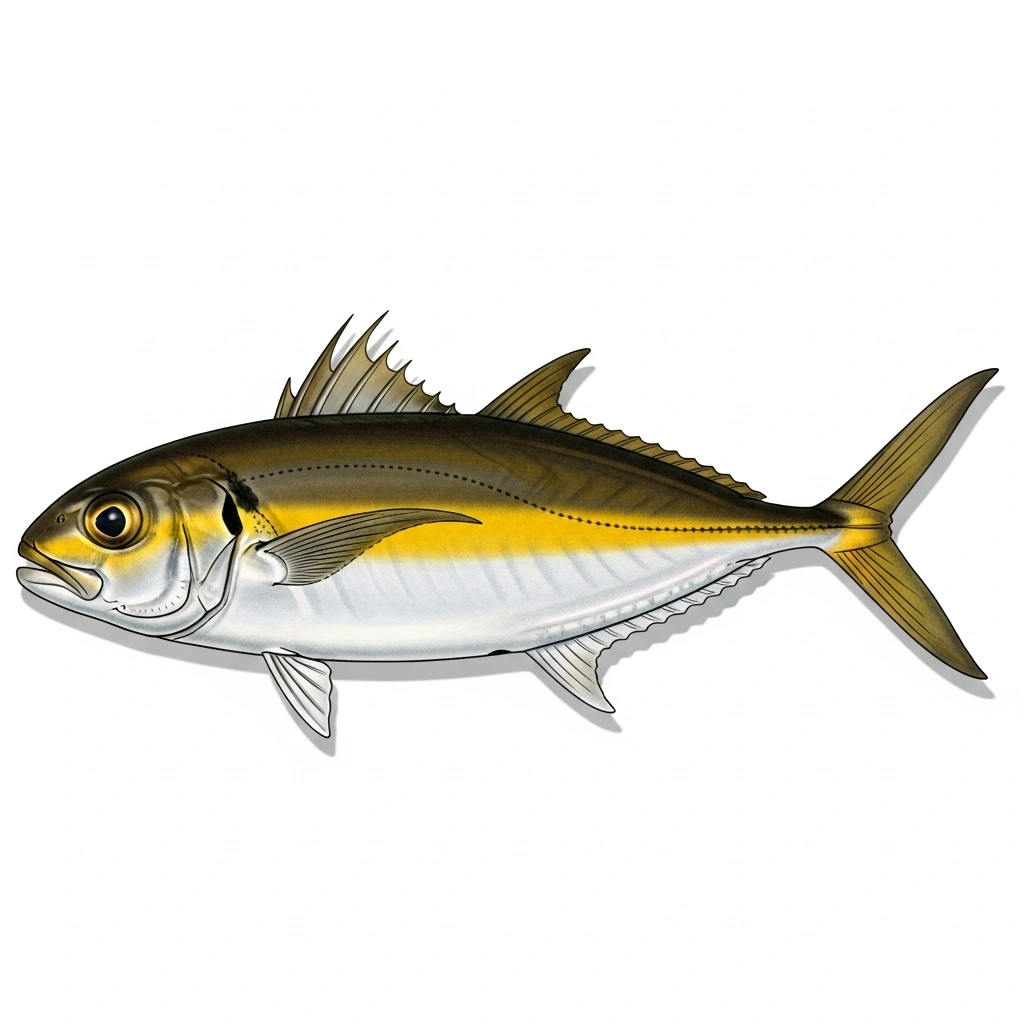 Almaco jackSeriola rivoliana
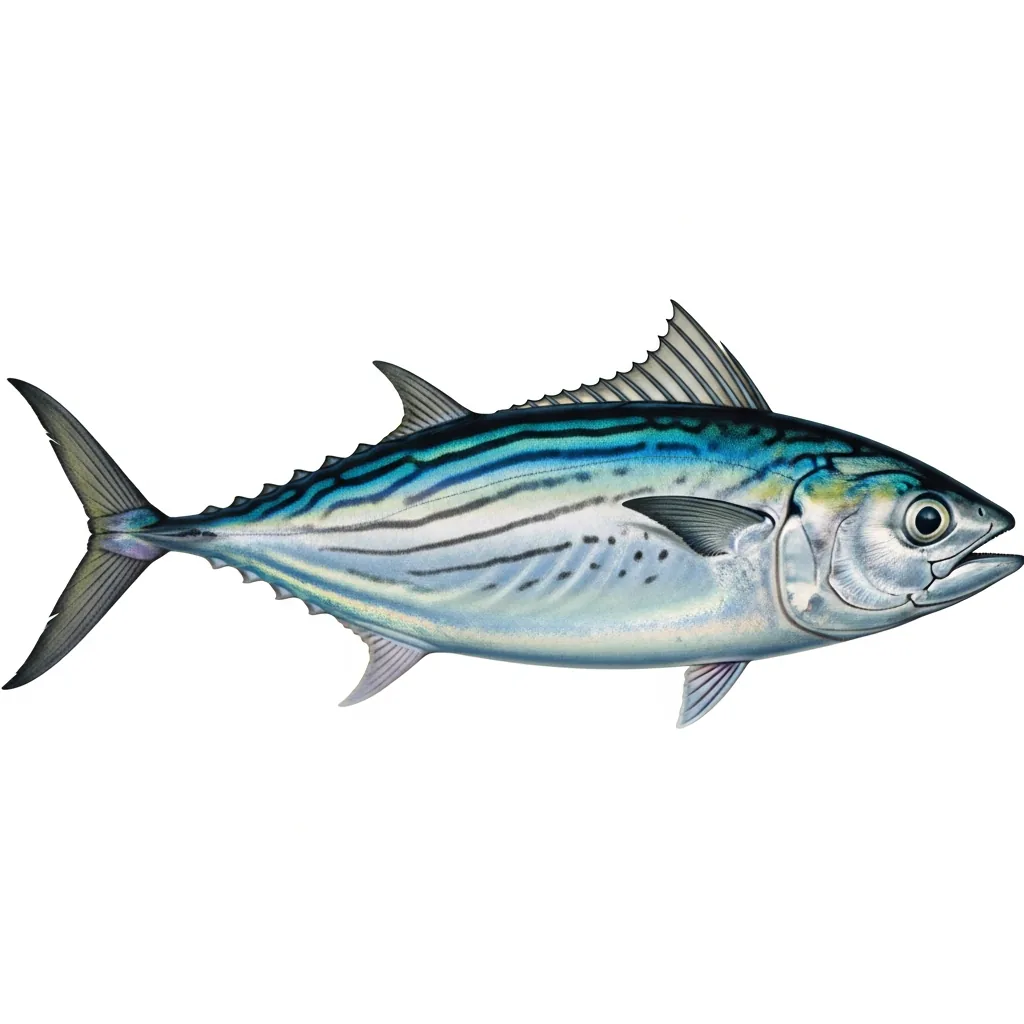 Atlantic bonitoSarda sarda
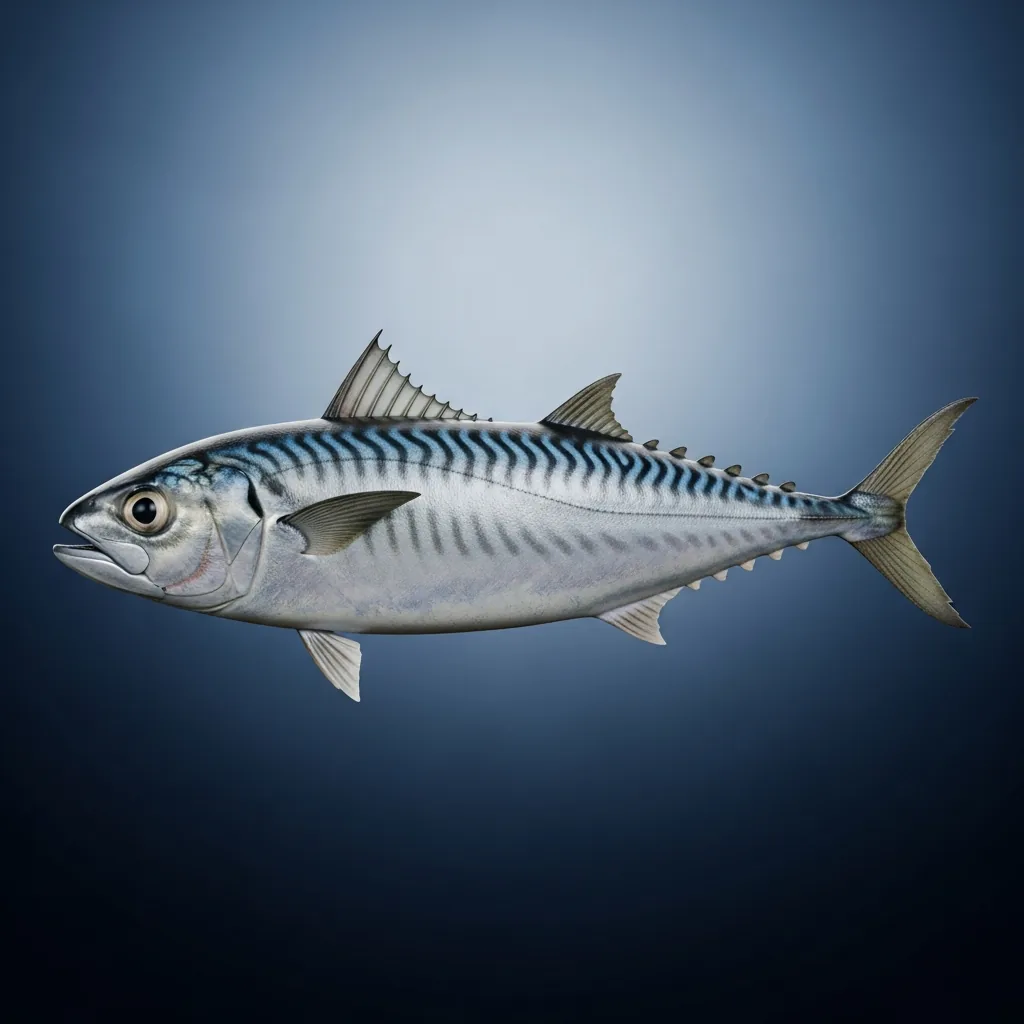 Atlantic horse mackerelTrachurus trachurus
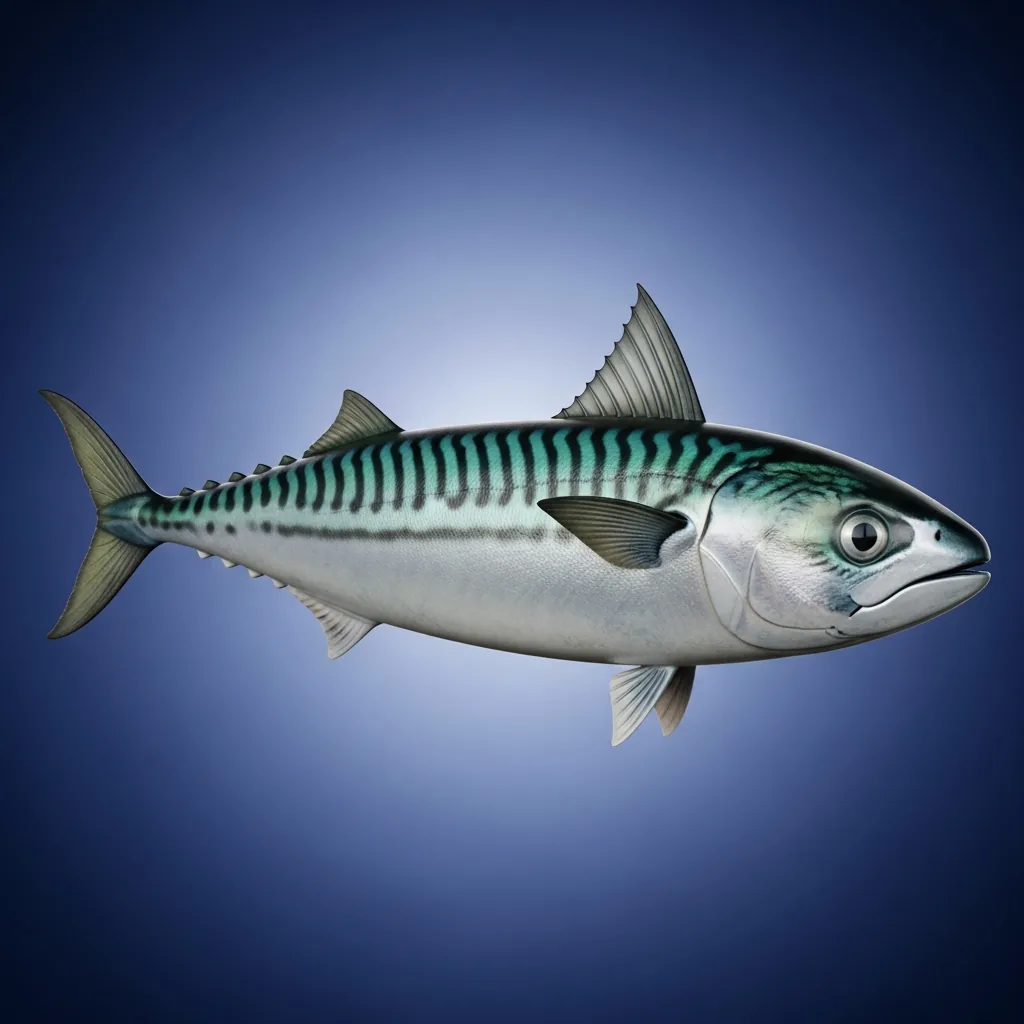 Atlantic mackerelScomber scombrus
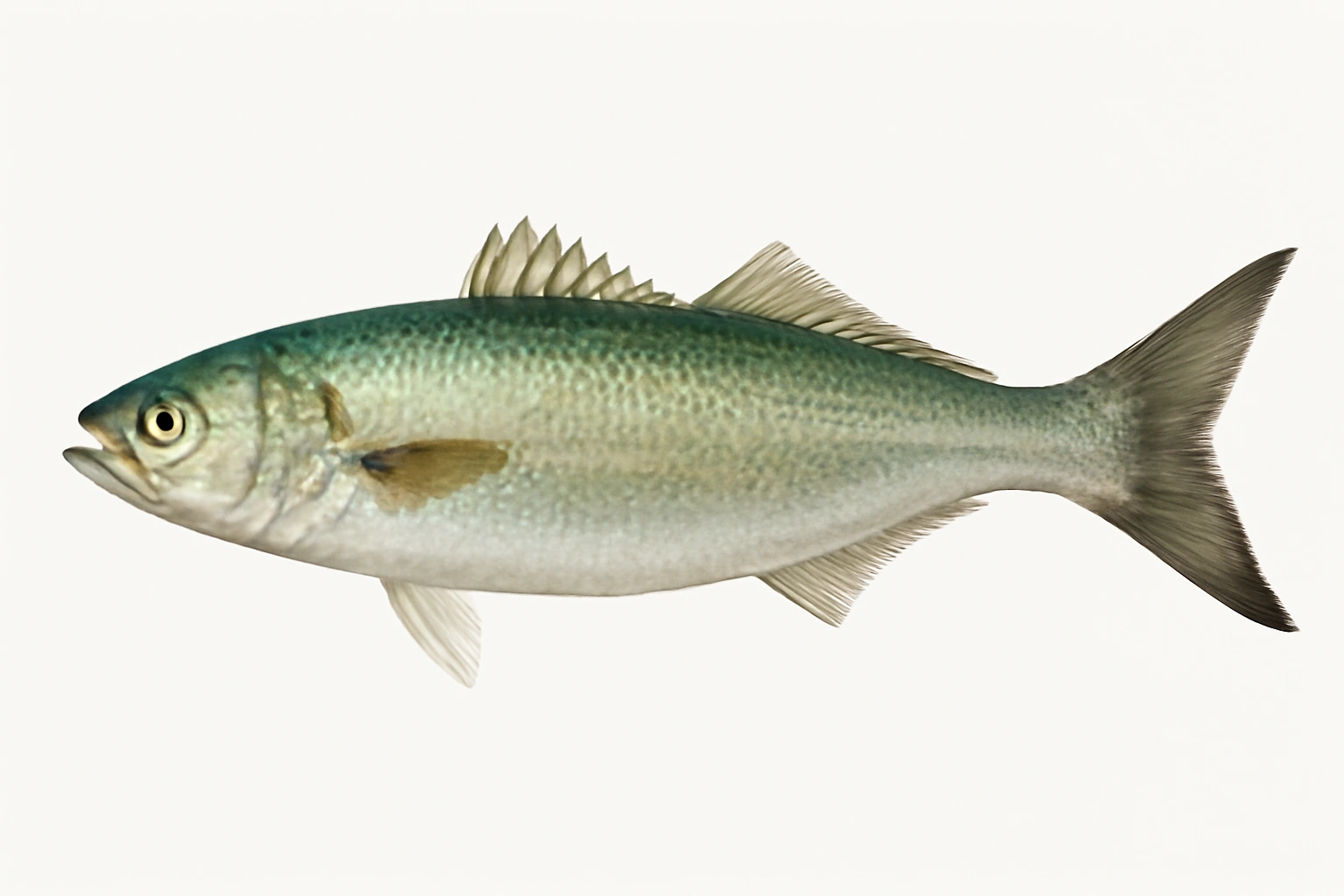 Australian HerringArripis georgianus
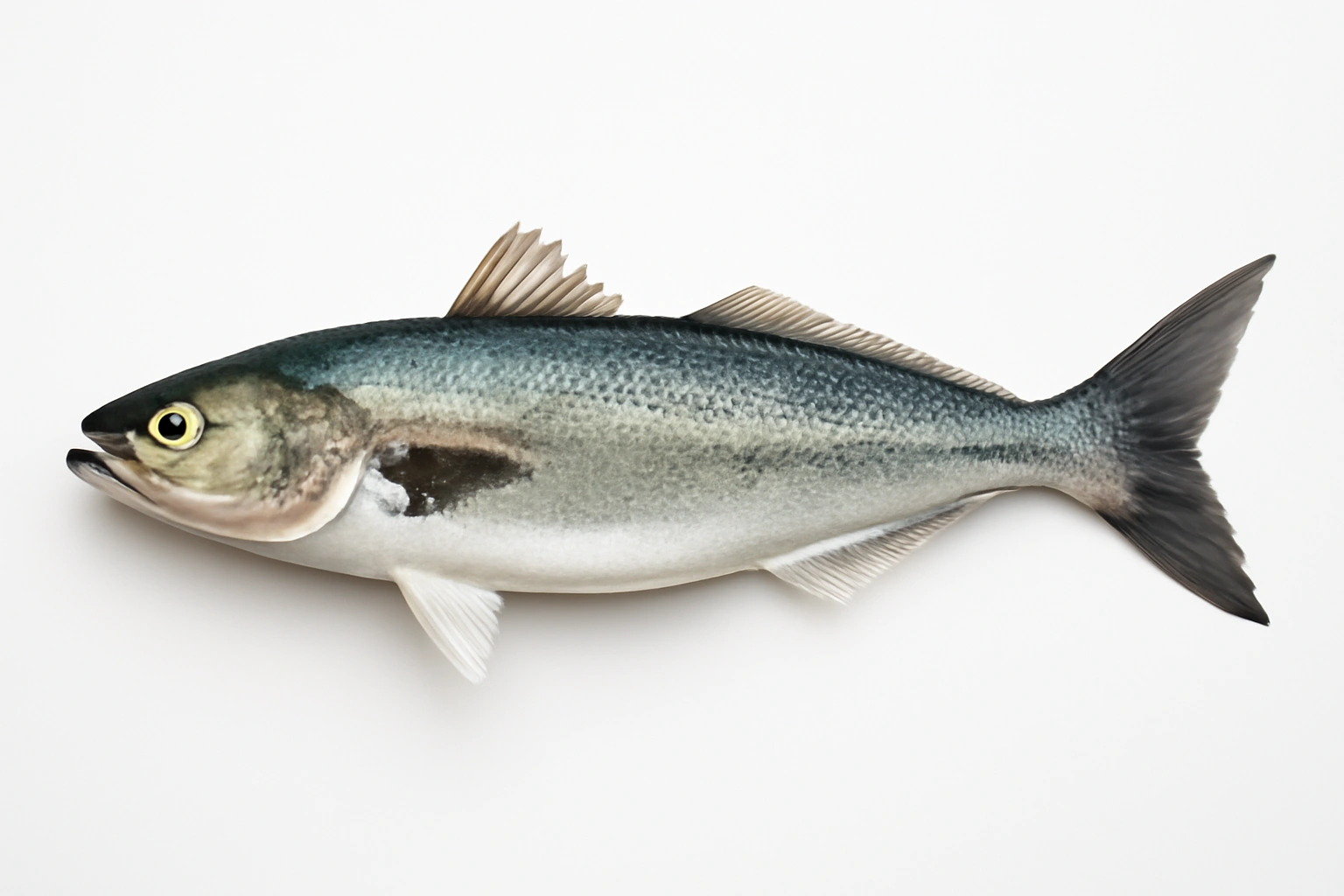 Australian SalmonArripis trutta
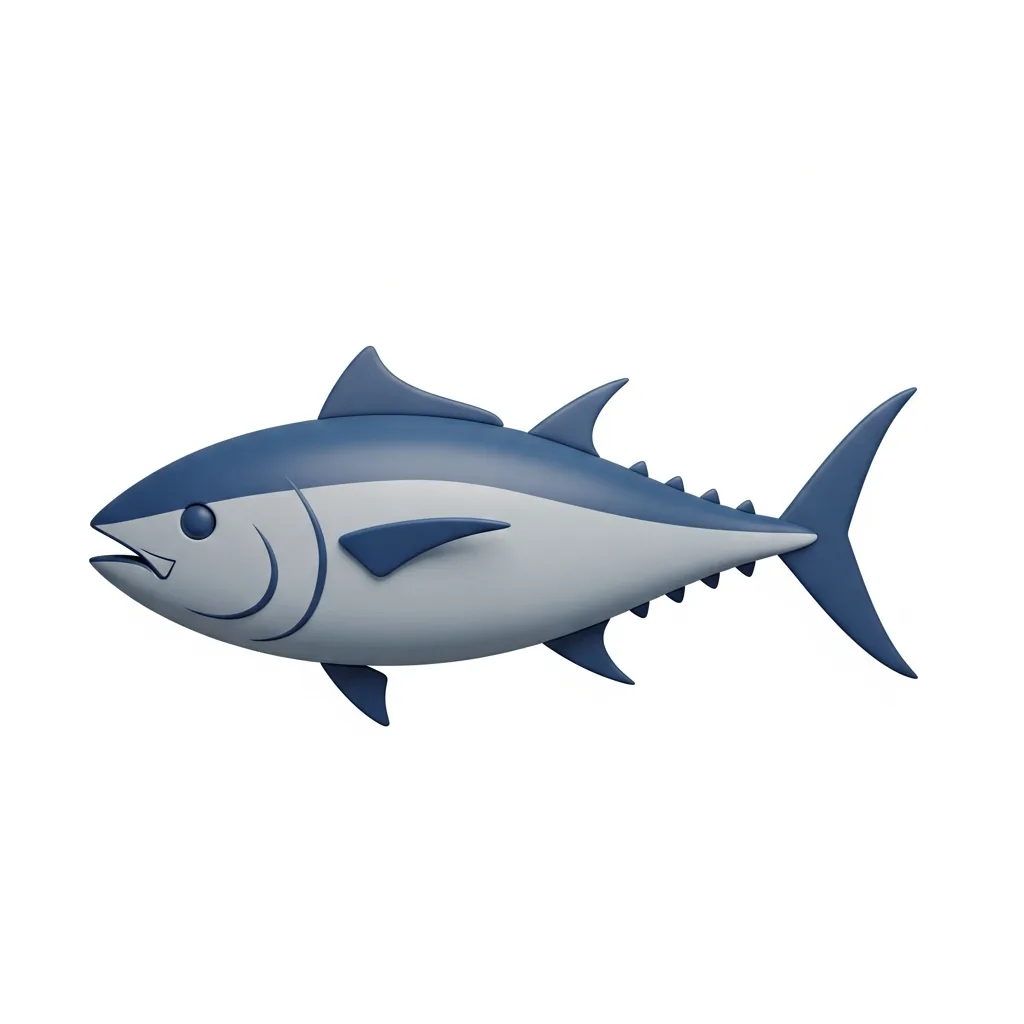 Bluefish / TailorPomatomus saltatrix
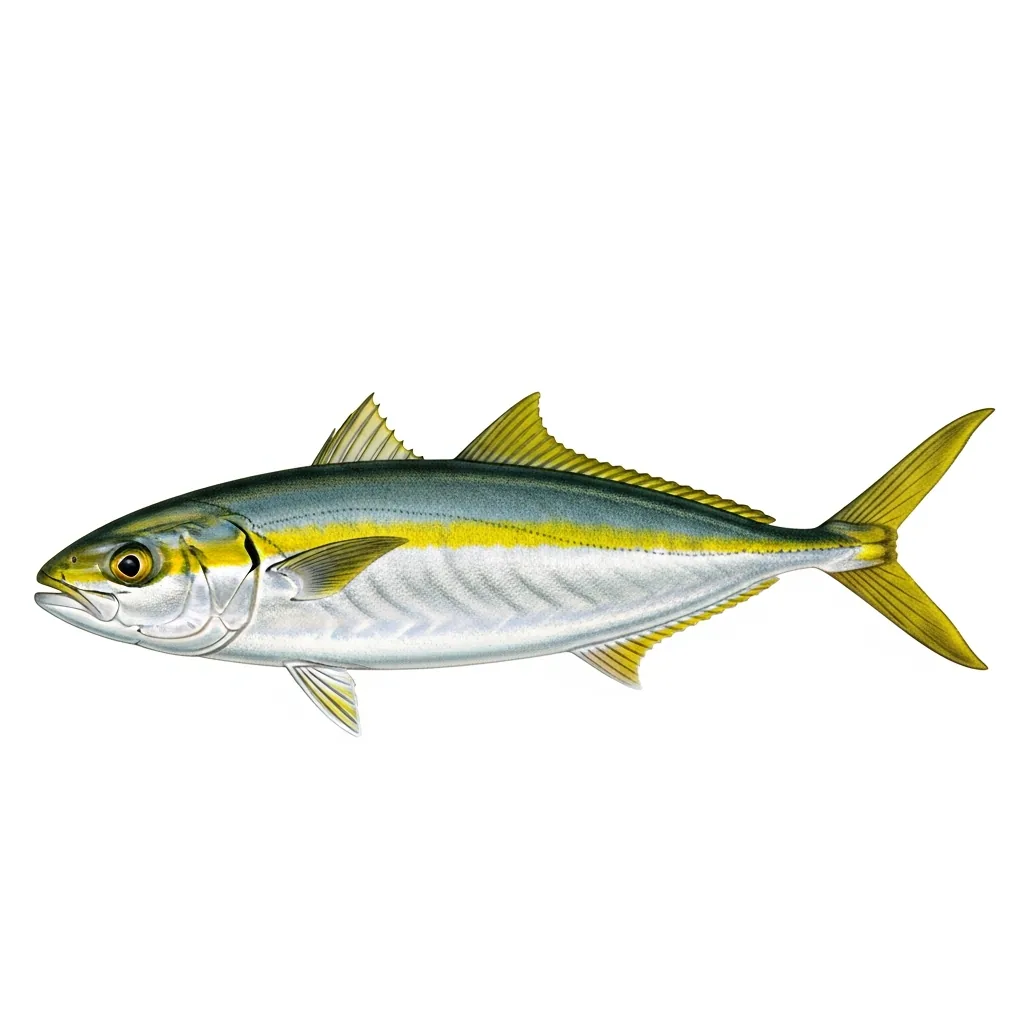 California YellowtailSeriola dorsalis
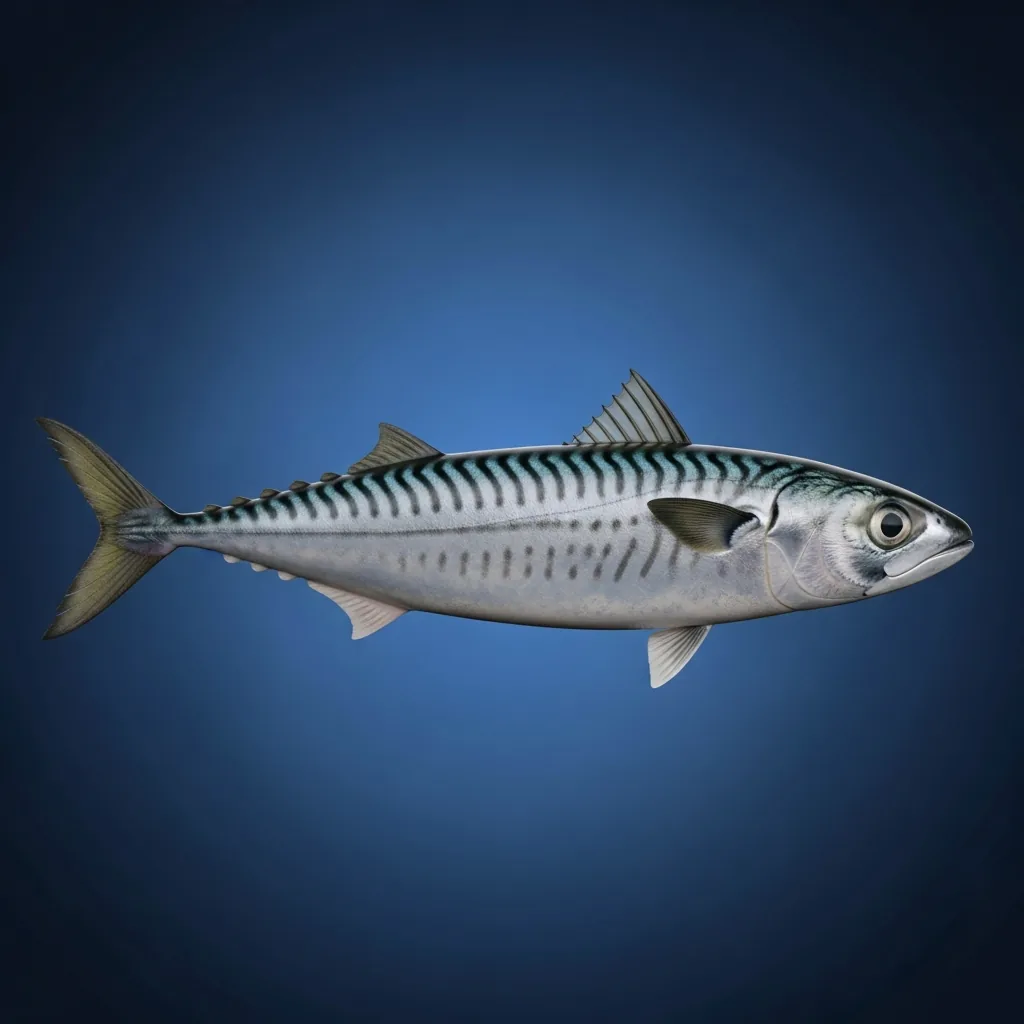 Chub mackerelScomber colias
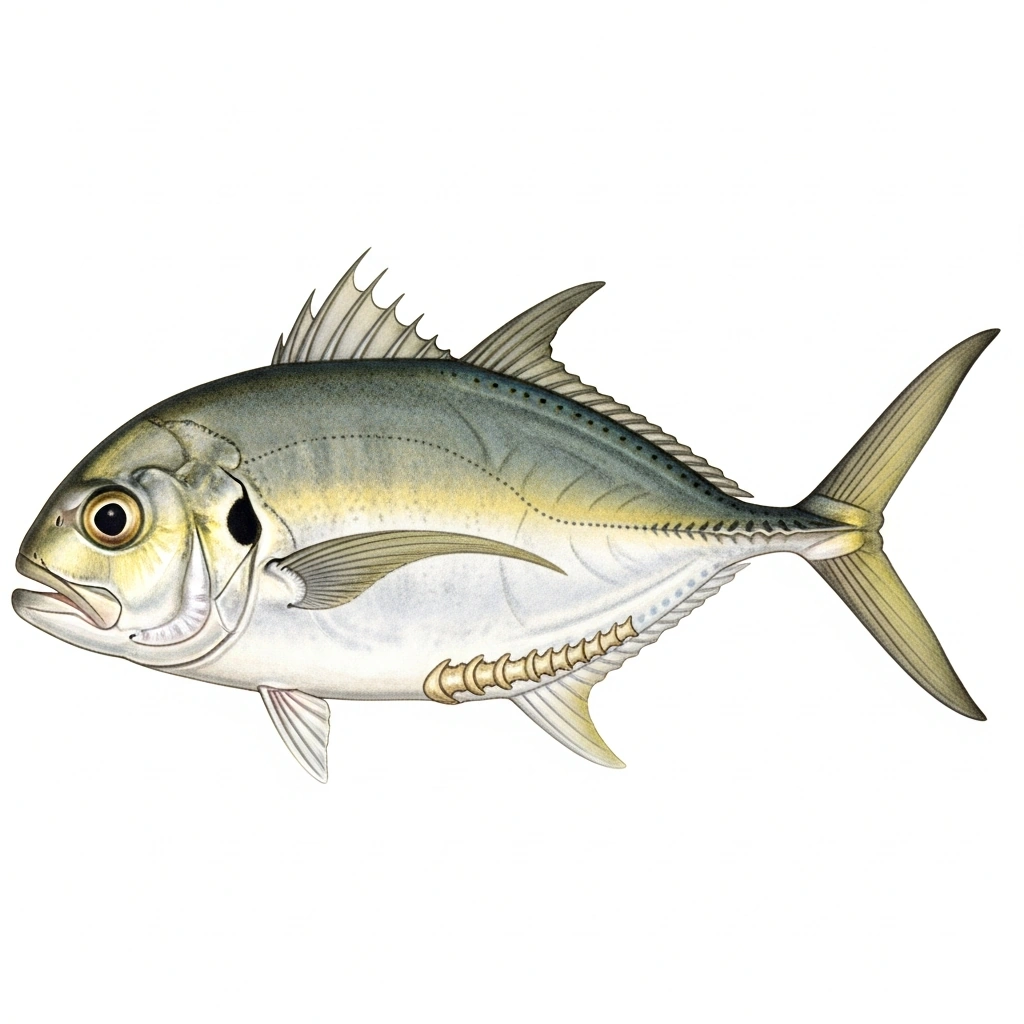 Crevalle jackCaranx hippos
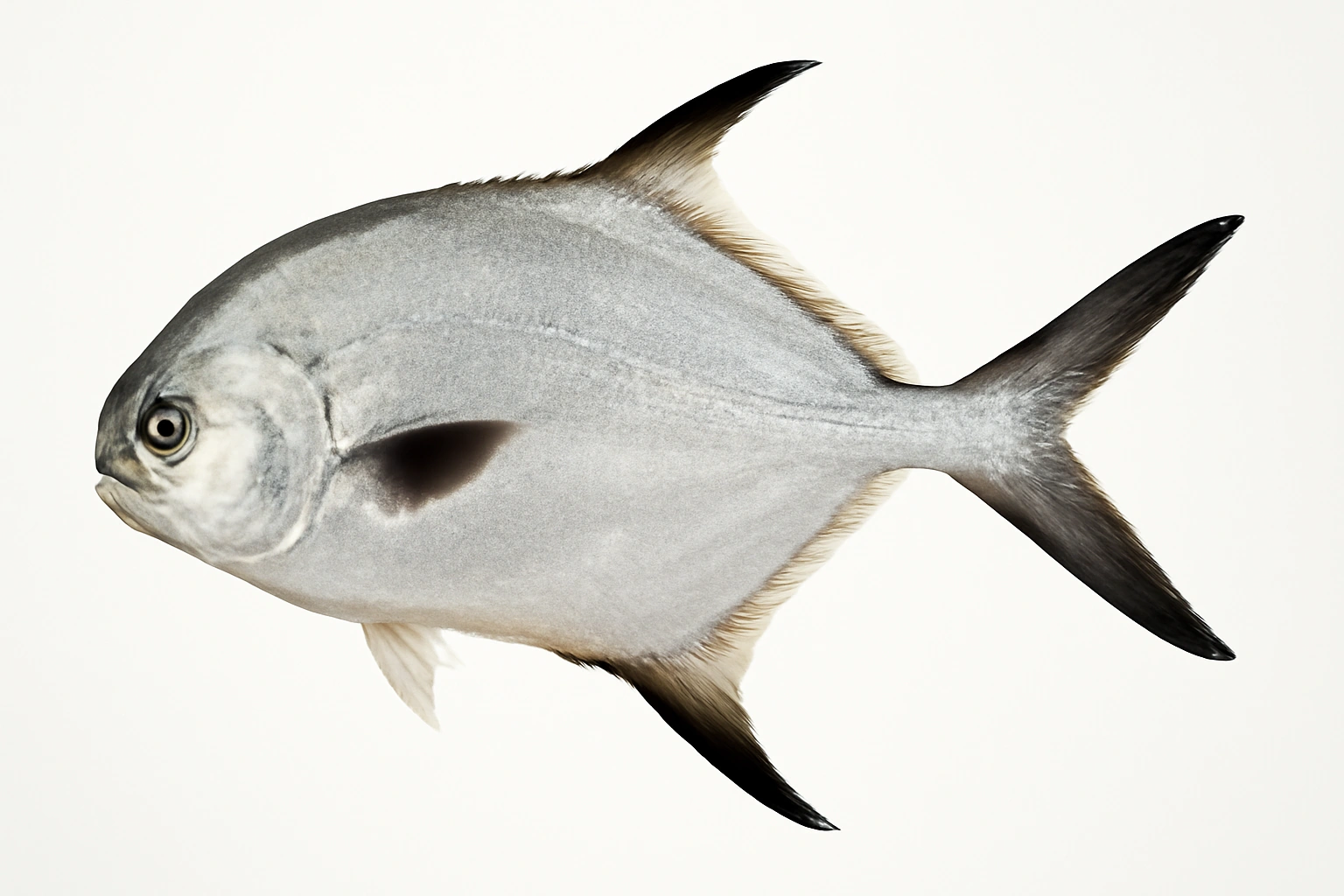 DartTrachinotus botla
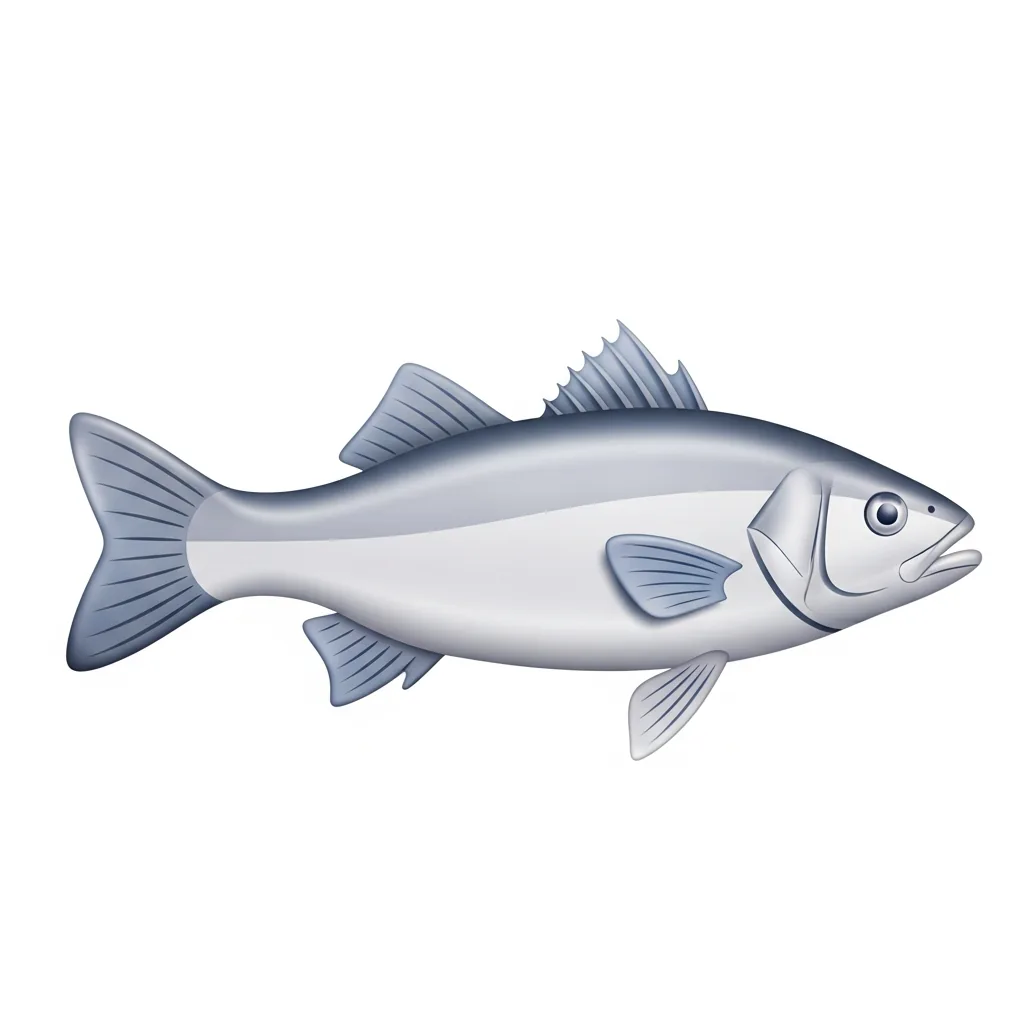 European sea bassDicentrarchus labrax
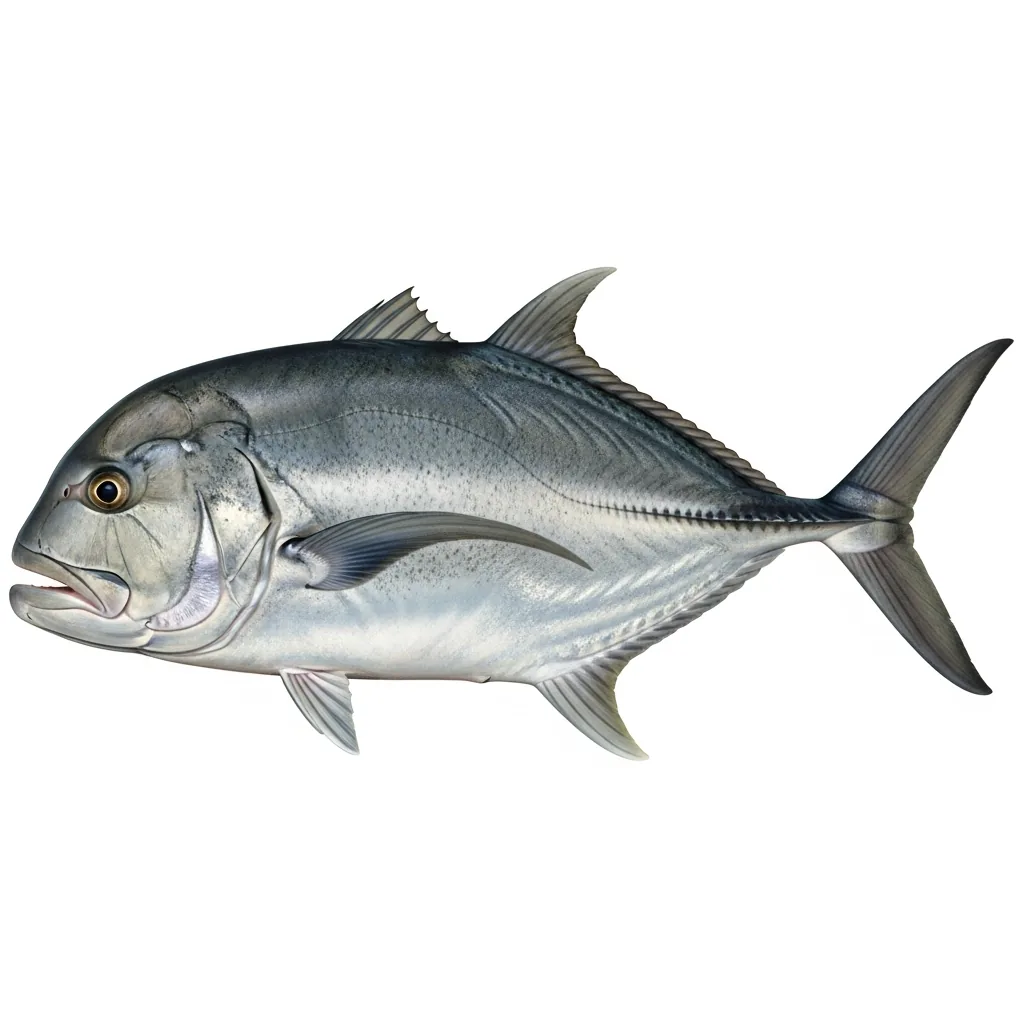 Giant trevallyCaranx ignobilis
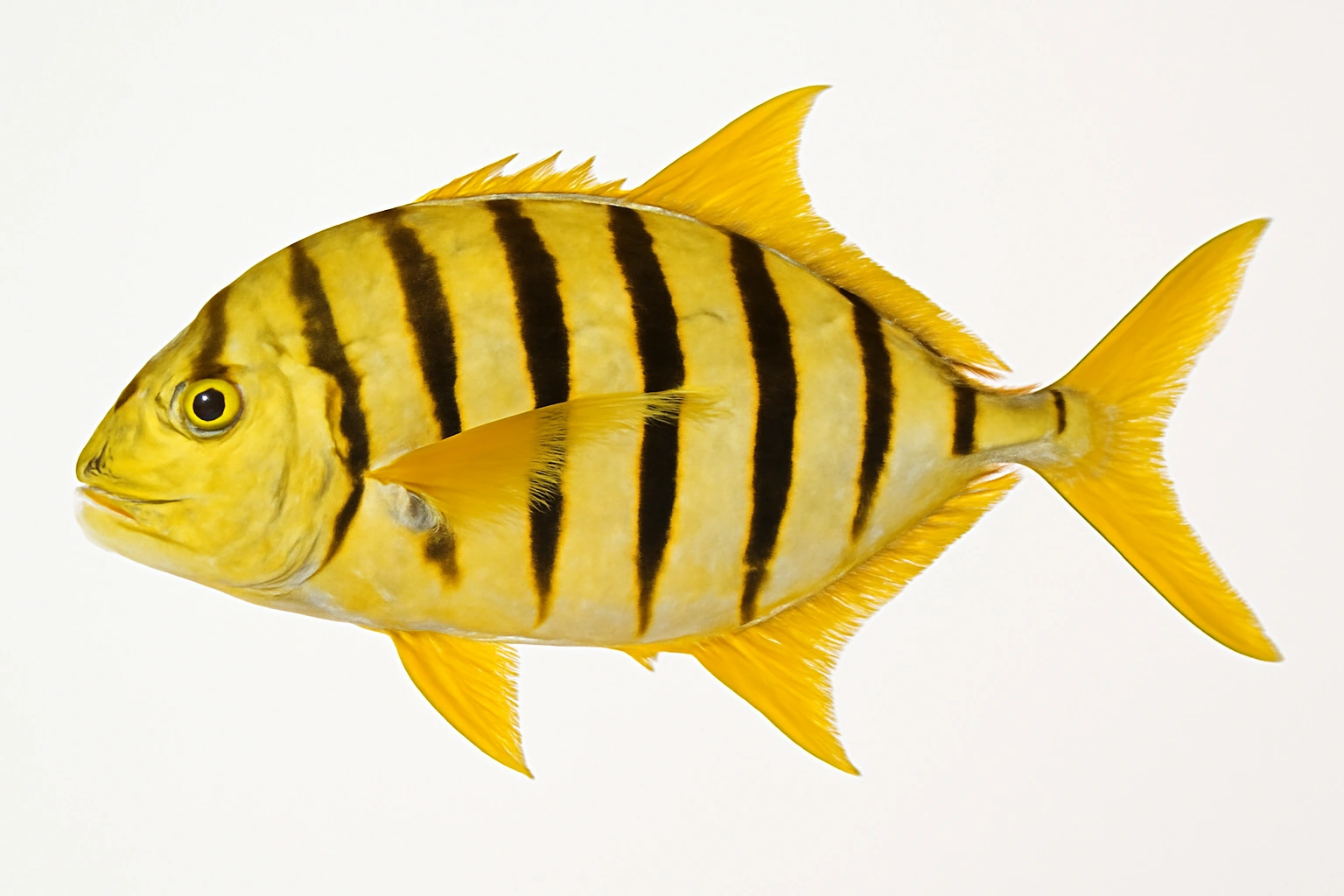 Golden TrevallyGnathanodon speciosus
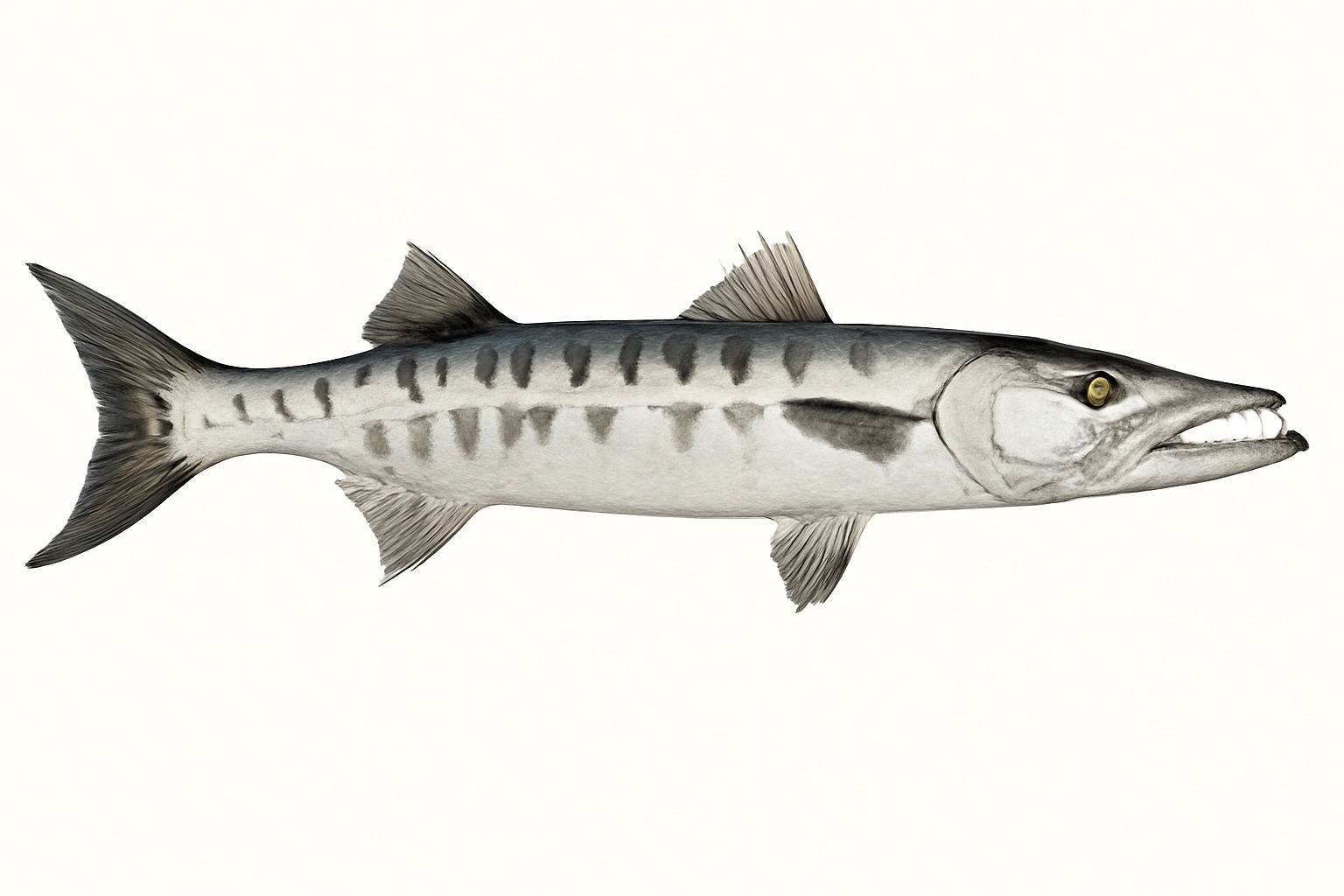 Great barracudaSphyraena barracuda
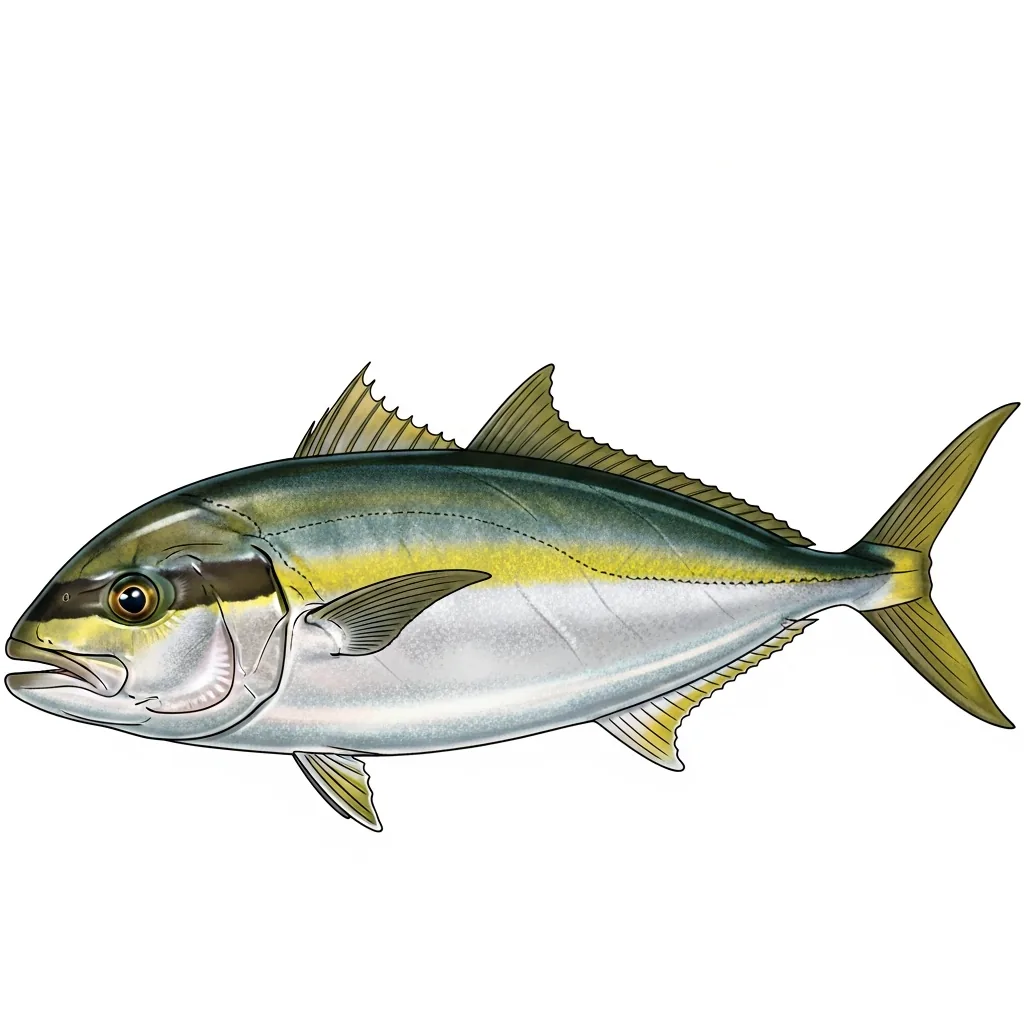 Greater amberjackSeriola dumerili
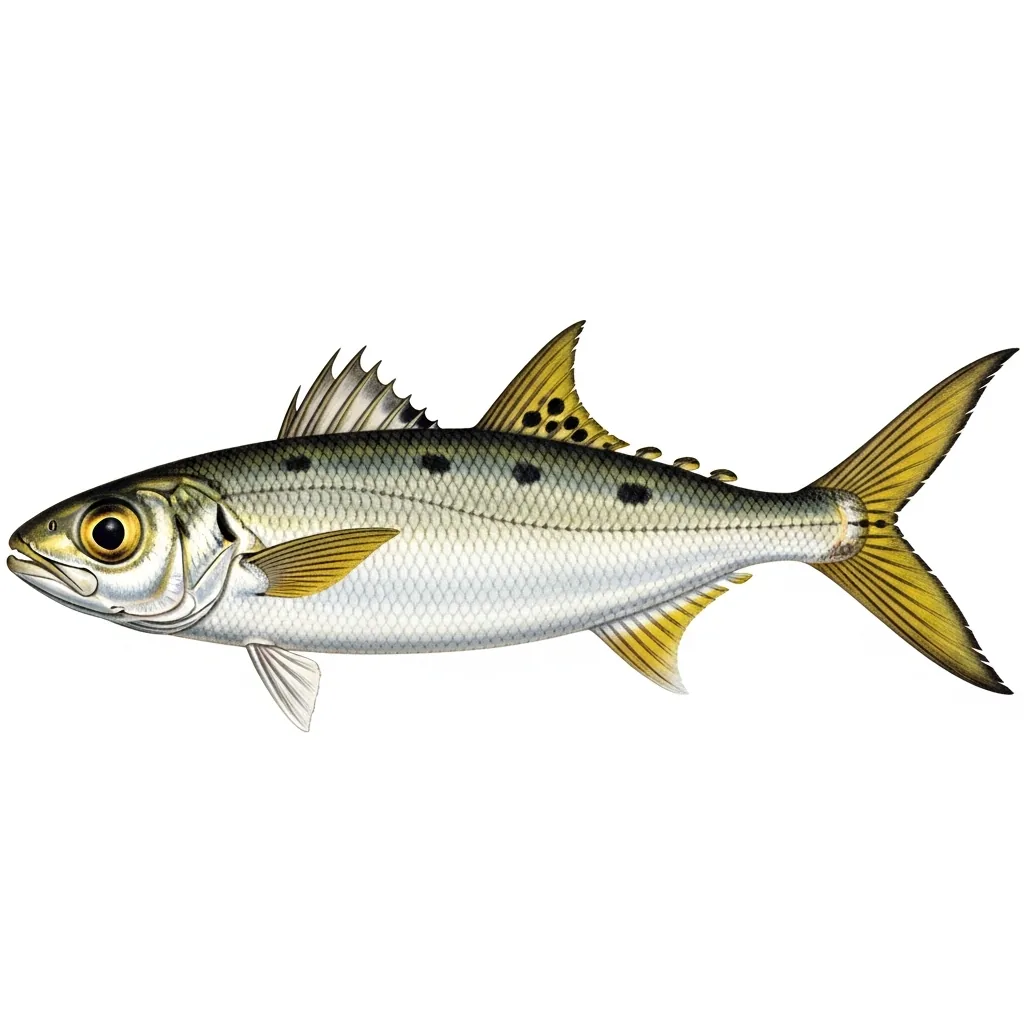 LeerfishLichia amia
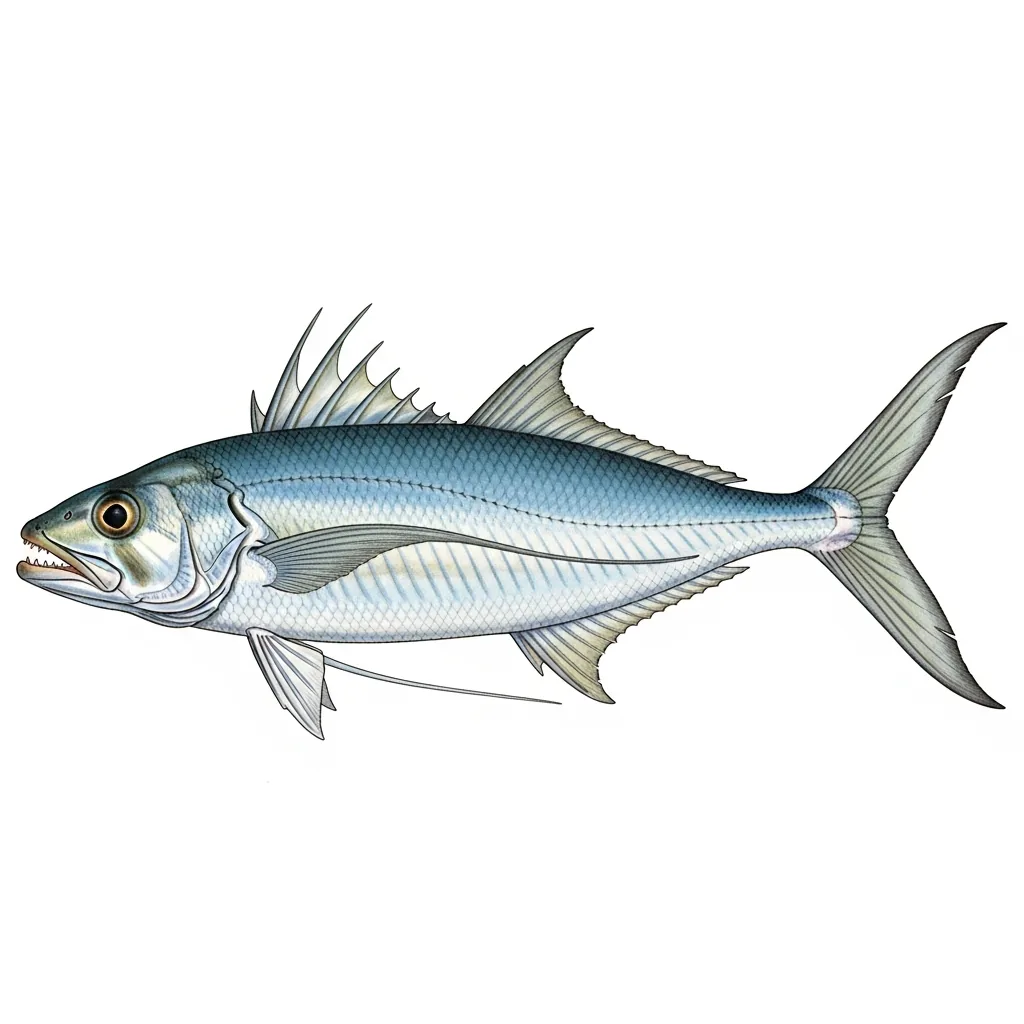 LeerfishTrachinotus ovatus
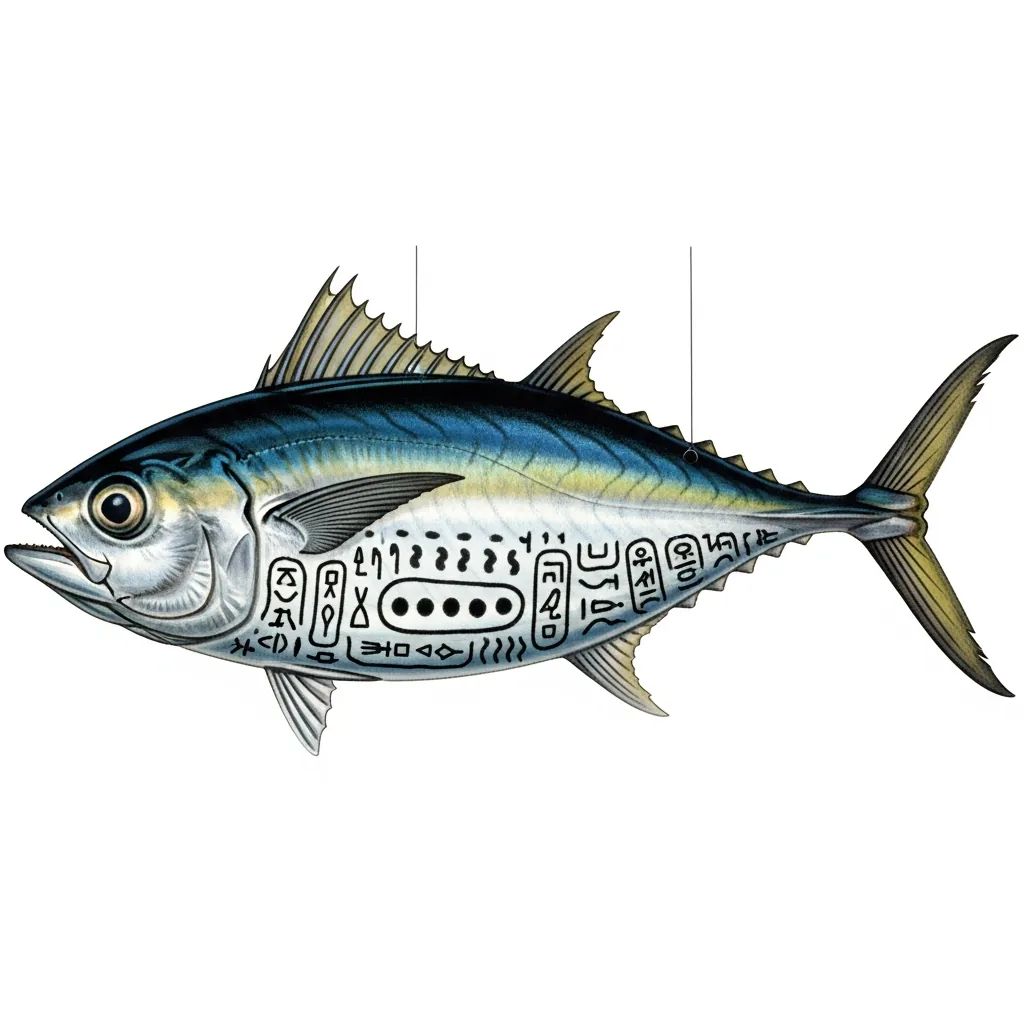 Little tunnyEuthynnus alletteratus
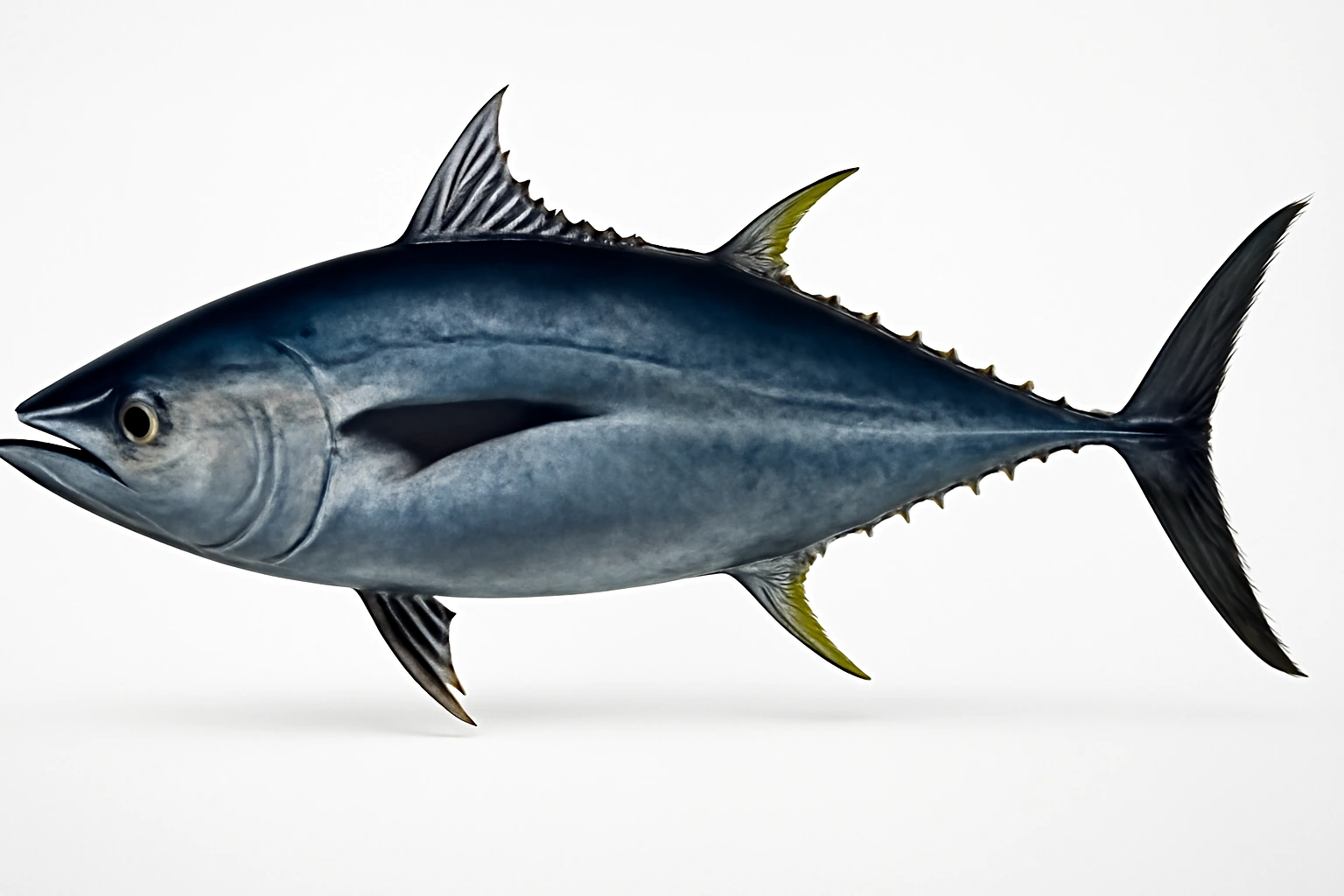 Longtail TunaThunnus tonggol
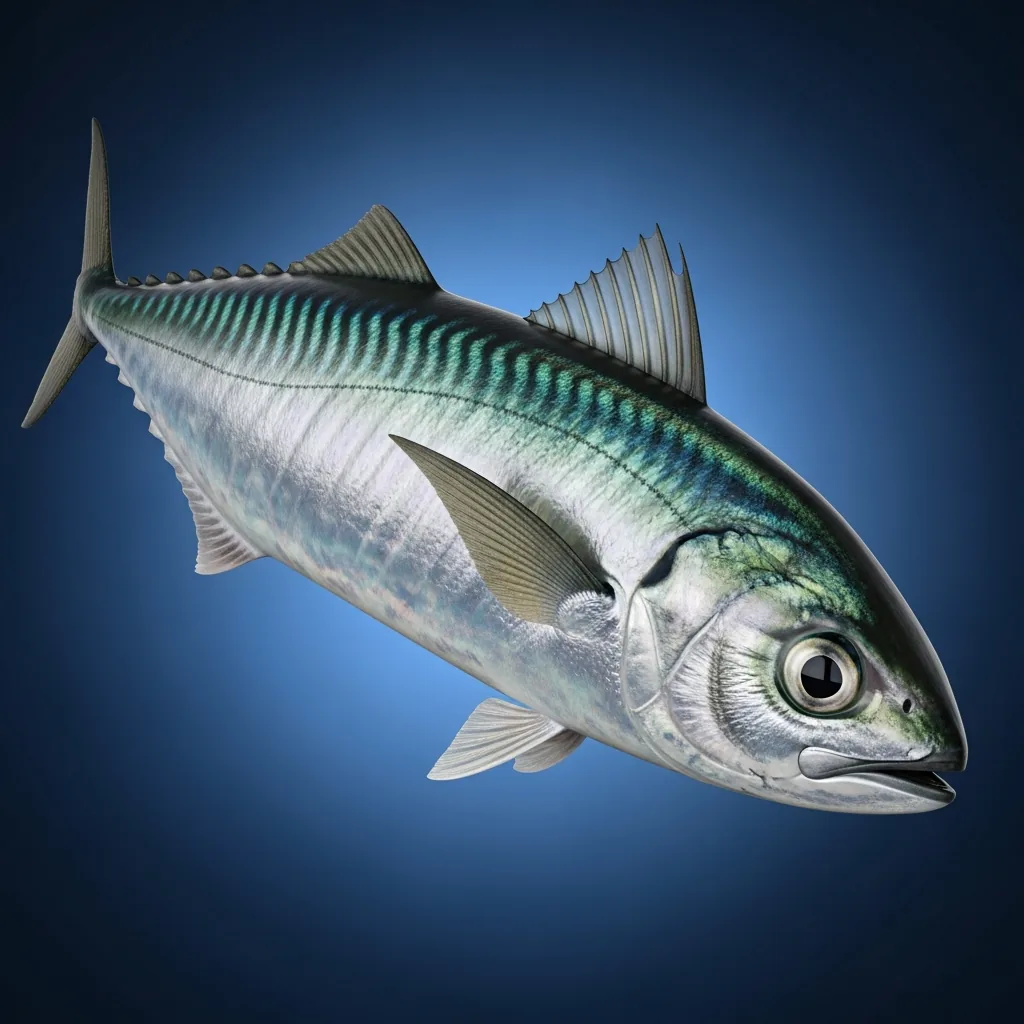 Mediterranean horse mackerelTrachurus mediterraneus
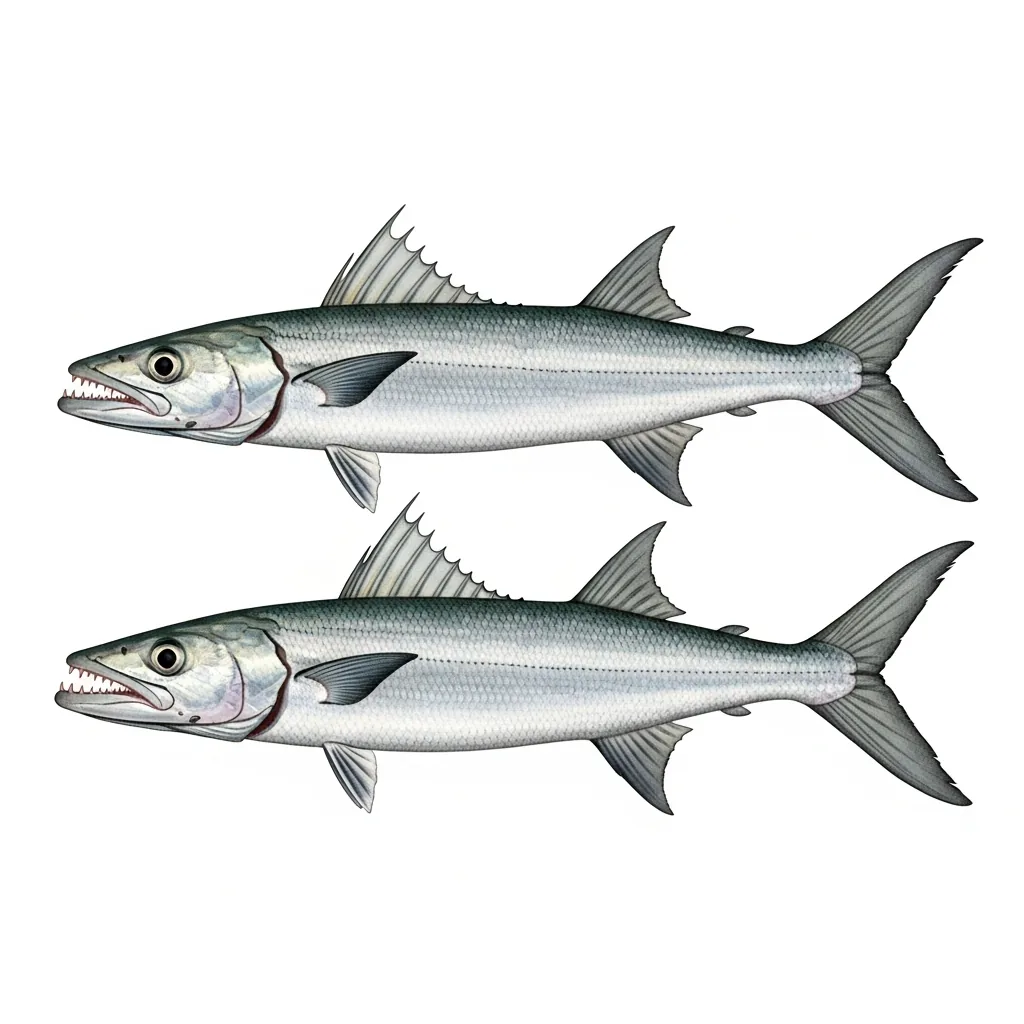 Pacific BarracudaSphyraena argentea
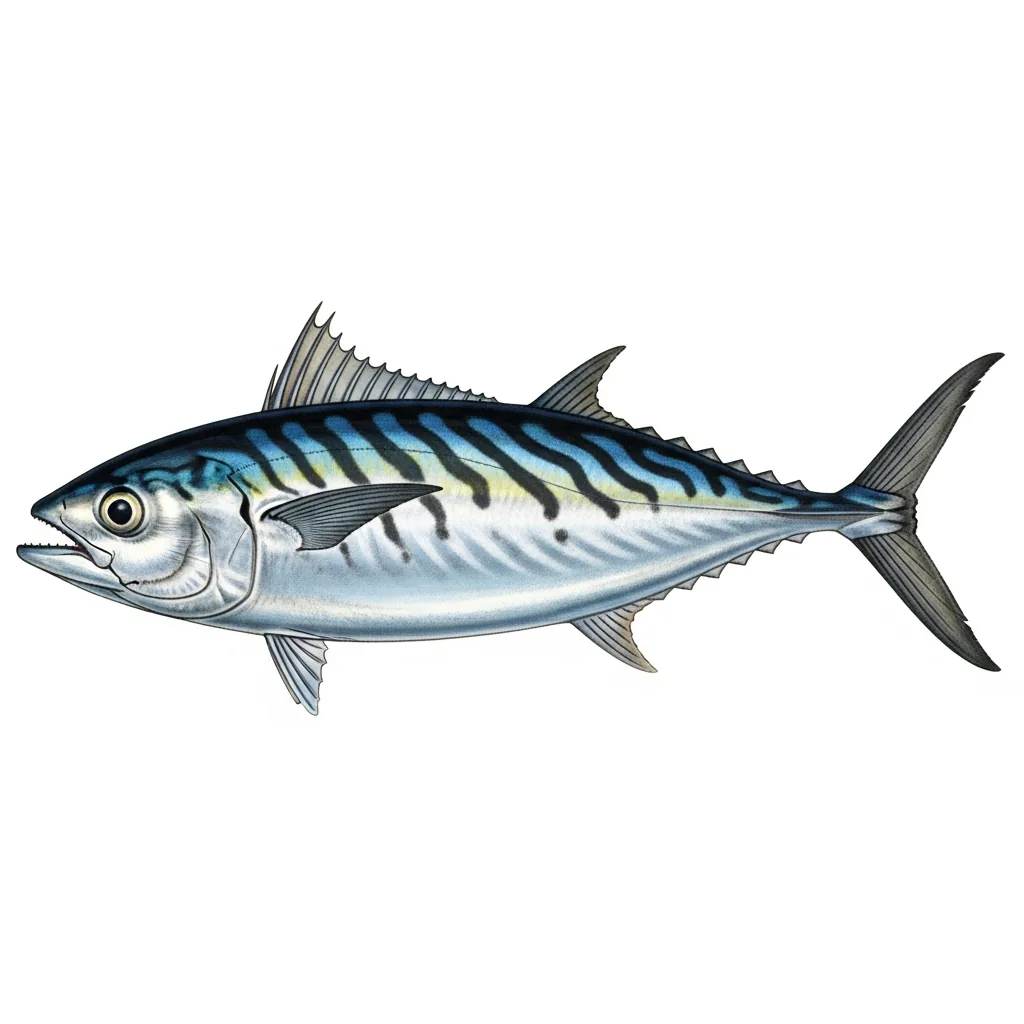 Pacific BonitoSarda chiliensis
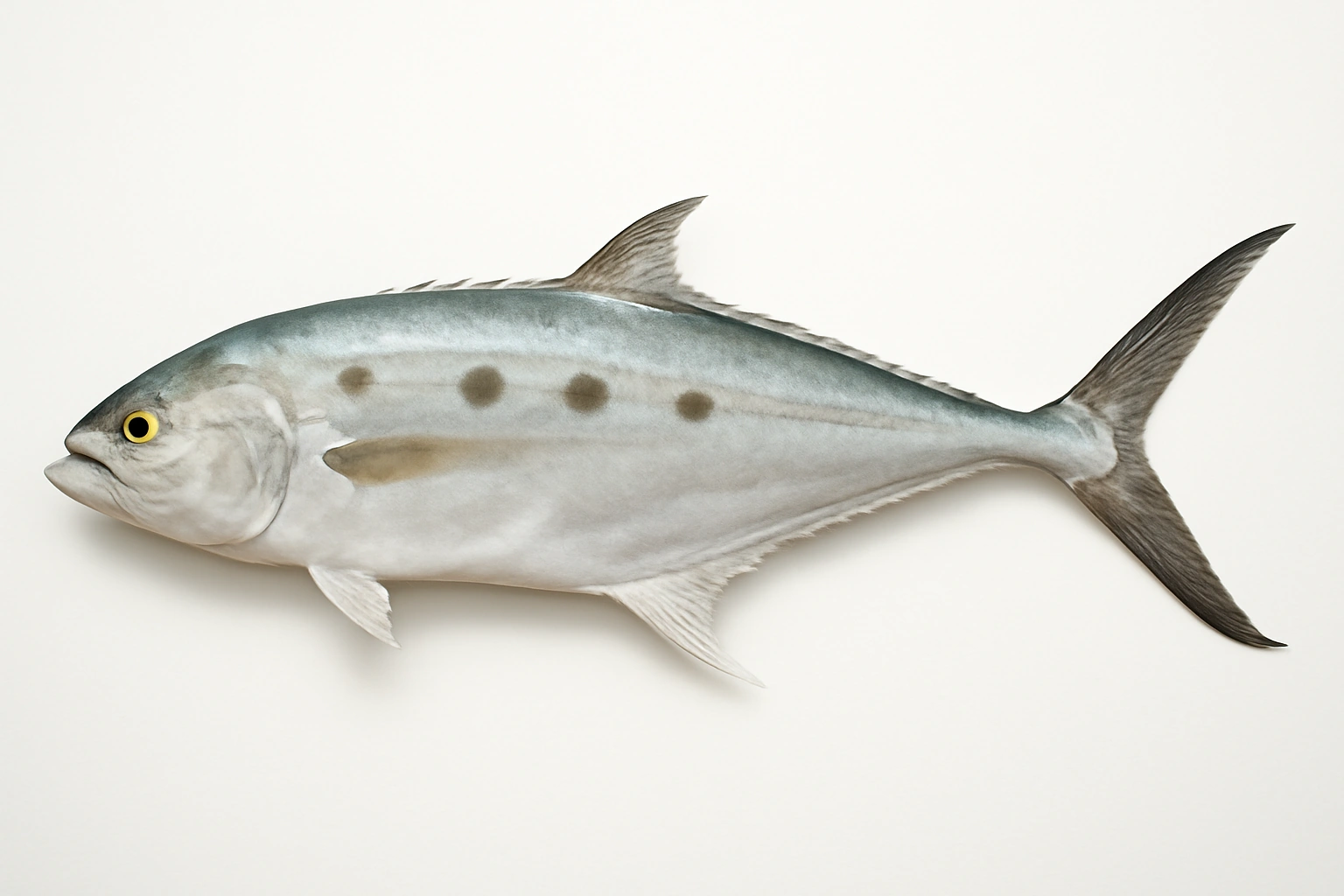 QueenfishScomberoides commersonnianus
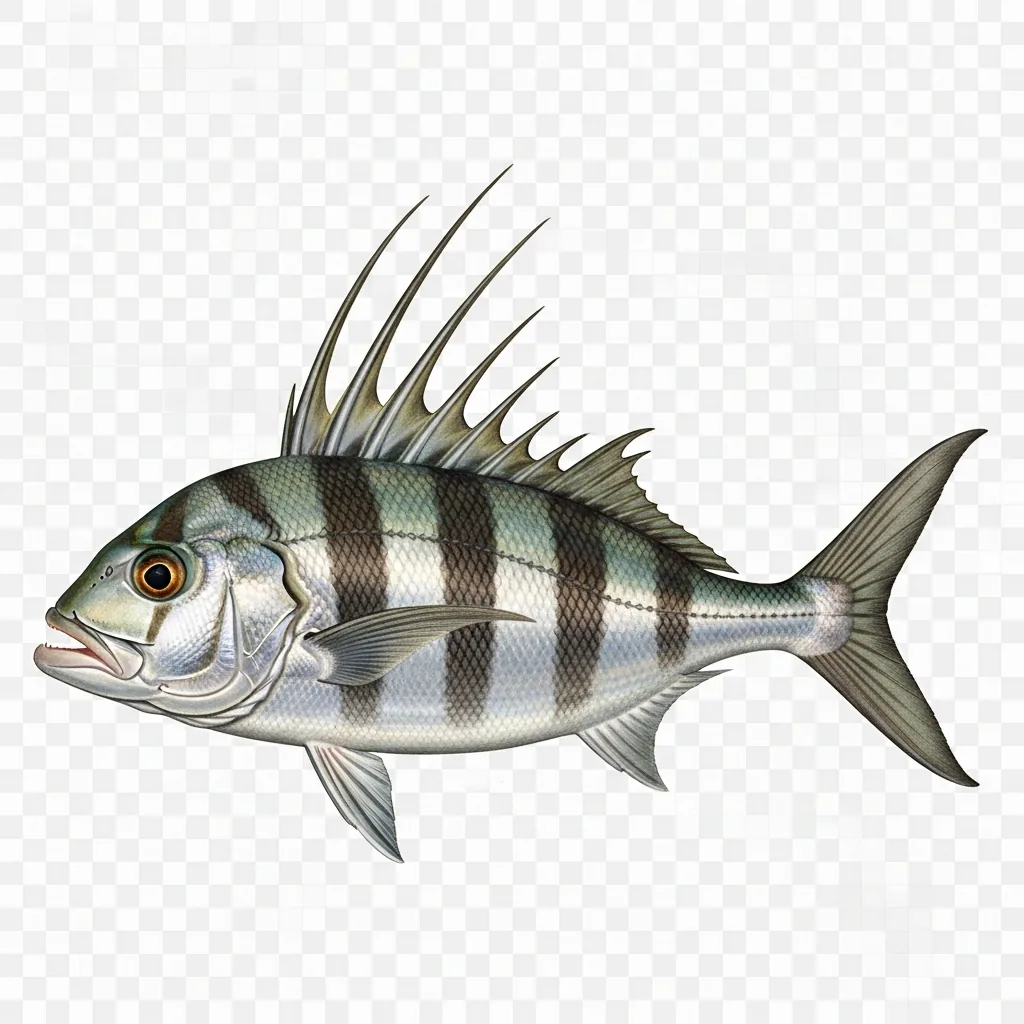 RoosterfishNematistius pectoralis
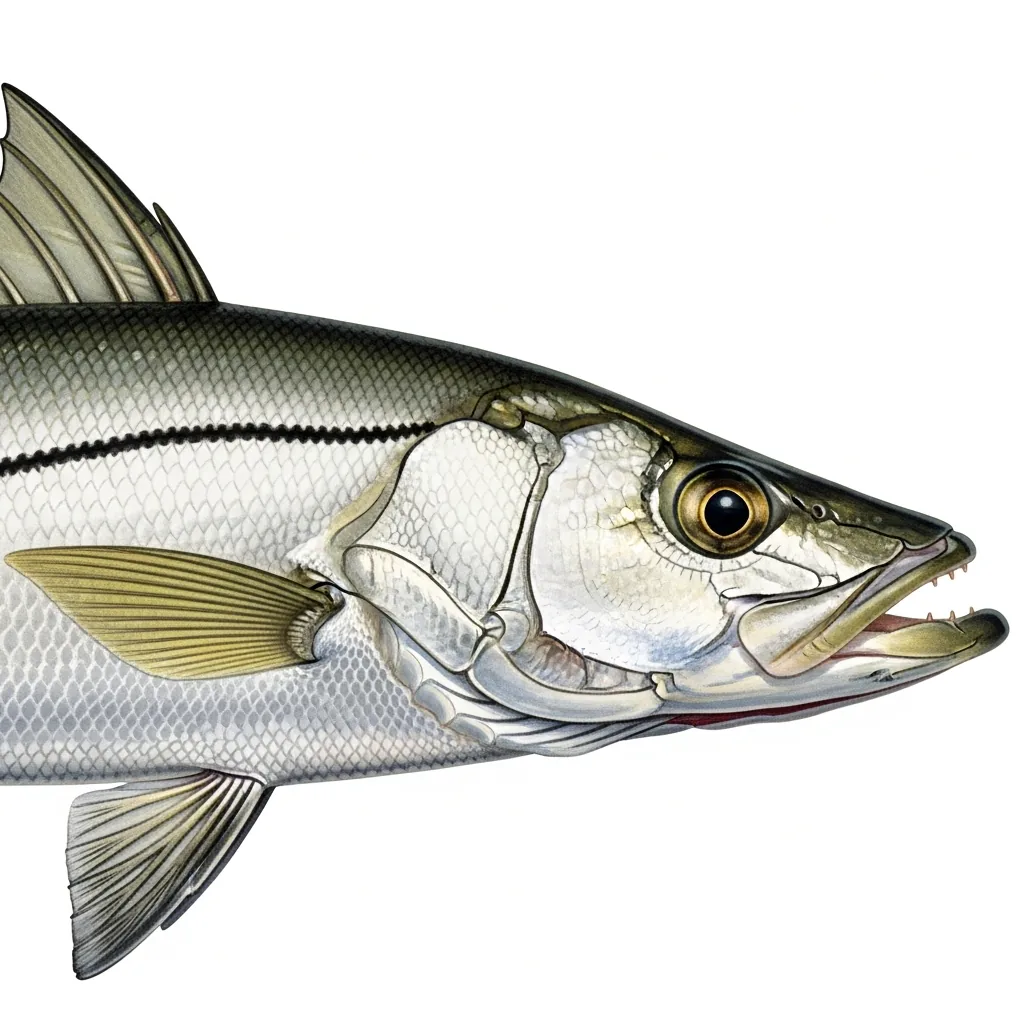 SnookCentropomus undecimalis
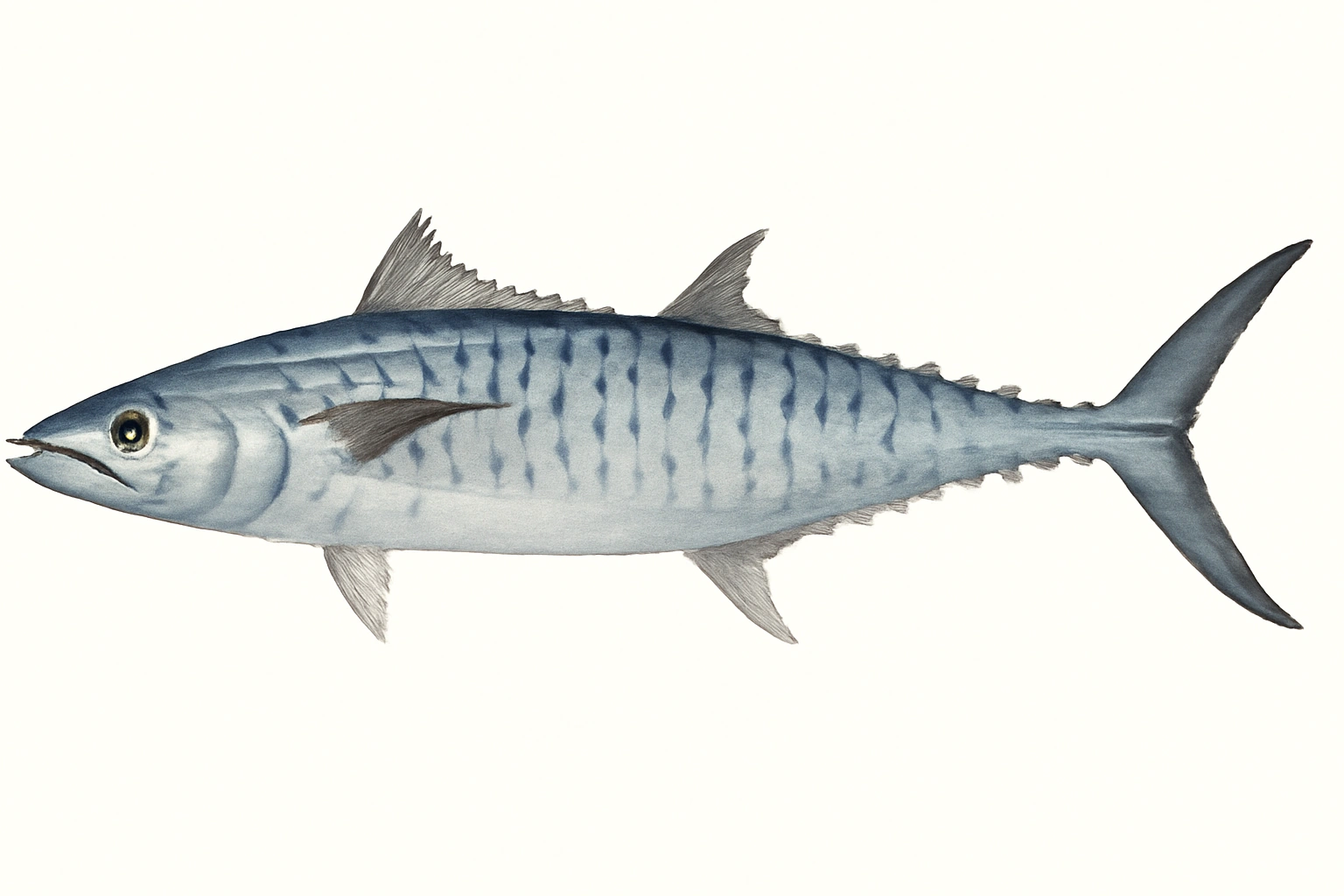 Spanish mackerelScomberomorus commerson
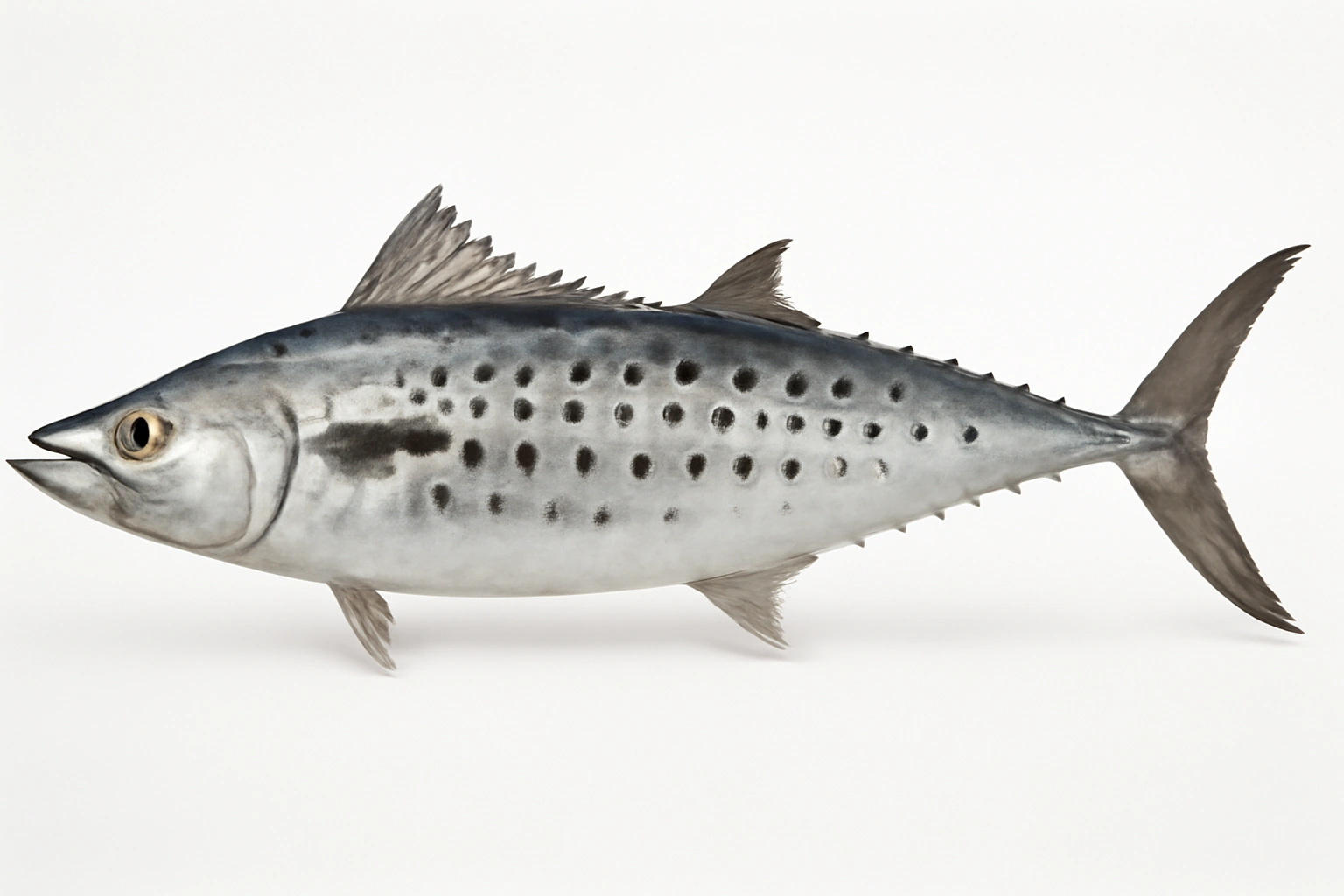 Spotted MackerelScomberomorus munroi
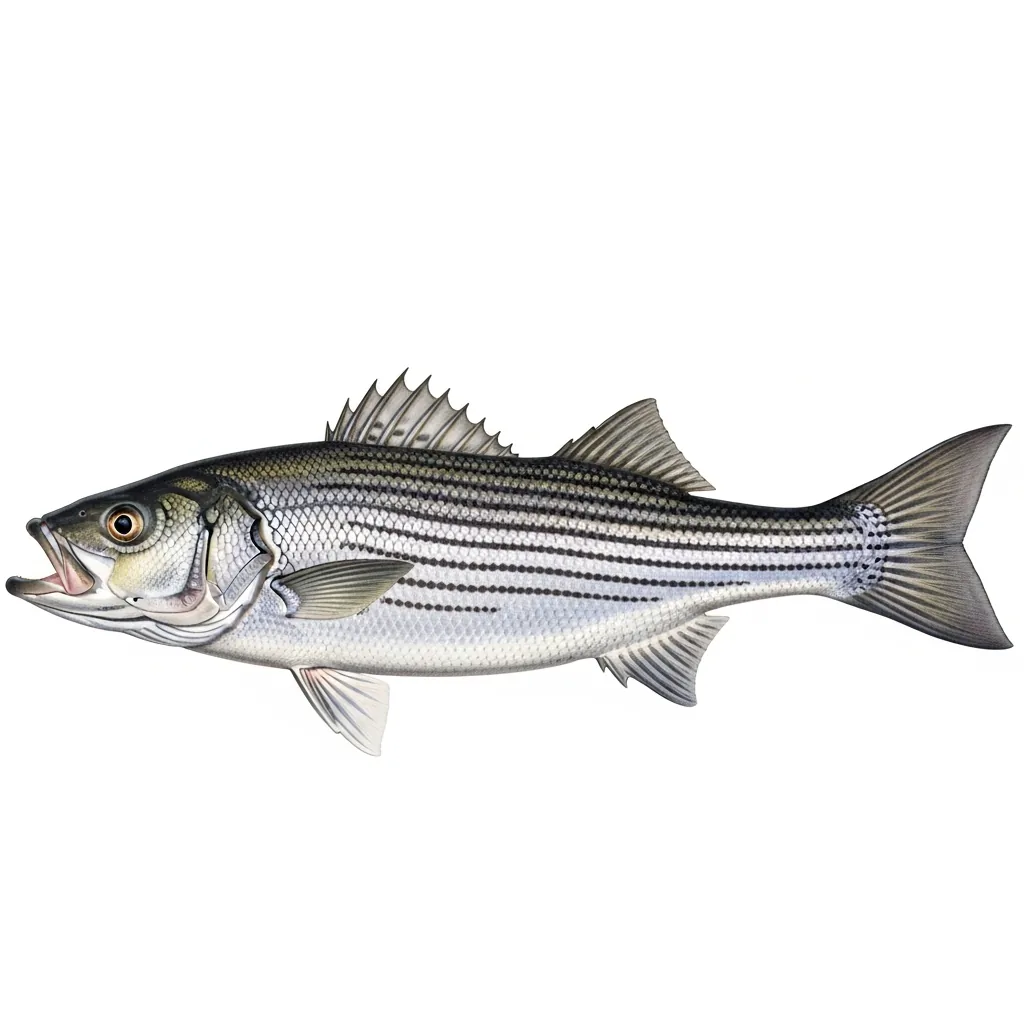 Striped bassMorone saxatilis
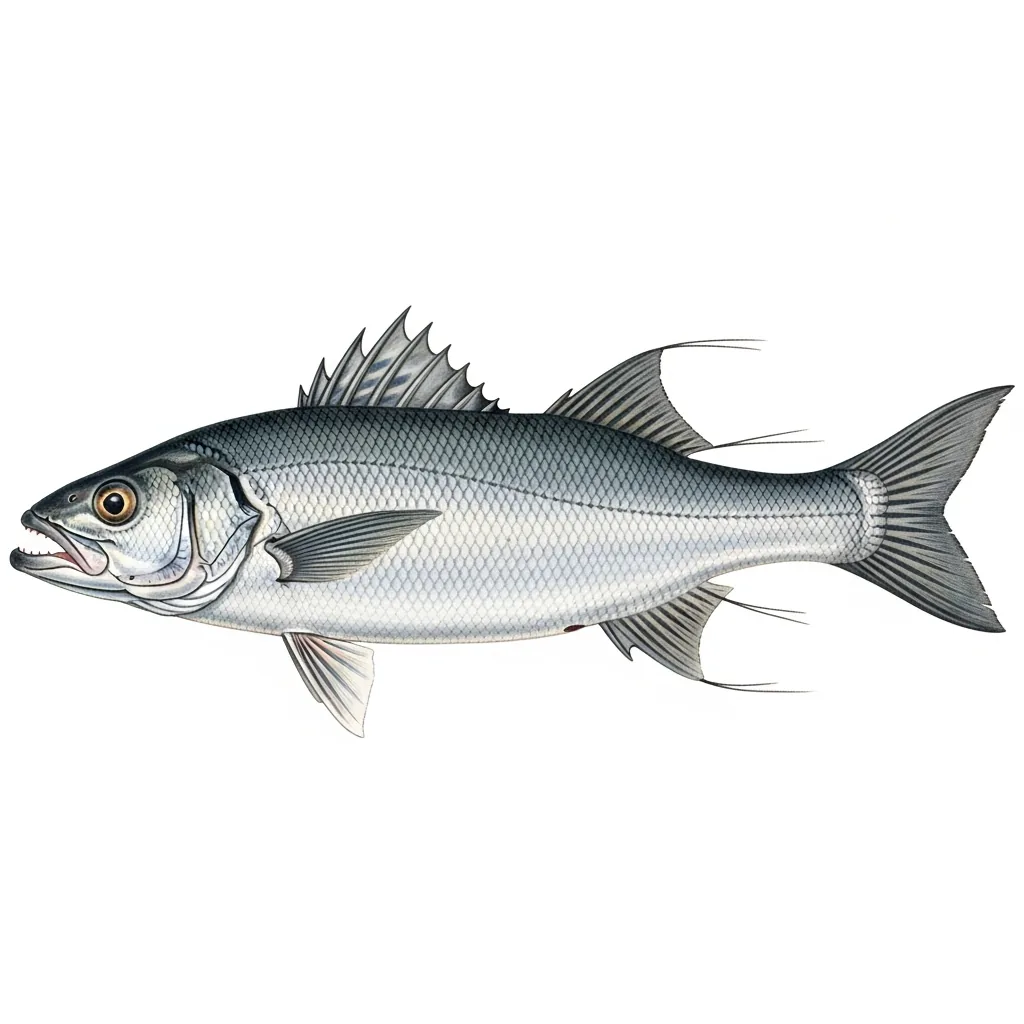 White SeabassAtractoscion nobilis
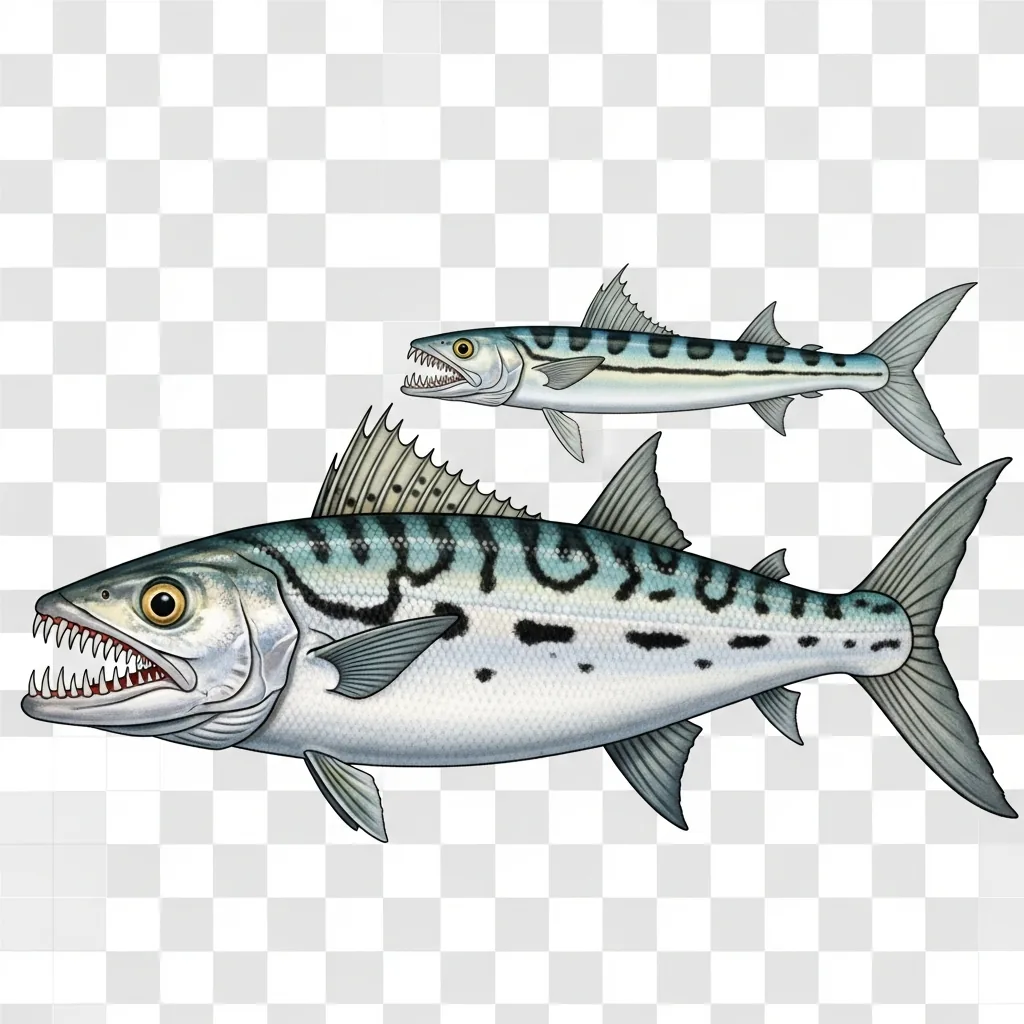 Yellowmouth barracudaSphyraena viridensis
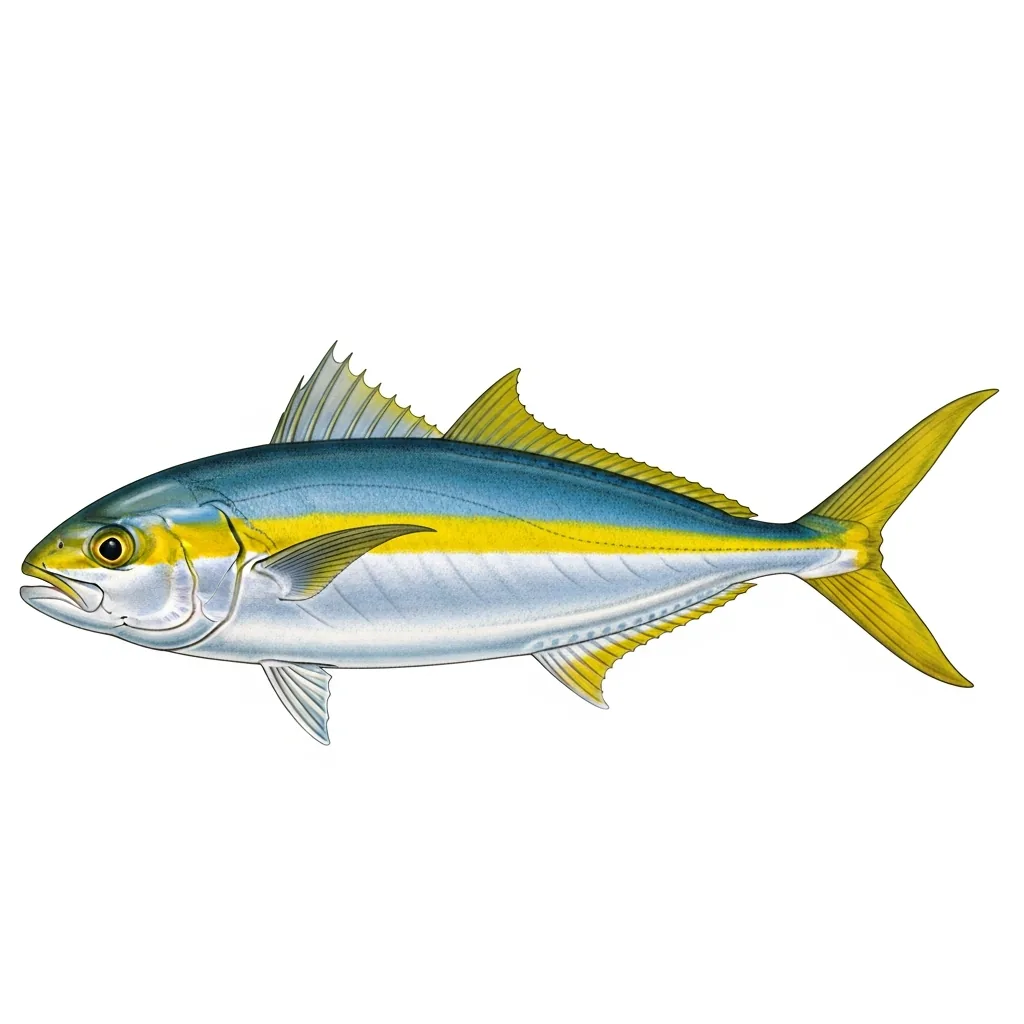 Yellowtail kingfishSeriola lalandi
Frequently asked questions
How do you fish Shore Jigging?
Shore jigging is the “search” style of heavy shore spinning: compact metal jigs are cast to reach active water, depth, and current lanes where hunting predators move through. It works well on high coastlines, rocky points, breakwaters, and beaches with nearby troughs—that is, anywhere the bottom drops quickly or creates travel corridors.
Shore Jigging: what tackle do you need?
A shore jigging rod must cast well but above all control the jig and handle long-distance hooksets, so it needs backbone, reliable guides, and a comfortable grip for working with arm and forearm. Lengths around 2.9-3.3 meters are versatile from rocks and breakwaters;
Shore Jigging: what is the best time?
Dawn and dusk remain excellent windows, but in shore jigging light, water clarity, and wave action matter enormously. With a slight sea running and oxygenated water, predators move in with more confidence, while in flat calm and high sun it is better to focus on long casts, deeper water, and more restrained retrieves.
Shore Jigging: where is it best?
The right spot is not simply “deep,” but offers current, irregular structure, and bait. Look for points exposed to open water, sides of breakwaters where the water speeds up, harbor mouths only where allowed, rocky headlands with side wash, and areas where the water color changes sharply: these often indicate depth changes or current…