How to fish Beach Ledgering: technique, spots and tackle
A light technique for catching various species from the shore

Every angler dreams of the perfect day. We show it to you first.
At the heart of ForecastX is an advanced marine-weather engine: it analyses waves, wind, sea temperature, tides, pressure and moon in real time and turns them into a Productivity Index (0-100) for every species. You'll always know, precisely, when the sea is on your side.
Coming soon to the App Store and Google Play — don't miss it.What beach ledgering really is
Beach ledgering is a light or medium-light wait-and-see bottom-fishing technique in which the sinker works on the seabed and the bait is presented very naturally, often with finer and more sensitive hooklengths than in classic surfcasting. It is not just a “lighter” version of beach ledgering: its real strength is reading the nearshore water, finding feeding lanes, and adapting the rig to the fish’s behavior. It works well when fish patrol gutters, foam lines, holes, and bottom changes without requiring extreme casting distances. It is a productive technique for striped seabream, gilt-head bream, white seabream, annular seabream, saddled seabream, and, in certain conditions, seabass and bottom-feeding mullet.
Reading the spot and understanding where to cast
The beach is never uniform: you need to look for gutters parallel to the shoreline, shorebreak ledges, darker depressions, sand points, and openings between bars. With a developed sea or as it drops, many fish move into the first or second gutter because that is where they find food stirred up by the waves and spend less energy. In clear, calm water, it is worth carefully observing differences in color: lighter areas often indicate higher sand, while darker areas suggest a hole or a channel; the bait is usually more effective on the edge between two structures than in the middle of a monotonous bottom. An often overlooked plus is checking the direction of the lateral wash: if the sea pulls sideways, fish tend to position themselves where the current funnels debris and food, and the cast should be aimed slightly ahead of the area you want to cover.
When it performs best
SEASONS, LIGHT, AND SEA CONDITIONS: Beach ledgering is at its best when fish are feeding close to shore and there is no need to beat heavy surf with big sinkers. Spring and fall are very versatile seasons; summer can be excellent at dawn, dusk, and at night for gilt-head bream and striped seabream, while in winter it becomes selective during windows of dropping sea or with water that is not too murky. Light matters a great deal: with a high sun and clear water, longer and finer leaders are often needed, while with overcast skies, foam, and low-angle light, fish become less wary. A very productive typical condition is an orderly dropping sea, when the water is still “alive” but readable: the bottom cleans up, food remains in motion, and bites become more decisive.
Thoughtful tackle, not standard gear
A rod between 3.90 and 4.20 meters is a balanced choice, but the real deciding factor is the action: it must cast light or medium sinkers and, above all, show bites well. The reel should not be chosen only by size, but for smooth drag and good management of thin line, qualities that are crucial when targeting wary fish with fine rigs. For the main line, monofilament remains practical and forgiving, while a shock leader becomes advisable when sinker weight increases or powerful casts are made. Sinkers, swivels, and terminal tackle should be sized to the minimum necessary: in ledgering, the tackle disappears better, snags less, and lets the bait work more naturally.
Hooklengths, sinkers, and variations
The classic running-sinker rig is the most universal because it offers little resistance on the take, a valuable feature with suspicious gilt-head bream or striped seabream that mouth the bait. When small nuisance fish are persistent or the wash drags too much, a slightly shorter snood helps control the bait better; in calm water and with wary fish, a longer leader instead makes it freer. Round or olive sinkers move well on clean sand, while more stable shapes are preferable if lateral current shifts the rig; it is not always necessary to hold everything absolutely still, because a slight controlled rolling can help searching fish find the bait. The variation with a well-spaced boom or with a short anti-tangle rig body is useful when using soft baits such as bloodworm or bibi and you want to preserve their presentation during the cast.
Baits and presentation that make the difference
Lugworm, Korean worm, bloodworm, bibi, razor clam, shrimp, and small neatly prepared strips cover most situations, but the choice should be made according to species, water clarity, and the presence of nuisance fish. The bait must be alive or at least intact and proportionate to the hook: a presentation that is too bulky reduces hookups and naturalness, especially with wary striped seabream and white seabream. For gilt-head bream, a well-tied mussel or a compact bibi baiting can better withstand crabs; for striped seabream and annular seabream, thin and lively baitings often outfish bulky ones. A little-known trade trick is to leave a small terminal part of the worm freer and more vibrant only when the bottom is clean and nuisance fish are not excessive: that final movement can turn many hesitant pecks into real takes.
Presentation while fishing and rod management
After the cast, it is not enough to set the rod down and wait: you need to apply the right tension, set the correct angle, and watch the tip in relation to wave action and current. If you tighten too much, the system becomes stiff and offers resistance to the take; if you leave too much slack, the bite is hard to read and the sinker may move without control. With slight sea movement, it is often better to keep the rod lower and more in line, while with wash and weed a somewhat higher position helps keep the initial section of line cleaner. The strike, with many bottom fish, must be measured: first allow the fish time to load up, then follow through firmly but without ripping, especially with small hooks and fine leaders.
Common mistakes and how to fix them
The most common mistake is always trying to reach maximum distance, when fish are often feeding within the first gutter or on the shorebreak ledge. Another mistake is using sinkers that are too heavy “just to be safe”: they worsen sensitivity and natural presentation, and make ledgering look like a type of fishing it is not. Many anglers change bait too late or too early: the right criterion is to observe whether the bait comes back intact, stripped, or covered in debris, because each outcome says something about the spot and the fish present. Ignoring lateral drift is also a serious mistake: if the rig always comes back twisted or off line, you need to reconsider sinker shape, snood length, or splashdown point, not keep insisting mechanically.
Practical strategy and a small expert secret
An effective session begins with a few exploratory fan casts, not to “look for luck,” but to map bites, debris, bottom consistency, and sinker hold. Once an active lane is found, it is worth insisting with precision and regularity, because many beach fish follow fairly defined travel lines. If fish are pecking short and not hooking themselves, before changing everything try a simple adjustment: reduce line tension slightly or lighten the presentation, because often the fish is not missing, only the bait’s freedom is. The trade trick is to mentally note, or mark with a reference on the line, the distance of the good bites and repeat it consistently: in beach ledgering, a difference of just a few yards can separate a barren area from a true feeding lane.
Fish to target with this technique
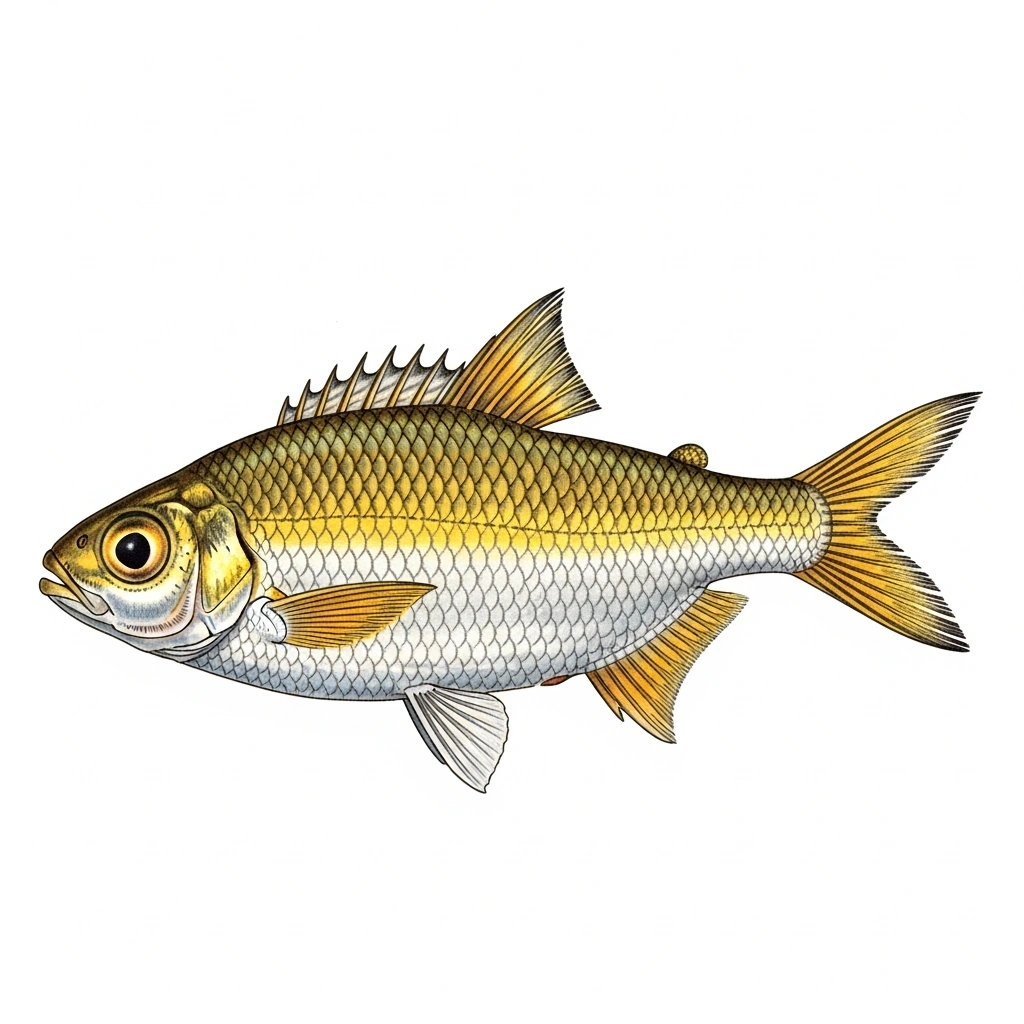 Acoupa weakfishCynoscion acoupa
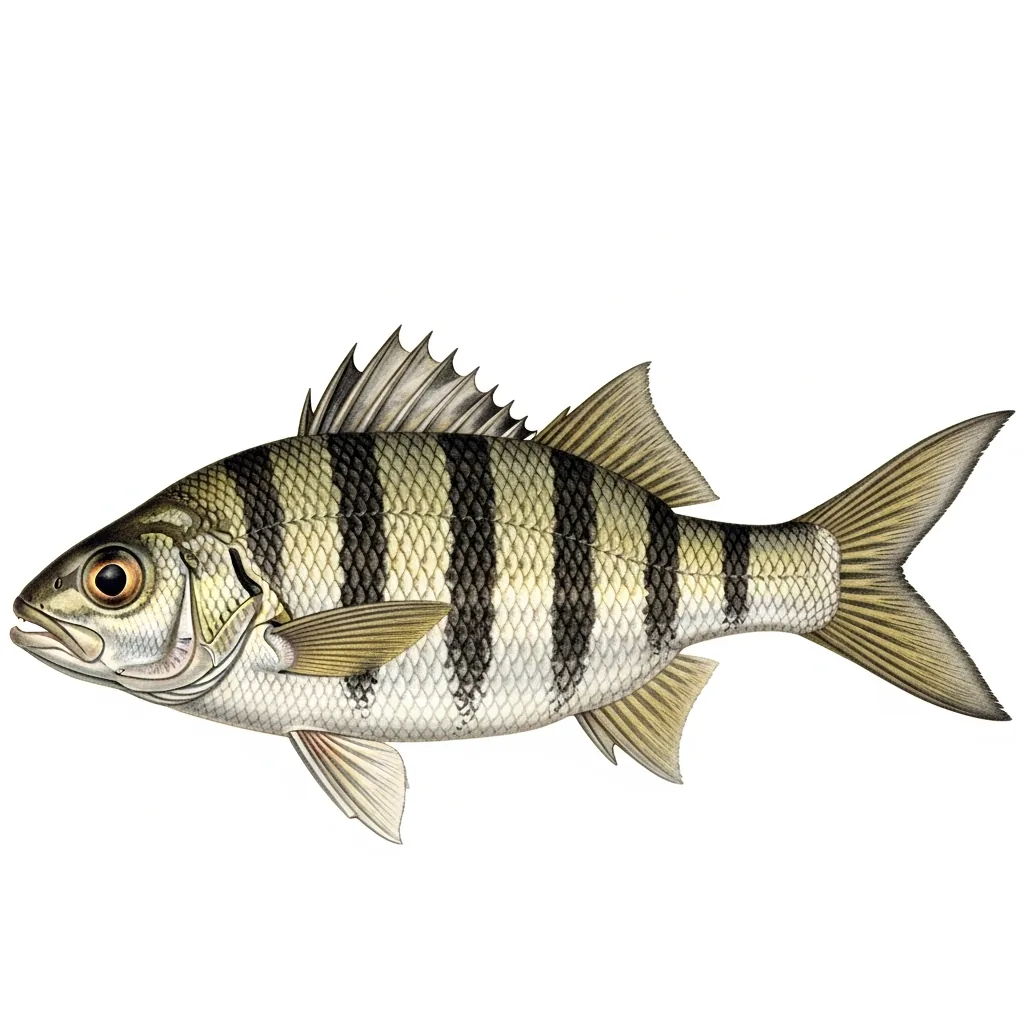 Barred SurfperchAmphistichus argenteus
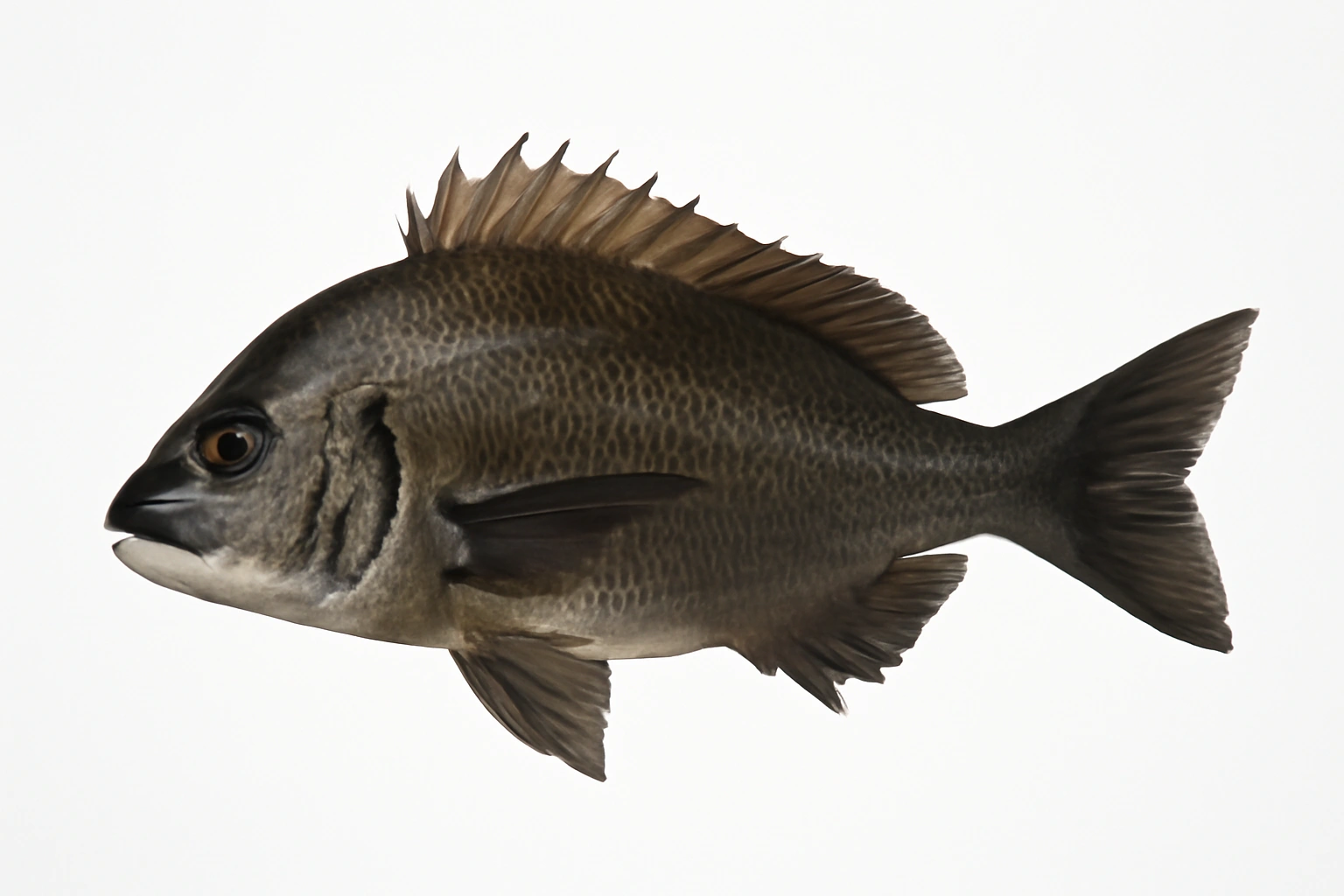 Black BreamAcanthopagrus butcheri
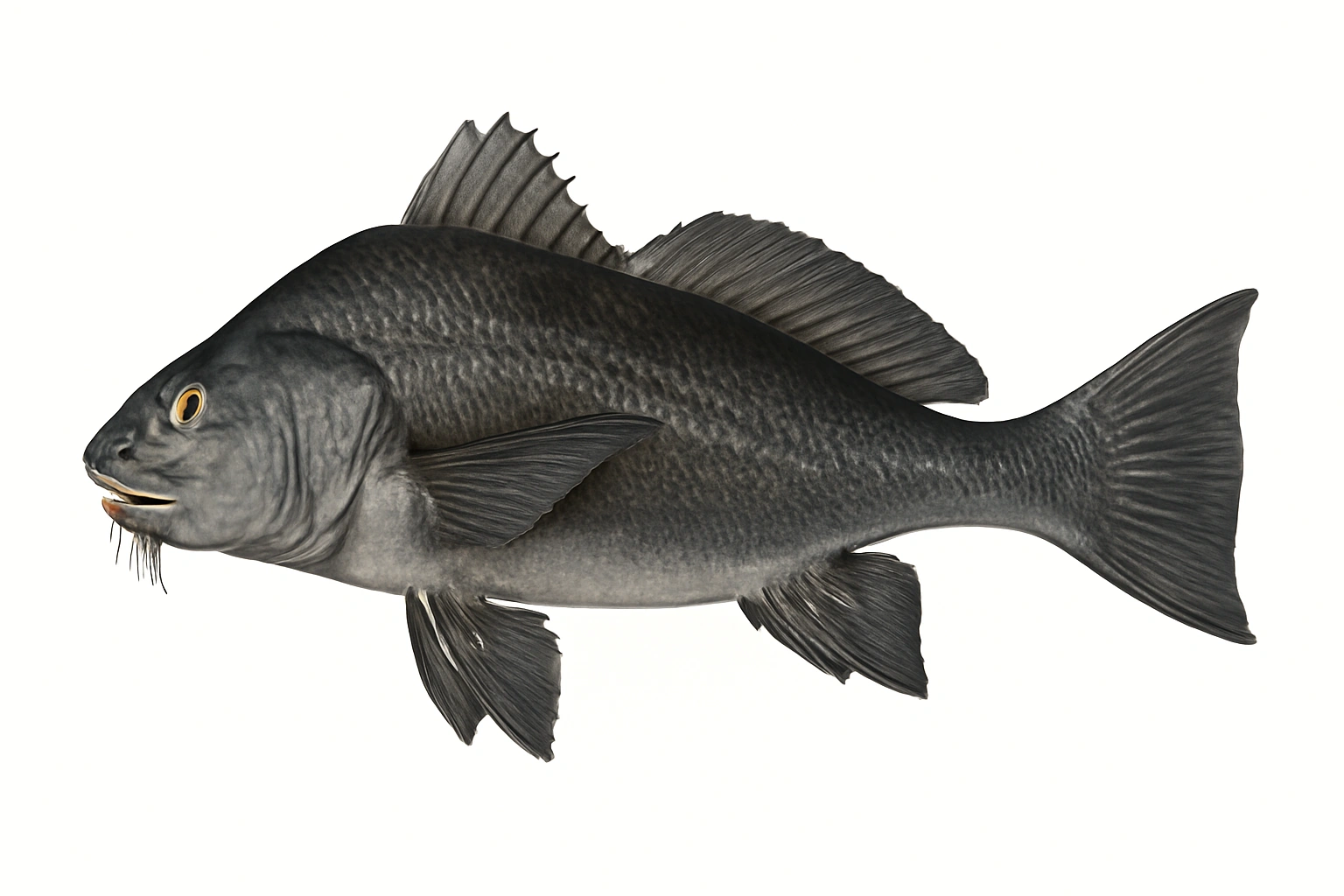 Black drumPogonias cromis
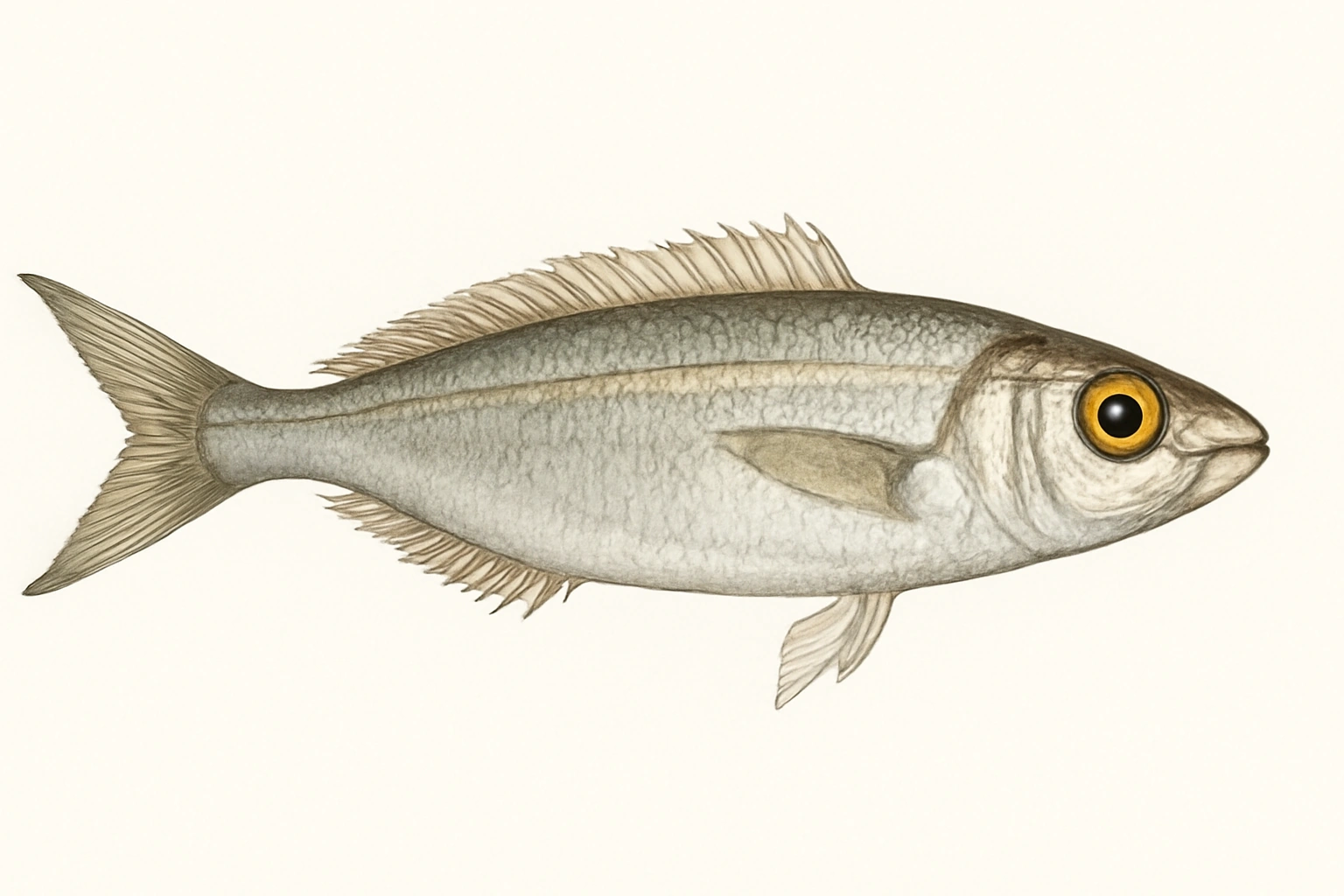 BogueBoops boops
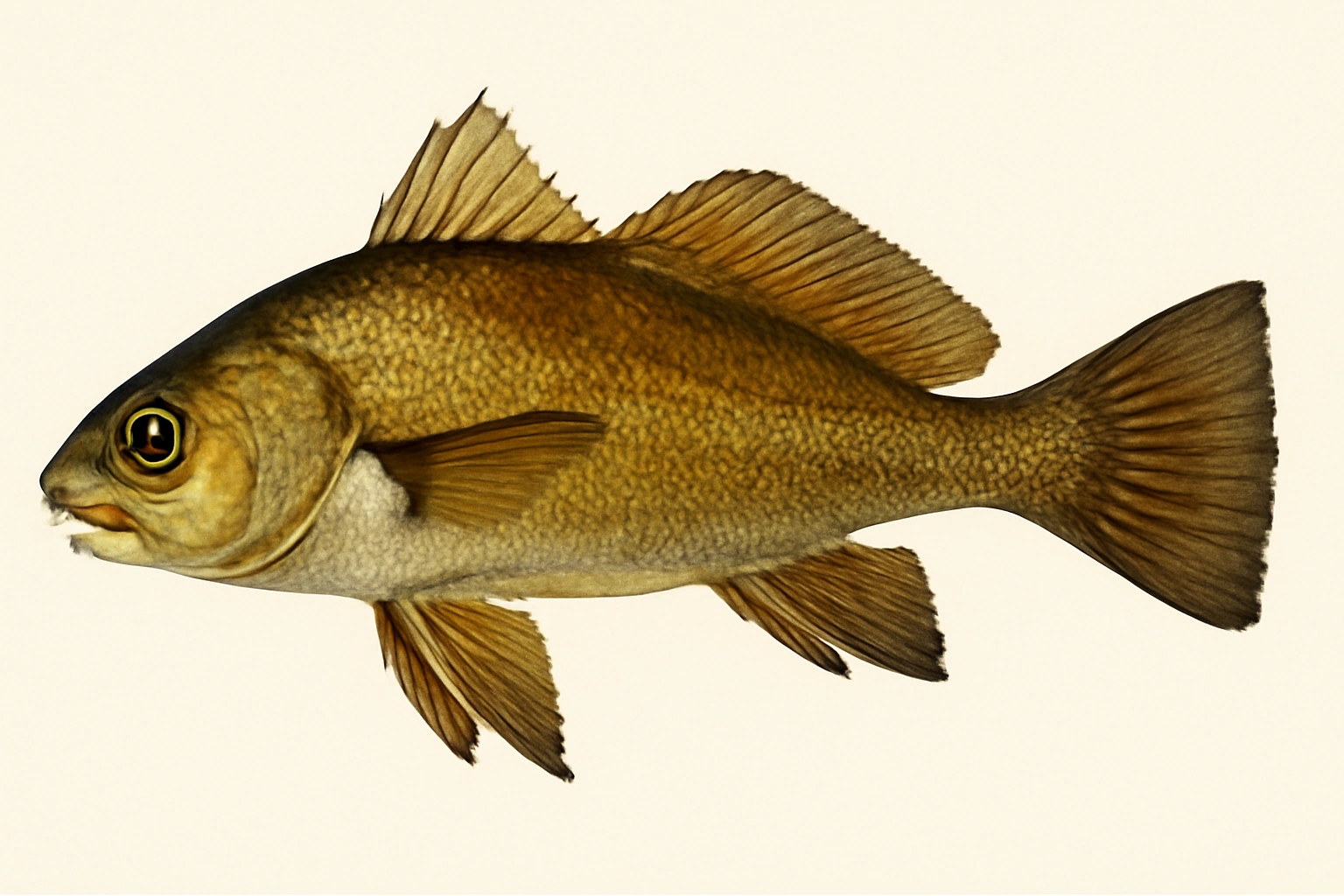 Brown meagreSciaena umbra
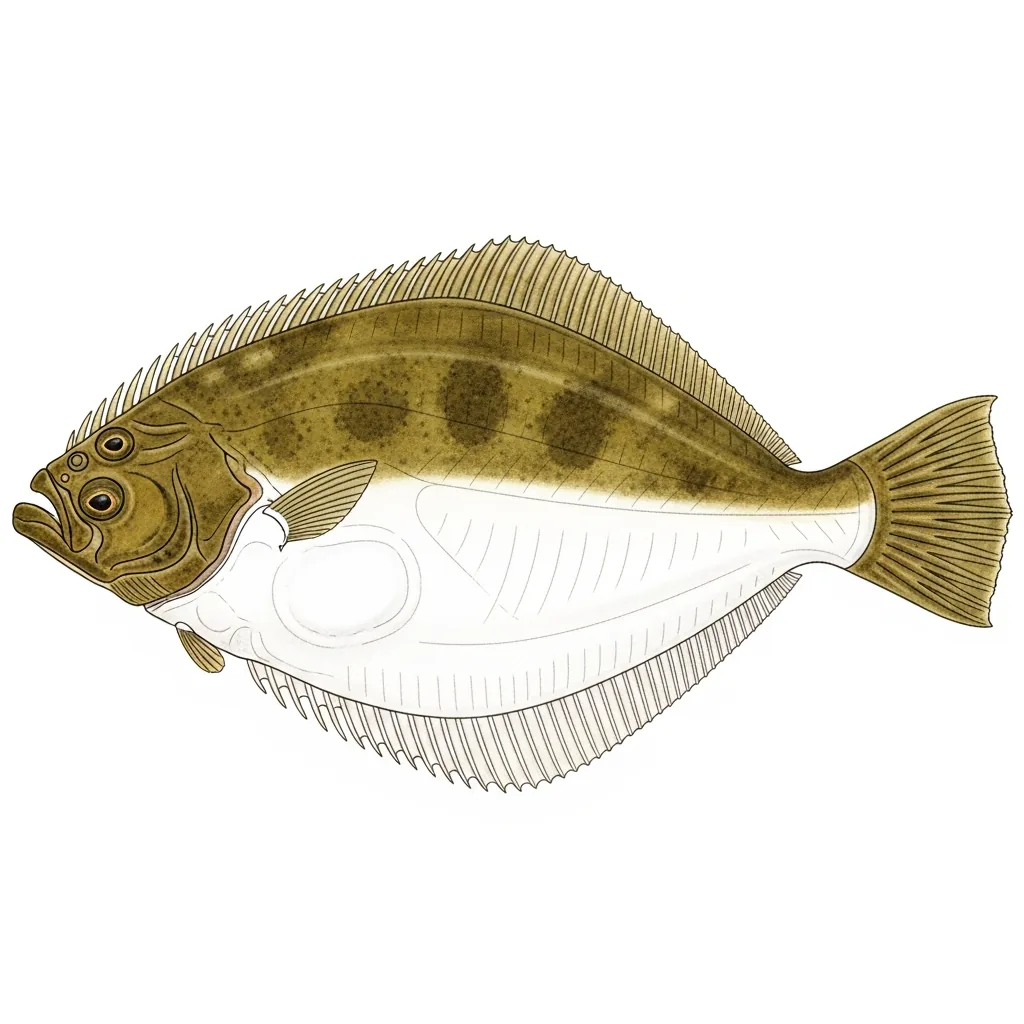 California HalibutParalichthys californicus
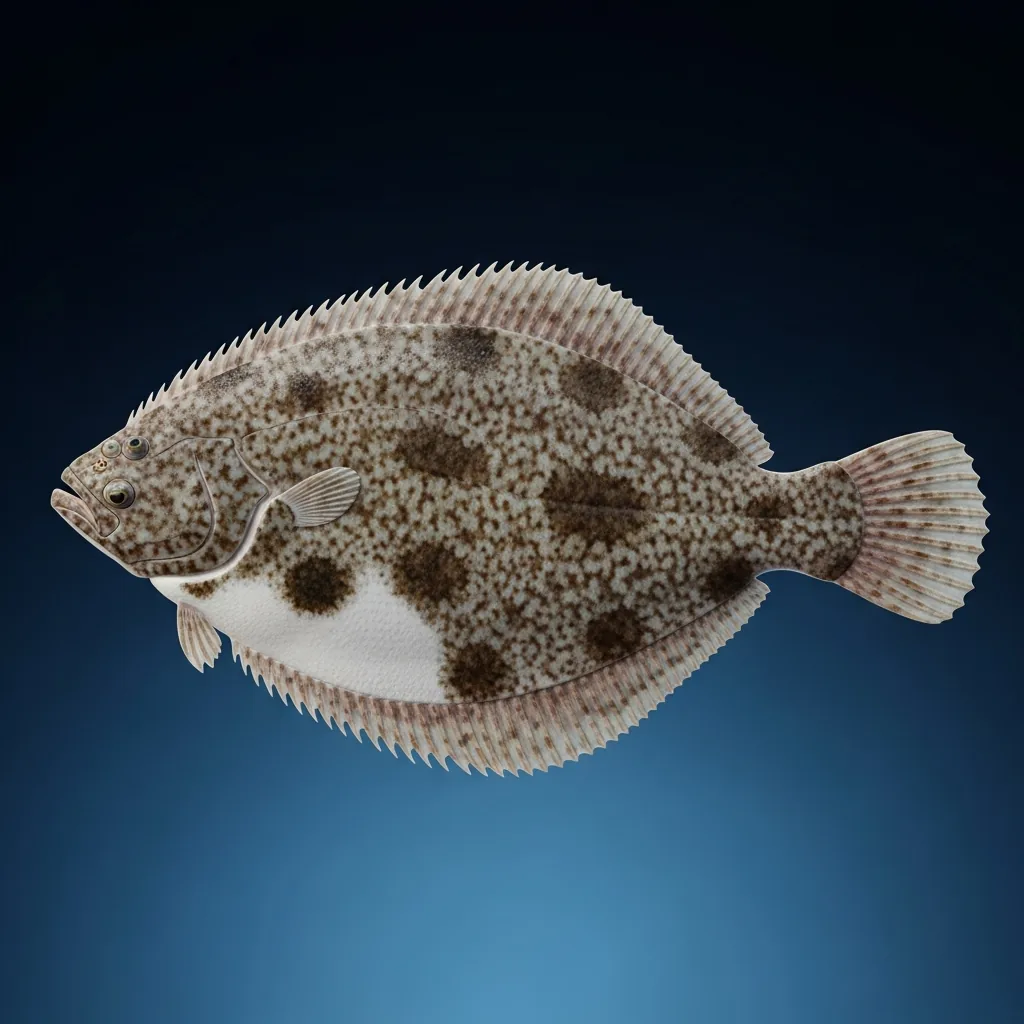 Common soleSolea solea
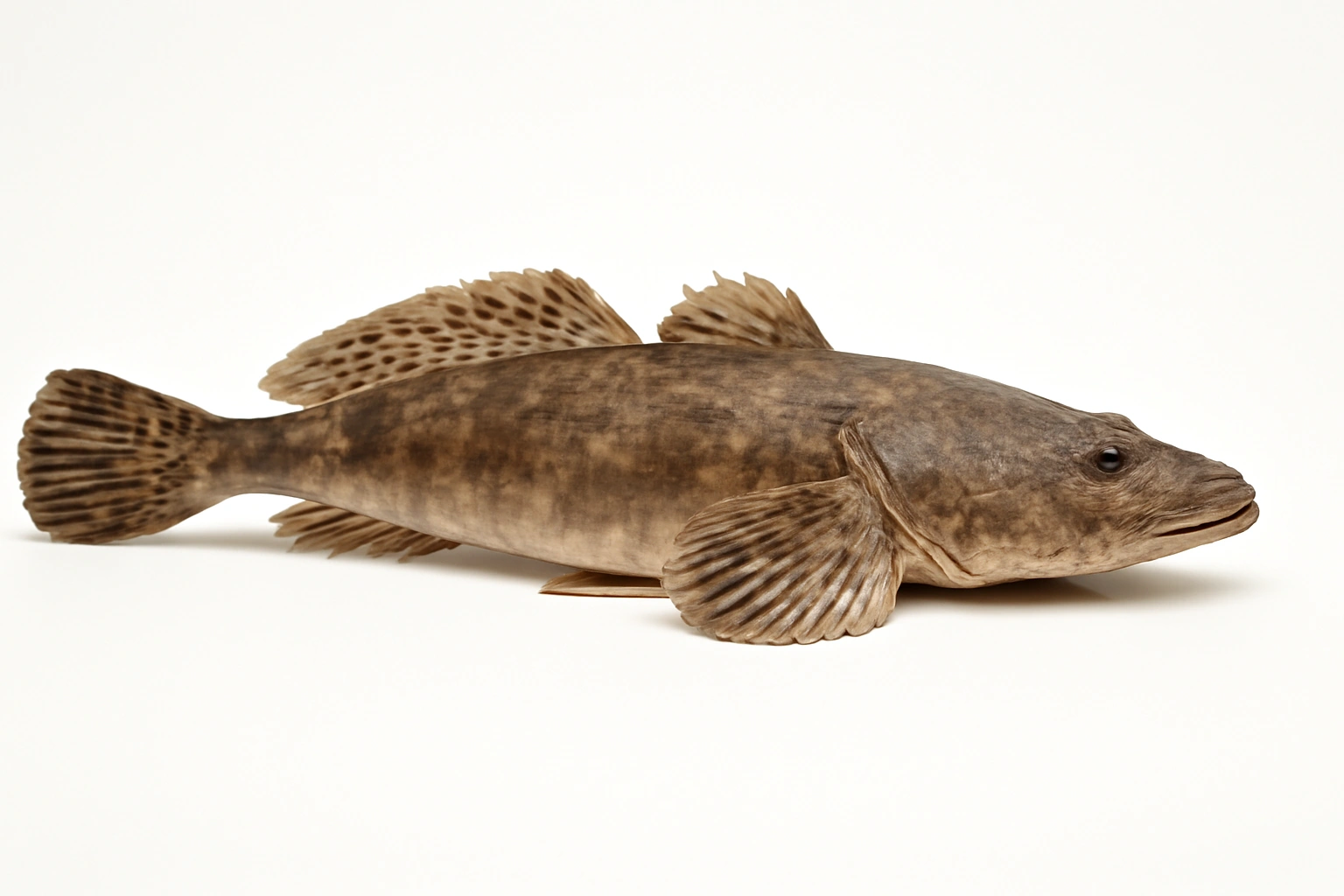 Dusky FlatheadPlatycephalus fuscus
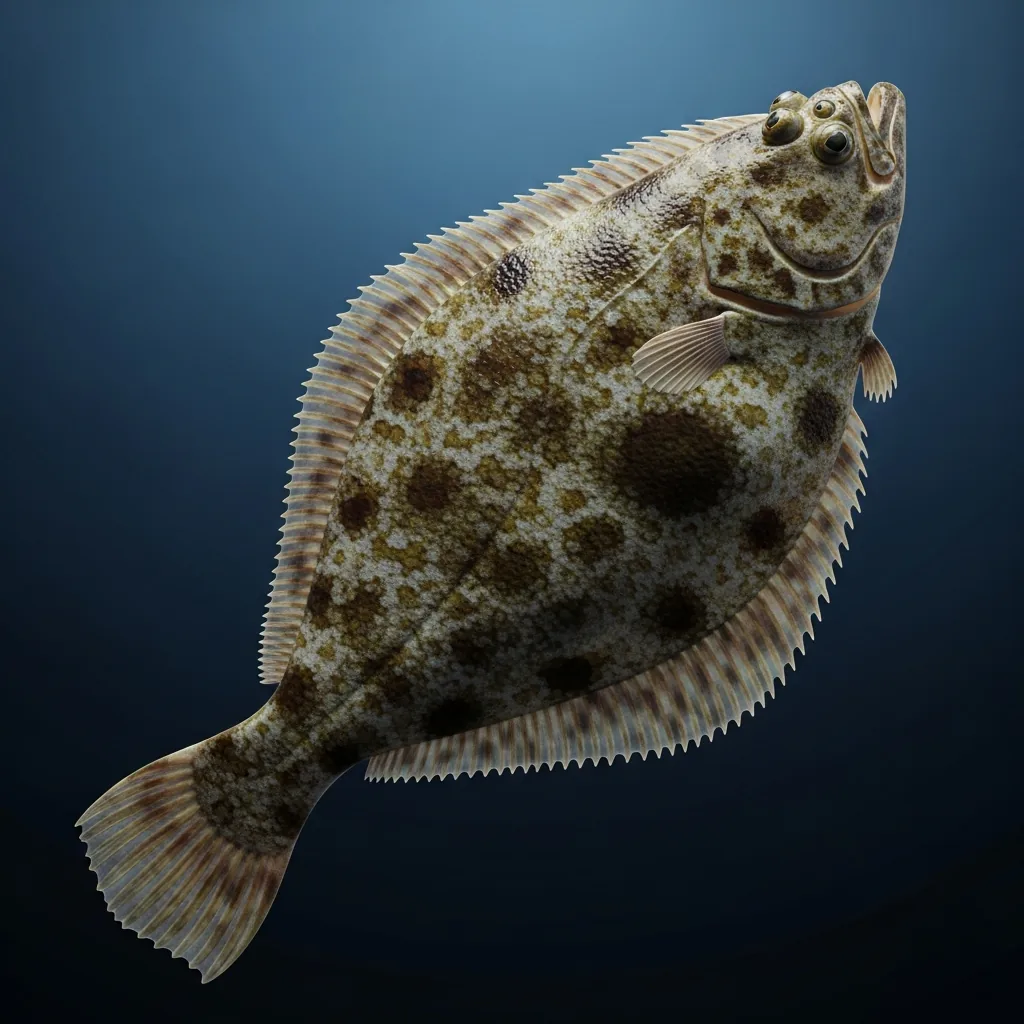 European flounderPlatichthys flesus
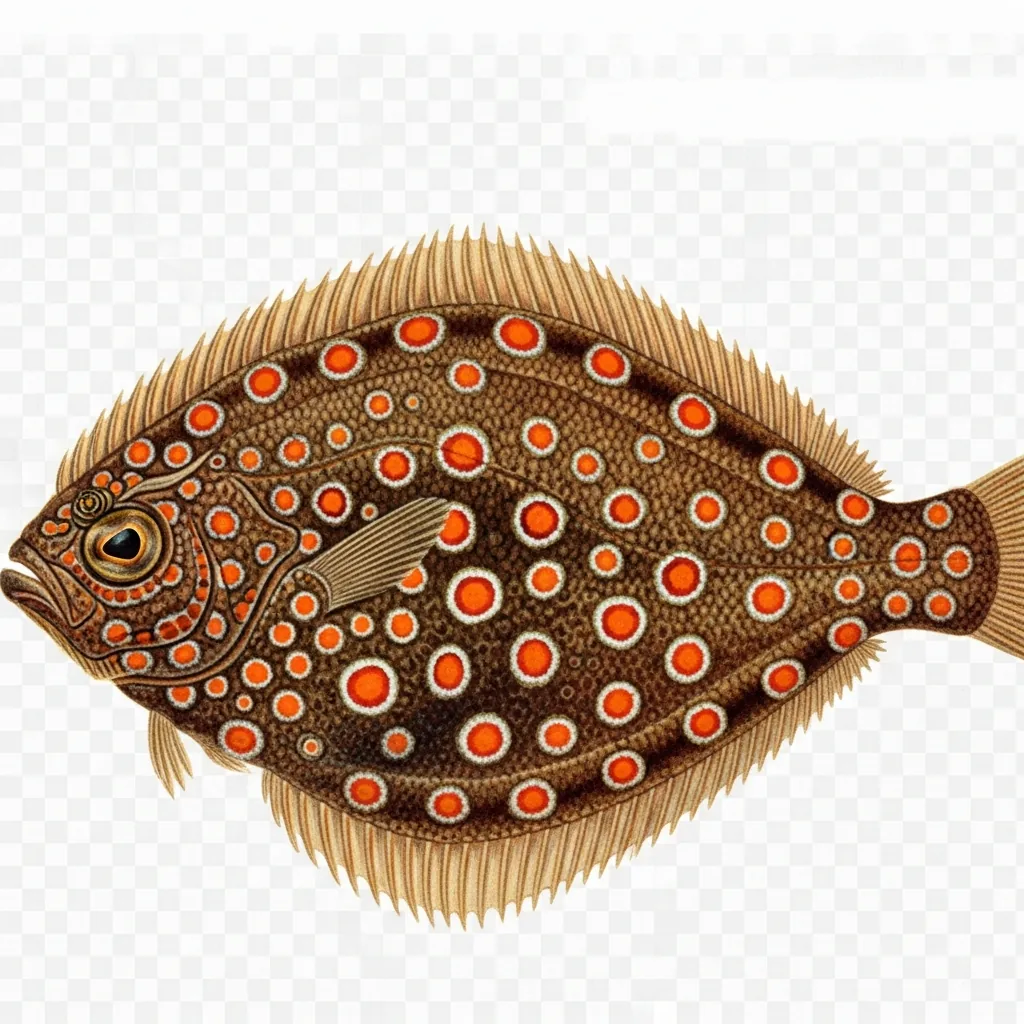 European plaicePleuronectes platessa
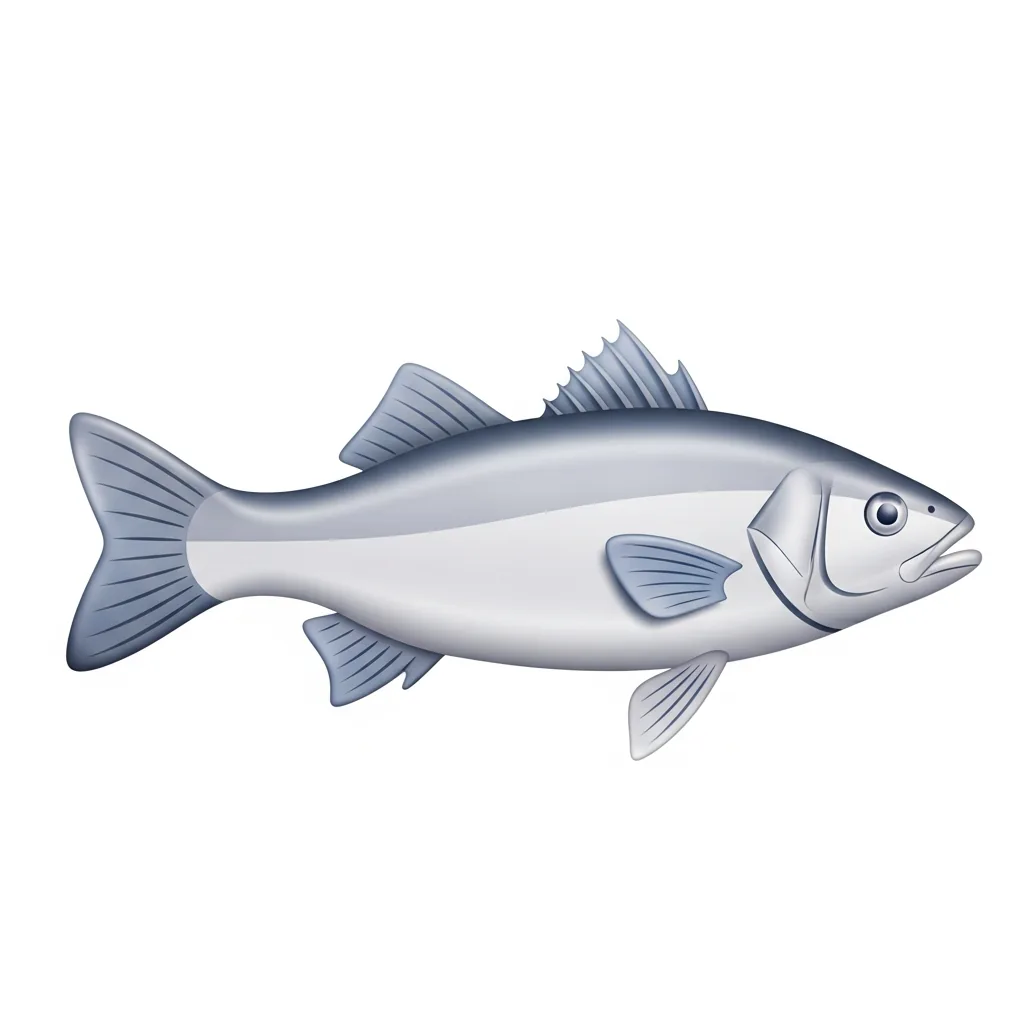 European sea bassDicentrarchus labrax
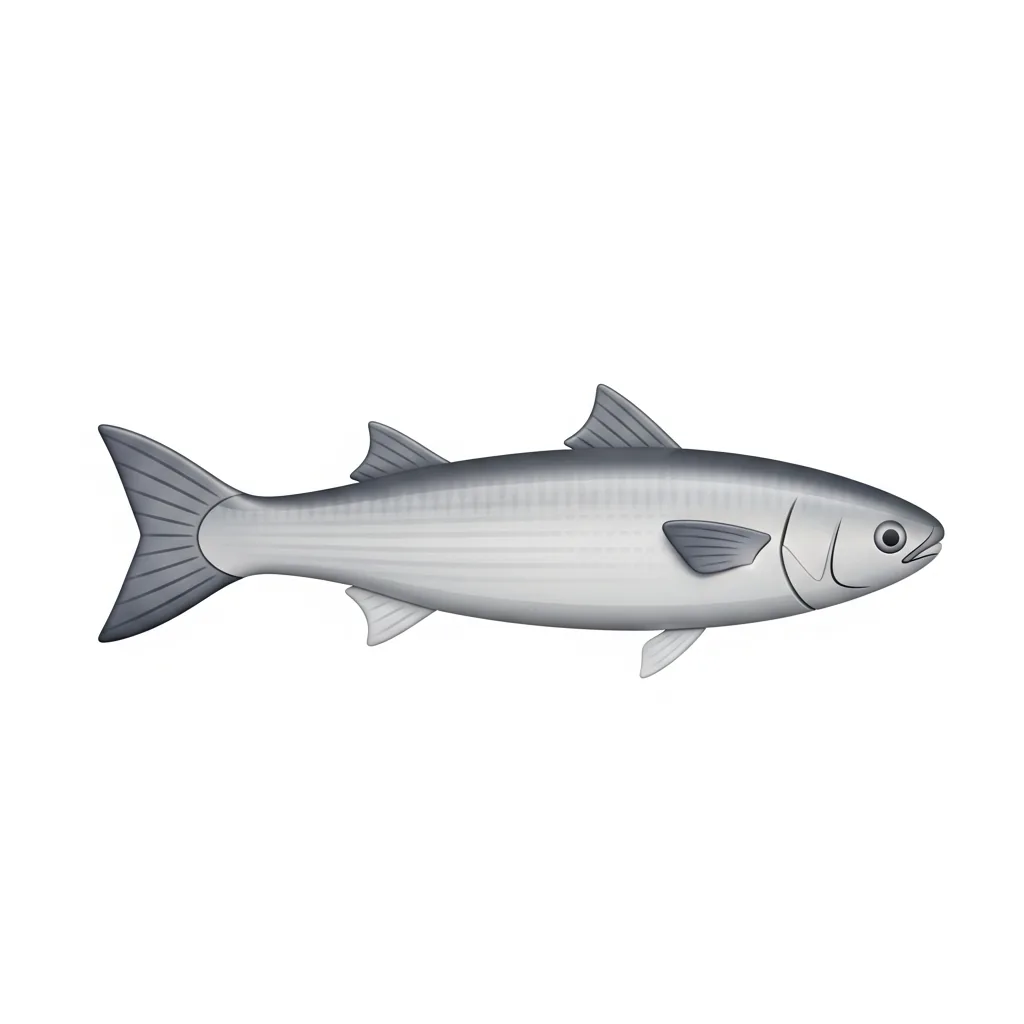 Flathead grey mulletMugil cephalus
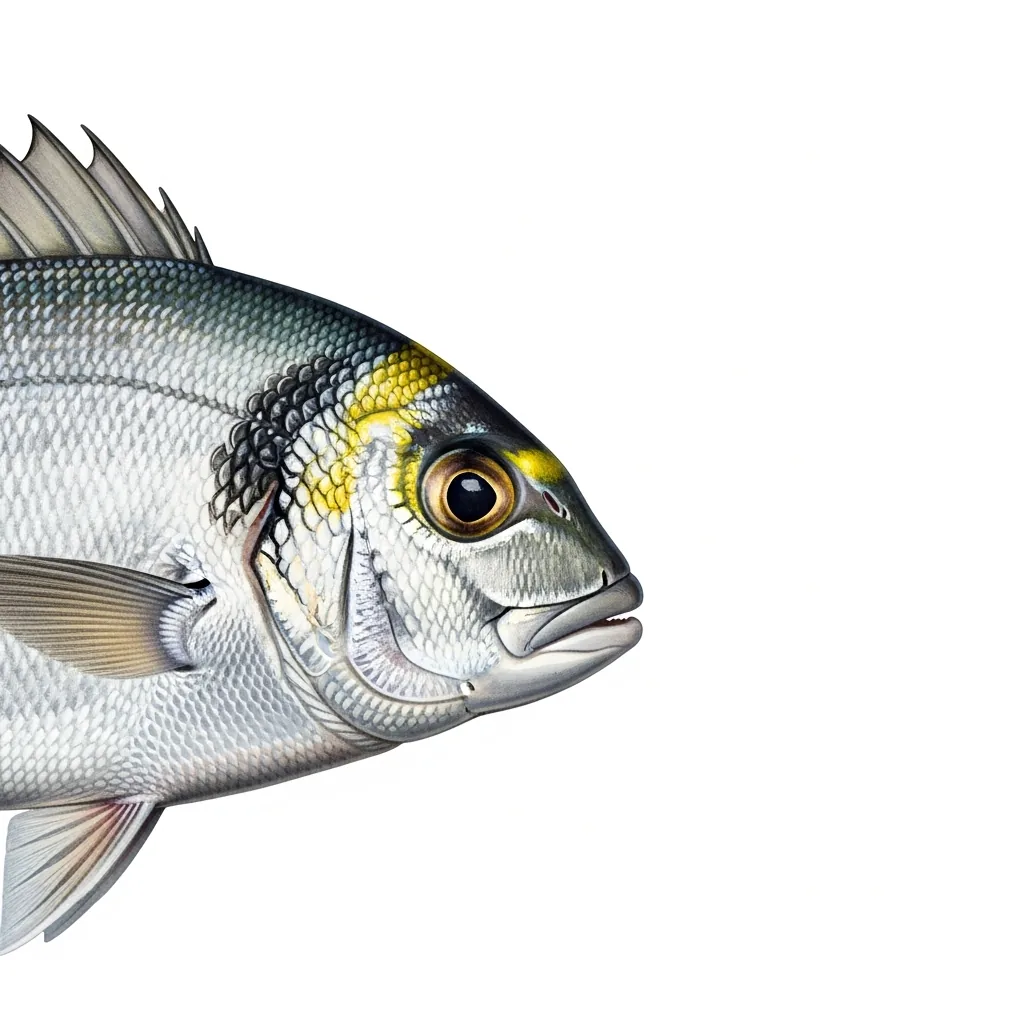 Gilthead sea breamSparus aurata
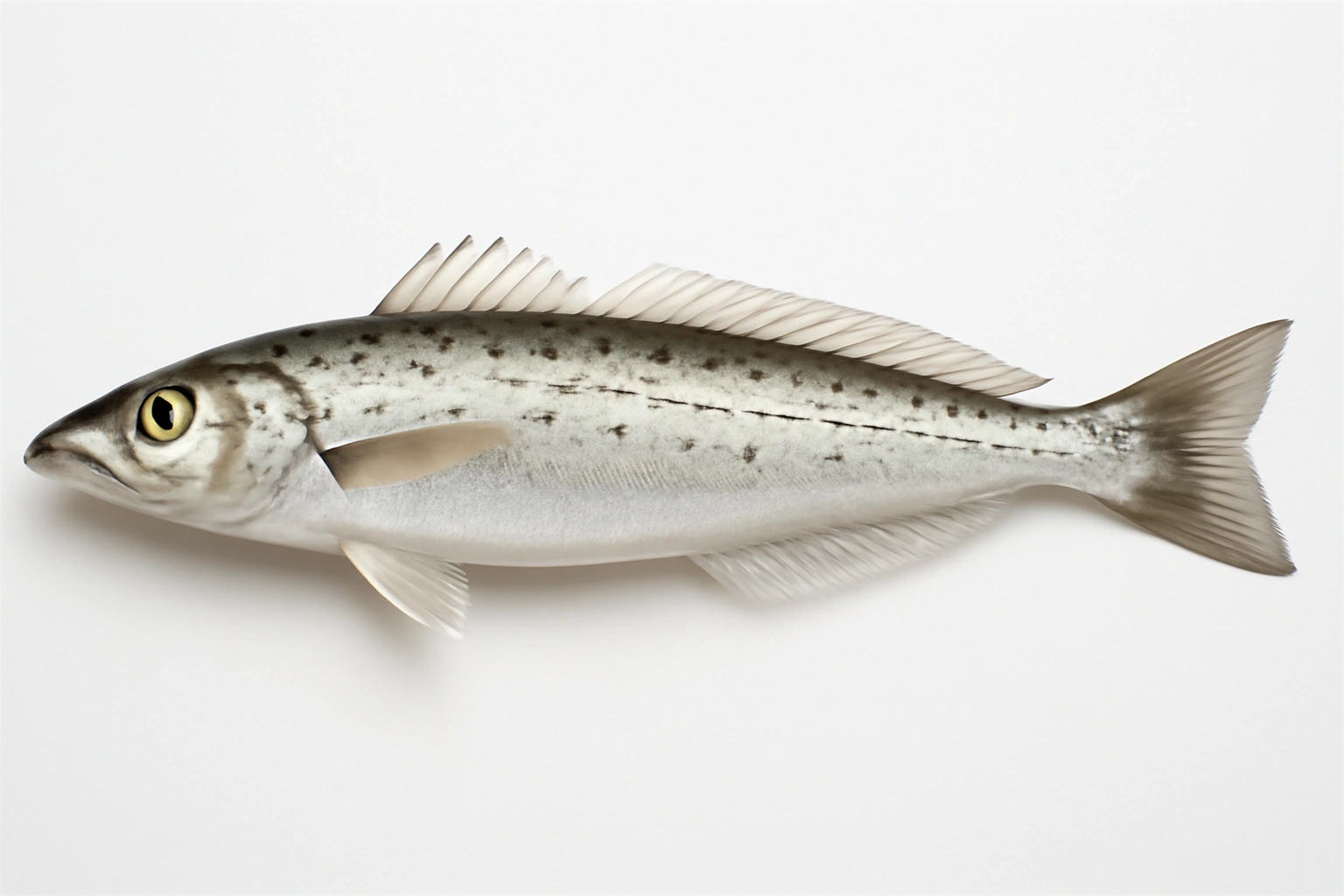 King George WhitingSillaginodes punctatus
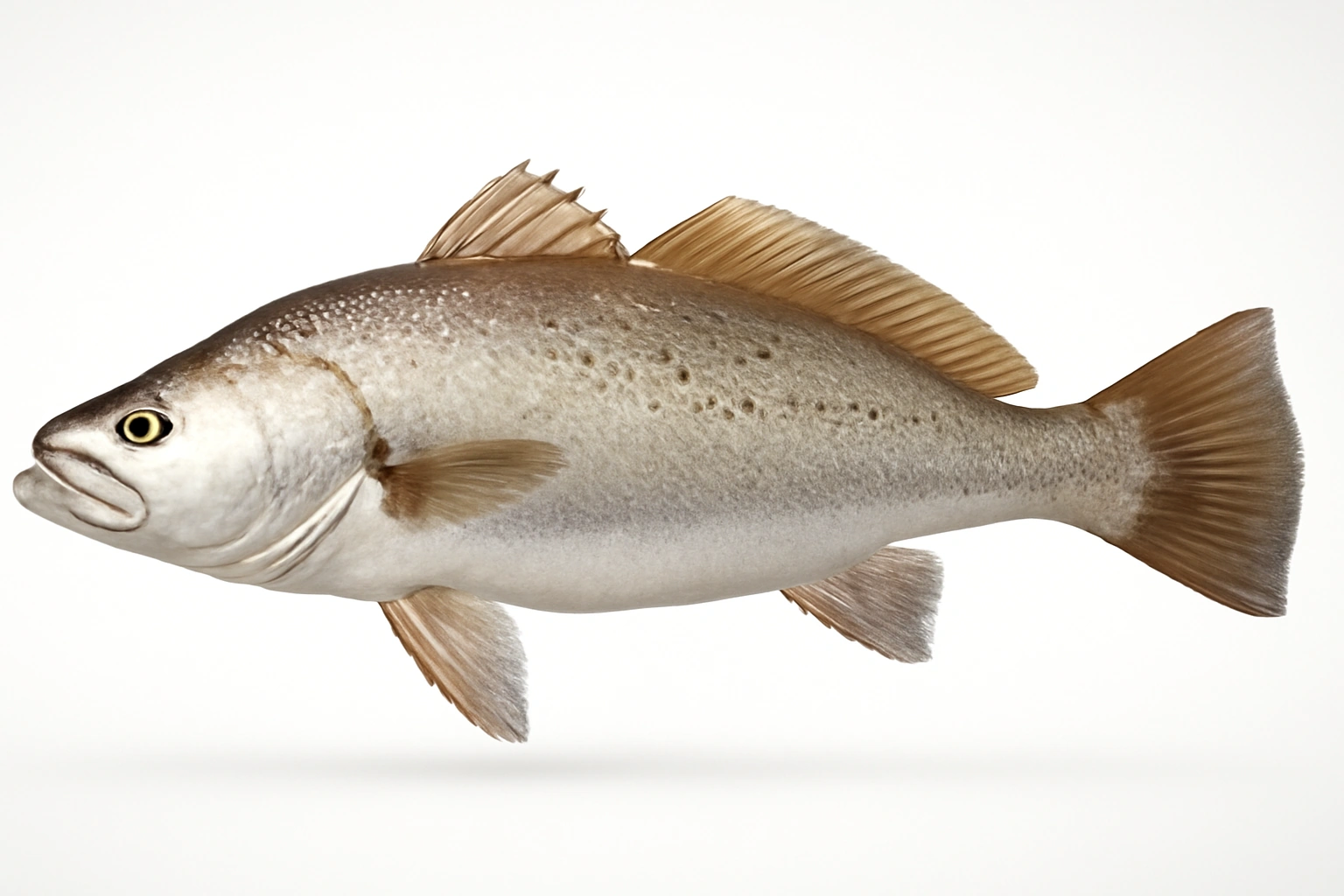 MullowayArgyrosomus japonicus
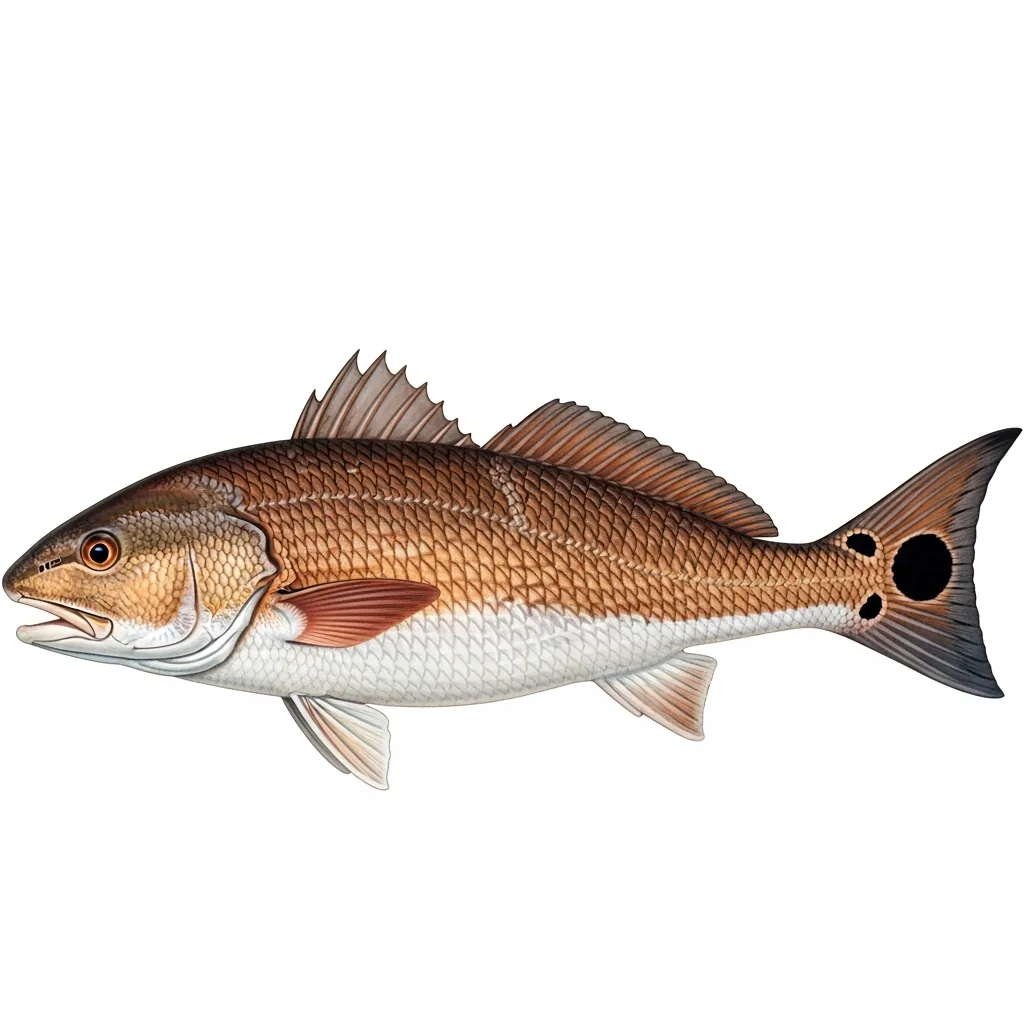 Red drumSciaenops ocellatus
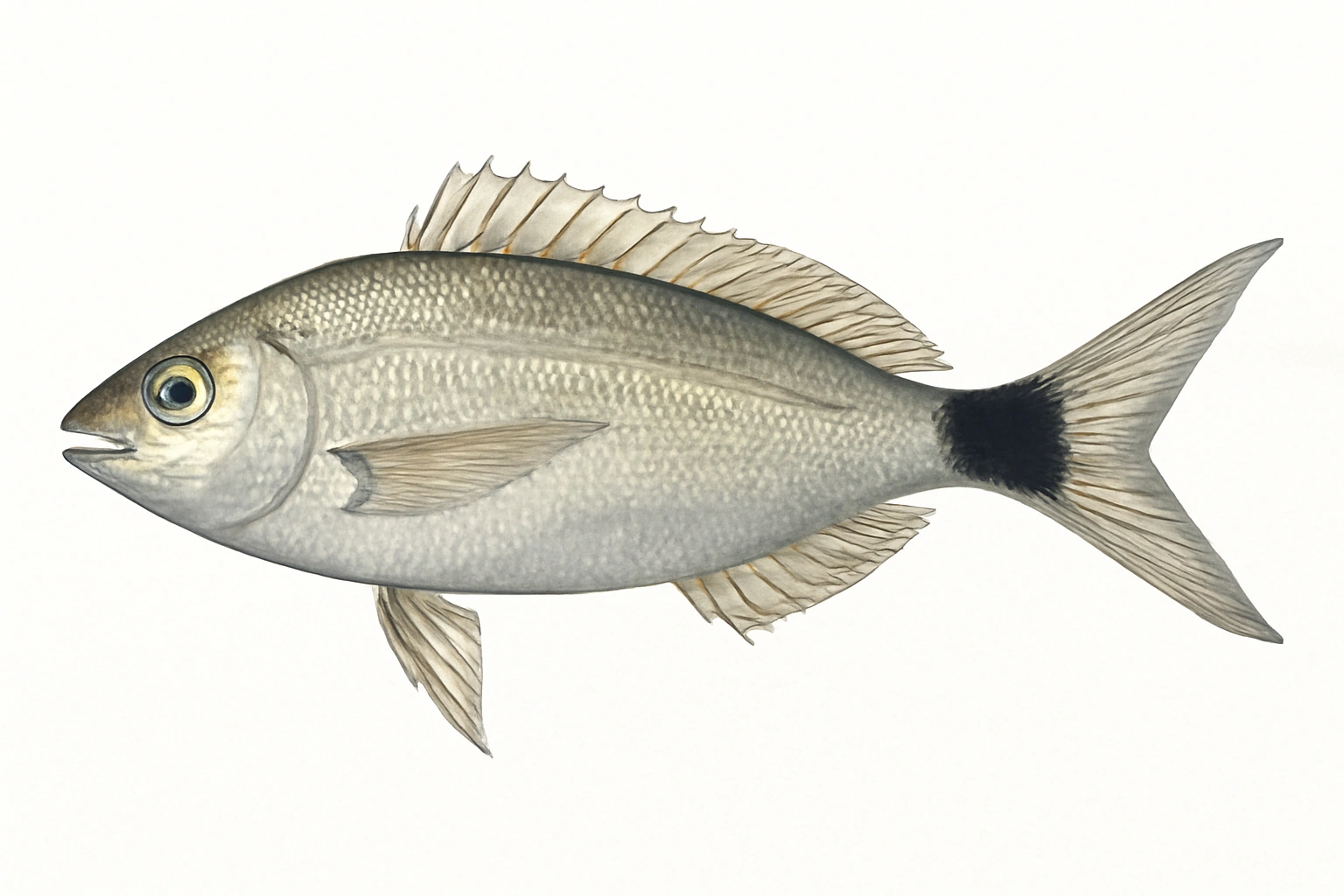 Saddled seabreamOblada melanura
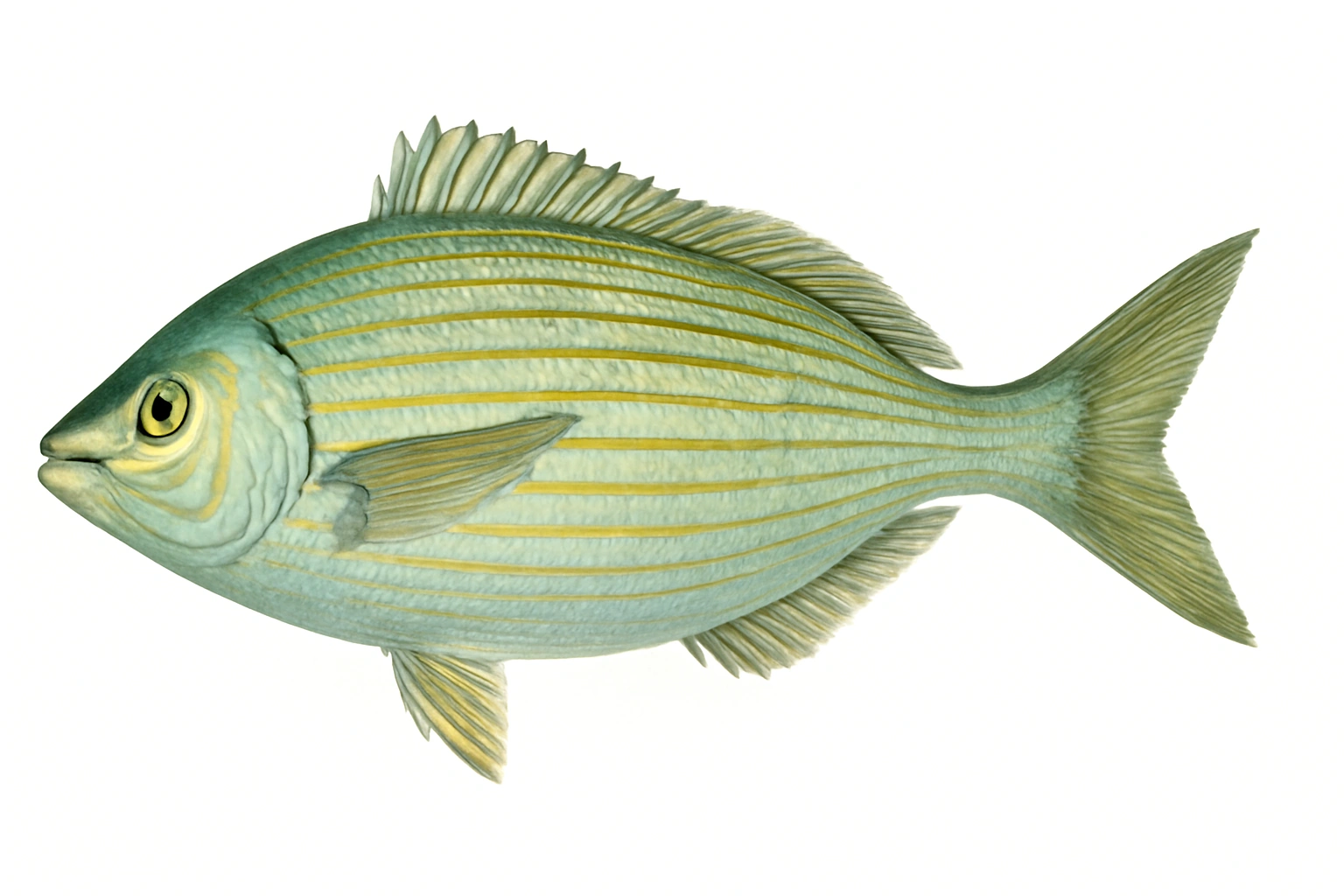 SalemaSarpa salpa
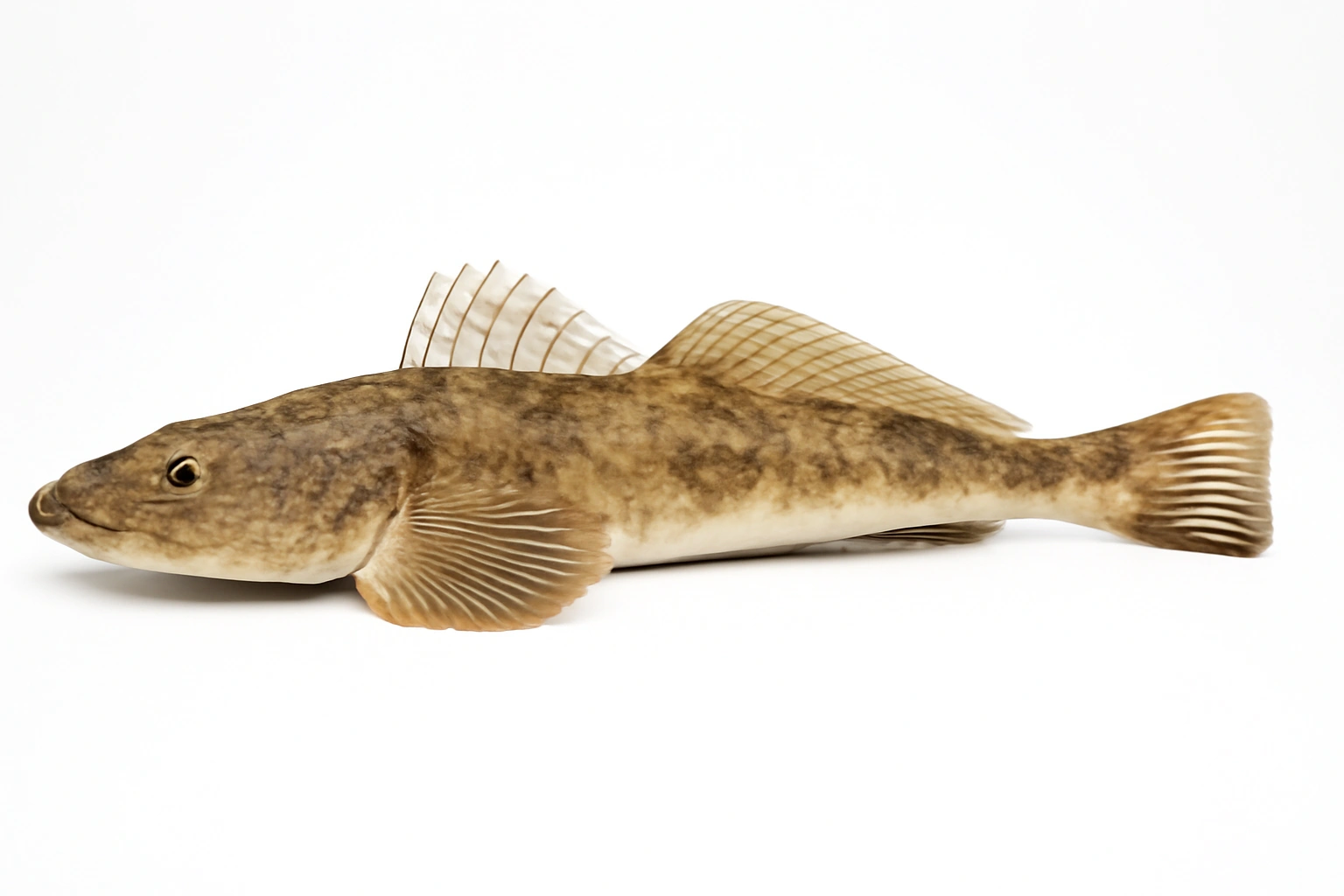 Sand FlatheadPlatycephalus bassensis
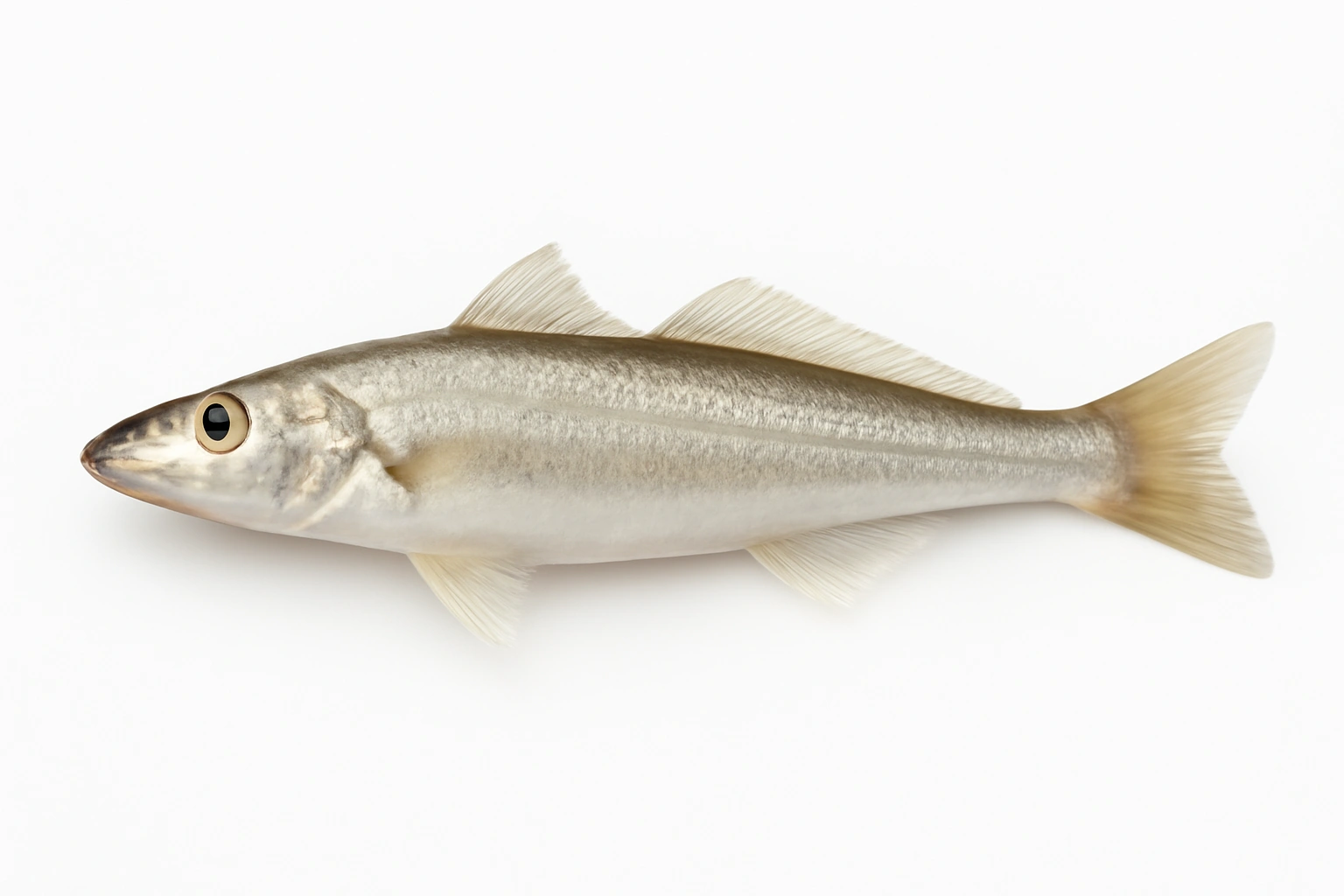 Sand WhitingSillago ciliata
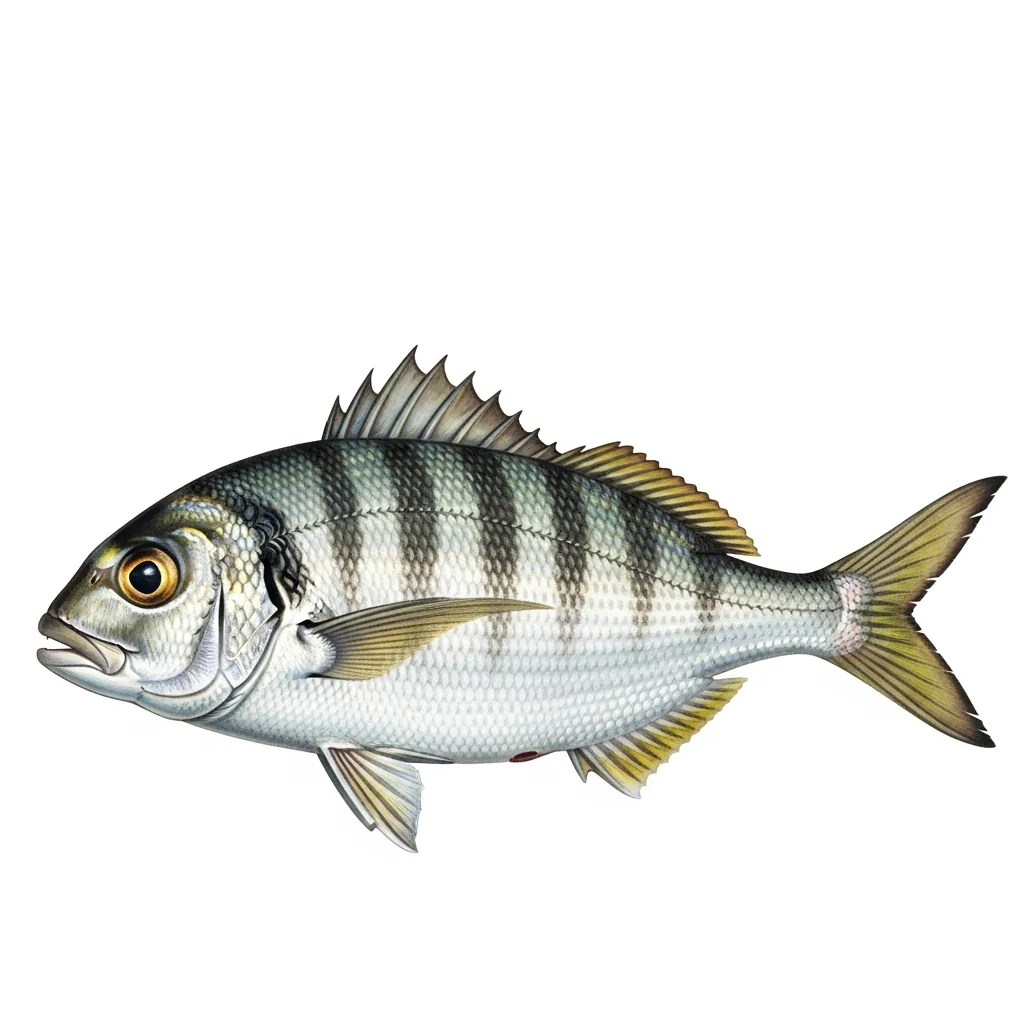 Sharpsnout sea breamDiplodus puntazzo
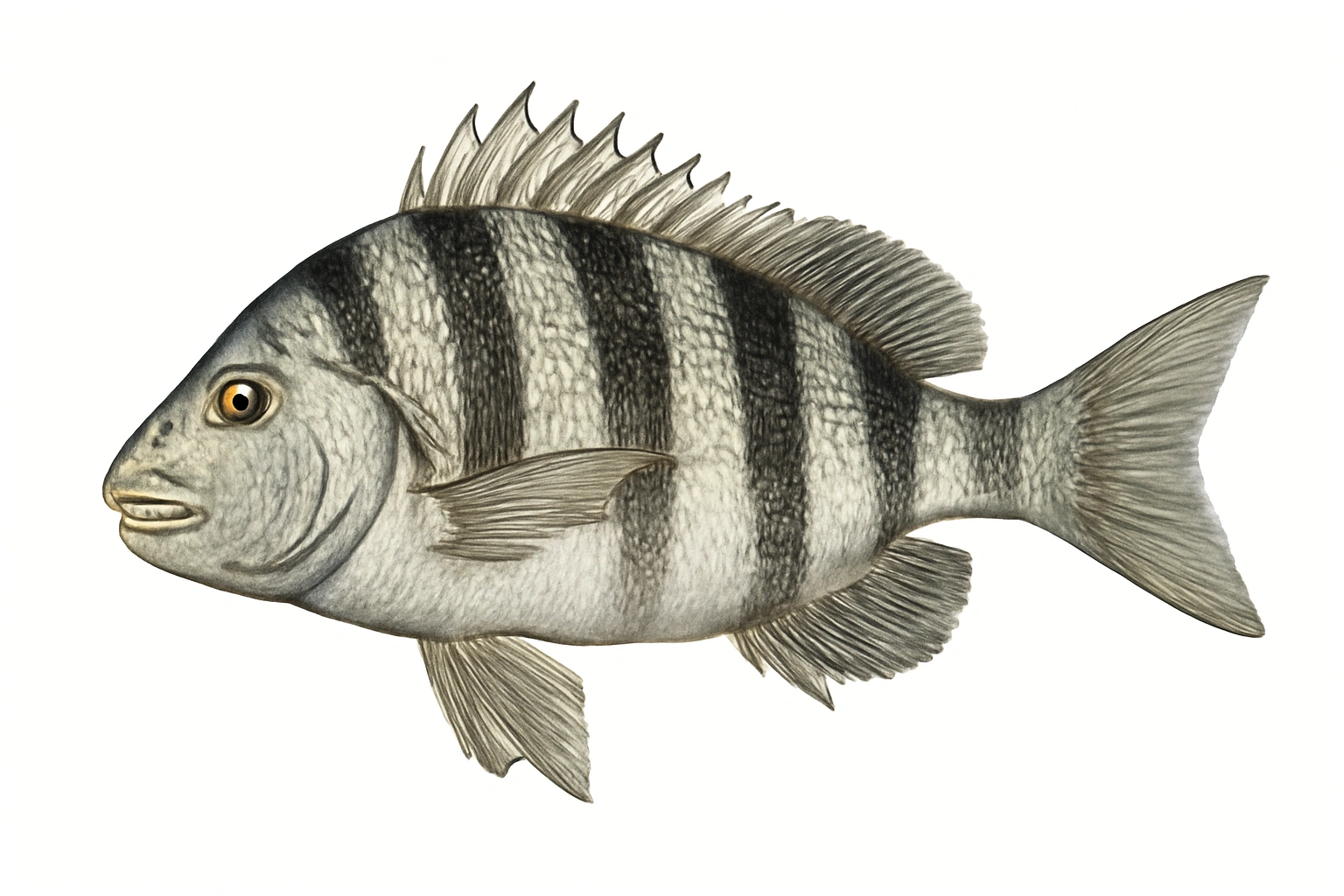 SheepsheadArchosargus probatocephalus
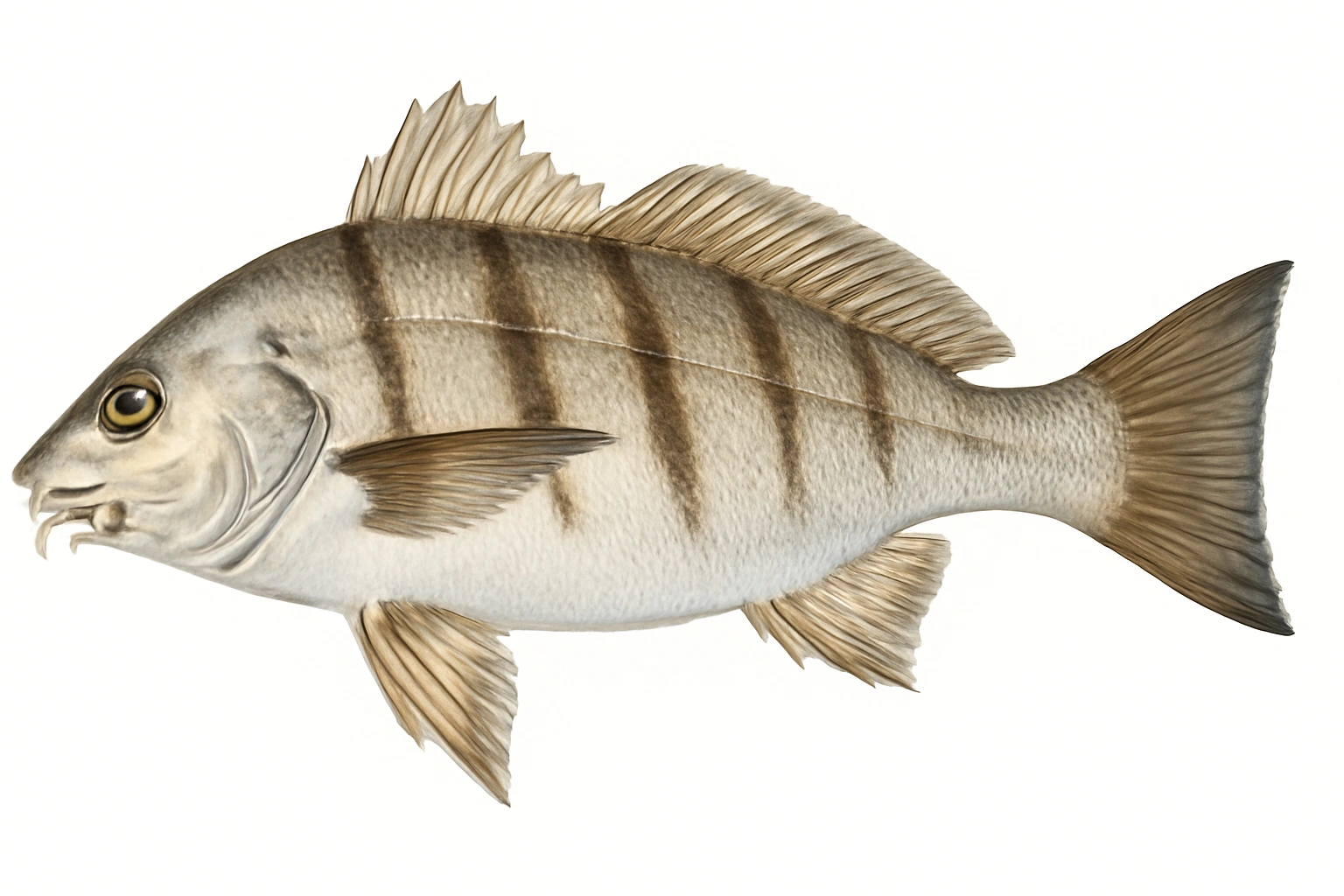 Shi drumUmbrina cirrosa
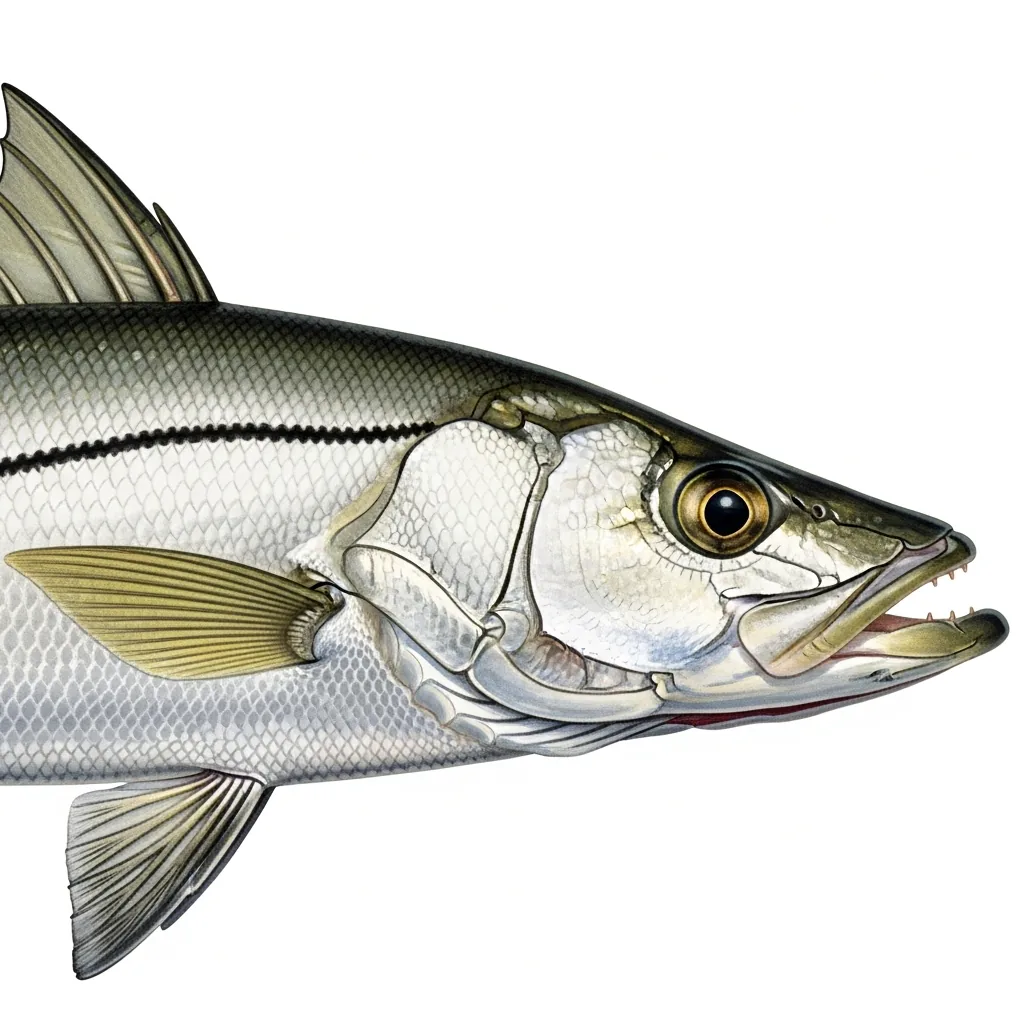 SnookCentropomus undecimalis
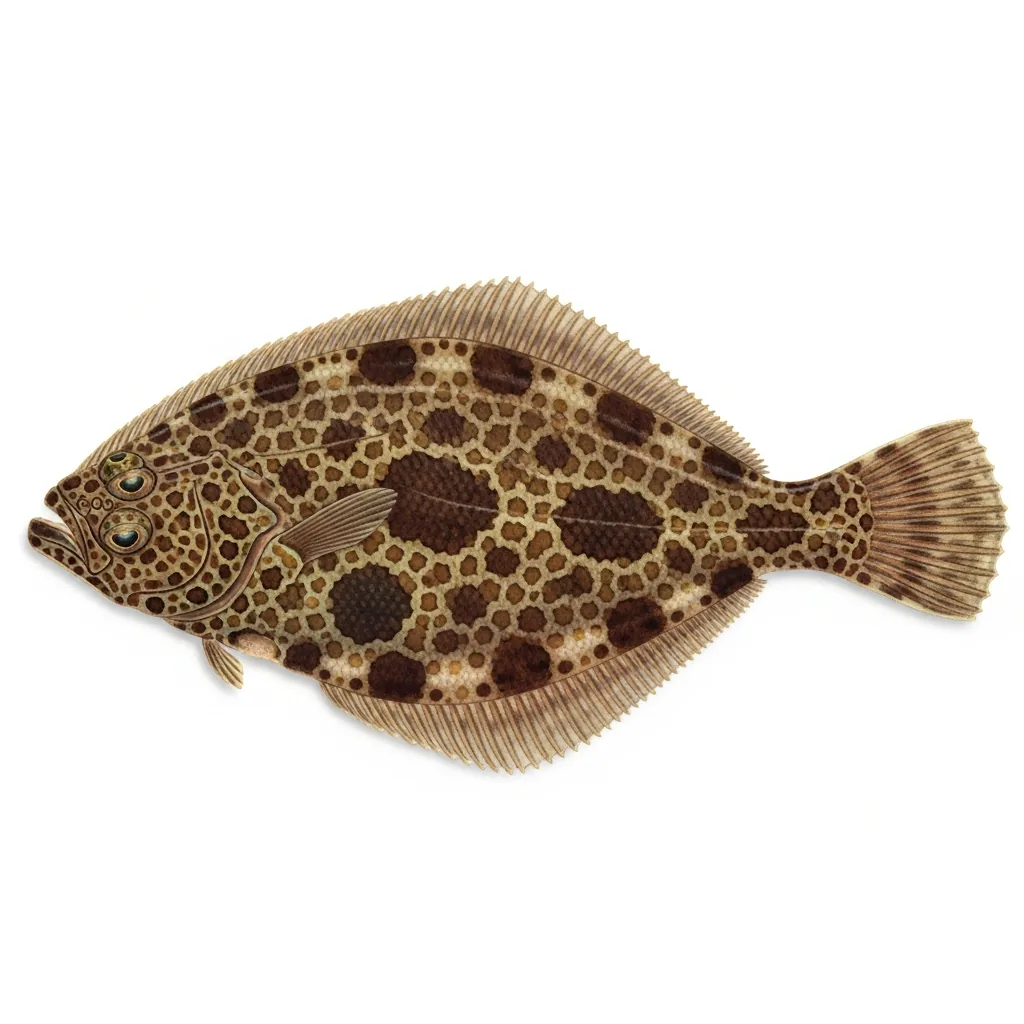 Southern FlounderParalichthys lethostigma
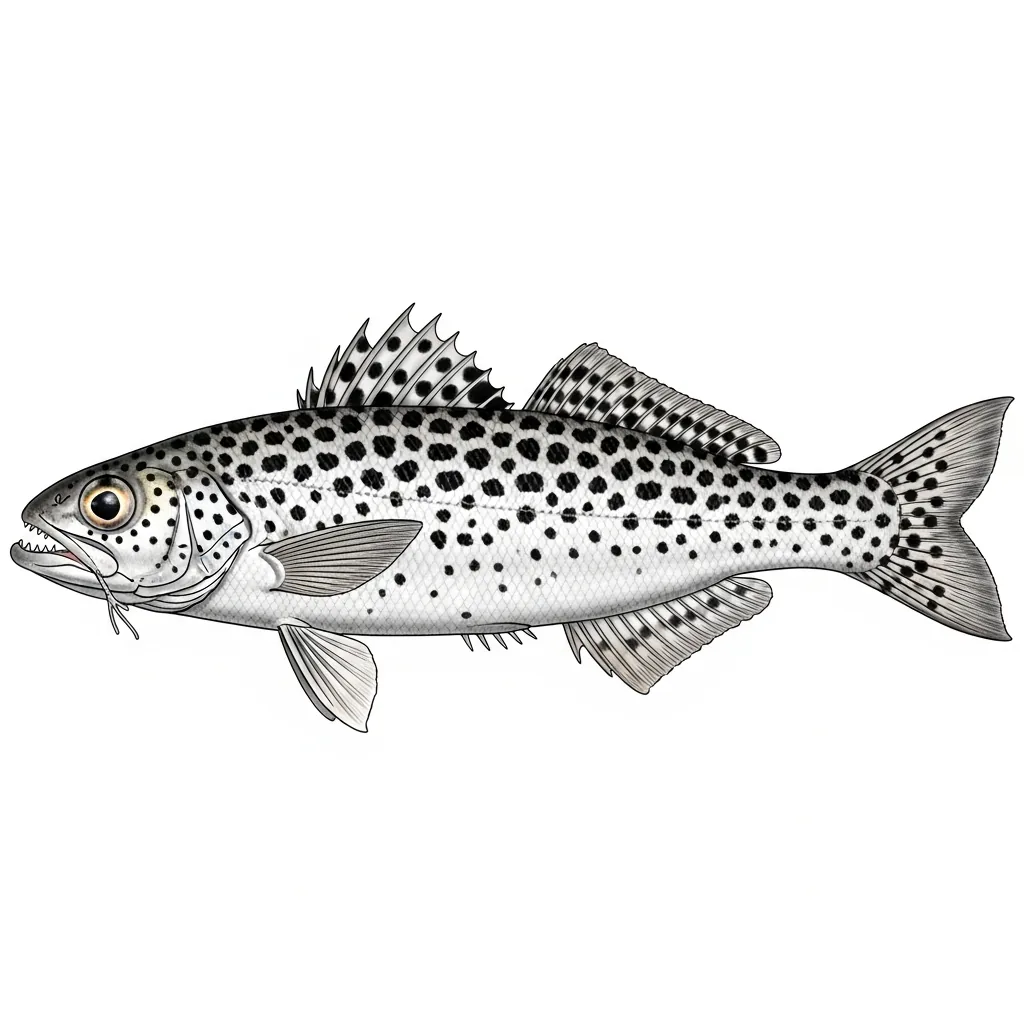 Spotted seatroutCynoscion nebulosus
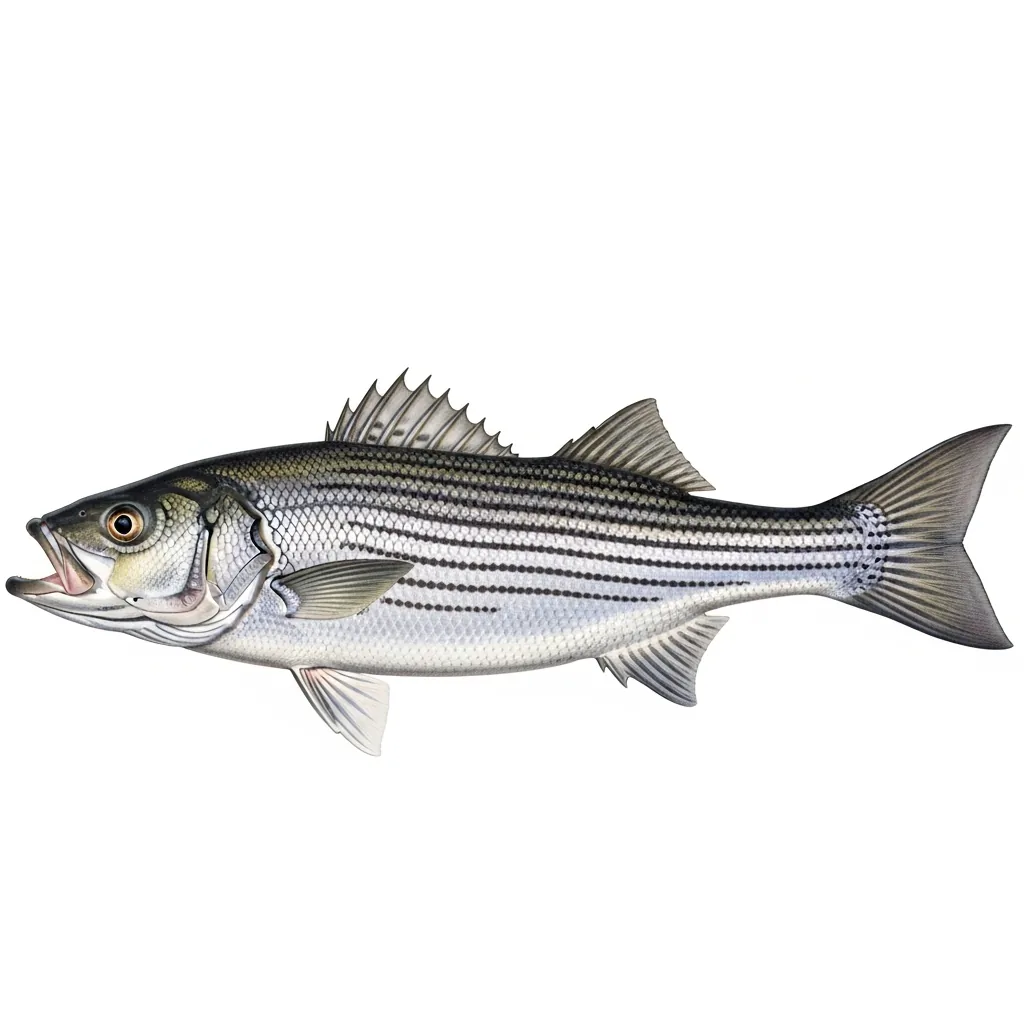 Striped bassMorone saxatilis
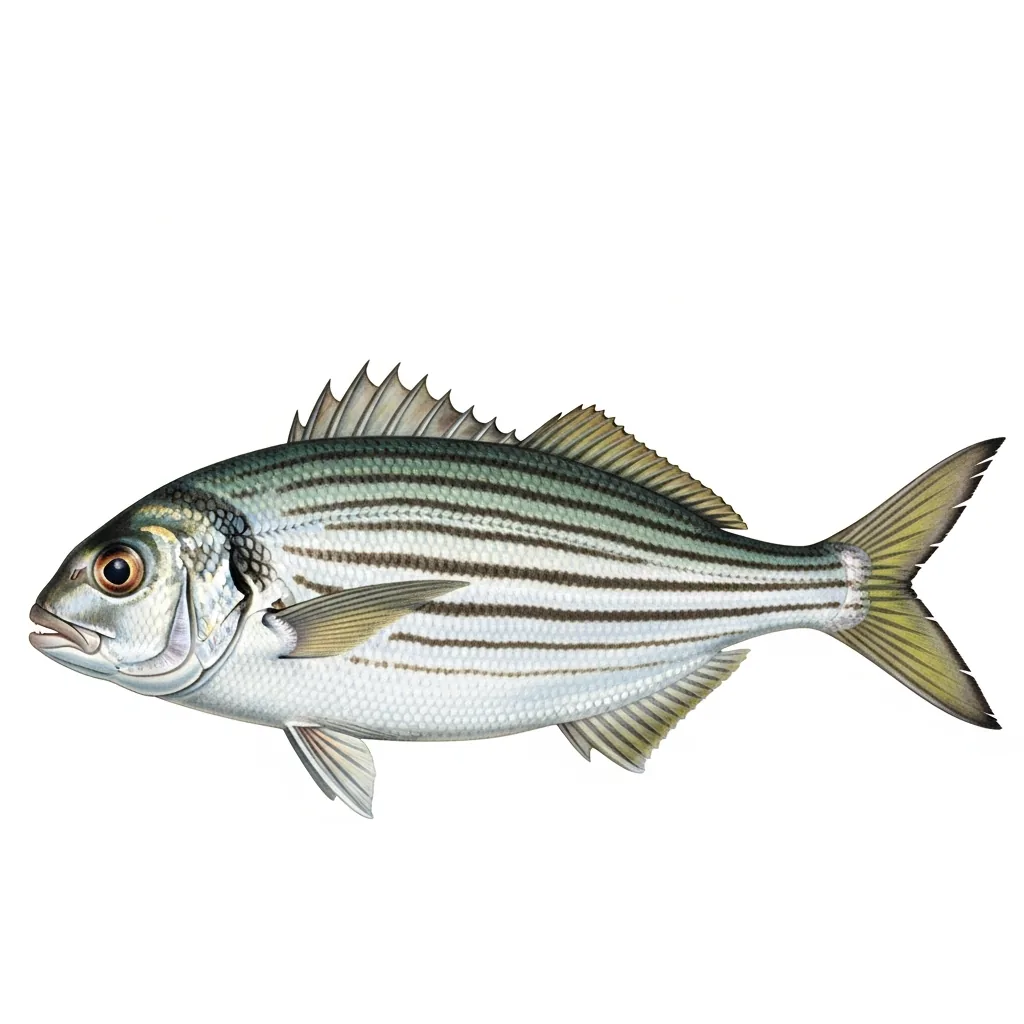 Striped sea breamLithognathus mormyrus
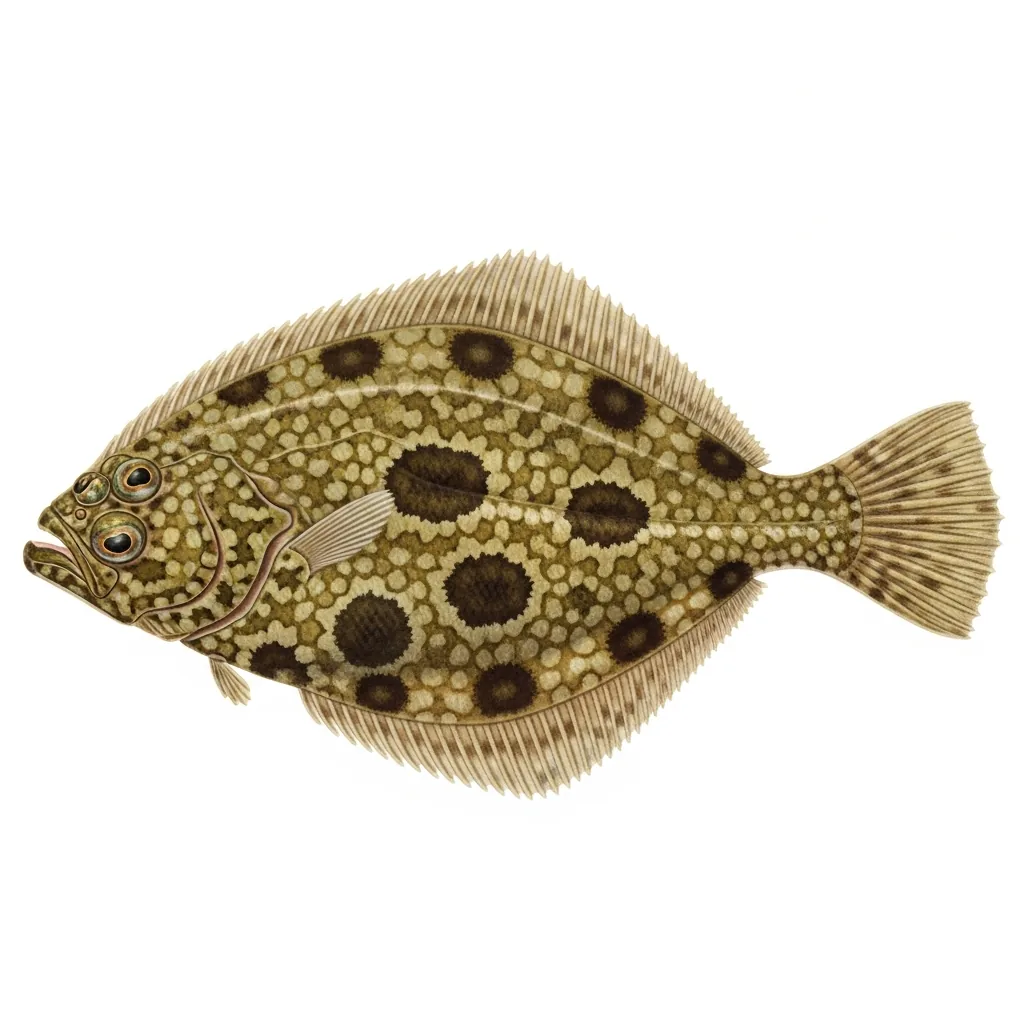 Summer FlounderParalichthys dentatus
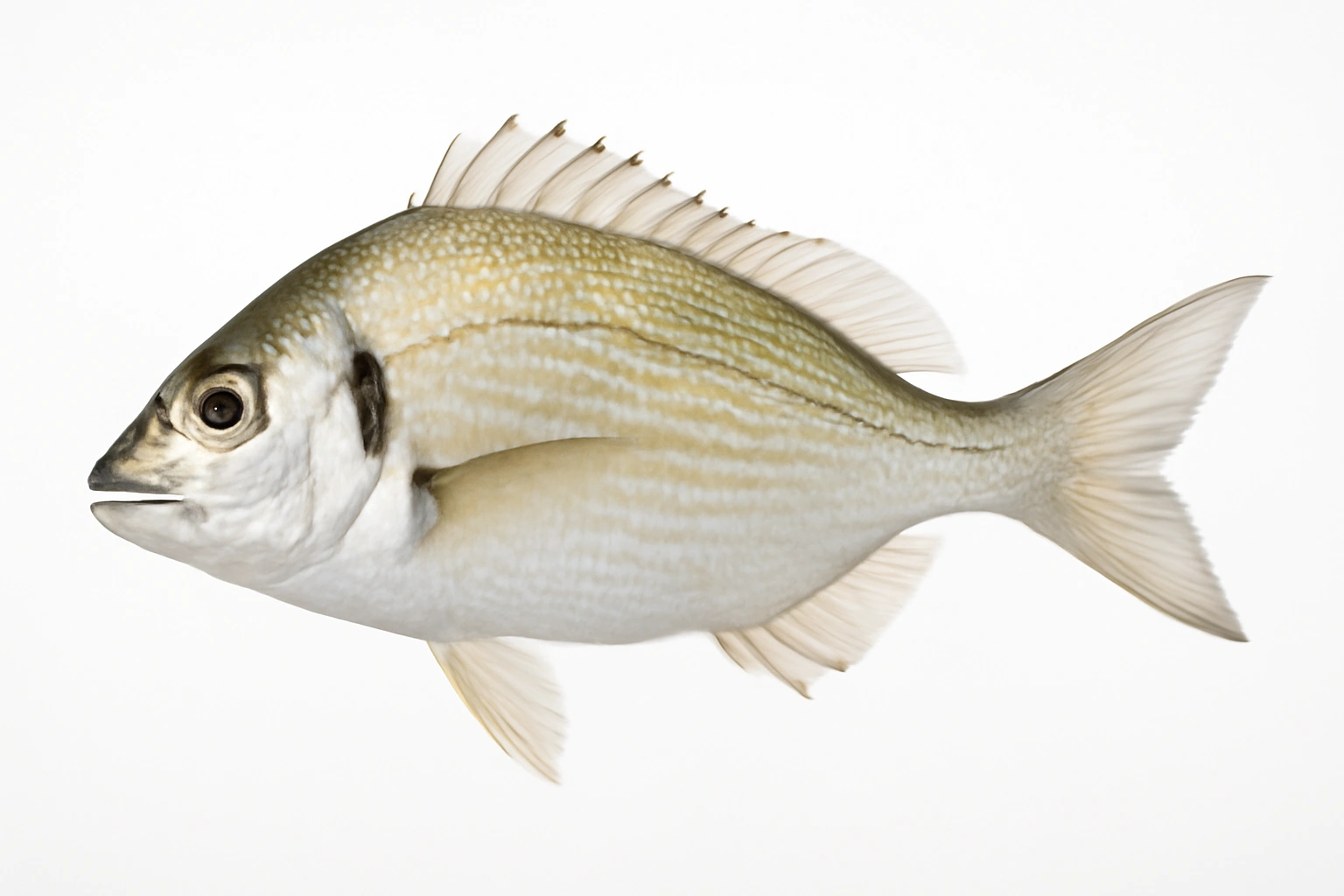 TarwhineRhabdosargus sarba
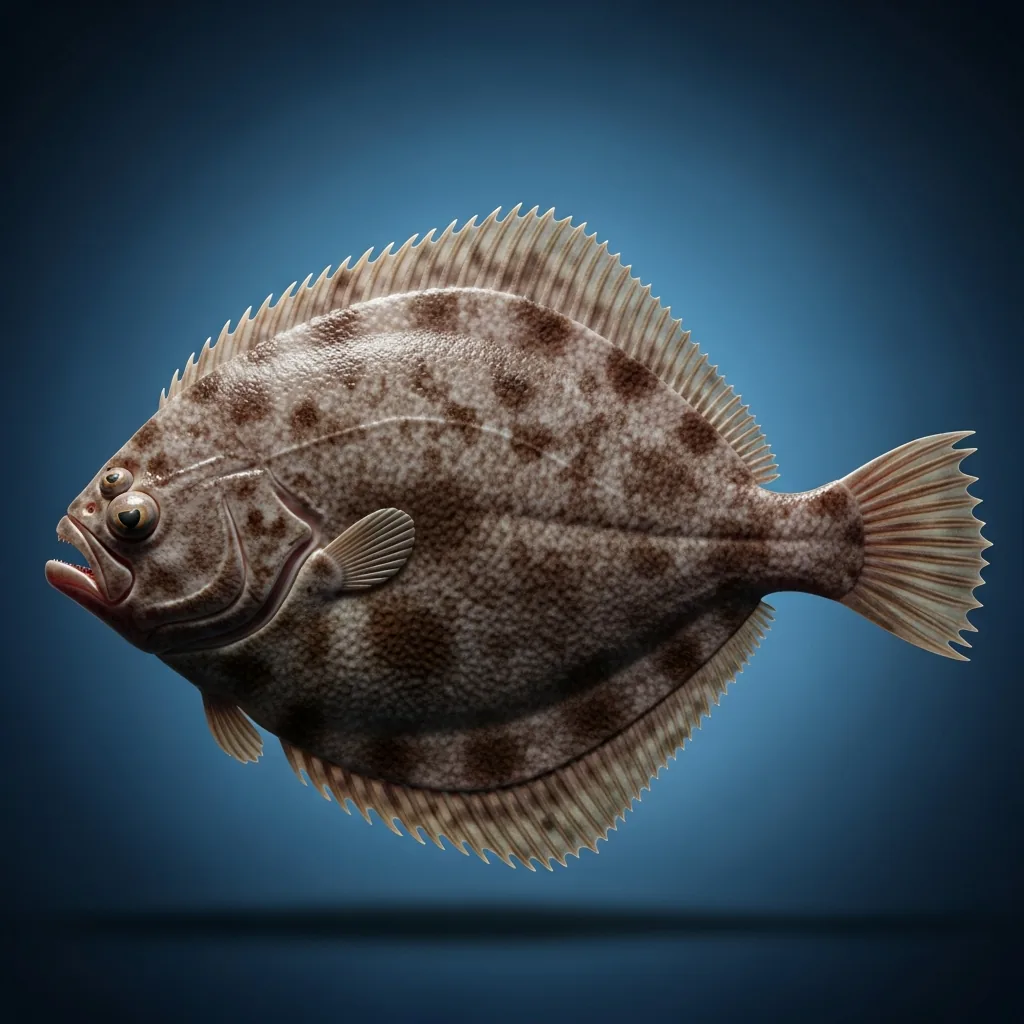 TurbotScophthalmus maximus
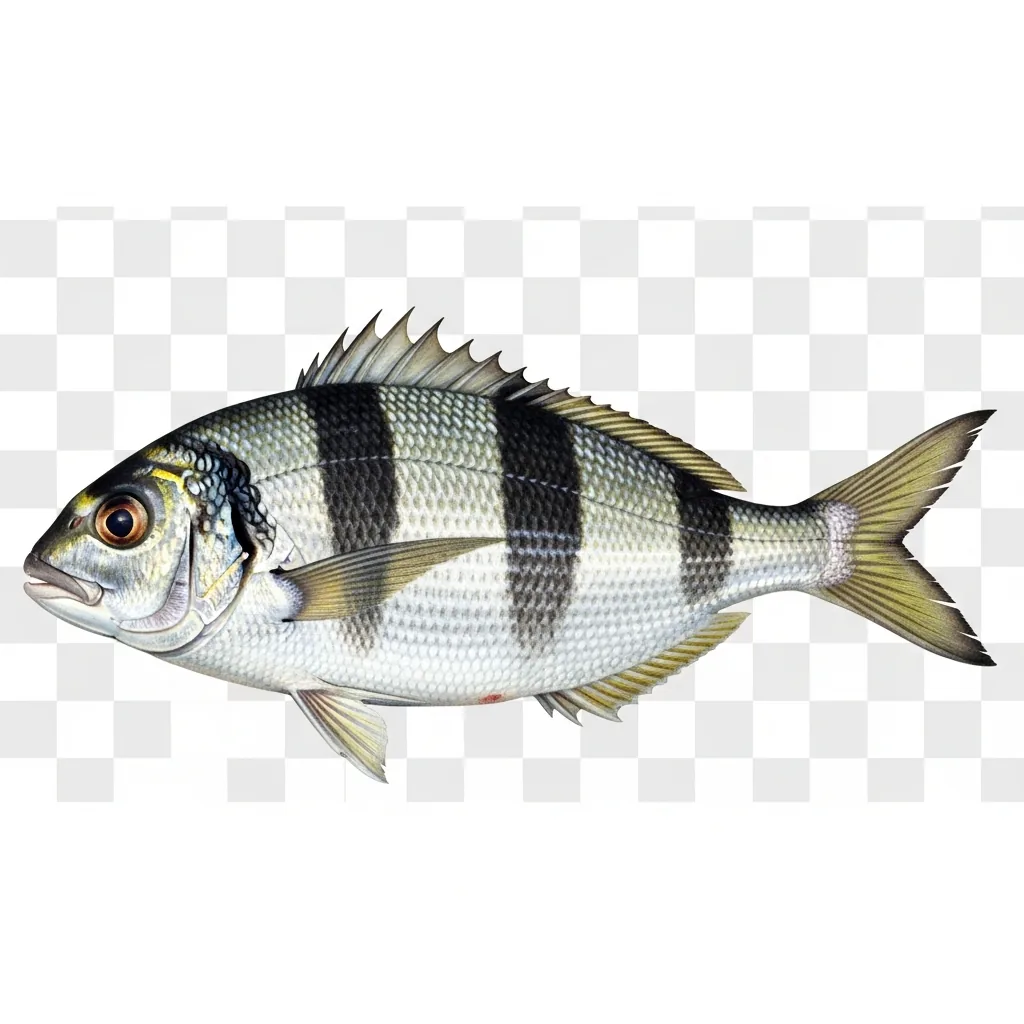 Two-banded sea breamDiplodus vulgaris
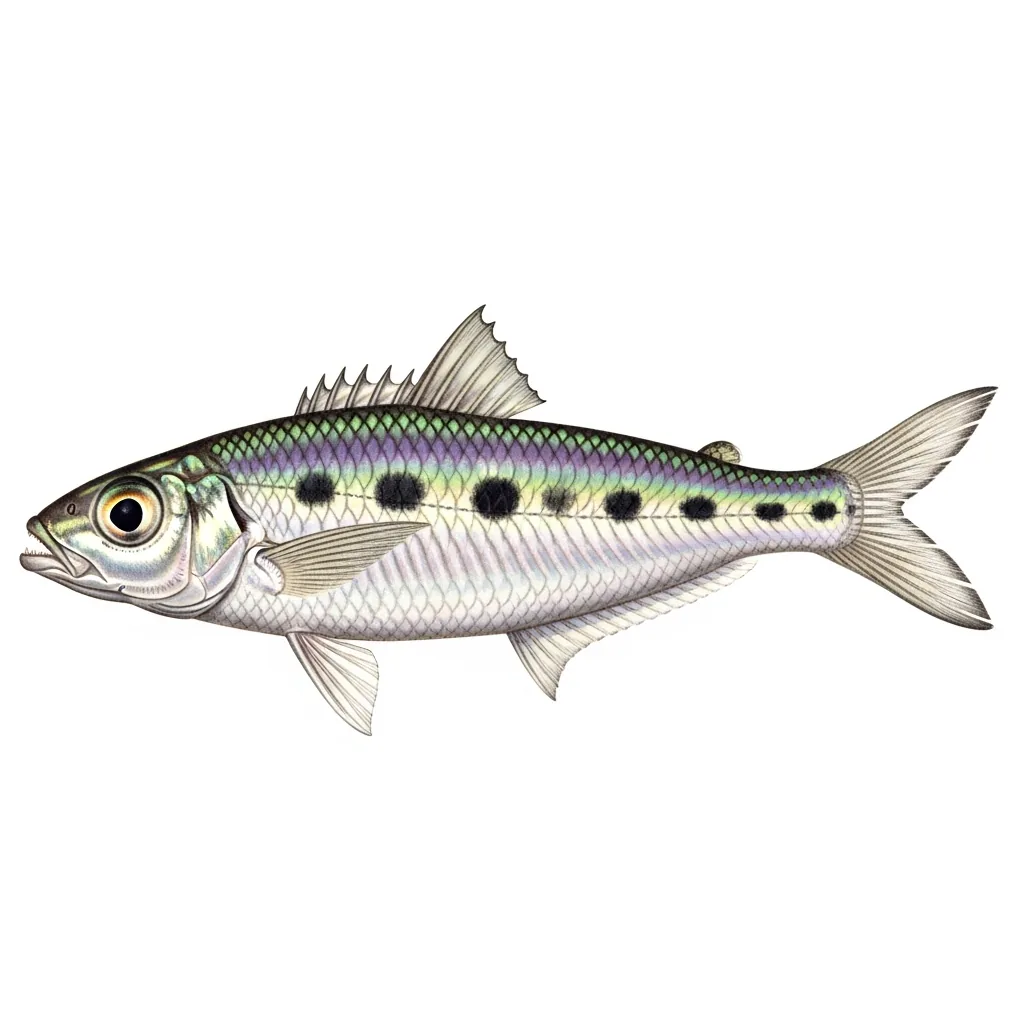 WeakfishCynoscion regalis
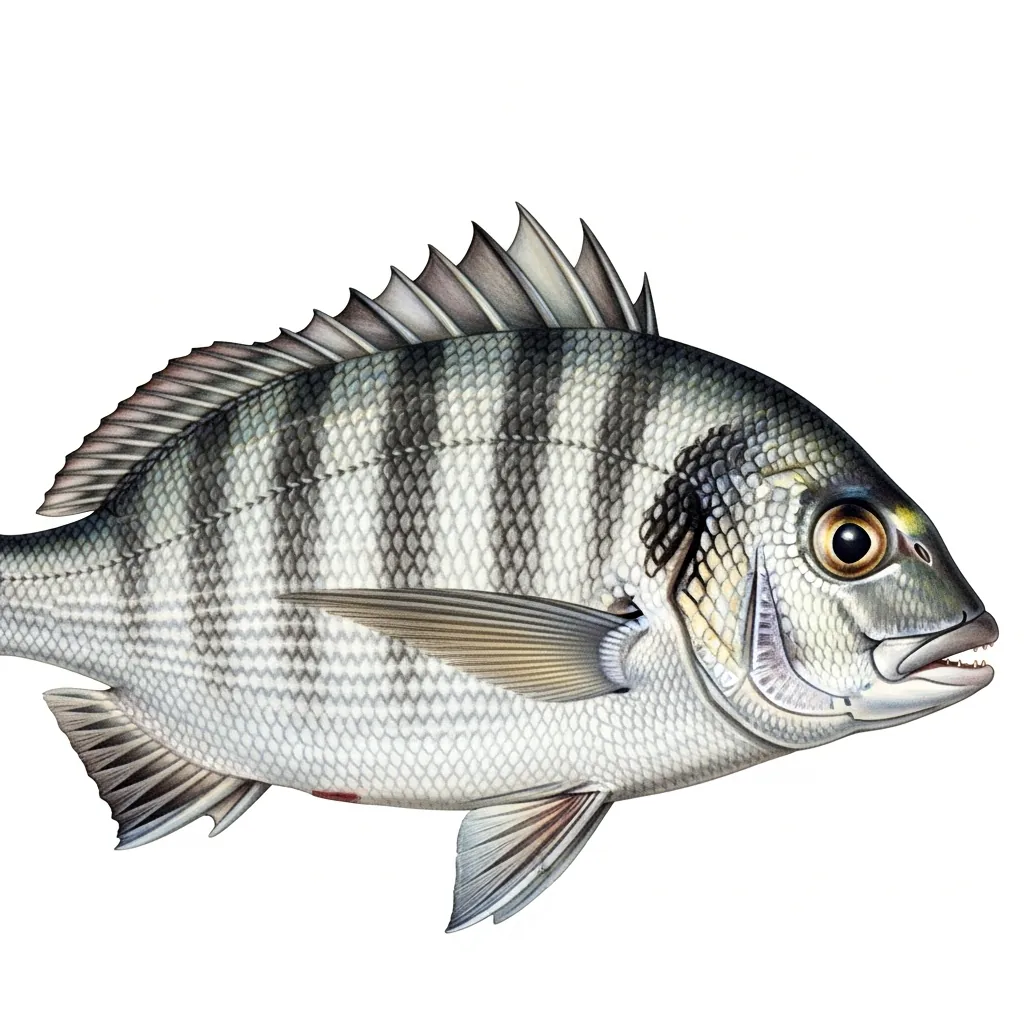 White sea breamDiplodus sargus
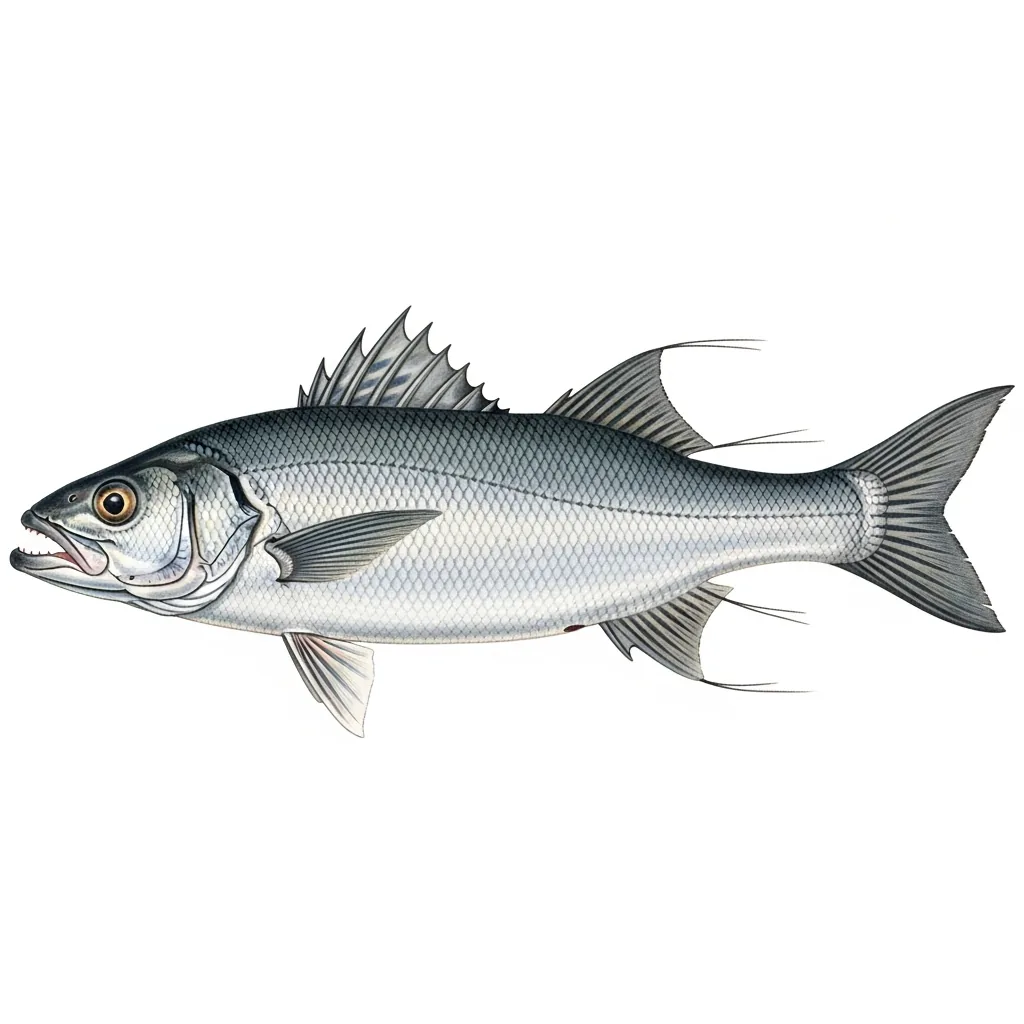 White SeabassAtractoscion nobilis
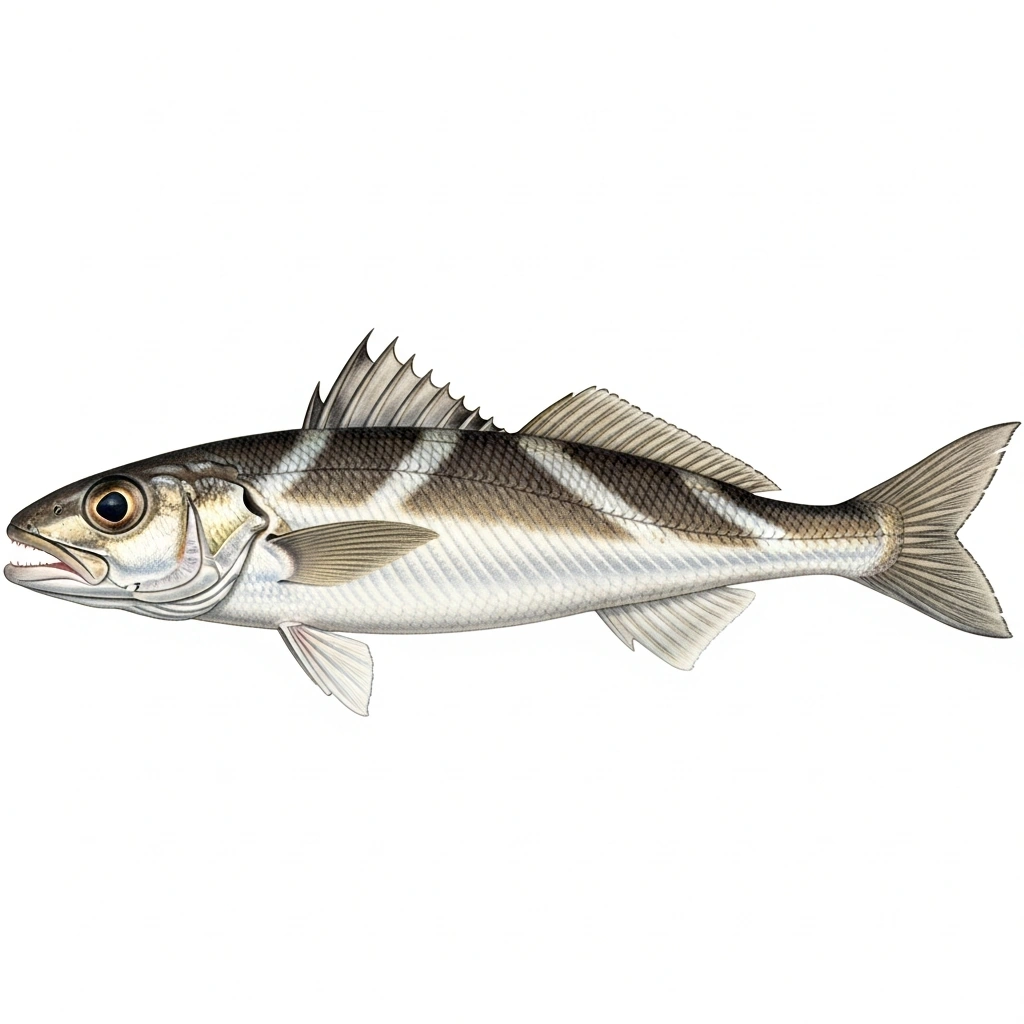 Whitemouth croakerMicropogonias furnieri
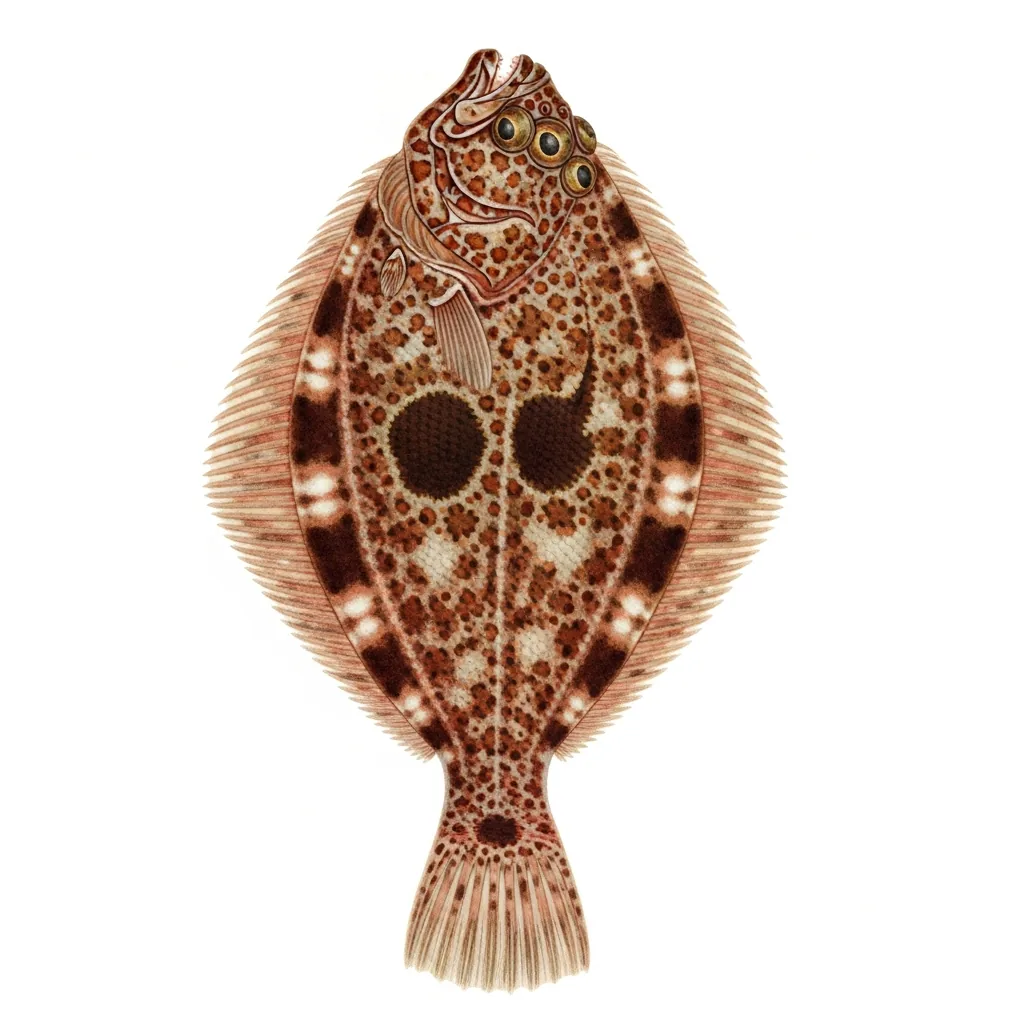 Winter FlounderPseudopleuronectes americanus
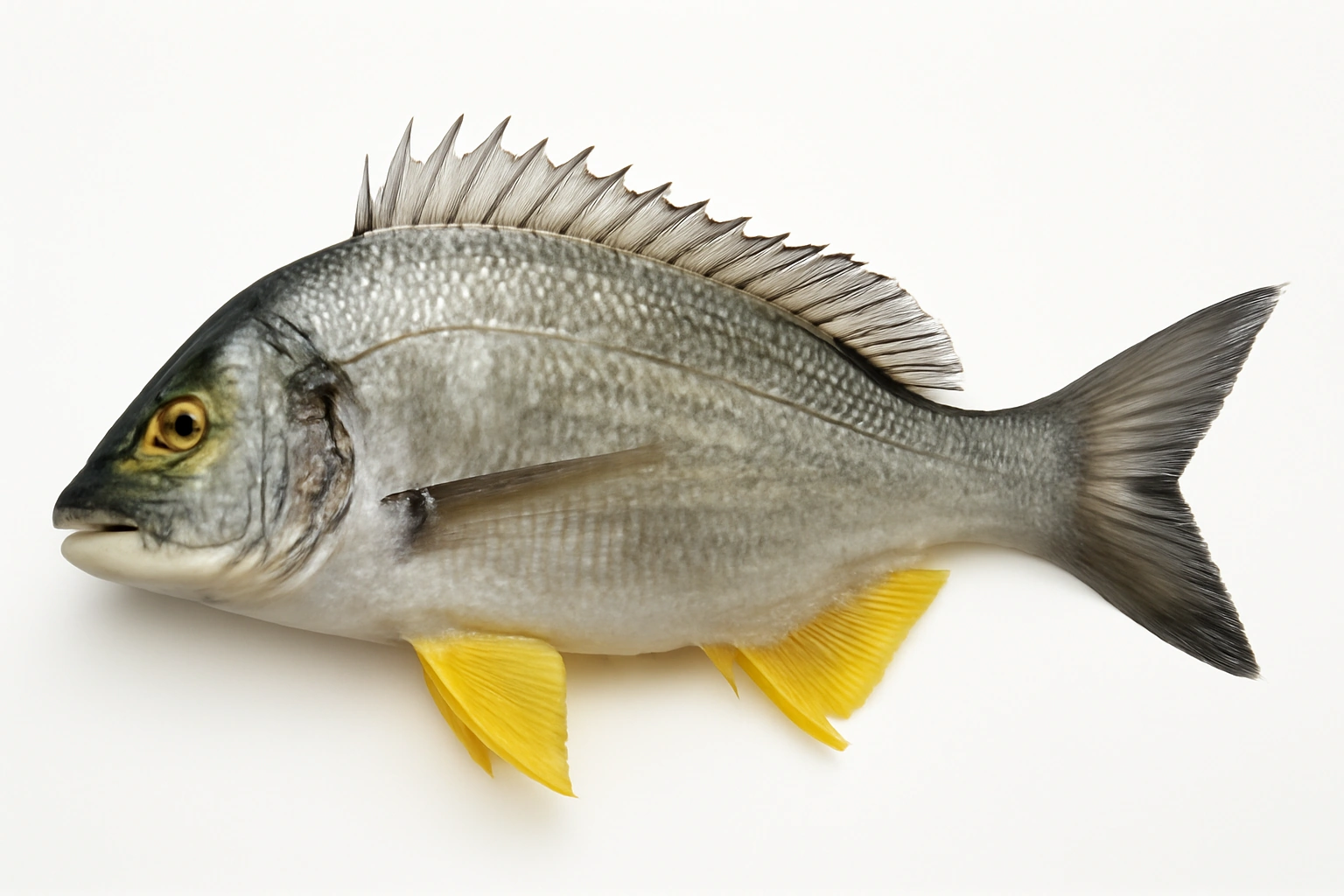 Yellowfin BreamAcanthopagrus australis
Frequently asked questions
How do you fish Beach Ledgering?
Beach ledgering is a light or medium-light wait-and-see bottom-fishing technique in which the sinker works on the seabed and the bait is presented very naturally, often with finer and more sensitive hooklengths than in classic surfcasting.
Beach Ledgering: what tackle do you need?
A rod between 3.90 and 4.20 meters is a balanced choice, but the real deciding factor is the action: it must cast light or medium sinkers and, above all, show bites well. The reel should not be chosen only by size, but for smooth drag and good management of thin line, qualities that are crucial when targeting wary fish with fine rigs.
Beach Ledgering: what is the best time?
SEASONS, LIGHT, AND SEA CONDITIONS: Beach ledgering is at its best when fish are feeding close to shore and there is no need to beat heavy surf with big sinkers. Spring and fall are very versatile seasons;
Beach Ledgering: where is it best?
The beach is never uniform: you need to look for gutters parallel to the shoreline, shorebreak ledges, darker depressions, sand points, and openings between bars. With a developed sea or as it drops, many fish move into the first or second gutter because that is where they find food stirred up by the waves and spend less energy.