Bottom Fishing: technique, spots and tackle
A Guide to Mastering Vertical Boat Fishing

Every angler dreams of the perfect day. We show it to you first.
At the heart of ForecastX is an advanced marine-weather engine: it analyses waves, wind, sea temperature, tides, pressure and moon in real time and turns them into a Productivity Index (0-100) for every species. You'll always know, precisely, when the sea is on your side.
Coming soon to the App Store and Google Play — don't miss it.Introduction to the technique
Bottom fishing is vertical or nearly vertical fishing practiced from a boat to target fish holding on the bottom or just slightly above it. It is not a “simple” technique in the trivial sense of the word: the real difference is made by drift control, reading the bottom, and the ability to keep the bait in the right strike zone without making it drag unnaturally. There are different forms of bottom fishing, from light inshore styles to medium-deep and all the way to deep bottom fishing, and each requires small variations in tackle and setup. Classic catches include pandora, rudd, bottom-feeding gilt-head bream, common pandora, various sea breams, conger eels, scorpionfish, and dentex, but the technique will intercept anything feeding close to the bottom.
When to practice it and why
Bottom fishing produces all year round, but fish behavior changes greatly depending on water temperature, light, current, and fishing pressure. In spring and autumn there are often excellent windows because many species feed steadily and occupy accessible depth ranges; in summer it pays to focus more on dawn, dusk, and nighttime hours, while in winter slower, more precise fishing near ledges and mixed mud bottom is often rewarded. Seas that are too rough make it difficult to stay effectively fishing, but a slight drift and a bit of movement can help because they bring the bait to life and make the rig work better. After a tide or current change, or when the wind realigns with it, short but very productive moments often occur: bottom fishing rewards those who know how to recognize these windows.
Reading the spot
The bottom should not be chosen “at random,” but interpreted. The best areas are changes in bottom composition, for example the transition from sand to rock, small ledges, humps with gentle edges, channels, and flat areas dotted with scattered stones: this is where food concentrates and predators patrol. With sonar and GPS, do not look only for marked fish, but above all for structure: a rise of just a few feet, a crack, or a strip of debris can be worth more than a school seen suspended in the water column. A typical sign not to underestimate is “empty water just above the bottom” with a few echoes slightly detached: it often indicates fish lying on the bottom or suspended just a little above it, exactly the ones reachable with a well-adjusted rig.
Well-thought-out tackle
For inshore bottom fishing, short and sensitive rods are excellent, generally between 1.8 and 2.4 meters, capable of reading the sinker on the bottom while also handling important fish. The reel must have smooth retrieve, progressive drag, and good line capacity; more than size, what matters is reliability under strain and the ability to drop and retrieve often without causing fatigue. Braid offers contact, sensitivity, and a quicker hookset in depth, while monofilament is more forgiving and absorbs jolts better: many anglers use braid on the spool and a fluorocarbon or nylon leader to combine sensitivity and natural presentation. The sinker should be chosen not only for “how much depth there is,” but to stay as vertical as possible with the minimum weight that still allows control: too light and it drifts off, too heavy and it stiffens everything and kills the bites.
Rigs and variants
The most classic rigs are the paternoster with droppers above the sinker, the flag-style rig, bottom-fishing rigs with backbone line and swivels, and more essential one-hook versions for wary fish or snaggy bottoms. Relatively short droppers help with control and reduce tangles on rough bottoms or with sustained drift; longer droppers provide more natural presentation when fish are suspicious and the sea is calm. On rock and ledges it is often better to reduce the number of hooks: you fish cleaner, snag less, and understand the bite better. For dentex, large red porgies, or fish that strike just off the bottom, a rig that keeps the bait slightly lifted from the bottom can be more effective than the classic “sinker planted and low droppers” setup.
Baits and presentation
The bait must be fresh, compact, and rigged so that it works well on the drop and during controlled drift. Squid, cuttlefish, shrimp, sardine, bloodworm, Korean worm, and fish strips are great classics, but the choice should be tied to the target species and the presence of bait stealers: on bottoms infested with small fish, a larger, firmer bait lasts longer and selects better fish. Presentation matters as much as the bait itself: a crooked bait spins on itself, twists the dropper, and looks unnatural; a straight baiting, with the hook well exposed, fishes immediately better. One often decisive detail is alternating stillness and small movements: two or three short taps with the rod tip, then a pause, imitate a live morsel without moving the sinker too far from the productive zone.
Boat management and fishing action
In bottom fishing, the boat is part of the tackle. You need to drop in such a way as to arrive on the spot with the line as vertical as possible, correcting the drift and making repeated passes over the same stretch if it produces bites. If the sinker loses bottom or the line opens up too much, you are no longer really fishing: it is better to retrieve, realign, and start again than to drag the bait out of the zone. Bites can be sharp or barely hinted; often a violent hookset is unnecessary, and a simple progressive tightening accompanied by the retrieve is enough, especially with sharp hooks and thin leaders. When an area produces a fish, it is rarely by chance: marking the exact point and the angle of the drift is one of the habits that truly makes you improve.
Common mistakes and corrections
The most widespread mistake is fishing too heavy and too stiff, thinking it will help you “feel better”: in reality, it reduces natural presentation and sensitivity to subtle bites. Another classic mistake is insisting on a uniform bottom with no reference points, whereas bottom fishing performs better on details, even tiny ones, that concentrate life and food. Many beginners strike instinctively at the first vibration and pull the bait from the mouth of wary sea breams; instead, it is better to distinguish between nibbling and a true run, maintaining contact and waiting for the weight of the fish. Maintenance also matters: hooks that are not perfectly sharp, worn knots, leaders that have turned dull or become curled cost more fish than people think.
Trade secret
One underrated trick is using the “controlled lift” when the bottom seems empty. After touching bottom, raise the sinker a few decimeters and fish there for a few minutes: many fish, especially sea breams and active dentex, do not stay glued to the bottom but slightly above it, where they see the bait better and attack it more decisively. If you alternate brief pauses on the bottom with pauses just off it, you can often understand in only a few drops at what height they are feeding that day. The other advantage is practical: fewer snags, a cleaner rig, and a bait that works in a much more visible way, especially on mixed bottoms or with small tufts of seagrass.
Fish to target with this technique
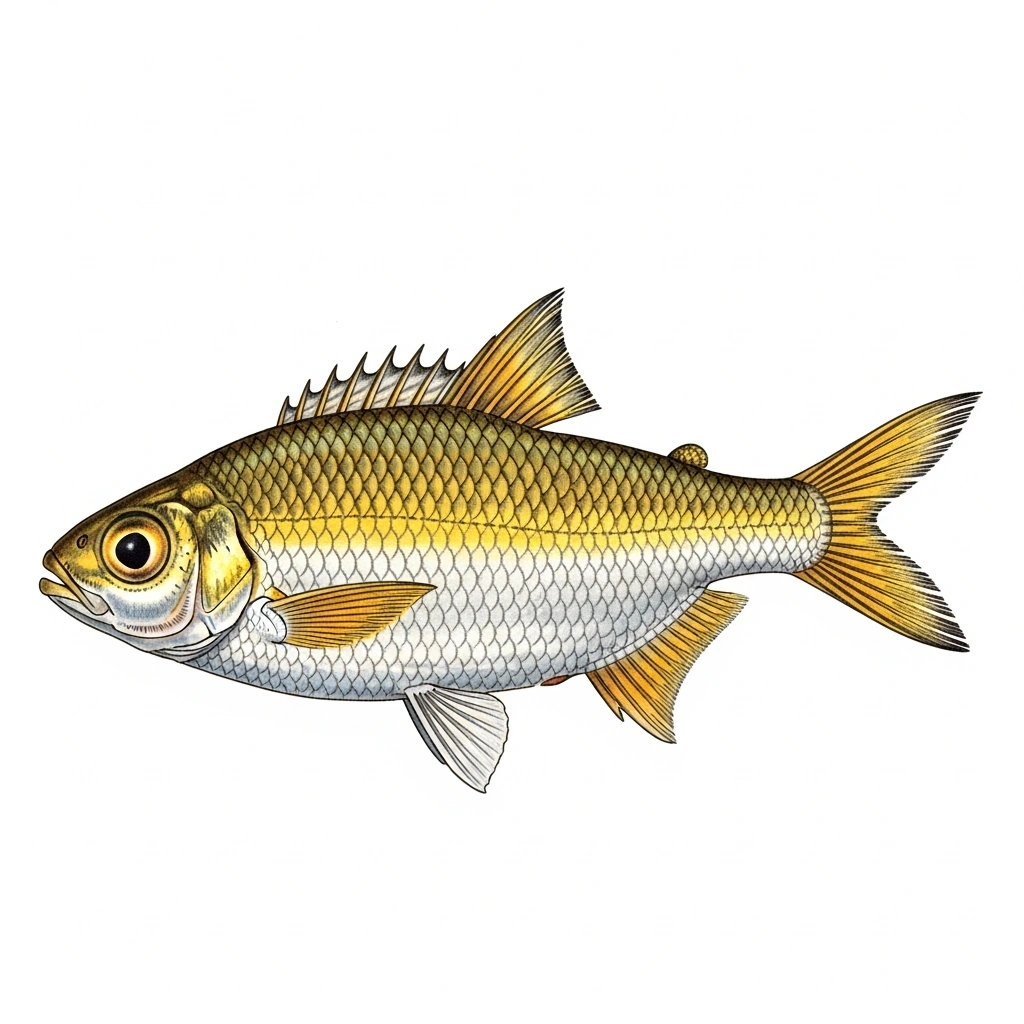 Acoupa weakfishCynoscion acoupa
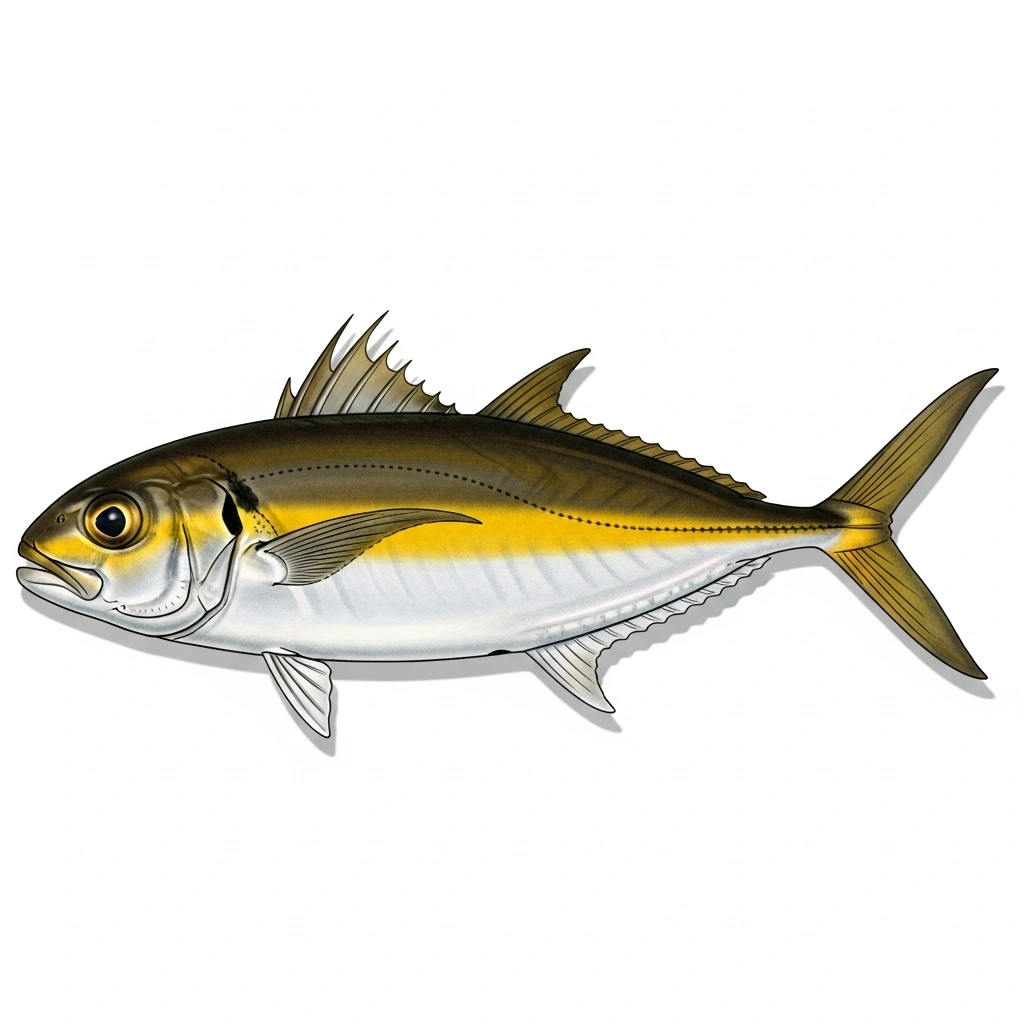 Almaco jackSeriola rivoliana
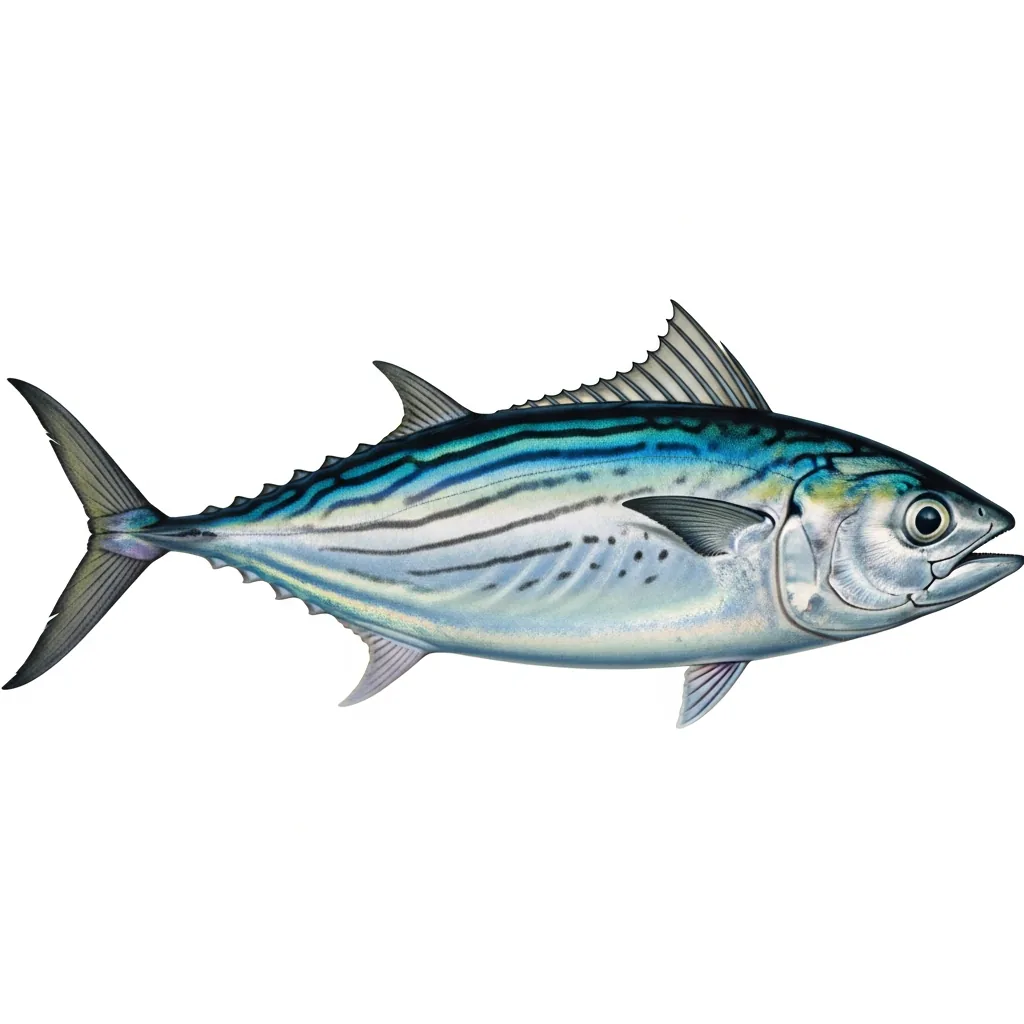 Atlantic bonitoSarda sarda
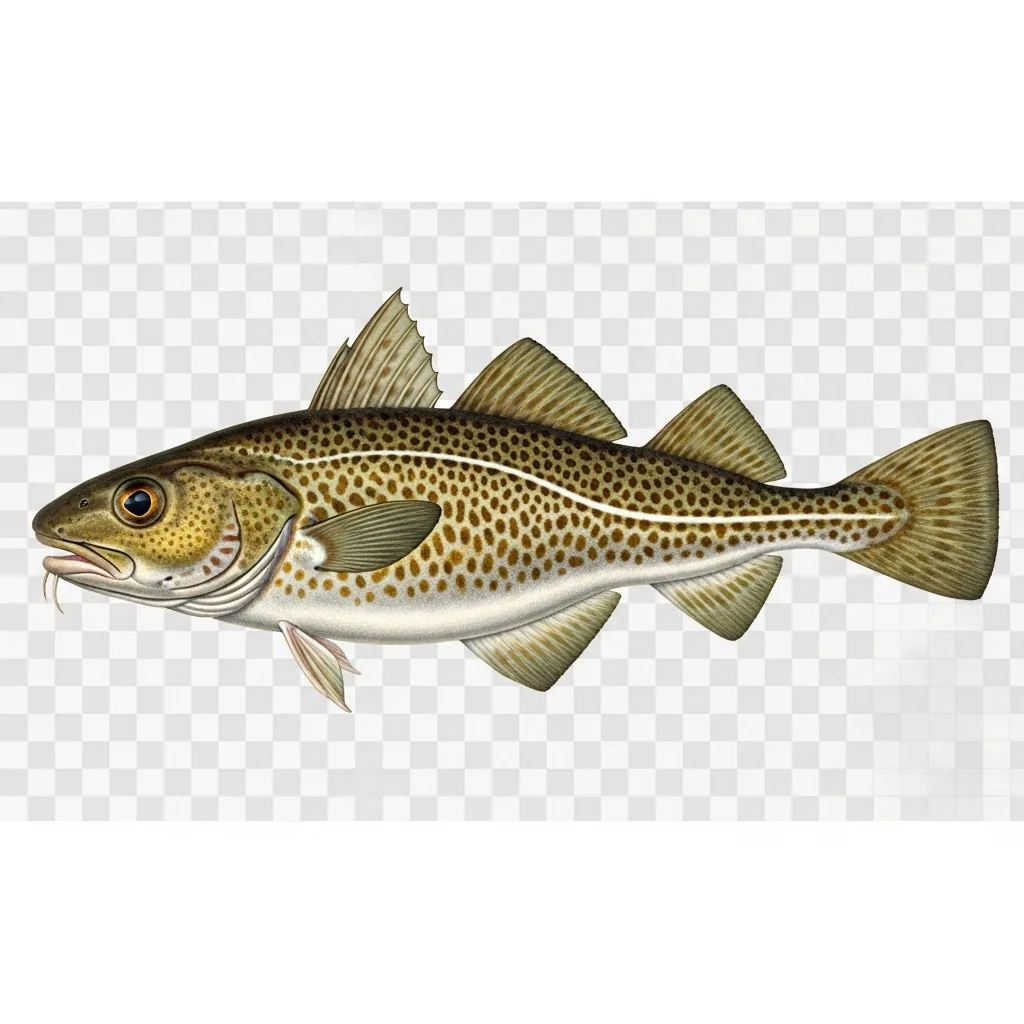 Atlantic codGadus morhua
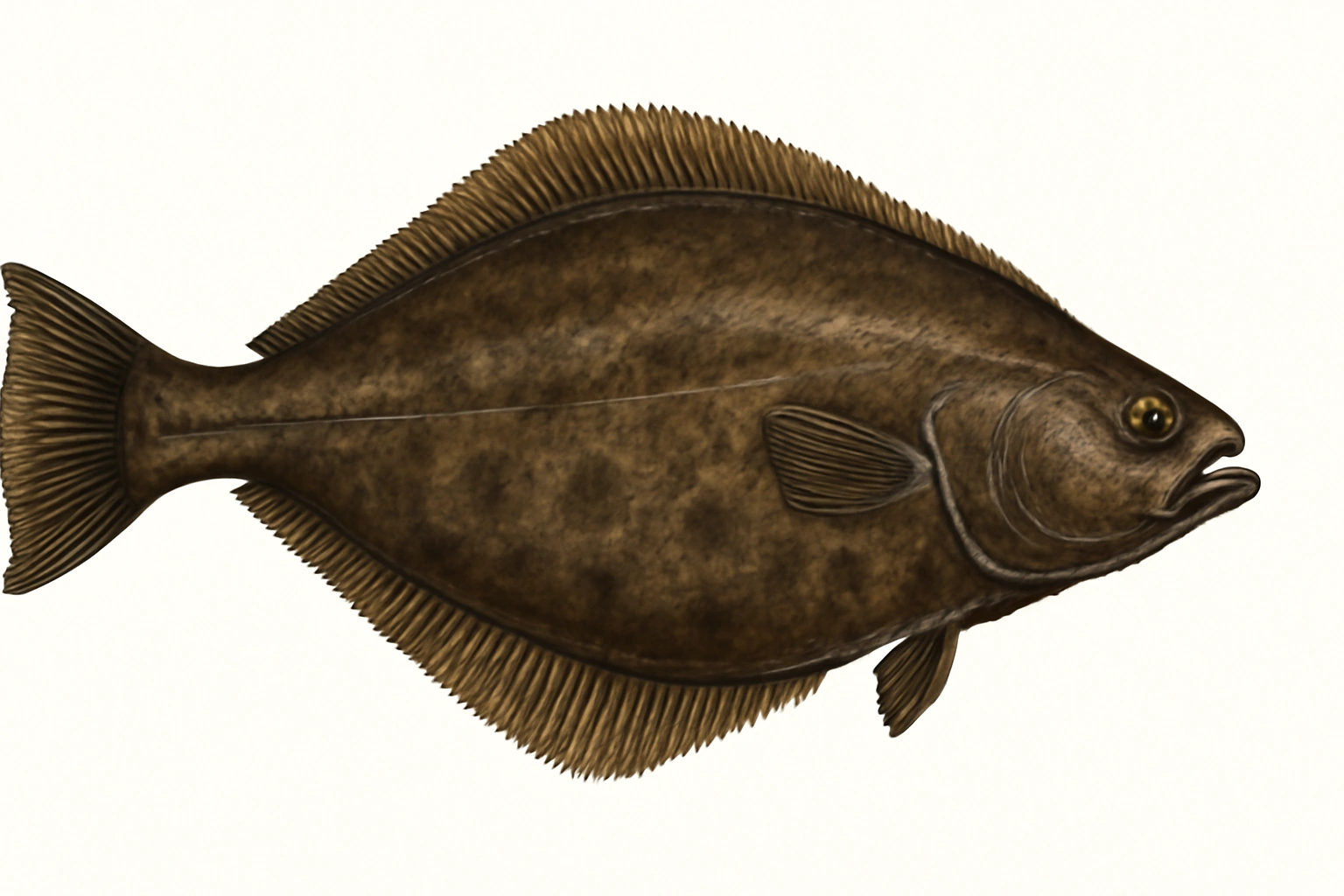 Atlantic halibutHippoglossus hippoglossus
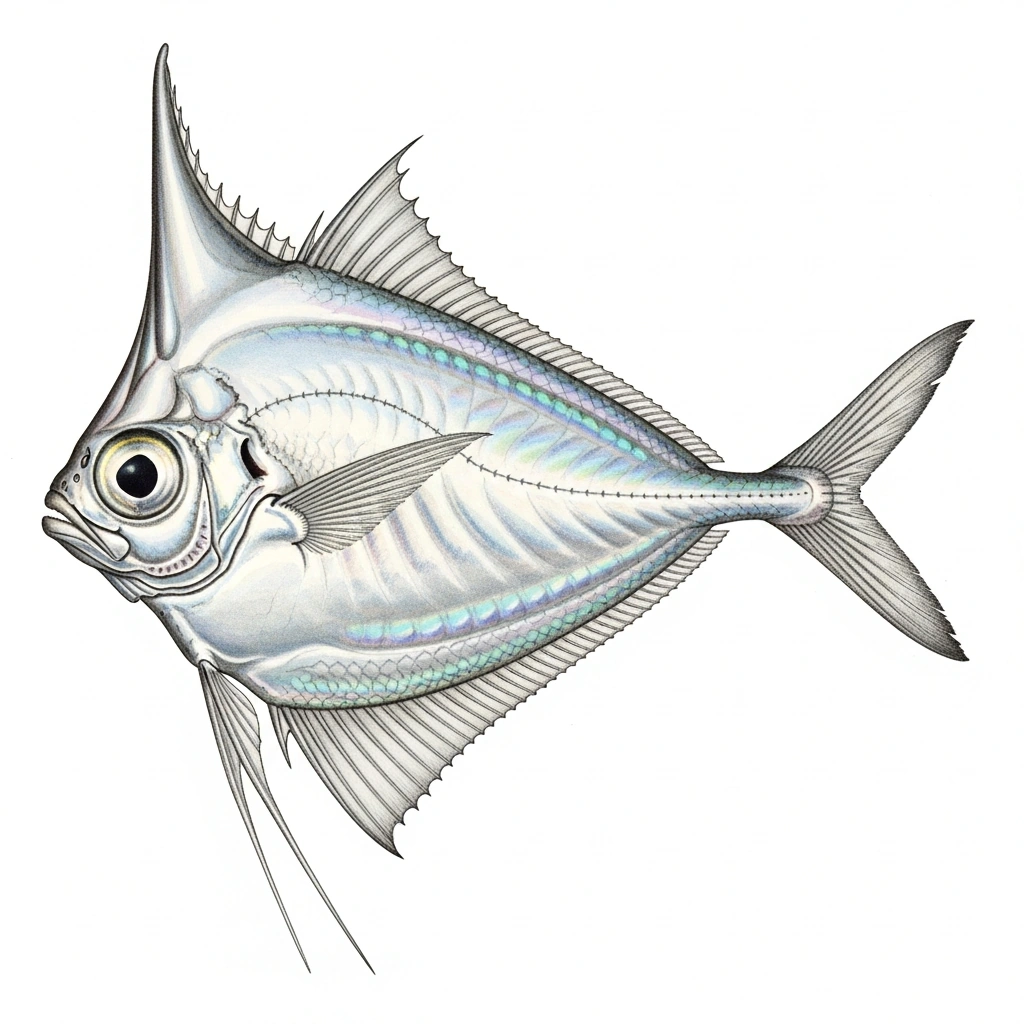 Atlantic lookdownSelene vomer
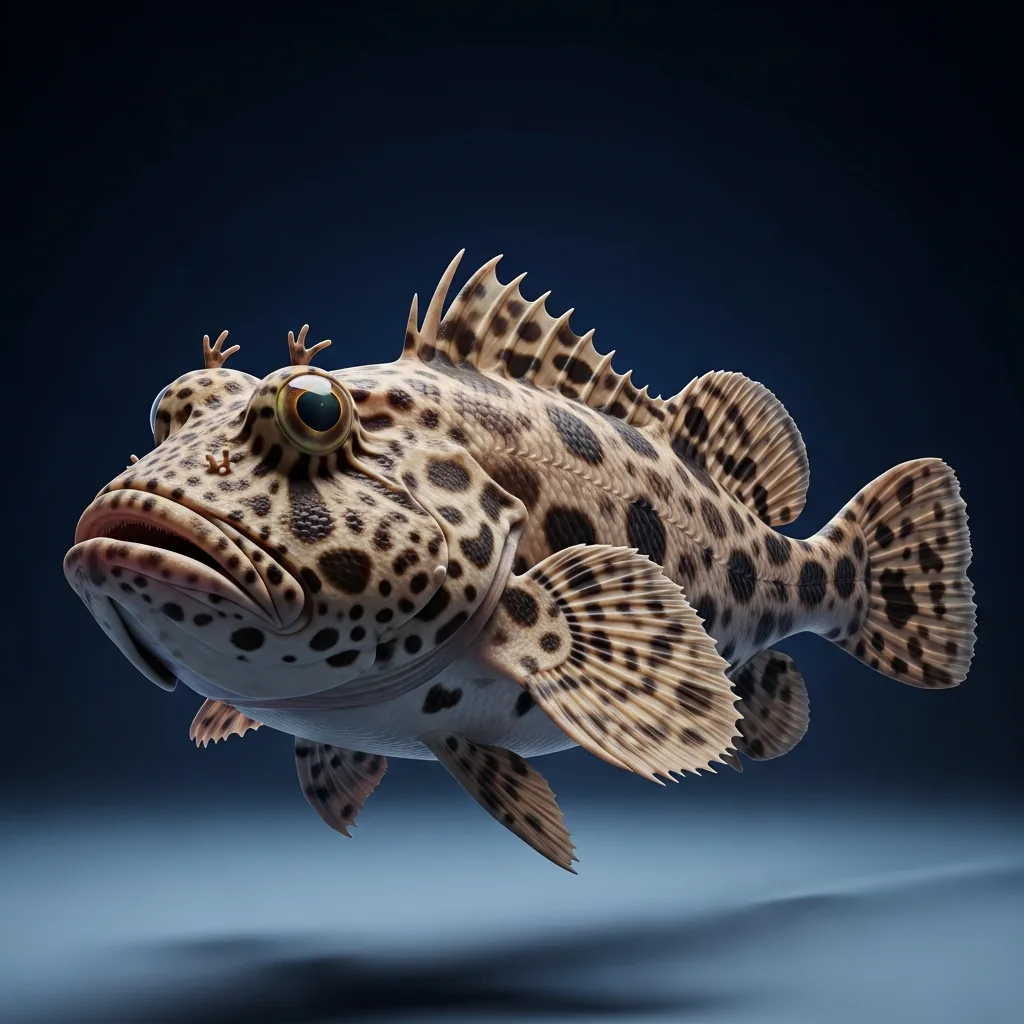 Atlantic stargazerUranoscopus scaber
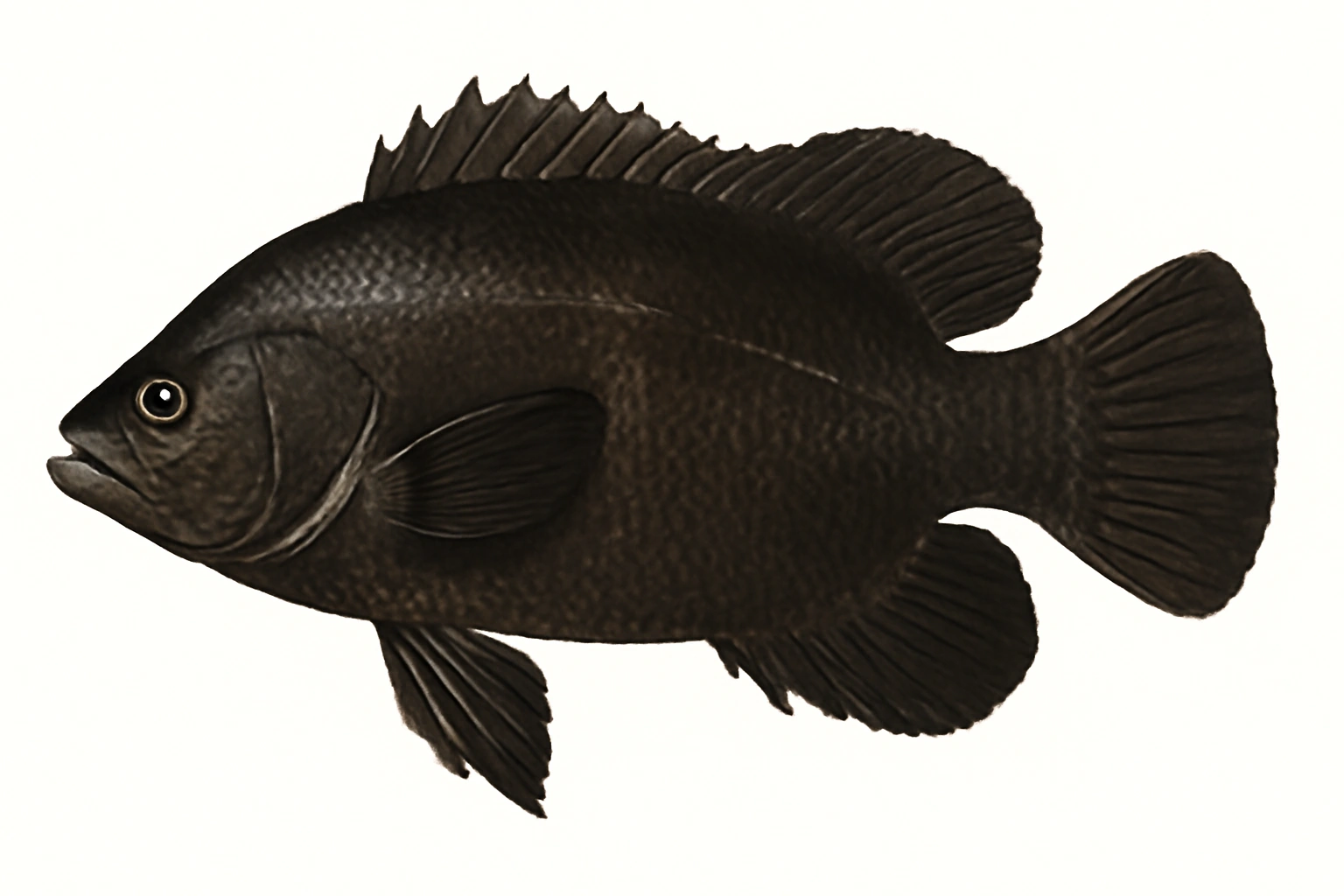 Atlantic tripletailLobotes surinamensis
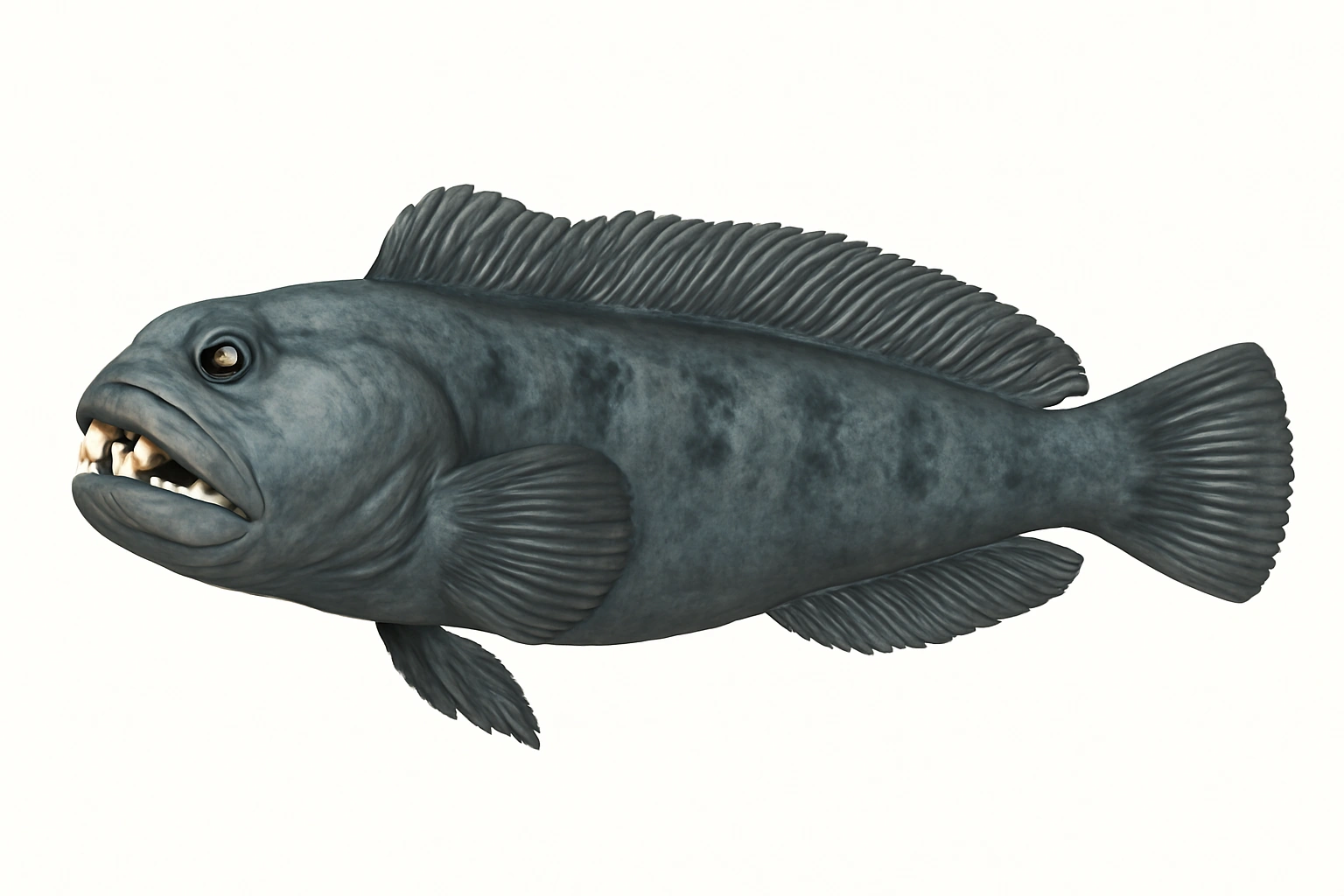 Atlantic wolffishAnarhichas lupus
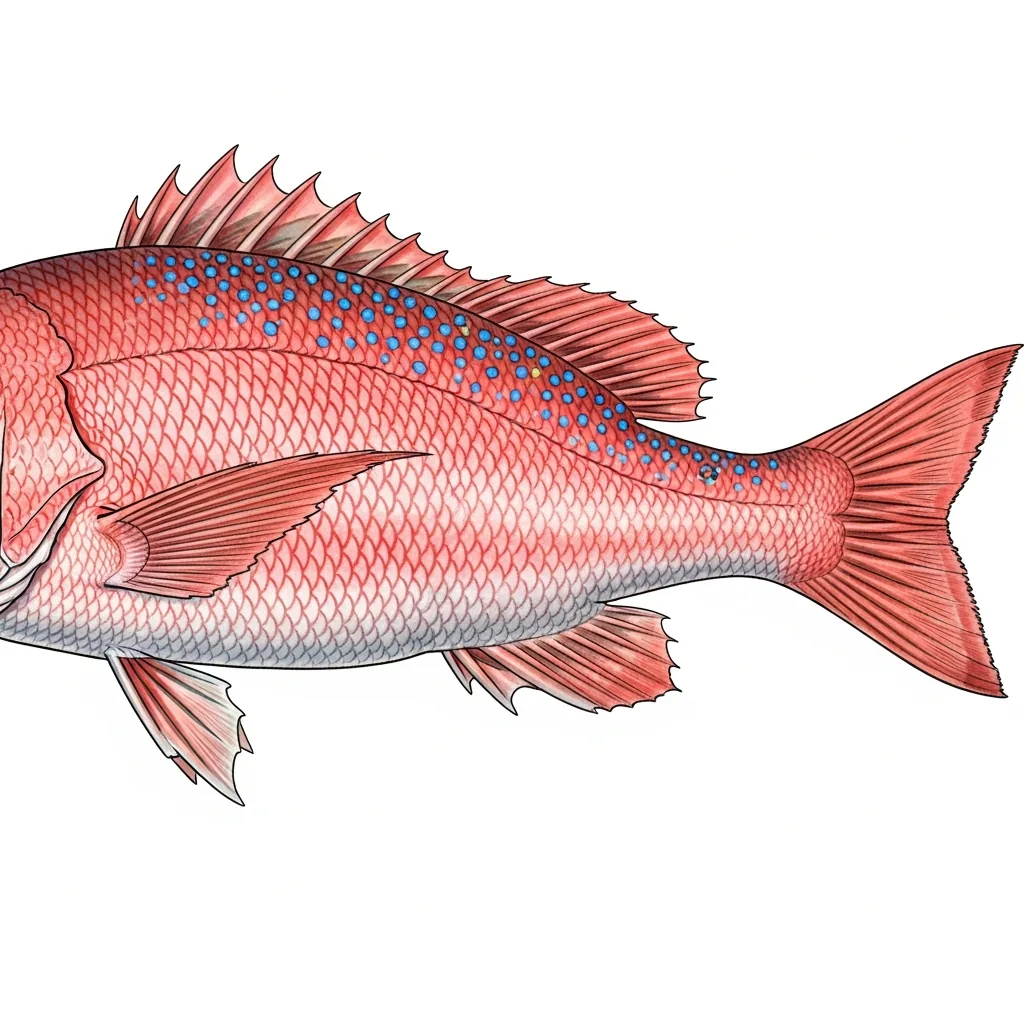 Australian snapperPagrus auratus
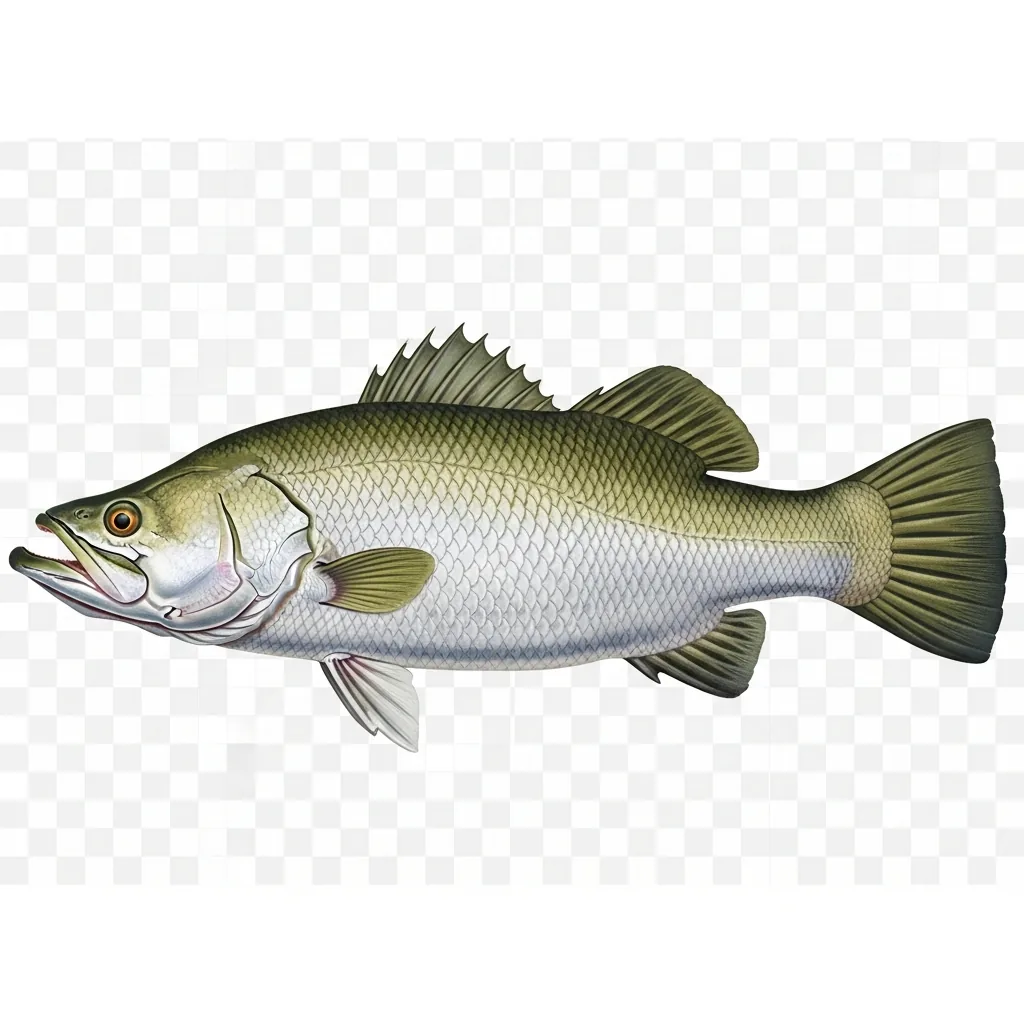 BarramundiLates calcarifer
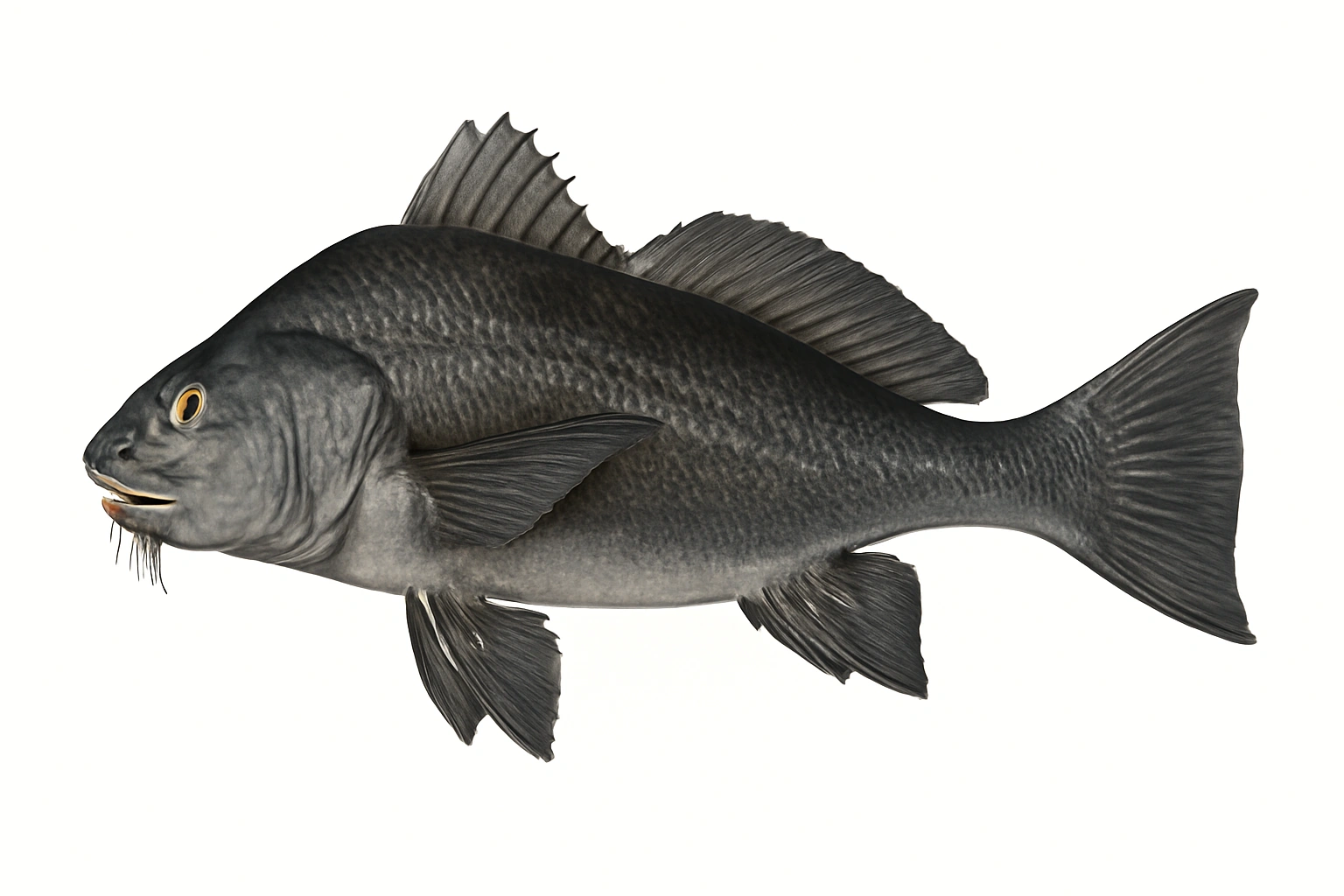 Black drumPogonias cromis
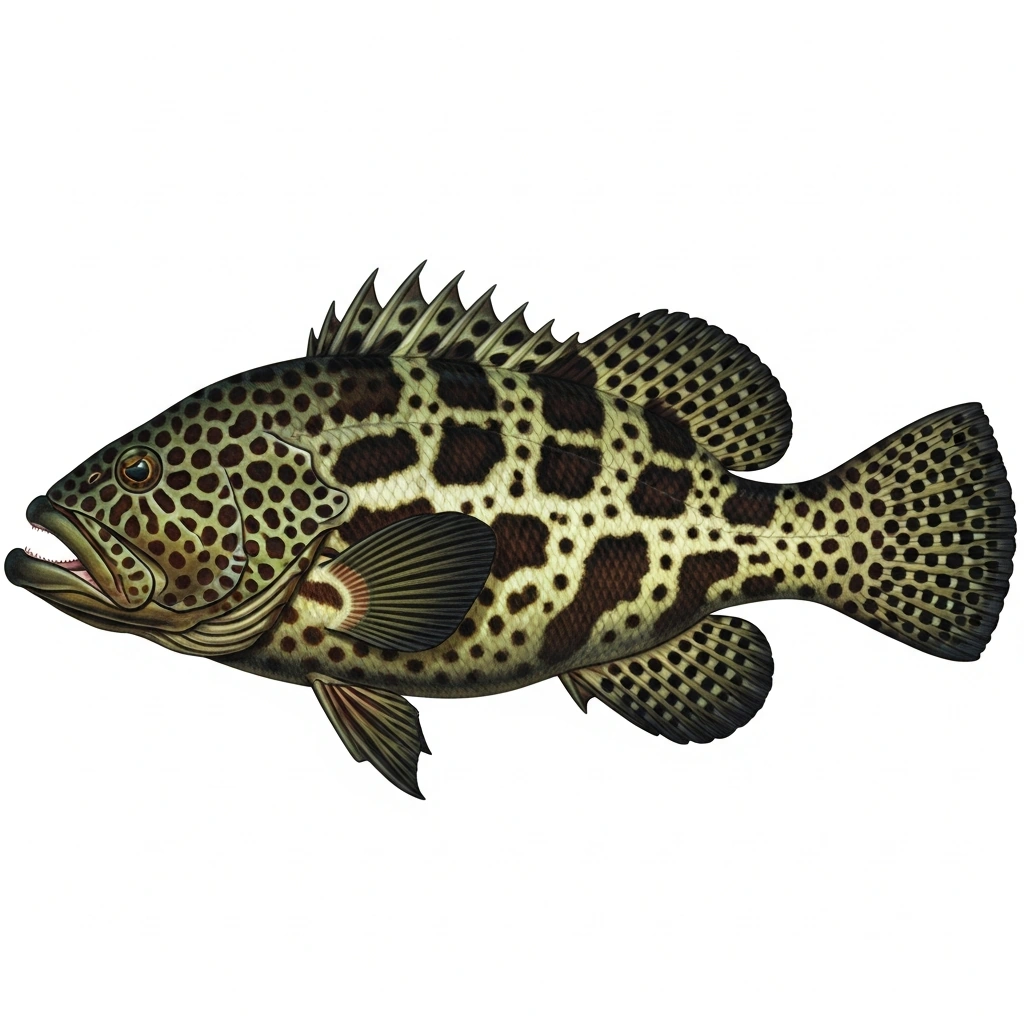 Black grouperMycteroperca bonaci
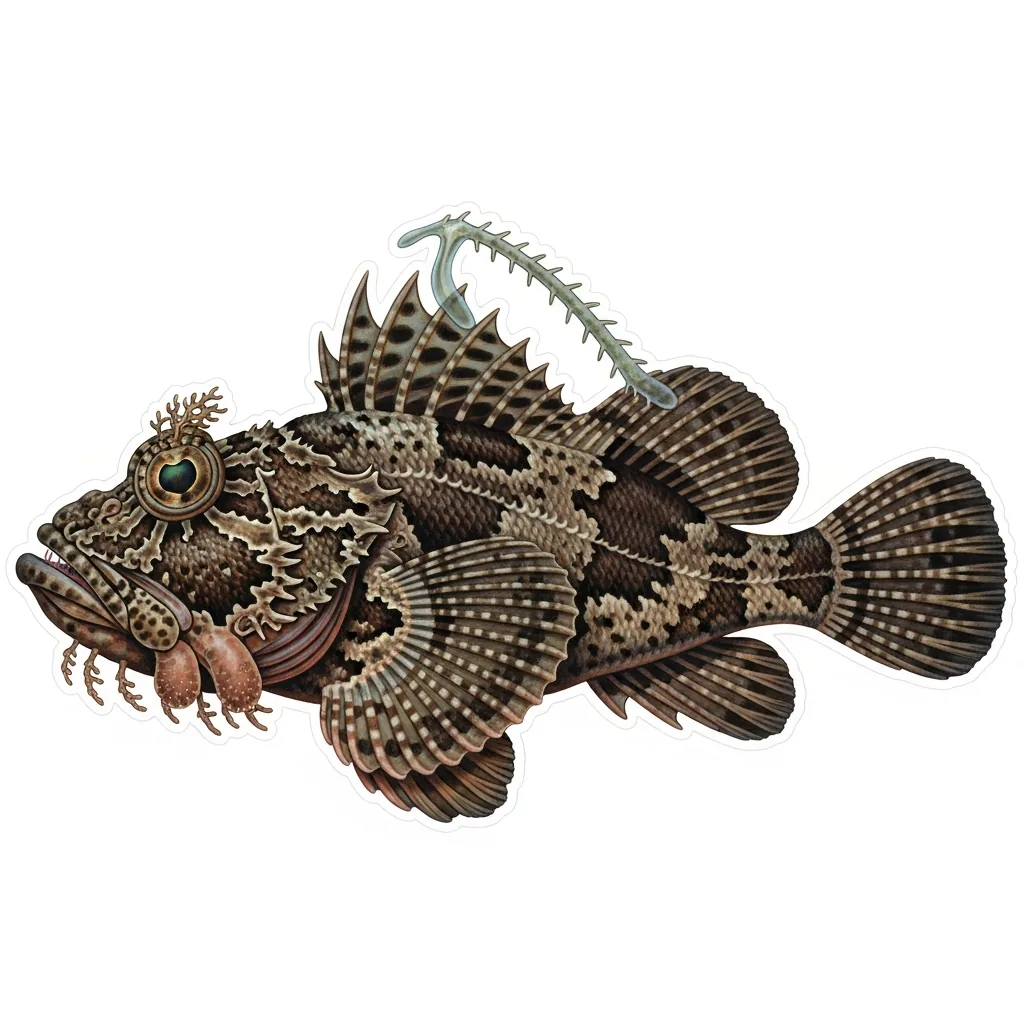 Black scorpionfishScorpaena porcus
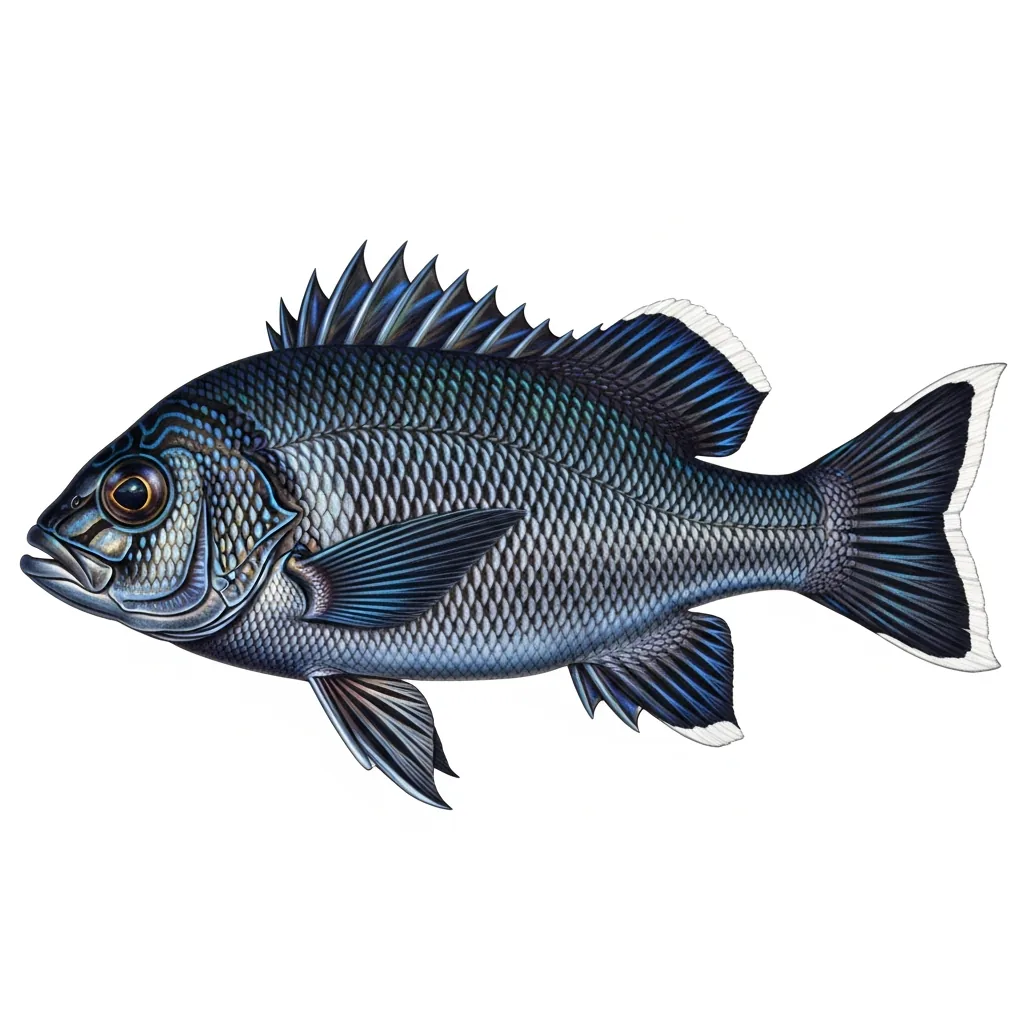 Black Sea BassCentropristis striata
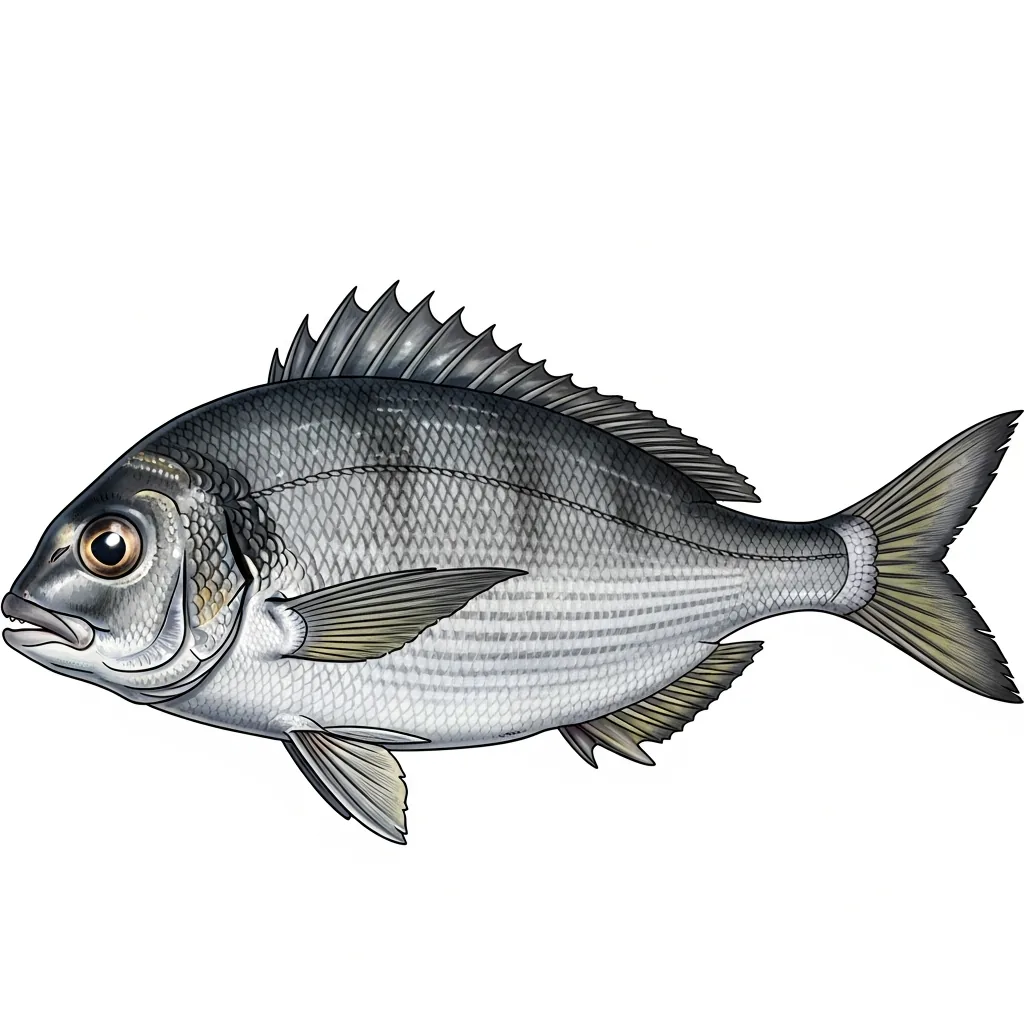 Black sea breamSpondyliosoma cantharus
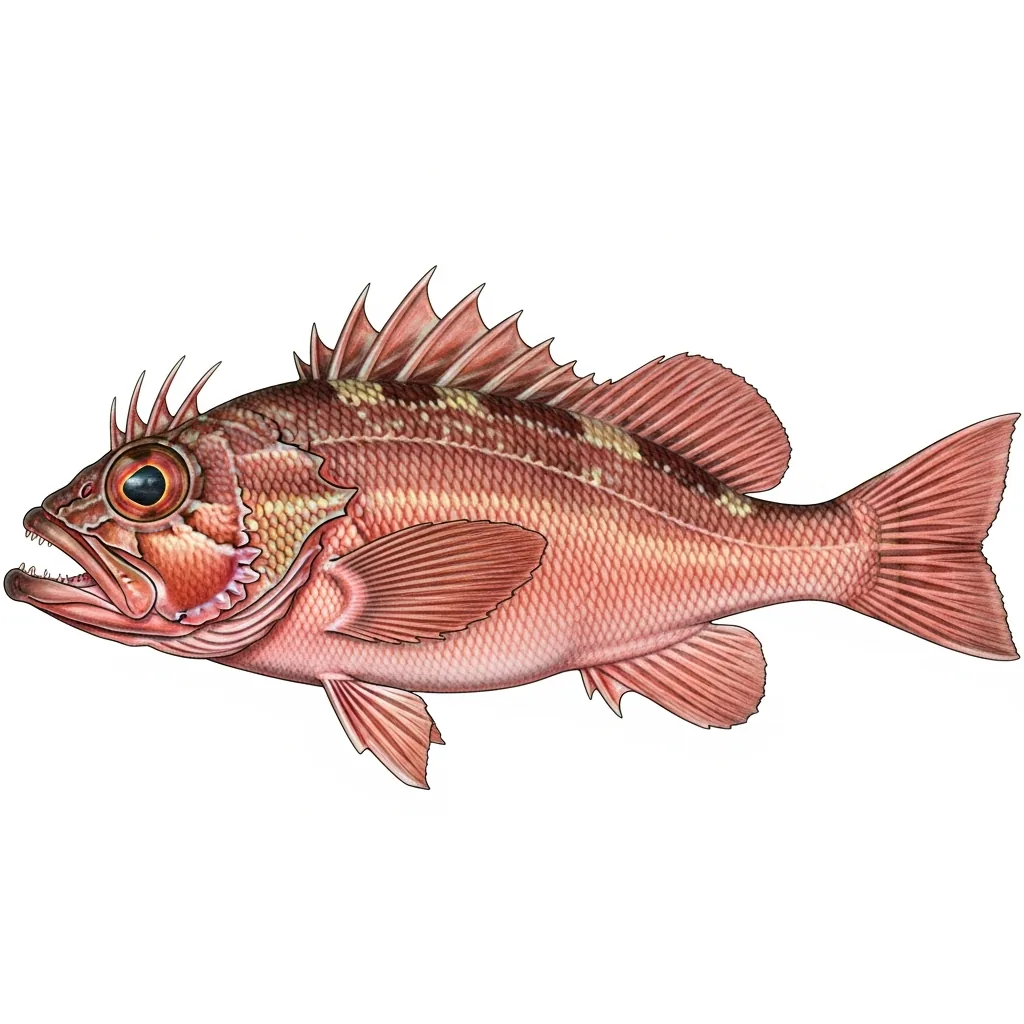 Bocaccio RockfishSebastes paucispinis
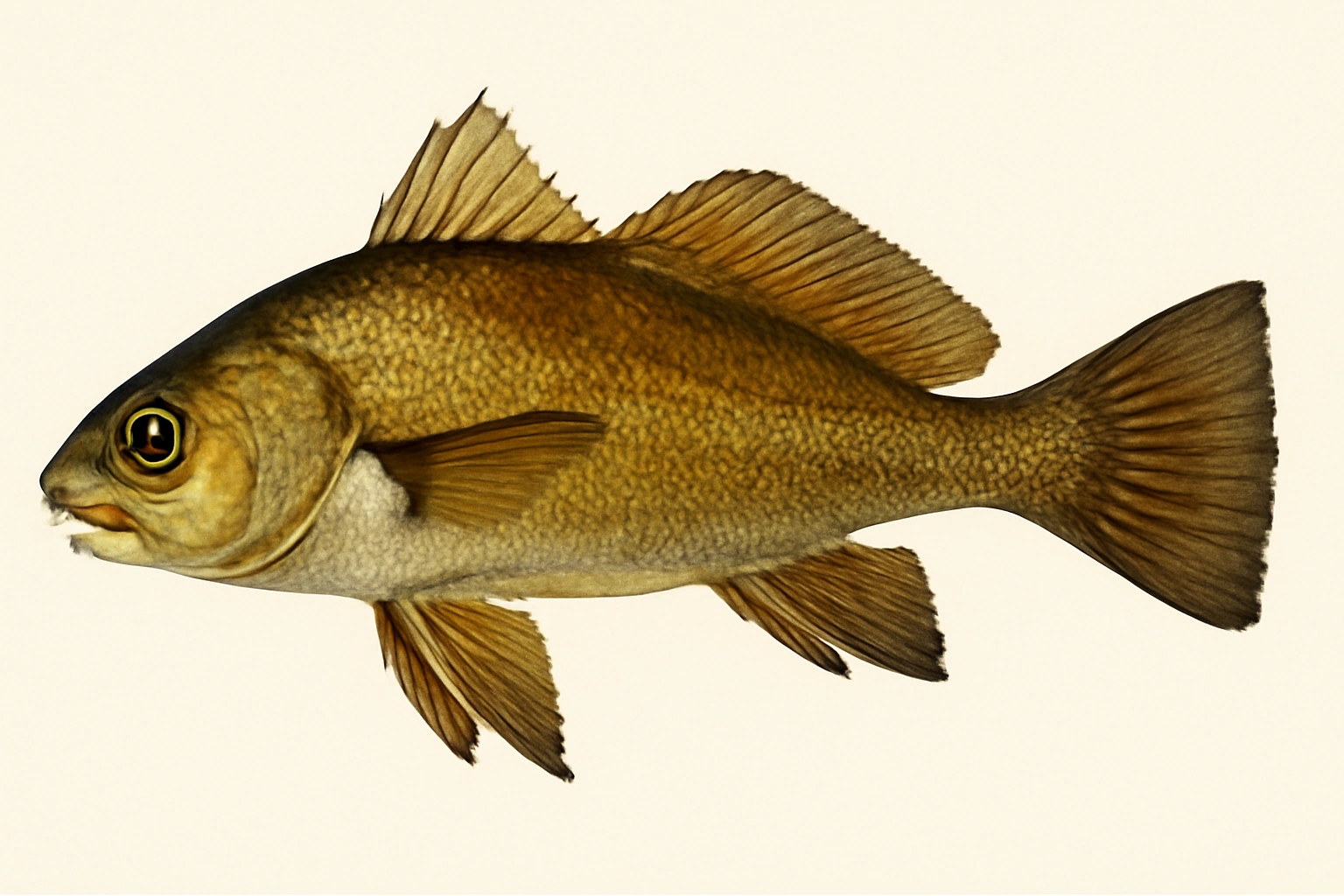 Brown meagreSciaena umbra
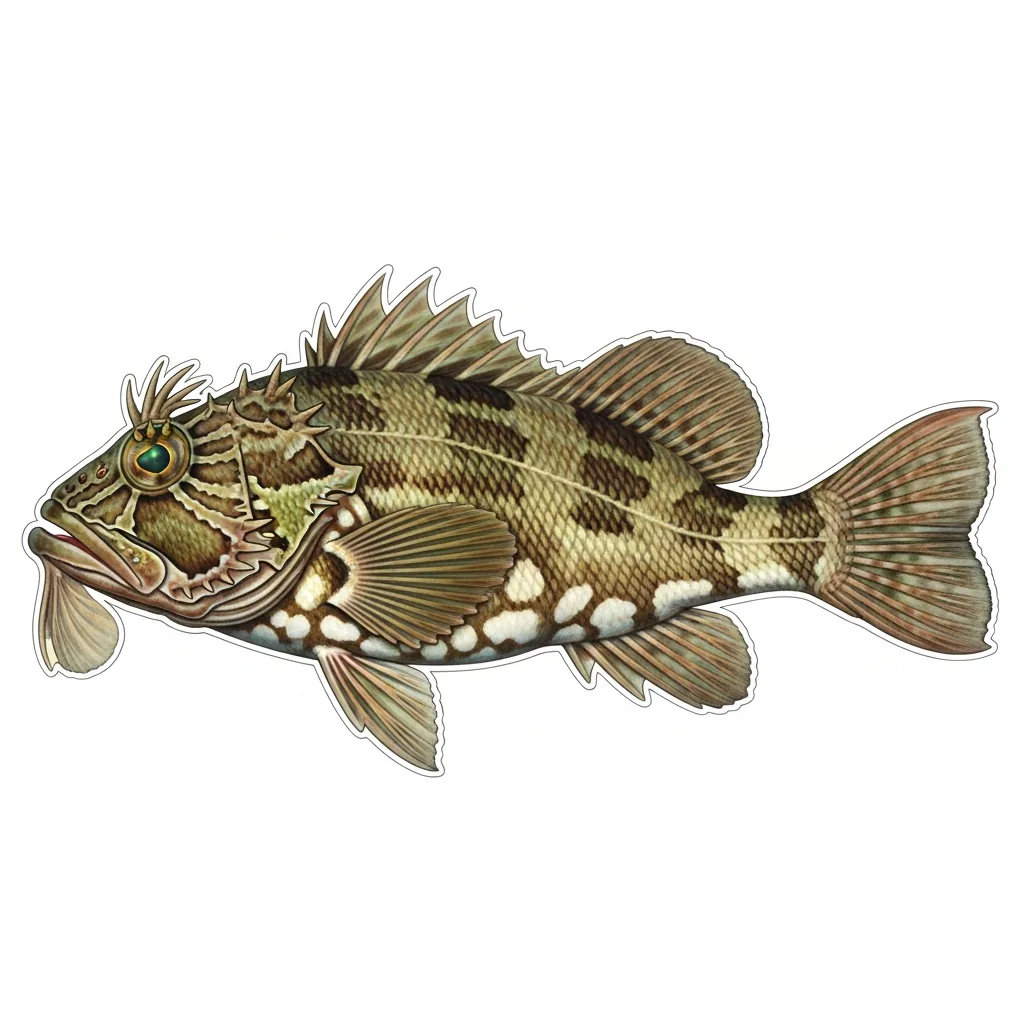 CabezonScorpaenichthys marmoratus
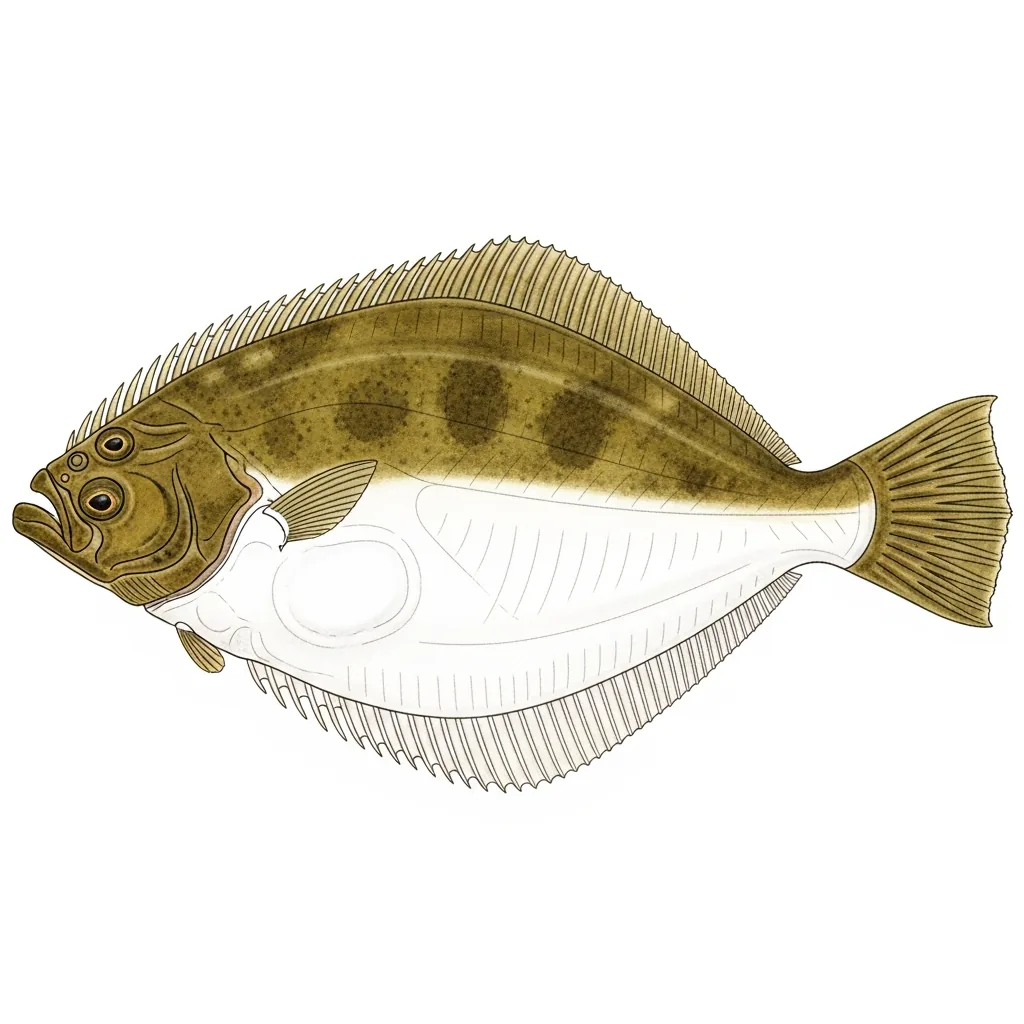 California HalibutParalichthys californicus
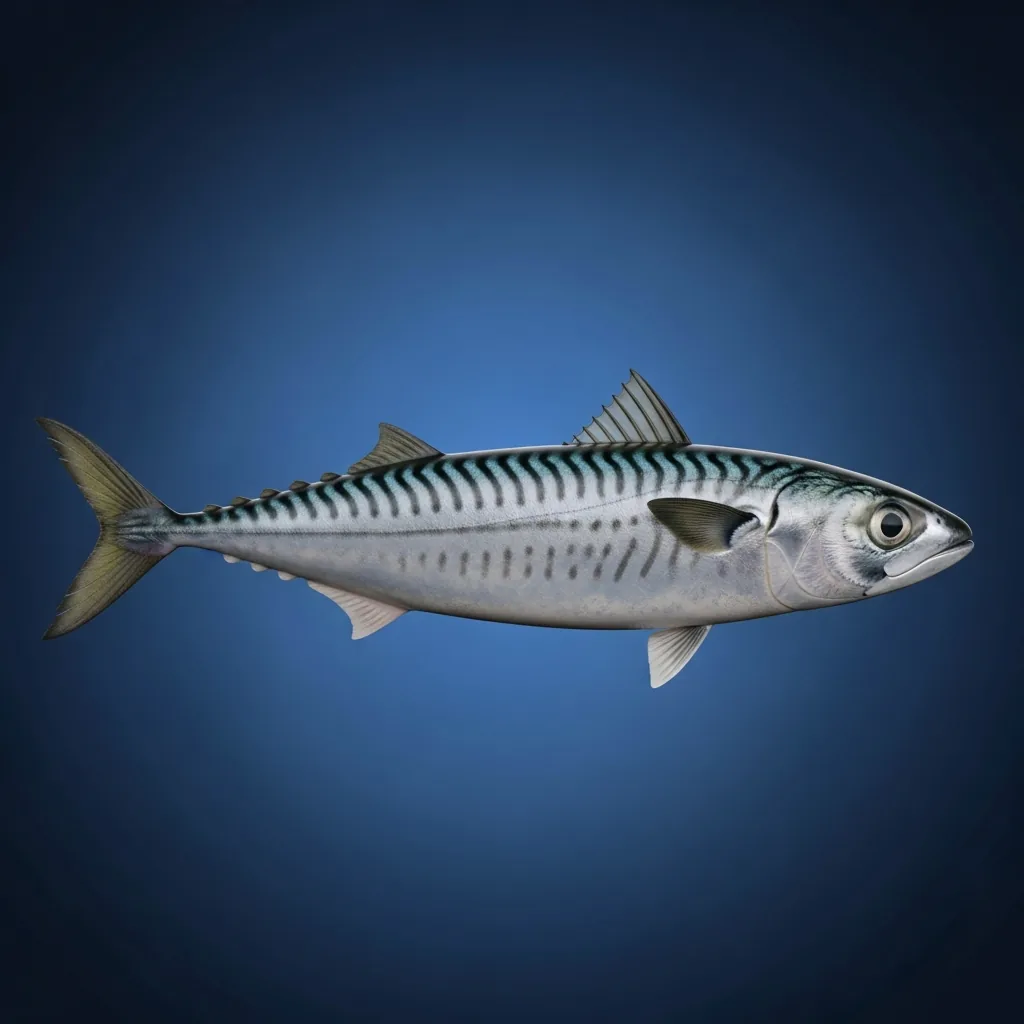 Chub mackerelScomber colias
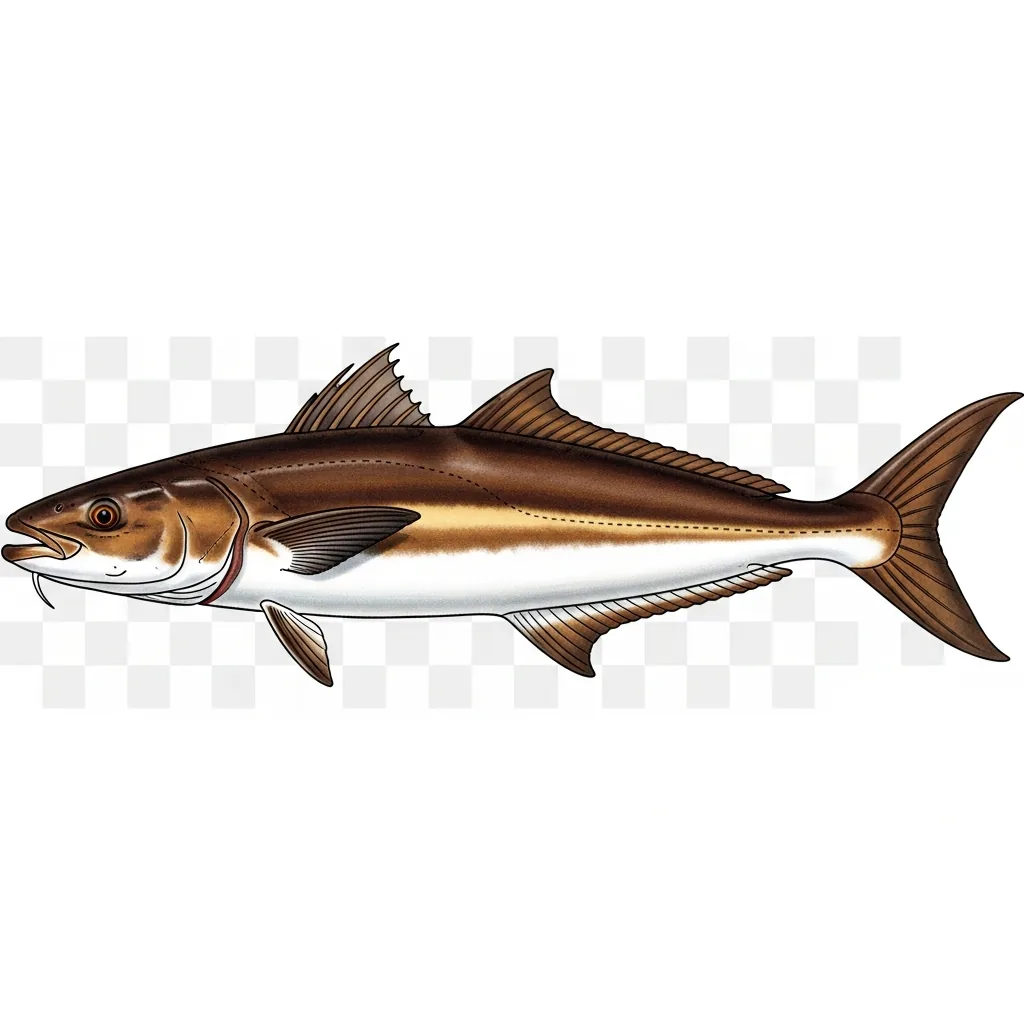 CobiaRachycentron canadum
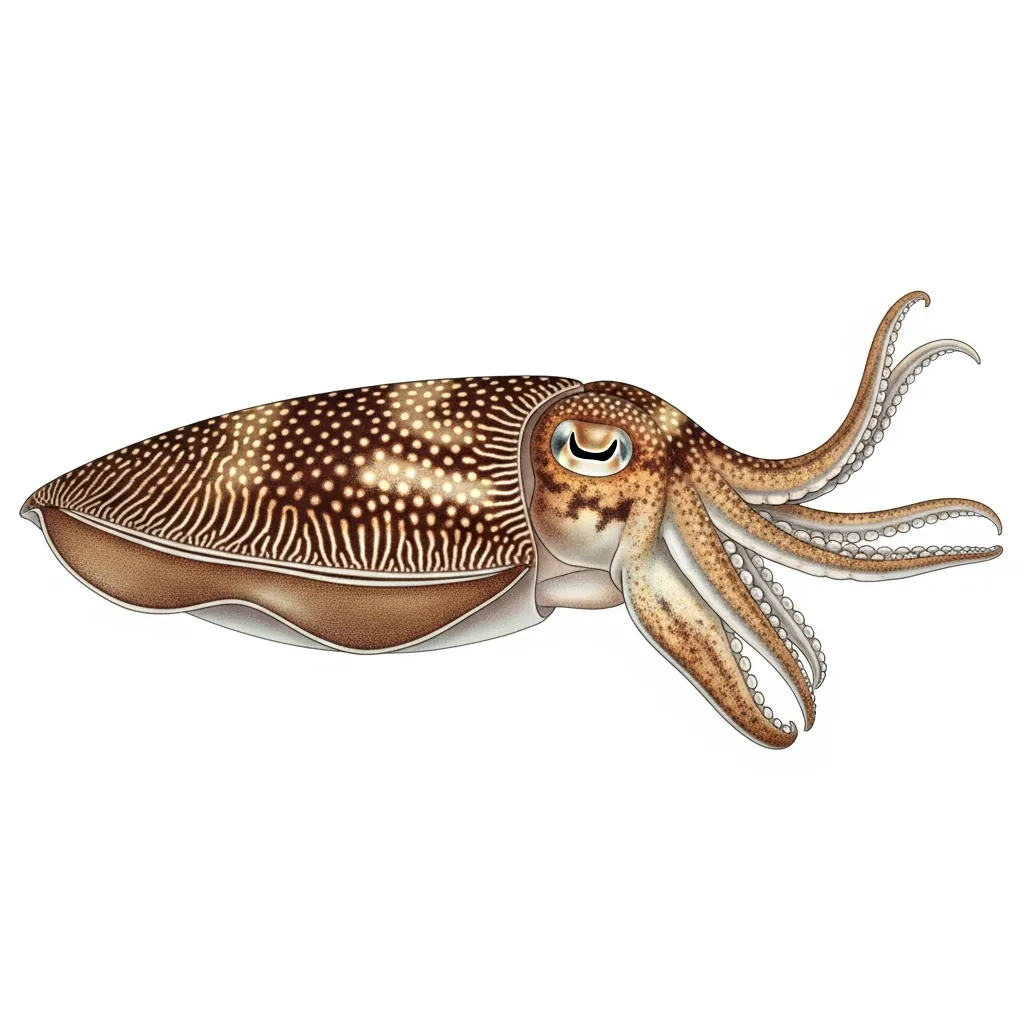 Common cuttlefishSepia officinalis
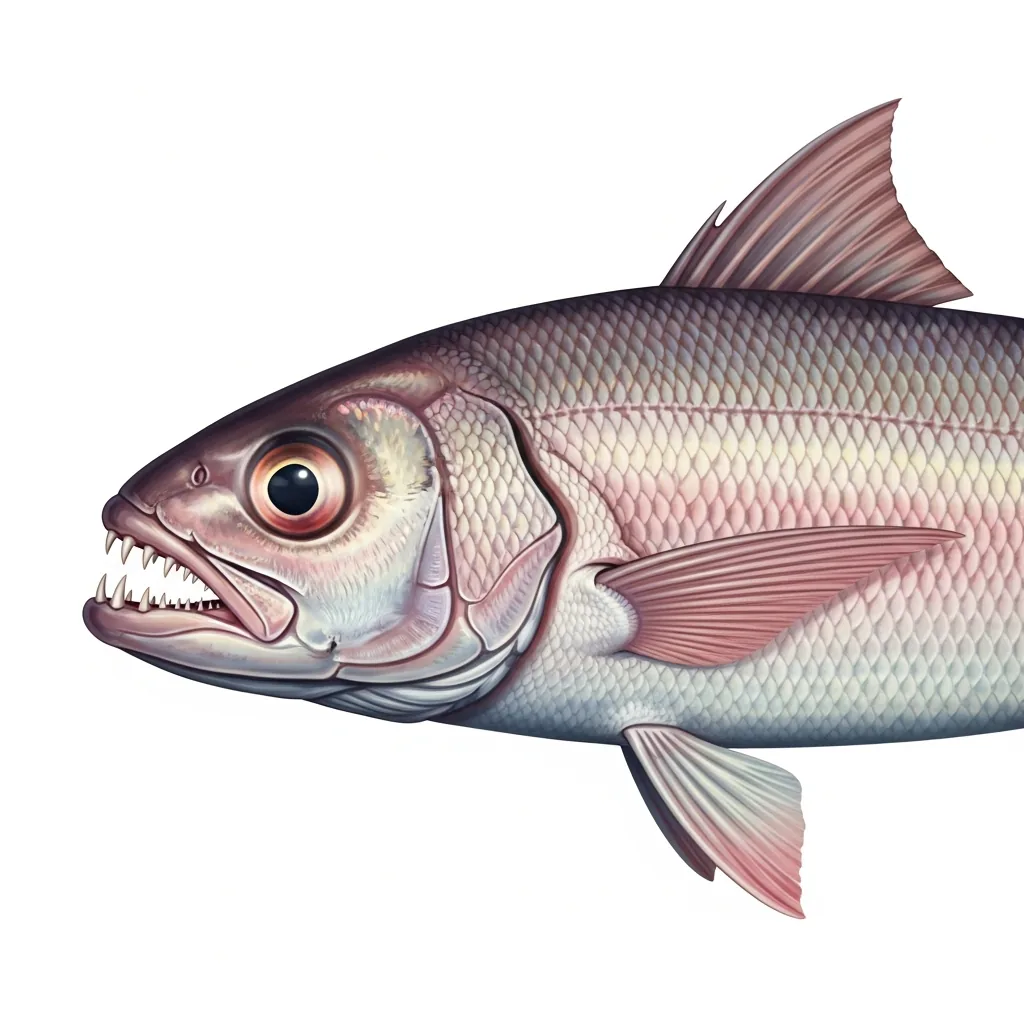 Common dentexDentex dentex
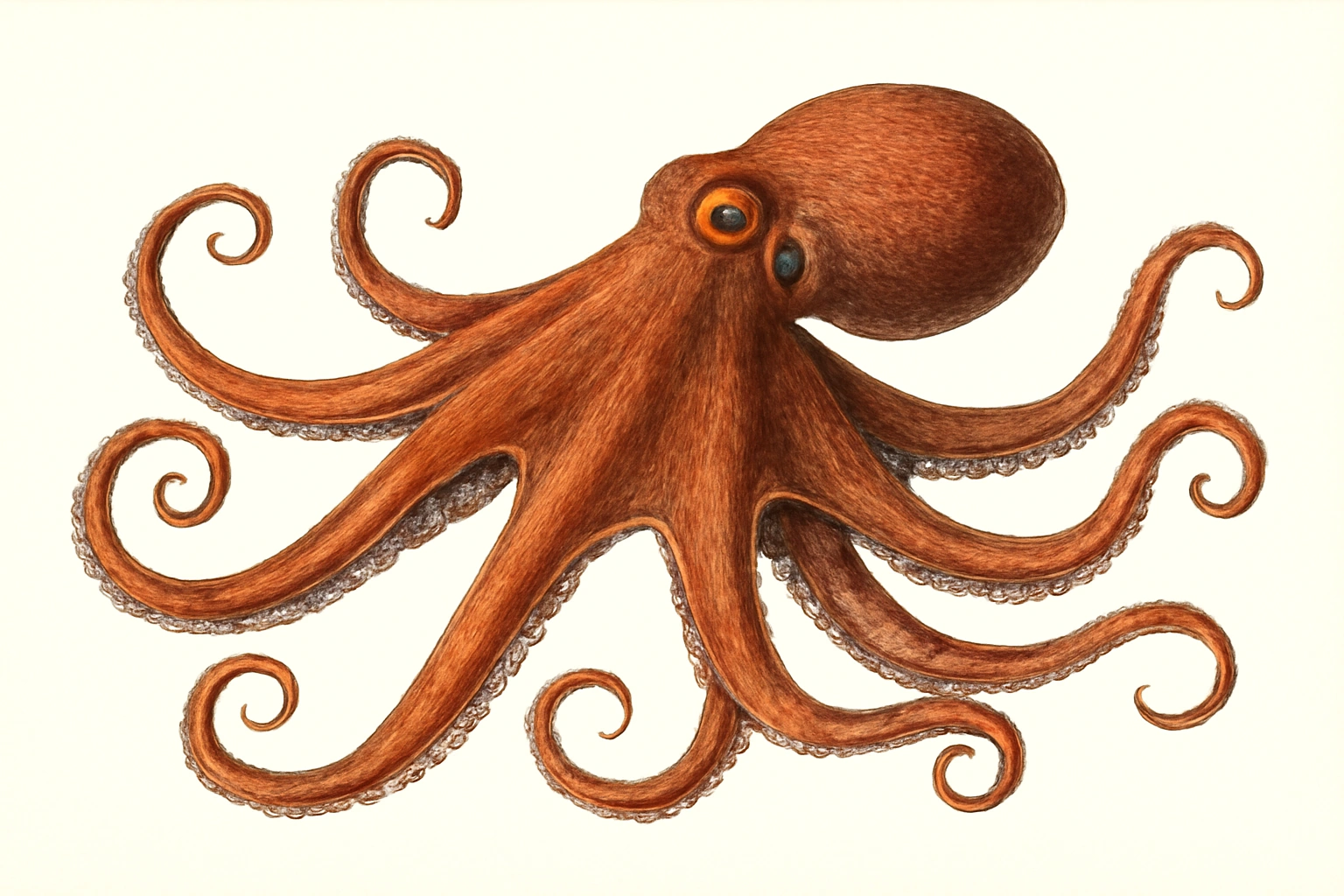 Common octopusOctopus vulgaris
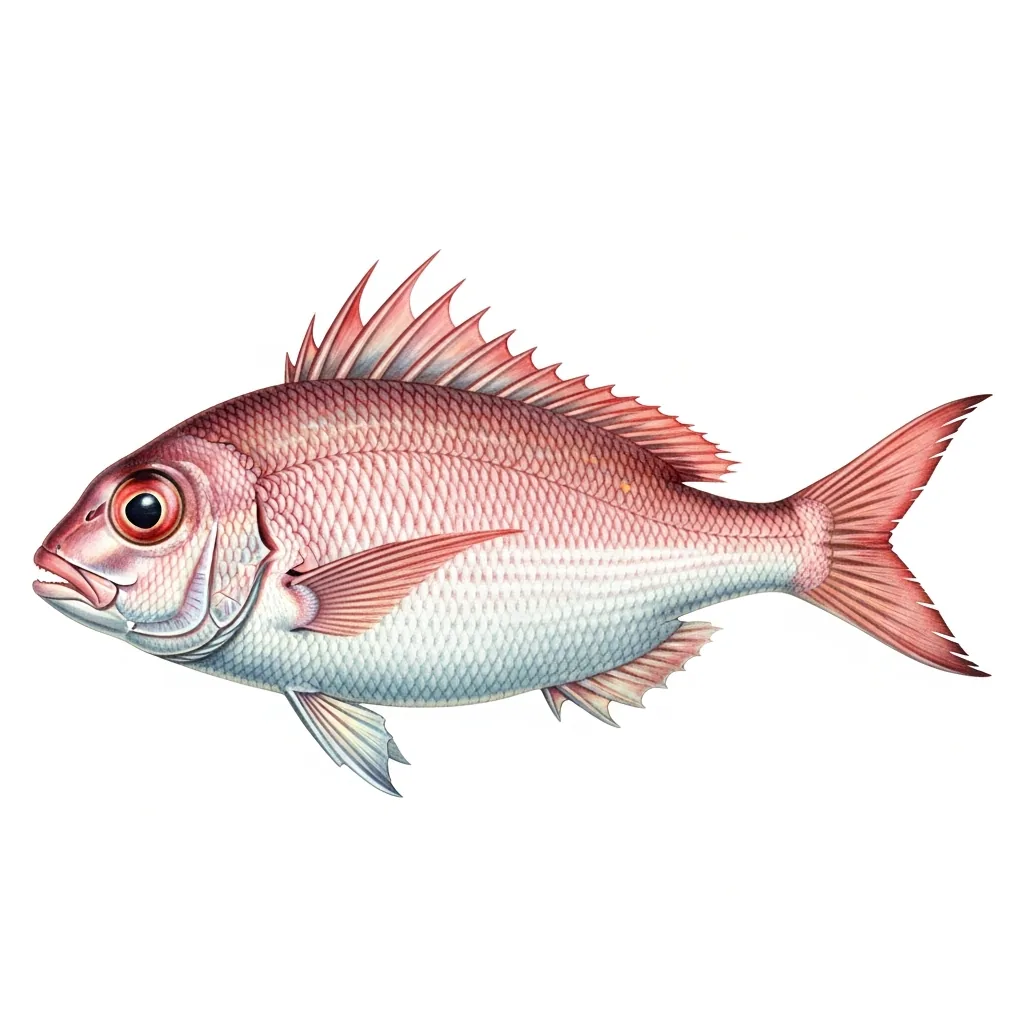 Common pandoraPagellus erythrinus
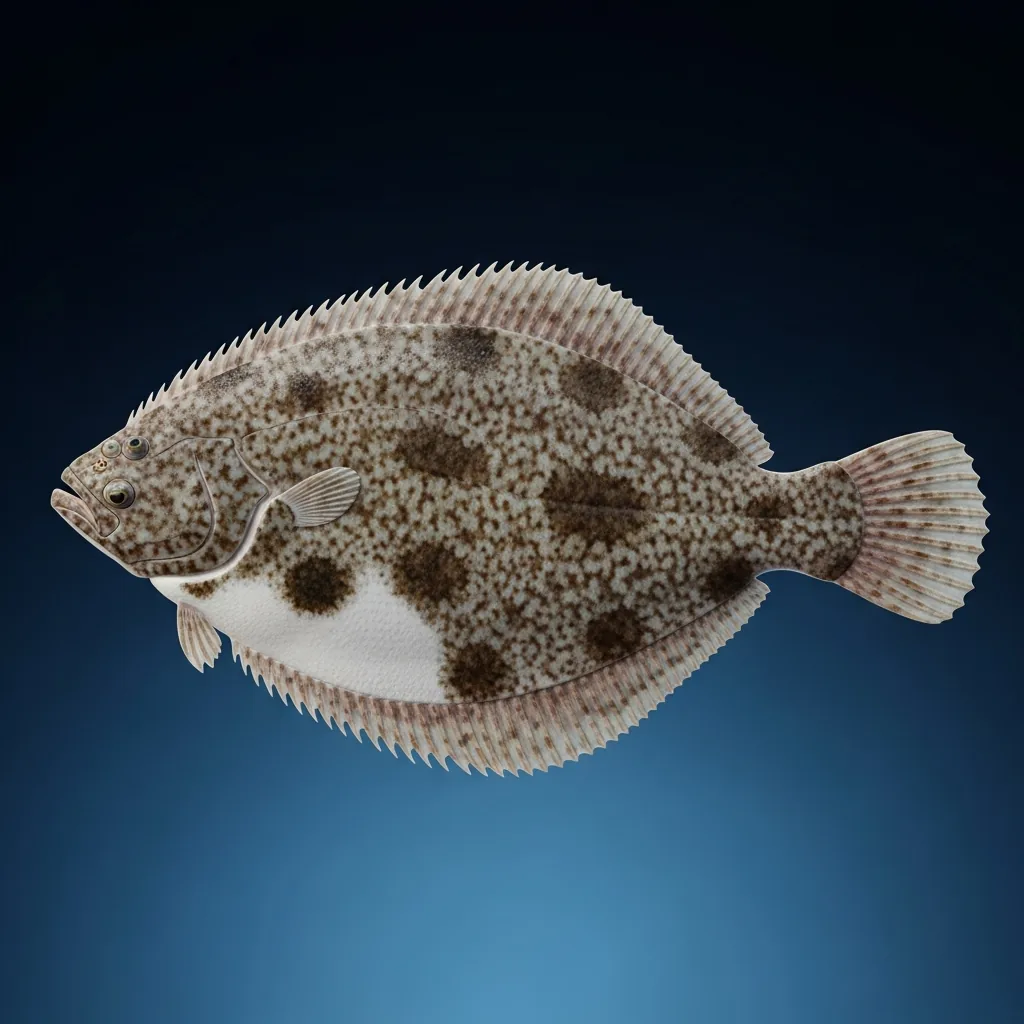 Common soleSolea solea
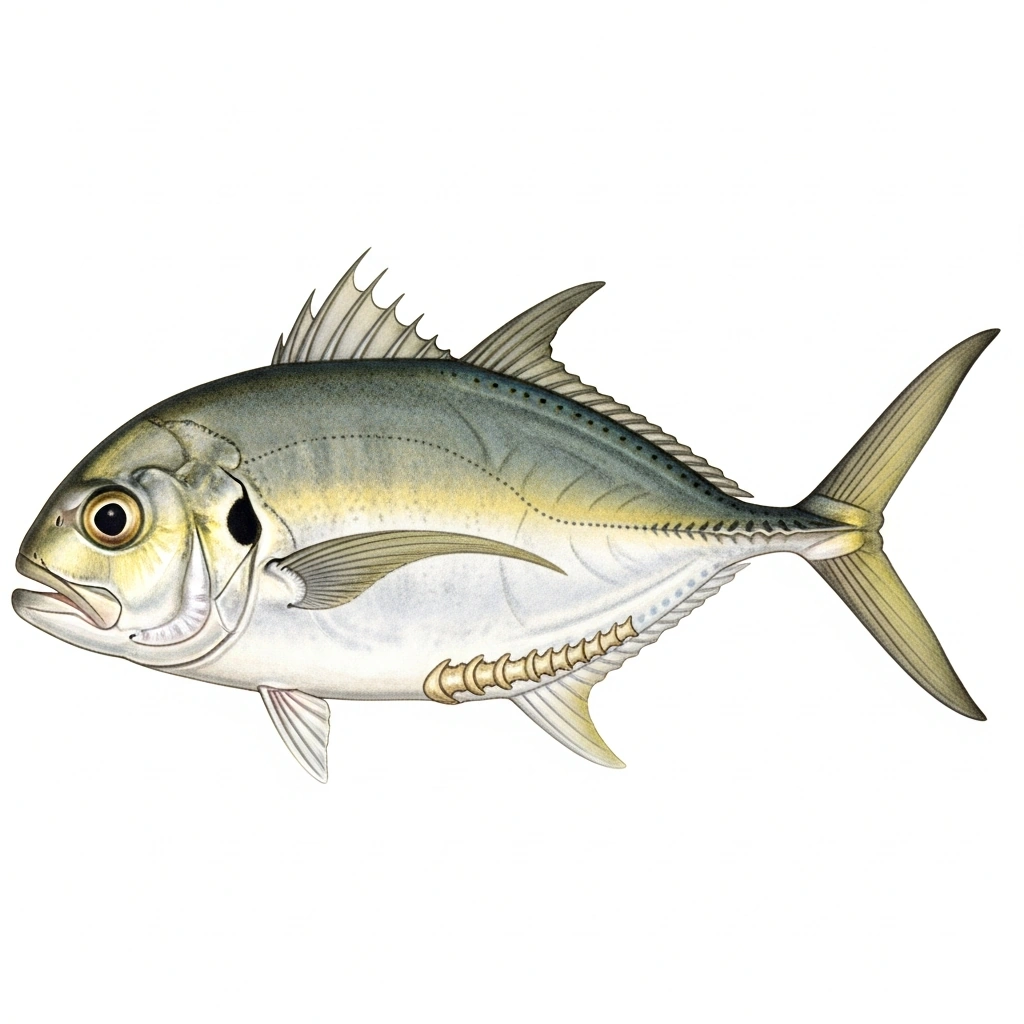 Crevalle jackCaranx hippos
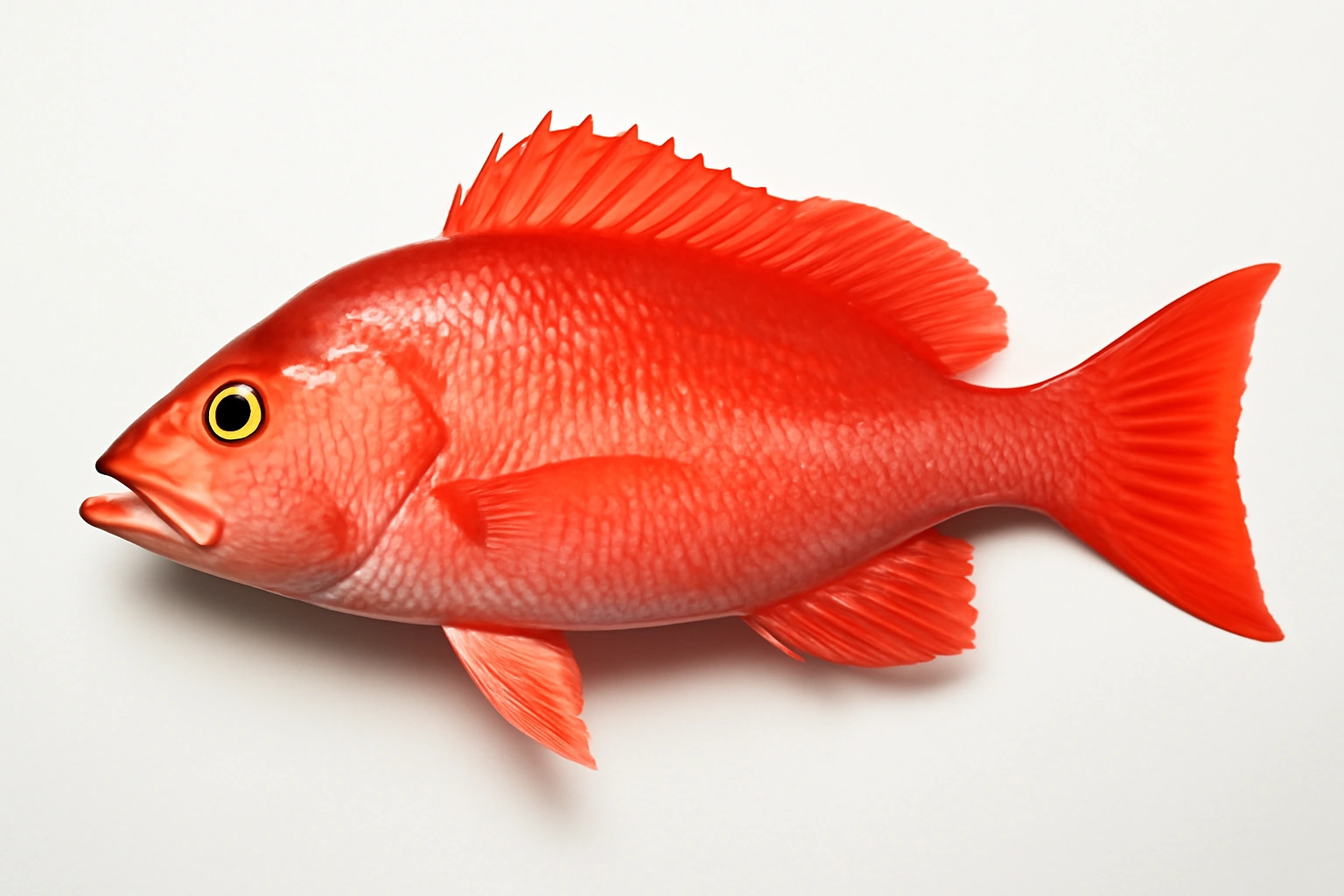 Crimson SnapperLutjanus erythropterus
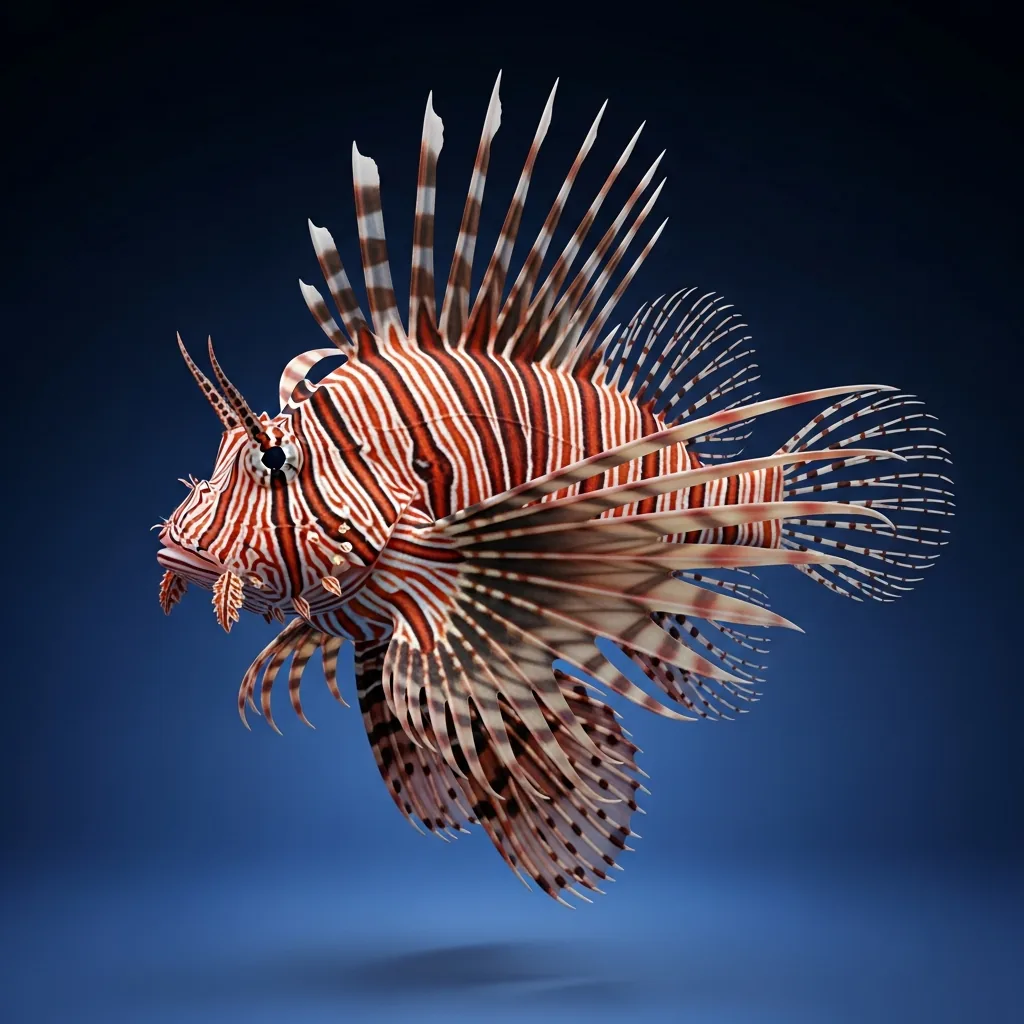 Devil firefishPterois miles
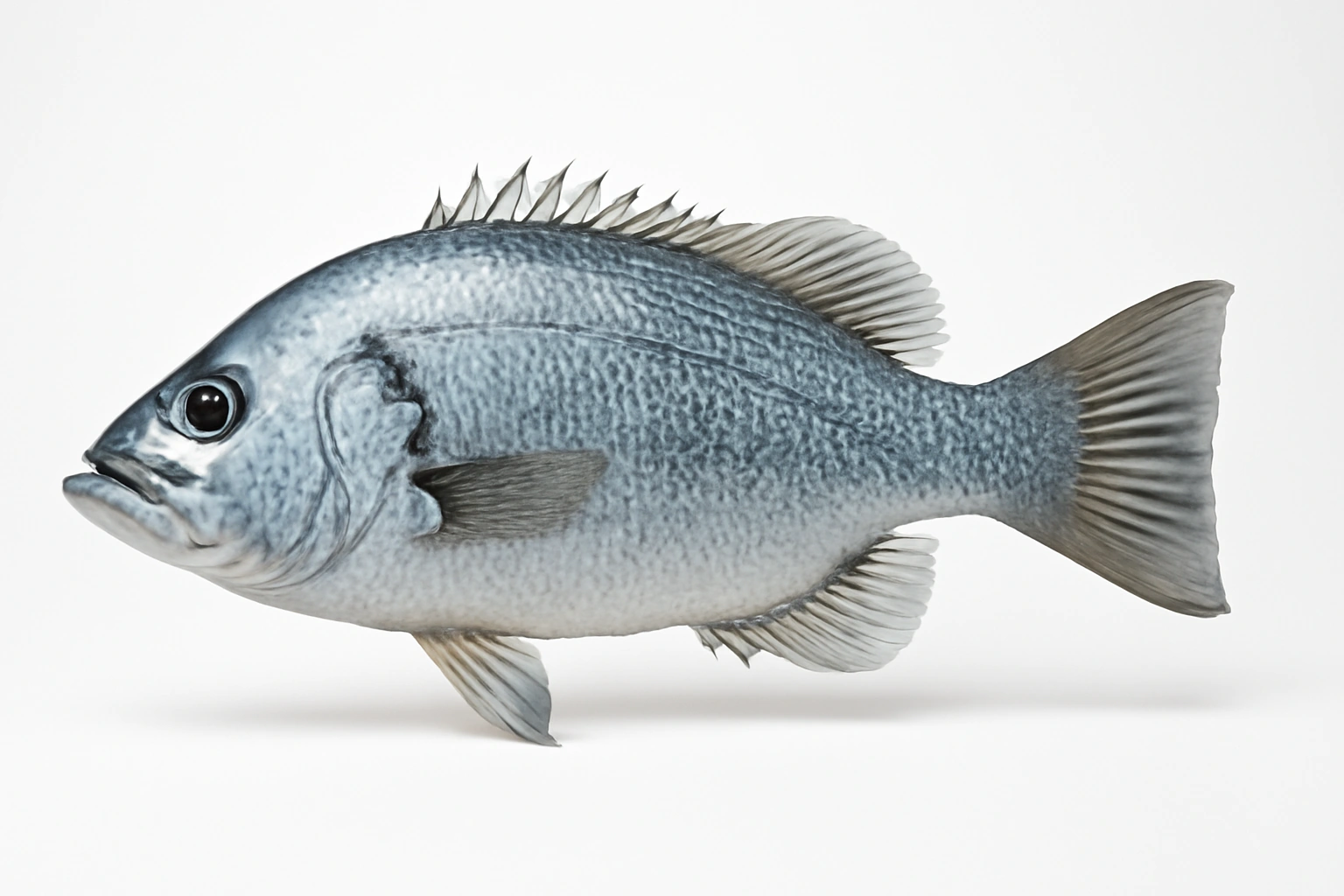 DhufishGlaucosoma hebraicum
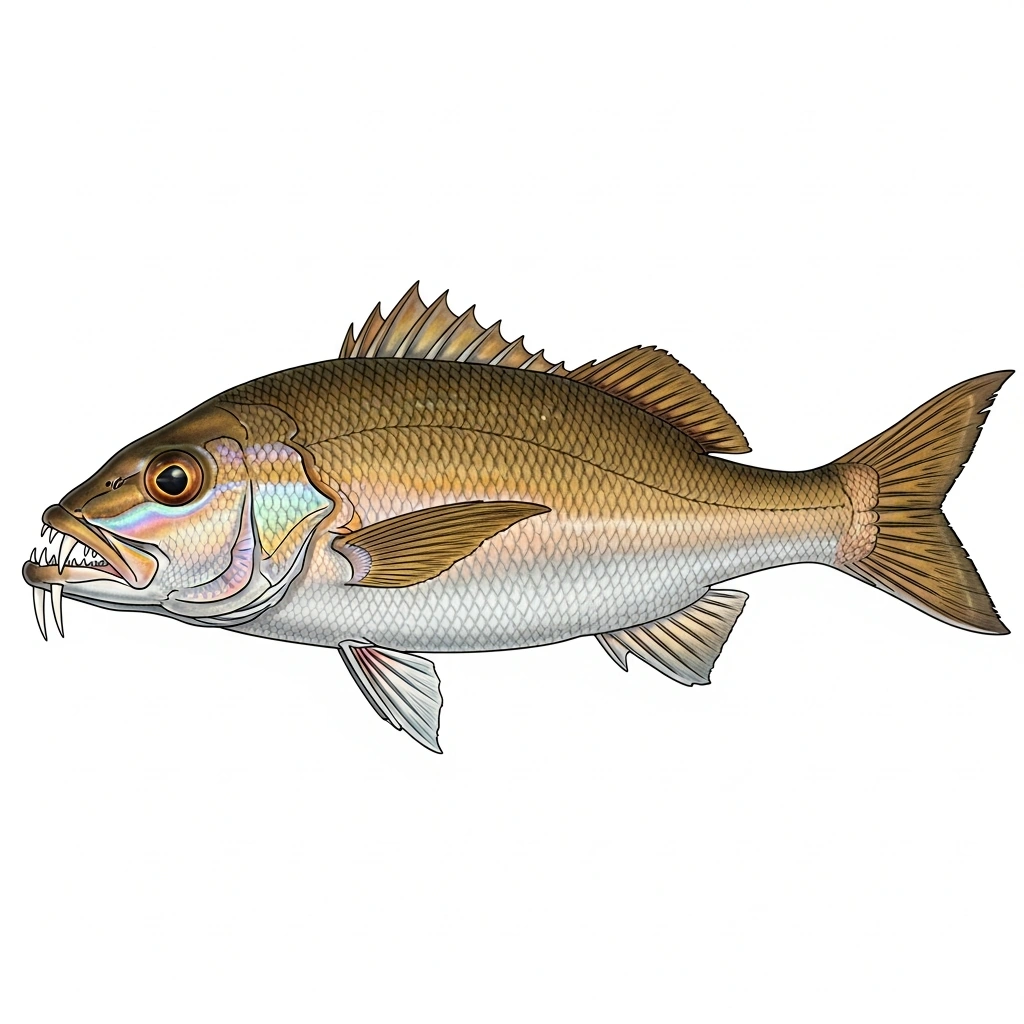 Dog snapperLutjanus jocu
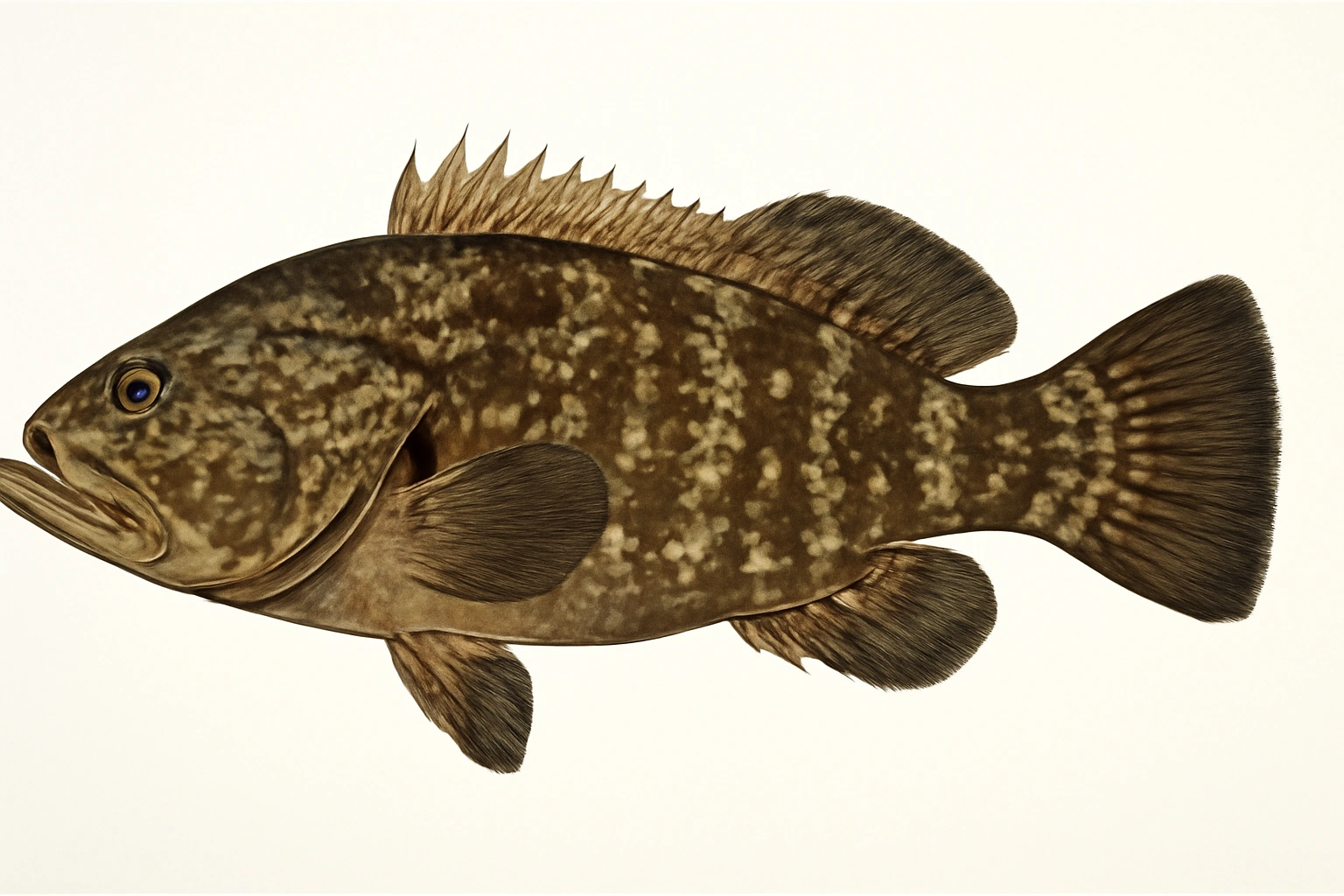 Dusky grouperEpinephelus marginatus
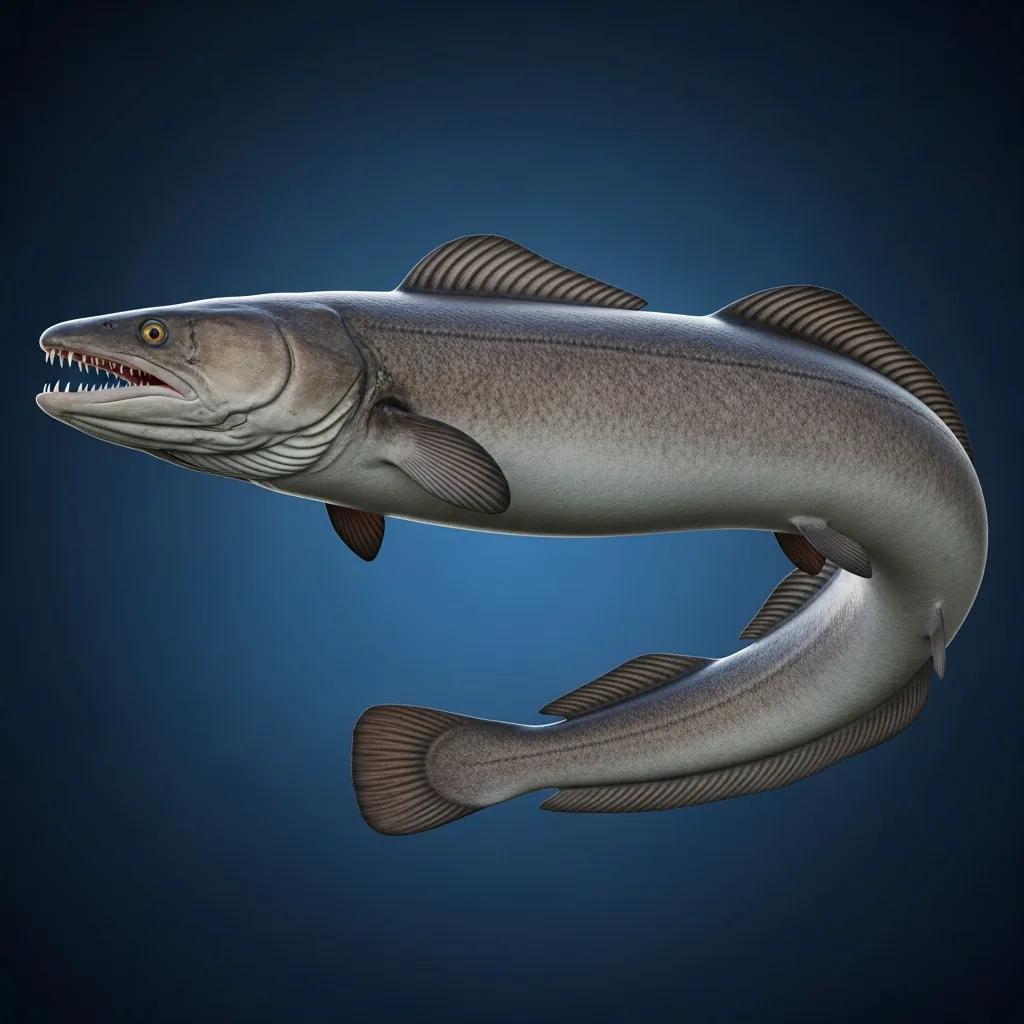 European congerConger conger
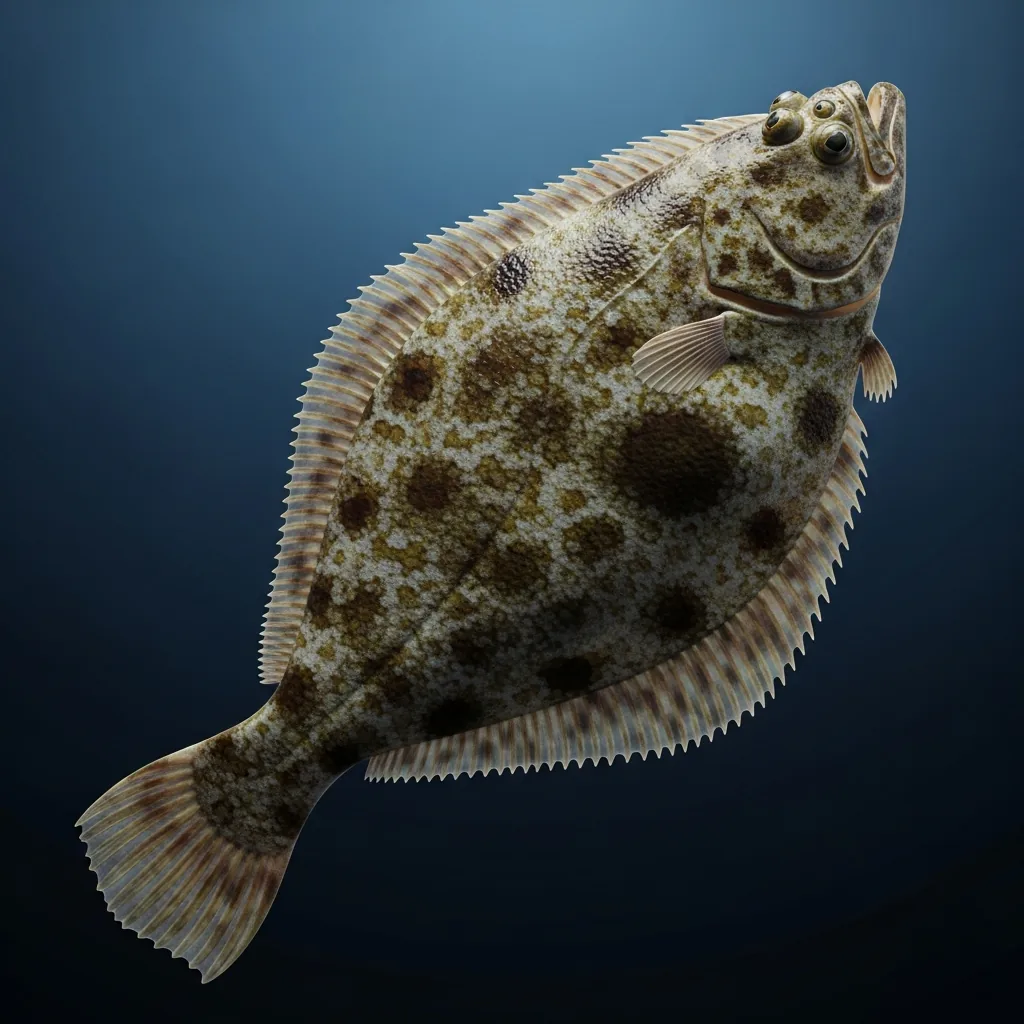 European flounderPlatichthys flesus
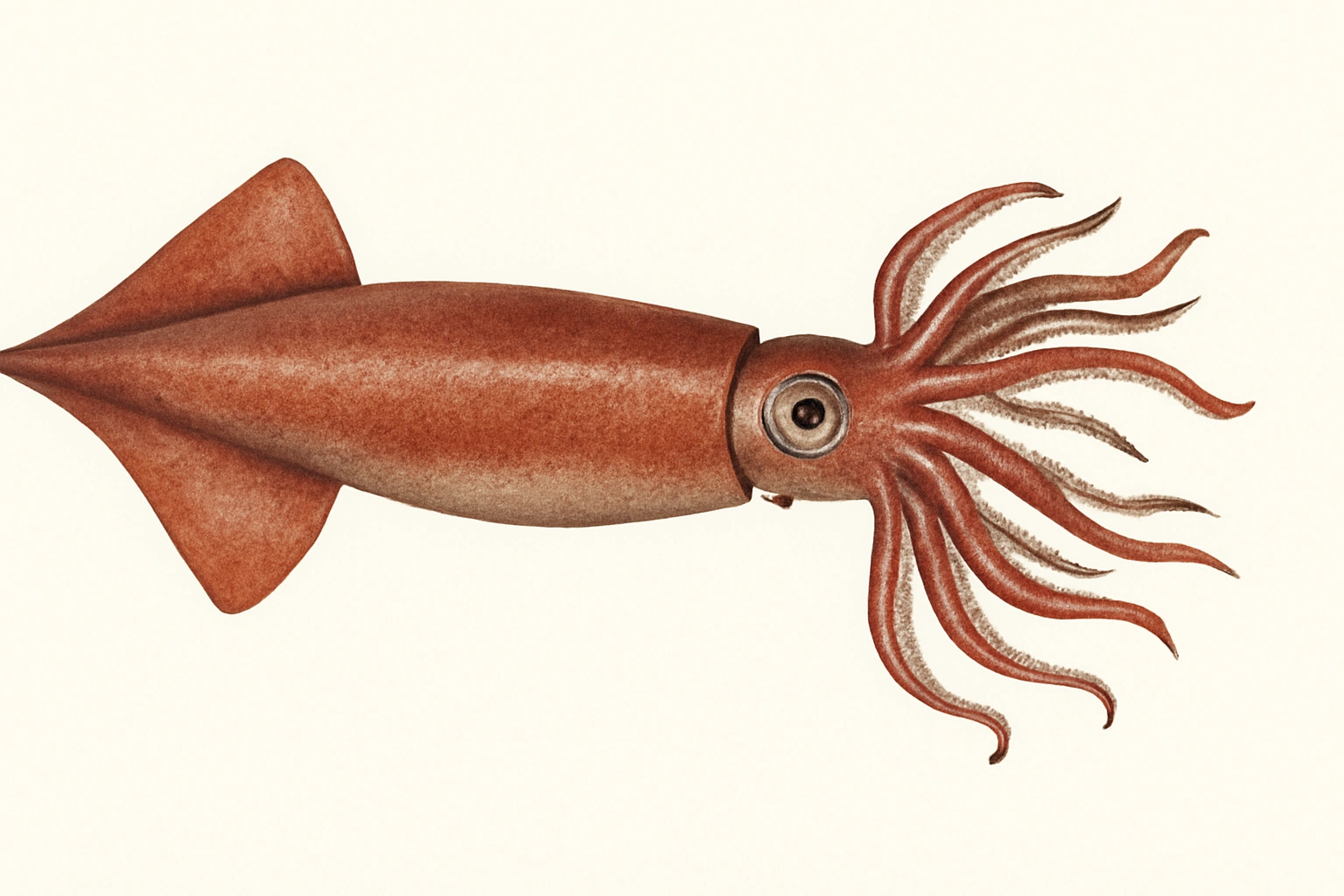 European flying squidTodarodes sagittatus
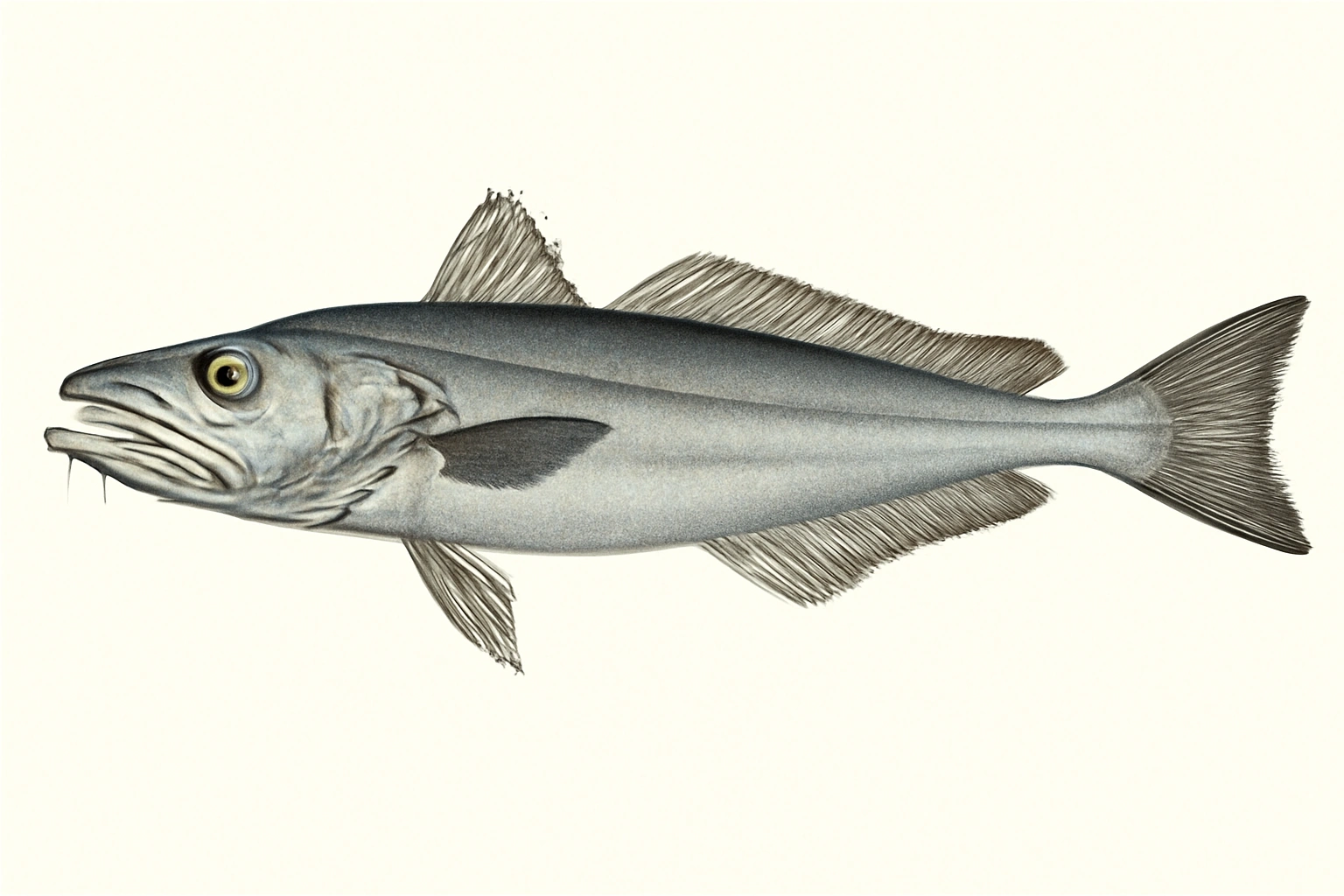 European hakeMerluccius merluccius
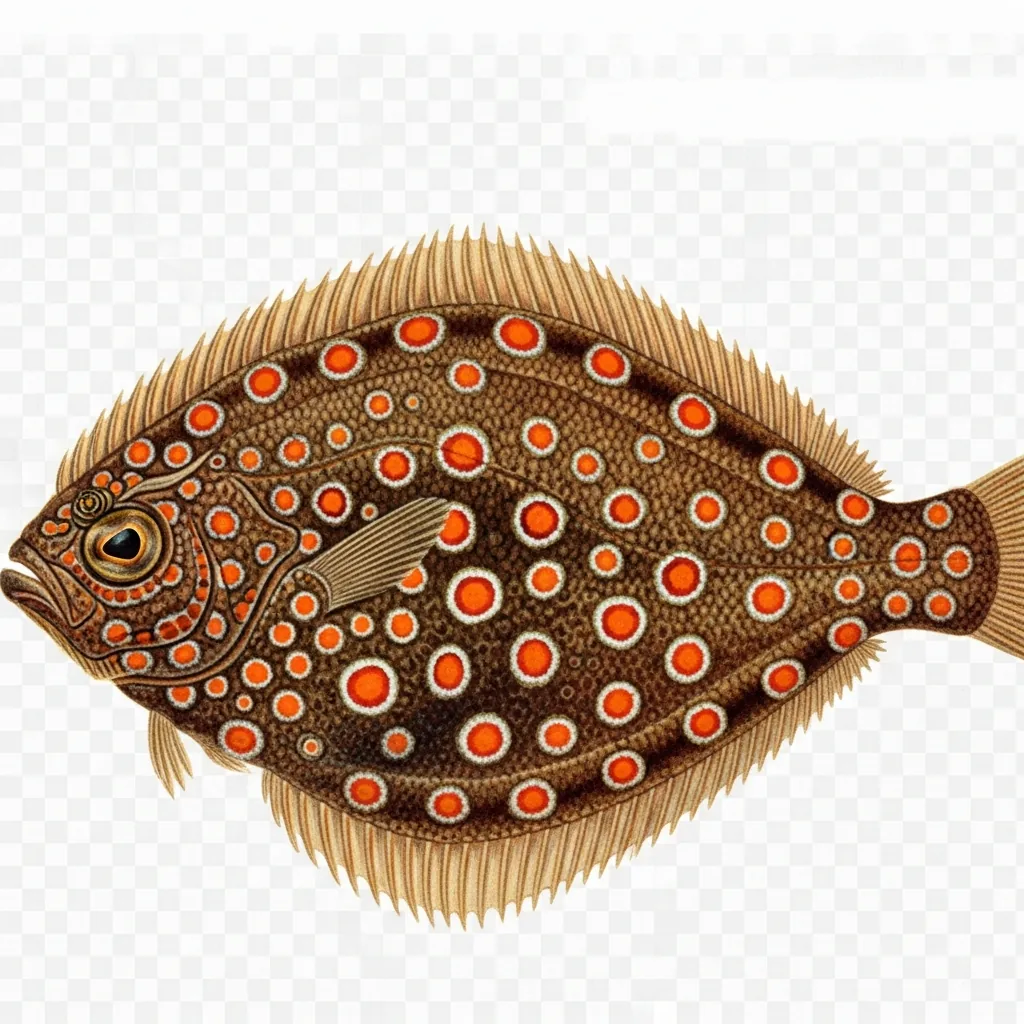 European plaicePleuronectes platessa
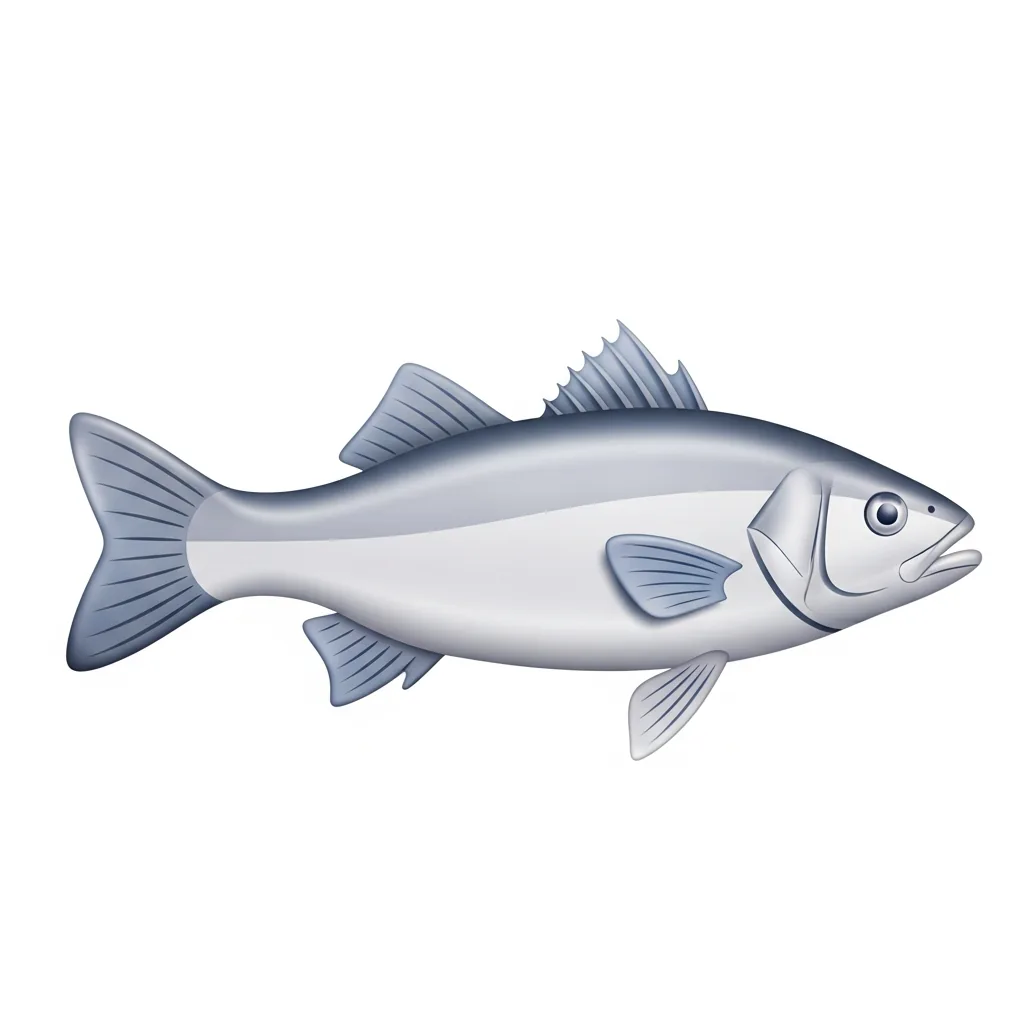 European sea bassDicentrarchus labrax
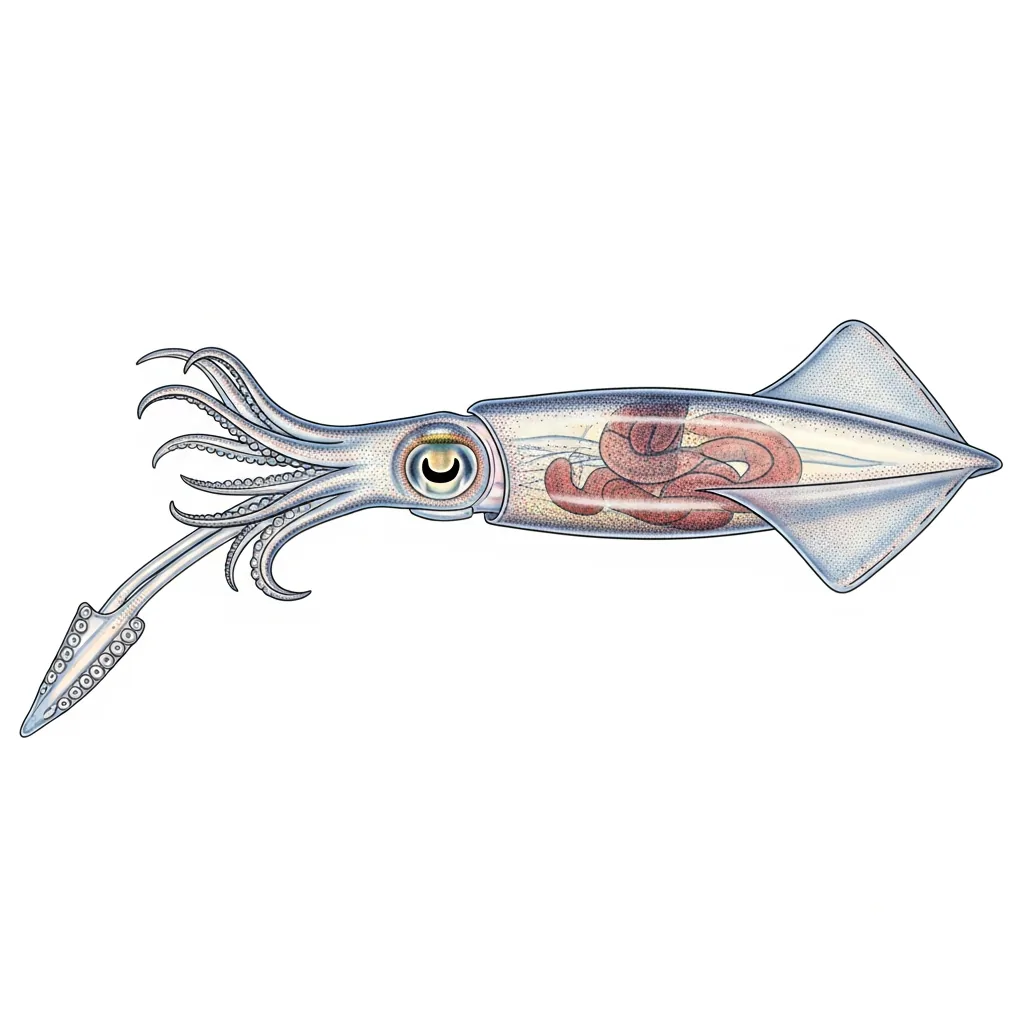 European squidLoligo vulgaris
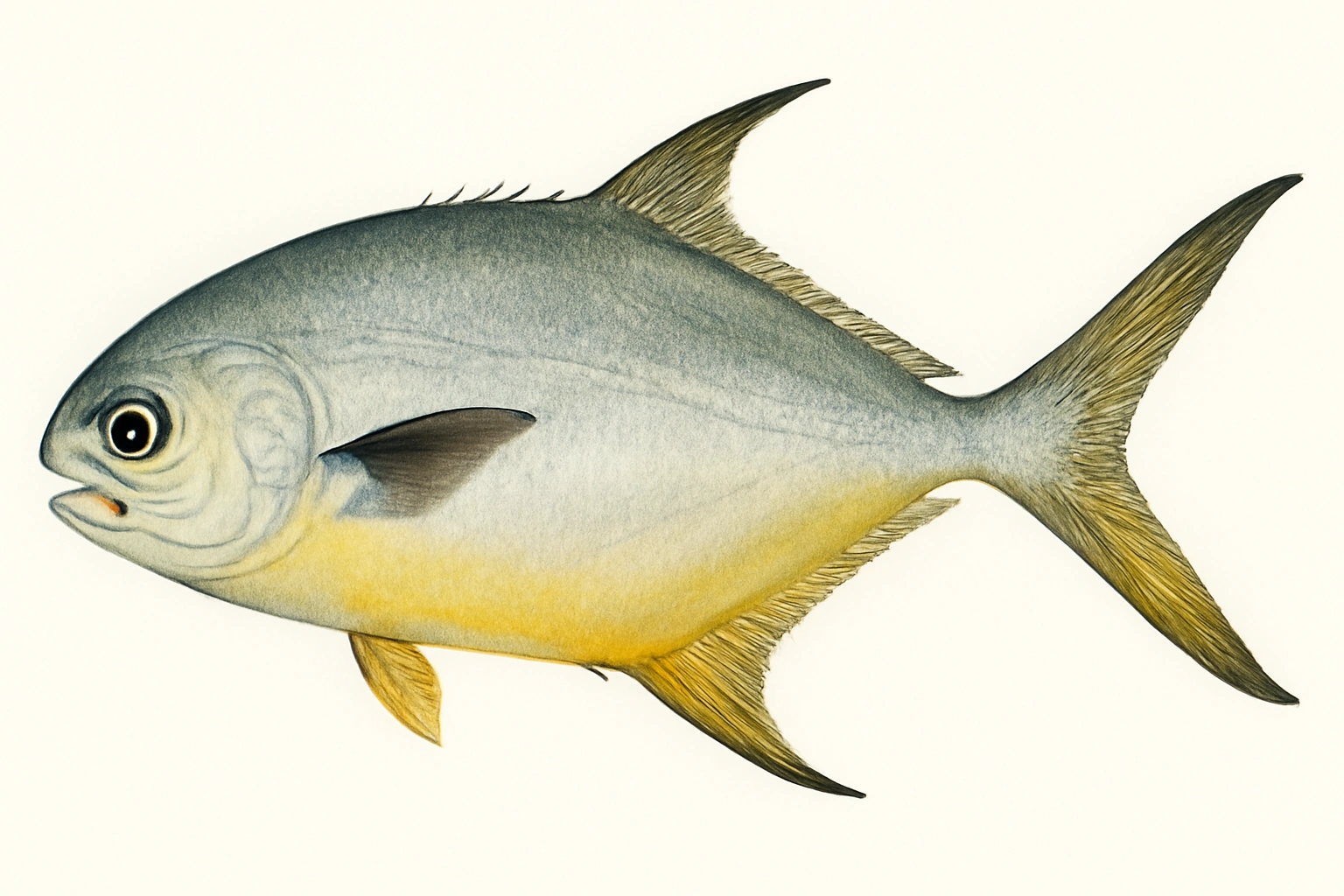 Florida pompanoTrachinotus carolinus
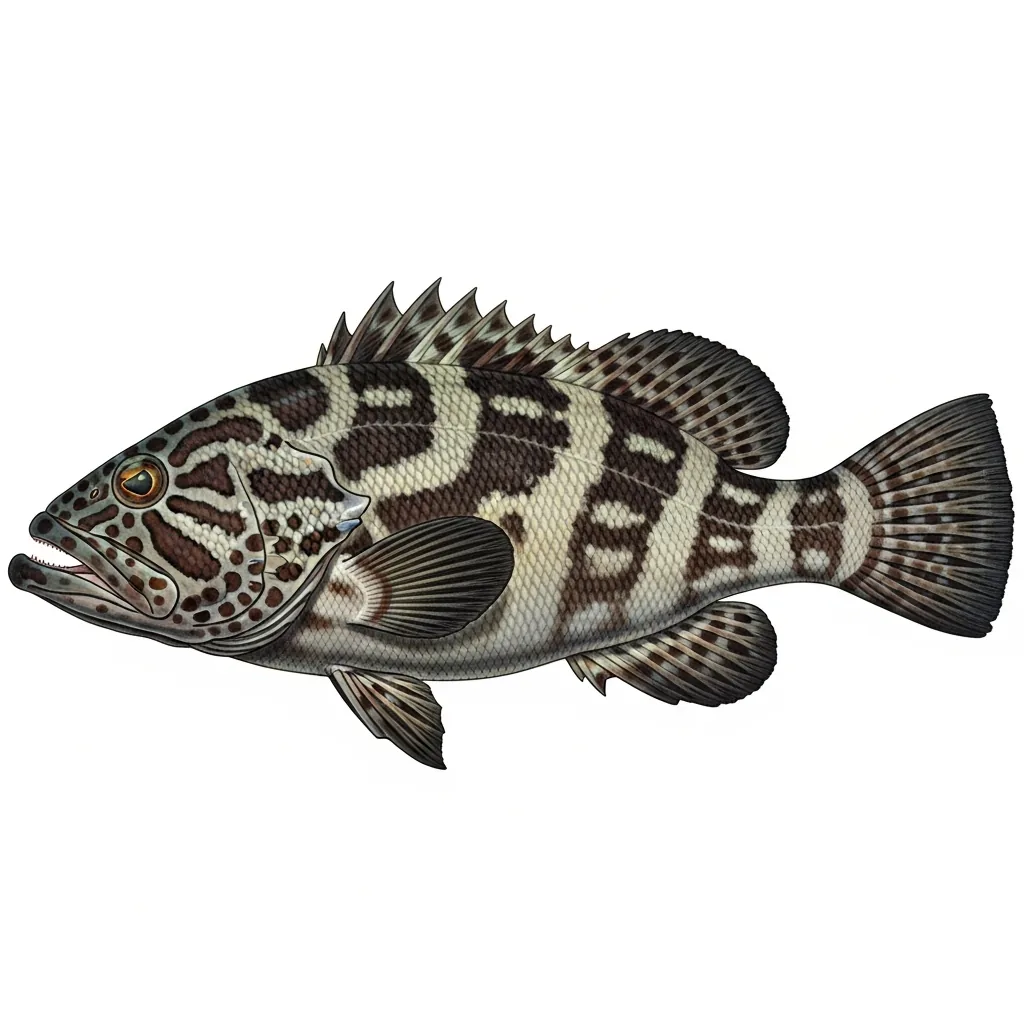 Gag GrouperMycteroperca microlepis
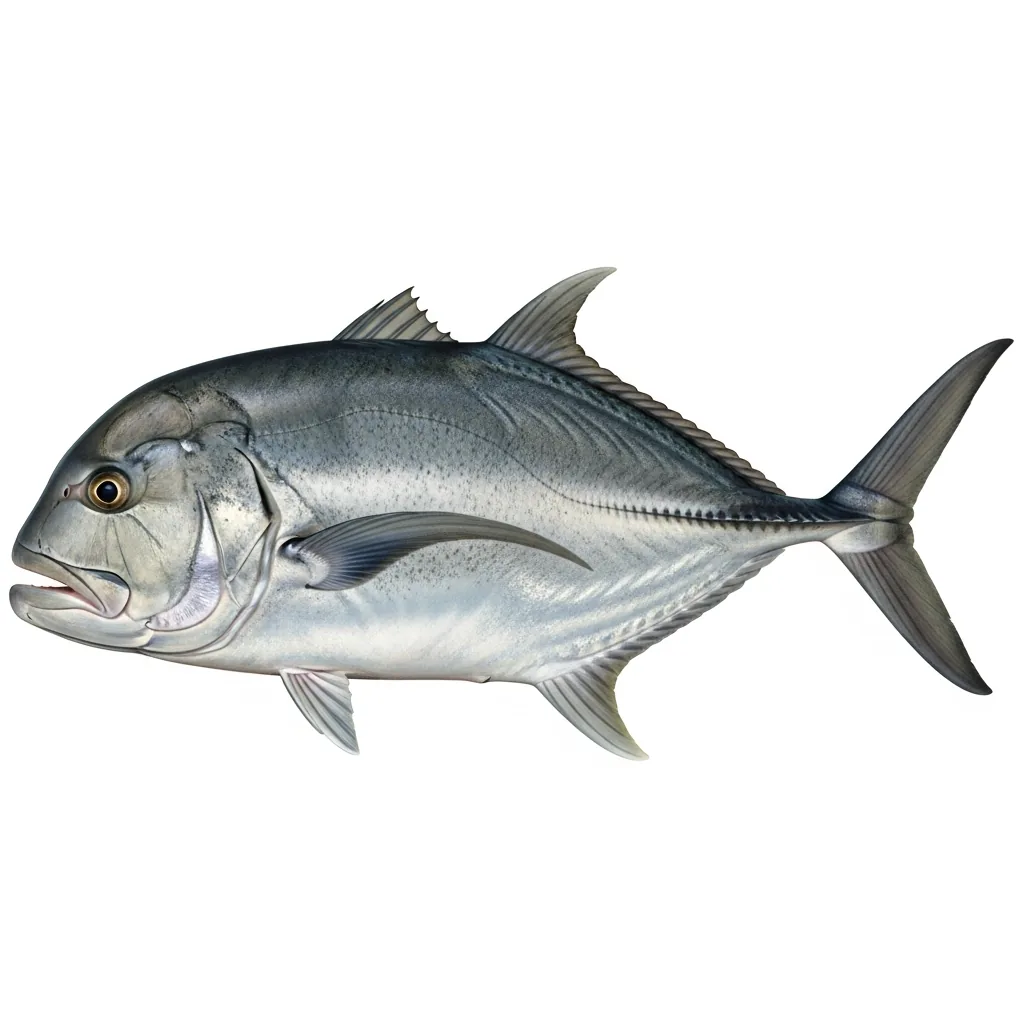 Giant trevallyCaranx ignobilis
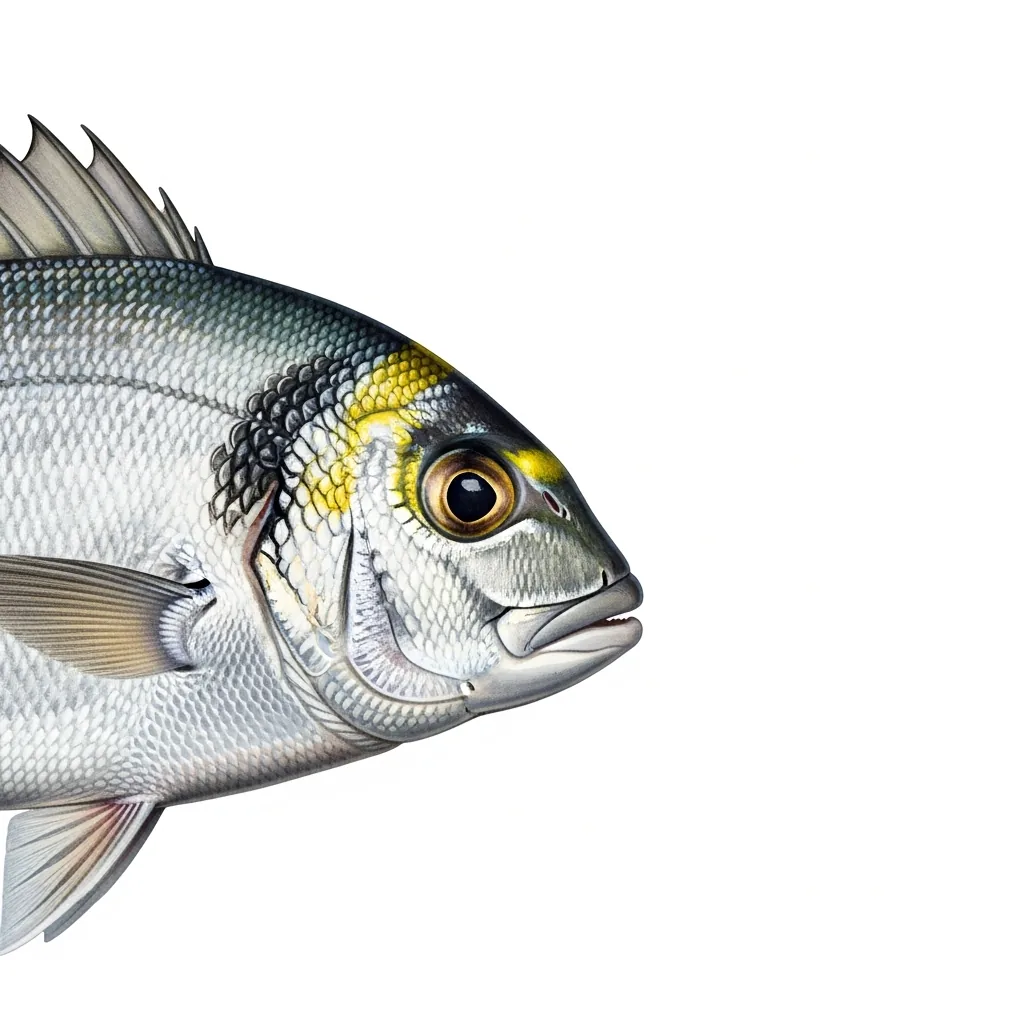 Gilthead sea breamSparus aurata
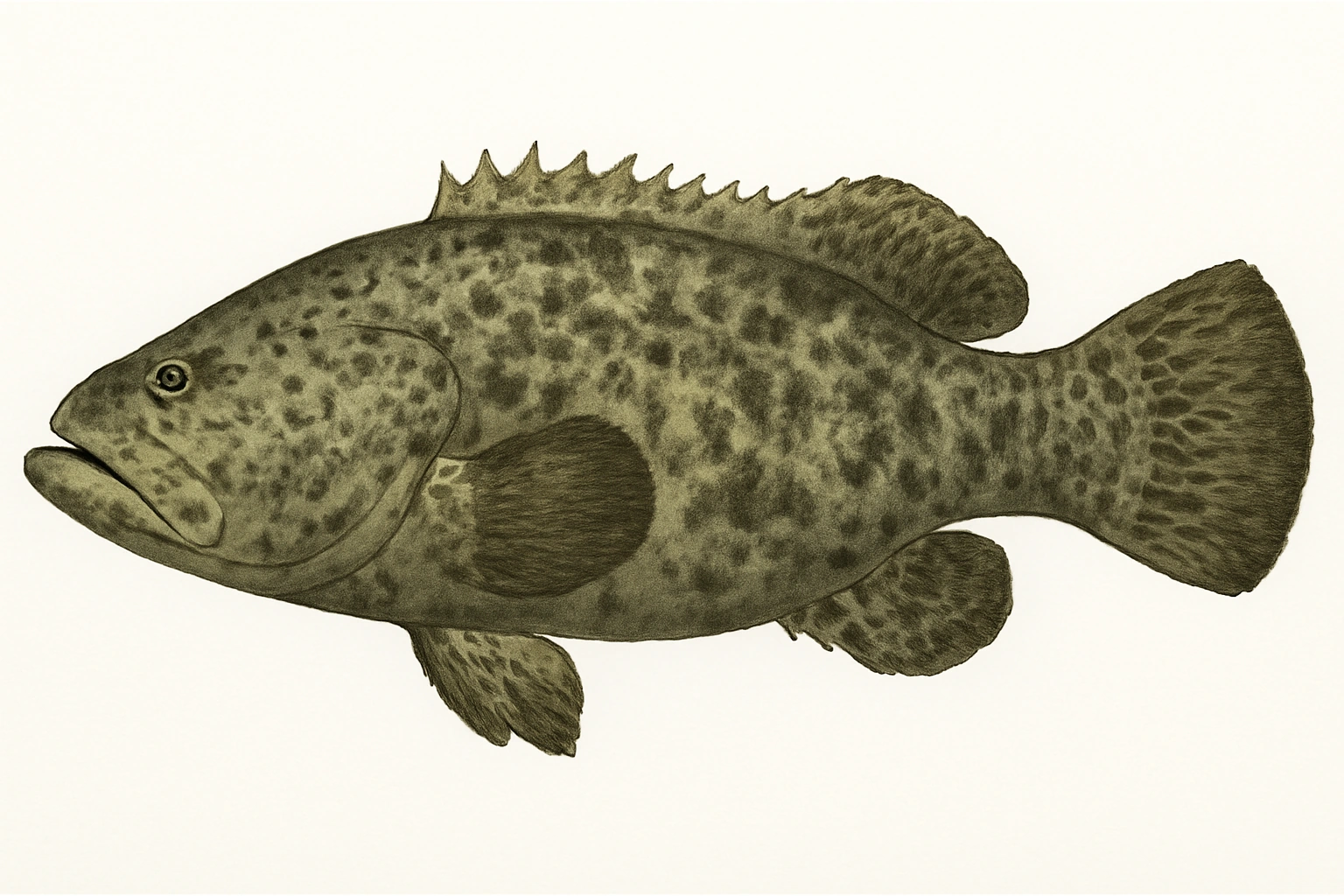 Goliath grouperEpinephelus itajara
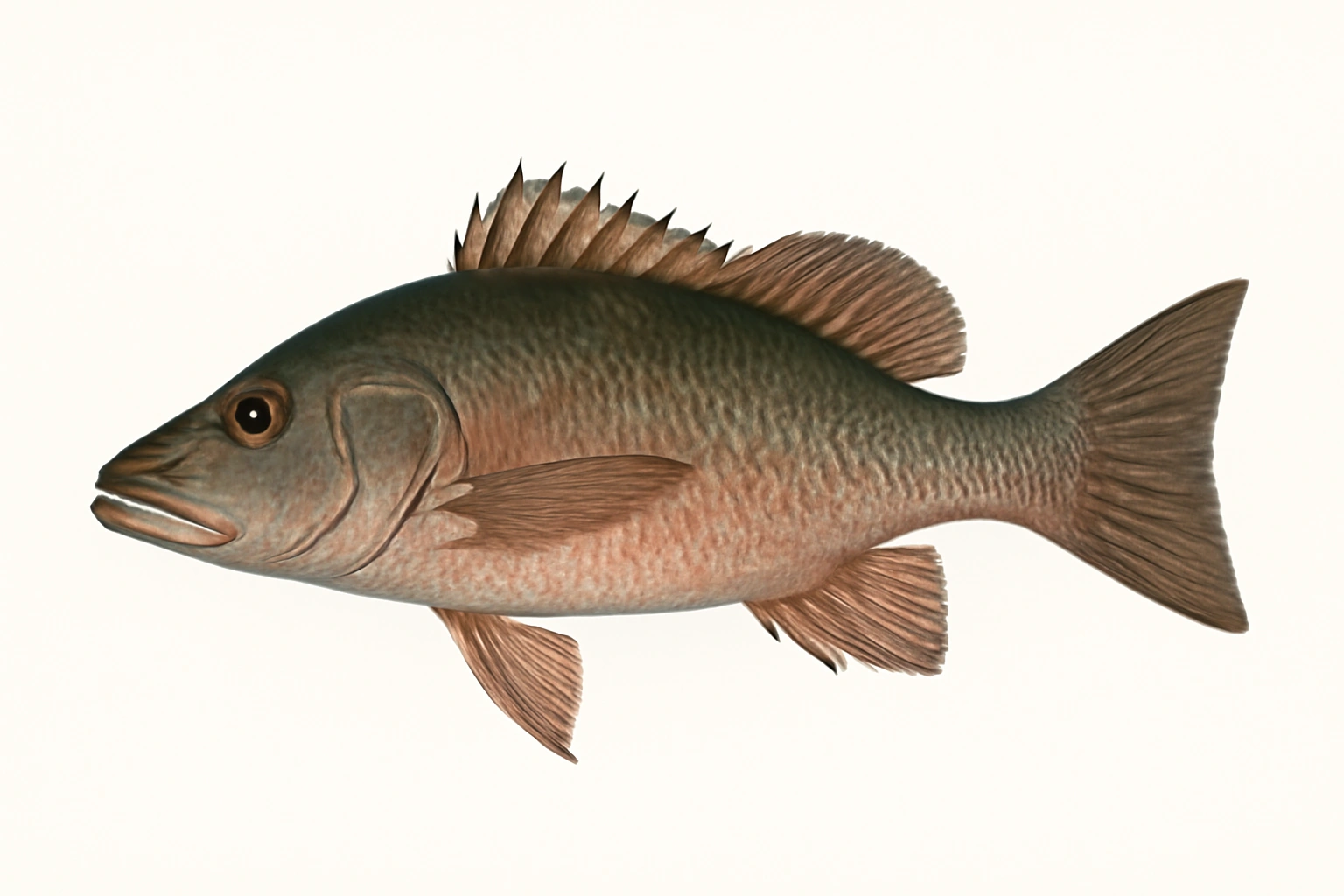 Gray snapperLutjanus griseus
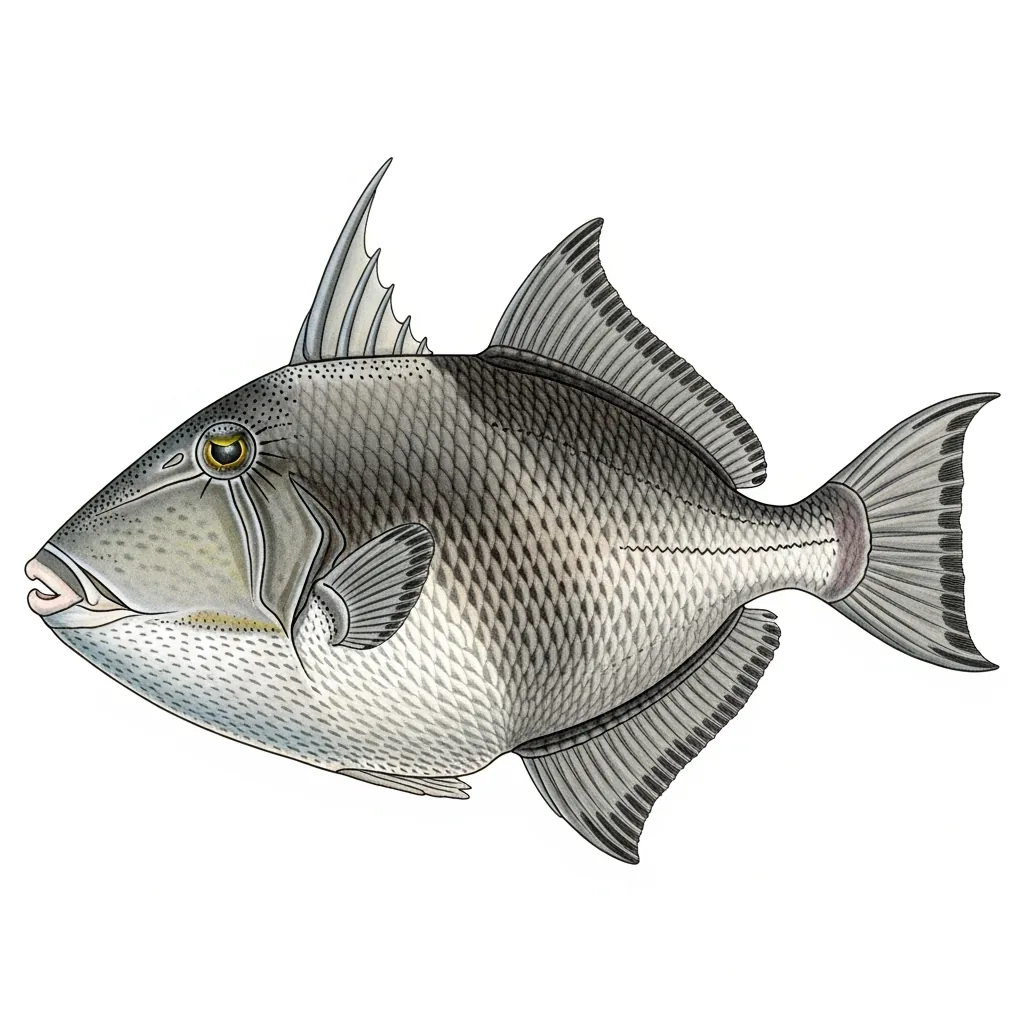 Gray TriggerfishBalistes capriscus
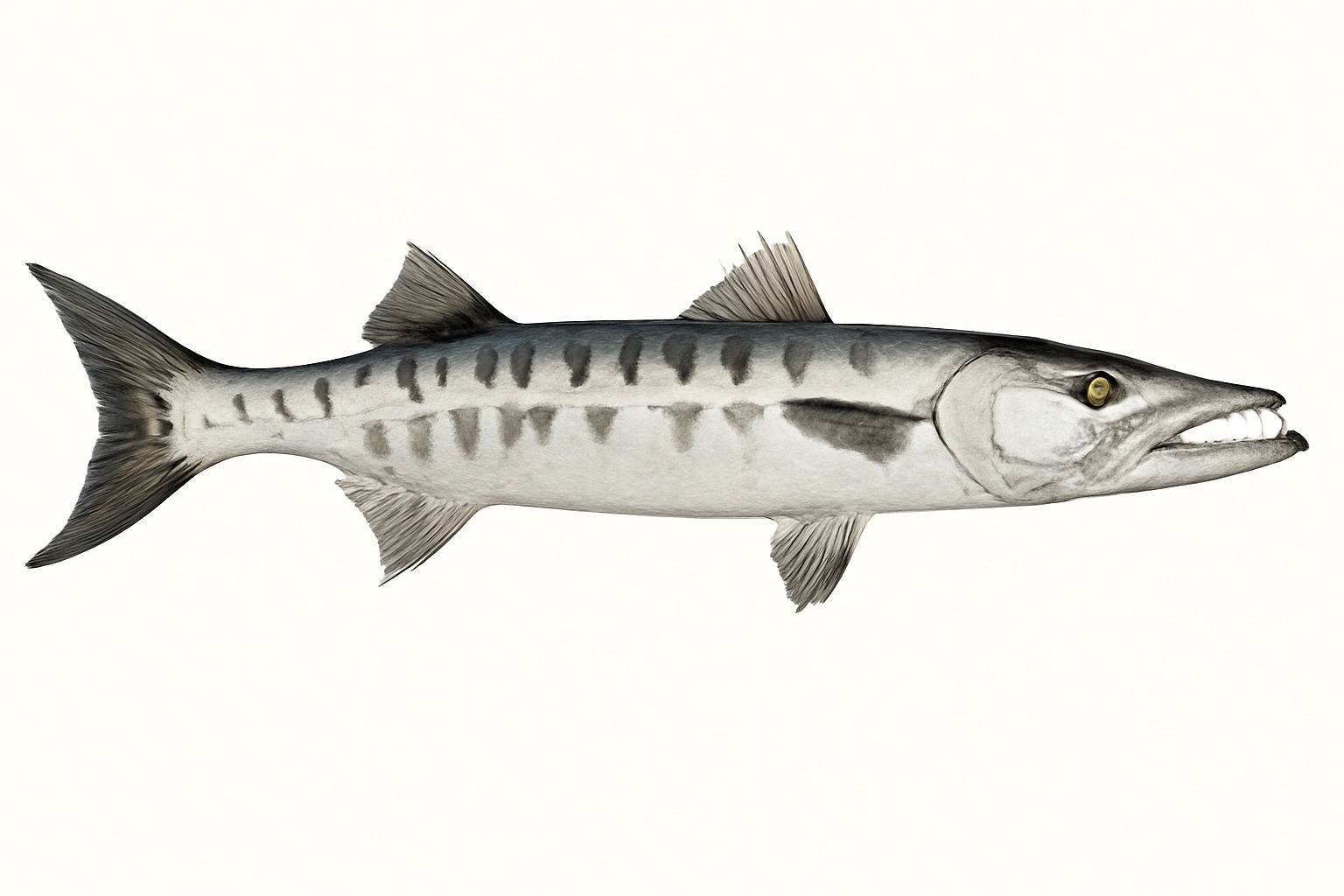 Great barracudaSphyraena barracuda
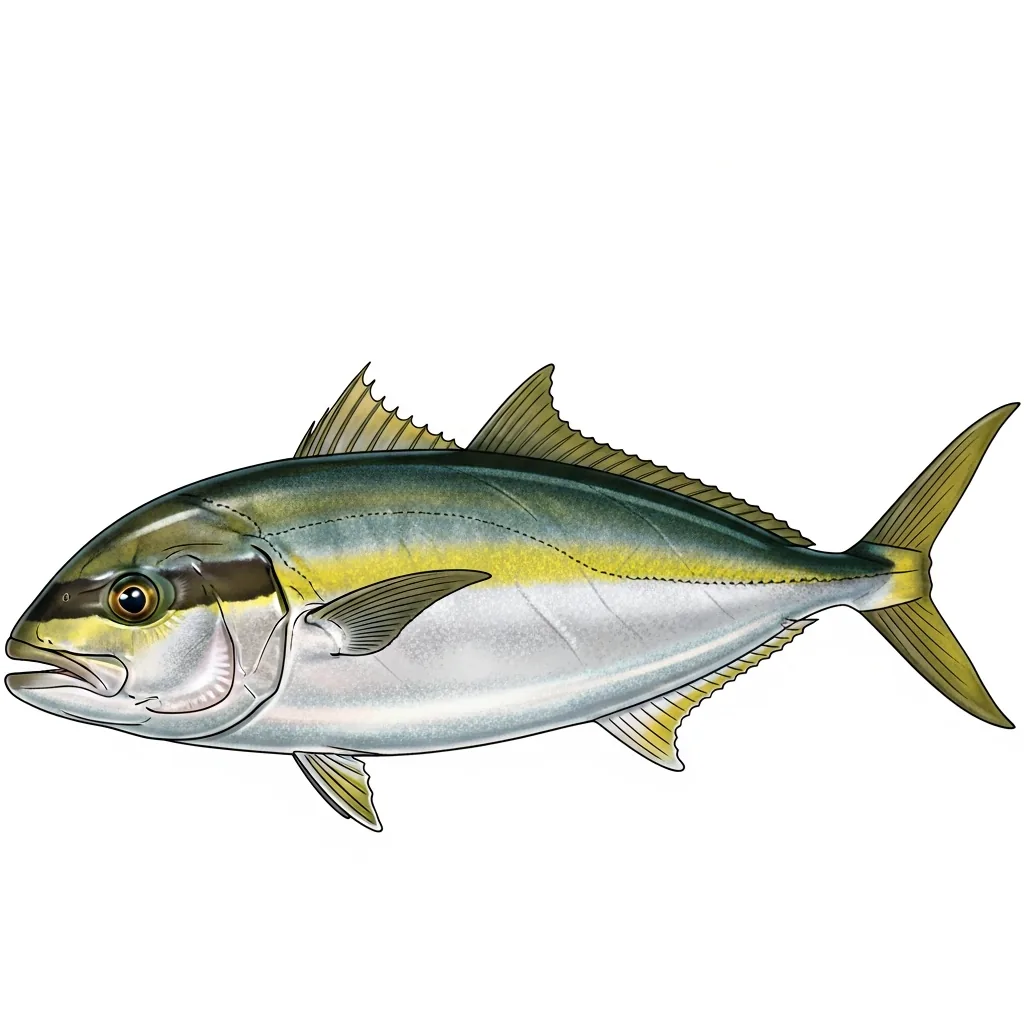 Greater amberjackSeriola dumerili
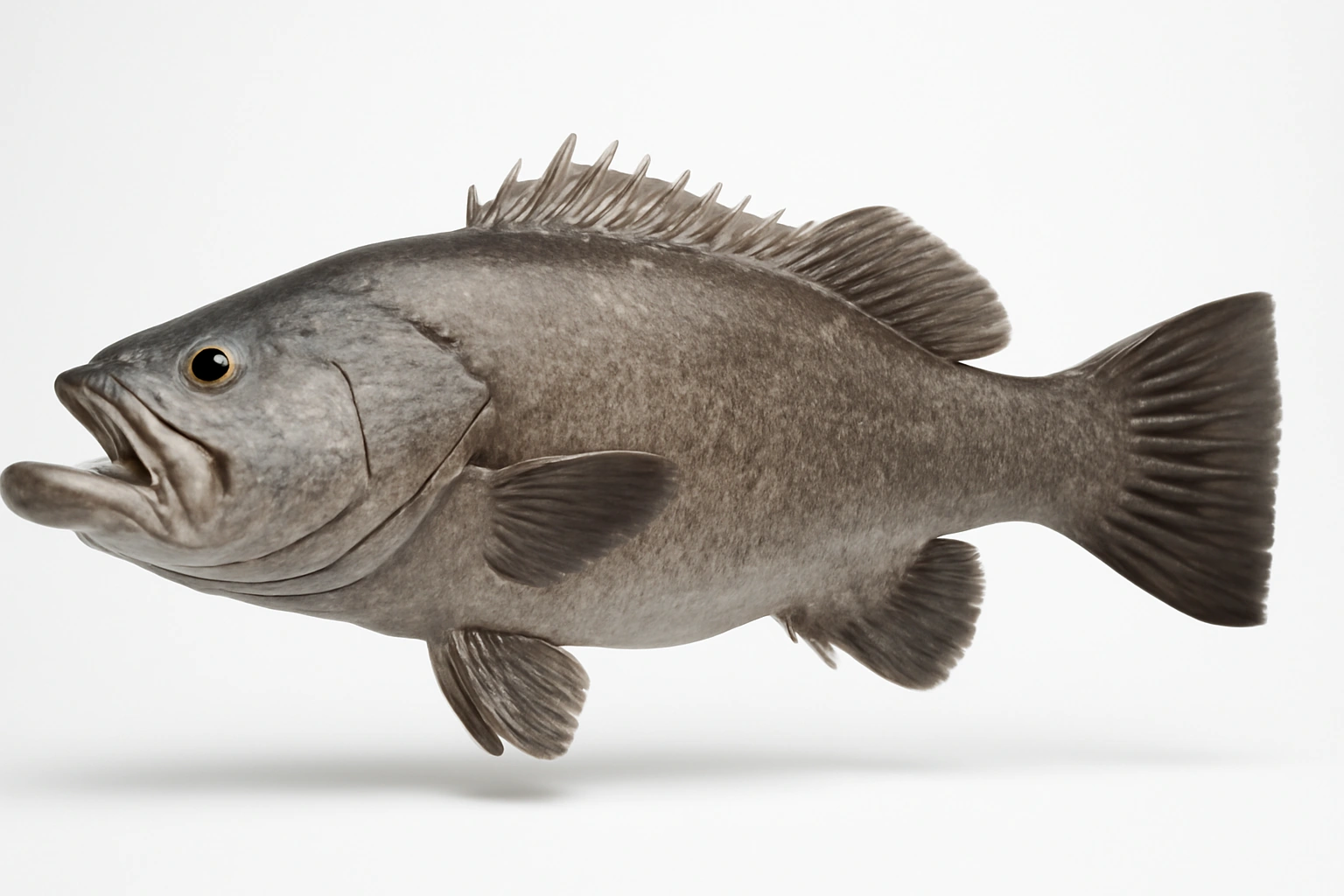 HapukaPolyprion oxygeneios
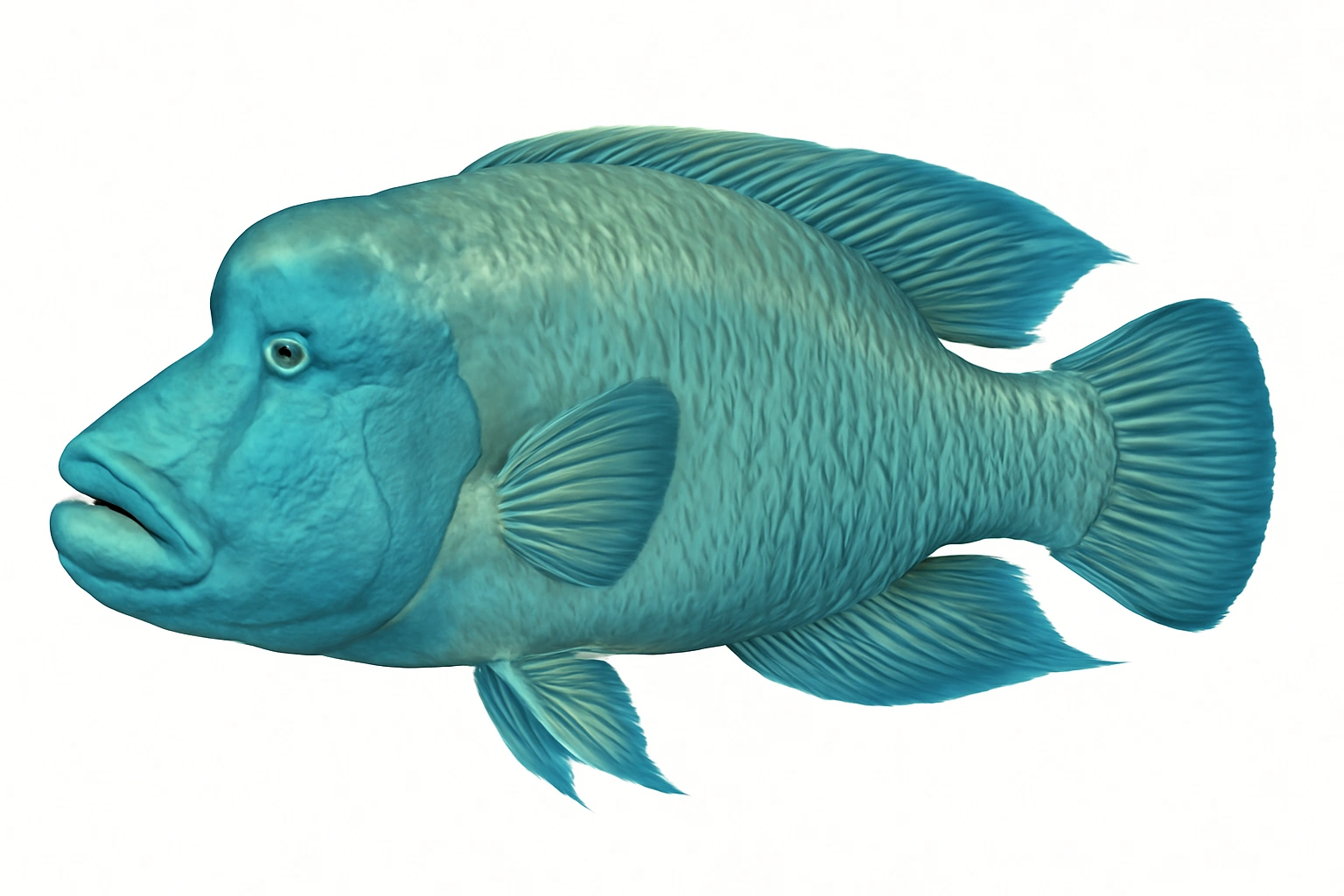 Humphead wrasseCheilinus undulatus
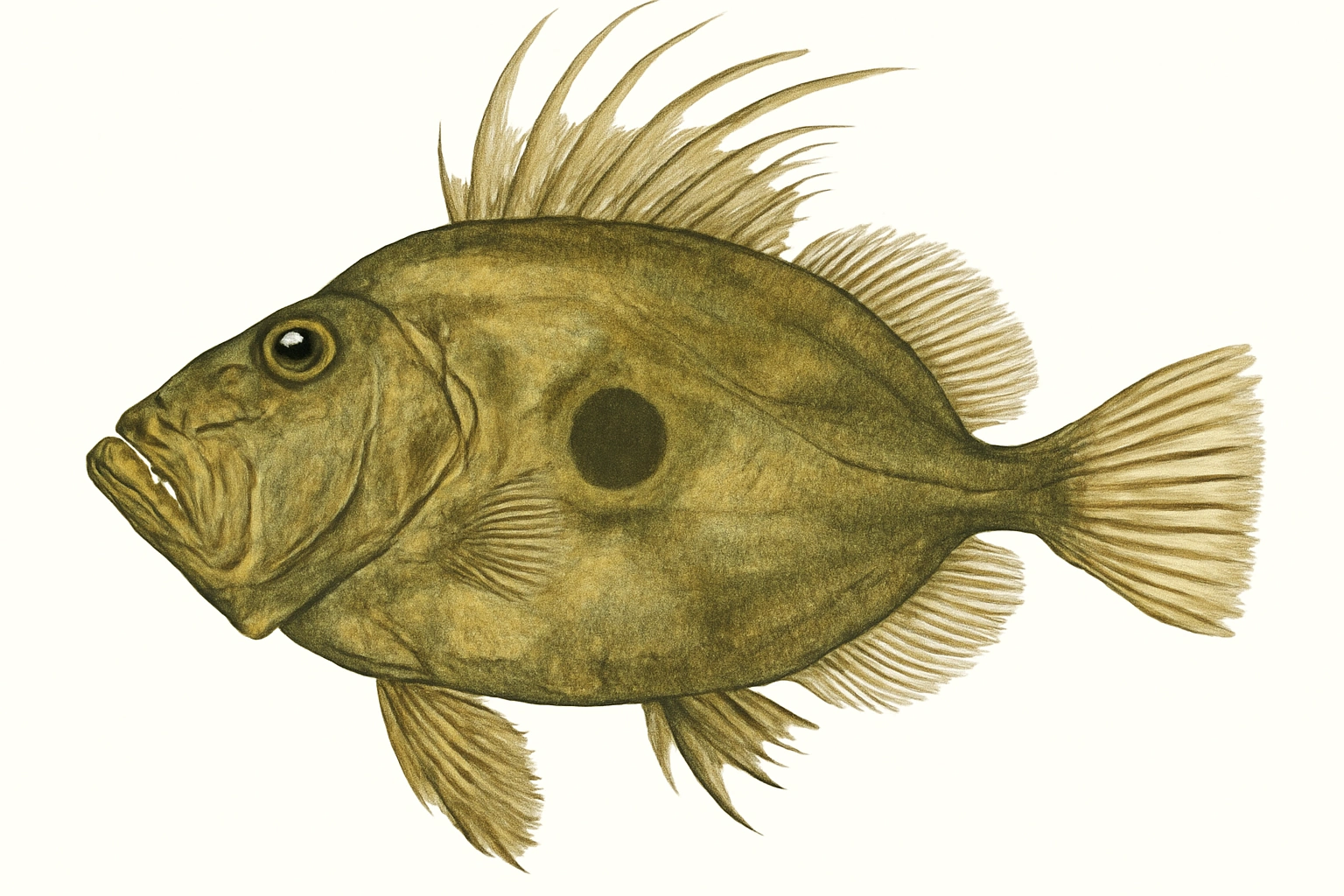 John DoryZeus faber
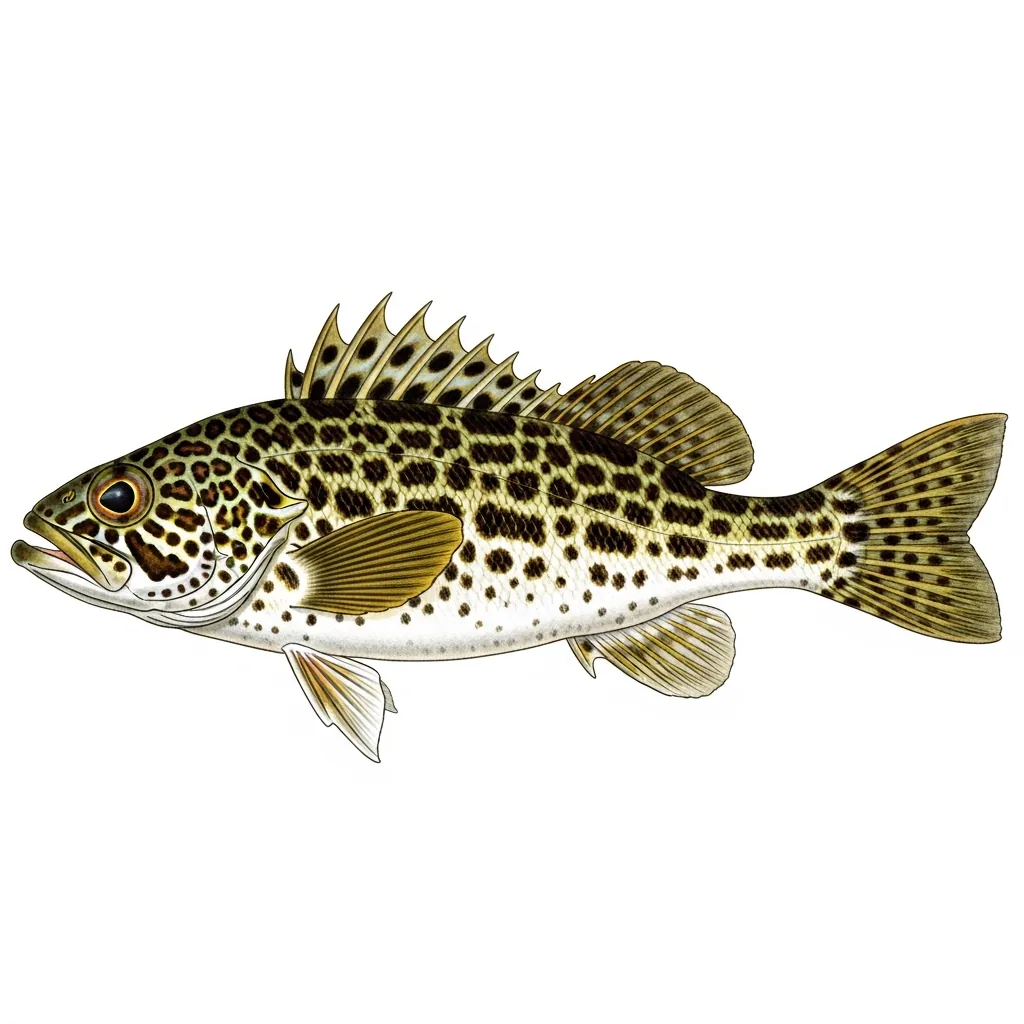 Kelp BassParalabrax clathratus
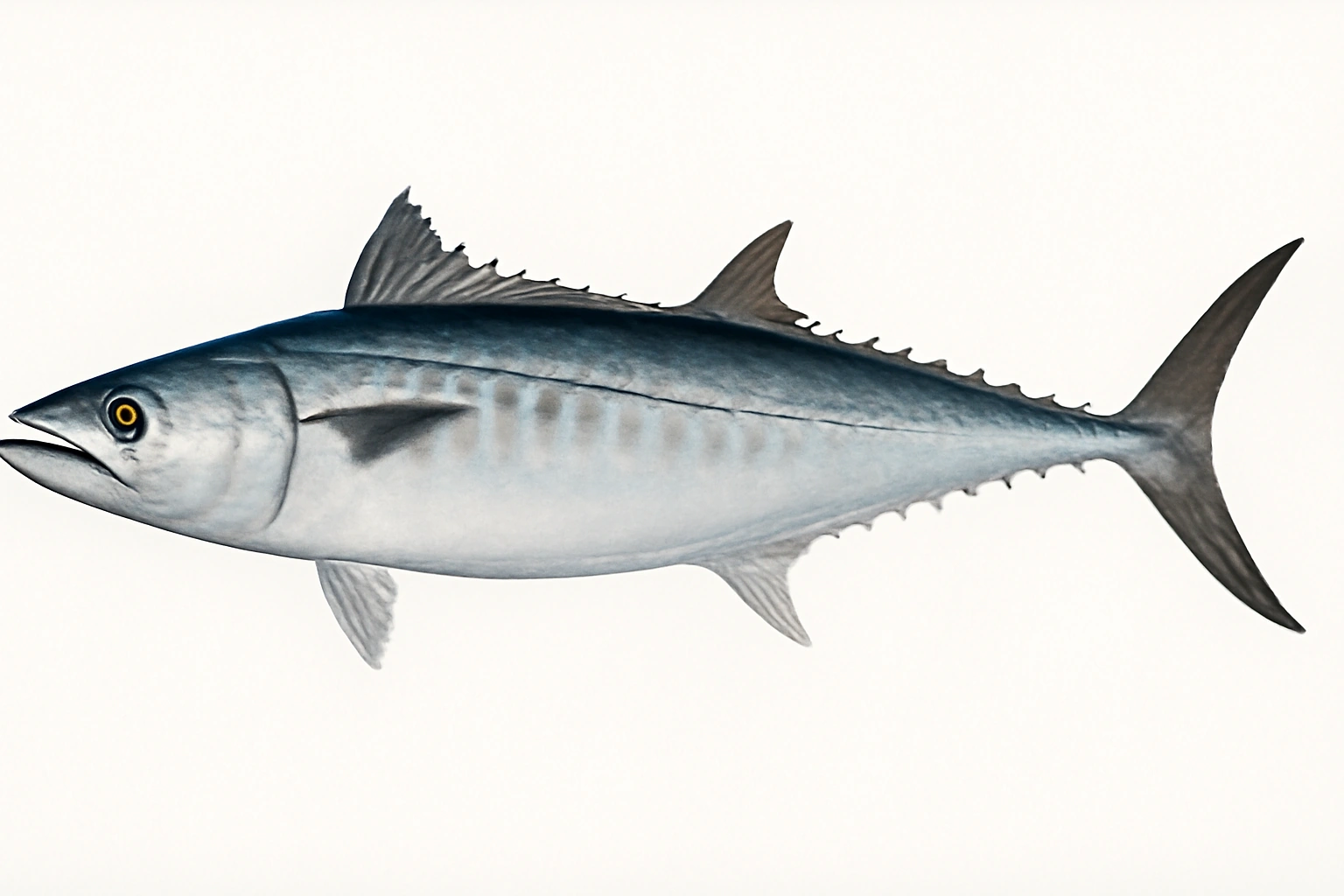 King mackerelScomberomorus cavalla
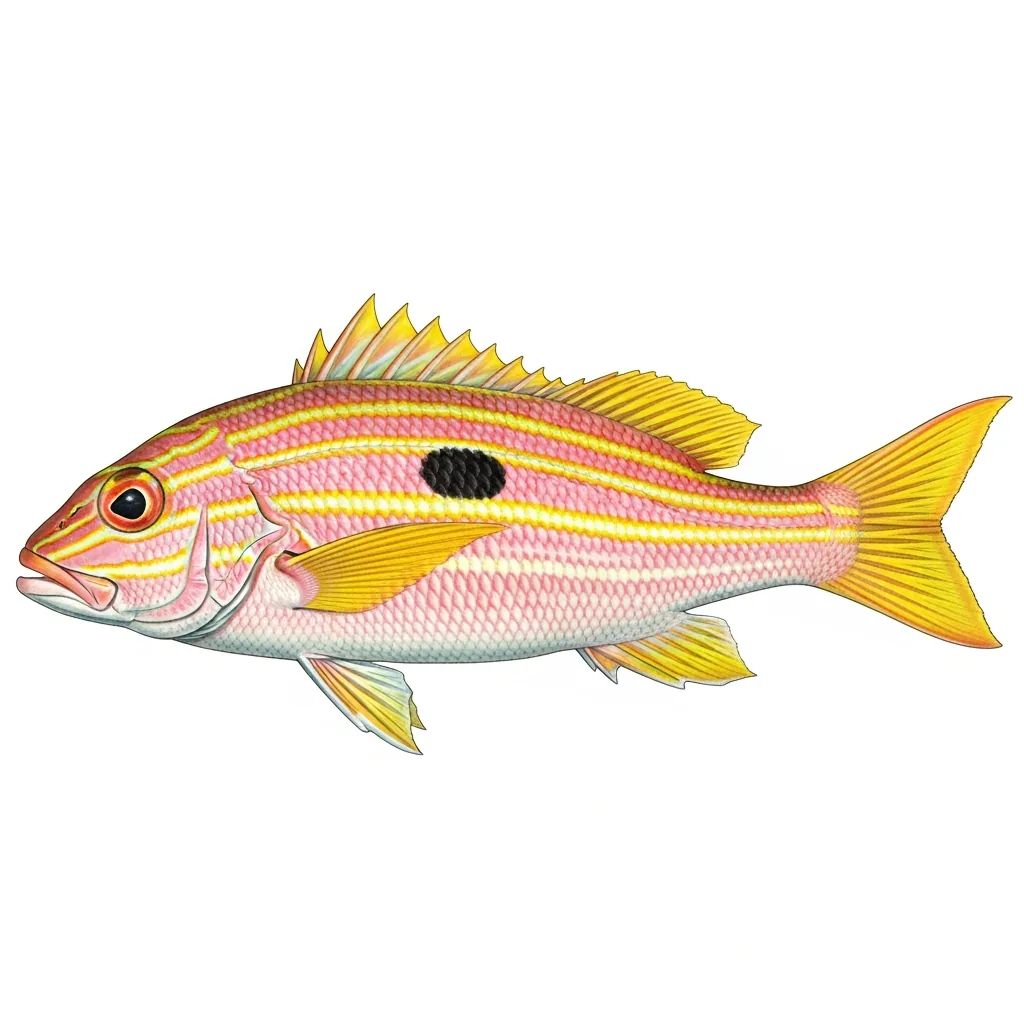 Lane SnapperLutjanus synagris
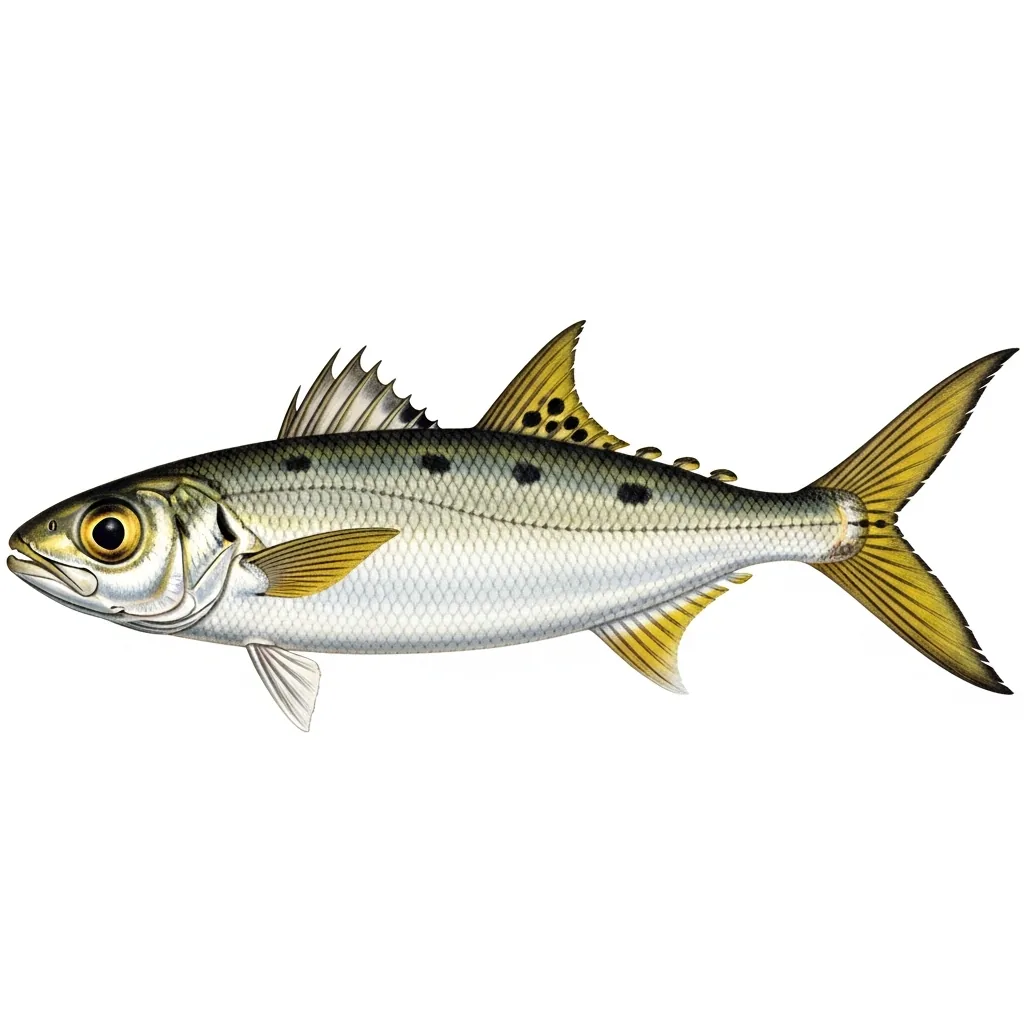 LeerfishLichia amia
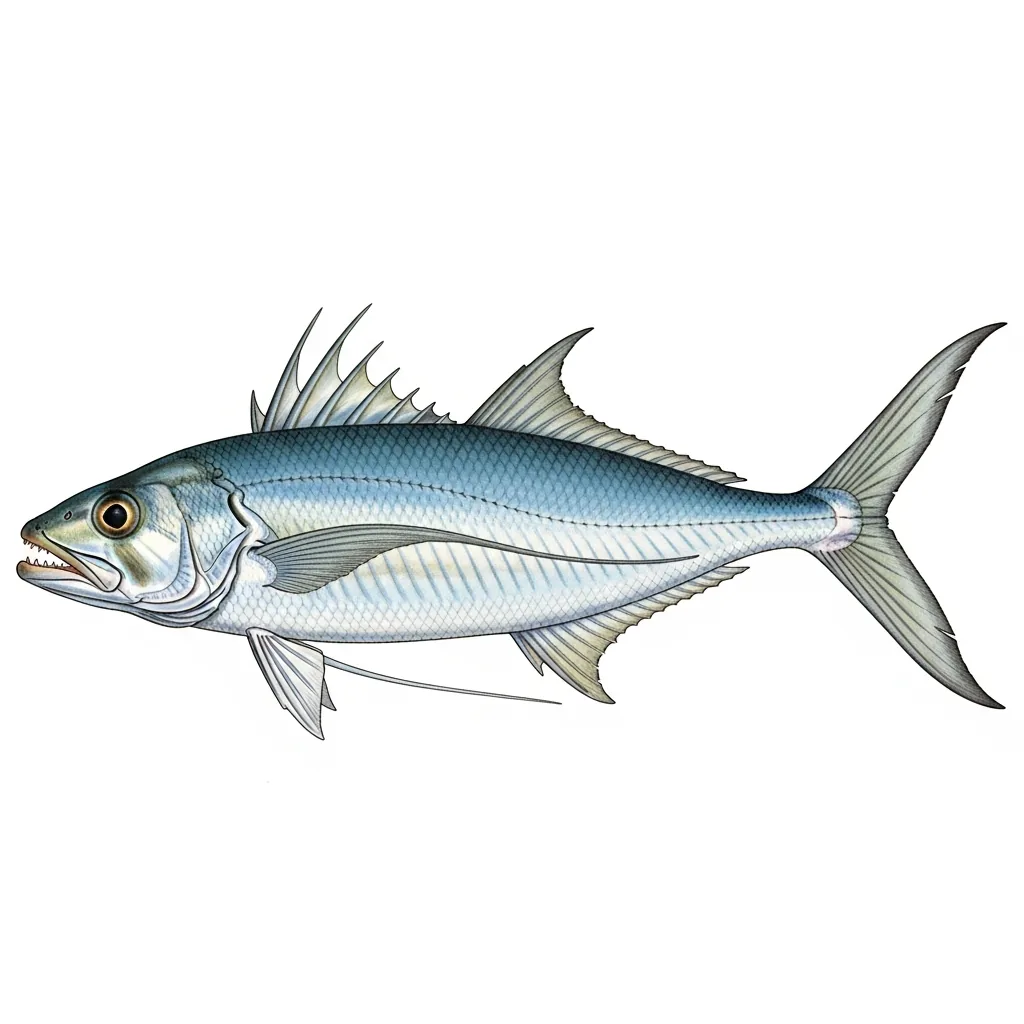 LeerfishTrachinotus ovatus
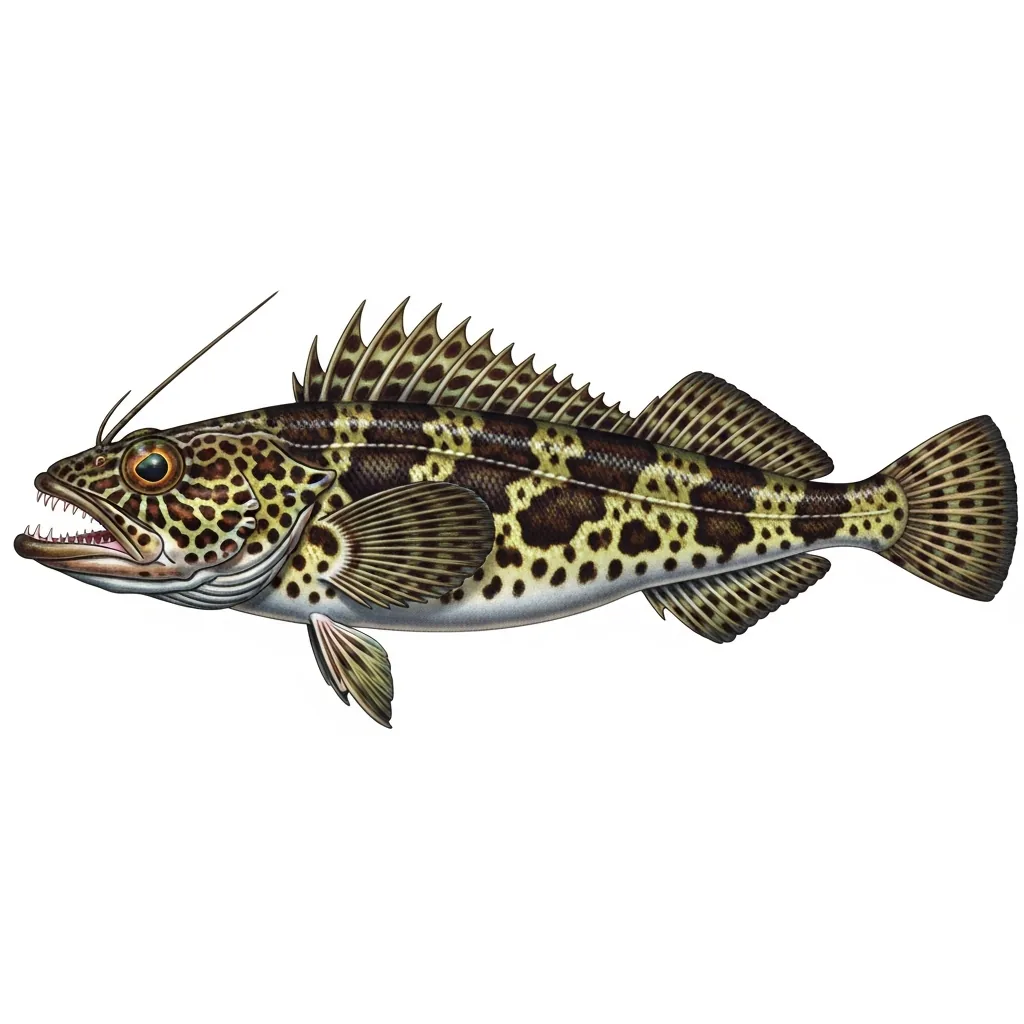 LingcodOphiodon elongatus
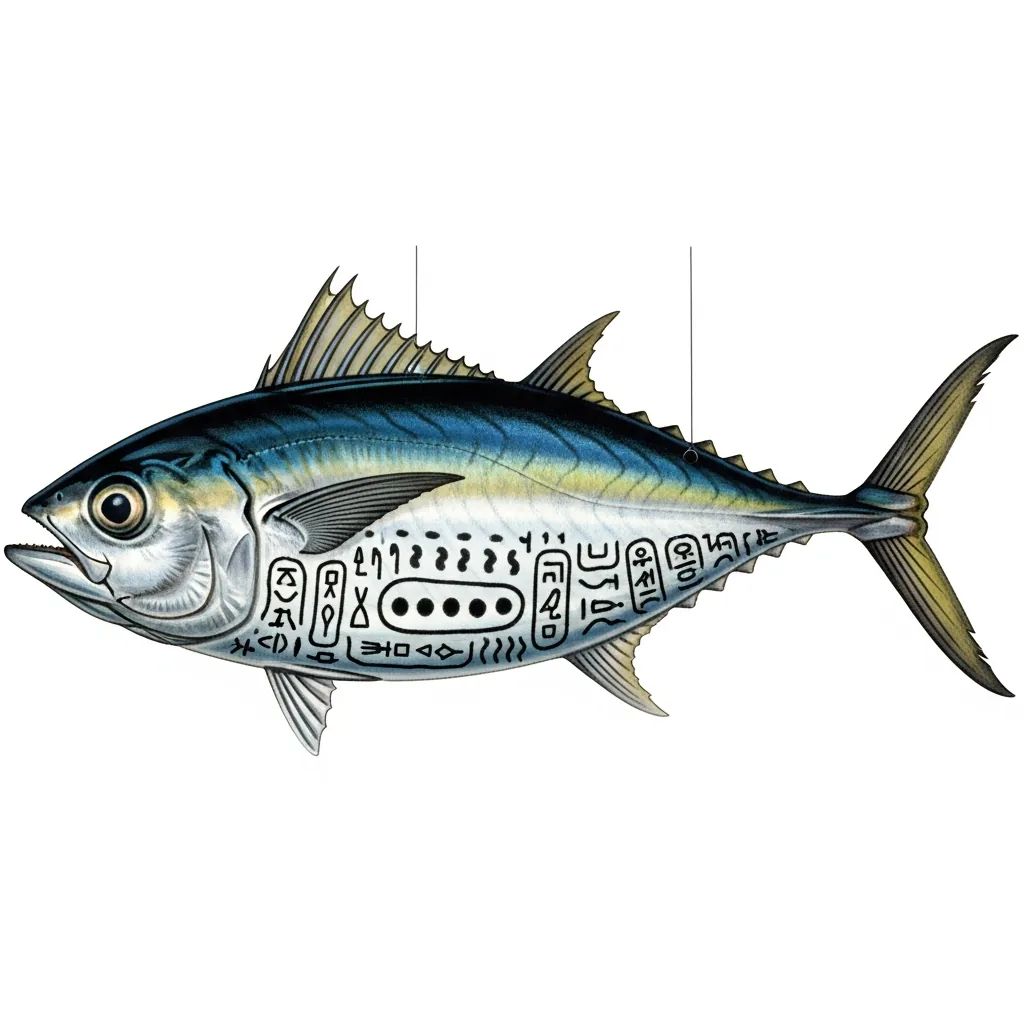 Little tunnyEuthynnus alletteratus
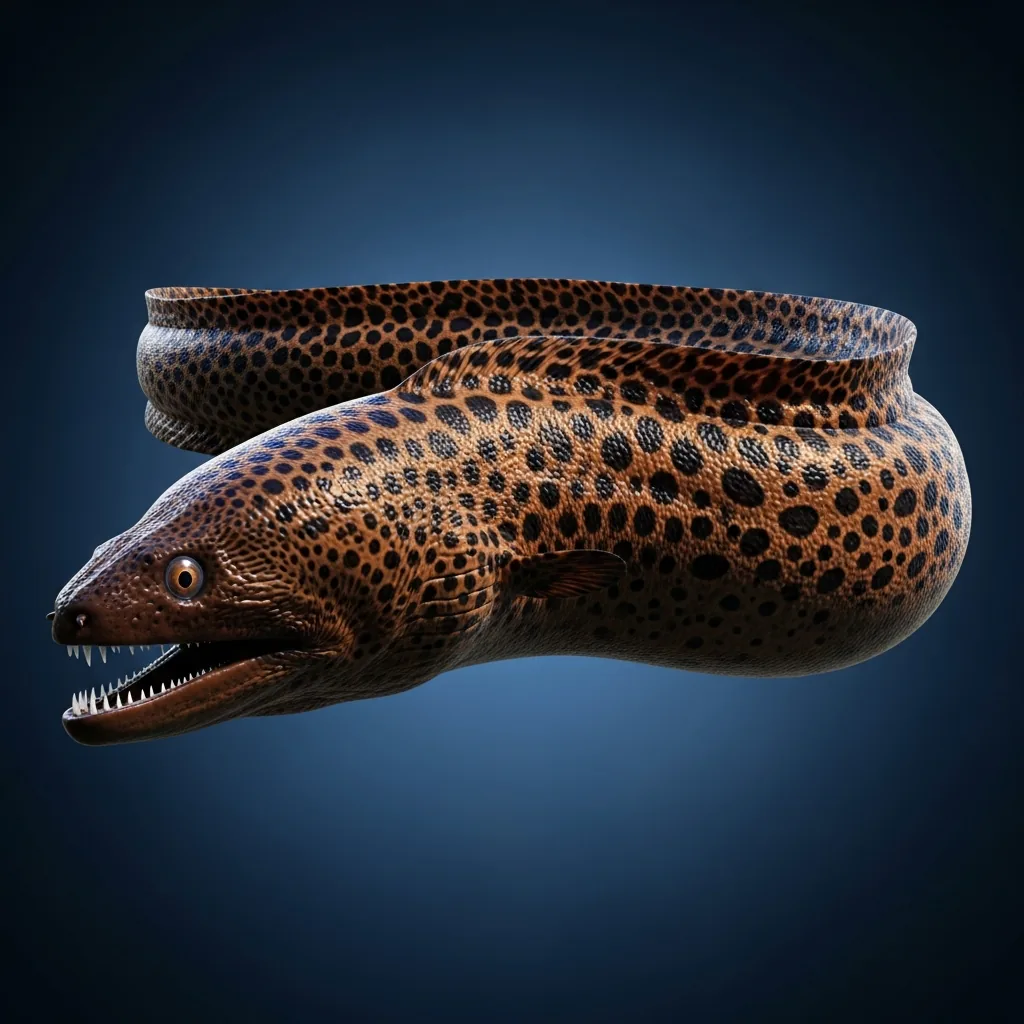 Mediterranean morayMuraena helena
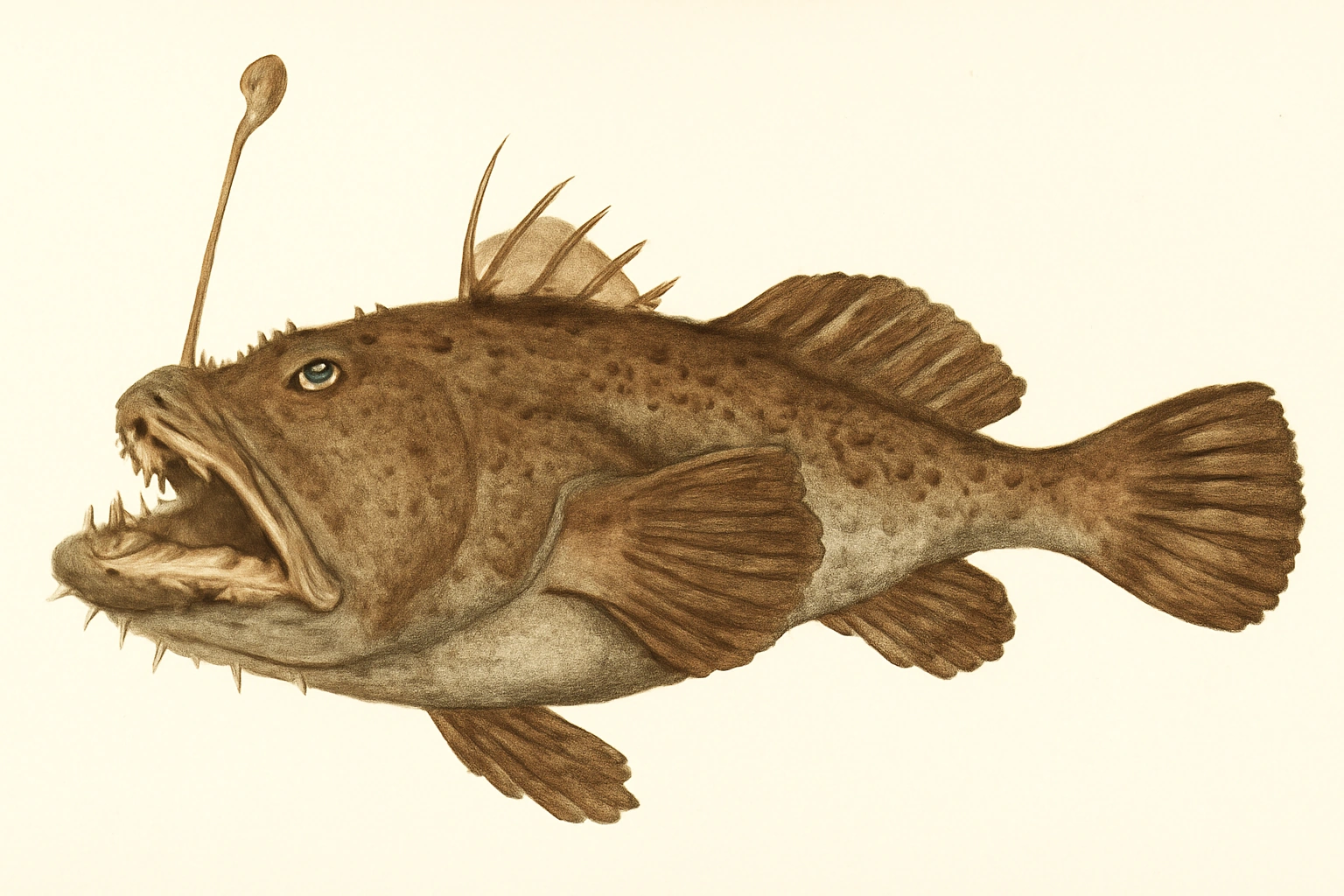 MonkfishLophius piscatorius
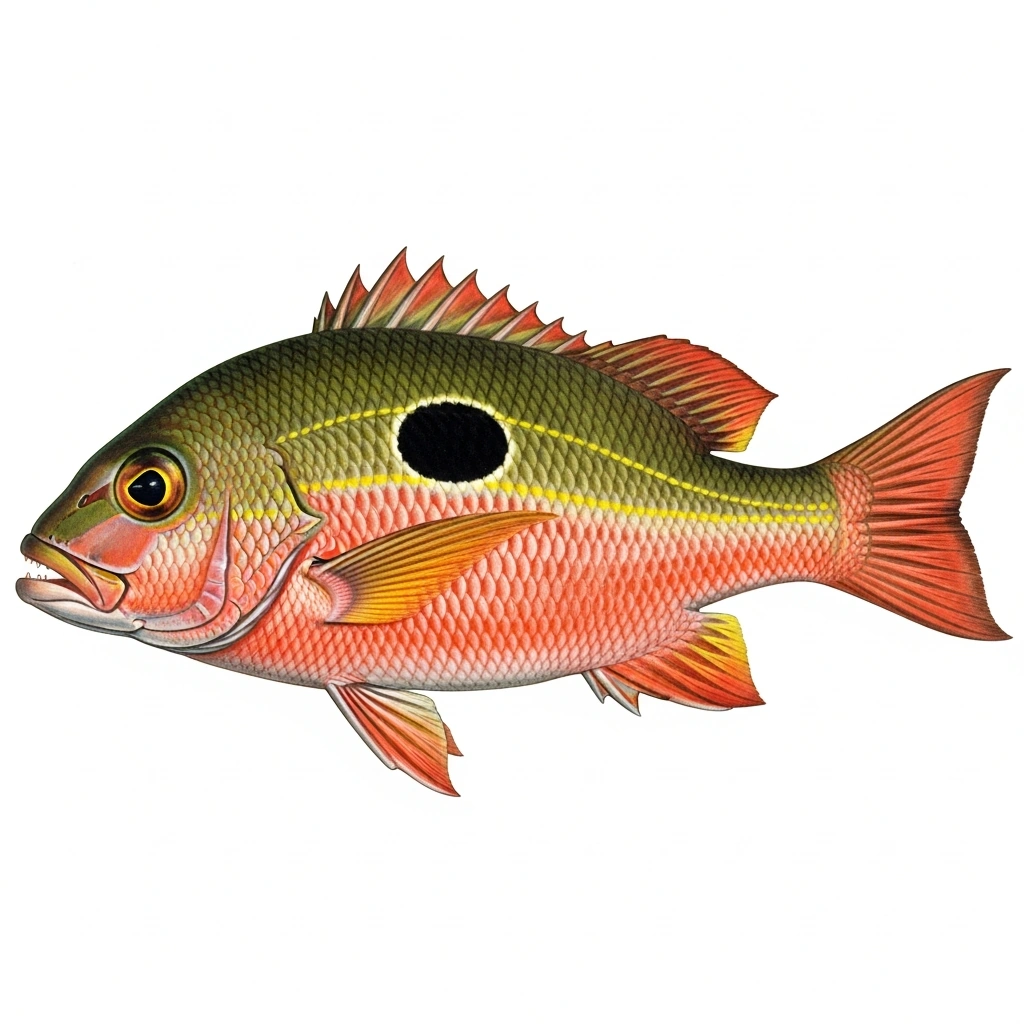 Mutton snapperLutjanus analis
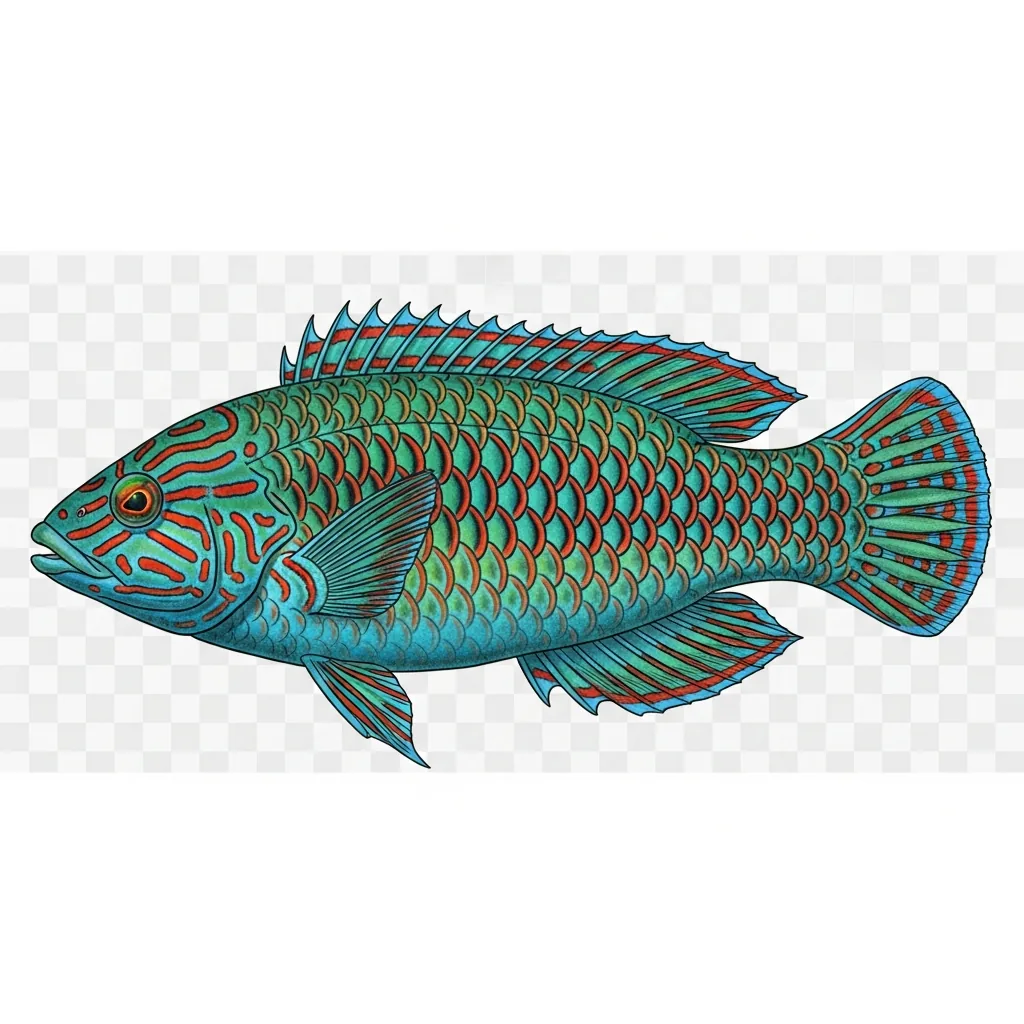 Ornate wrasseThalassoma pavo
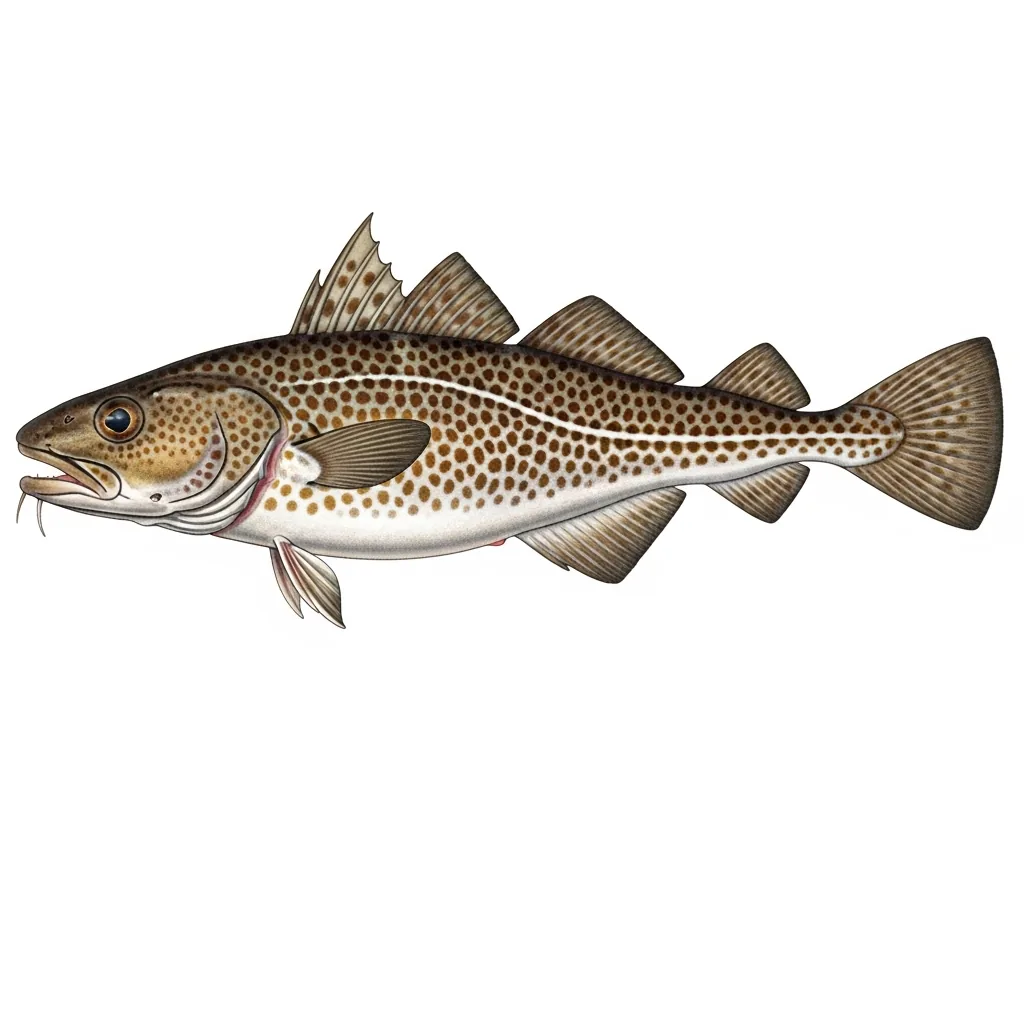 Pacific CodGadus macrocephalus
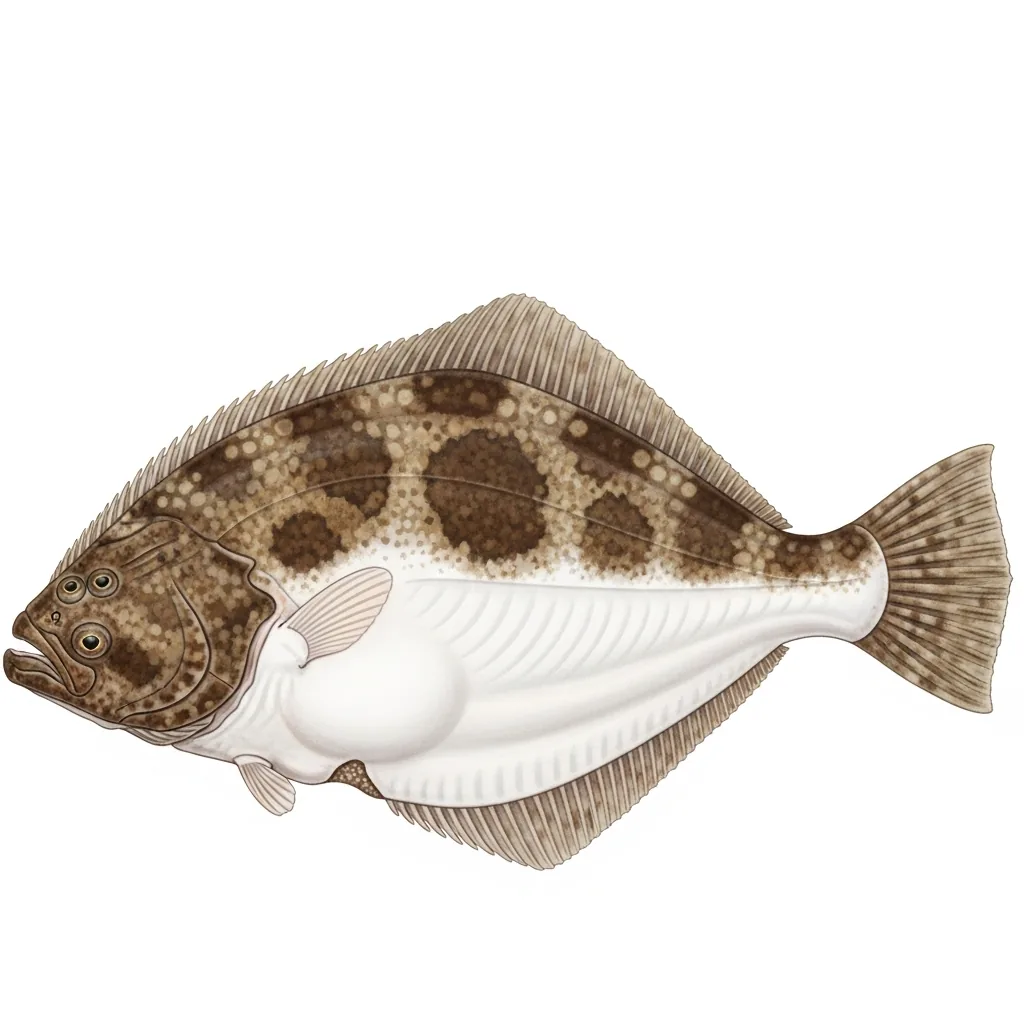 Pacific halibutHippoglossus stenolepis
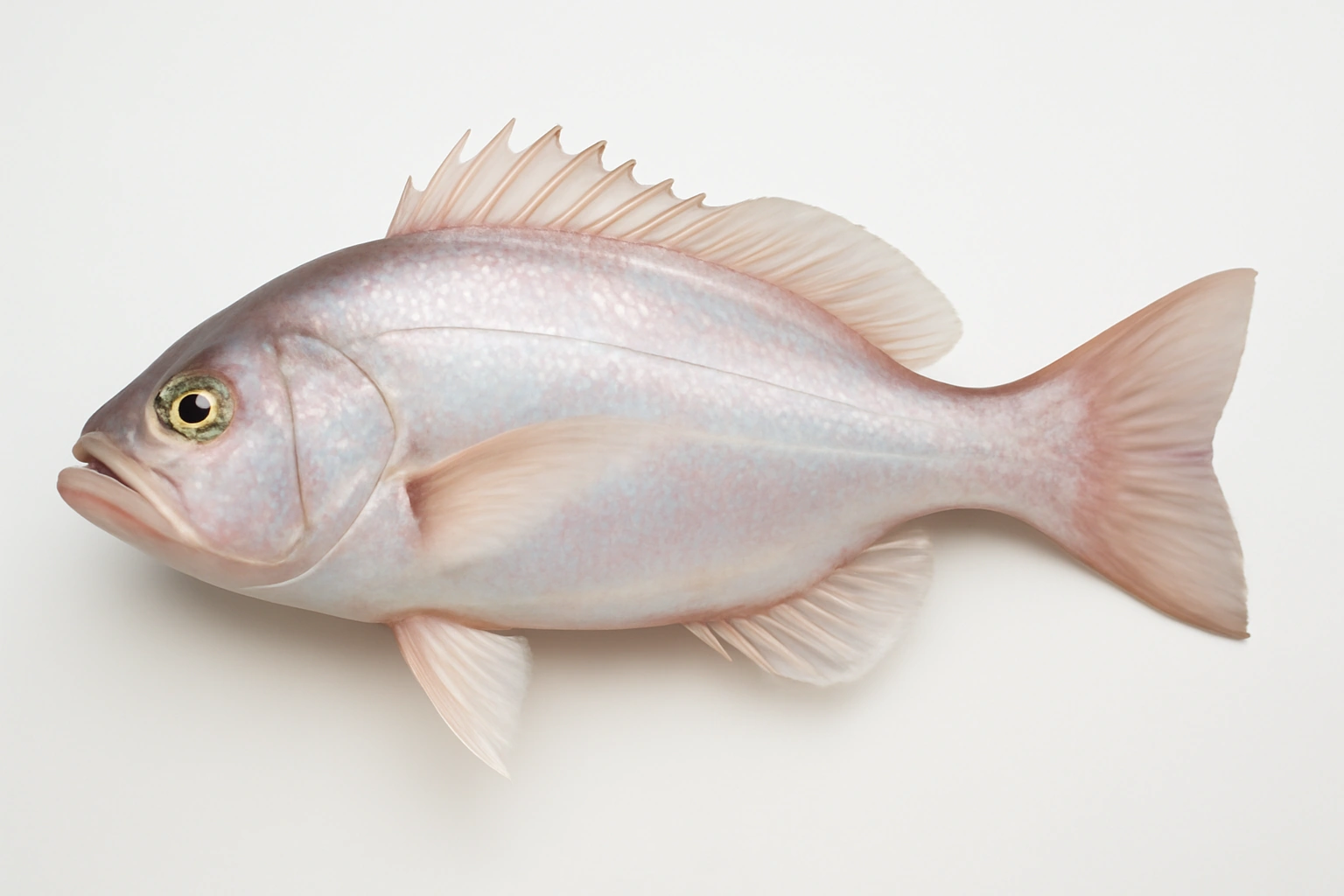 Pearl PerchGlaucosoma scapulare
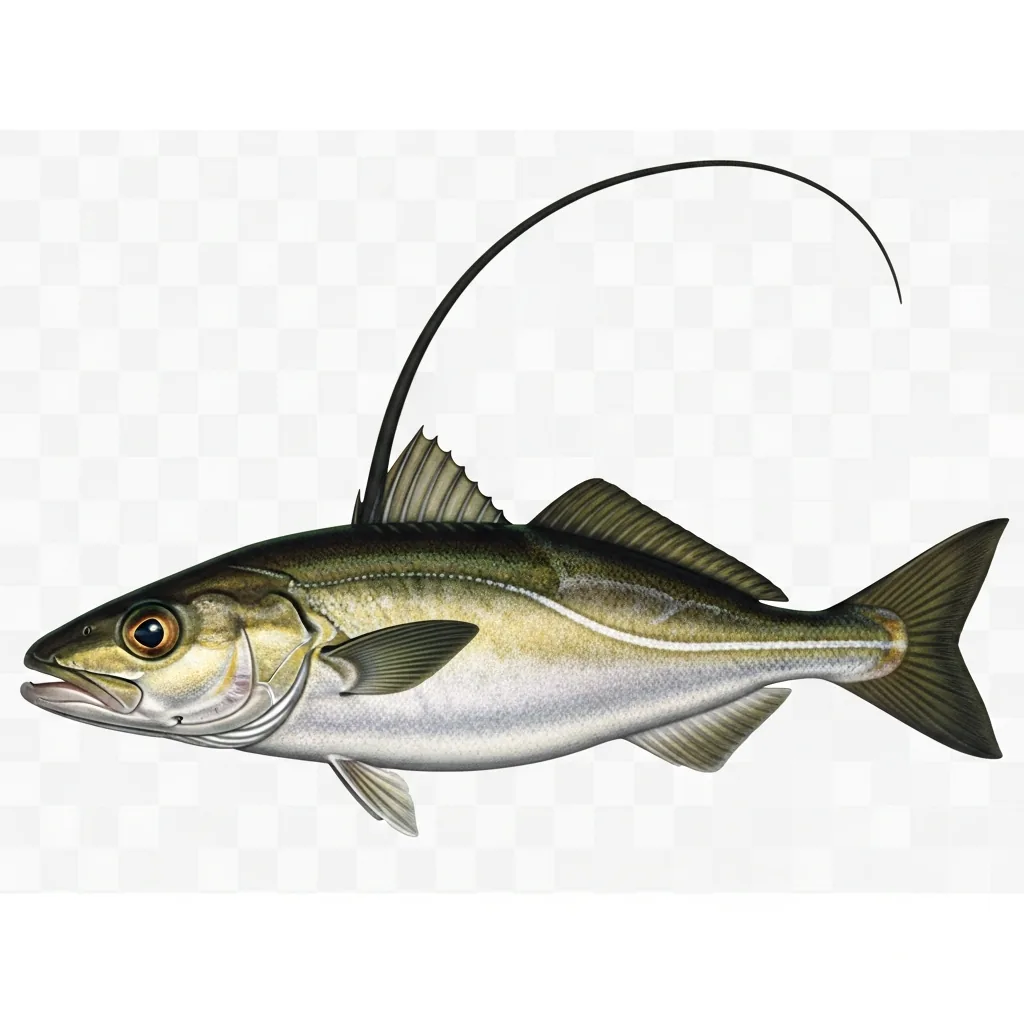 PollackPollachius pollachius
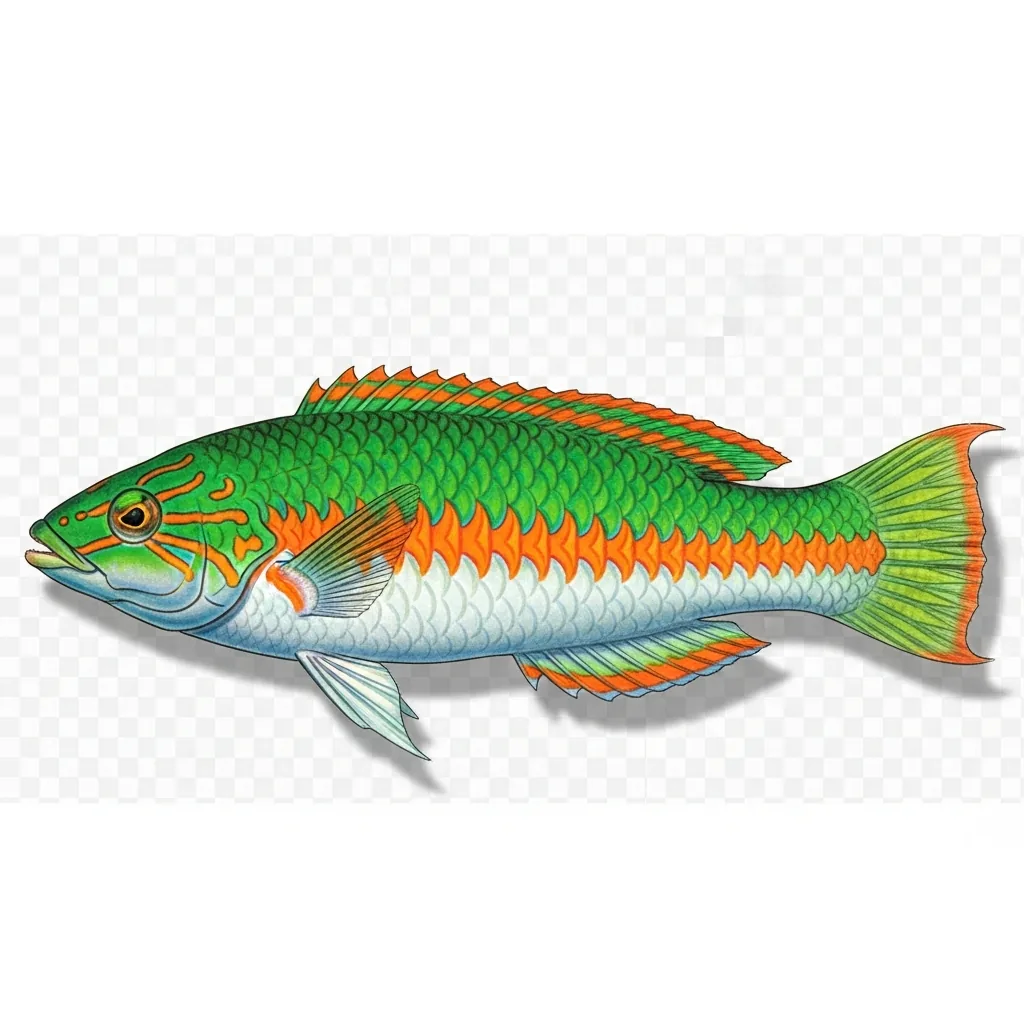 Rainbow wrasseCoris julis
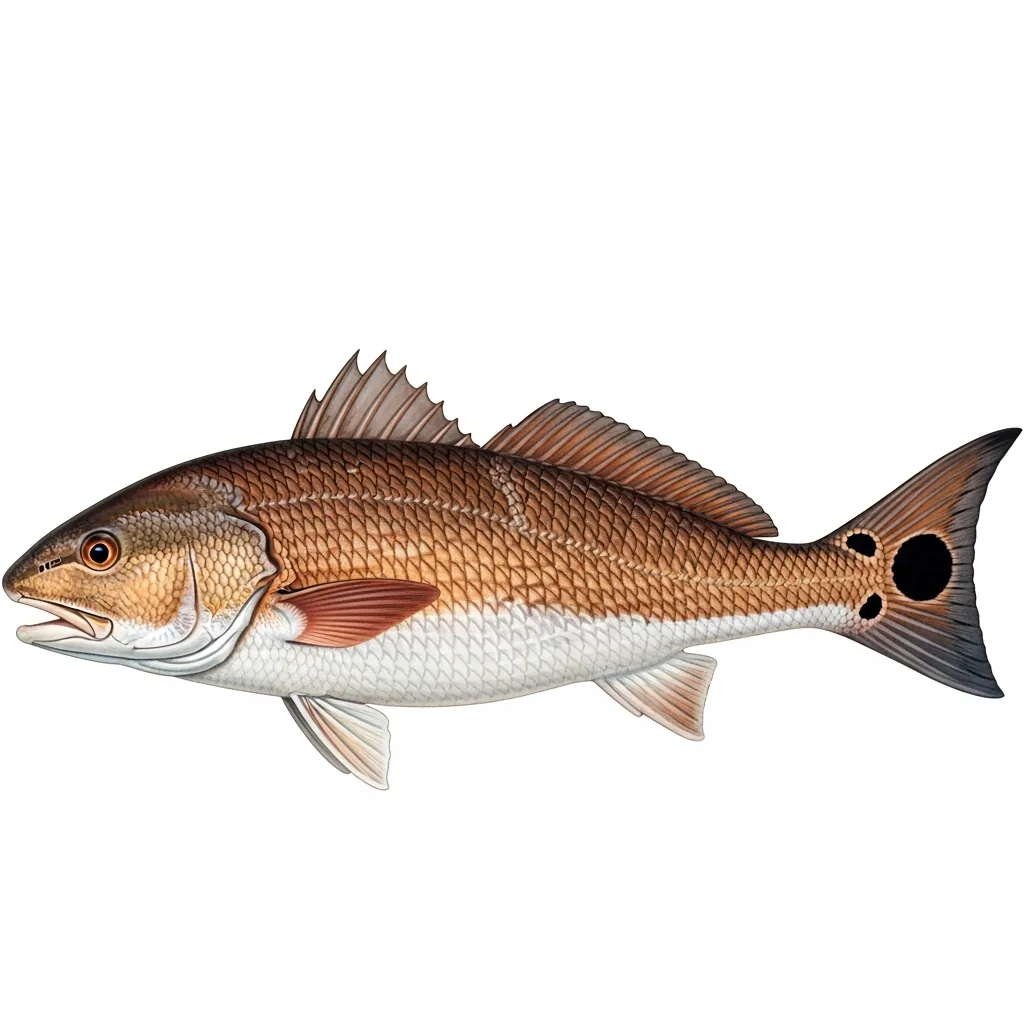 Red drumSciaenops ocellatus
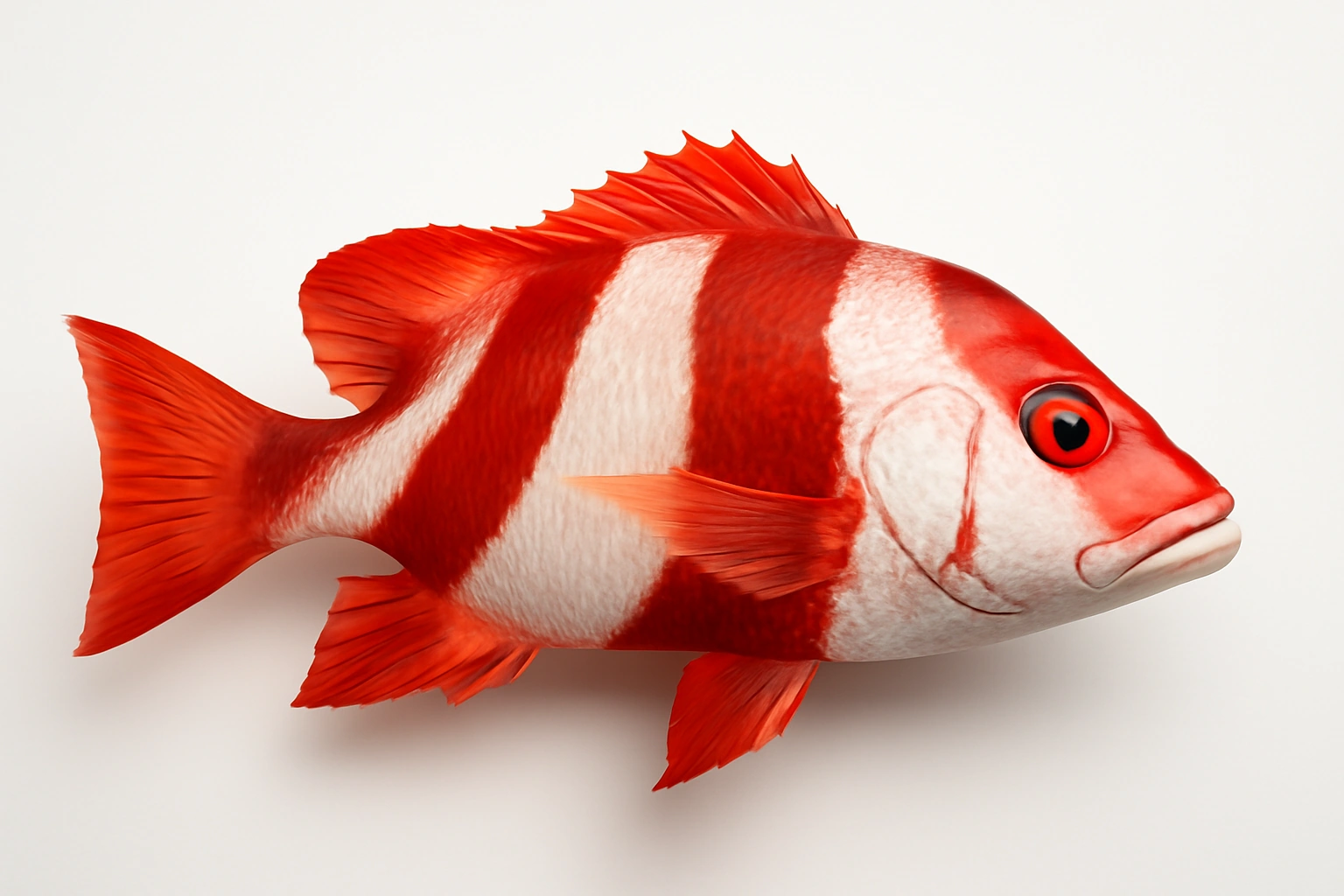 Red EmperorLutjanus sebae
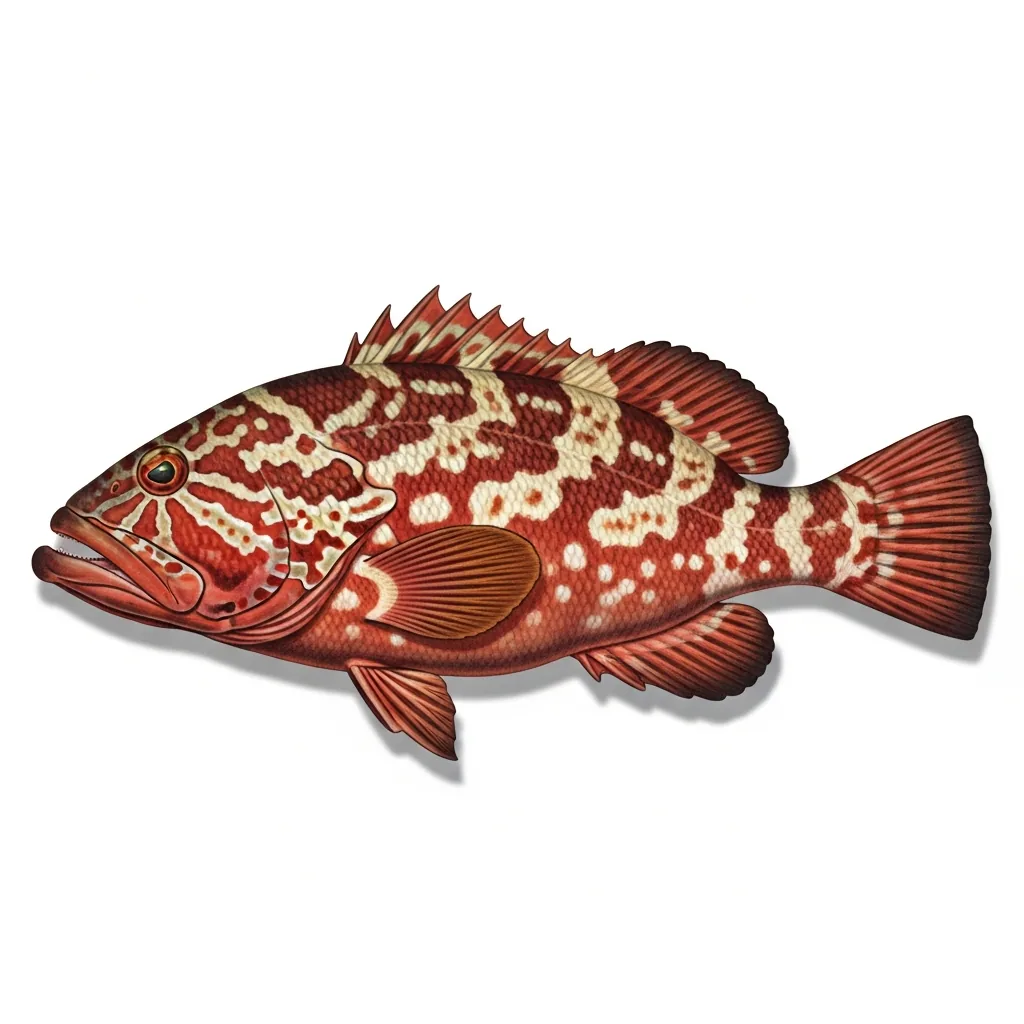 Red GrouperEpinephelus morio
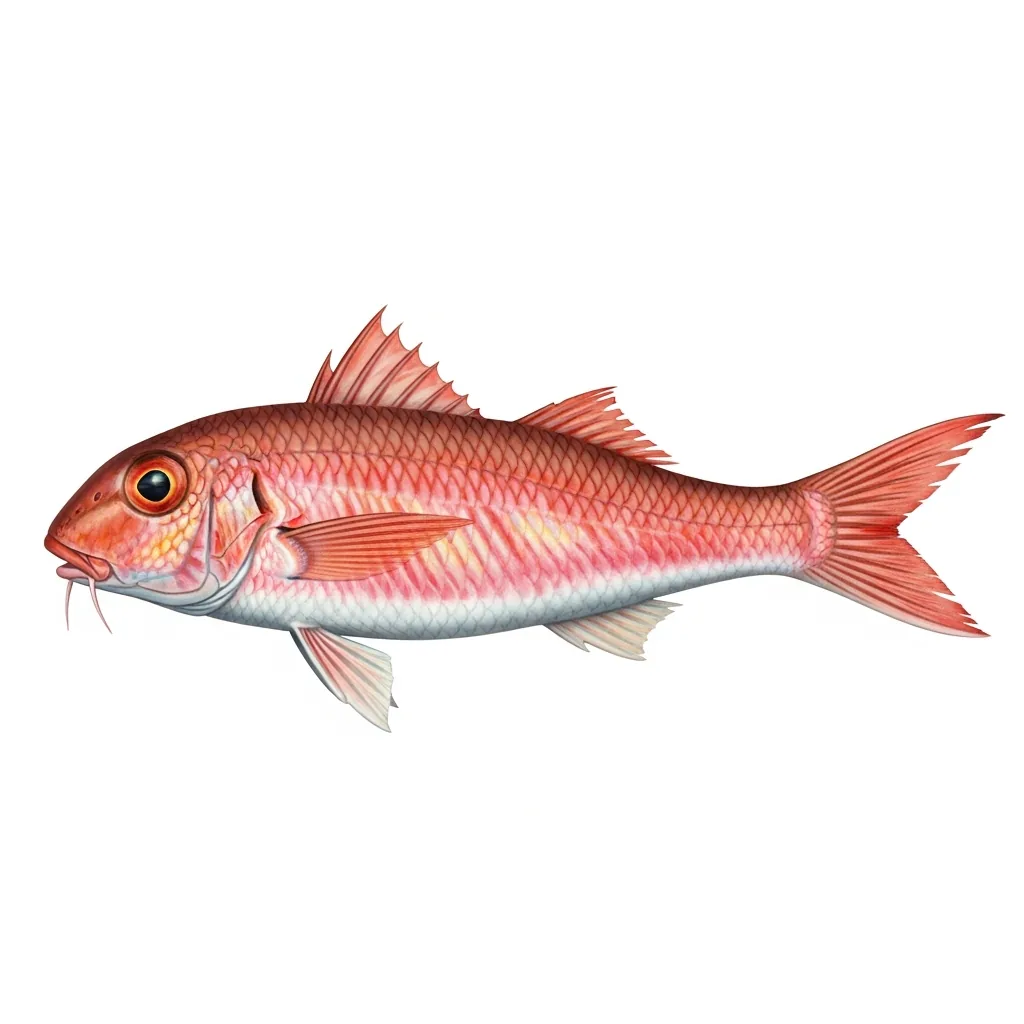 Red mulletMullus barbatus
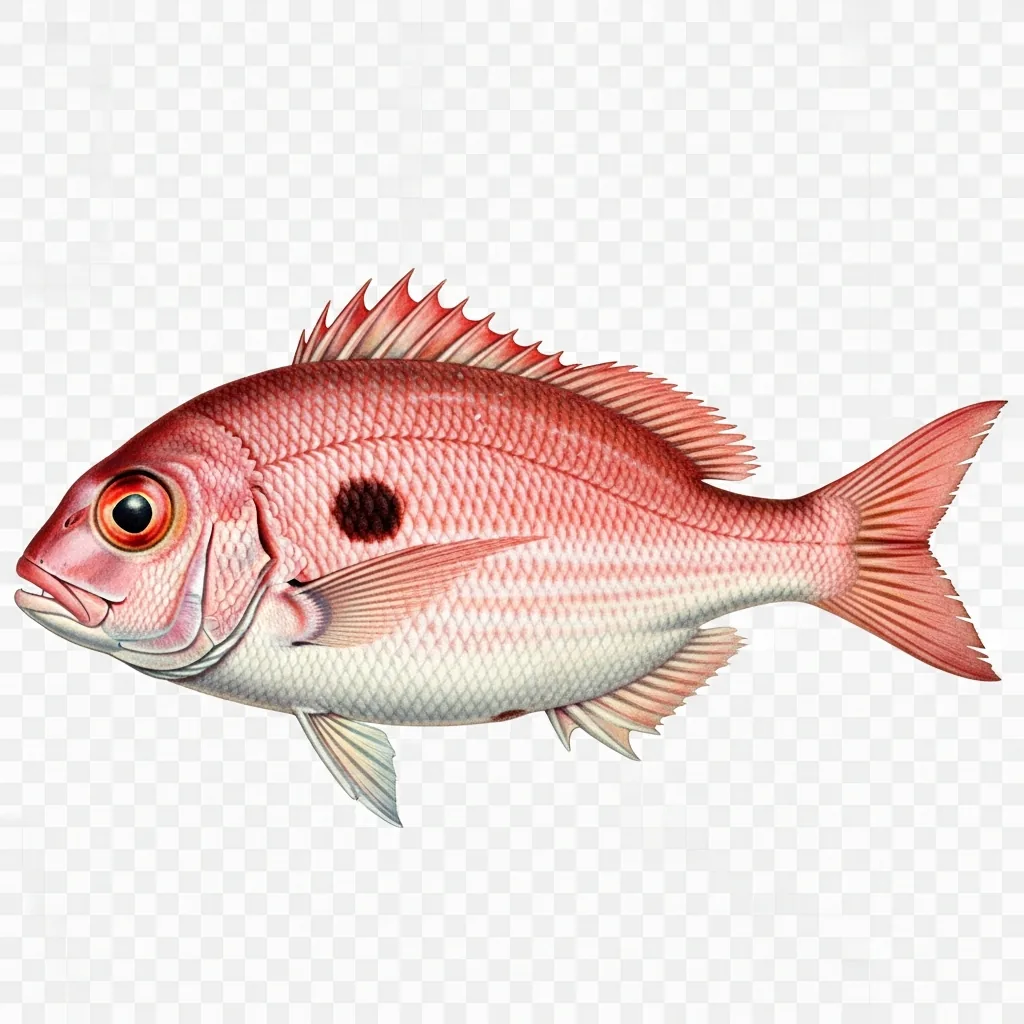 Red porgyPagrus pagrus
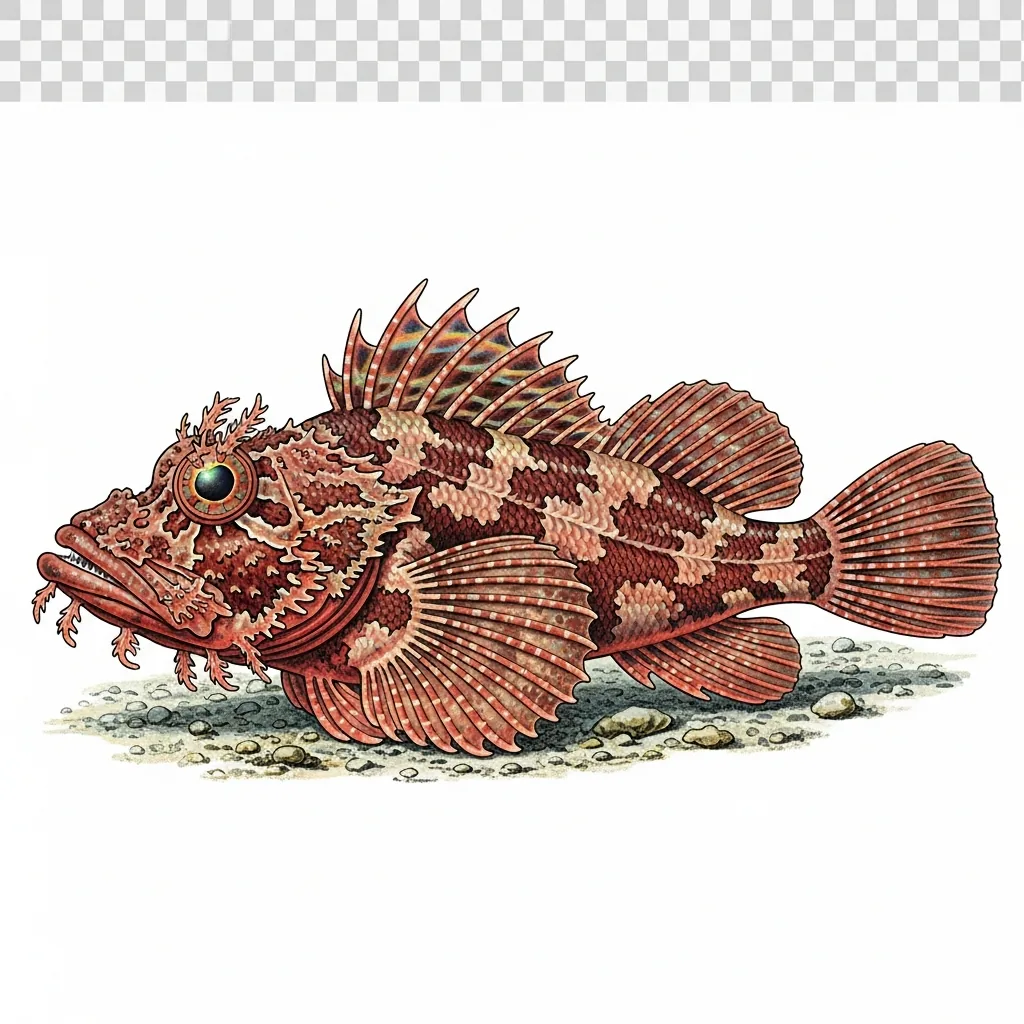 Red scorpionfishScorpaena scrofa
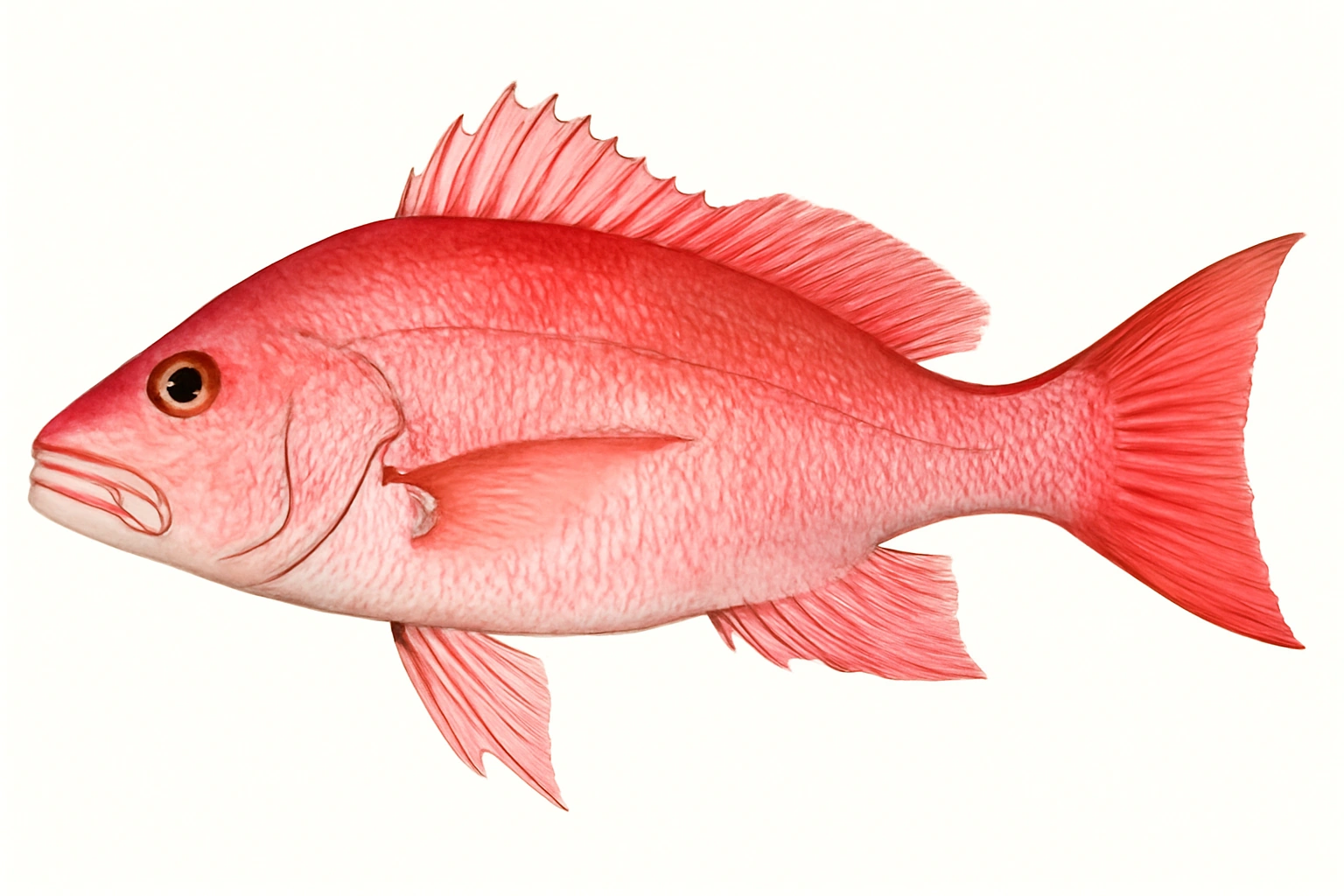 Red snapperLutjanus campechanus
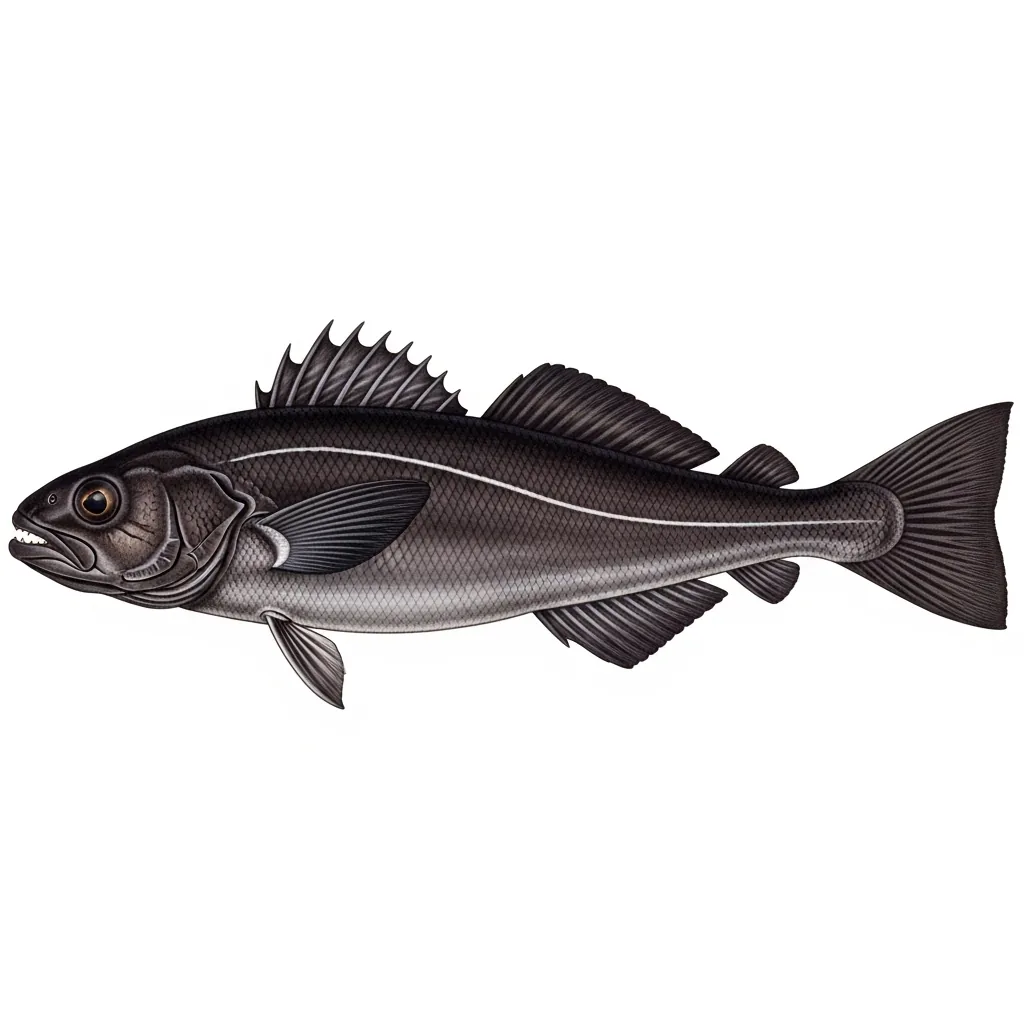 SablefishAnoplopoma fimbria
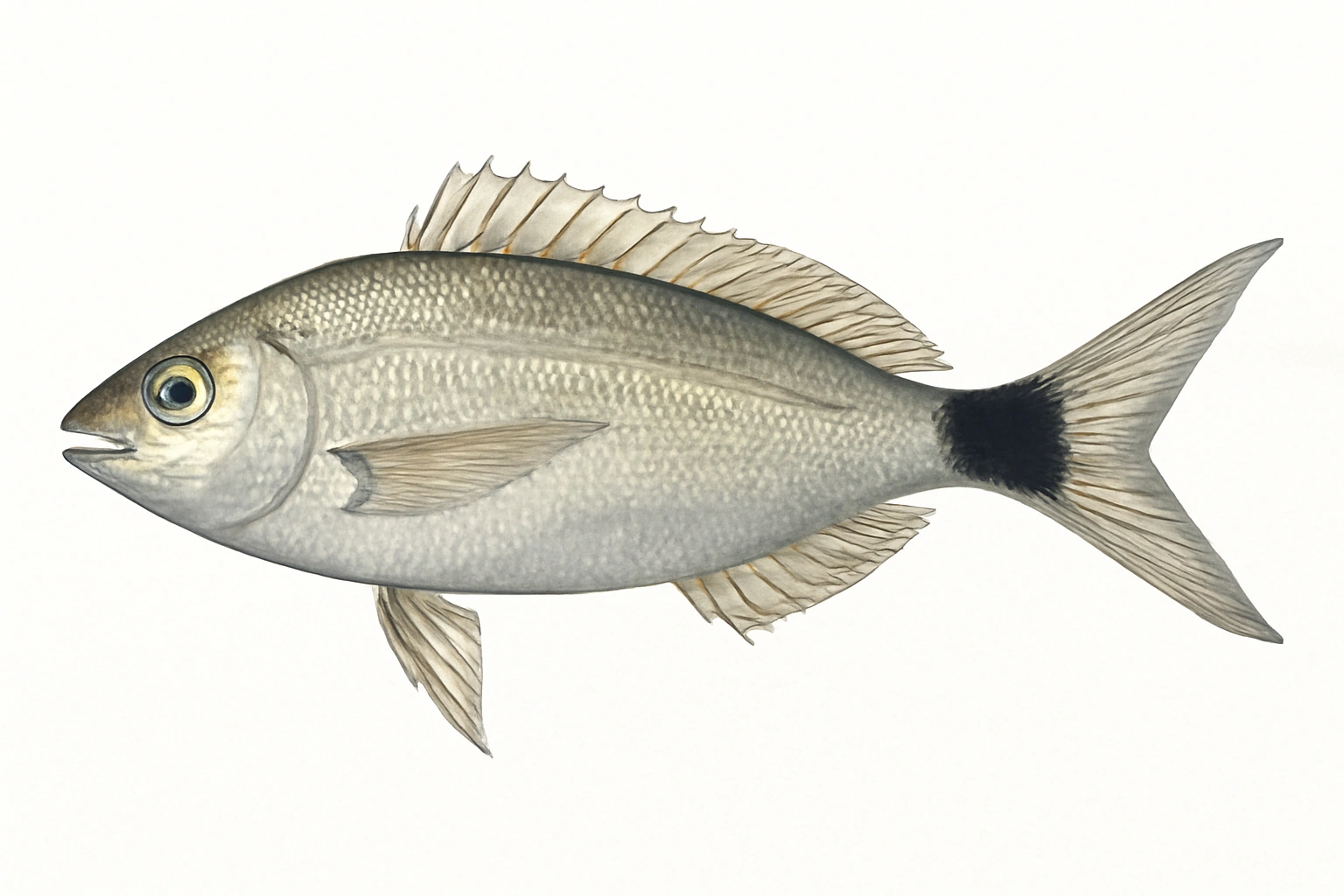 Saddled seabreamOblada melanura
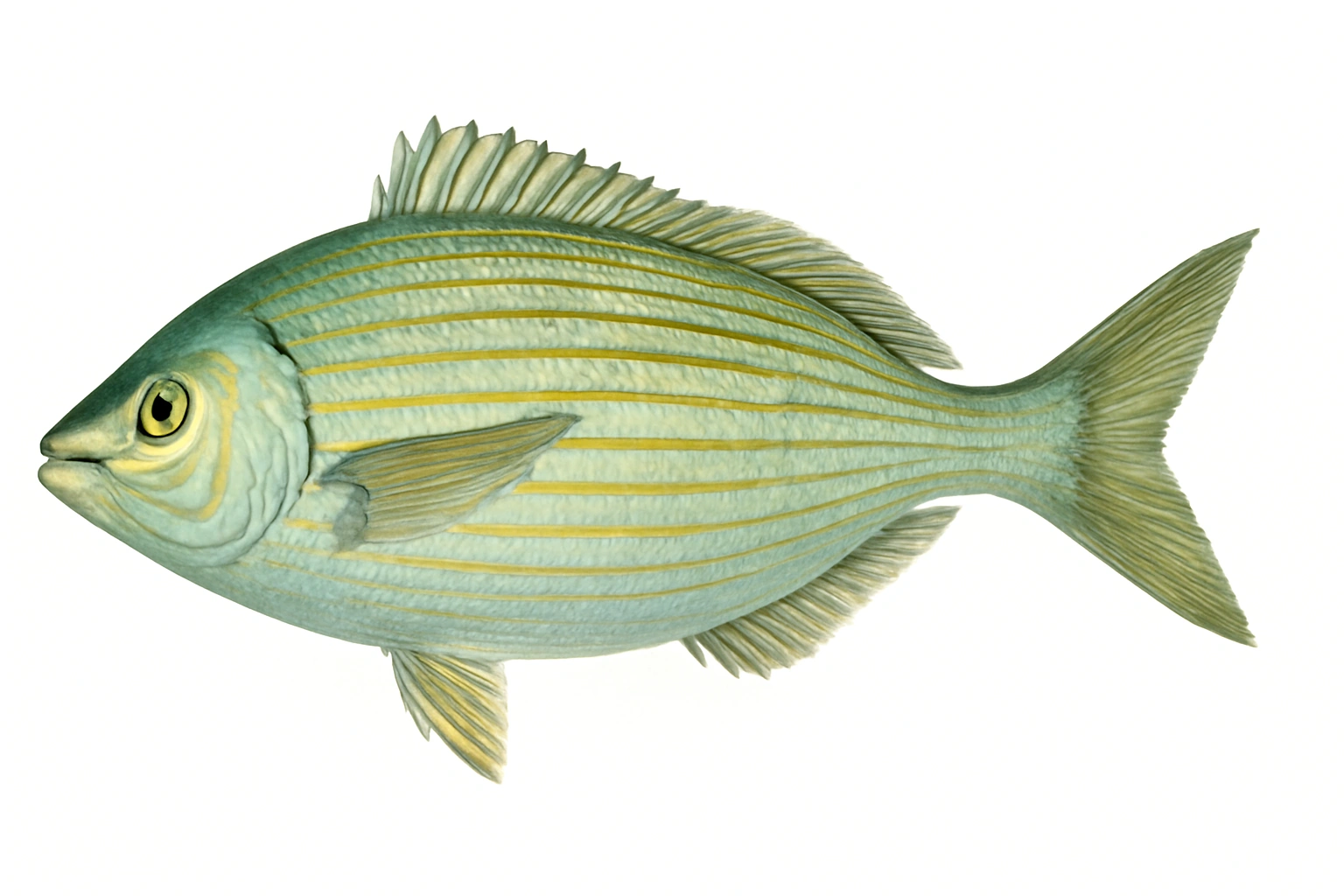 SalemaSarpa salpa
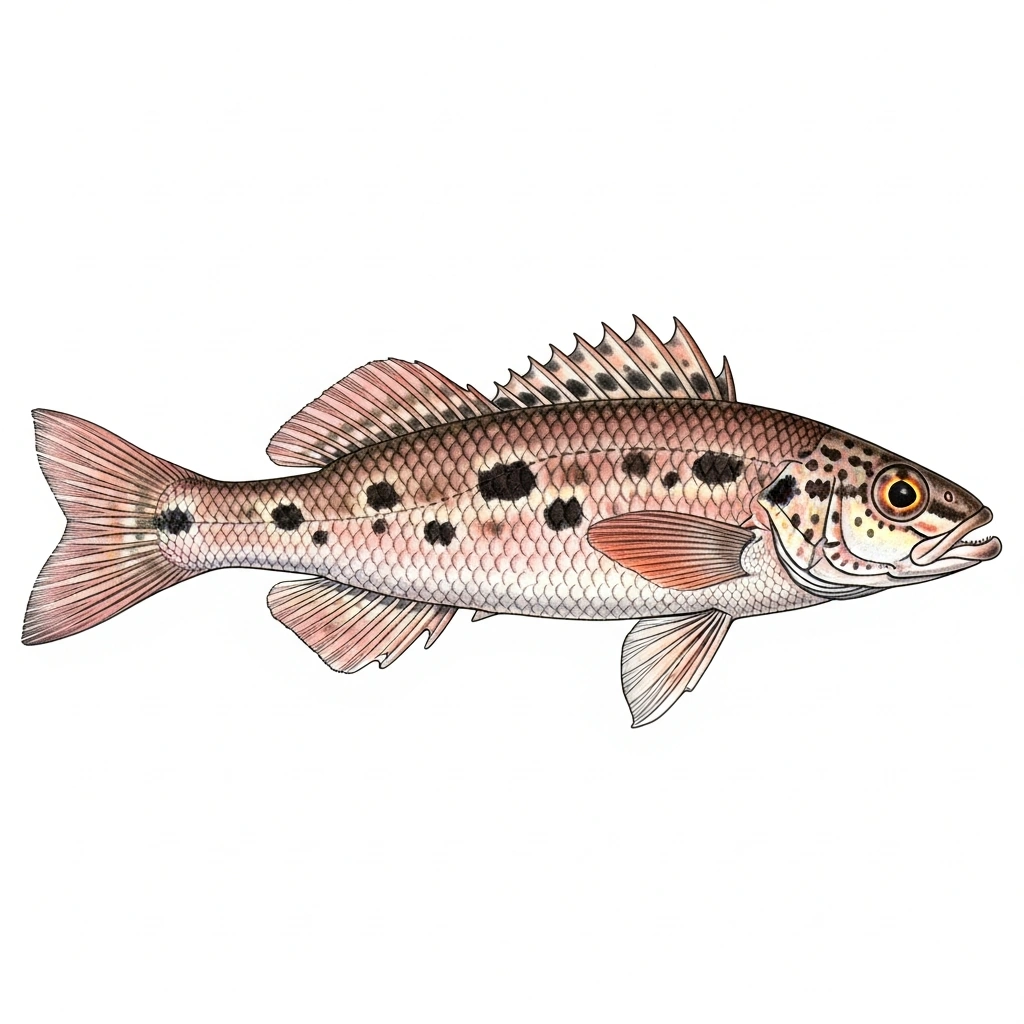 SandperchPseudopercis numida
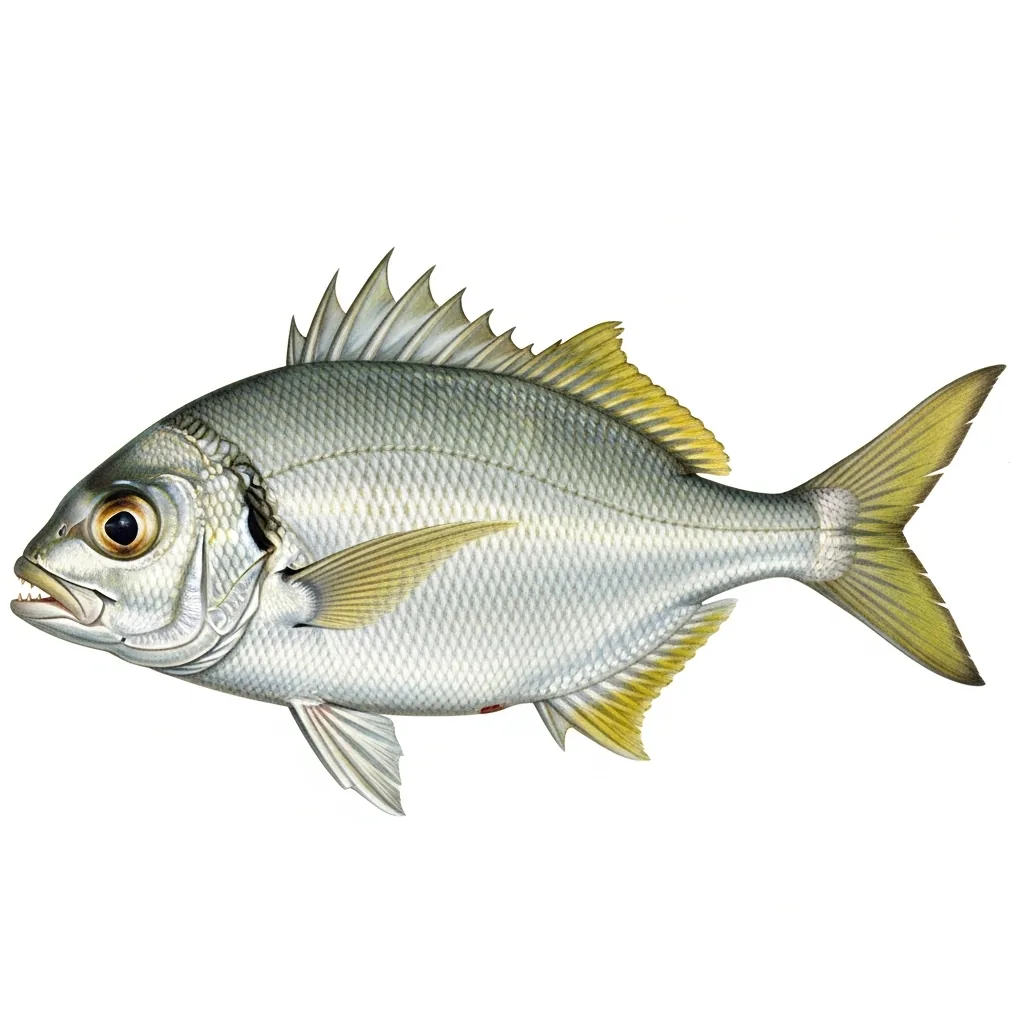 ScupStenotomus chrysops
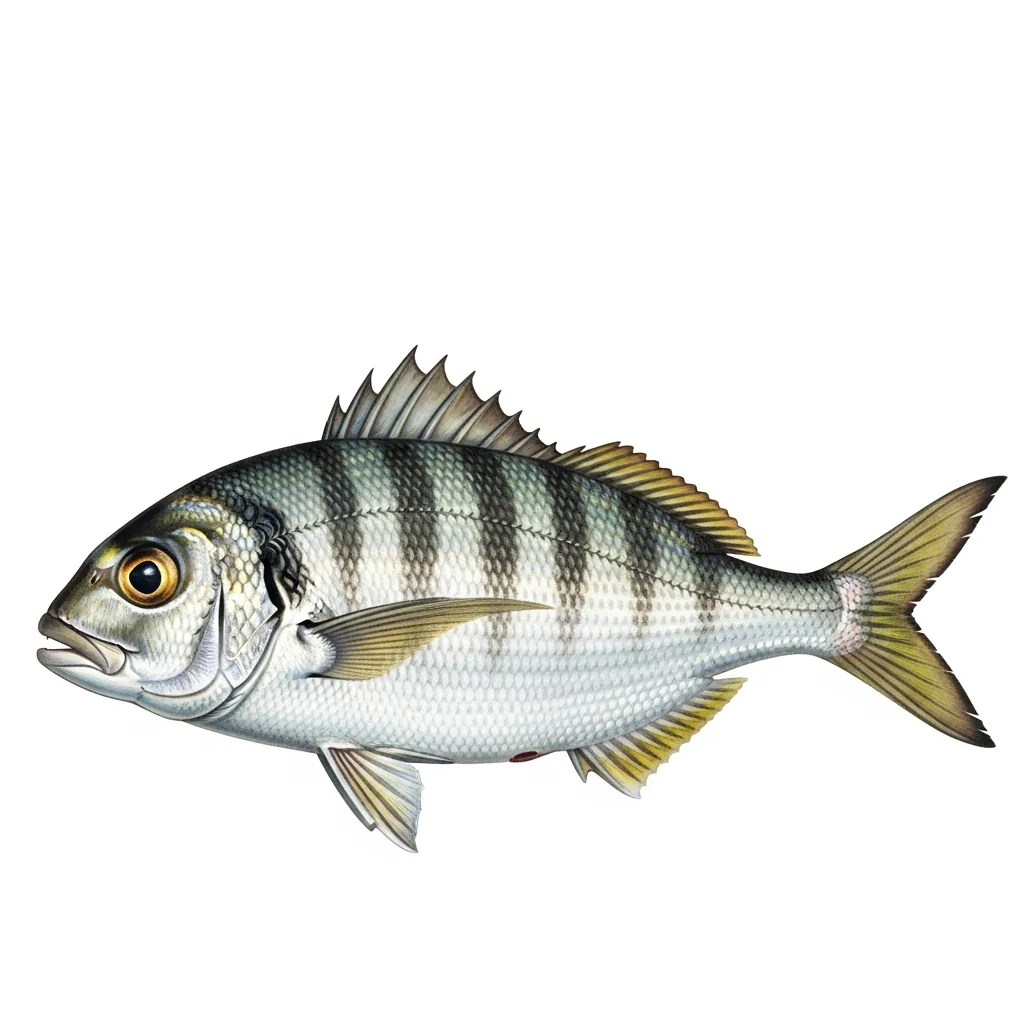 Sharpsnout sea breamDiplodus puntazzo
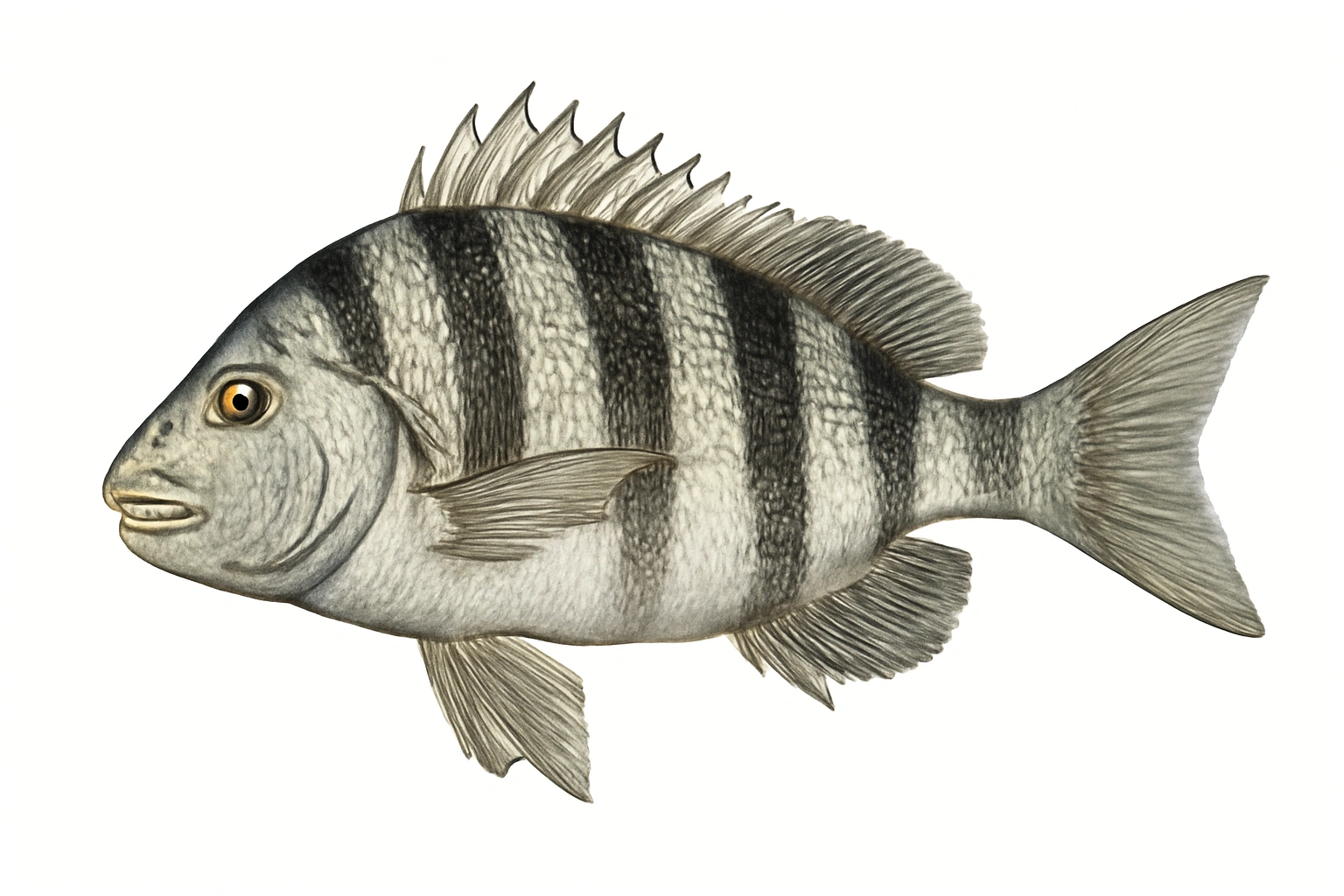 SheepsheadArchosargus probatocephalus
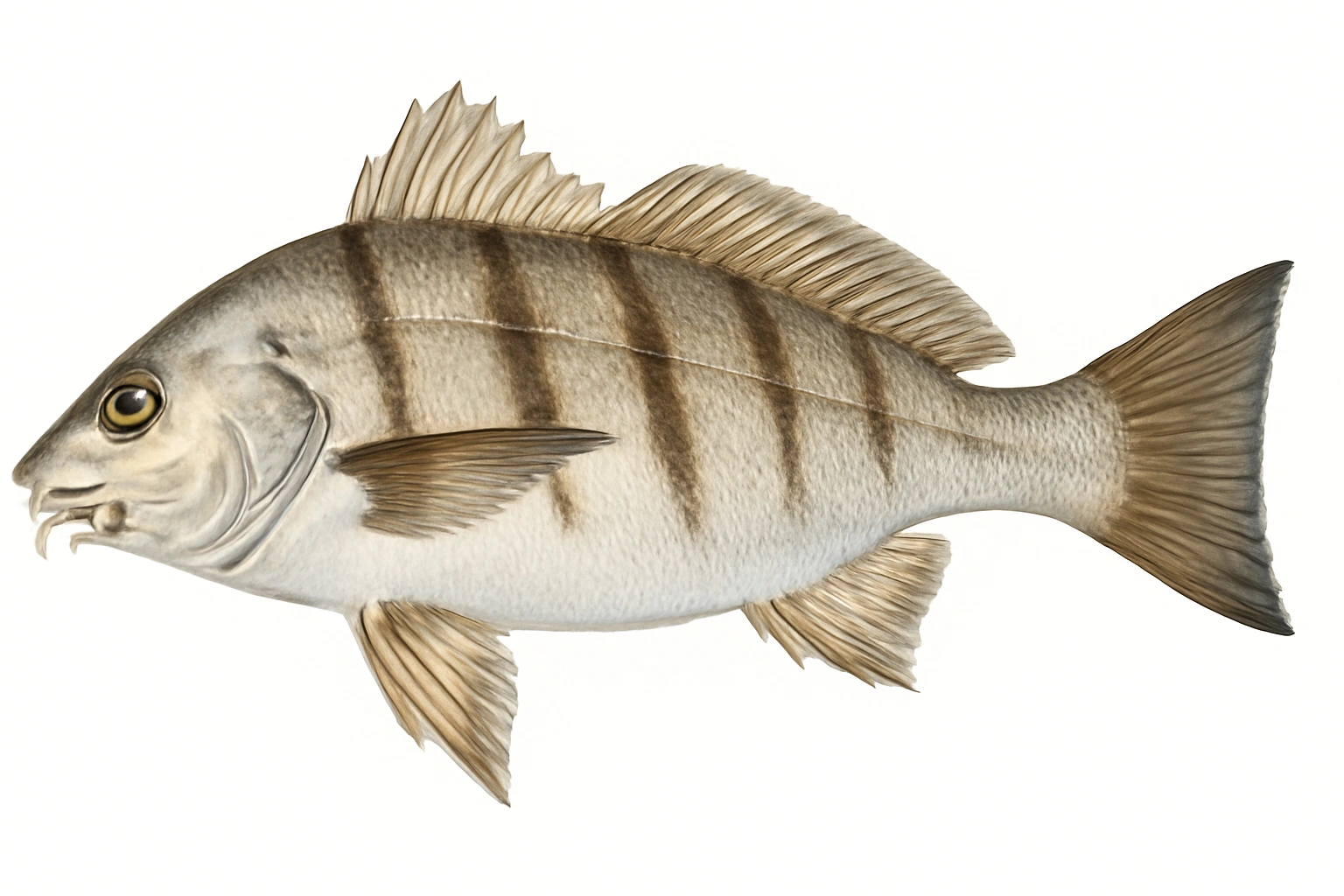 Shi drumUmbrina cirrosa
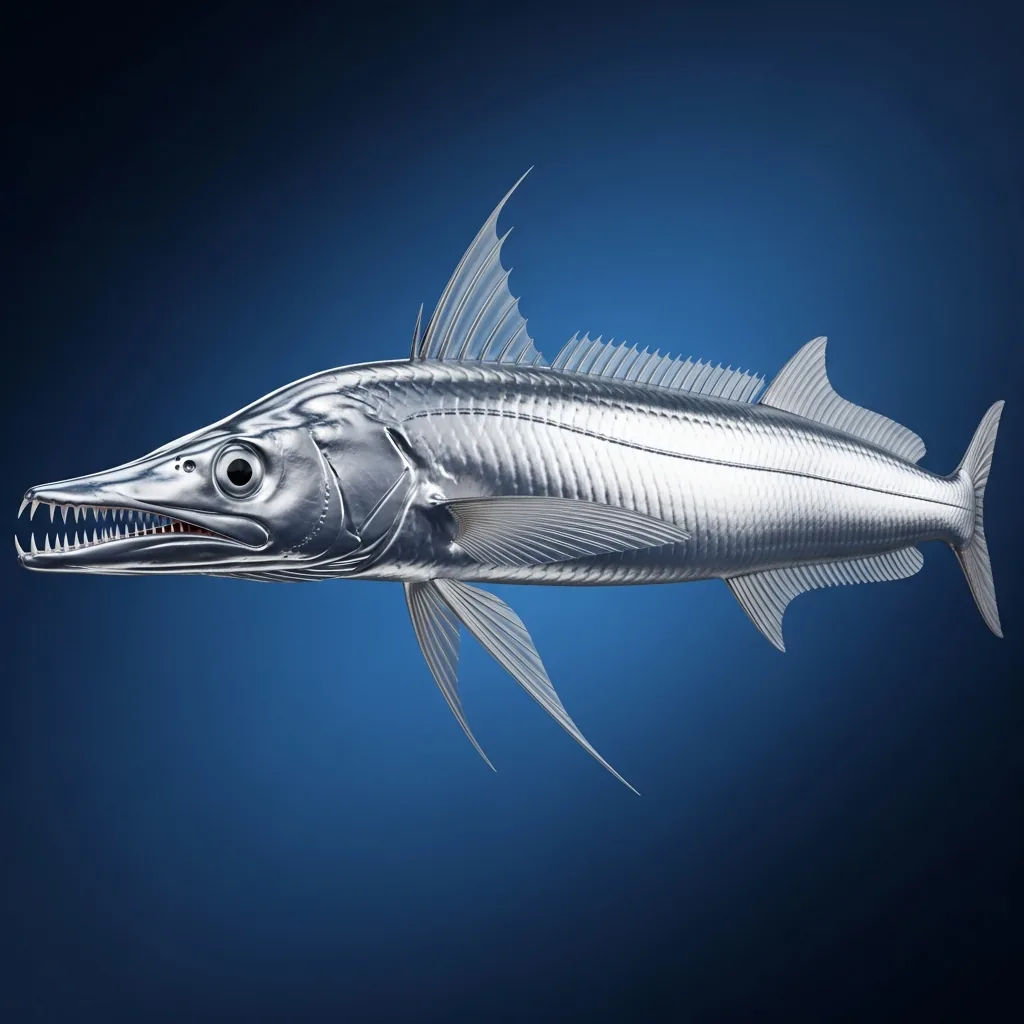 Silver scabbardfishLepidopus caudatus
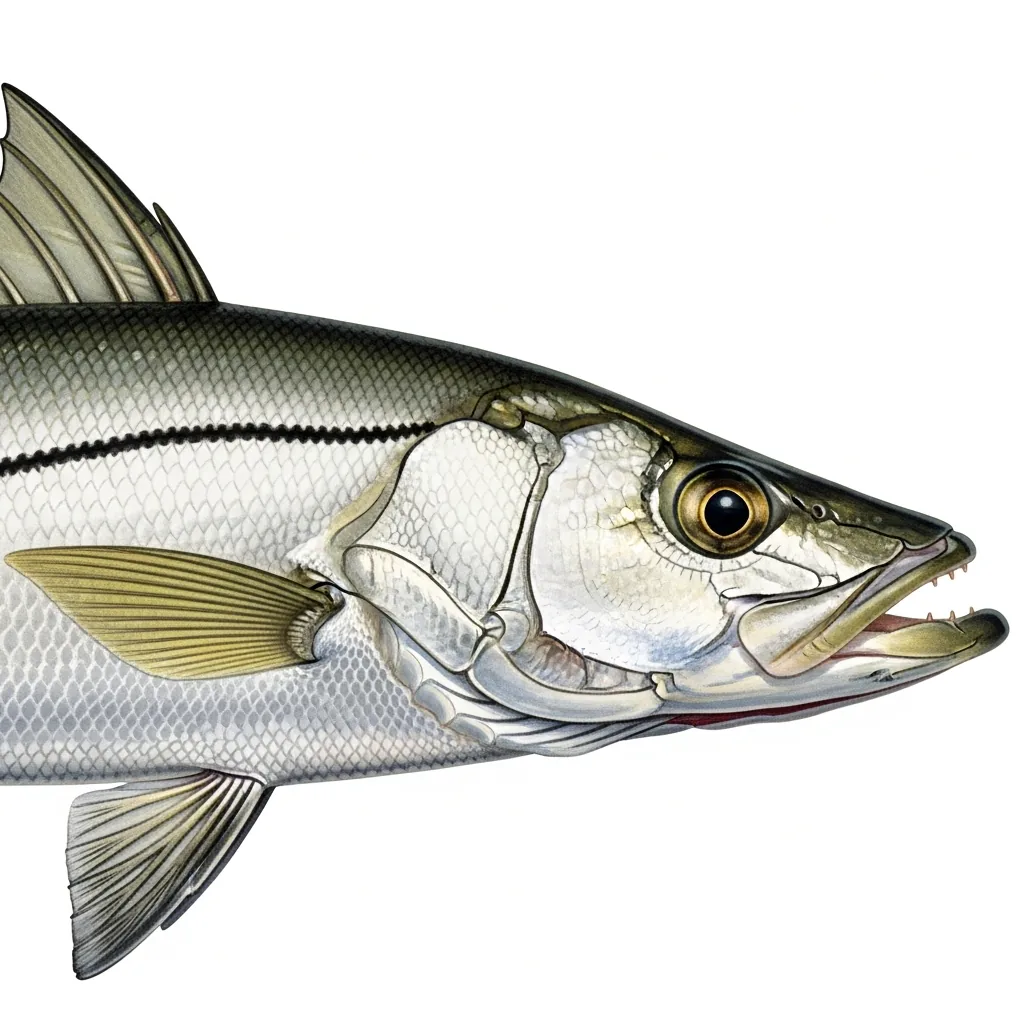 SnookCentropomus undecimalis
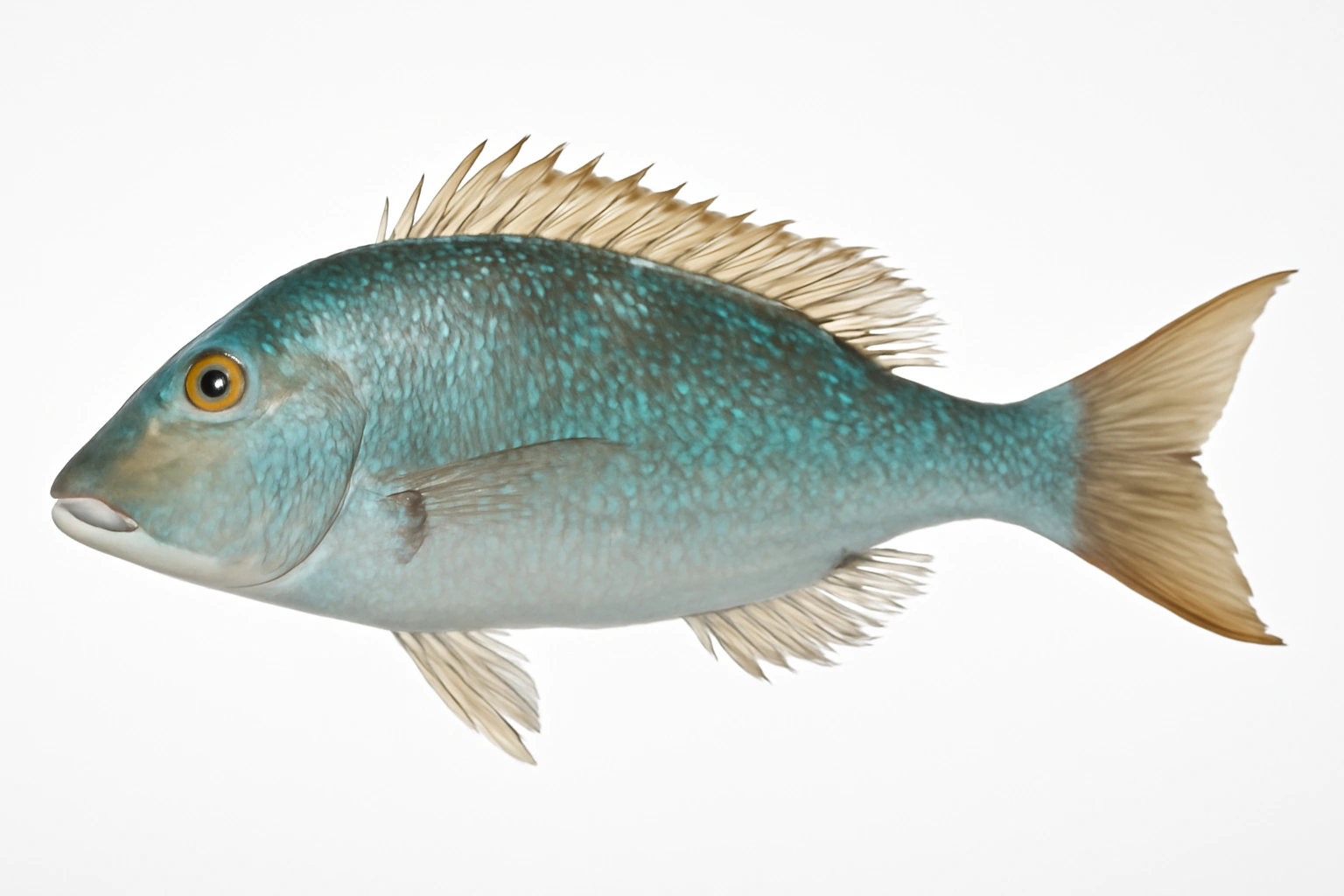 Spangled EmperorLethrinus nebulosus
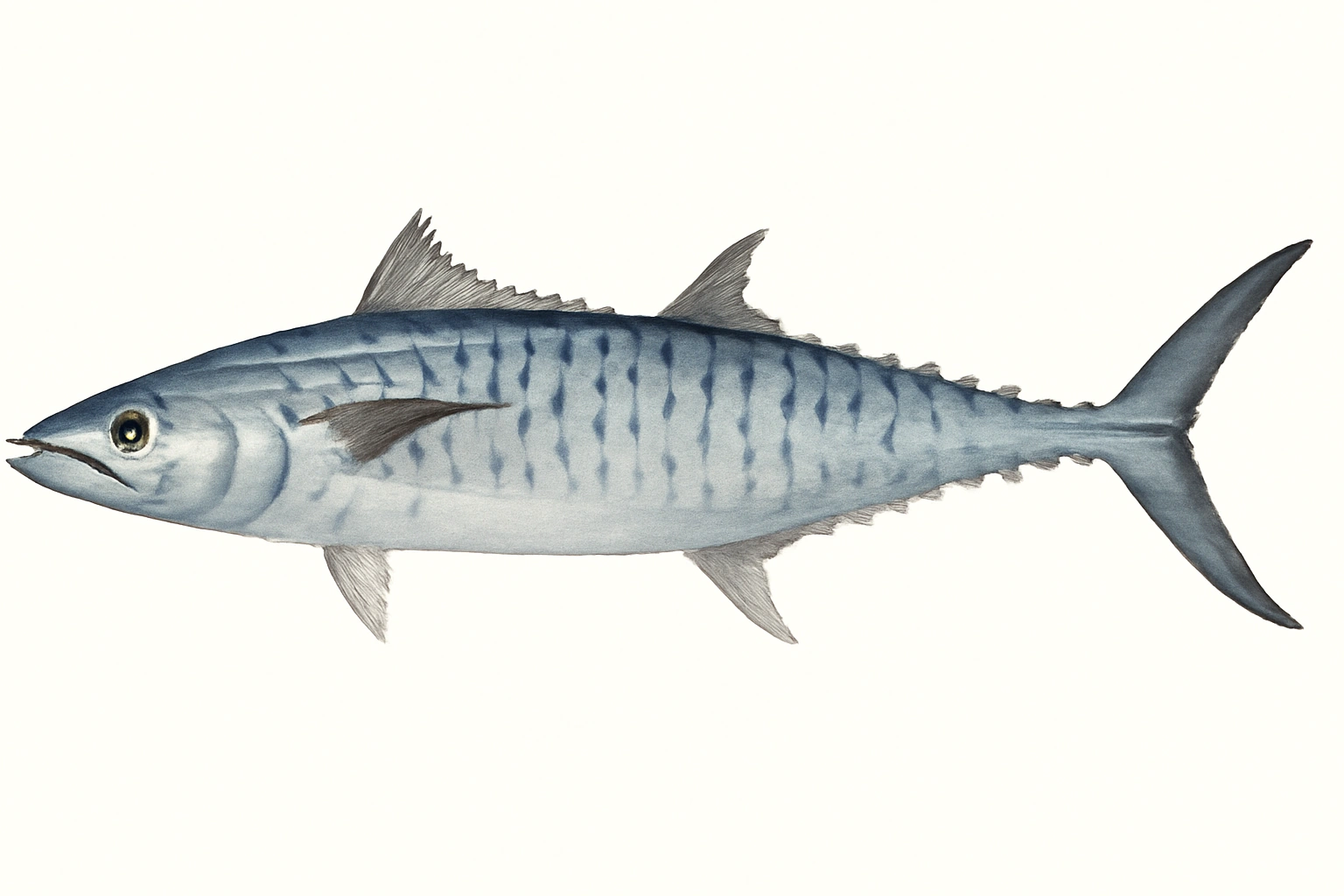 Spanish mackerelScomberomorus commerson
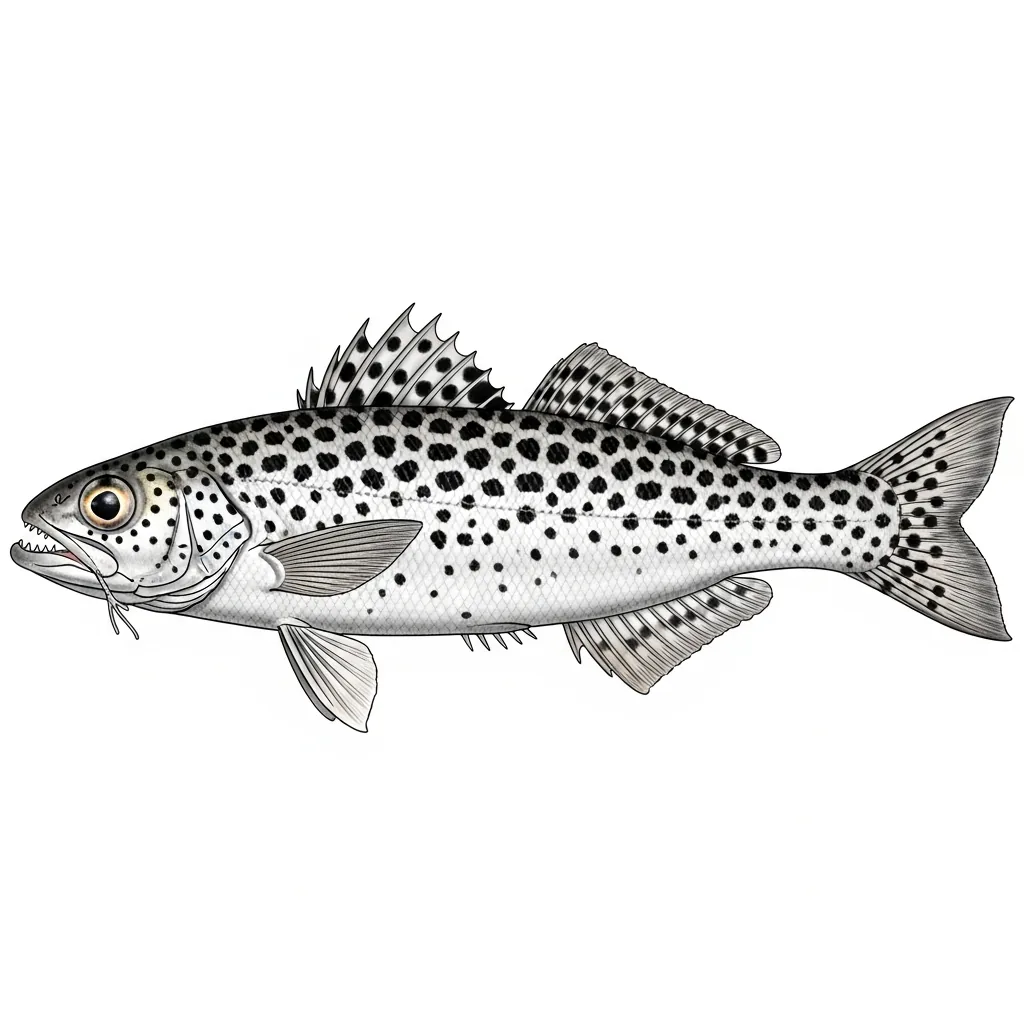 Spotted seatroutCynoscion nebulosus
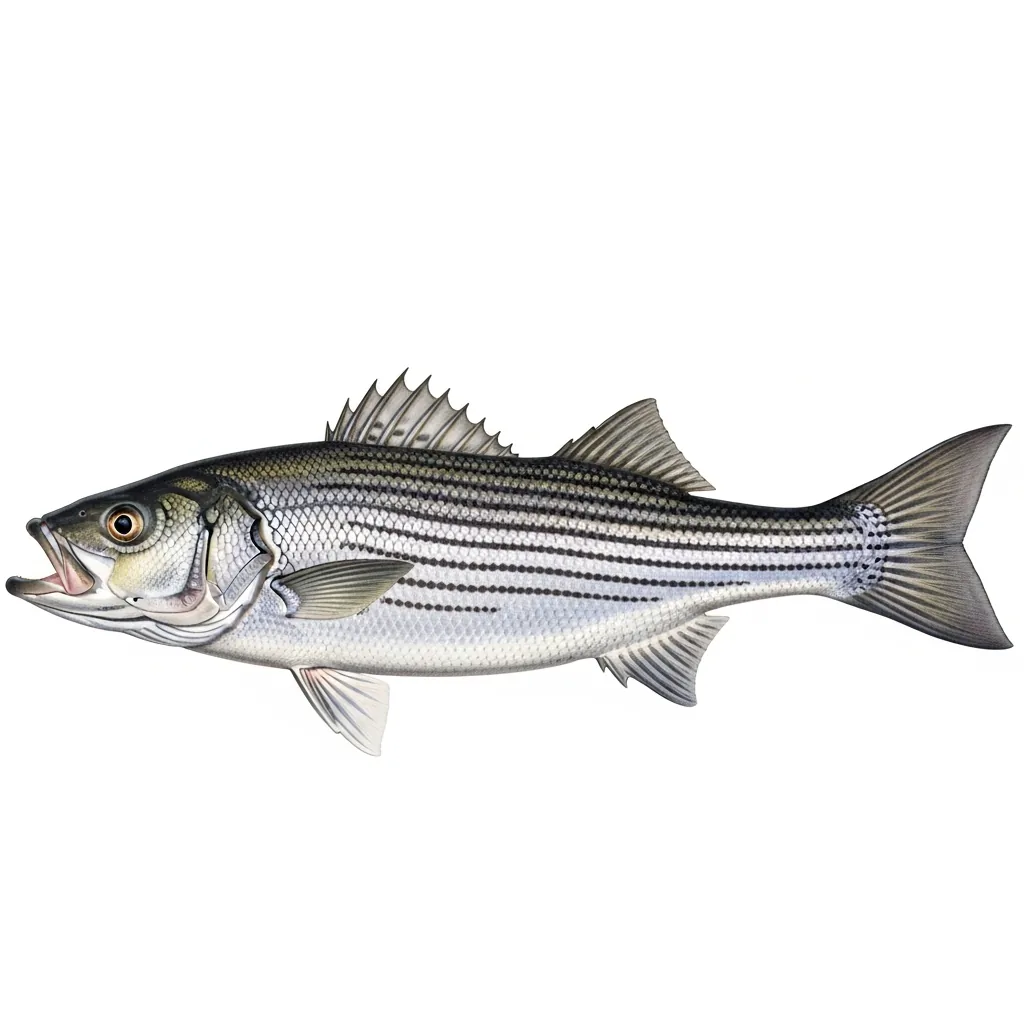 Striped bassMorone saxatilis
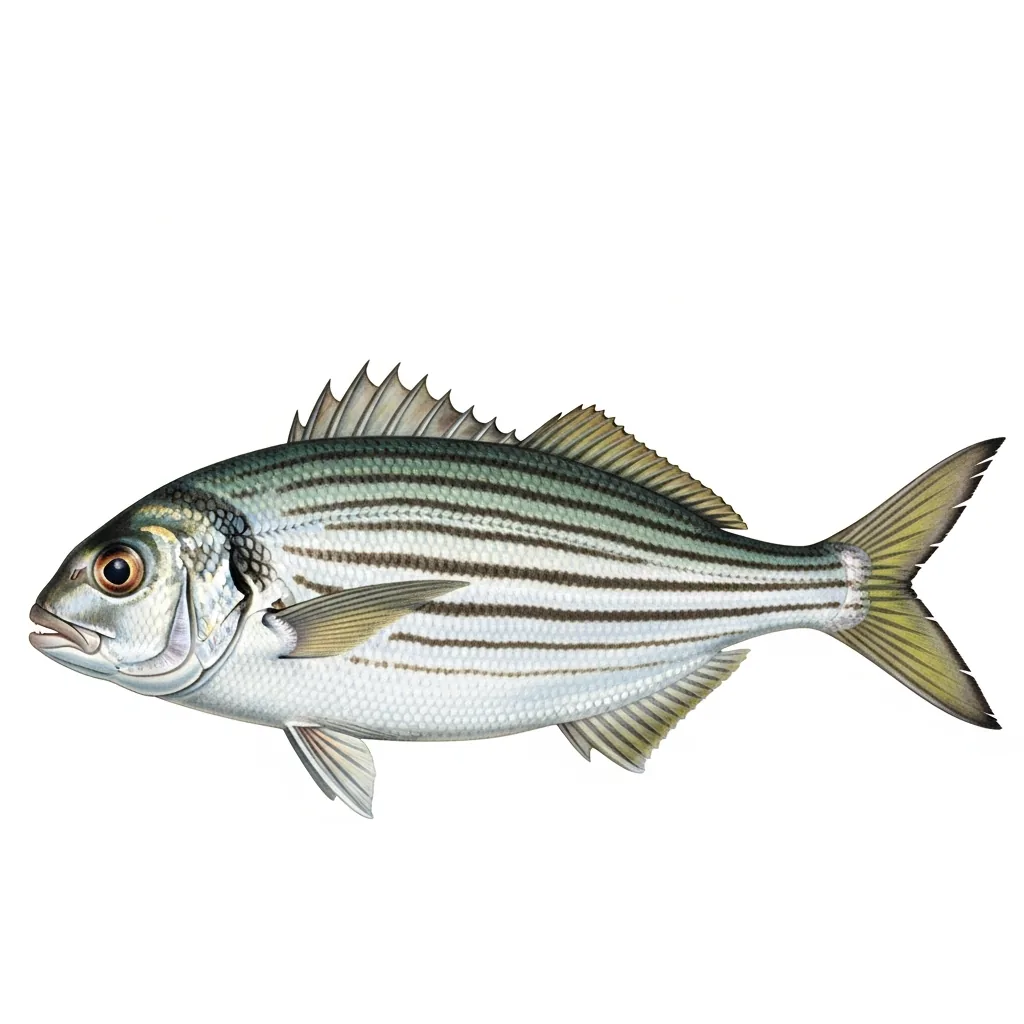 Striped sea breamLithognathus mormyrus
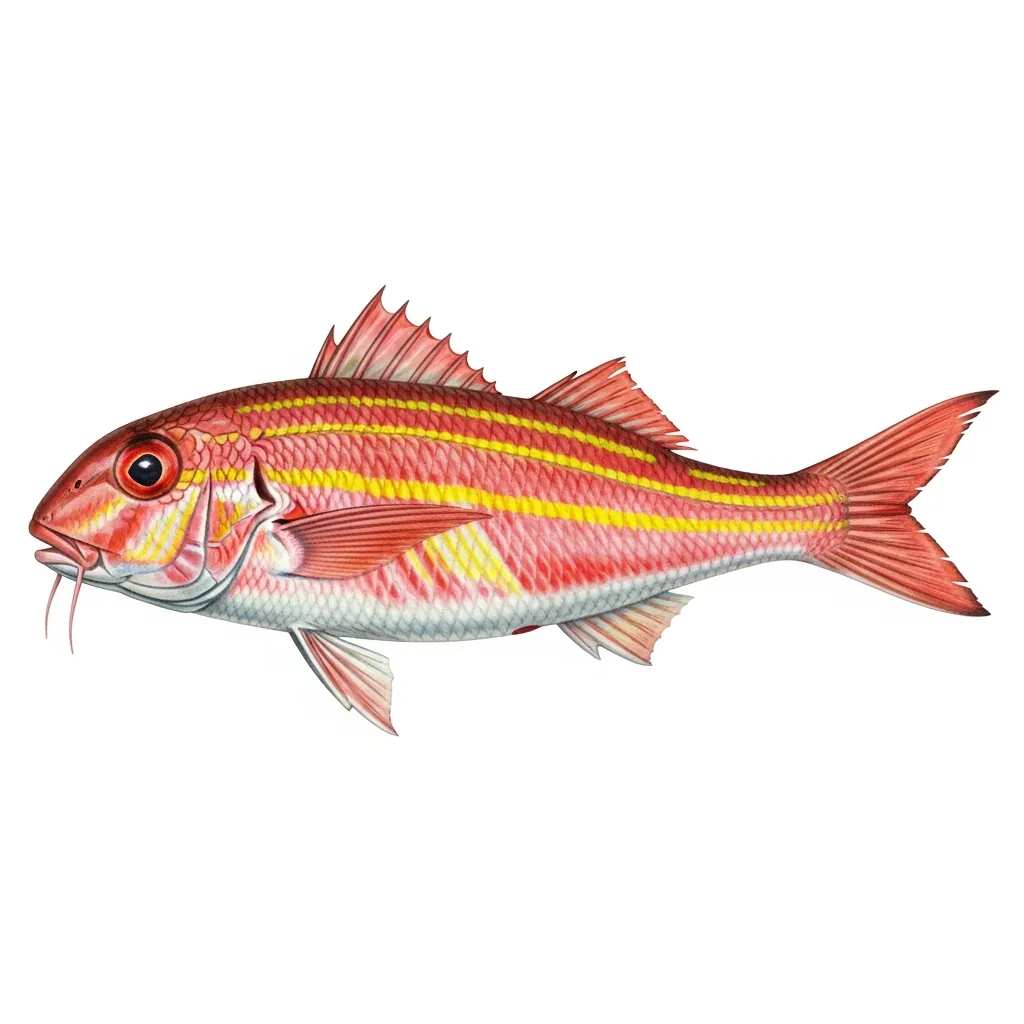 SurmulletMullus surmuletus
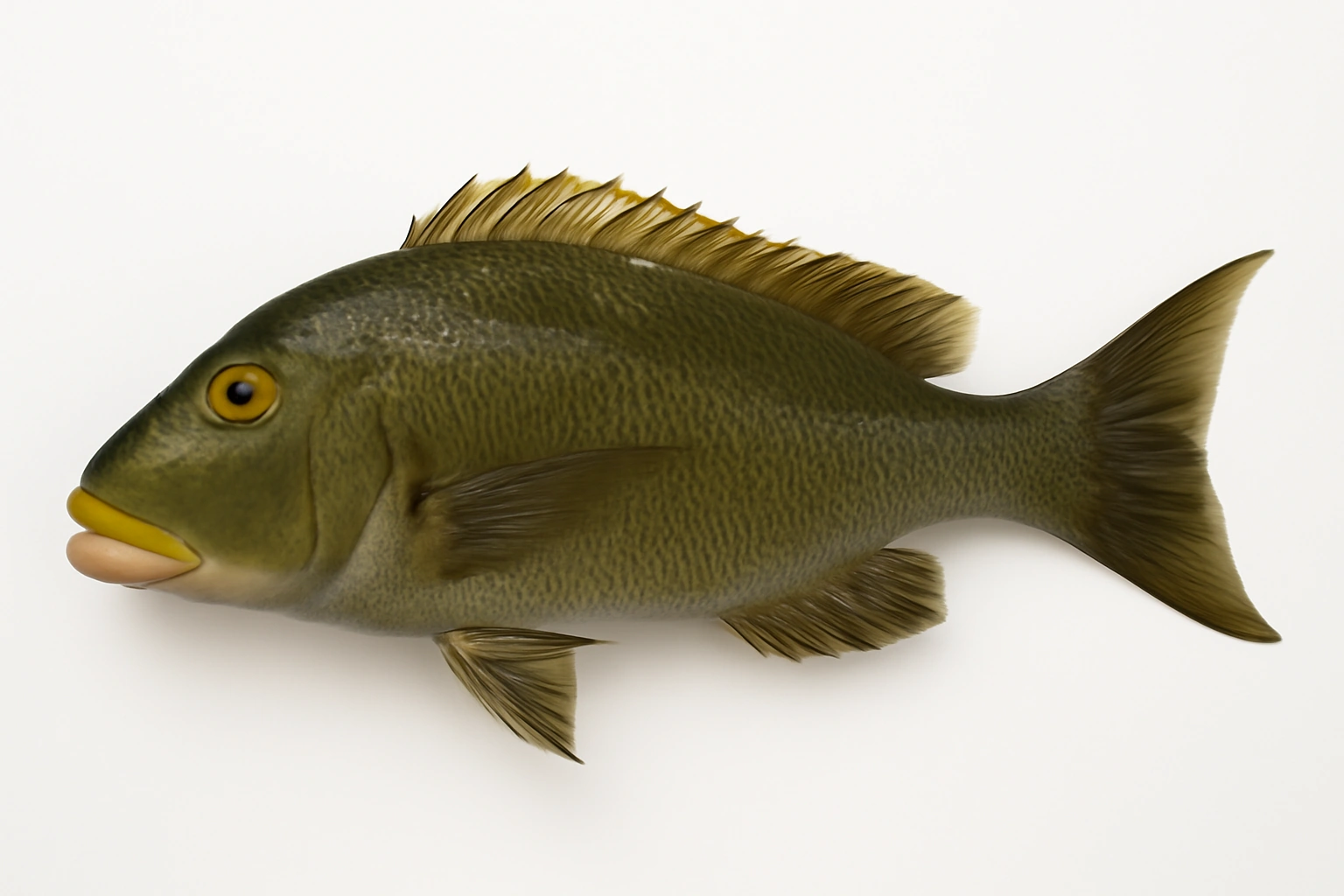 Sweetlip EmperorLethrinus miniatus
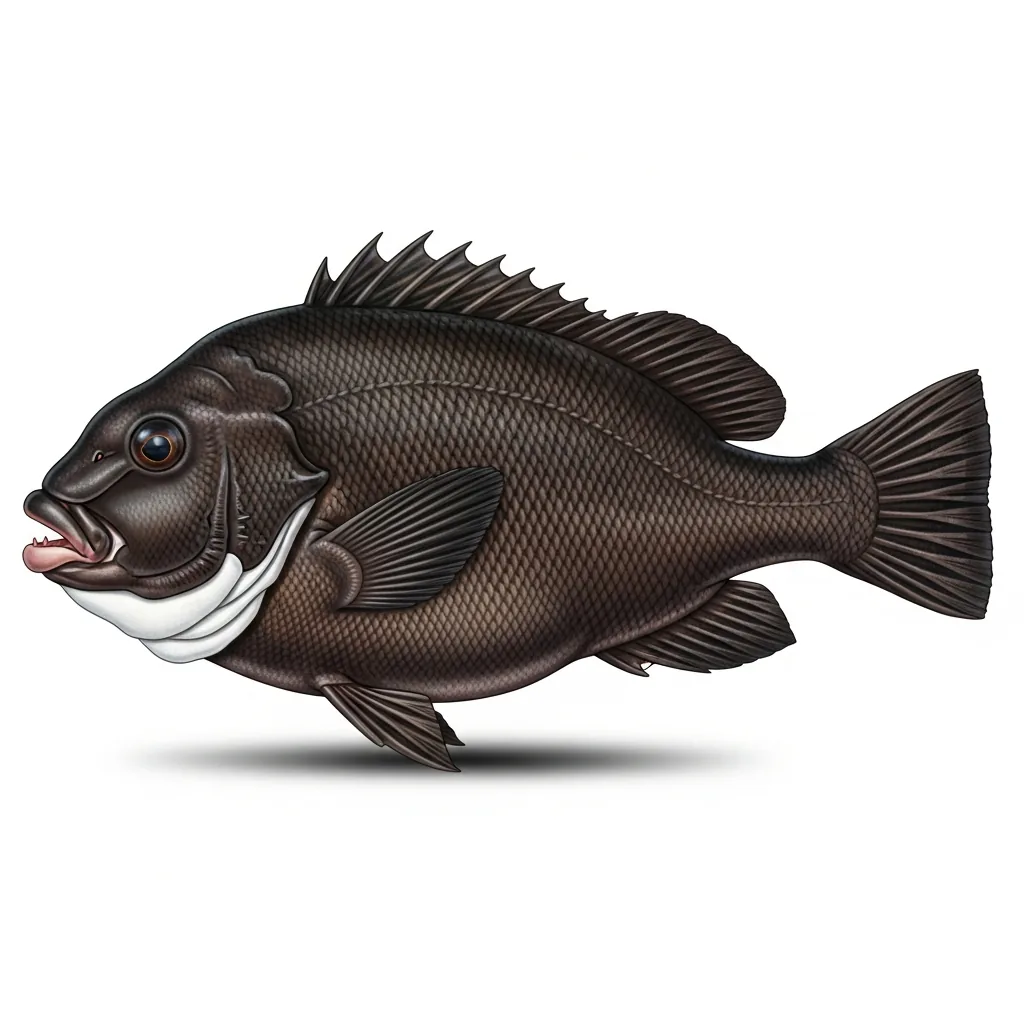 TautogTautoga onitis
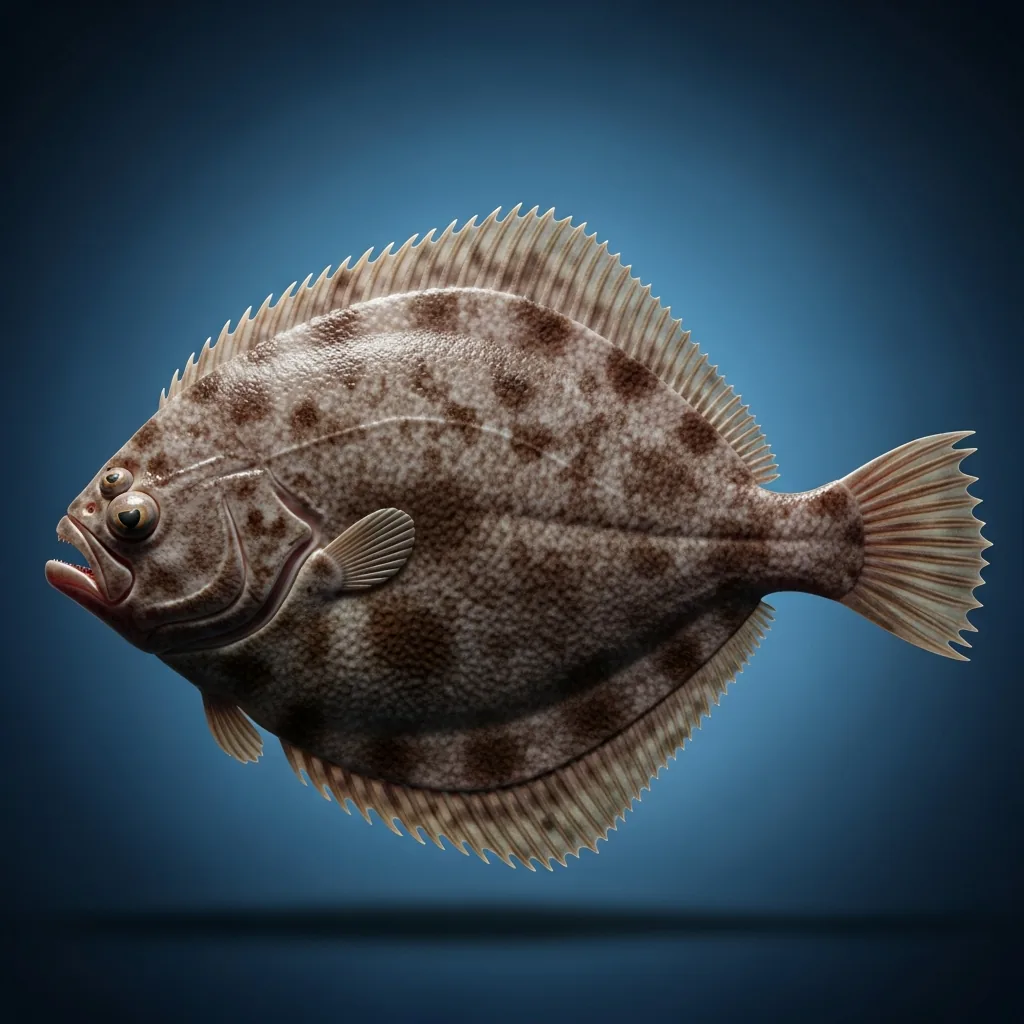 TurbotScophthalmus maximus
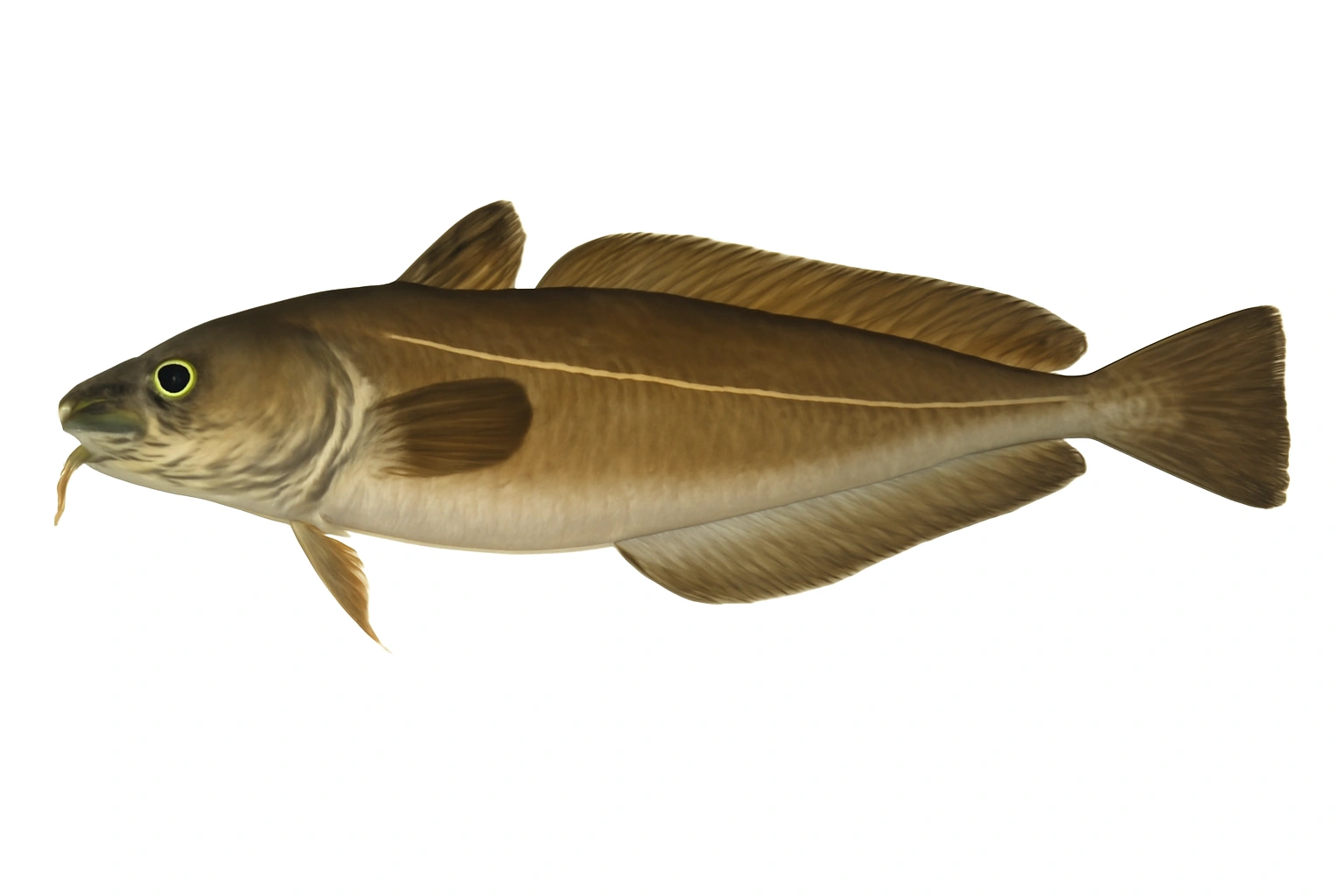 TuskBrosme brosme
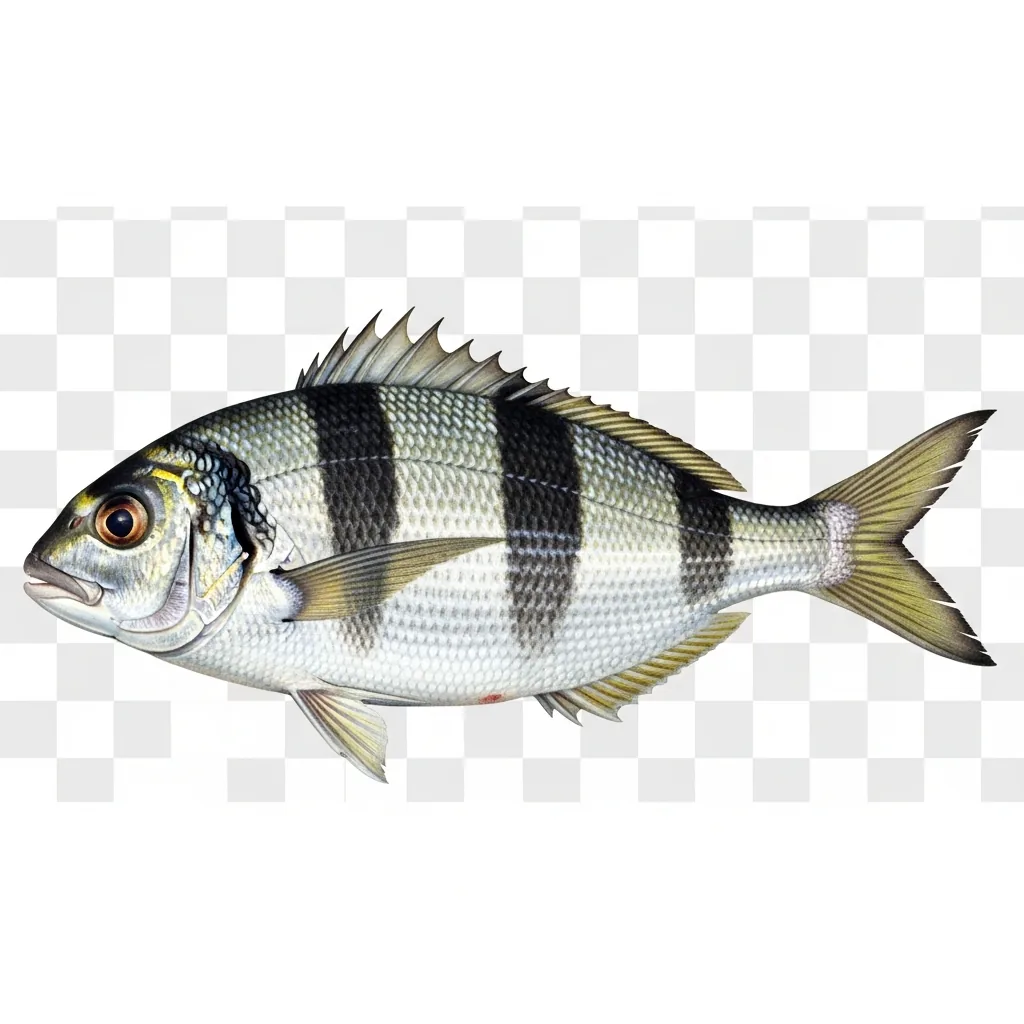 Two-banded sea breamDiplodus vulgaris
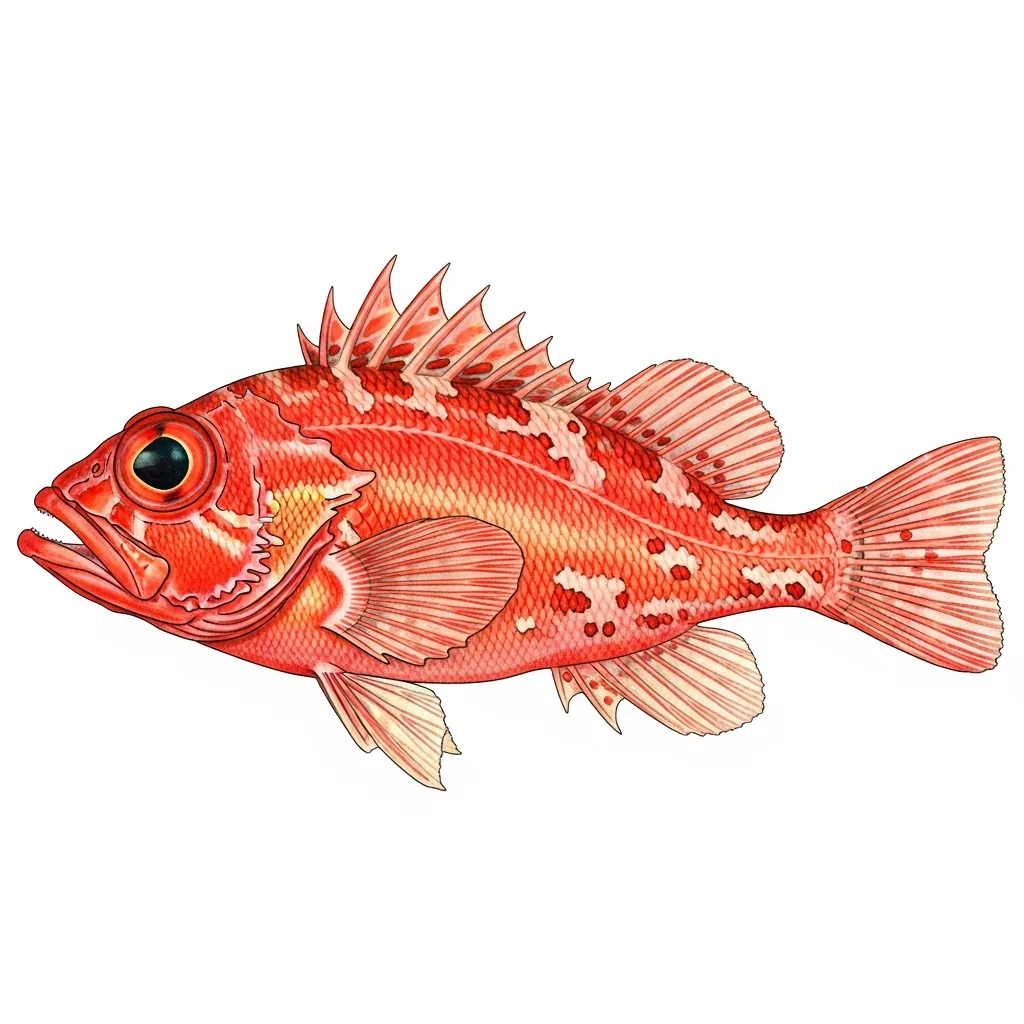 Vermilion RockfishSebastes miniatus
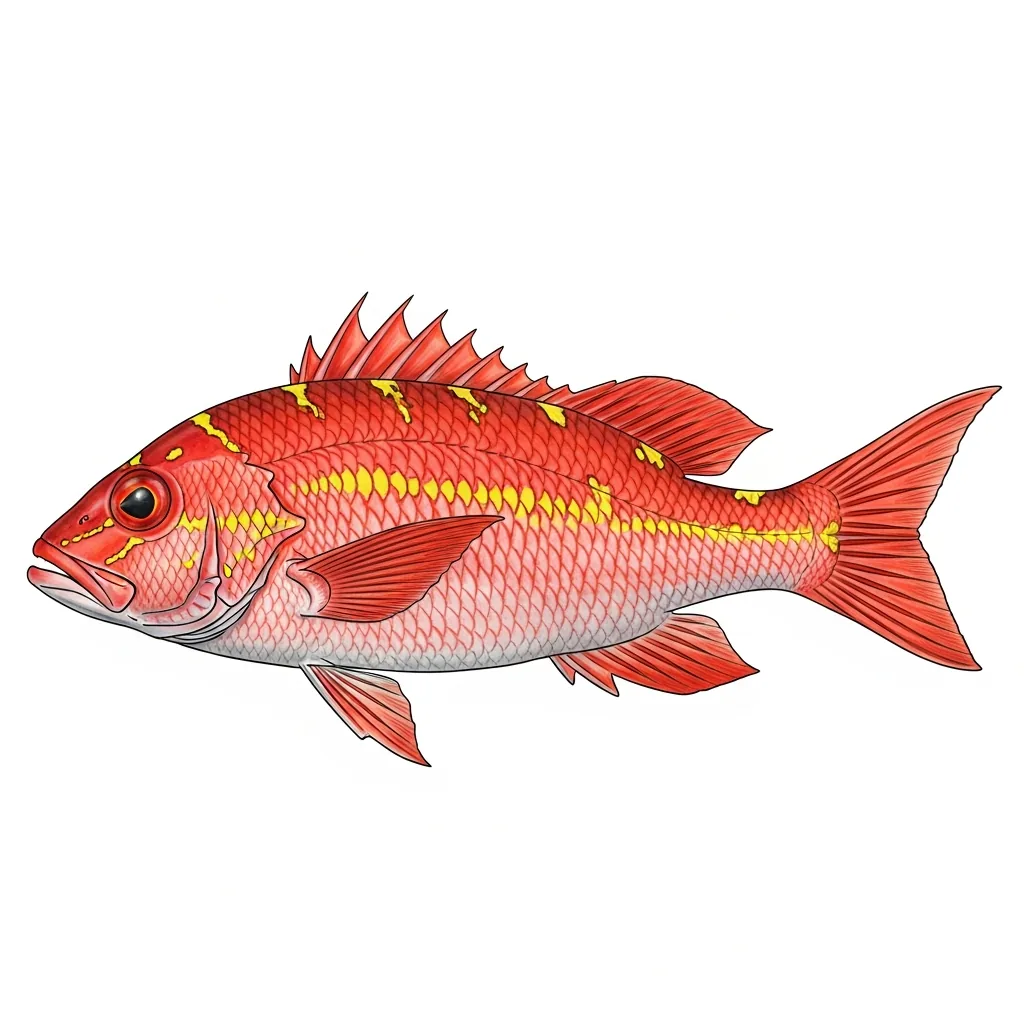 Vermilion SnapperRhomboplites aurorubens
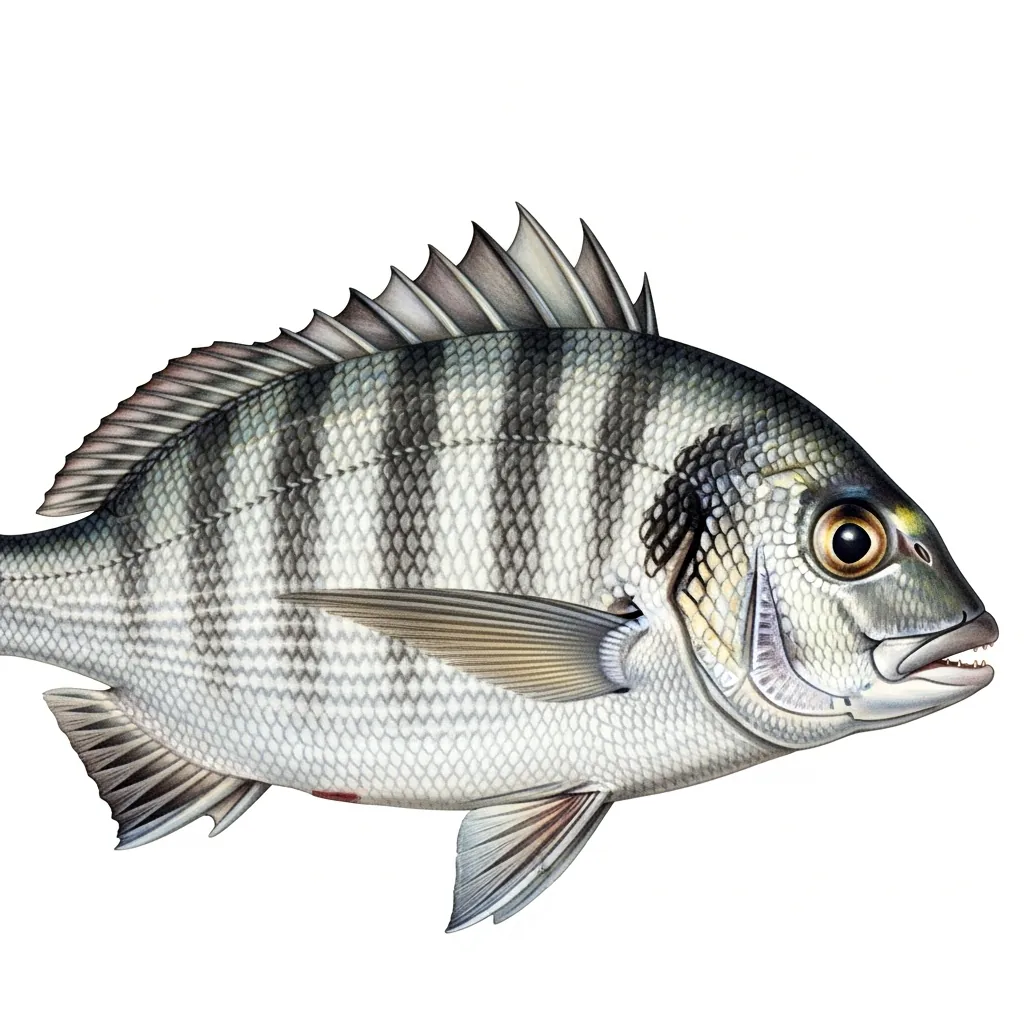 White sea breamDiplodus sargus
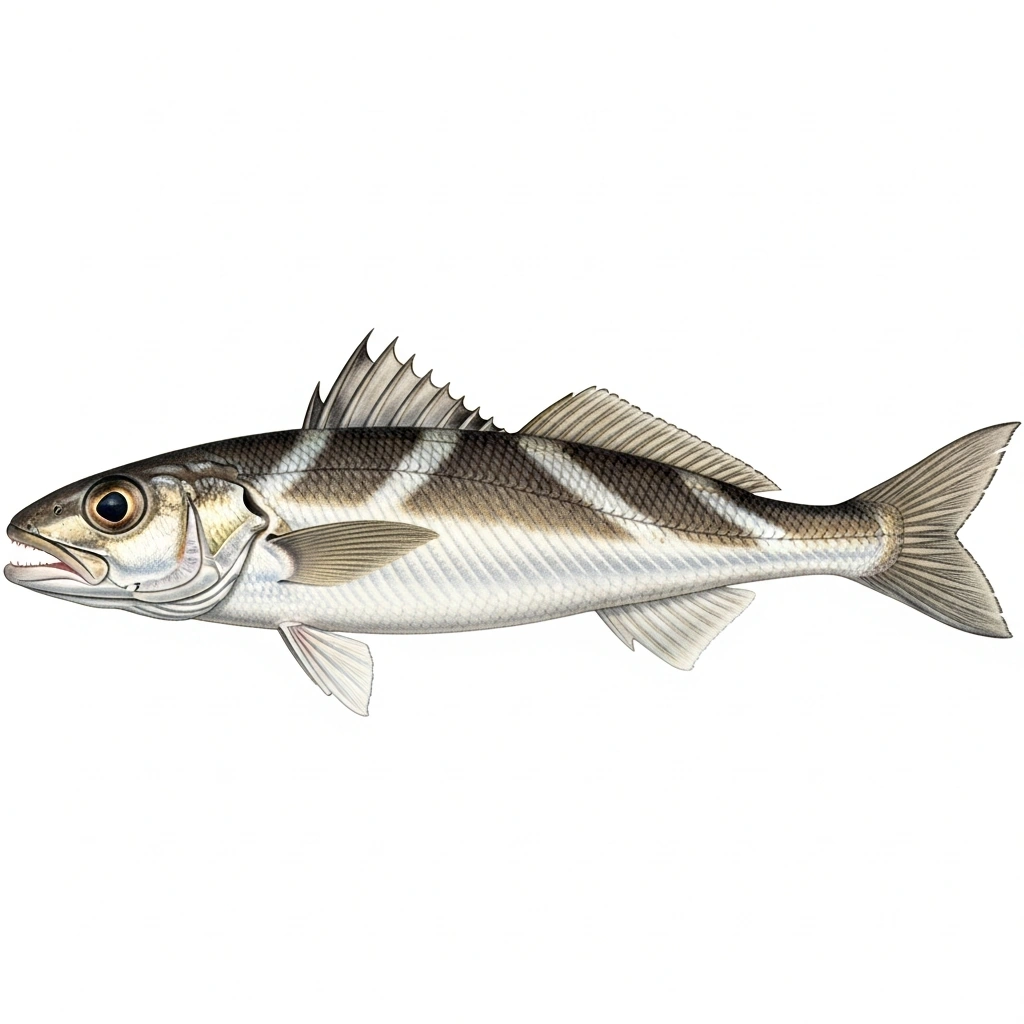 Whitemouth croakerMicropogonias furnieri
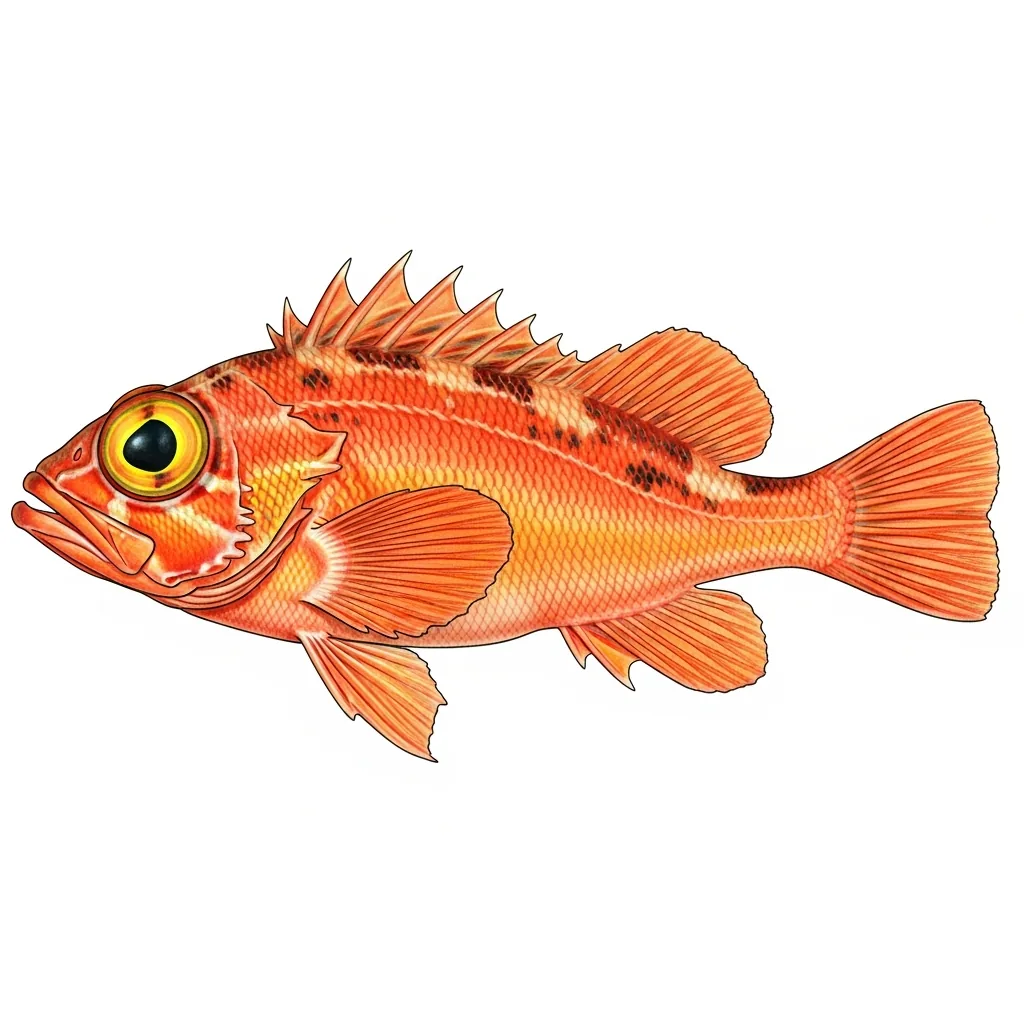 Yelloweye RockfishSebastes ruberrimus
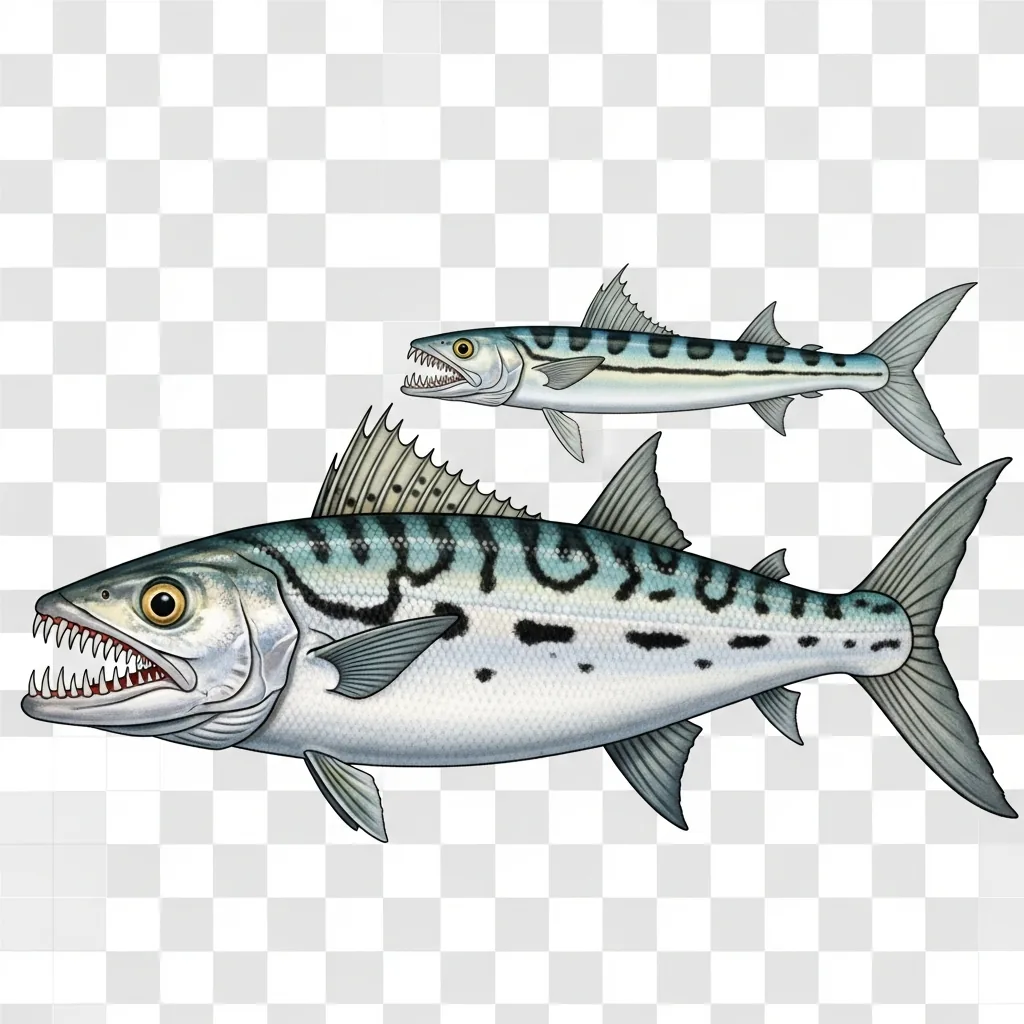 Yellowmouth barracudaSphyraena viridensis
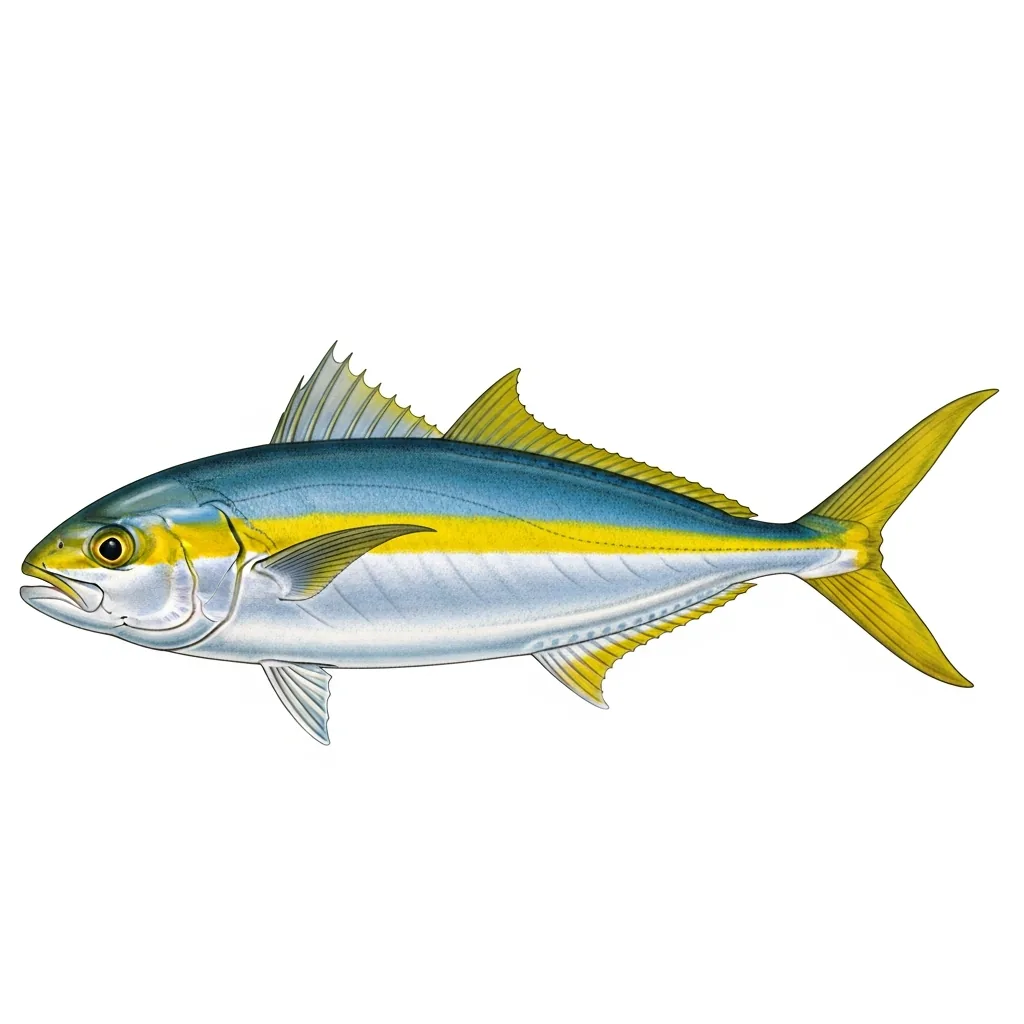 Yellowtail kingfishSeriola lalandi
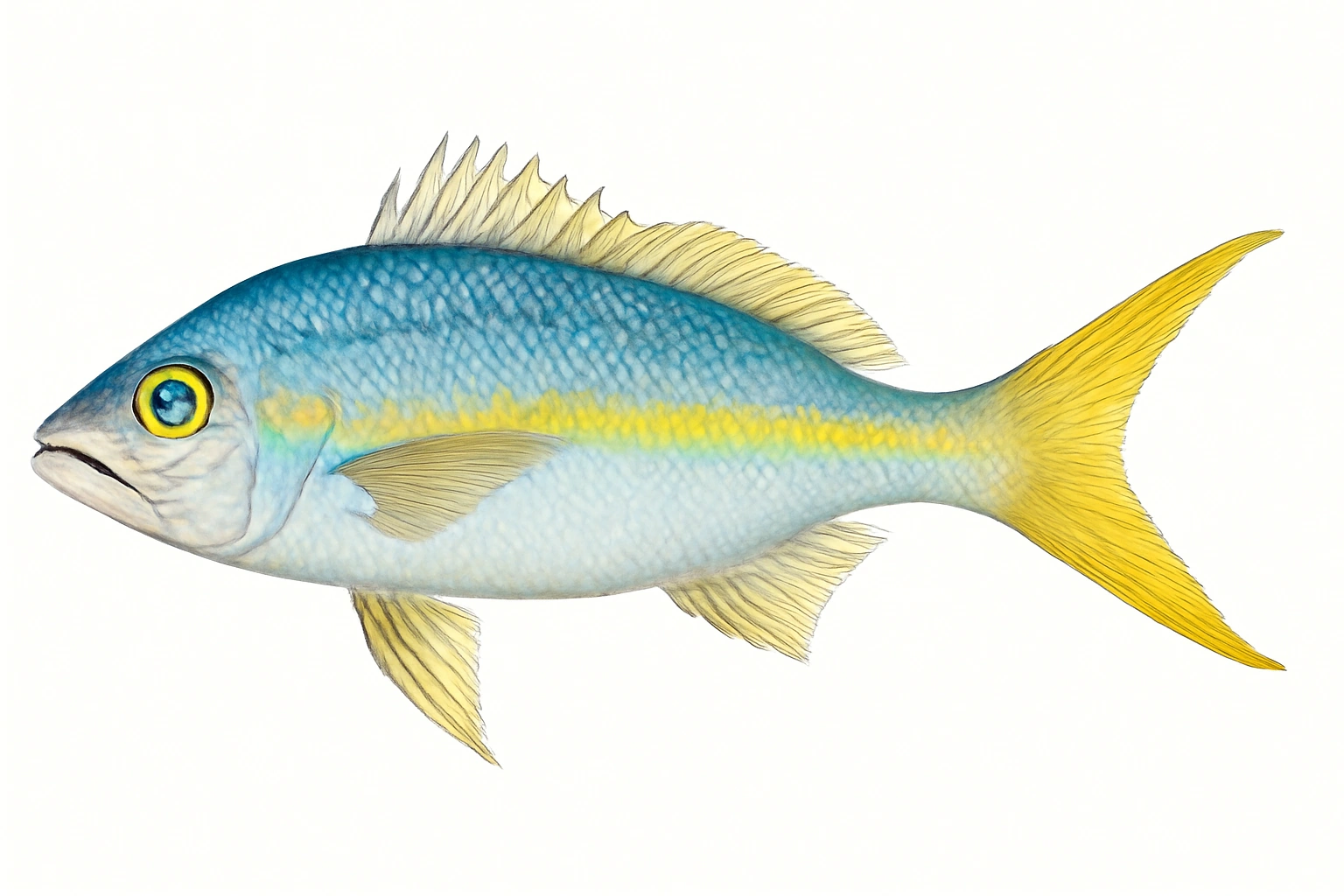 Yellowtail snapperOcyurus chrysurus
Frequently asked questions
What is Bottom Fishing?
Bottom fishing is vertical or nearly vertical fishing practiced from a boat to target fish holding on the bottom or just slightly above it. It is not a “simple” technique in the trivial sense of the word: the real difference is made by drift control, reading the bottom, and the ability to keep the bait in the right strike zone without…
Bottom Fishing: what tackle do you need?
For inshore bottom fishing, short and sensitive rods are excellent, generally between 1.8 and 2.4 meters, capable of reading the sinker on the bottom while also handling important fish. The reel must have smooth retrieve, progressive drag, and good line capacity;
Bottom Fishing: what is the best time?
Bottom fishing produces all year round, but fish behavior changes greatly depending on water temperature, light, current, and fishing pressure. In spring and autumn there are often excellent windows because many species feed steadily and occupy accessible depth ranges;
Bottom Fishing: where is it best?
The bottom should not be chosen “at random,” but interpreted. The best areas are changes in bottom composition, for example the transition from sand to rock, small ledges, humps with gentle edges, channels, and flat areas dotted with scattered stones: this is where food concentrates and predators patrol.