How to fish Bolognese: technique, spots and tackle
A Classic Approach to Shore Fishing

Every angler dreams of the perfect day. We show it to you first.
At the heart of ForecastX is an advanced marine-weather engine: it analyses waves, wind, sea temperature, tides, pressure and moon in real time and turns them into a Productivity Index (0-100) for every species. You'll always know, precisely, when the sea is on your side.
Coming soon to the App Store and Google Play — don't miss it.Introduction to bolognese float fishing
Bolognese is a float-fishing technique developed to control the drift at distance and in current, offering more control than fixed-pole setups and more precision than many waggler-style arrangements in moving water. It works in slow to medium rivers, canals, harbors, estuaries, and sheltered rocky shores, where you need to guide the bait along a natural path while always being ready to hold back or slow it down. Its strength is not just “casting a float,” but reading the right current seam, fine-tuning the rig, and presenting the bait at the level where the fish are feeding. It is a very refined style when fish are wary, but it can become surprisingly powerful for sea bass, large mullet, savetta, chub, or seabream in brackish water.
Tackle and a thoughtful setup
A Bolognese rod is generally 5 to 7 meters long, with 6 meters being a very versatile balance between drift control, lightness, and hook-setting ability. The reel should have a smooth drag, a roomy spool, and fluid retrieve: more than gear ratio, consistency matters, because with light hooklengths any jerks will cost you fish. On the spool, monofilament from 0.14 to 0.20 mm is often used in freshwater, and slightly heavier lines in saltwater or around snags; the hooklength, usually finer, should be chosen according to water clarity, average fish size, and abrasion in the spot. The float can be fixed or sliding: fixed for quick setups and precise drifts within manageable depths, sliding when the bottom exceeds the usable rod length or when you need to fish very deep.
Rigs and shotting pattern
The real difference is made by the distribution of the shot, because it determines sink rate, stability, and how natural the drift looks. A bulked shotting pattern under the float takes the bait down quickly and is useful in strong current or when fish are glued to the bottom; a more spread-out shotting pattern slows the drop and works better on suspended or wary fish. In the sea and in estuaries, torpedo weights or well-fixed styls are classic choices, refined with small trimming shot and one or two fine hooklengths that preserve sensitivity. A common mistake is overloading the float “to see it better”: in reality, a properly shotted antenna shows tiny touches, induced takes, and held-back bites that would otherwise go unnoticed.
Reading the swim and the current
Even before setting up, watch how the water moves: foam, leaves, and reflections reveal faster lanes, back eddies, shallows, holes, and boundary lines where natural food gathers. In rivers, fish often hold on the edge between the fast current and slower water, not always in the deepest spot; in harbors and estuaries, outflows, shadows, quay ledges, and current returns near pilings and rocks matter enormously. Bolognese performs at its best when you run the bait a few decimeters outside the “dead” zone, letting it enter and leave the productive lane naturally. The expert trick is to make a few drifts deliberately shorter and others longer than the area you imagine: often the fish clearly show where the feeding lane really begins.
Bait presentation and drift management
In a free drift, the float should travel at the speed of the surface current or just slightly slower, if you want the hooklength to lift a little and make the bait more visible. Holding back, meaning the slight slowing applied with the rod and line, is a key maneuver: it lifts the bait a few centimeters, lets it fall again, and often triggers attacks from mullet, chub, sea bass, and other opportunistic fish. If the bottom is even, fishing with the bait just brushing the bottom or barely “combing” it is often more productive than keeping it clearly off the bottom; if there are snags, though, it is better to lighten things up and pass a little higher. The typical mistake is holding back for too long: the rig becomes unnatural, the float works poorly, and bites turn into refusals.
Groundbaiting and bait choice
In Bolognese fishing, feeding is not meant to fill the fish up, but to build a feeding path consistent with the drift. In rivers and canals, glued or loose maggots fed in small regular amounts work well, while in the sea, harbor, and estuary it is often effective to alternate light groundbaits, soaked bread, maggots, or small fragments of the bait being used, always without creating excessive clouds if the water is still and clear. The most classic baits are maggot, worm, Korean worm, pieces of shrimp, bread, and sometimes small fish baits, but the rule is to match them to what the environment naturally offers at that moment. A little-known trade trick is to adapt bait size more to current speed than only to fish size: in strong current, a slightly more compact bait stays “credible” longer and works better than the classic baiting that is too delicate.
Seasons, light, tide, and weather
In spring and autumn, Bolognese often offers the best compromise between fish activity and still-readable water, but in summer it gives excellent windows at dawn, dusk, and in shaded areas. In winter, on the other hand, it is better to reduce the amount of feed, slow the drift, and focus on the more stable, deeper bands, because fish move less and feed more selectively. In the sea and in estuaries, the tide matters a lot: moving water brings oxygen and food, but not every phase performs the same way in every spot; often the start of the incoming or outgoing tide is easier to read than slack water. Light also makes a difference: with high sun and clear water you need finer hooklengths, less noise on the peg, and less intrusive casts, while with overcast skies or colored water you can push things a bit more.
Target species and adaptations
Mullet reward steady drifts, clean baiting, and measured hooksets, because they suck in and spit out in an instant; they often feed better on light holds or baits falling slowly. Sea bass, especially in harbors and estuaries, like areas with current, oxygenated water, and feeding disorder: here a slightly livelier presentation and a well-presented natural bait make the difference. Gilthead bream require more attention to the bottom, reliable hooklengths, and strong but not heavy hooks, because they often grub low and use every rough spot to throw the hook. In freshwater, chub, roach, and savetta instead reward precise depth, consistent feeding, and diameters well matched to water clarity.
Common mistakes and how to fix them
The first mistake is fishing “by feel” without plumbing the depth properly: just a few centimeters of difference in depth can turn an empty drift into a productive one. The second is ignoring the relationship between float and current: if the flow increases or decreases, the shotting or float loading often needs adjusting, not just the depth. Many anglers strike too late, waiting to see the float go fully under; in reality, many useful bites are checks, lift bites, or tiny sideways deviations, signals to interpret immediately but without violence. Another typical mistake is keeping too much line on the water: it creates bows, delays the strike, and falsifies the drift, while a high rod well aligned with the float gives immediate control.
A practical method for setting up a session
Once you arrive at the spot, spend the first few minutes observing the water, wind, light, and any surface activity, then plumb carefully on several lines and not just straight in front of you. Start with a balanced, simple rig, make exploratory drifts varying depth and hold-back only slightly, and let the float’s signals tell you whether the fish want the bait on the drop, on a free drift, or just brushing the bottom. If you get short bites, reduce bait size or lighten the last part of the shotting pattern; if the float runs through lifelessly, try moving half a meter across the lane or changing your feeding rhythm. Bolognese rewards those who think in small adjustments: rarely do you need to revolutionize everything, and much more often it is enough to correct one detail to enter the right window.
Fish to target with this technique
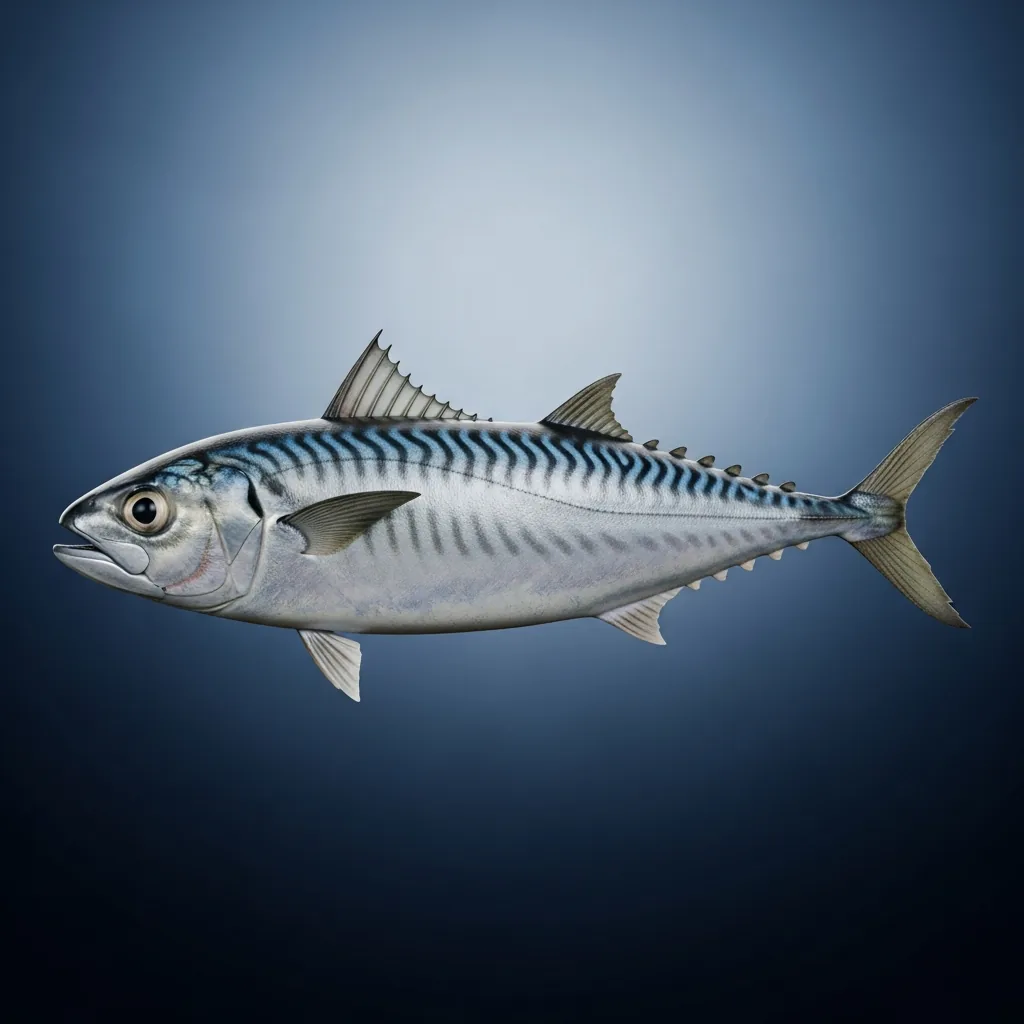 Atlantic horse mackerelTrachurus trachurus
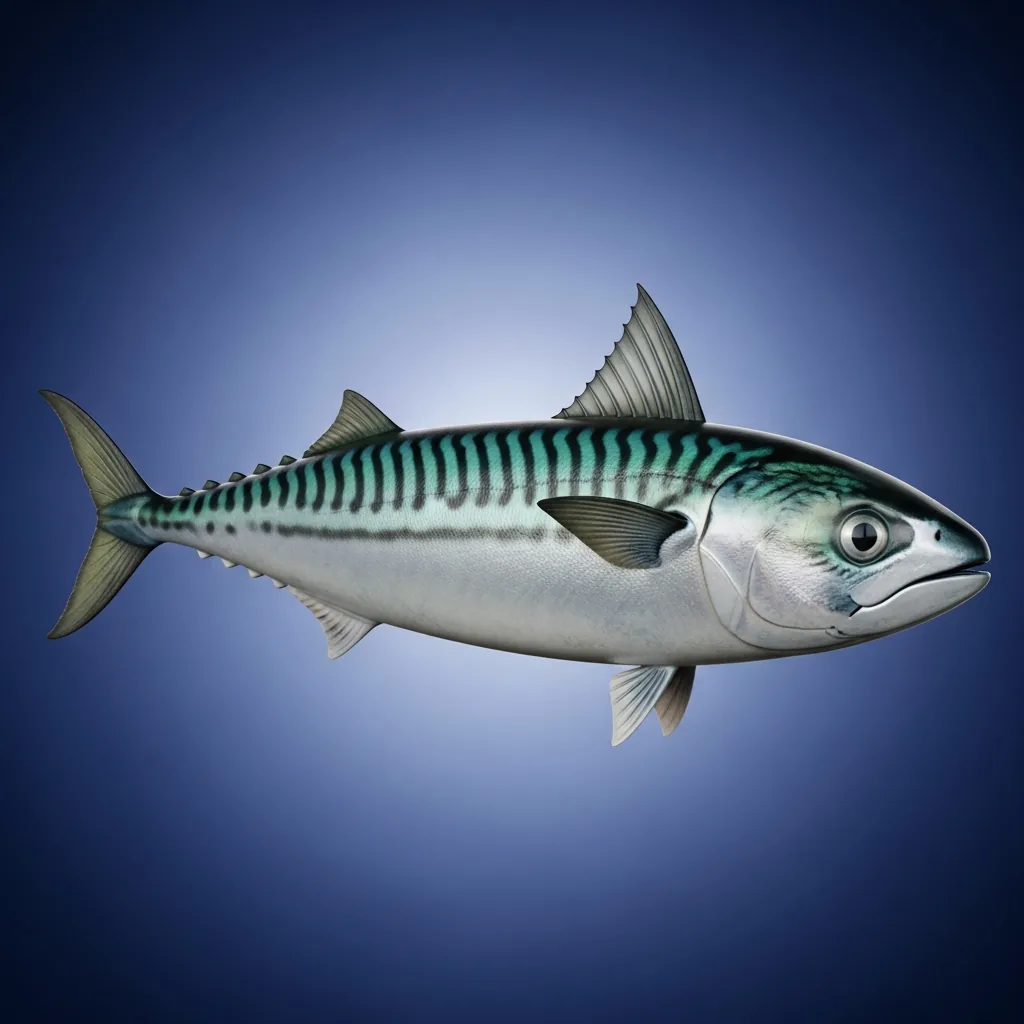 Atlantic mackerelScomber scombrus
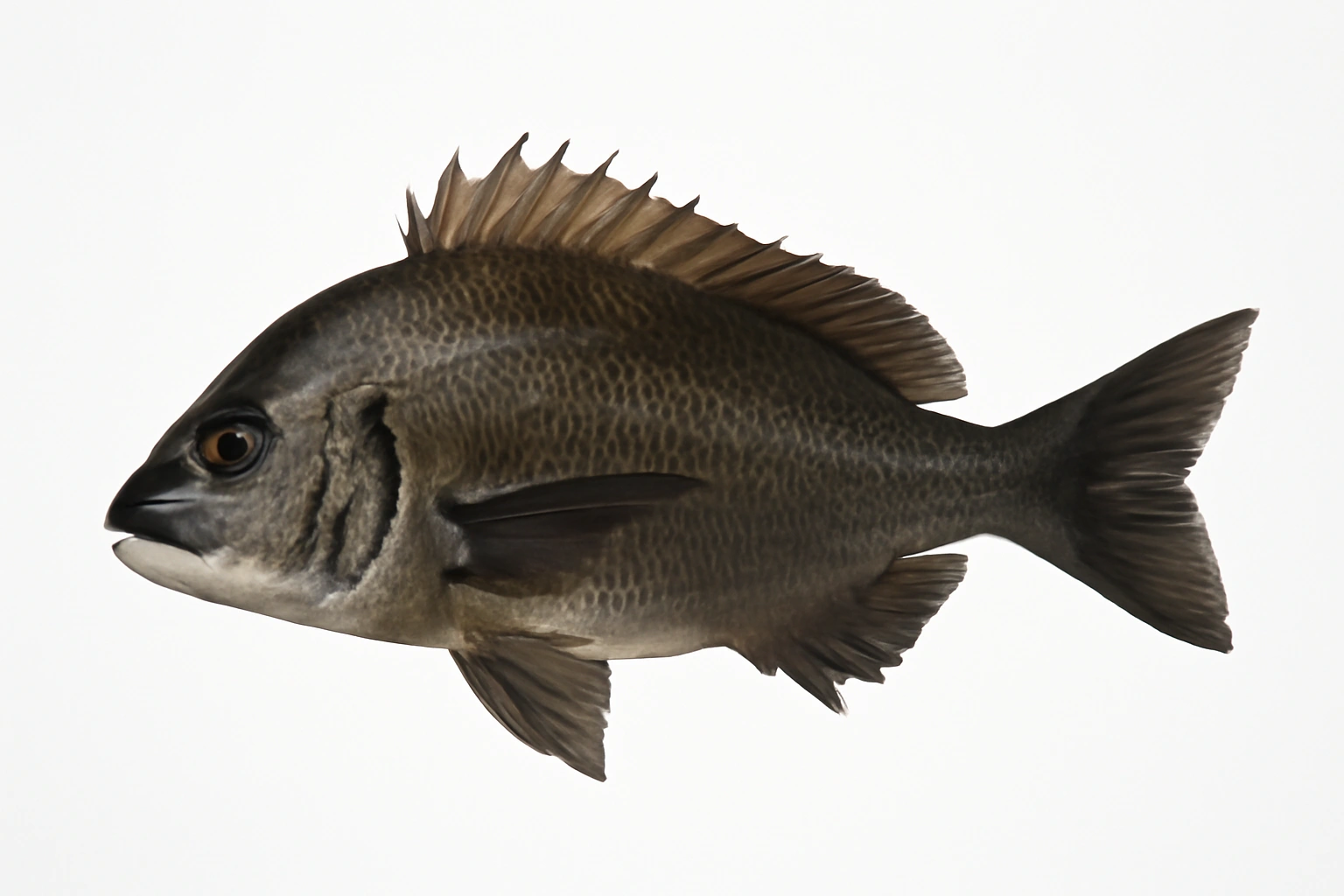 Black BreamAcanthopagrus butcheri
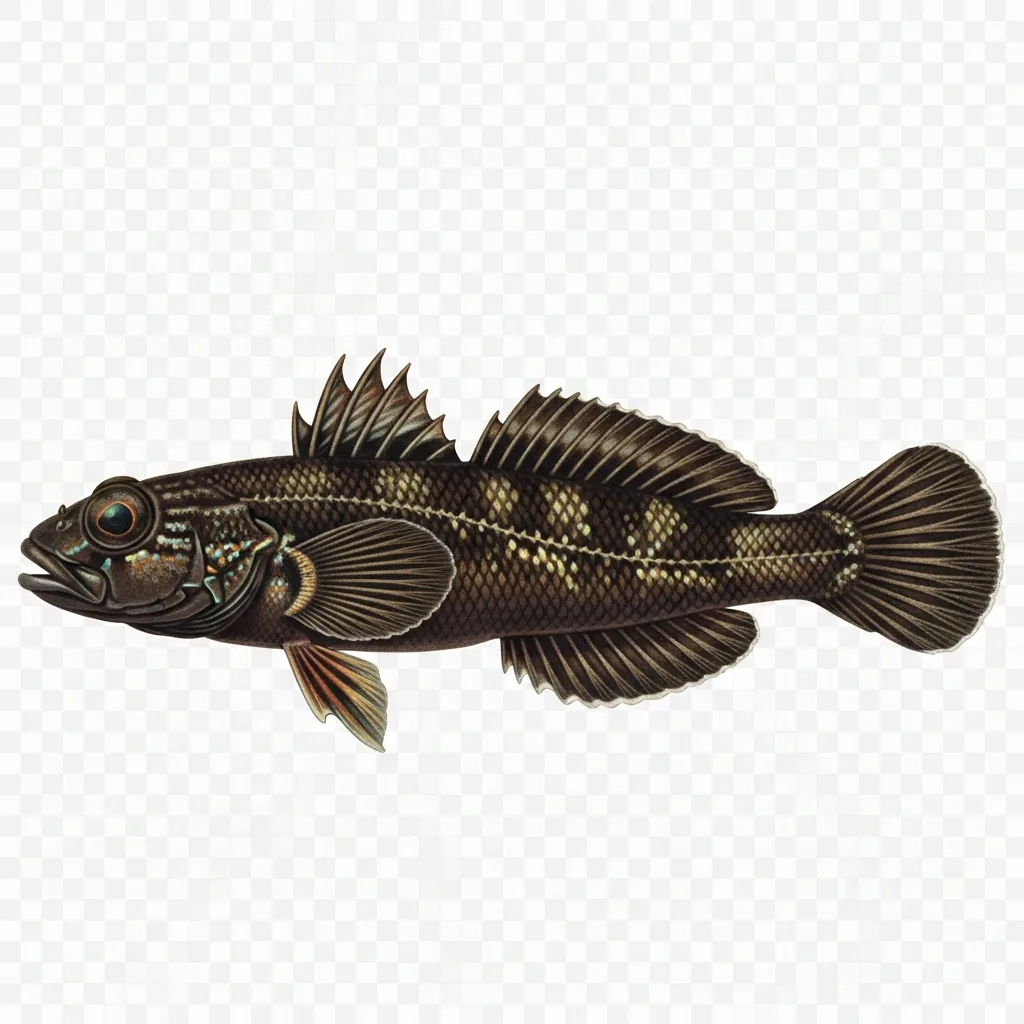 Black gobyGobius niger
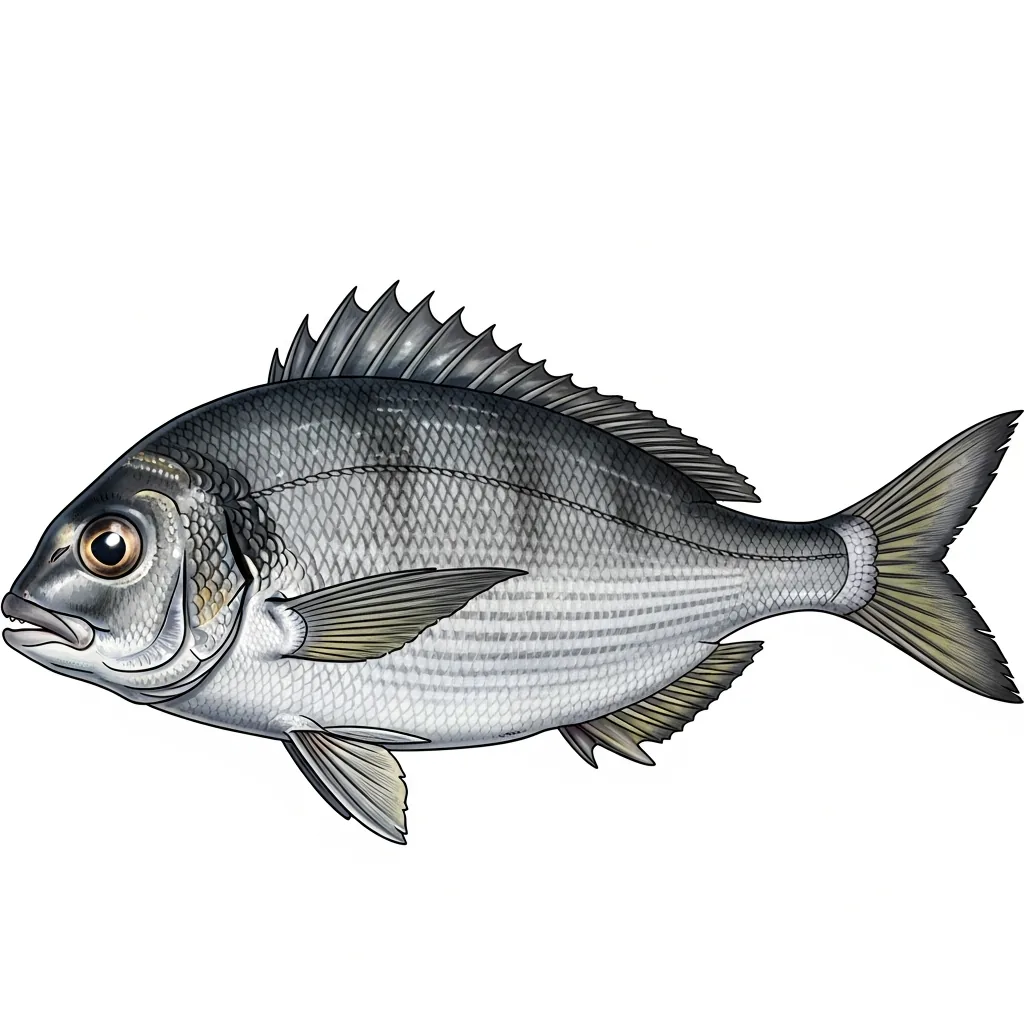 Black sea breamSpondyliosoma cantharus
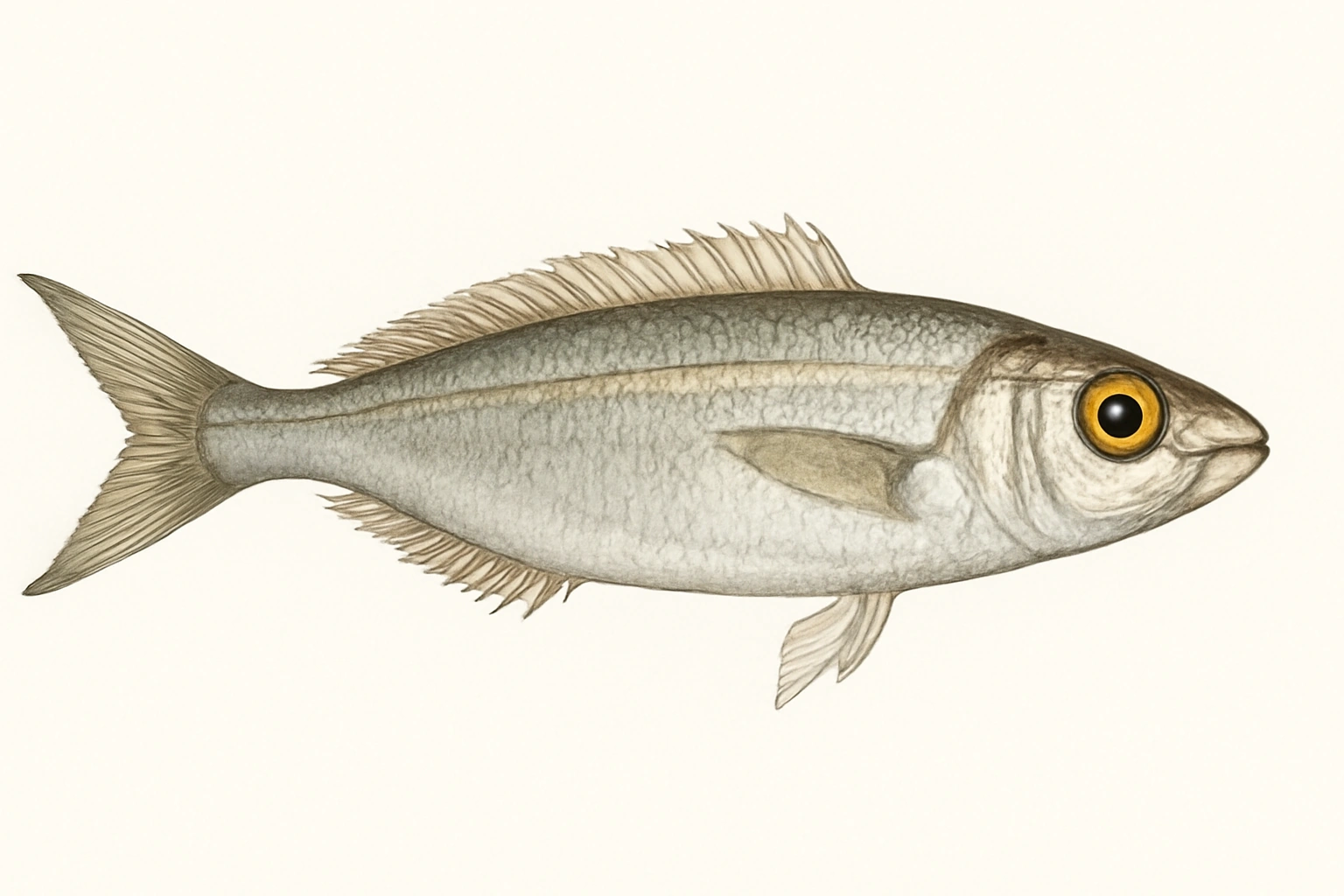 BogueBoops boops
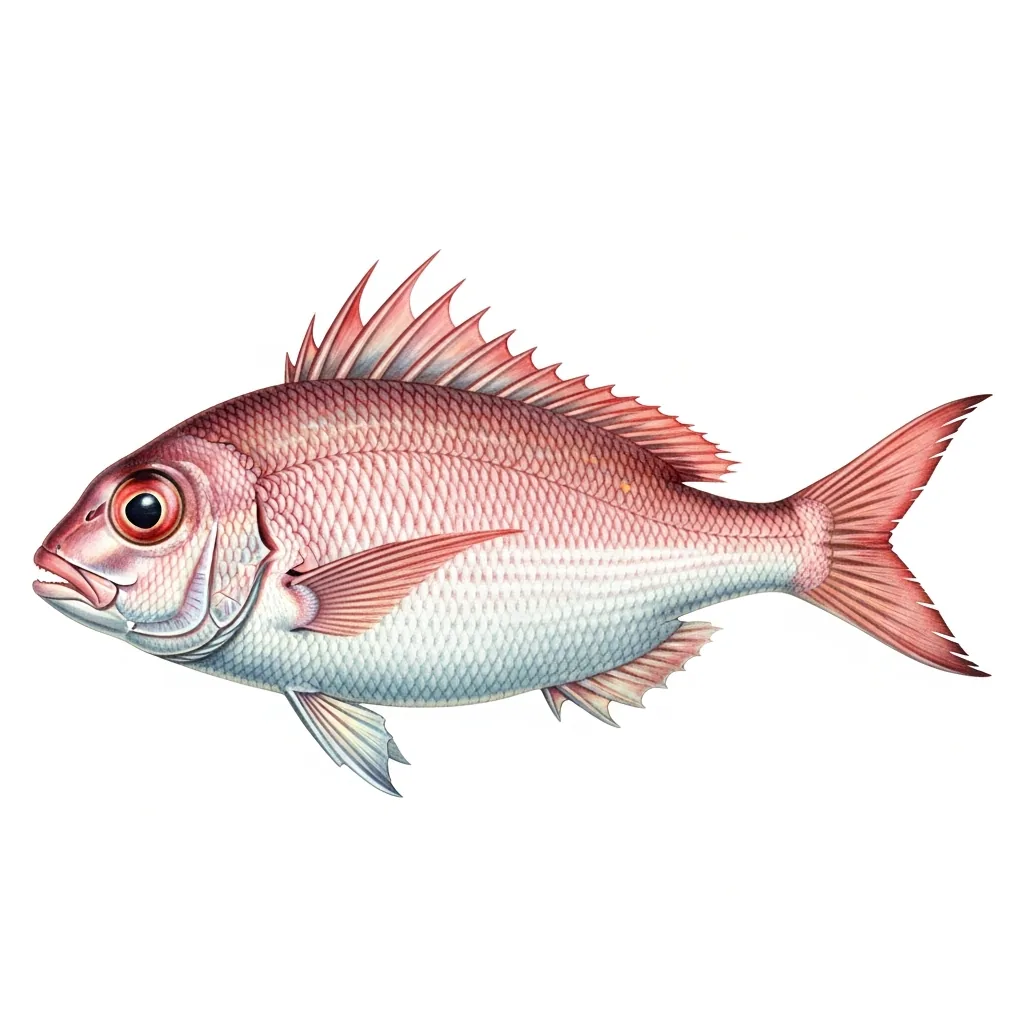 Common pandoraPagellus erythrinus
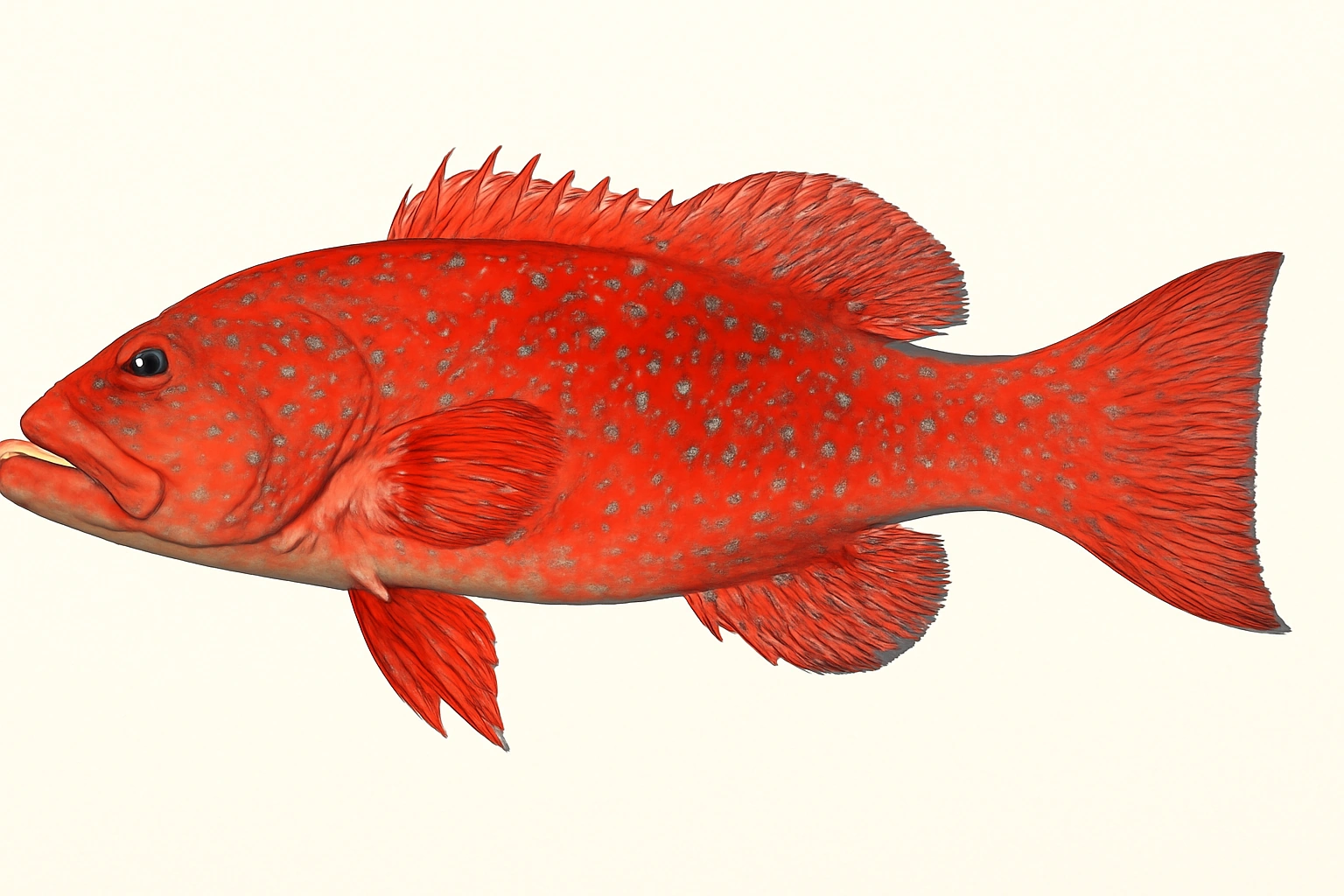 Coral troutPlectropomus leopardus
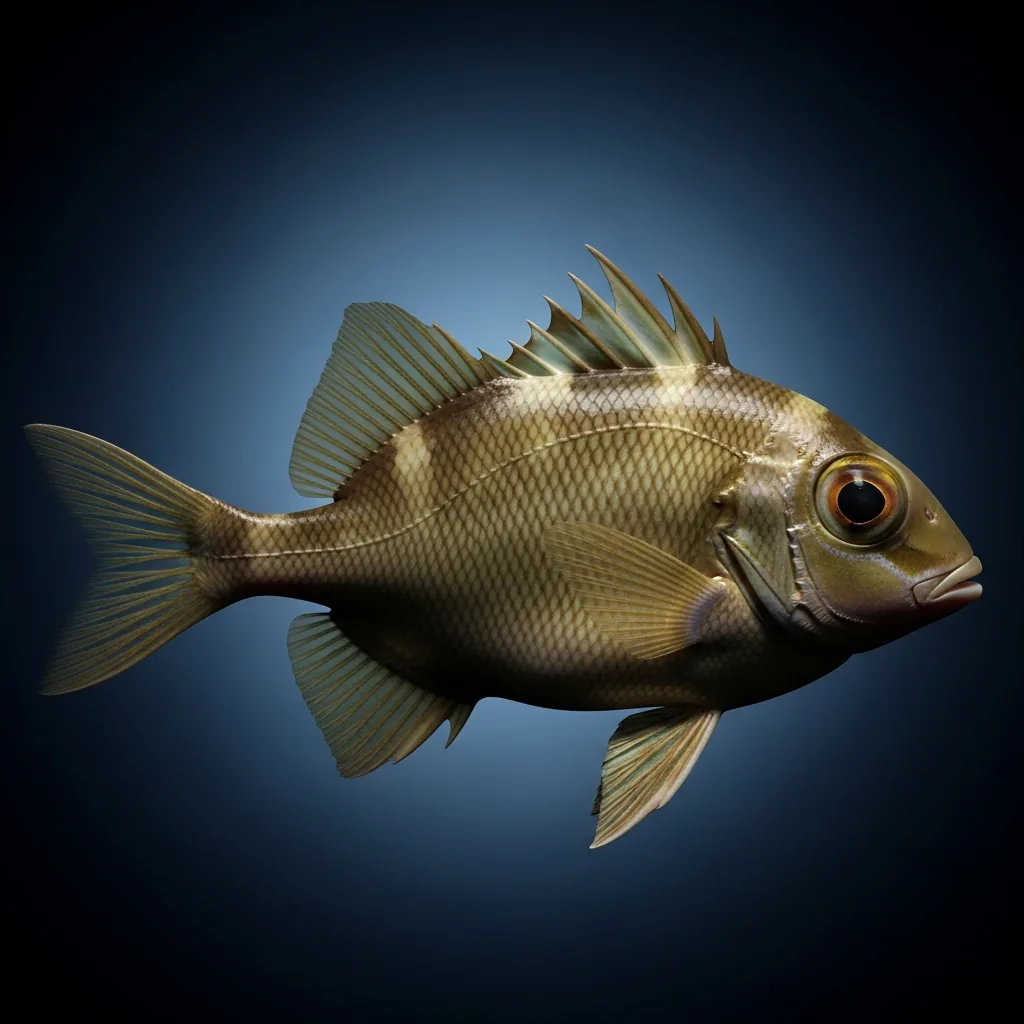 Dusky spinefootSiganus luridus
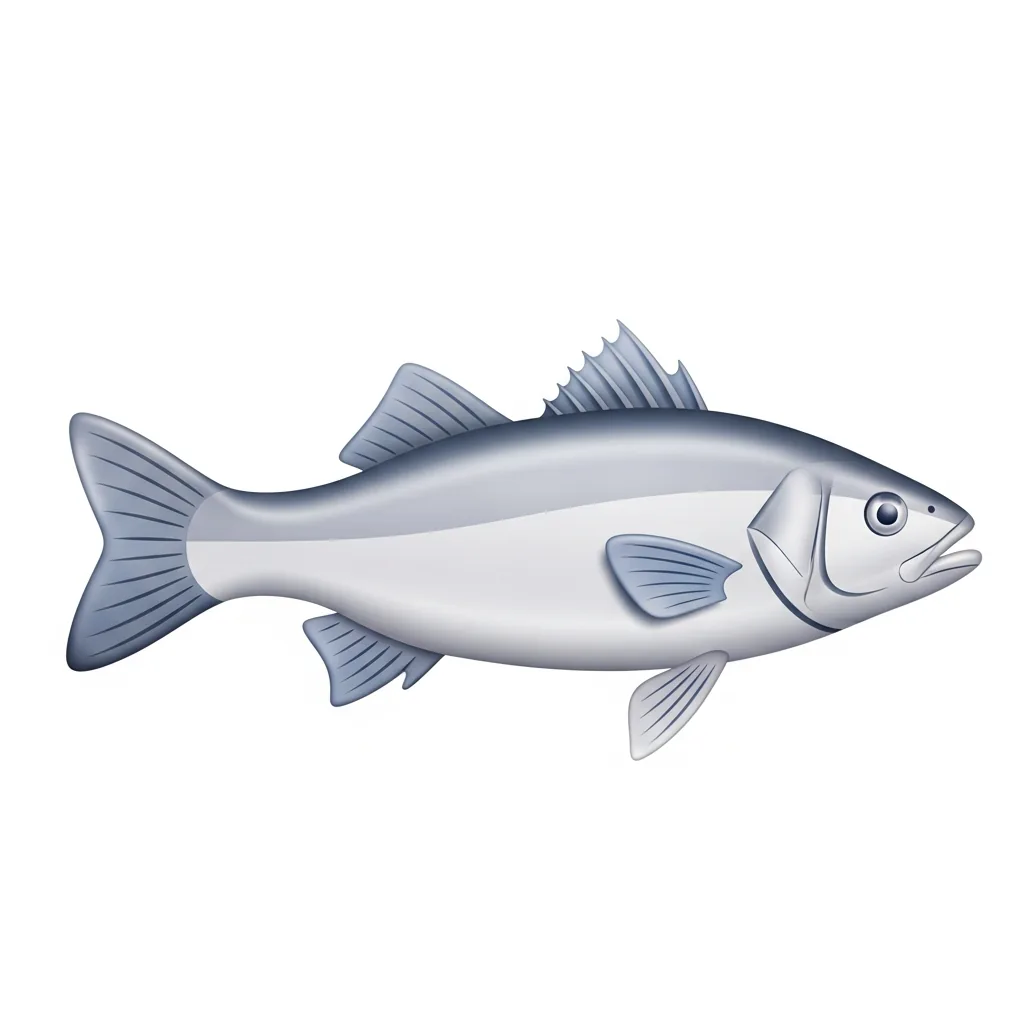 European sea bassDicentrarchus labrax
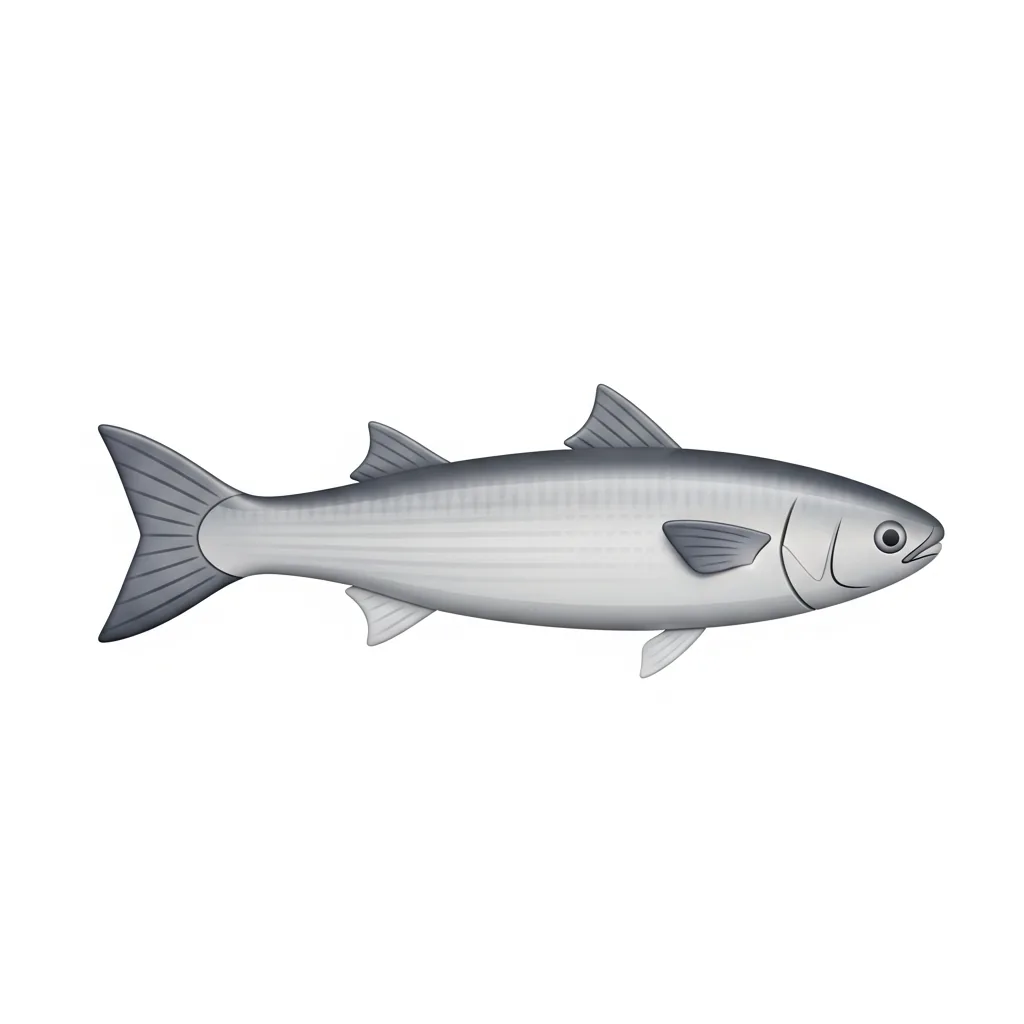 Flathead grey mulletMugil cephalus
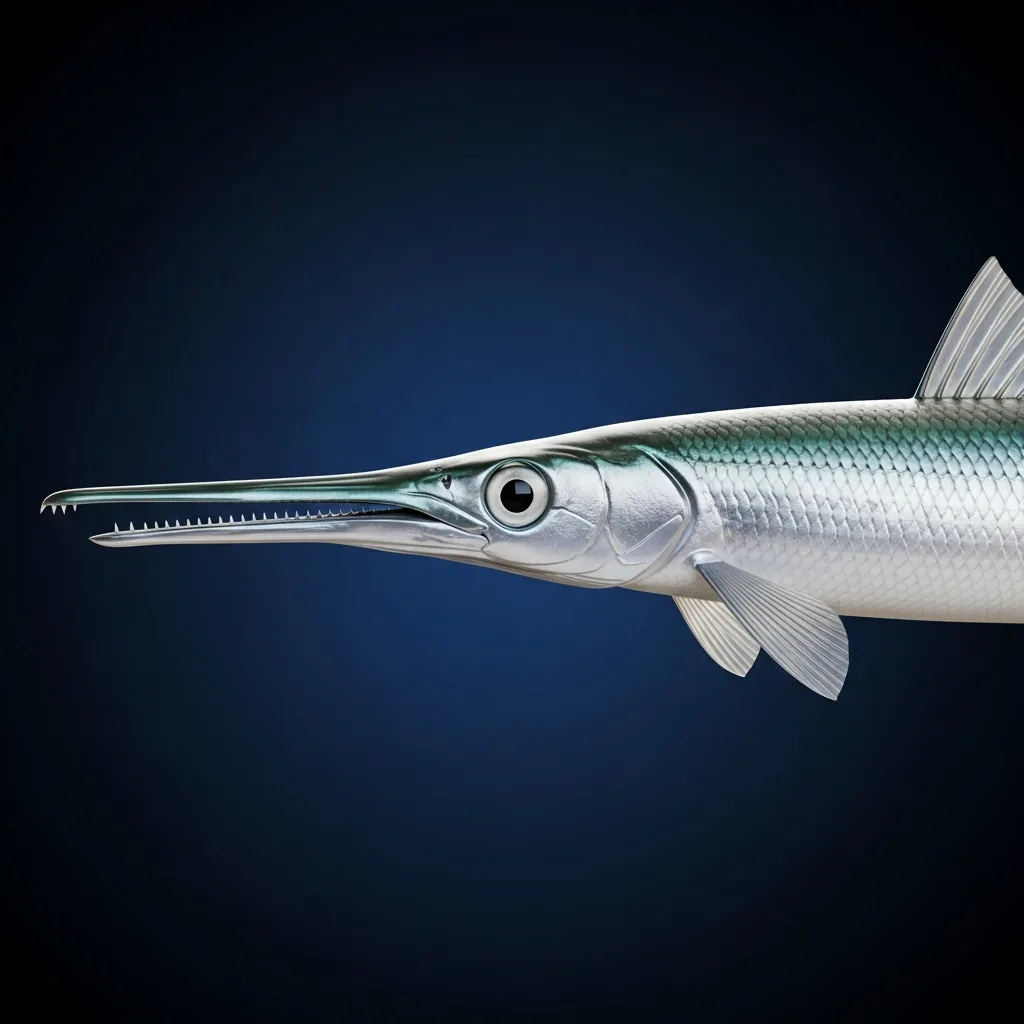 GarfishBelone belone
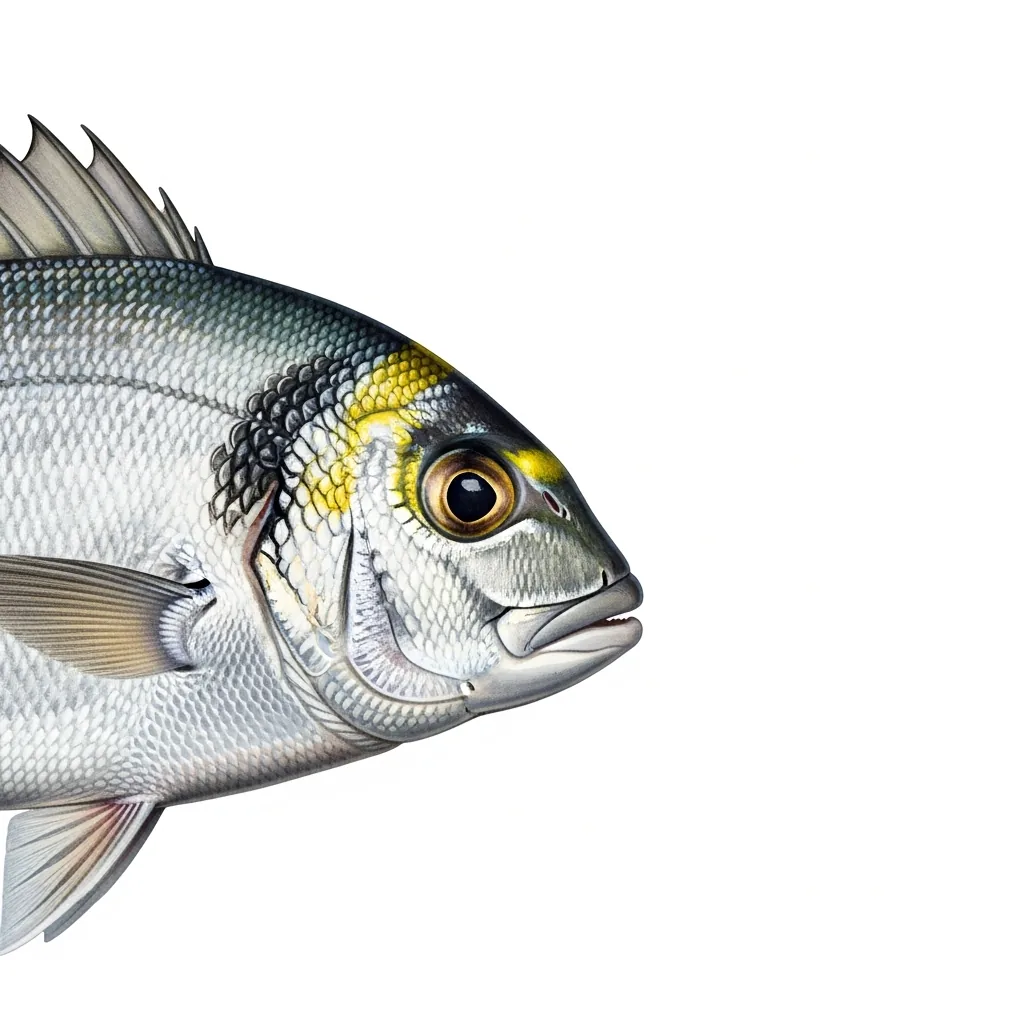 Gilthead sea breamSparus aurata
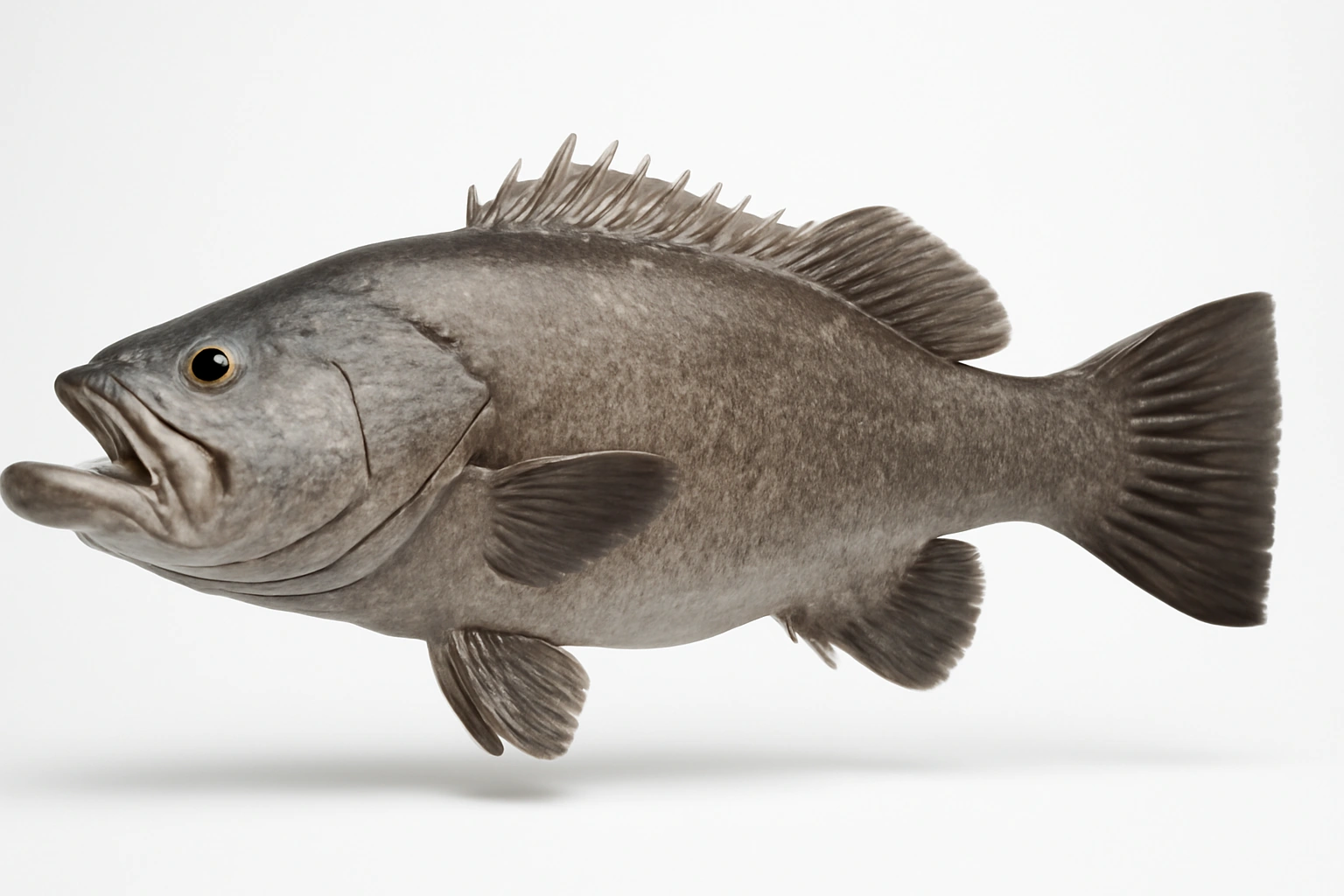 HapukaPolyprion oxygeneios
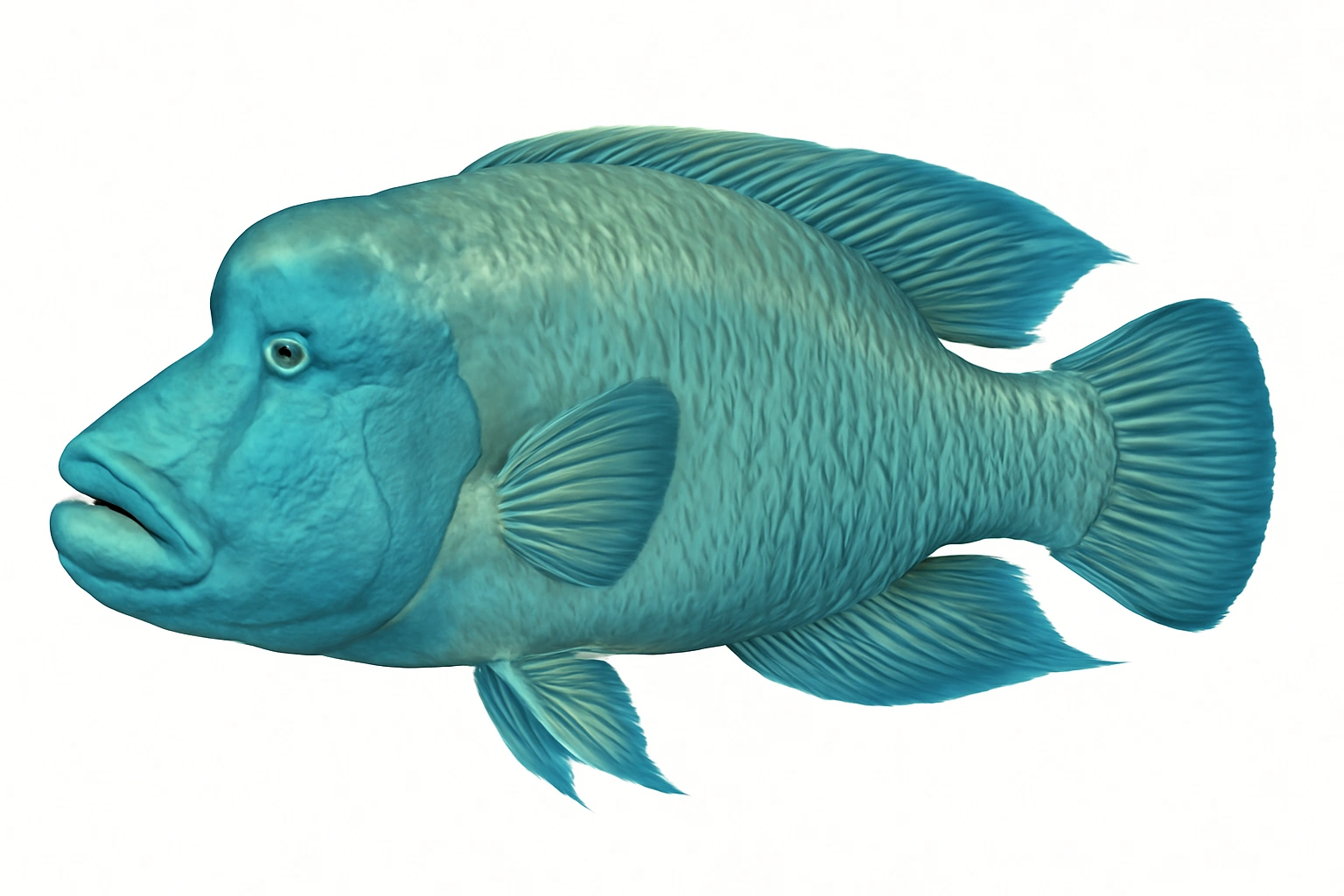 Humphead wrasseCheilinus undulatus
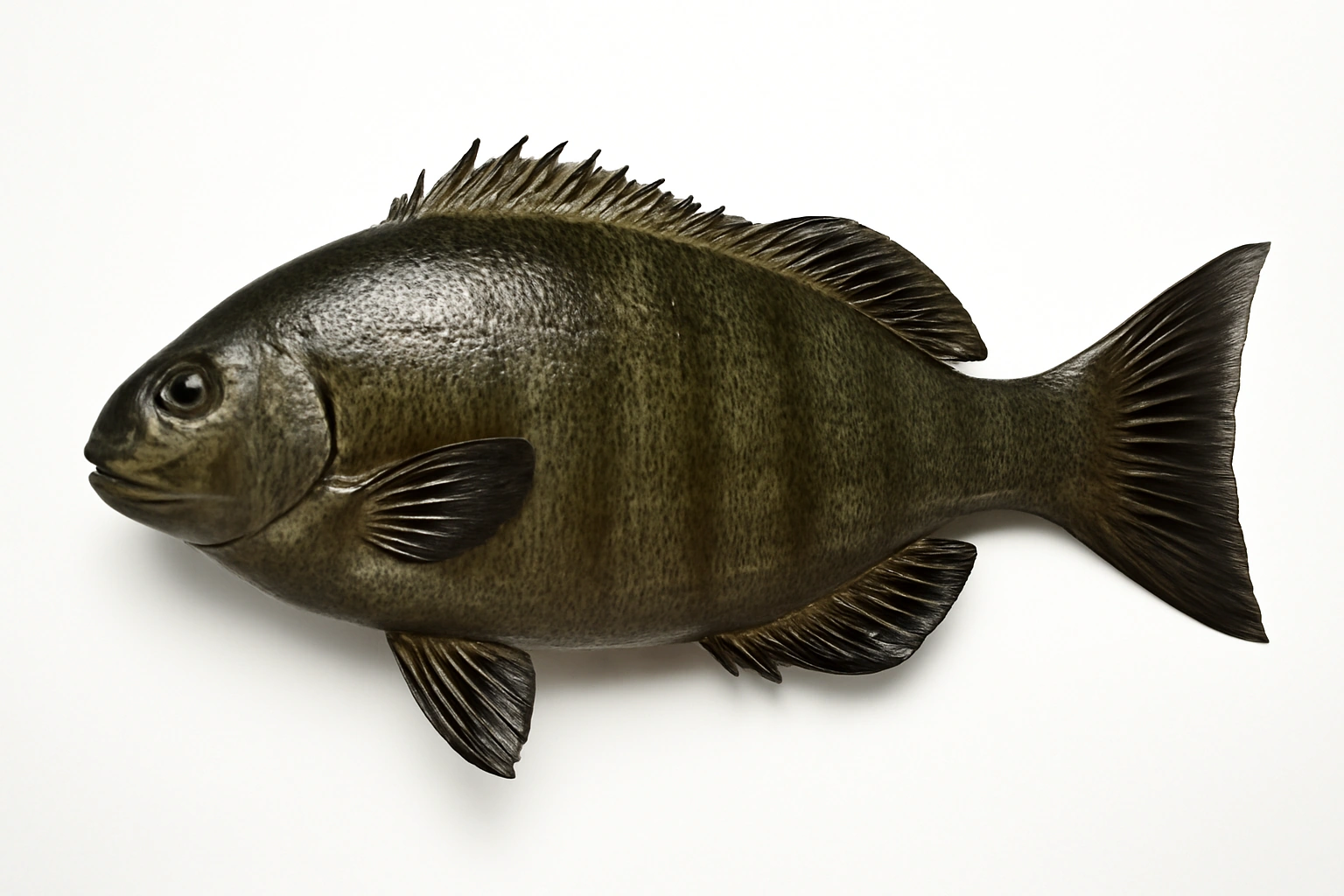 LuderickGirella tricuspidata
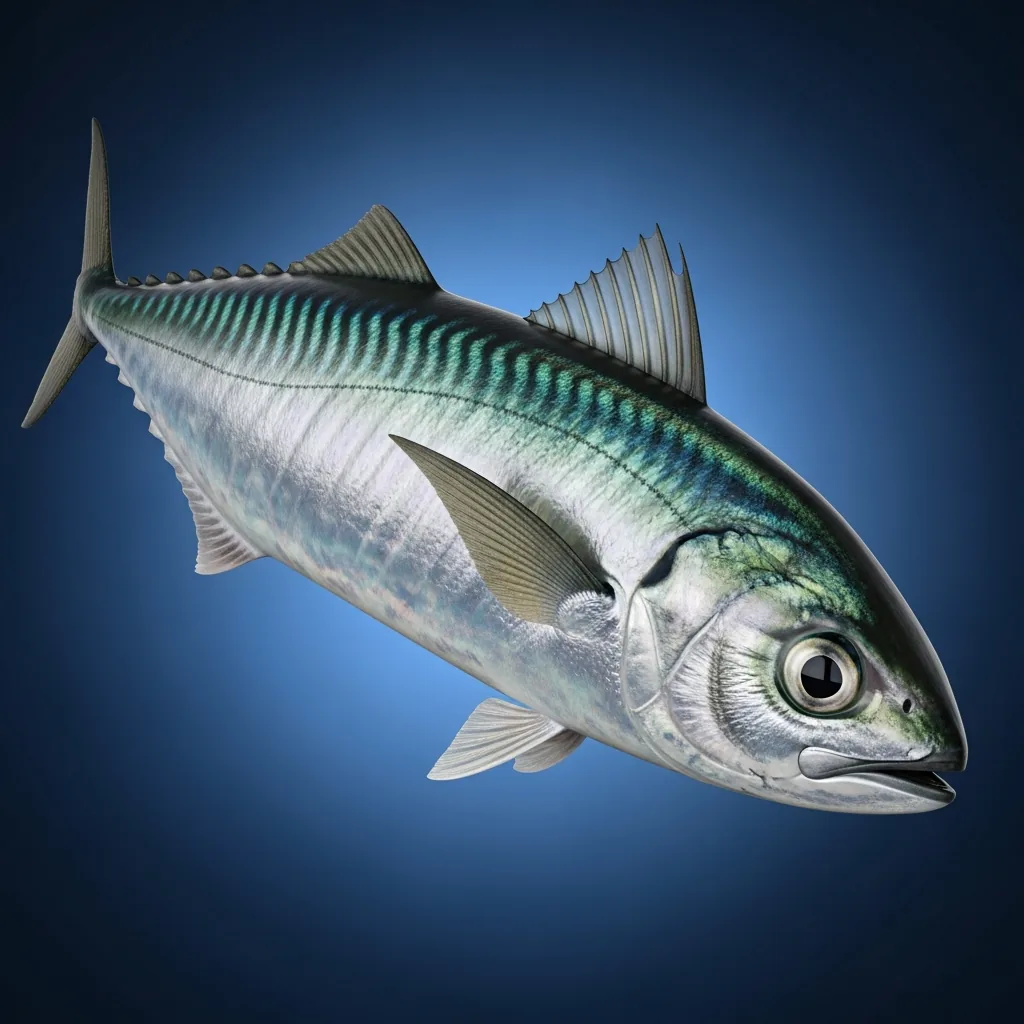 Mediterranean horse mackerelTrachurus mediterraneus
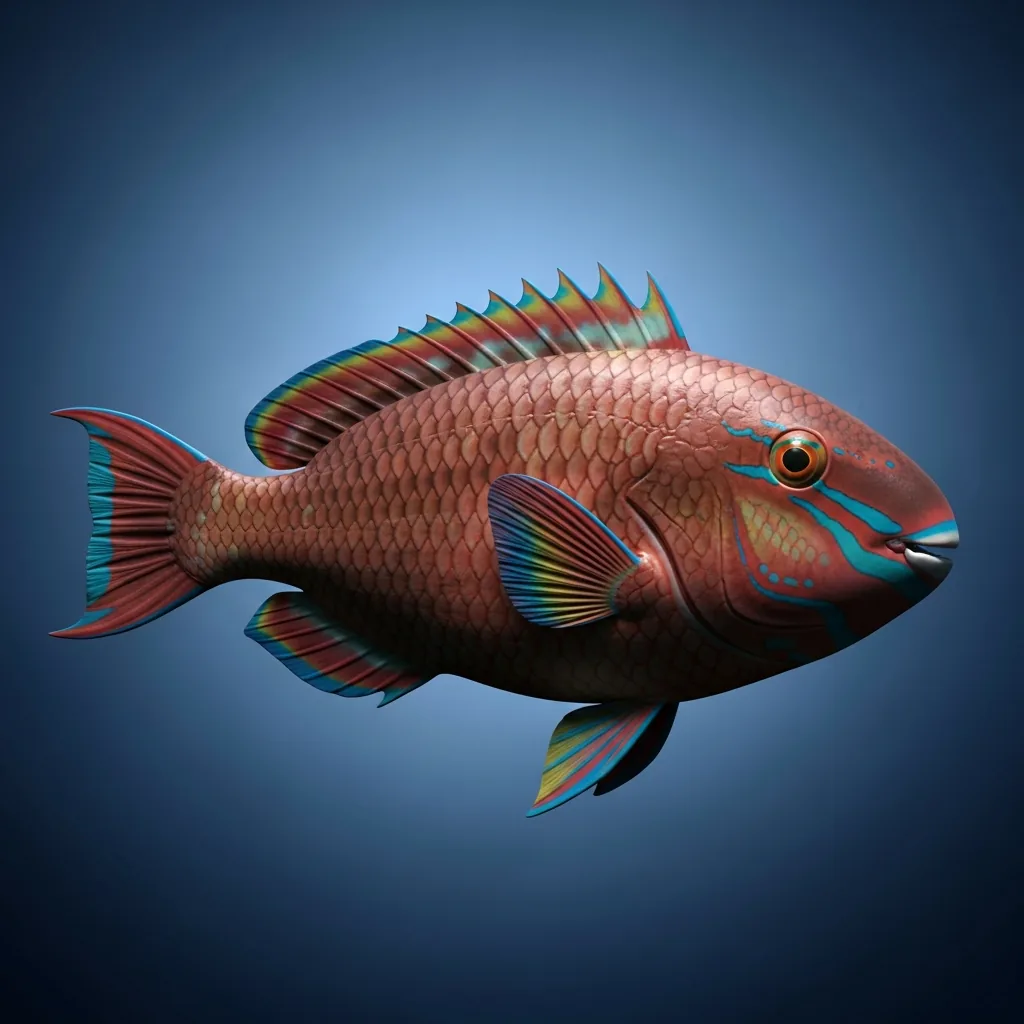 Mediterranean parrotfishSparisoma cretense
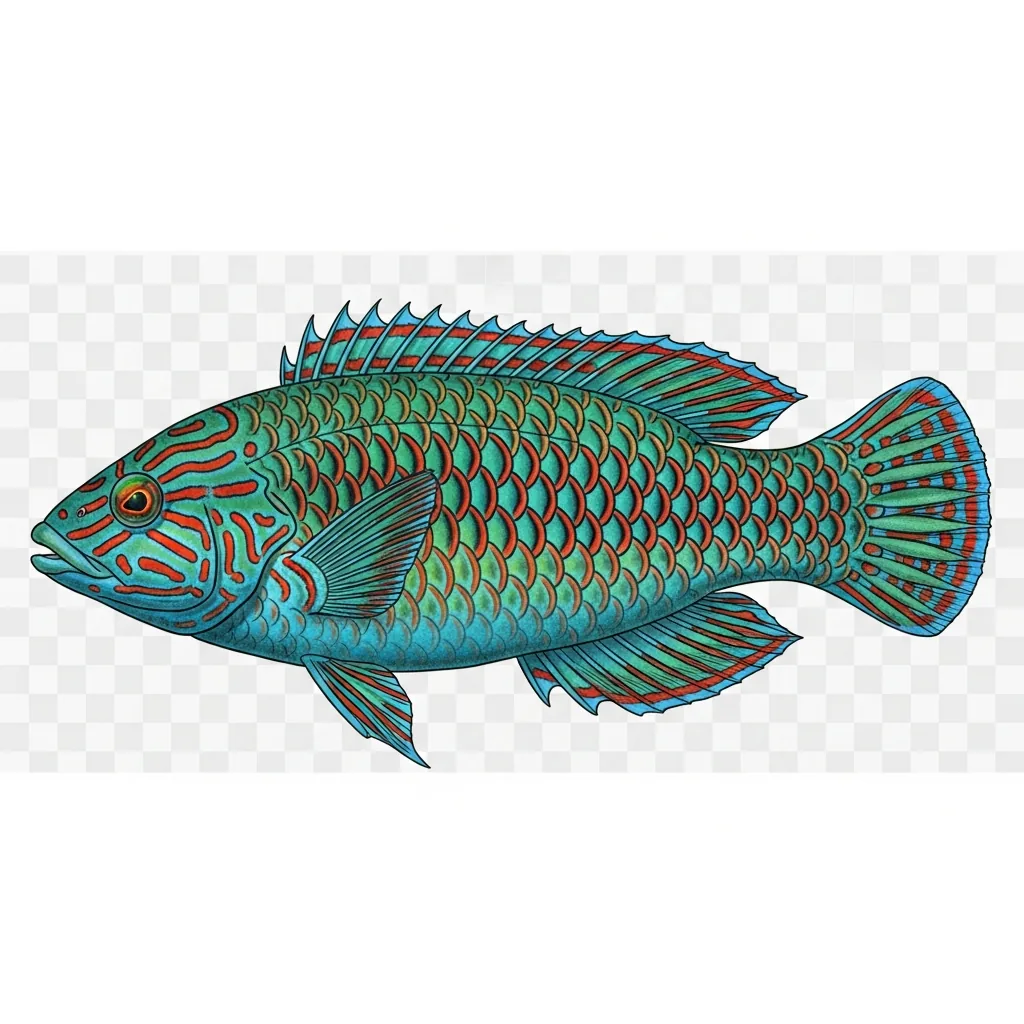 Ornate wrasseThalassoma pavo
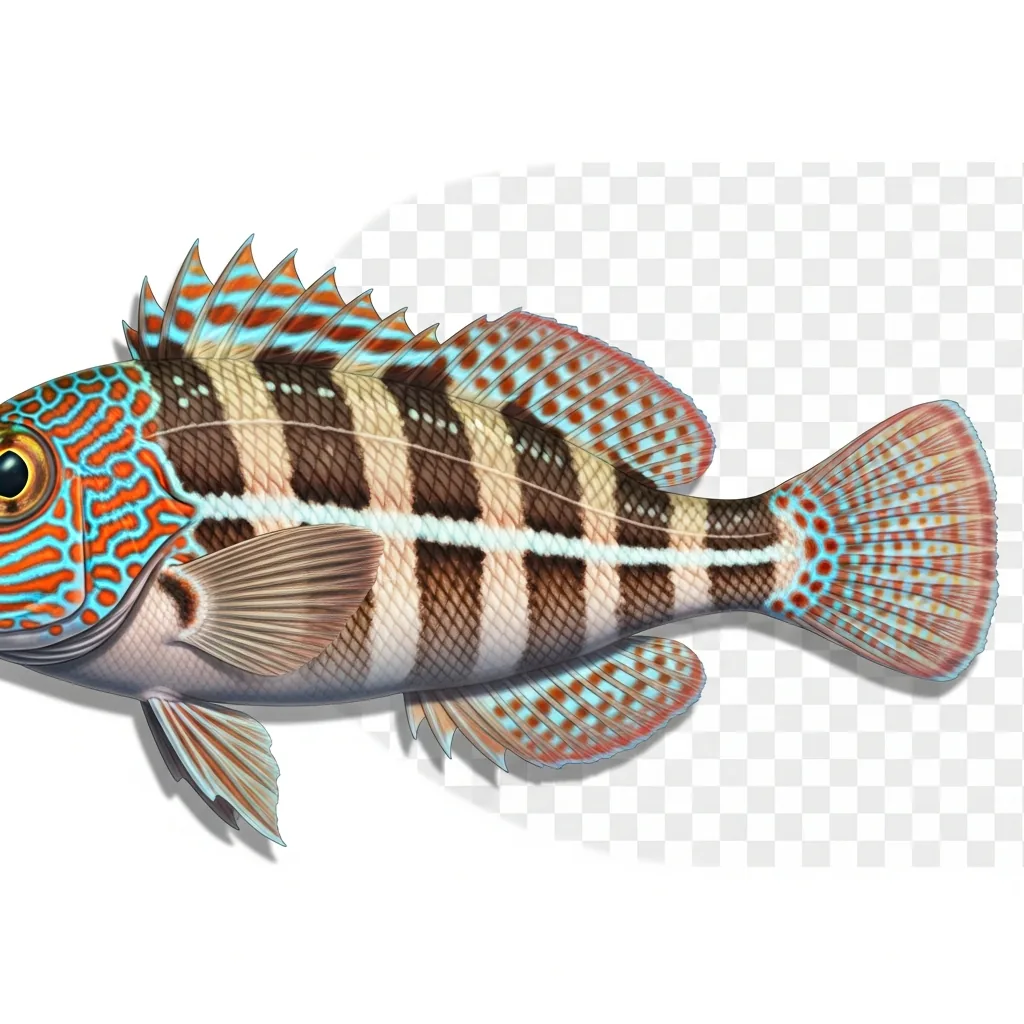 Painted comberSerranus scriba
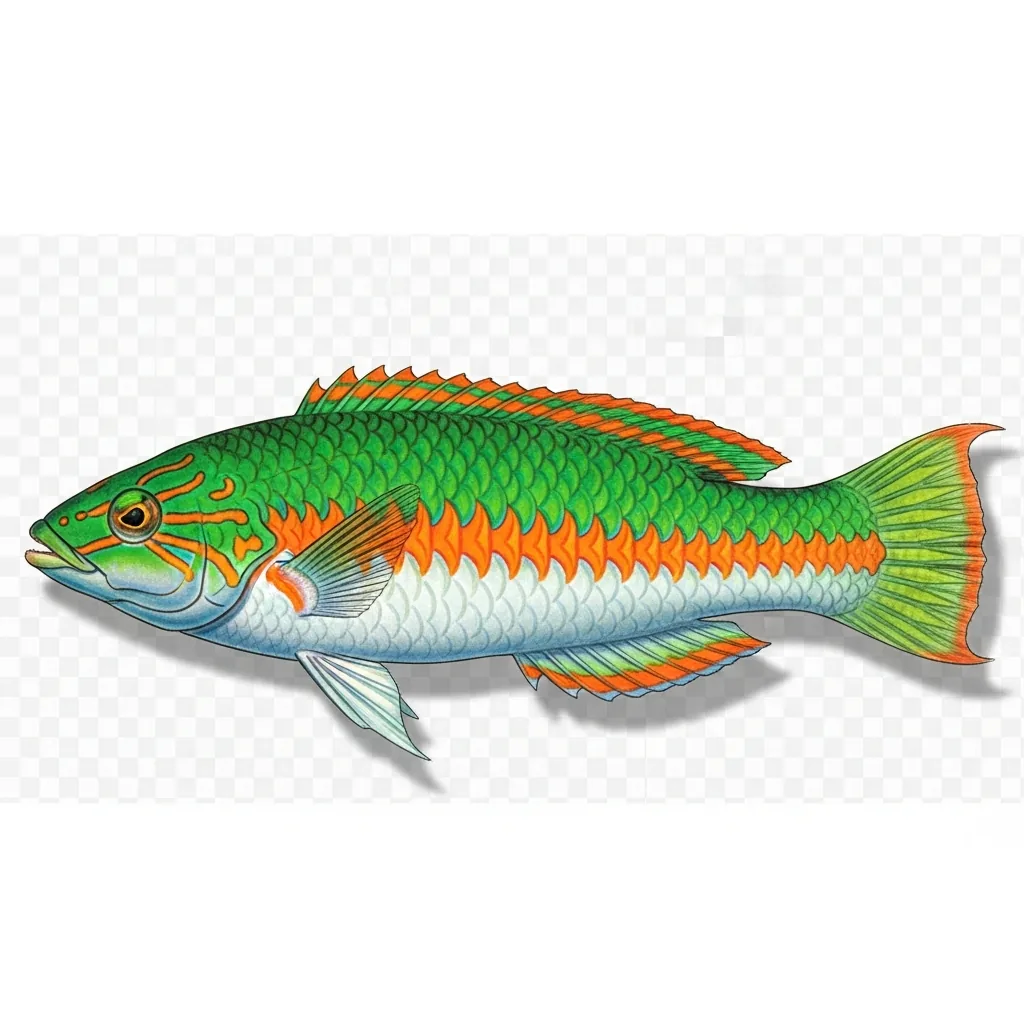 Rainbow wrasseCoris julis
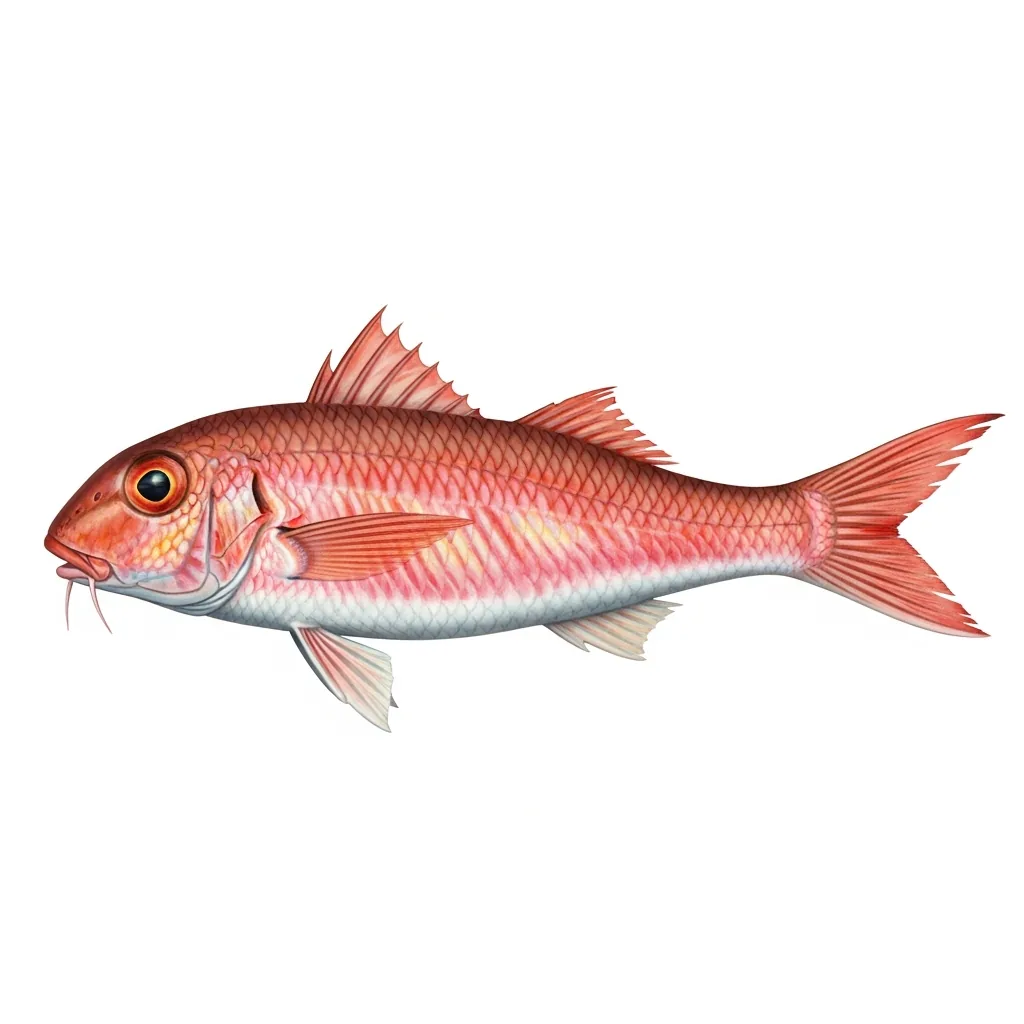 Red mulletMullus barbatus
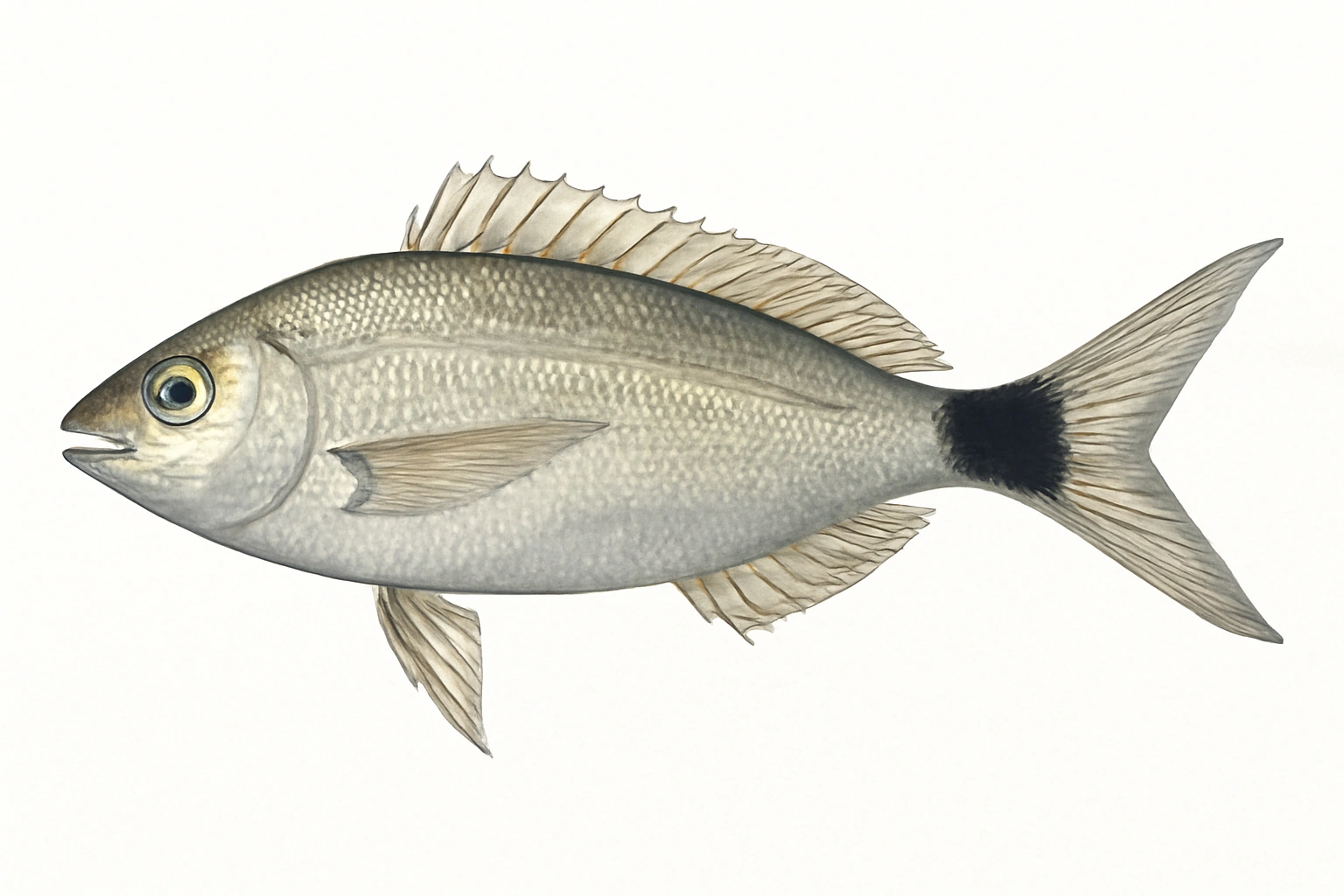 Saddled seabreamOblada melanura
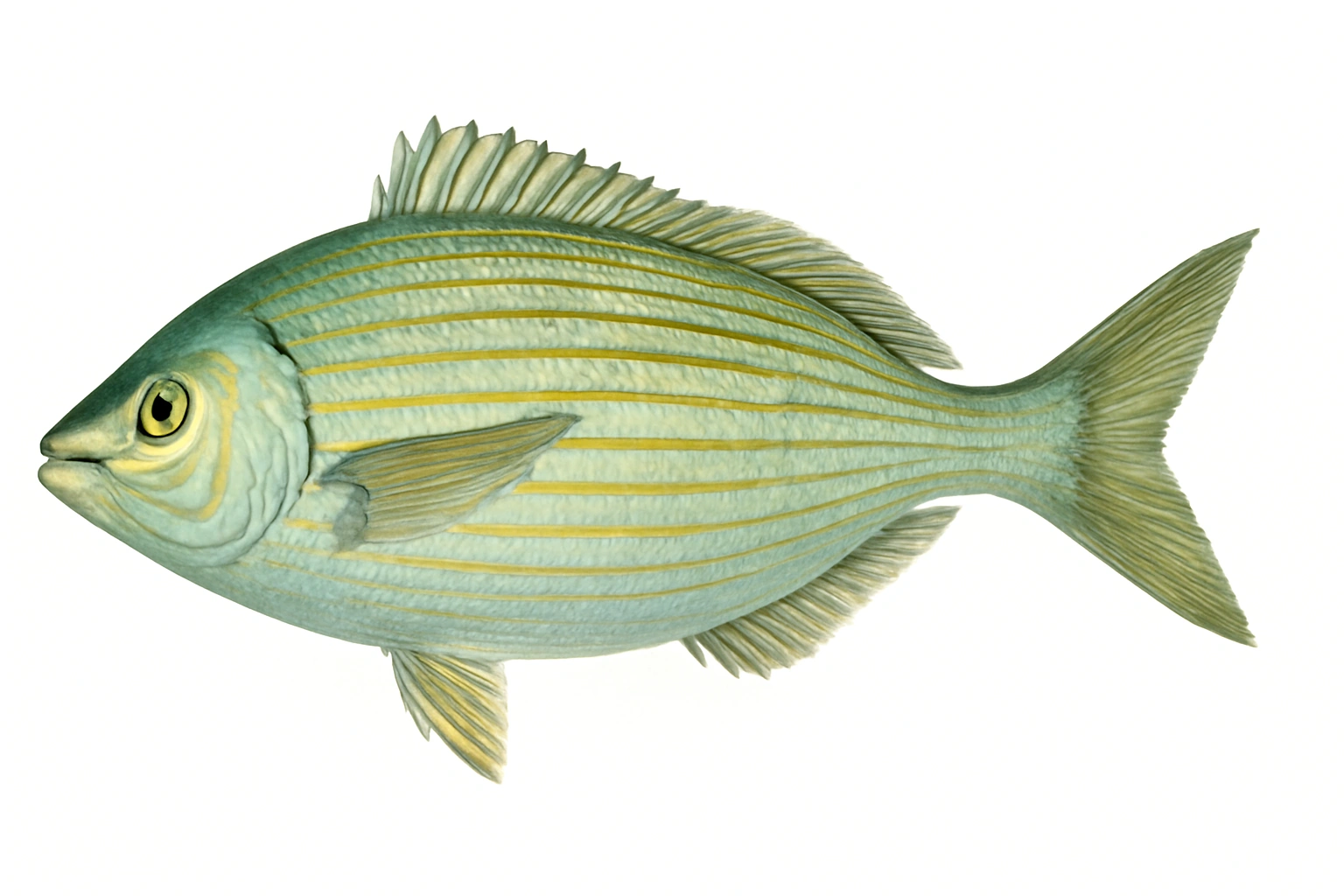 SalemaSarpa salpa
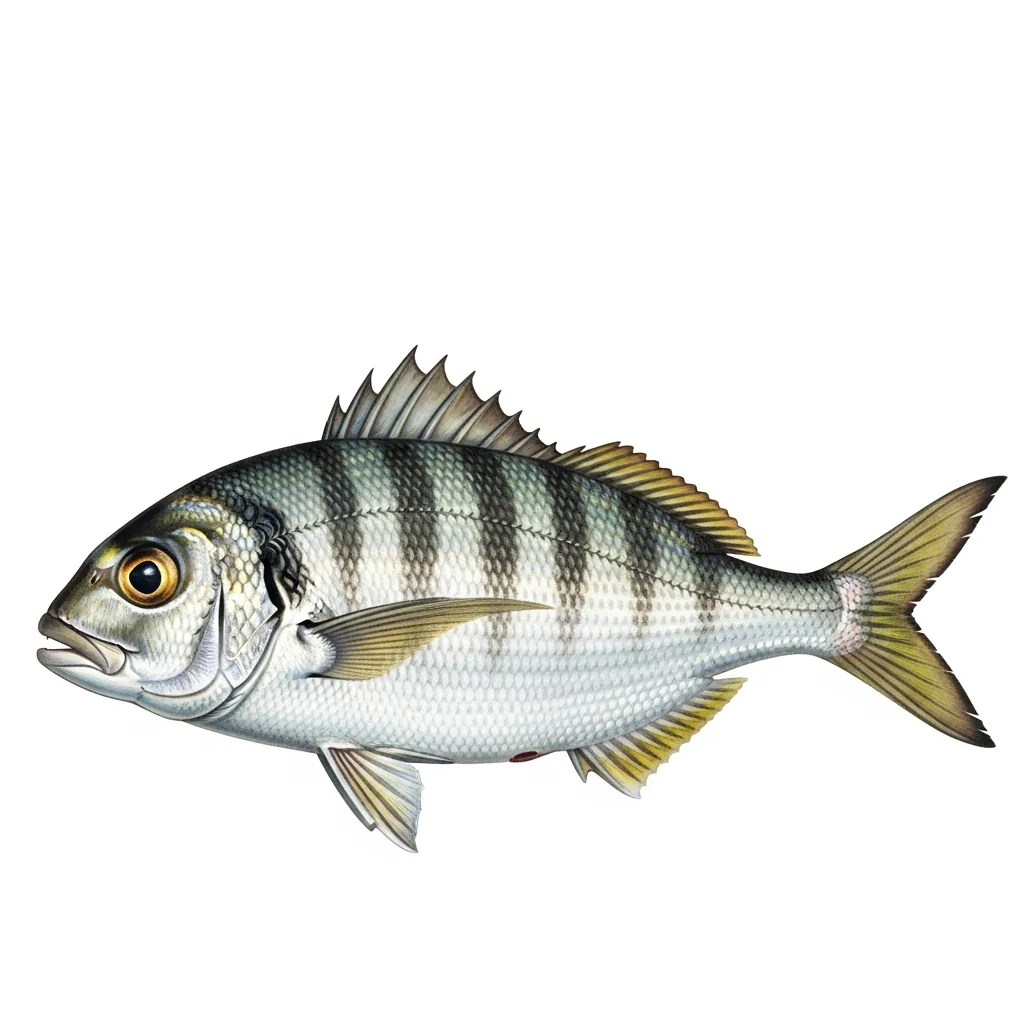 Sharpsnout sea breamDiplodus puntazzo
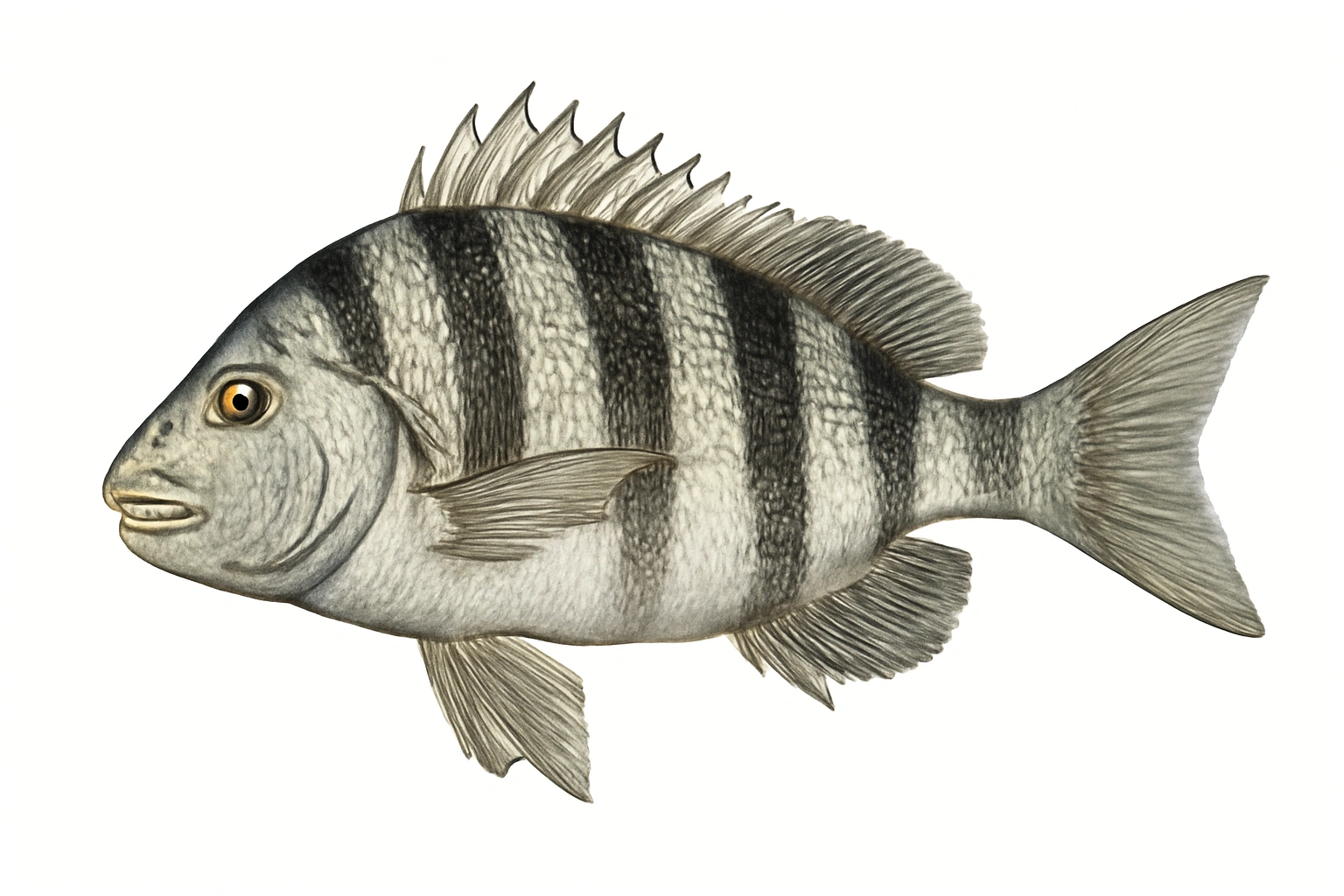 SheepsheadArchosargus probatocephalus
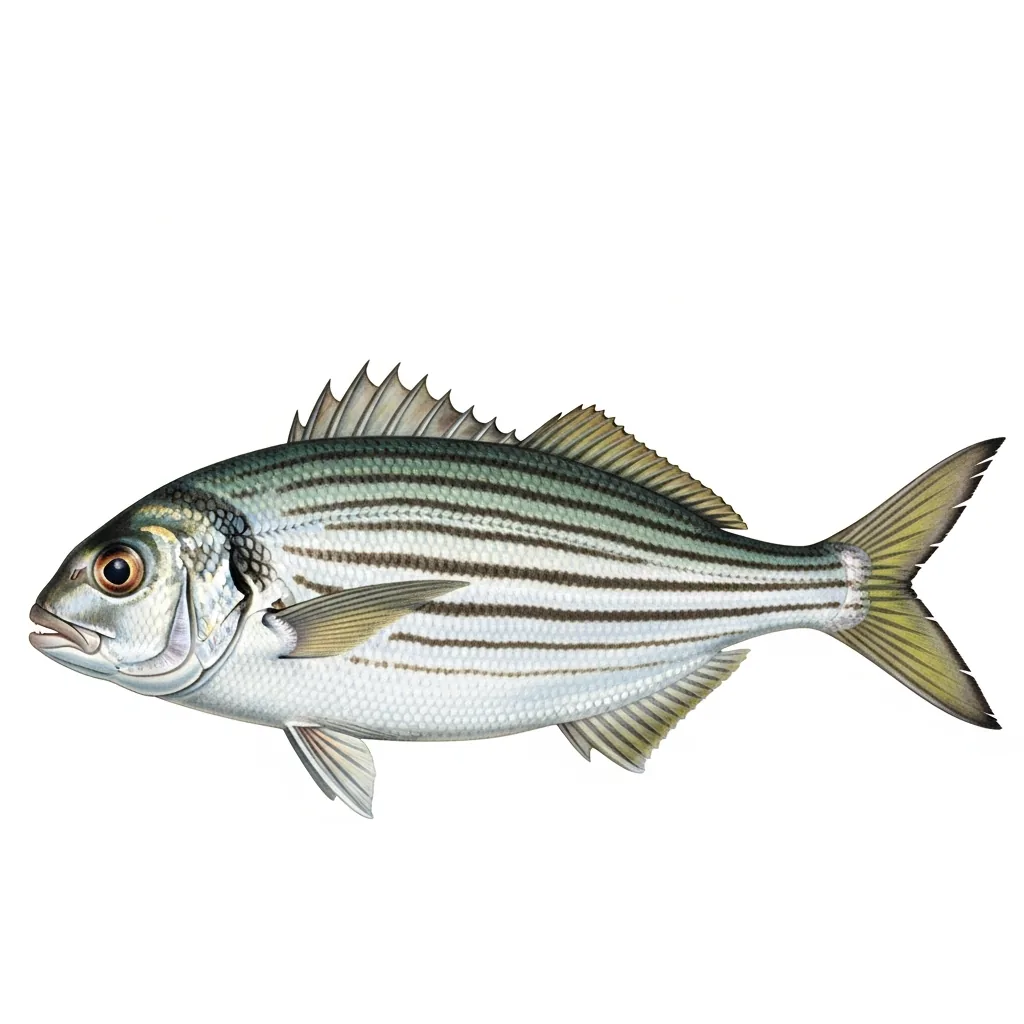 Striped sea breamLithognathus mormyrus
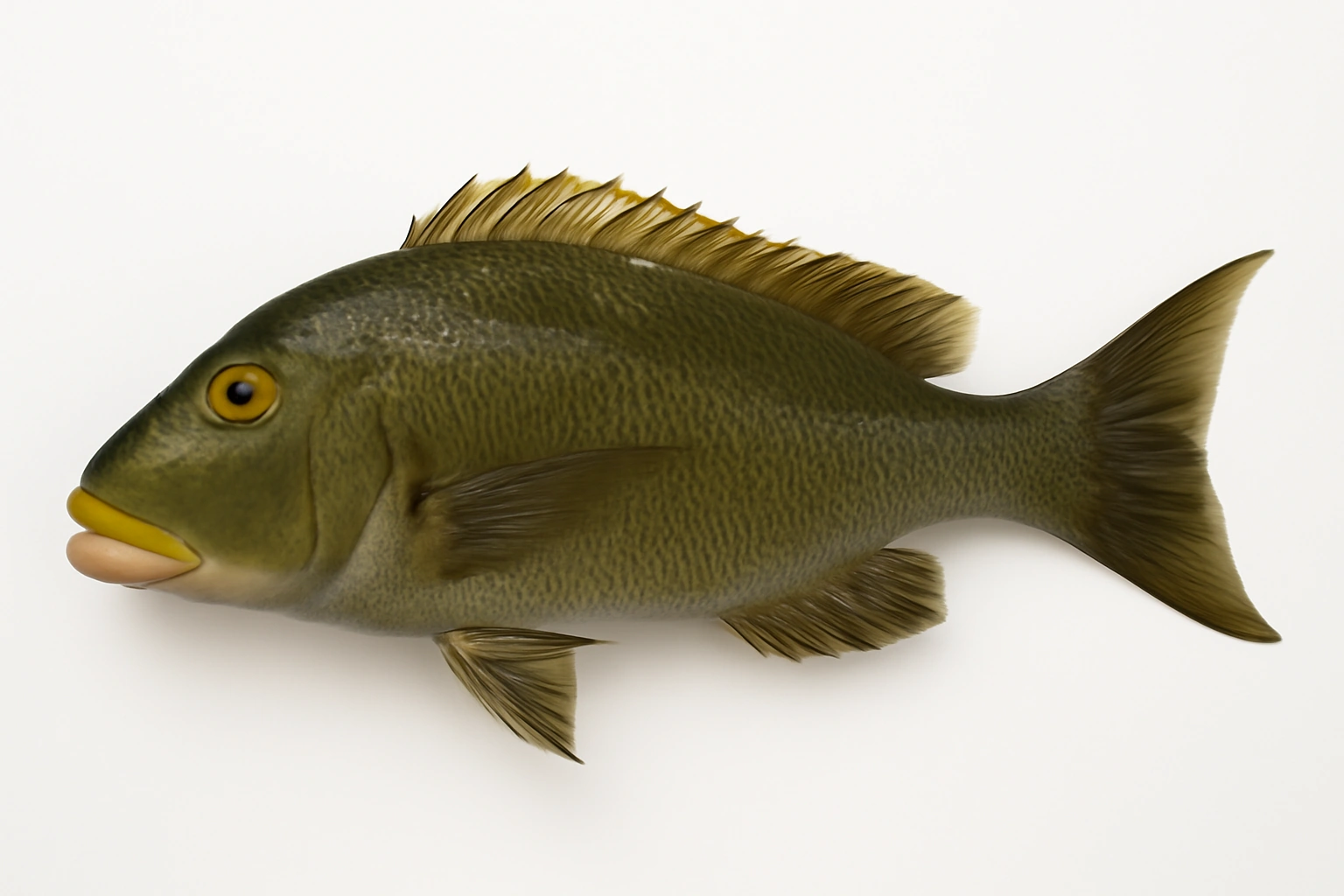 Sweetlip EmperorLethrinus miniatus
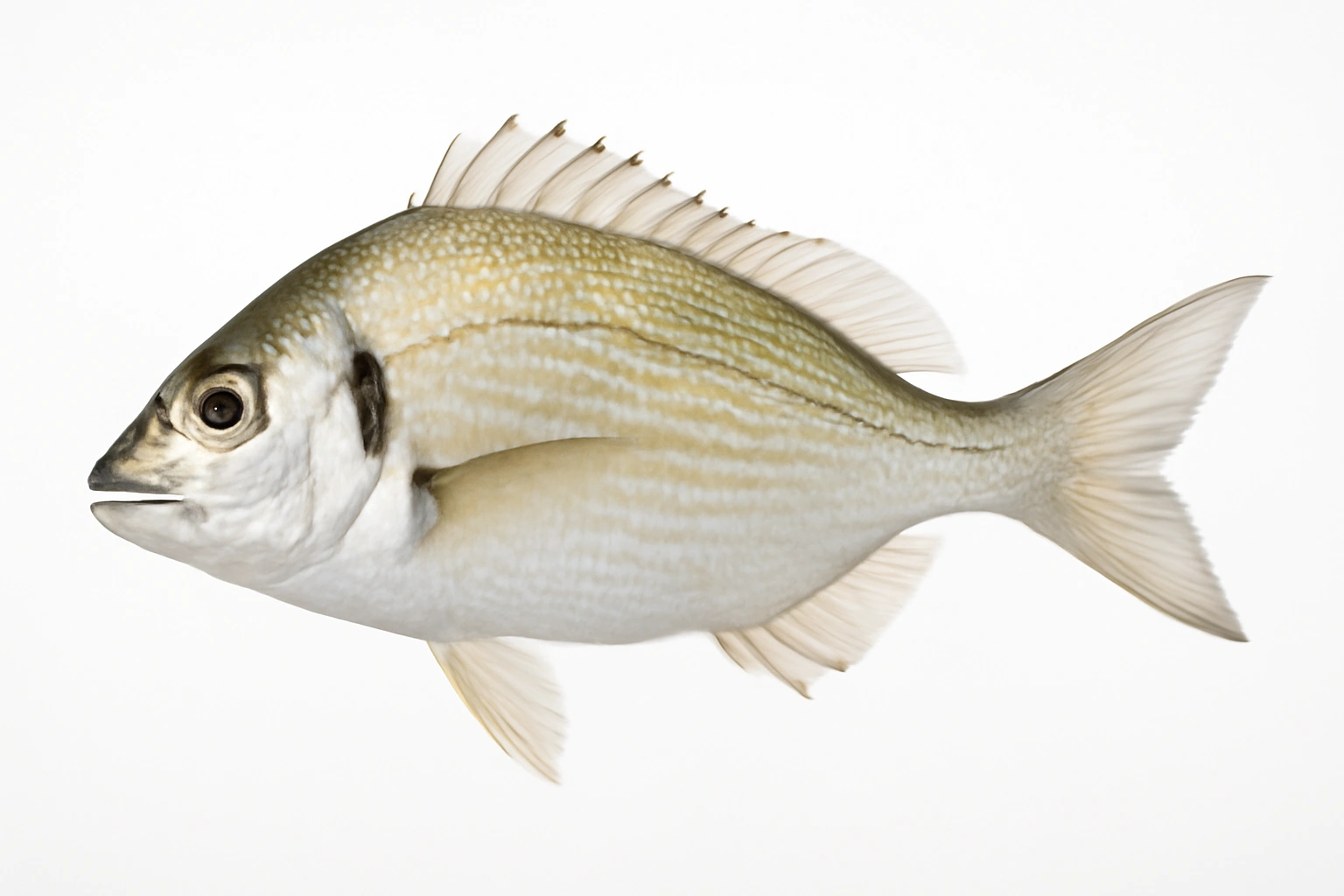 TarwhineRhabdosargus sarba
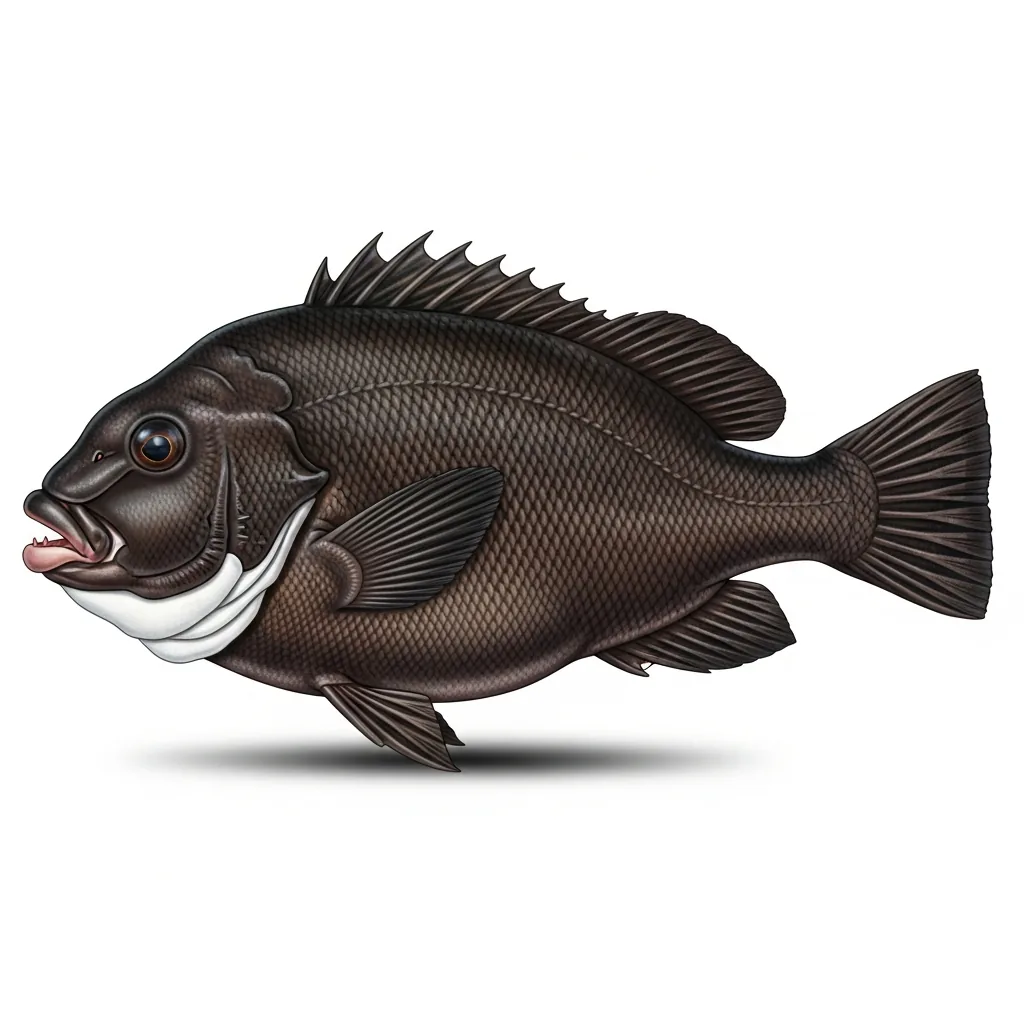 TautogTautoga onitis
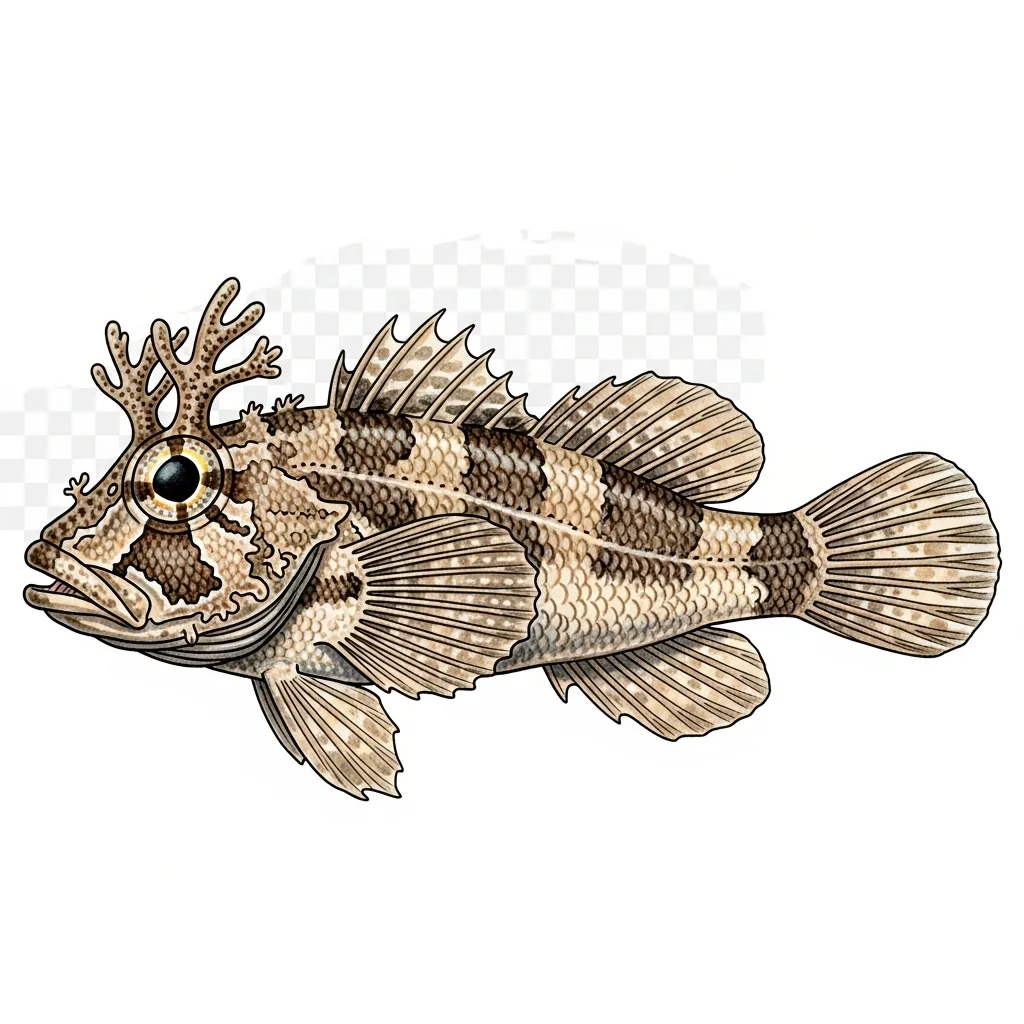 Tompot blennyParablennius gattorugine
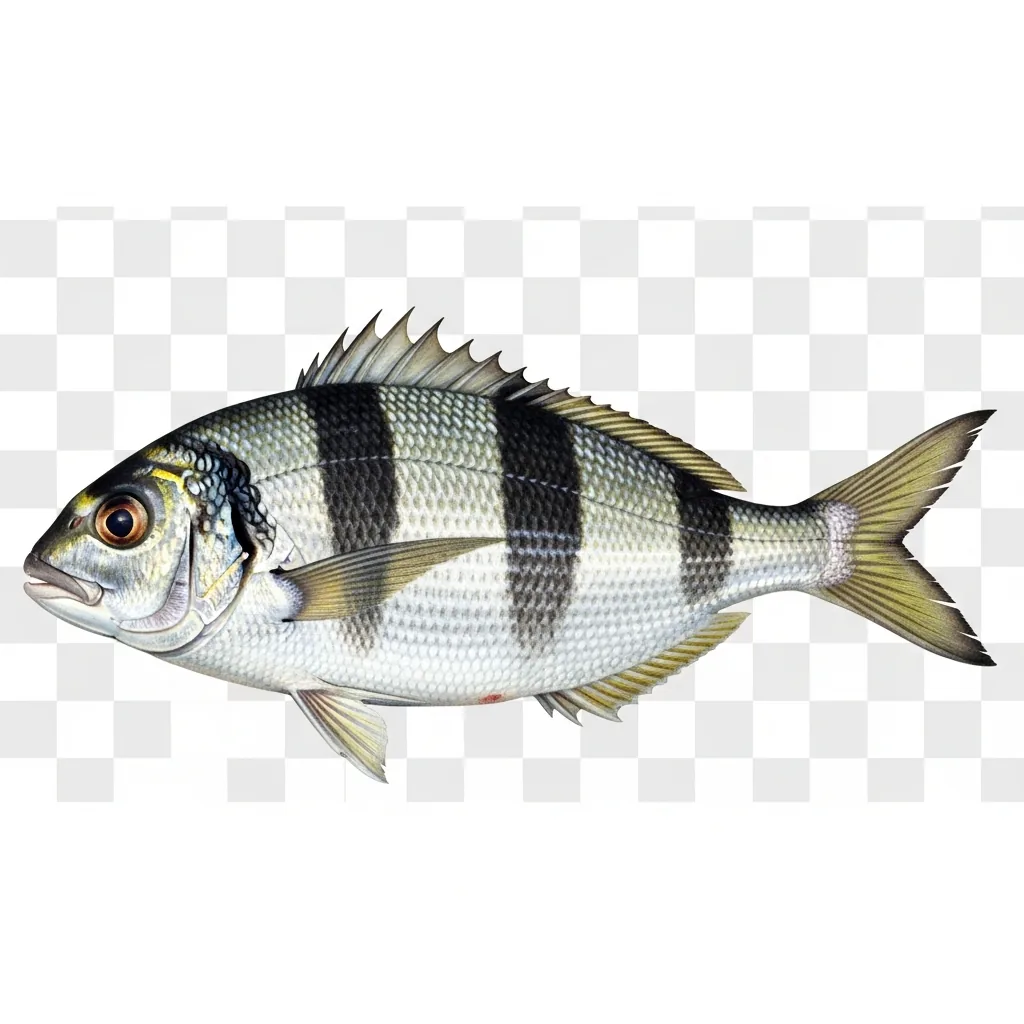 Two-banded sea breamDiplodus vulgaris
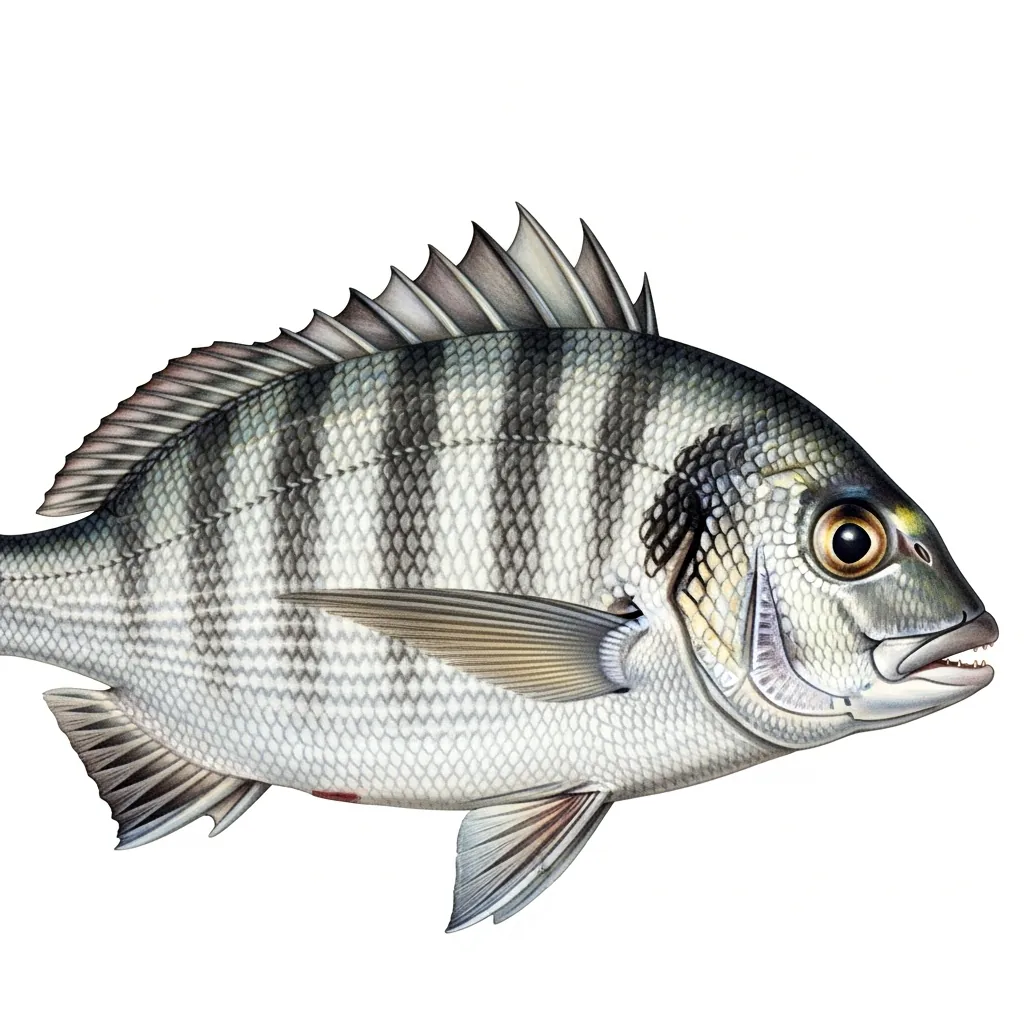 White sea breamDiplodus sargus
Frequently asked questions
How do you fish Bolognese?
Bolognese is a float-fishing technique developed to control the drift at distance and in current, offering more control than fixed-pole setups and more precision than many waggler-style arrangements in moving water.
Bolognese: what tackle do you need?
A Bolognese rod is generally 5 to 7 meters long, with 6 meters being a very versatile balance between drift control, lightness, and hook-setting ability. The reel should have a smooth drag, a roomy spool, and fluid retrieve: more than gear ratio, consistency matters, because with light hooklengths any jerks will cost you fish.
Bolognese: what is the best time?
In spring and autumn, Bolognese often offers the best compromise between fish activity and still-readable water, but in summer it gives excellent windows at dawn, dusk, and in shaded areas.
Bolognese: where is it best?
Even before setting up, watch how the water moves: foam, leaves, and reflections reveal faster lanes, back eddies, shallows, holes, and boundary lines where natural food gathers. In rivers, fish often hold on the edge between the fast current and slower water, not always in the deepest spot;