How to fish Live Bait Drifting: technique, spots and tackle
Technique for Tuna and Amberjack

Every angler dreams of the perfect day. We show it to you first.
At the heart of ForecastX is an advanced marine-weather engine: it analyses waves, wind, sea temperature, tides, pressure and moon in real time and turns them into a Productivity Index (0-100) for every species. You'll always know, precisely, when the sea is on your side.
Coming soon to the App Store and Google Play — don't miss it.Definition of the technique
Live-bait drifting is a controlled drift-fishing method designed to present one or more baits as naturally as possible to pelagic and edge-holding predators such as tuna, little tunny, amberjack, mahi-mahi and, in certain situations, swordfish and large suspended dentex. It is not simply a matter of “letting the bait go” behind the boat: the core of the technique is to make the bait work within the water layer where the fish are feeding, following current, thermocline, bait activity and the direction of the drift. Drifting performs at its best when the predator is active but unwilling to chase for long, so a live preyfish, properly injured and believable, often outperforms even very effective artificials. The real difference comes from reading the water-boat-bait system, more than from the quality of the tackle alone.
Reading the spot
The best areas are not just “offshore” in a generic sense, but travel and concentration zones: shoals that dirty the current, canyon edges, wrecks, marked depth changes, foam-line convergences, temperature breaks and the edges of bait schools. A well-read fishfinder is worth more than many hours of trial and error: forage fish in midwater, isolated arches beneath the school or suspended marks just off the drop are typical signs of hunting predators. If the wind is blowing one way and the current another, the boat’s actual drift and the bait’s drift do not always match: this is why it is useful to make a “test” drift while watching GPS, balloons and line angle. One often overlooked detail is light: at dawn and dusk predators often move higher in the water column, while under a high sun they tend to shift deeper or to the shaded side of the bait school.
Tackle and rigging
You need reliable but progressive rods, capable of absorbing runs and head shakes without tearing the hook out of the bait first and the fish later. The reel must provide a smooth drag, good line capacity and steady retrieve; in practice, drag consistency and the absence of sticking matter more than declared power alone. Both monofilament and braided line are used as main line: mono helps with stretch and stealth, braid improves sensitivity and deep-water control, but requires properly sized leaders and even more careful drag settings. Balloons, floats and guard sinkers are not random accessories: they are used to separate fishing depths, avoid tangles and keep each bait exactly where it needs to be.
Choosing and hooking live bait
Horse mackerel, mackerel, bogue, garfish, mullet, squid and cuttlefish are among the most commonly used baits, but the golden rule is simple: the best bait is the one actually present in the area and in perfect health. A tired, scaled or stressed live bait works poorly and soon stops transmitting believable vibrations; this is why the livewell, oxygenation and gentle handling matter as much as the fishing itself. Hook placement changes according to species and depth: through the back often produces a more composed swim, through the nose or nasal cartilage a straighter pull, while on cephalopods the goal is a point that keeps them lively without restricting tentacle movement. Circle hooks are valuable because they often set themselves in the corner of the mouth, but they require one strict rule: on the bite, do not jerk, give the fish time to turn and come tight progressively.
Bait presentation
A good spread places the baits at different depths and distances instead of crowding them all behind the transom. Typically one works shallower, one mid-depth and one deeper, so you can quickly “read” where the fish are feeding that day; as soon as a signal comes, the others are realigned to that same layer. Distance from the boat is not only about avoiding noise: it also changes the bait’s working angle and its behavior in waves, so sometimes a bait that is not too far away but well controlled produces better than one lost in nowhere. A very useful trade trick is to watch the balloon and the rod tip together: if the float looks right but the tip transmits dull vibrations, the bait is often swimming badly or has weakened and should be replaced before the prime window is wasted.
Drift and boat management
The boat must follow the drift, not dominate it, with minimal corrections to maintain the proper broadside angle relative to wind and current and to prevent the baits from overlapping. The engine should be used with restraint: small bursts to realign the track or repeat the pass over the spot, avoiding nervous maneuvers that disturb both the bait and the school. If the drift is too fast, the bait does not swim well and rises in the water column; if it is too slow, it loses search and water coverage: in both cases it is worth adjusting the setup, the use of floats, light ballast or the boat’s repositioning. Repeating the same productive drift line several times is often decisive, because predators hold along invisible but consistent lines, such as a current vein or the edge of a baitfish school.
Weather, season and key moments
Drifting is at its best in readable conditions, not necessarily flat calm: a light breeze, a defined current and an orderly sea help interpret the drift and the bait’s behavior. After a wind change or the arrival of different water by temperature or color, predators may move only a few hundred yards yet completely change depth and aggressiveness. In the warm season the water column stratifies more and it makes sense to look for clear suspended layers as well; in colder periods or with well-mixed water, fish may spread their feeding in a less predictable way, rewarding those who keep working the travel routes. Dawn, dusk, local tide changes and moments when the bait activity ignites are windows to cover with perfect baits already fishing, because the decisive bite often lasts only a short time.
The bite, hookset and fight
In drifting, the most delicate phase is not the fight but the interpretation of the first signals: a bait that accelerates, a balloon that disappears intermittently, small sharp taps or a progressive run do not always mean the same thing. With circle hooks you must avoid the instinctive hookset, put the rod in position and let the increasing tension rotate the hook; with conventional hooks, on the other hand, timing becomes more technical and depends on species, bait and the direction of the run. During the fight the boat must follow the fish enough to maintain the correct line angle, reduce the risk of emptying the spool and keep the leader away from hull and engines. On large pelagics the drag is increased progressively, never in sudden jumps: forcing the fish while it still has full energy is one of the most common and costly mistakes.
Common mistakes and corrections
The classic mistake is fishing “where we like” instead of where the drift actually works well: a simple fix is to mark every pass with waypoints and compare the bites with the real track, not the imagined one. Another frequent mistake is insisting with a live bait that is already compromised; a bait changed at the right moment is often worth more than an extra hour on the perfect spot. Many anglers keep lines too similar in distance and depth, creating competition between baits and tangles: clearly separating levels and setups makes the session easier to read. A little-known but very effective trick is to check the leader periodically with your fingers, inch by inch: micro-abrasions caused by teeth, hard scales or bait twisting often warn of breakage in advance, and replacing that section in time saves the important catch.
Sustainability and safety
Drifting targets powerful fish and sometimes sensitive species, so selectivity and proper handling are not details but part of the technique. Circle hooks, proper dehookers, gloves, heavy-duty cutters and clear onboard procedures help both in releasing non-target fish and in crew safety during hectic moments and multiple hookups. The deck should be kept clear, lines assigned with precise roles and every maneuver explained before the action: on a boat, accidents often come from disorder, not from the fish. As for sustainability, keeping only the useful catch and quickly releasing what is not intended for consumption is the most responsible way to practice a spectacular technique without impoverishing the sea.
Related guides
Fish to target with this technique
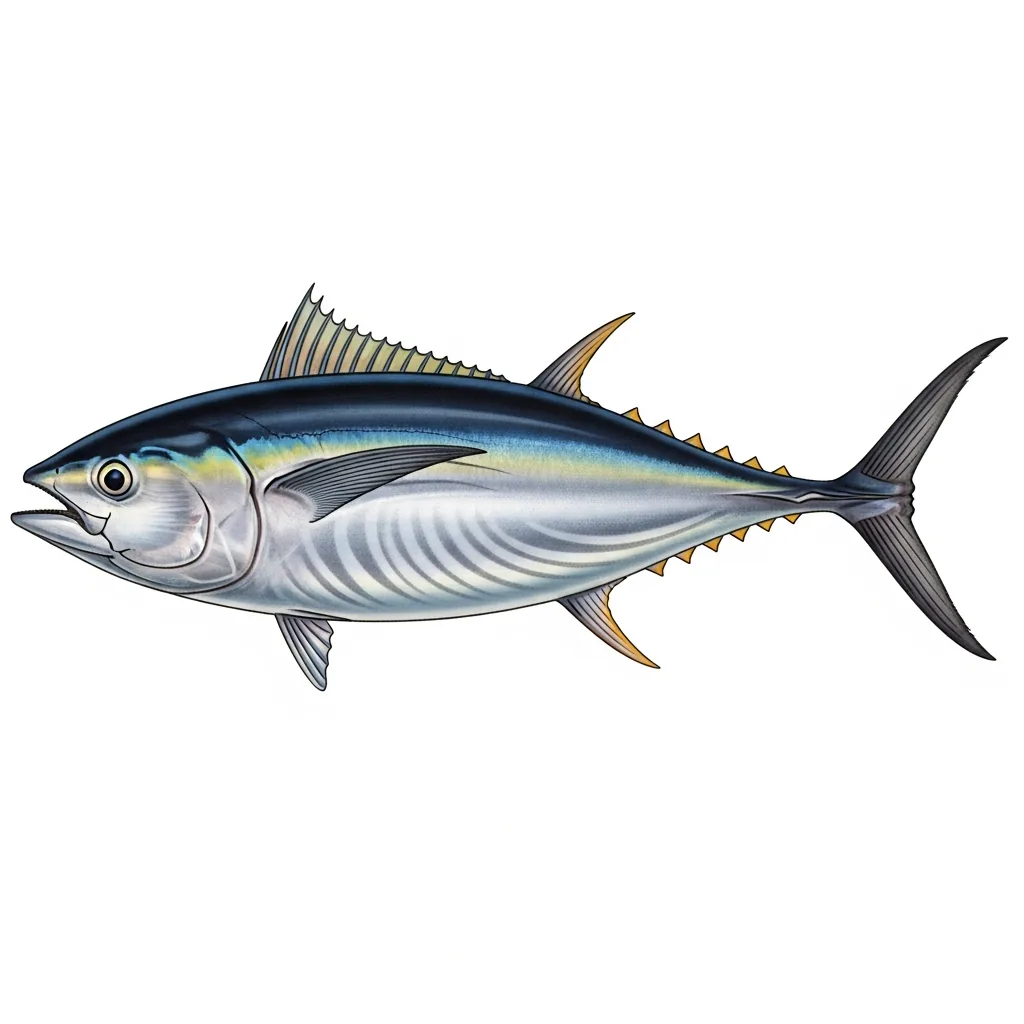 Albacore TunaThunnus alalunga
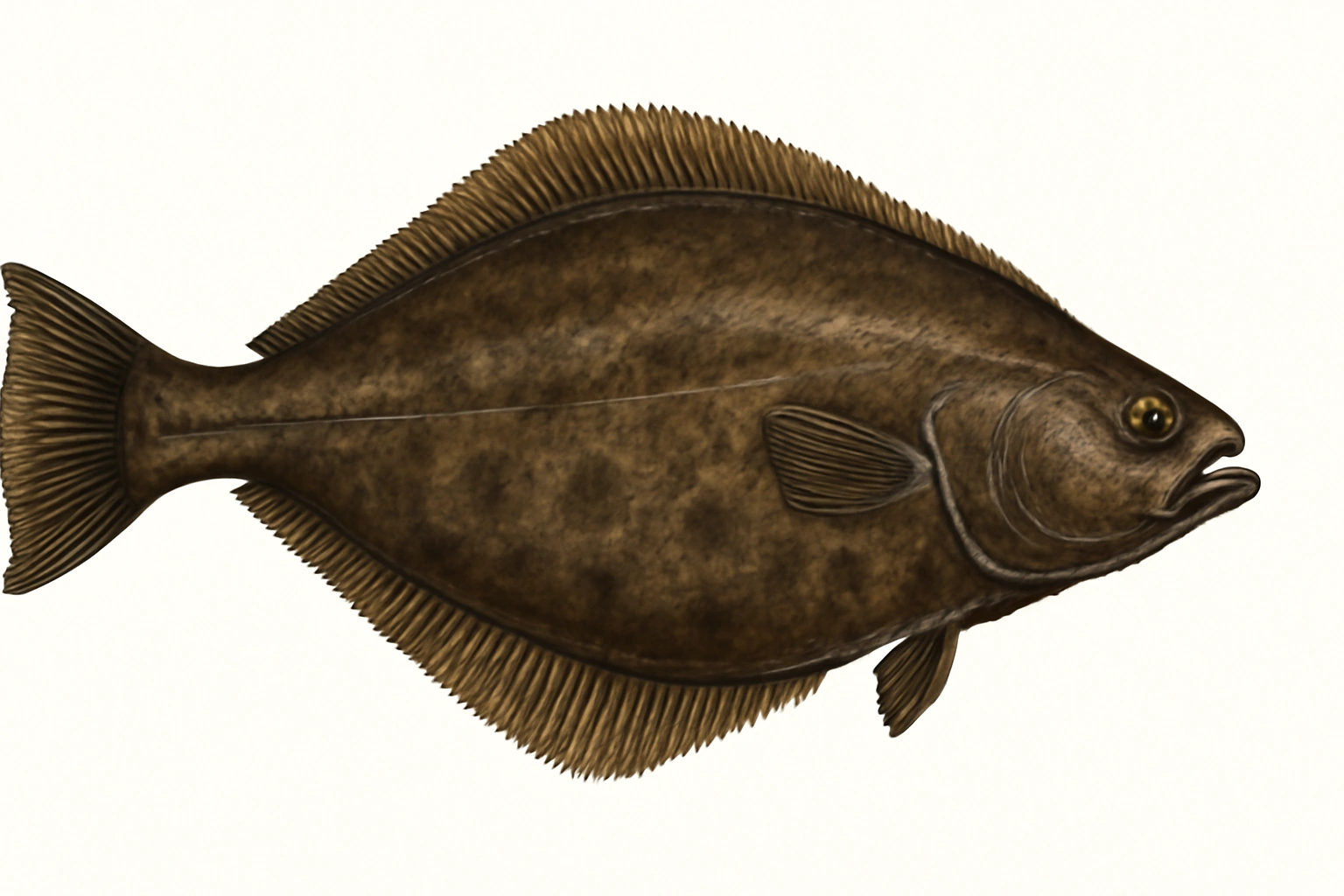 Atlantic halibutHippoglossus hippoglossus
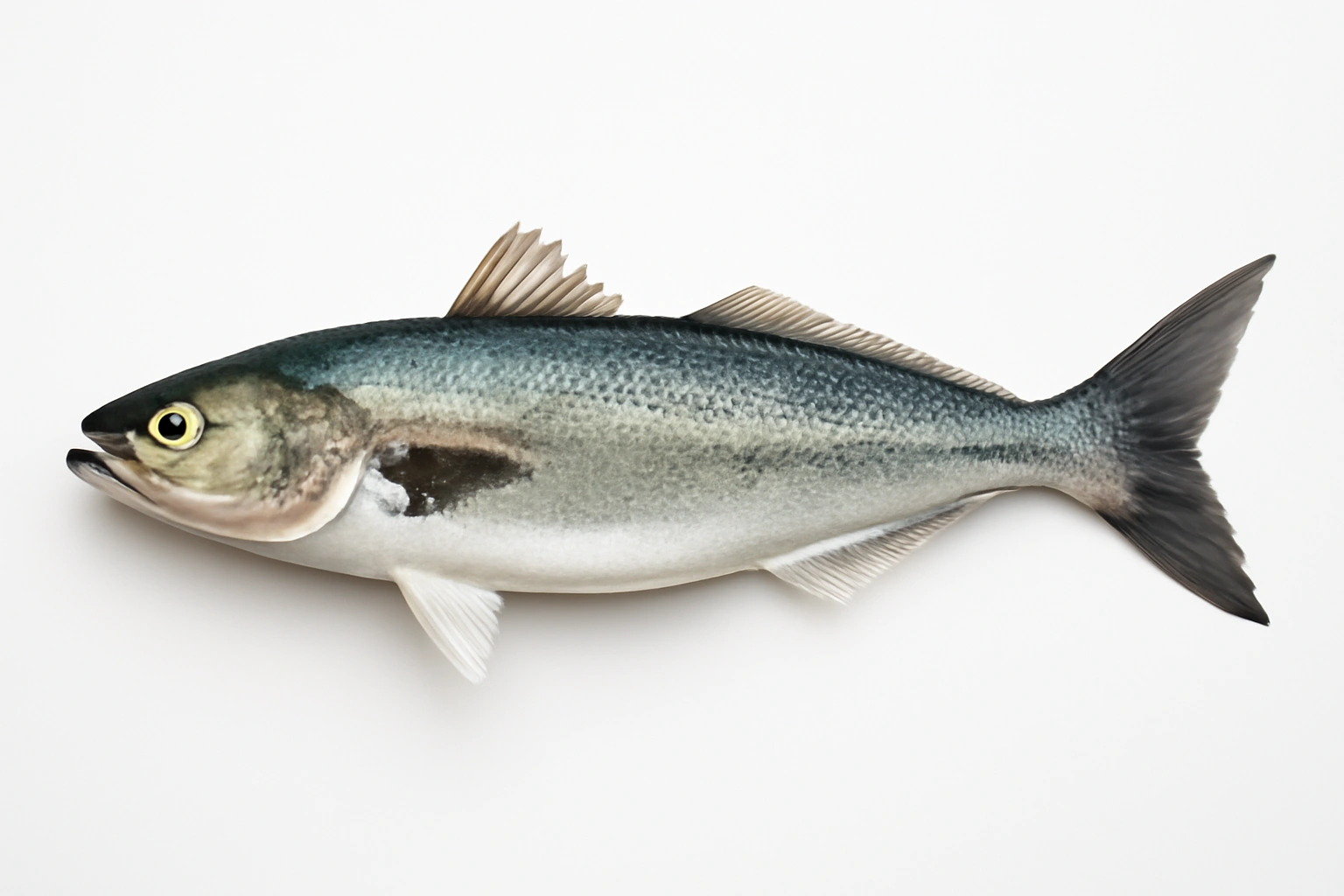 Australian SalmonArripis trutta
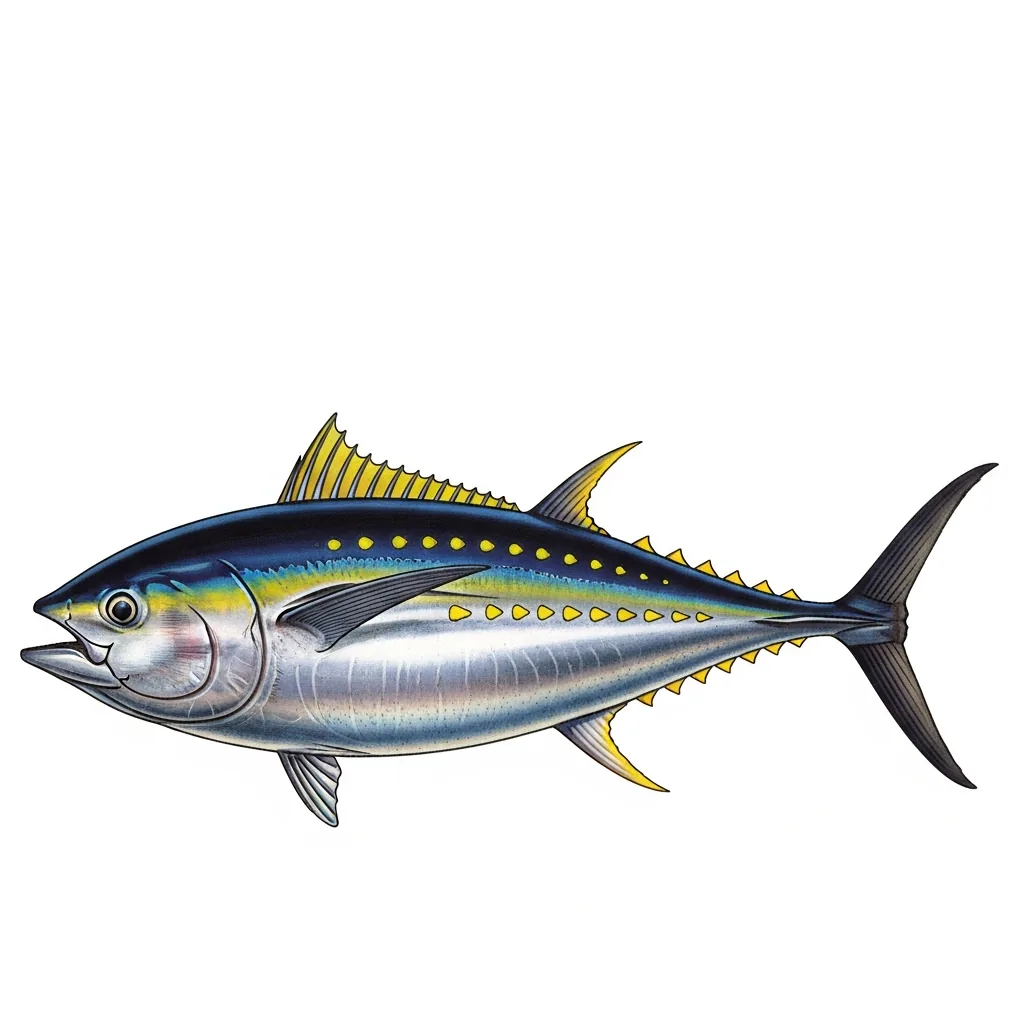 Bluefin tunaThunnus thynnus
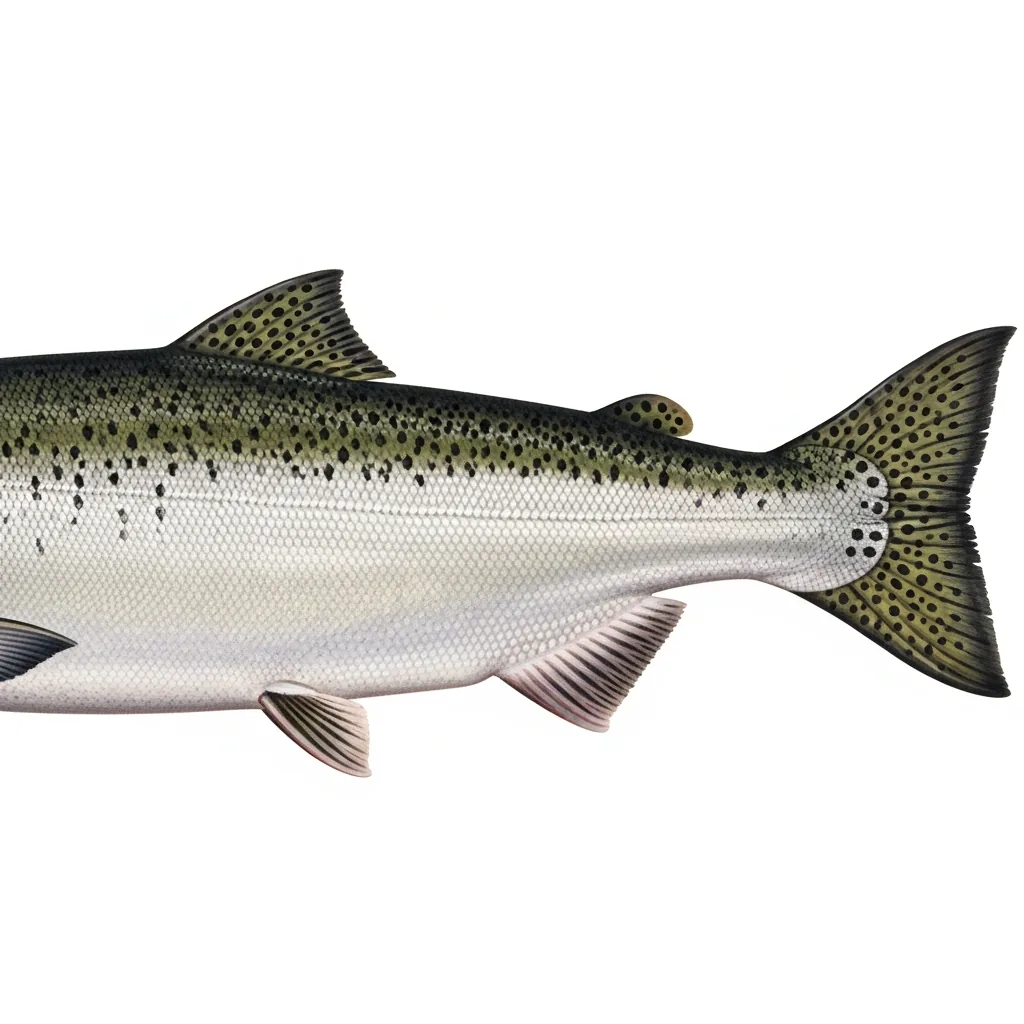 Chinook salmonOncorhynchus tshawytscha
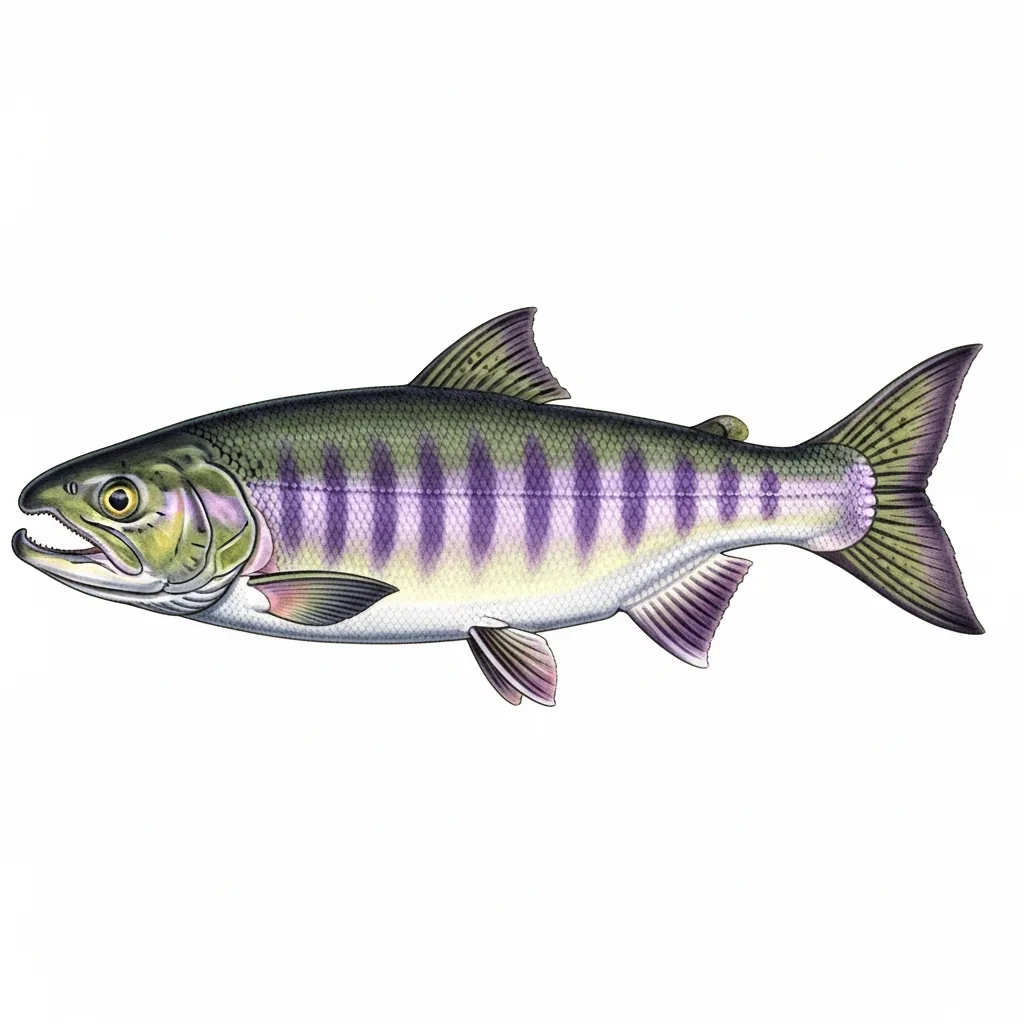 Chum SalmonOncorhynchus keta
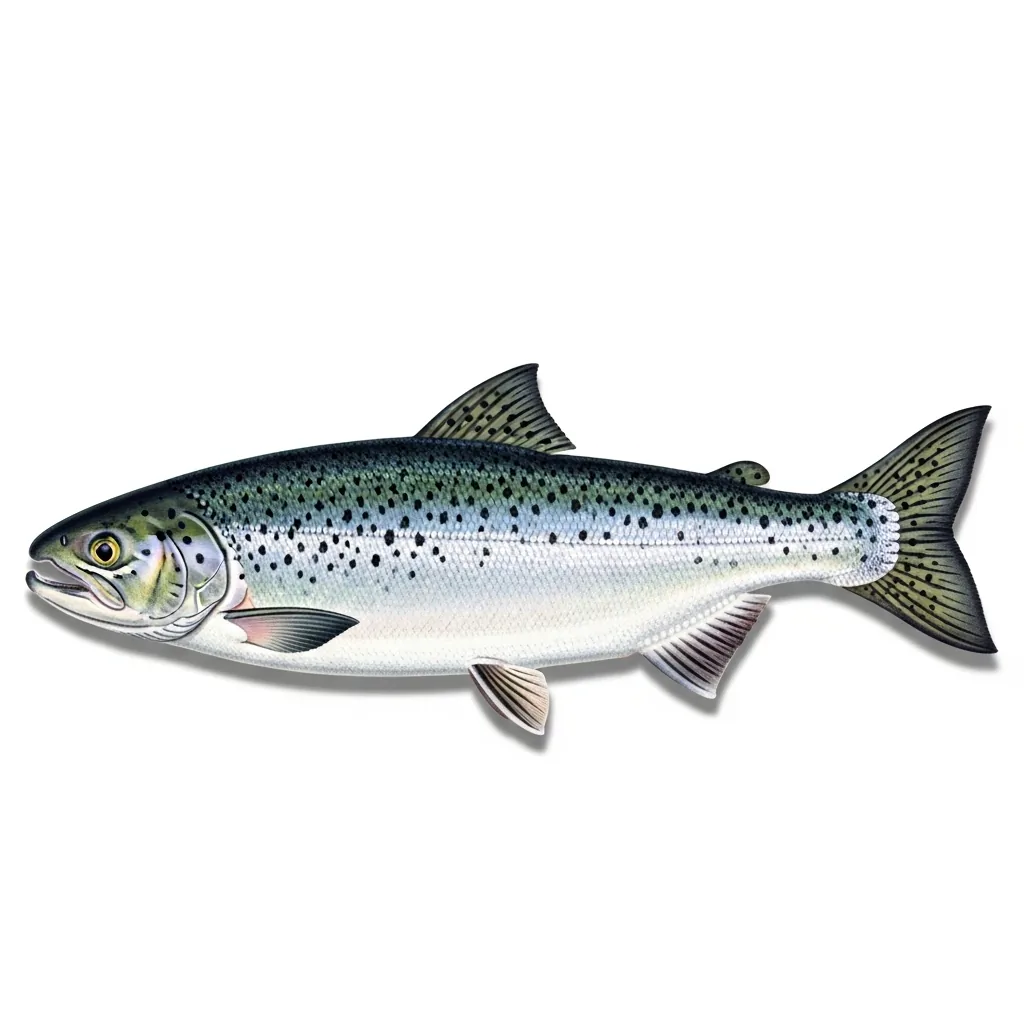 Coho SalmonOncorhynchus kisutch
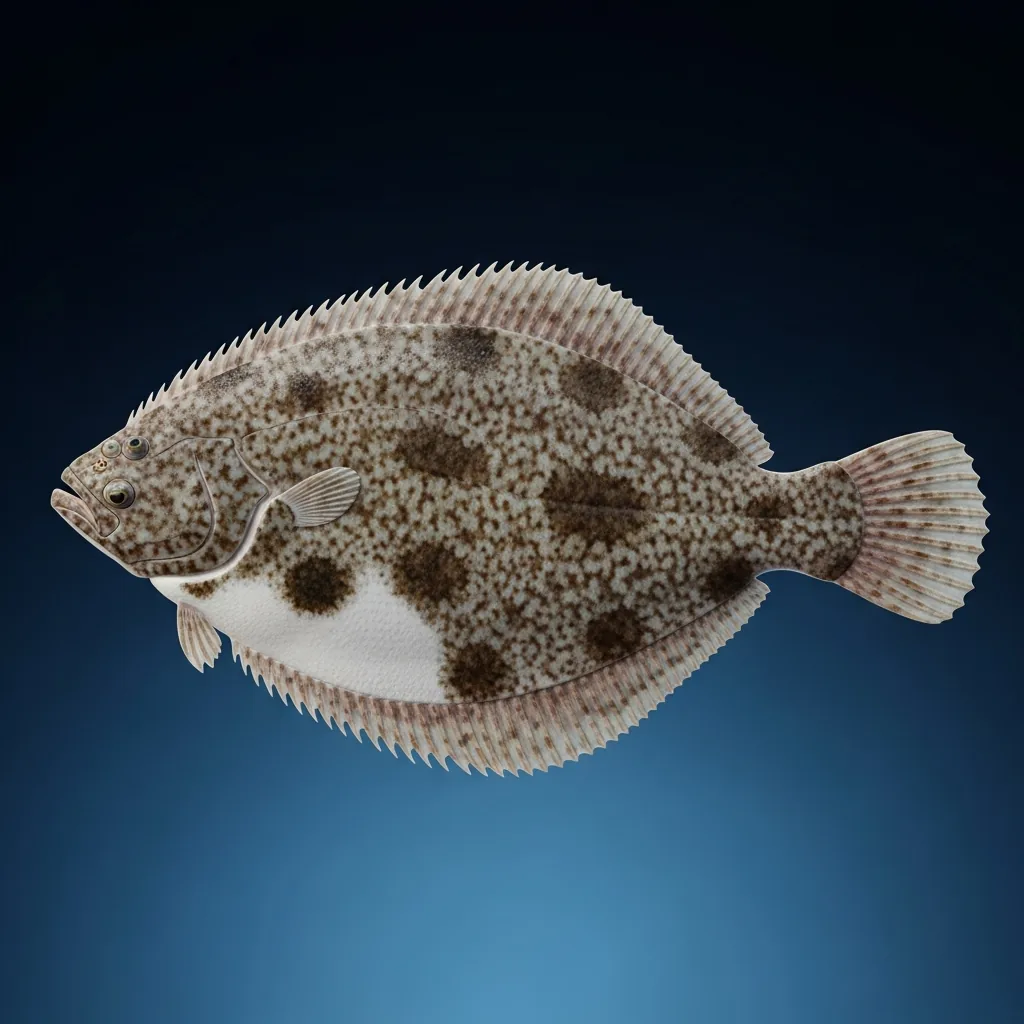 Common soleSolea solea
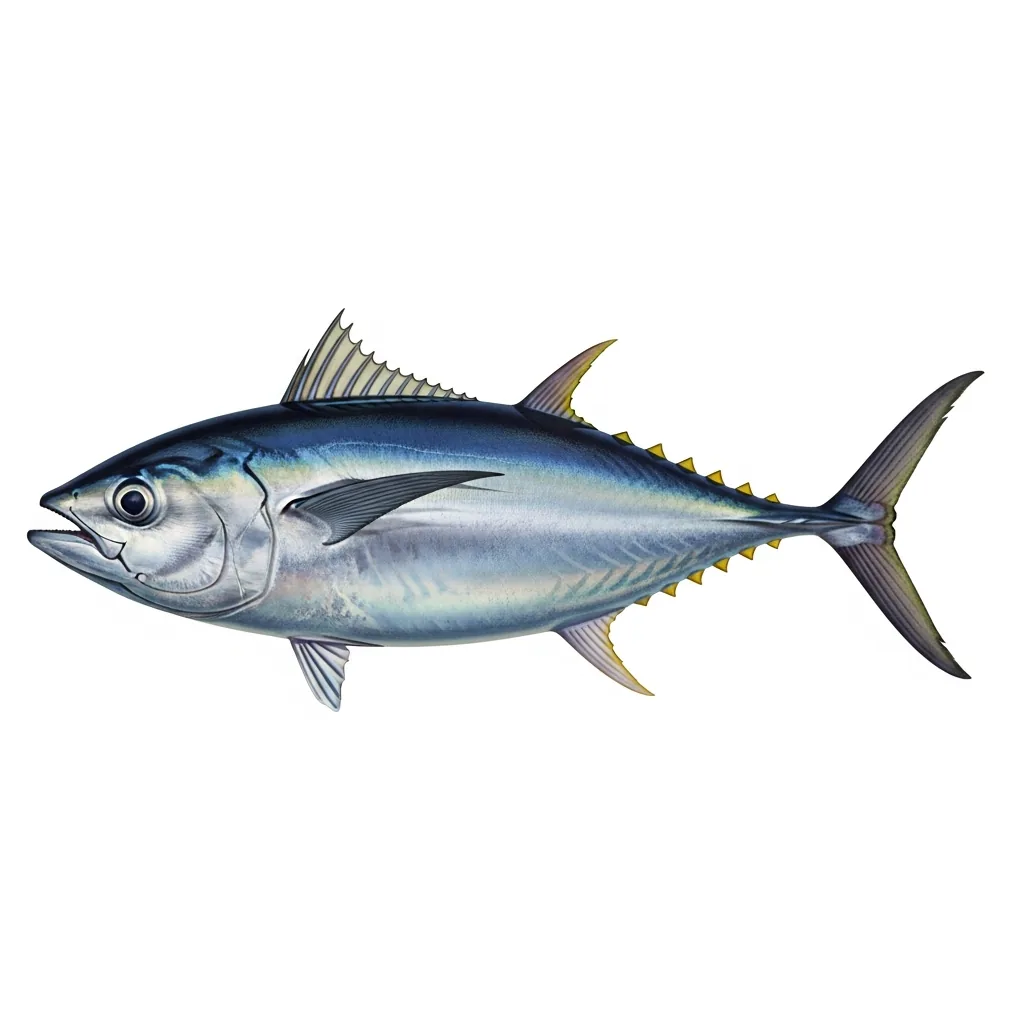 Dogtooth tunaGymnosarda unicolor
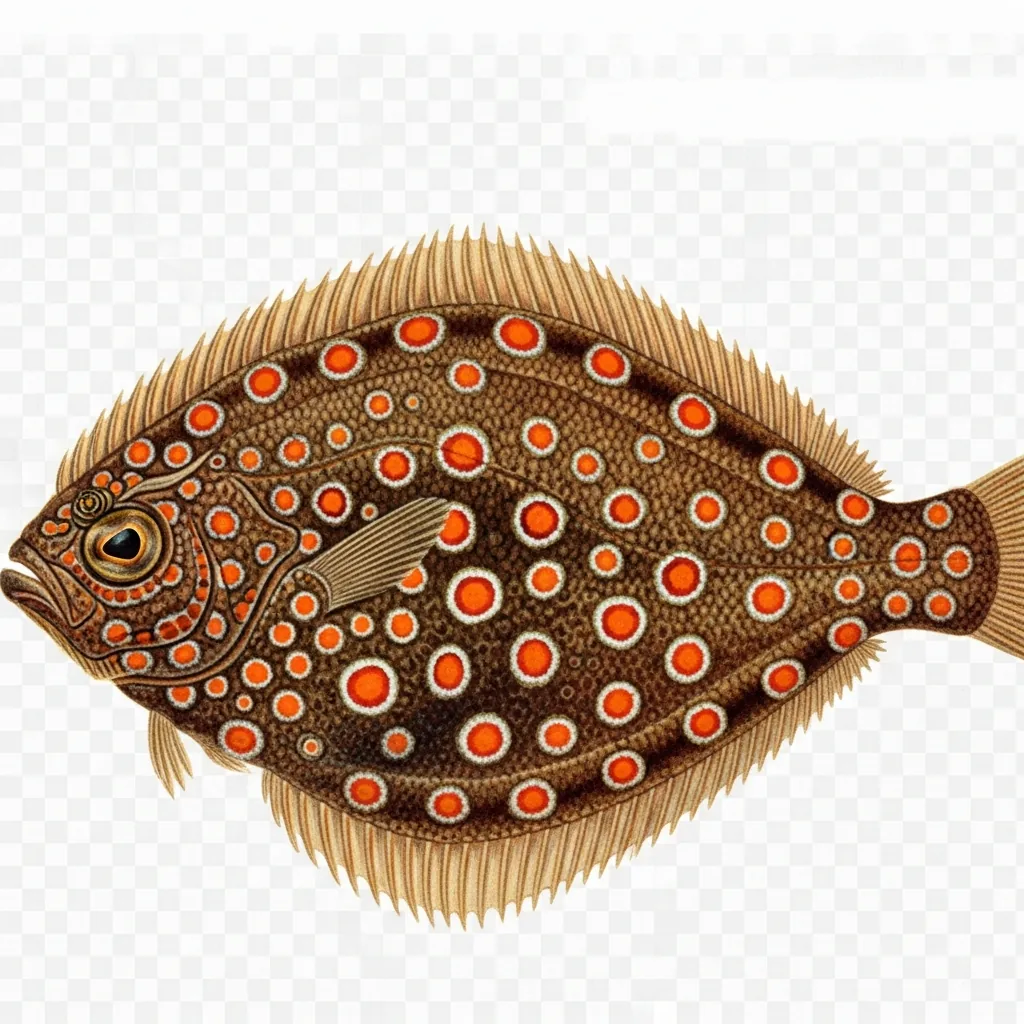 European plaicePleuronectes platessa
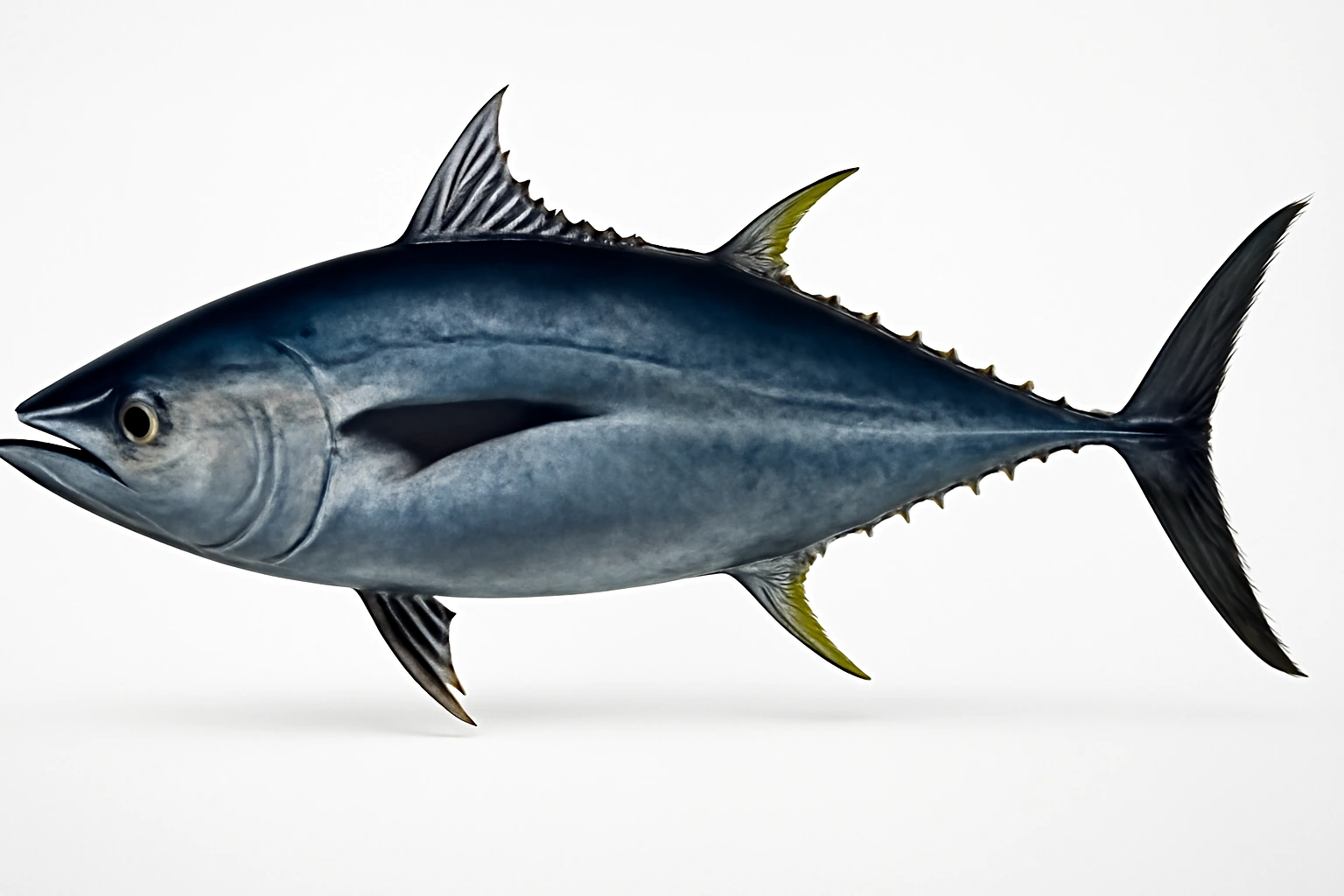 Longtail TunaThunnus tonggol
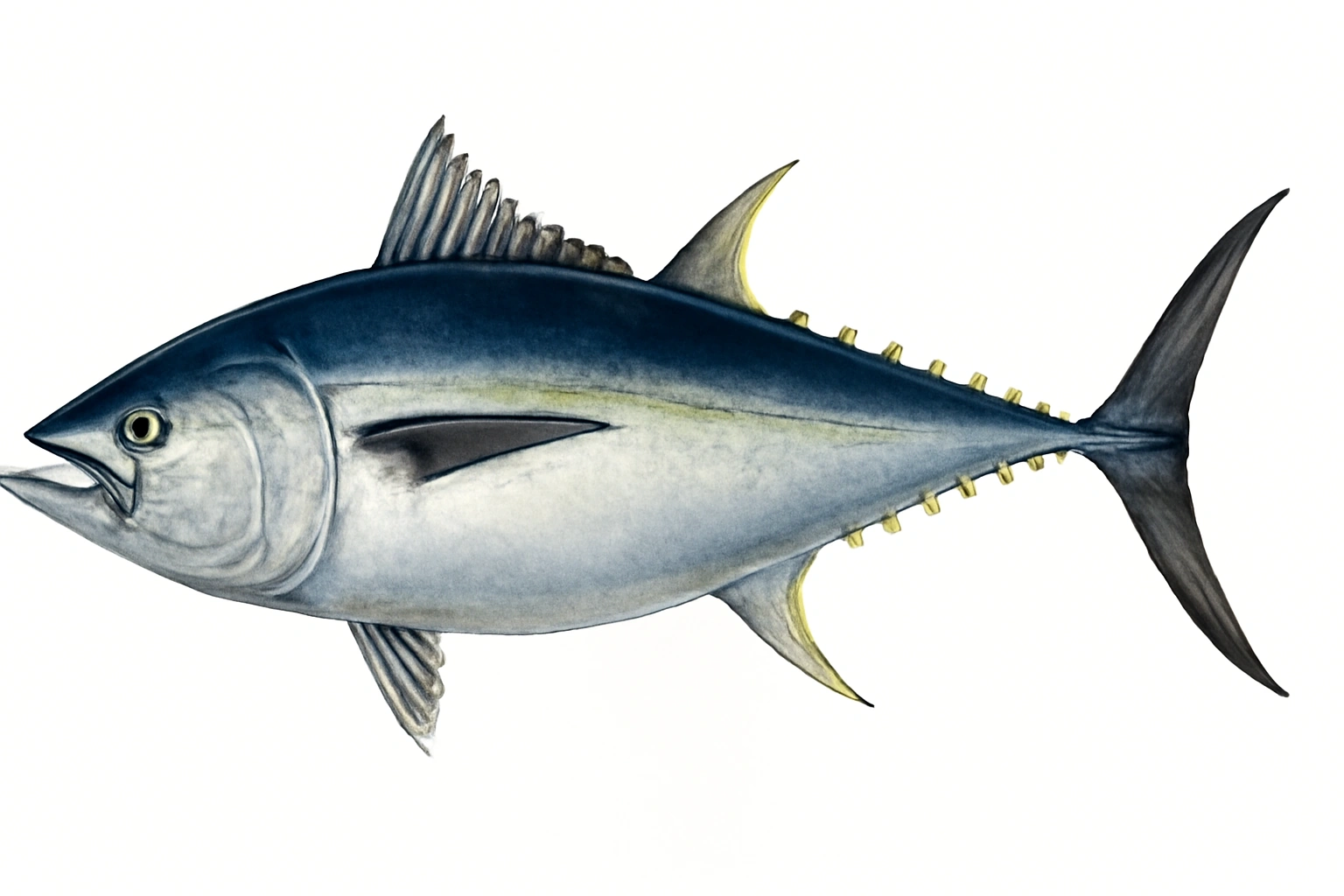 Pacific bluefin tunaThunnus orientalis
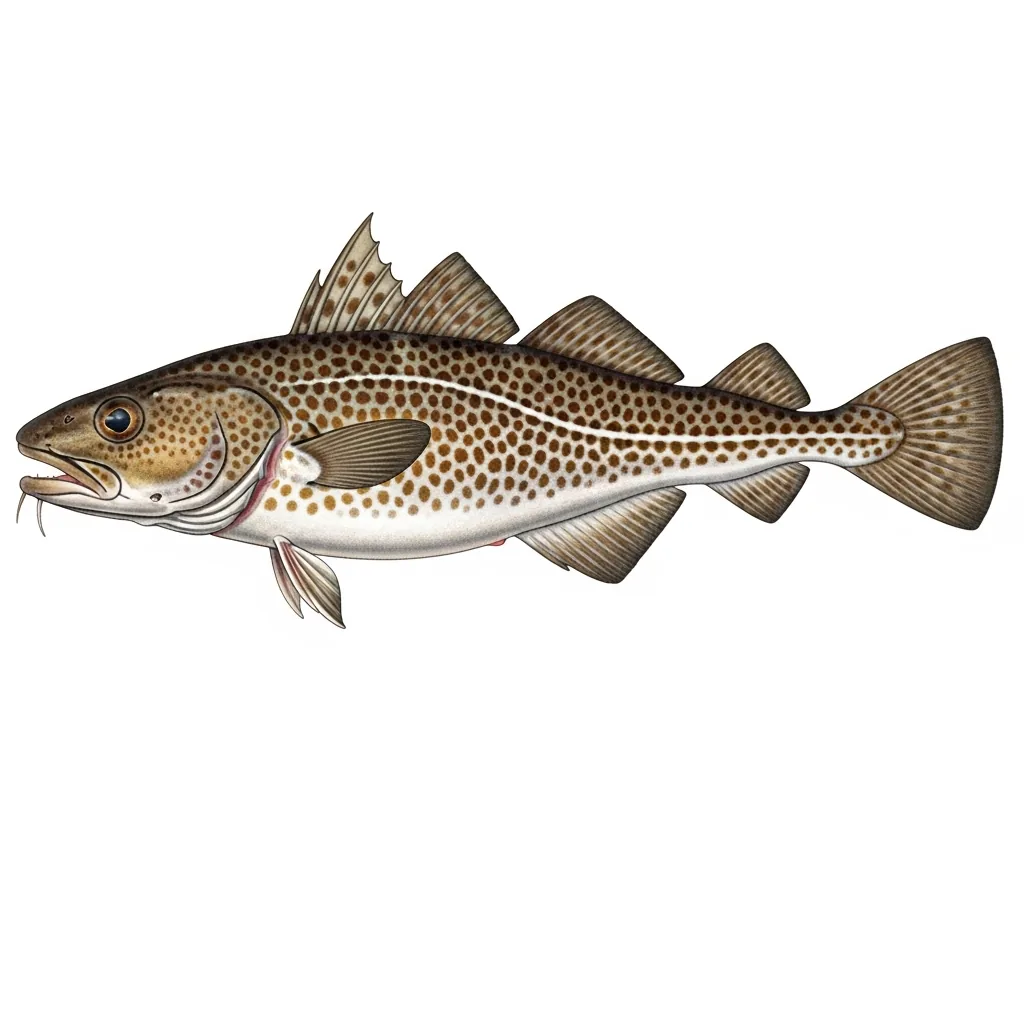 Pacific CodGadus macrocephalus
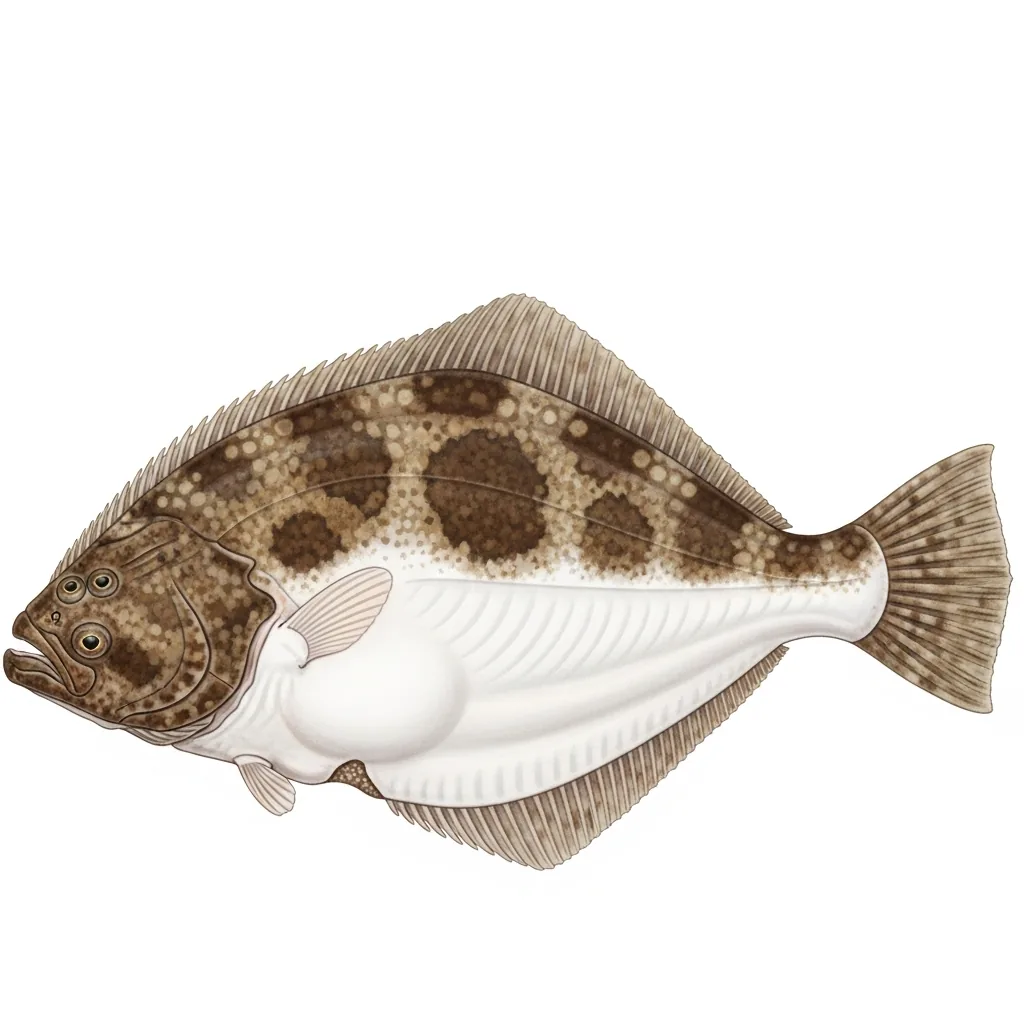 Pacific halibutHippoglossus stenolepis
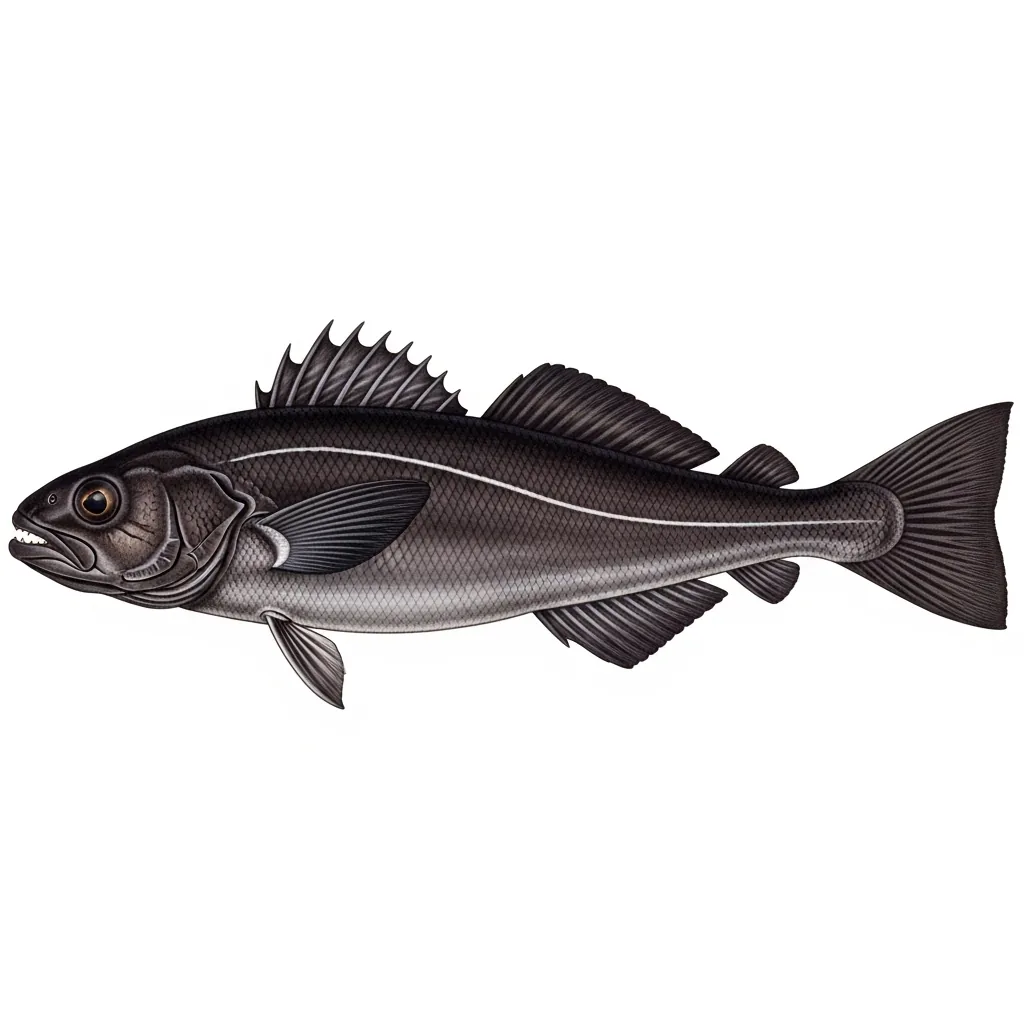 SablefishAnoplopoma fimbria
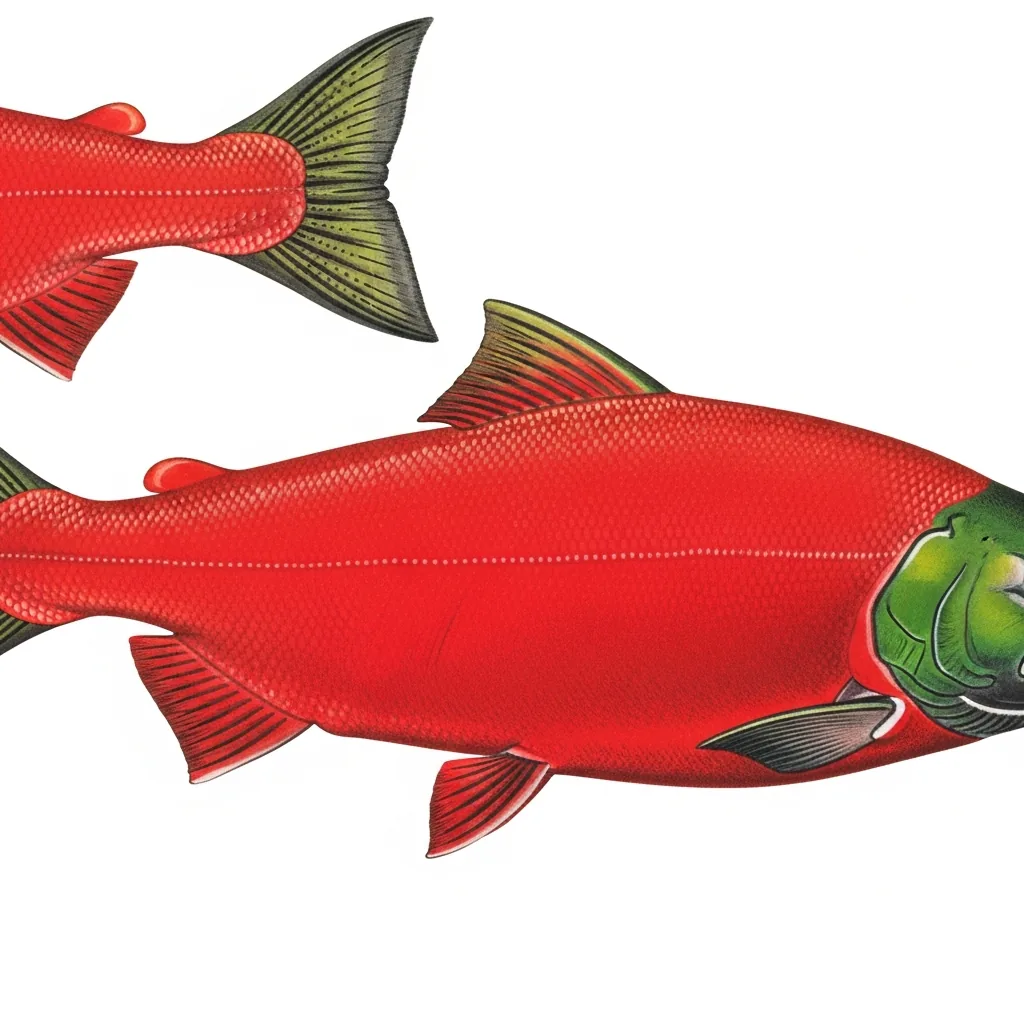 Sockeye SalmonOncorhynchus nerka
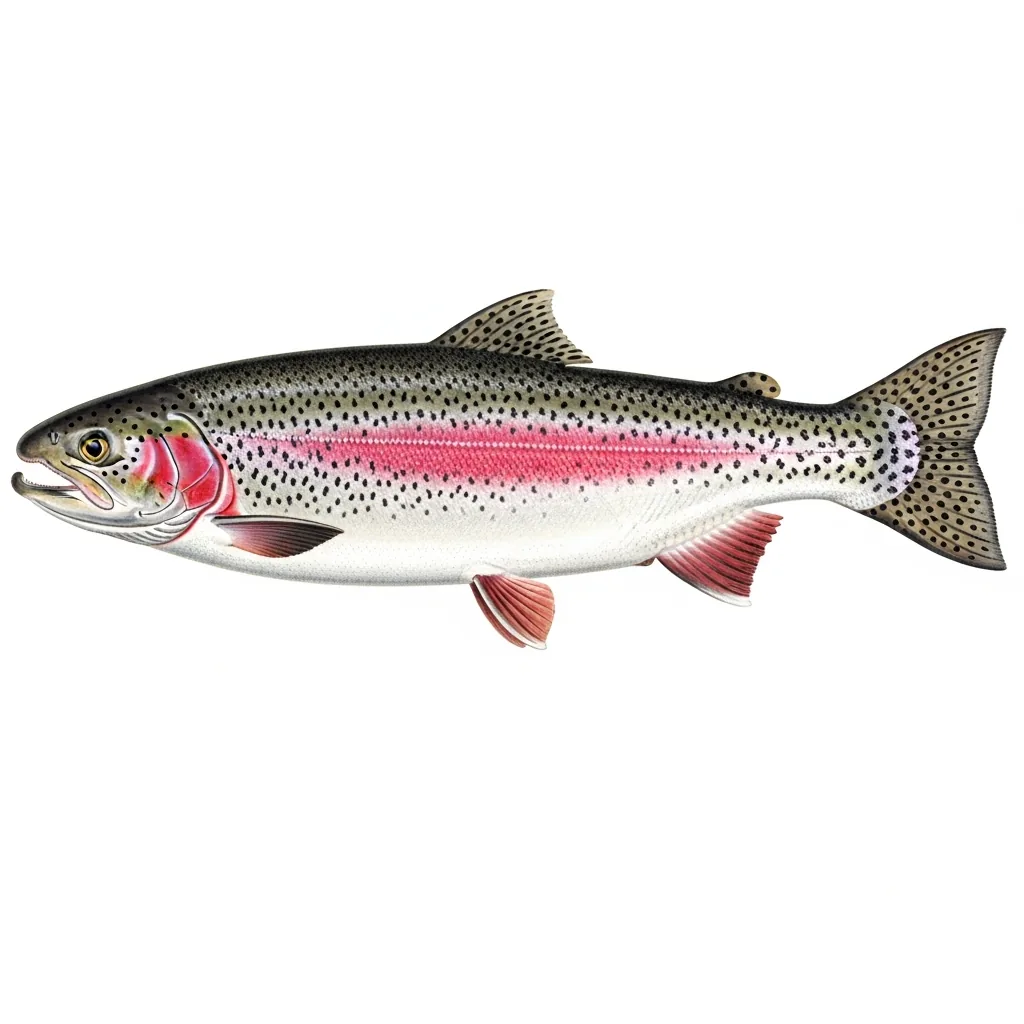 Steelhead TroutOncorhynchus mykiss
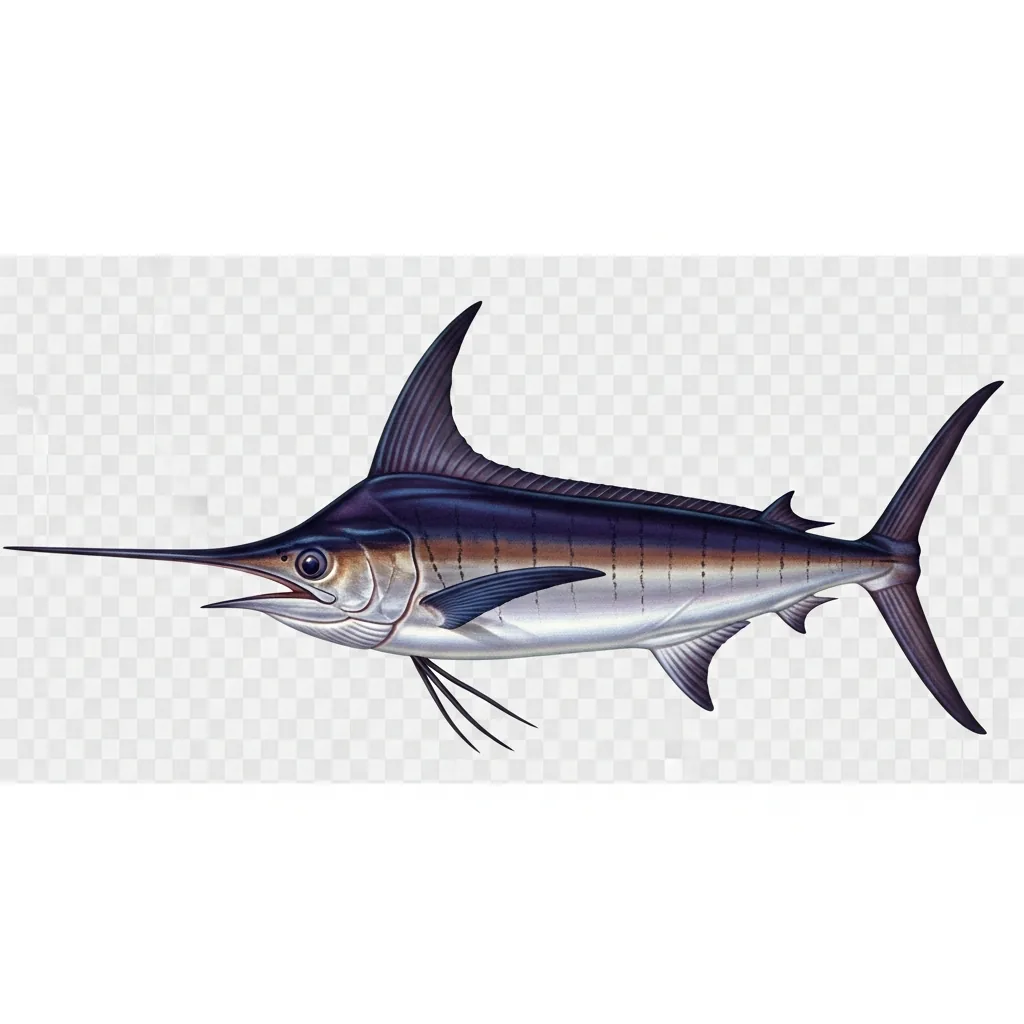 SwordfishXiphias gladius
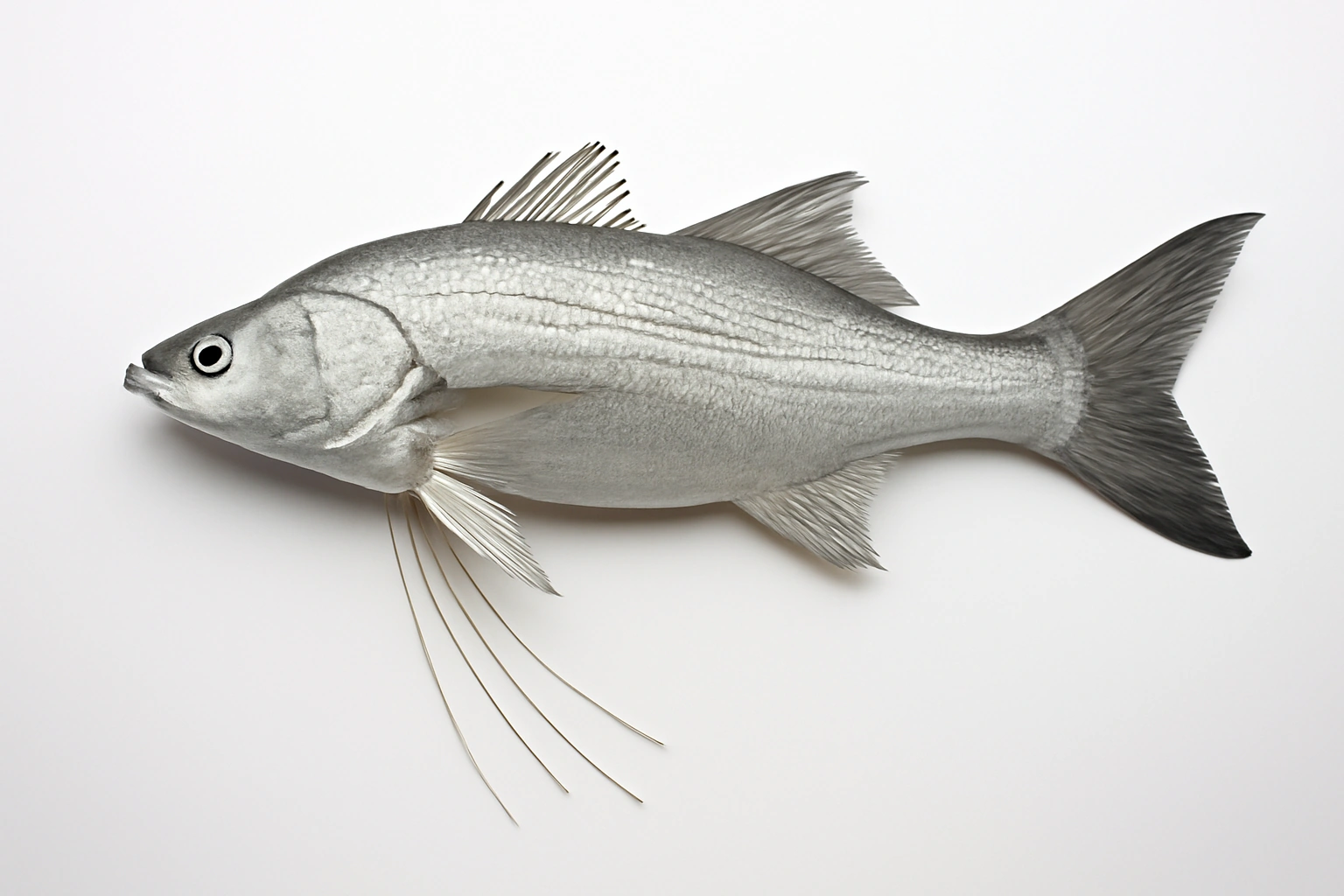 Threadfin SalmonPolydactylus sheridani
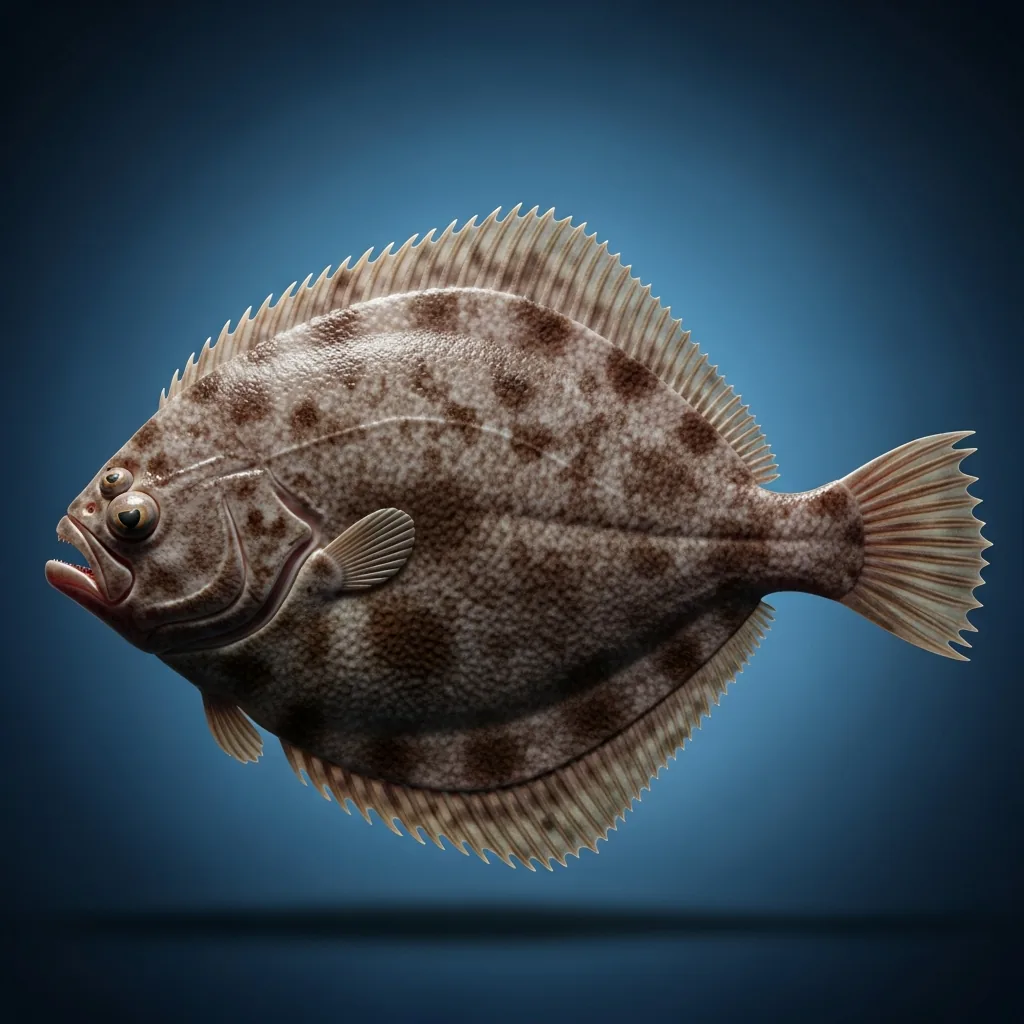 TurbotScophthalmus maximus
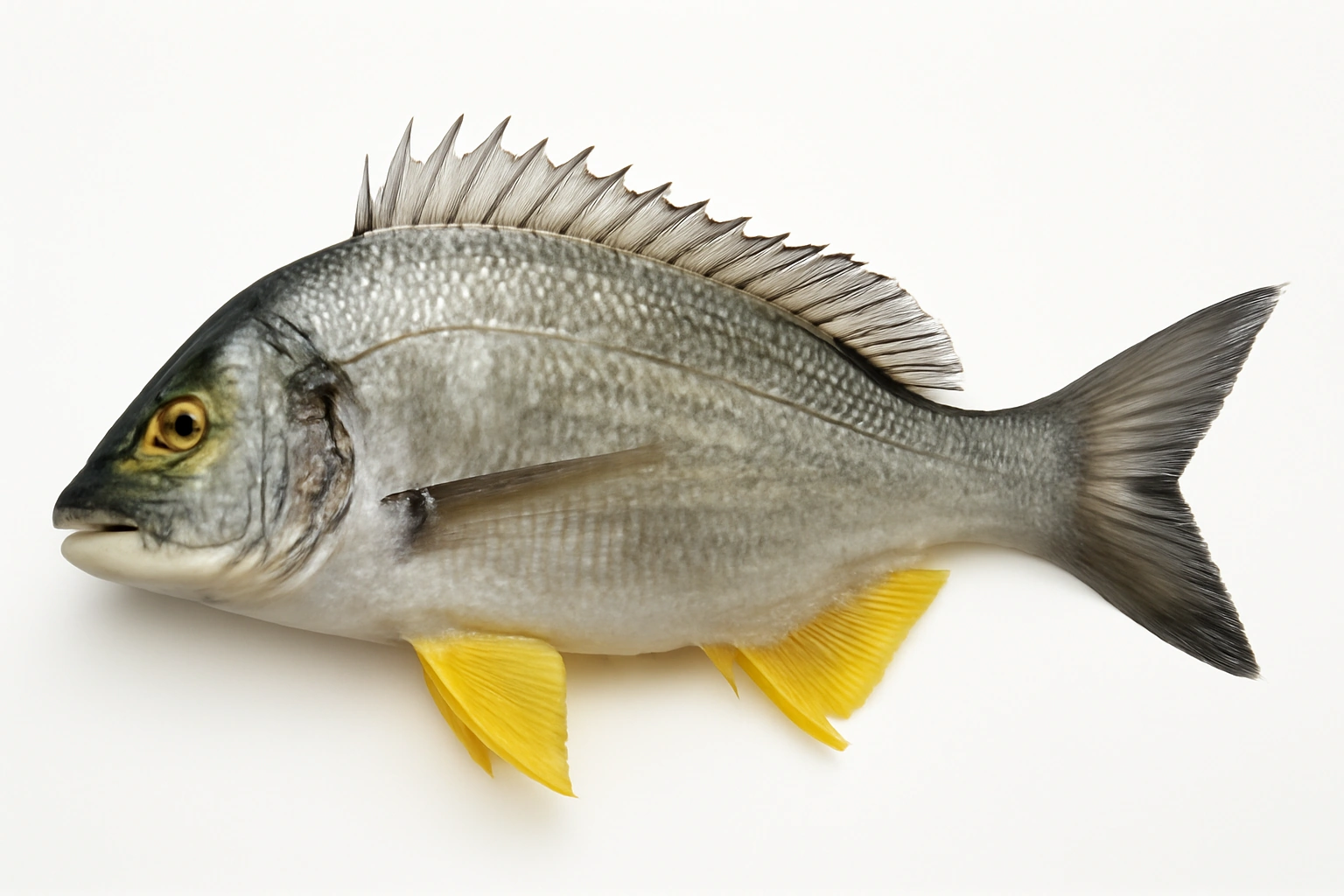 Yellowfin BreamAcanthopagrus australis
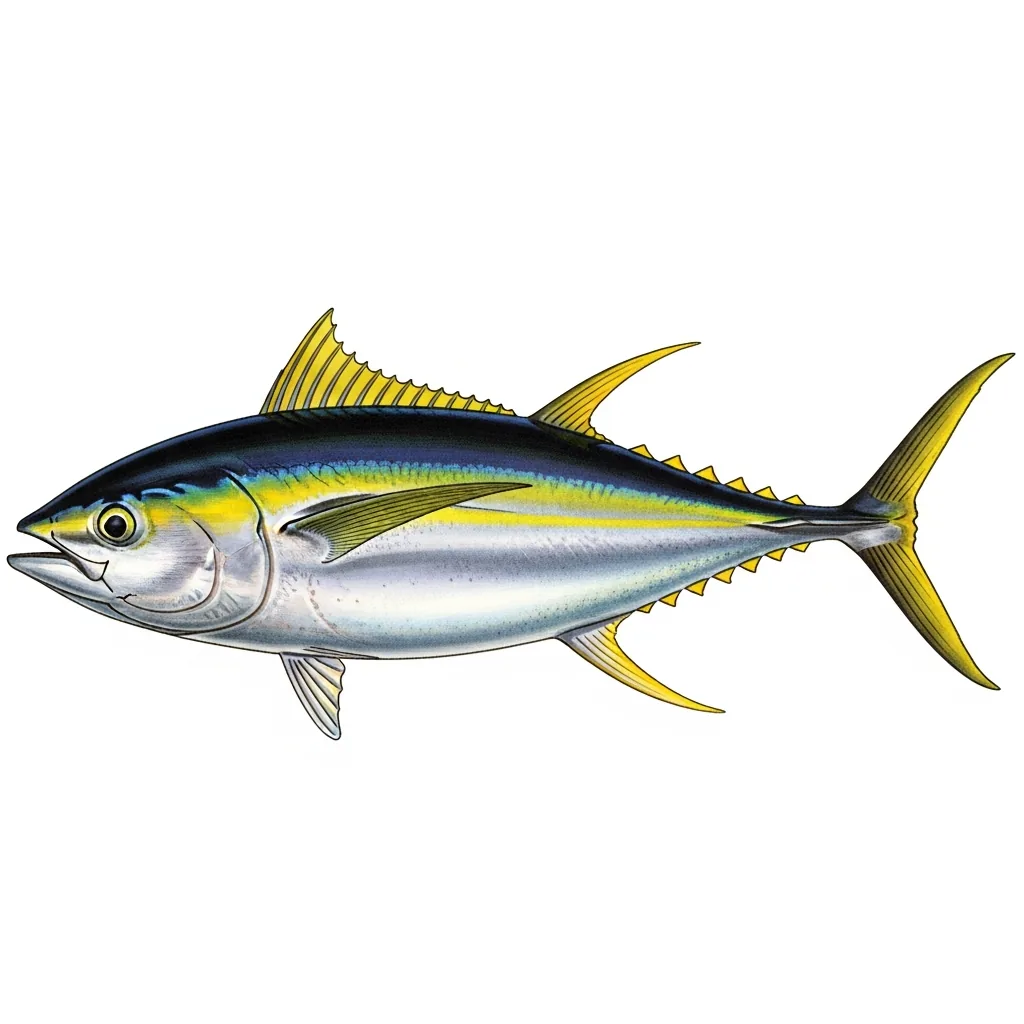 Yellowfin tunaThunnus albacares
Frequently asked questions
How do you fish Live Bait Drifting?
Live-bait drifting is a controlled drift-fishing method designed to present one or more baits as naturally as possible to pelagic and edge-holding predators such as tuna, little tunny, amberjack, mahi-mahi and, in certain situations, swordfish and large suspended dentex.
Live Bait Drifting: what tackle do you need?
You need reliable but progressive rods, capable of absorbing runs and head shakes without tearing the hook out of the bait first and the fish later. The reel must provide a smooth drag, good line capacity and steady retrieve; in practice, drag consistency and the absence of sticking matter more than declared power alone.
Live Bait Drifting: what is the best time?
Drifting is at its best in readable conditions, not necessarily flat calm: a light breeze, a defined current and an orderly sea help interpret the drift and the bait’s behavior.
Live Bait Drifting: where is it best?
The best areas are not just “offshore” in a generic sense, but travel and concentration zones: shoals that dirty the current, canyon edges, wrecks, marked depth changes, foam-line convergences, temperature breaks and the edges of bait schools.