How to fish Kabura Tai Rubber: technique, spots and tackle
A Guide to Boat Fishing for Japanese Breams

Every angler dreams of the perfect day. We show it to you first.
At the heart of ForecastX is an advanced marine-weather engine: it analyses waves, wind, sea temperature, tides, pressure and moon in real time and turns them into a Productivity Index (0-100) for every species. You'll always know, precisely, when the sea is on your side.
Coming soon to the App Store and Google Play — don't miss it.Introduction to kabura tai rubber
Kabura, often also called Tai Rubber, is a vertical technique created to target seabream and bottom predators with an apparently simple lure: a weighted head, silicone skirt, and free assist hooks. Its strength does not lie in flashy jerks, but in the continuity of the action: controlled descent, bottom contact, and steady retrieve that makes the skirt and trailer “breathe.” It is a highly refined style of fishing in terms of reading current, drift, and retrieve speed, which is why it performs at its best when the angler stops thinking of the lure as a jig and treats it like a live morsel rising from the bottom. That is exactly where the value of the technique lies: it convinces wary fish because it works in their water layer with a clean, non-aggressive, and highly believable movement.
Where and how to read the spot
Kabura performs best on shoals, ledges, flats broken by rock, coralligenous areas, landslides, and sand-to-rock edges where fish patrol in search of crustaceans, small cephalopods, and injured baitfish. The spot should not be read only by depth, but by the relationship between bottom and current: a slight step or a hard tongue in the middle of a soft area concentrates food and therefore predators. If the fishfinder shows bait close to the bottom and arches slightly detached from it, Tai Rubber is in its ideal environment; if instead the fish are very high in the water column or scattered, other techniques may be more efficient. An often overlooked plus is observing the boat’s actual drift in relation to wind and current: when they are not aligned, the lure tends to work off vertical and the choice of weight becomes more important than the choice of color.
Seasons, light, sea state, and weather
It is not only a summer technique, although with warm water fish tend to be more mobile and reactive. In spring and fall it often gives its best because many seabream species hold at mid depths and feed decisively along bottom breaks and transition zones; in summer it is worth looking for softer light periods or greater depths, while in winter it works if you slow the action and insist on precise spots. Seas that are too rough and excessive drift complicate control, but a slight current is often positive because it animates the skirt and forces fish to position themselves in a readable way. Dawn, dusk, overcast skies, and slightly stained water often help fish confidence; with very clear water and high sun it is useful to reduce speed, soften visual impact, and take maximum care with verticality.
Tackle and balance
The ideal rod is a specific Tai Rubber rod, short and sensitive in the tip but with progressive backbone, able to absorb head shakes without tearing out the short, thin assist hooks. The reel, spinning or light conventional depending on preference, must retrieve smoothly and above all manage thin line well, because lure control matters more than pure strength. Thin braid and a fluorocarbon leader are the standard: the first to cut through the water and feel everything, the second for abrasion resistance and a cleaner presentation over mixed or rocky bottoms. The real balance, however, is not only in the tackle but in the relationship between depth, current, and head weight: too light means losing bottom and fishing poorly, too heavy means making the lure run stiff and unnaturally.
Choosing head, skirt, trailer, and colors
Round or semi-hydrodynamic heads are versatile, the more streamlined ones hold vertical better in current, while some offset setups accentuate roll and can make the difference with inactive fish. Skirts and rubbers are not mere decoration: volume, length, and softness change the lure’s hydrodynamic signature, so in calm water and with wary fish it is better to use understated profiles, while in current or stained water more presence may be needed. Silicone or elastic-material trailers help on days when fish follow but do not commit, because they add tail action, micro-vibrations, and an aiming point. As for colors, it is better to think in terms of contrast and light: natural and translucent in clear water and sun, warmer or darker tones with overcast skies, greater depth, or stained water; the trick is to change profile and cadence first, then color.
Correct presentation and maneuver
The basic sequence is simple but must be done properly: drop to the bottom, immediately close the contact, and begin a continuous, steady retrieve without jerks, keeping the lure a few feet above the bottom. Many strikes come in the first turns of the handle after contact, when the lure looks like an organism lifting off the seabed; for this reason it is essential not to leave slack and not to “pump” the rod as in classic jigging. If no signals come, you can vary with micro changes in cadence, a brief controlled pause, or a slightly longer climb before dropping again, but always without breaking the overall naturalness. When the fish touches, the golden rule is to keep retrieving: sharp, nervous hooksets are one of the most frequent mistakes, because they pull the lure out of the mouth before the assist hooks can take hold.
Target species and adaptations
Red porgy remains the symbol of the technique, but in the Mediterranean Tai Rubber is also credible for dentex, common pandora, salema, white seabream, blackspot seabream, scorpionfish, and various opportunistic predators that stay close to the bottom. The species’ behavior changes how the bite should be read: red porgy often “tastes” and comes back, dentex can be more decisive and follow on the way up, while scorpionfish instead reward almost surgical precision in bottom contact. With wary fish it is better to reduce bulk and speed, while on dirty bottoms and in the presence of more aggressive predators it may help to slightly increase volume and visibility. The true versatility of the technique lies here: not fishing “randomly on the bottom,” but adapting working depth, cadence, and lure profile to the behavior of the fish inhabiting that spot at that moment.
Common mistakes and how to correct them
The first mistake is losing verticality and continuing to fish anyway: if the lure works too far from the boat and from the productive bottom zone, Tai Rubber stops being itself. The second is choosing weight based on depth alone, ignoring current and drift speed; the correction is practical and immediate: increase or reduce weight until bottom contact becomes clear and repeatable again. Another classic mistake is working the rod too much, turning an elegant presentation into an artificial escape that many seabream refuse. Finally, pay attention to hooks: assists that are too long, too stiff, or dull worsen hookups and the skirt’s freedom of movement, so they should be checked often and replaced without hesitation.
Trade trick and fight management
A little-known but very useful trick is to mentally mark, or on the reel display if available, the exact height at which repeated touches occur during the lift: fish often hold at the same “step” above the bottom, and running that band again with an identical retrieve is worth more than any color change. A second trick is not to be hasty after a missed first contact: keep retrieving for a few turns and only then drop again, because many seabream follow and strike on the second invitation if the lure is not ripped away. In the fight, the rod’s progression matters more than hookset power: properly set drag, steady retrieve, and no violent pumping, especially with small hooks. The technique rewards the orderly angler, capable of repeating a precise presentation many times; once this is understood, Kabura stops seeming “simple” and becomes one of the smartest and most productive bottom-fishing methods.
Related guides
Fish to target with this technique
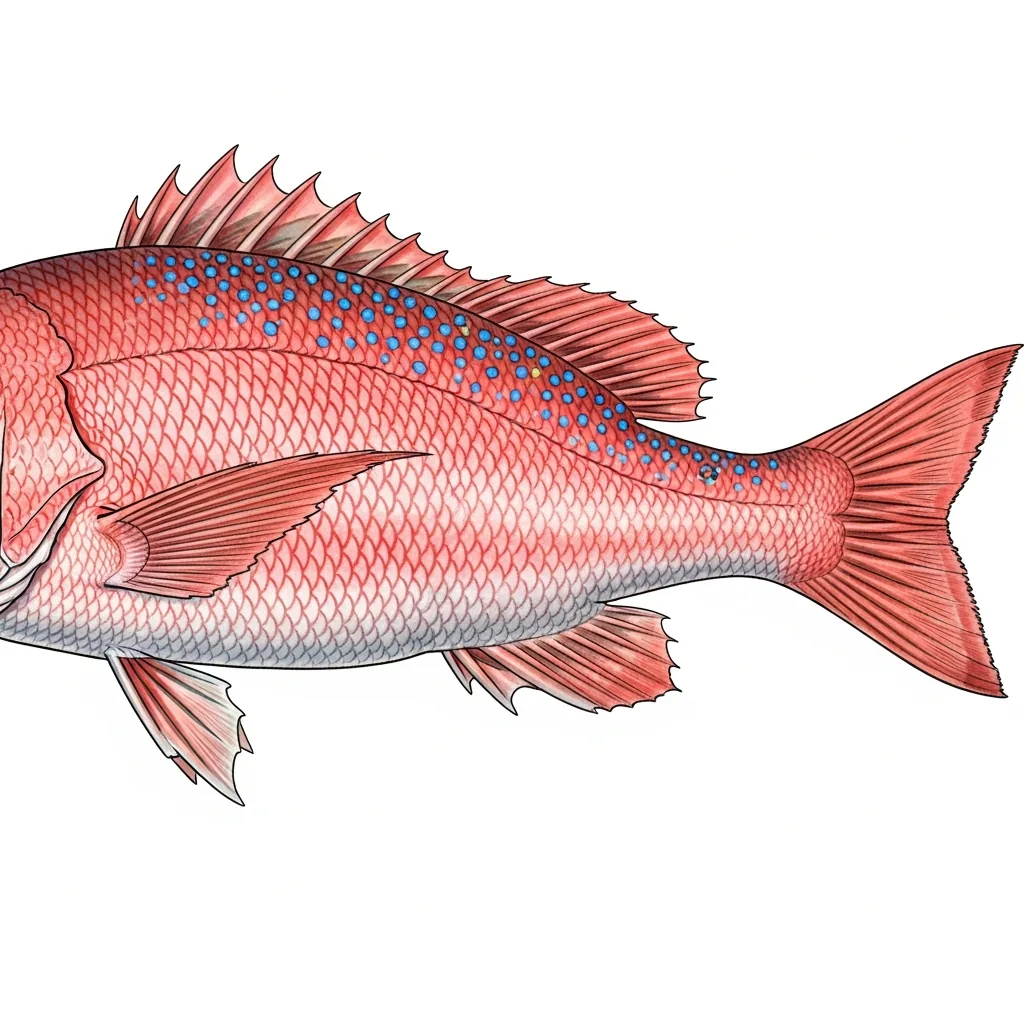 Australian snapperPagrus auratus
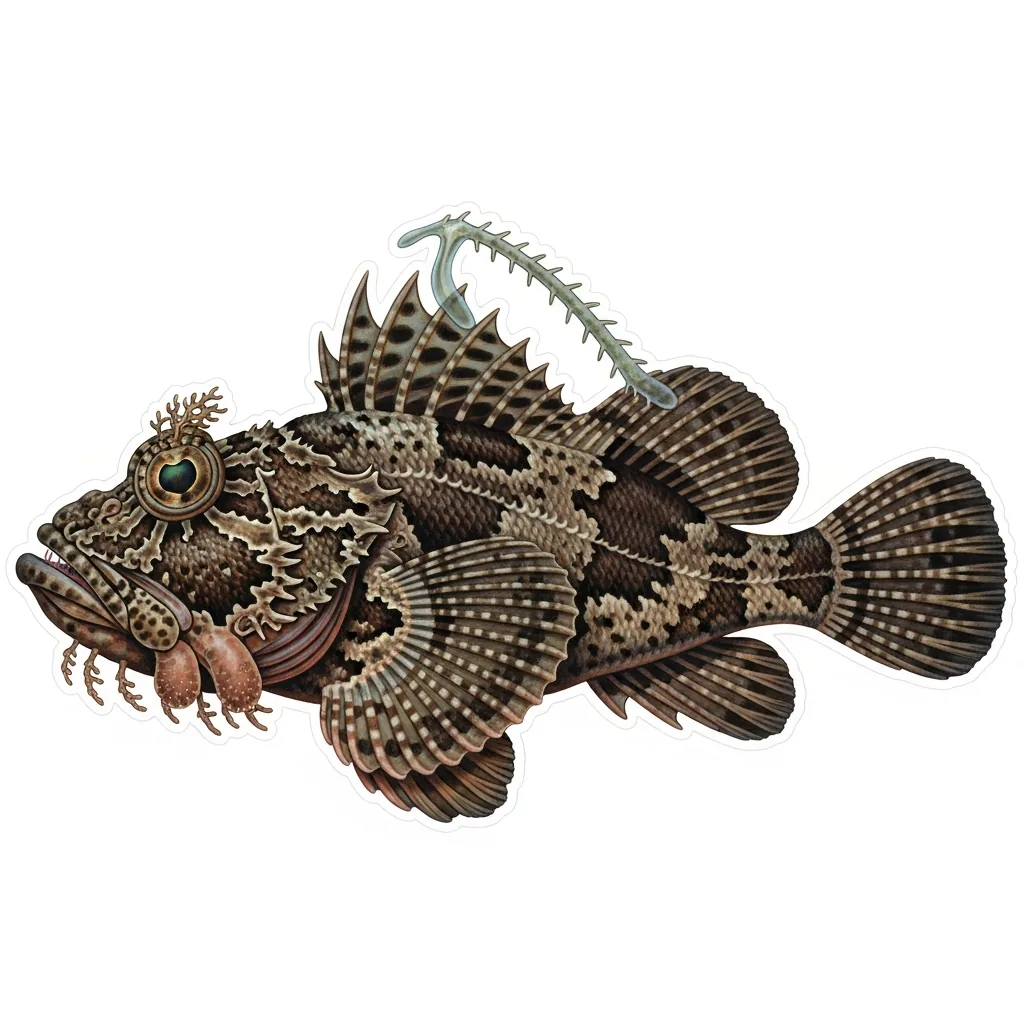 Black scorpionfishScorpaena porcus
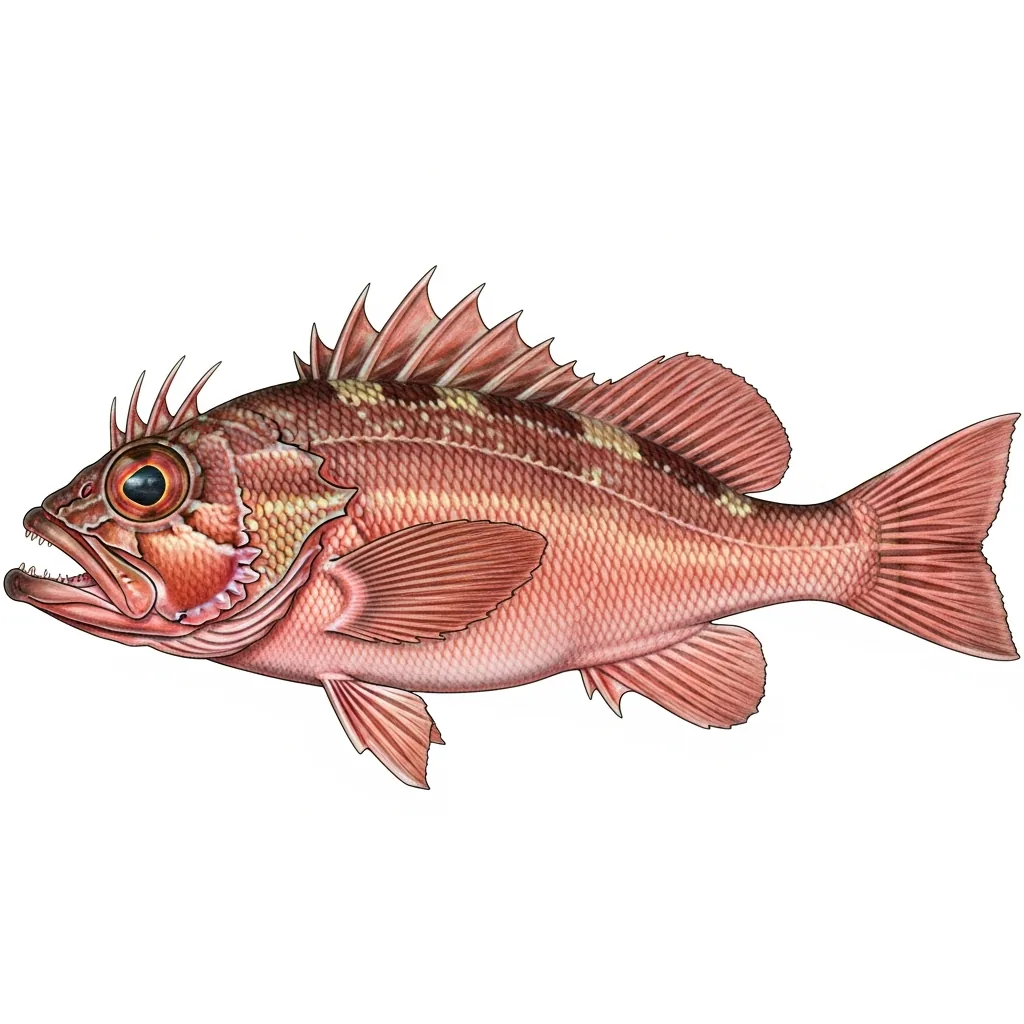 Bocaccio RockfishSebastes paucispinis
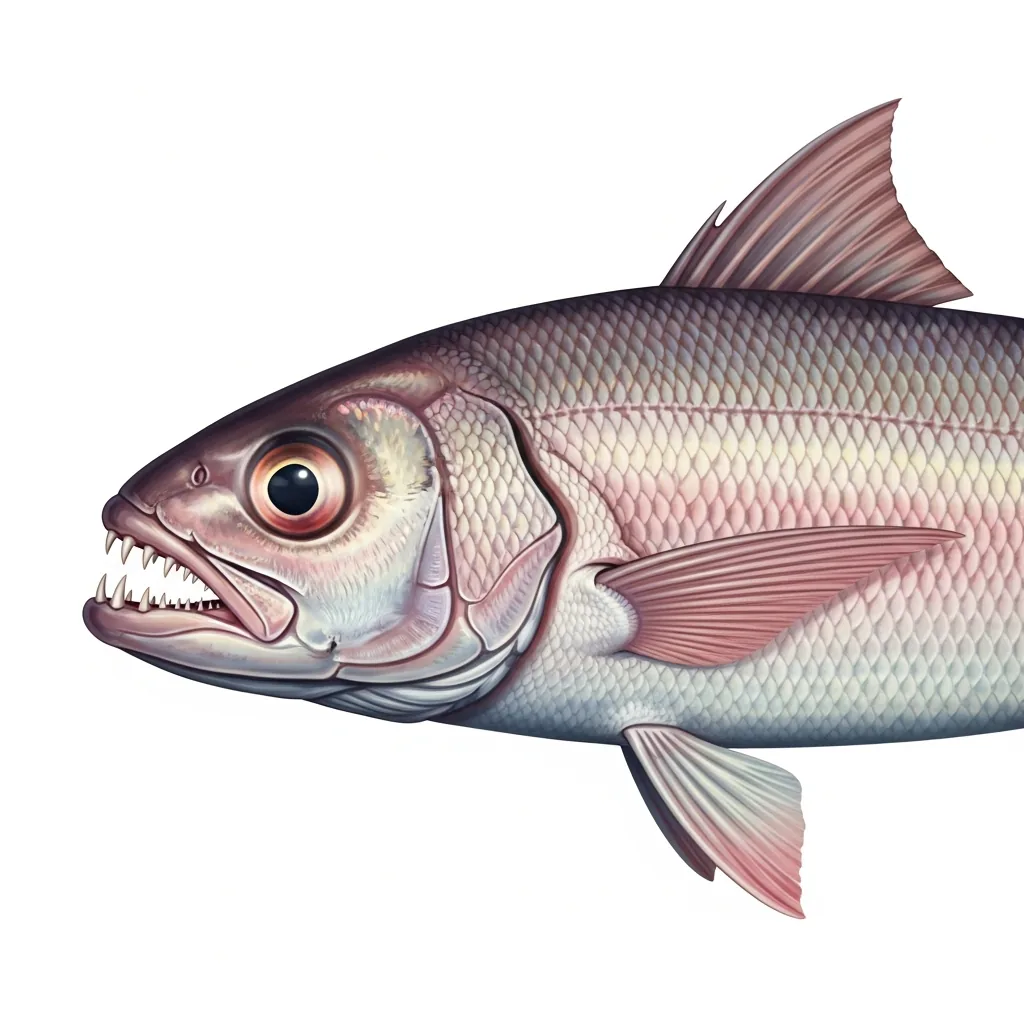 Common dentexDentex dentex
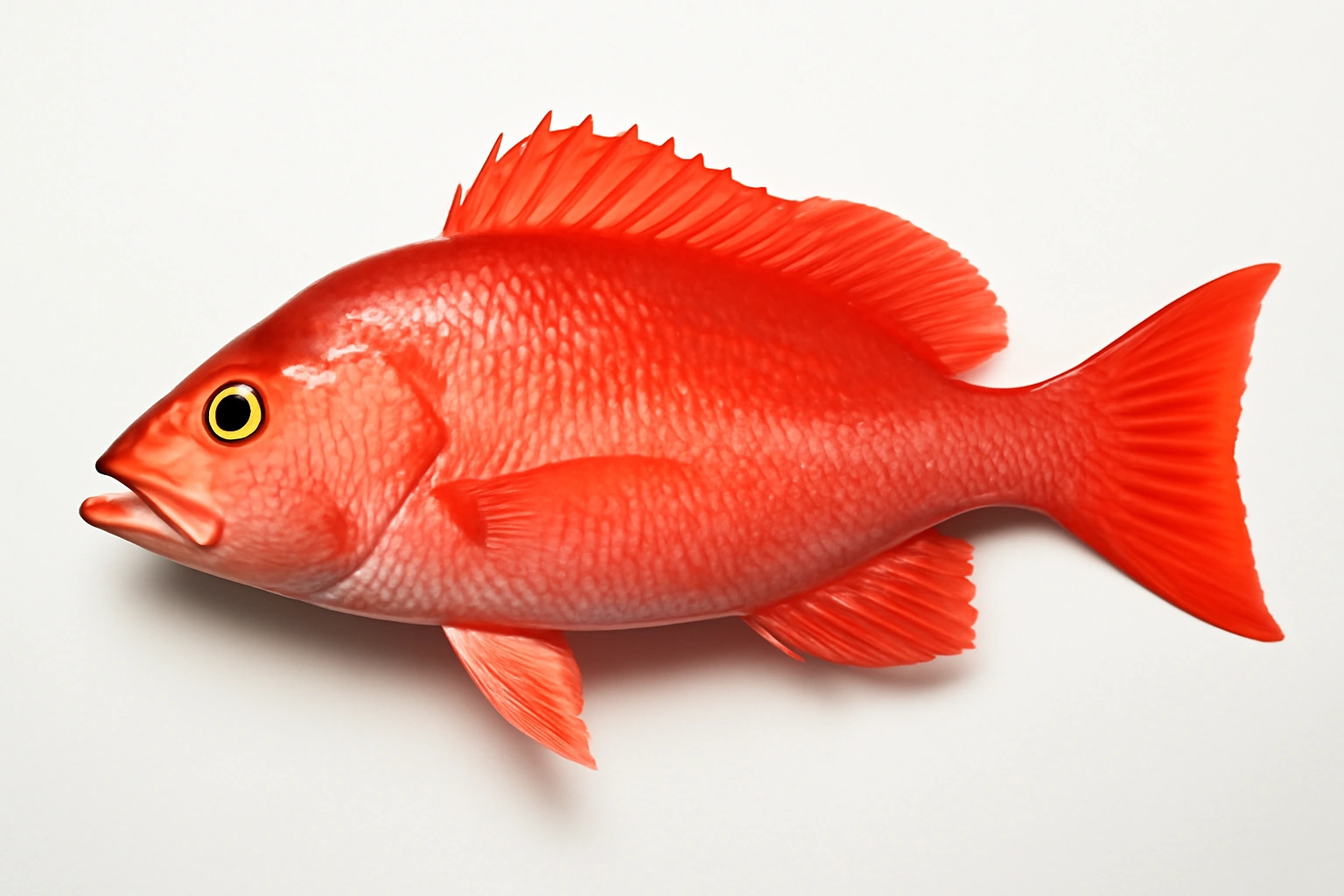 Crimson SnapperLutjanus erythropterus
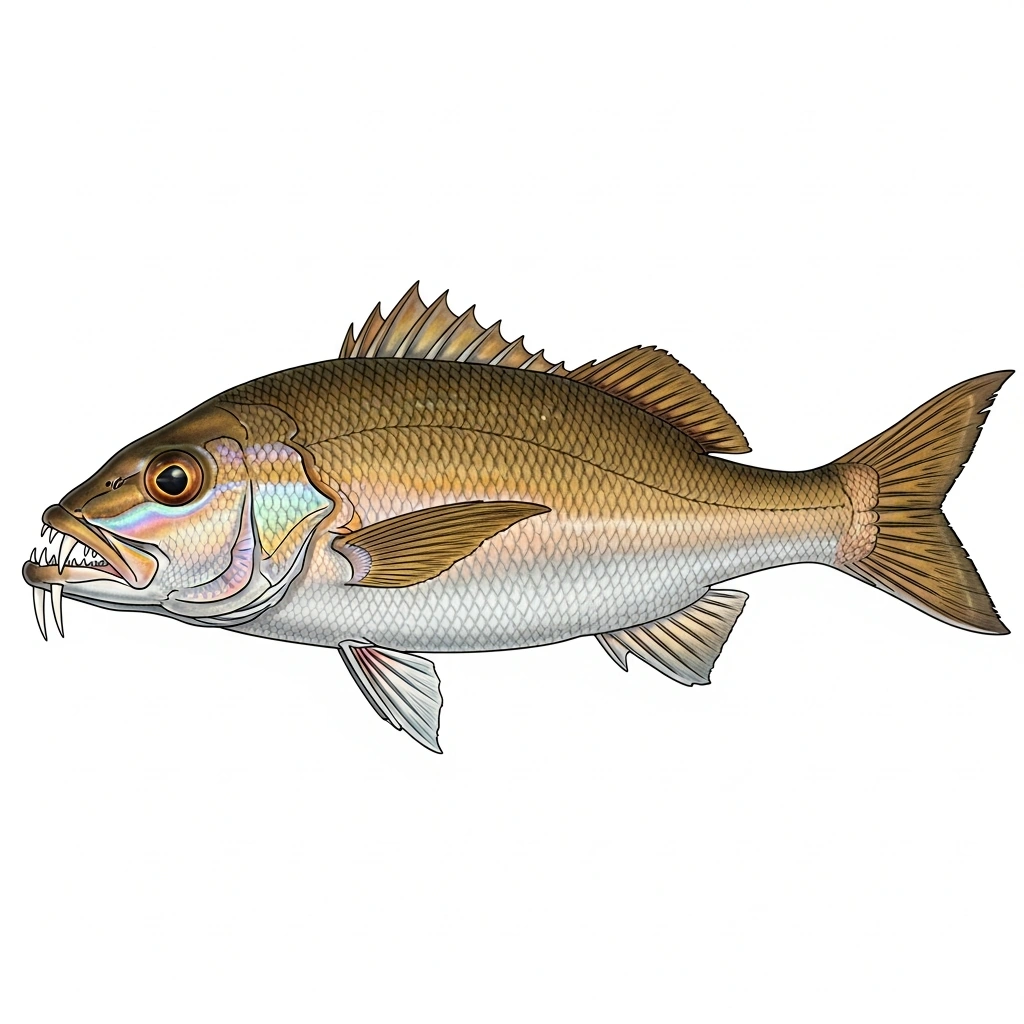 Dog snapperLutjanus jocu
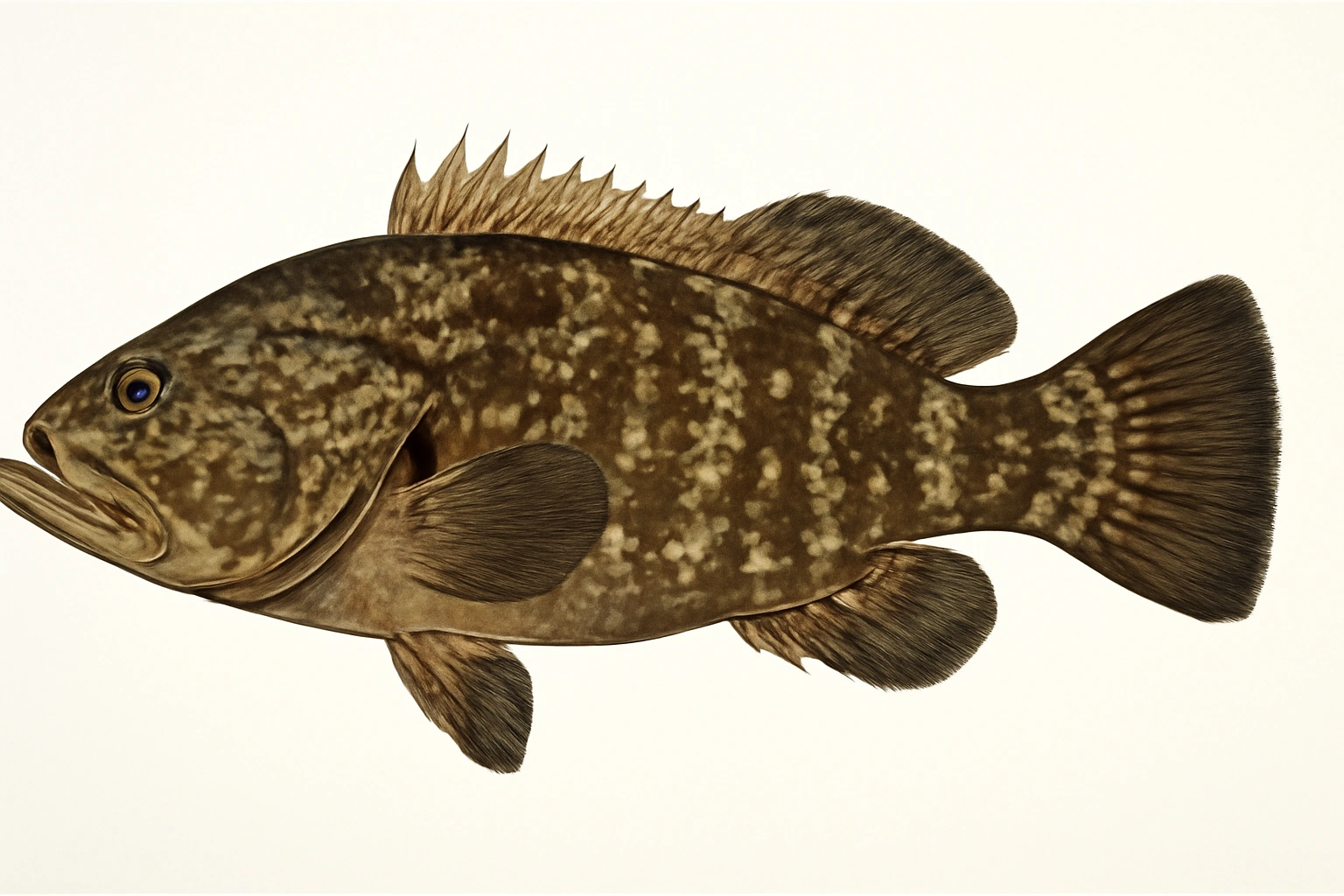 Dusky grouperEpinephelus marginatus
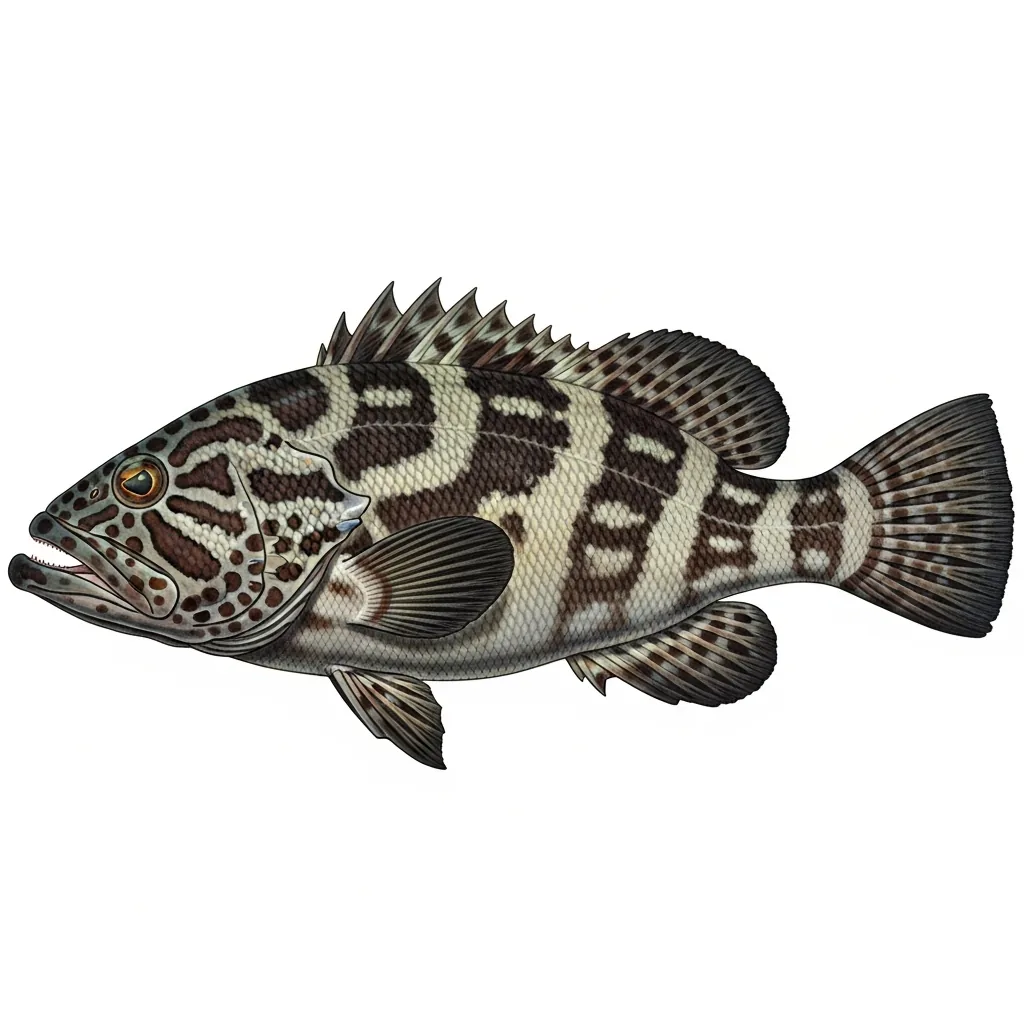 Gag GrouperMycteroperca microlepis
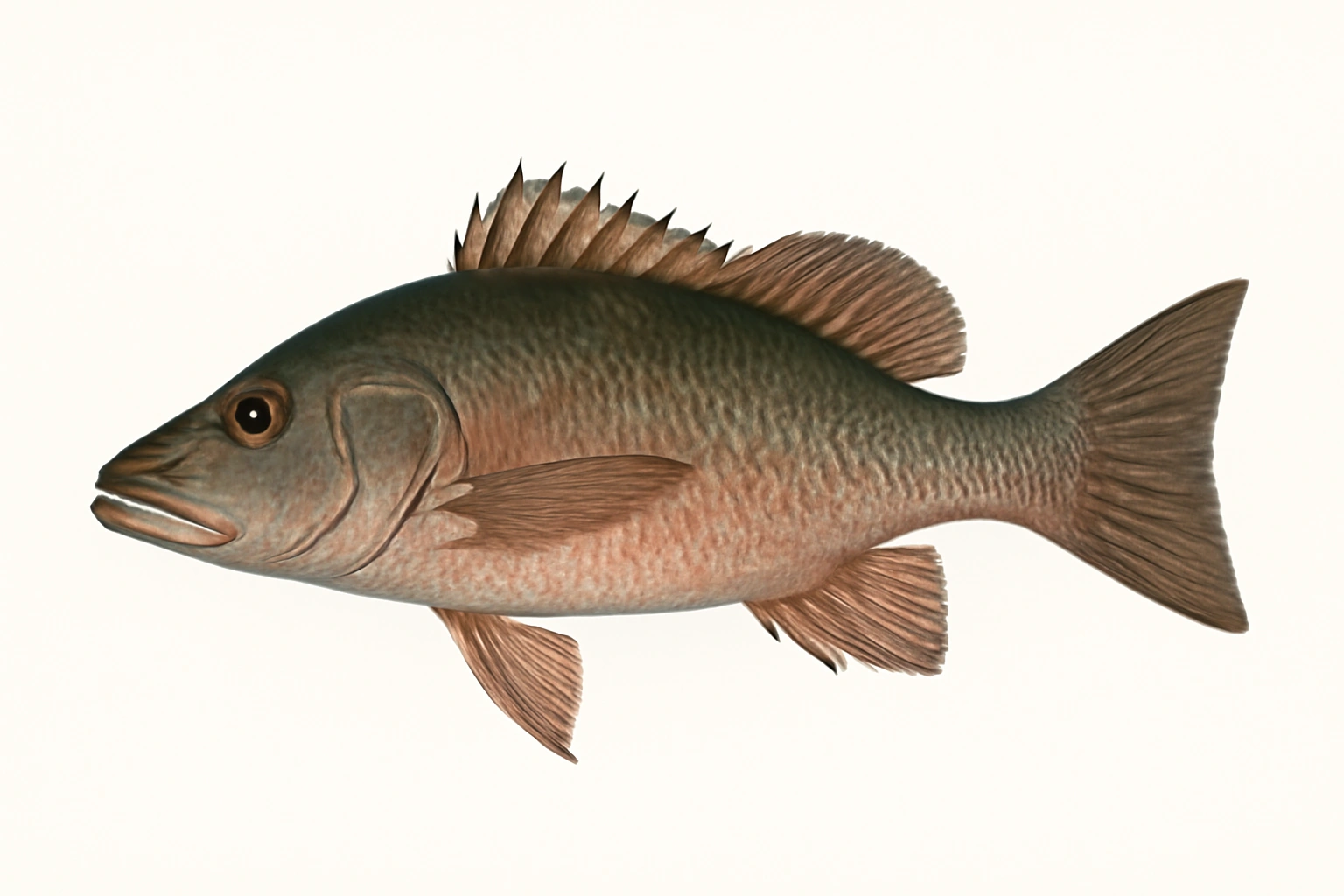 Gray snapperLutjanus griseus
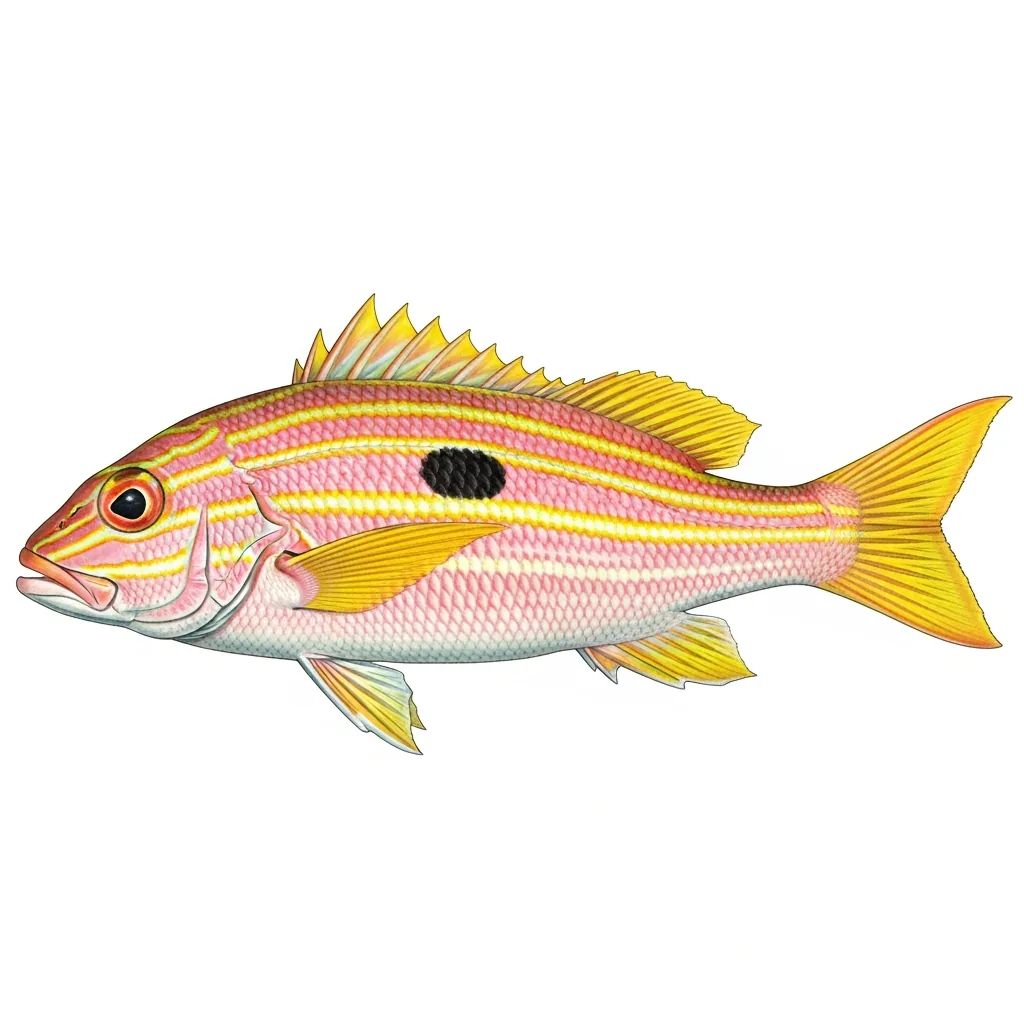 Lane SnapperLutjanus synagris
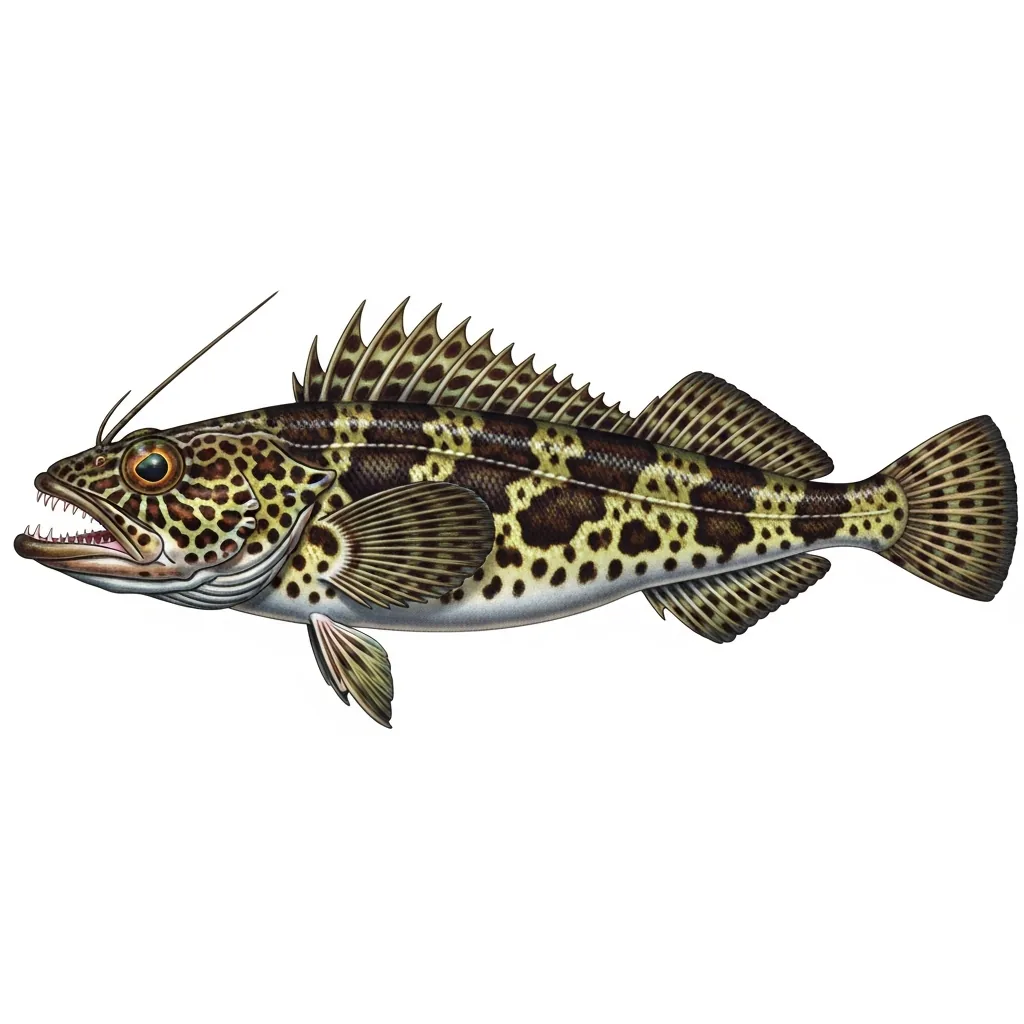 LingcodOphiodon elongatus
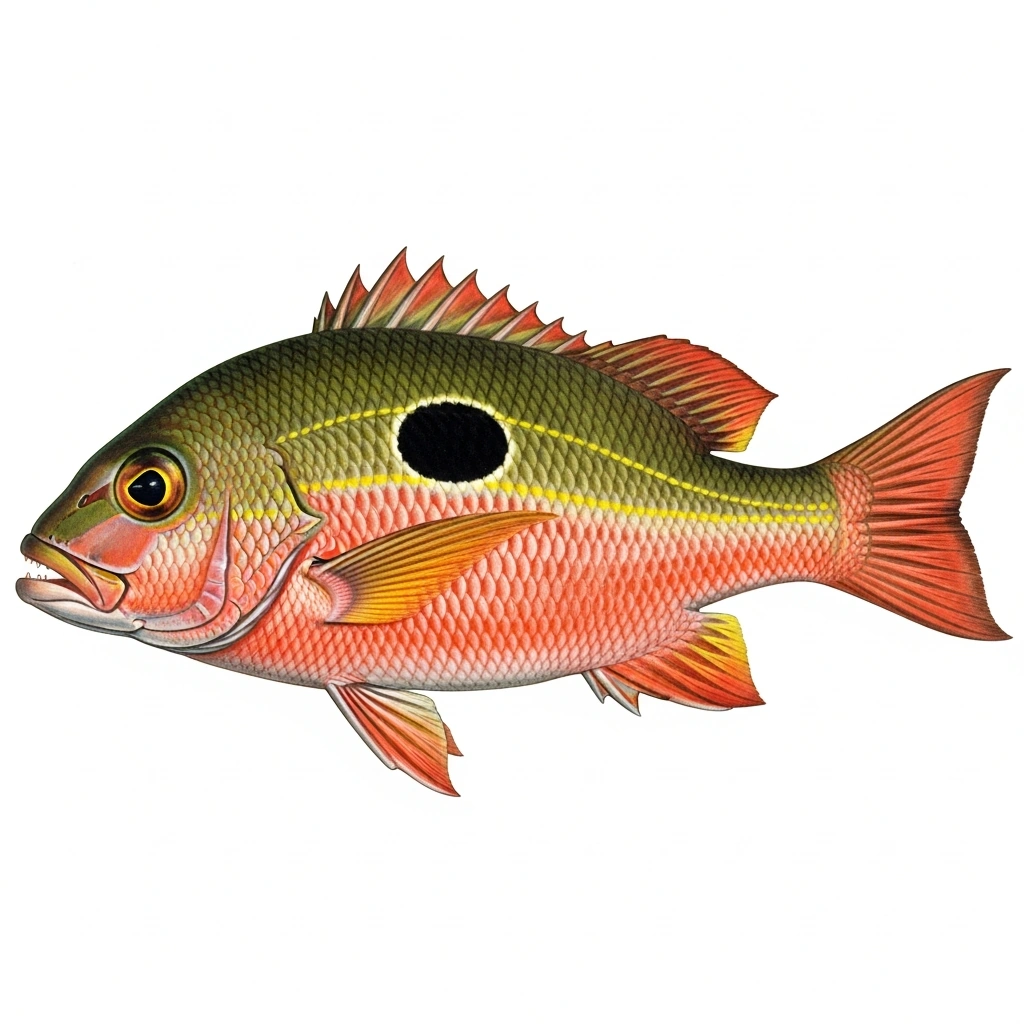 Mutton snapperLutjanus analis
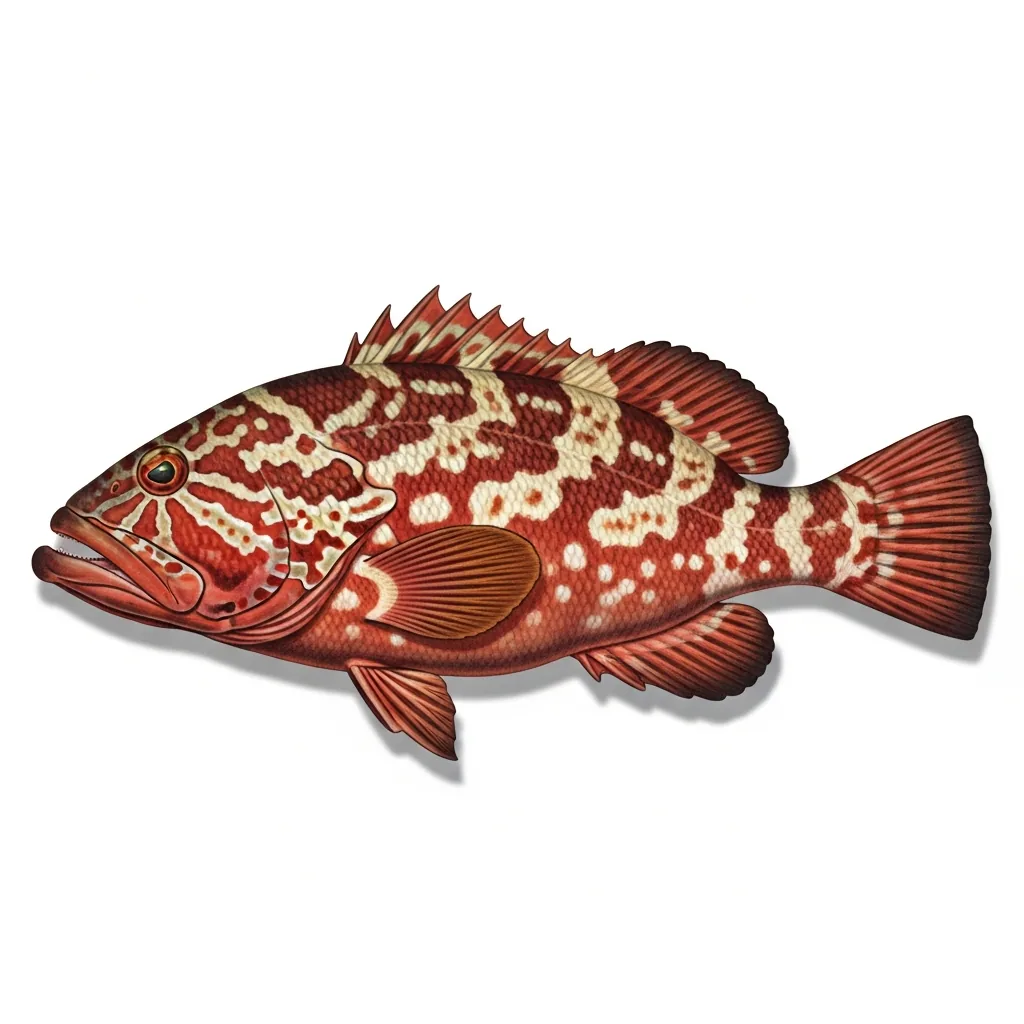 Red GrouperEpinephelus morio
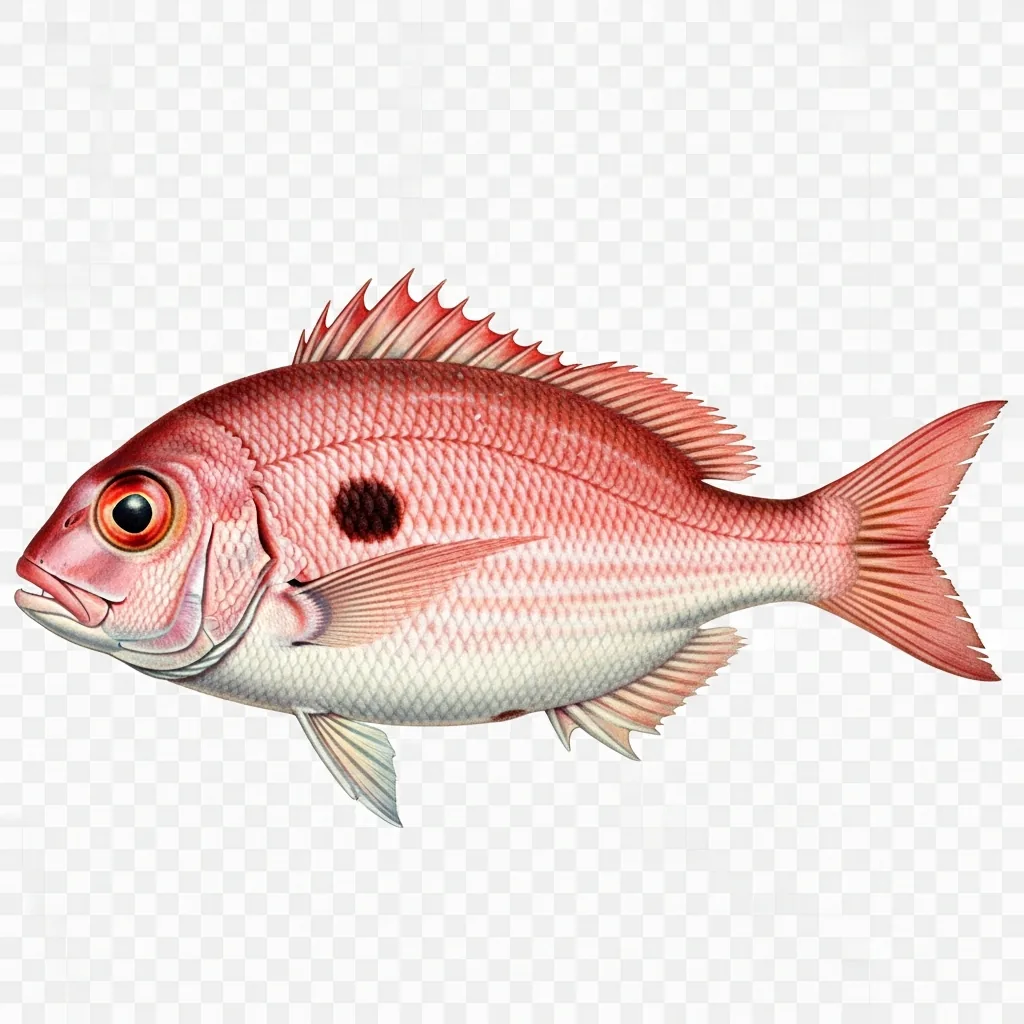 Red porgyPagrus pagrus
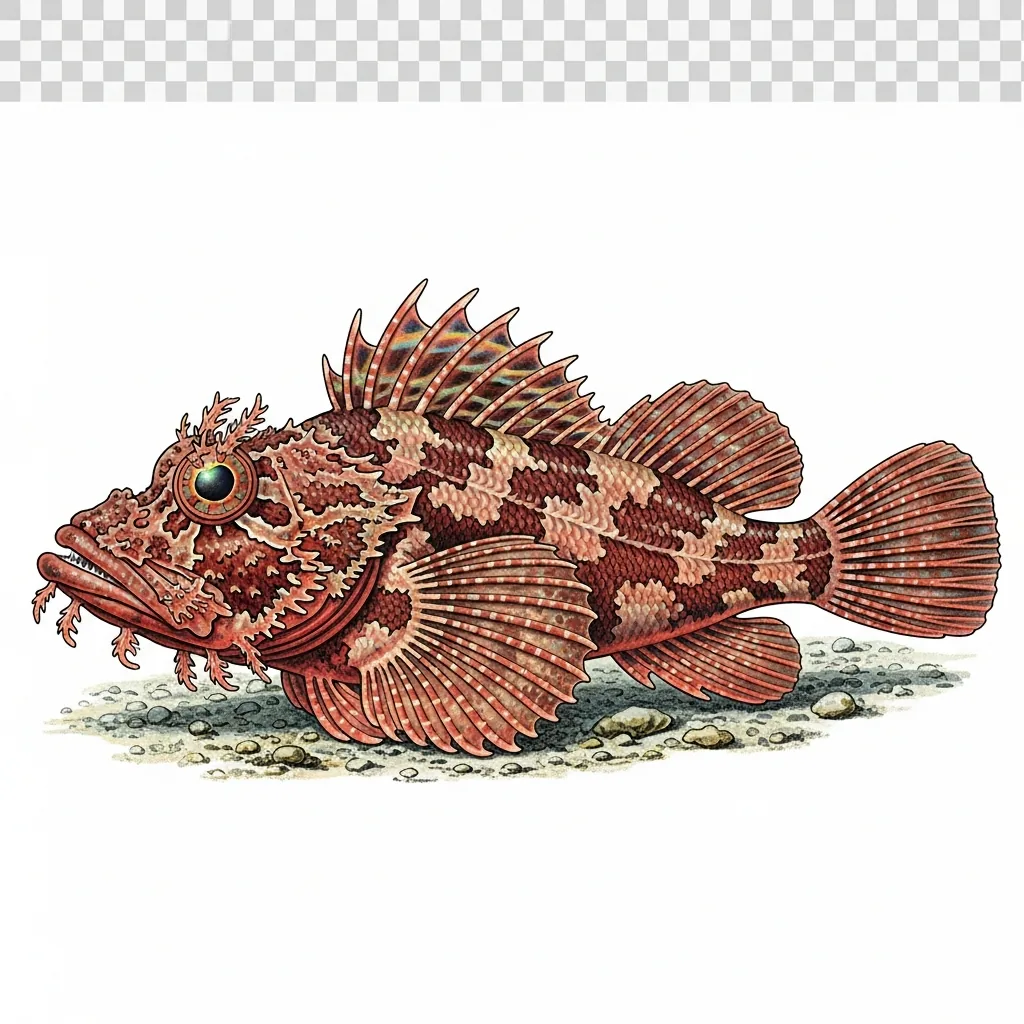 Red scorpionfishScorpaena scrofa
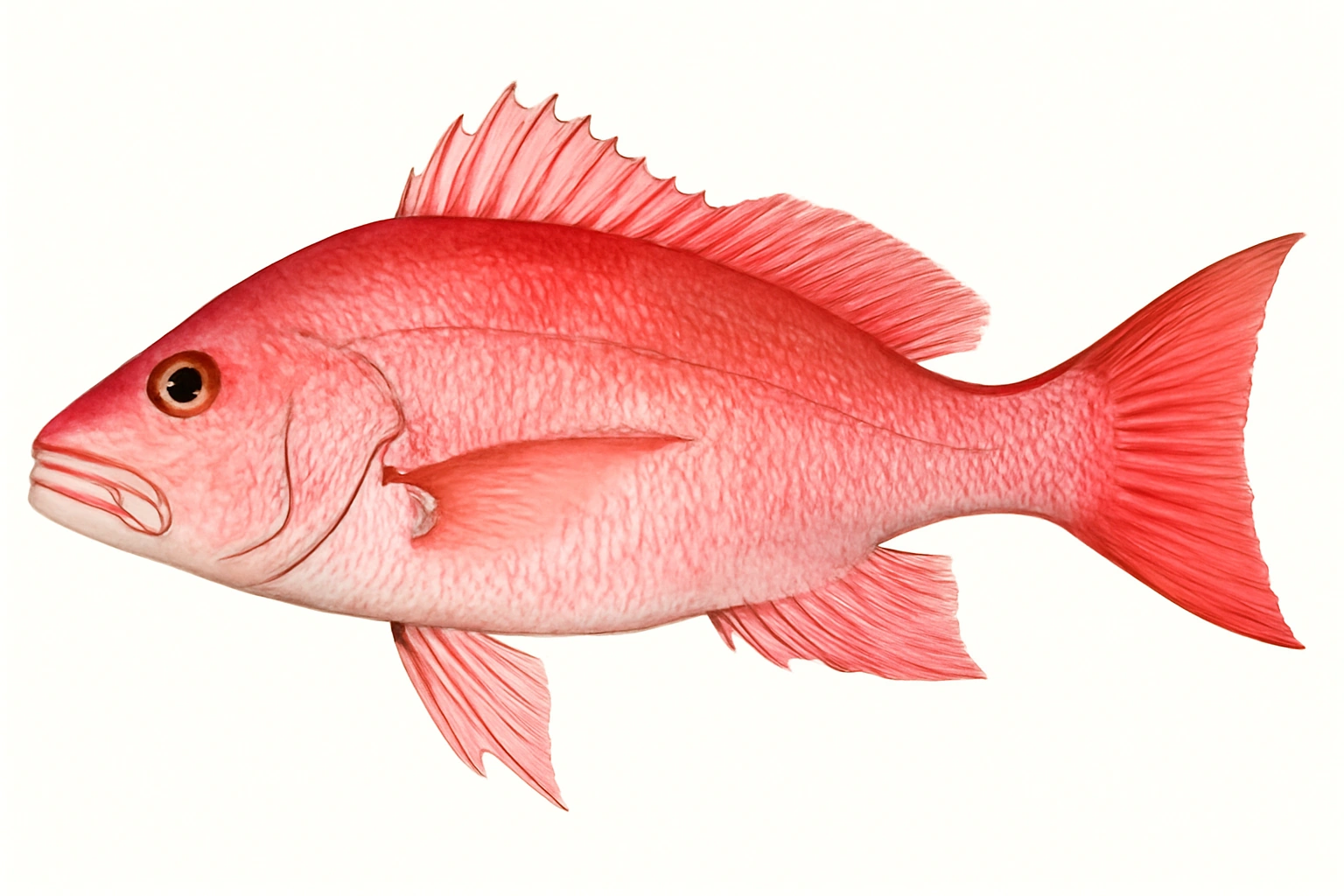 Red snapperLutjanus campechanus
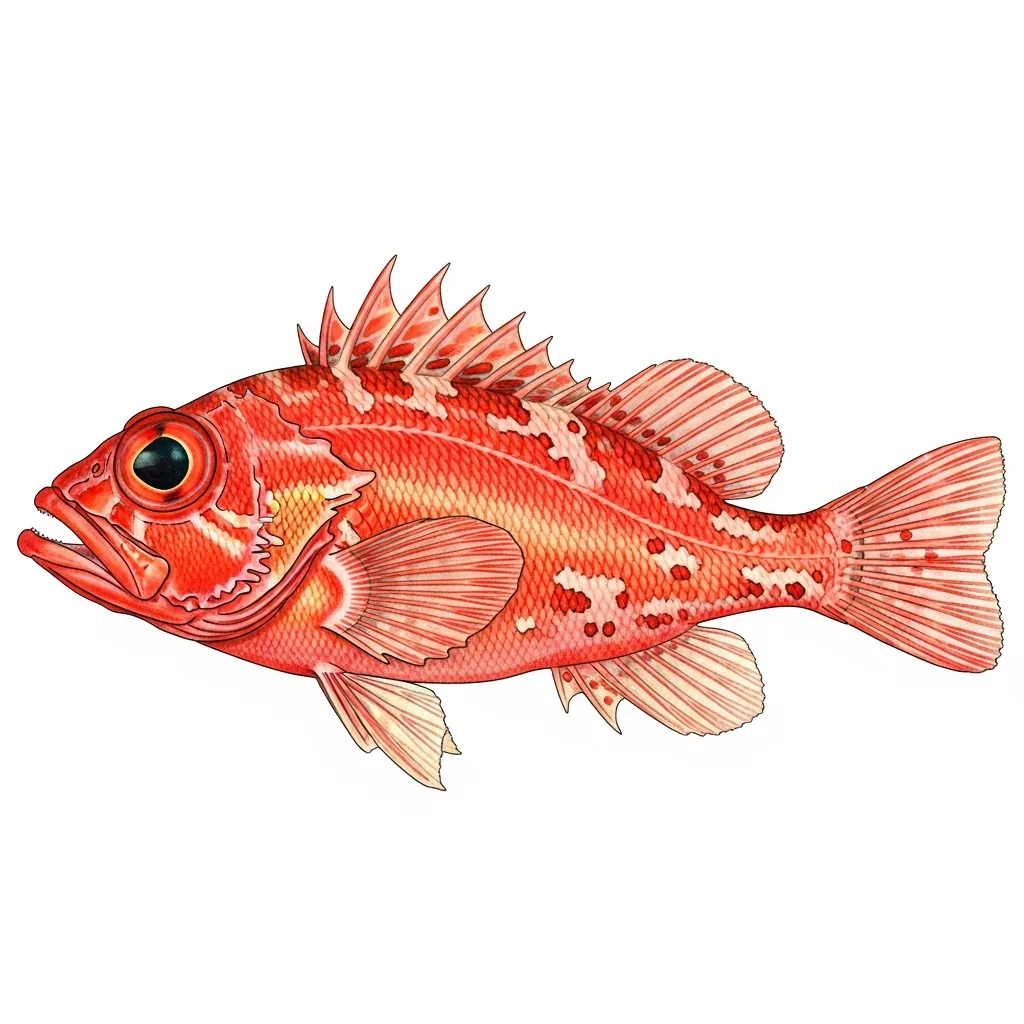 Vermilion RockfishSebastes miniatus
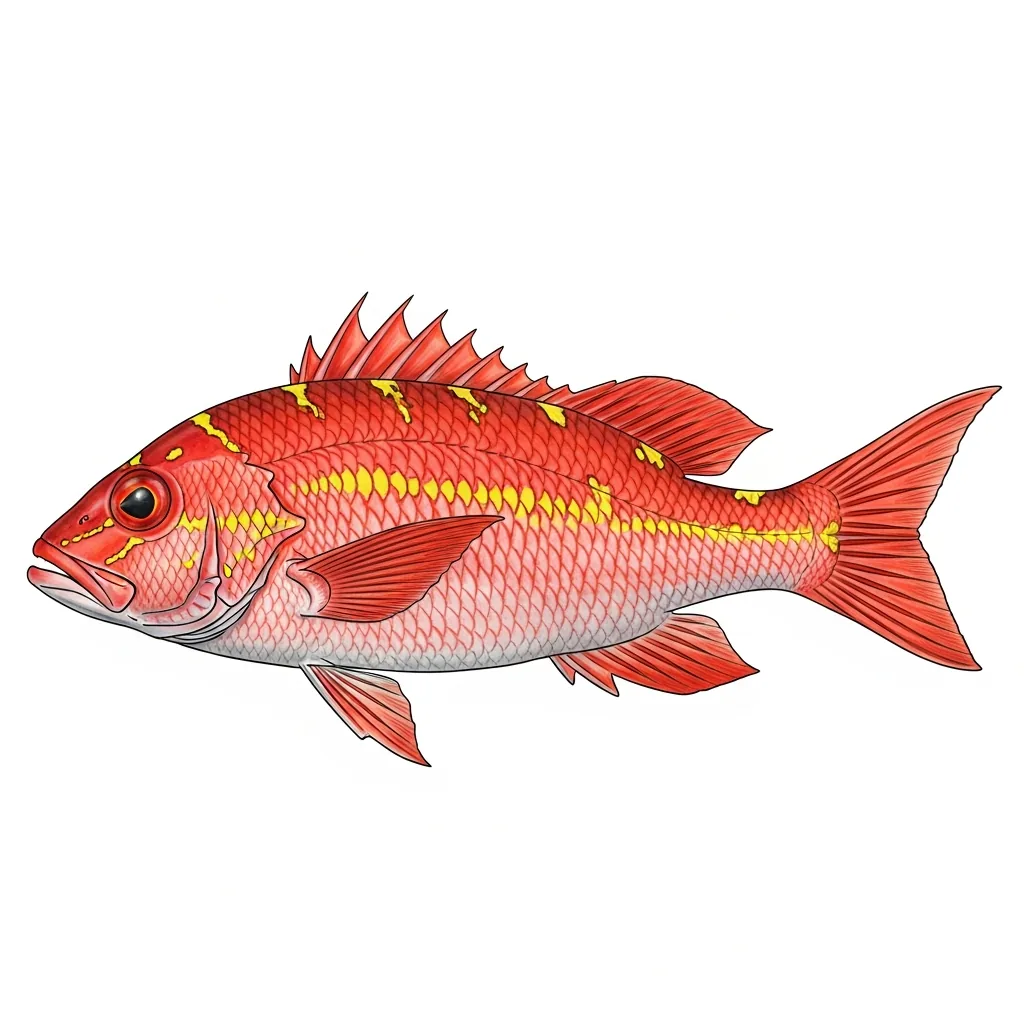 Vermilion SnapperRhomboplites aurorubens
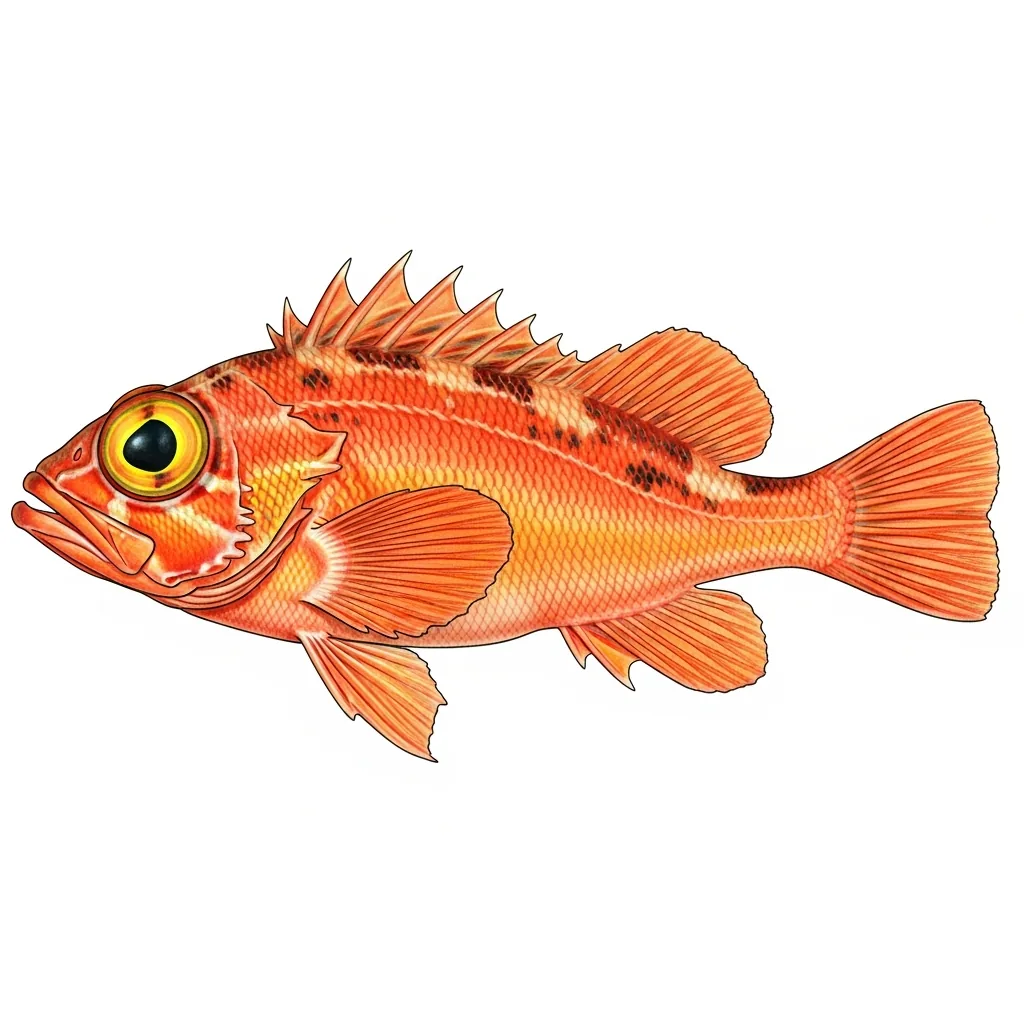 Yelloweye RockfishSebastes ruberrimus
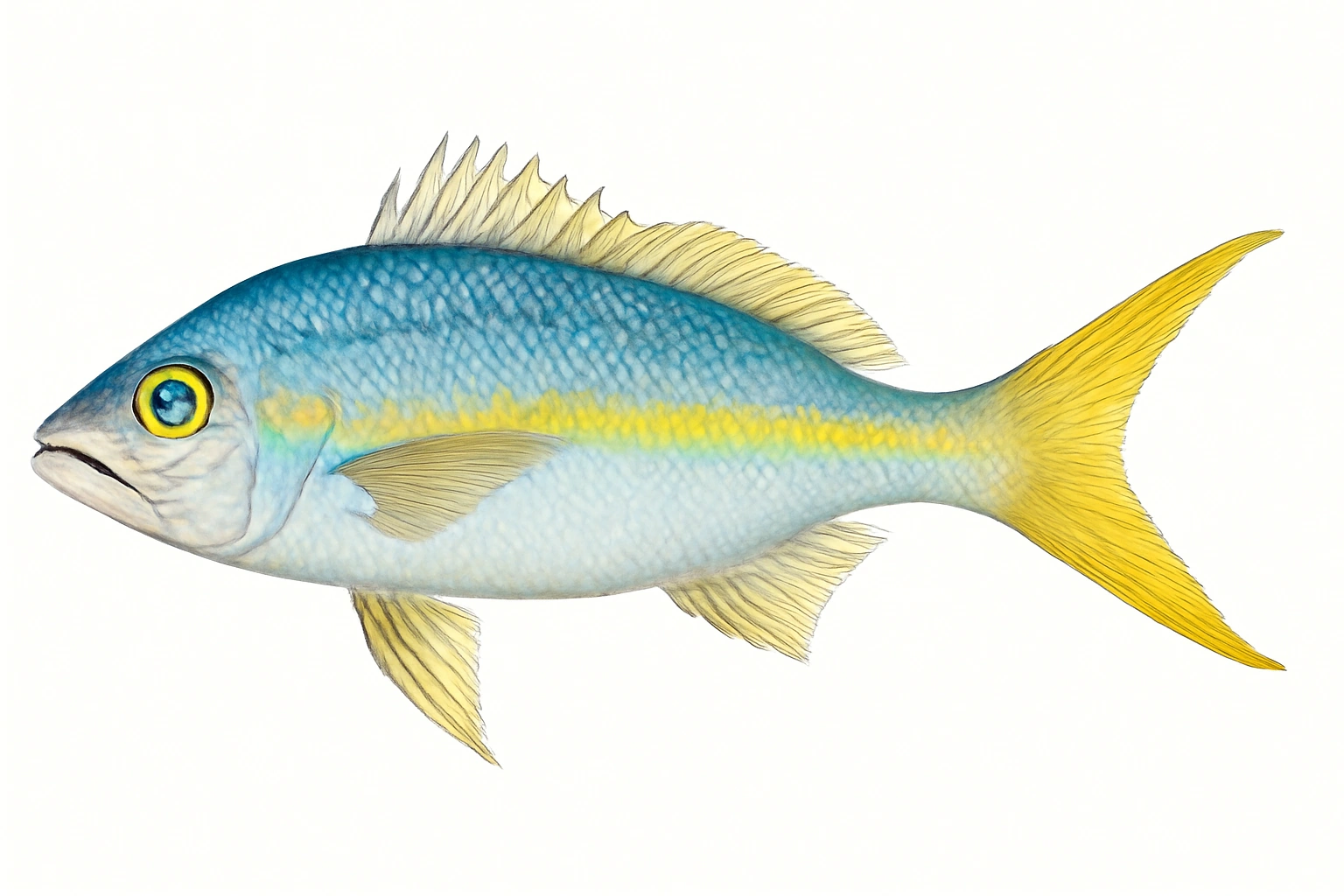 Yellowtail snapperOcyurus chrysurus
Frequently asked questions
How do you fish Kabura Tai Rubber?
Kabura, often also called Tai Rubber, is a vertical technique created to target seabream and bottom predators with an apparently simple lure: a weighted head, silicone skirt, and free assist hooks.
Kabura Tai Rubber: what tackle do you need?
The ideal rod is a specific Tai Rubber rod, short and sensitive in the tip but with progressive backbone, able to absorb head shakes without tearing out the short, thin assist hooks.
Kabura Tai Rubber: what is the best time?
It is not only a summer technique, although with warm water fish tend to be more mobile and reactive. In spring and fall it often gives its best because many seabream species hold at mid depths and feed decisively along bottom breaks and transition zones;
Kabura Tai Rubber: where is it best?
Kabura performs best on shoals, ledges, flats broken by rock, coralligenous areas, landslides, and sand-to-rock edges where fish patrol in search of crustaceans, small cephalopods, and injured baitfish.