Light Rock Fishing: technique, spots and tackle
Ultralight Shore Fishing Technique

Every angler dreams of the perfect day. We show it to you first.
At the heart of ForecastX is an advanced marine-weather engine: it analyses waves, wind, sea temperature, tides, pressure and moon in real time and turns them into a Productivity Index (0-100) for every species. You'll always know, precisely, when the sea is on your side.
Coming soon to the App Store and Google Play — don't miss it.Introduction to light rock fishing
Light Rock Fishing, often abbreviated as LRF, is a search-style shore fishing method based on very small lures, sensitive tackle, and precise spot reading. It is not just “light spinning”: it was developed to target small predators and resident fish around the rocks, but it often produces surprising catches such as juvenile sea bass, horse mackerel, starry leerfish, saddled seabream, or small bluefish when the bait is tiny. Its appeal lies in turning every detail of the bottom into a useful clue: a crack, a trickle of water, a patch of shade, or a strip of foam can concentrate fish. It is an excellent technique for truly learning how to read the sea, because it forces you to think about current, light, cover, and fish feeding behavior.
Where to look for them and how to read the spot
The best spots are low rocky shorelines, stone piers, small harbors, breakwaters, rocky slabs with gutters, and all stretches where rock and sand meet. The key point is not the rock itself, but the "productive edge": depth changes, cracks, holes, ledges, and areas where the wash brings food without being too violent. In clear water, it is worth observing from above before fishing: small fish often hold close to shadows, weed, and areas where they can dart out to strike and immediately return to cover. A practical trick from competitive search fishing is to always start “fan-casting,” probing first at your feet, then the first drop-off, then the current side: in LRF many bites come extremely close, where many distracted casters never fish.
Sea, light, season, and the right window
Dawn and dusk remain excellent times, but in LRF cloud cover, water stain, and the stage of the tide or local wave action also matter enormously. A lightly rippled sea or slightly stained water often fishes better than flat, crystal-clear water, because fish feel safer and the lure looks less suspicious. In summer and early fall the rocky shore is teeming with tiny bait, making the game very technical, while in the cold months it pays to slow down, insist near the bottom, and take advantage of the middle hours of the day if the water warms slightly. Keep in mind one very reliable rule: more light and clearer water call for a stealthy approach, small baits, and natural presentations; with light foam and moving water you can get away with something more visible and more vibrant.
Truly functional tackle
A rod between about 2.10 and 2.40 m is a balanced shore-based starting point, but the actual action matters more than length: you need a sensitive tip to detect taps and bottom contact, with a blank able to handle jigheads, micro jigs, and small hard baits. A size 1000-2500 reel should be smooth and have a precise drag, because with thin lines any sudden shock is immediately costly. Fine braid offers sensitivity and casting distance, but it requires a well-chosen fluorocarbon leader: thinner for natural presentation and free fall, stronger around abrasive rocks, teeth, mussels, and fish that fight harder than expected. The real performance booster is having leaders of different diameters already prepared: one for wary fish and clear water, one intermediate for general use, and one more resistant for working tight to the rocks without fearing the loss of every lure.
Lures, rigs, and when to change
Soft baits are the heart of LRF because they allow you to imitate fry, shrimp, marine worms, and small cephalopods with great naturalness. The most versatile rigs are light jigheads, split shot, ultra-light Texas rigs for getting through weed and cracks, and micro jigs when you need to cover water or fish deeper in current. In general, shads and small paddle tails perform well on active fish and in moving water, while creatures, worms, and shrimp imitations are deadly when fish are glued to the bottom and feeding cautiously. One choice that is often underestimated is color in relation to light: natural and translucent in high sun and clear water, fuller or more contrasting under overcast skies, foam, or backlight; not because the fish “likes a color,” but because it needs to clearly make out a believable profile.
Presentation and retrieves that make the difference
In LRF presentation matters more than casting distance: a lure dropped or cast into the right place and allowed to sink in a controlled way is worth more than ten random retrieves. The four basic retrieves to master are short hops on the bottom, a slow drag with pauses, a straight swim with just a few handle turns, and a monitored free fall on the line, because many bites come precisely on the drop. If you feel small sharp taps but do not hook up, you are often moving too fast or using a jighead that is too heavy, making the bait stiff and unnatural. The real trade secret is learning to “count the fall” on the same spot: if the sink time changes within a difference of a yard or two, you have probably found a gutter, a hole, or a step where fish set up in ambush.
Target species and behavior
Gobies, comber, blennies, and wrasse are classic main players because they live closely tied to the bottom, holes, and structure. Comber often hit on the drop or just after a small hop, while wrasse like slow, precise presentations near weed, rocks, and lanes between boulders. In harbors and on sea walls it is not uncommon to intercept saddled seabream, horse mackerel, or young sea bass feeding on tiny bait, and here micro jigs and tiny minnows worked more in the water column than on the bottom come into play. Knowing what is in front of you helps you change your approach: if you get nervous taps and bites mid-water, lighten up and speed up; if you feel only weight or contact on the bottom, slow down, shorten movements, and make longer pauses.
Common mistakes and how to fix them
The most frequent mistake is fishing too fast, as if every lure had to “run away”: in LRF many fish assess, follow, and take only when the bait slows down or stops. Another classic mistake is always using the same weight: if you are too light you feel nothing and fish out of control, if you are too heavy you lose naturalness and snag constantly. Hook-setting also needs to be adapted: with small hooks and thin lines, a short strike and a rod kept under constant tension are better than a violent jerk that opens the hook or breaks the leader. Finally, many anglers neglect the order in which they work a spot: entering noisily, throwing a shadow over the water, or starting immediately with long casts often means spooking the very fish that are closest and easiest to catch.
Safety, catch handling, and ethics
The most beautiful rocks to fish are often also the most treacherous, so you need shoes with excellent grip, attention to backwash, and no carelessness with a rising sea or irregular post-storm swell. Small pliers, a compact landing net, and wet hands help you unhook fish quickly without damaging species that are often small and delicate. LRF is at its best when practiced respectfully: keep only what is legal and truly intended for consumption, release unsuitable catches carefully, avoid leaving behind pieces of line, and do not needlessly trample tide pools and organisms on the rocks. A good angler in this technique is not the one who casts farthest, but the one who observes more, disturbs less, and understands sooner where the sea is concentrating life.
Fish to target with this technique
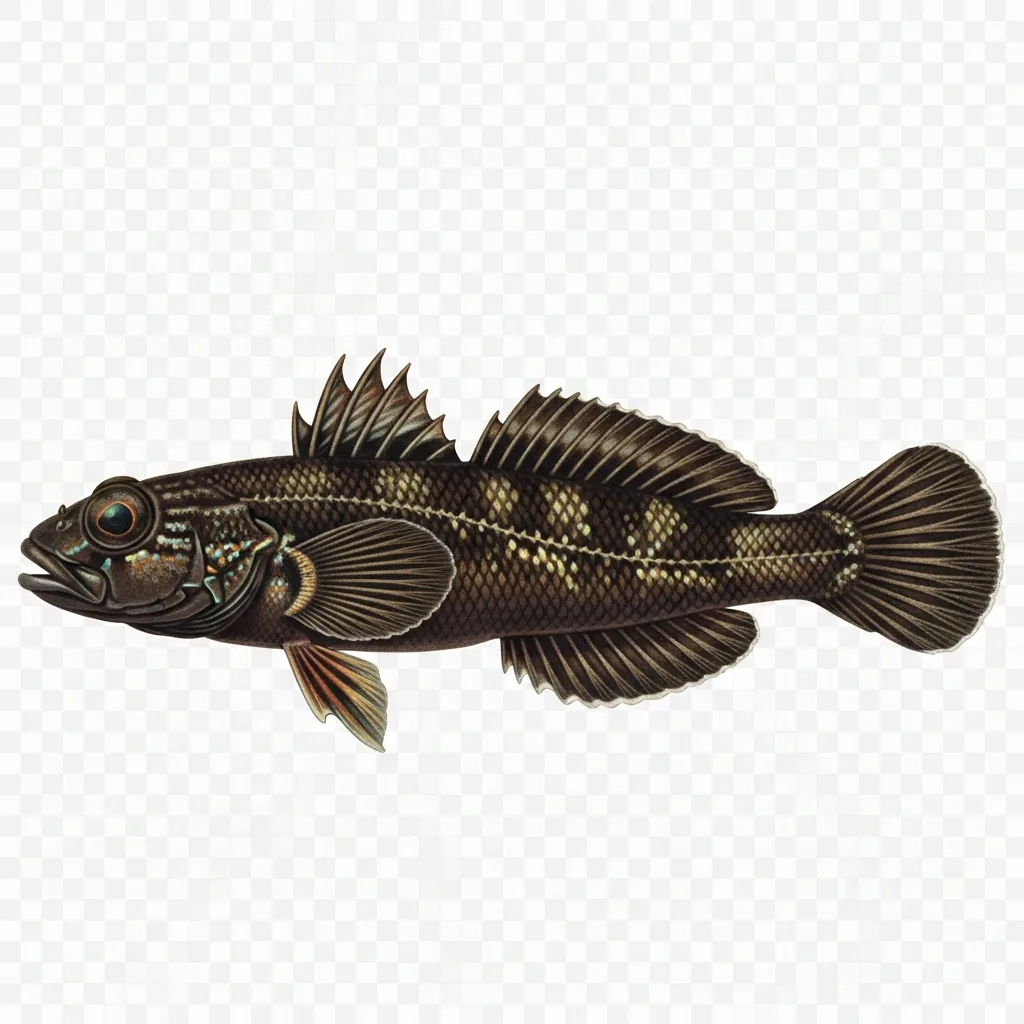 Black gobyGobius niger
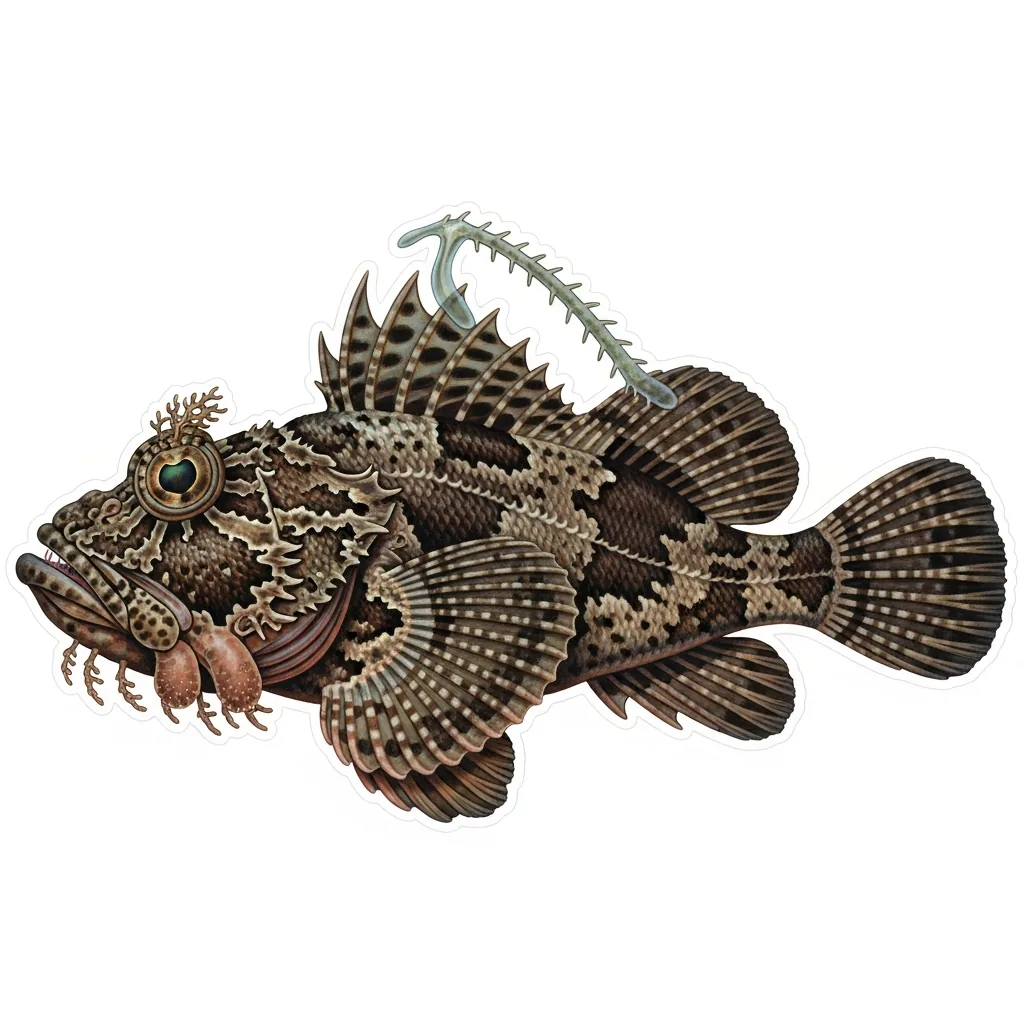 Black scorpionfishScorpaena porcus
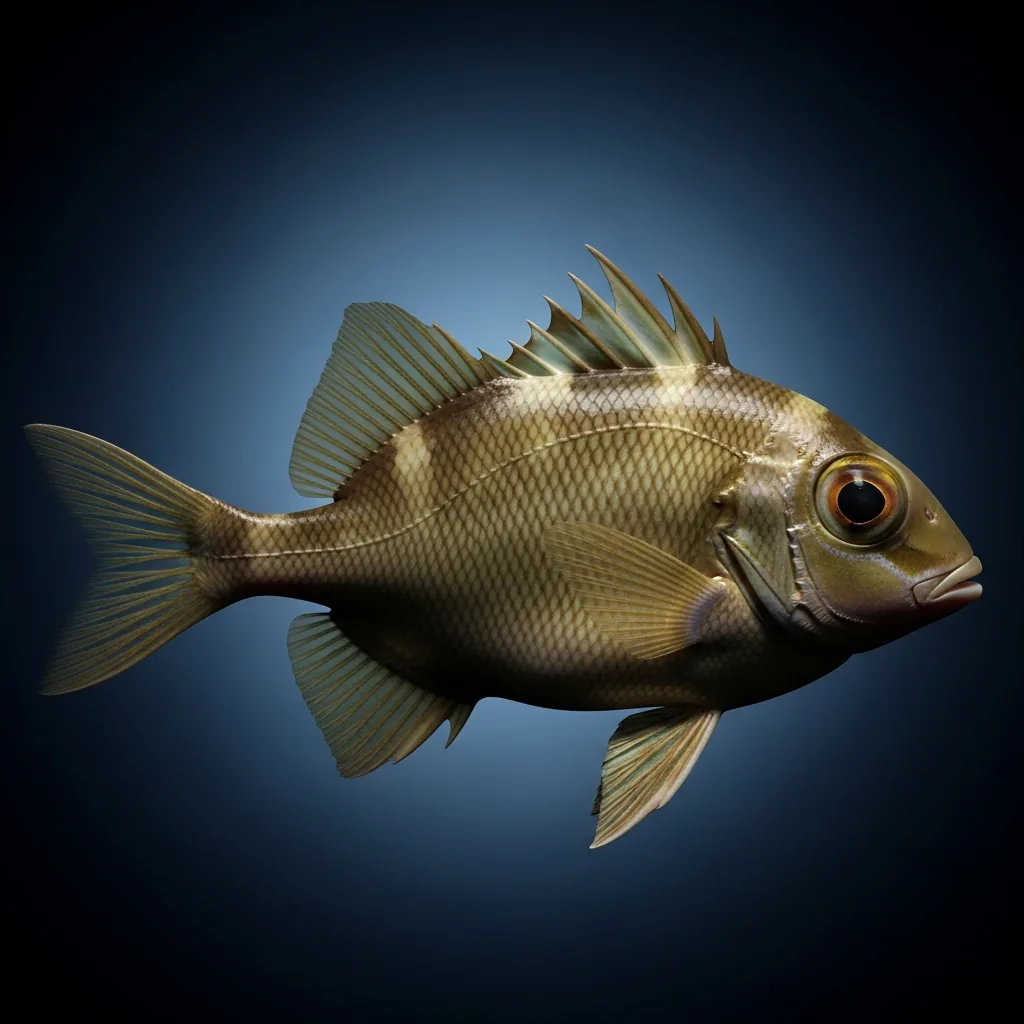 Dusky spinefootSiganus luridus
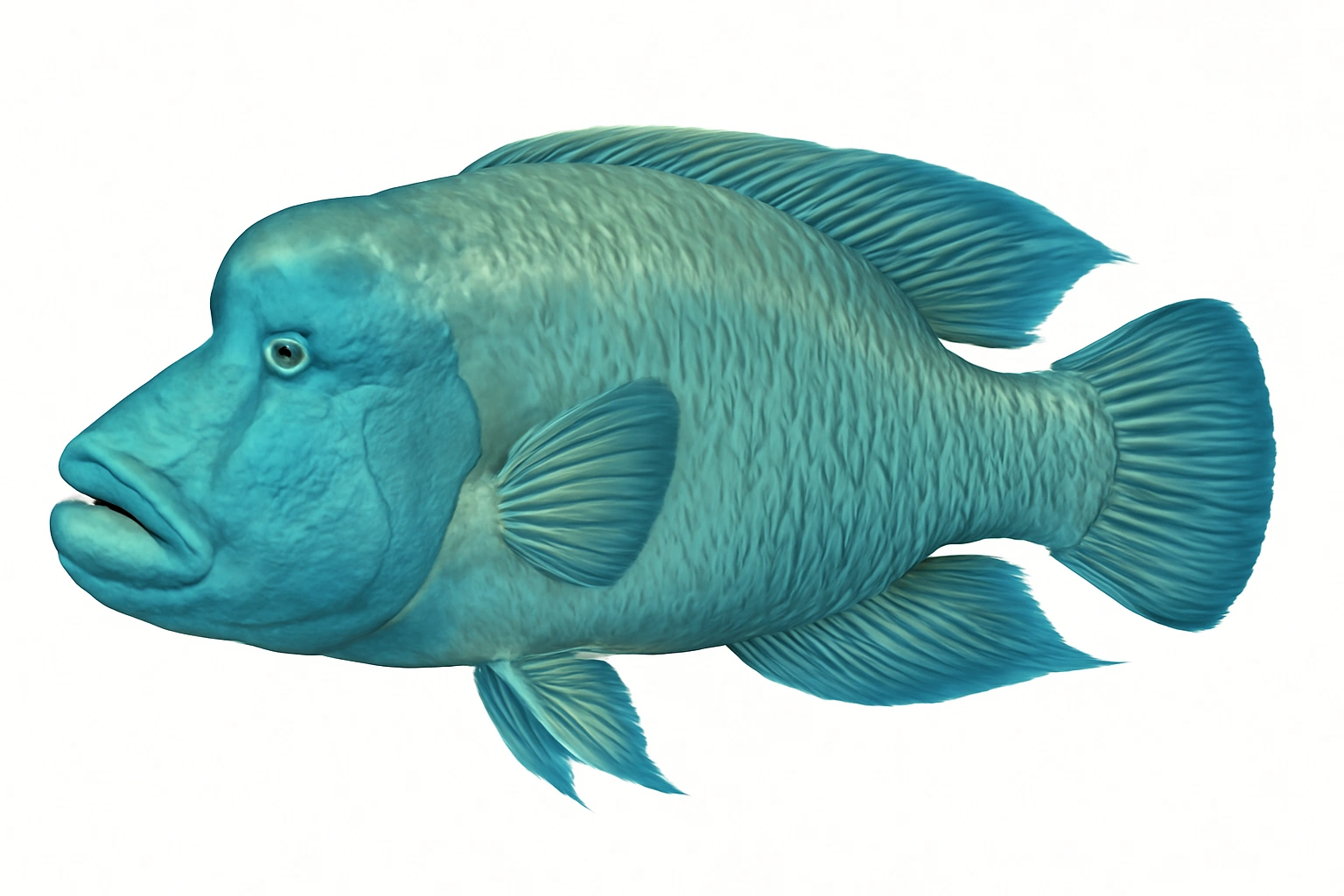 Humphead wrasseCheilinus undulatus
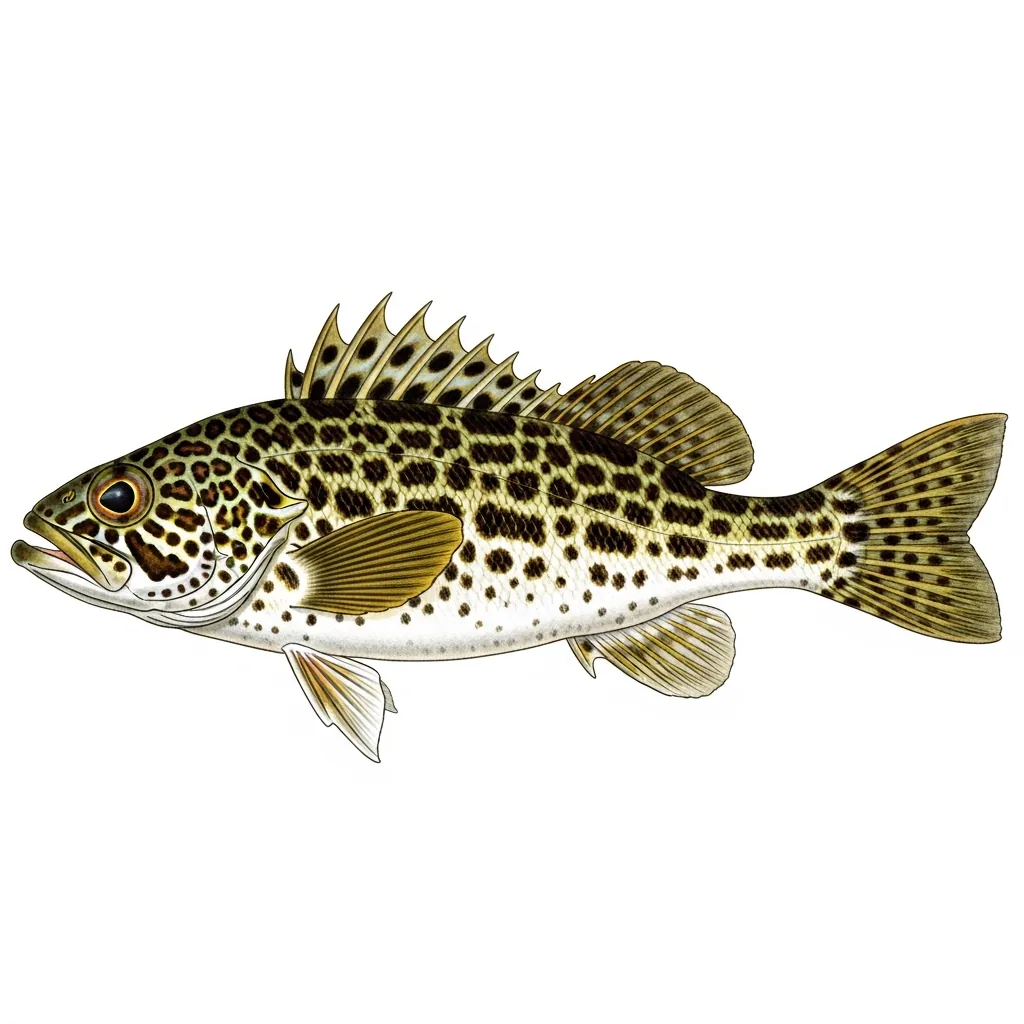 Kelp BassParalabrax clathratus
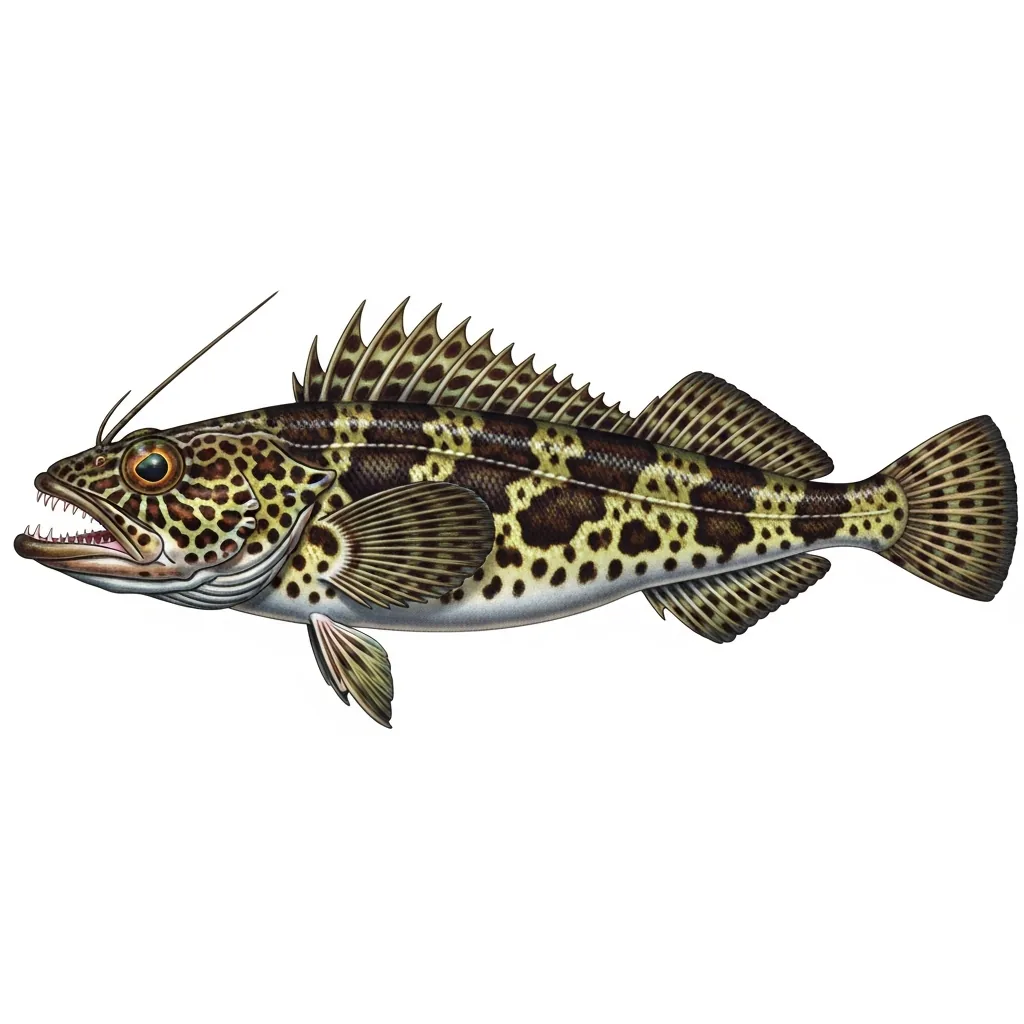 LingcodOphiodon elongatus
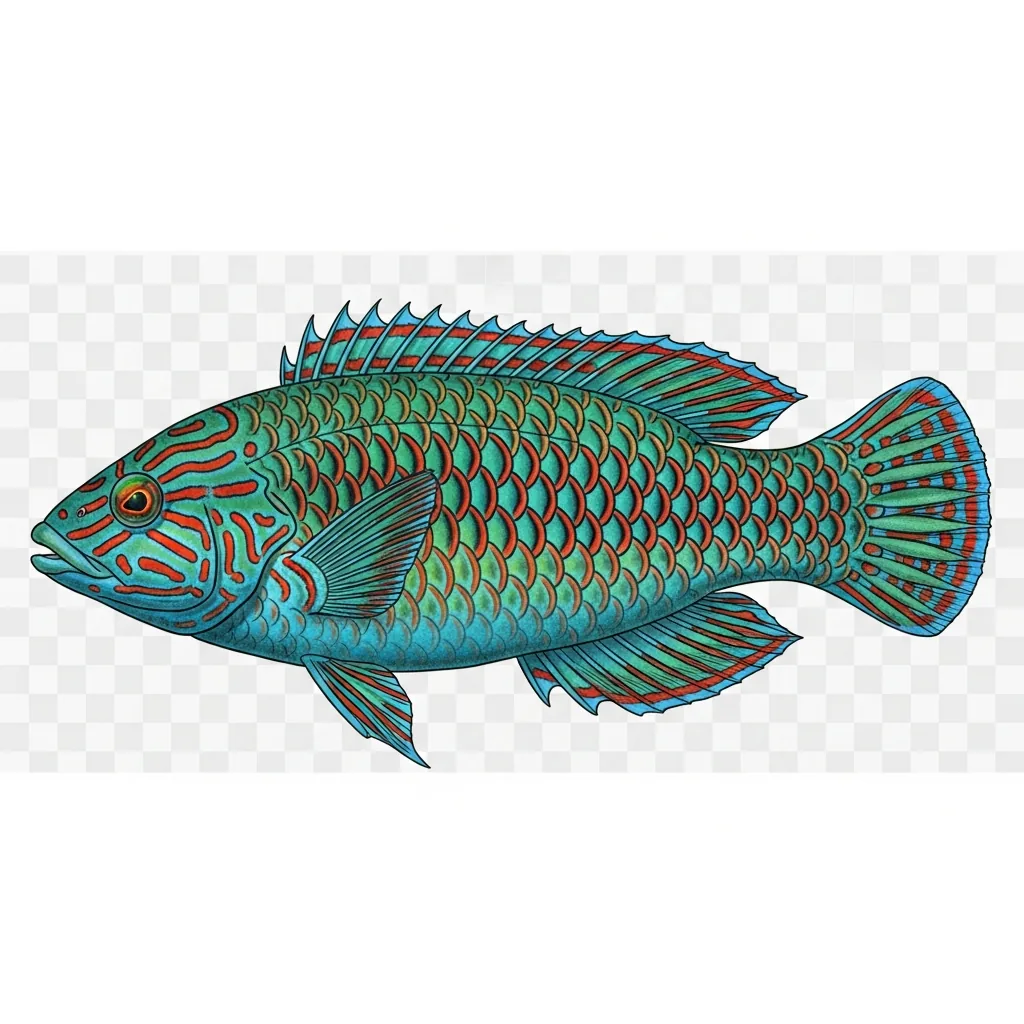 Ornate wrasseThalassoma pavo
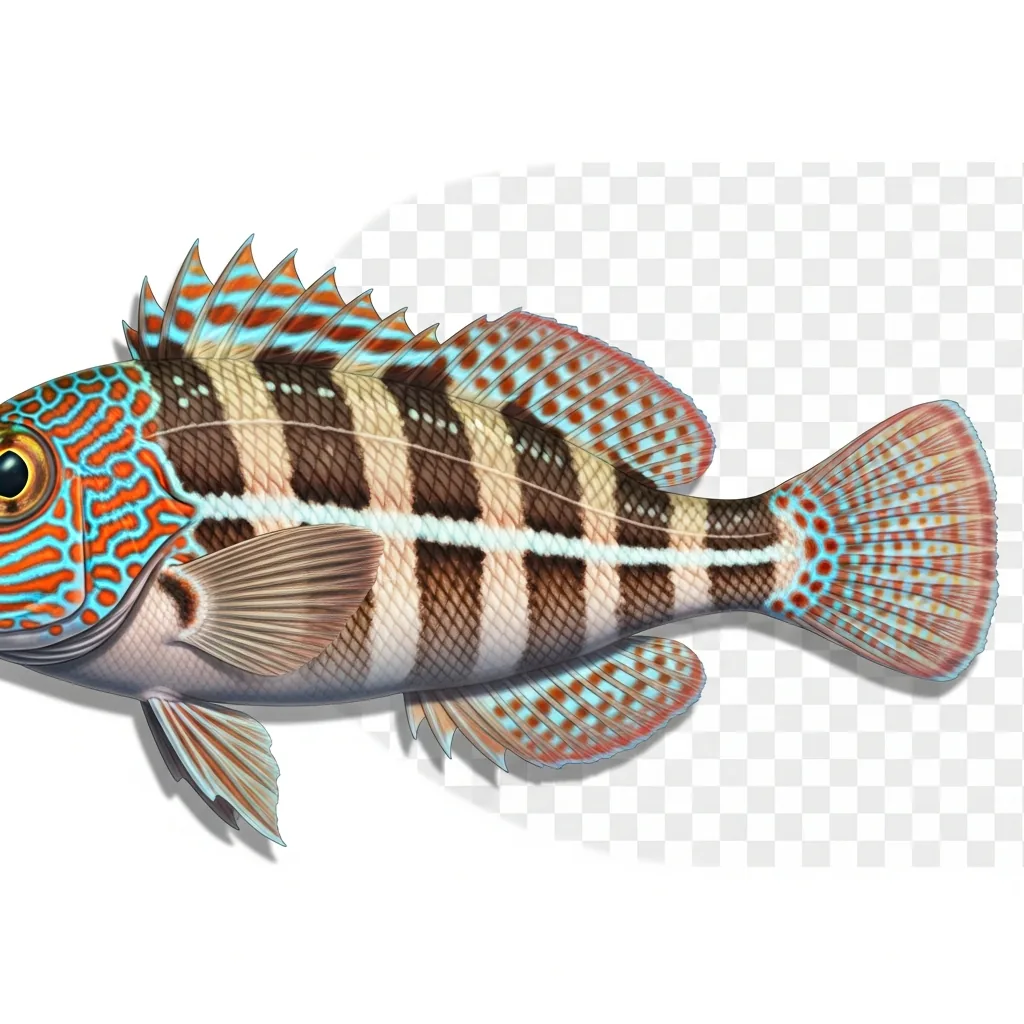 Painted comberSerranus scriba
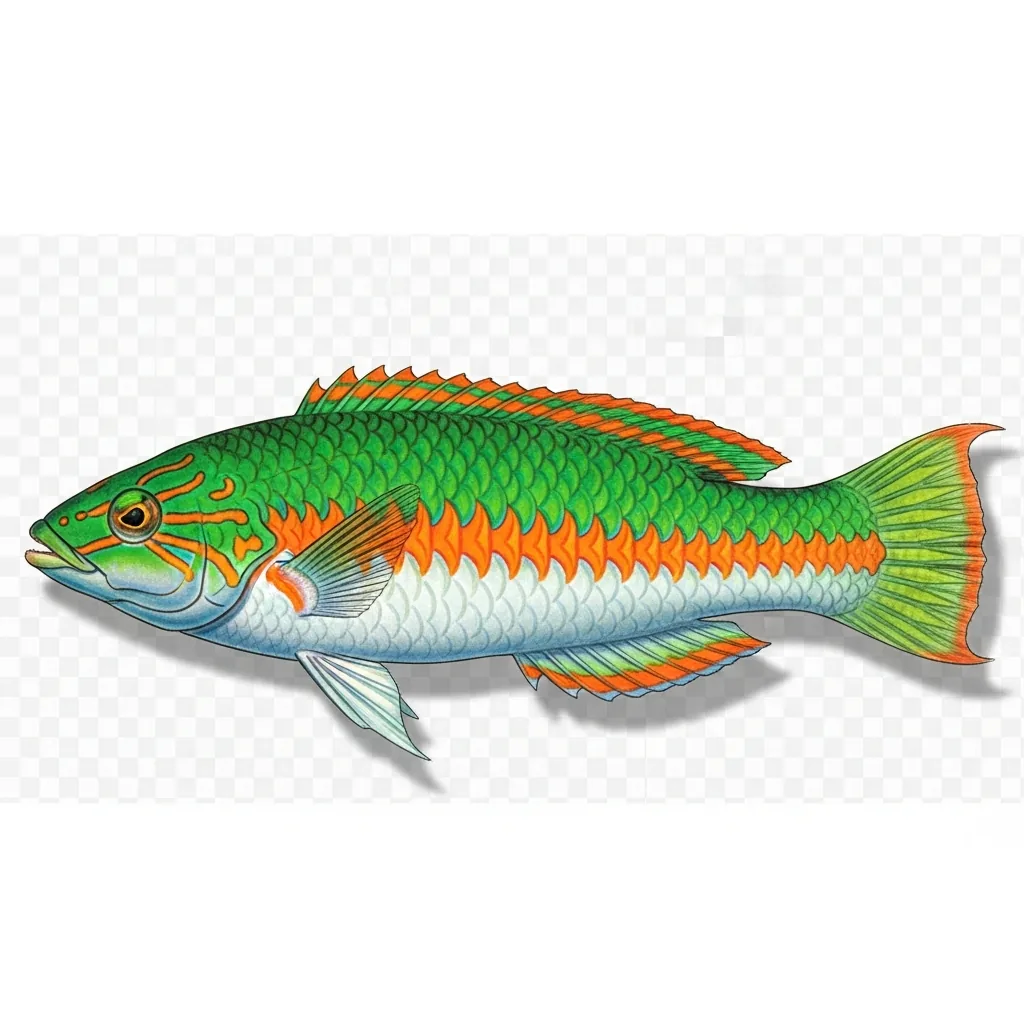 Rainbow wrasseCoris julis
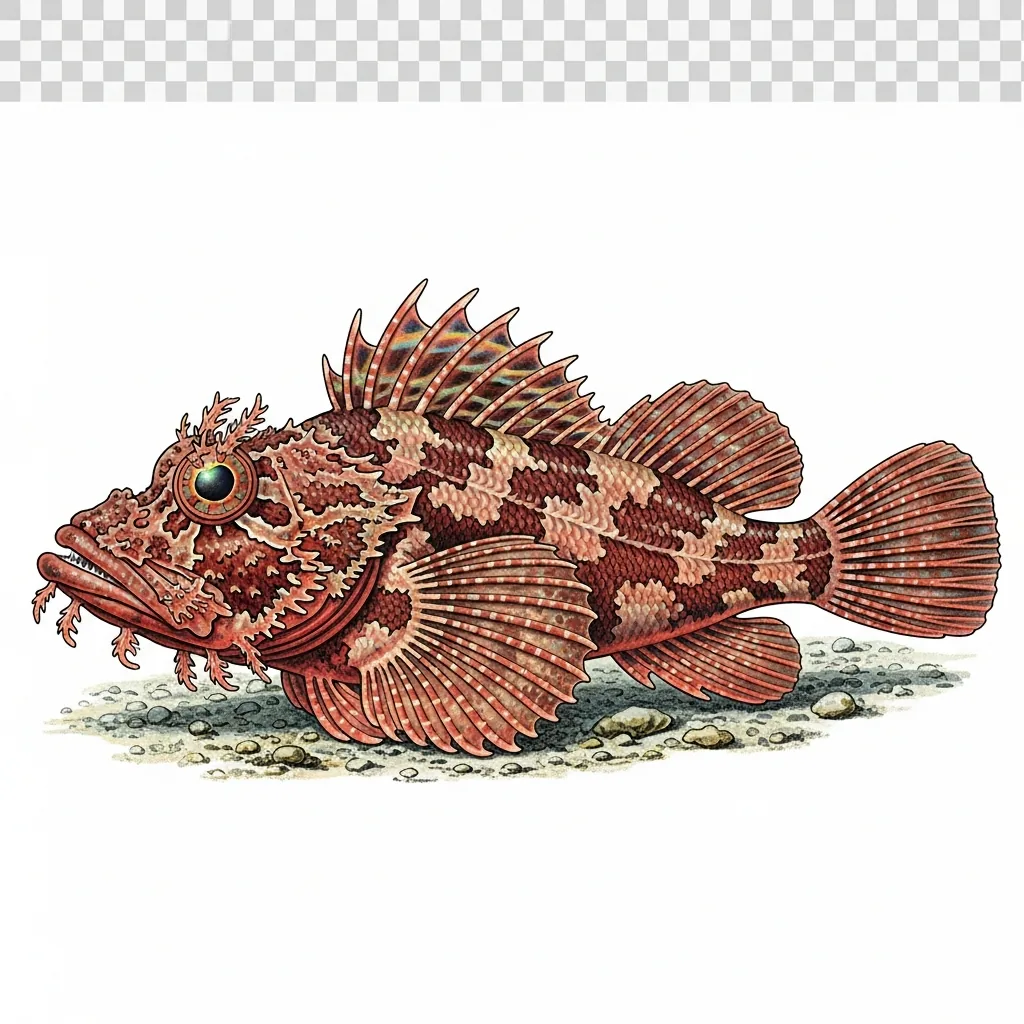 Red scorpionfishScorpaena scrofa
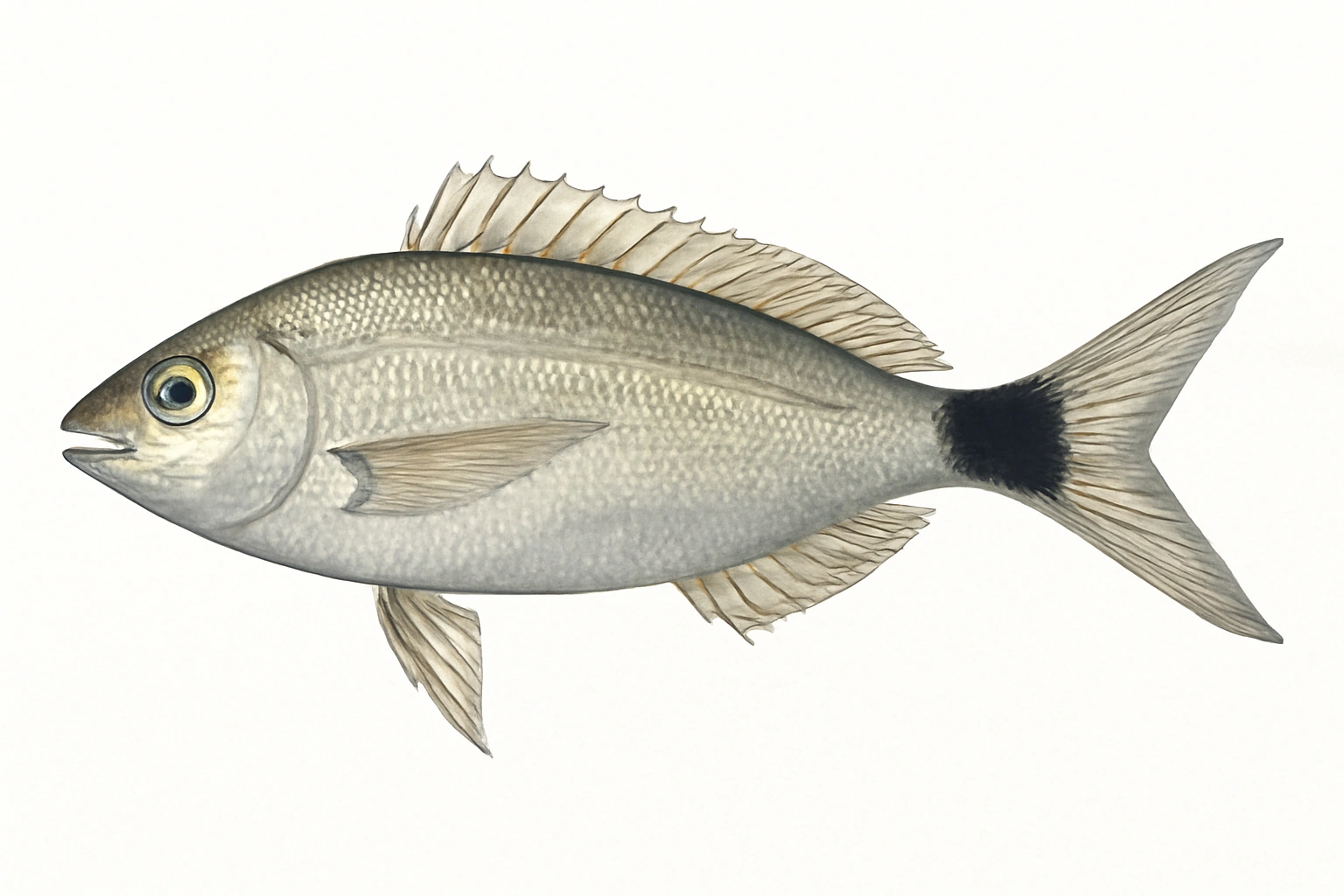 Saddled seabreamOblada melanura
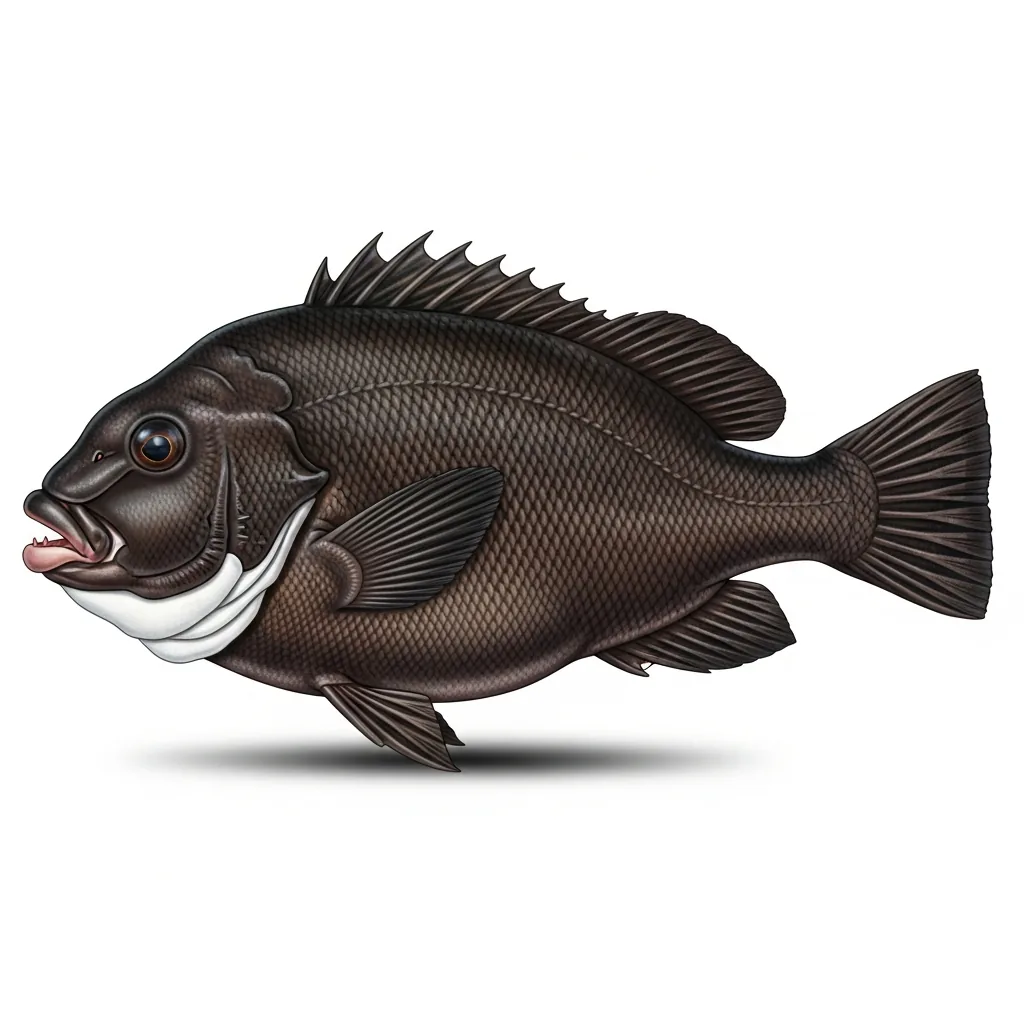 TautogTautoga onitis
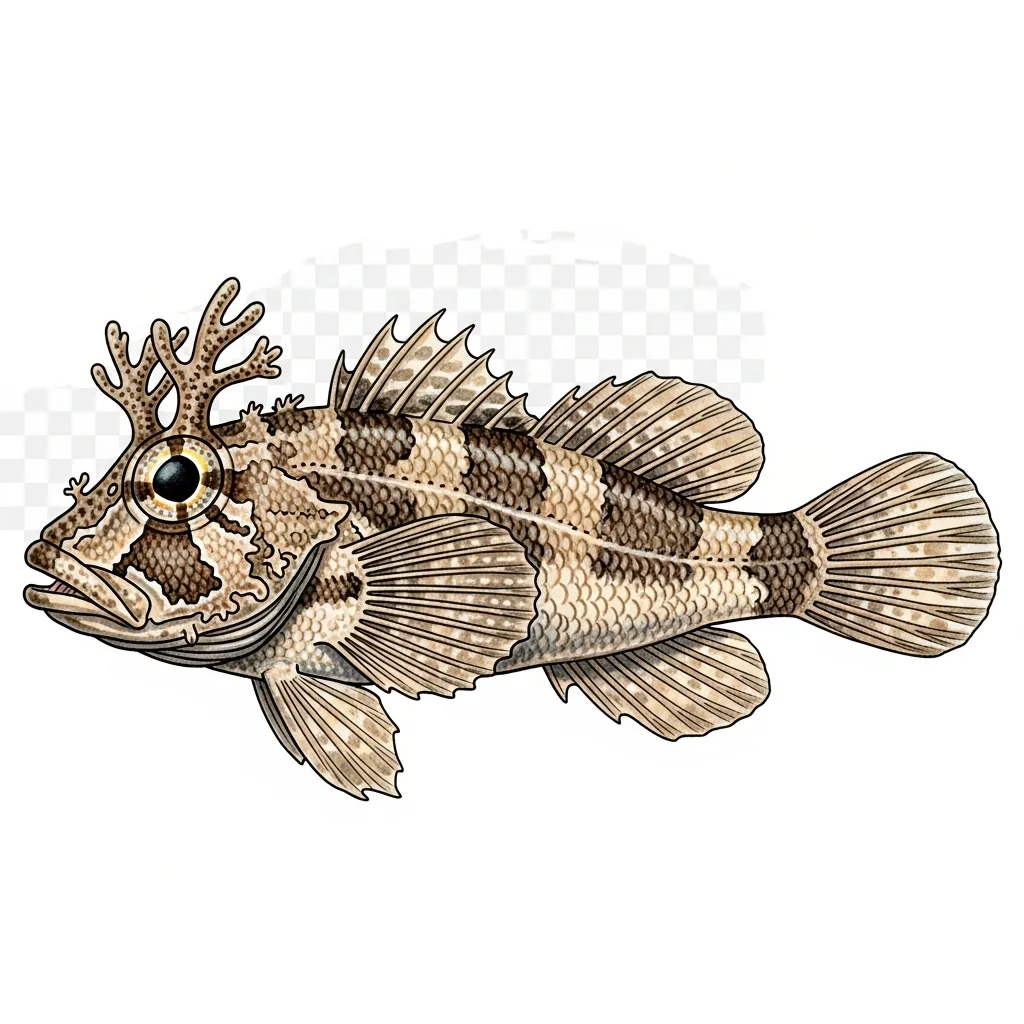 Tompot blennyParablennius gattorugine
Frequently asked questions
What is Light Rock Fishing?
Light Rock Fishing, often abbreviated as LRF, is a search-style shore fishing method based on very small lures, sensitive tackle, and precise spot reading. It is not just “light spinning”: it was developed to target small predators and resident fish around the rocks, but it often produces surprising catches such as juvenile sea bass,…
Light Rock Fishing: what tackle do you need?
A rod between about 2.10 and 2.40 m is a balanced shore-based starting point, but the actual action matters more than length: you need a sensitive tip to detect taps and bottom contact, with a blank able to handle jigheads, micro jigs, and small hard baits.
Light Rock Fishing: what is the best time?
Dawn and dusk remain excellent times, but in LRF cloud cover, water stain, and the stage of the tide or local wave action also matter enormously. A lightly rippled sea or slightly stained water often fishes better than flat, crystal-clear water, because fish feel safer and the lure looks less suspicious.
Light Rock Fishing: where is it best?
The best spots are low rocky shorelines, stone piers, small harbors, breakwaters, rocky slabs with gutters, and all stretches where rock and sand meet. The key point is not the rock itself, but the "productive edge": depth changes, cracks, holes, ledges, and areas where the wash brings food without being too violent.