Bottom Fishing: technique, spots and tackle
A Beginner's Guide to Bottom Fishing

Every angler dreams of the perfect day. We show it to you first.
At the heart of ForecastX is an advanced marine-weather engine: it analyses waves, wind, sea temperature, tides, pressure and moon in real time and turns them into a Productivity Index (0-100) for every species. You'll always know, precisely, when the sea is on your side.
Coming soon to the App Store and Google Play — don't miss it.Introduction to bottom fishing
Bottom fishing is not simply “cast and wait”: it is a technique of reading the bottom, choosing the bait, and controlling the presentation in the right spot. It works because many coastal species feed by scraping, sucking, or inspecting what wave action deposits on the bottom or stirs up among sand, gravel, and rock. From shore, harbors, piers, and beaches, it allows you to target gilthead bream, white seabream, sand steenbras, shi drum, and European seabass, but it requires different approaches depending on the spot and the season. The real leap in quality comes when you stop thinking only about the cast and start reasoning in terms of currents, bottom composition, disturbance, light, and the confidence with which the fish takes the bait.
Reading the spot
The bottom dictates almost everything. On sandy beaches it is worth looking for troughs, changes in water color, darker areas, or foam lines parallel to the shoreline: they often indicate holes, feeding lanes, or backwash that concentrates food. On rocky shores and in harbors, on the other hand, ledges, cave-ins, isolated boulders, pilings, and points where the current slows behind an obstacle matter, because that is where fish hold and feed with less energy expenditure. A trick from experienced anglers is to observe the beach in calm seas and bright light, perhaps during the day, to memorize depressions and shoals that at night, with slightly colored water, become the best spots.
When it really produces
Bottom fishing can be practiced year-round, but productivity changes greatly with water temperature, fishing pressure, and the natural availability of food. In spring and fall many species move close to shore regularly; in summer it is often better to focus on nighttime hours or spots with current and oxygenation, while in winter the sea’s easing phase or stable days after a storm provide valuable windows. Dawn, dusk, and the first hours of darkness remain classics, but full daylight with turbid water and rough seas should not be underestimated, because that situation makes fish more confident. The useful rule is this: the clearer and calmer the water, the more discreet leaders and distance from noise are needed; the more colored and rough it is, the more you can dare with bulky baits and sturdy baitings.
Tackle and setup
A rod around 3.9-4.2 meters covers much of shore bottom fishing well, but in harbors, on piers, or in tight spots a shorter length may be more practical. The reel must have a smooth drag and good line capacity, because this technique often uses heavy sinkers and deals with fish that use waves and obstacles to throw the hook. Monofilament on the spool is still an excellent choice for elasticity and abrasion tolerance; fluorocarbon makes more sense for the leader, especially in clear water or with wary fish. The setup must be tuned to the spot: clean bottom and sand steenbras allow finer rigs, while rocks, white seabream, and gilthead bream require strong hooks, reliable leaders, and sinkers that hold bottom without rolling.
Rigs and variations
The sliding sinker rig is an excellent foundation when you want to give the bait freedom and naturalness, especially with wary fish that suck in and spit out quickly. The paternoster and spaced snoods are very useful on mixed bottoms or when you want to lift one of the baits slightly off the bottom to avoid crabs, weeds, or bait-stealing small fish. In heavy seas or with side current, sinkers with good holding power reduce drag and keep the leader fishing; on calm sand, a more mobile weight can instead provide a more natural presentation. One often overlooked detail is leader length: short for control and a quick hookset among obstacles, longer when fish are feeding cautiously and the bait needs to move with greater freedom.
Baits and presentation
Marine worms, bibi, American worm, Korean worm, razor clam, mussels, clams, small crabs, and strips or small fish are classic baits, but the choice should be made according to the target species and what the spot naturally offers. Gilthead bream likes tough baits or crustaceans and mollusks well presented on the bottom; white seabream likes substantial mouthfuls near rocks and irregular structure; sand steenbras often responds to finer, more natural baitings on clean sand; European seabass can come in well to lugworms, fish strips, and live or very fresh baits in rough water. The baiting must withstand the cast but remain “alive” in appearance: completely covering the hook is not always a good thing, because a slightly exposed point improves the hookset. The real plus is adapting the size of the bait to the small fish present: if little fish are stripping the bait, it is better to compact it, stiffen it with bait elastic, and choose tougher pieces.
Managing the session
After the cast it is not enough to put the rod in the rest and wait. You need to tighten the line just right: too much slack reduces sensitivity, too much tension drags the sinker or stiffens the take of a wary fish. The rod tip must be observed in relation to wave action to distinguish water disturbance from real bites, which often have a different rhythm and intent: nervous vibrations from small fish, sharp knocks from white seabream, or the heavier loading up and more decisive runs of other species. A little-known but very useful tip is to retrieve and recast not “by the clock,” but according to the state of the bait: if there are crabs, small fish, or weeds, more frequent checks always beat passive waiting.
Common mistakes and corrections
One of the most common mistakes is always fishing far out, when feeding lanes are often in the first yards beyond the breakers or along the sides of a hole close in. Another classic mistake is using leaders that are too heavy in still, clear water, or too light on abrasive bottoms: in both cases you either lose confidence or break good fish. Many strike too early on cautious bites, especially with gilthead bream and white seabream that first mouth the bait; it is better to read the rod tip’s behavior and let the fish commit, except in spots full of obstacles where decisiveness is needed. Neglected bait is also a mistake: a poorly turned bait, covered in weed, or “washed out” loses much of its attractiveness.
Sea, weather, and safety
A slight easing sea is often one of the best times, because it stirs up food and clouds the water without making the presentation unmanageable. Wind and current must be read not only for comfort, but to understand how the leader will lie on the bottom and where the scent of the bait will be carried. In harbors and on rocky shores you must pay the utmost attention to backwash, slippery weed, rebound waves, and sudden changes in water level; on beaches, watch out for rip channels and breakers over nearby bars. The most profitable trade trick is simple and not very spectacular: fish two rods or two different setups only if you can truly keep up with them, because in productive bottom fishing the difference is almost always made by constant observation, not by the number of lines in the water.
Fish to target with this technique
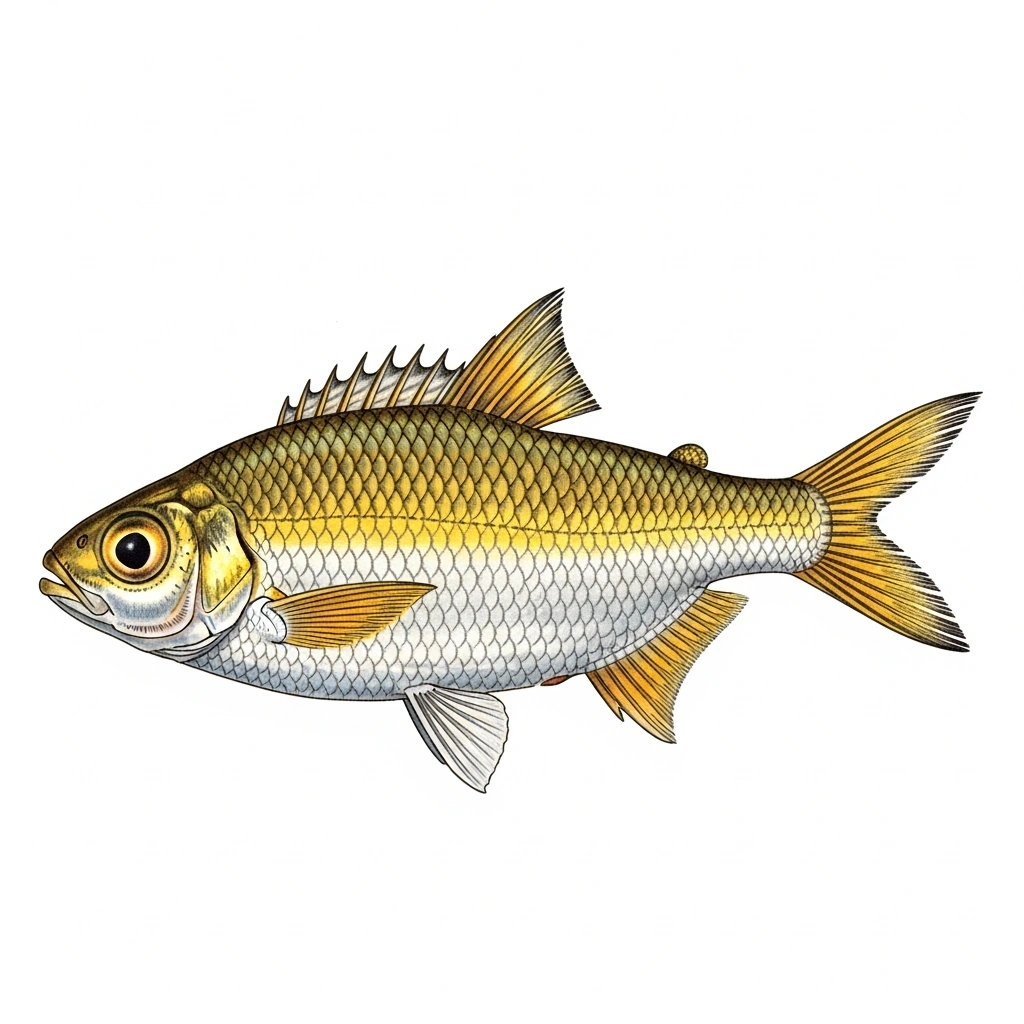 Acoupa weakfishCynoscion acoupa
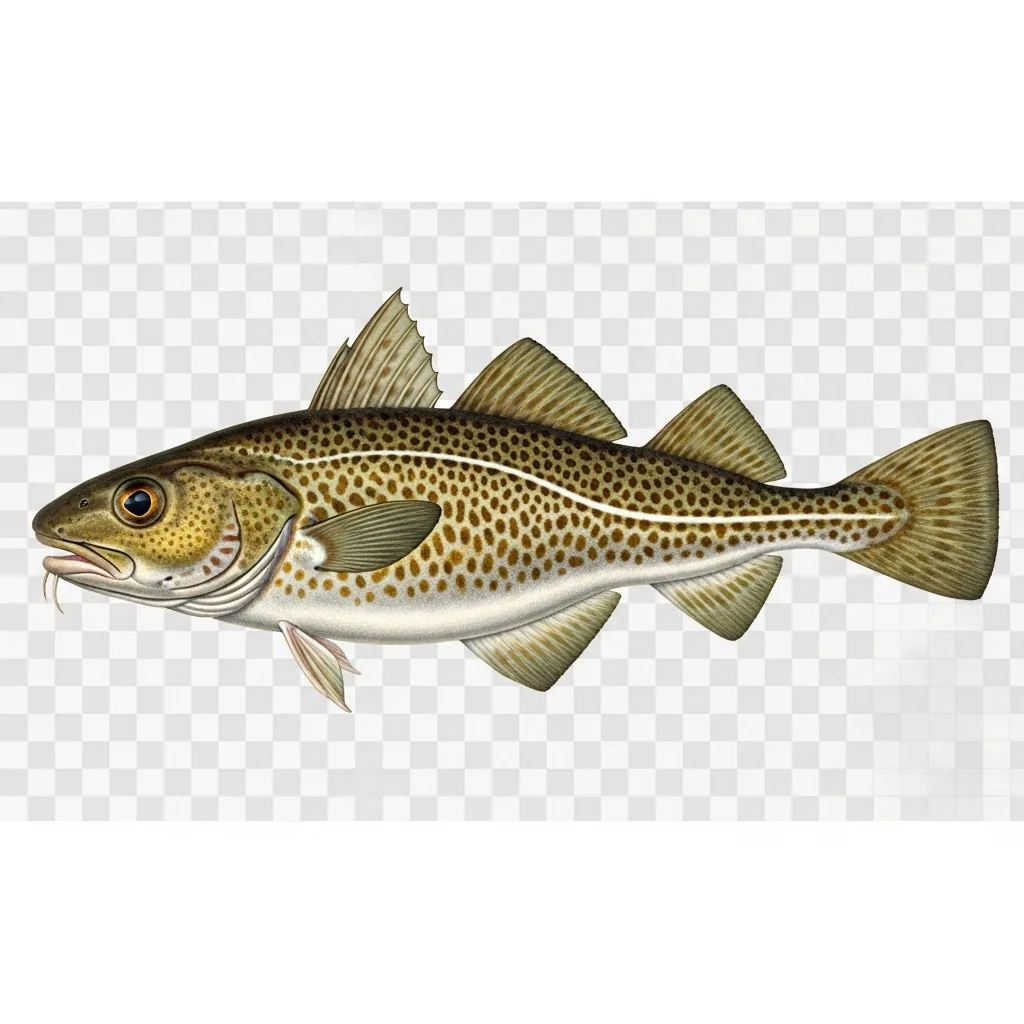 Atlantic codGadus morhua
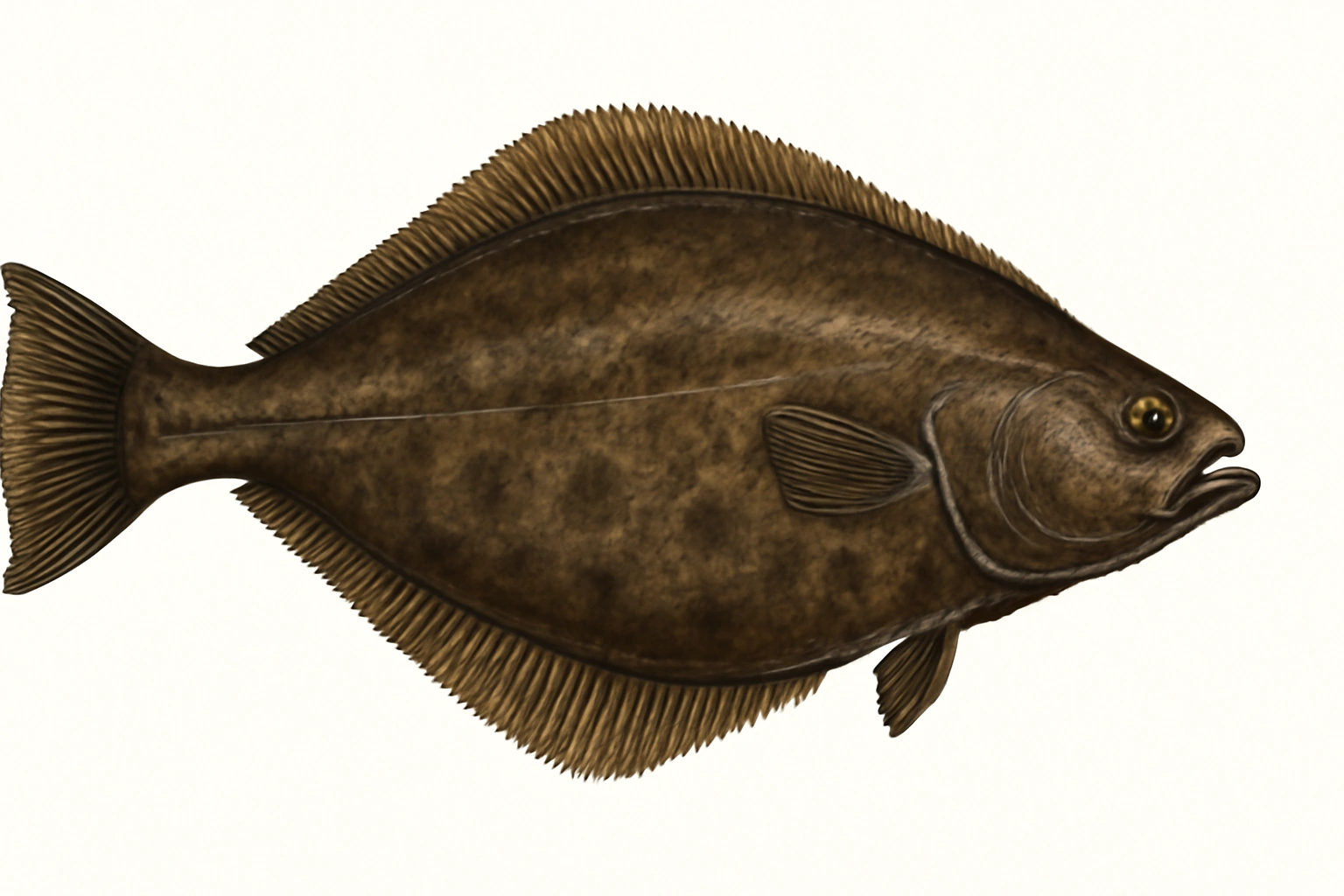 Atlantic halibutHippoglossus hippoglossus
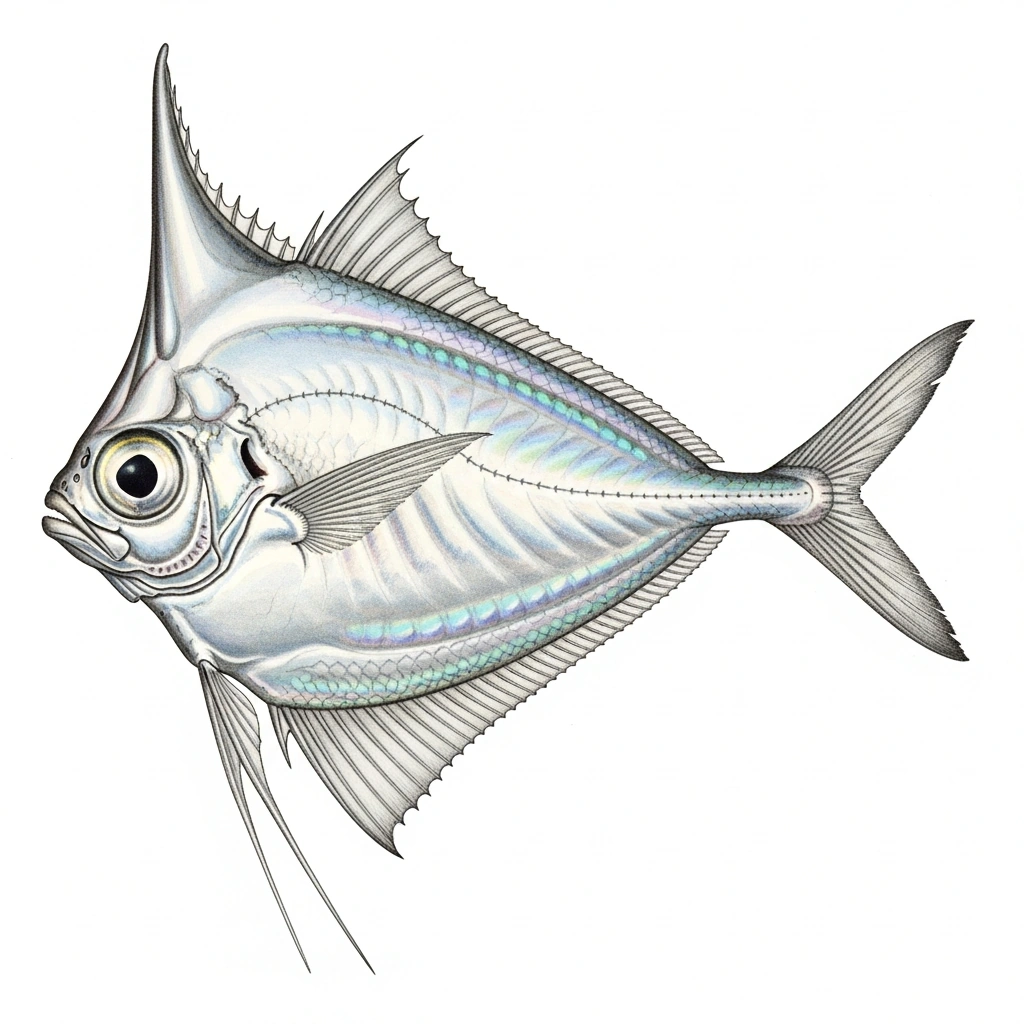 Atlantic lookdownSelene vomer
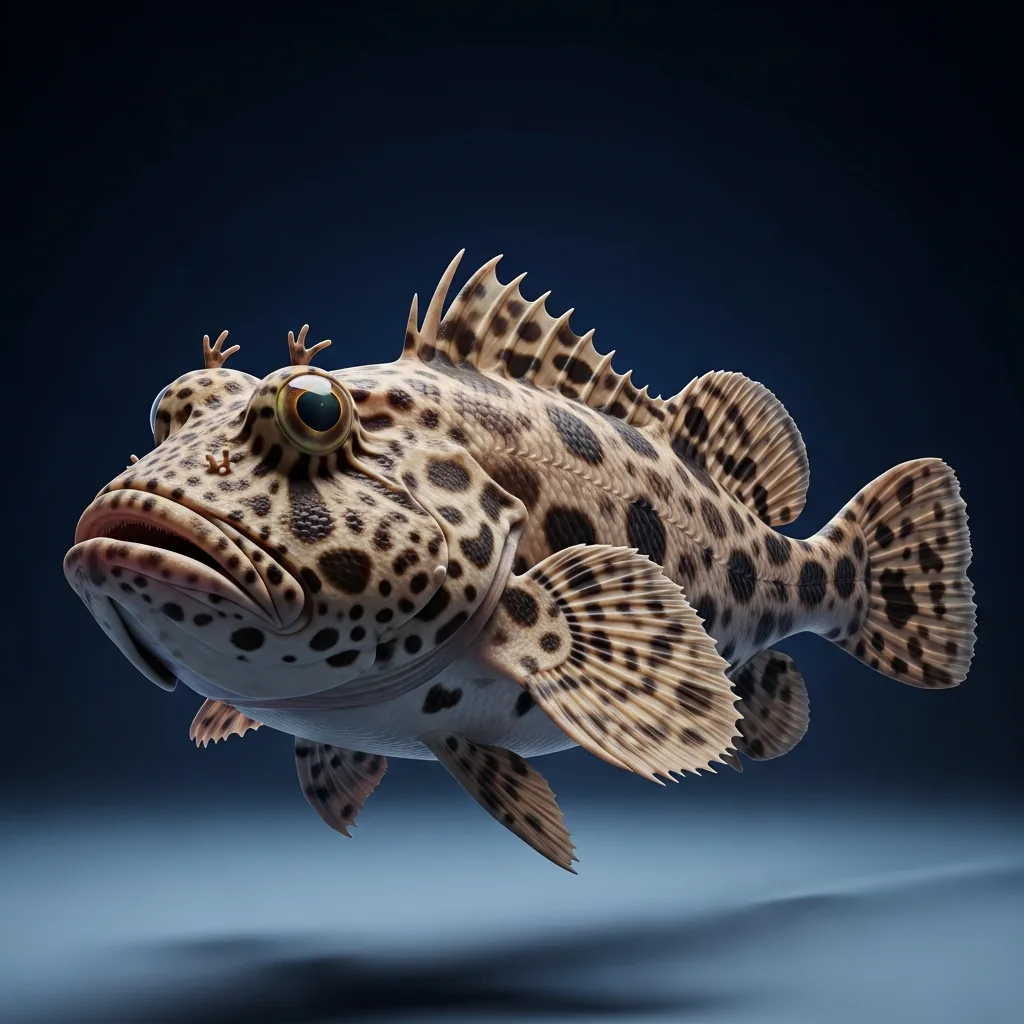 Atlantic stargazerUranoscopus scaber
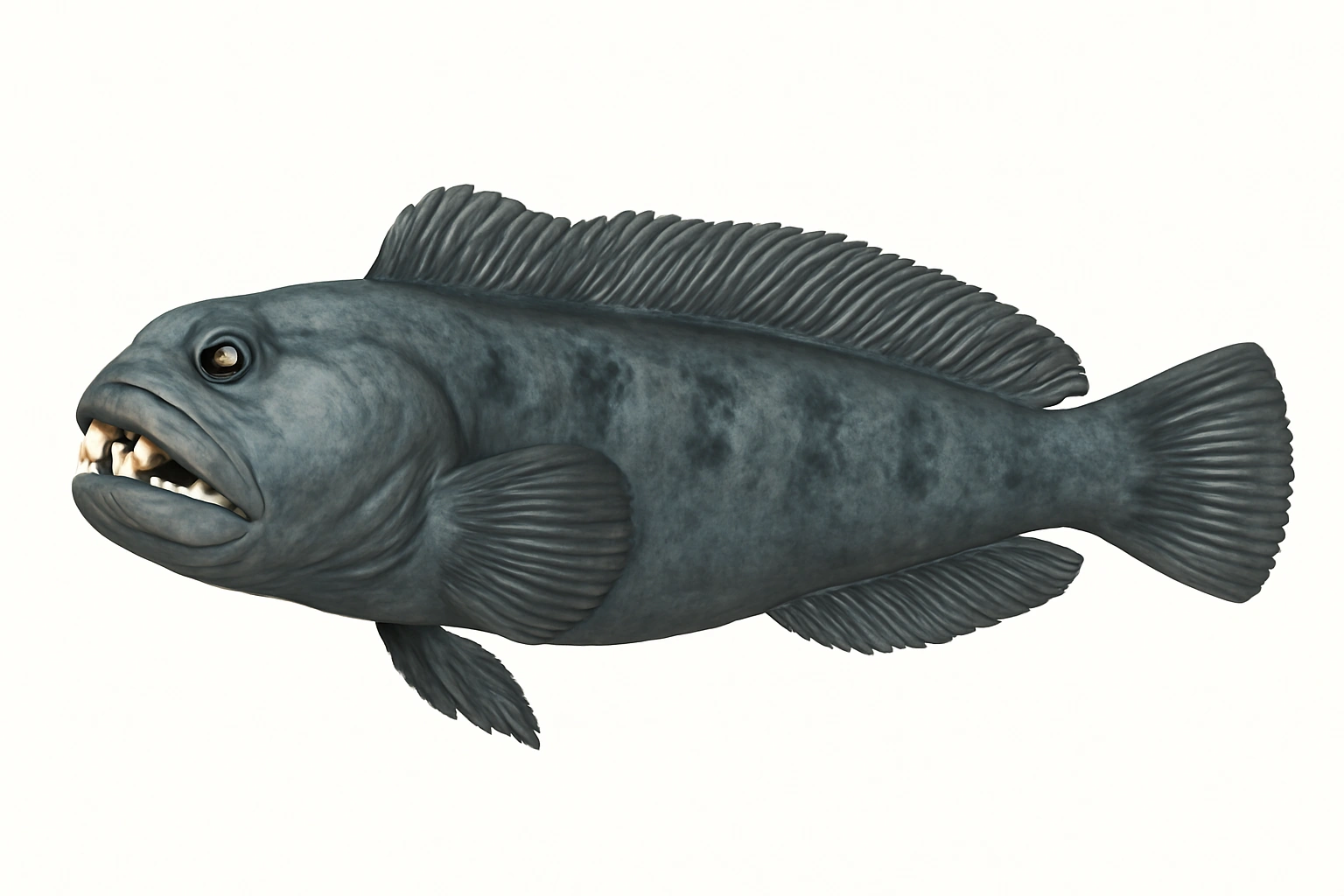 Atlantic wolffishAnarhichas lupus
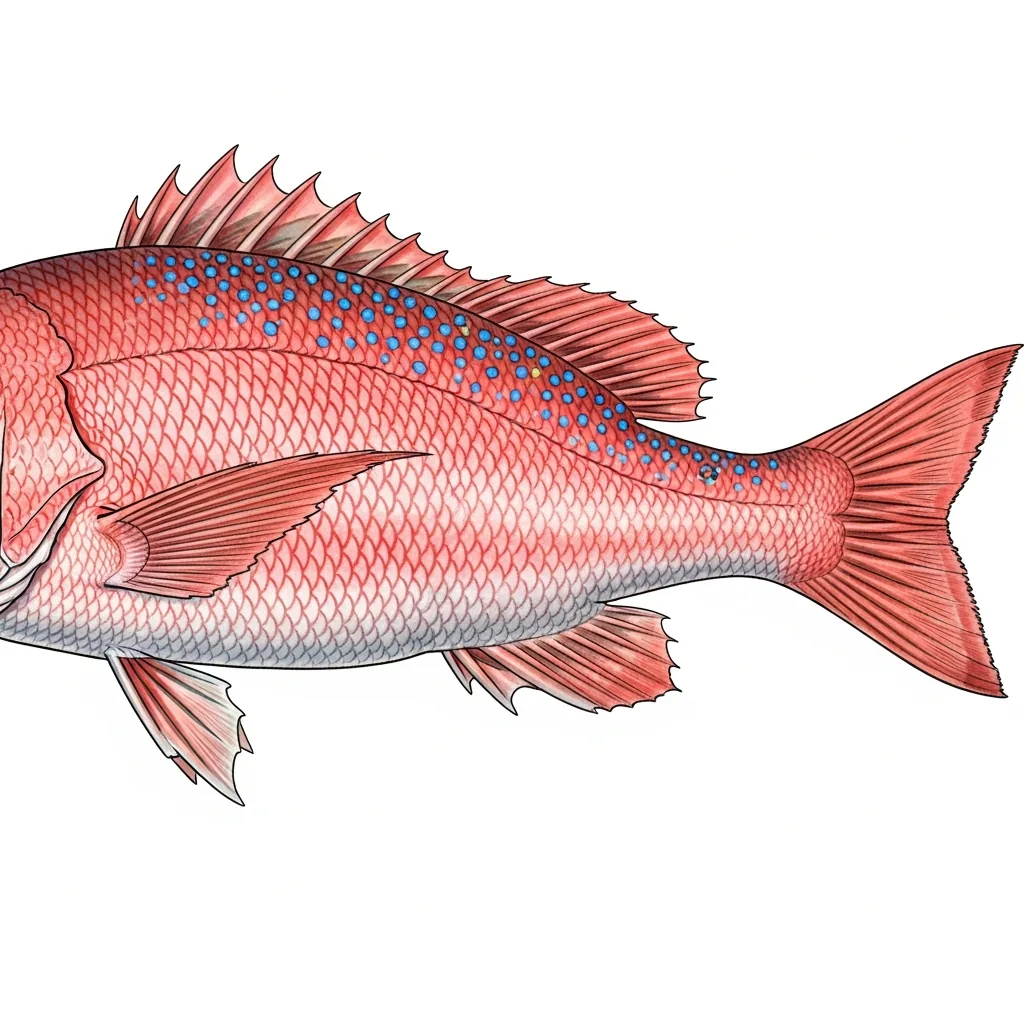 Australian snapperPagrus auratus
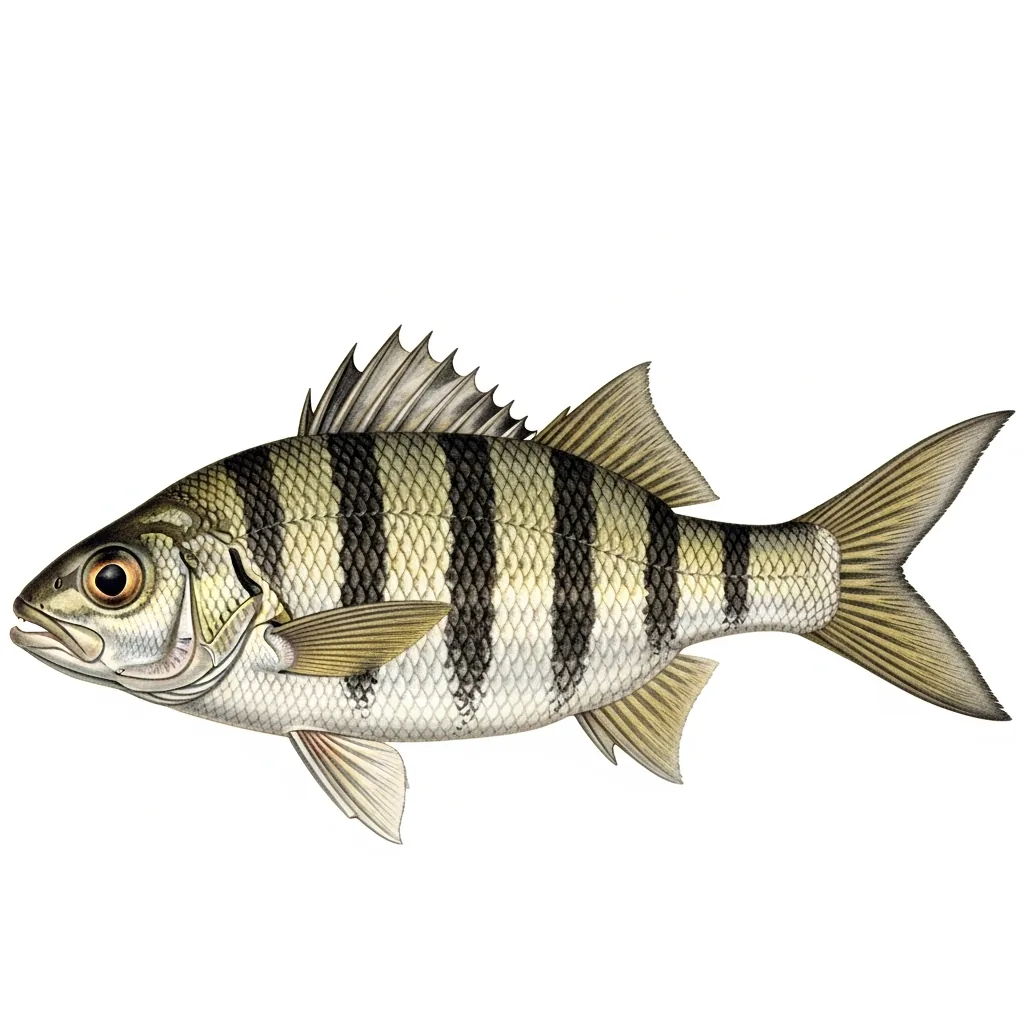 Barred SurfperchAmphistichus argenteus
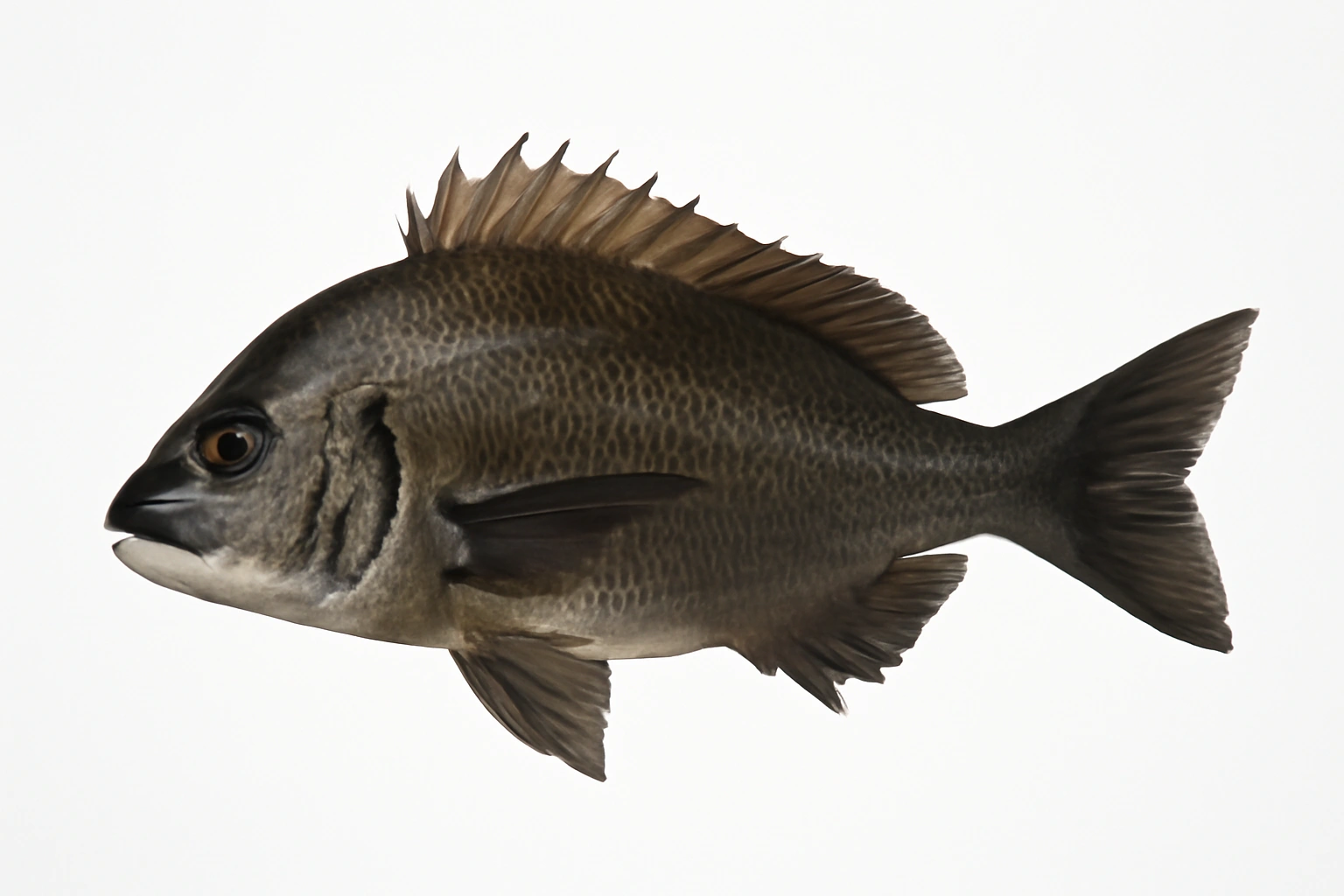 Black BreamAcanthopagrus butcheri
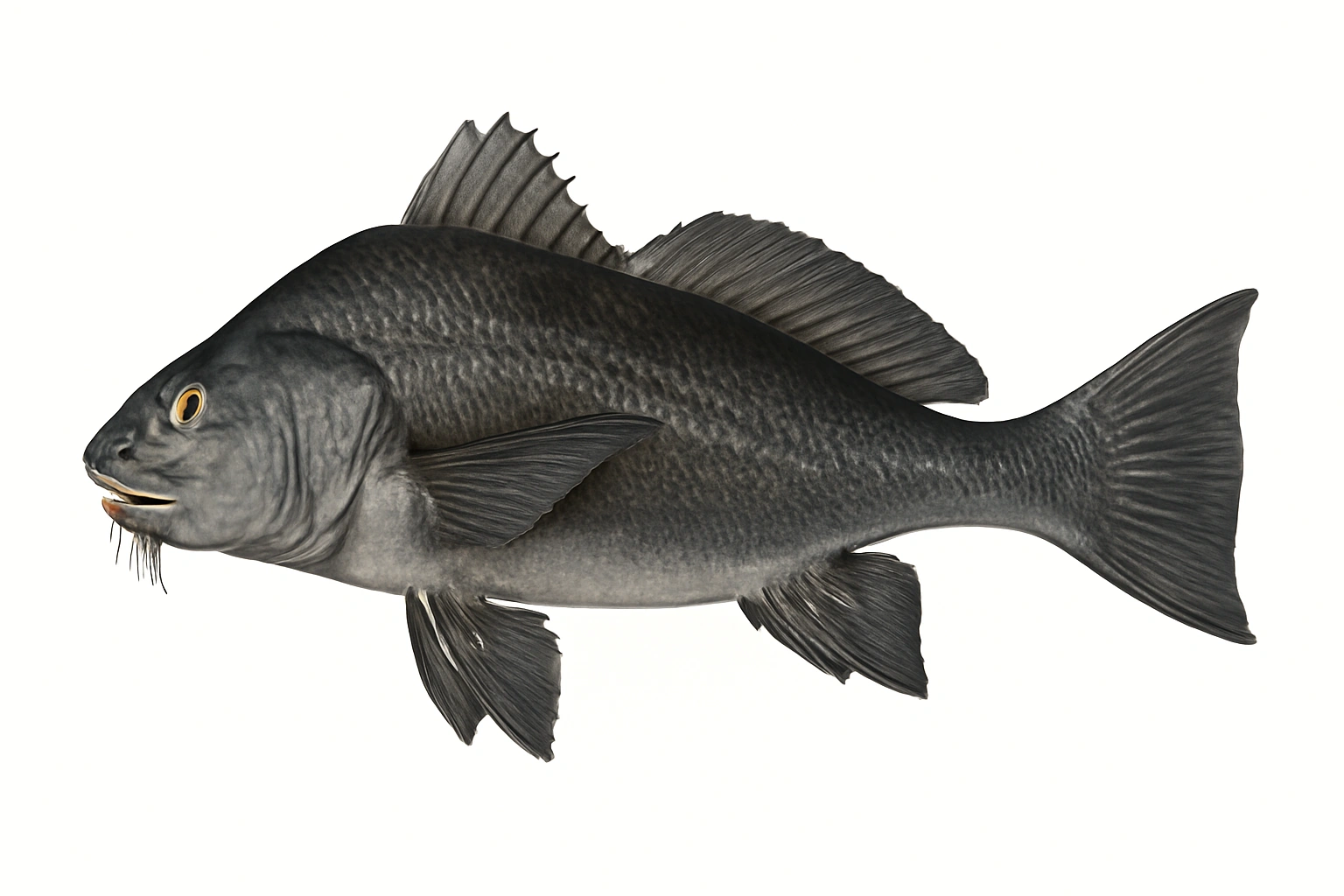 Black drumPogonias cromis
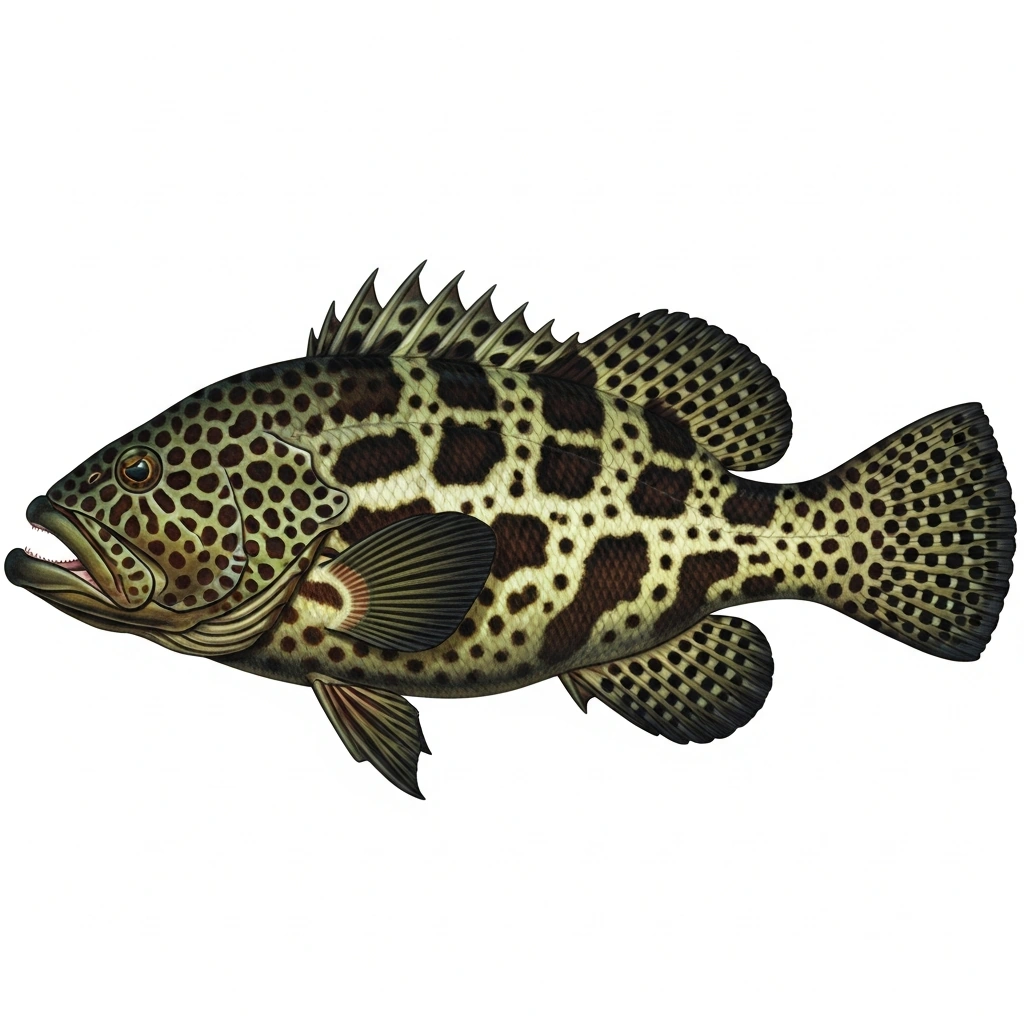 Black grouperMycteroperca bonaci
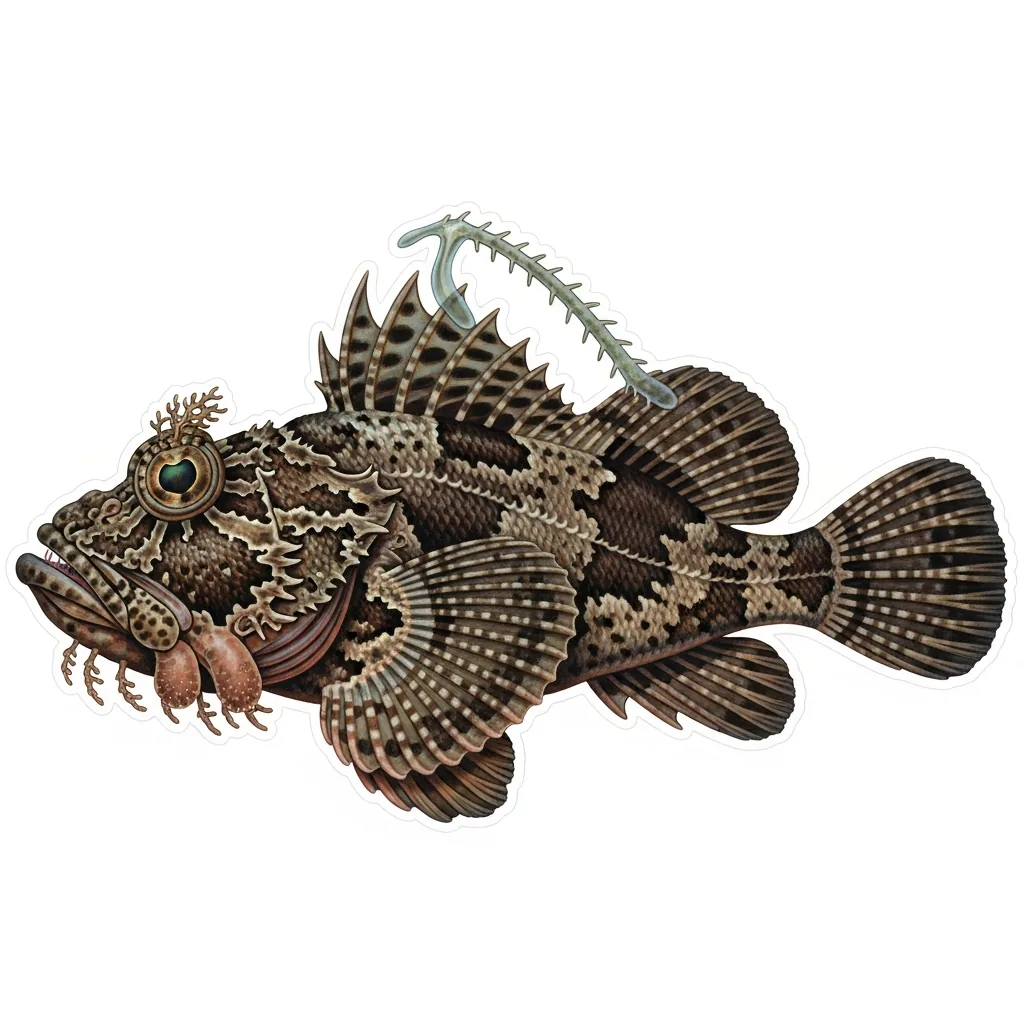 Black scorpionfishScorpaena porcus
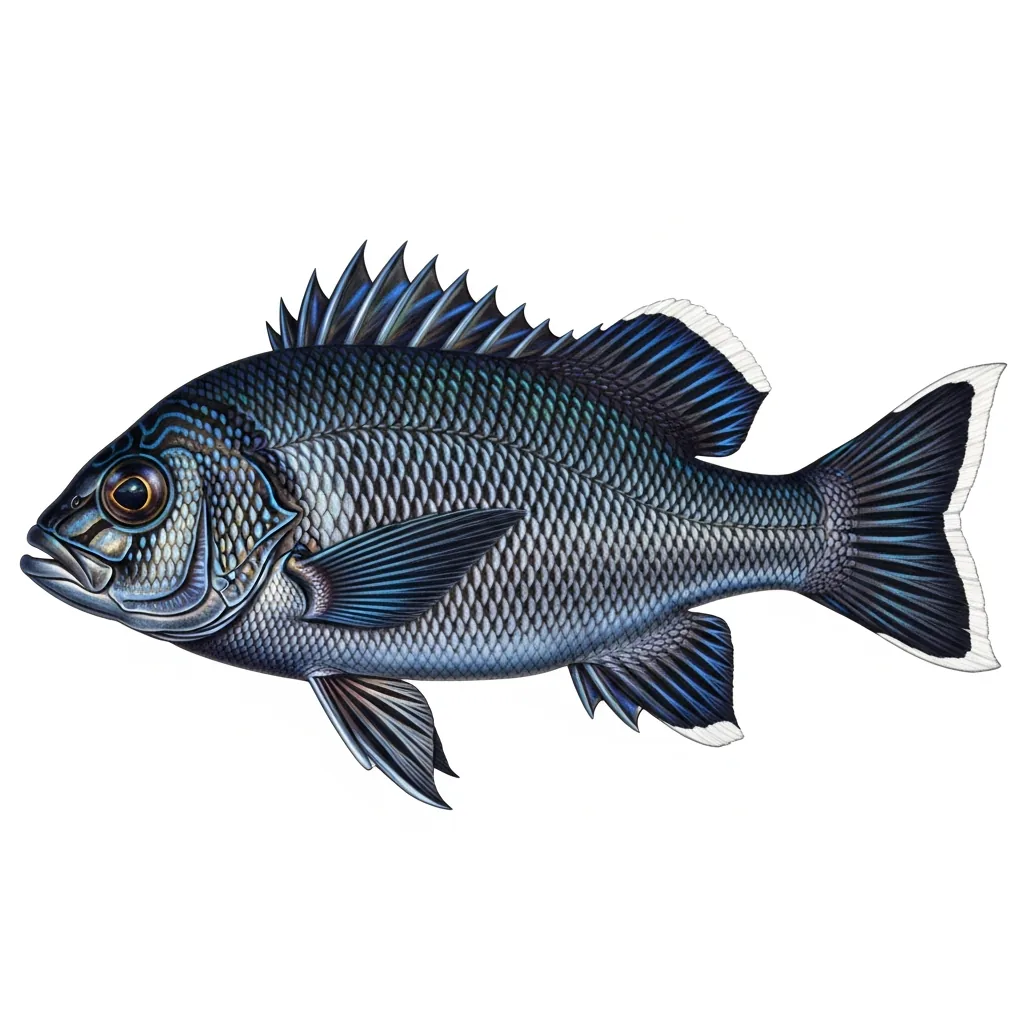 Black Sea BassCentropristis striata
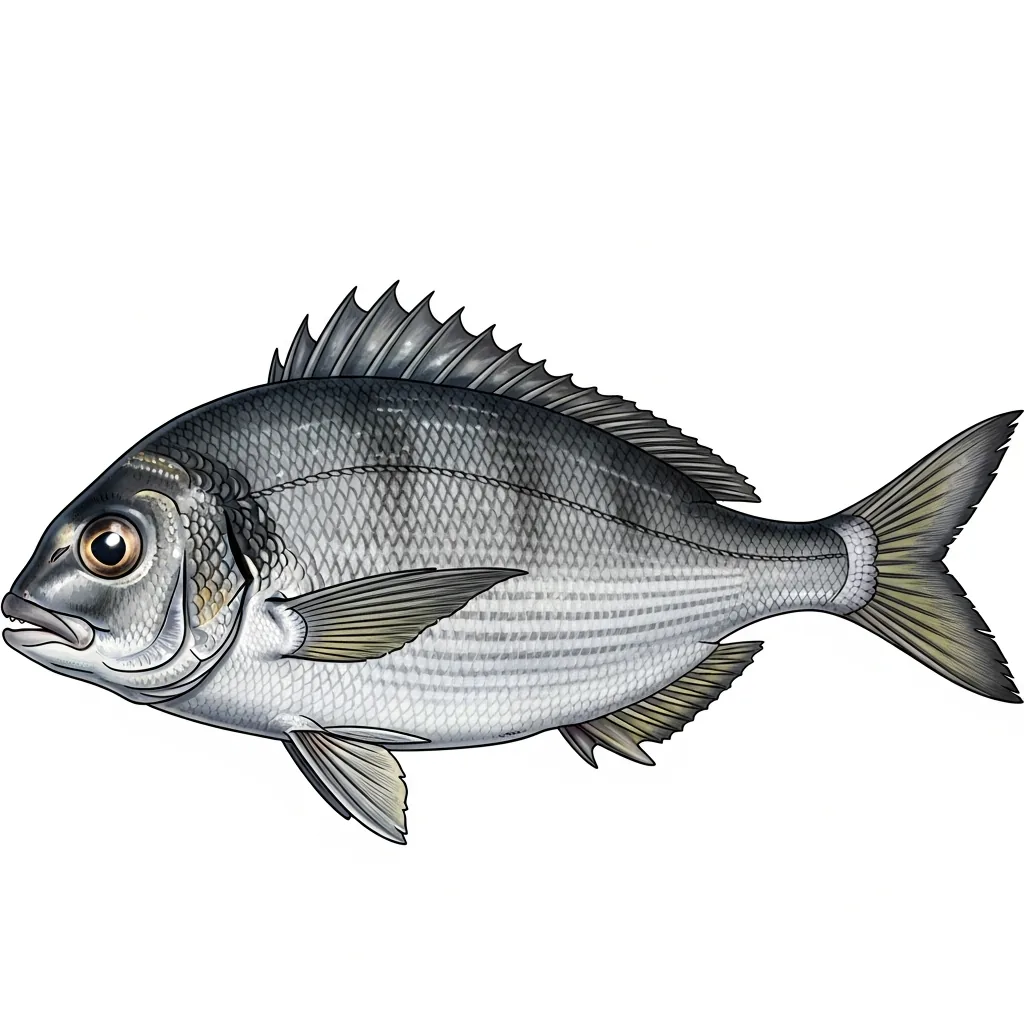 Black sea breamSpondyliosoma cantharus
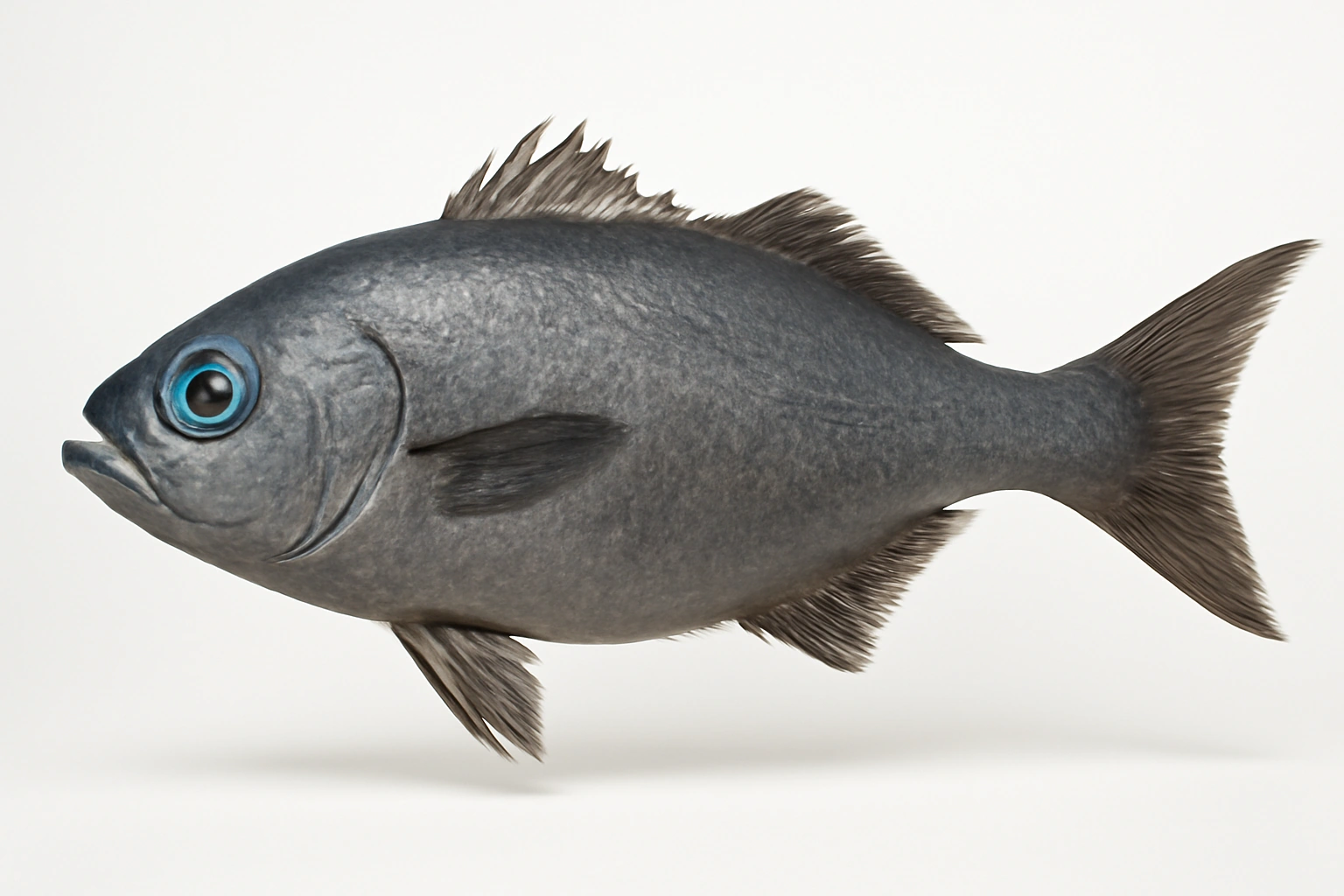 Blue-eye TrevallaHyperoglyphe antarctica
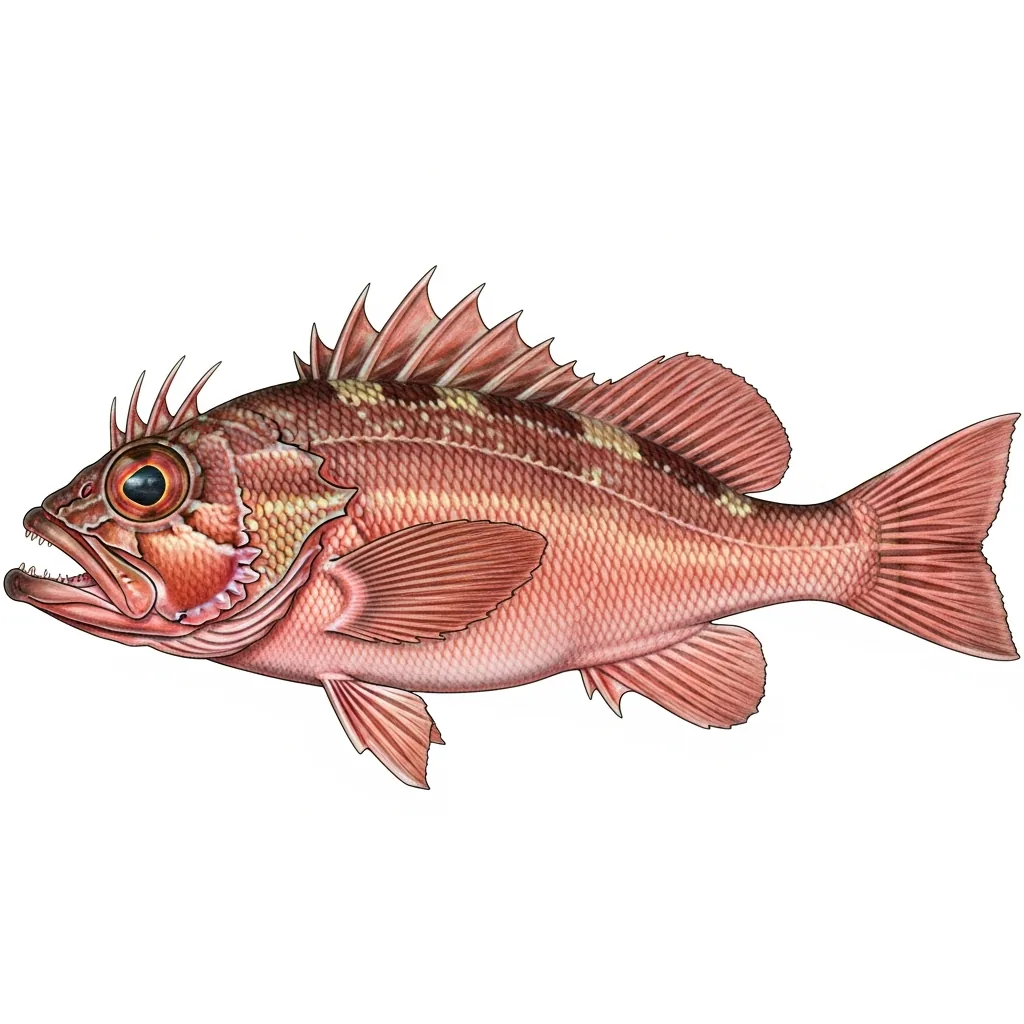 Bocaccio RockfishSebastes paucispinis
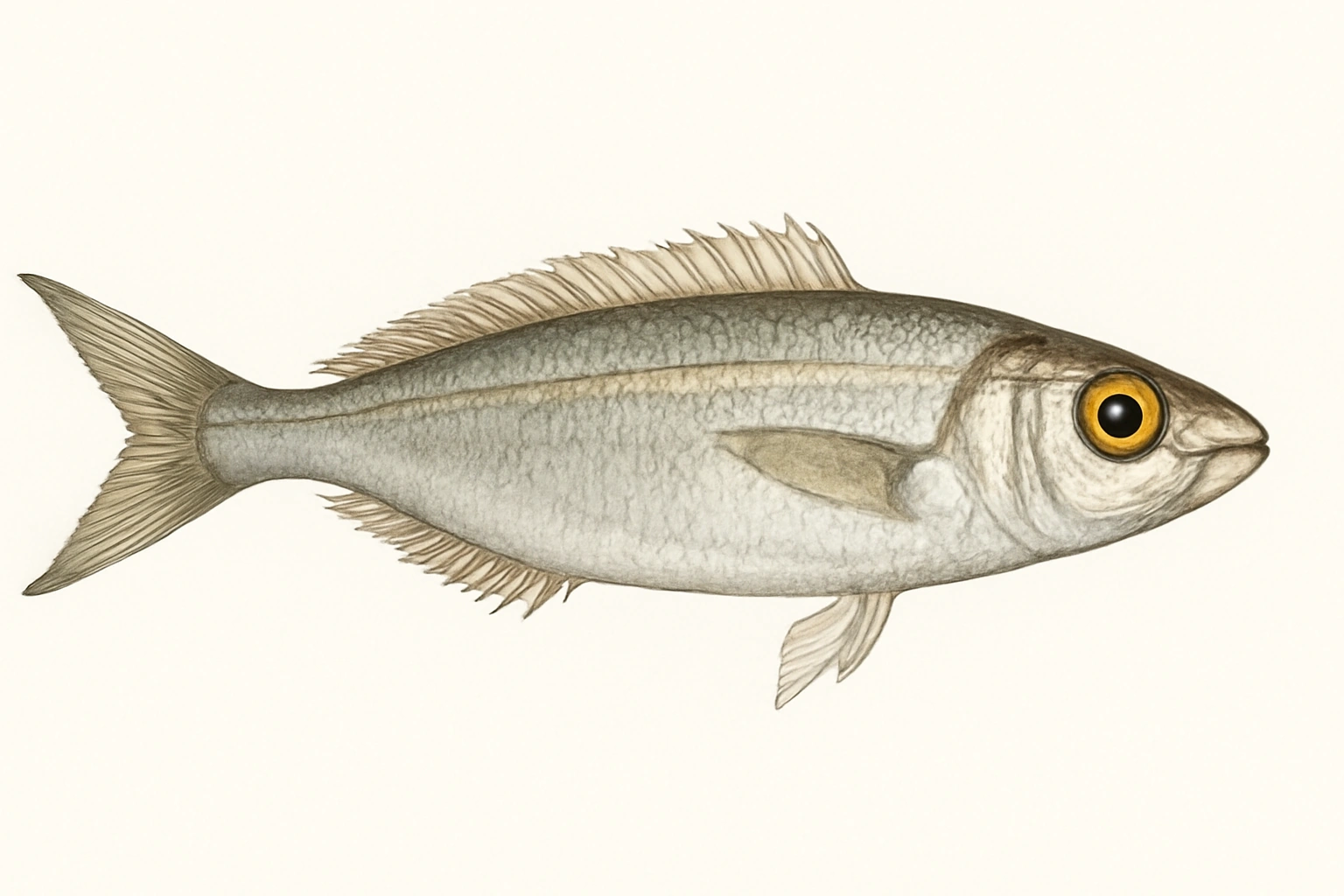 BogueBoops boops
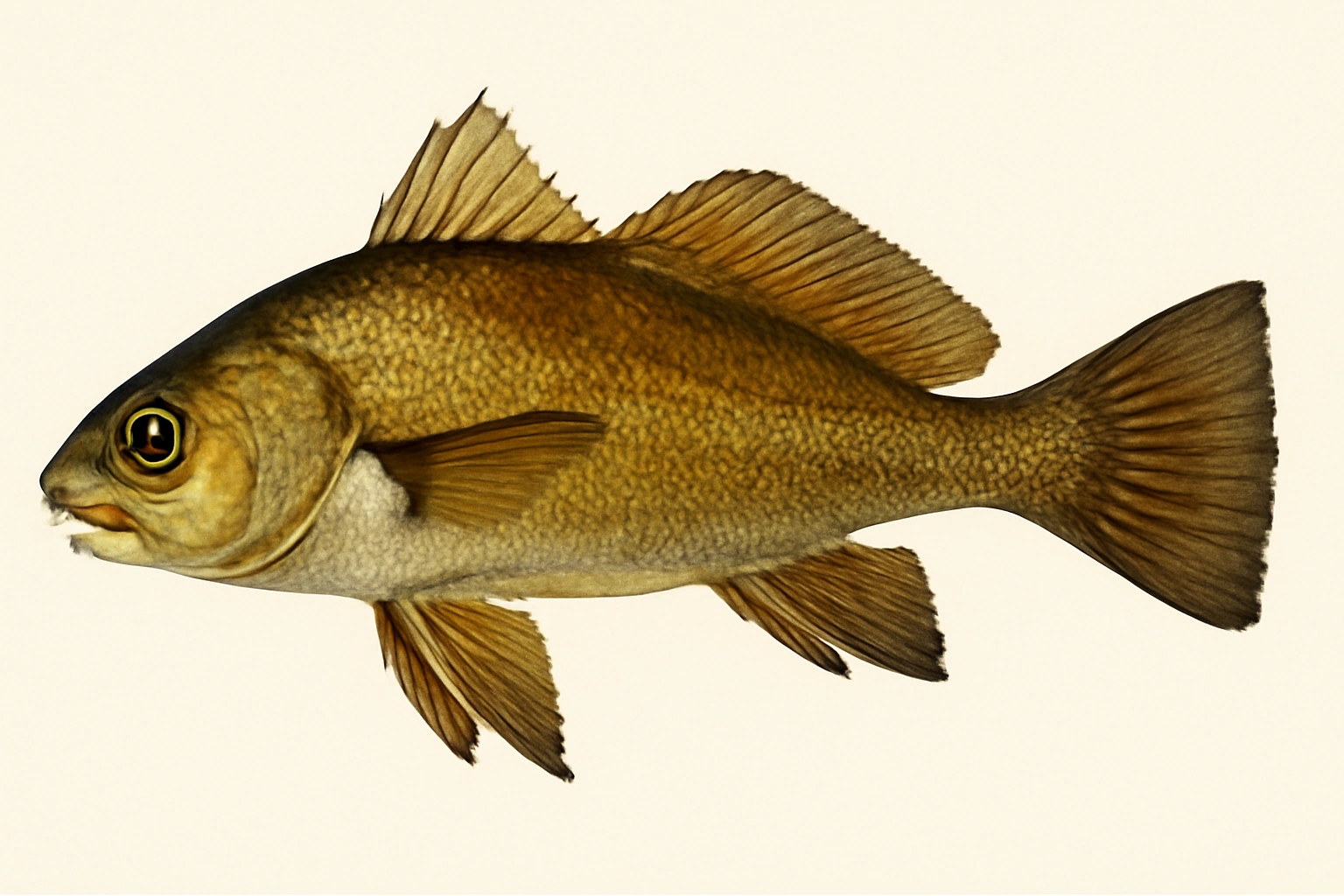 Brown meagreSciaena umbra
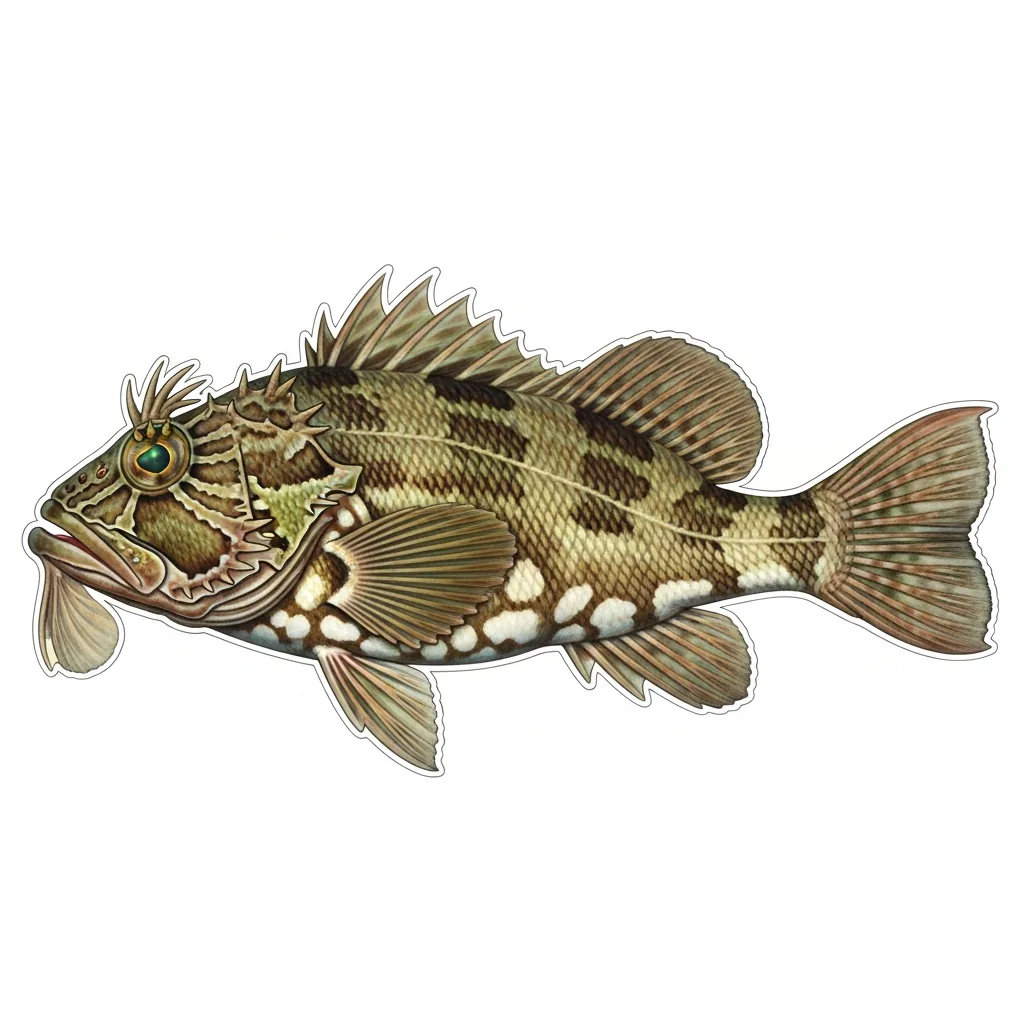 CabezonScorpaenichthys marmoratus
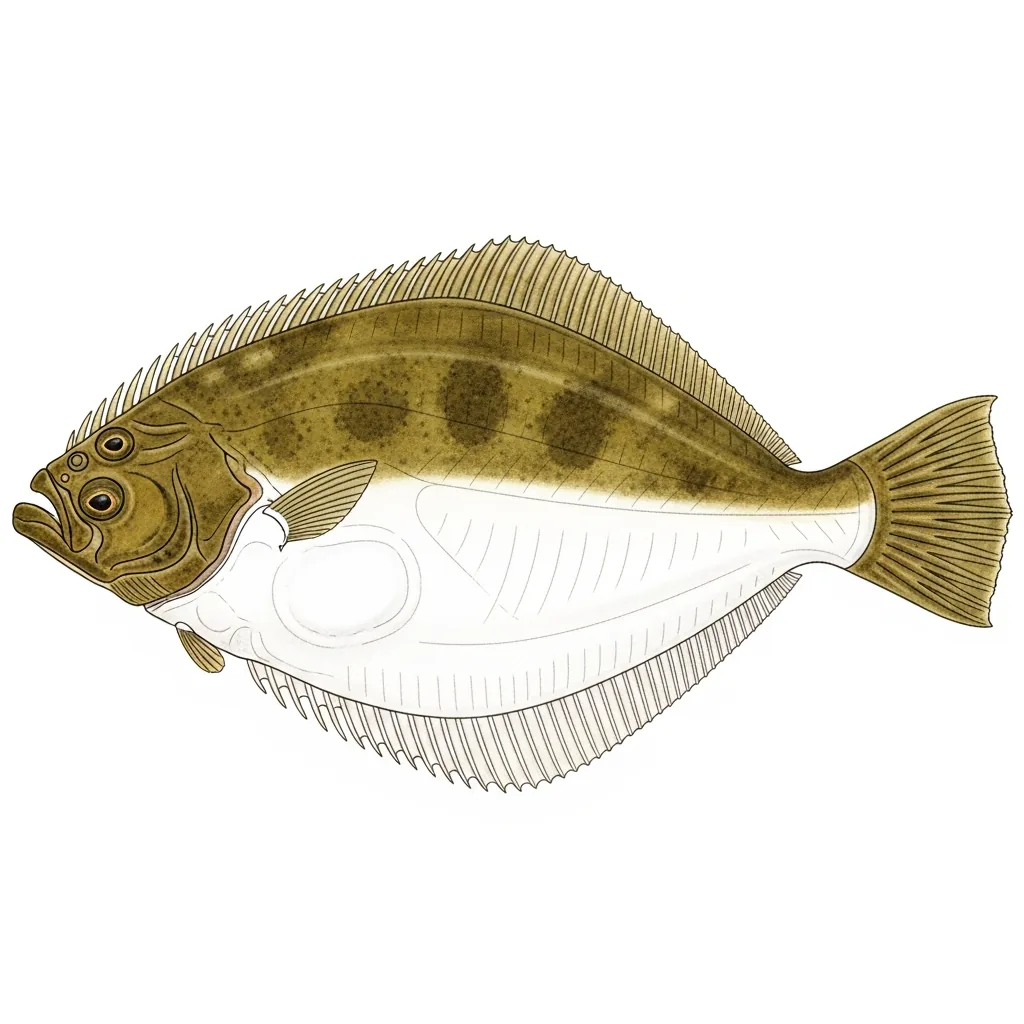 California HalibutParalichthys californicus
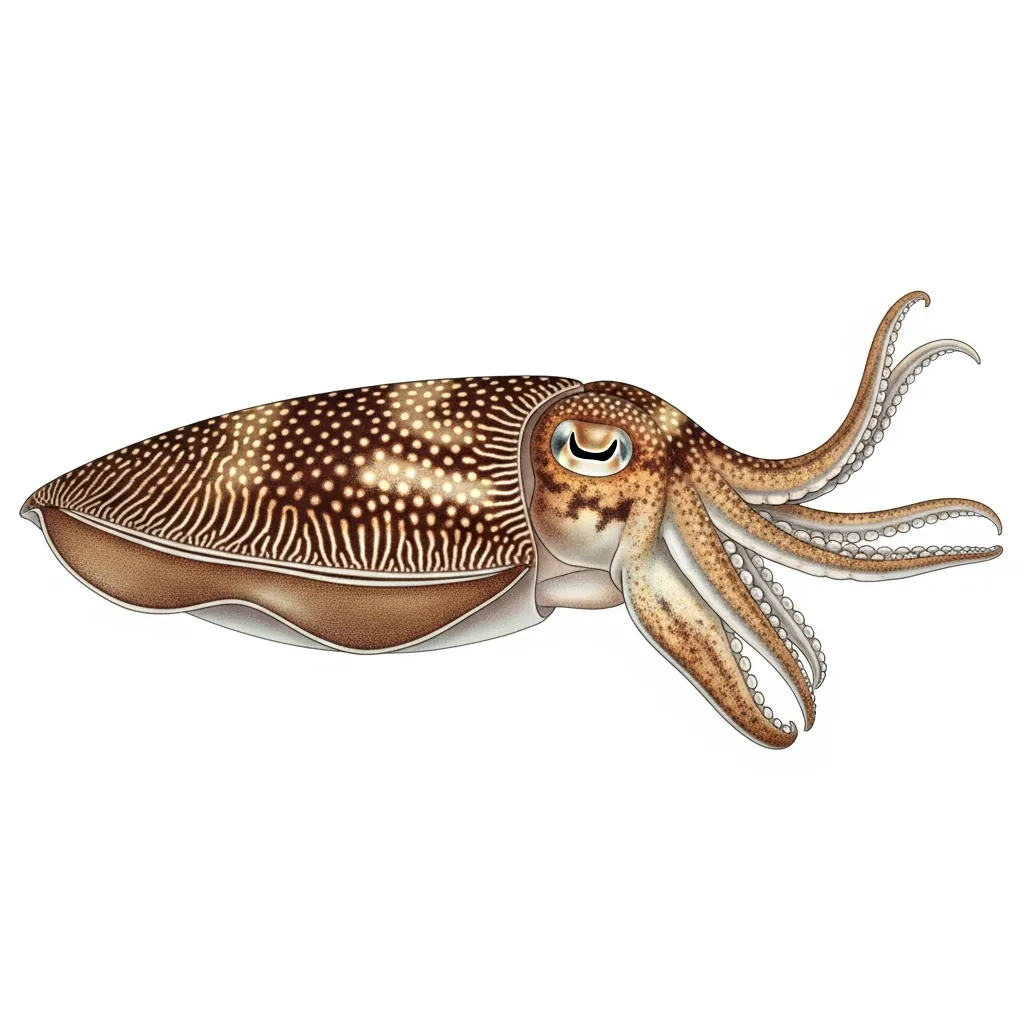 Common cuttlefishSepia officinalis
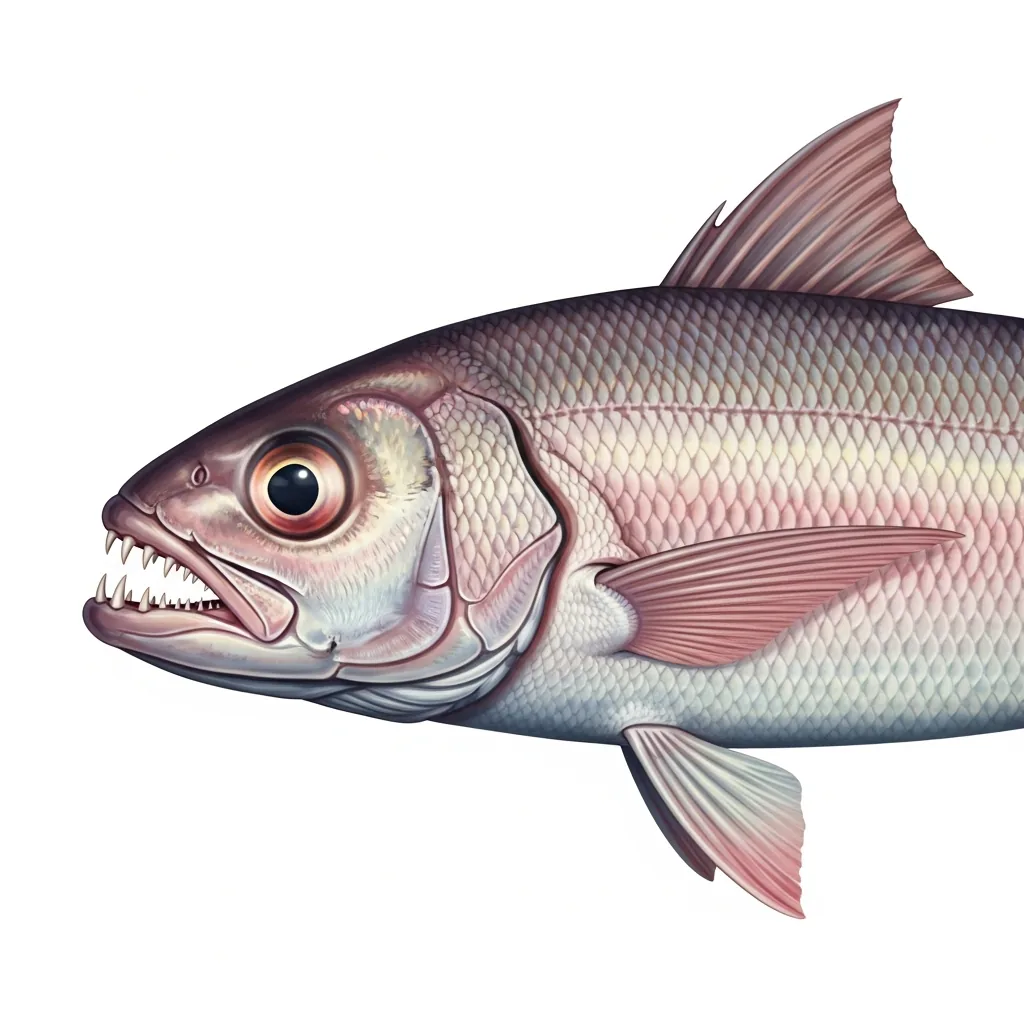 Common dentexDentex dentex
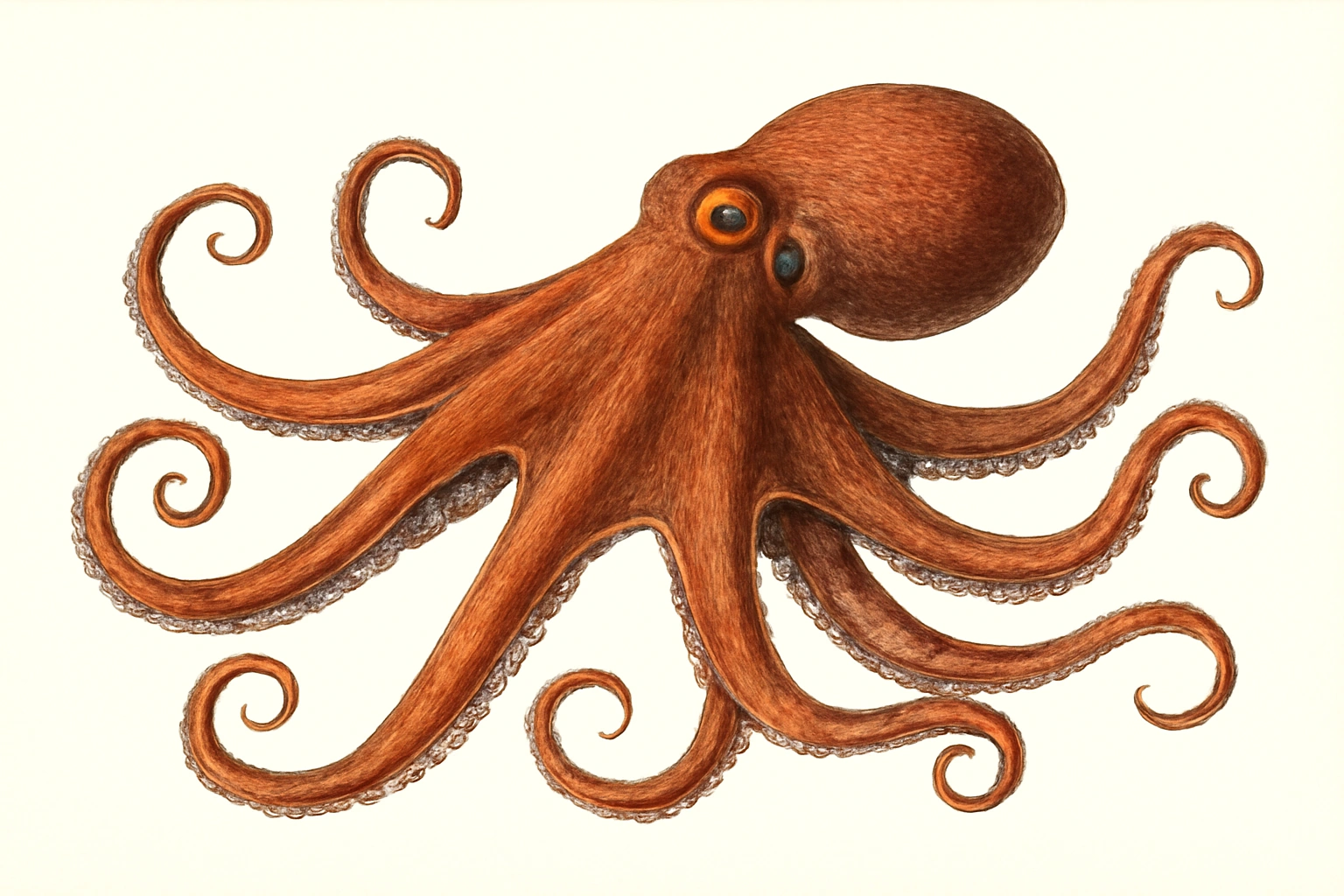 Common octopusOctopus vulgaris
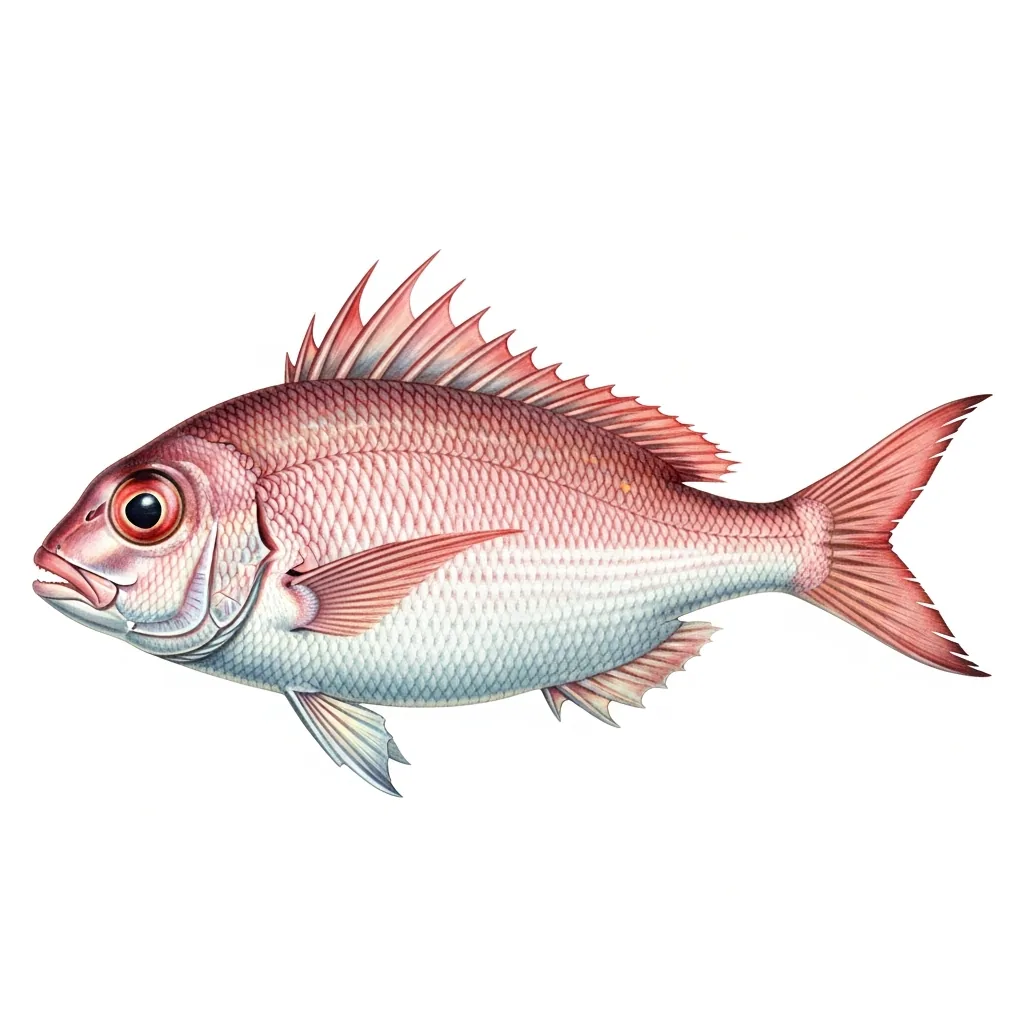 Common pandoraPagellus erythrinus
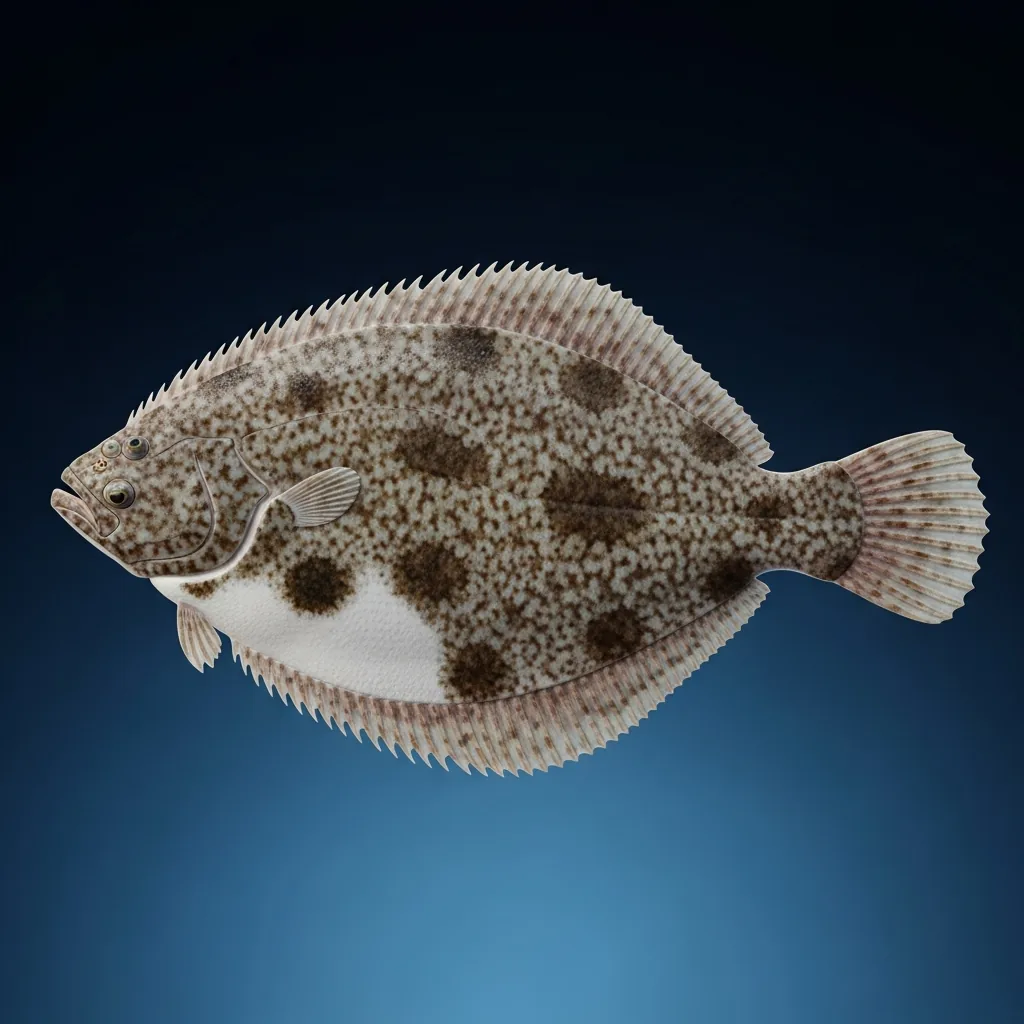 Common soleSolea solea
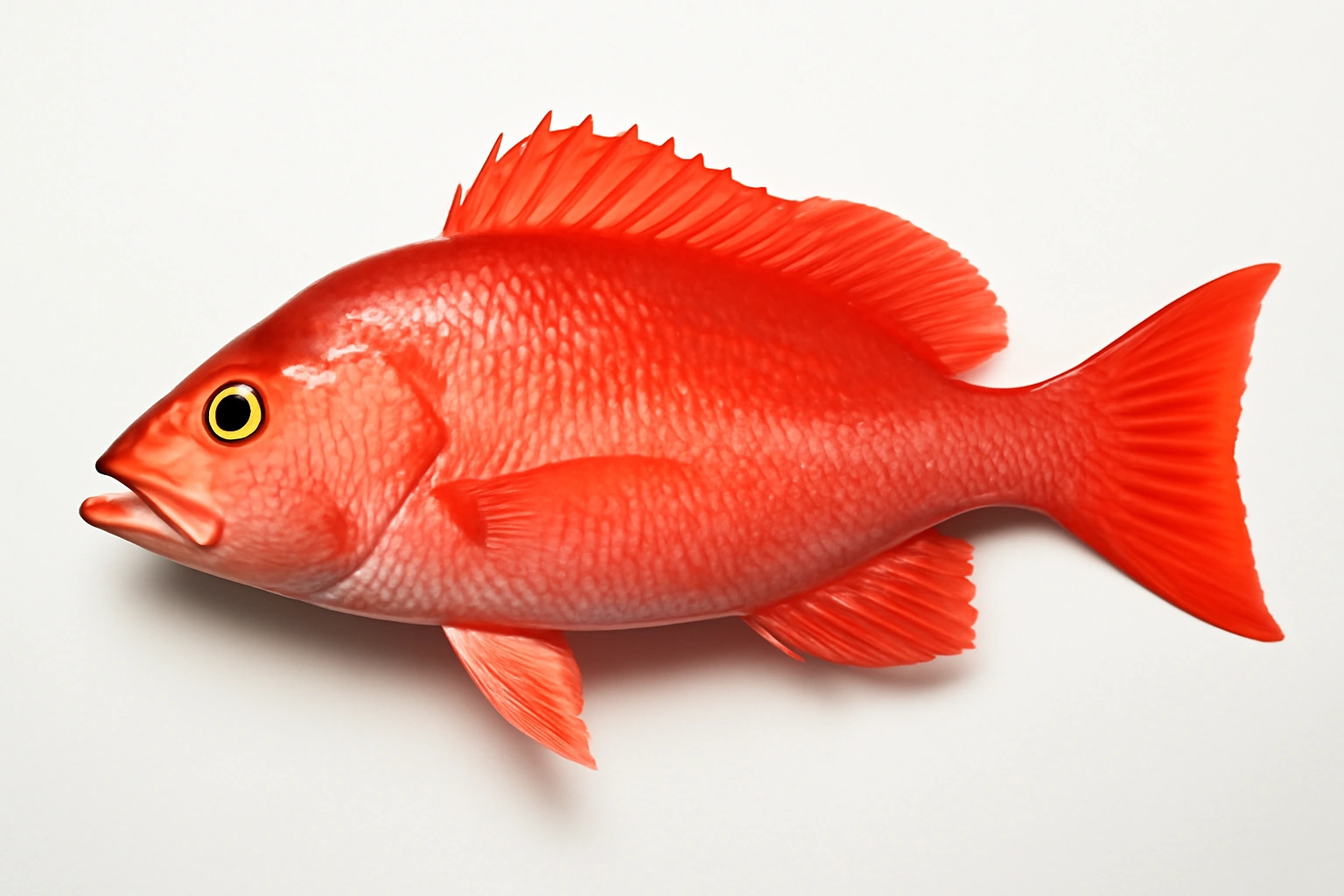 Crimson SnapperLutjanus erythropterus
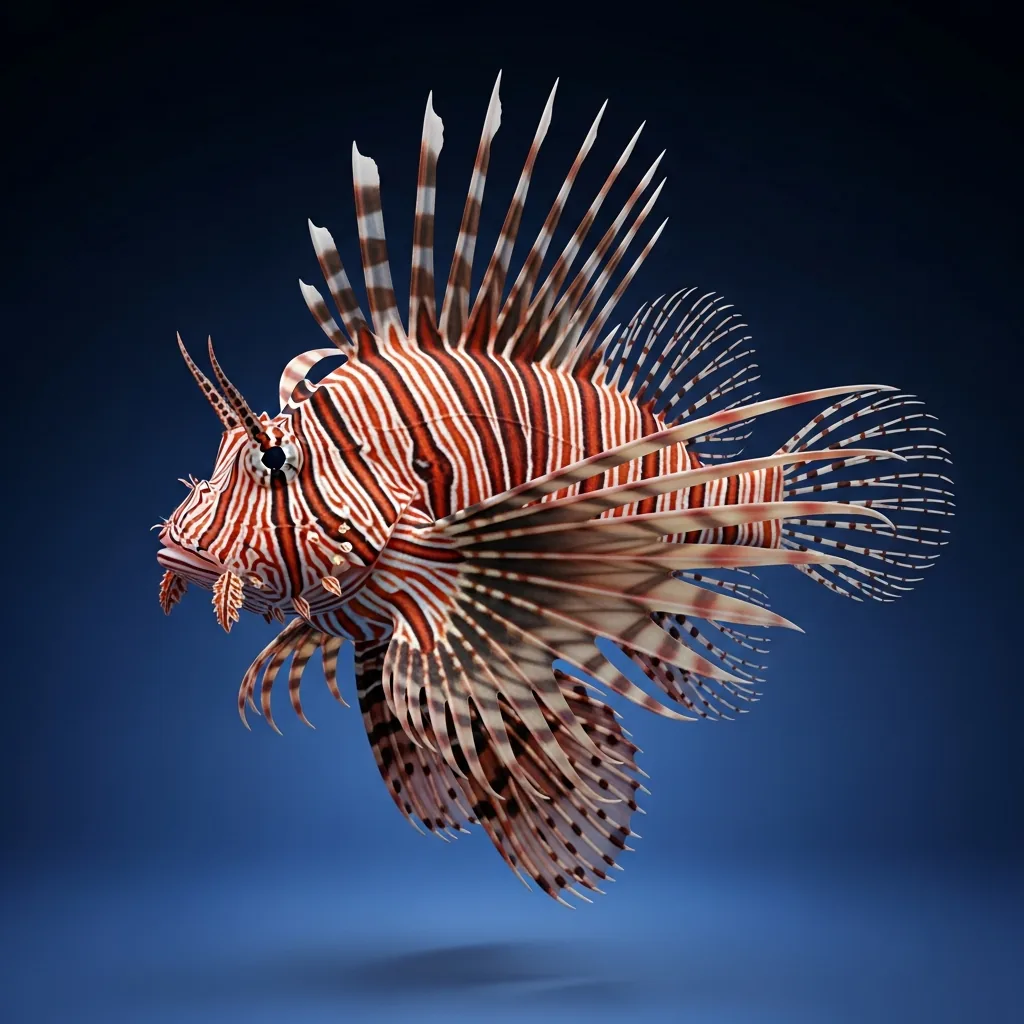 Devil firefishPterois miles
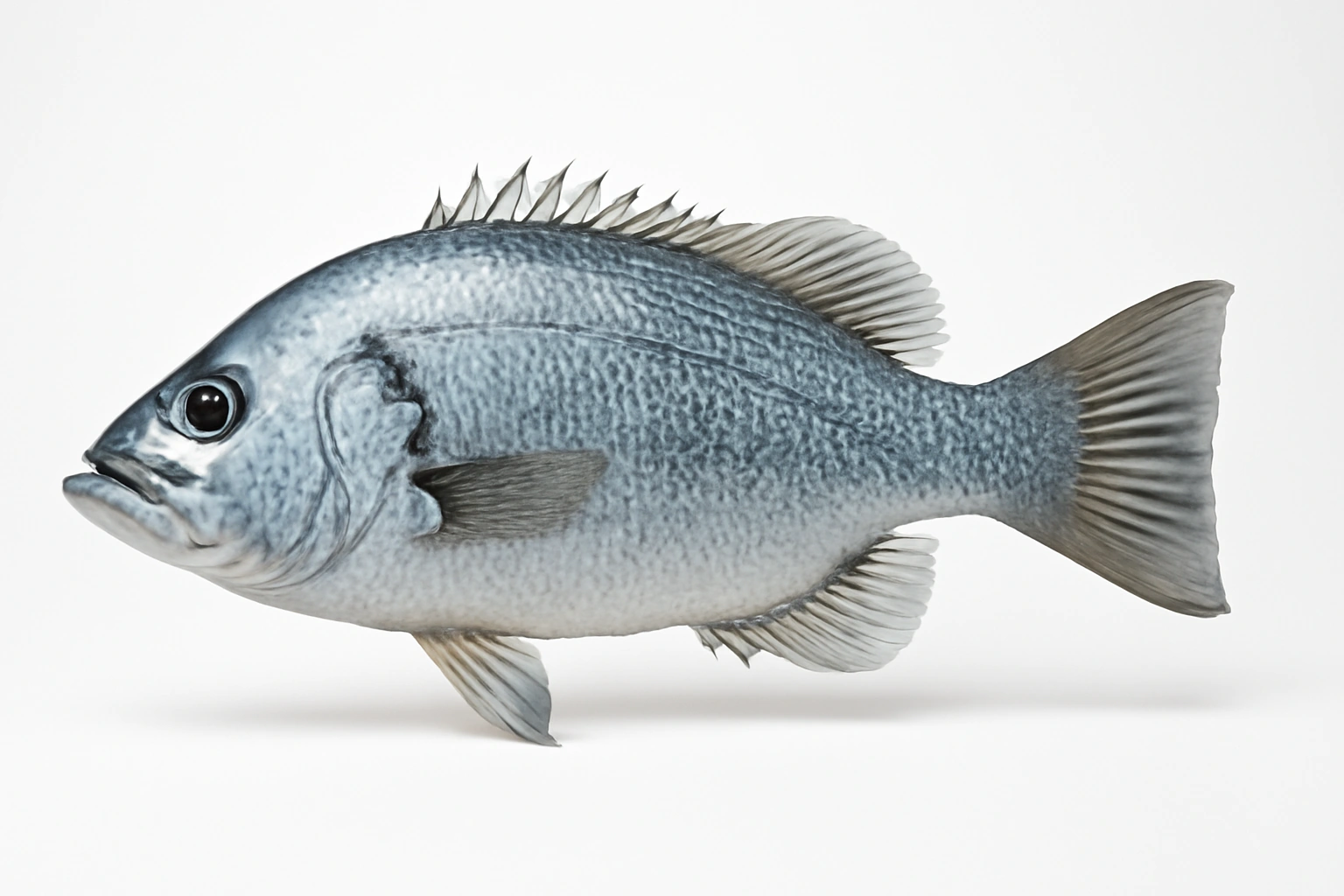 DhufishGlaucosoma hebraicum
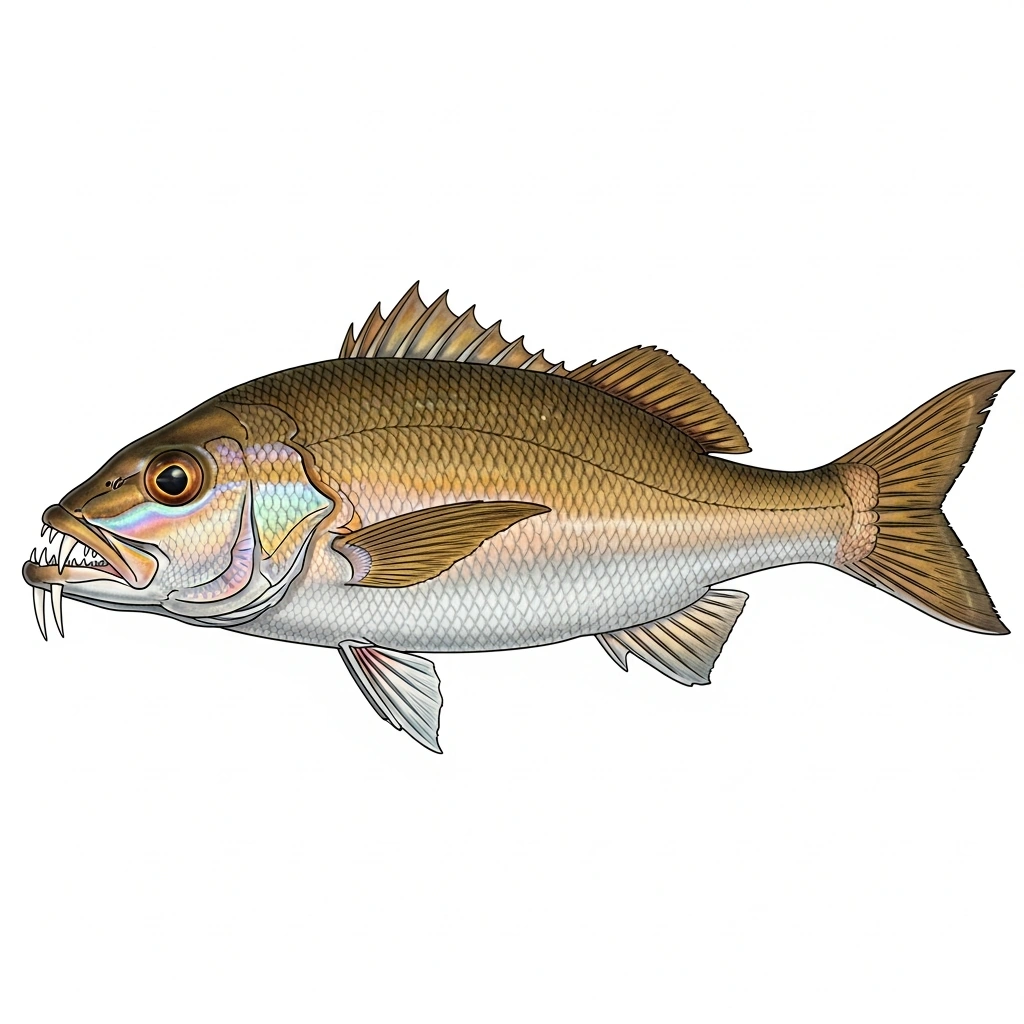 Dog snapperLutjanus jocu
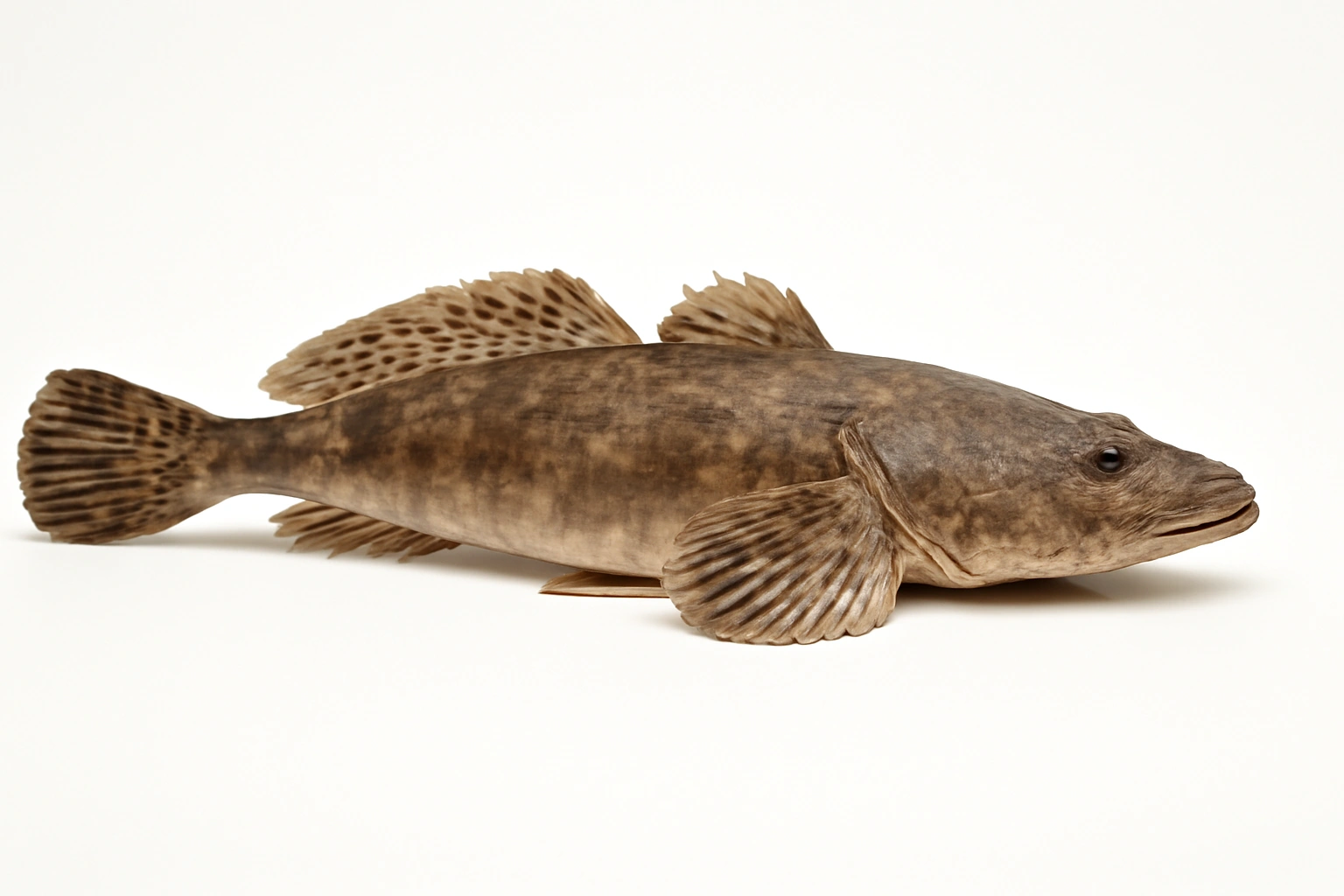 Dusky FlatheadPlatycephalus fuscus
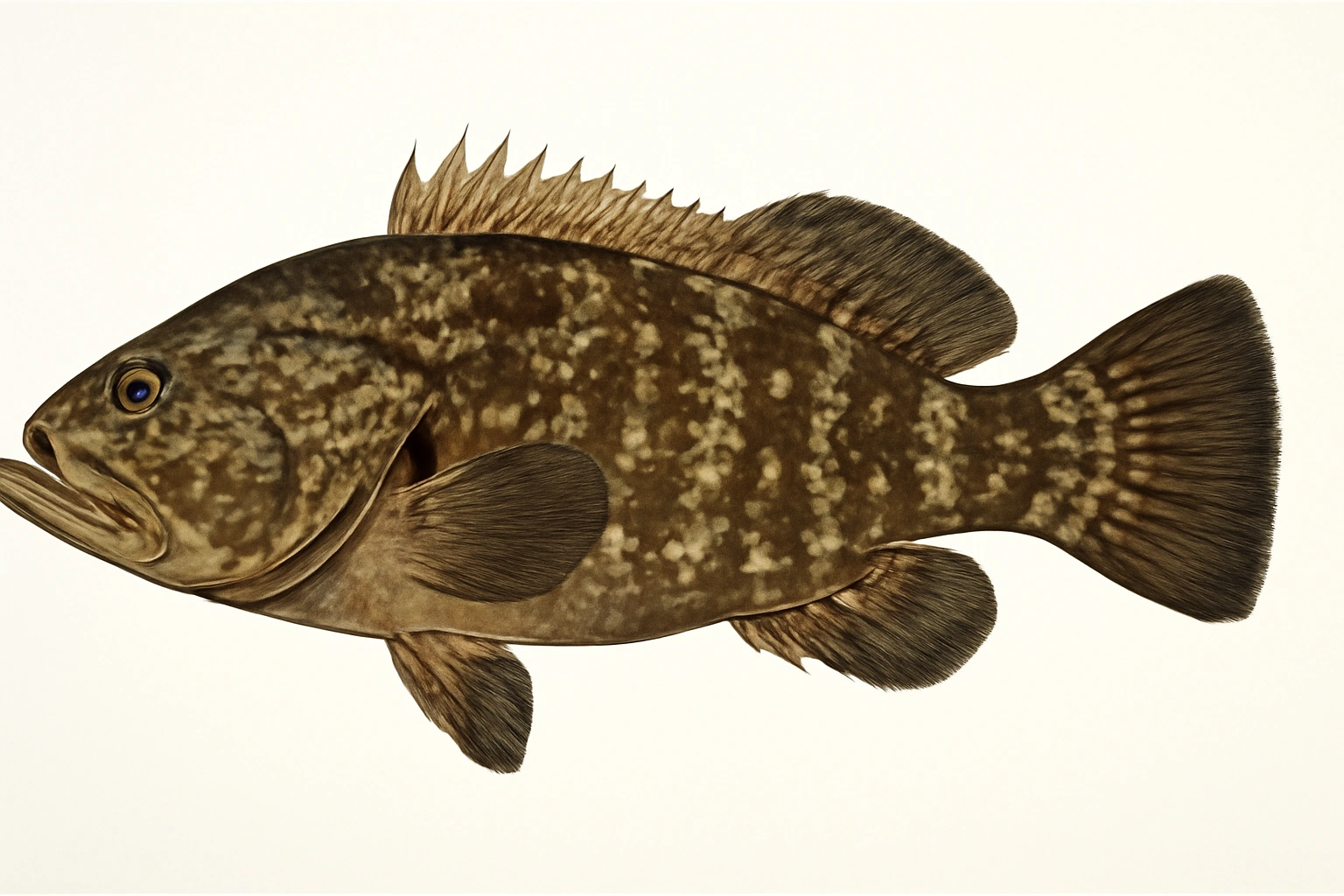 Dusky grouperEpinephelus marginatus
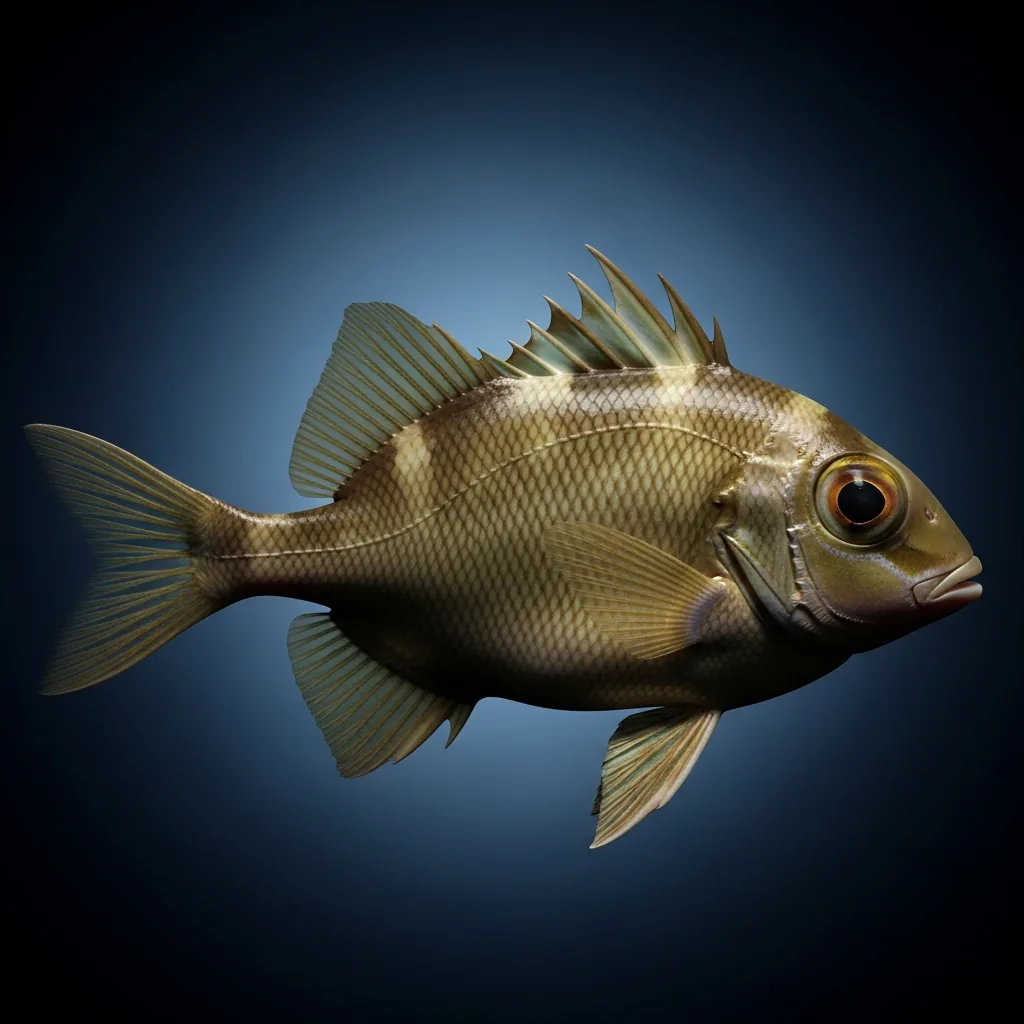 Dusky spinefootSiganus luridus
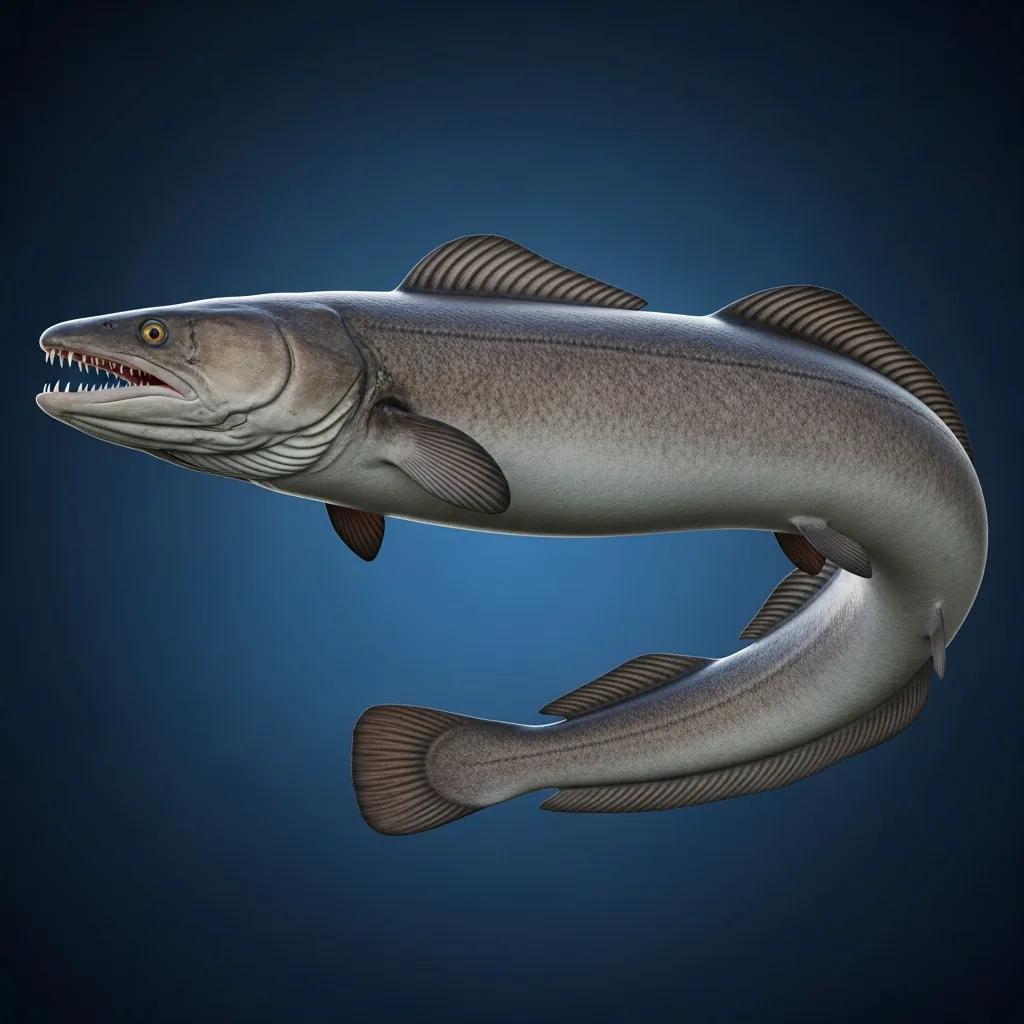 European congerConger conger
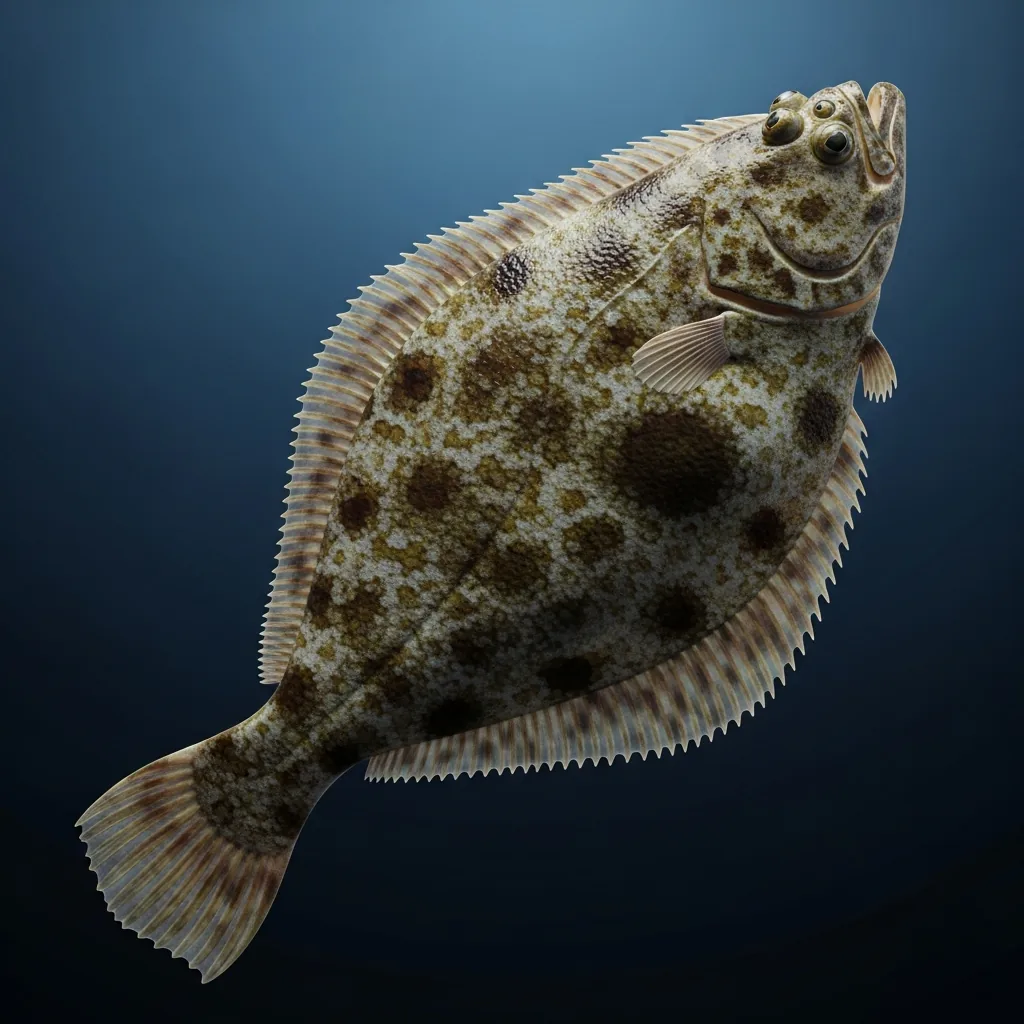 European flounderPlatichthys flesus
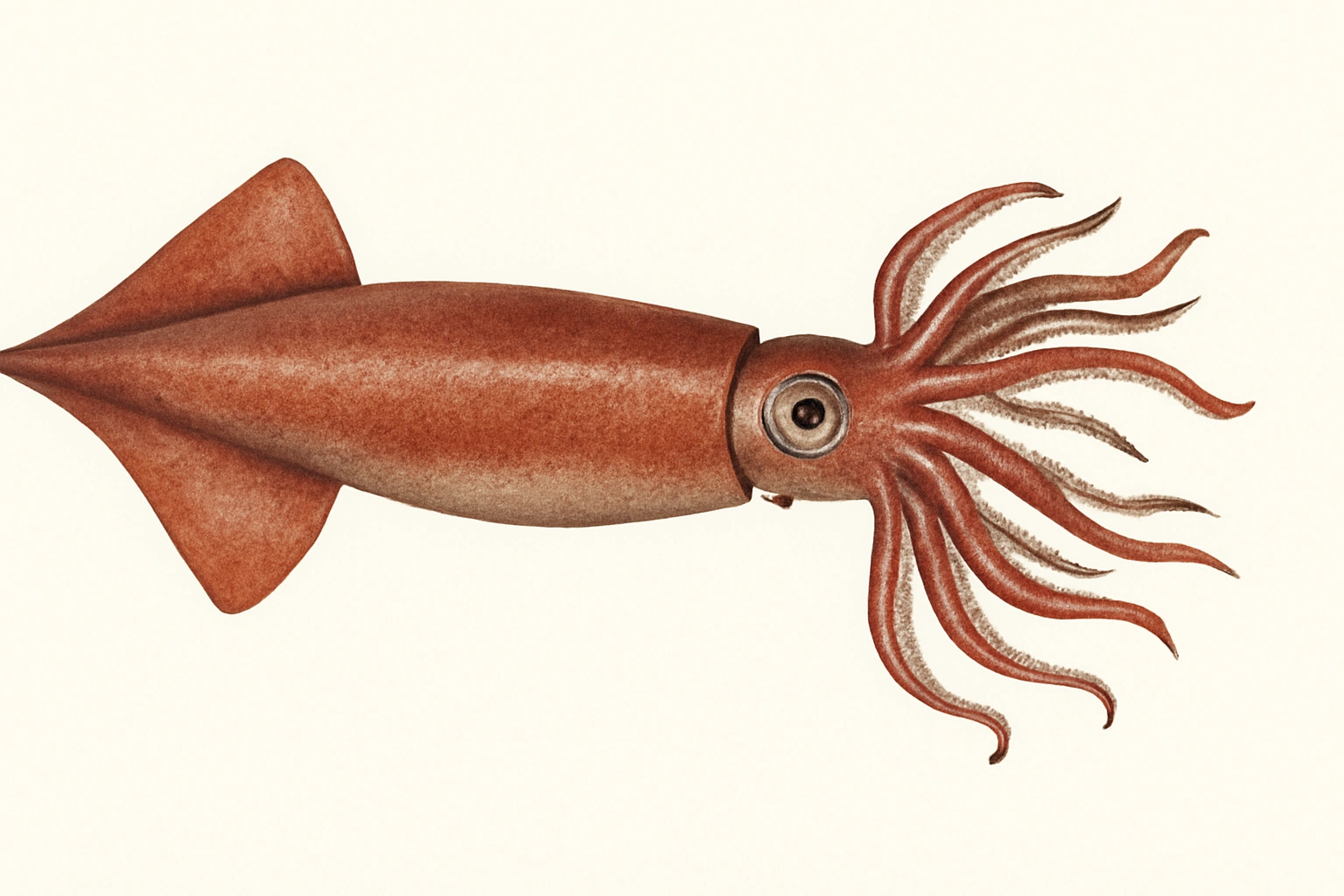 European flying squidTodarodes sagittatus
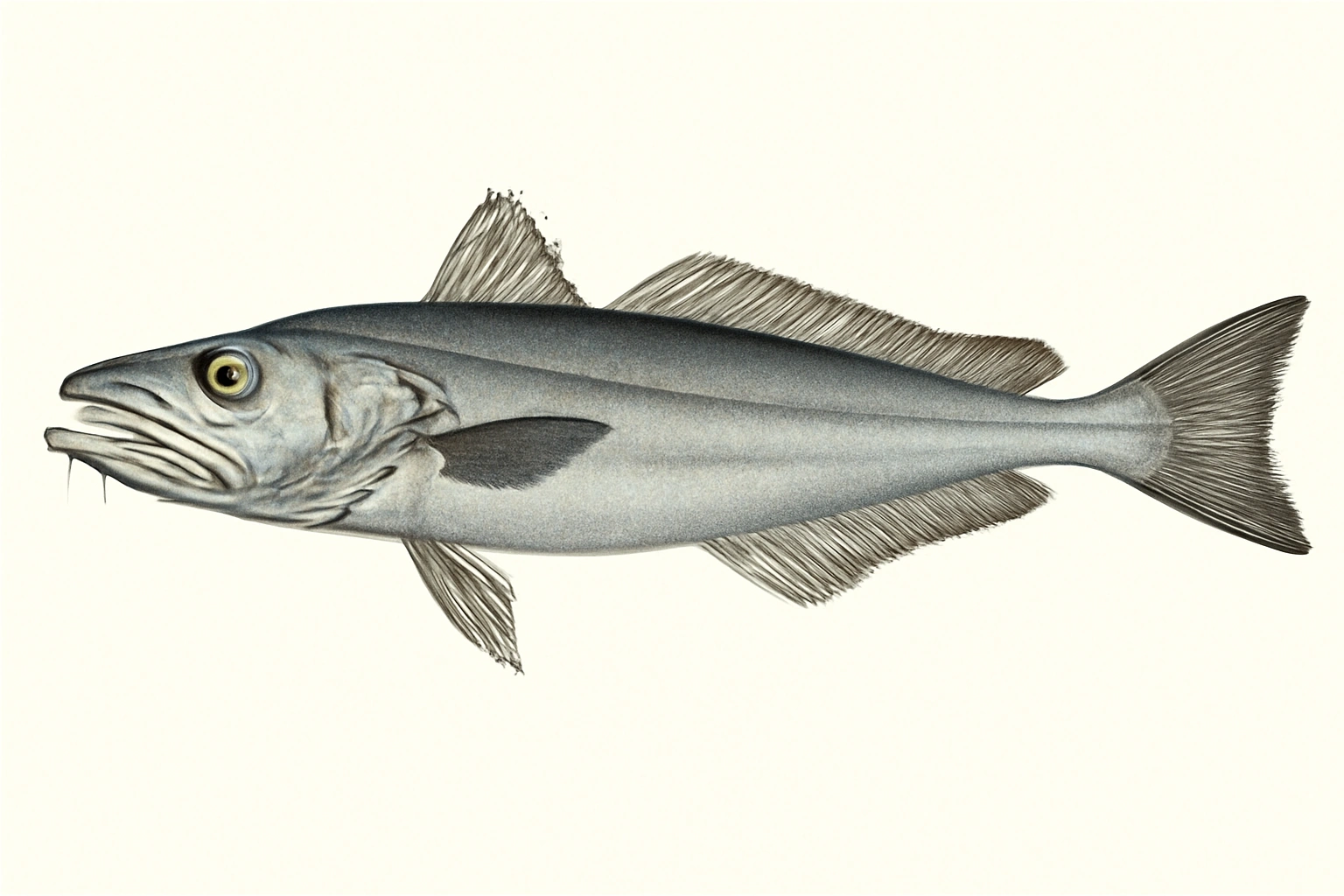 European hakeMerluccius merluccius
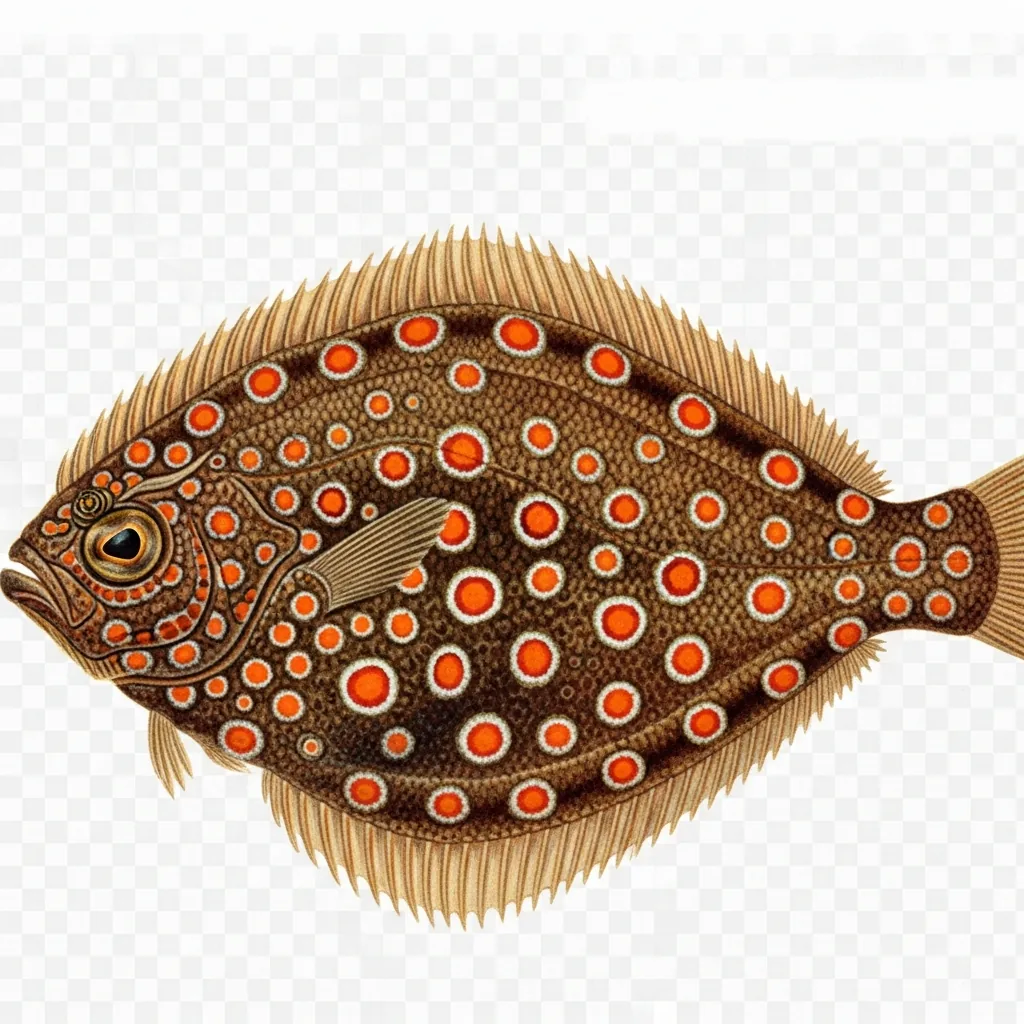 European plaicePleuronectes platessa
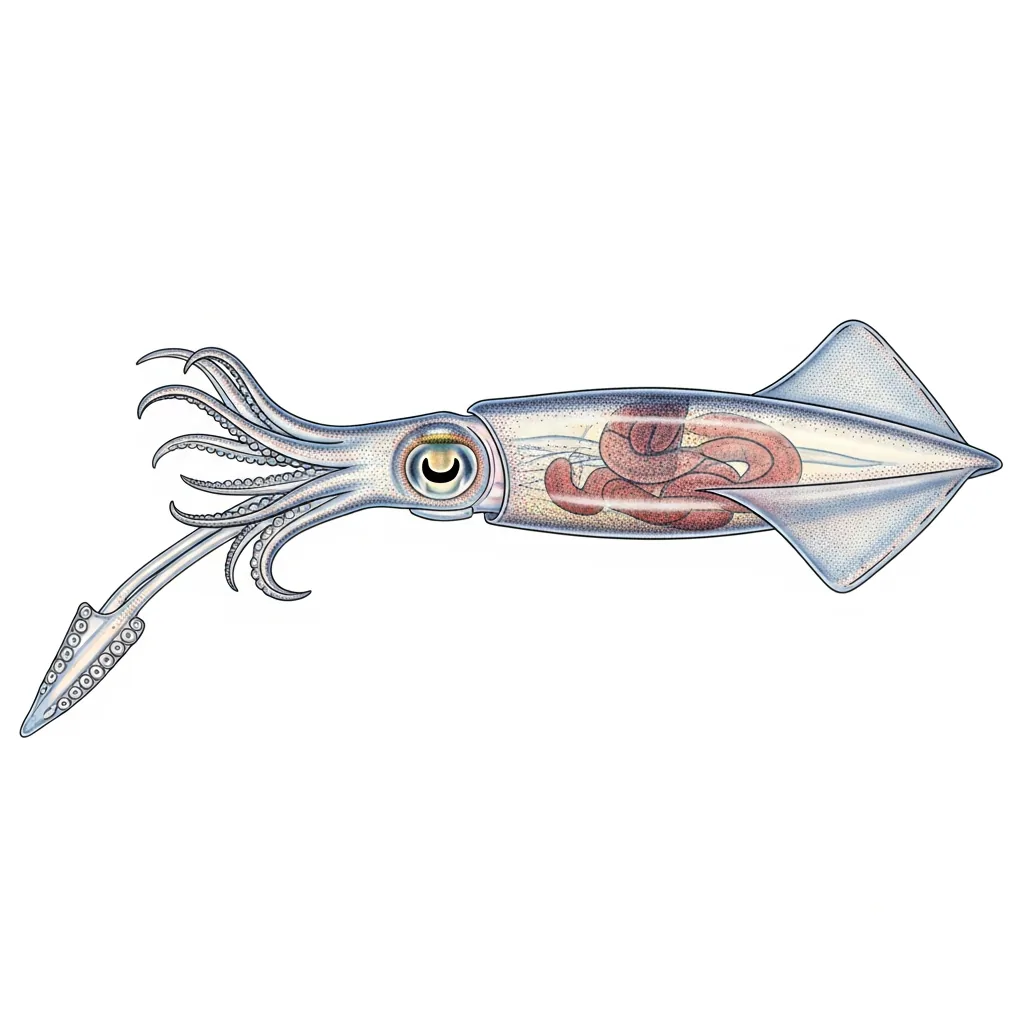 European squidLoligo vulgaris
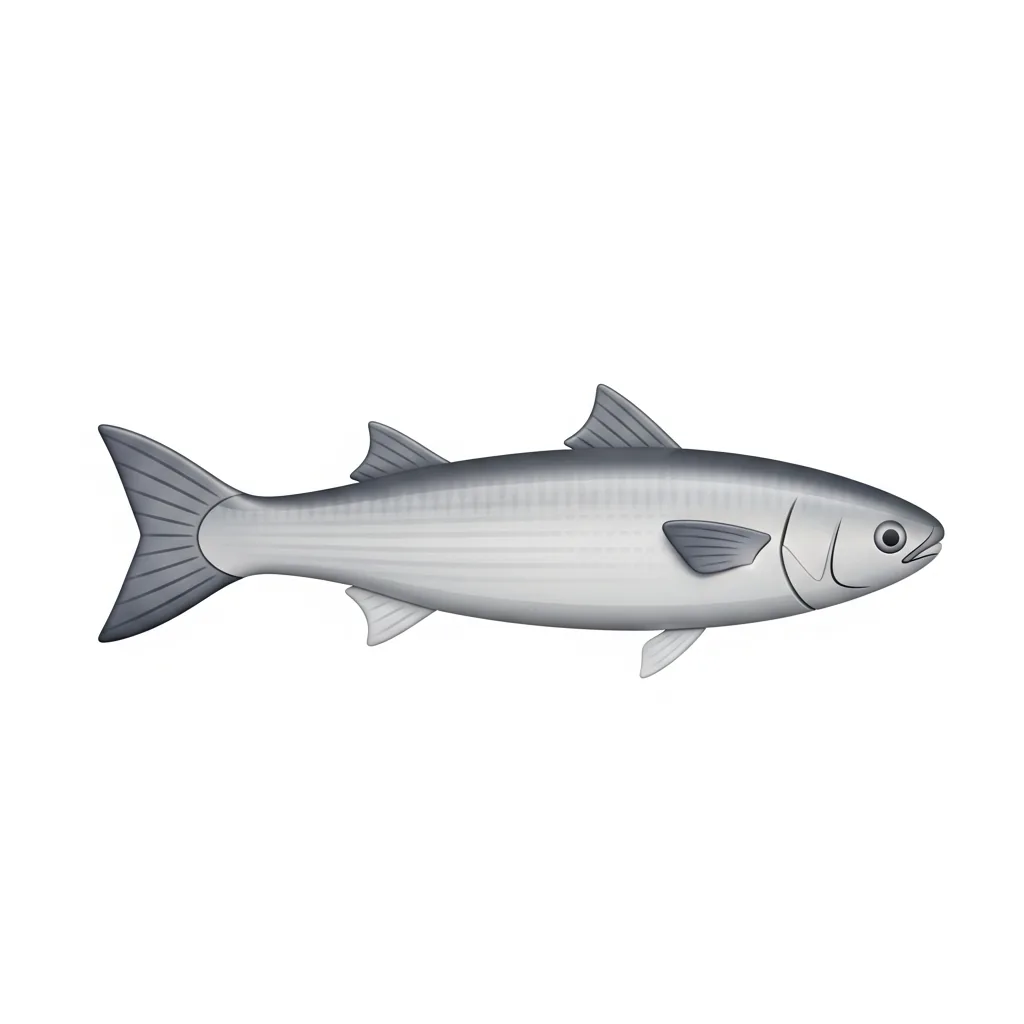 Flathead grey mulletMugil cephalus
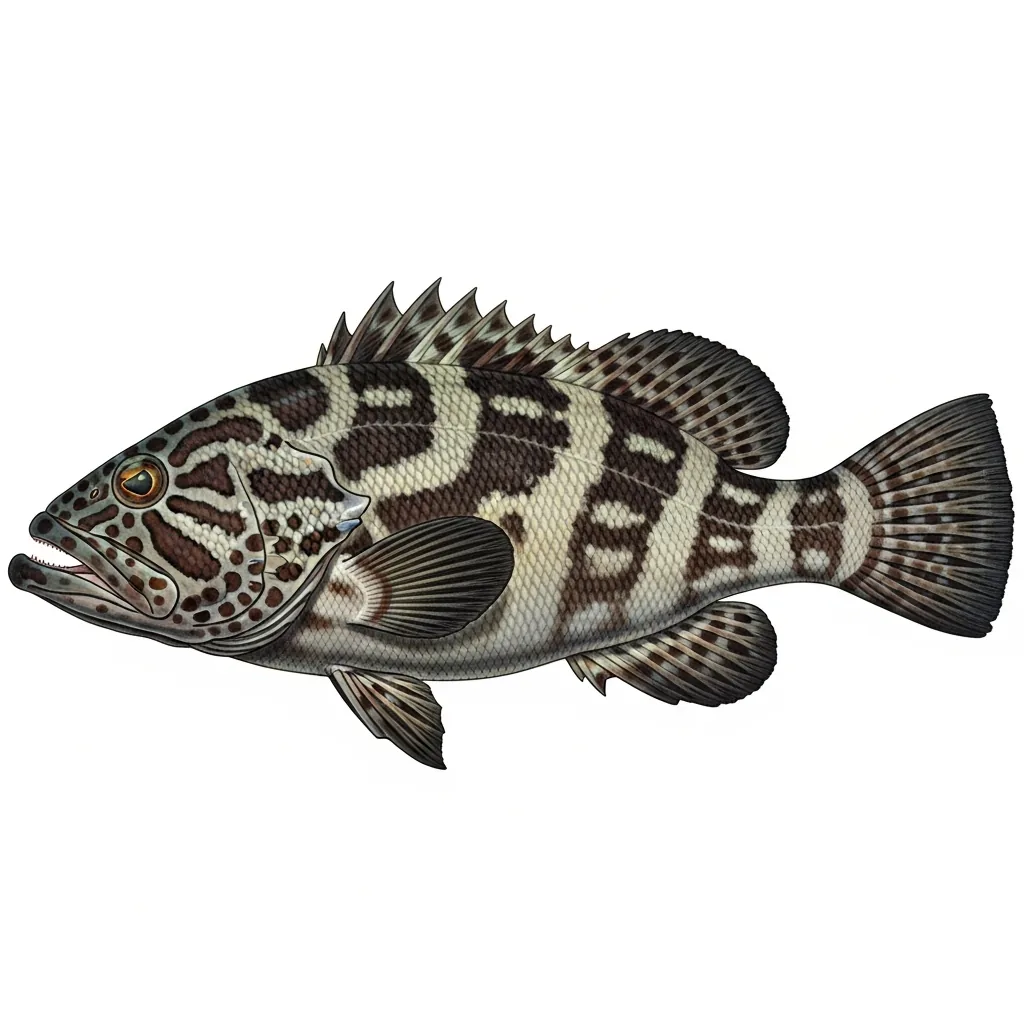 Gag GrouperMycteroperca microlepis
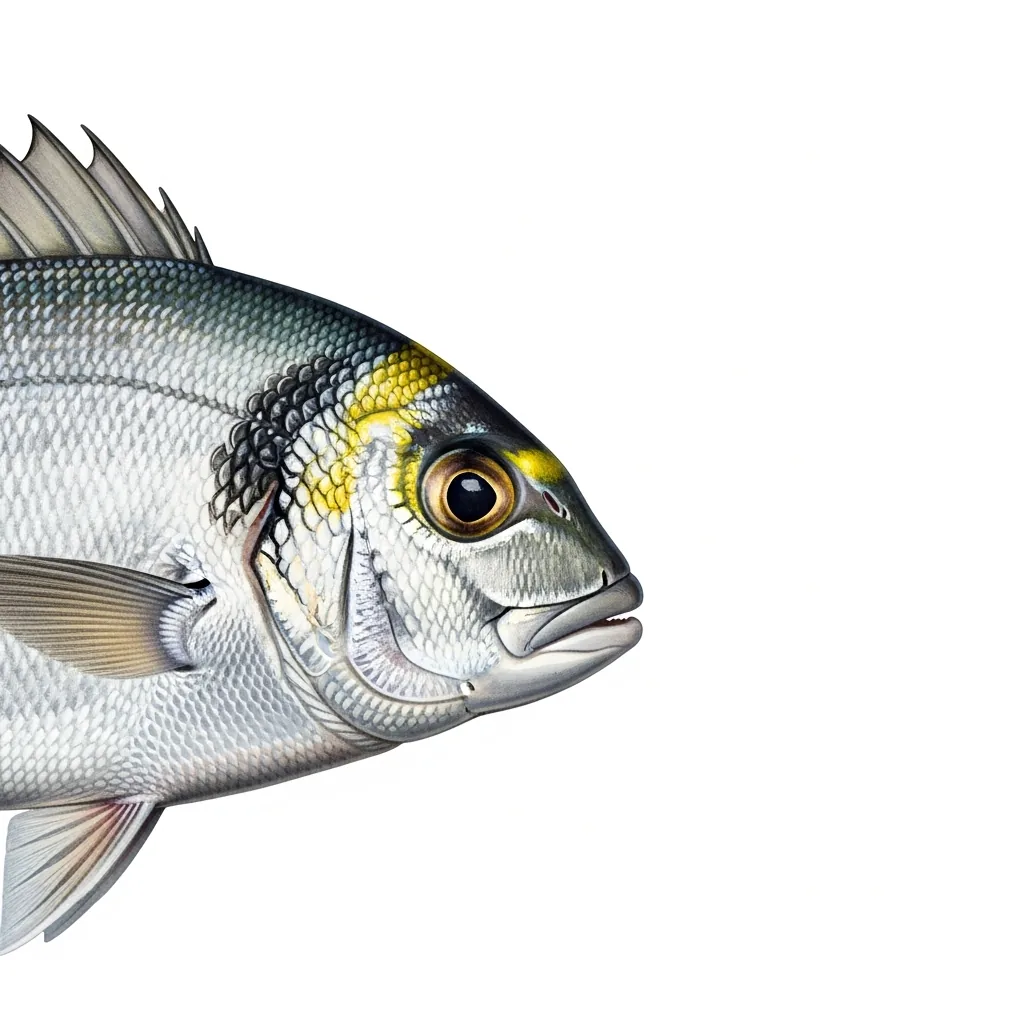 Gilthead sea breamSparus aurata
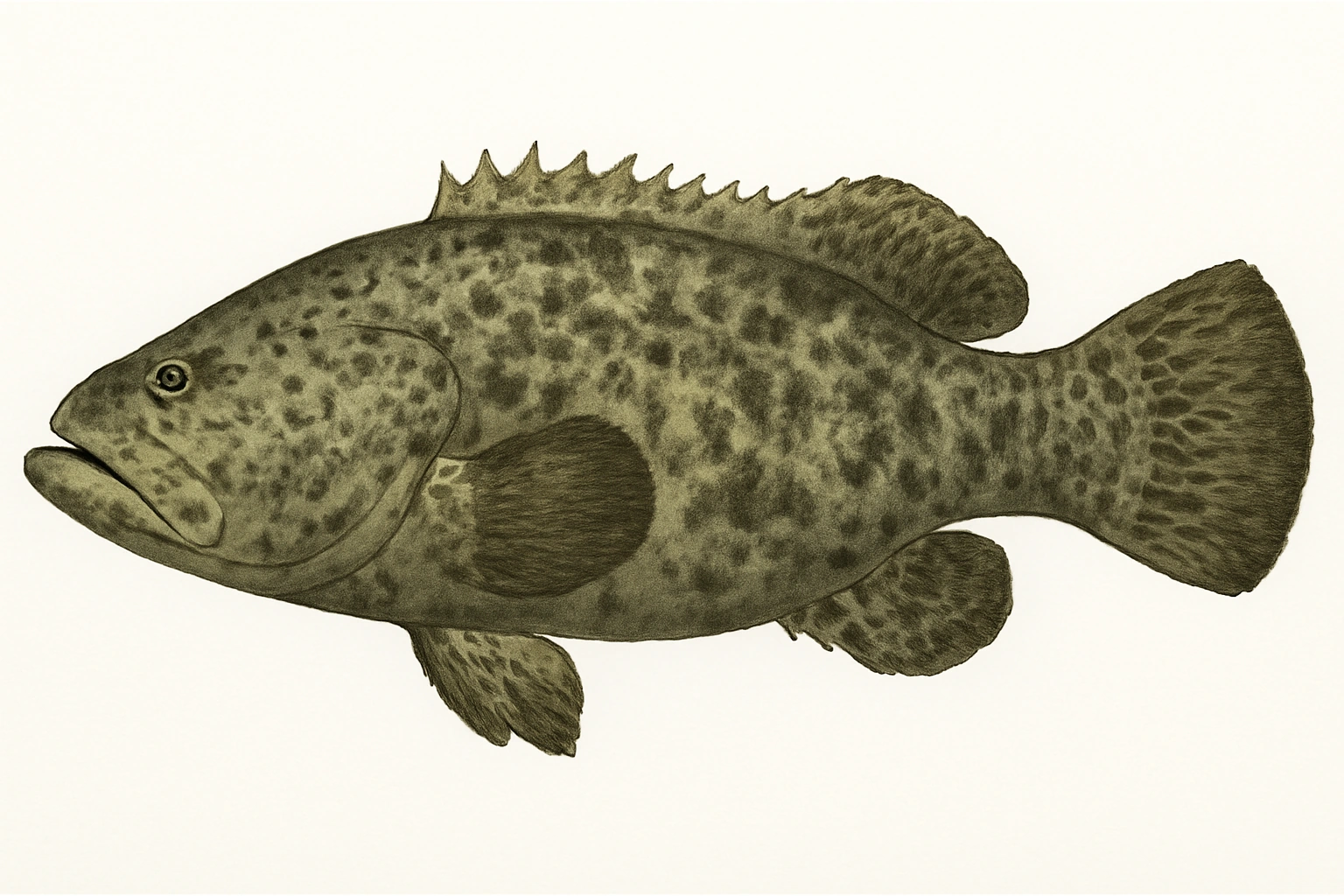 Goliath grouperEpinephelus itajara
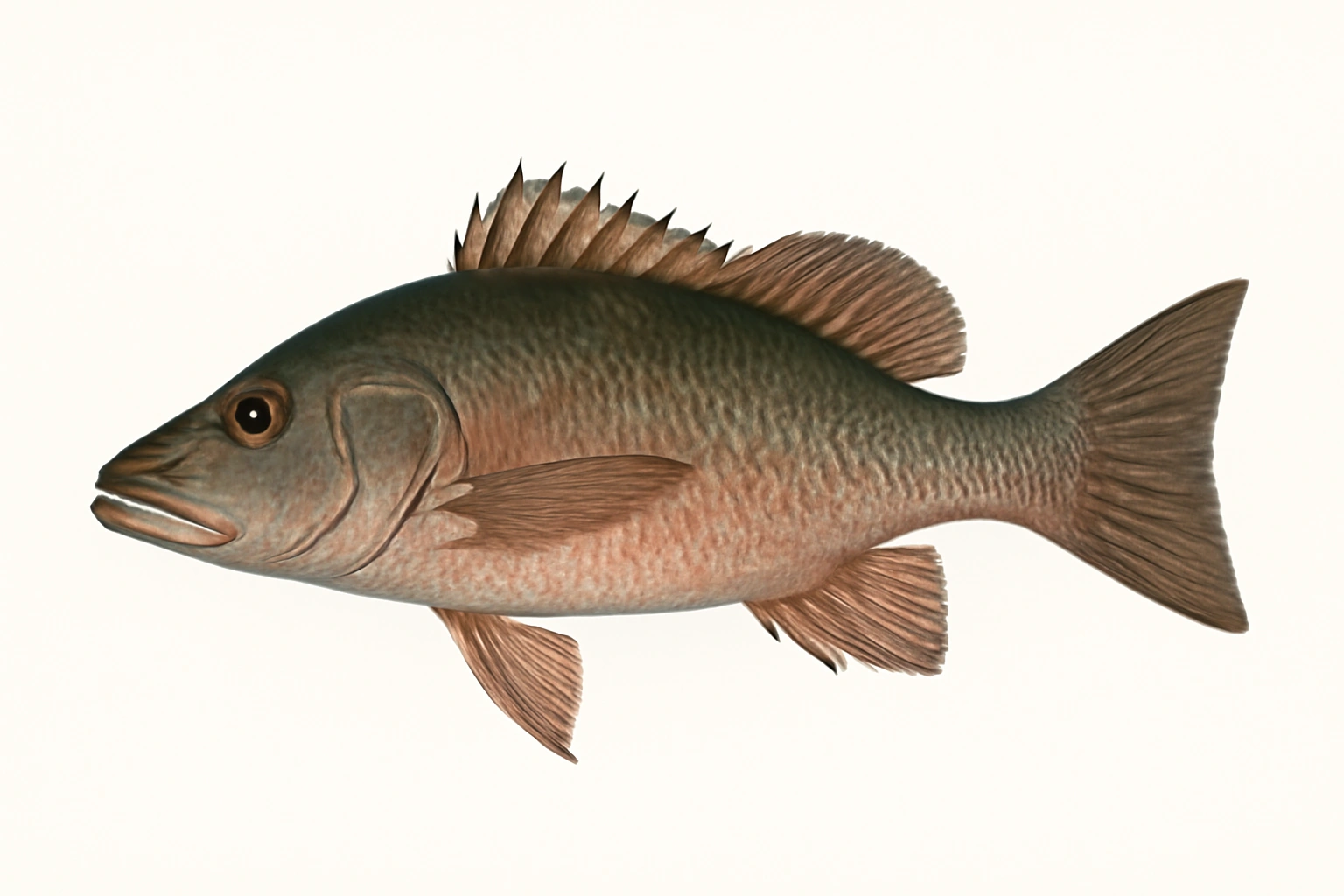 Gray snapperLutjanus griseus
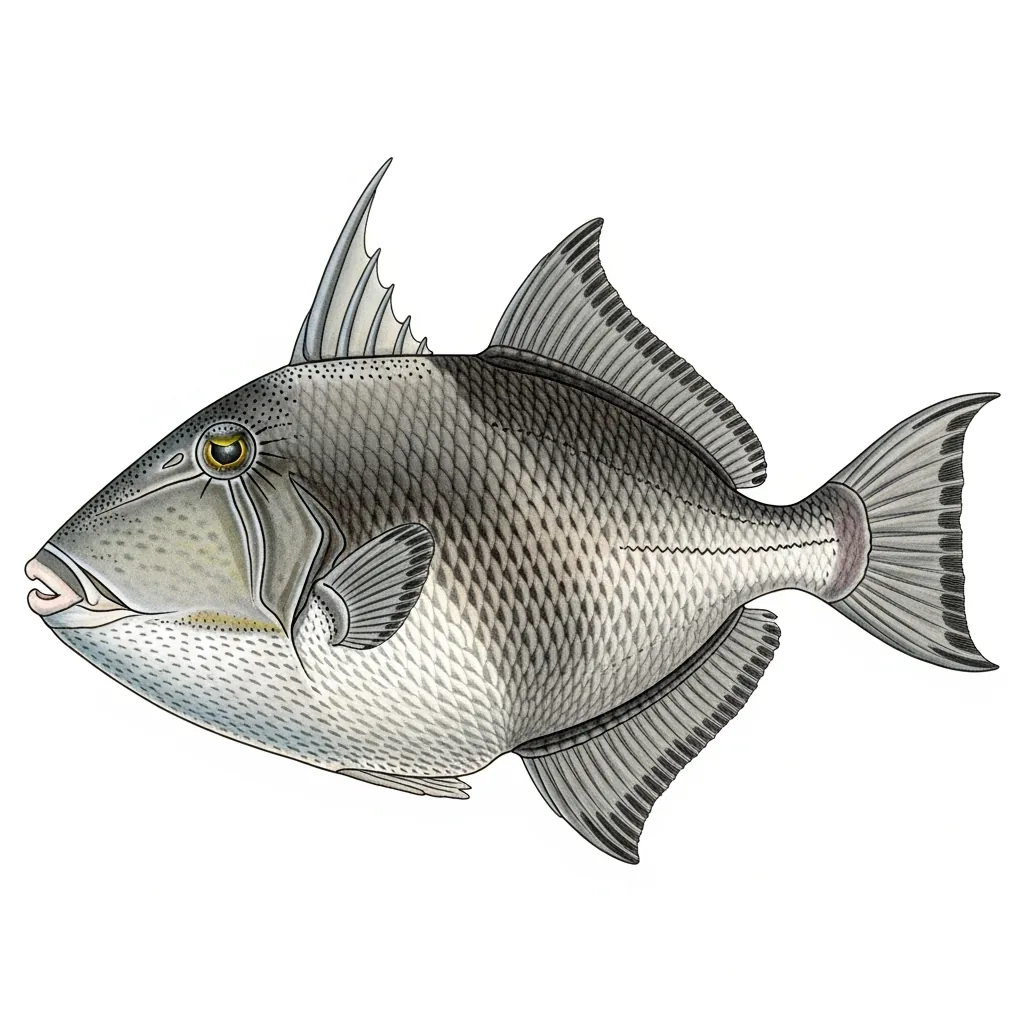 Gray TriggerfishBalistes capriscus
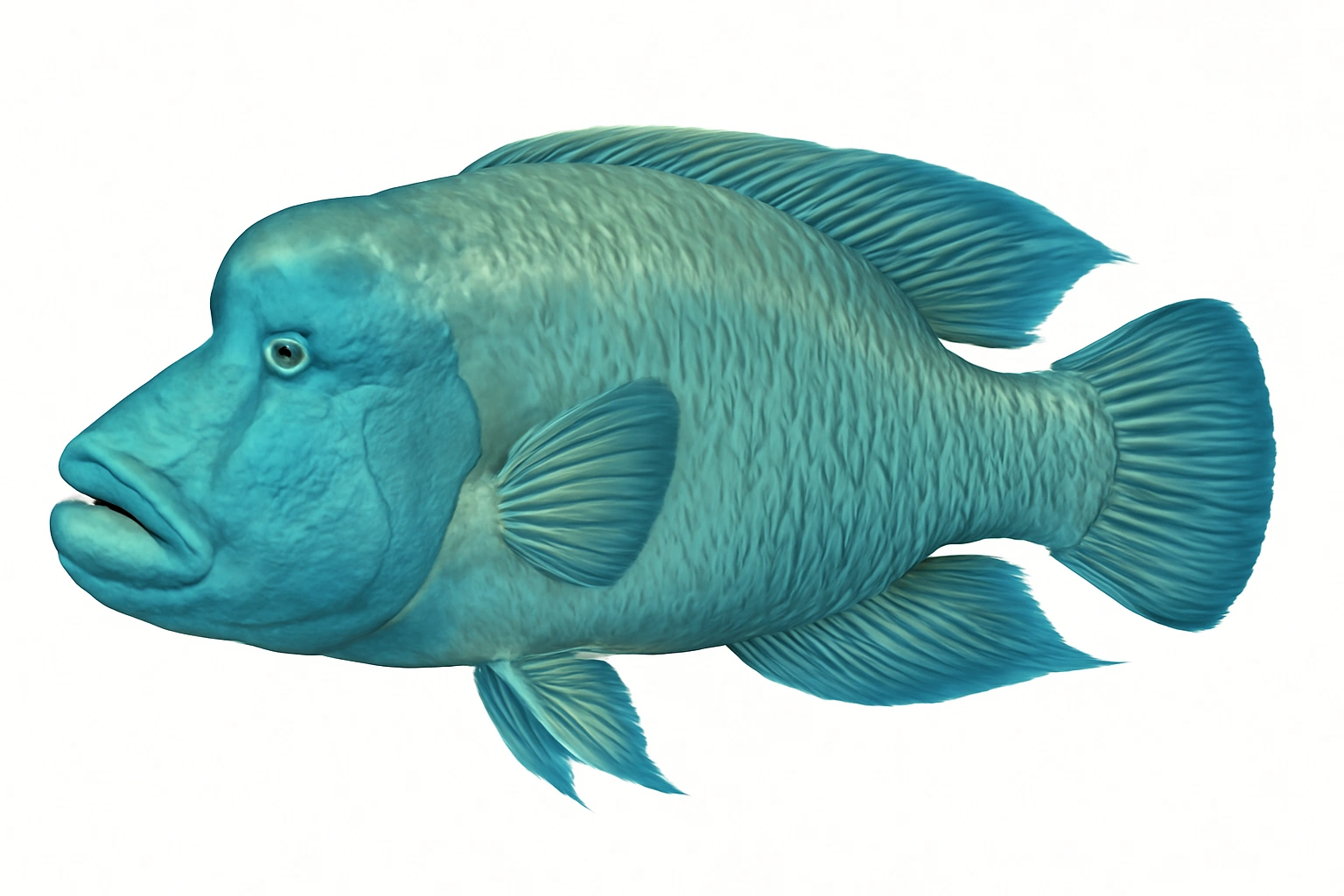 Humphead wrasseCheilinus undulatus
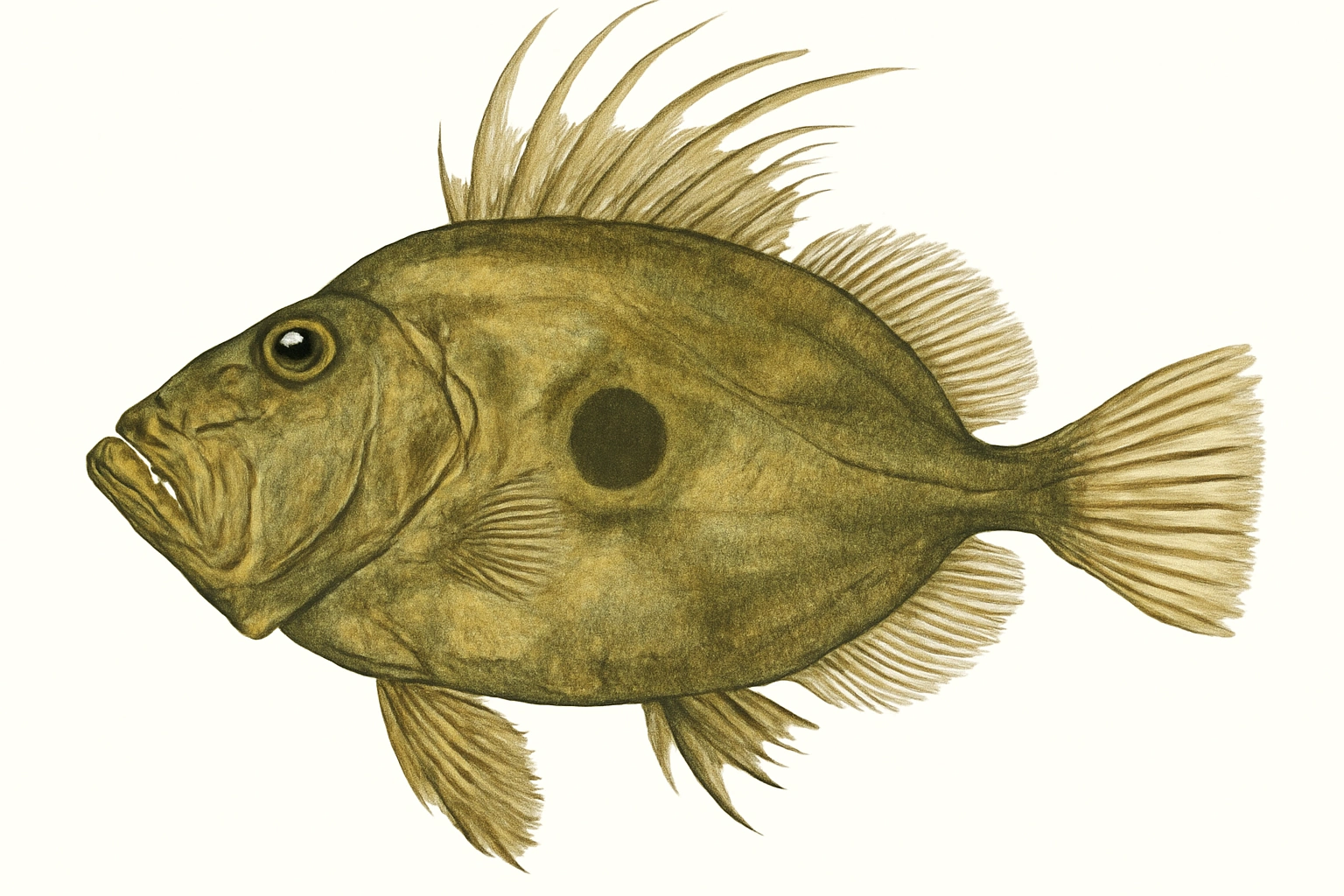 John DoryZeus faber
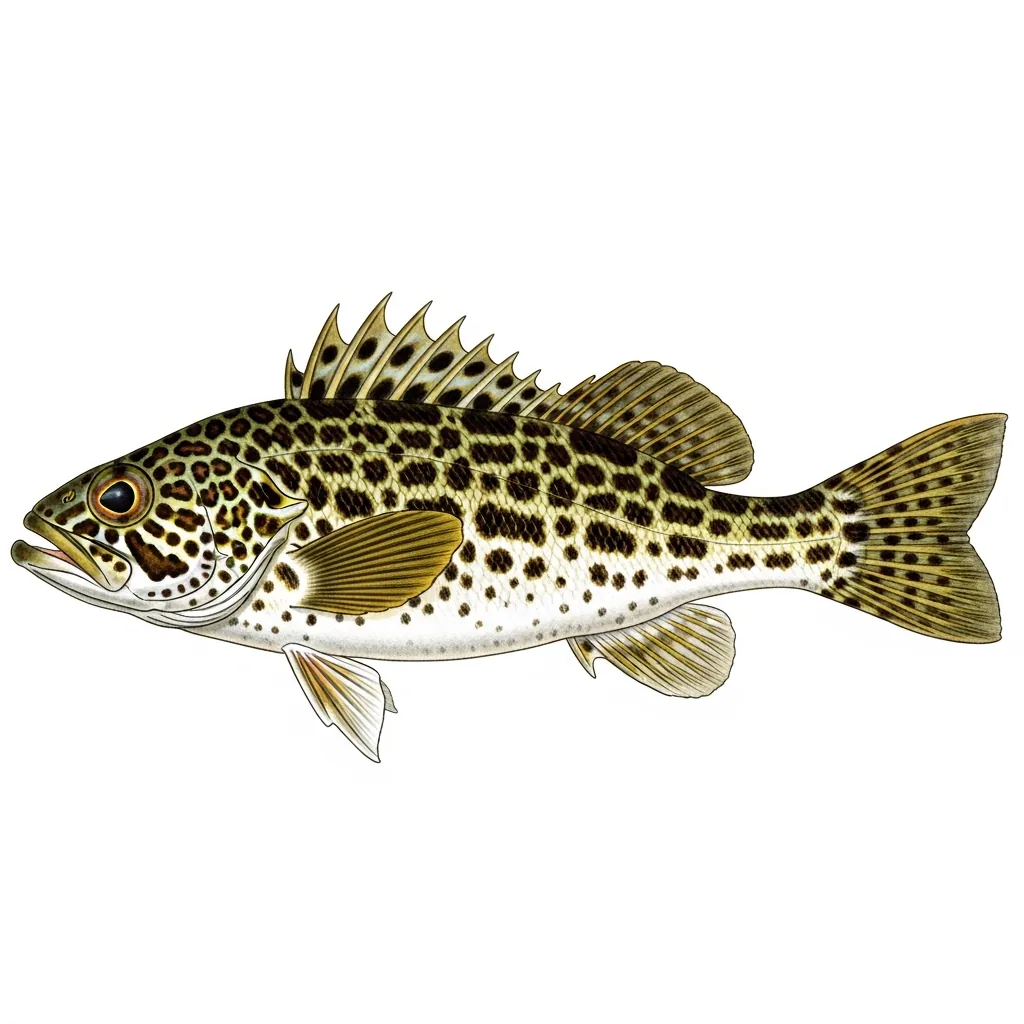 Kelp BassParalabrax clathratus
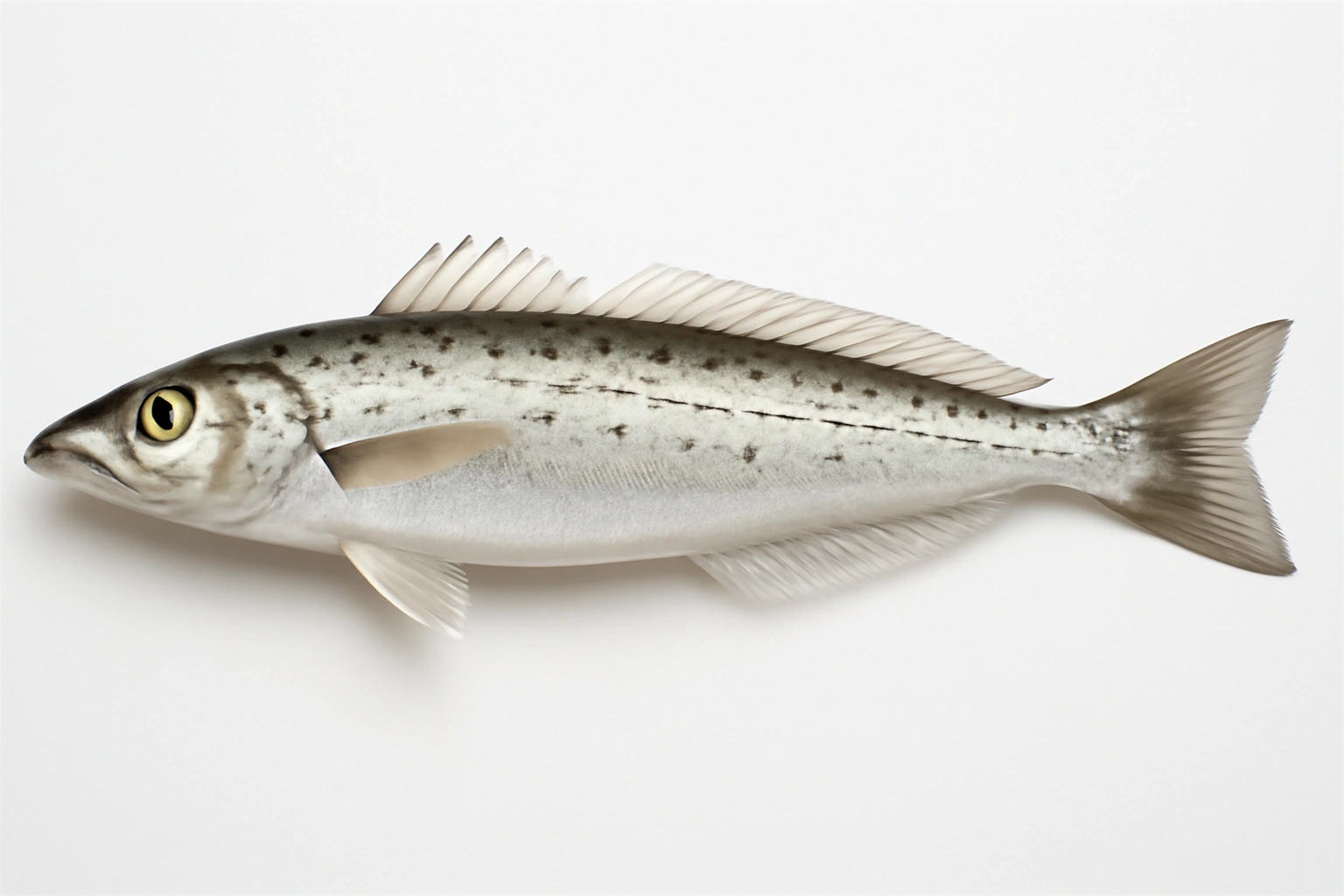 King George WhitingSillaginodes punctatus
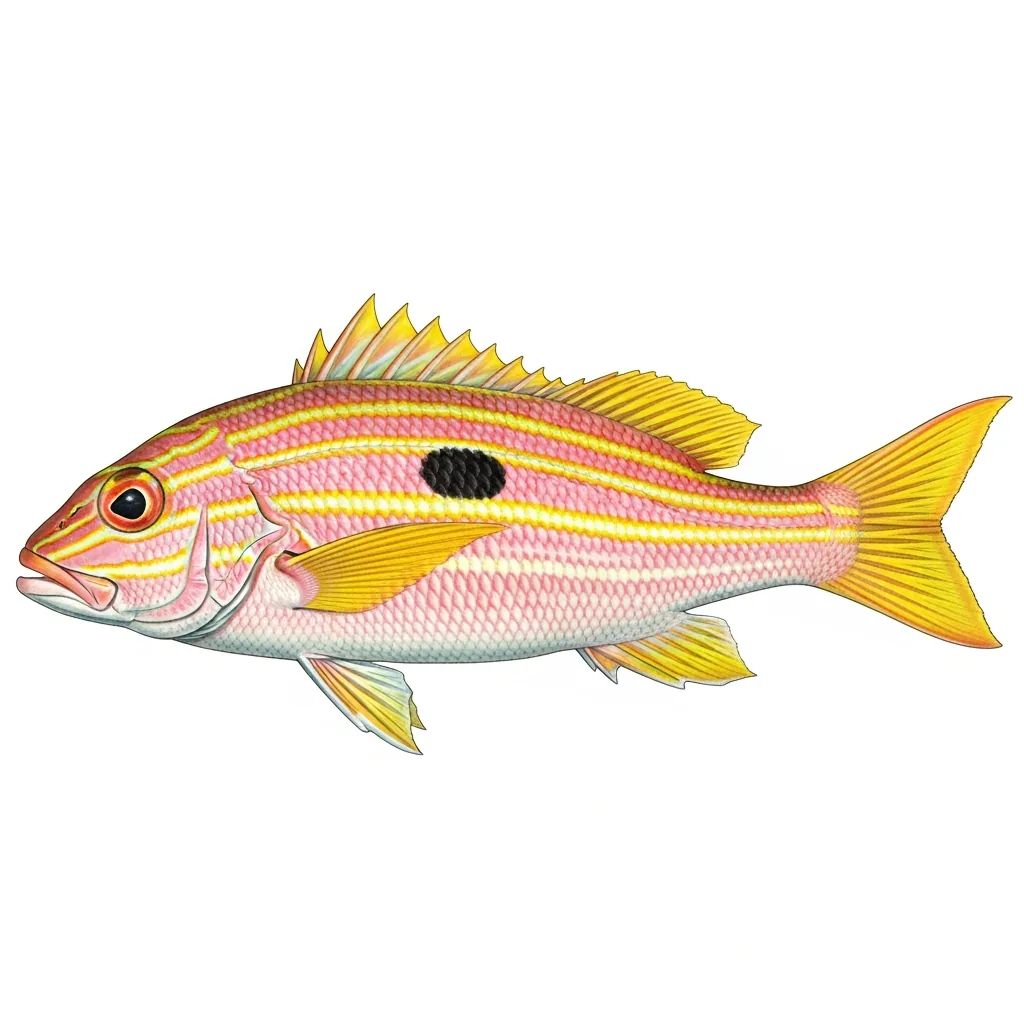 Lane SnapperLutjanus synagris
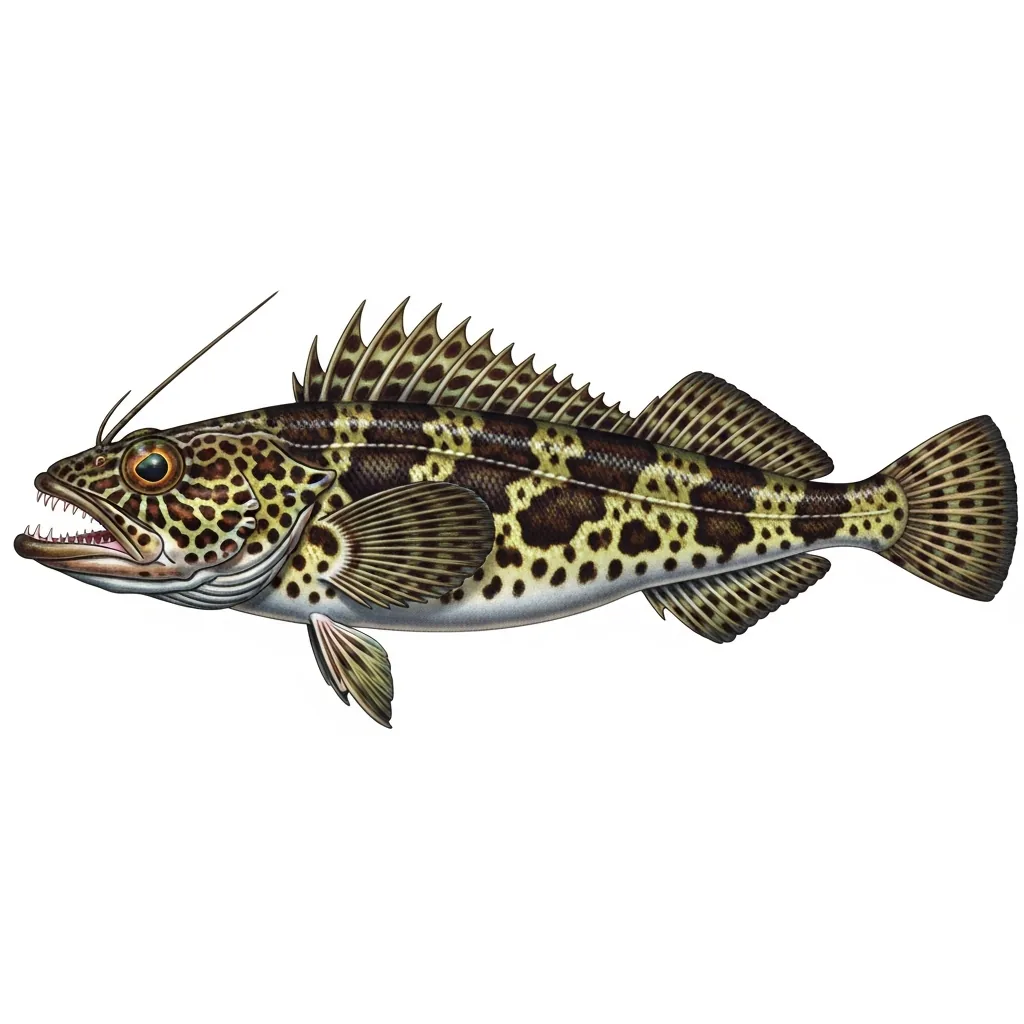 LingcodOphiodon elongatus
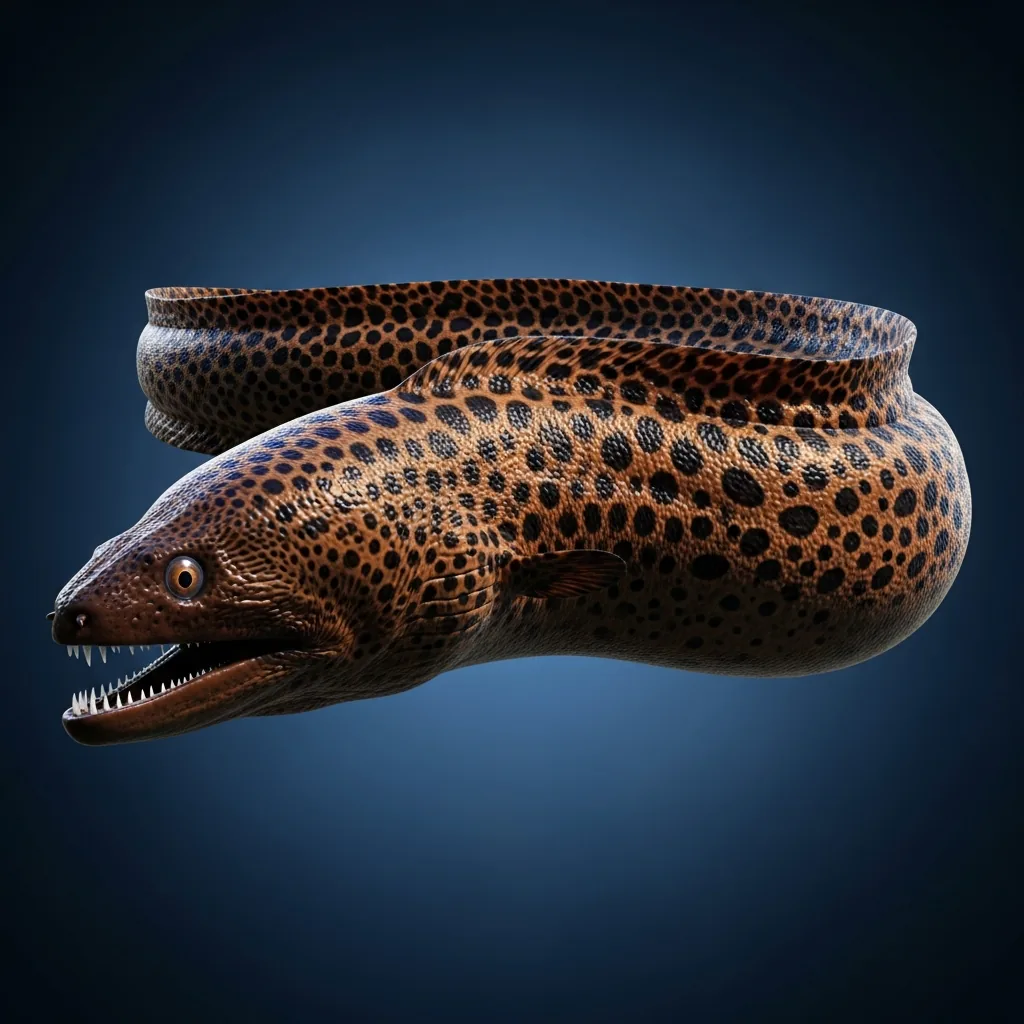 Mediterranean morayMuraena helena
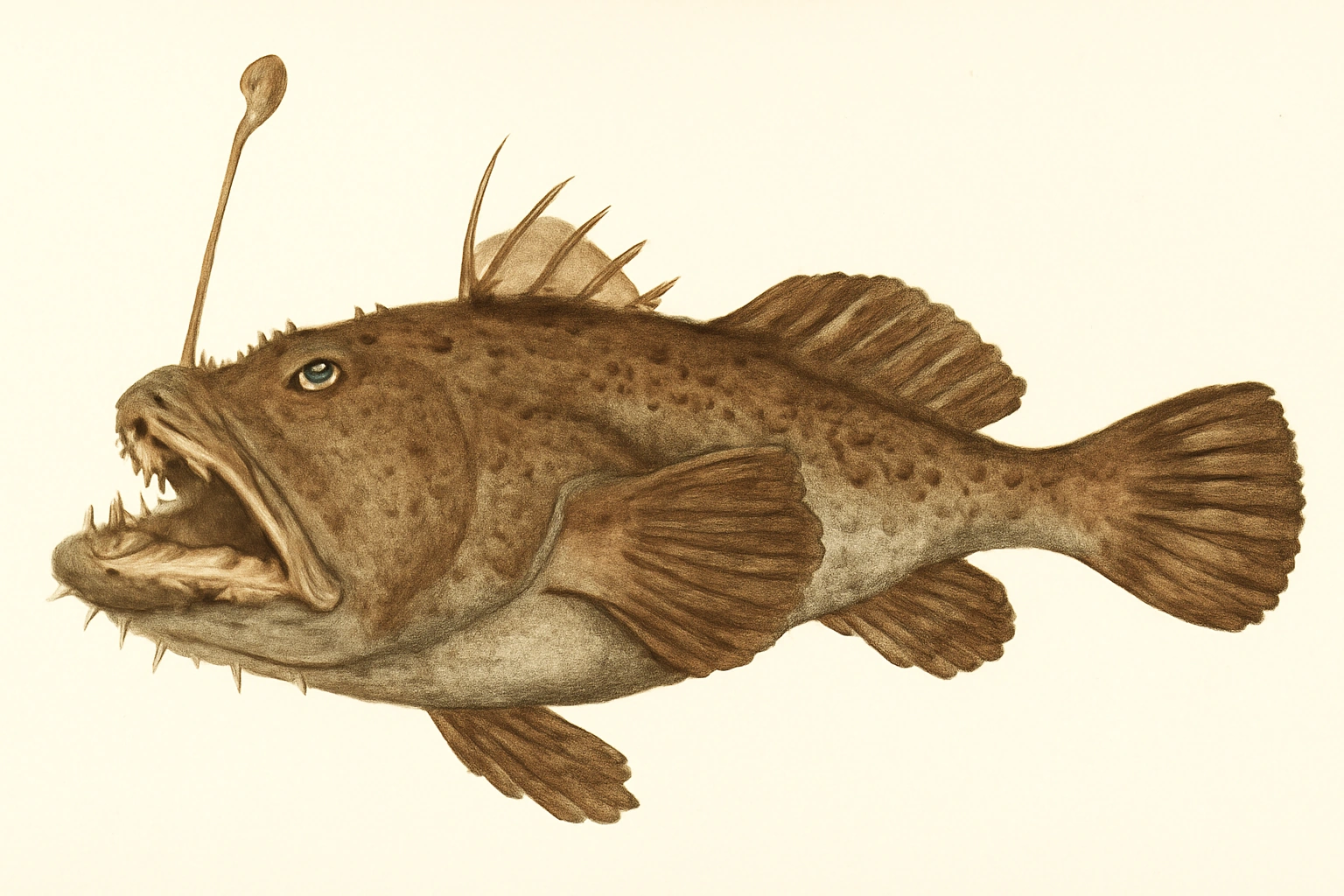 MonkfishLophius piscatorius
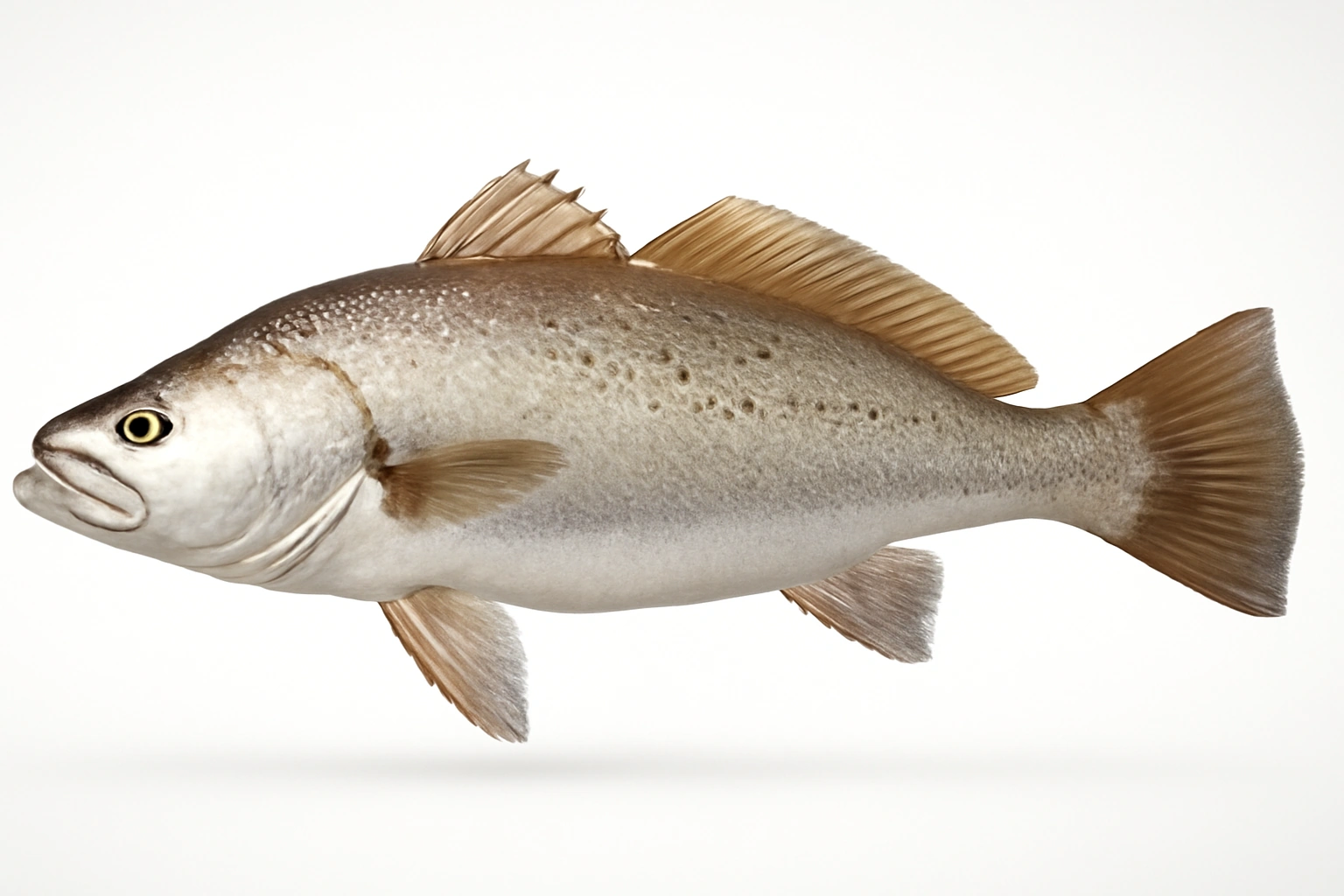 MullowayArgyrosomus japonicus
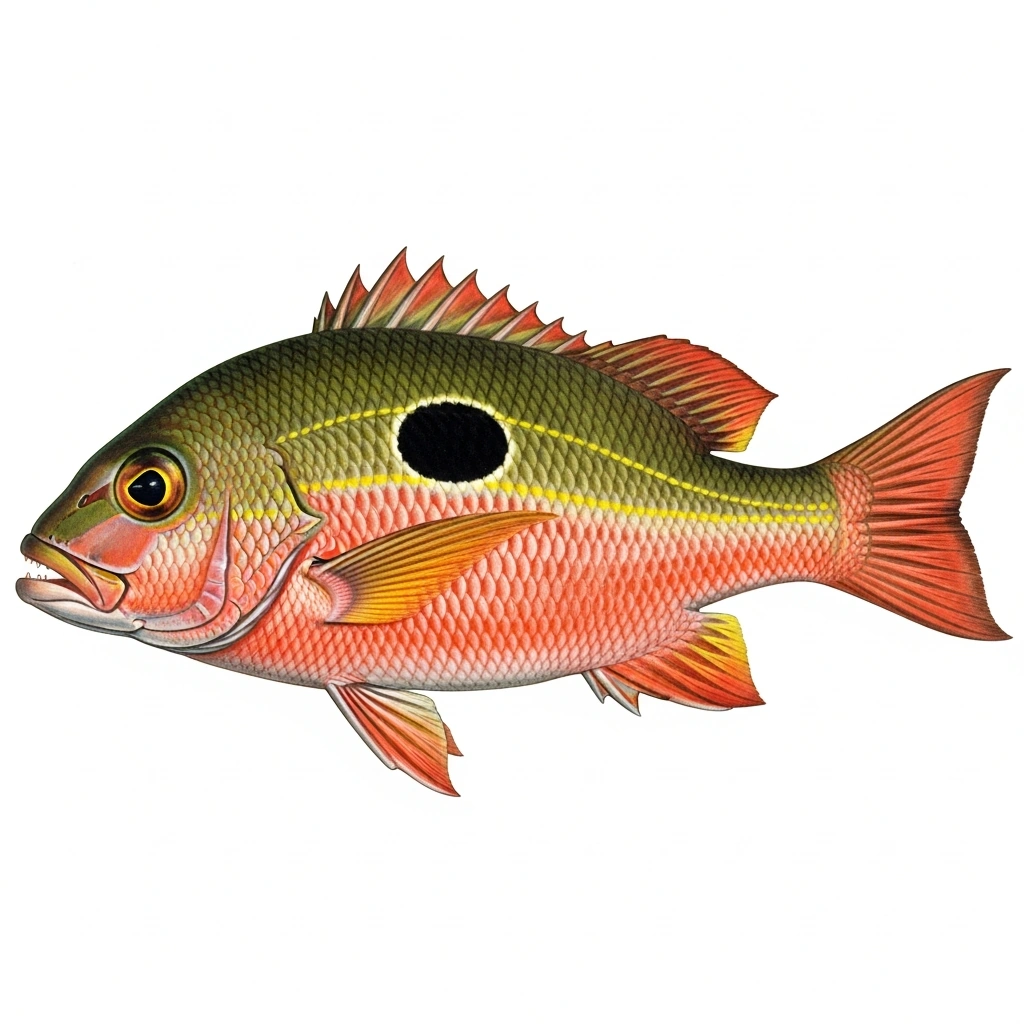 Mutton snapperLutjanus analis
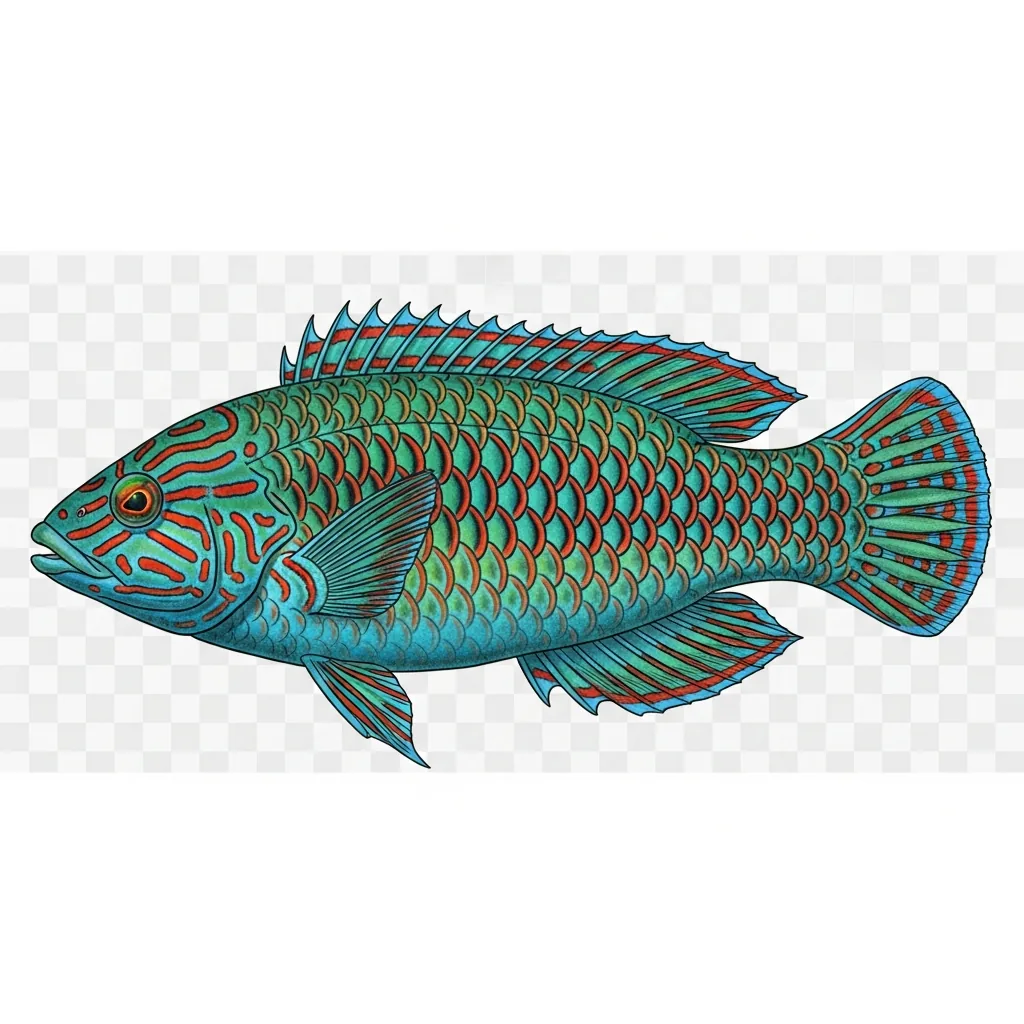 Ornate wrasseThalassoma pavo
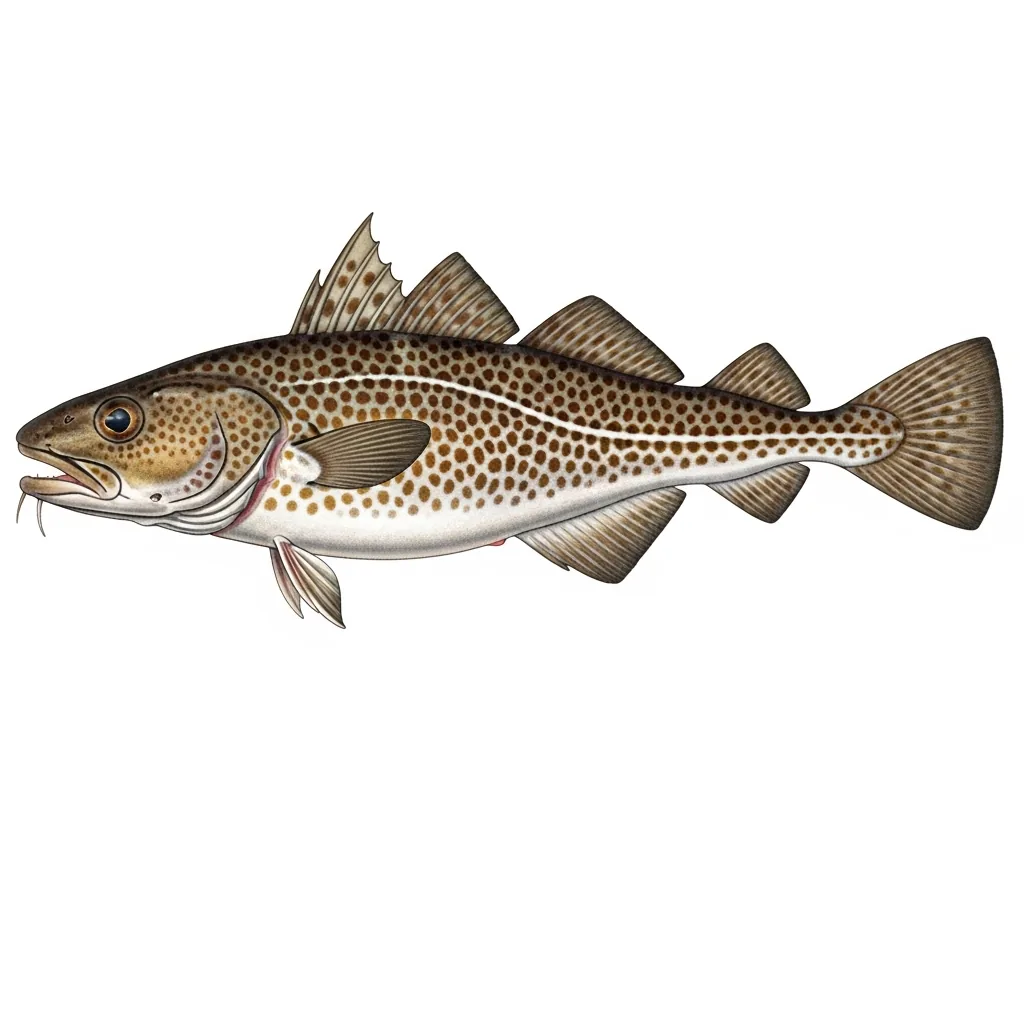 Pacific CodGadus macrocephalus
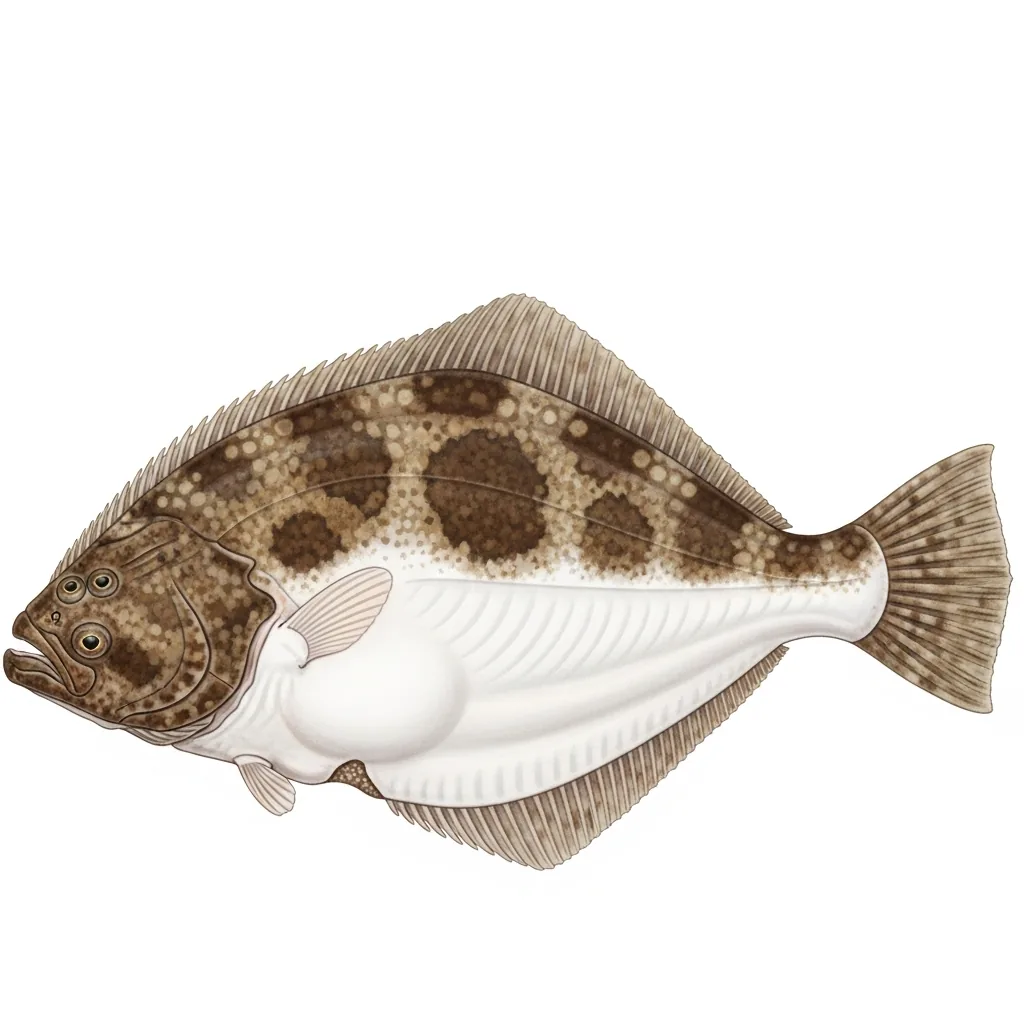 Pacific halibutHippoglossus stenolepis
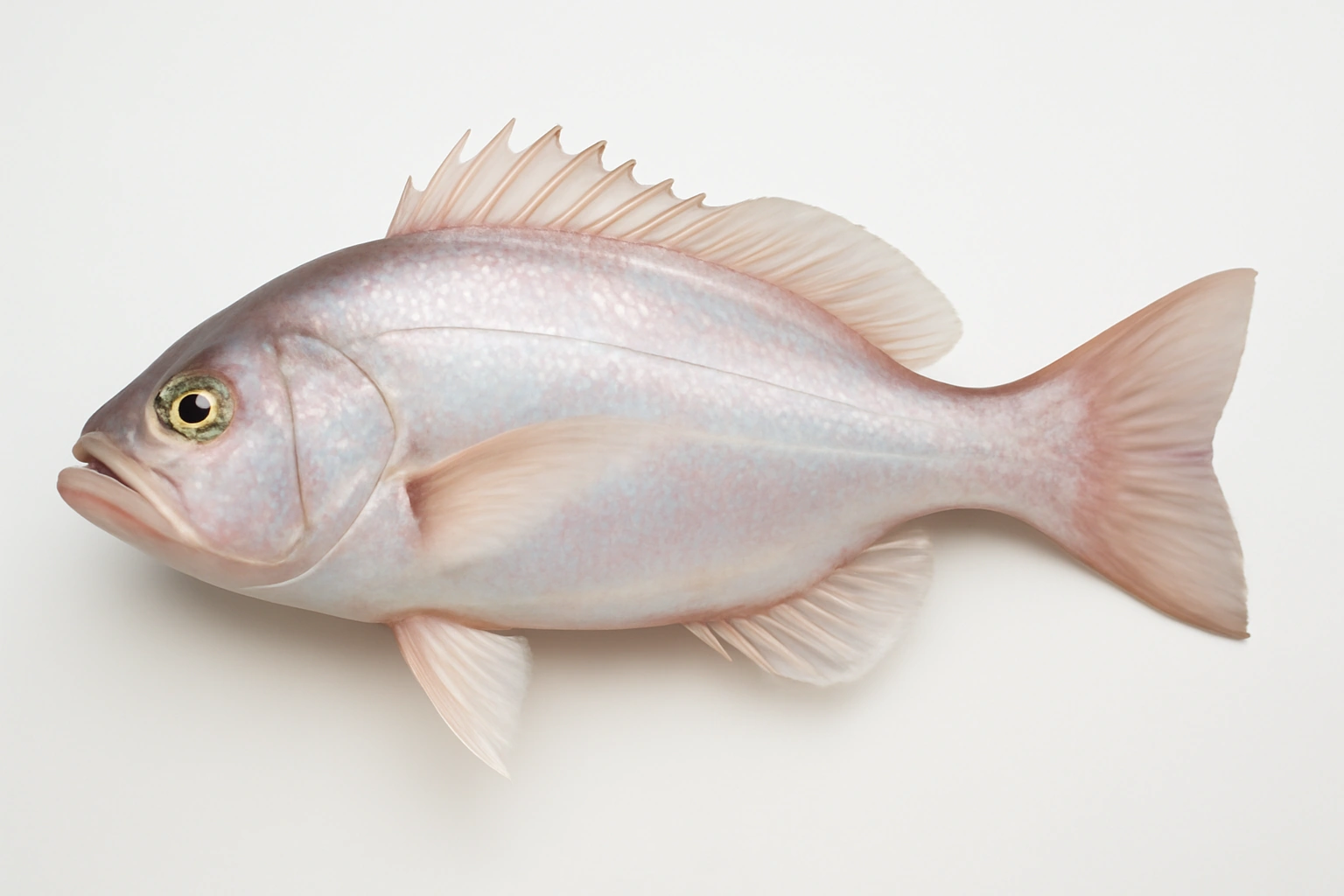 Pearl PerchGlaucosoma scapulare
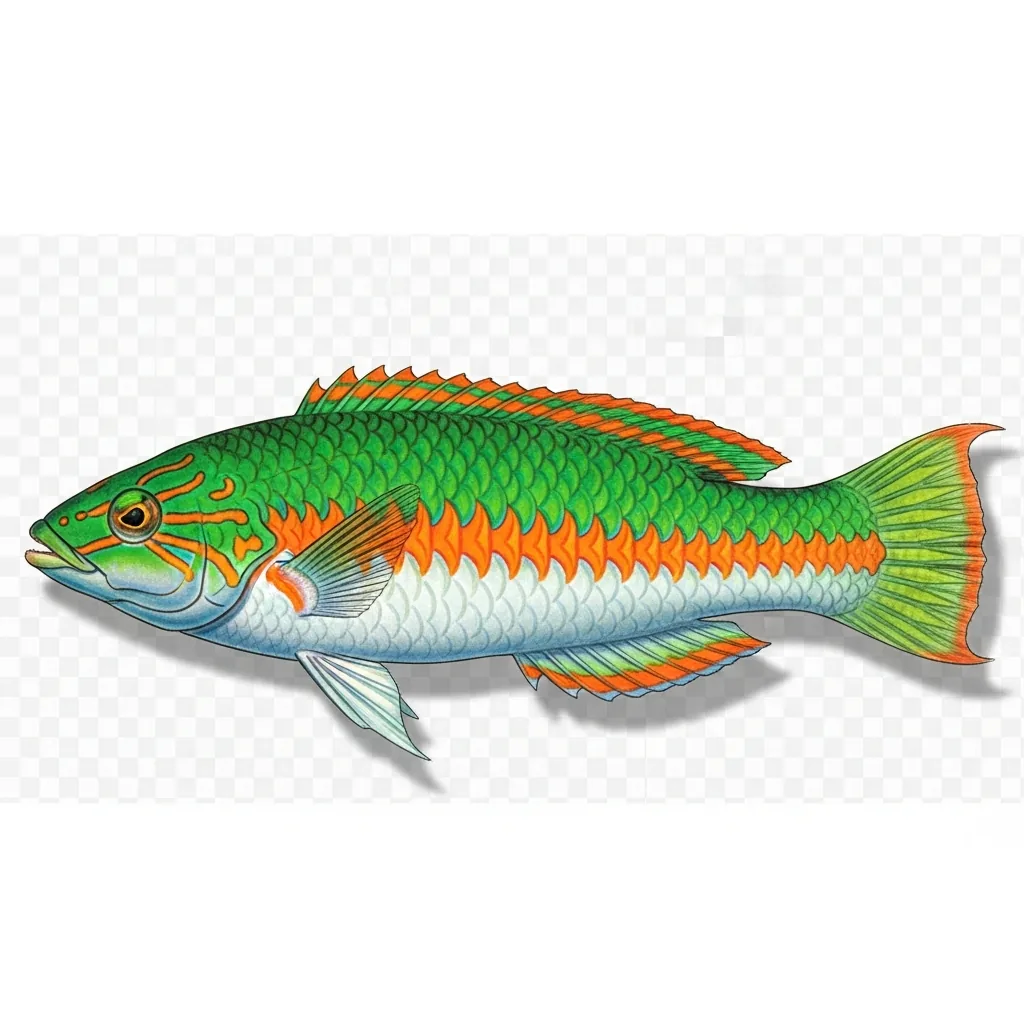 Rainbow wrasseCoris julis
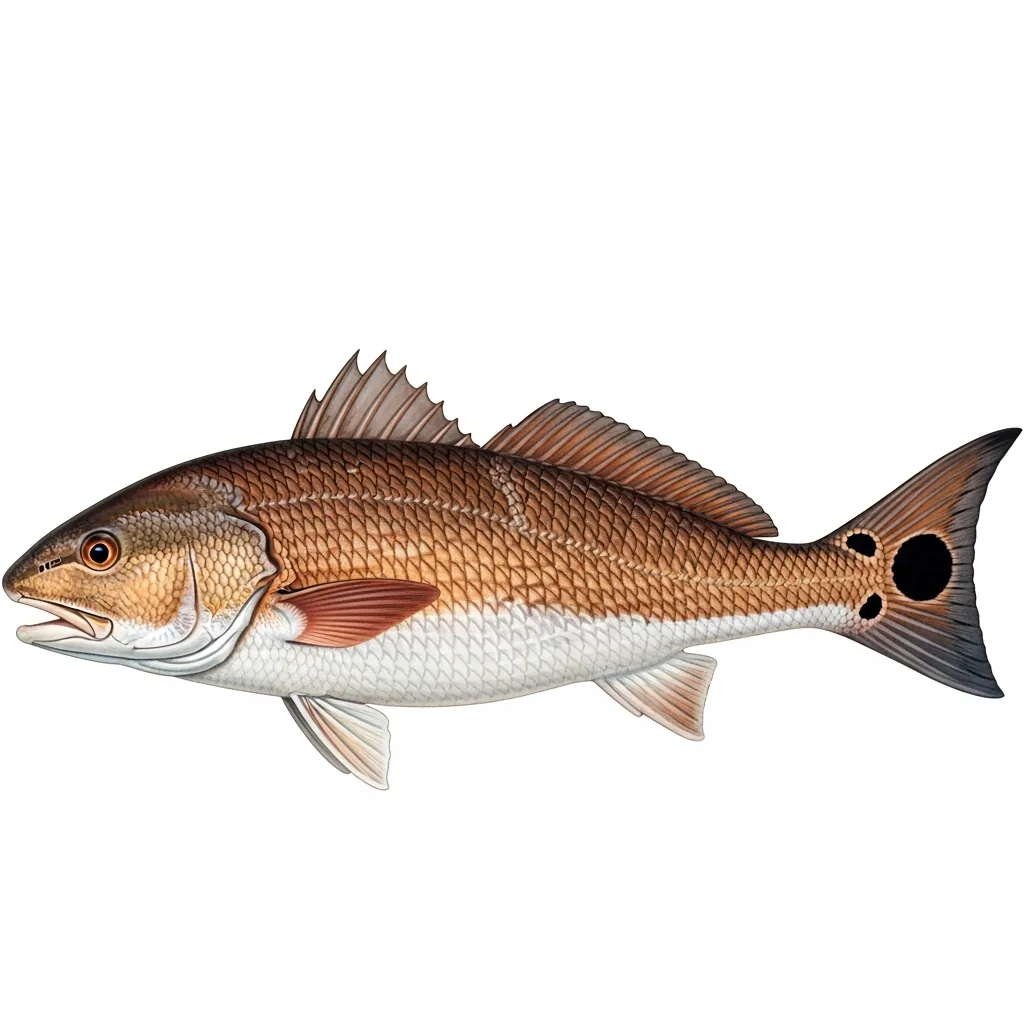 Red drumSciaenops ocellatus
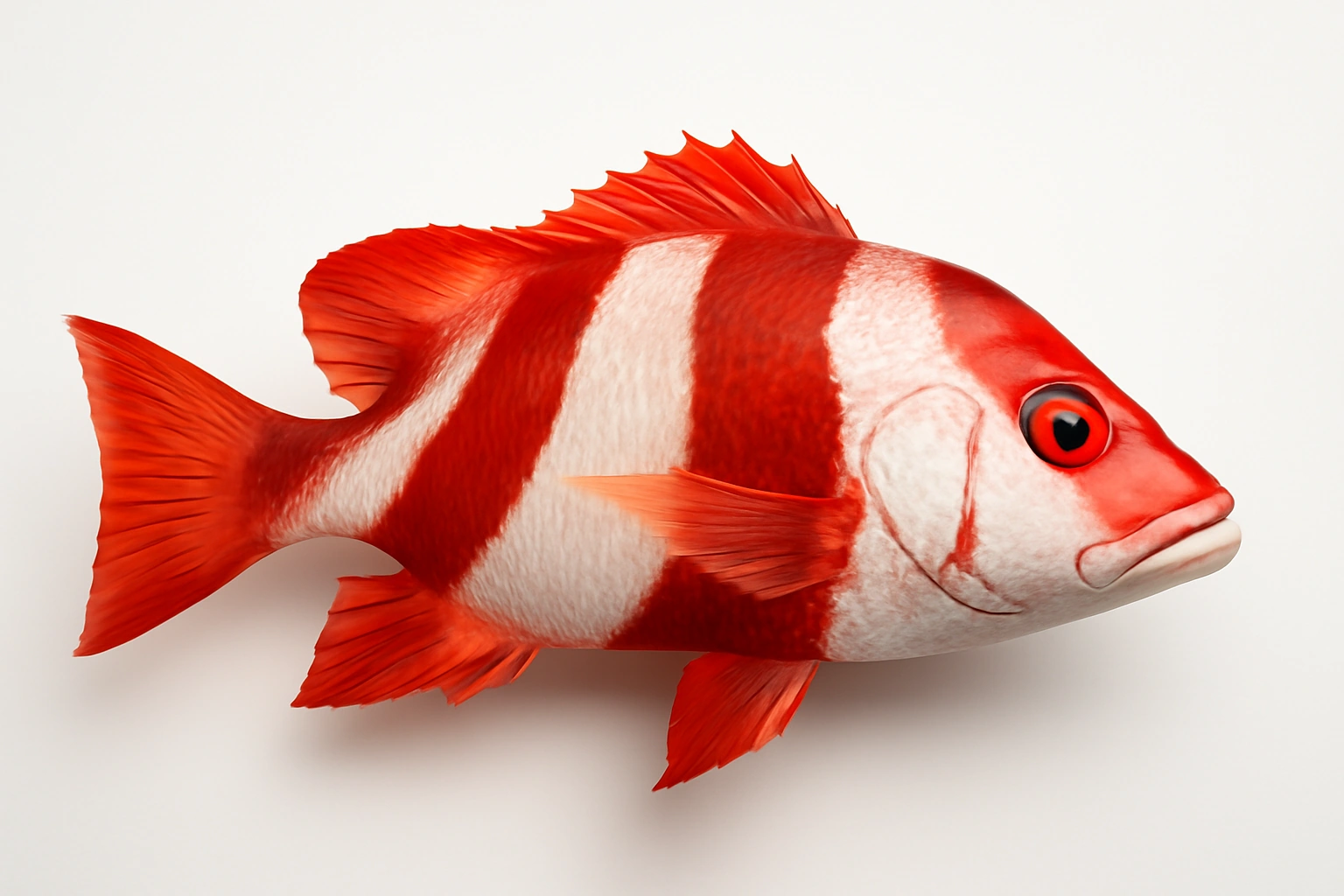 Red EmperorLutjanus sebae
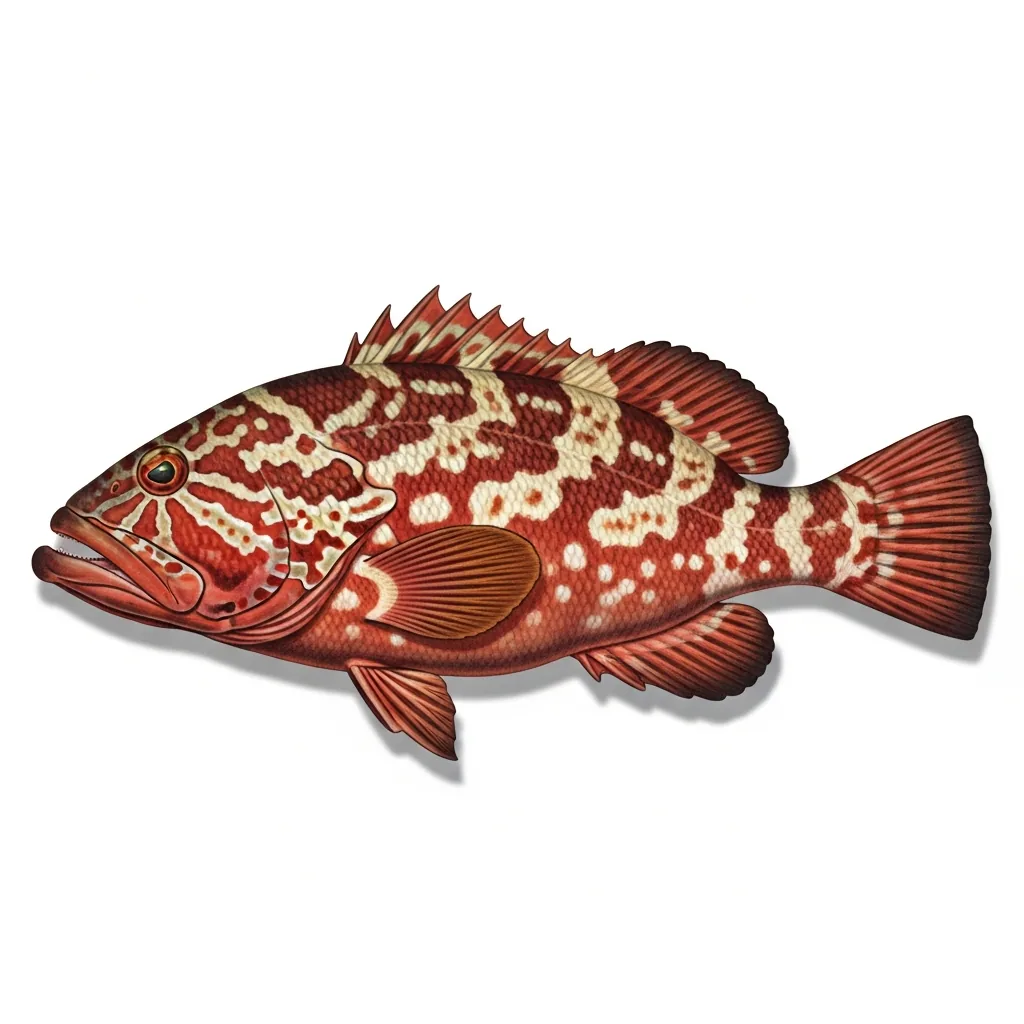 Red GrouperEpinephelus morio
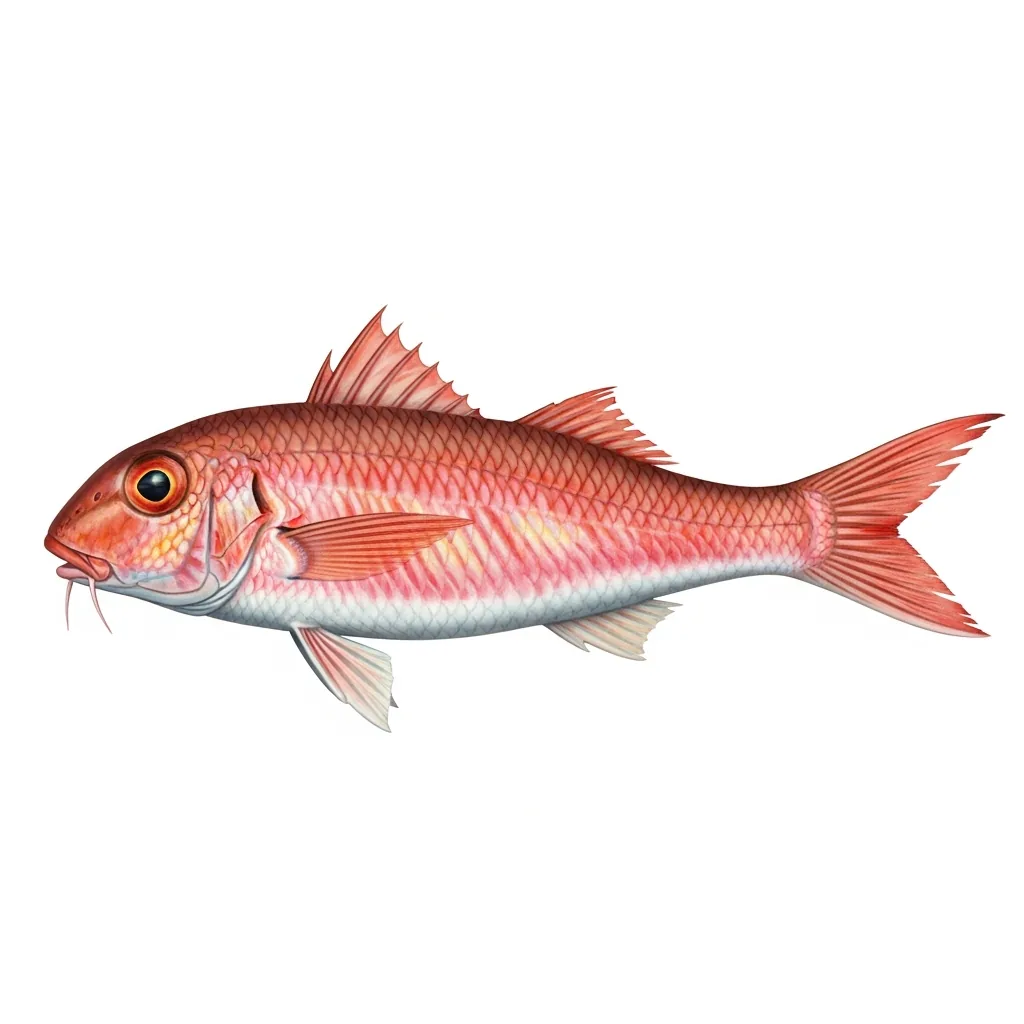 Red mulletMullus barbatus
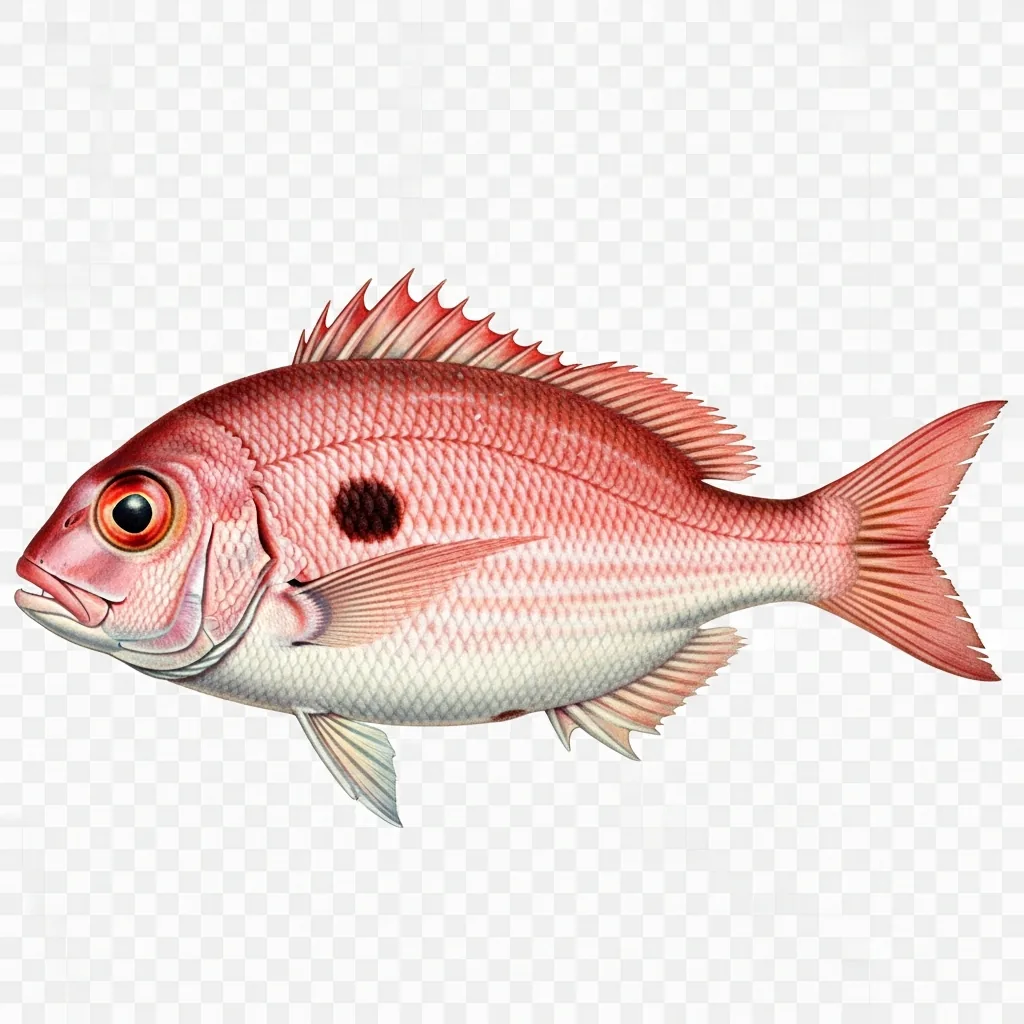 Red porgyPagrus pagrus
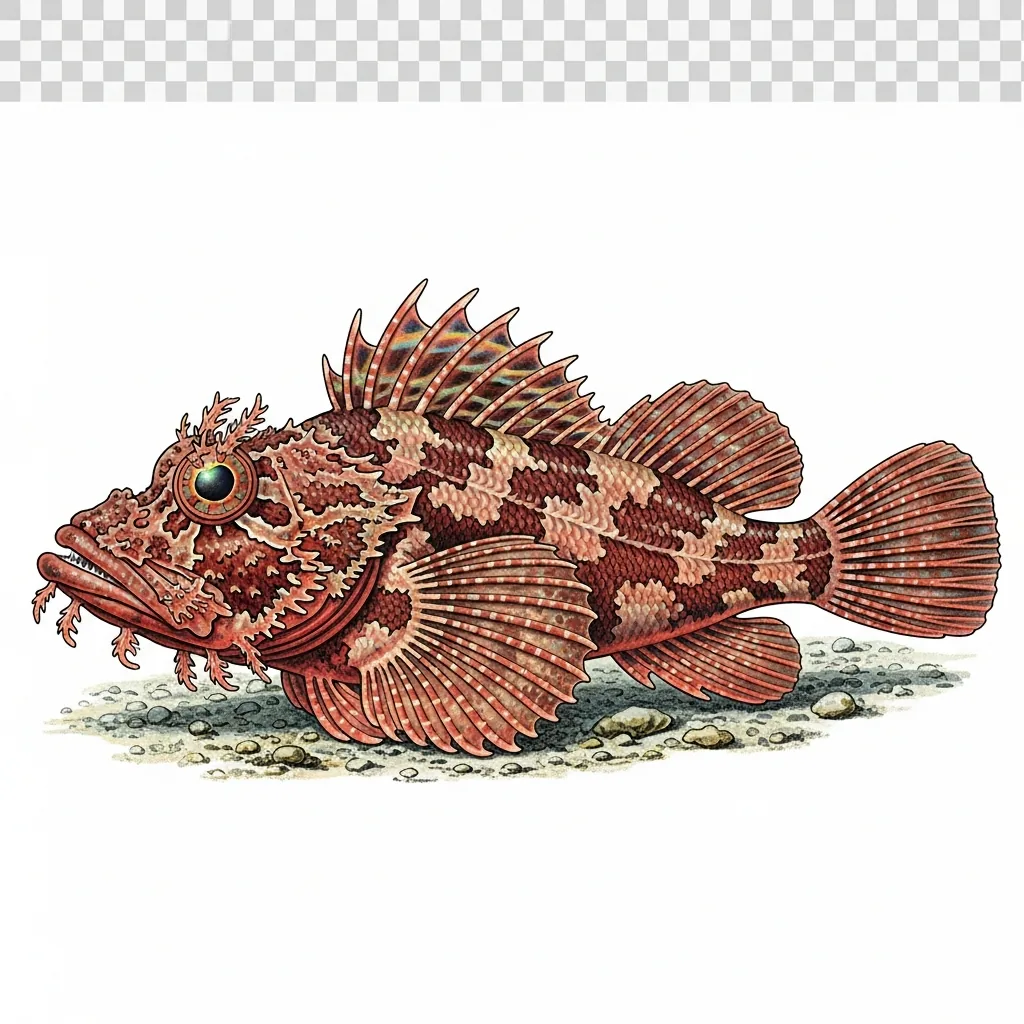 Red scorpionfishScorpaena scrofa
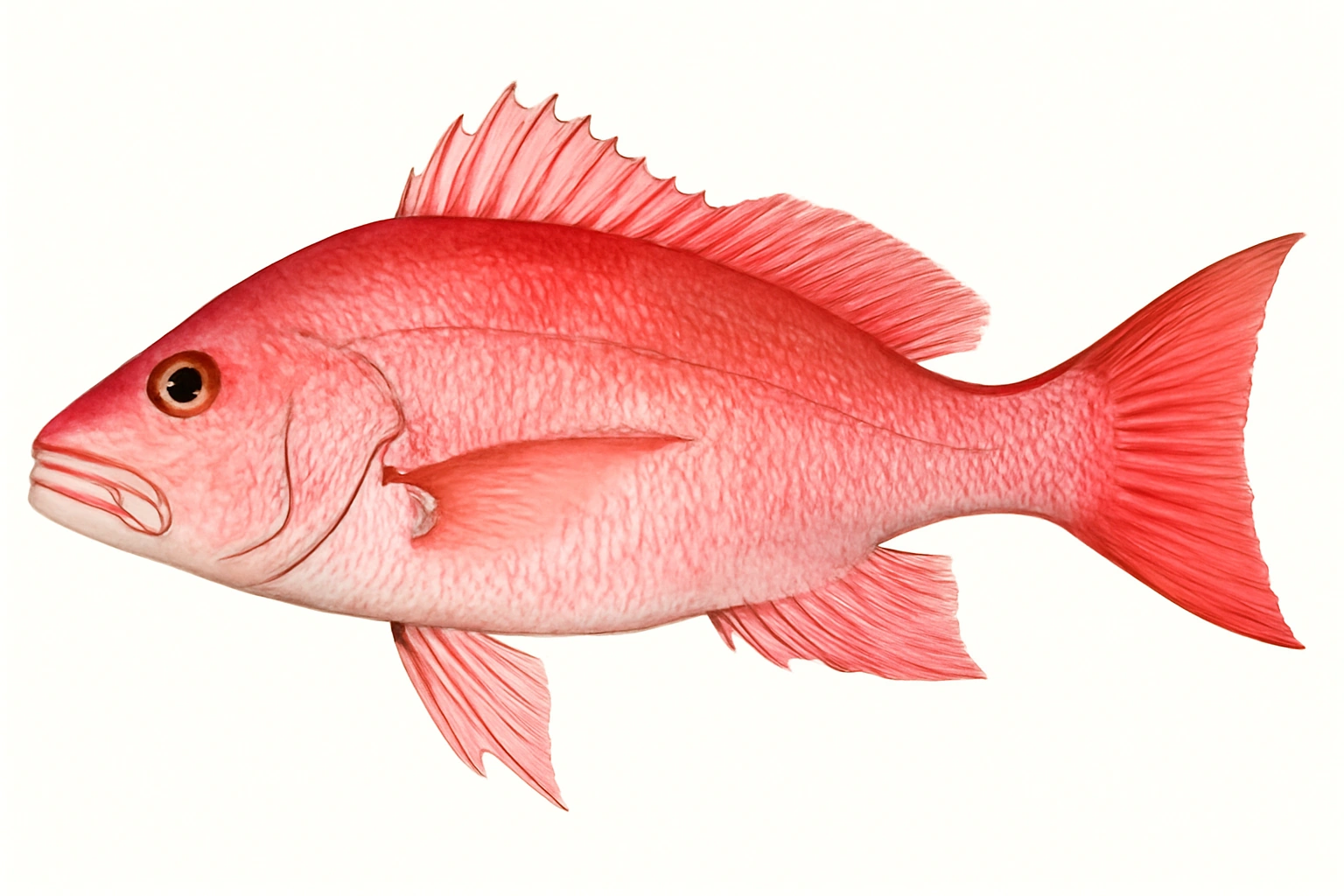 Red snapperLutjanus campechanus
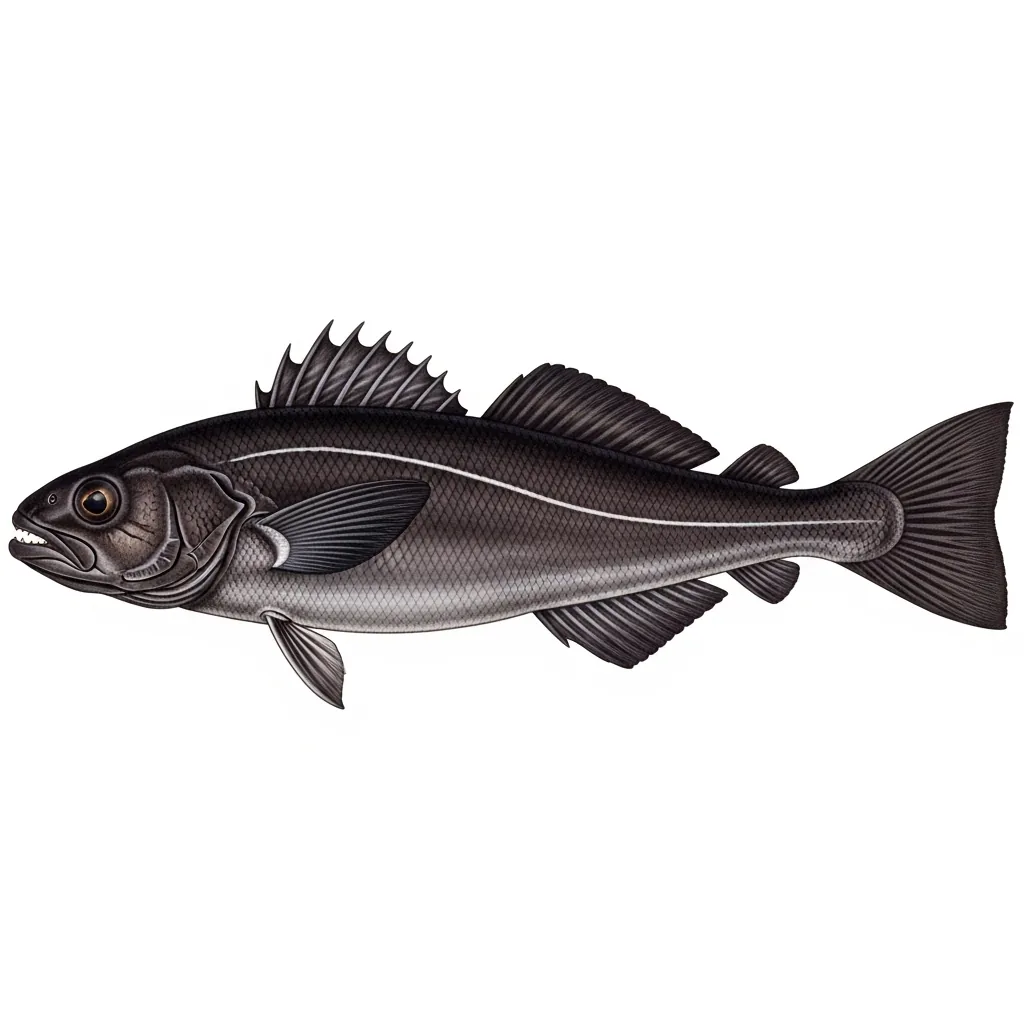 SablefishAnoplopoma fimbria
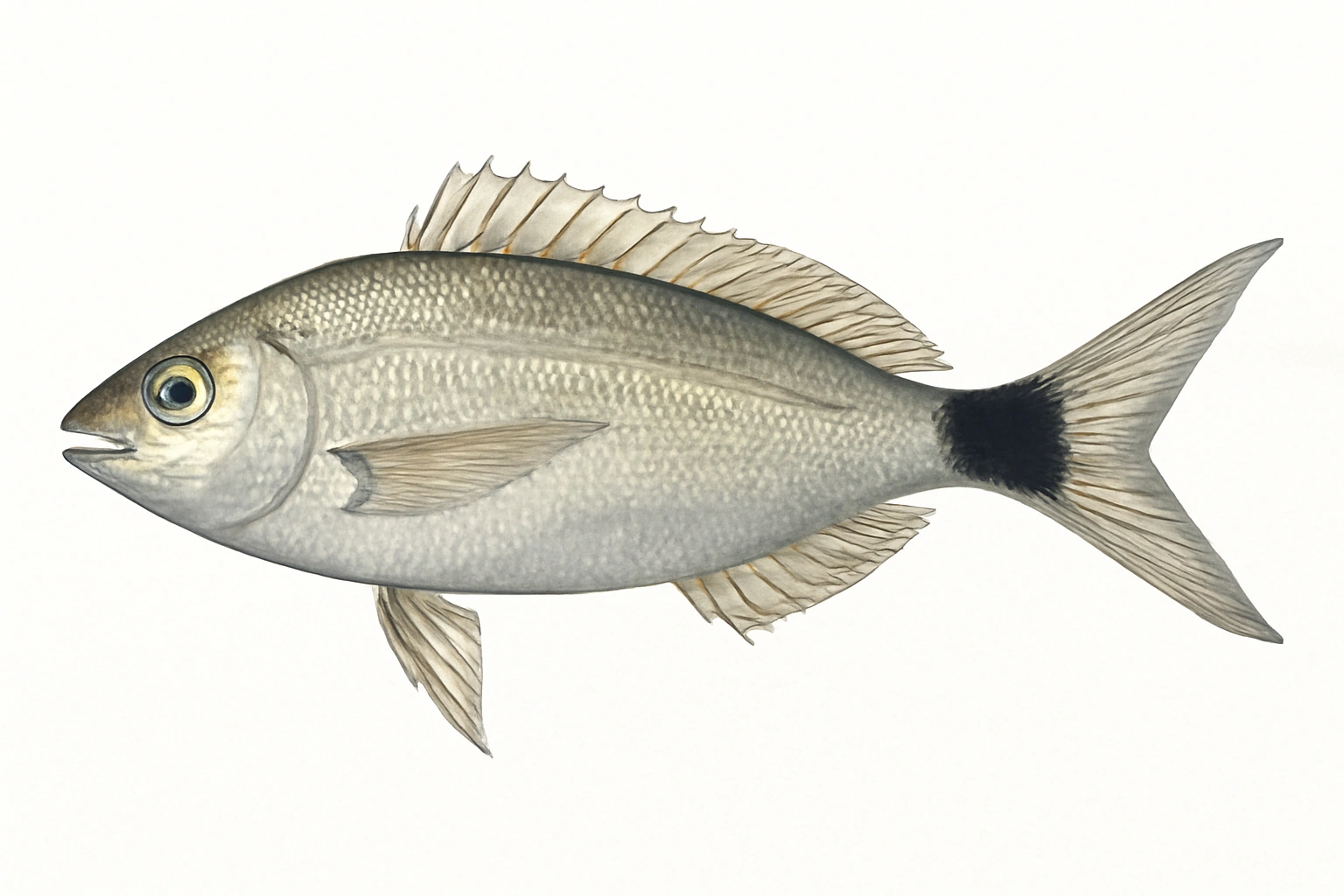 Saddled seabreamOblada melanura
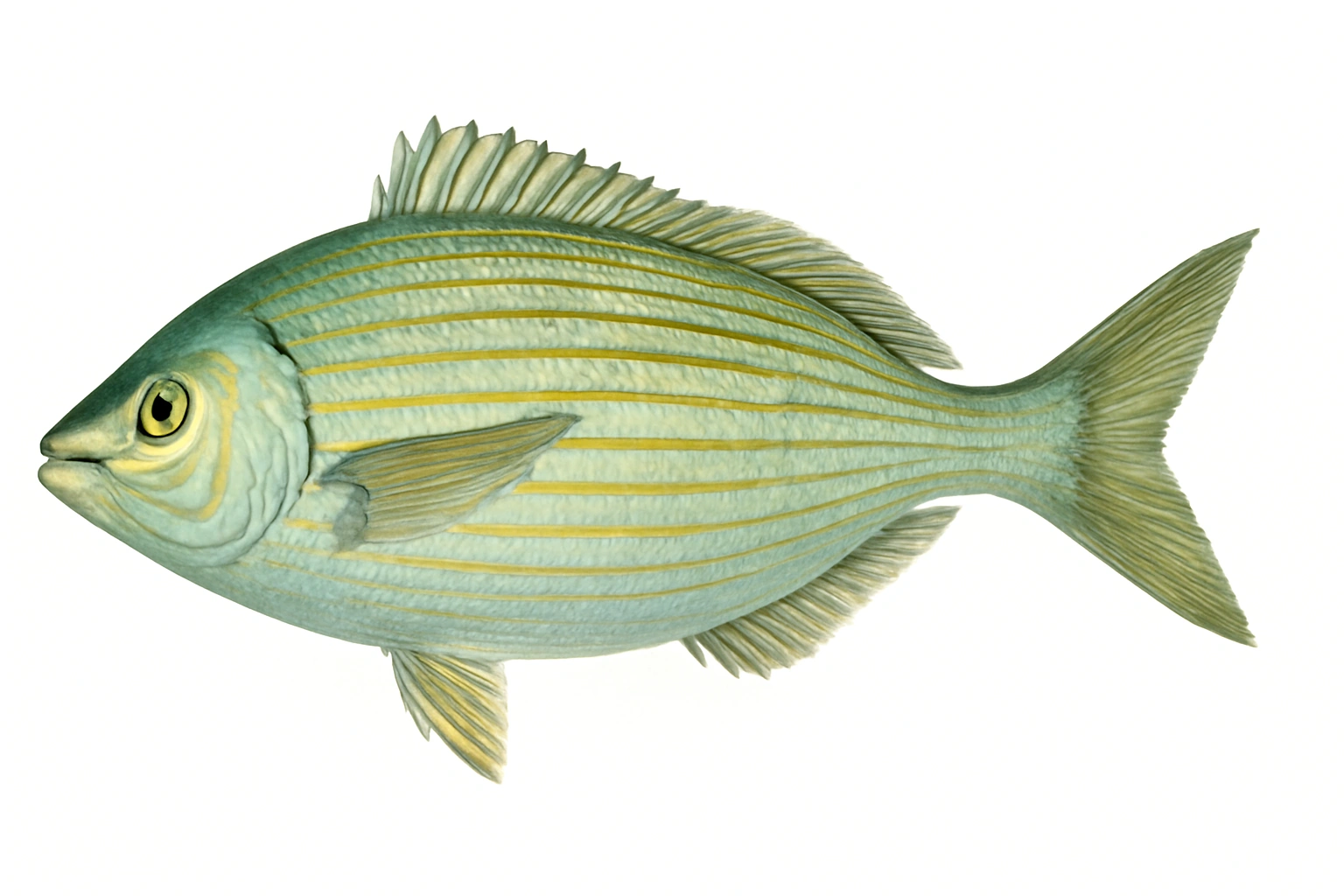 SalemaSarpa salpa
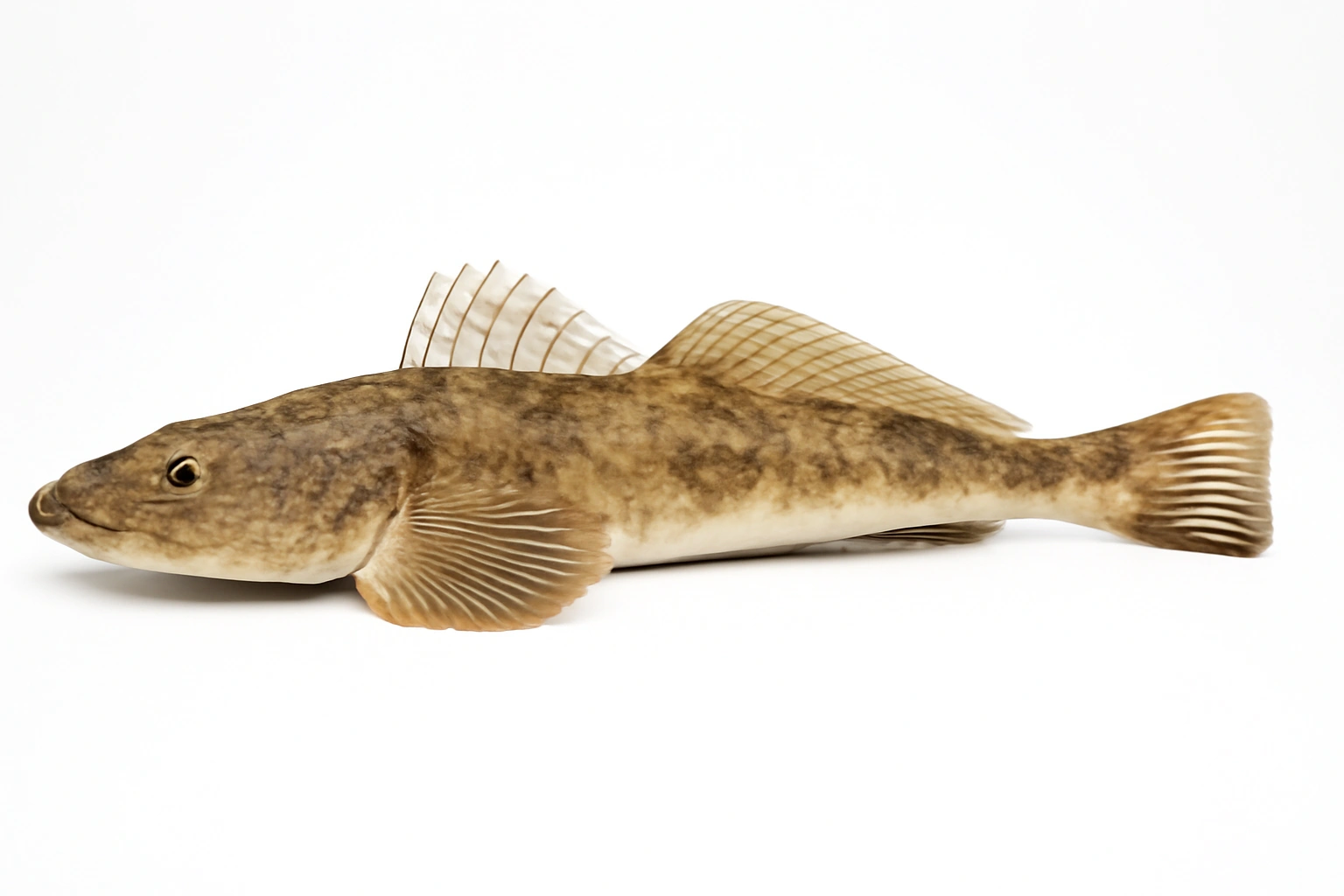 Sand FlatheadPlatycephalus bassensis
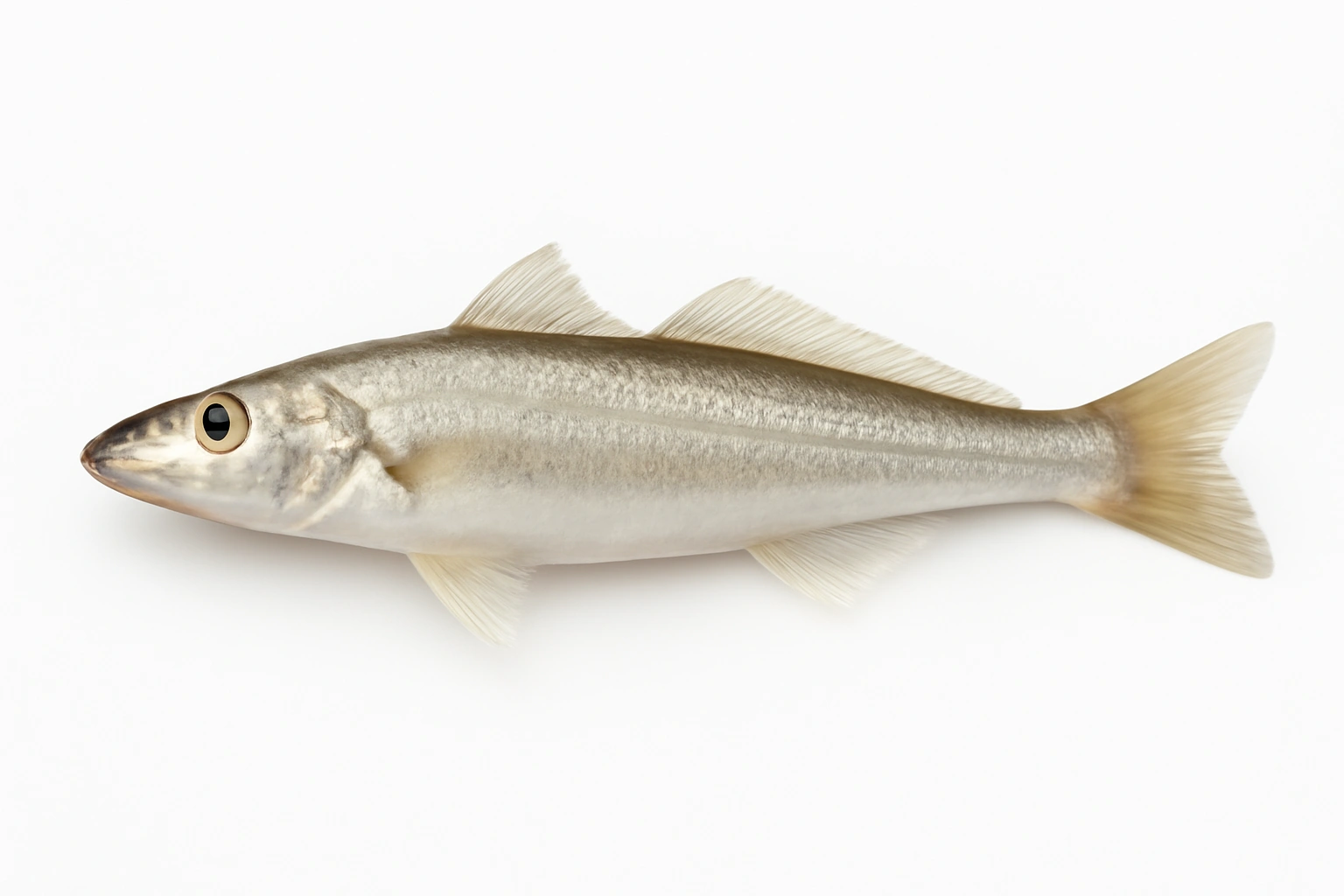 Sand WhitingSillago ciliata
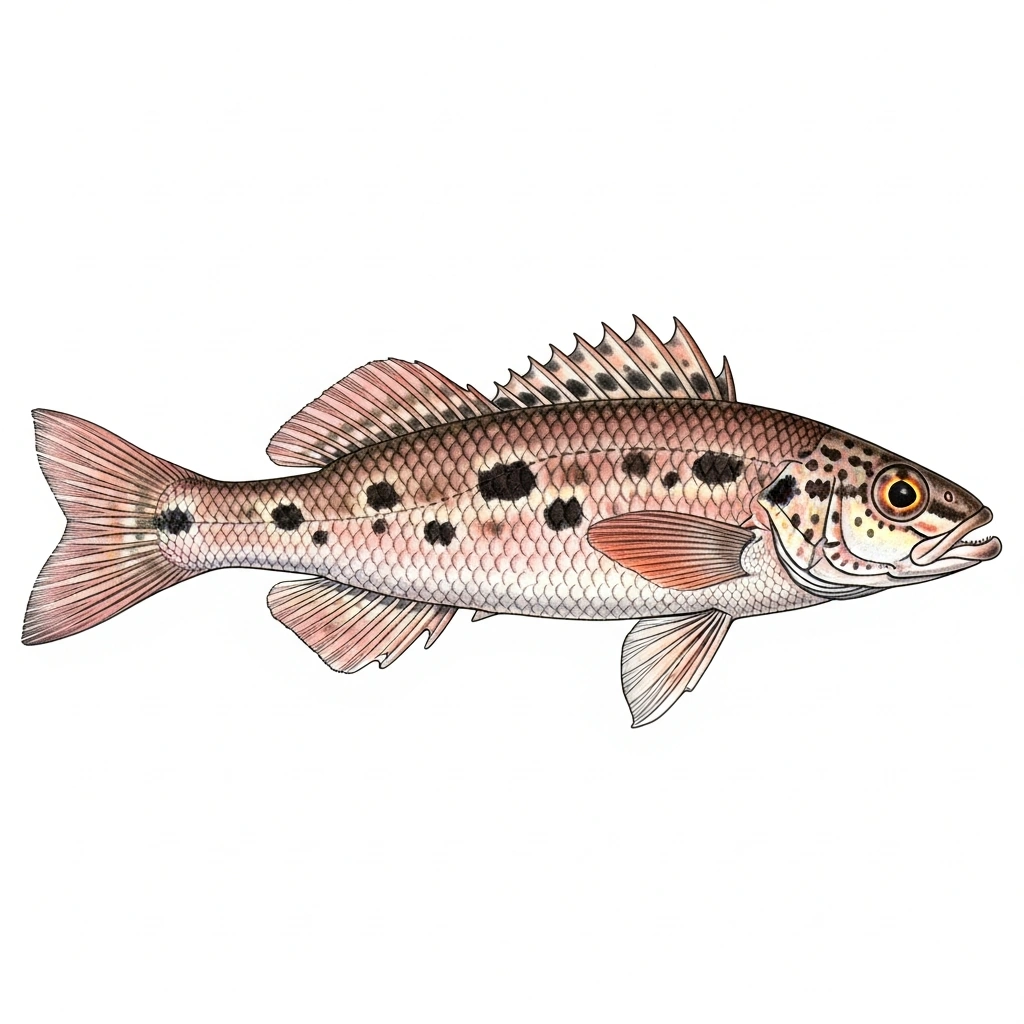 SandperchPseudopercis numida
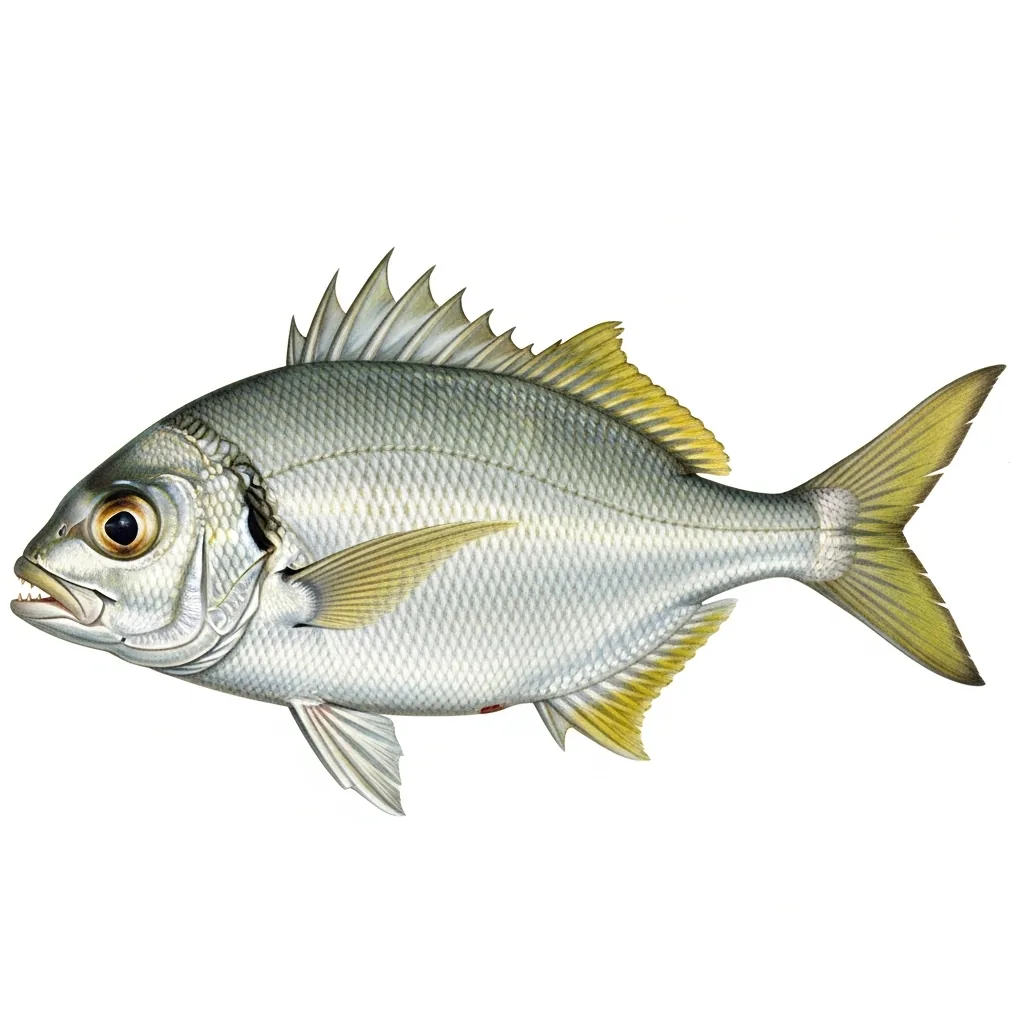 ScupStenotomus chrysops
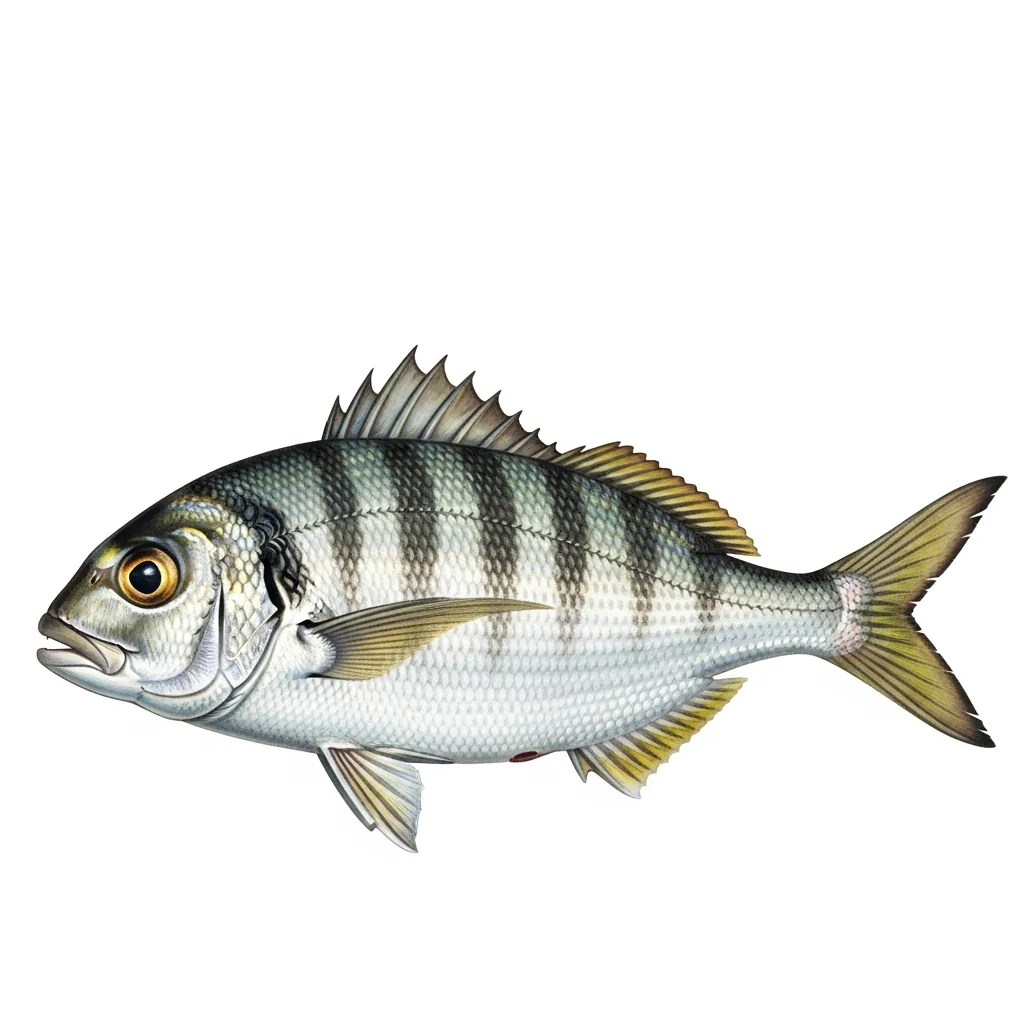 Sharpsnout sea breamDiplodus puntazzo
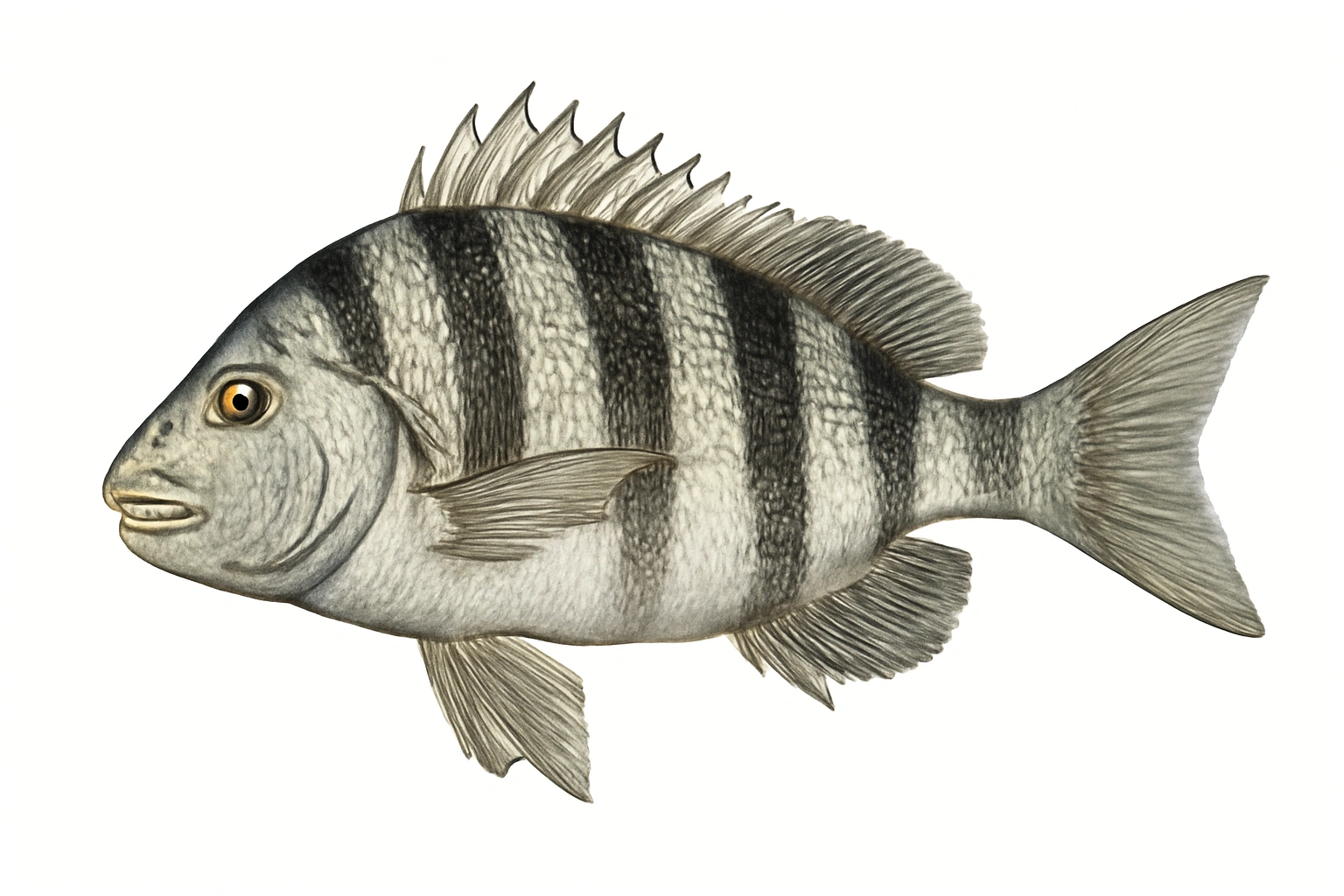 SheepsheadArchosargus probatocephalus
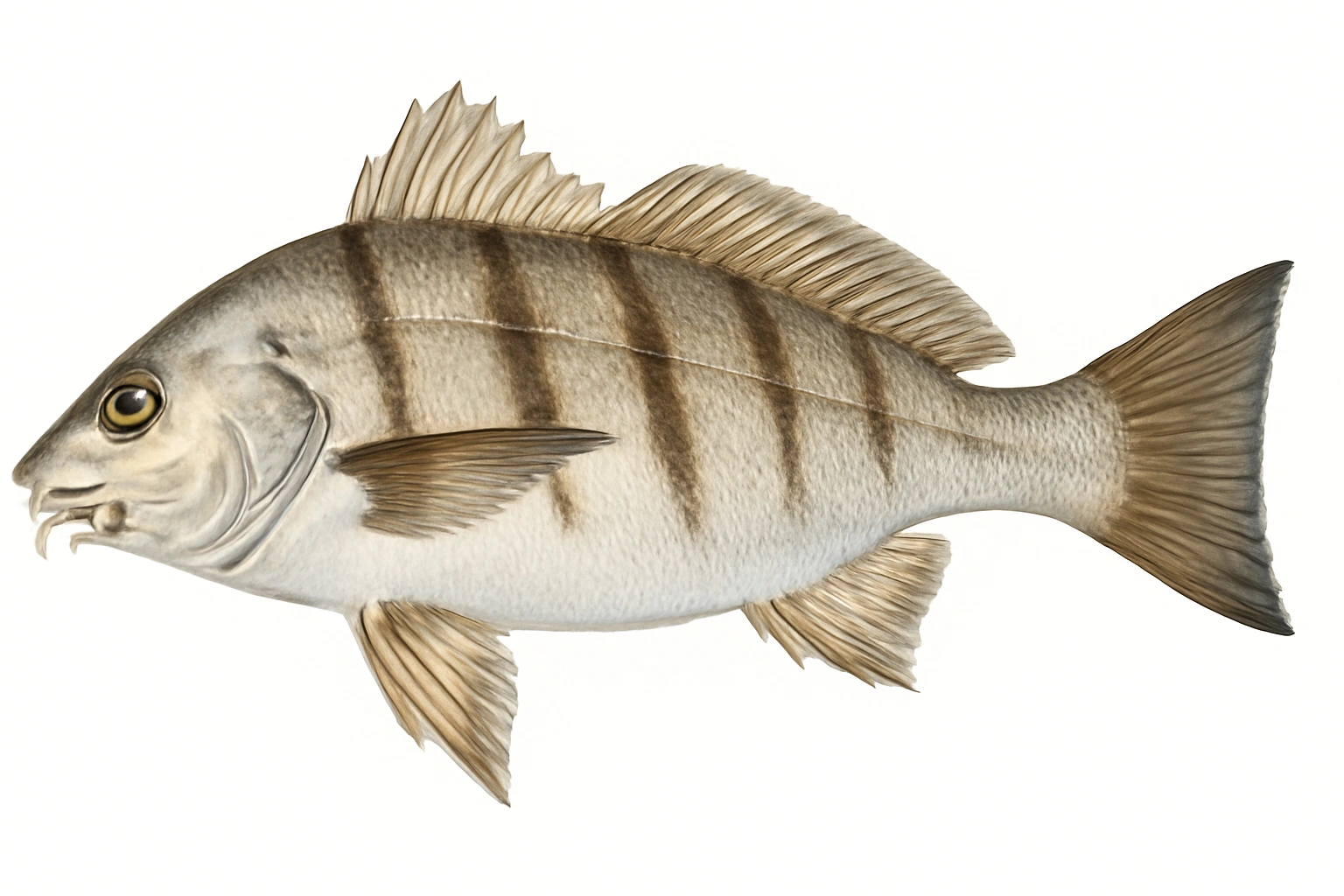 Shi drumUmbrina cirrosa
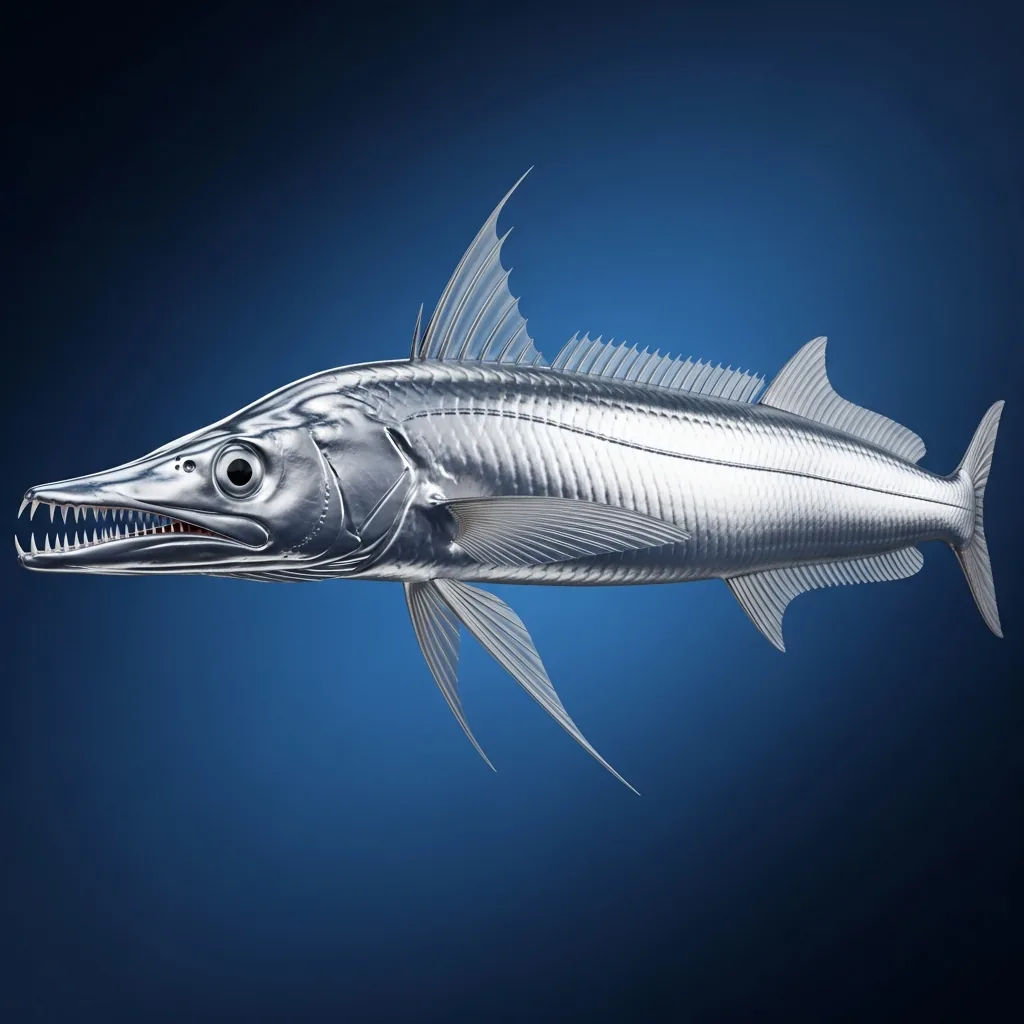 Silver scabbardfishLepidopus caudatus
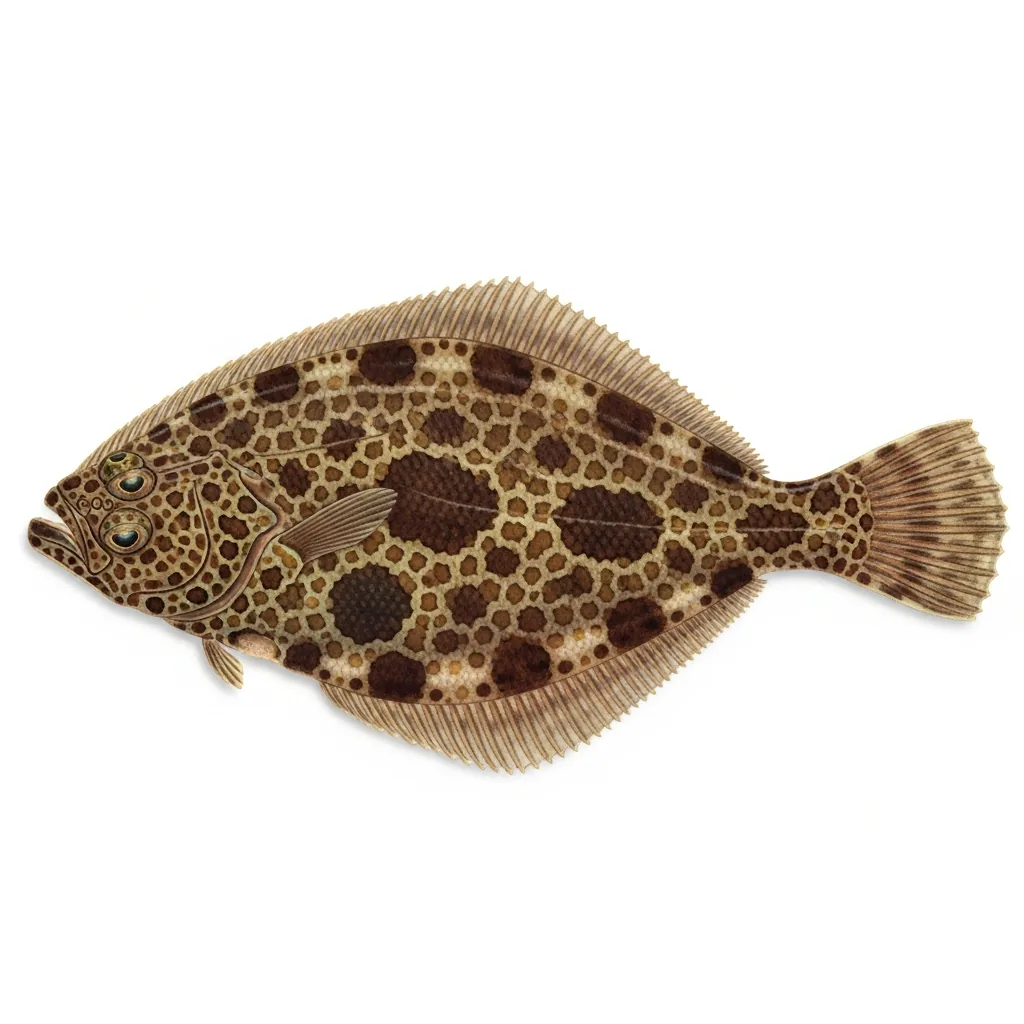 Southern FlounderParalichthys lethostigma
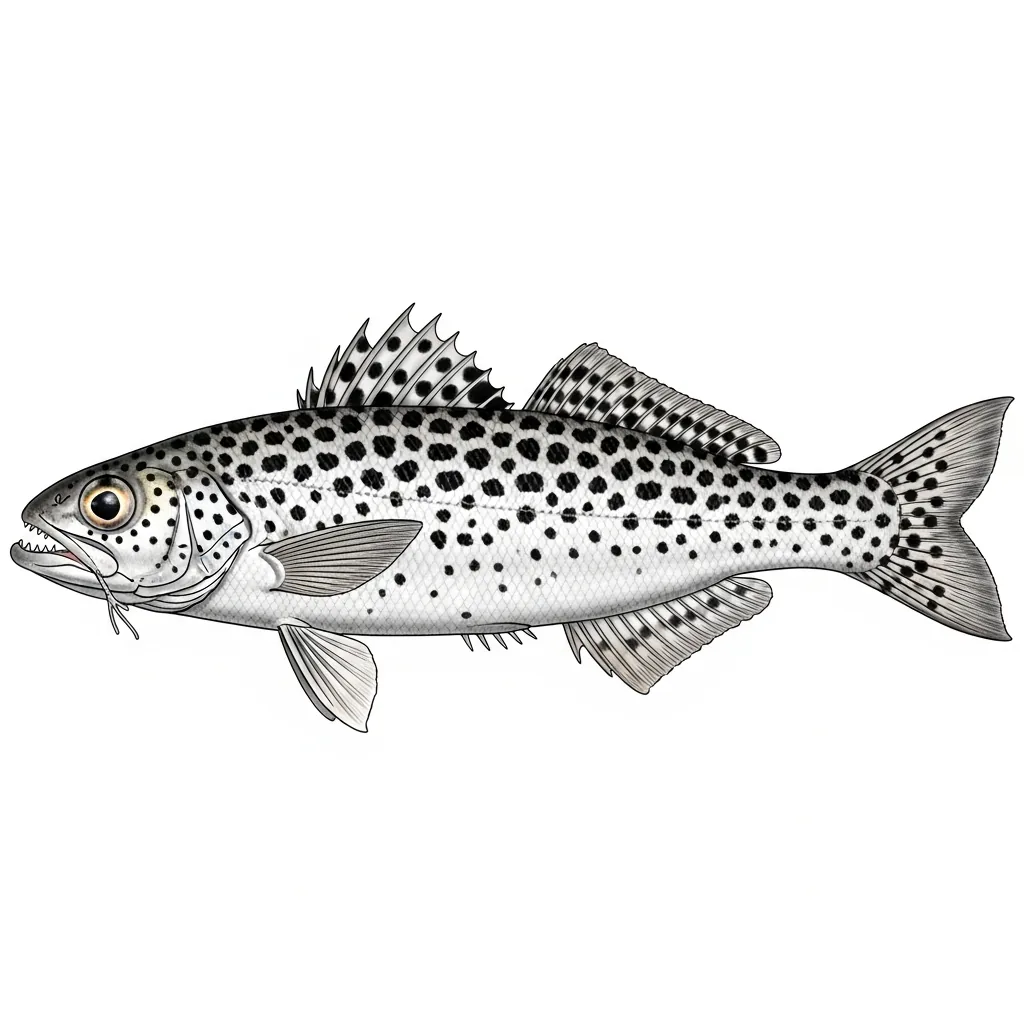 Spotted seatroutCynoscion nebulosus
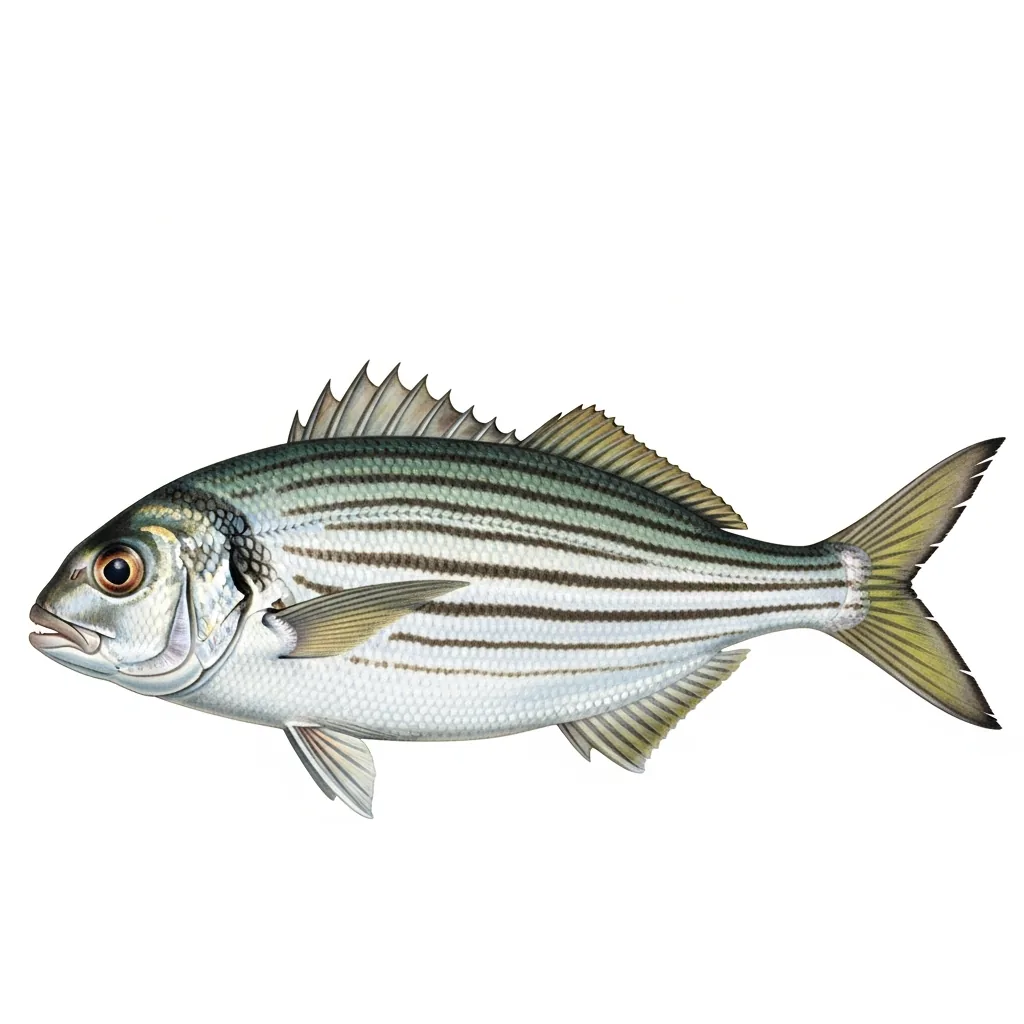 Striped sea breamLithognathus mormyrus
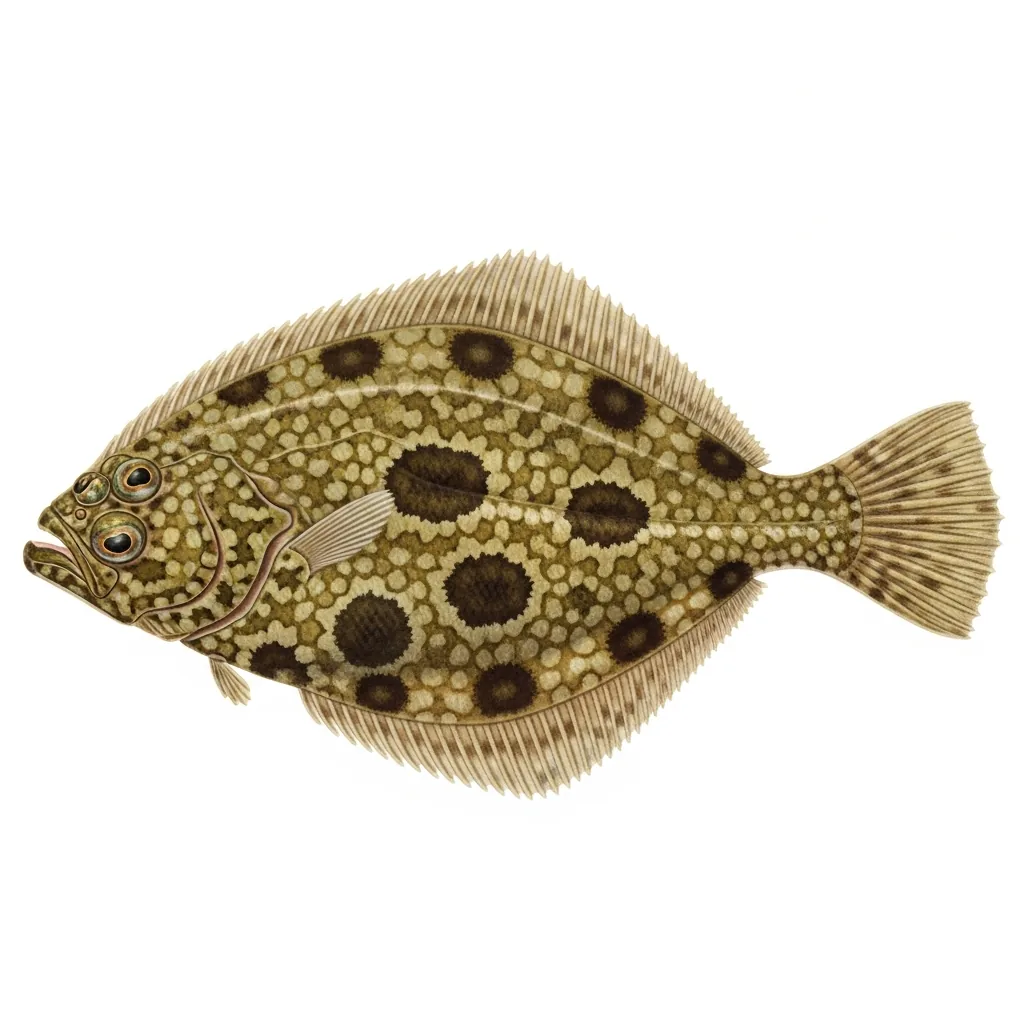 Summer FlounderParalichthys dentatus
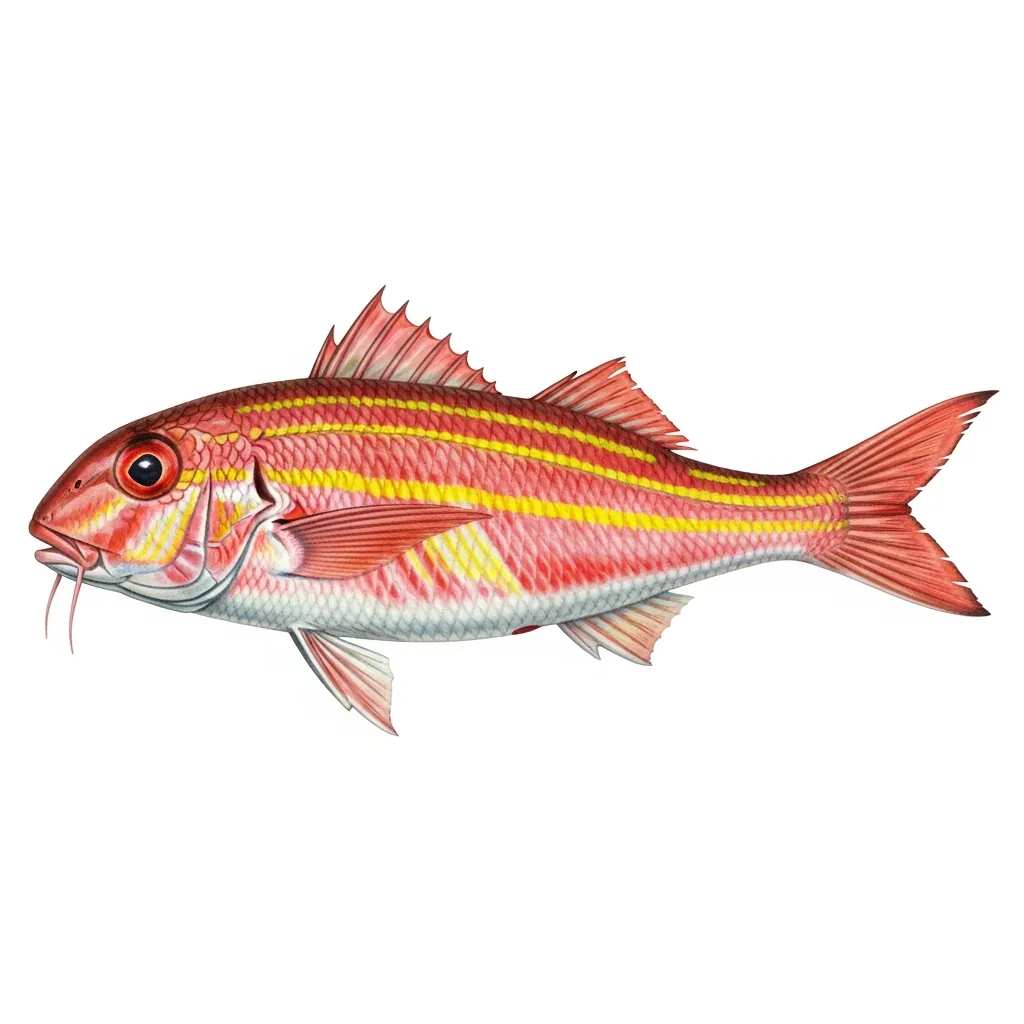 SurmulletMullus surmuletus
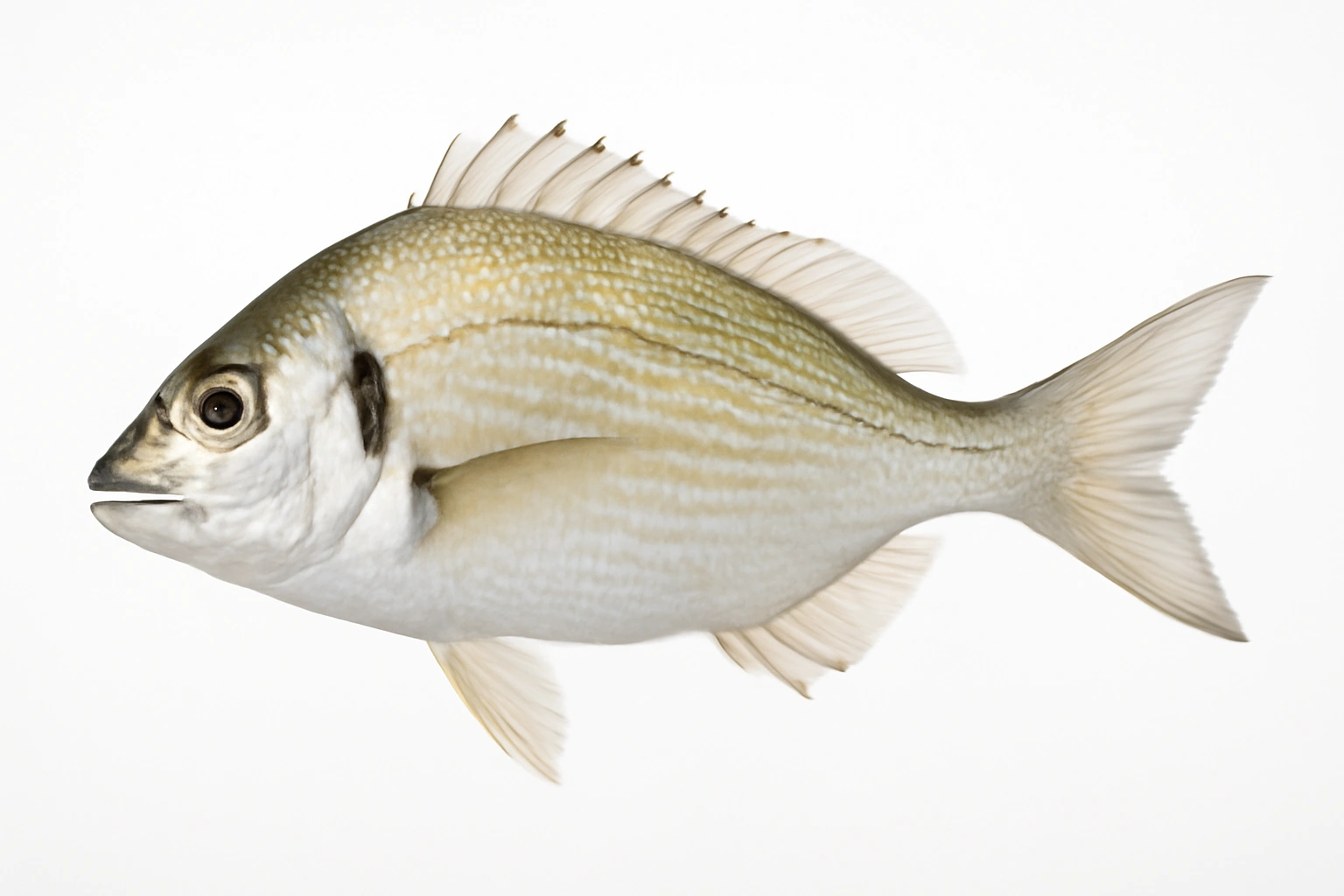 TarwhineRhabdosargus sarba
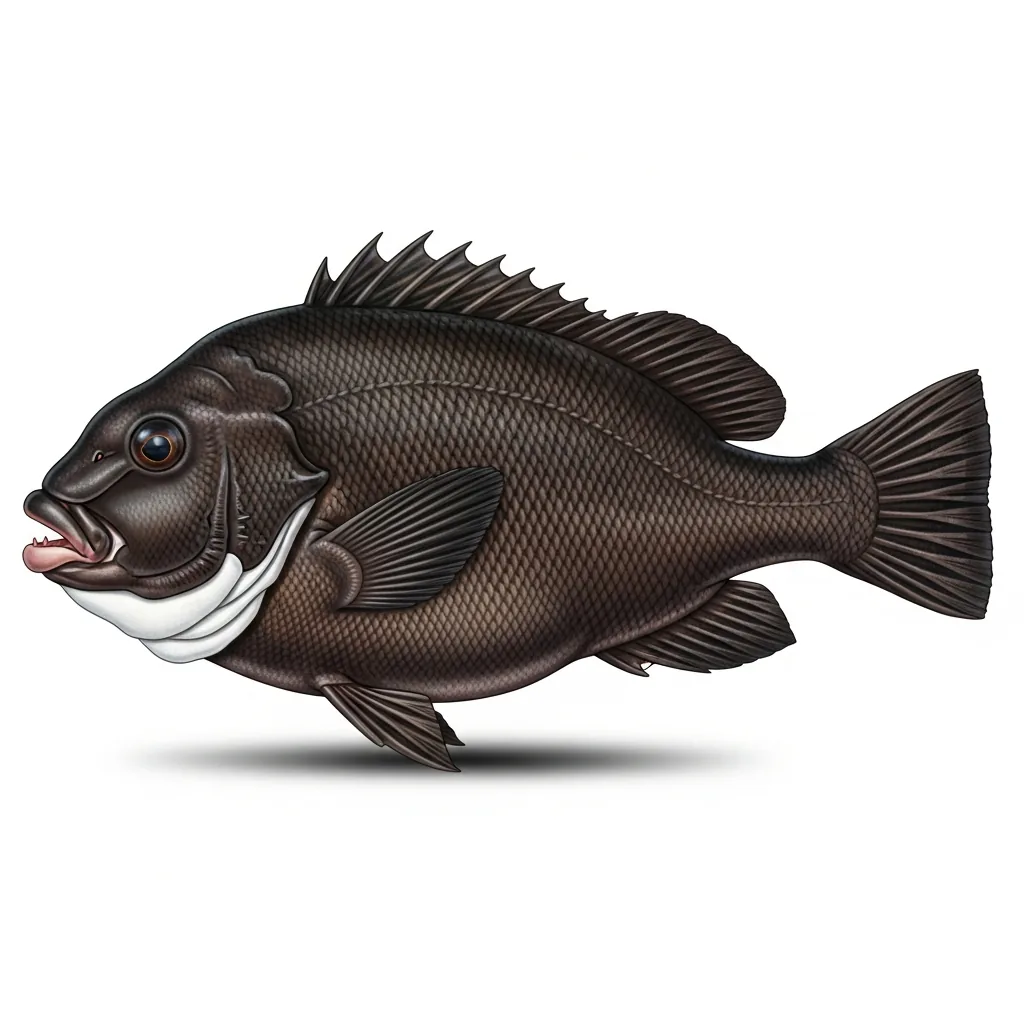 TautogTautoga onitis
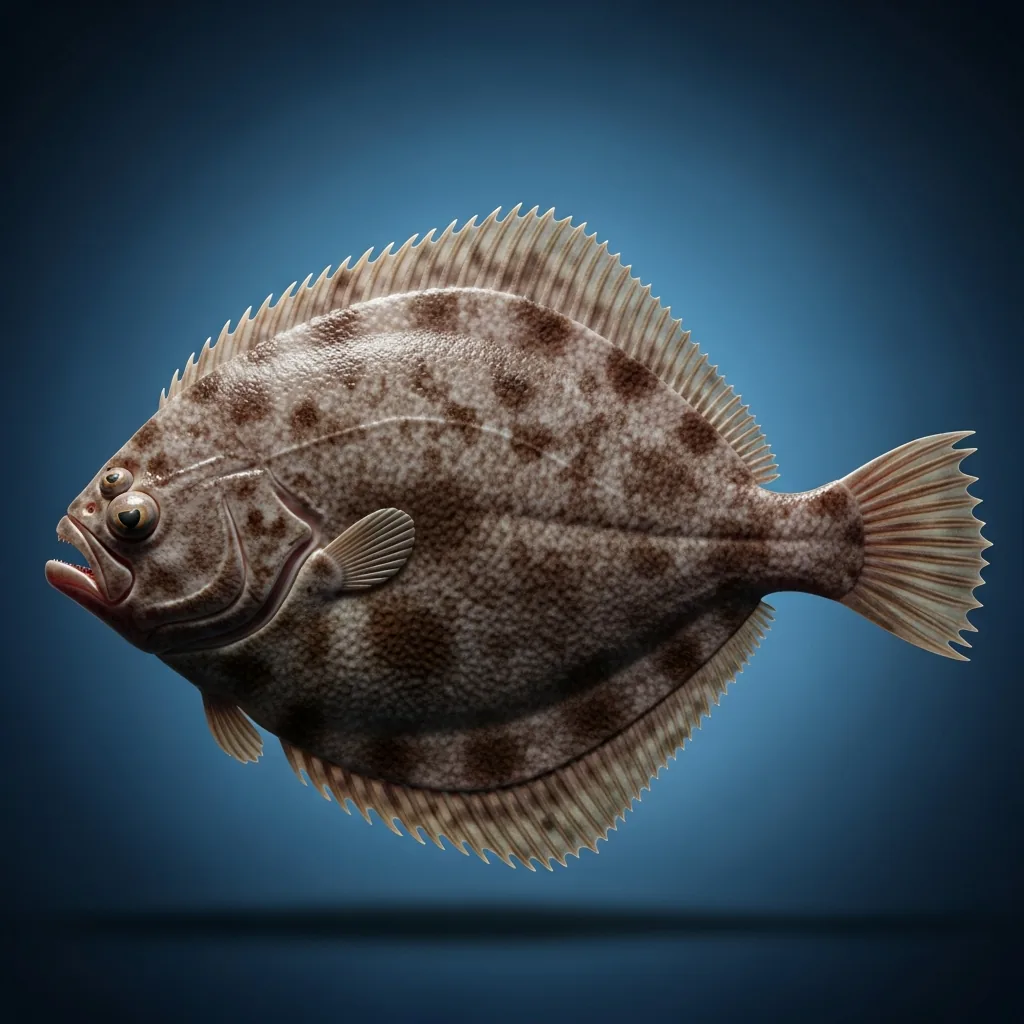 TurbotScophthalmus maximus
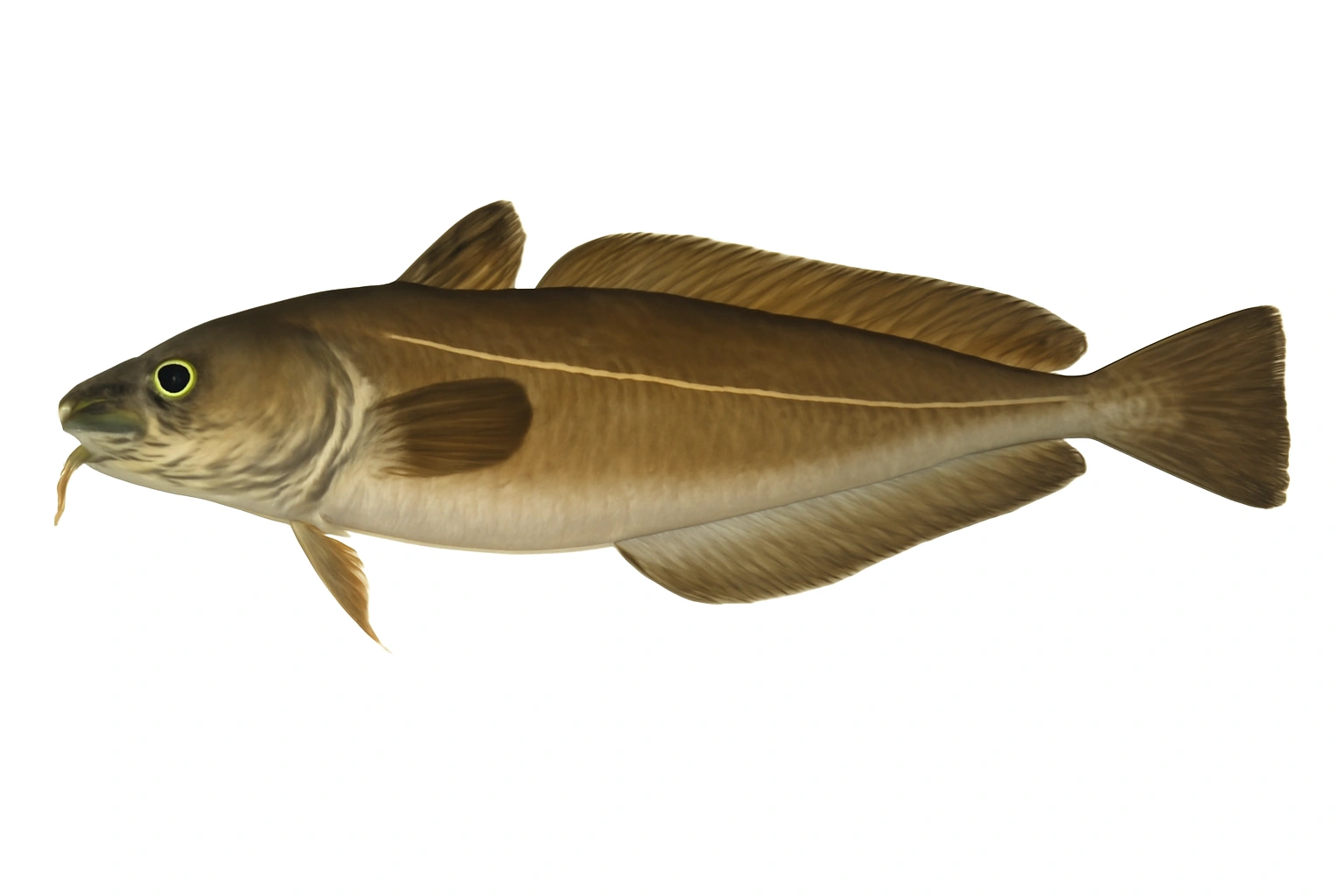 TuskBrosme brosme
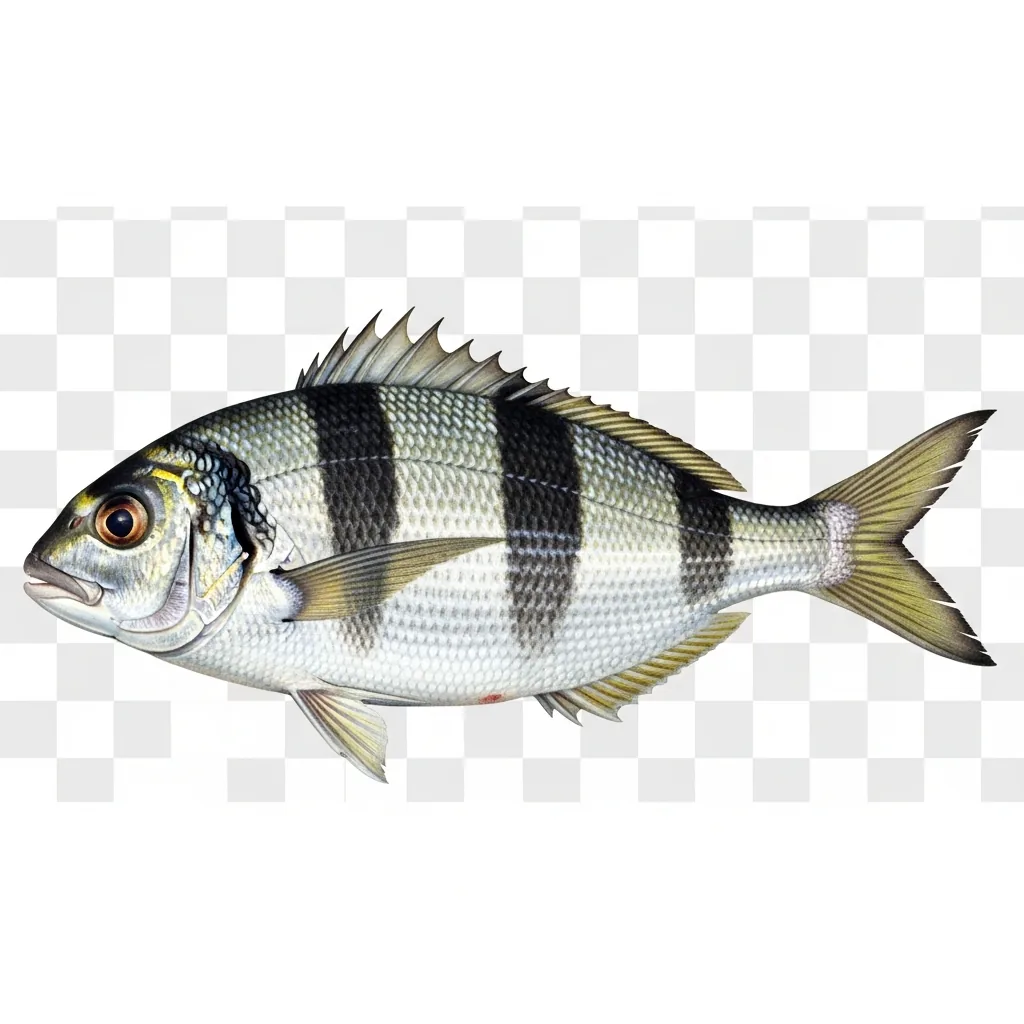 Two-banded sea breamDiplodus vulgaris
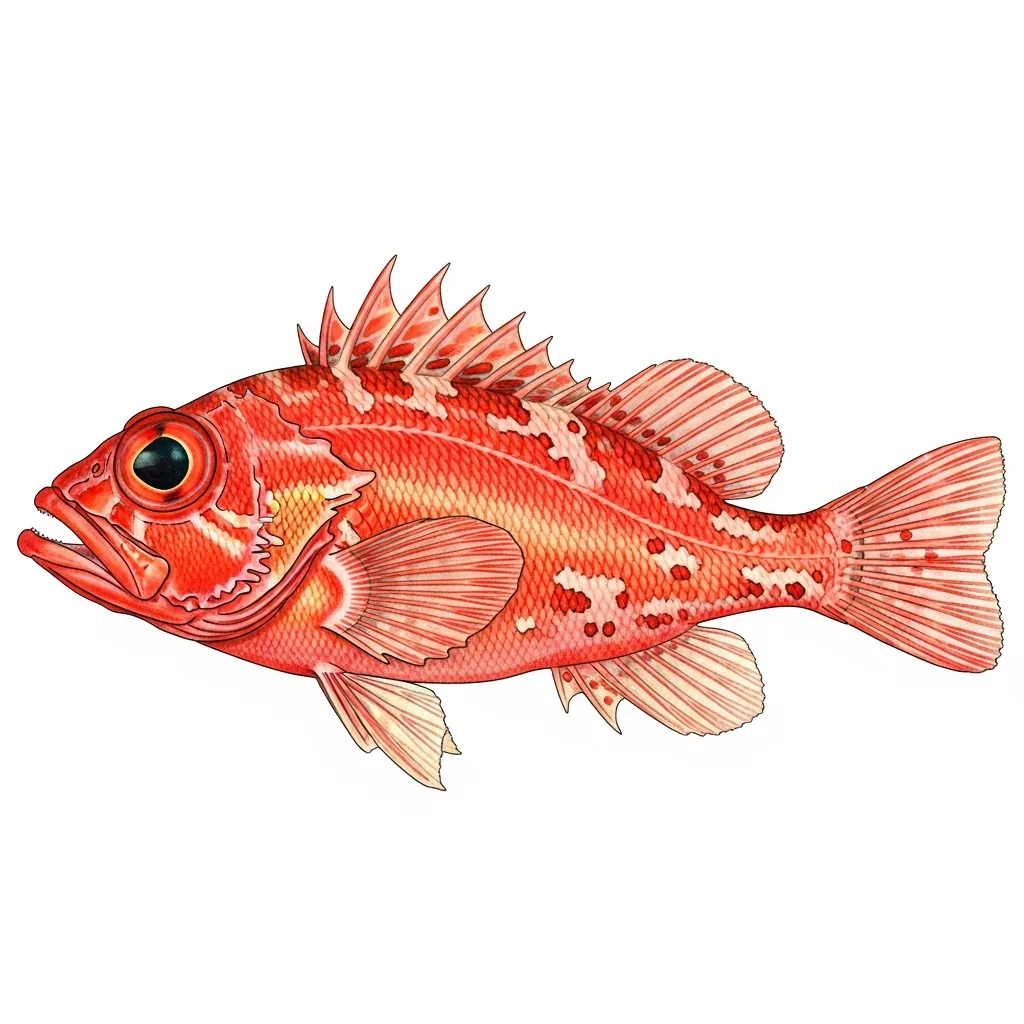 Vermilion RockfishSebastes miniatus
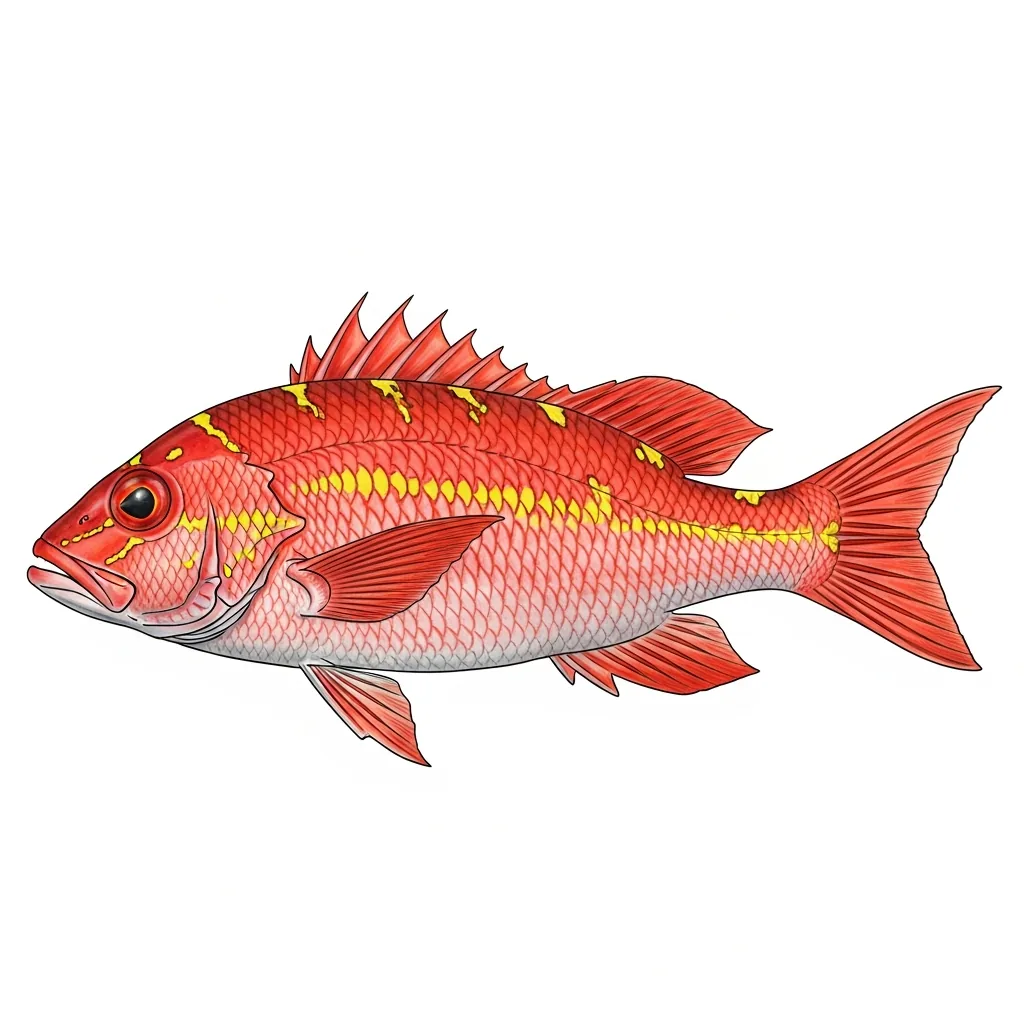 Vermilion SnapperRhomboplites aurorubens
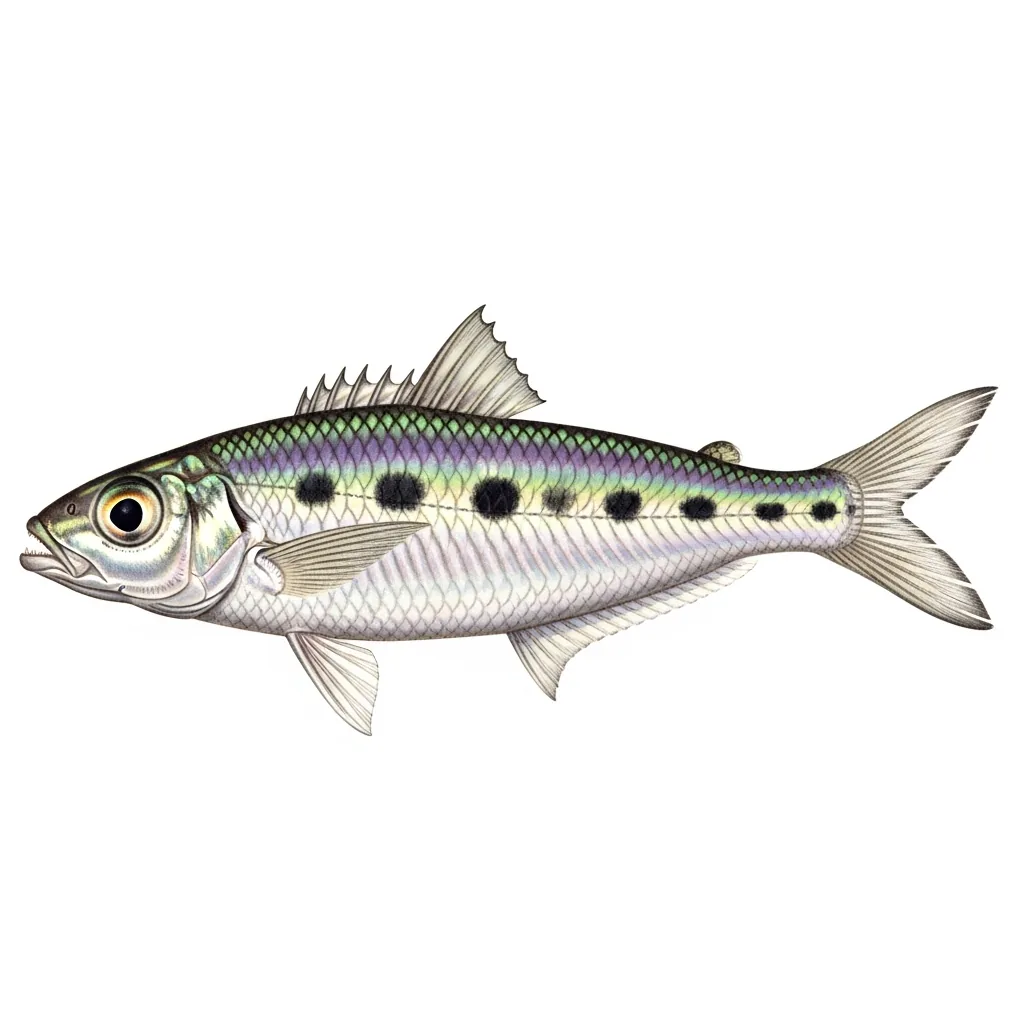 WeakfishCynoscion regalis
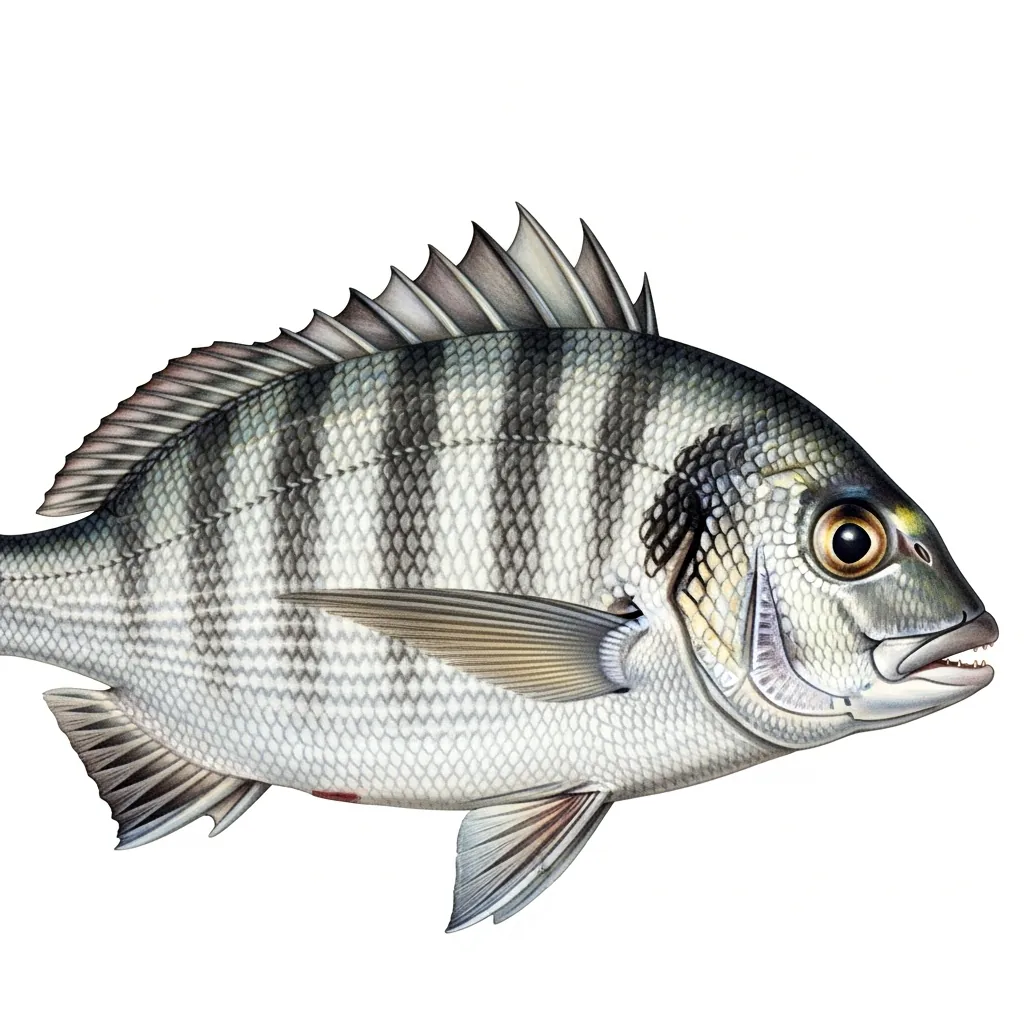 White sea breamDiplodus sargus
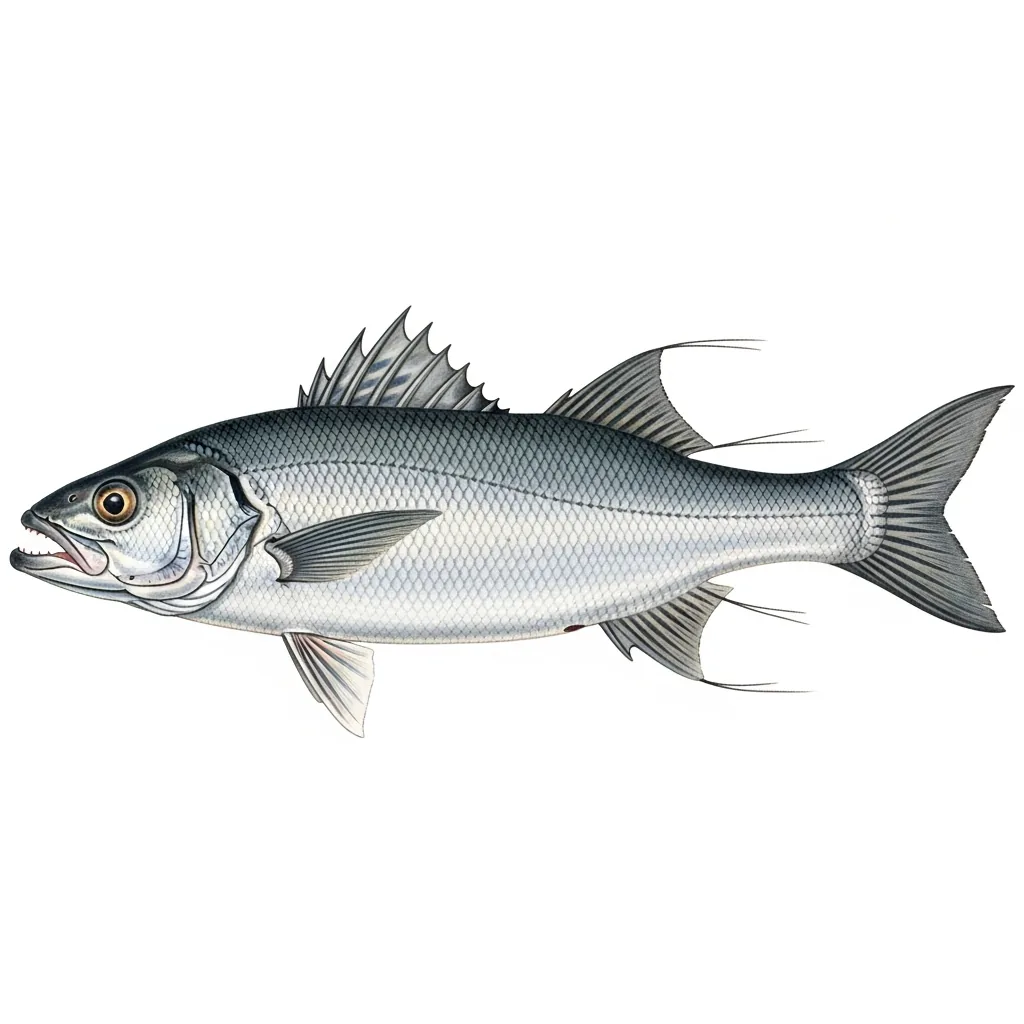 White SeabassAtractoscion nobilis
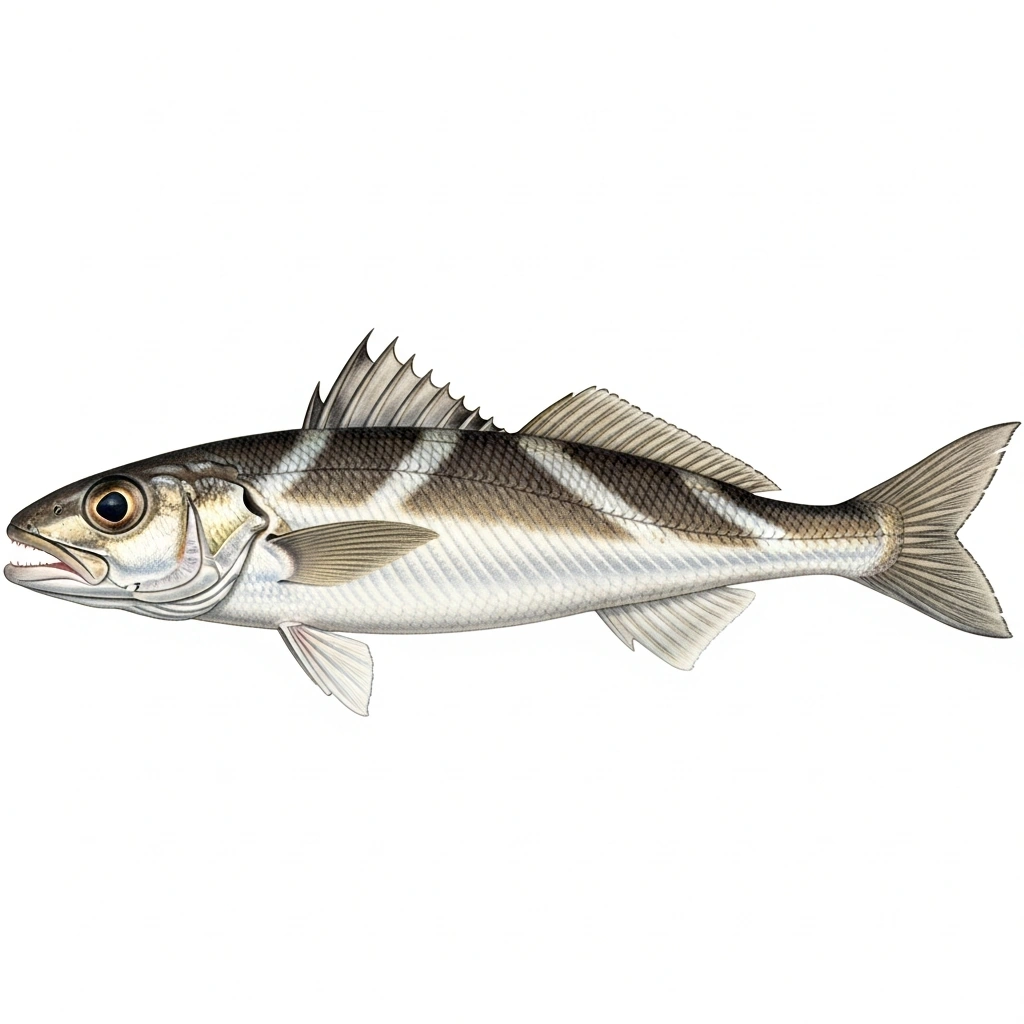 Whitemouth croakerMicropogonias furnieri
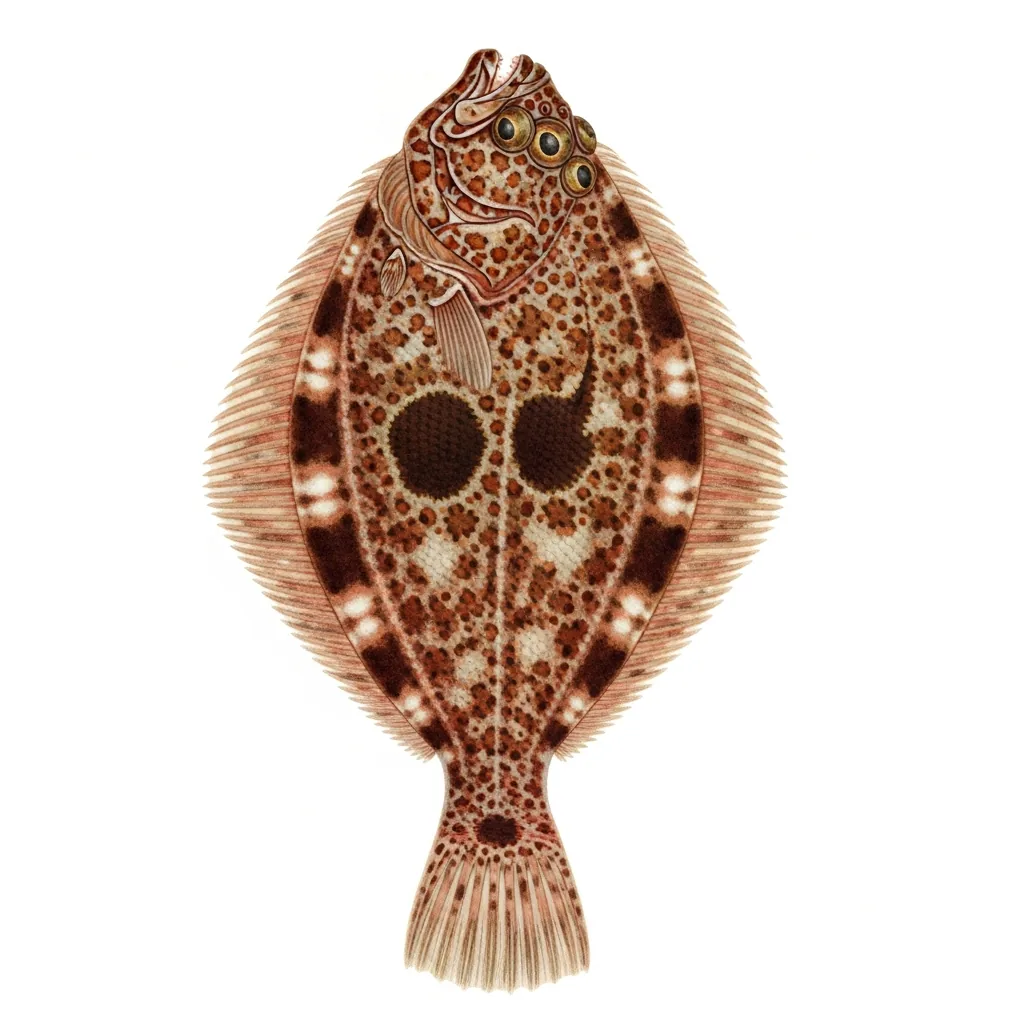 Winter FlounderPseudopleuronectes americanus
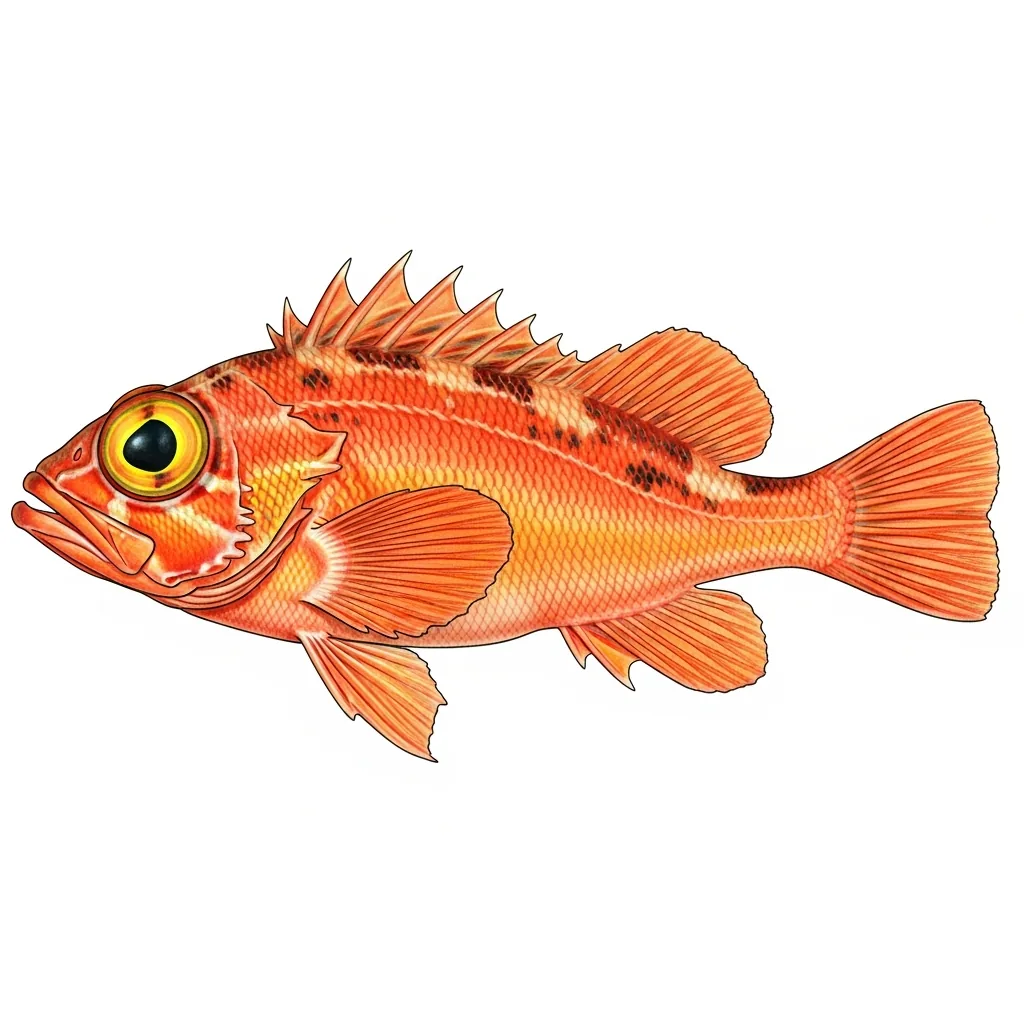 Yelloweye RockfishSebastes ruberrimus
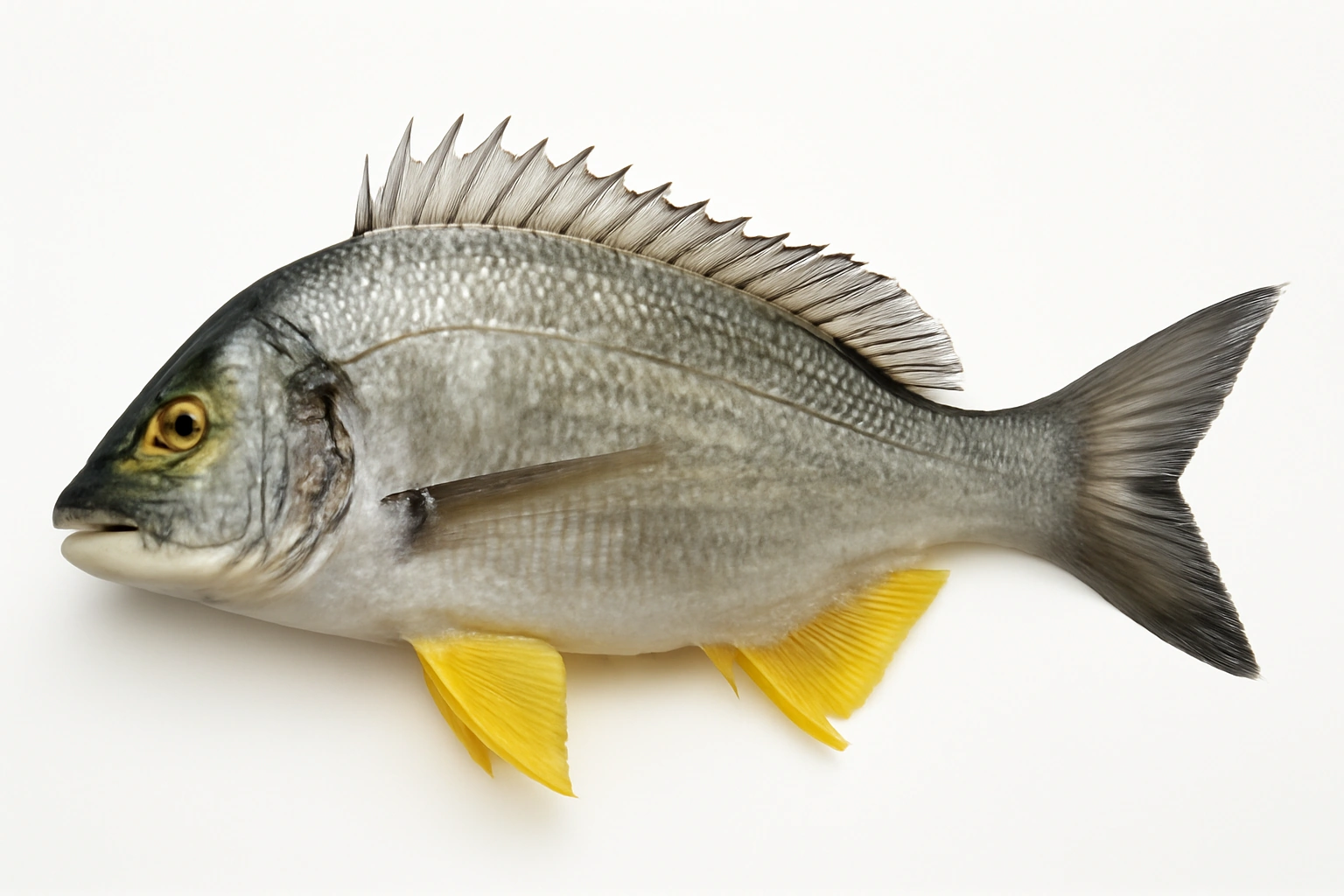 Yellowfin BreamAcanthopagrus australis
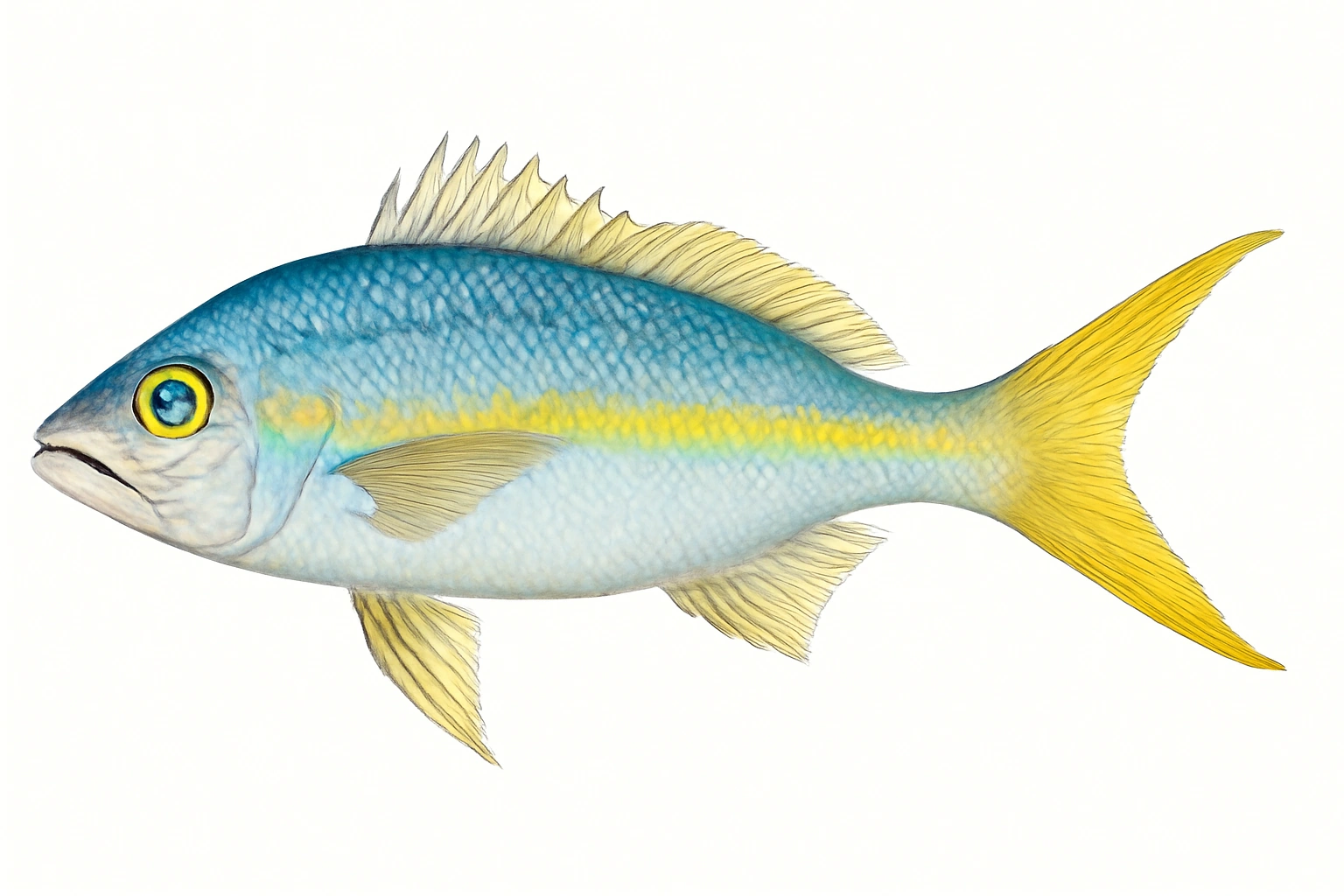 Yellowtail snapperOcyurus chrysurus
Frequently asked questions
What is Bottom Fishing?
Bottom fishing is not simply “cast and wait”: it is a technique of reading the bottom, choosing the bait, and controlling the presentation in the right spot. It works because many coastal species feed by scraping, sucking, or inspecting what wave action deposits on the bottom or stirs up among sand, gravel, and rock.
Bottom Fishing: what tackle do you need?
A rod around 3.9-4.2 meters covers much of shore bottom fishing well, but in harbors, on piers, or in tight spots a shorter length may be more practical. The reel must have a smooth drag and good line capacity, because this technique often uses heavy sinkers and deals with fish that use waves and obstacles to throw the hook.
Bottom Fishing: what is the best time?
Bottom fishing can be practiced year-round, but productivity changes greatly with water temperature, fishing pressure, and the natural availability of food. In spring and fall many species move close to shore regularly;
Bottom Fishing: where is it best?
The bottom dictates almost everything. On sandy beaches it is worth looking for troughs, changes in water color, darker areas, or foam lines parallel to the shoreline: they often indicate holes, feeding lanes, or backwash that concentrates food.