Float Fishing: technique, spots and tackle
A Simple and Versatile Technique for Everyone

Every angler dreams of the perfect day. We show it to you first.
At the heart of ForecastX is an advanced marine-weather engine: it analyses waves, wind, sea temperature, tides, pressure and moon in real time and turns them into a Productivity Index (0-100) for every species. You'll always know, precisely, when the sea is on your side.
Coming soon to the App Store and Google Play — don't miss it.Introduction to float fishing
Float fishing is not just an “easy” technique: it is one of the most precise ways to present a bait at the exact depth where fish are feeding. The float is both a bite indicator and a control tool, because it reveals takes, surface currents, and even small changes in the line’s setup. That is exactly why it is a complete school of sensitivity: it teaches you to read the water, balance the shotting, and understand when the bait is working properly. At sea, from piers, rocky shores, harbors, and sheltered beaches, it allows you to target mullet, seabream, saddled seabream, bogue, gilthead seabream, and sea bass with a level of finesse that other techniques do not offer.
Reading the spot
The real step up in quality does not lie in the tackle, but in knowing how to choose where the float should drift. You need to look for current lines, slightly colored water, color changes, foam edges, dock shadows, bottom ledges, and areas where natural food is funneled in. In harbors and estuaries, corners, water discharges, and places where the current slows down creating a calm “pocket” work well; on the rocks, channels, corridors between rocks, and the edges of the wash zone are valuable. A common mistake is fishing “in empty water,” water that looks good but has little fish traffic: the float must pass where fish have cover, favorable current, and the chance to feed with little effort.
When and why it works
The technique works all year, but it changes a lot with season, light, and sea conditions. With a lightly choppy or slightly colored sea, many species feel safer and move in closer: suspended particles hide the line and leaders, and wave action stirs up food. At dawn and dusk, float fishing excels because fish are less wary, while on clear midday days it is better to lighten everything and look for shade, structure, or greater depth. After a weather change, especially with pressure stabilizing and water oxygenated by a moderate wind, very productive windows often open up; by contrast, flat, clear, lifeless water requires more natural and less intrusive presentations.
Tackle and smart choices
A 4- to 5-meter rod remains a solid base from shore, but the choice should be tied to the spot: more length helps guide the drift among rocks and docks, while more maneuverability favors quick casts and precision in the harbor. The reel must have a smooth drag and fluid retrieve, because with light leaders, fish management matters more than brute strength. Monofilament on the spool and a fluorocarbon leader are a proven combination, but the key point is the overall balance of the setup: float, weights, hook, and bait must be proportioned to the size of the fish and how wary they are at the time. As for floats, pear-shaped ones are versatile in slightly choppy seas, slim ones are more sensitive in calm water, while higher-buoyancy models are needed when there is current or when the bait must be controlled at distance.
Shotting, depth, and setup
The shotting makes the difference between a believable bait and one that spins badly or falls unnaturally. In general, a compact arrangement helps when fishing in current and gets the bait down faster, while a more spread-out shotting slows the drop and makes the setup softer, often decisive with suspicious fish. Depth should not be set “by feel”: you need to plumb the depth and understand whether it is better to fish on the bottom, just brush it, or keep the bait a few centimeters above it. A practical trick is to look for minimal contact: if the float lays flat or sinks too much, there is too much bottom; if it drifts cleanly but without signals in an area that should hold fish, the bait is often too high.
Bait presentation and ground feeding
In float fishing, you catch when the bait looks alive and matches what the fish are finding in the water. Maggot, bread, shrimp, worm, and small natural hookbaits must be rigged neatly, without unnecessarily covering the hook point and without creating spin on the drop. Ground feeding, where allowed and done well, is not meant to “fill up” the fish but to hold them and line them up on the drift: a little, precise, and regular feeding almost always beats a heavy and random distribution. The little-known trade trick is to synchronize the feed with the speed of the drift: if the float passes a key point in 20-30 seconds, the ball or small tosses of attractant should be made slightly upstream, so bait and feed meet where the fish are actually waiting.
Managing the drift and bites
The float should not just be watched, it should be guided. In current it is often useful to check it slightly, just enough to make the leader “lift” and make the bait more natural or more noticeable, especially to mullet and seabream; in still water, on the other hand, micro-movements and pauses can imitate a morsel that slows down and triggers the strike. Bites vary: decisive sinkings, lift bites, small sideways pulls, or simple hesitations of the float have different meanings and must be interpreted based on species, shotting, and fishing depth. The most common mistake is always striking hard and immediately: often a short, controlled hook-set is better, especially with small hooks and fine leaders, letting the drag do its job in the first seconds of the fight.
Technical variations and when to use them
Float fishing is not just one thing. In the harbor or in calm water, you can favor a static or very slow-drift approach, very refined, ideal for mullet, saddled seabream, and wary fish; with current or light backwash, a checked drift is often superior because it allows you to control the bait’s path. When fish are feeding mid-water, it is worth lightening the setup and spreading out the shotting; if instead they are glued to the bottom, a faster descent and a well-positioned leader are better. From rocky shores, with orderly surf and moving water, a more stable and visible float helps read the bite without losing control; in estuaries, where salinity and current change, shortening the leader is often decisive if the bait drifts too much or snags.
Species, common mistakes, and corrections
Mullet reward natural presentation, consistent feeding, and measured hook-sets; seabream often prefer baits near the bottom and spots with rock, foam, and small corridors; gilthead seabream and sea bass require attention to the right timing, rig discretion, and hookbait quality. Classic mistakes include an oversized float, a hook too large for the bait, wrong depth, excessive feeding, and poor attention to the direction of the surface current compared with the current just below the surface. Correcting means simplifying: less weight when possible, a suitable but not extreme leader, a clean hookbait, and constant control of the setup. Those who fish well with a float do not just persist “where they cast”: they change the depth by a few centimeters, modify the check on the drift, observe how the float moves, and let the water suggest the right adjustment.
Fish to target with this technique
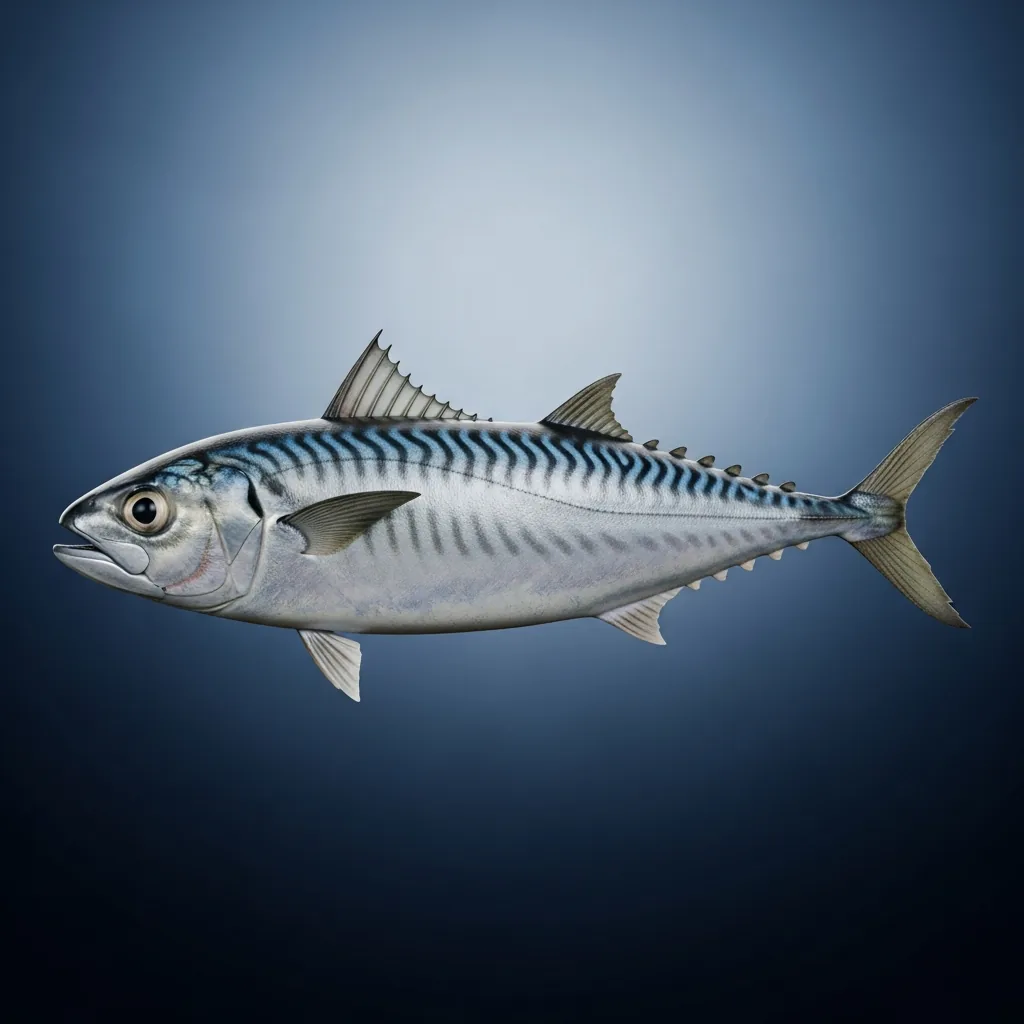 Atlantic horse mackerelTrachurus trachurus
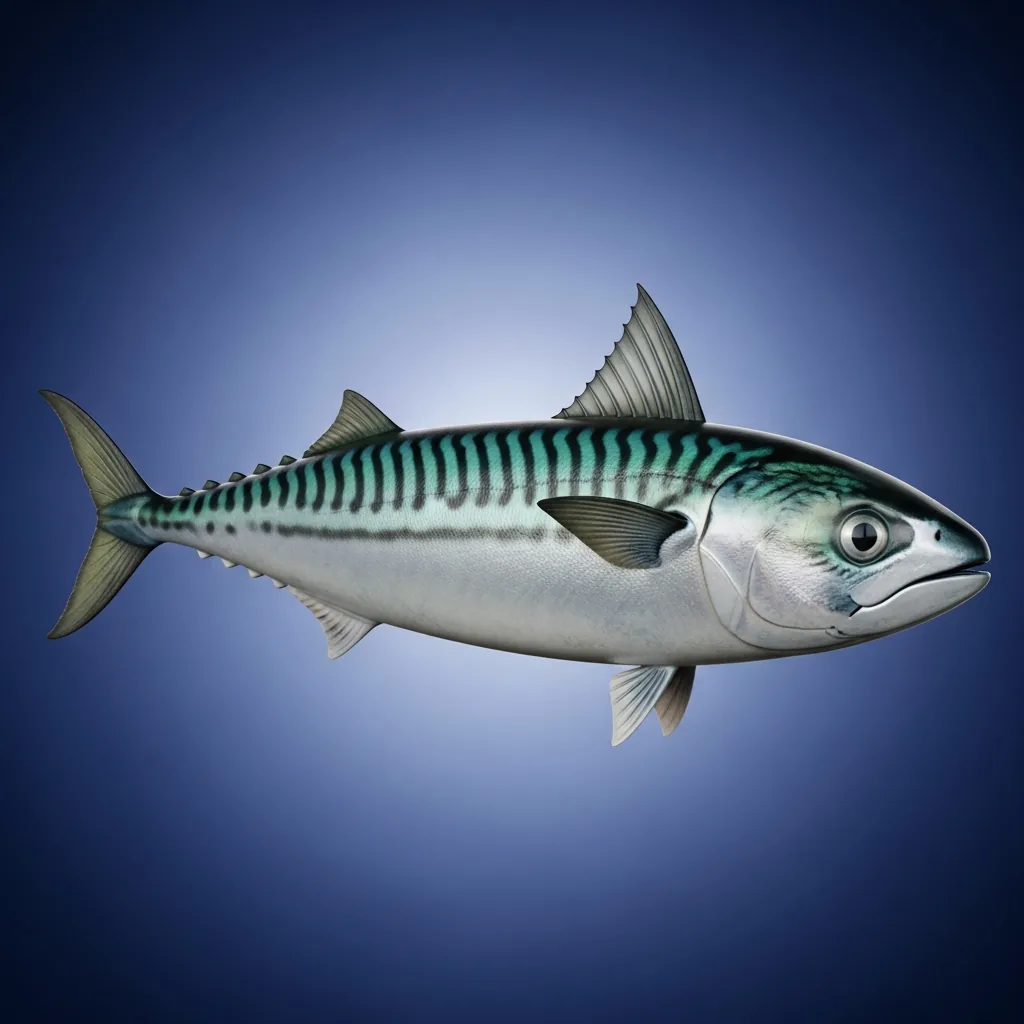 Atlantic mackerelScomber scombrus
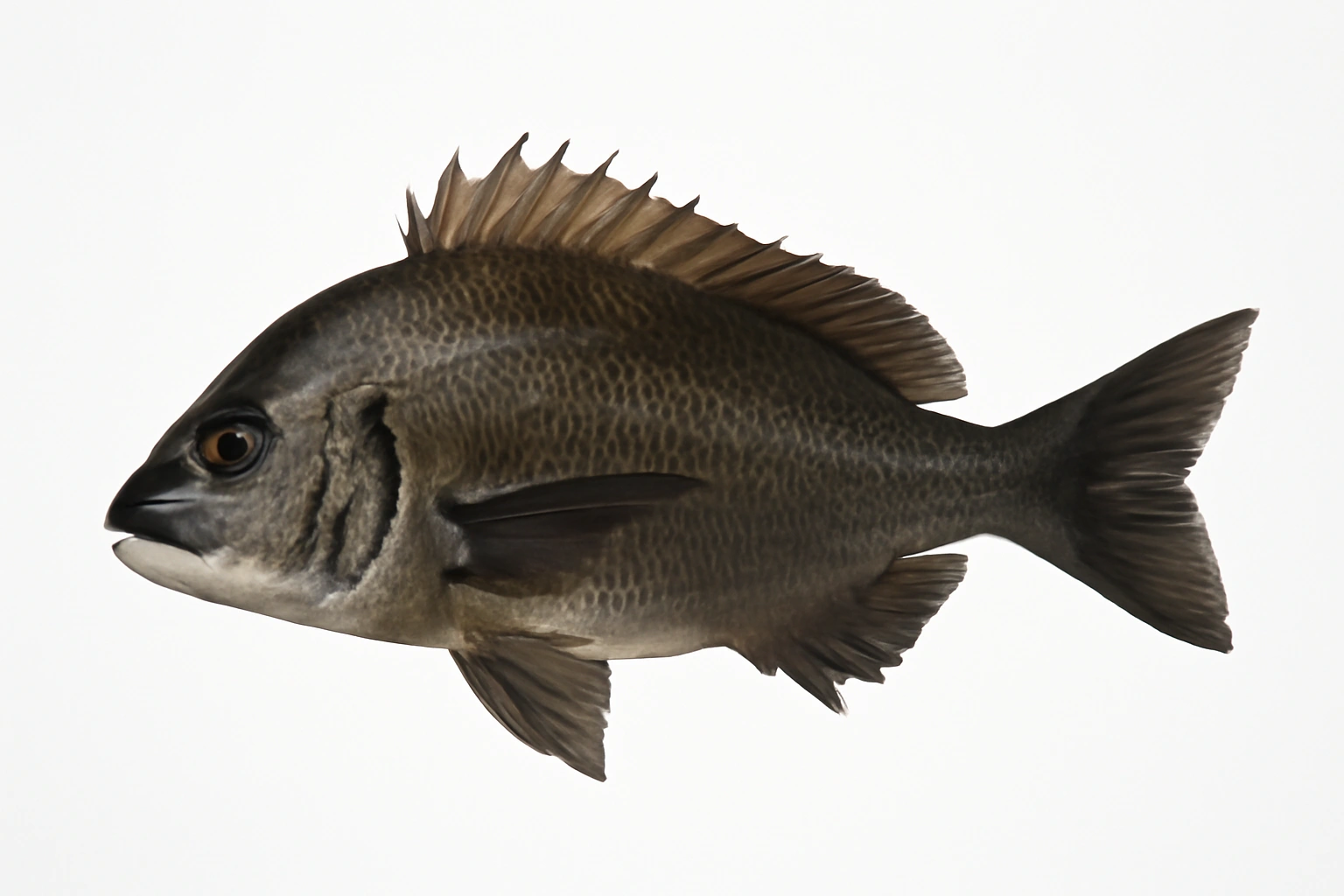 Black BreamAcanthopagrus butcheri
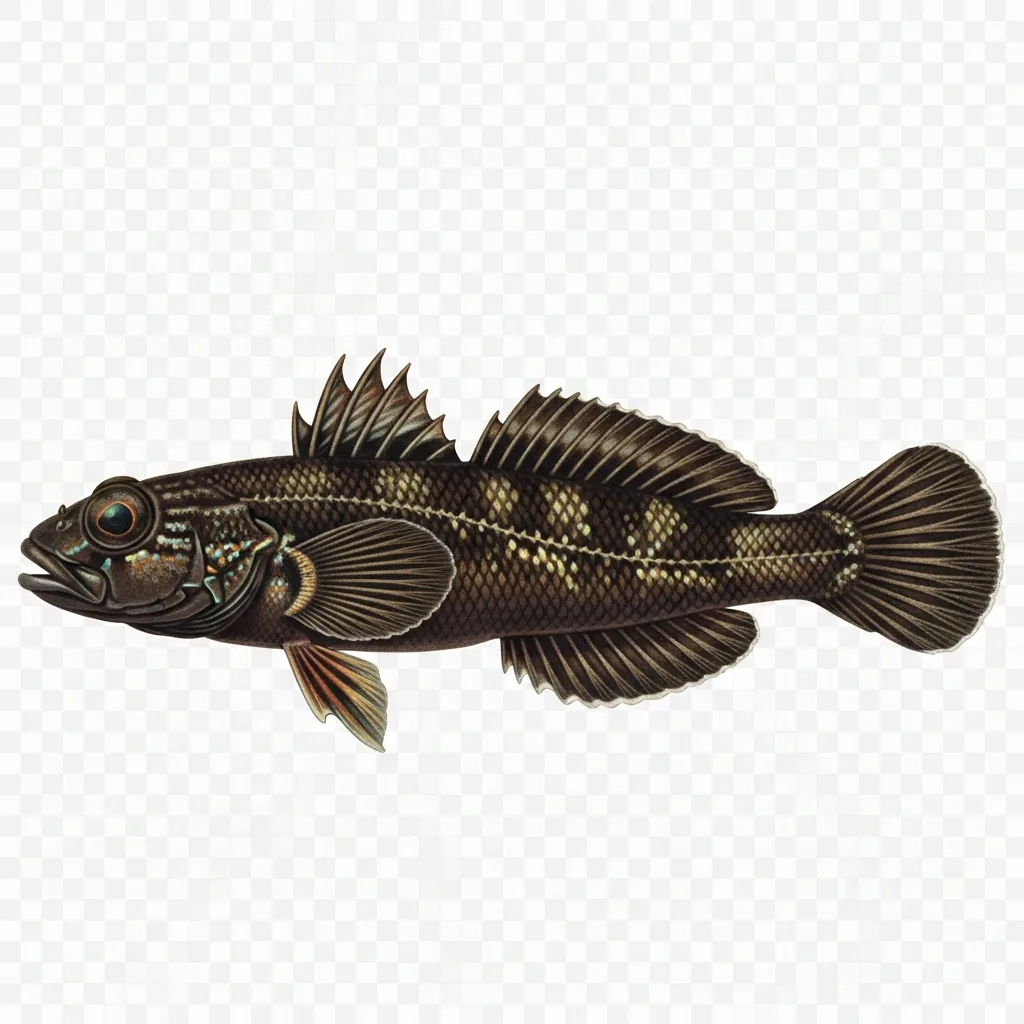 Black gobyGobius niger
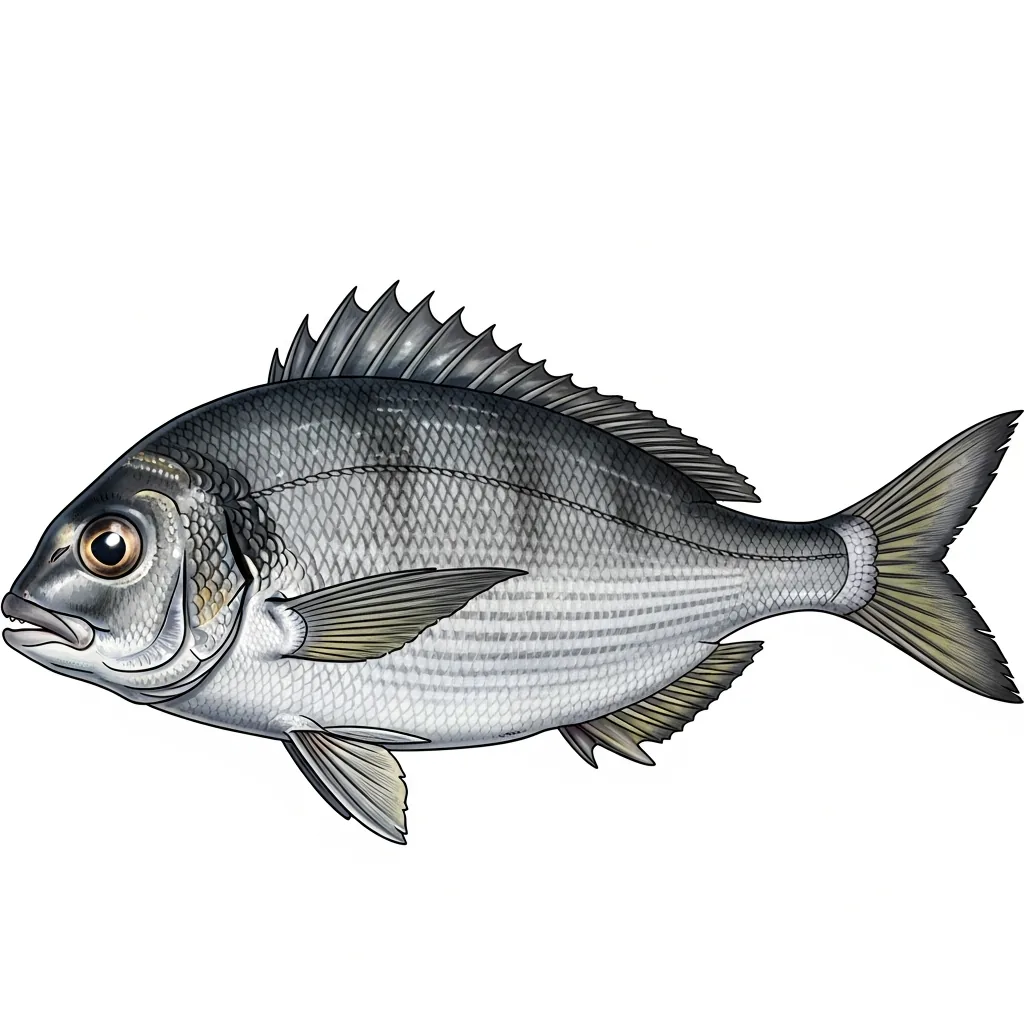 Black sea breamSpondyliosoma cantharus
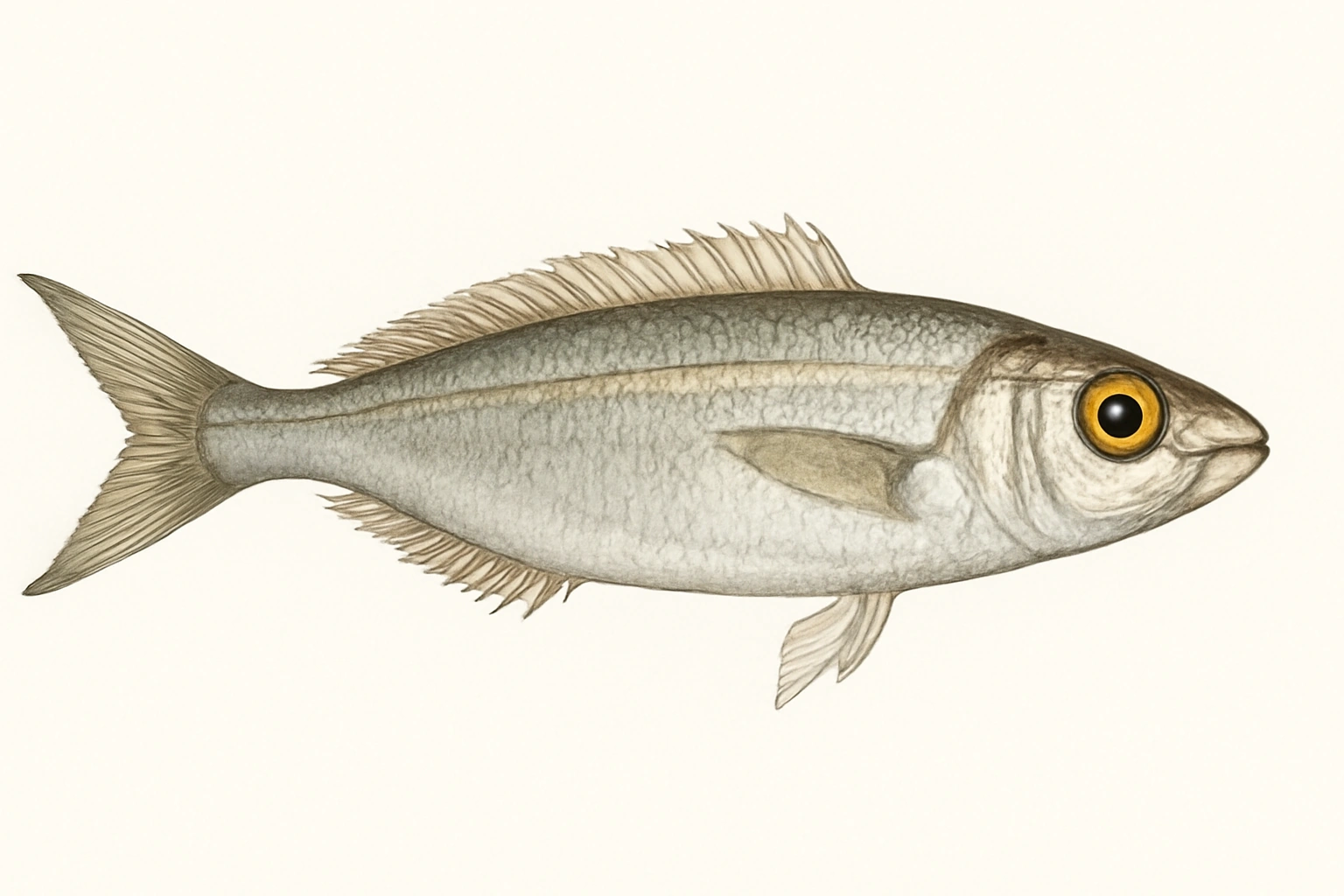 BogueBoops boops
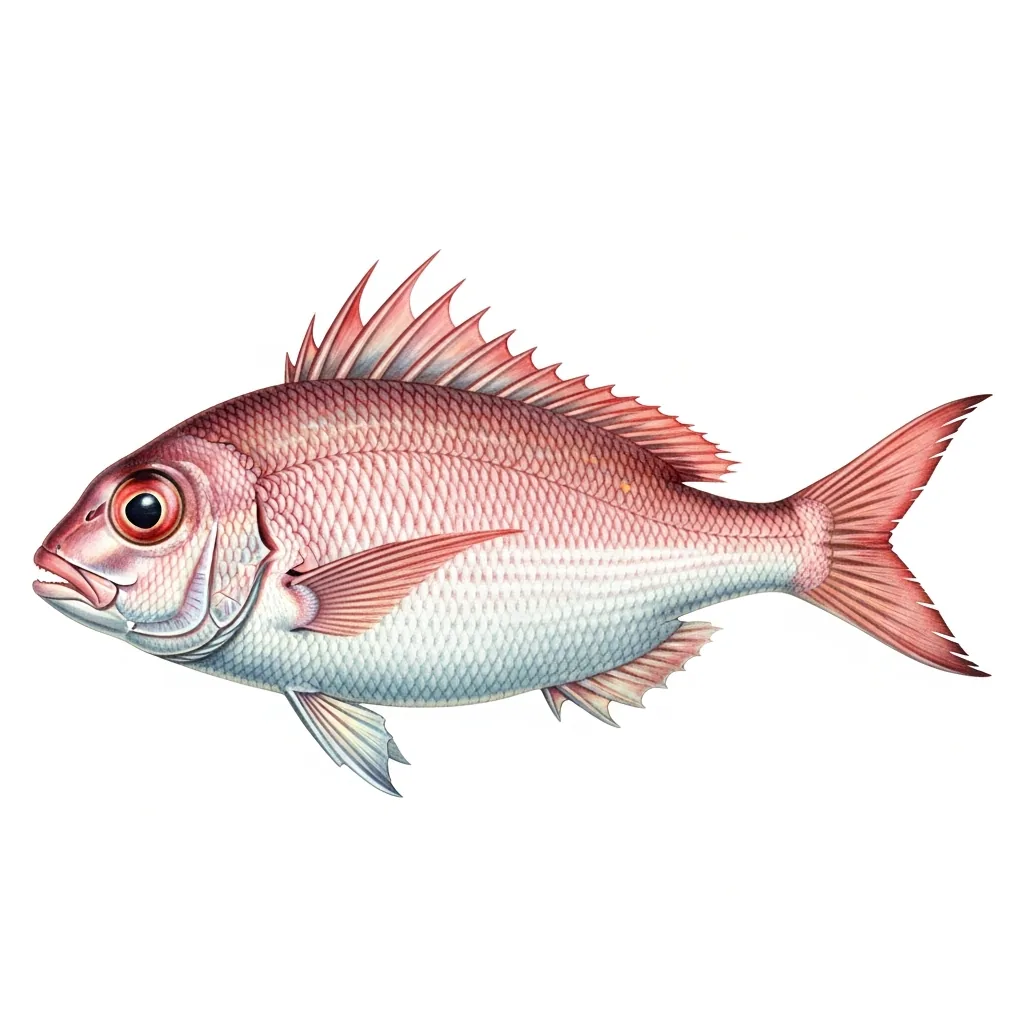 Common pandoraPagellus erythrinus
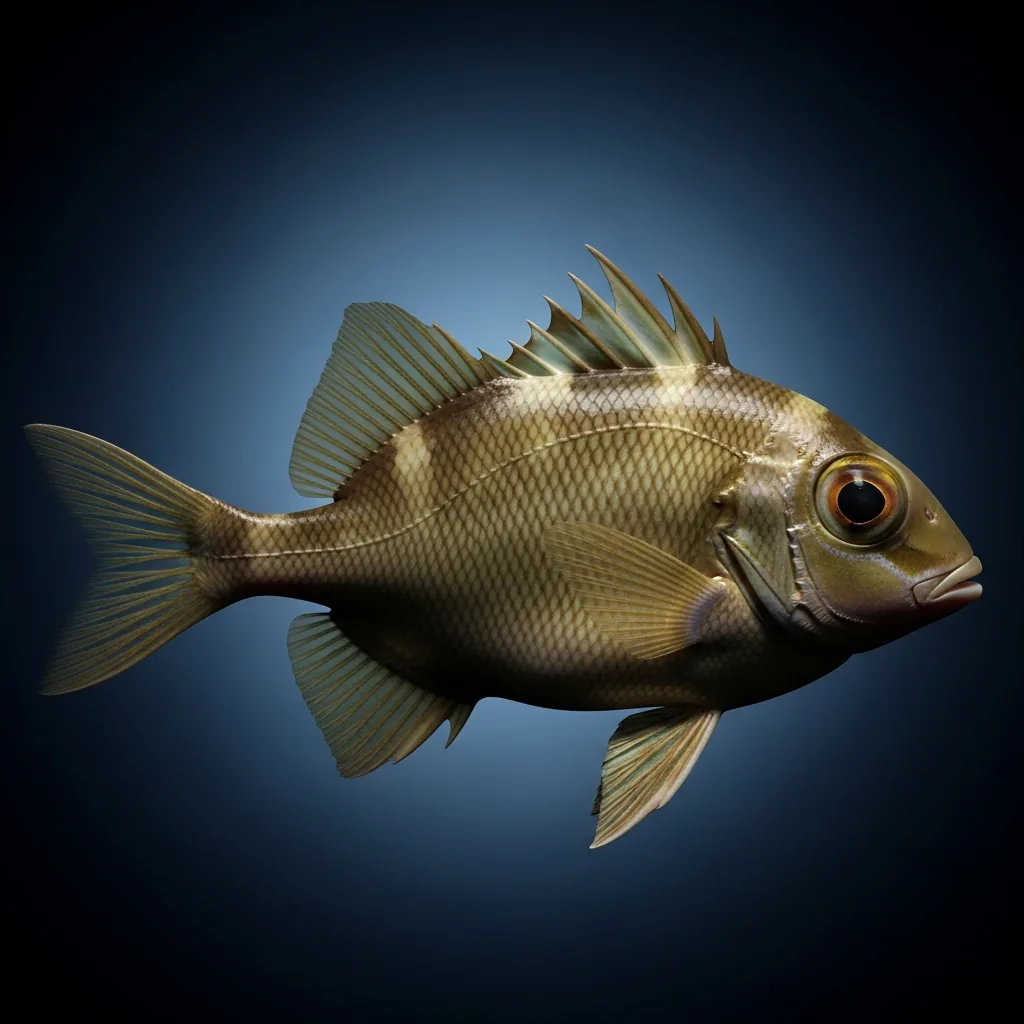 Dusky spinefootSiganus luridus
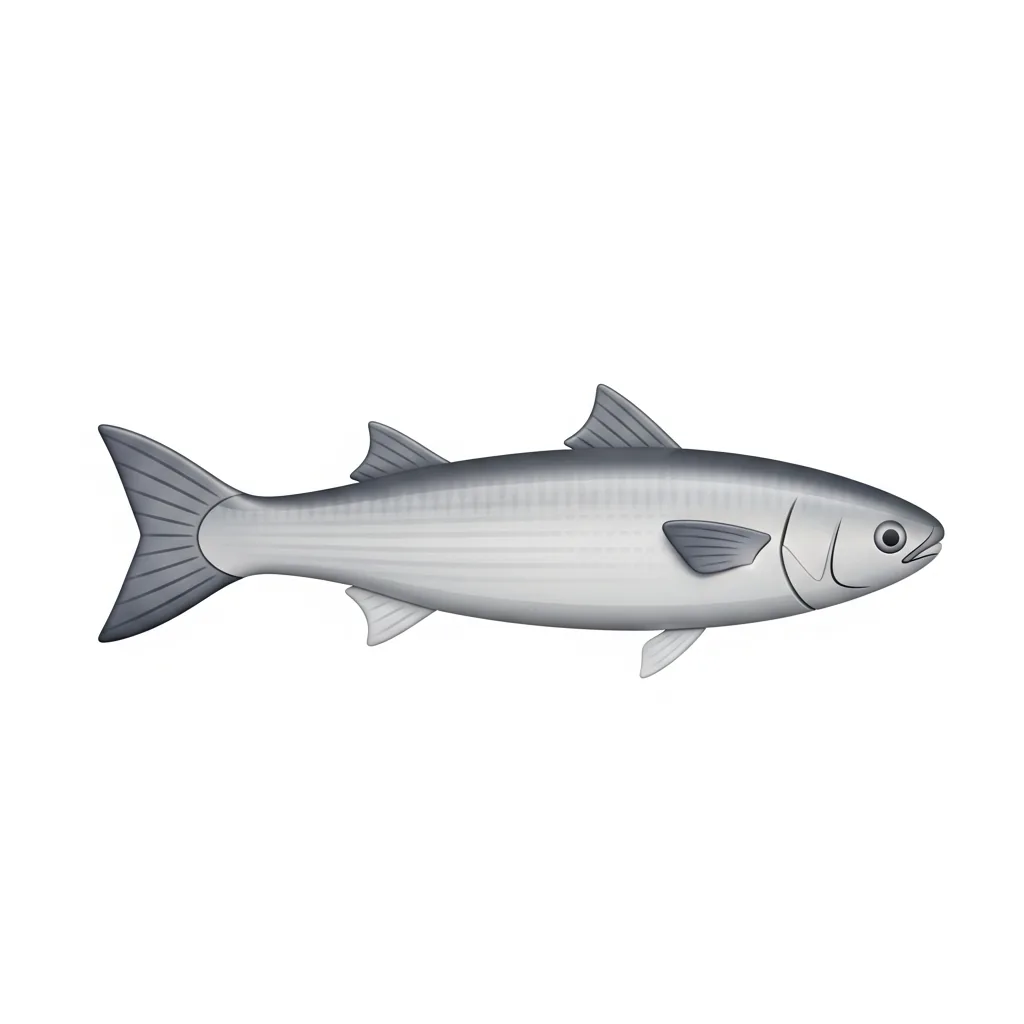 Flathead grey mulletMugil cephalus
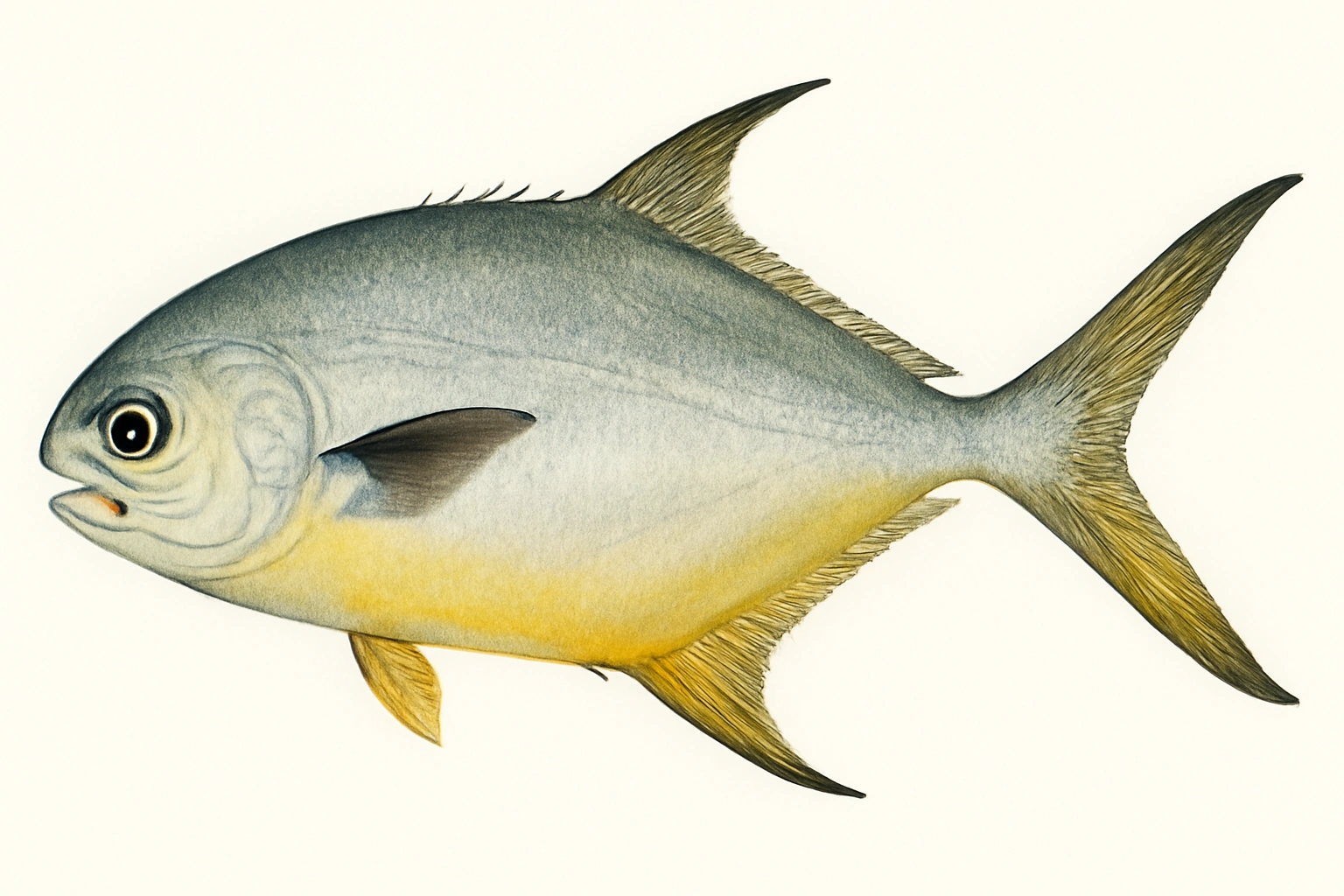 Florida pompanoTrachinotus carolinus
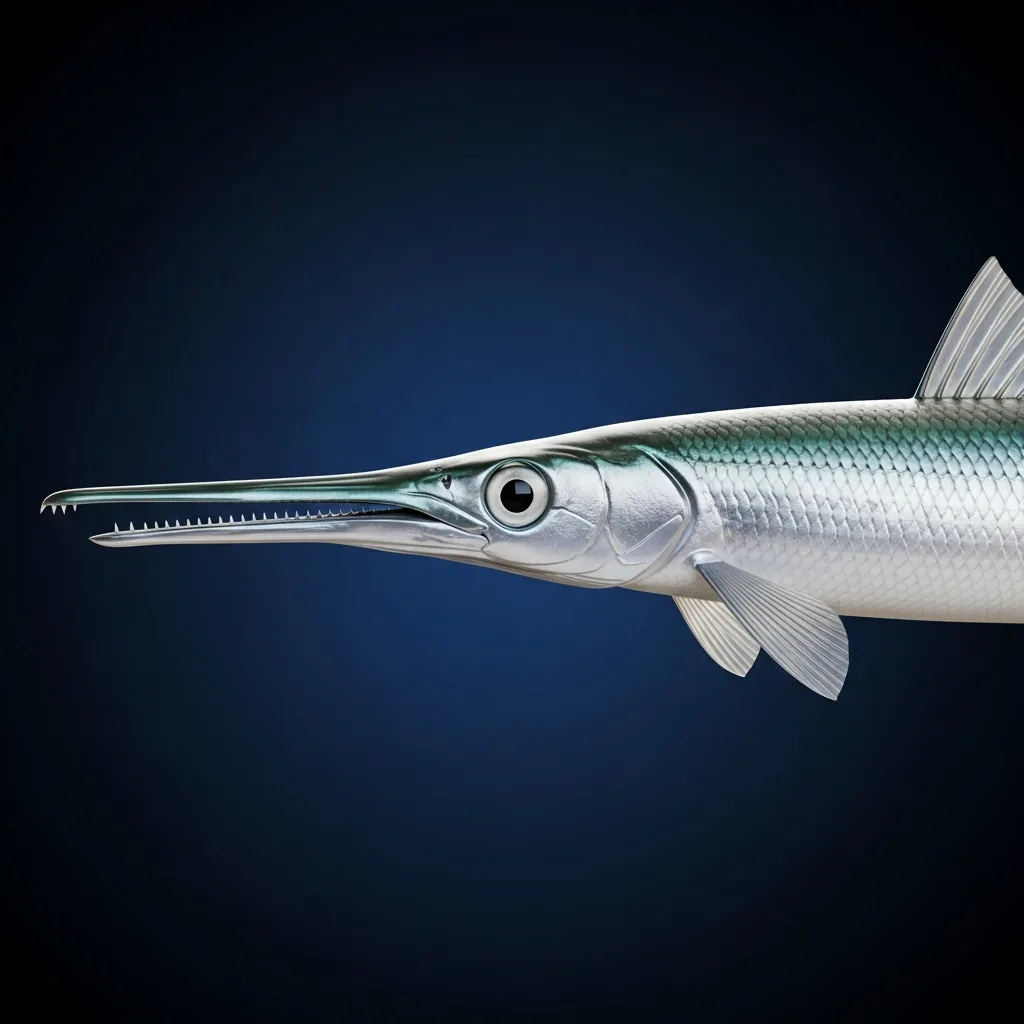 GarfishBelone belone
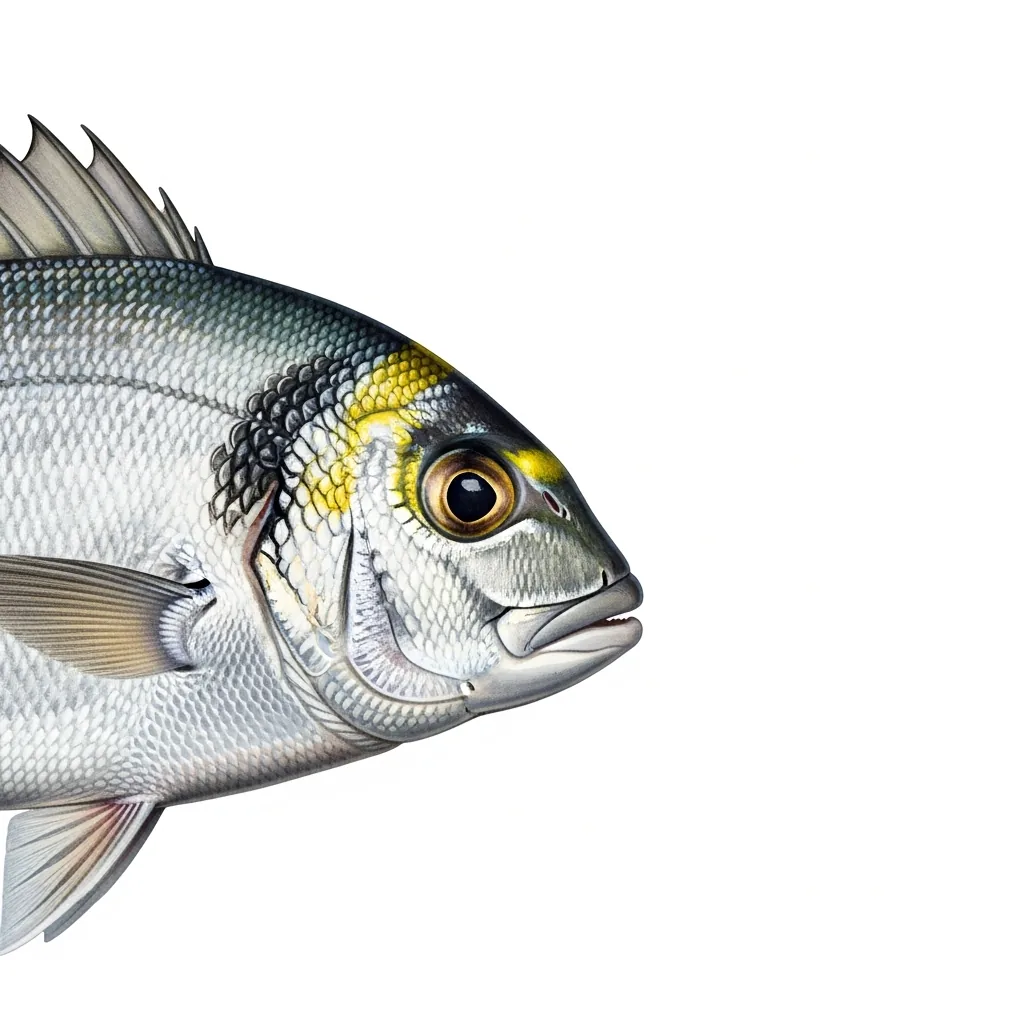 Gilthead sea breamSparus aurata
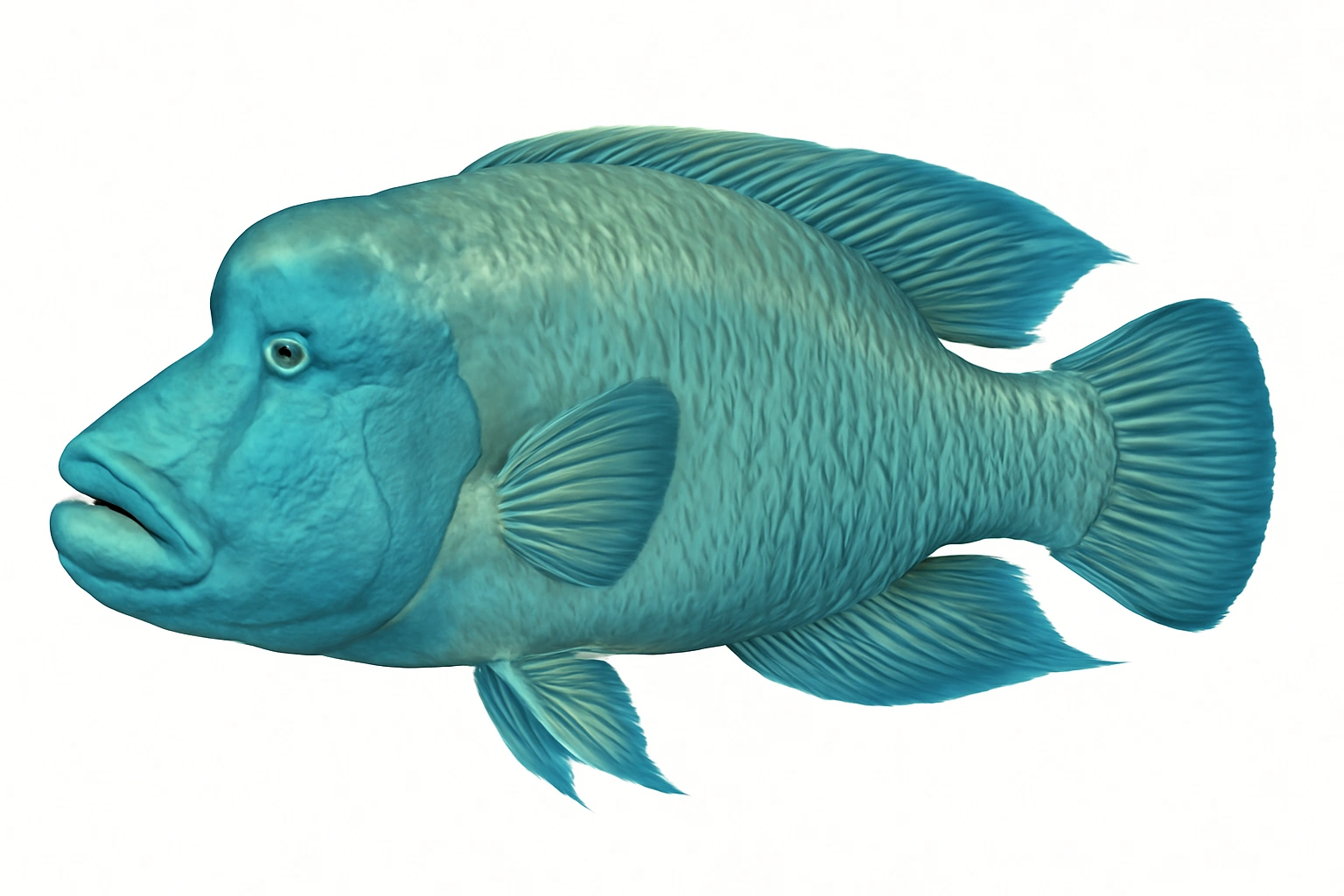 Humphead wrasseCheilinus undulatus
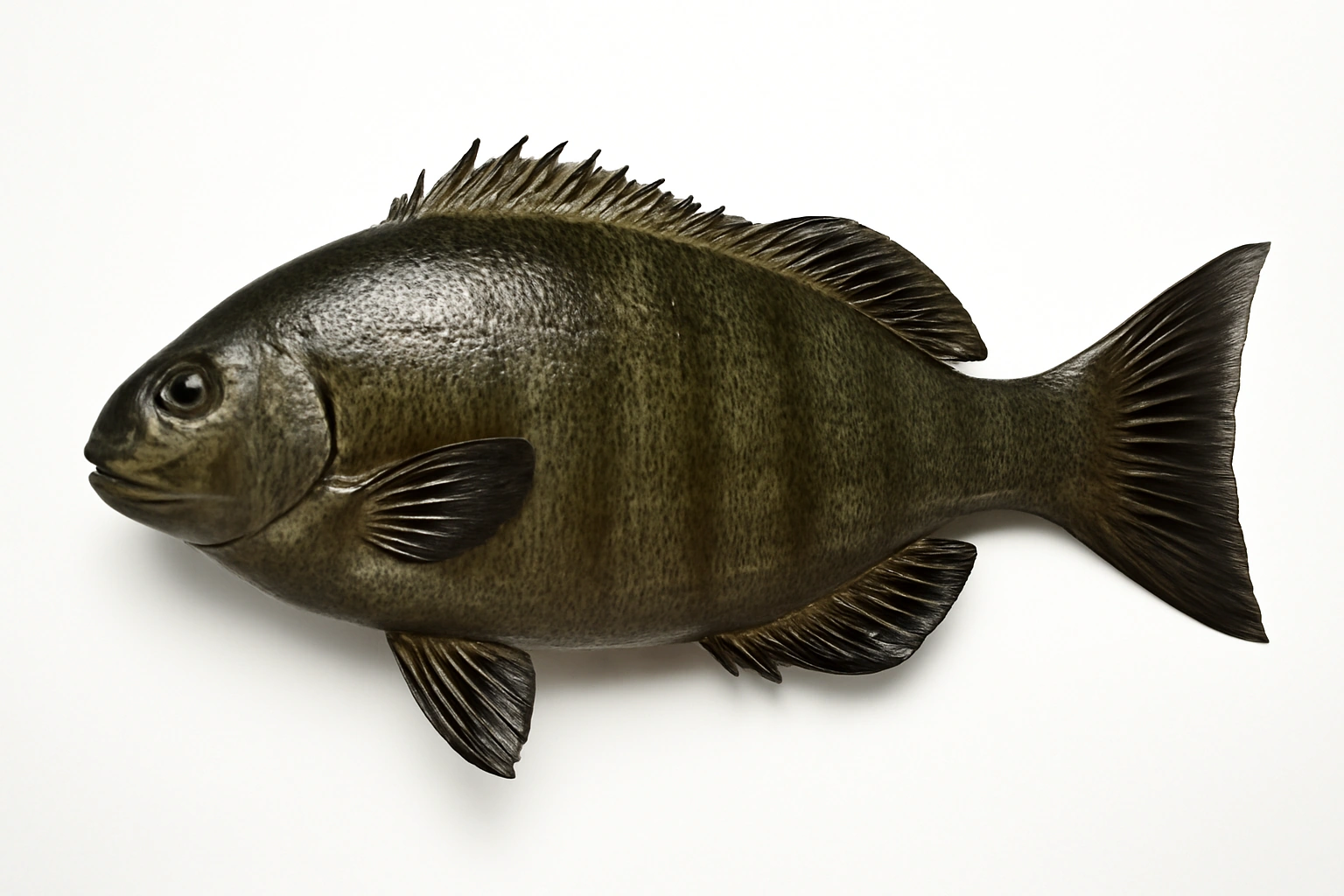 LuderickGirella tricuspidata
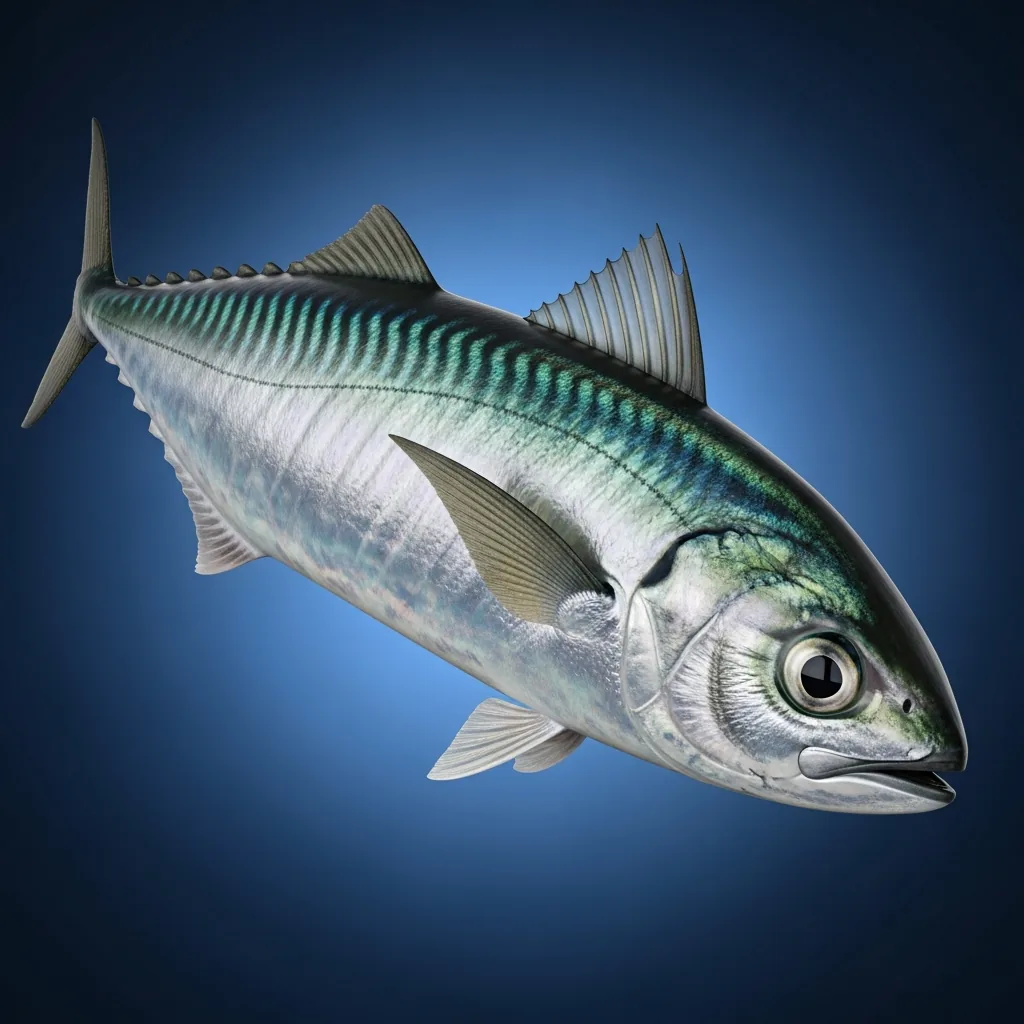 Mediterranean horse mackerelTrachurus mediterraneus
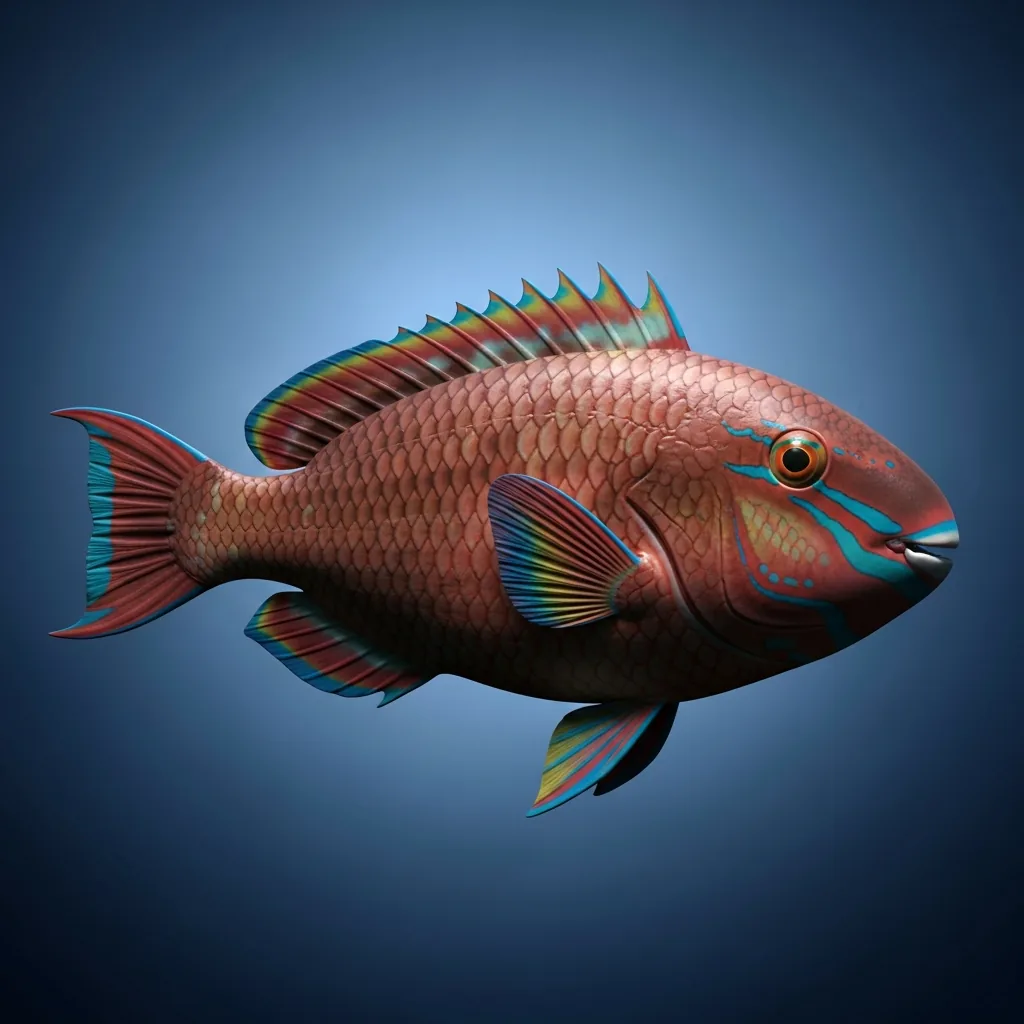 Mediterranean parrotfishSparisoma cretense
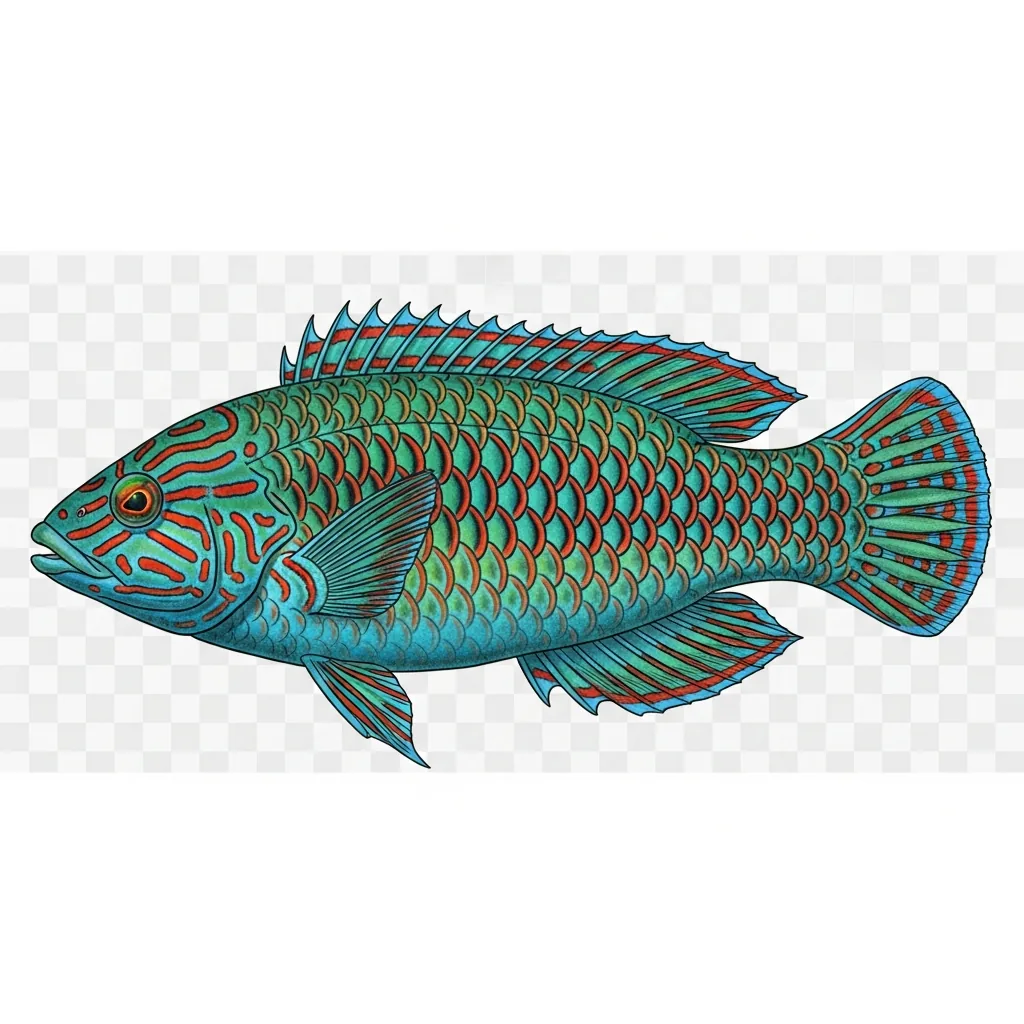 Ornate wrasseThalassoma pavo
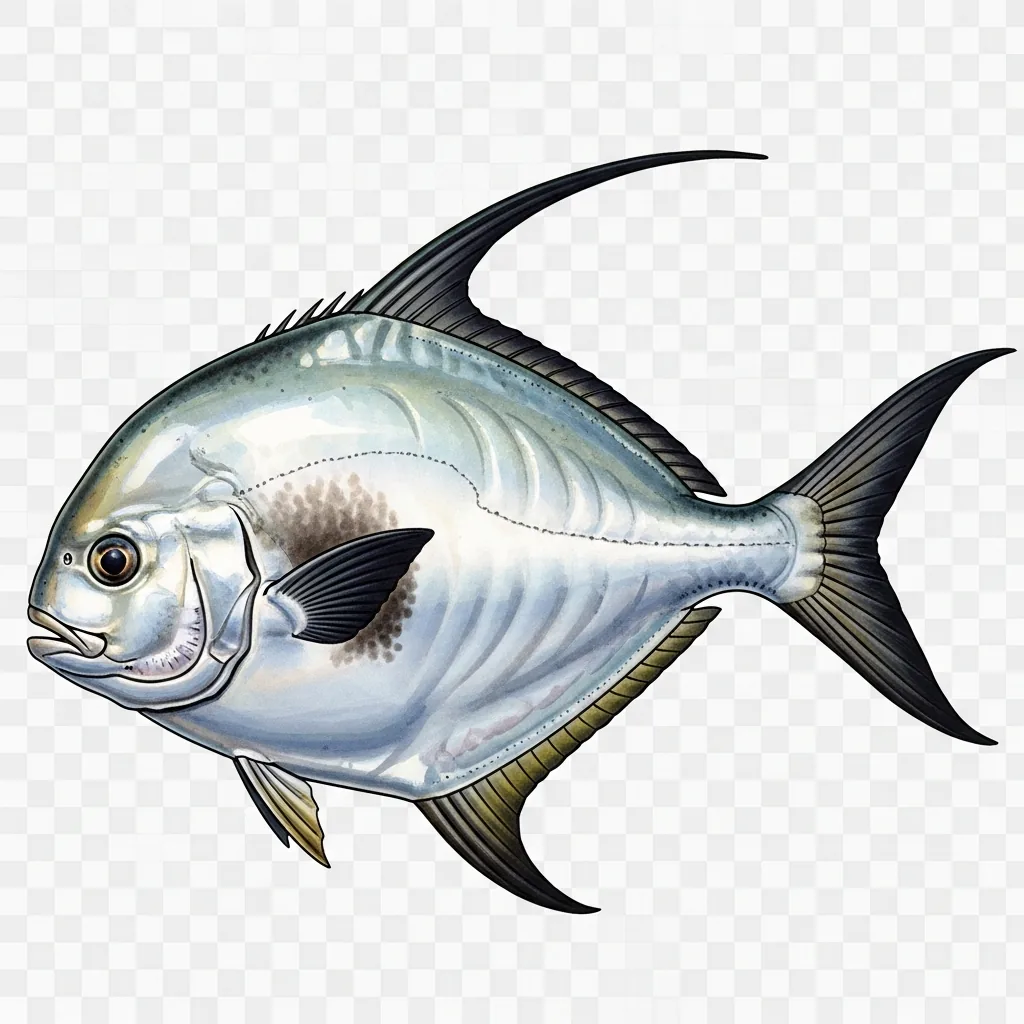 PermitTrachinotus falcatus
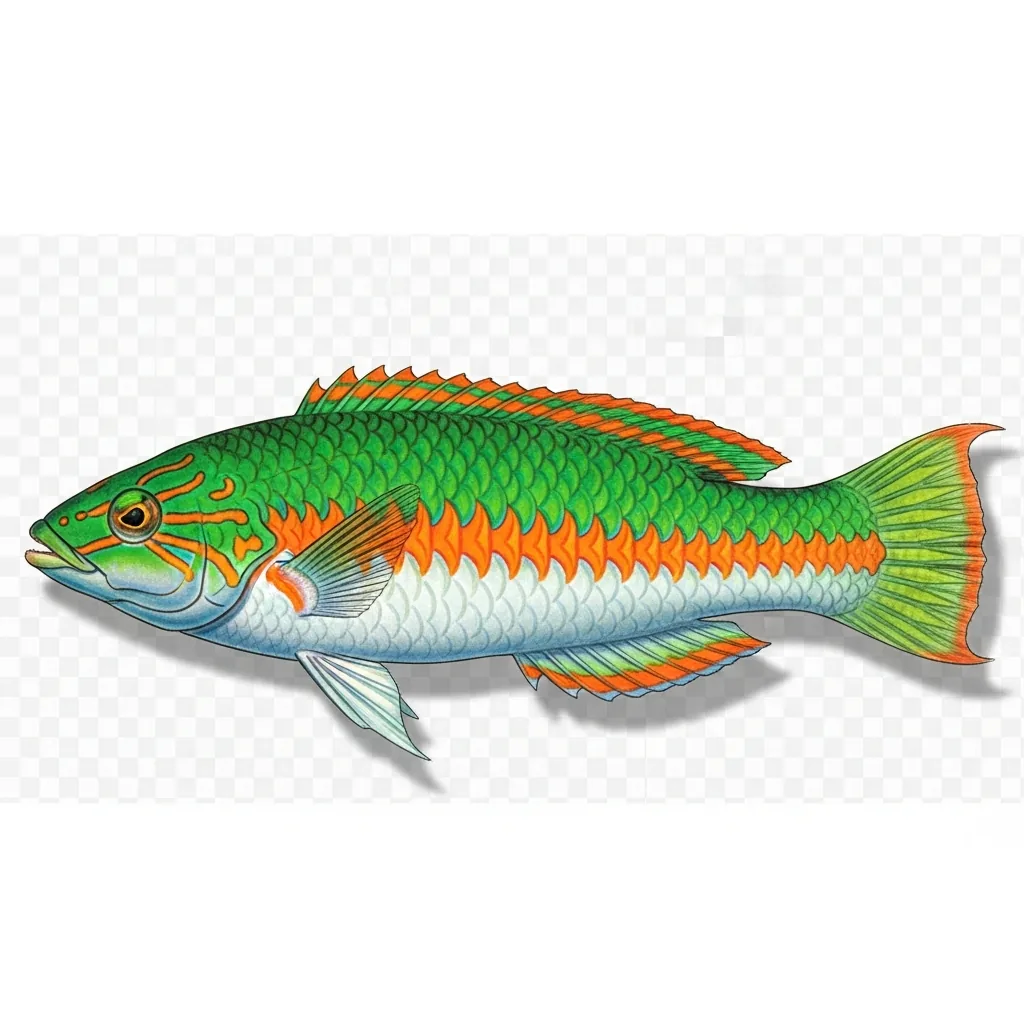 Rainbow wrasseCoris julis
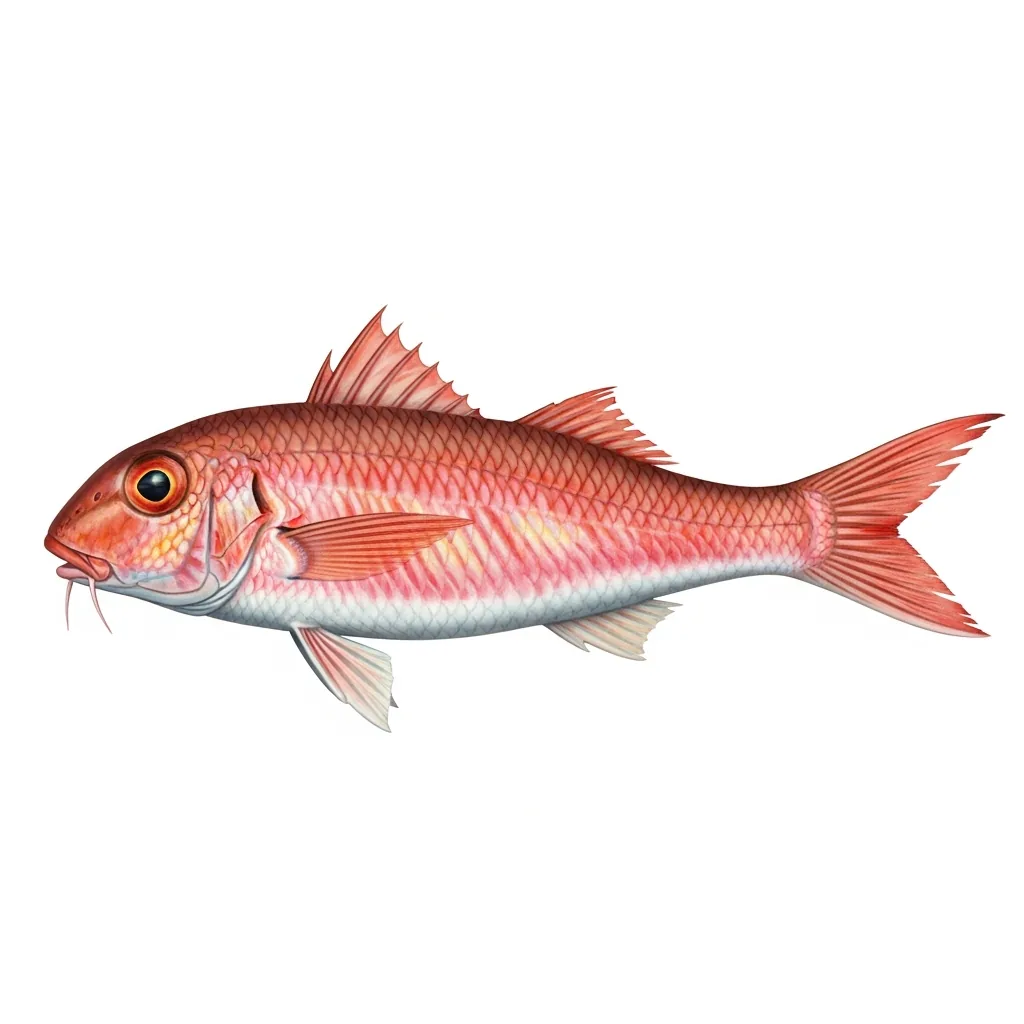 Red mulletMullus barbatus
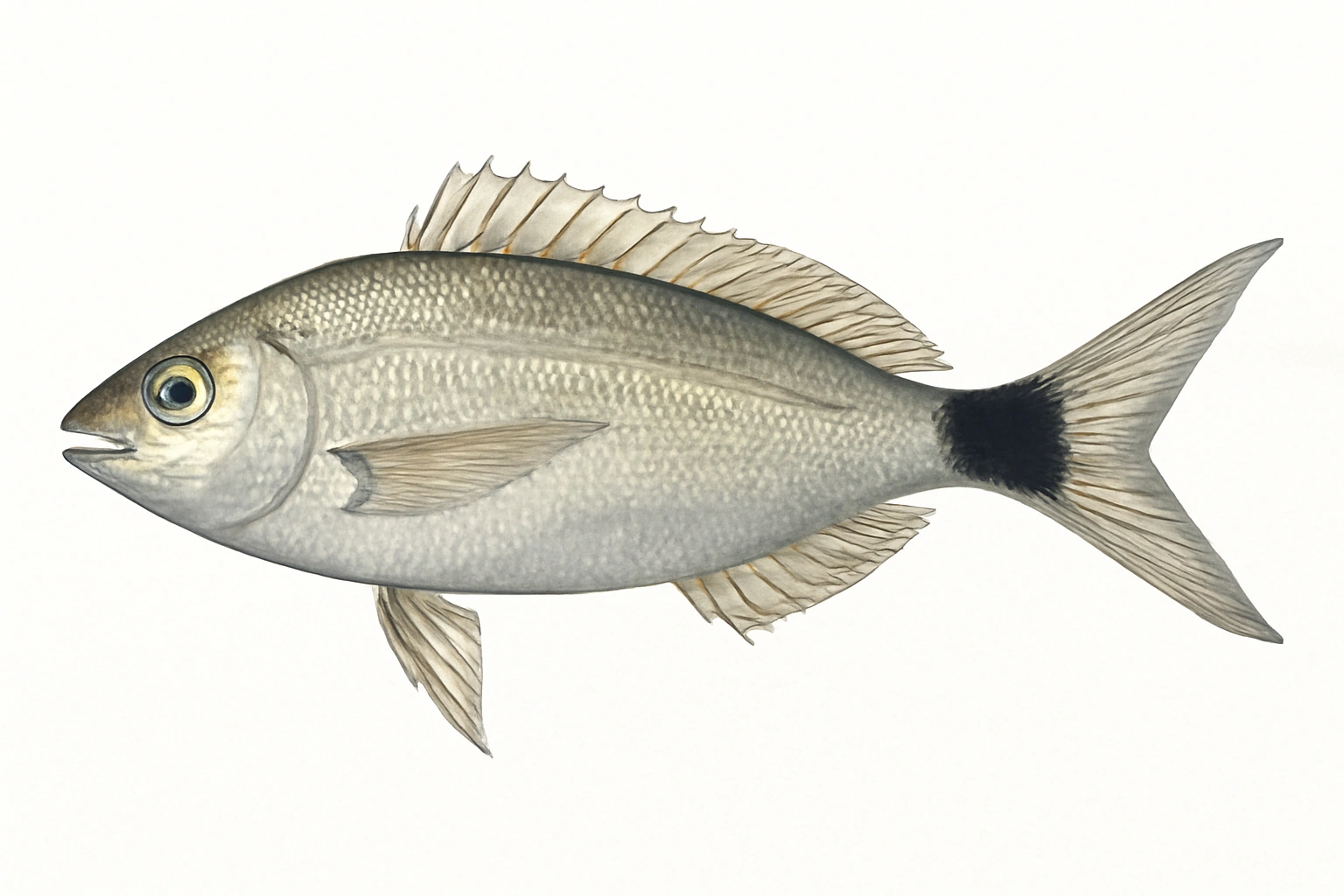 Saddled seabreamOblada melanura
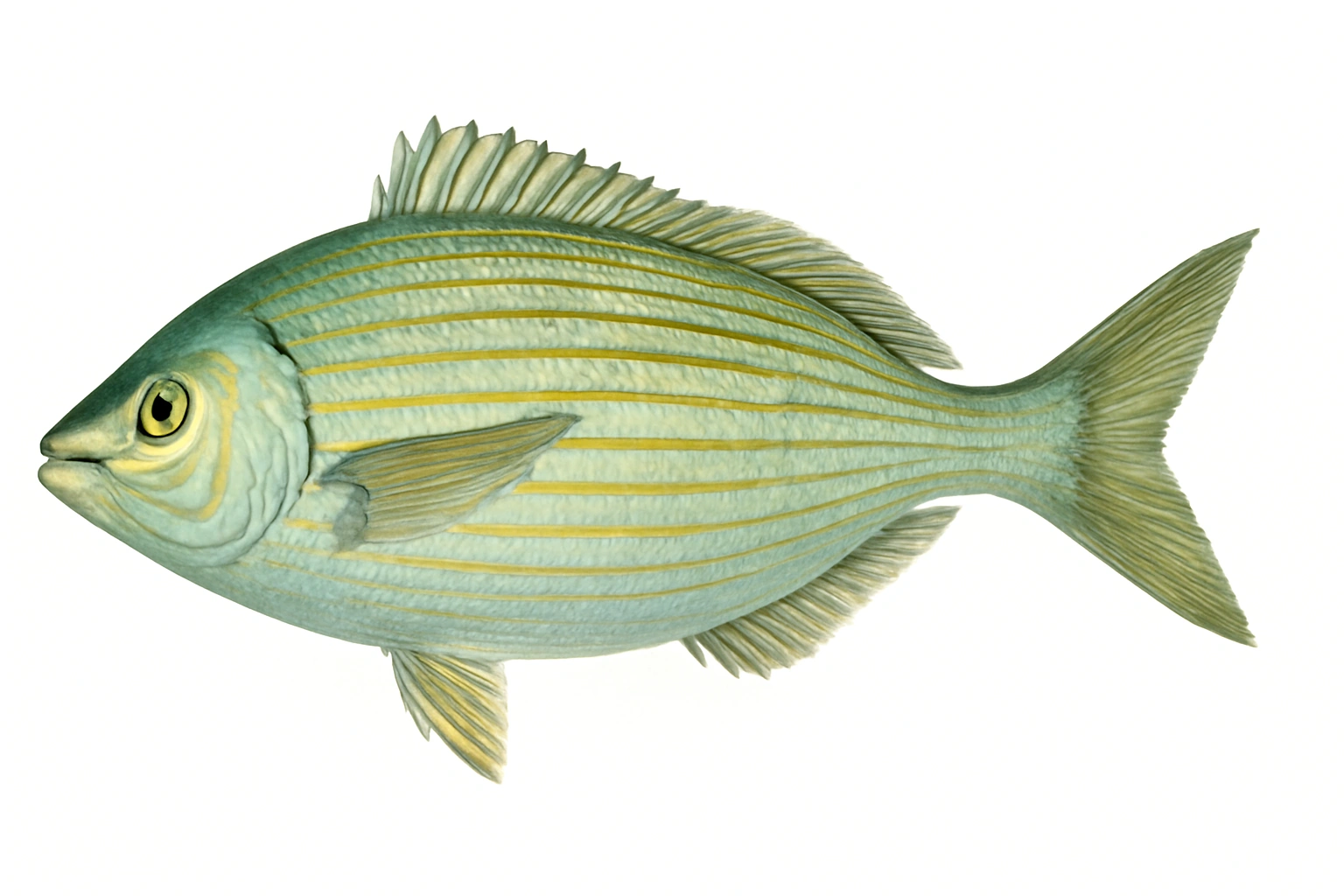 SalemaSarpa salpa
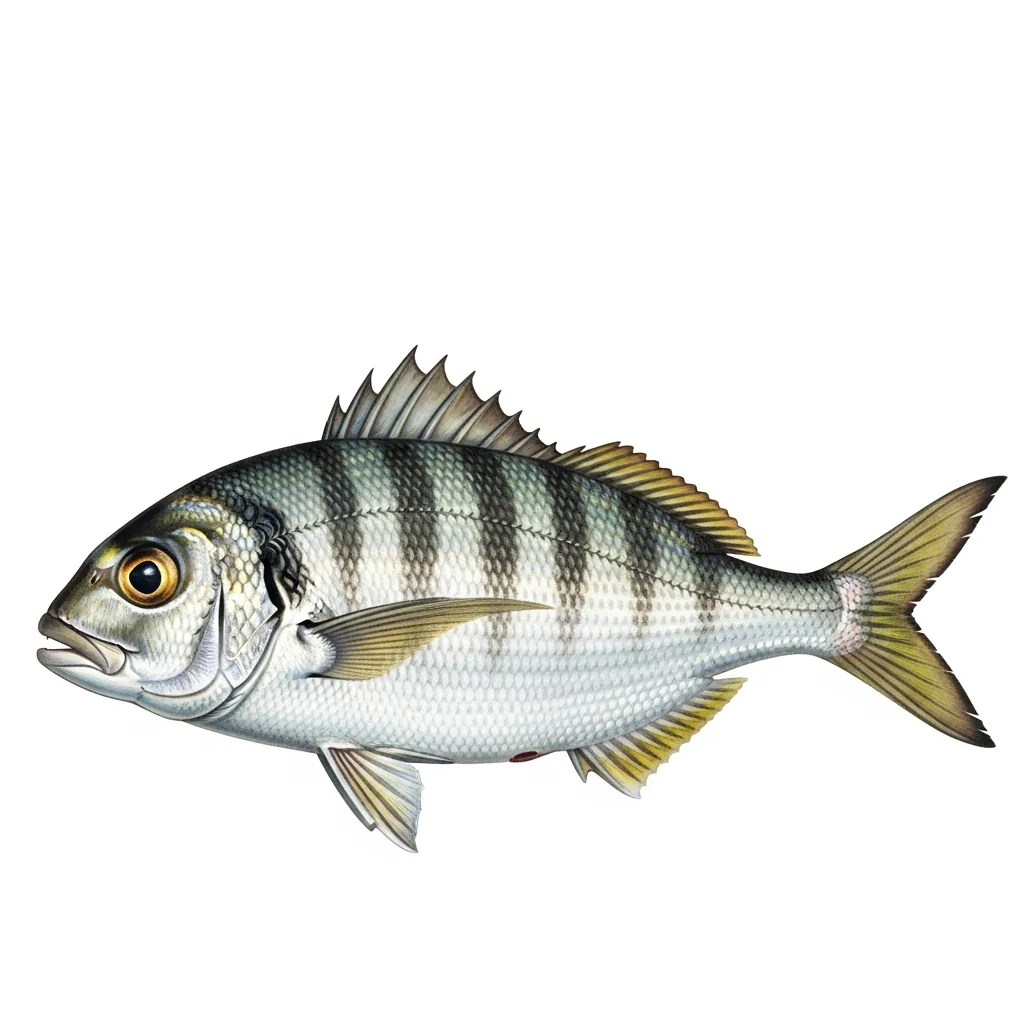 Sharpsnout sea breamDiplodus puntazzo
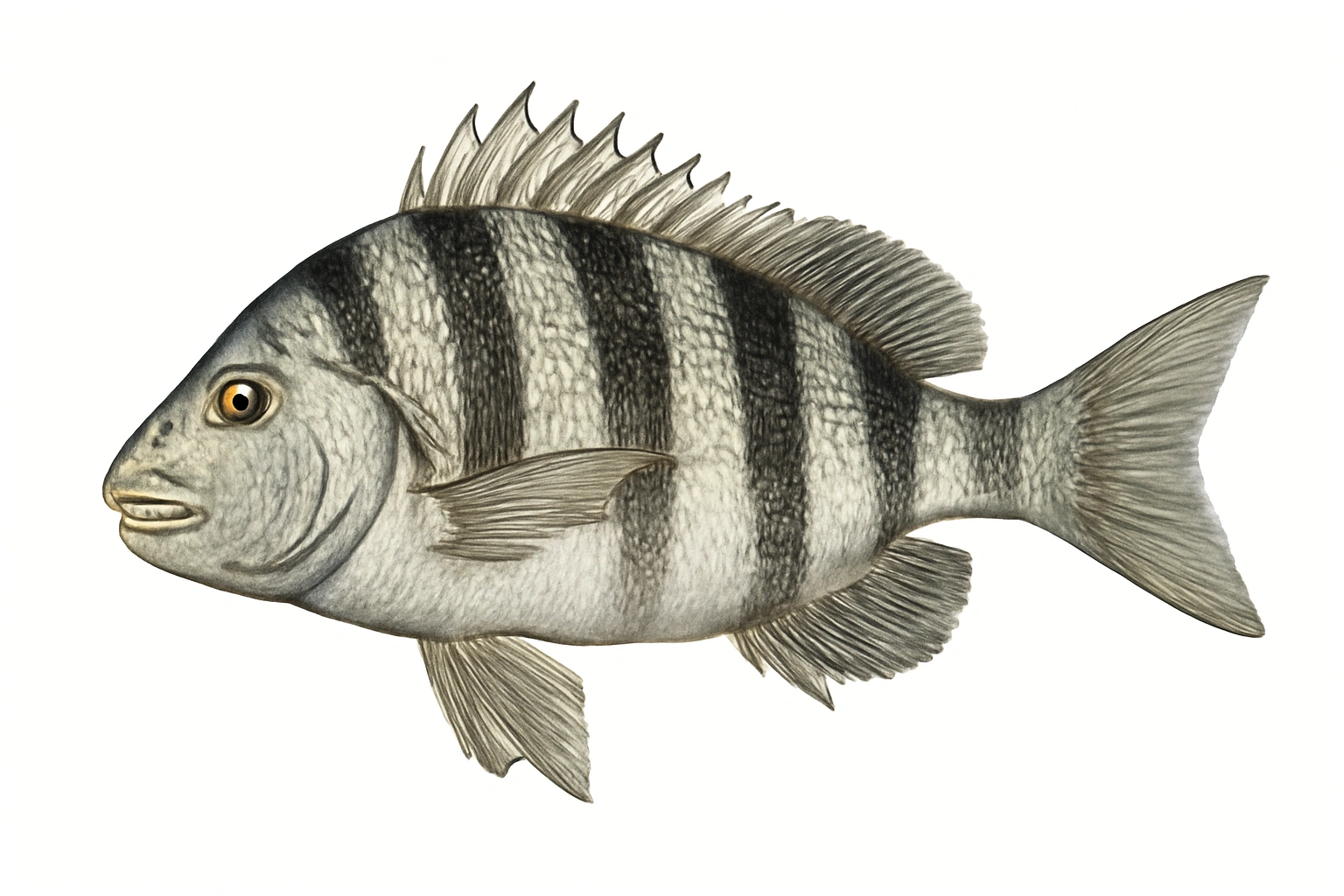 SheepsheadArchosargus probatocephalus
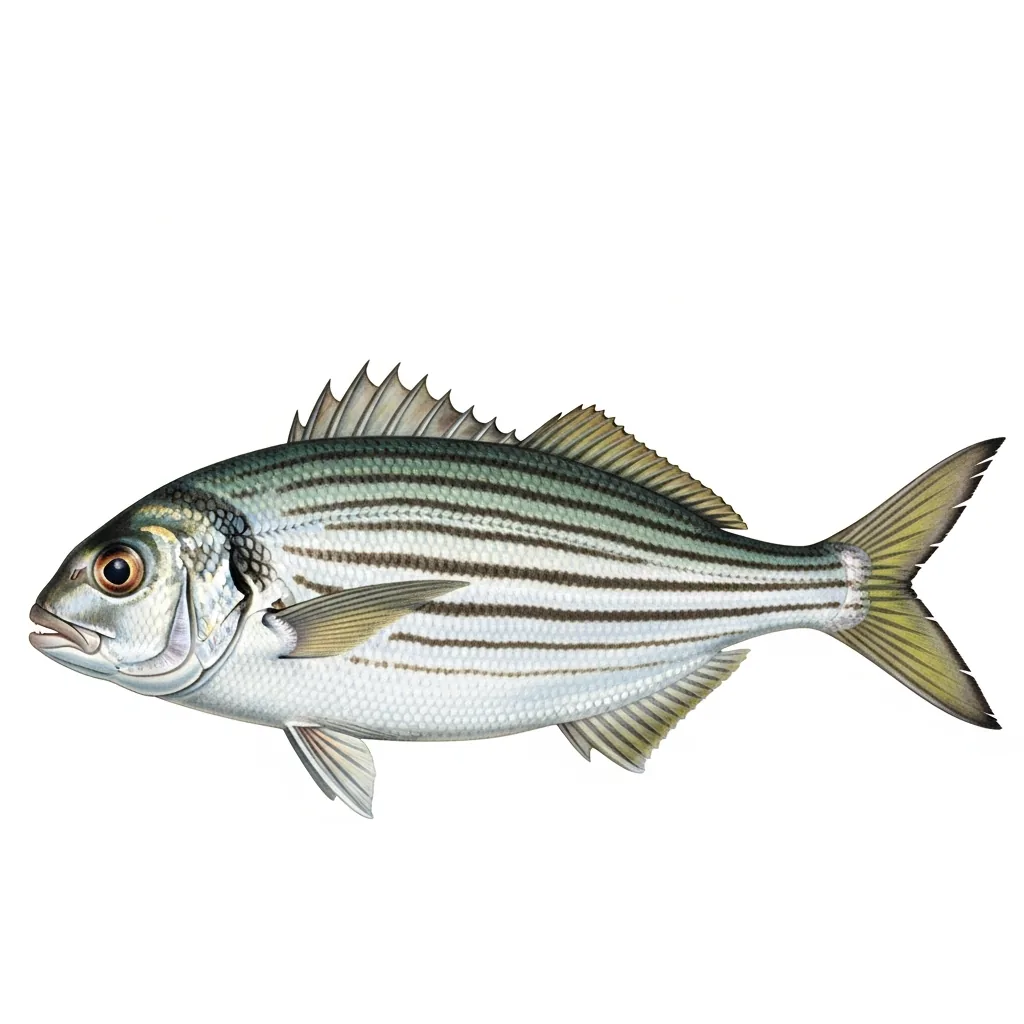 Striped sea breamLithognathus mormyrus
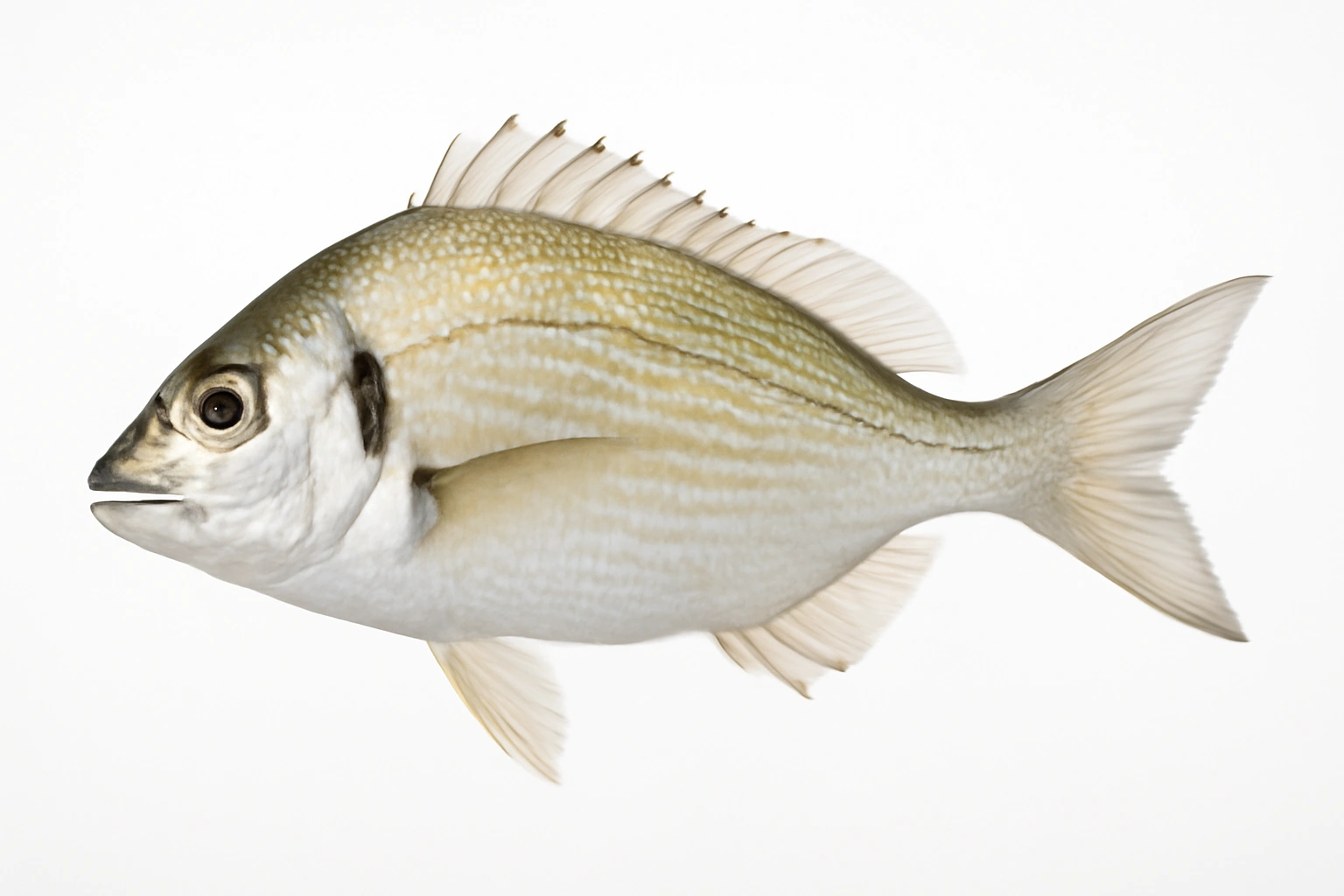 TarwhineRhabdosargus sarba
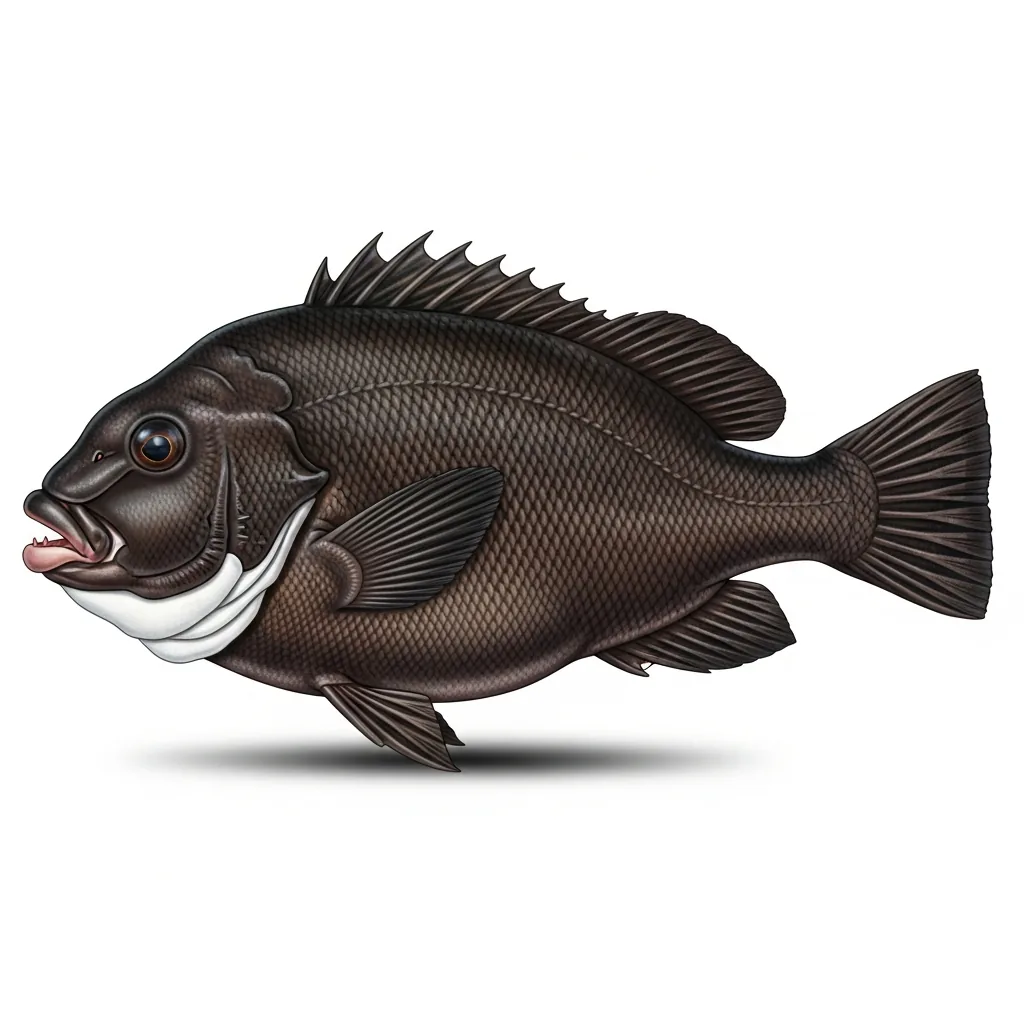 TautogTautoga onitis
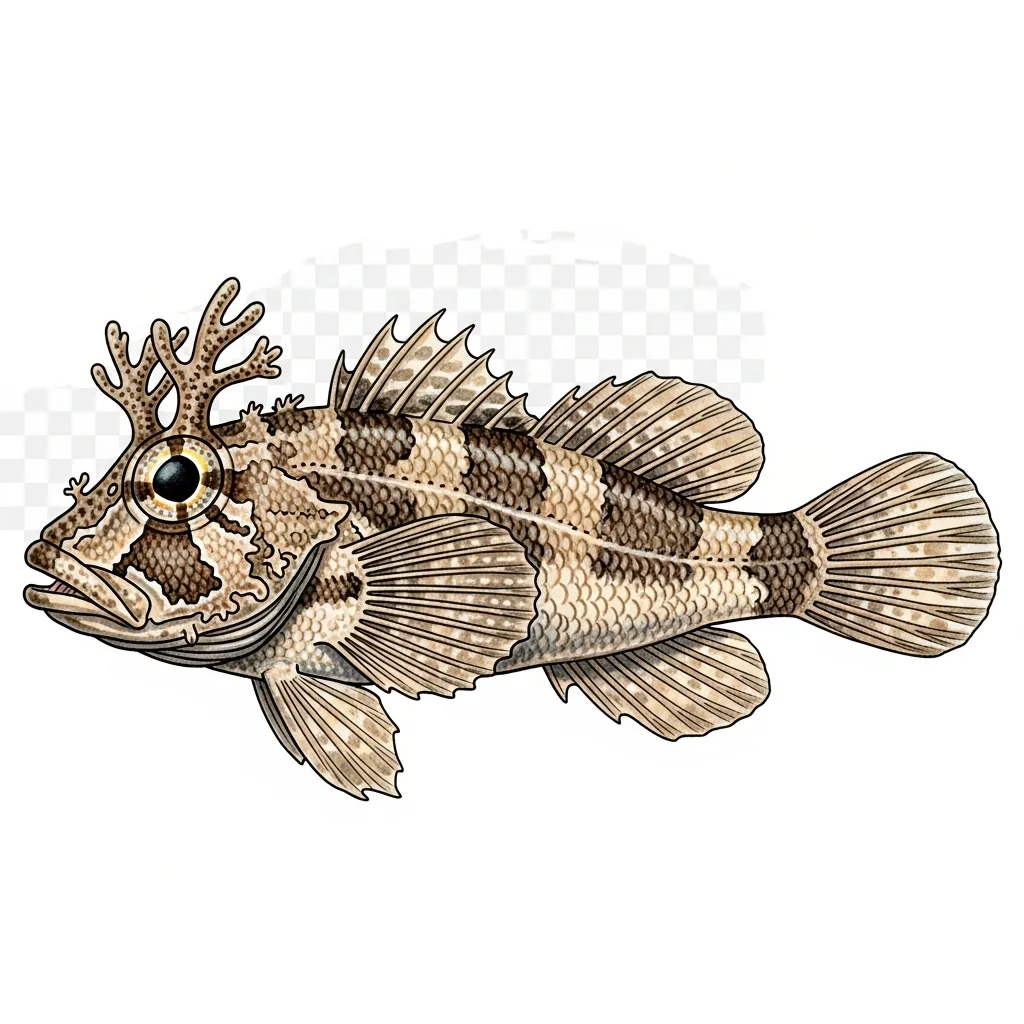 Tompot blennyParablennius gattorugine
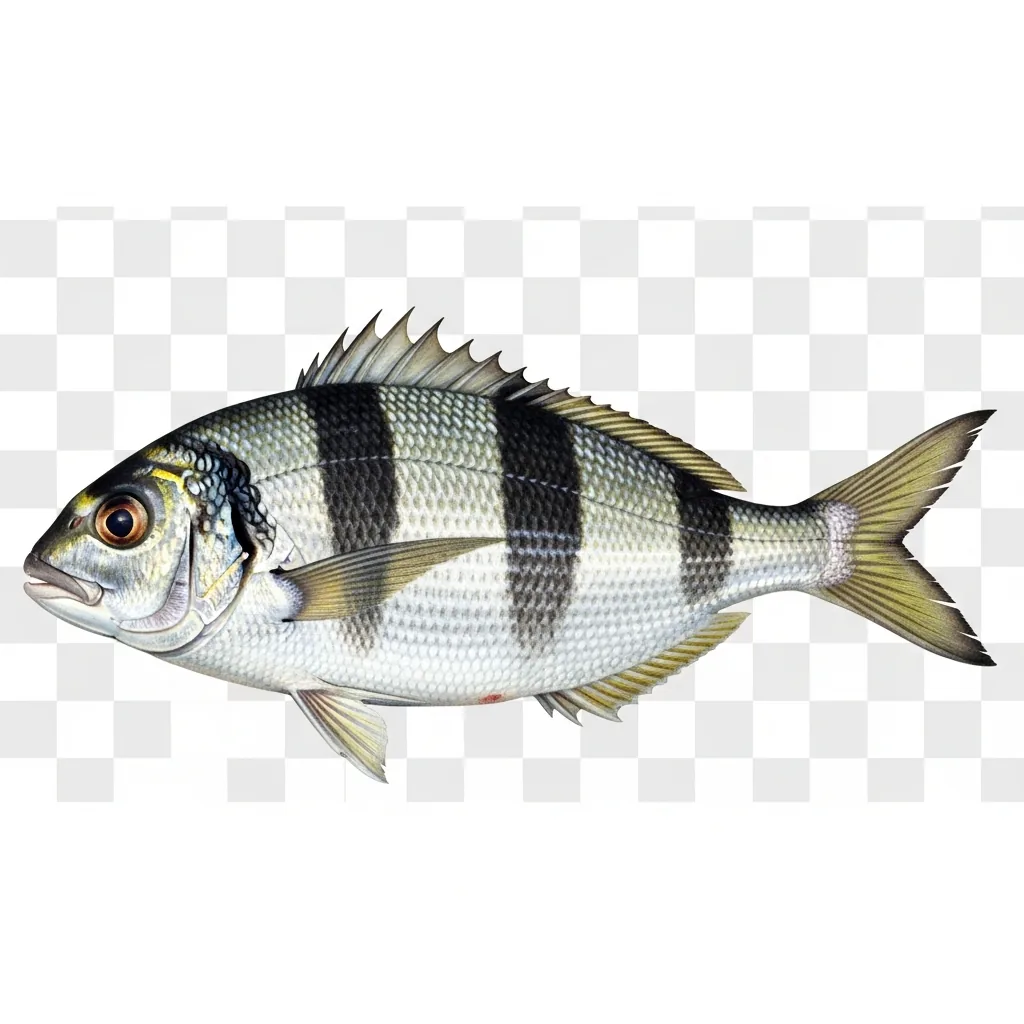 Two-banded sea breamDiplodus vulgaris
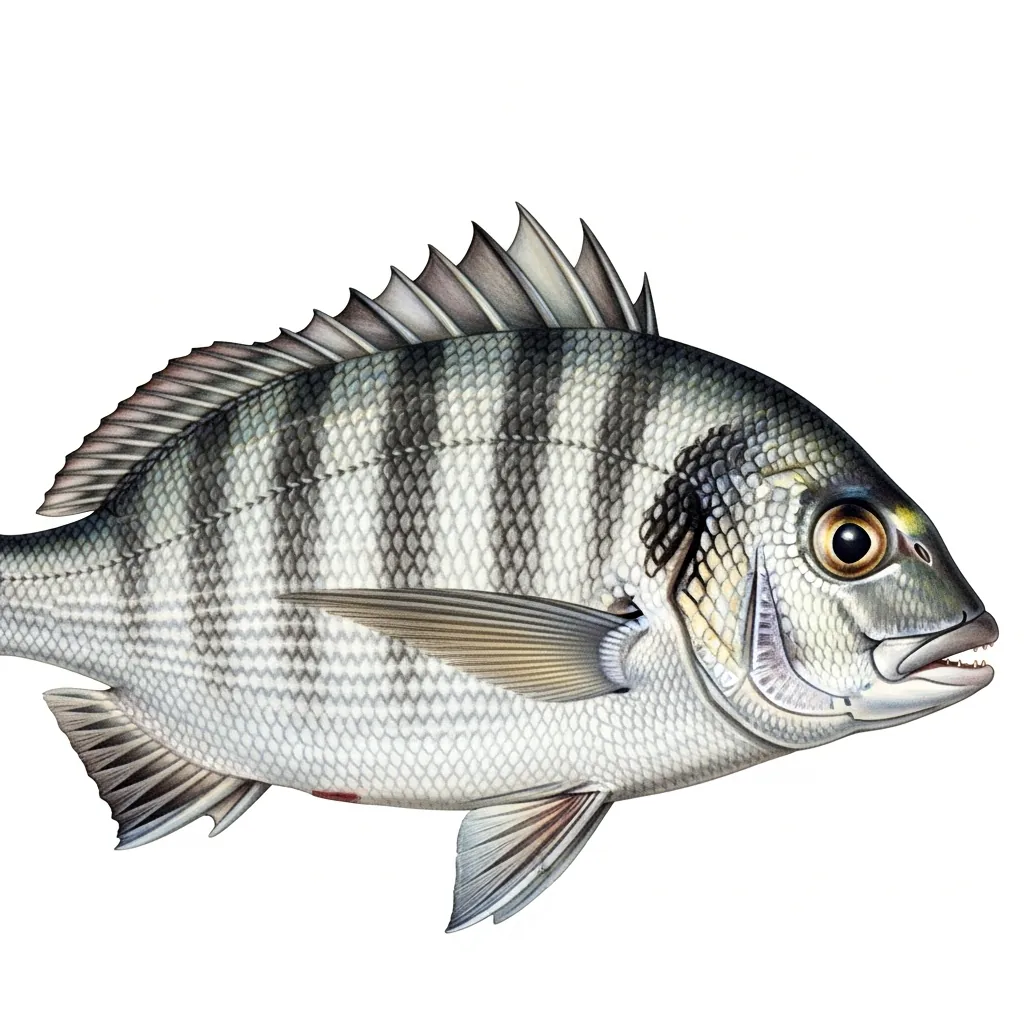 White sea breamDiplodus sargus
Frequently asked questions
What is Float Fishing?
Float fishing is not just an “easy” technique: it is one of the most precise ways to present a bait at the exact depth where fish are feeding. The float is both a bite indicator and a control tool, because it reveals takes, surface currents, and even small changes in the line’s setup.
Float Fishing: what tackle do you need?
A 4- to 5-meter rod remains a solid base from shore, but the choice should be tied to the spot: more length helps guide the drift among rocks and docks, while more maneuverability favors quick casts and precision in the harbor.
Float Fishing: what is the best time?
The technique works all year, but it changes a lot with season, light, and sea conditions. With a lightly choppy or slightly colored sea, many species feel safer and move in closer: suspended particles hide the line and leaders, and wave action stirs up food.
Float Fishing: where is it best?
The real step up in quality does not lie in the tackle, but in knowing how to choose where the float should drift. You need to look for current lines, slightly colored water, color changes, foam edges, dock shadows, bottom ledges, and areas where natural food is funneled in.