How to fish Popping: technique, spots and tackle
Topwater fishing technique for pelagic species

Every angler dreams of the perfect day. We show it to you first.
At the heart of ForecastX is an advanced marine-weather engine: it analyses waves, wind, sea temperature, tides, pressure and moon in real time and turns them into a Productivity Index (0-100) for every species. You'll always know, precisely, when the sea is on your side.
Coming soon to the App Store and Google Play — don't miss it.Technique description
Popping is a surface spinning technique in which the popper, thanks to its concave face, creates pops, splashes, and a sound trail that draws hunting predators upward. It is not just about “making noise”: the goal is to imitate an injured, disoriented, or fleeing baitfish breaking the surface irregularly. It is a visual, physical, and highly selective technique, often aimed at amberjack, trevallies, leerfish, mahi-mahi, barracuda, and little tunny, but it can also surprise with bluefish and coastal tunas. It works best where predators have room to push bait to the top: points, shoals, depth breaks, river mouths, feeding frenzies on bait, and current-swept rocky edges.
Reading the spot
The real leap in quality with popping comes from understanding where a predator can “pin” its prey against the surface. Look for changes in water color, current lines, organized foam lines, channels between rocks, edges of seagrass beds, and areas where waves break and then wash back, creating corridors. From shore, a point exposed to wind or lateral current concentrates bait; from a boat, shoals with active water over the top are classic ambush spots. One often overlooked sign is the presence of nervous small baitfish that are not actually jumping: if they suddenly bunch up and turn, there is often a predator rising underneath.
When and why
The best windows happen when light, current, and bait activity line up, not simply during the warm months. Dawn and dusk remain excellent times because low-angle light makes predators more confident on the surface, but overcast days, a lightly rippled sea, and some current can extend activity even into midday. In summer and early fall, popping often performs at its peak because of coastal feeding frenzies, while in clear, flat water it is better to reduce the volume and aggressiveness of the presentation. In very rough seas the popper can lose clean action; with a slight swell, on the other hand, the natural surface disturbance does a good job of masking both leader and angler presence.
Tackle and setup
The rod must cast well but above all work the popper without exhausting the angler: for shore use, lengths around 2.7-3 m are often appreciated, while from a boat shorter, more manageable rods are preferred. The ideal action is fast but with a progressive reserve in the butt, because in popping you work a lot with wrist and back and then need control over the fish on the hookset and during the first surges. Sturdy reels with reliable drag, quality braided lines, and abrasion-resistant leaders are essential; the most common connection remains braid to leader with a compact, reliable knot, finished with a clean final section. An important detail is balancing the system: an overly stiff setup and an oversized popper lead to sloppy retrieves, premature hooksets, and unnecessary fatigue.
Popper selection and variations
There is no single “right” popper: change the face and you change the volume of water moved, the swimming level, and therefore the message sent to the fish. Wide-faced poppers create a powerful call and are useful with waves, wind, or aggressive fish; slimmer, quieter ones are often superior in calm water, on wary fish, or when the bait is small. Natural colors work well in clear water and bright sun, while a dark back, pearl white, or high-contrast patterns help the angler track the lure and often perform well under overcast skies or in backlight. When fish rise but do not commit, switching to a surface stickbait or a pencil popper is a technical choice, not a fallback: often the predator wants a longer, less explosive escape.
Presentation and retrieve
The basic retrieve is not a steady burn, but a sequence of measured jerks while picking up slack to make the popper “drink” and let it breathe between pops. Two or three sharp pops followed by a short pause are a very reliable starting point, then you speed up or lengthen the pause based on the fish’s responses. If you see follows without a strike, avoid the instinctive mistake of speeding up immediately: it is often better to slow down, shorten the pops, and add a micro-pause that imitates the prey’s final wobble. With waves coming from the side, keep the rod lower to maintain contact; with flat calm water, work more with the wrist and less with the arm to get clean, regular pops without pulling the lure out of position.
Strike, hookset, and fight
In popping, the surface explosion makes almost everyone strike too early; the practical rule is to keep the motion going until you feel the weight of the fish on the rod, letting tension complete the hookup. Many strikes are misses, especially with predators that stun the prey before turning back on it: if the fish misses the lure, do not rip it away, but resume with two shorter pops or a pause. In the initial fight, direction control matters most: from shore you must keep the fish away from rocks and cuts, while from a boat you should avoid giving it the vertical too early if it can dive for the bottom. Proper drag, rod kept low on lateral runs, and no frantic pumping: haste breaks far more than the fish’s strength does.
Common mistakes and corrections
The most frequent mistake is always using the same rhythm, as if the popper only had to make noise; in reality, fish react to cadence, pause, and the lure’s position relative to the current. Another classic mistake is oversizing everything: overly heavy braid and leader, poppers that are too large, split rings and hooks out of proportion, all of which worsen casting and action. Many anglers fish “against” the sea, casting everywhere without reading travel lanes: a few well-angled casts along the foam line or current edge are better than twenty random retrieves. Posture also matters: working with the rod too high is tiring, worsens the popper’s action, and reduces control on the hookset.
Trade secret
A little-known but very effective trick is to watch where the boil happens relative to the lure, not just whether it happens. If a fish consistently blows up behind the popper without taking it, it is often following the sound pressure rather than the profile: in that case, reducing the force of the pops, easing the cadence, or switching to a slimmer lure clearly increases committed strikes. If instead the attack comes from the side but results in a miss, it is worth maintaining the same track and inserting a slightly longer pause, because the predator has already plotted its interception line. Another specialist detail is checking hooks and split rings after every fish or impact on rock: in popping they work under violent loads, and the slightest opening that seems negligible in the tackle shop becomes, on the water, the most ordinary cause of the worst pulled hooks.
Related guides
Fish to target with this technique
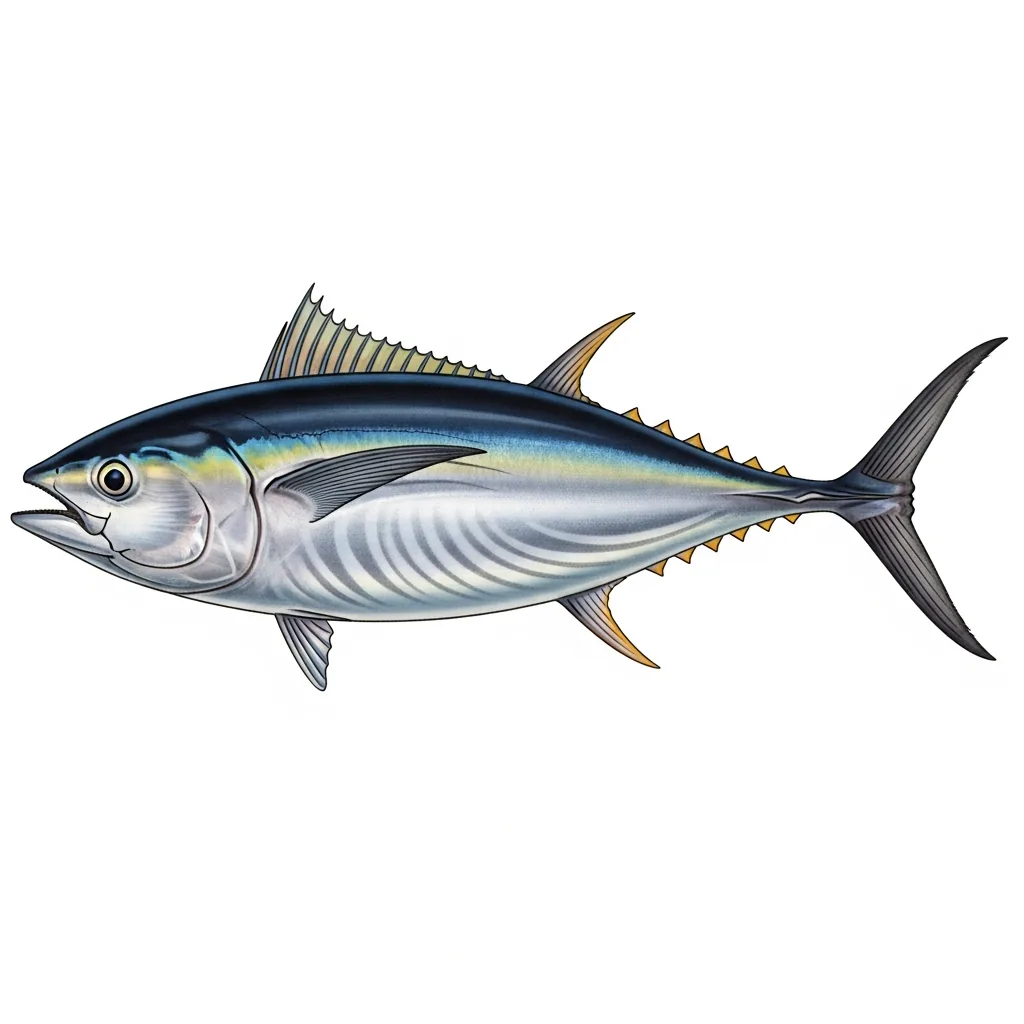 Albacore TunaThunnus alalunga
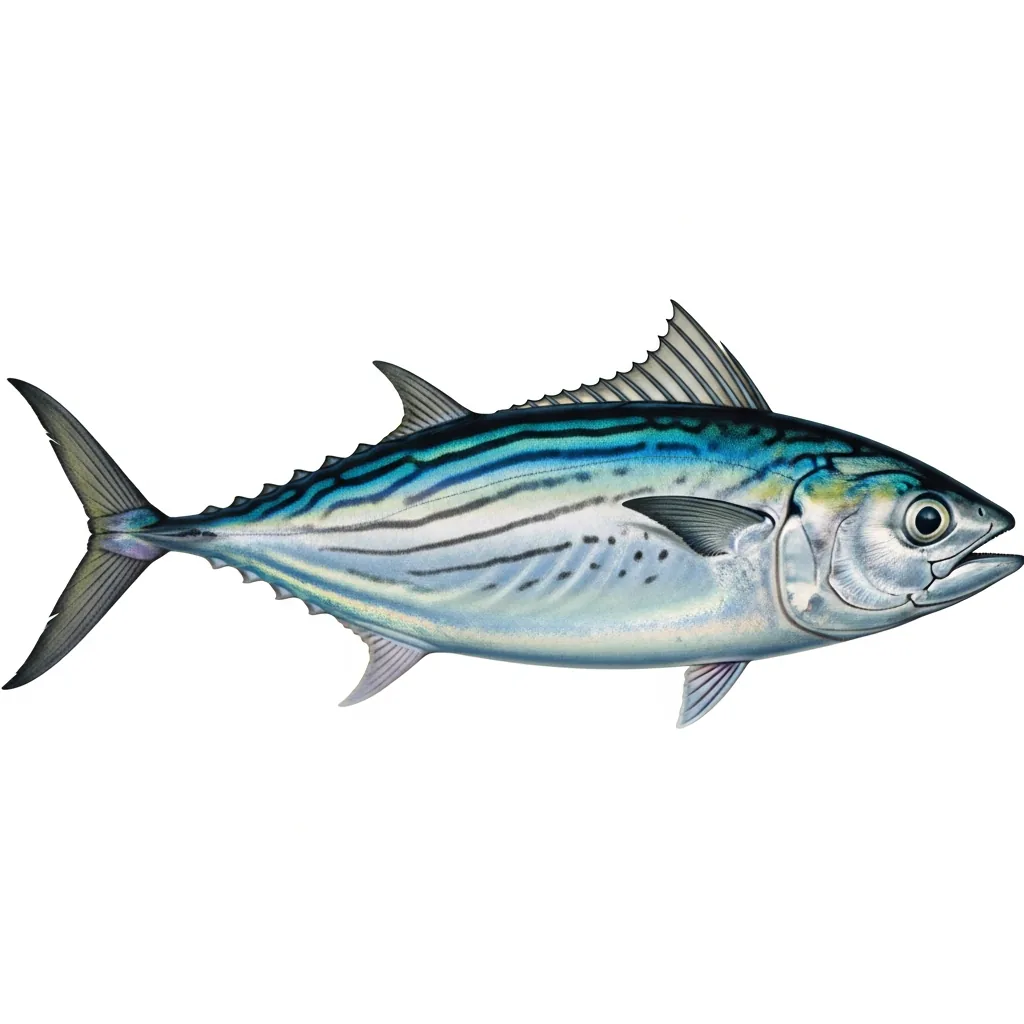 Atlantic bonitoSarda sarda
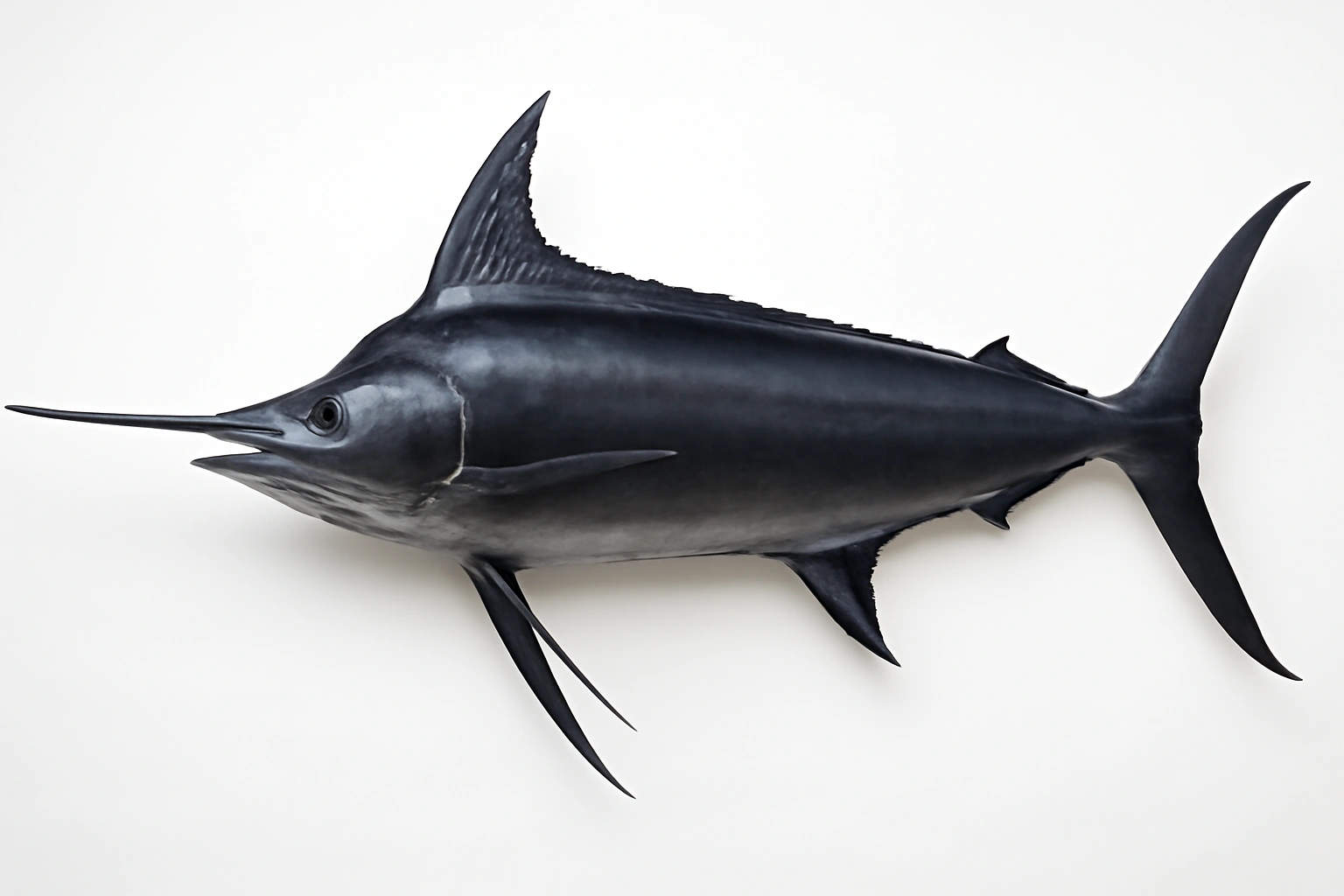 Black MarlinIstiompax indica
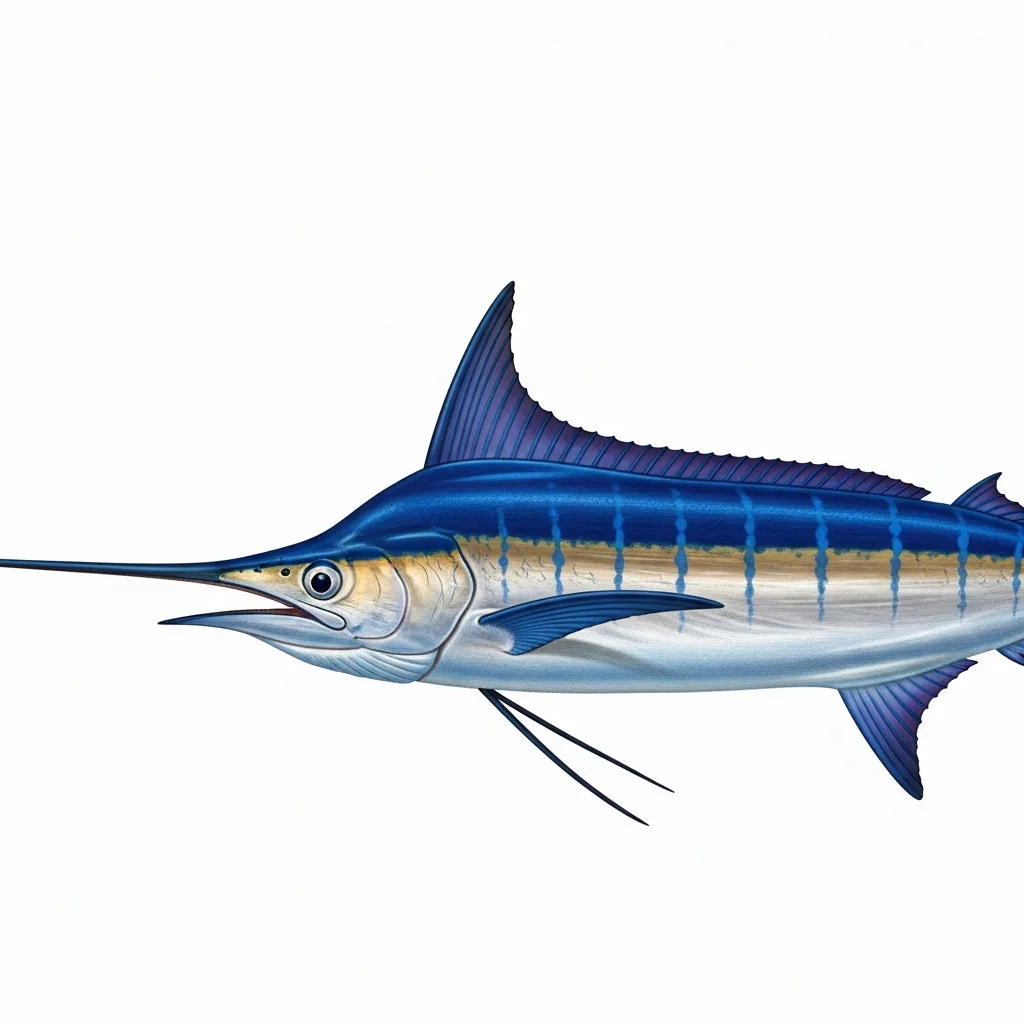 Blue marlinMakaira nigricans
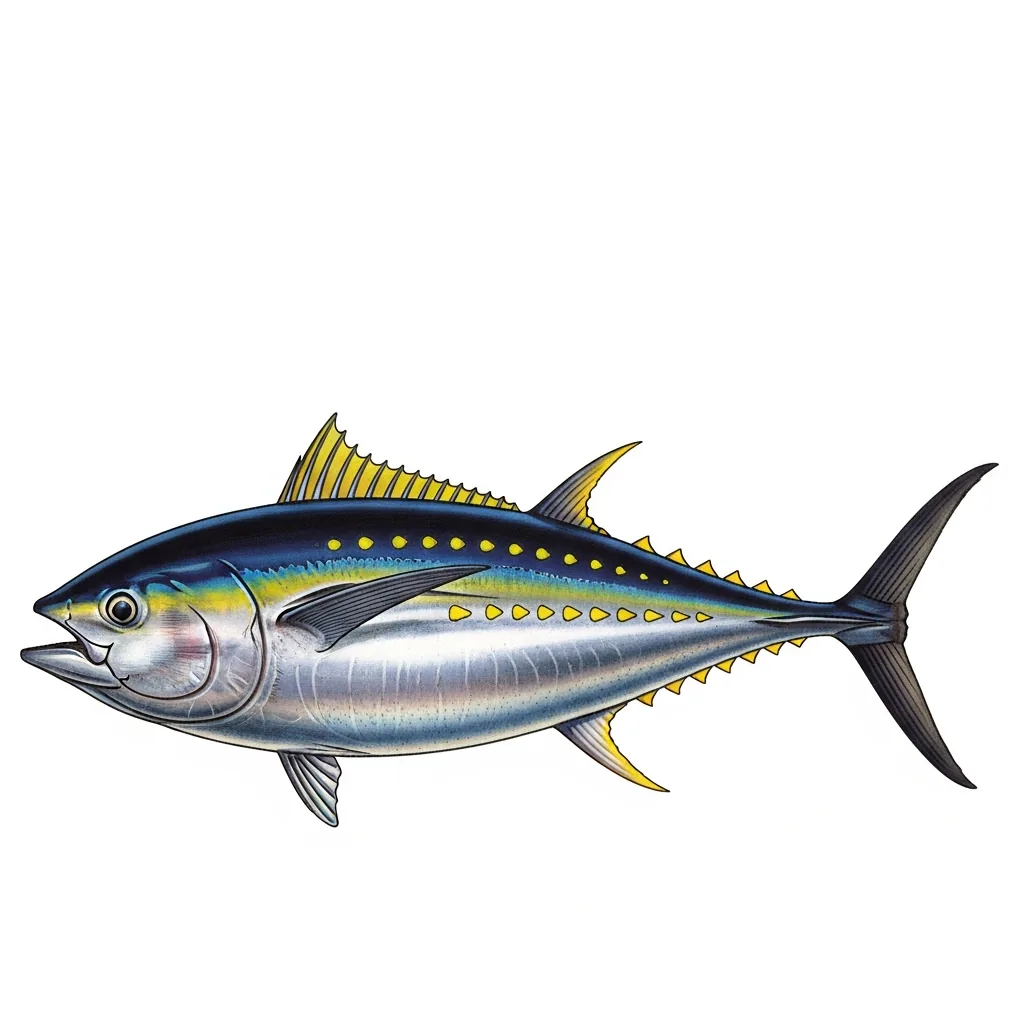 Bluefin tunaThunnus thynnus
 Bluefish / TailorPomatomus saltatrix
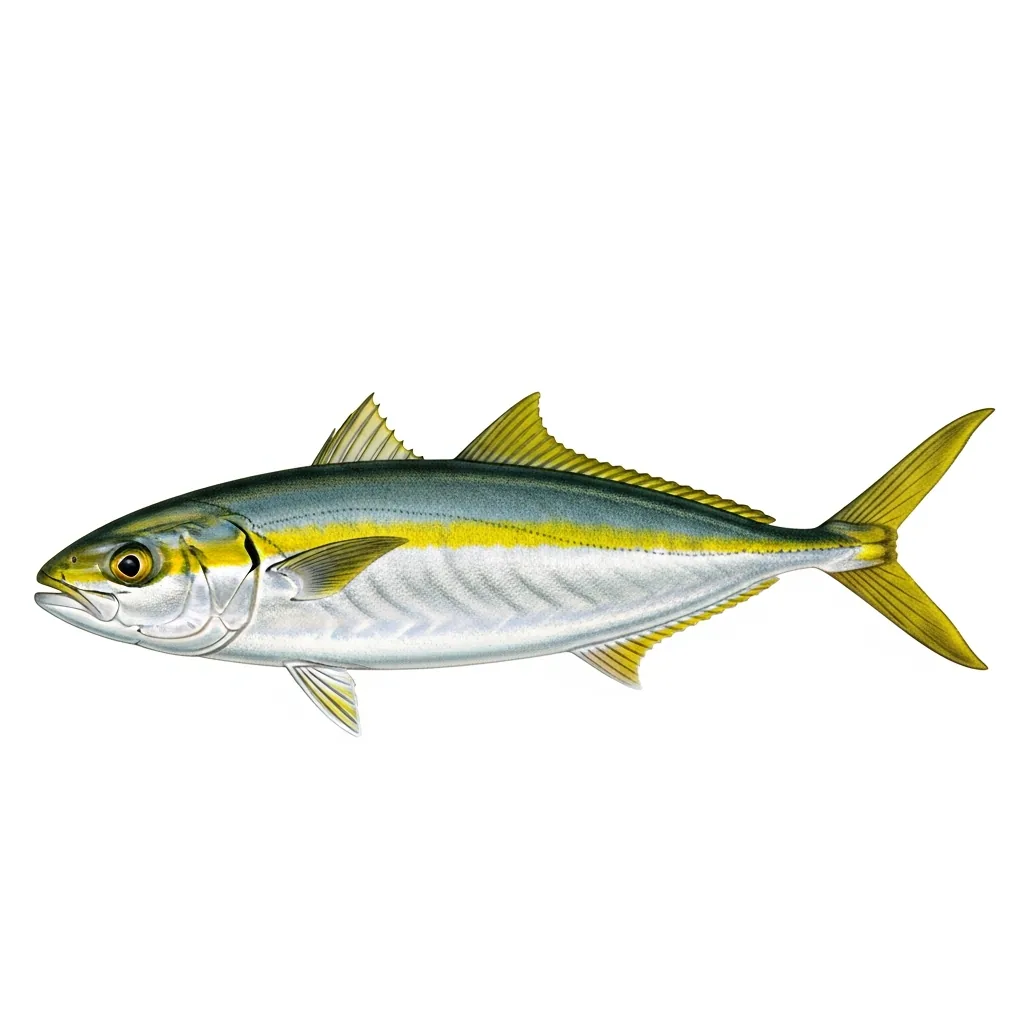 California YellowtailSeriola dorsalis
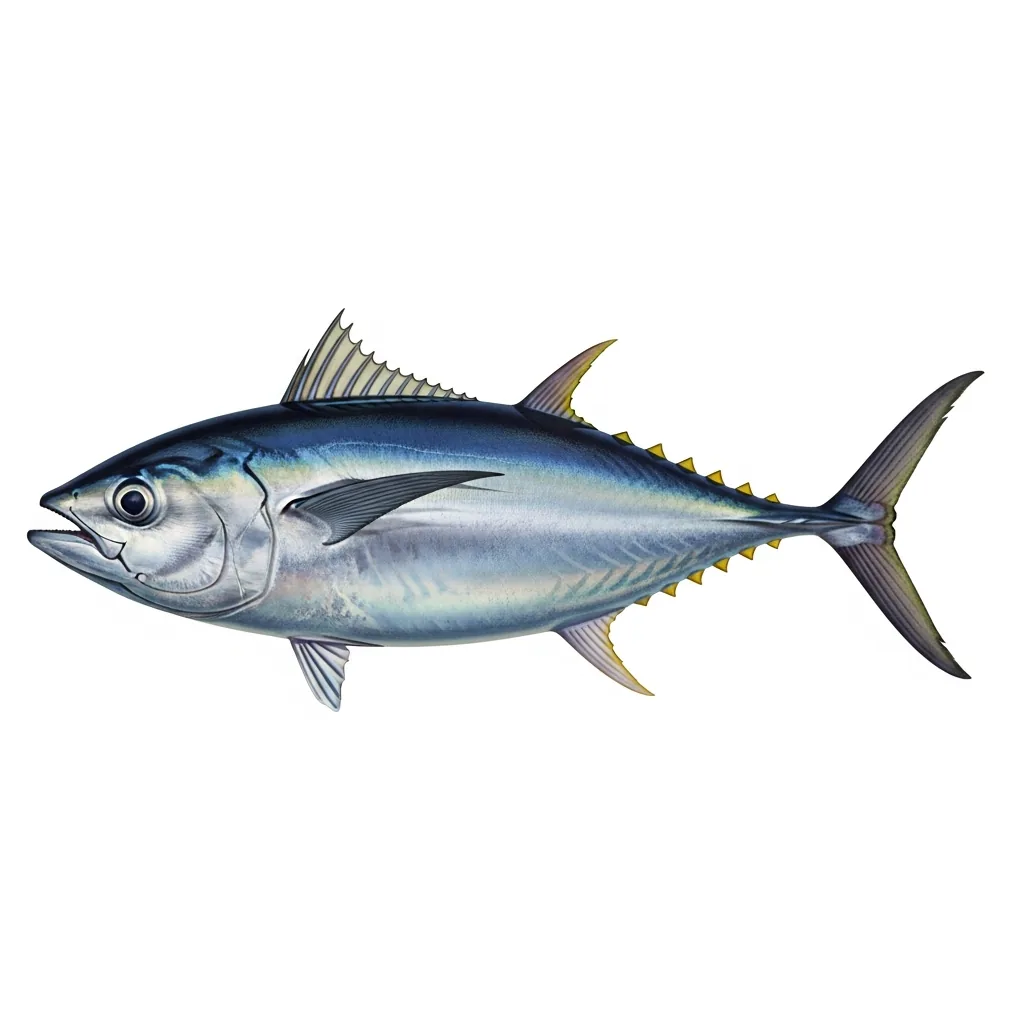 Dogtooth tunaGymnosarda unicolor
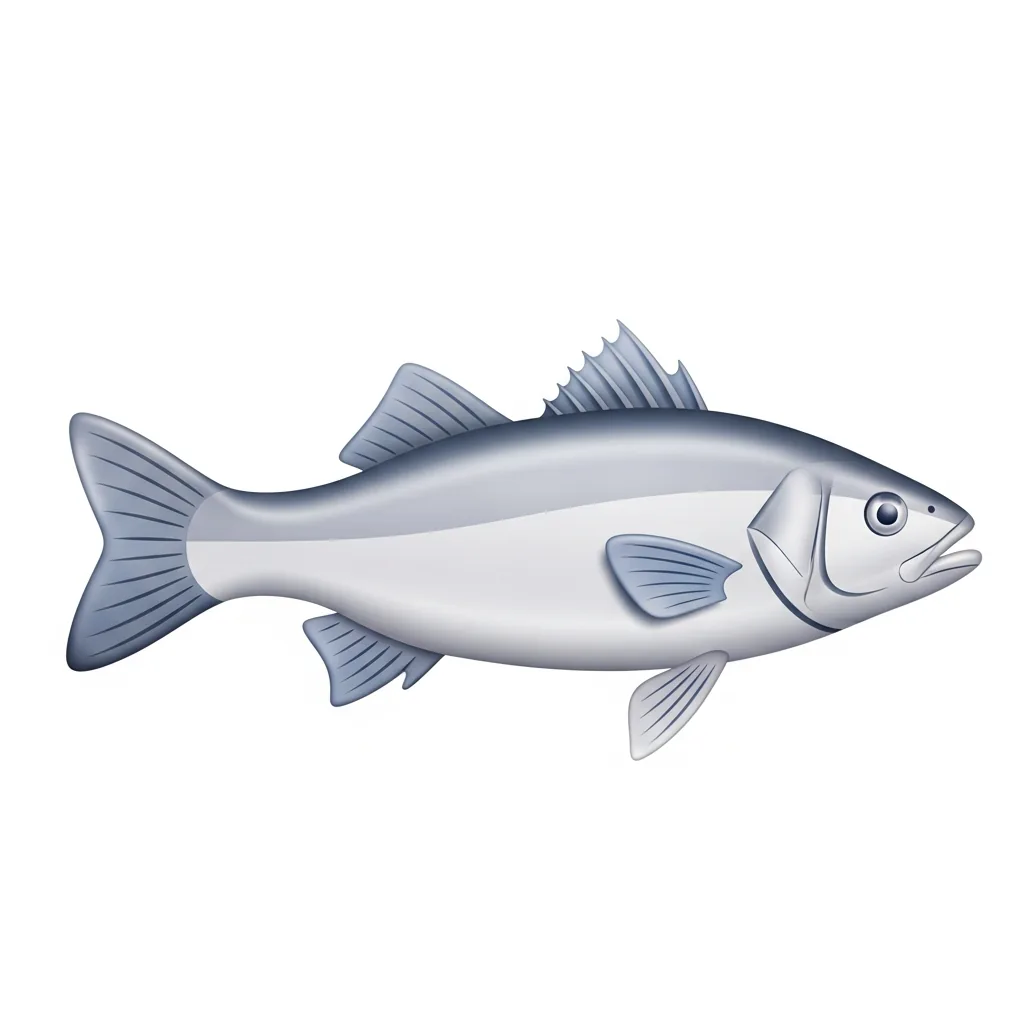 European sea bassDicentrarchus labrax
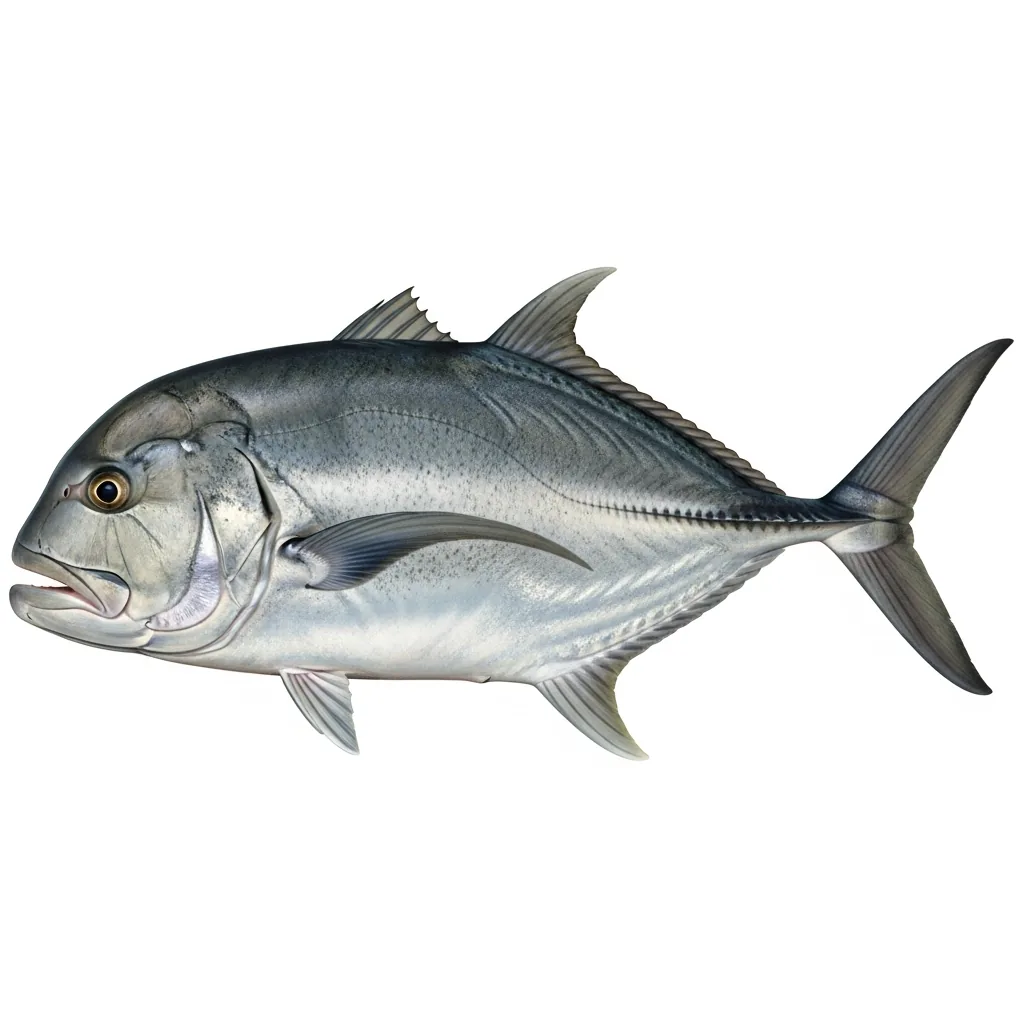 Giant trevallyCaranx ignobilis
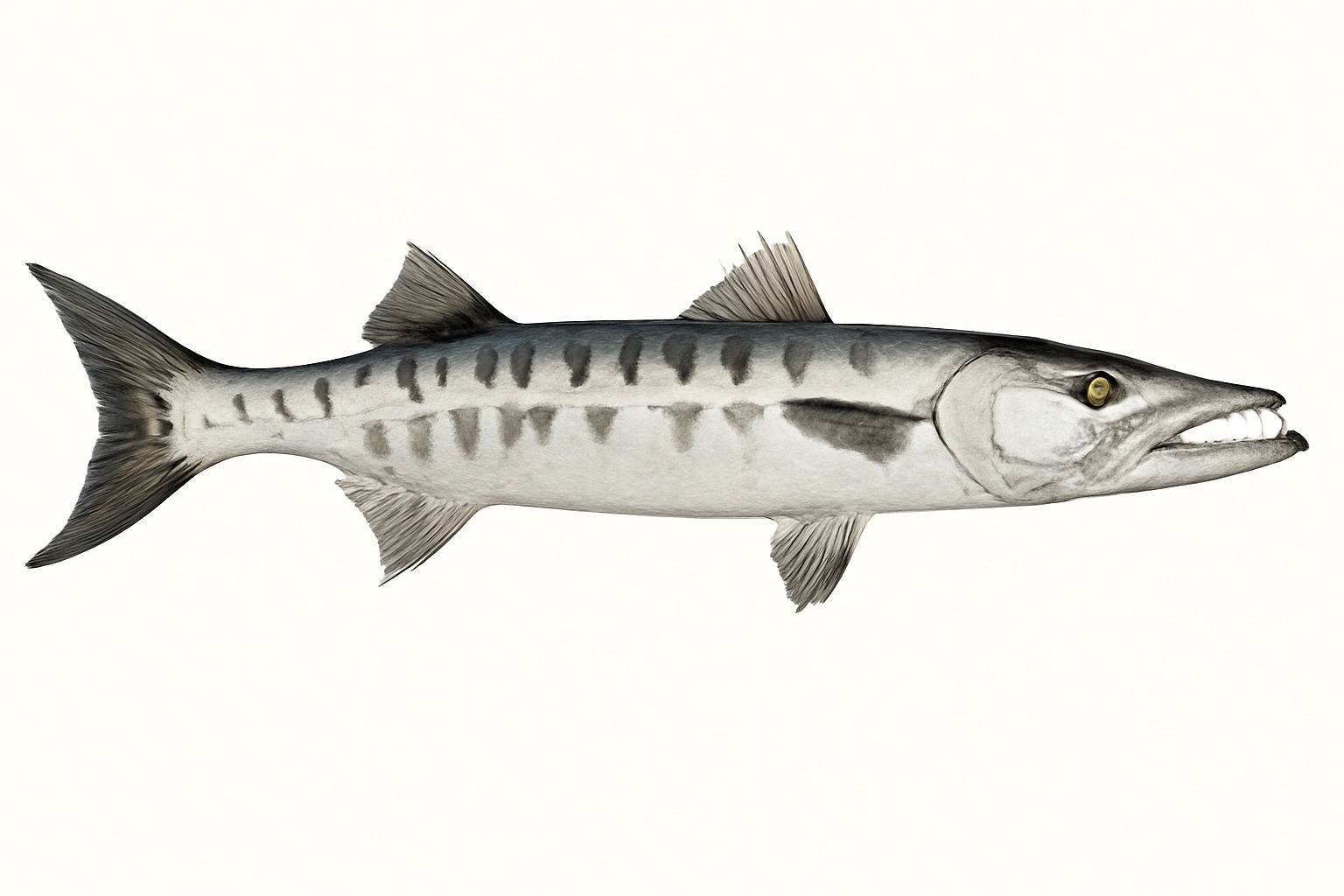 Great barracudaSphyraena barracuda
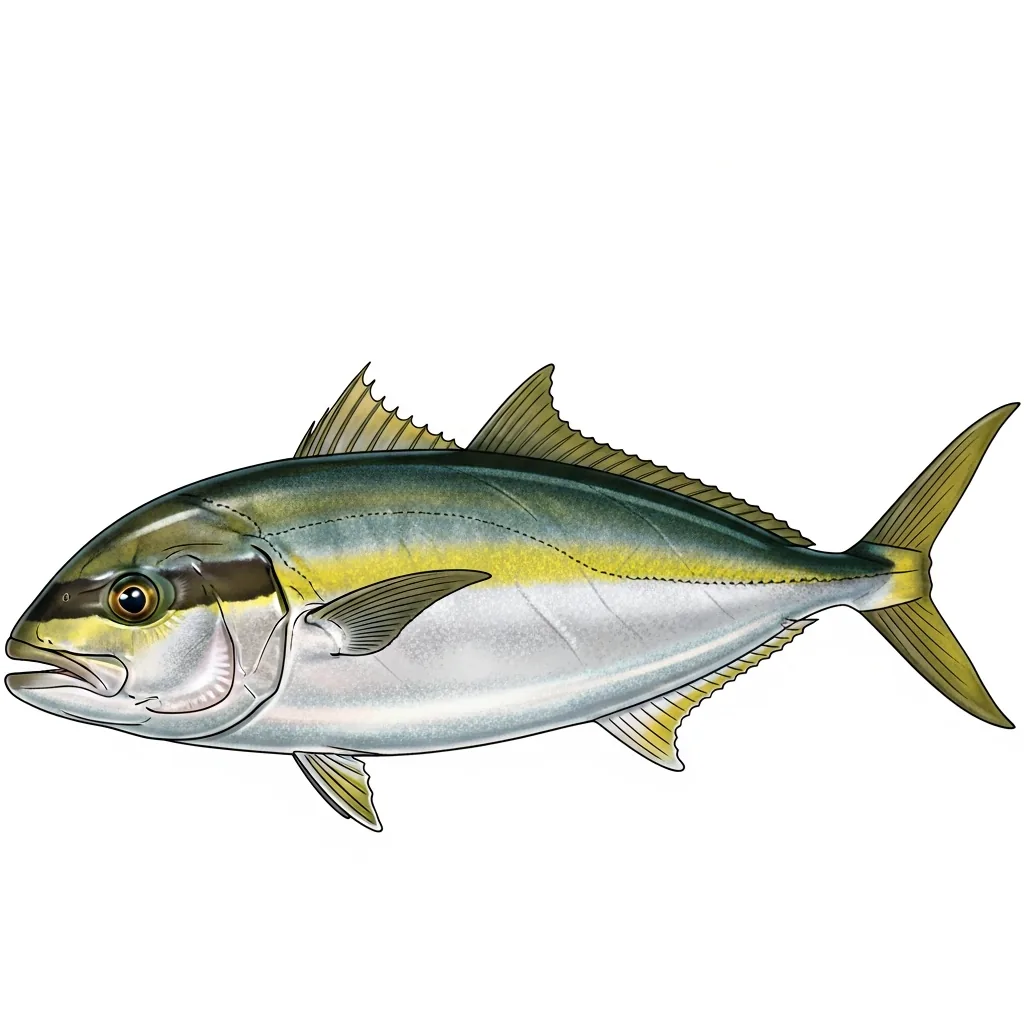 Greater amberjackSeriola dumerili
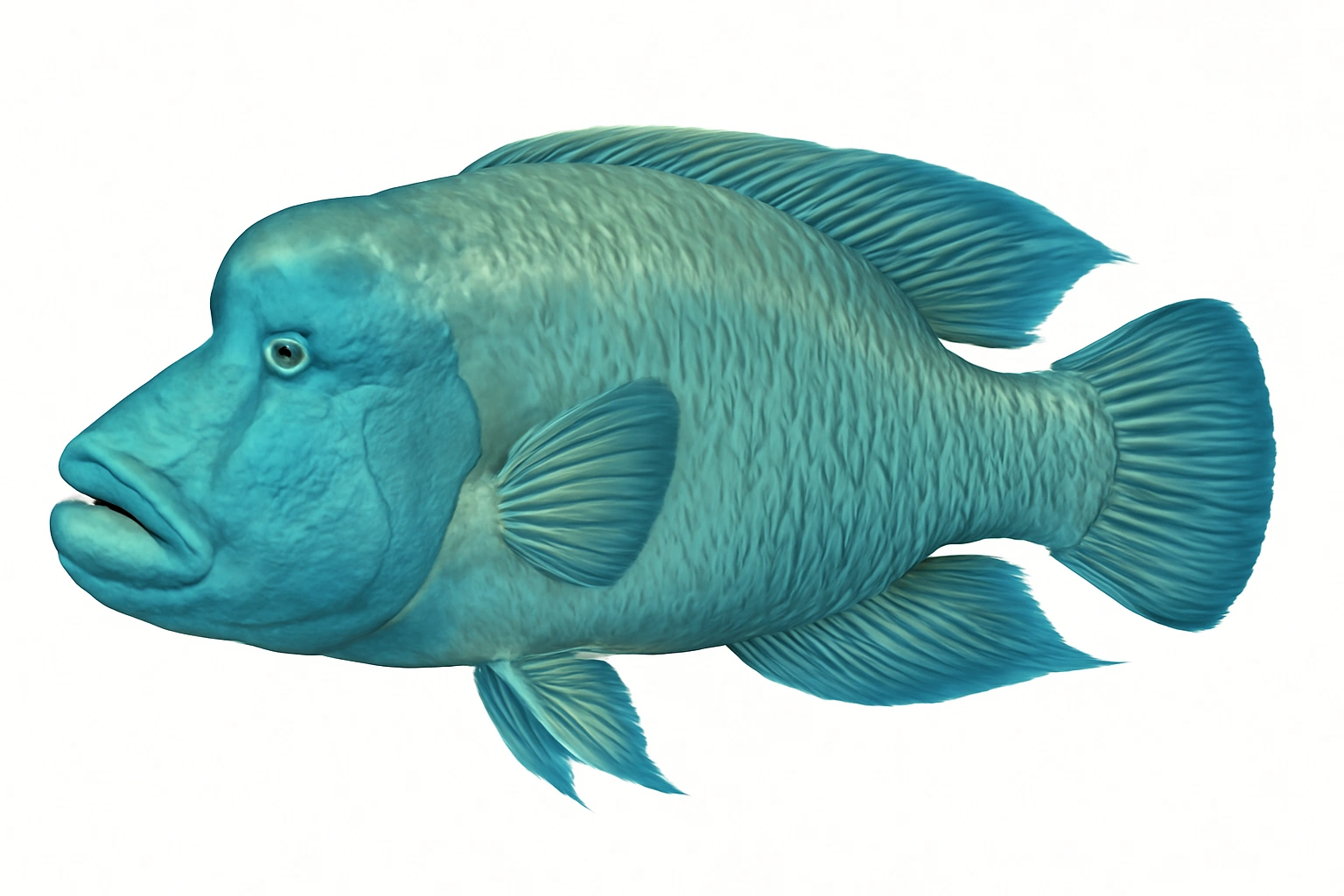 Humphead wrasseCheilinus undulatus
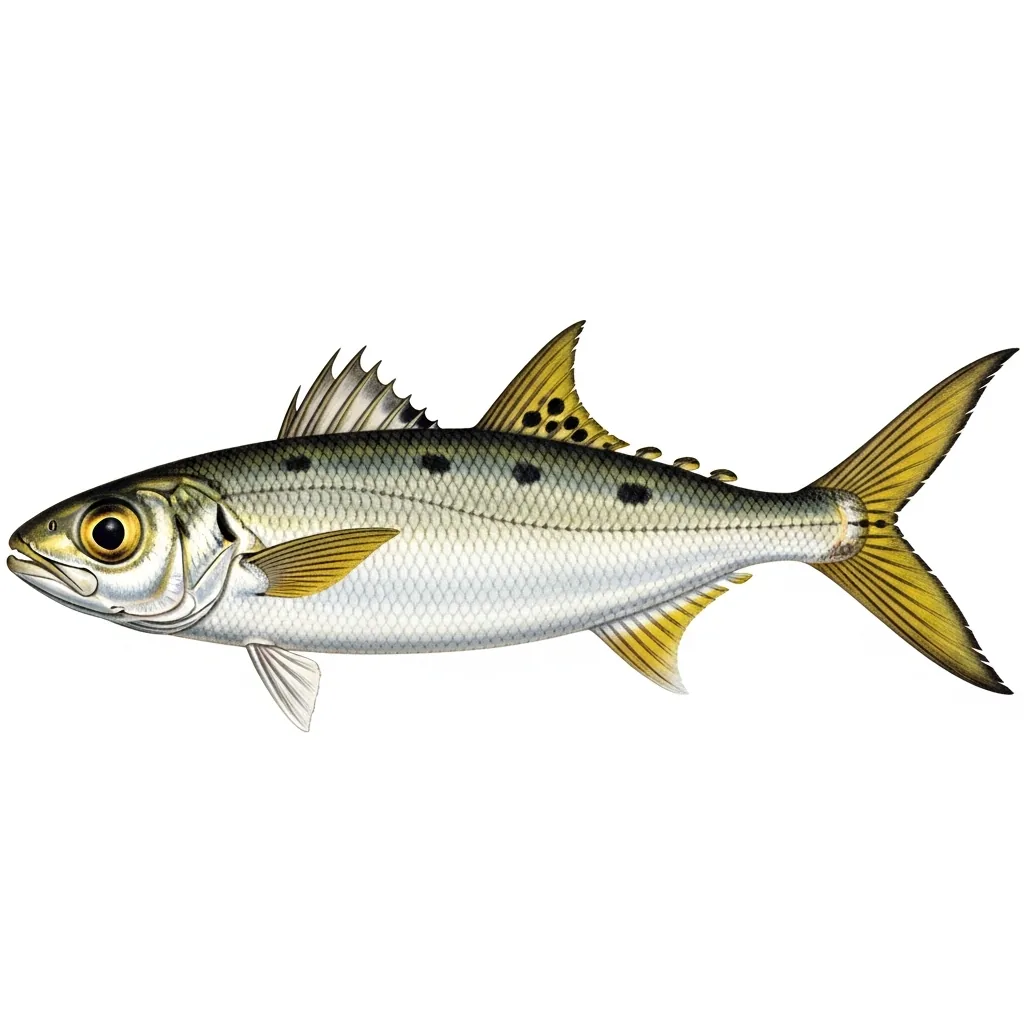 LeerfishLichia amia
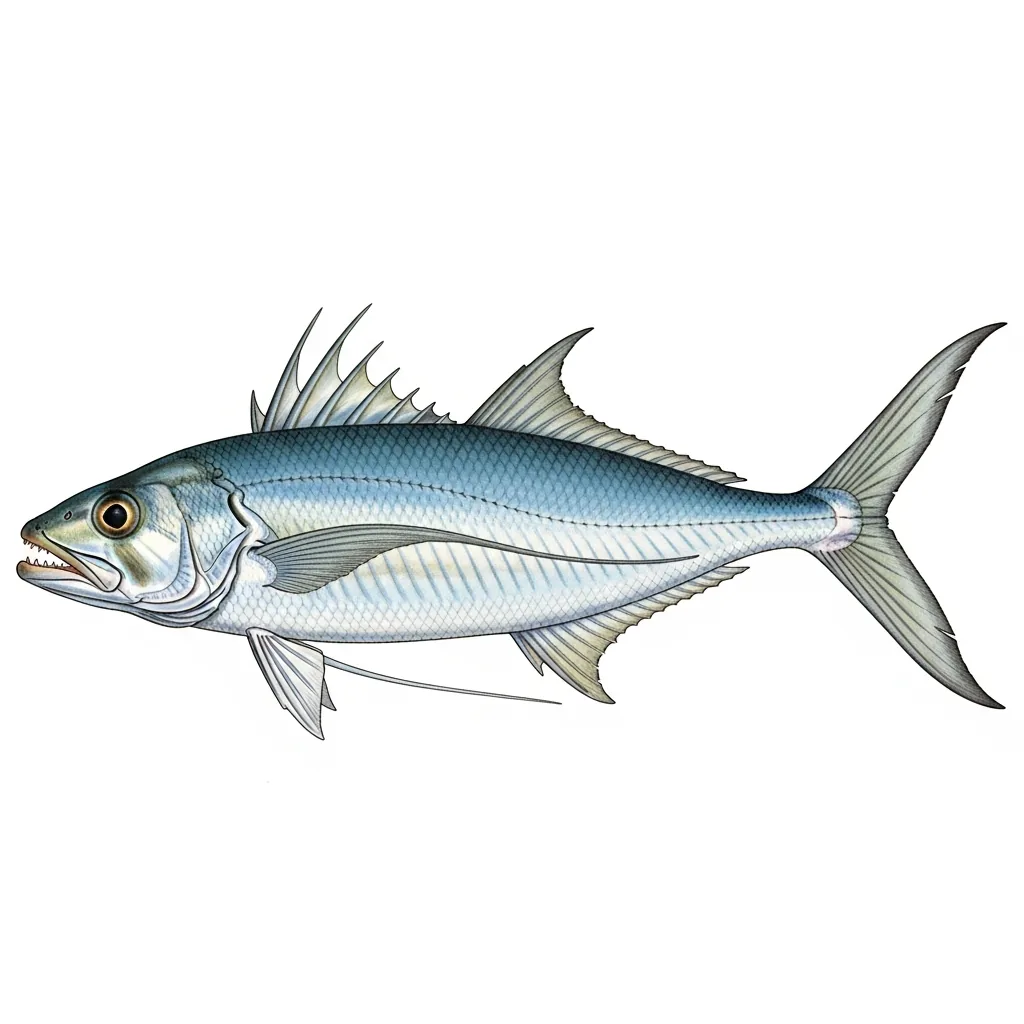 LeerfishTrachinotus ovatus
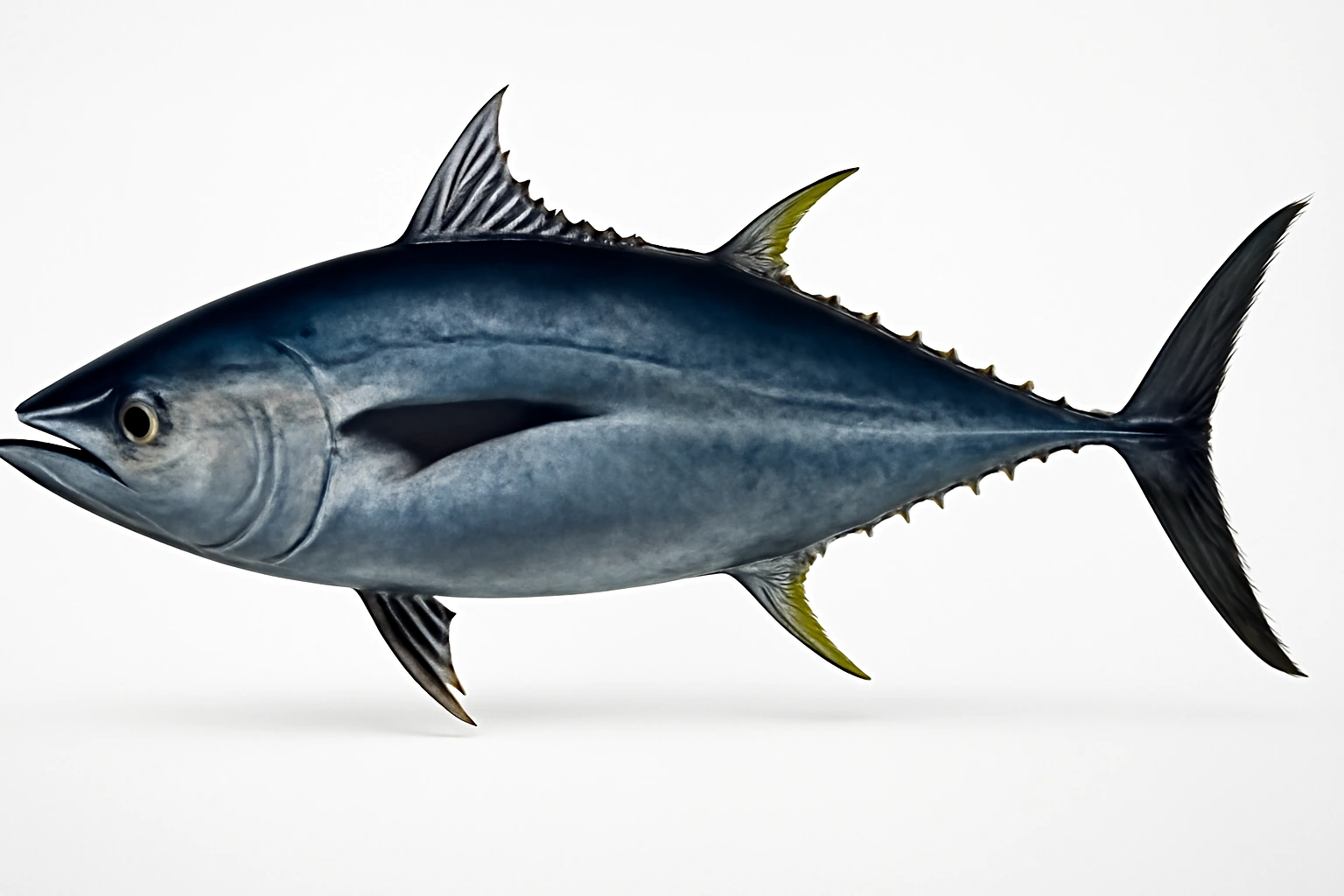 Longtail TunaThunnus tonggol
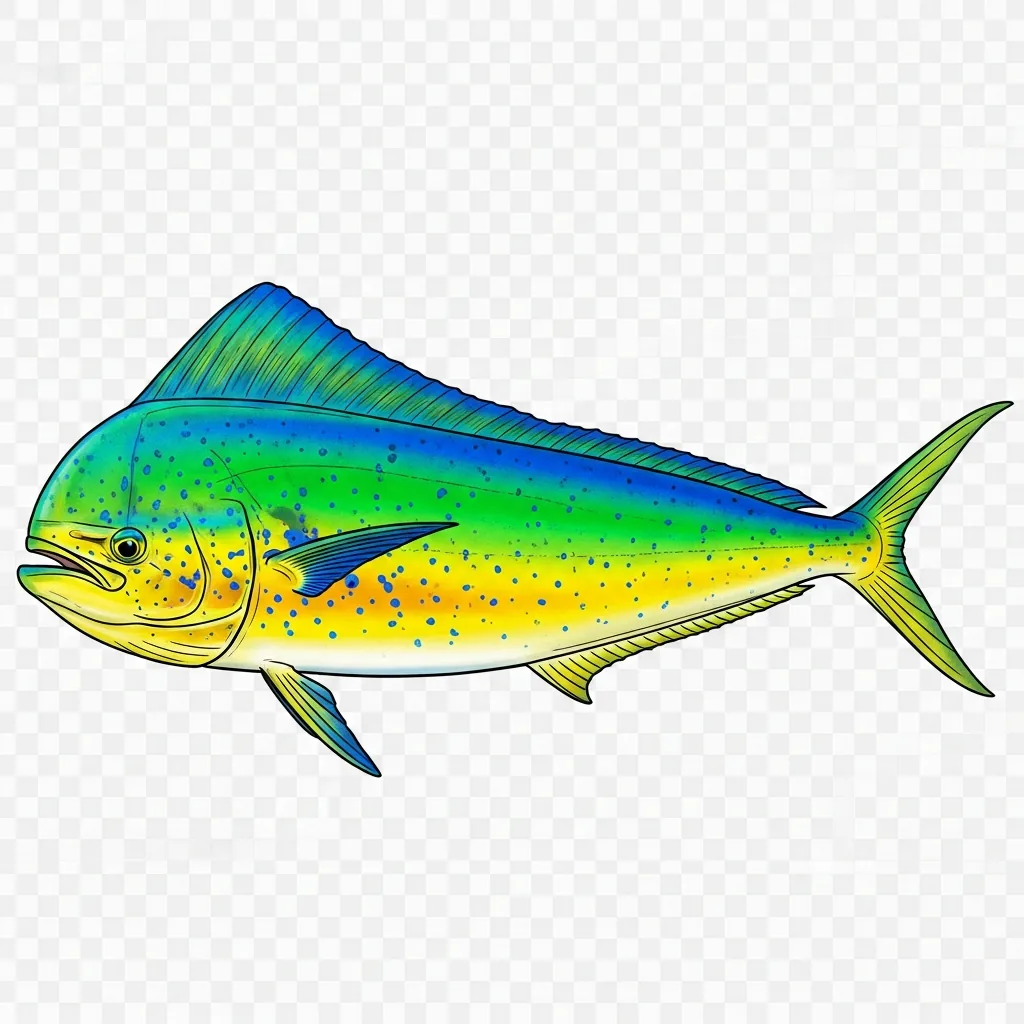 Mahi-mahi / DolphinfishCoryphaena hippurus
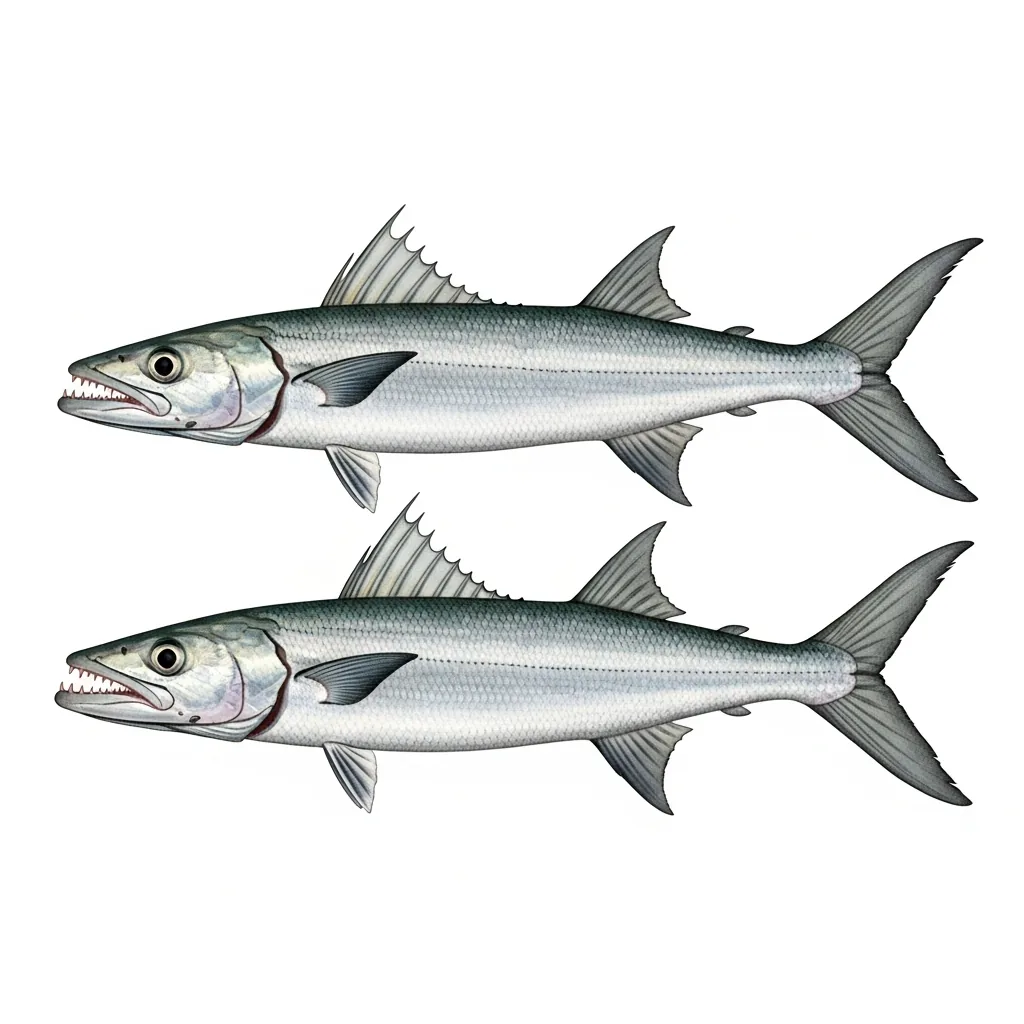 Pacific BarracudaSphyraena argentea
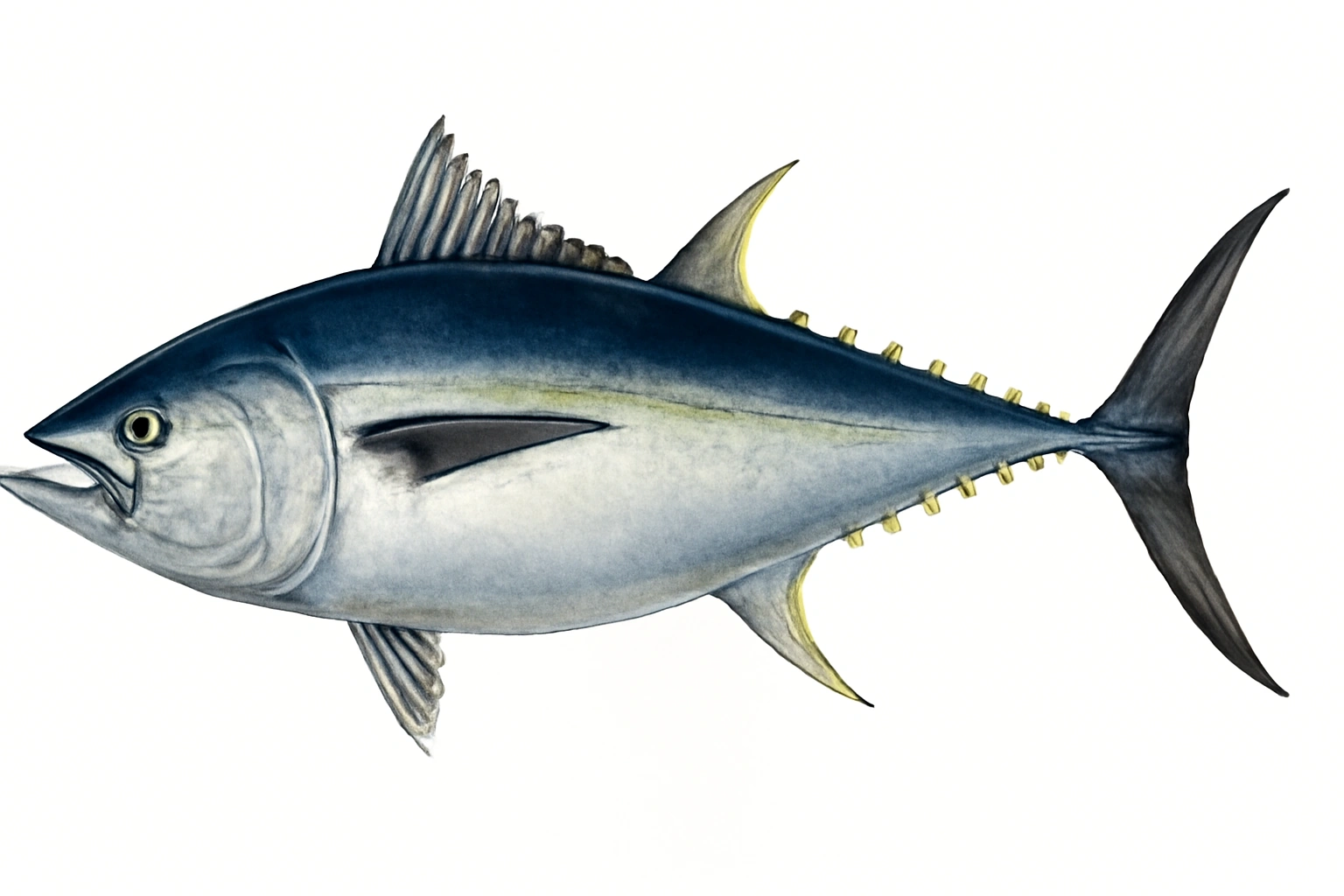 Pacific bluefin tunaThunnus orientalis
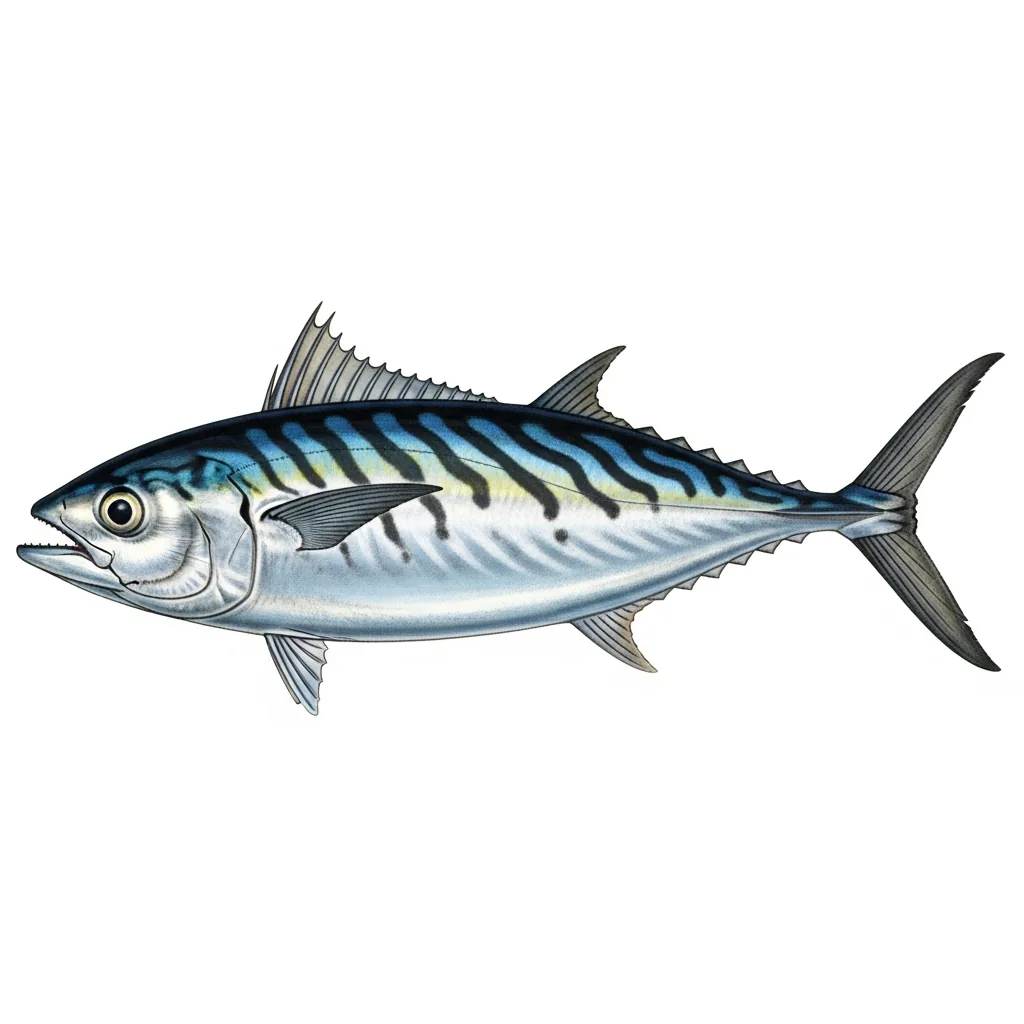 Pacific BonitoSarda chiliensis
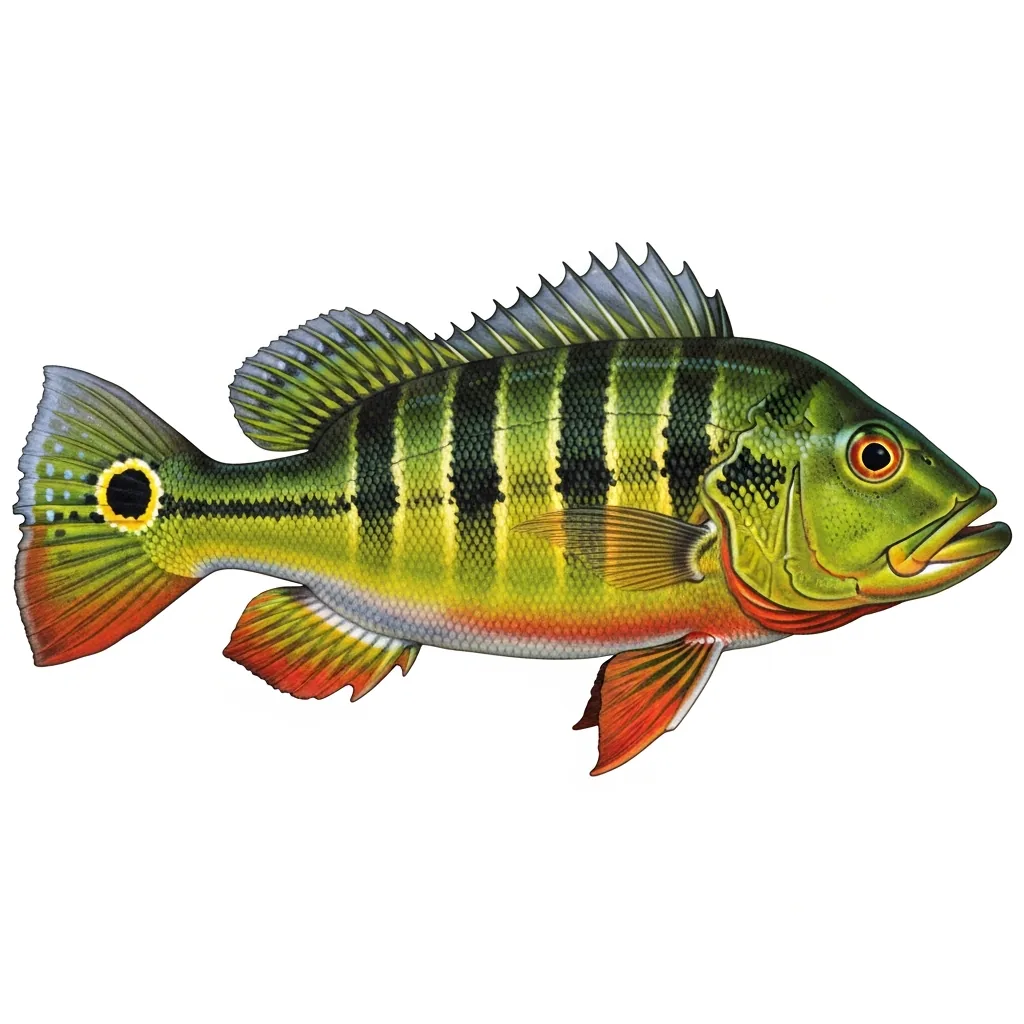 Peacock bassCichla ocellaris
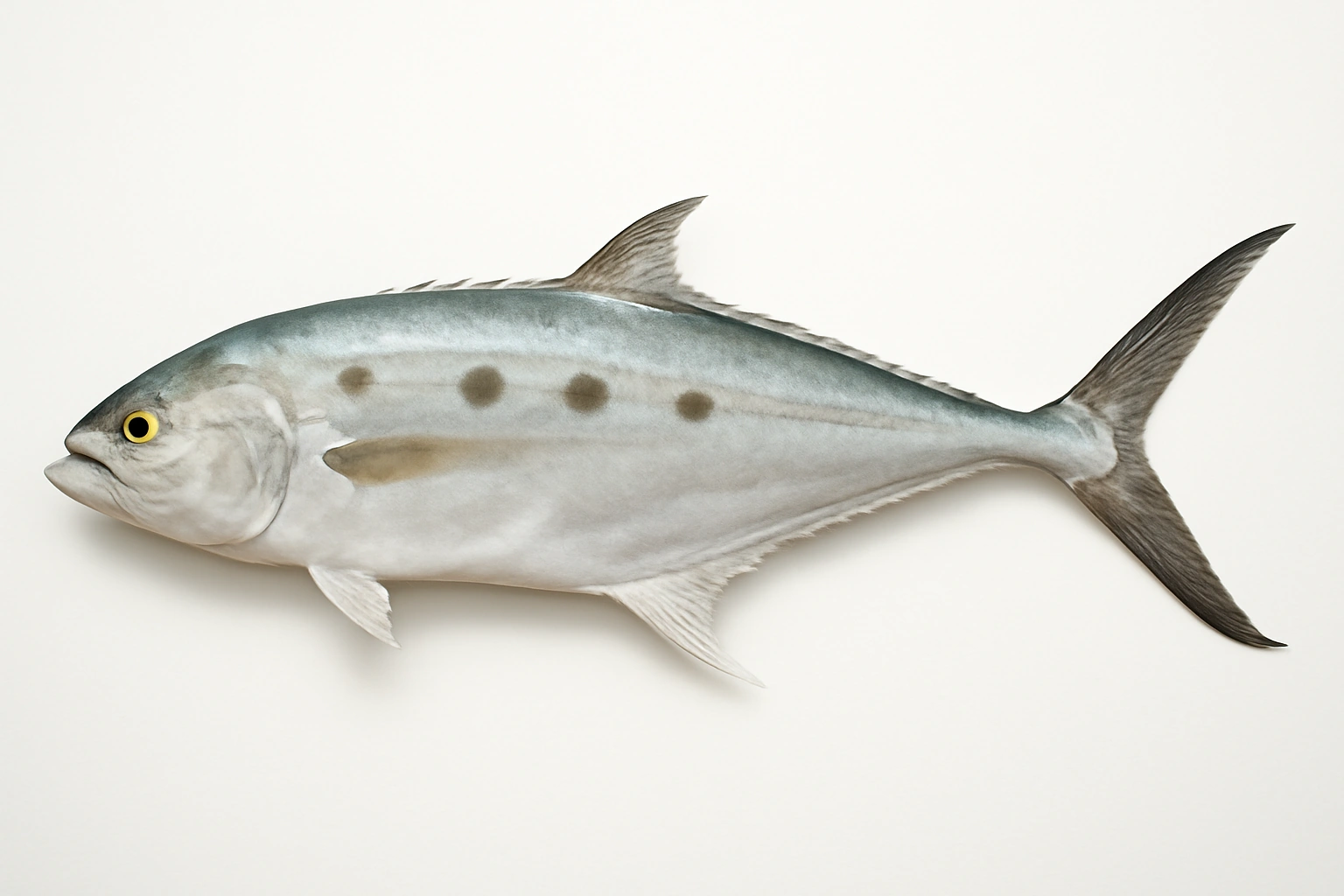 QueenfishScomberoides commersonnianus
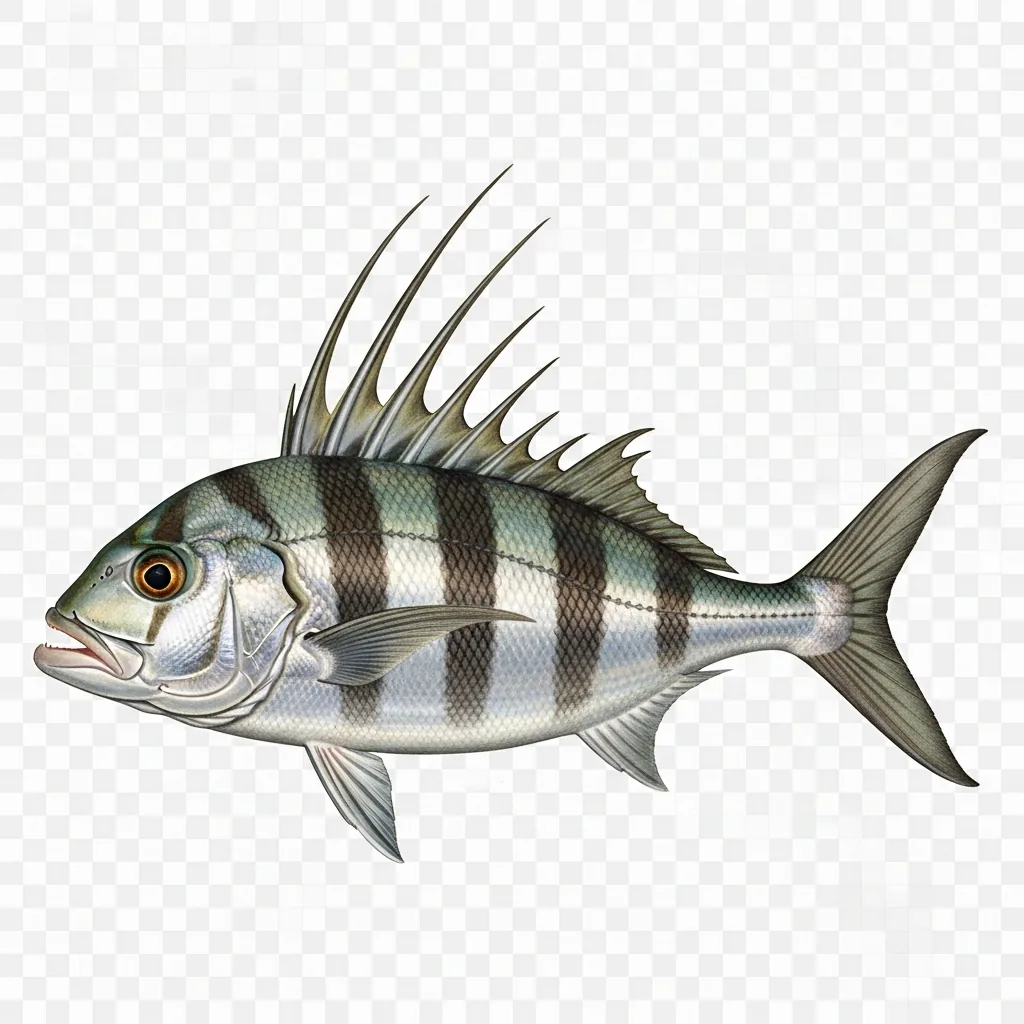 RoosterfishNematistius pectoralis
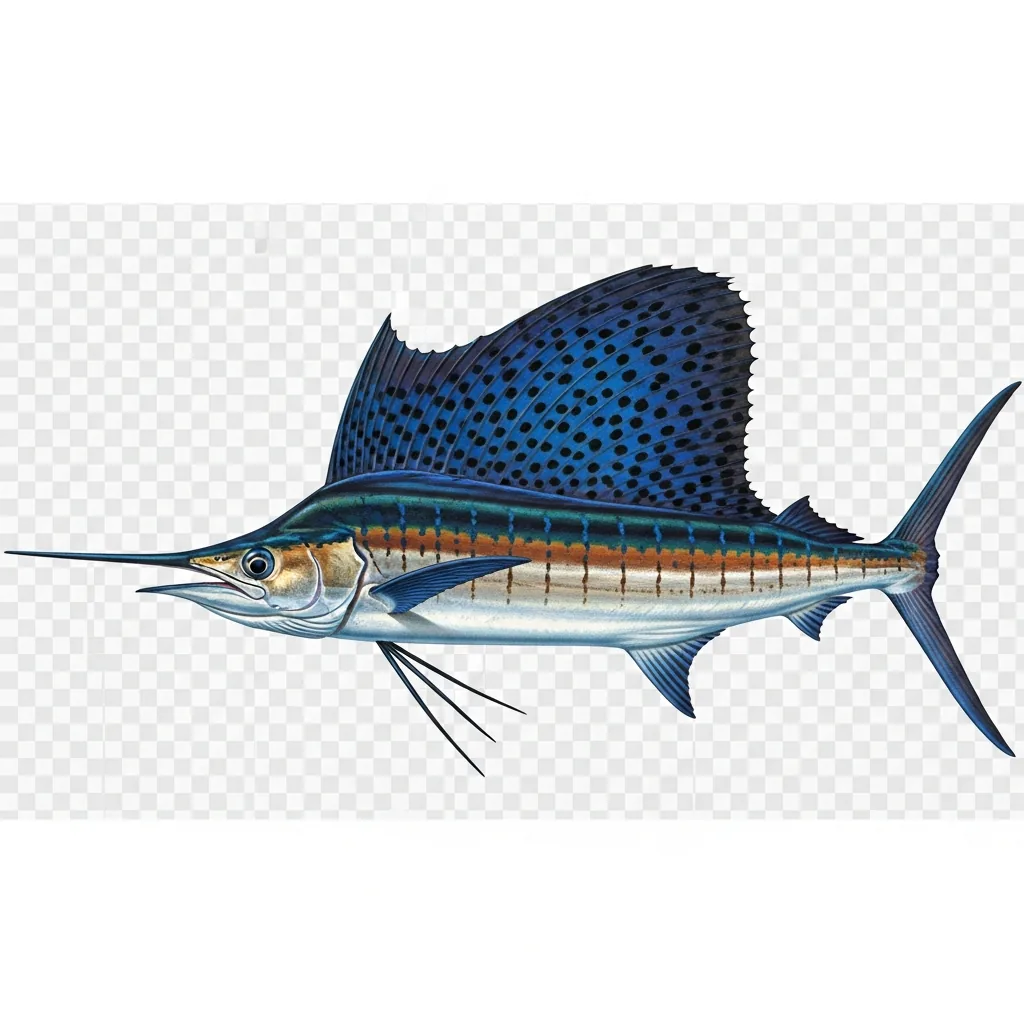 SailfishIstiophorus platypterus
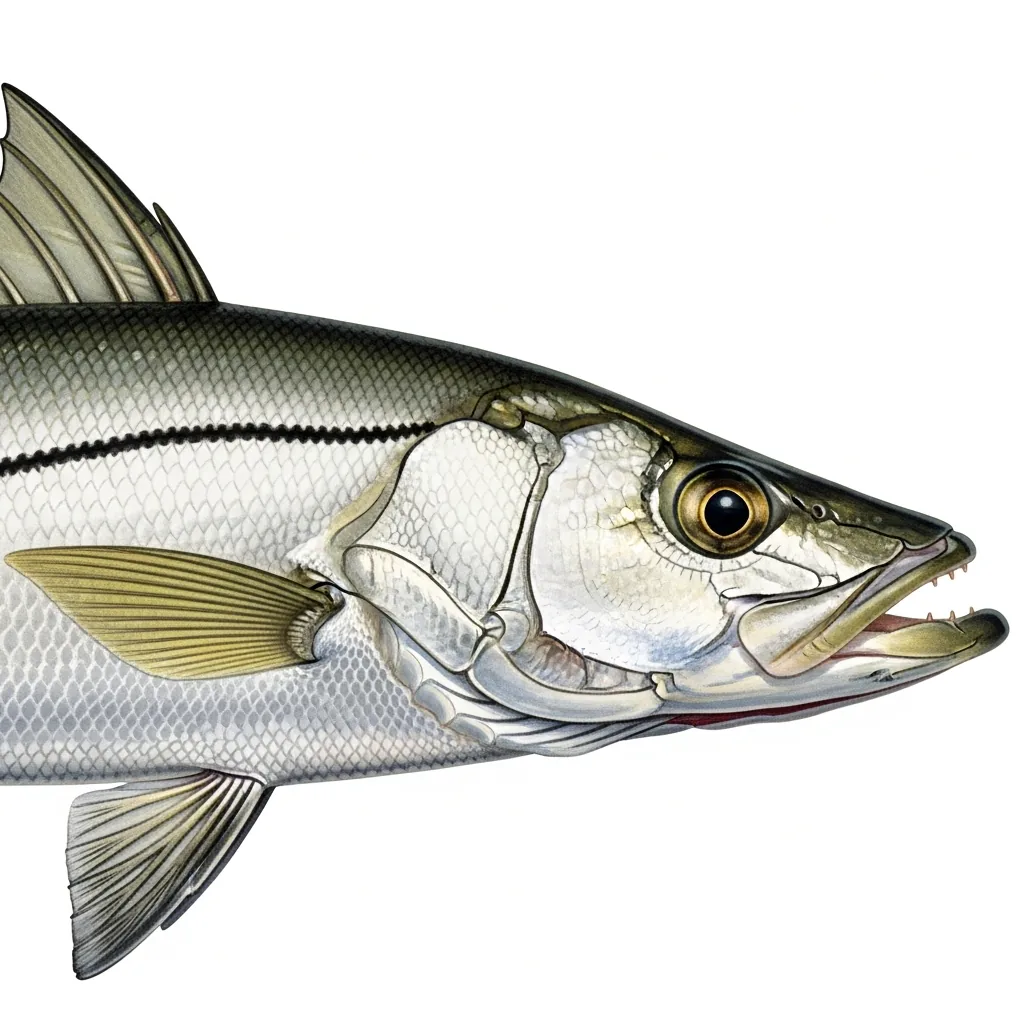 SnookCentropomus undecimalis
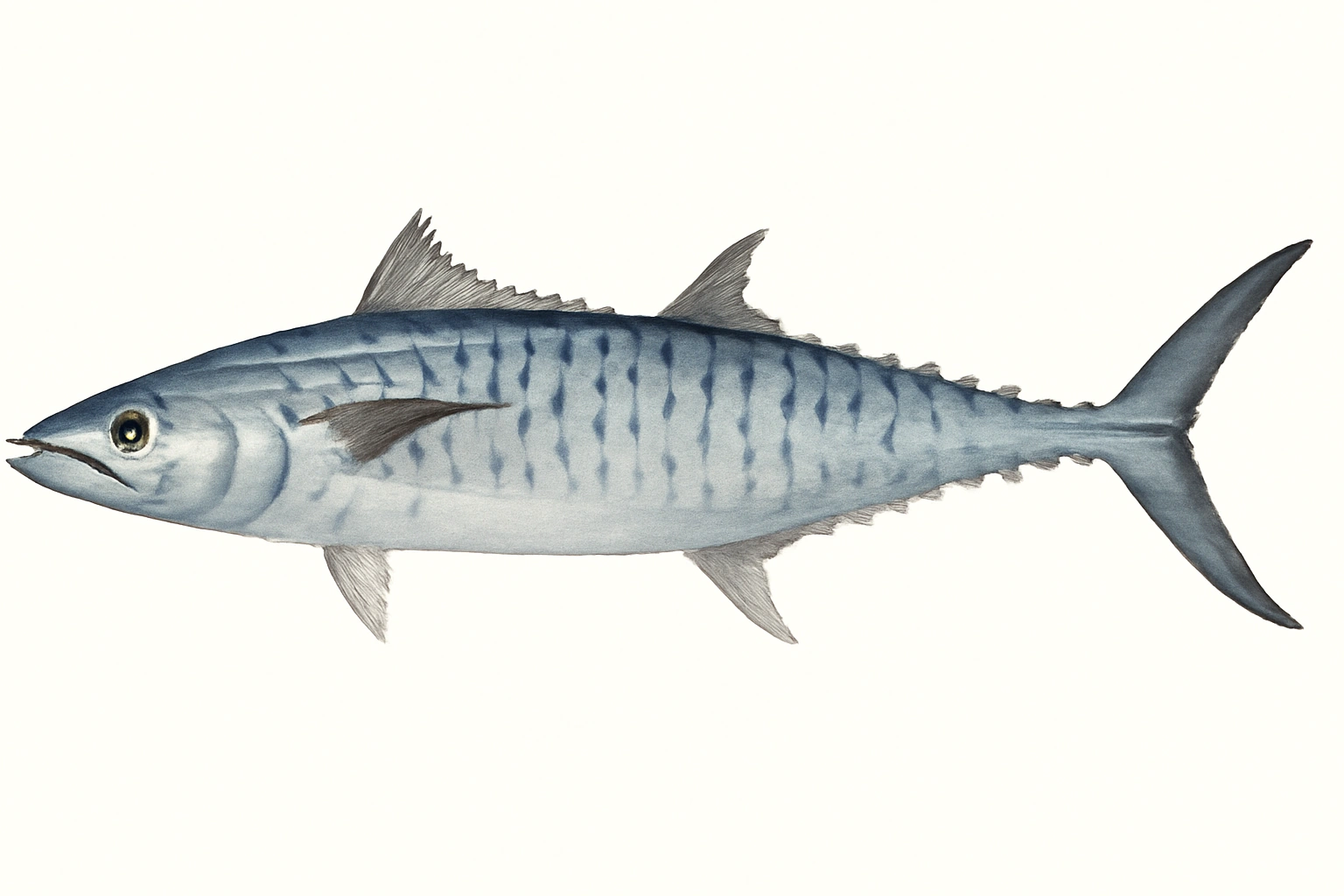 Spanish mackerelScomberomorus commerson
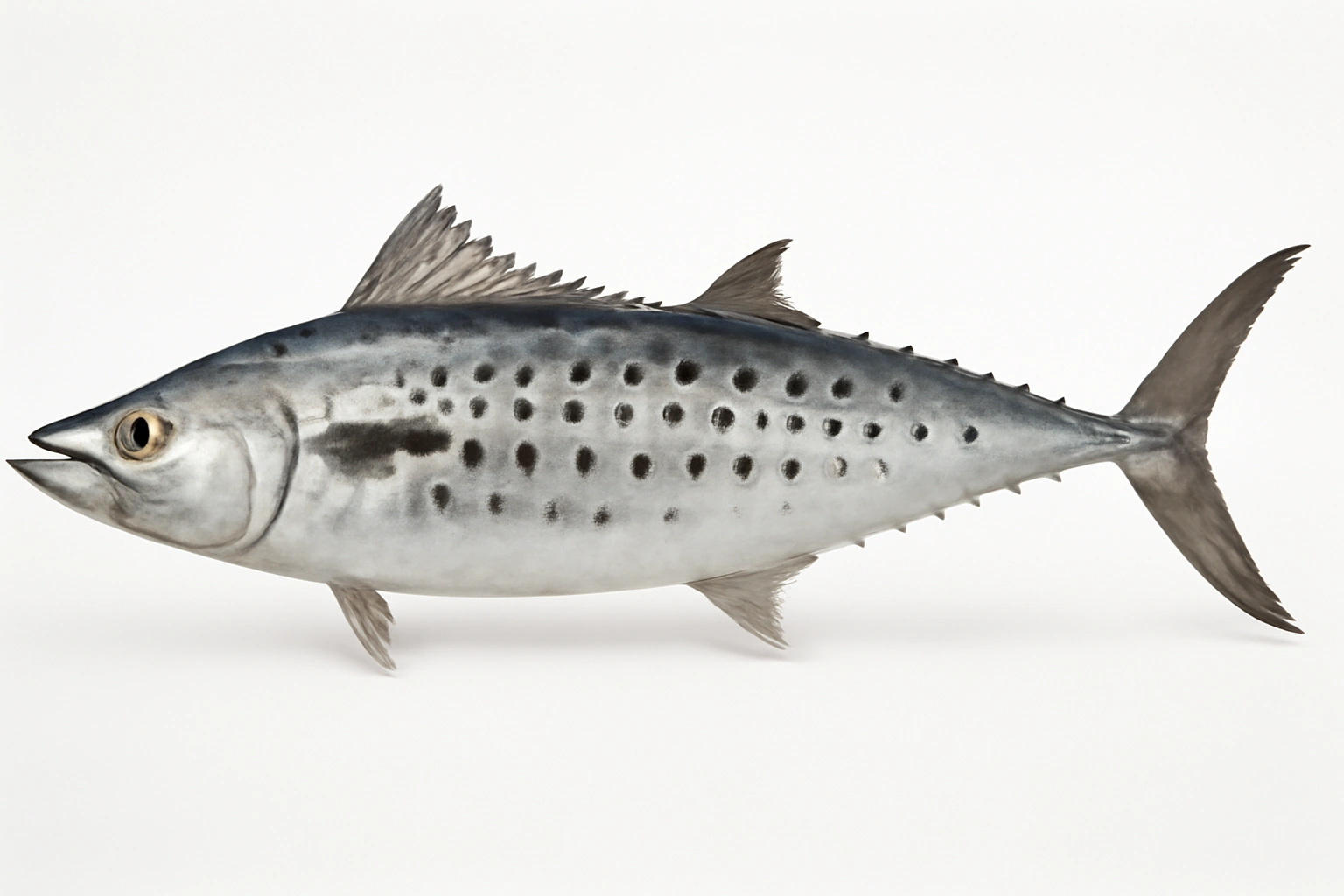 Spotted MackerelScomberomorus munroi
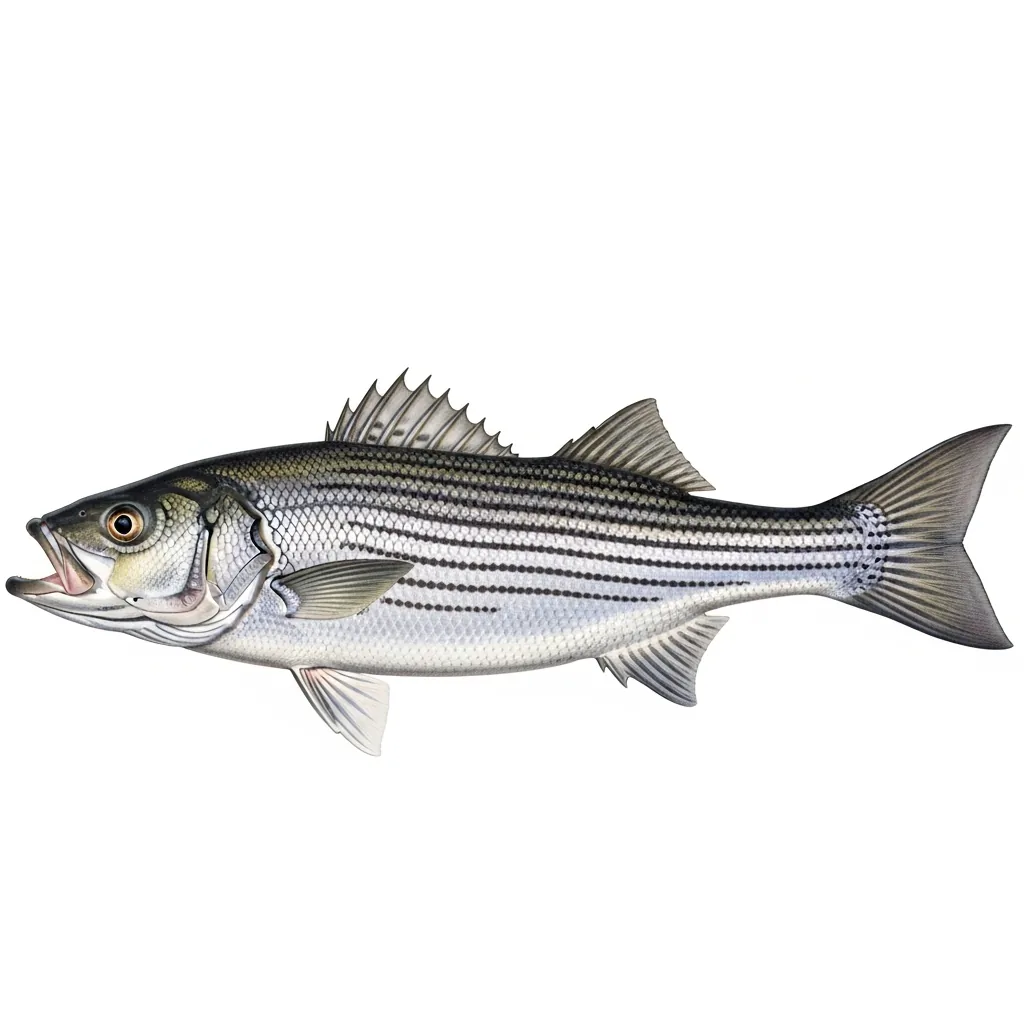 Striped bassMorone saxatilis
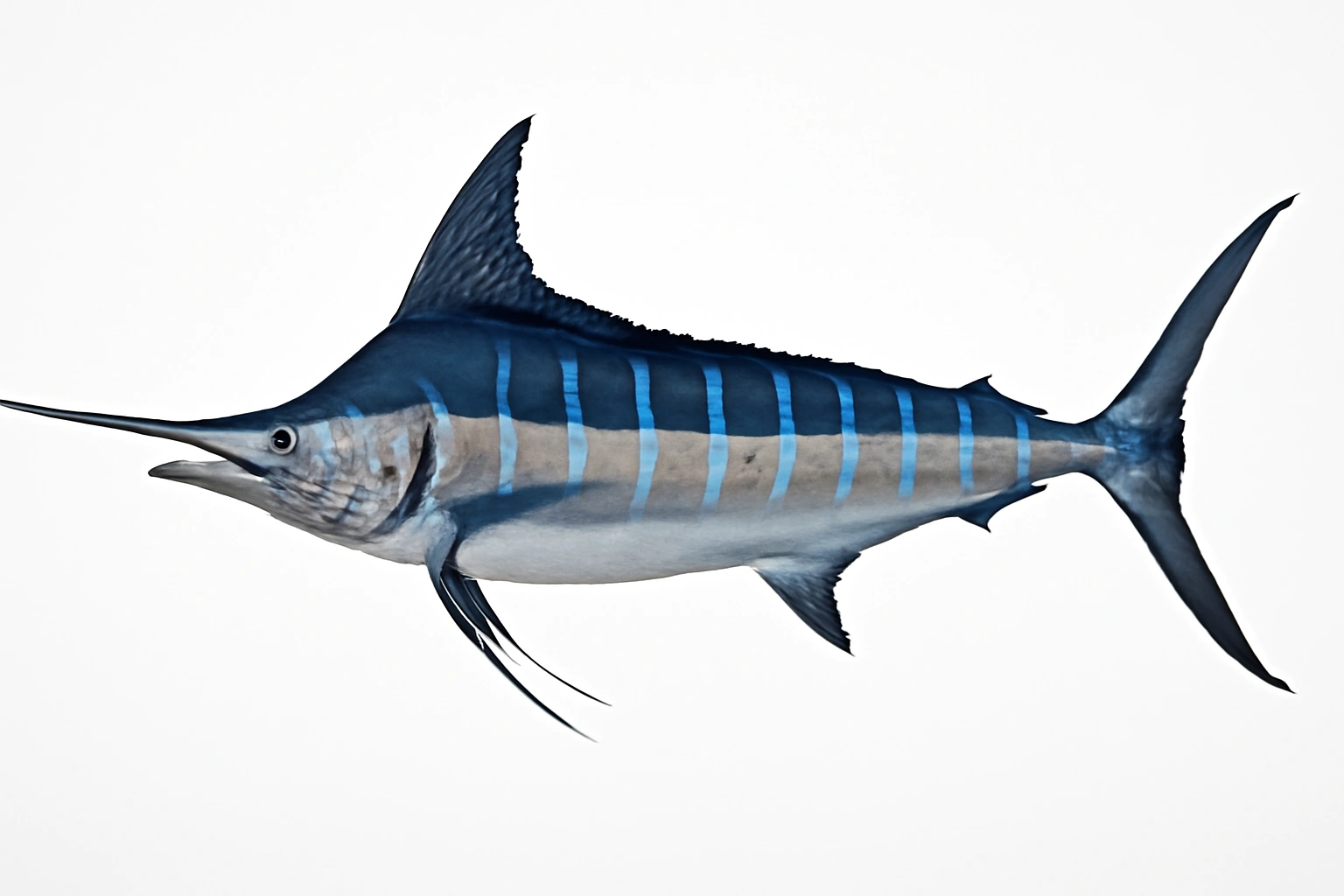 Striped MarlinKajikia audax
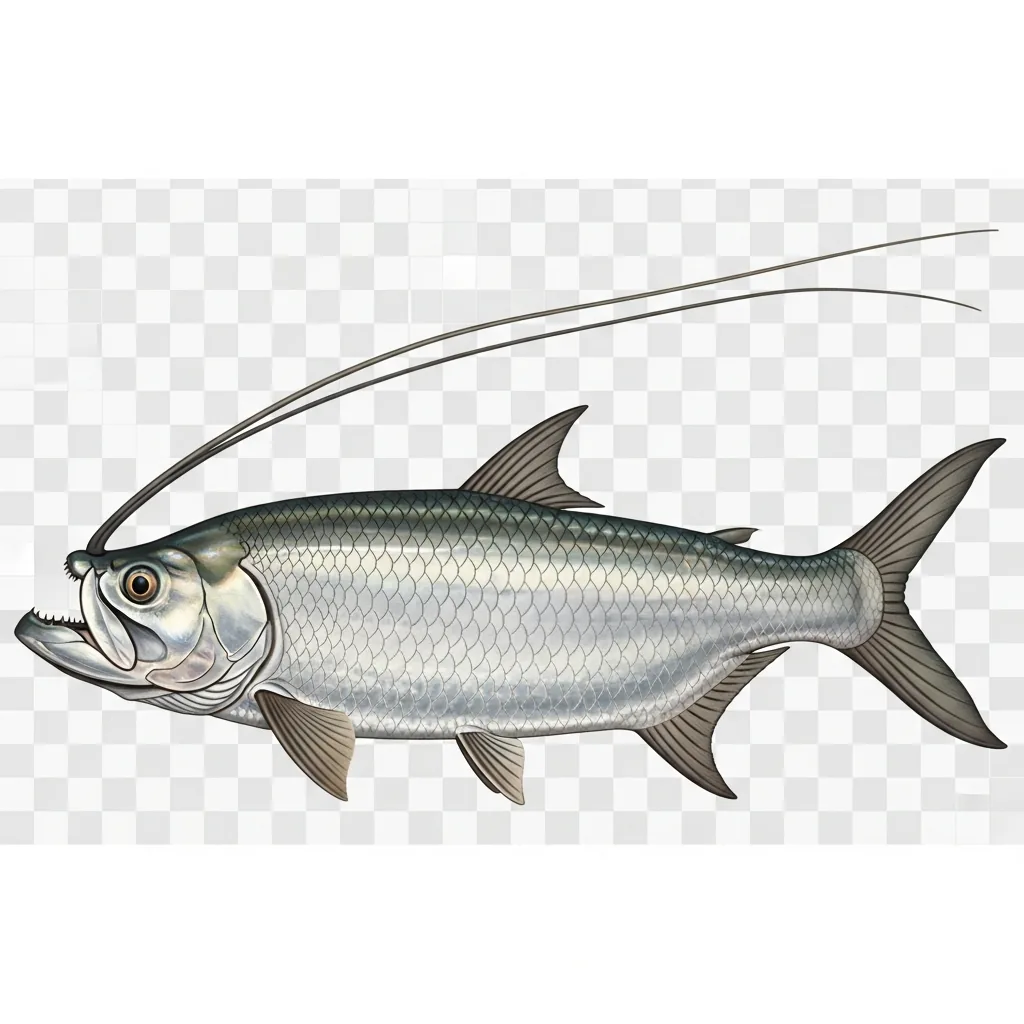 TarponMegalops atlanticus
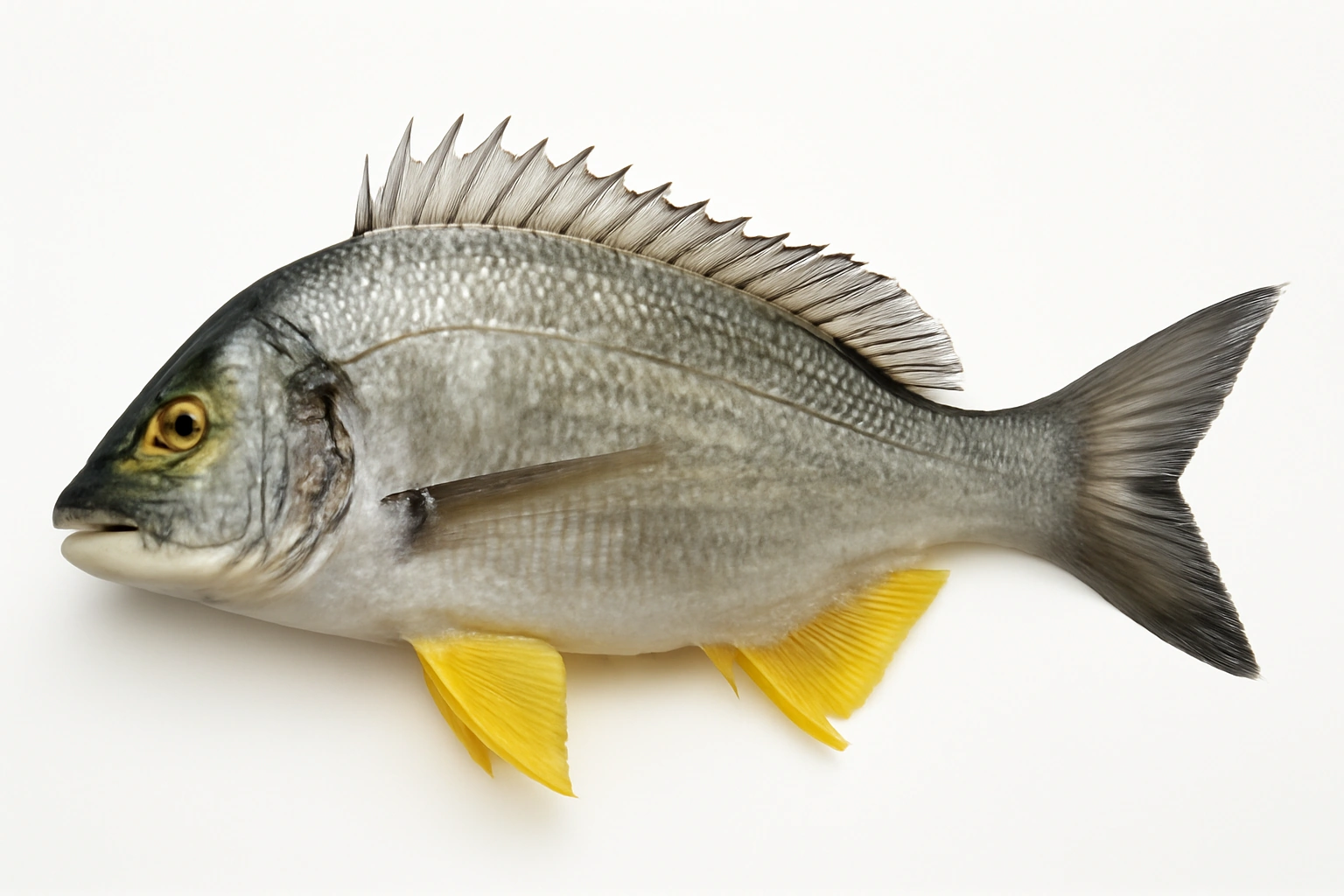 Yellowfin BreamAcanthopagrus australis
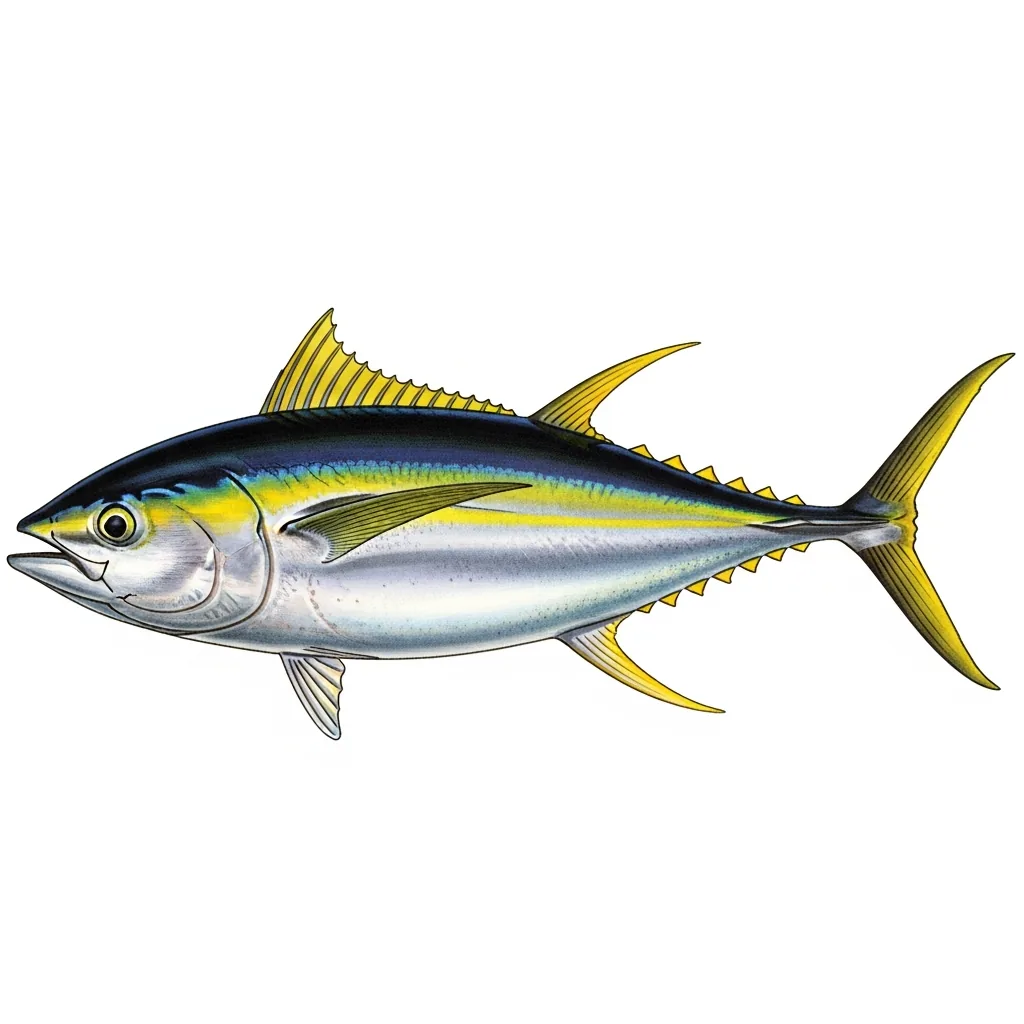 Yellowfin tunaThunnus albacares
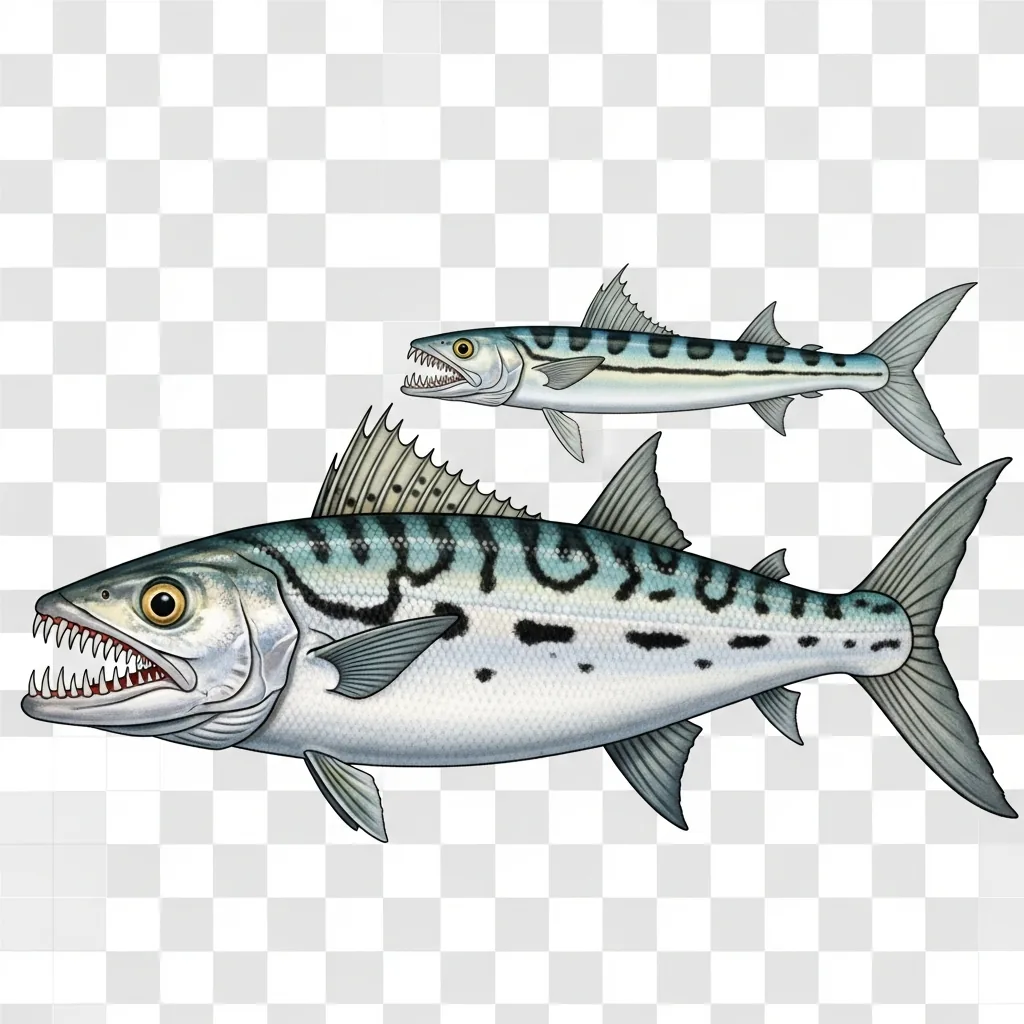 Yellowmouth barracudaSphyraena viridensis
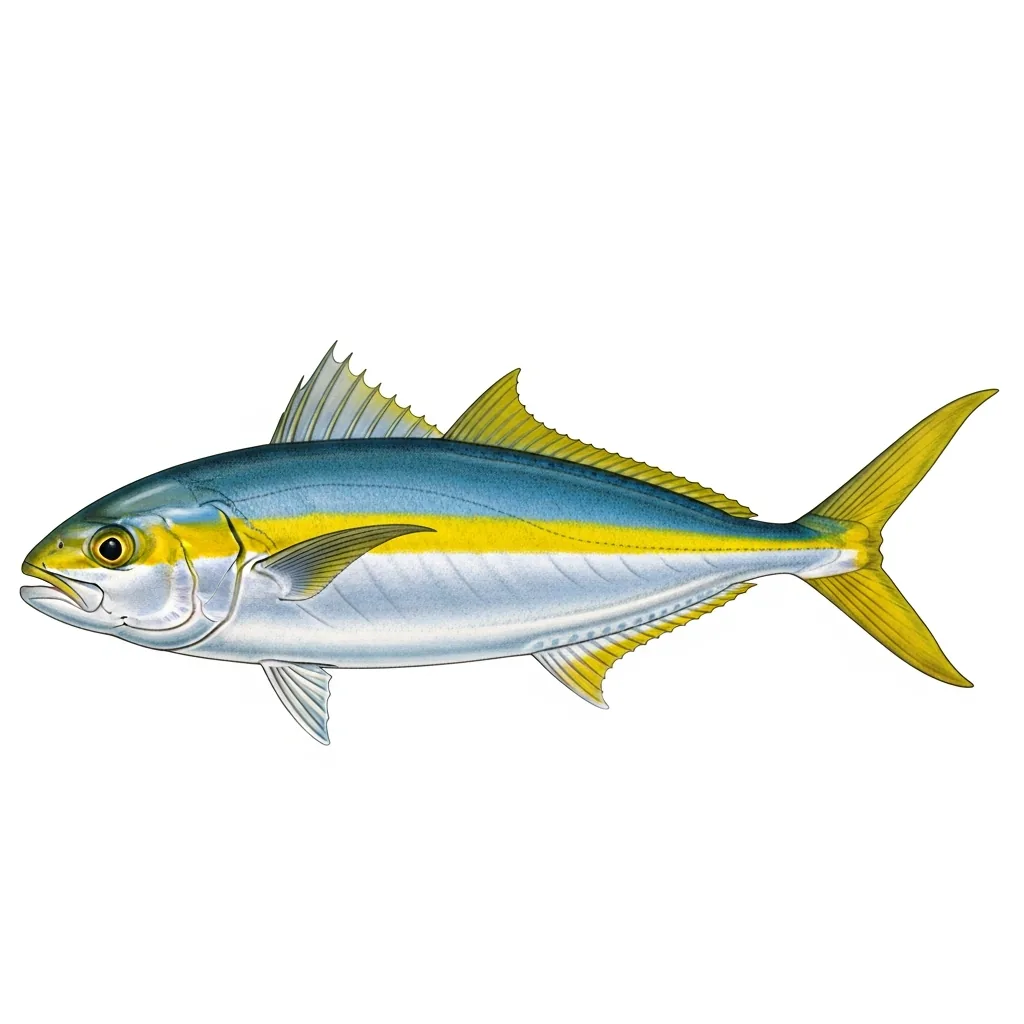 Yellowtail kingfishSeriola lalandi
Frequently asked questions
How do you fish Popping?
Popping is a surface spinning technique in which the popper, thanks to its concave face, creates pops, splashes, and a sound trail that draws hunting predators upward. It is not just about “making noise”: the goal is to imitate an injured, disoriented, or fleeing baitfish breaking the surface irregularly.
Popping: what tackle do you need?
The rod must cast well but above all work the popper without exhausting the angler: for shore use, lengths around 2.7-3 m are often appreciated, while from a boat shorter, more manageable rods are preferred.
Popping: what is the best time?
The best windows happen when light, current, and bait activity line up, not simply during the warm months. Dawn and dusk remain excellent times because low-angle light makes predators more confident on the surface, but overcast days, a lightly rippled sea, and some current can extend activity even into midday.
Popping: where is it best?
The real leap in quality with popping comes from understanding where a predator can “pin” its prey against the surface. Look for changes in water color, current lines, organized foam lines, channels between rocks, edges of seagrass beds, and areas where waves break and then wash back, creating corridors.