Rock Fishing: technique, spots and tackle
Shore Fishing Technique on Rocks

Every angler dreams of the perfect day. We show it to you first.
At the heart of ForecastX is an advanced marine-weather engine: it analyses waves, wind, sea temperature, tides, pressure and moon in real time and turns them into a Productivity Index (0-100) for every species. You'll always know, precisely, when the sea is on your side.
Coming soon to the App Store and Google Play — don't miss it.Rock fishing overview
Rock fishing is not a single technique, but a set of approaches practiced from natural rocky shorelines or artificial breakwaters, where fish use cracks, currents, and foam to feed. The big advantage is variety: in the same spot you can target fish on the bottom, mid-water, or on the surface, adapting to sea conditions and light. Rock concentrates life because it holds algae, crustaceans, mussels, and small fish, so predators do not pass through by chance: they move in when they find cover, oxygen, and food. Anglers who fish rocky shores well do not just cast, but learn to read channels between rocks, washouts, underwater ledges, and shaded areas, which often matter more than many extra yards of distance.
Reading the spot and the sea
The best spots are not always the highest or most comfortable ones, but the ones that combine moving water and shelter. A point exposed to rough seas, a gully between two rocks, a rockfall with immediately deep water, or a line of foam opening over mixed bottom are classic signs of the presence of sea bream, European sea bass, and other bottom grubbers. Water that is too flat and clear tends to make fish wary, while a light stain or a steady swell often improves fishability because it hides the angler and stirs up food. One valuable detail is to watch for a few minutes without fishing: the direction of the backwash, the point where the wave breaks, darker water lanes, and current lines reveal where the bait will stay natural and where it will snag right away.
When to really go
Rather than speaking generically about summer or winter, it is better to think in terms of light, water temperature, pressure, and sea state. Dawn, dusk, and the first nighttime hours are often the most productive periods, especially for wary or predatory species, because low light reduces suspicion and increases feeding activity. In calm seas, finer rigs and discreet presentations work better; with rough water or during the falling sea after a blow, fish come into play that take advantage of stirred-up bottom and suspended food. The falling sea, meaning the gradual easing of conditions after a storm, is a classic window: the water stays oxygenated and lightly colored, but becomes more fishable and allows better bait control.
Target species and behavior
The white seabream is one of the symbolic quarry of rocky shore fishing because it loves rocky bottom, foam, and the edges of cracks; it often takes decisively but knows how to use every rough spot to throw the hook, so it must be checked immediately. European sea bass favor gullies, side currents, broken water, and areas where wave action concentrates baitfish or crustaceans; they do not always hold right under your feet, but often patrol precise stretches regularly. Gilthead seabream also frequent mixed bottoms and sandy pockets among the rocks, where they look for shellfish and marine worms, and they are very sensitive to how natural the presentation is. Saddled seabream, surf bream, mullet, wrasse, and salema can round out the picture depending on the type of rocky shore, the season, and the presence of algae or nearby seagrass.
Useful tackle and rigs
A rod of about 11.5 to 15 feet remains a versatile choice for keeping the line high over the rocks and handling both light sinkers and somewhat stronger hooklengths. A medium-size reel with a smooth drag is more important than simple retrieve ratio, because from rocky shore the first run toward the bottom must be managed steadily and without jolts. For the main rig body, many anglers use monofilament for its stretch and abrasion resistance, while a fluorocarbon leader helps when the water is clear or the fish are wary; where rubbing is frequent, the right diameter matters more than supposed invisibility. The most common rigs are the sliding sinker for a freer take, the paternoster-style snood to lift the bait off dirty bottom, and a firmly anchored sinker when the current drags too much and prevents a readable presentation.
Baits and natural presentation
On the rocks, the best baits are above all those that truly belong to that environment: shrimp, crab, mussel, razor clam, marine worms, and strips of cuttlefish or squid, chosen according to the species and the nuisance from small fish and crabs. The difference is made not only by fresh bait, but by how it is hooked: compact, straight, with the hook point free and without unnatural masses spinning in the current. For white seabream and gilthead seabream, presenting the bait near a crack or along the edge of a foam patch is often more effective than casting as far as possible. One little-considered trade trick is to use slightly “protected” baits, for example mussel or worm neatly tied with elastic thread: not to add bulk, but to make them work longer without small fish stripping them in a few minutes.
Technical variations and when to choose them
Classic bottom fishing is the foundation when targeting sparids and hole-dwelling fish, especially with a lightly moving sea, a readable bottom, and the need to keep fishing the same spot. Bolognese float fishing or float fishing from the rocks becomes superior when fish are feeding suspended, in clear water, or along submerged walls where a naturally sinking bait is more convincing than a sinker on the bottom. Spinning finds its window with active predators, foam, current, and the presence of baitfish, especially on points and at the mouths of gullies. Choosing the right variation means answering a simple question: is the fish looking for food lying still on the bottom, food being carried by the current, or live prey fleeing?
Hookset and fight management
From the rocks, many fish do not give a second chance, because after taking the bait they immediately try to get back into cover or pass behind a rock. For this reason, the hookset must be matched to the type of rig: quicker with direct hooklengths and exposed hooks, more measured with a sliding sinker and fish that first mouth the bait. After hookup, it is often useful to keep the rod high and gain the first few yards decisively before the fish uses the bottom; a drag that is too loose at this stage loses fish. It is also worth planning the landing in advance: if the spot is high or the sea is pounding hard, a long-handled net or a rocky-shore handline drop net is much safer than an improvised attempt to swing the fish up on the line.
Common mistakes and how to fix them
The most frequent mistake is confusing distance with effectiveness: in many spots the fish feed on the first drop-off, in the foam at your feet, or along a side channel, not beyond the horizon. Another mistake is using hooklengths that are too heavy or sinkers that are excessive even when the sea is calm, stiffening the presentation and reducing bites from the wariest fish. Many anglers change bait too little or too often: if small fish are damaging it, it should be checked often; if the rig is good and the bait is intact, constantly disturbing the spot can make things worse. Posture also needs correcting: standing on the edge, casting a shadow on the water, or banging on the rocks with your steps is a sure way to alarm fish close to shore.
Safety and the real edge of the specialist
On the rocks, the first rule is that no fish is worth an exposed position: you need to choose stable footing, watch the rhythm of the waves for a few minutes, and always leave yourself a dry escape route behind you. Shoes with suitable soles, attention to algae and slick surfaces, no distractions during a rising sea, and special caution at night are not generic recommendations, but minimum conditions for fishing well and getting home safely. The real technical edge is learning to “synchronize” the retrieve with the wave: retrieve slightly on the backwash to feel the rig better, then let the bait work in the moment after the breaker, when natural food is being dragged along and the fish expects something believable. This fine reading of the water’s timing, even more than the tackle, is what distinguishes anglers who fish rocky shores methodically from those who simply cast into the blue.
Fish to target with this technique
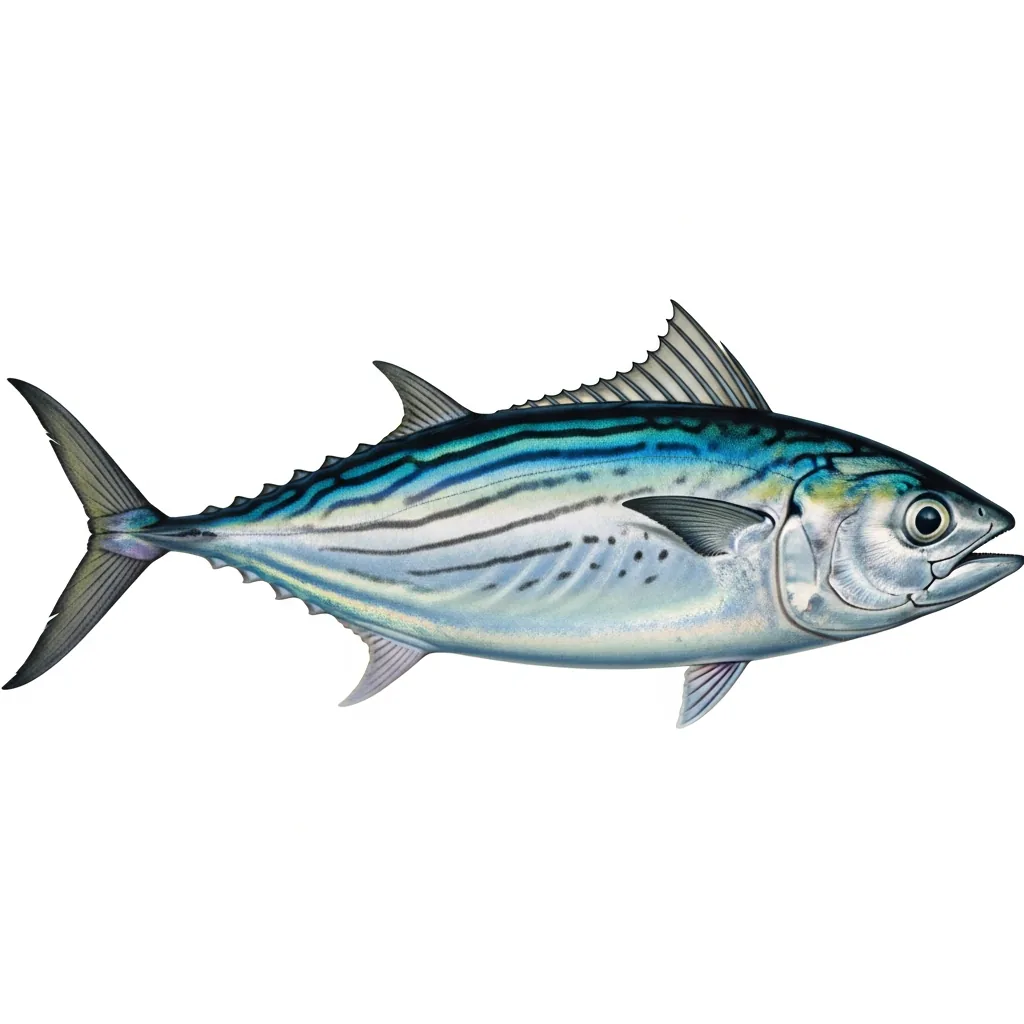 Atlantic bonitoSarda sarda
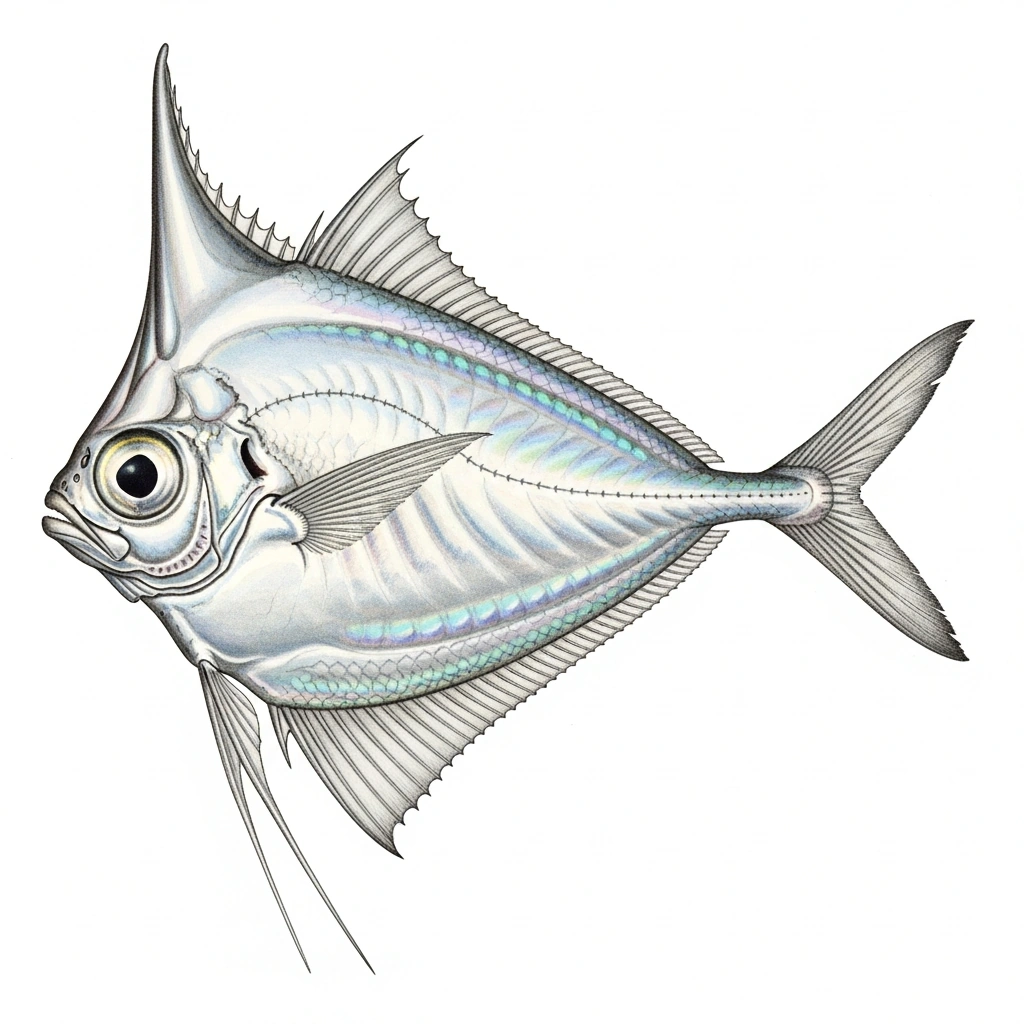 Atlantic lookdownSelene vomer
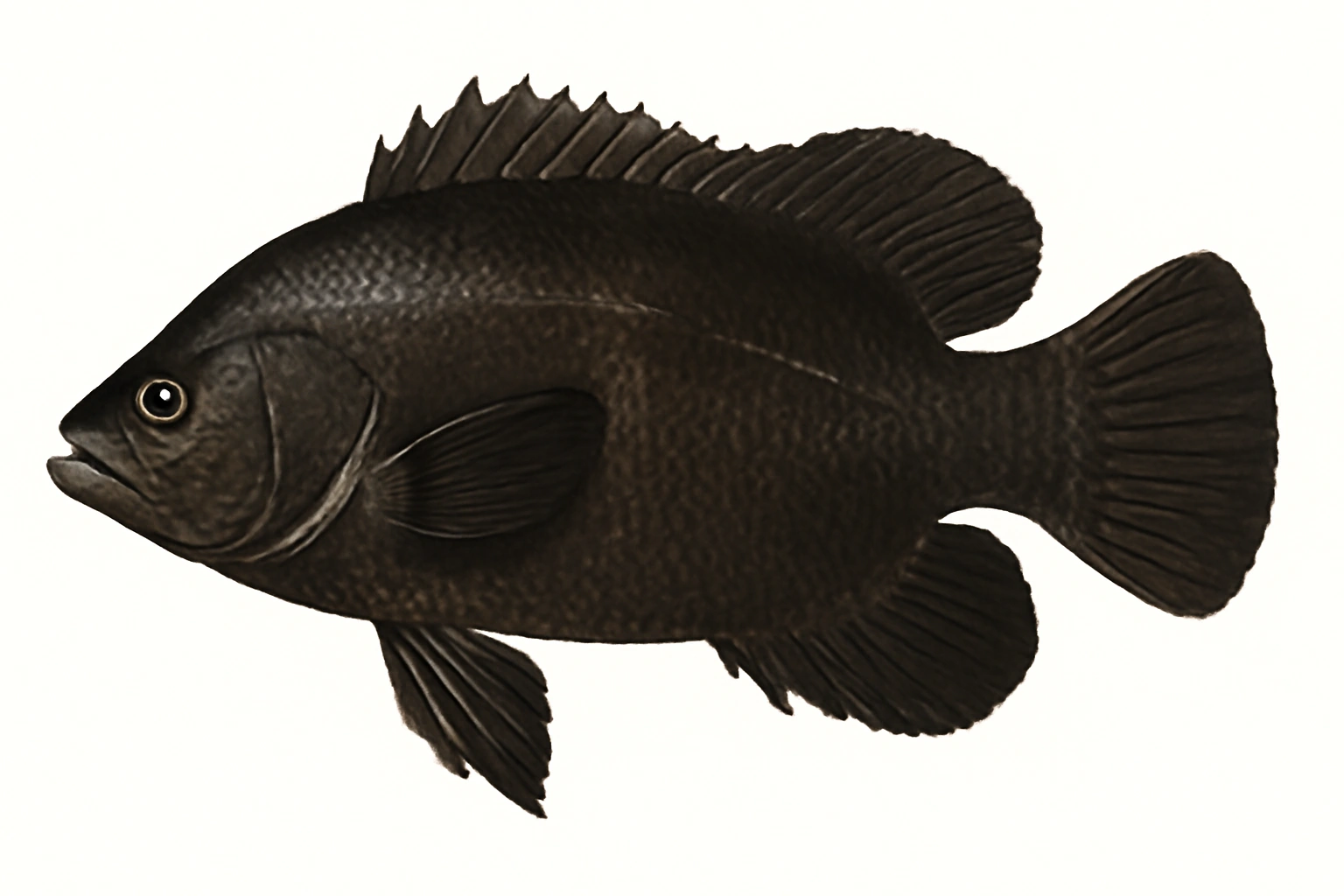 Atlantic tripletailLobotes surinamensis
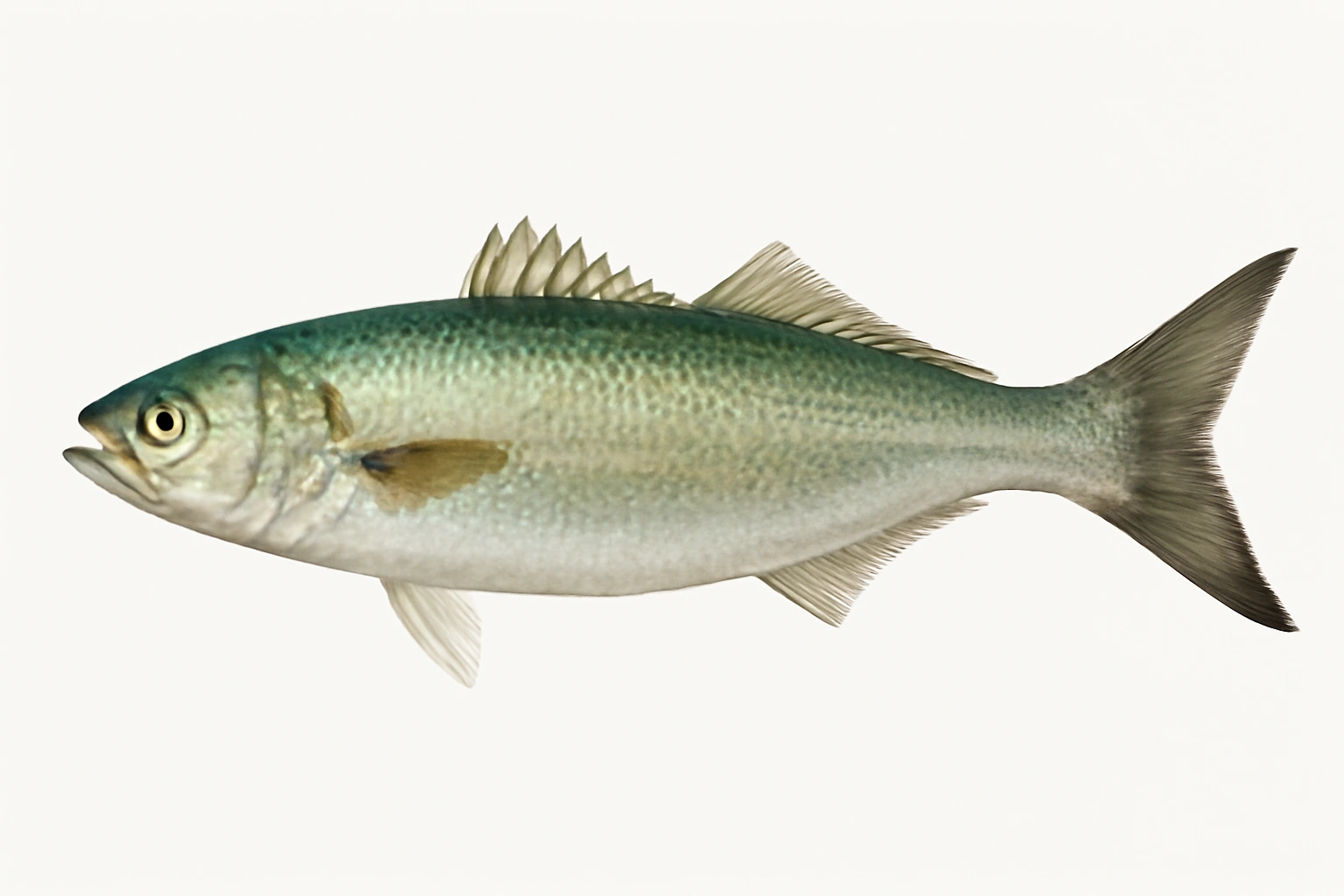 Australian HerringArripis georgianus
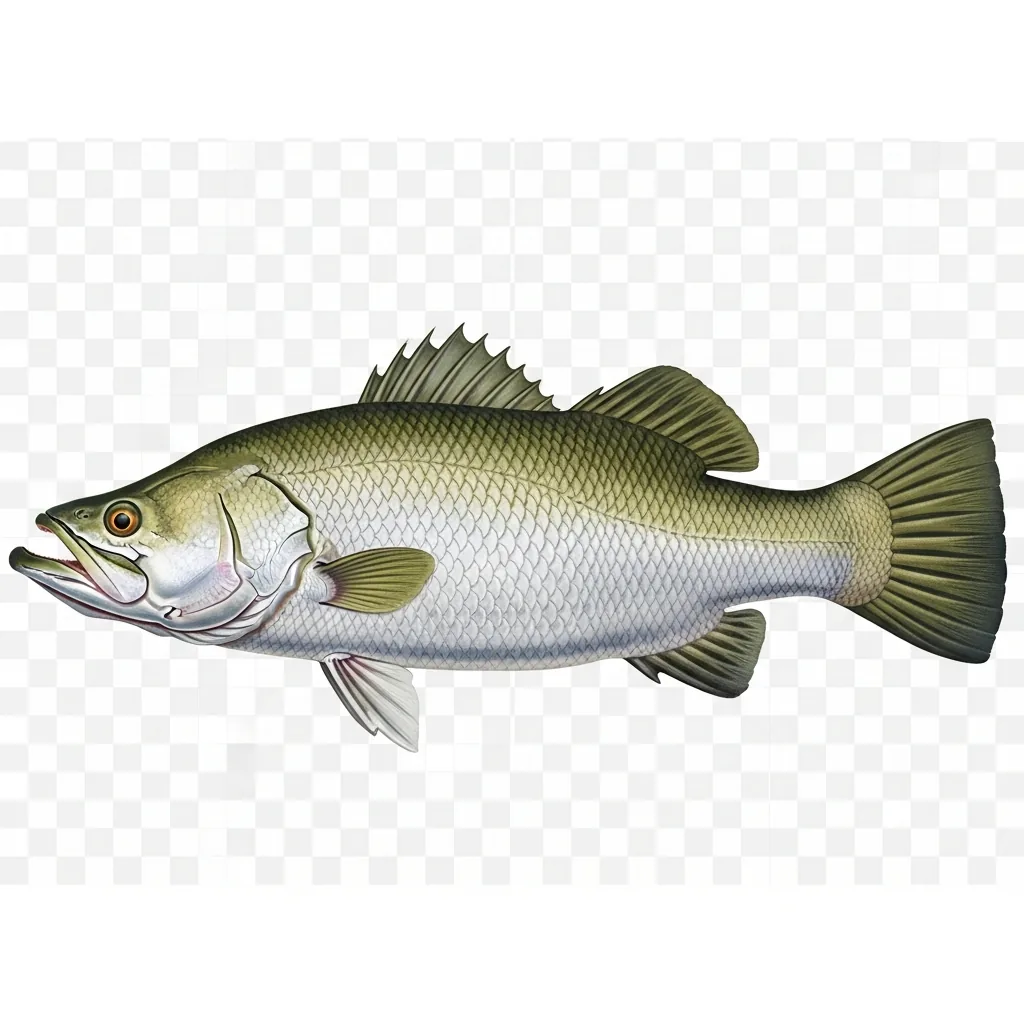 BarramundiLates calcarifer
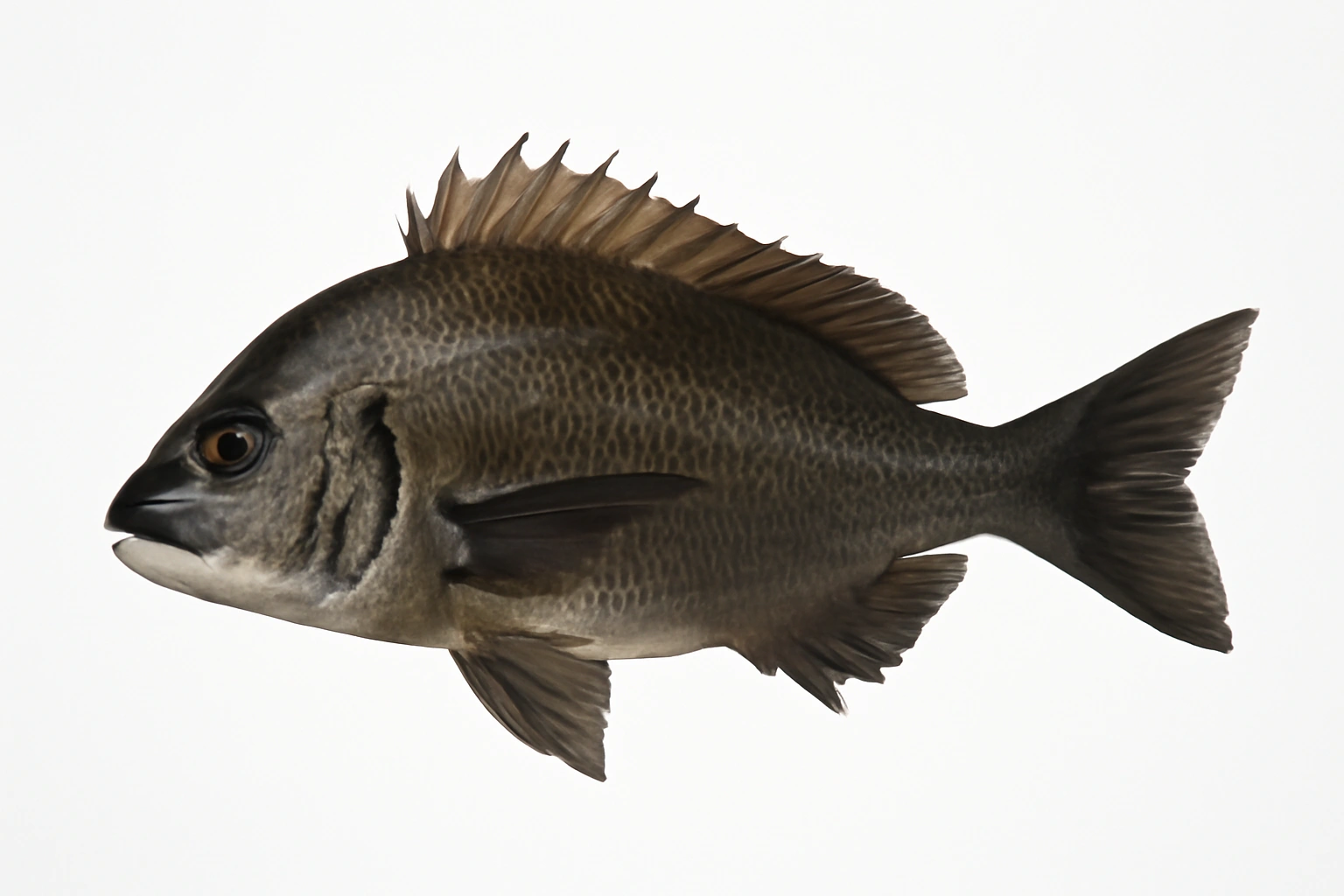 Black BreamAcanthopagrus butcheri
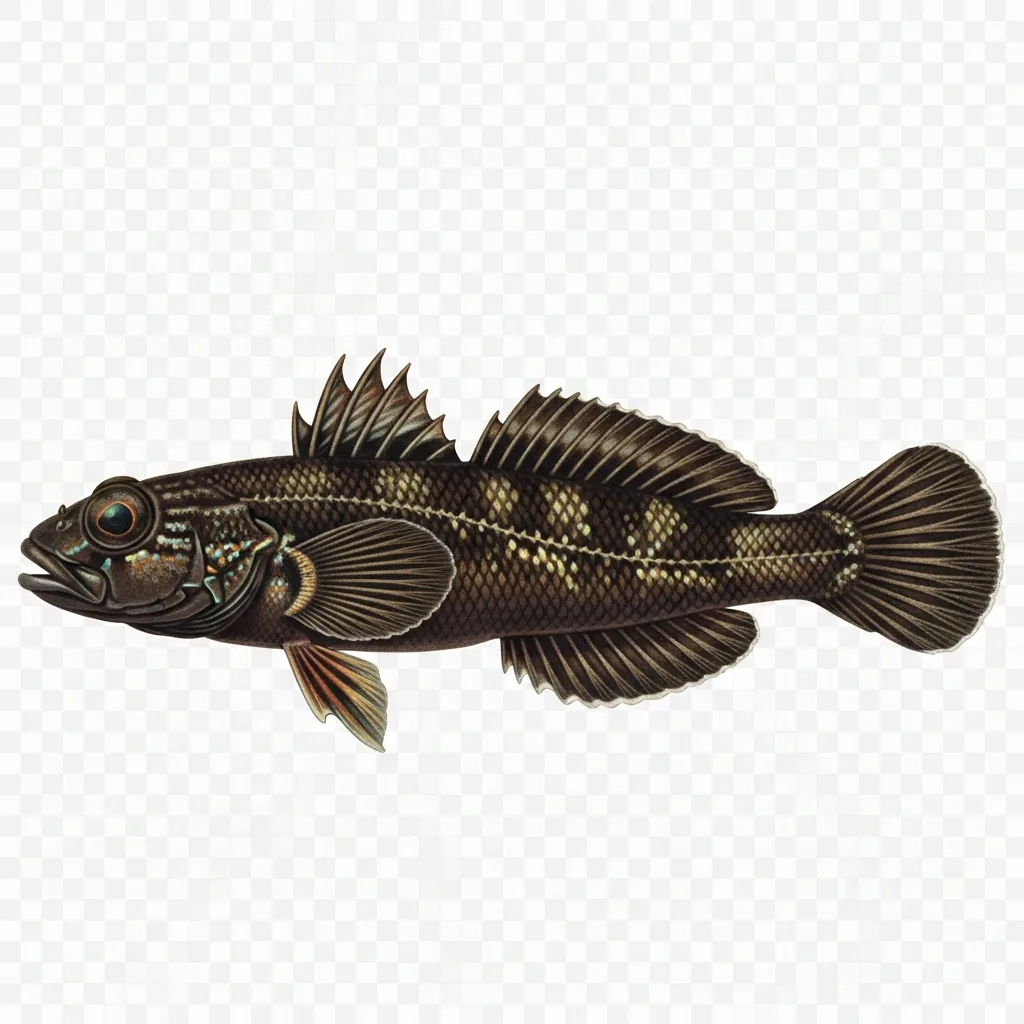 Black gobyGobius niger
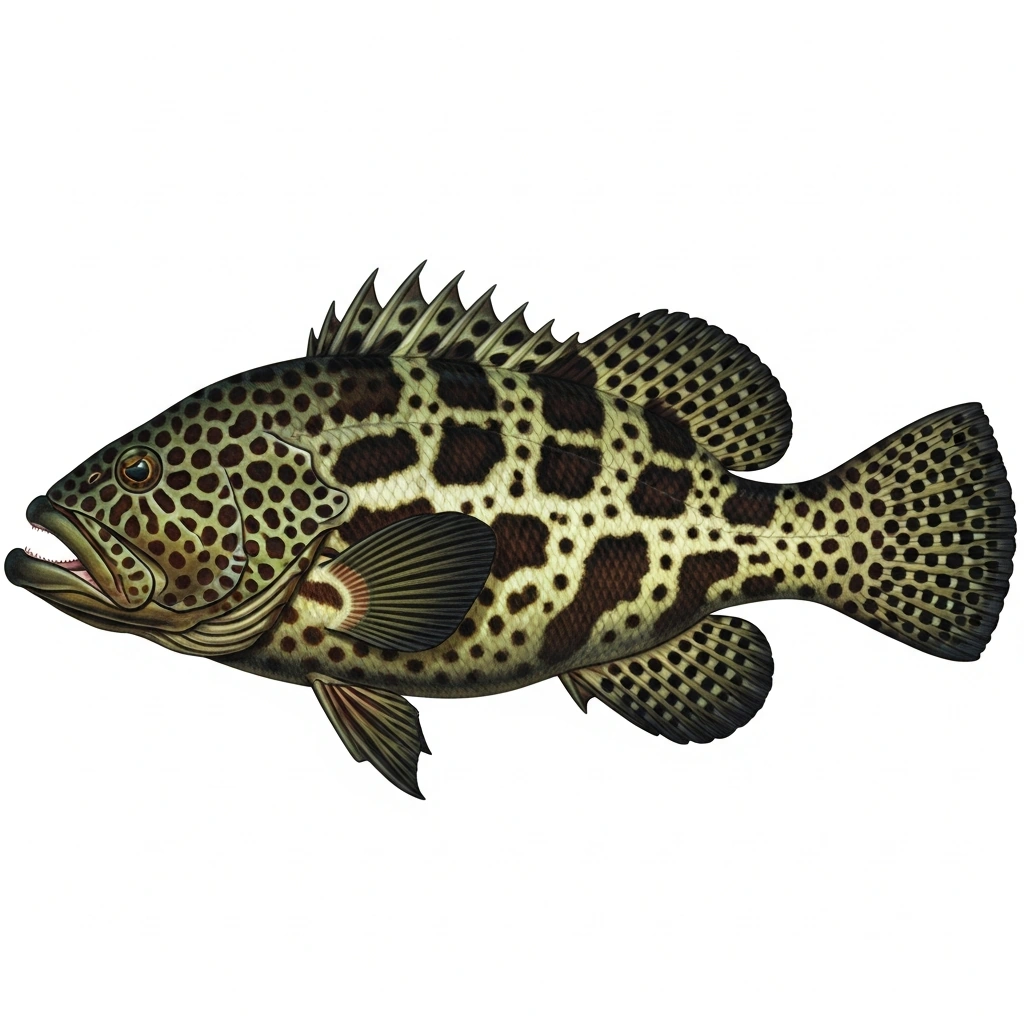 Black grouperMycteroperca bonaci
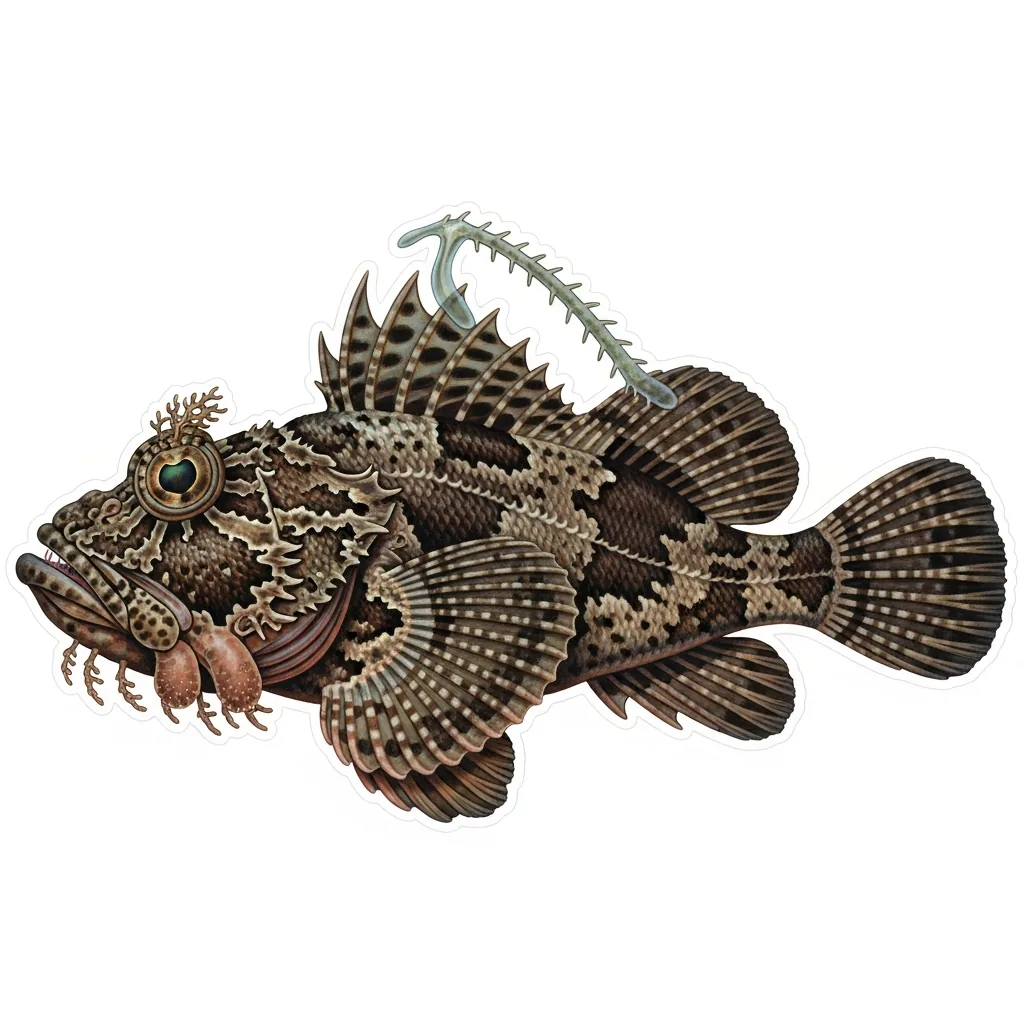 Black scorpionfishScorpaena porcus
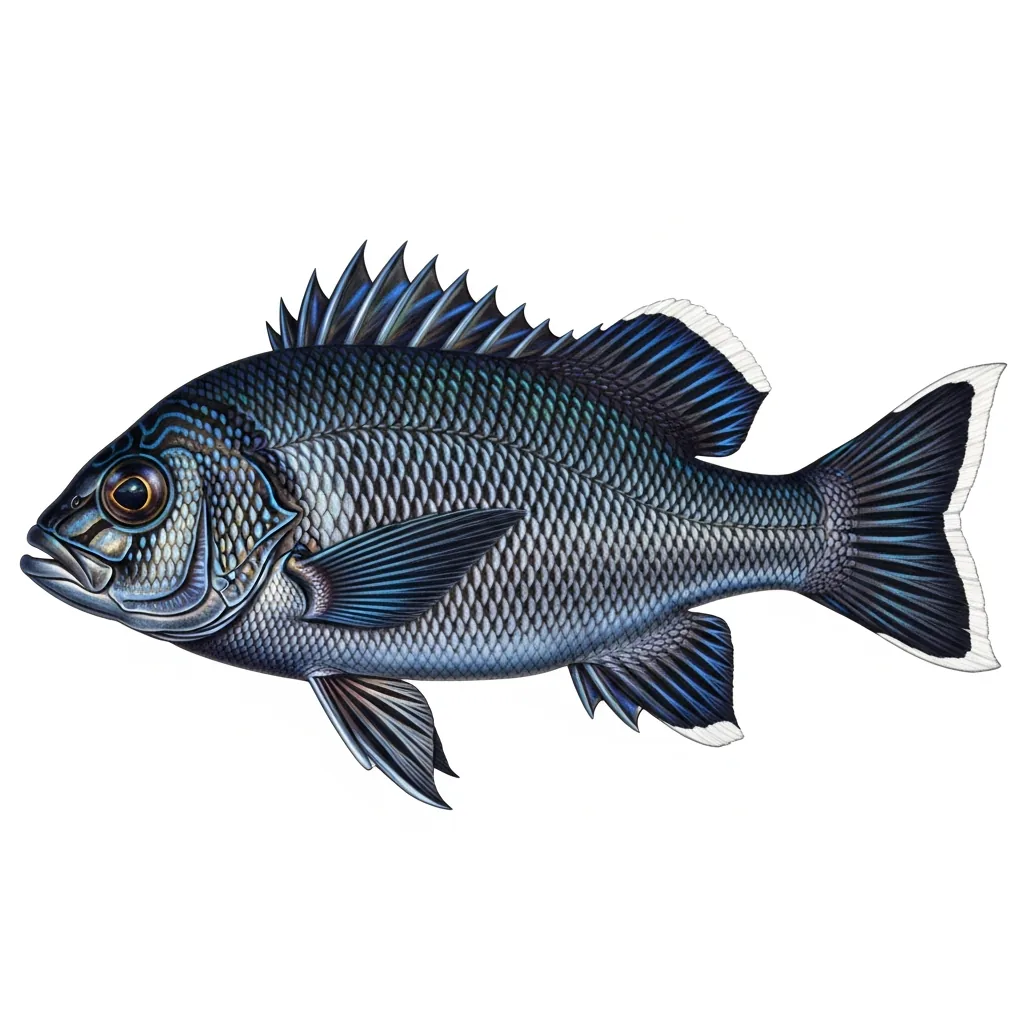 Black Sea BassCentropristis striata
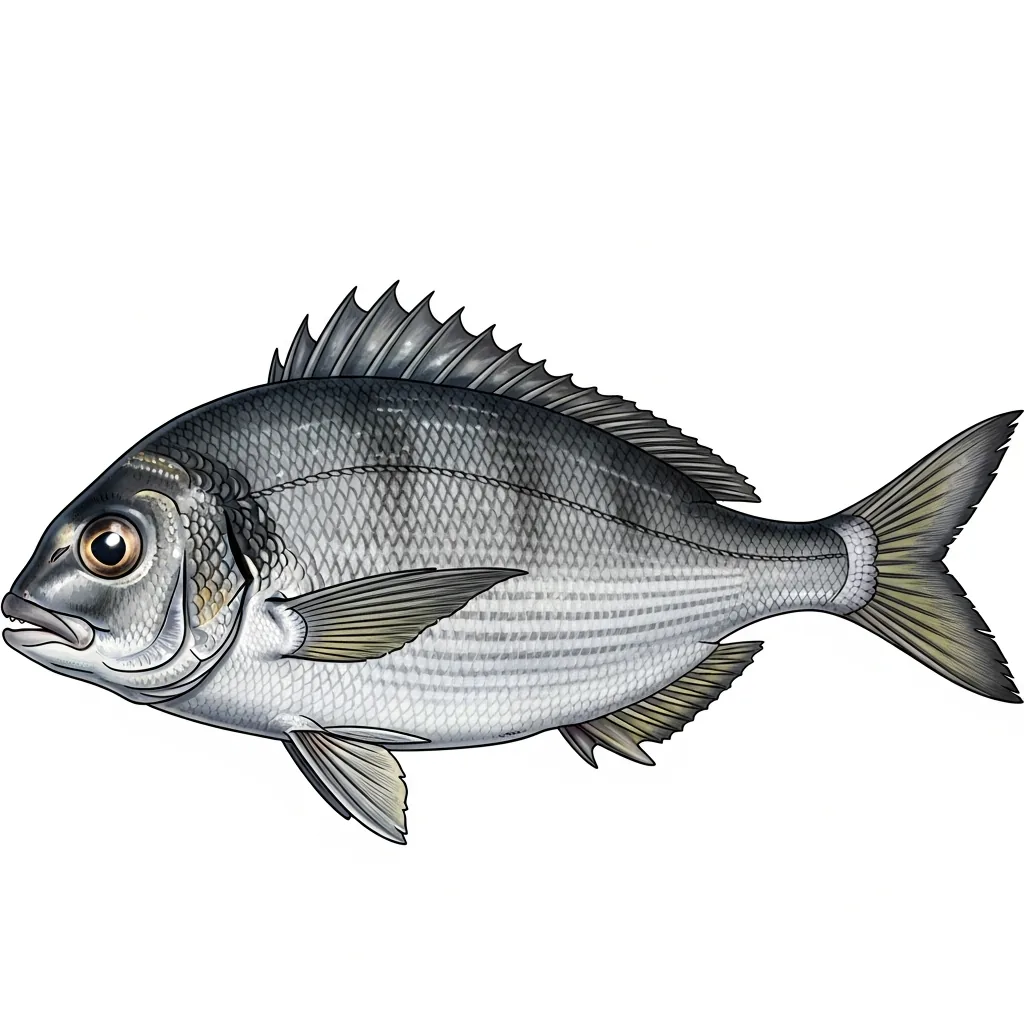 Black sea breamSpondyliosoma cantharus
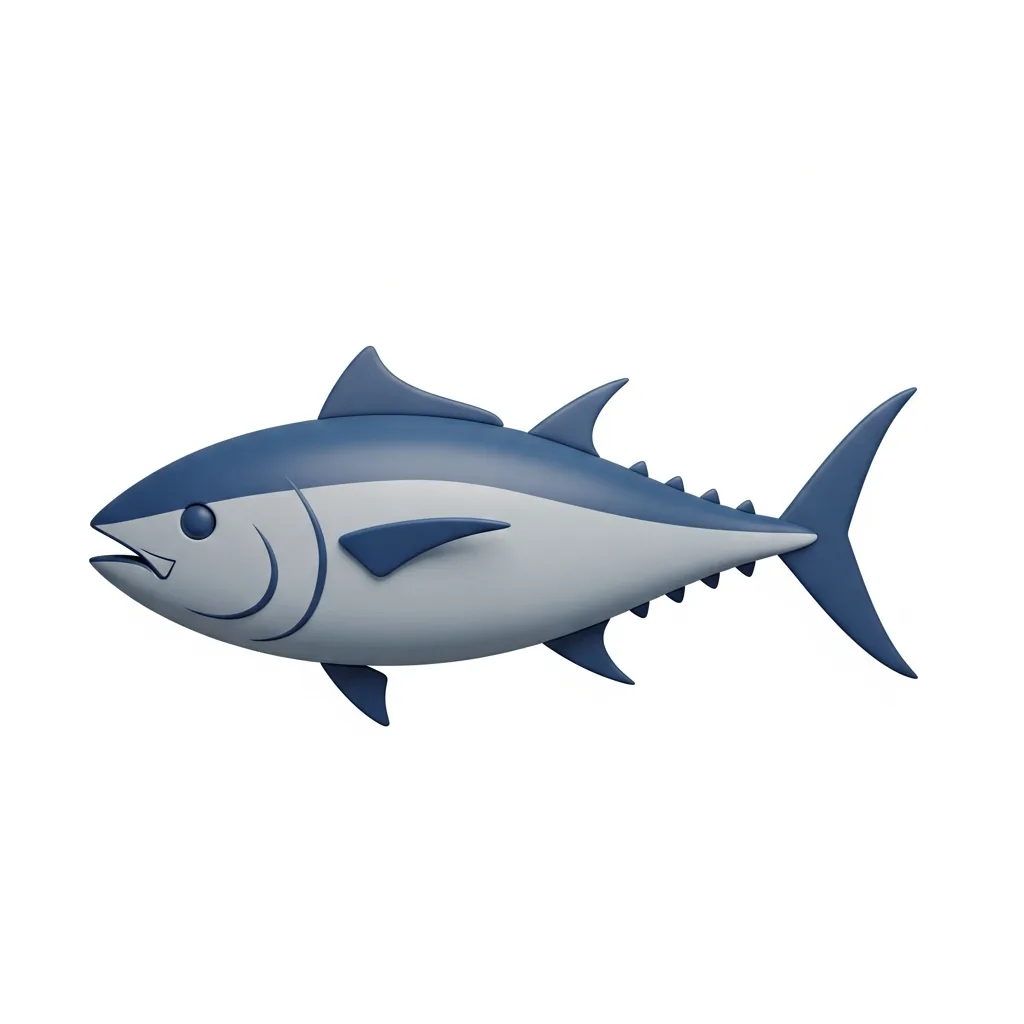 Bluefish / TailorPomatomus saltatrix
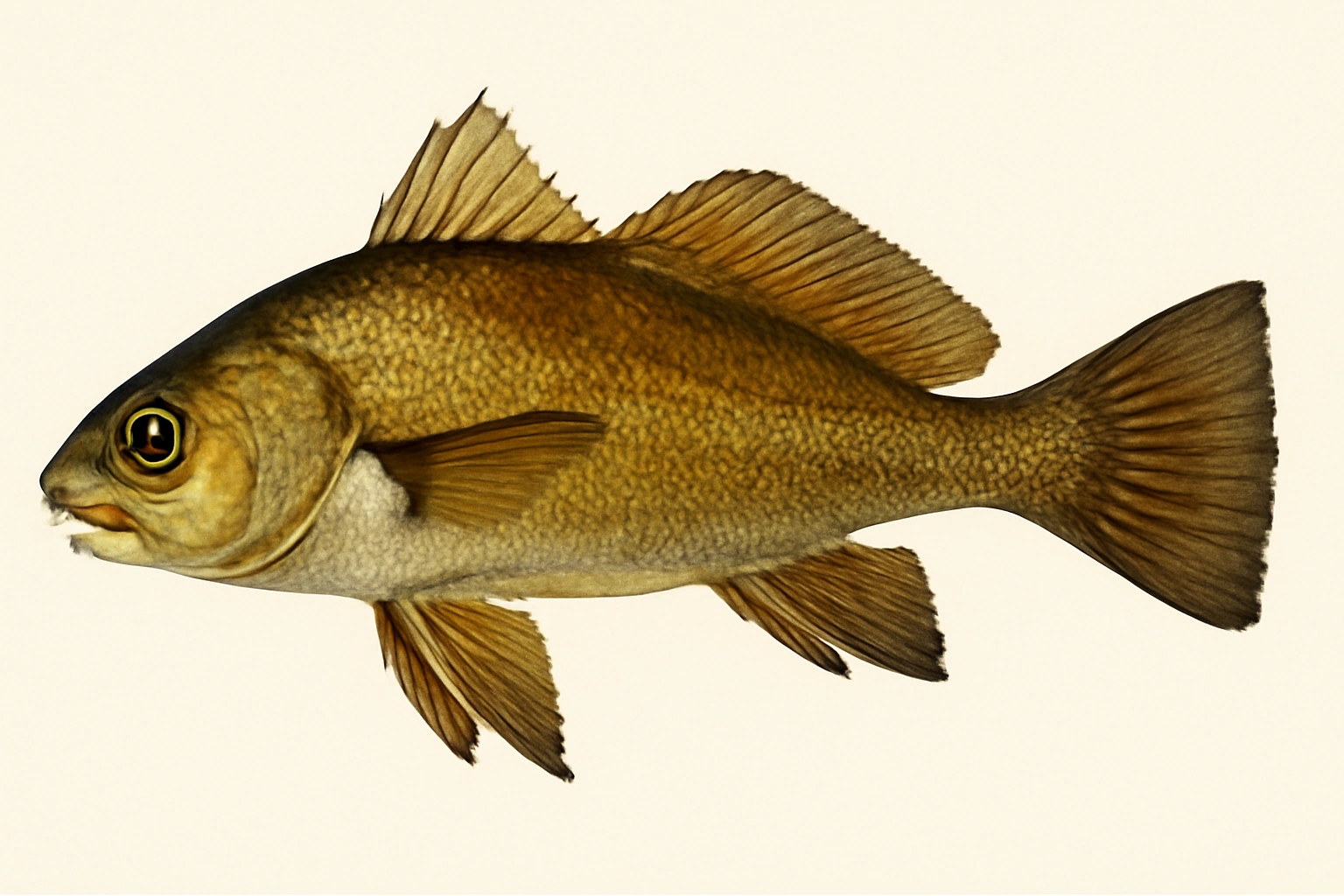 Brown meagreSciaena umbra
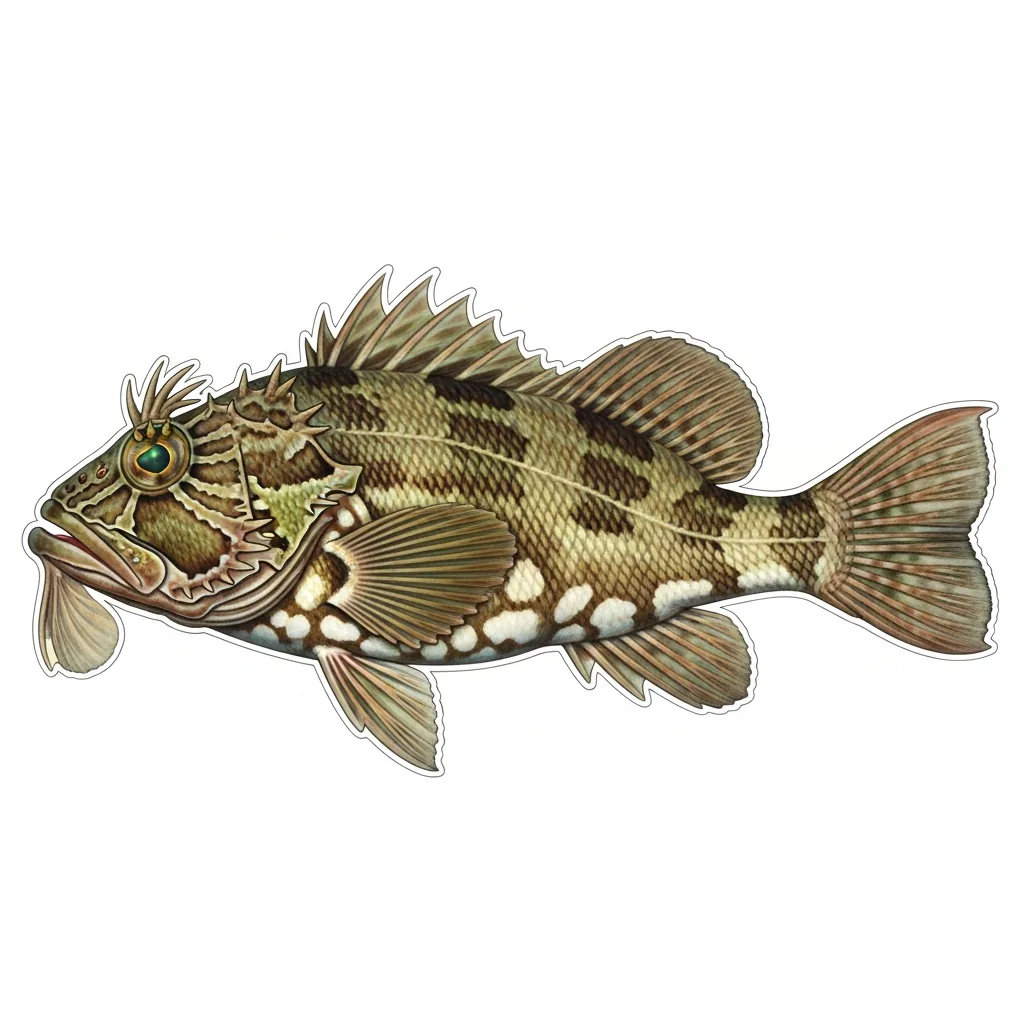 CabezonScorpaenichthys marmoratus
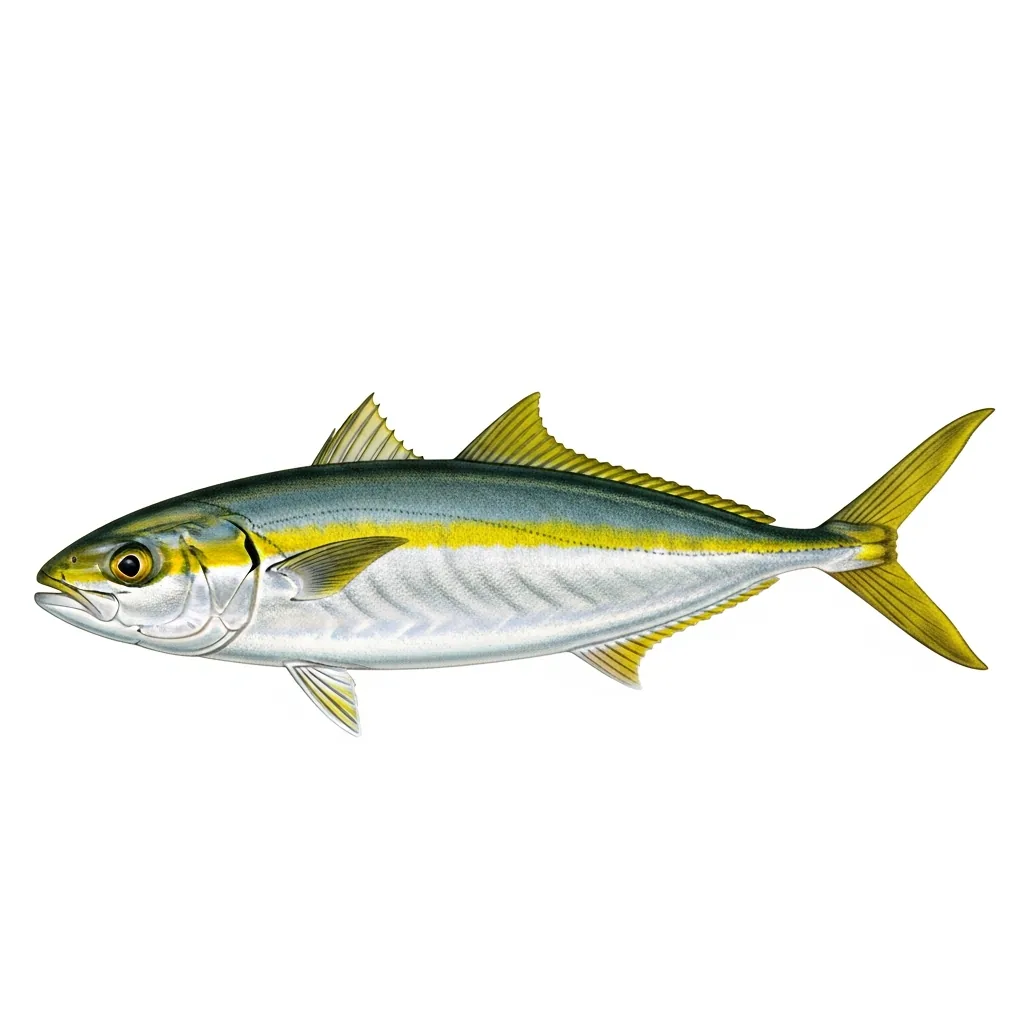 California YellowtailSeriola dorsalis
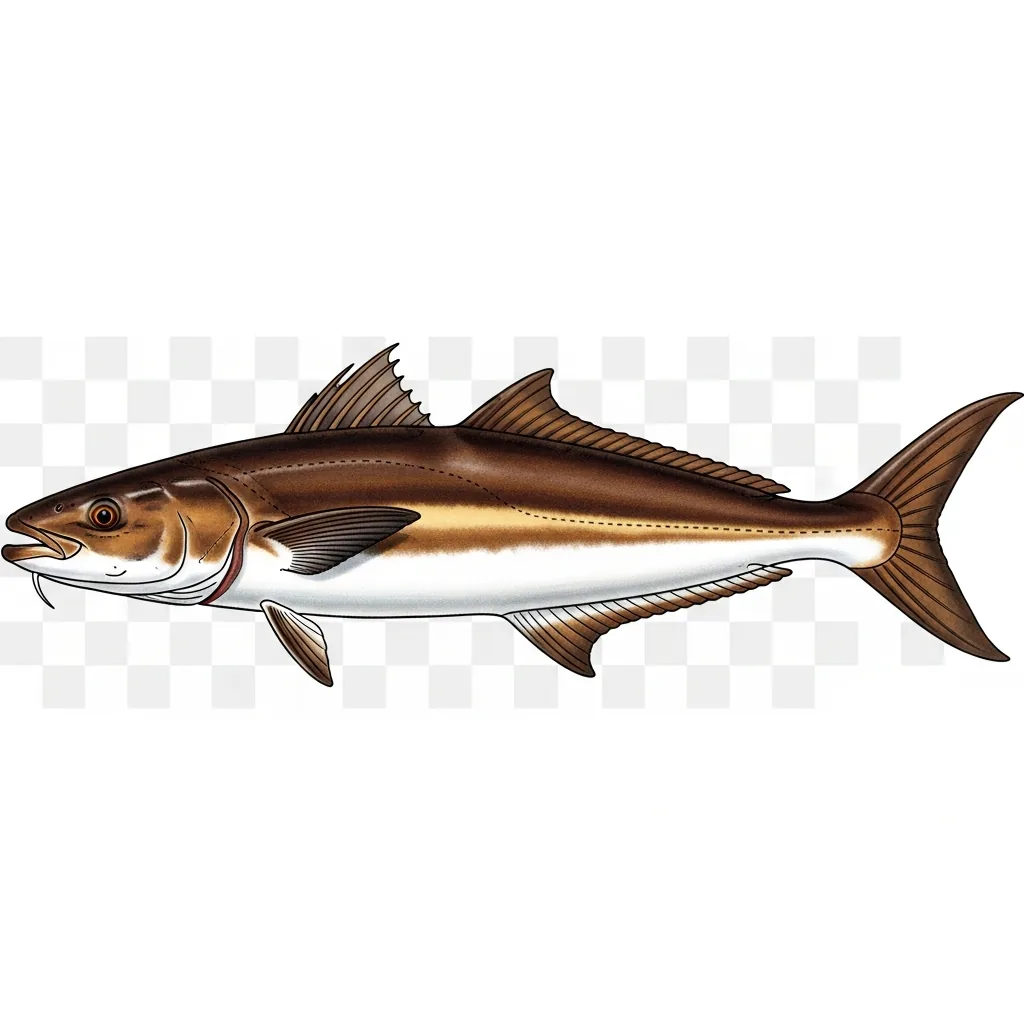 CobiaRachycentron canadum
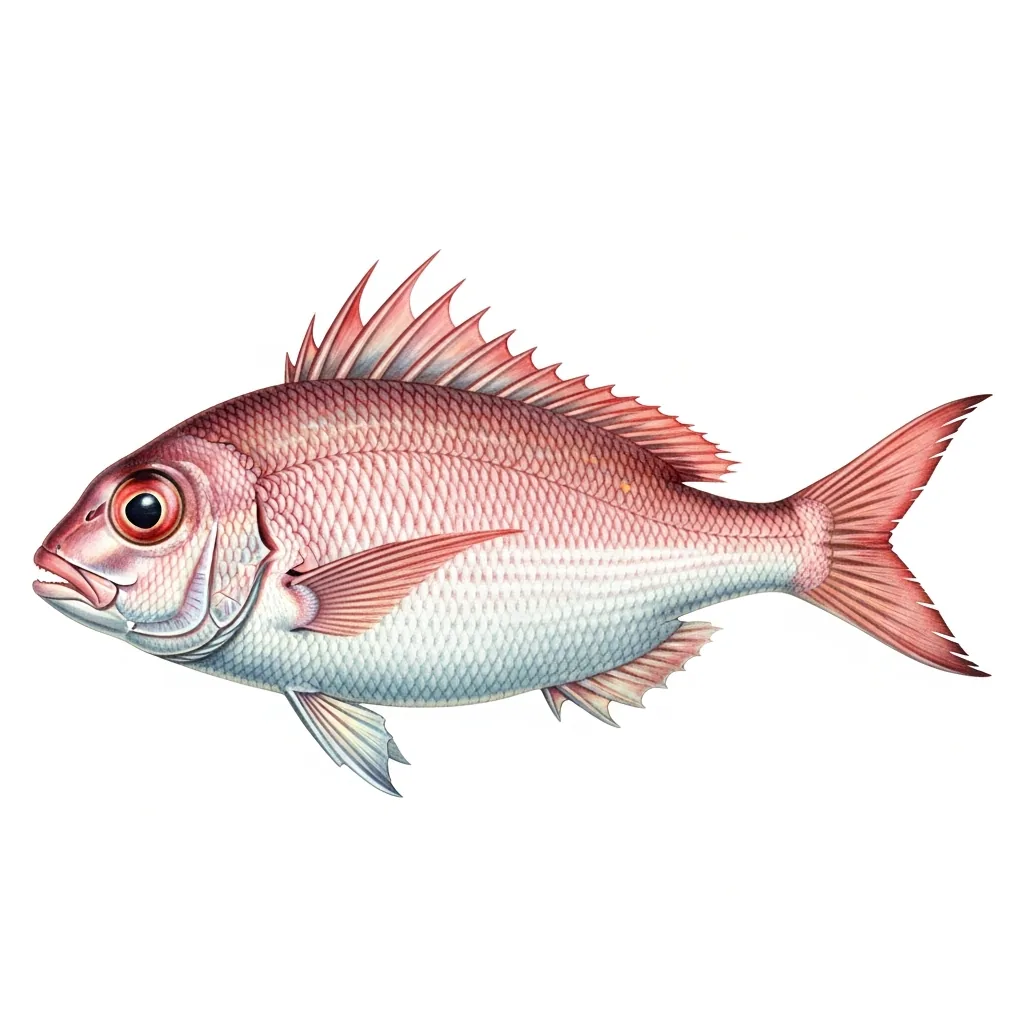 Common pandoraPagellus erythrinus
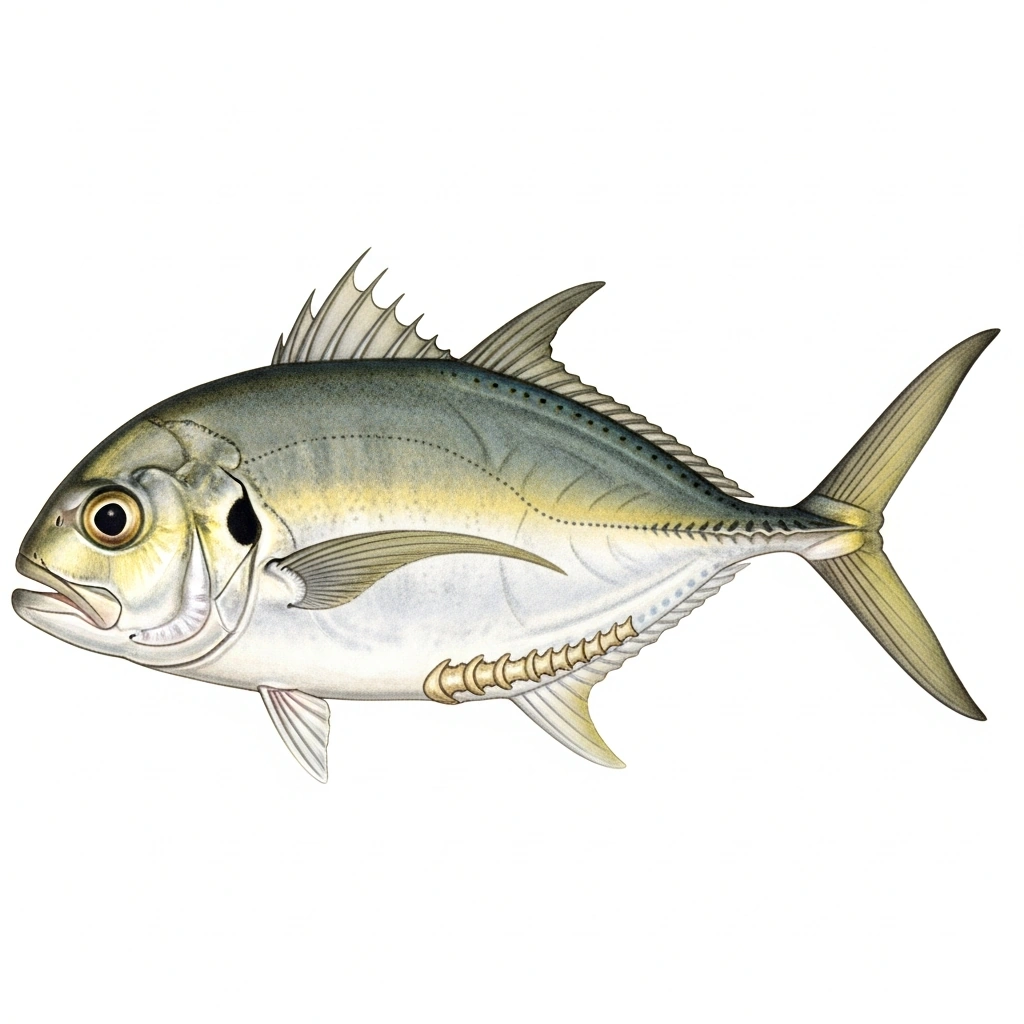 Crevalle jackCaranx hippos
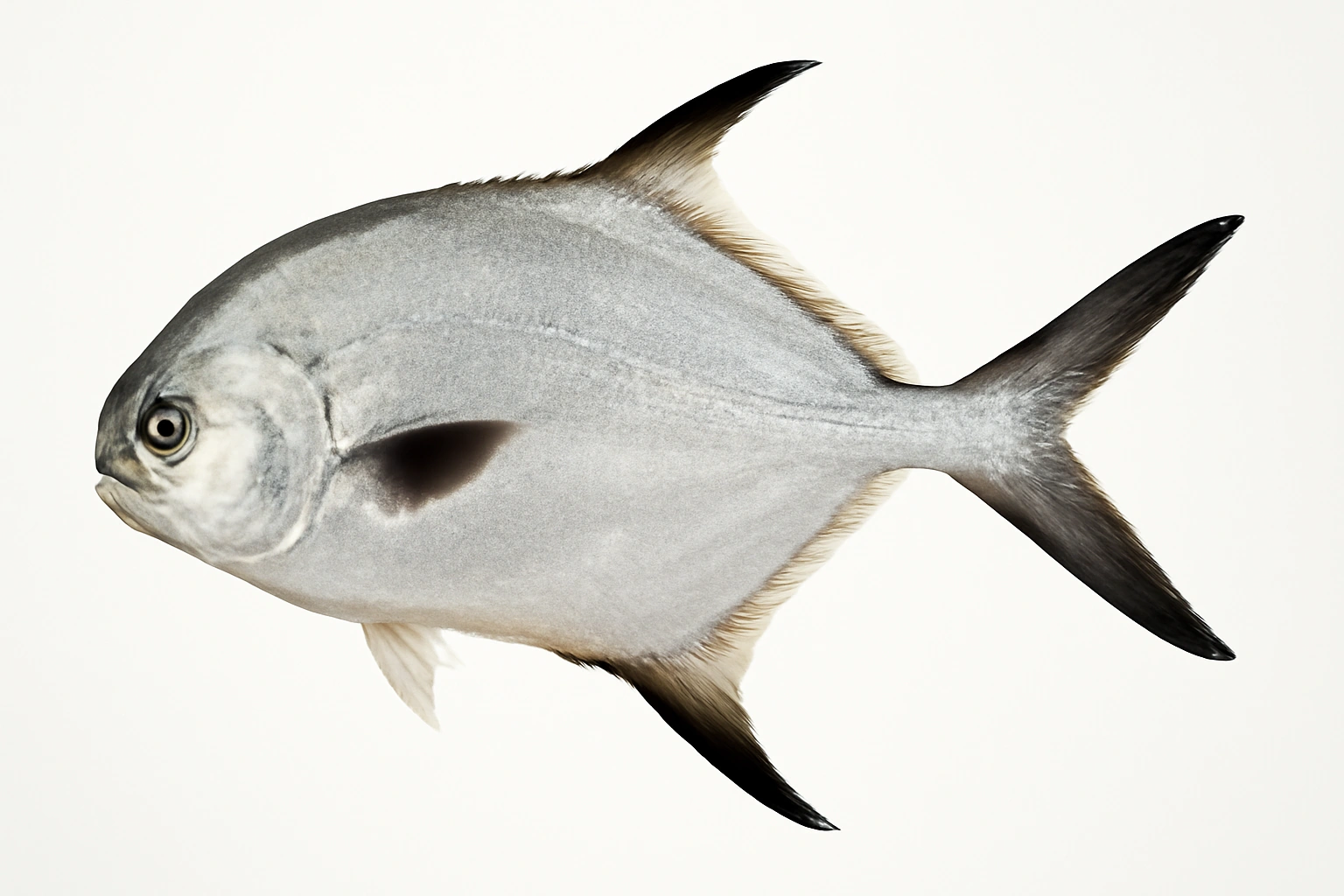 DartTrachinotus botla
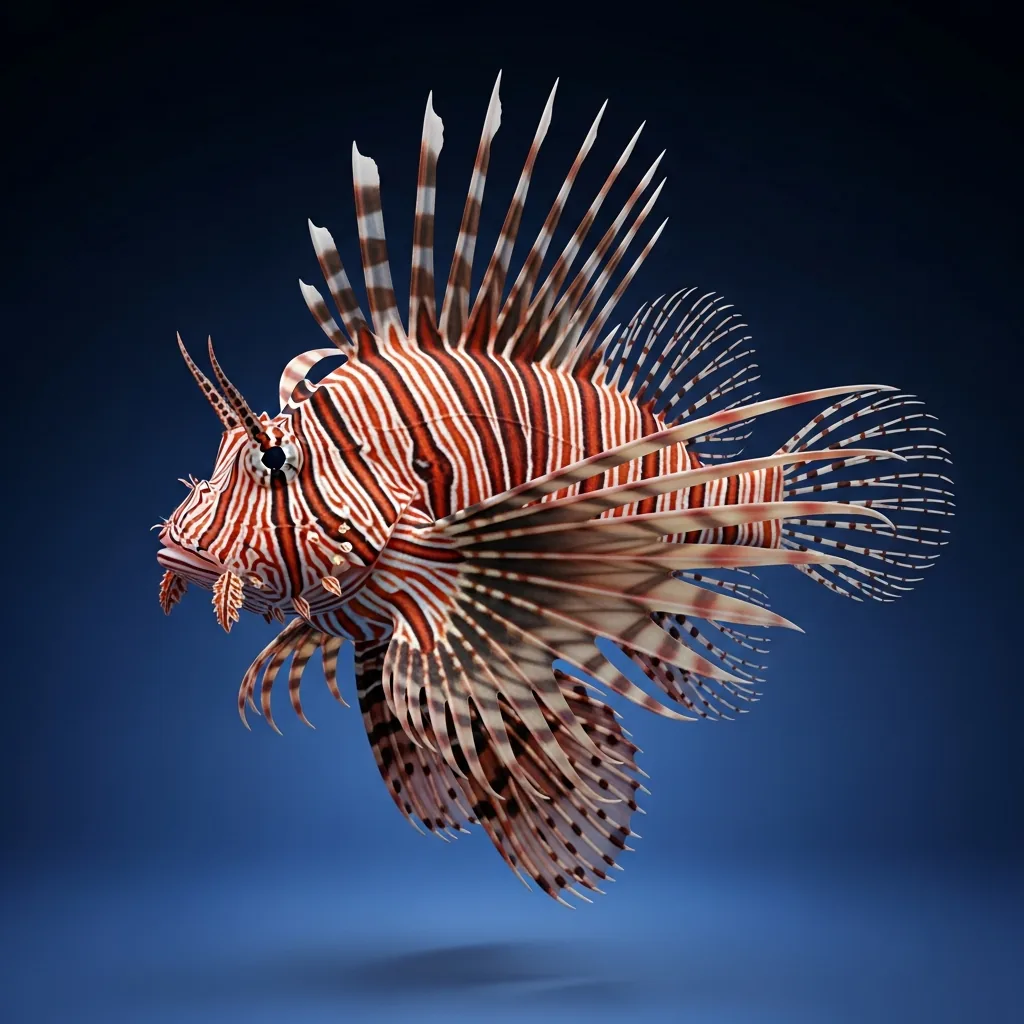 Devil firefishPterois miles
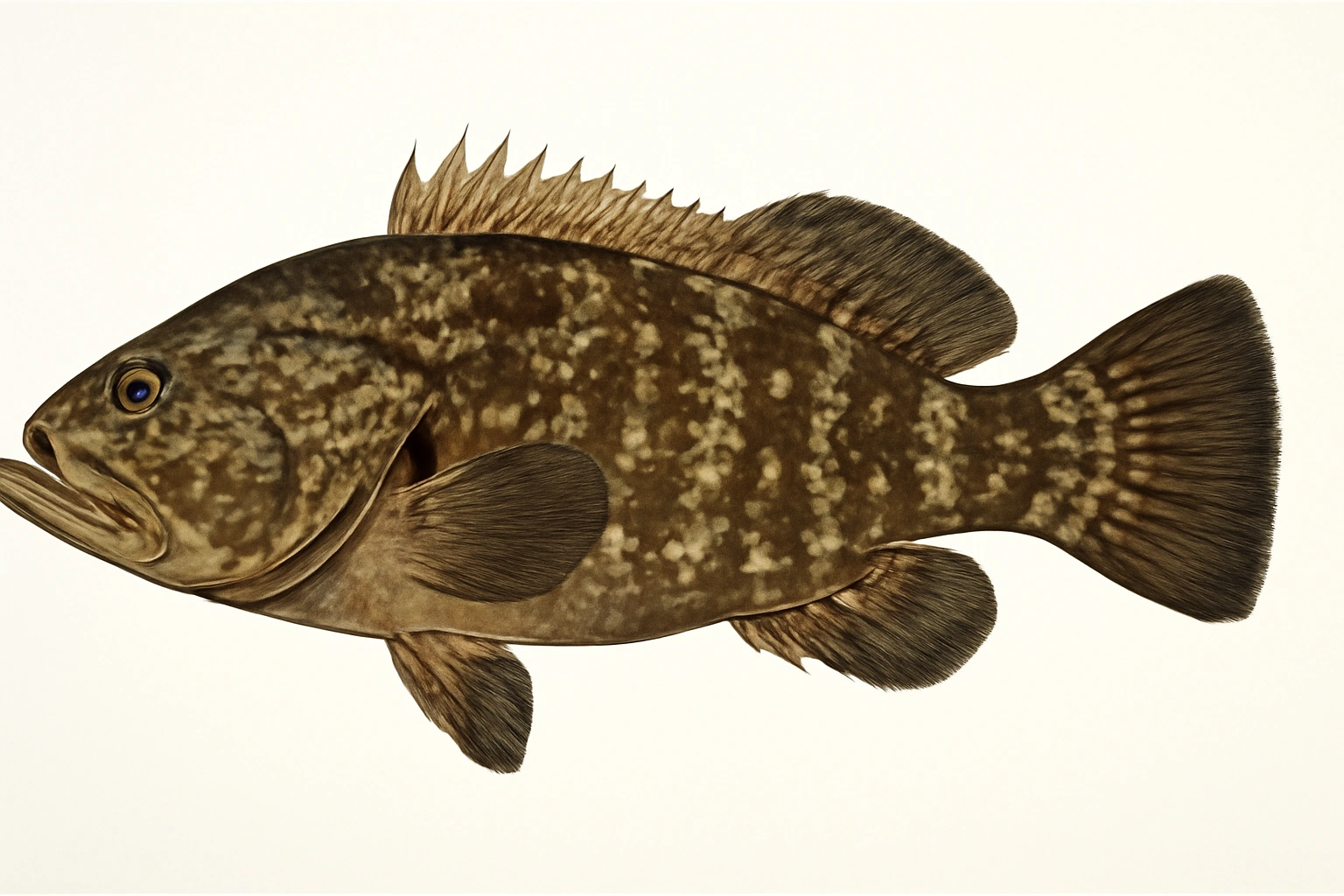 Dusky grouperEpinephelus marginatus
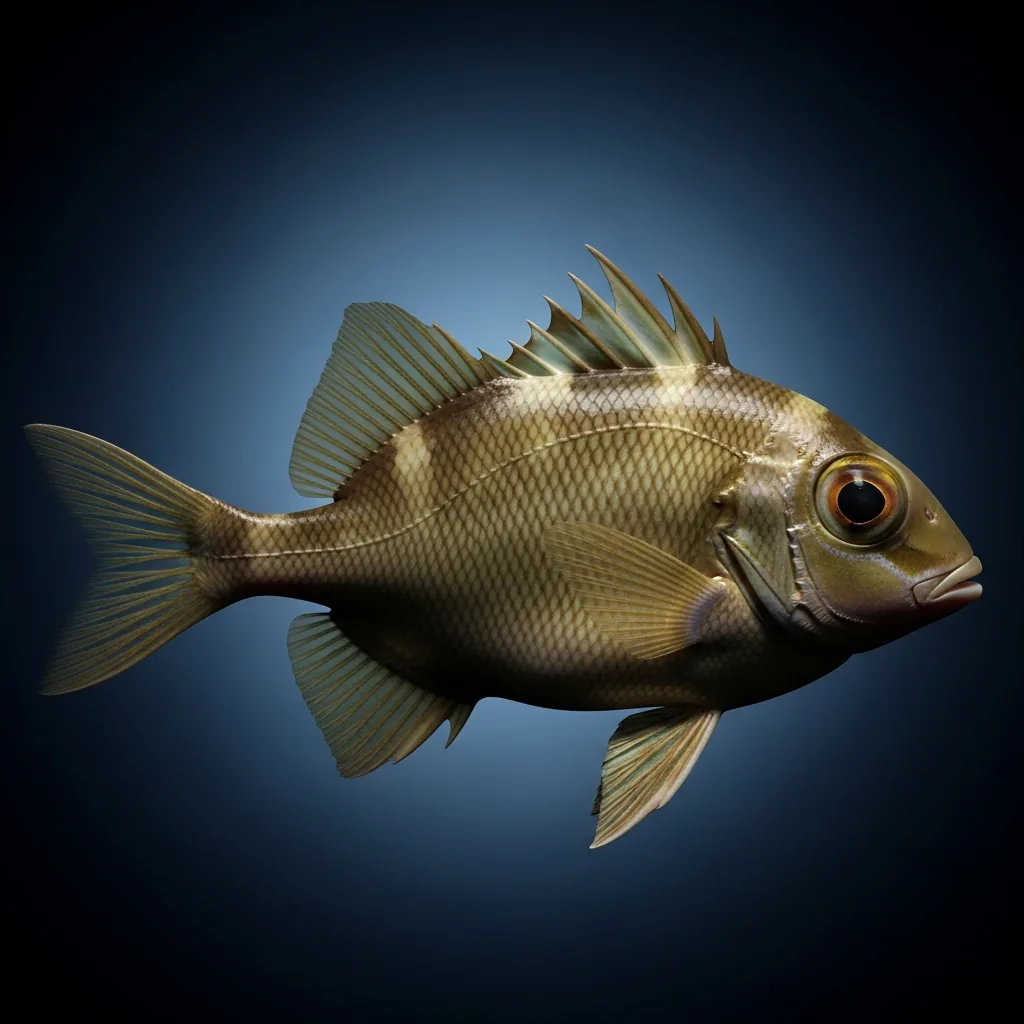 Dusky spinefootSiganus luridus
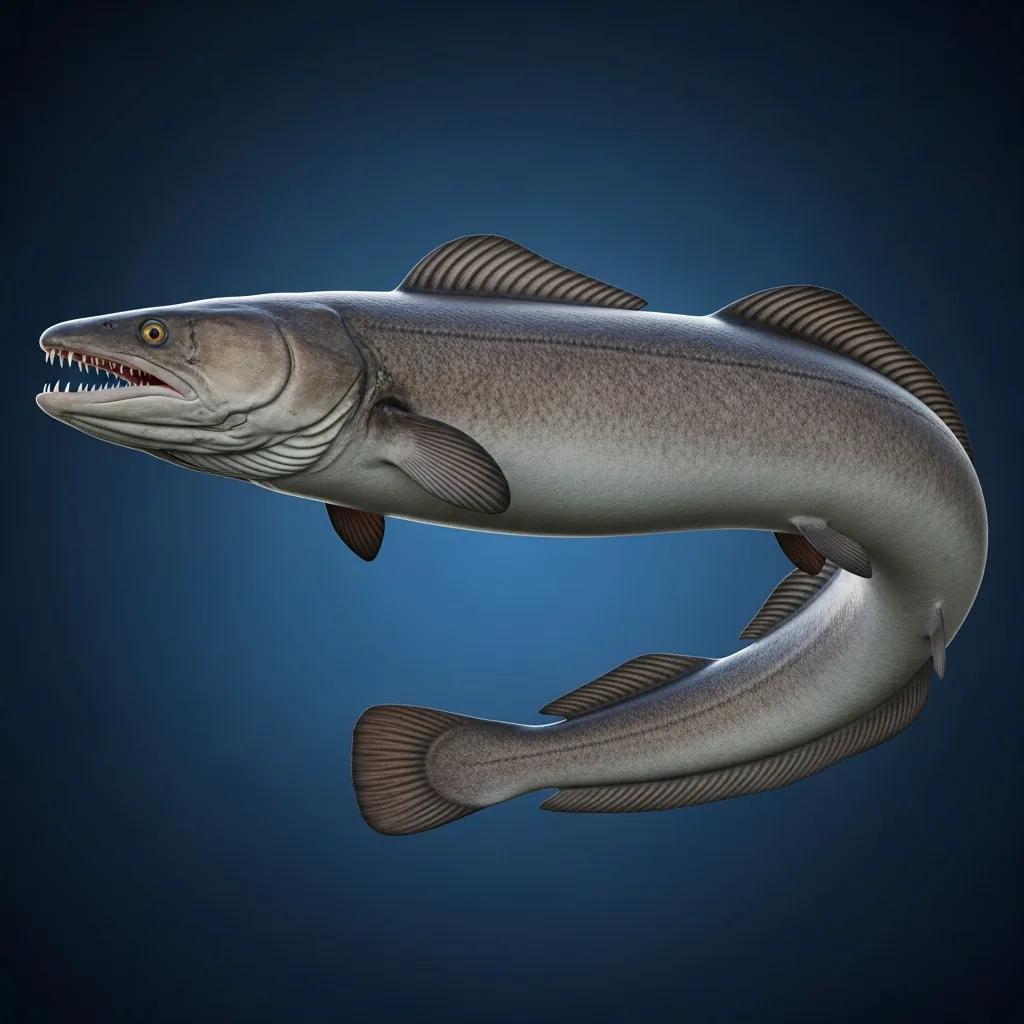 European congerConger conger
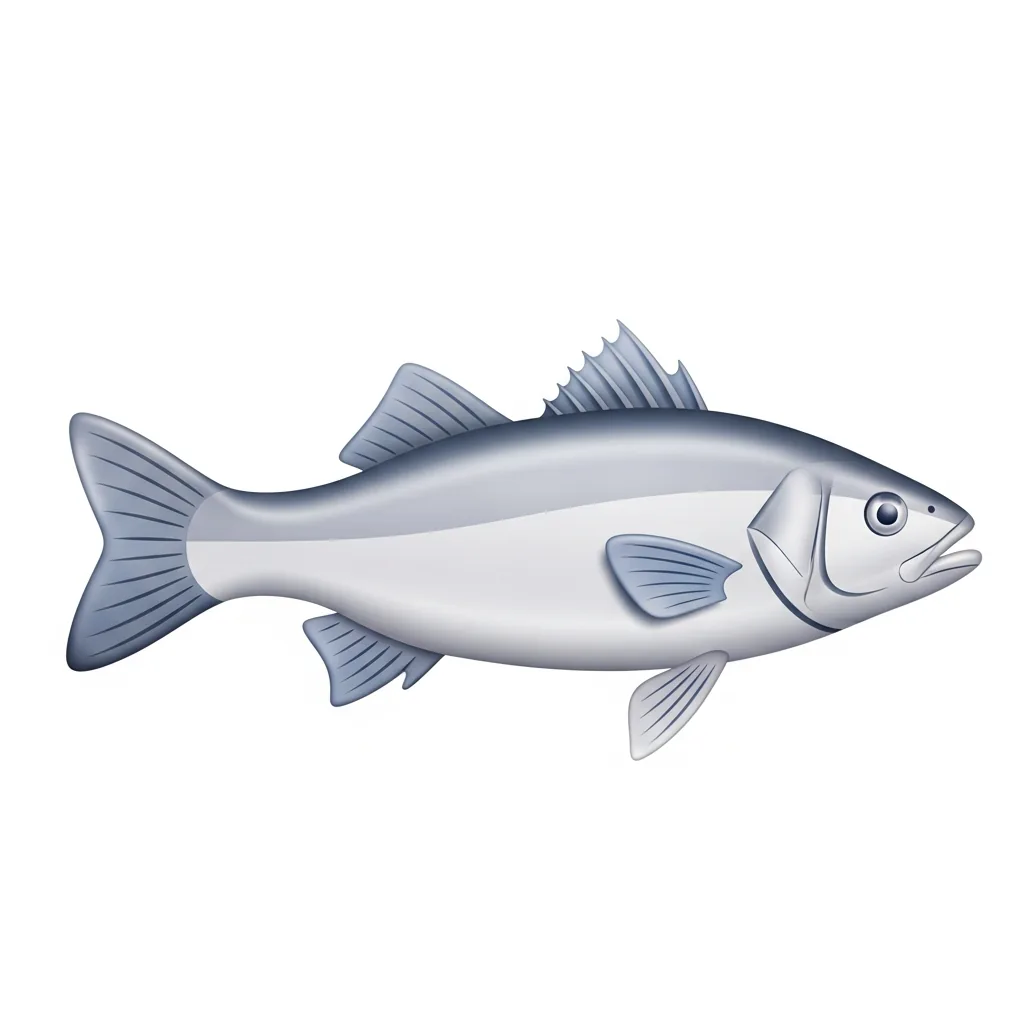 European sea bassDicentrarchus labrax
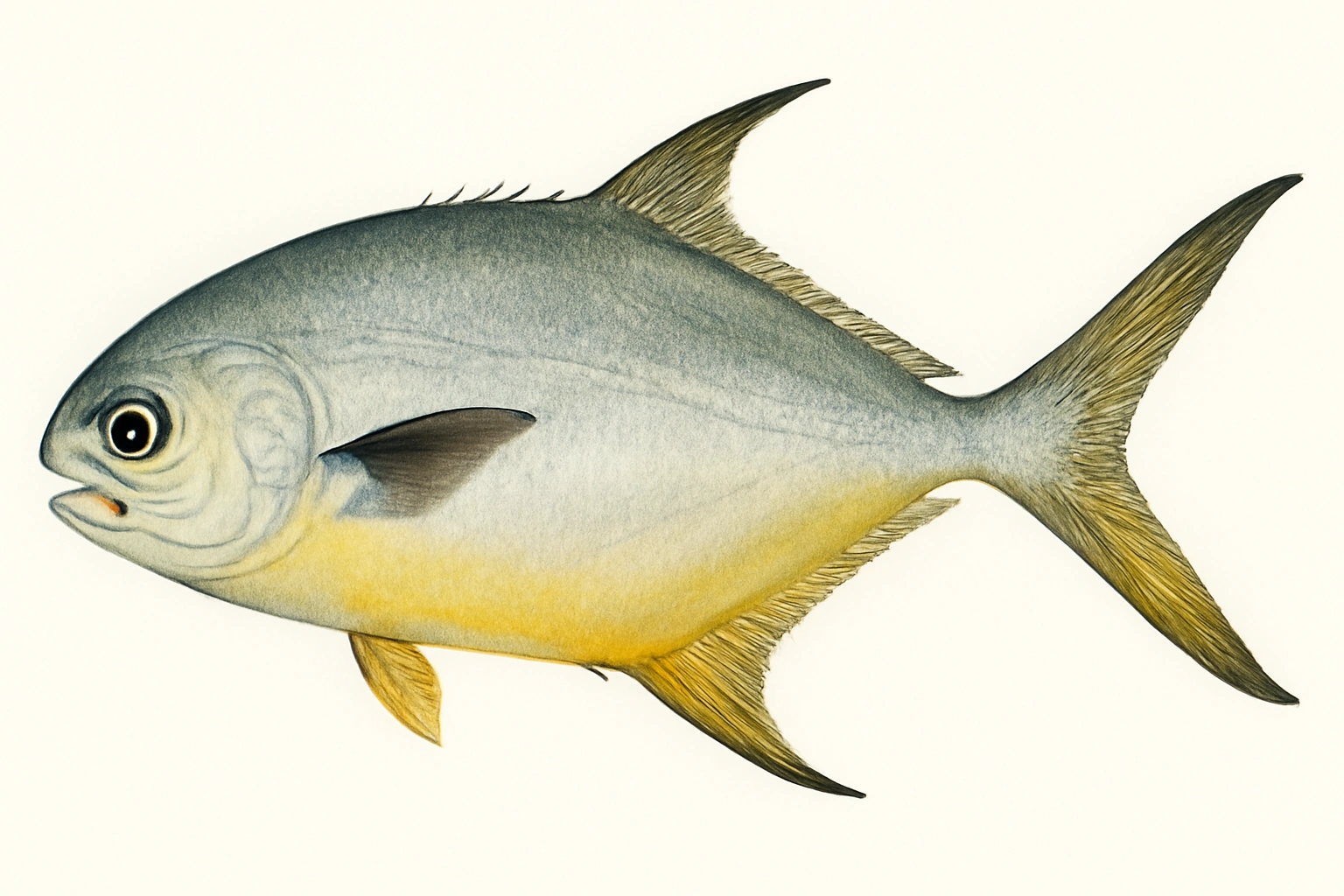 Florida pompanoTrachinotus carolinus
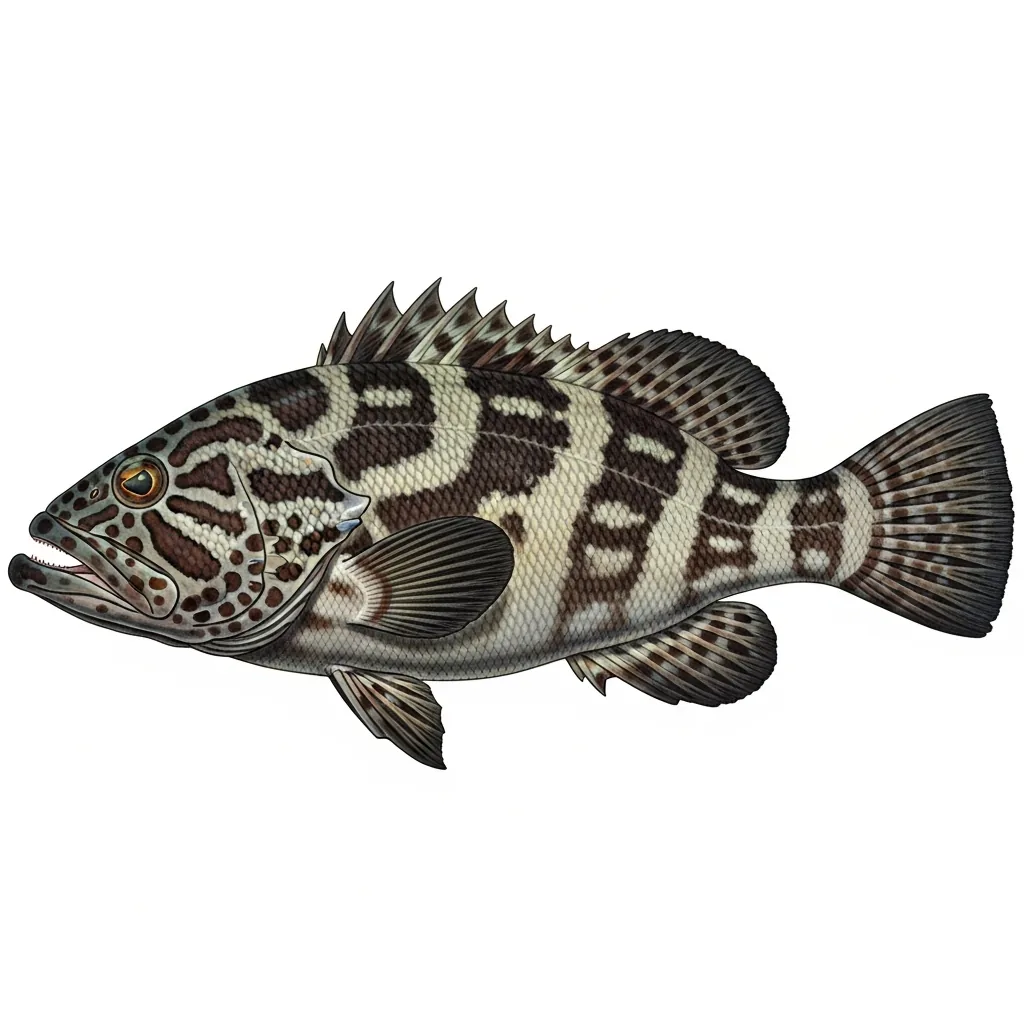 Gag GrouperMycteroperca microlepis
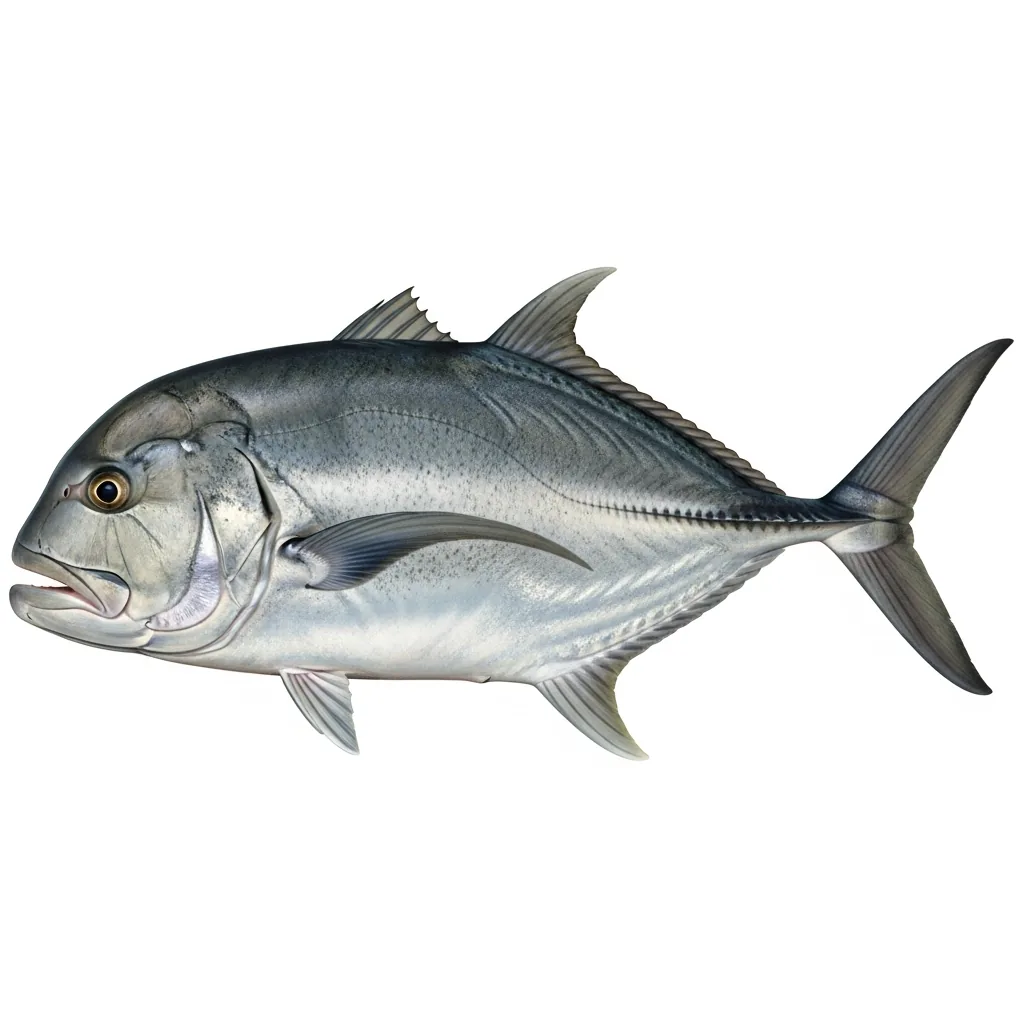 Giant trevallyCaranx ignobilis
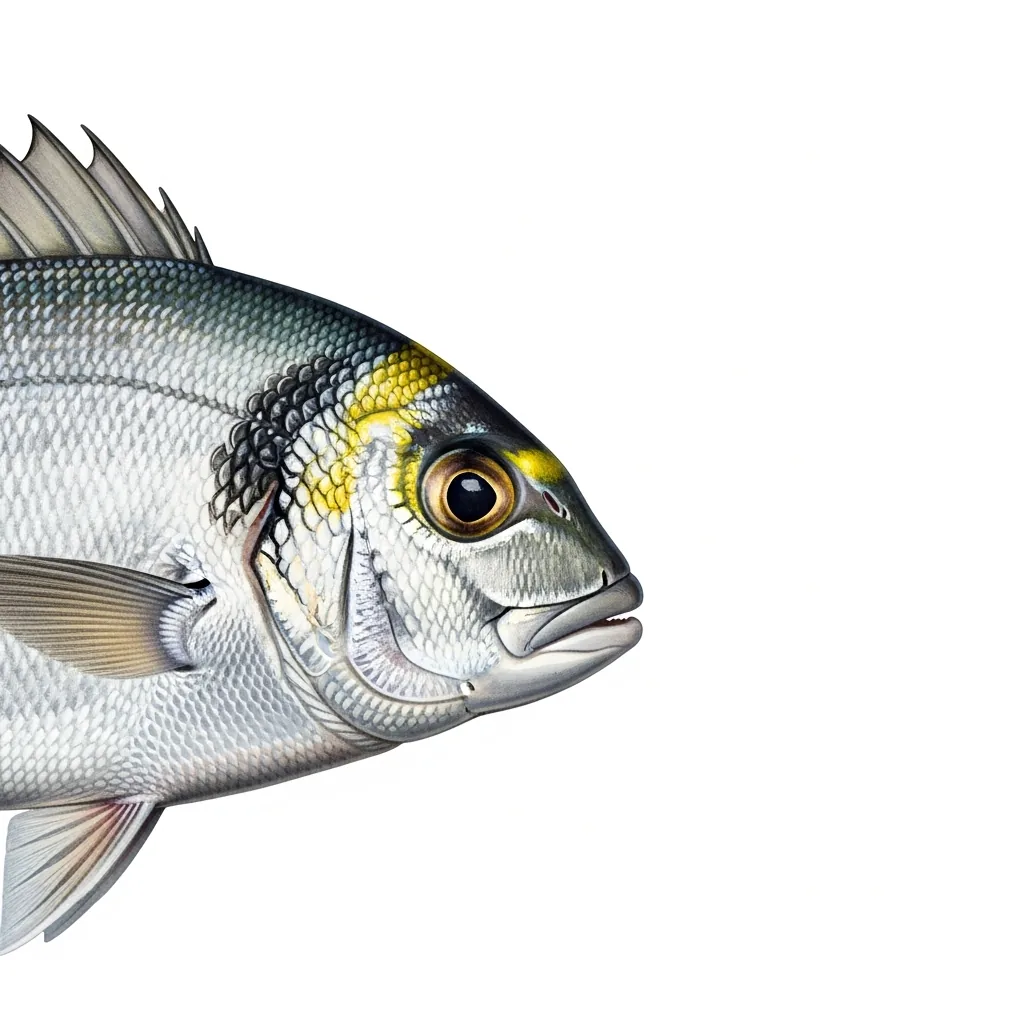 Gilthead sea breamSparus aurata
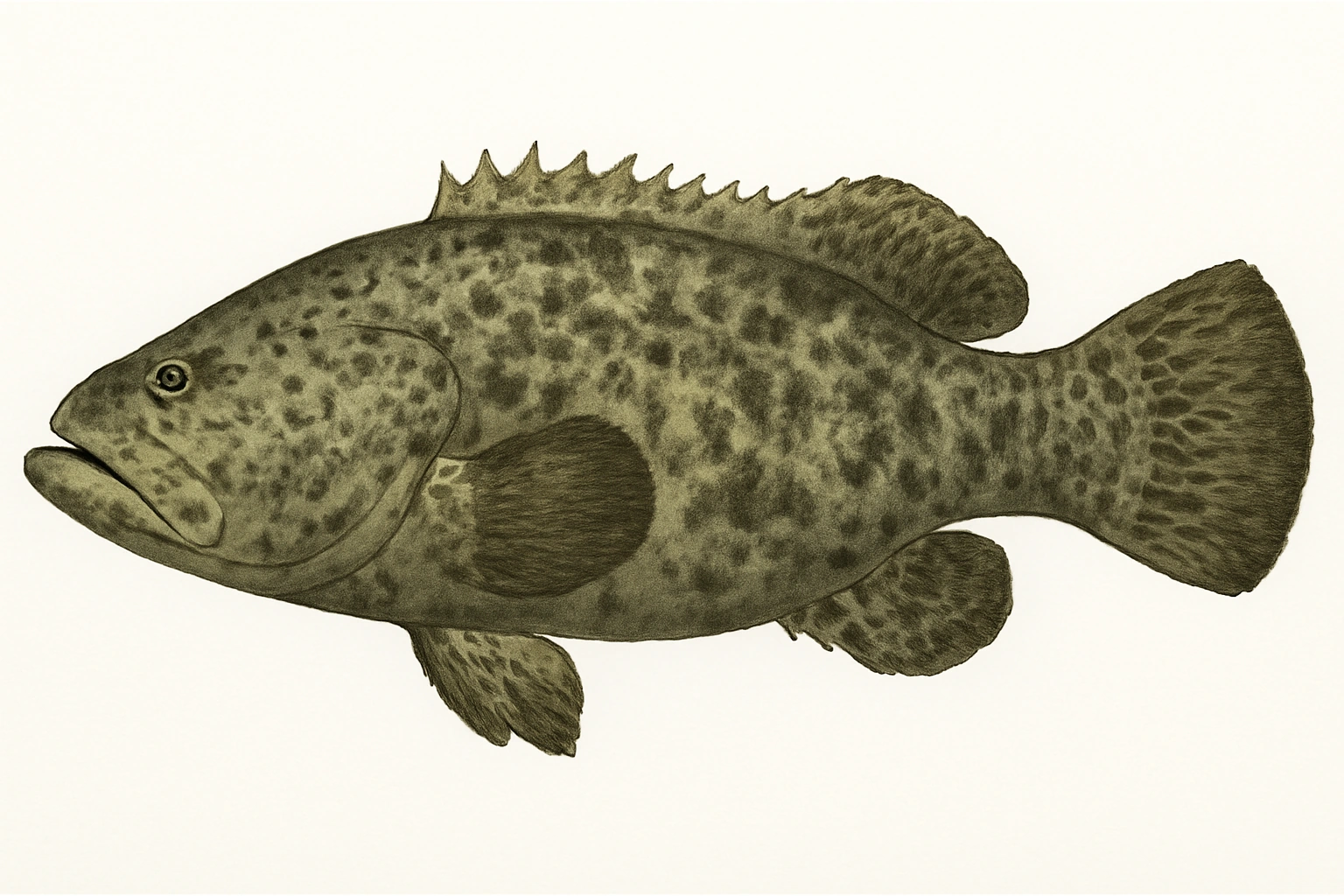 Goliath grouperEpinephelus itajara
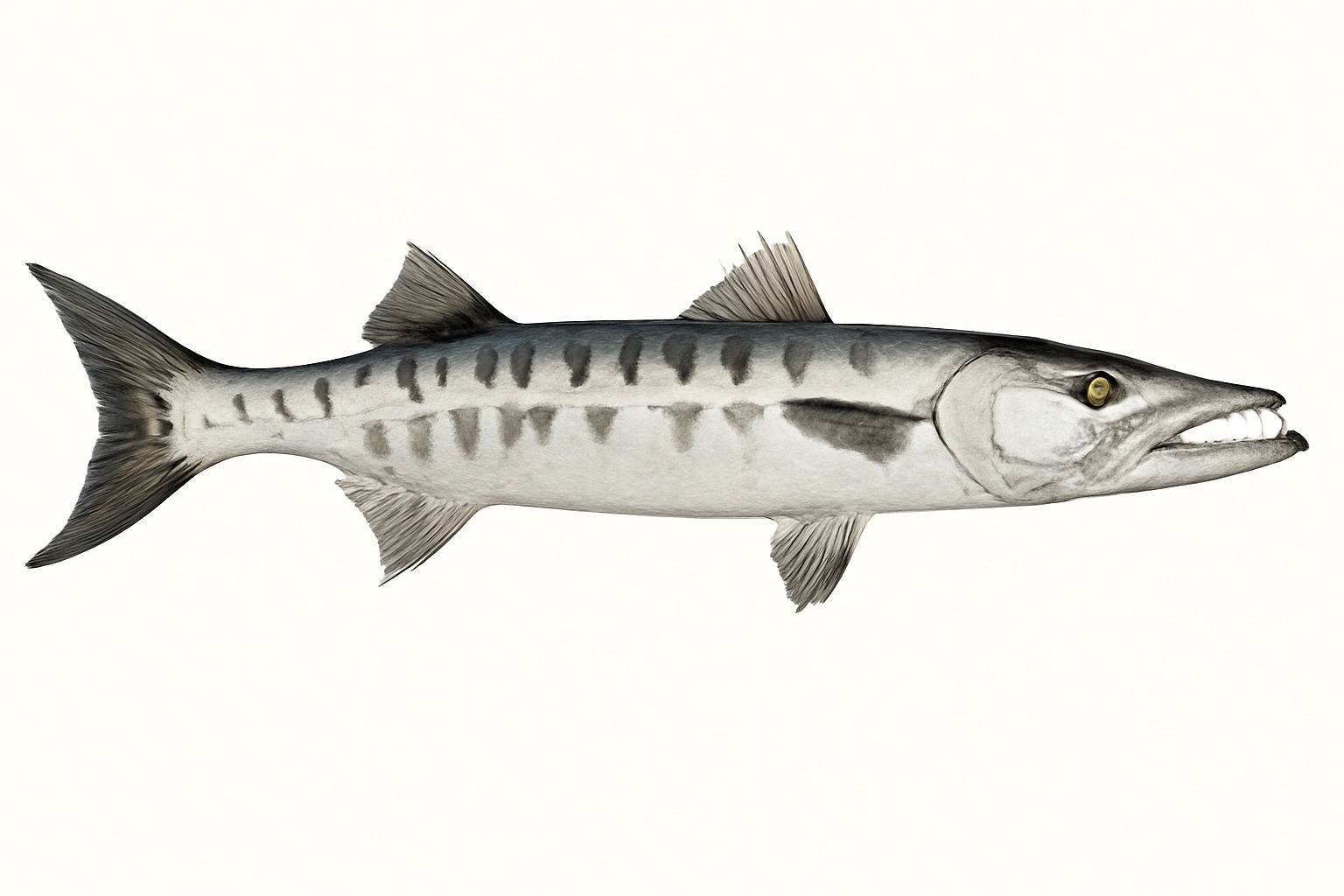 Great barracudaSphyraena barracuda
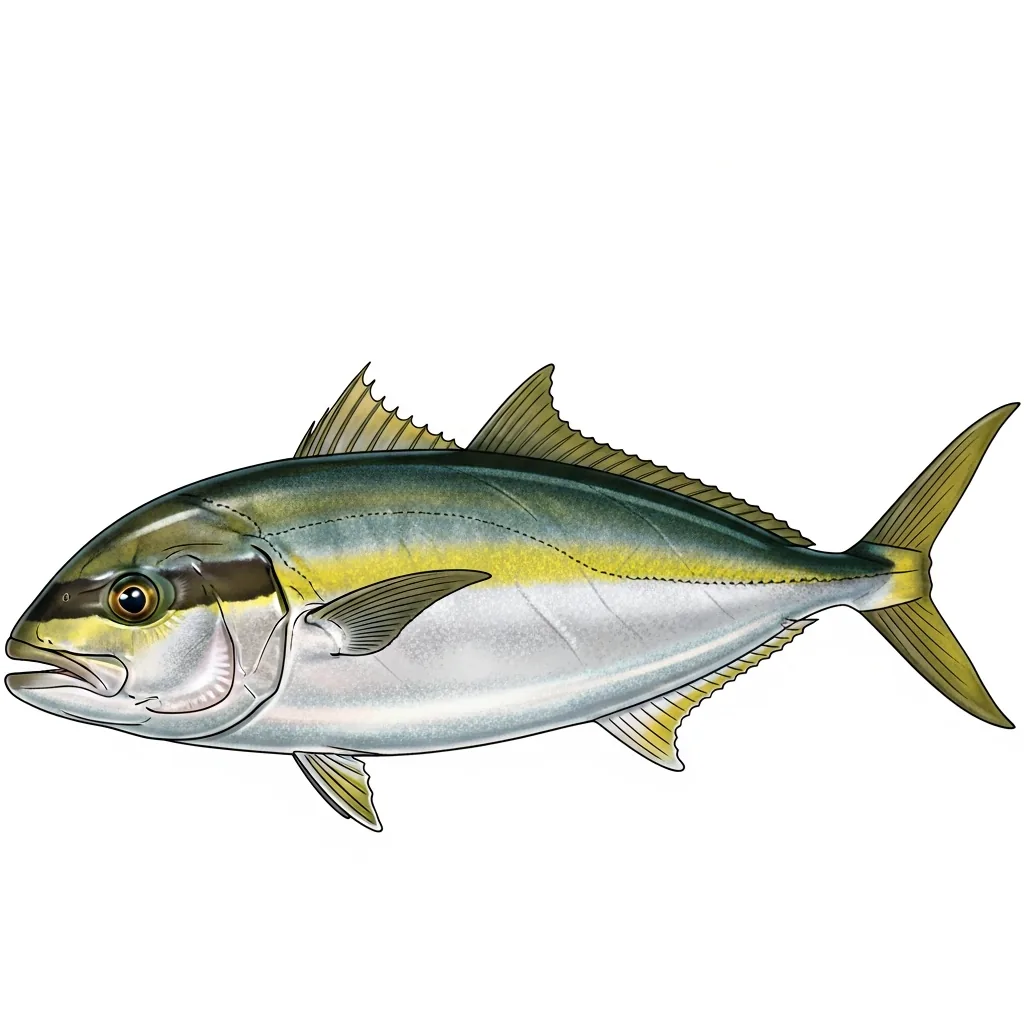 Greater amberjackSeriola dumerili
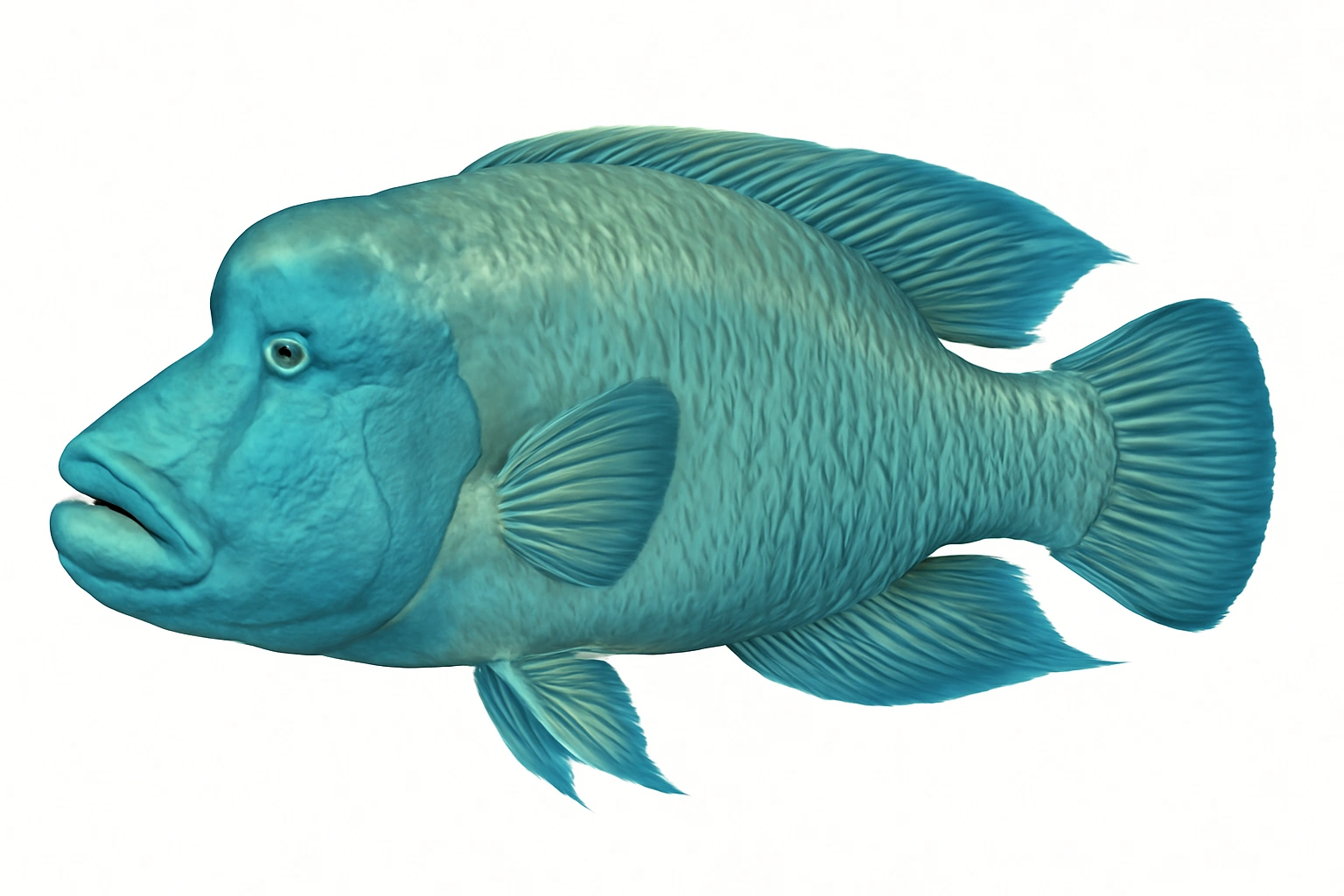 Humphead wrasseCheilinus undulatus
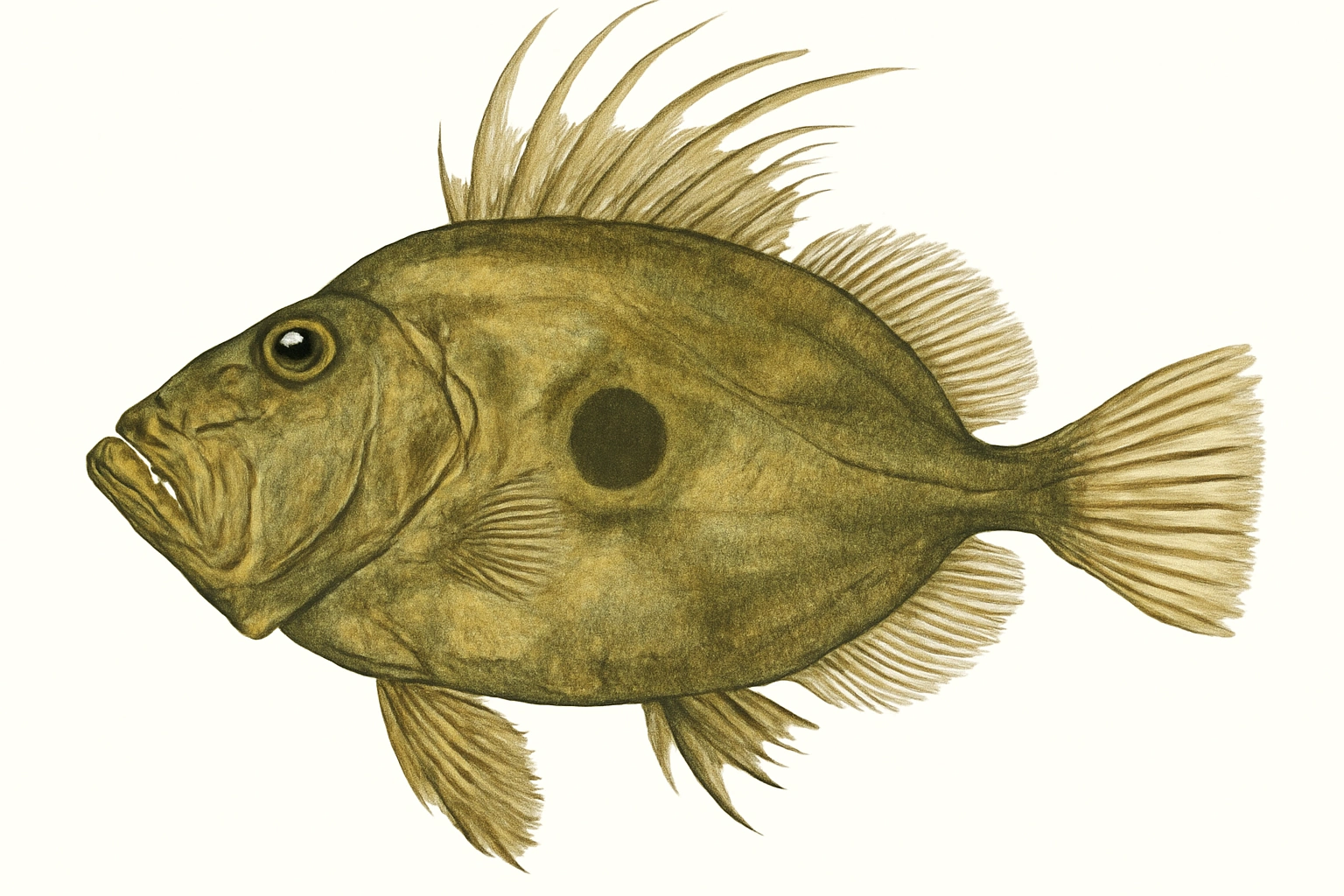 John DoryZeus faber
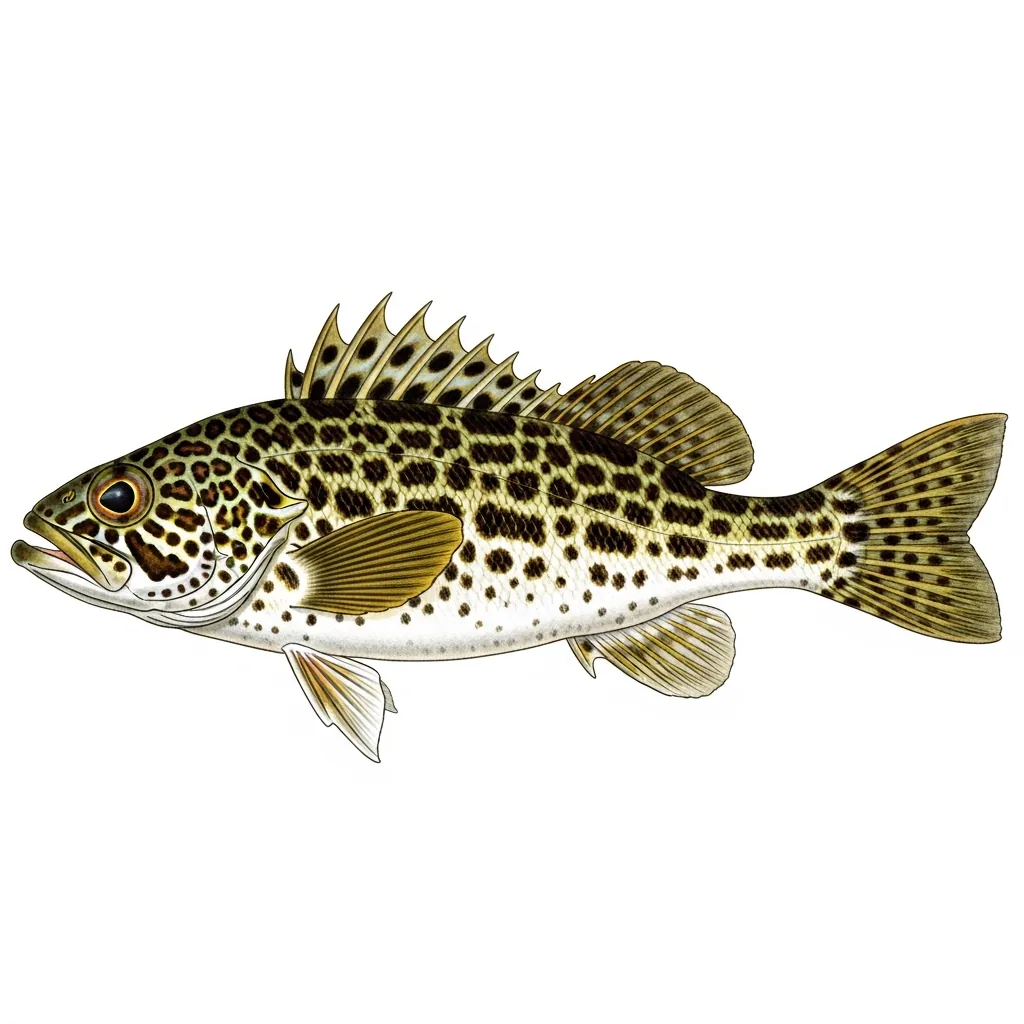 Kelp BassParalabrax clathratus
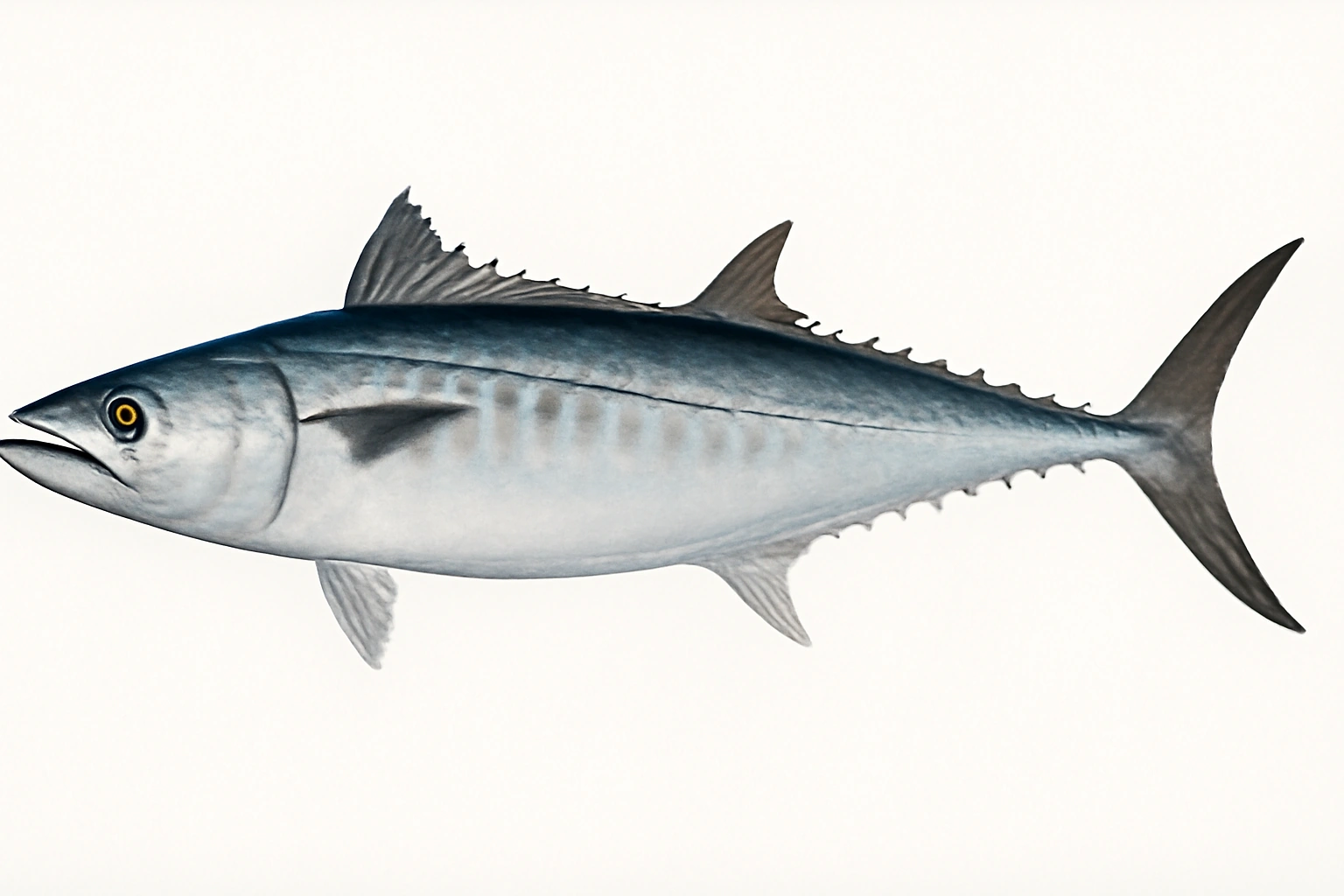 King mackerelScomberomorus cavalla
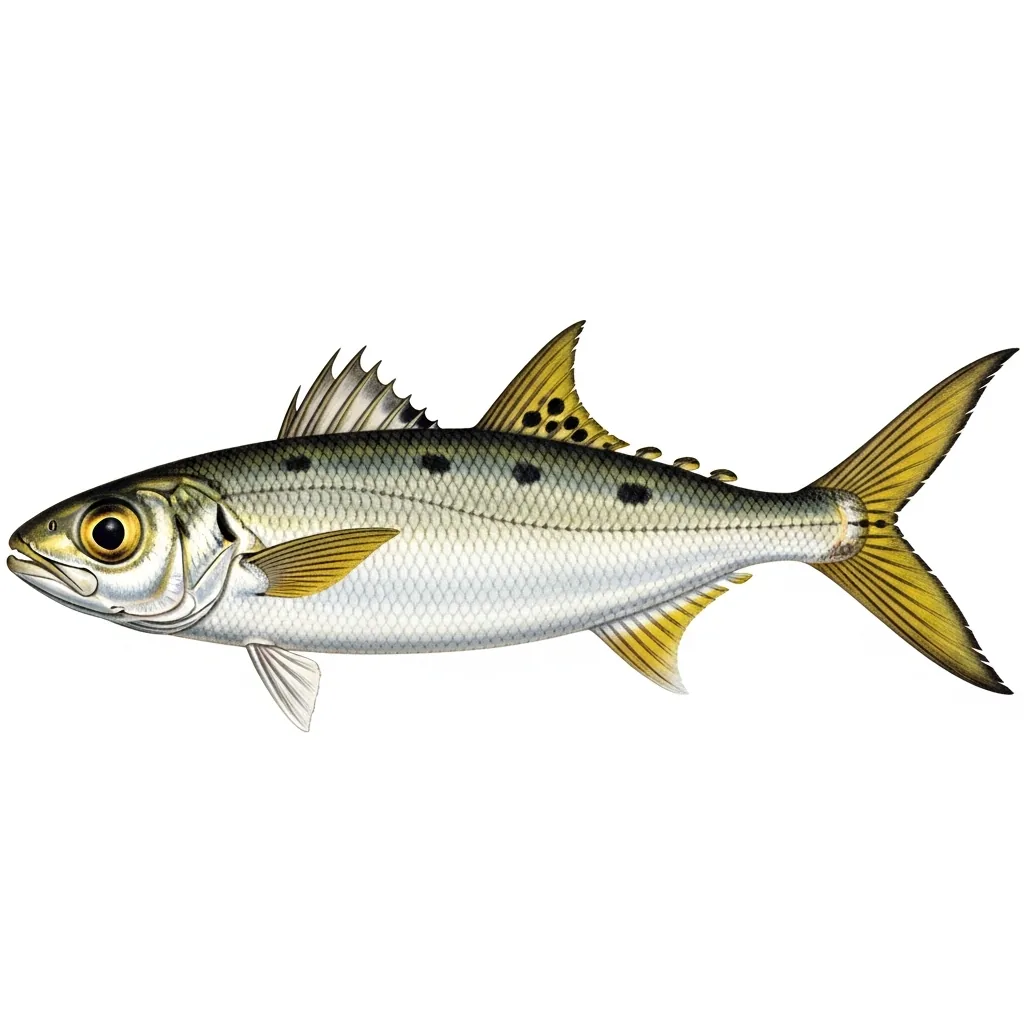 LeerfishLichia amia
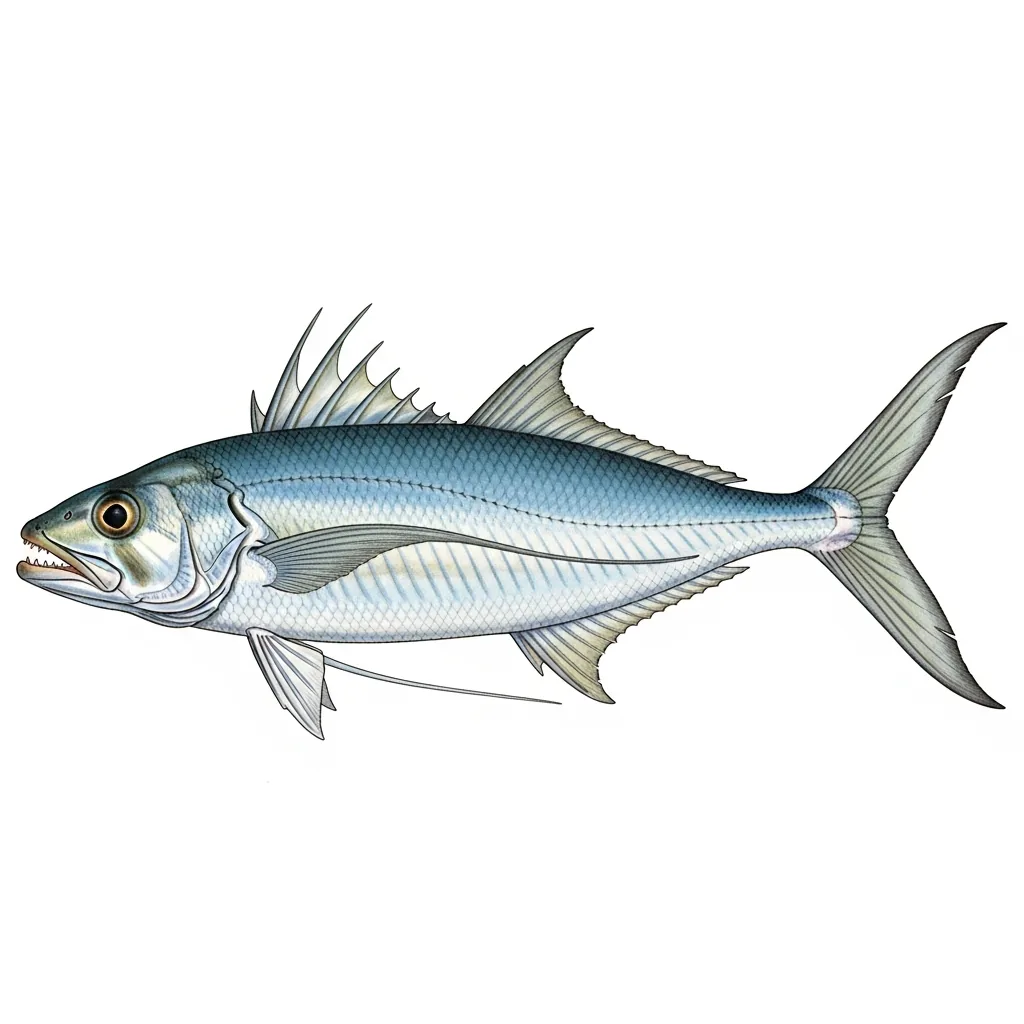 LeerfishTrachinotus ovatus
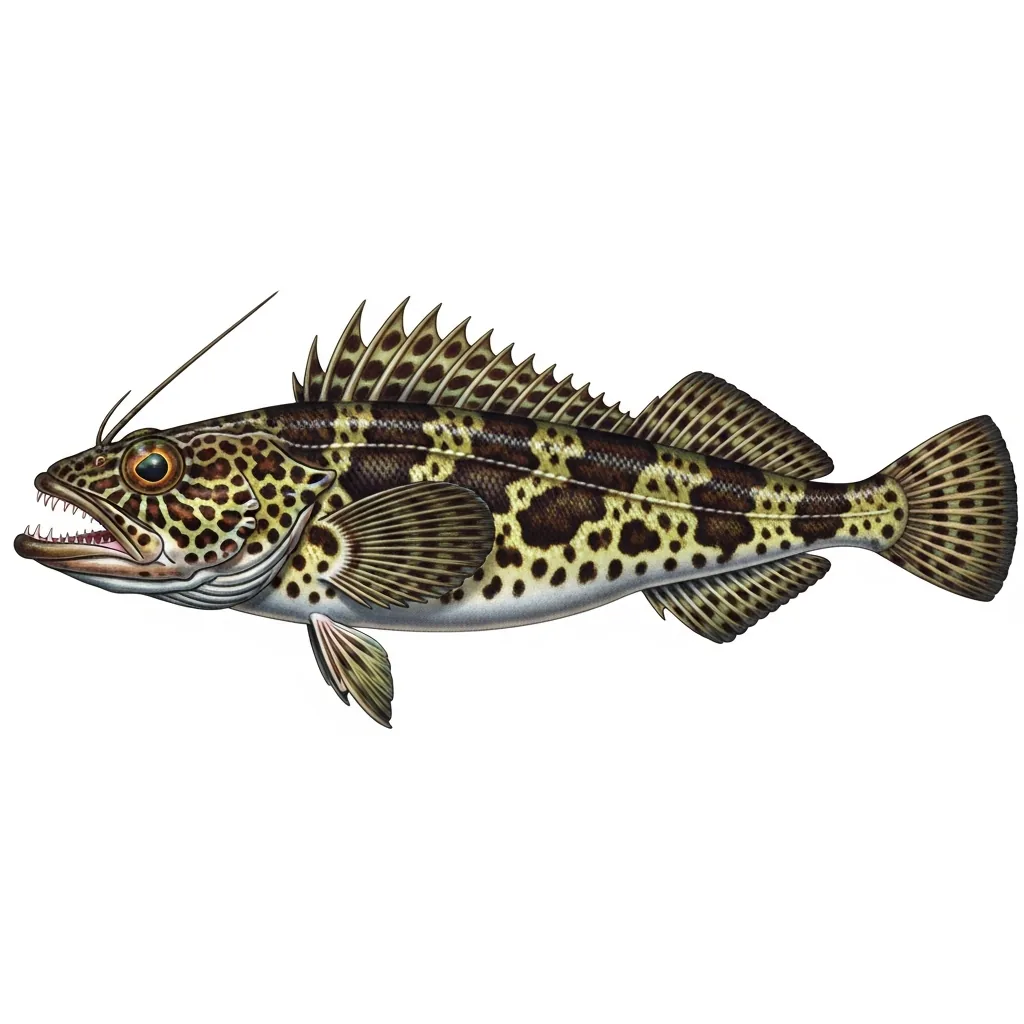 LingcodOphiodon elongatus
 Little tunnyEuthynnus alletteratus
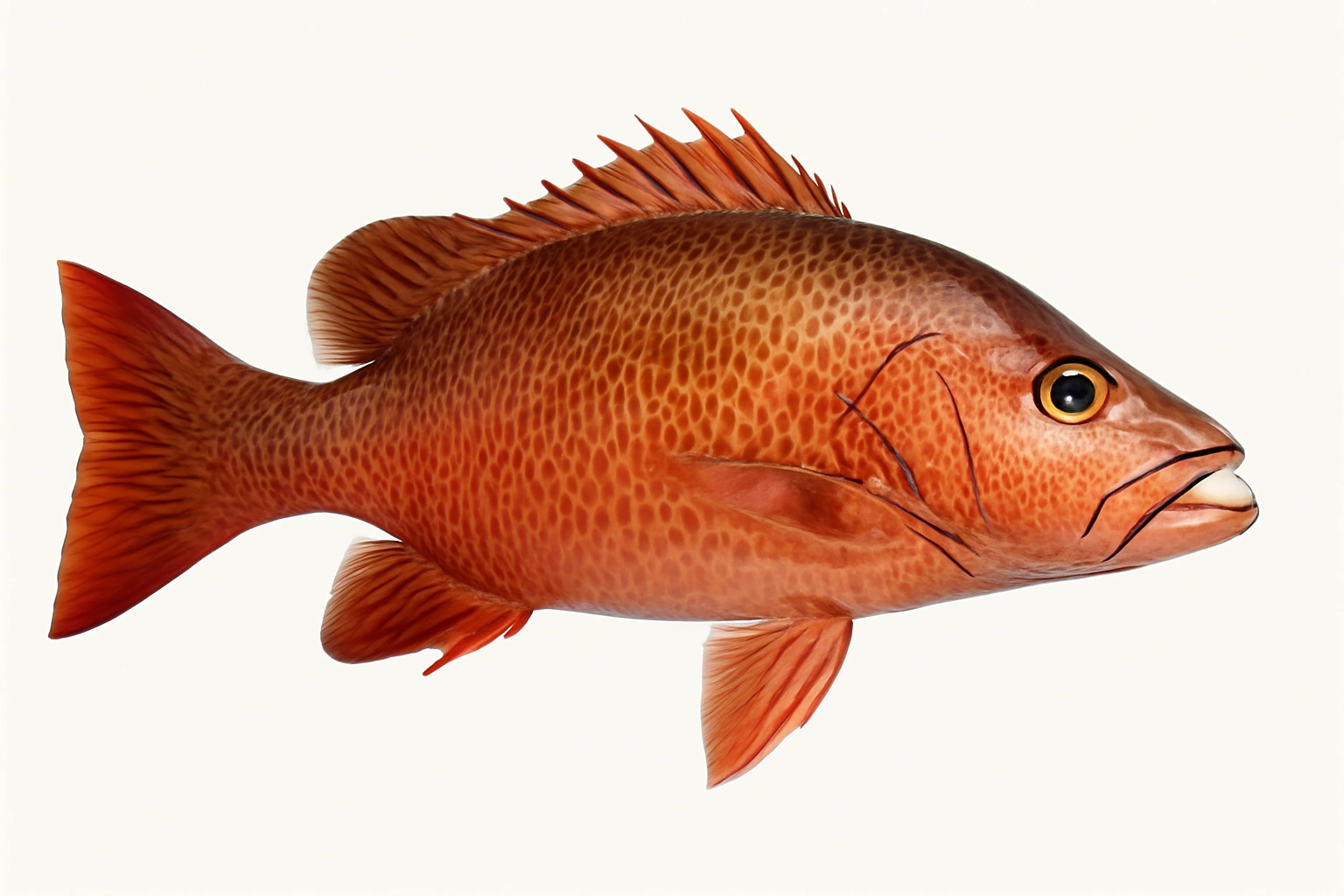 Mangrove JackLutjanus argentimaculatus
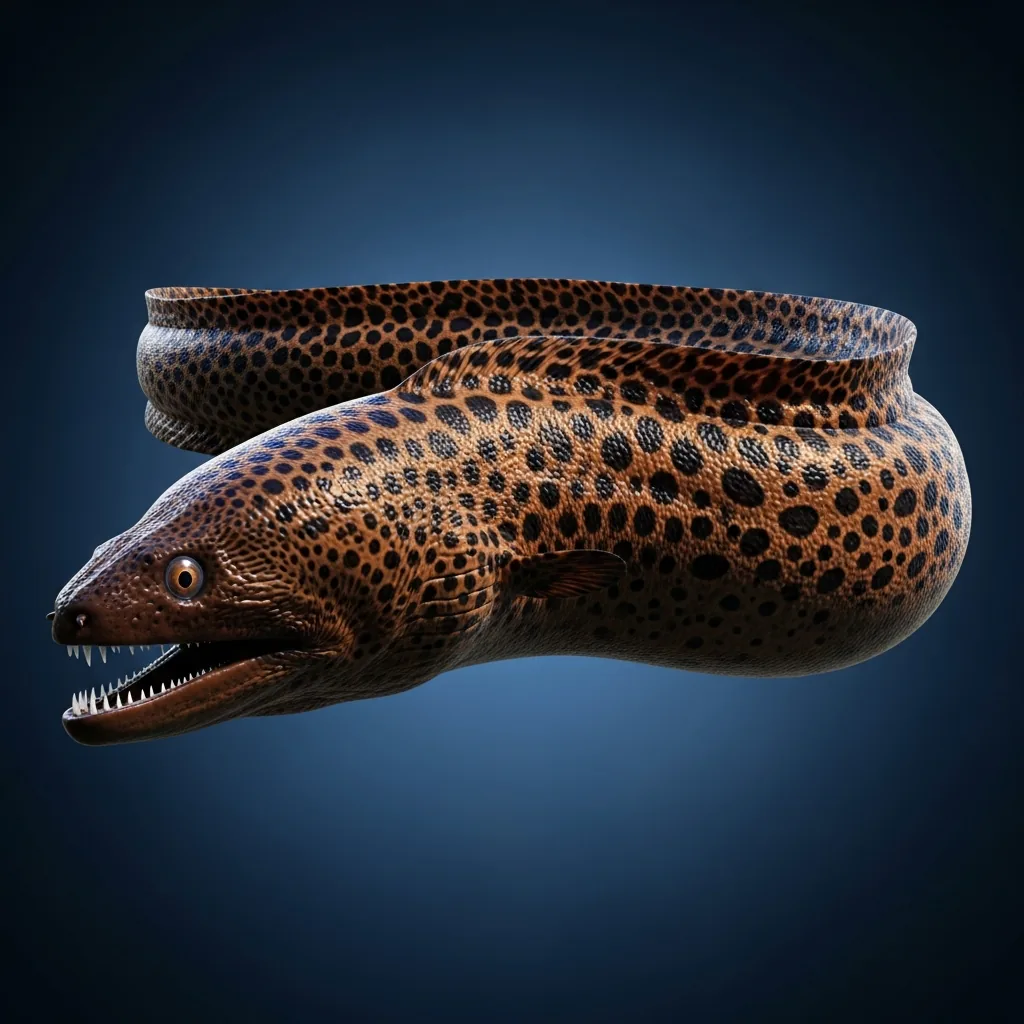 Mediterranean morayMuraena helena
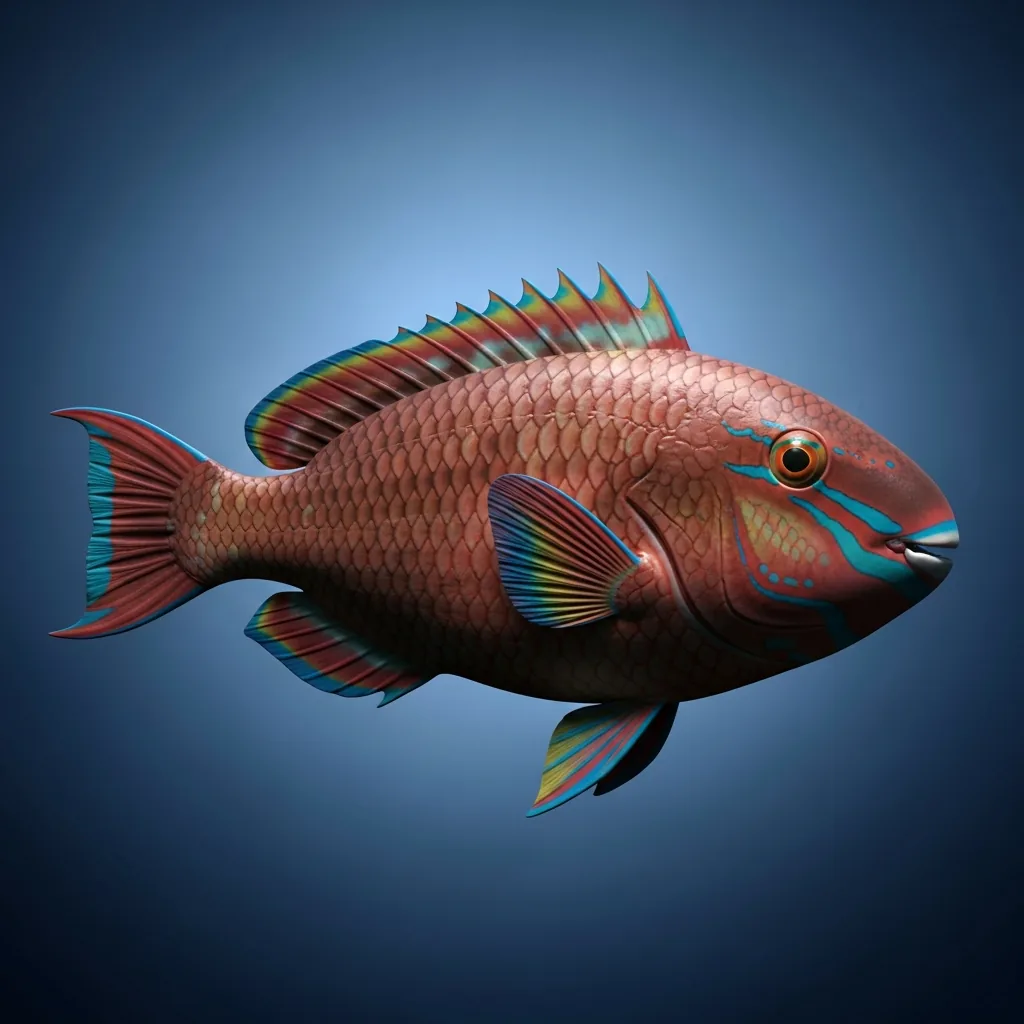 Mediterranean parrotfishSparisoma cretense
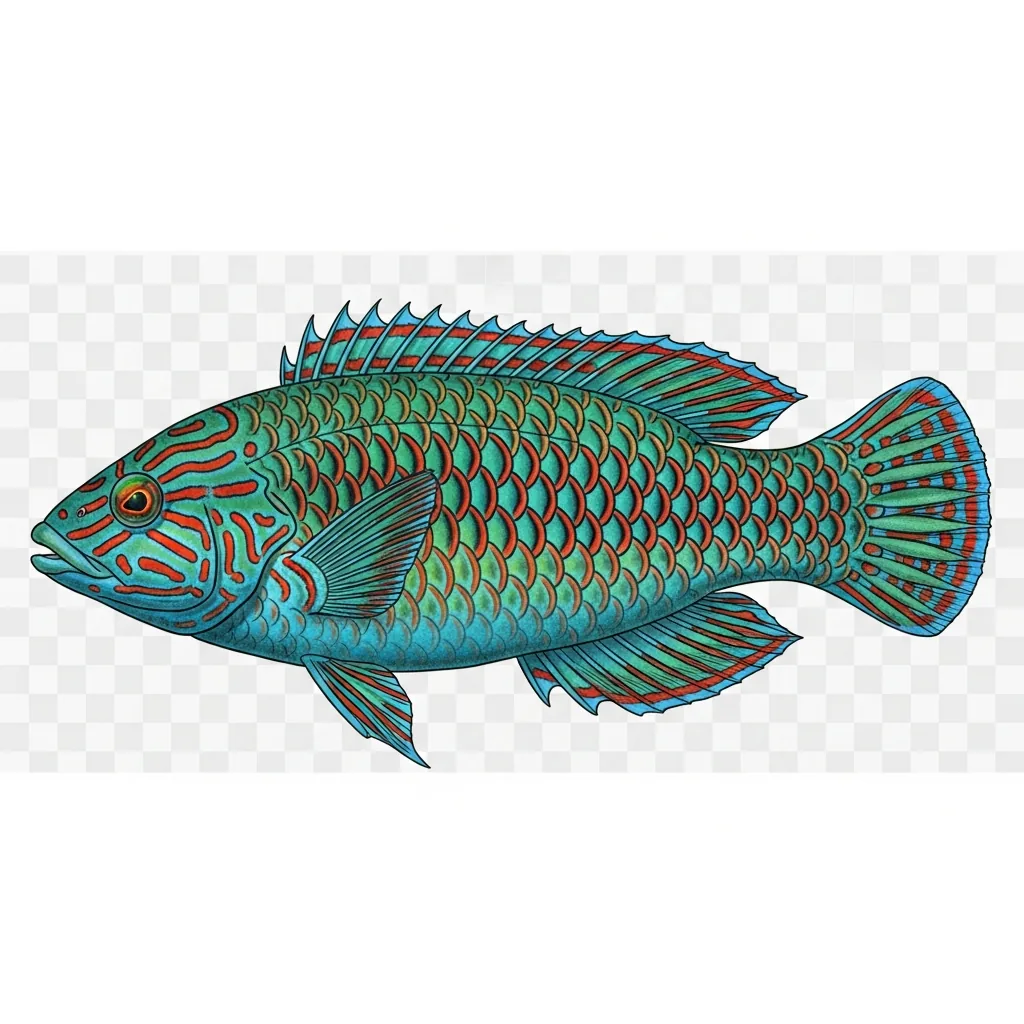 Ornate wrasseThalassoma pavo
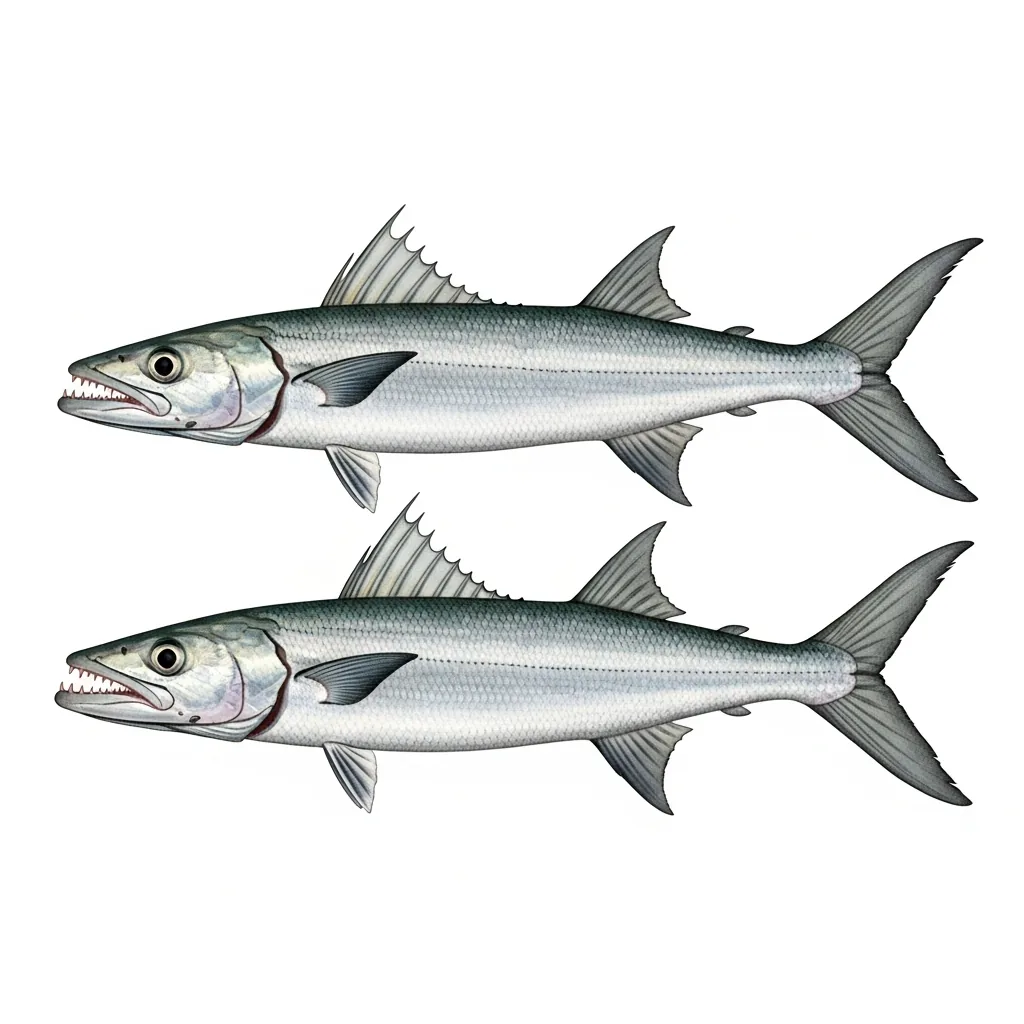 Pacific BarracudaSphyraena argentea
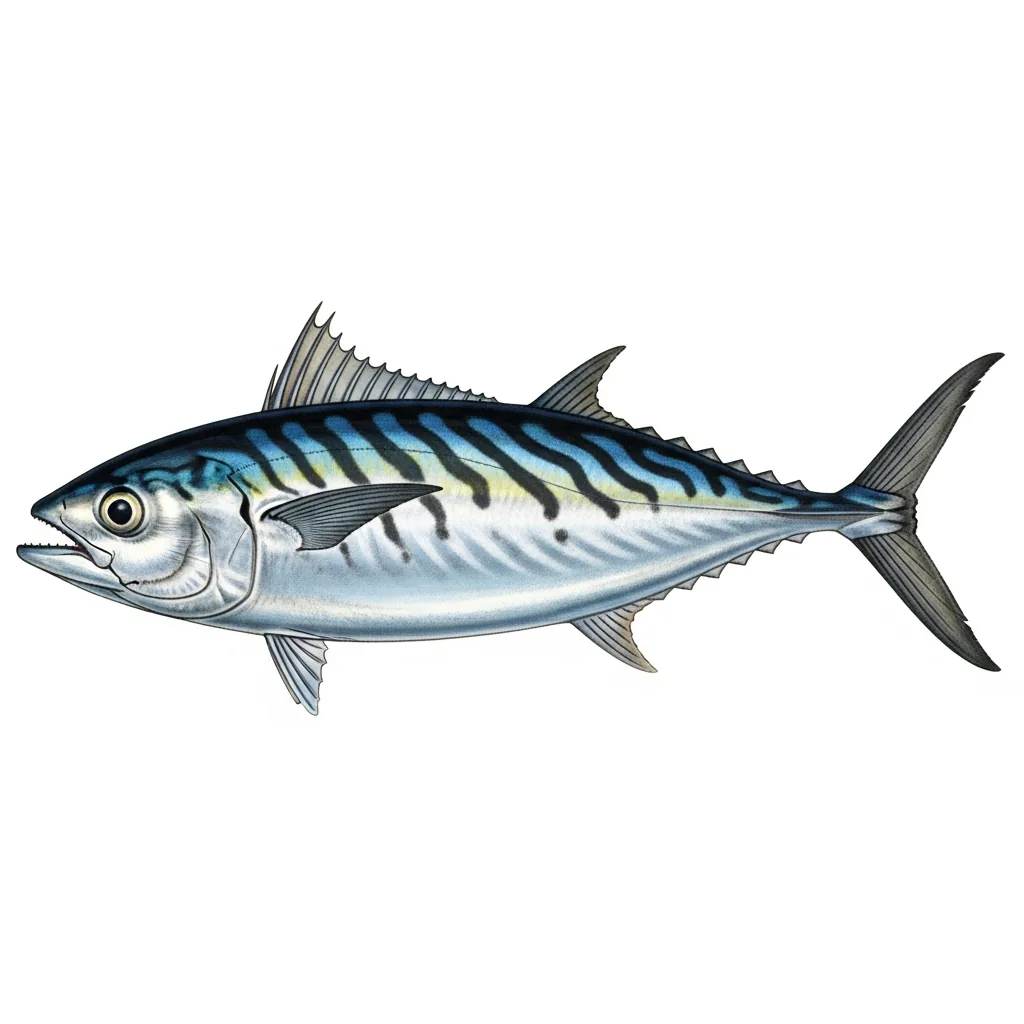 Pacific BonitoSarda chiliensis
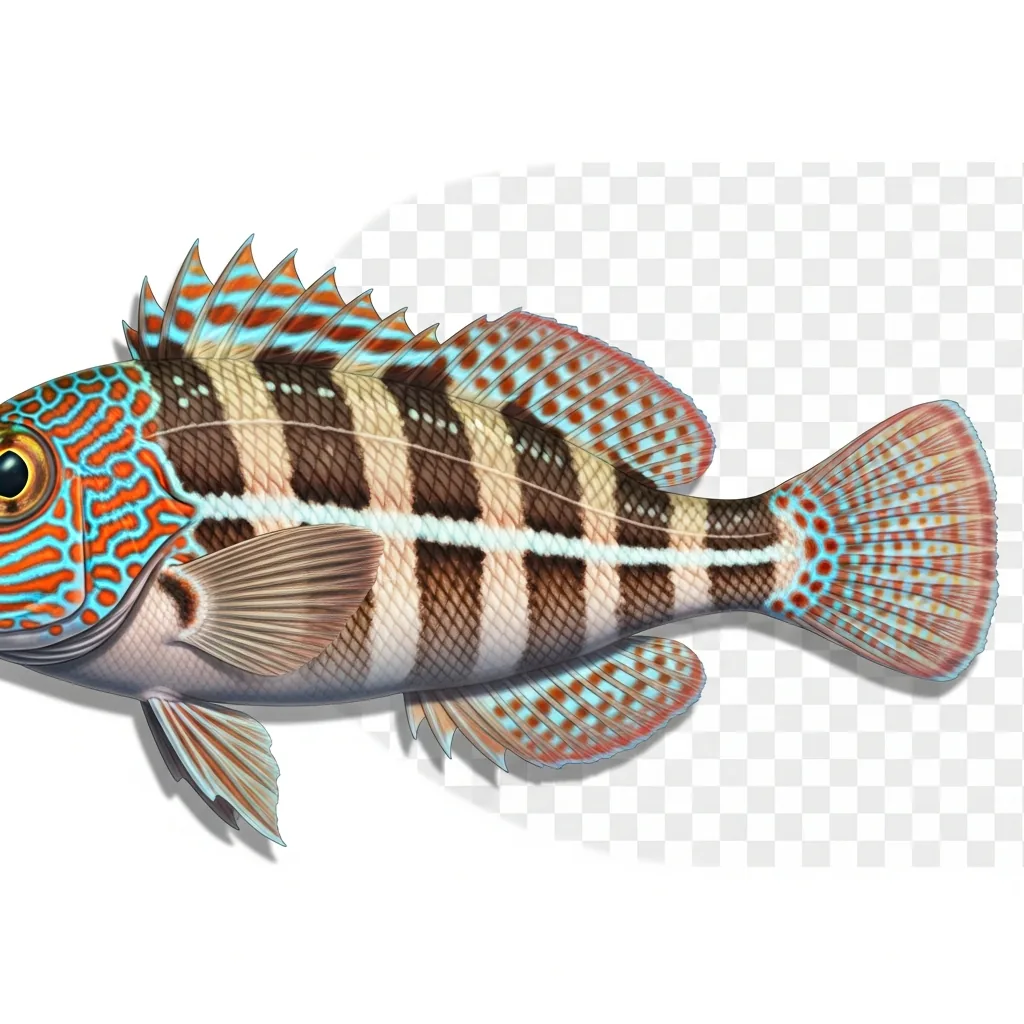 Painted comberSerranus scriba
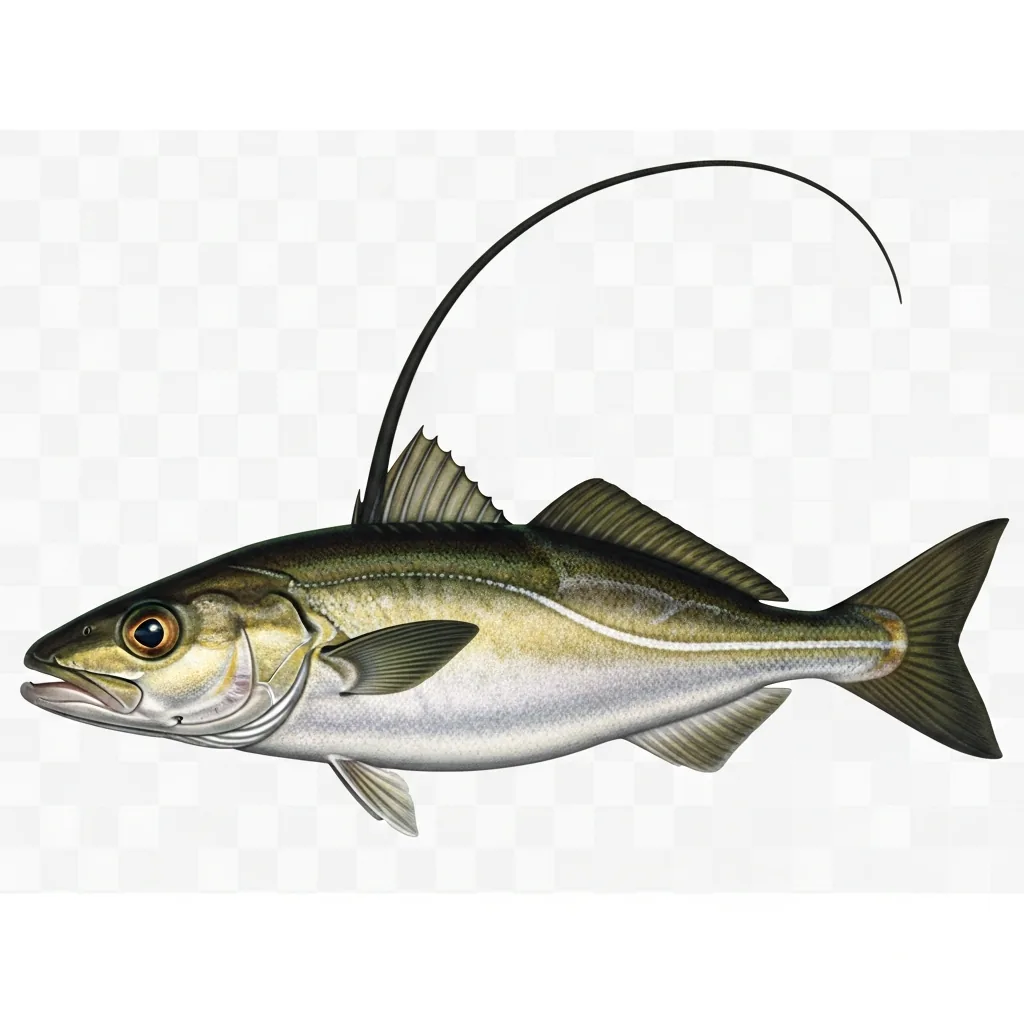 PollackPollachius pollachius
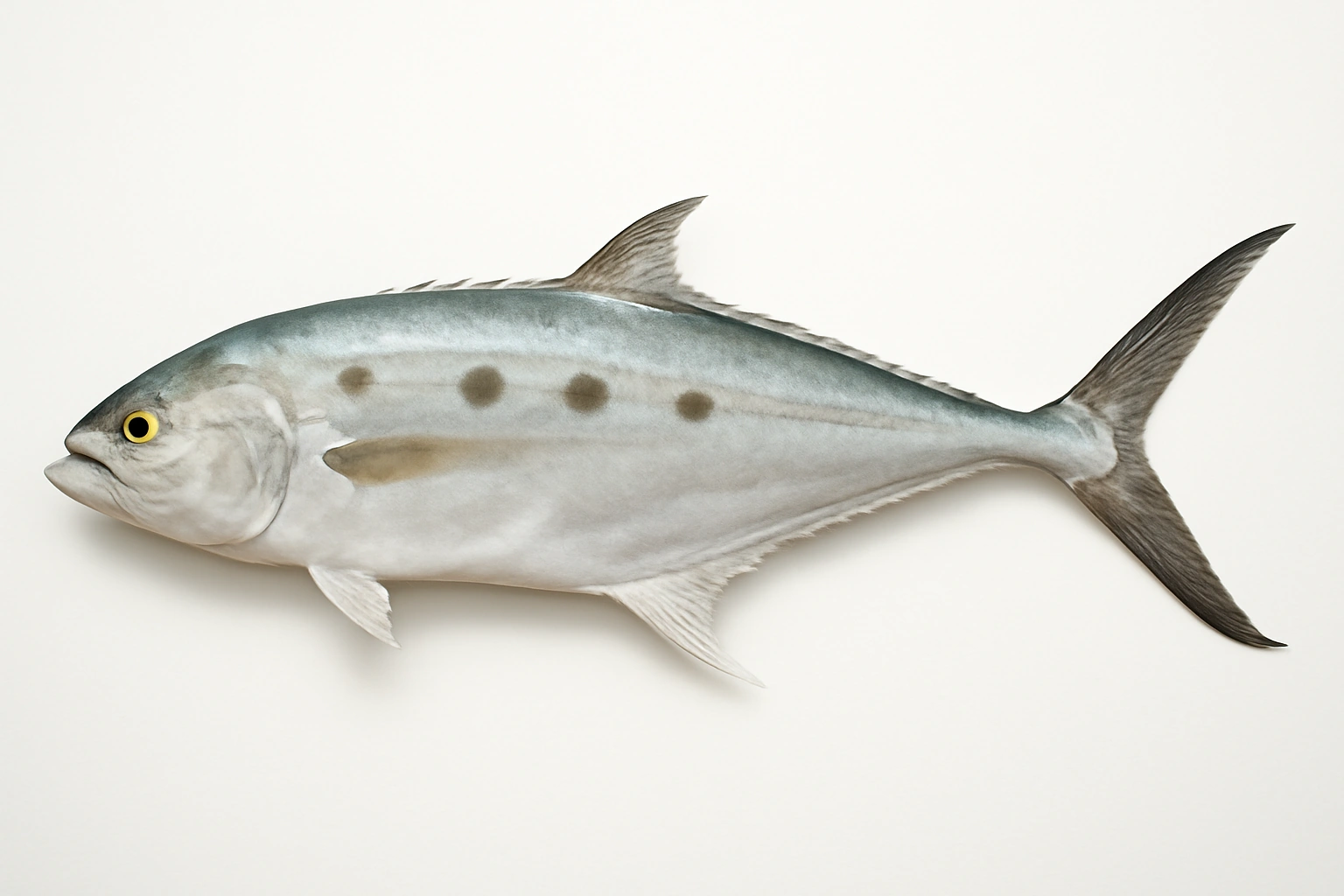 QueenfishScomberoides commersonnianus
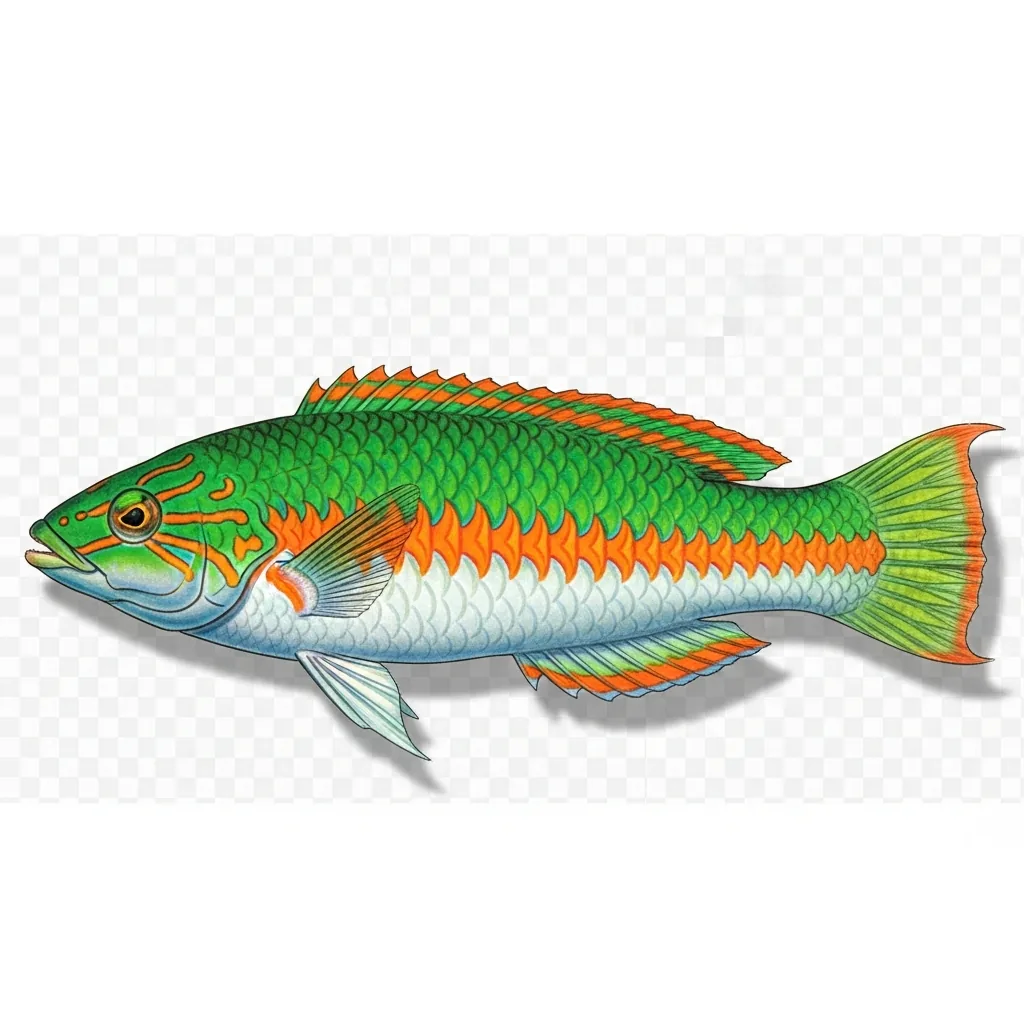 Rainbow wrasseCoris julis
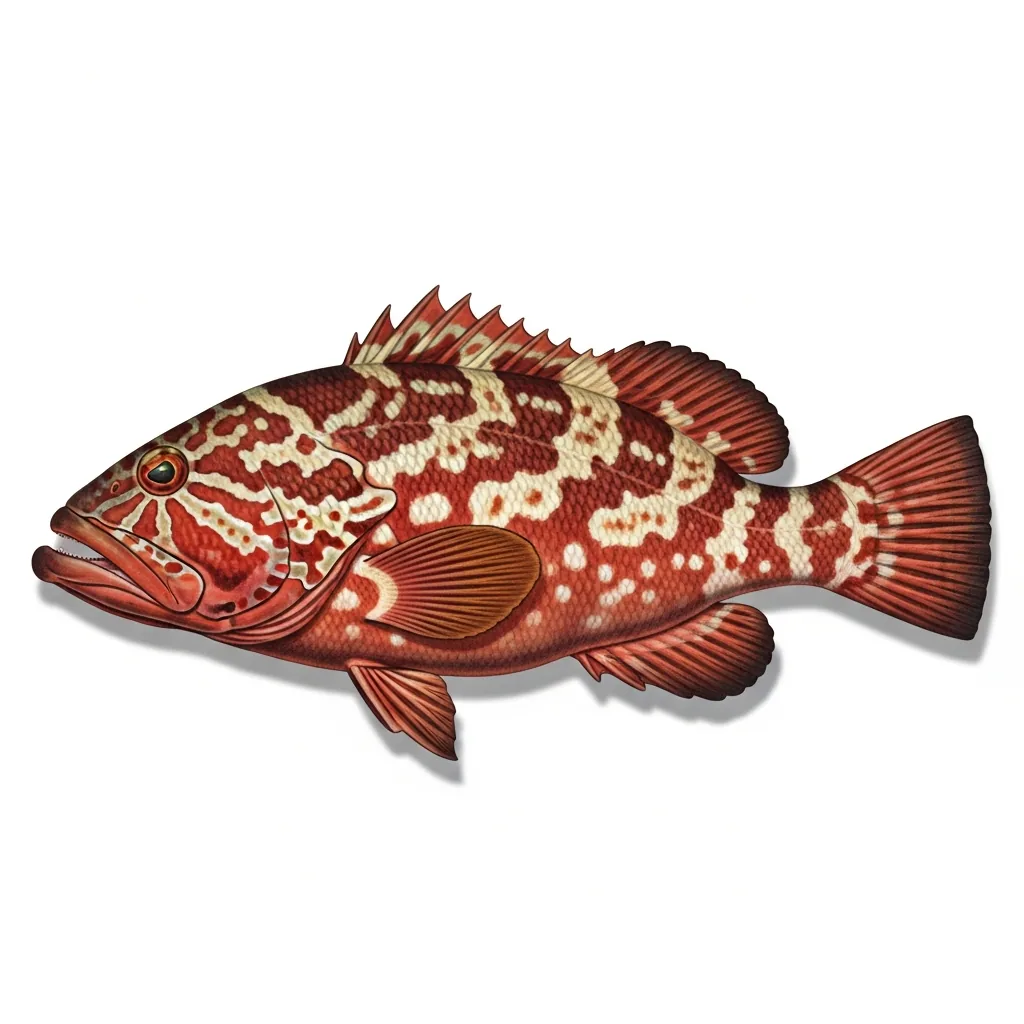 Red GrouperEpinephelus morio
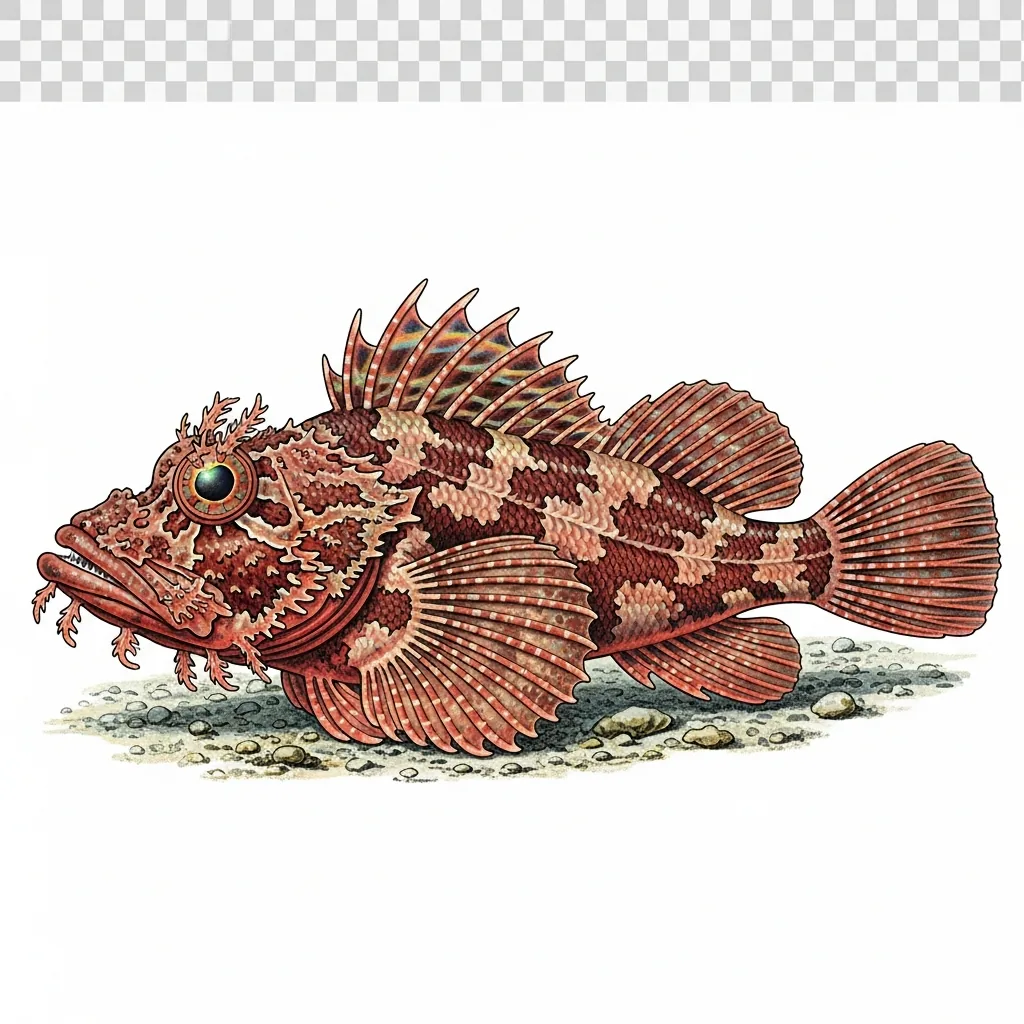 Red scorpionfishScorpaena scrofa
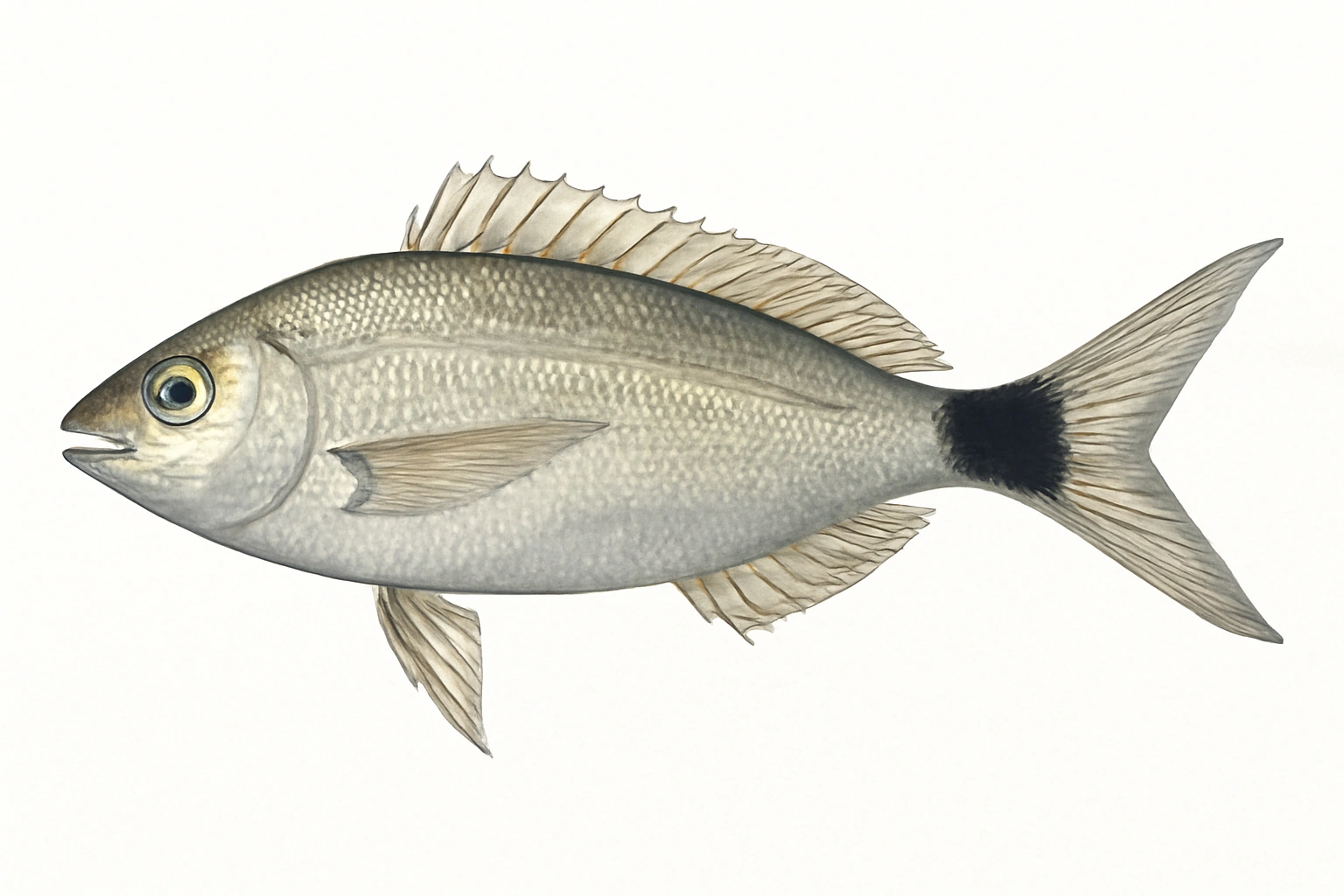 Saddled seabreamOblada melanura
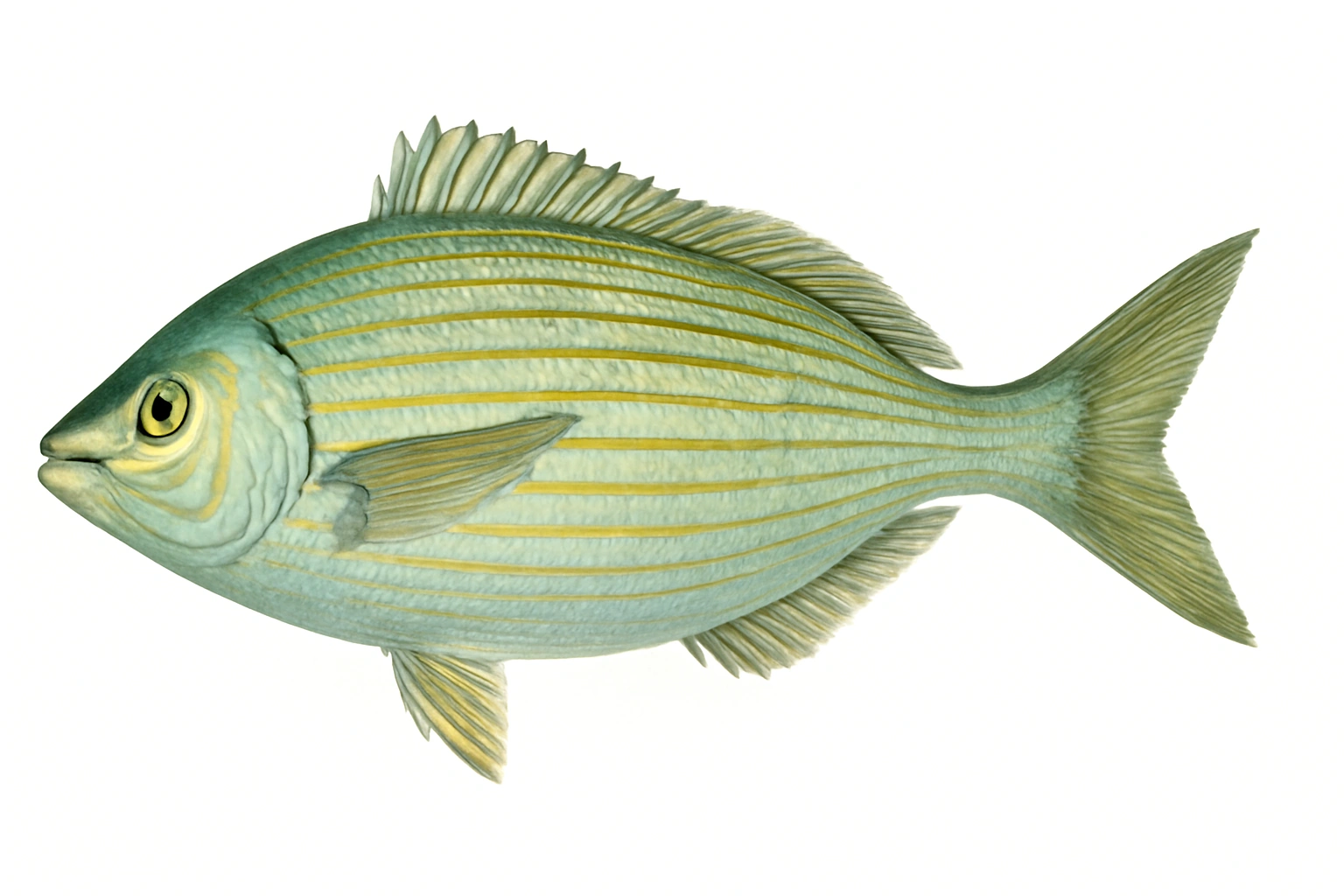 SalemaSarpa salpa
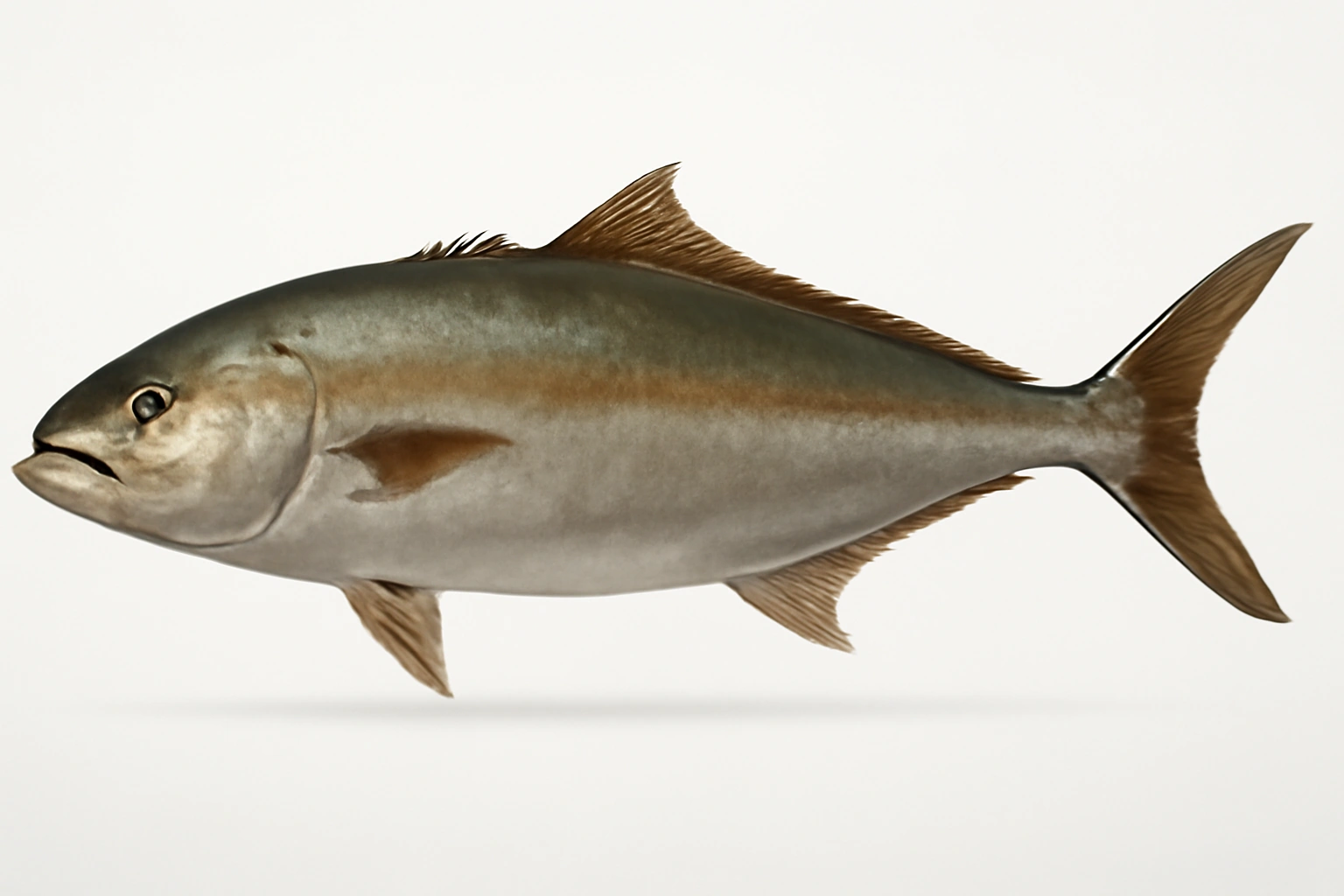 Samson FishSeriola hippos
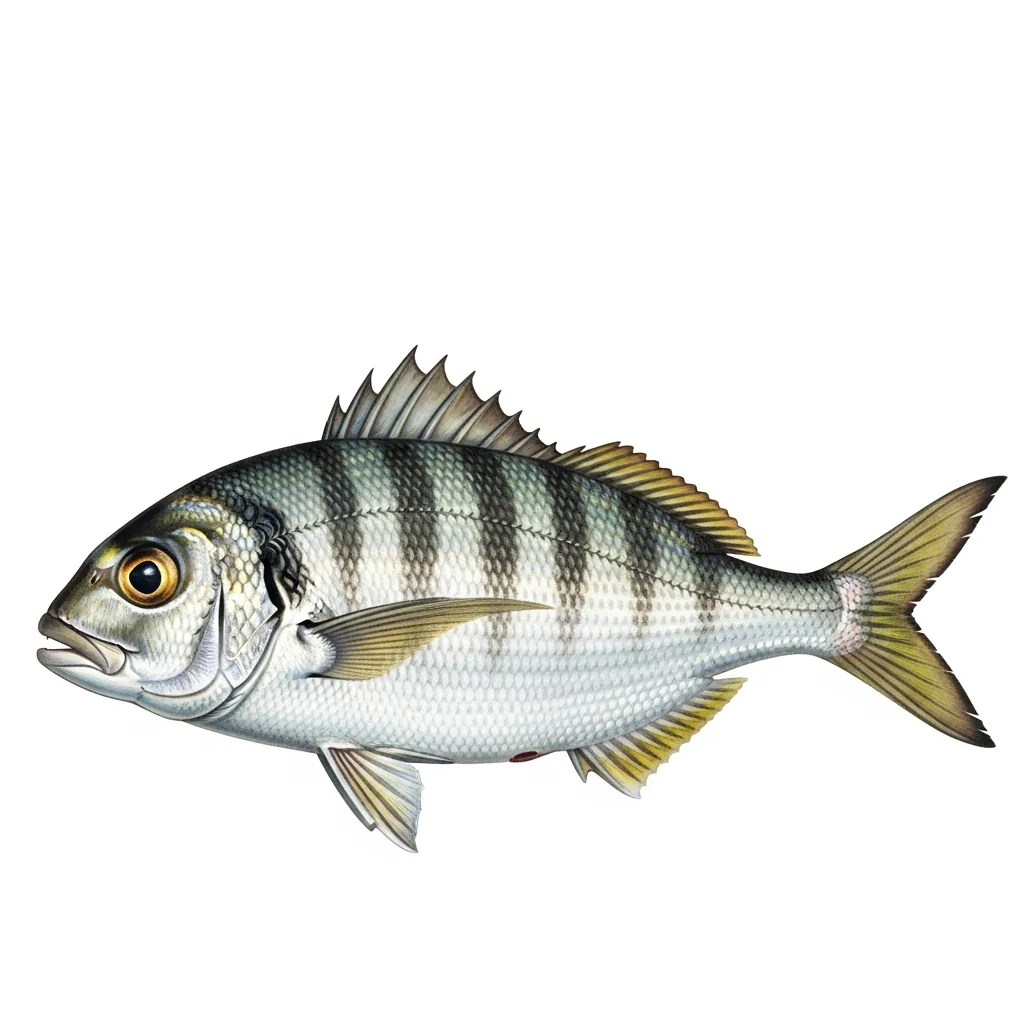 Sharpsnout sea breamDiplodus puntazzo
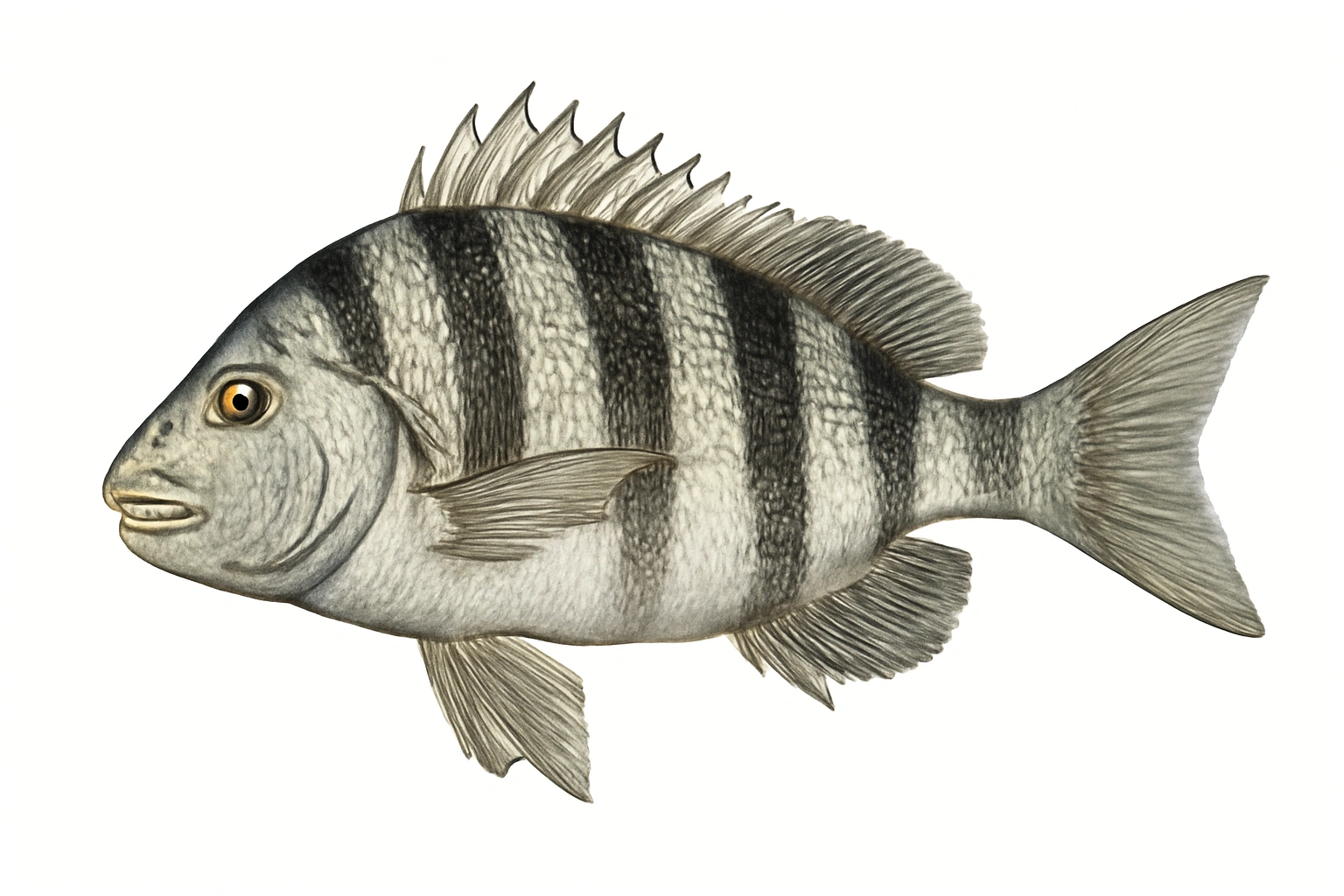 SheepsheadArchosargus probatocephalus
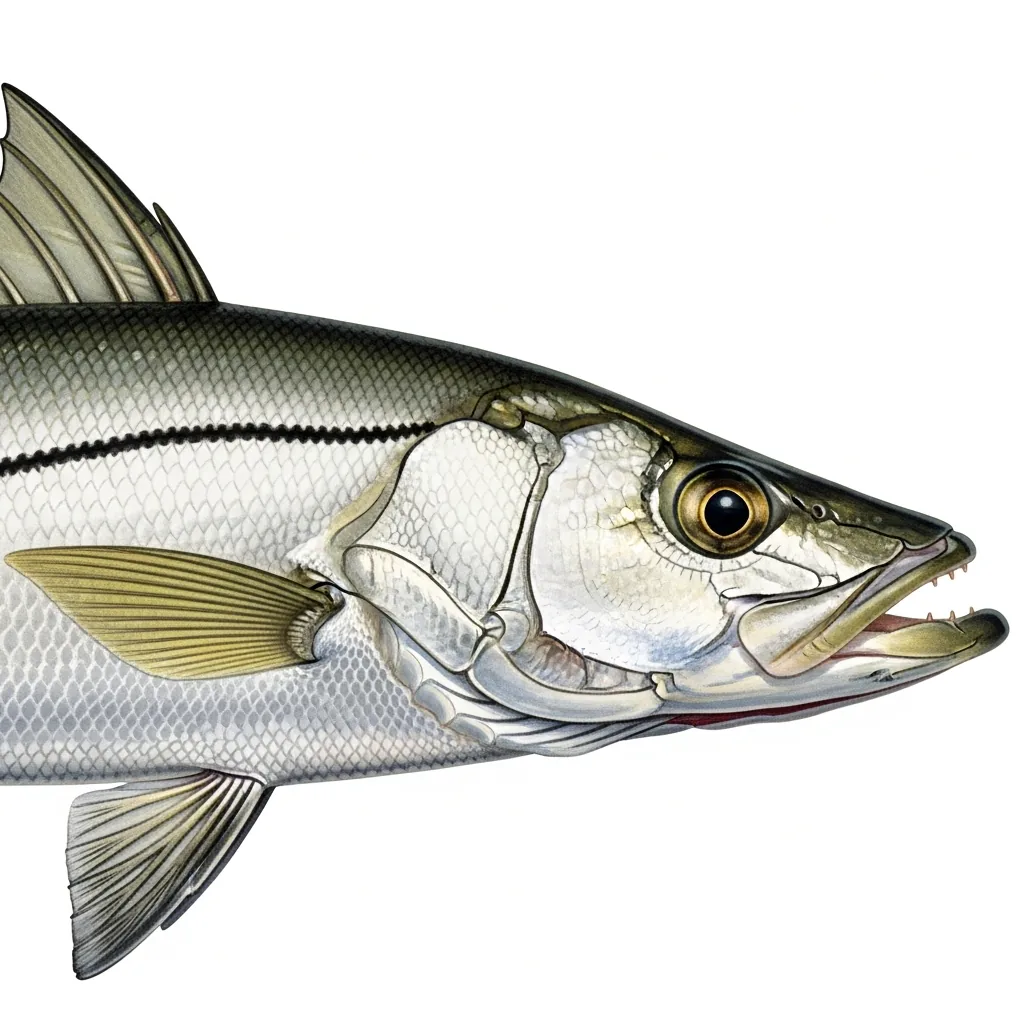 SnookCentropomus undecimalis
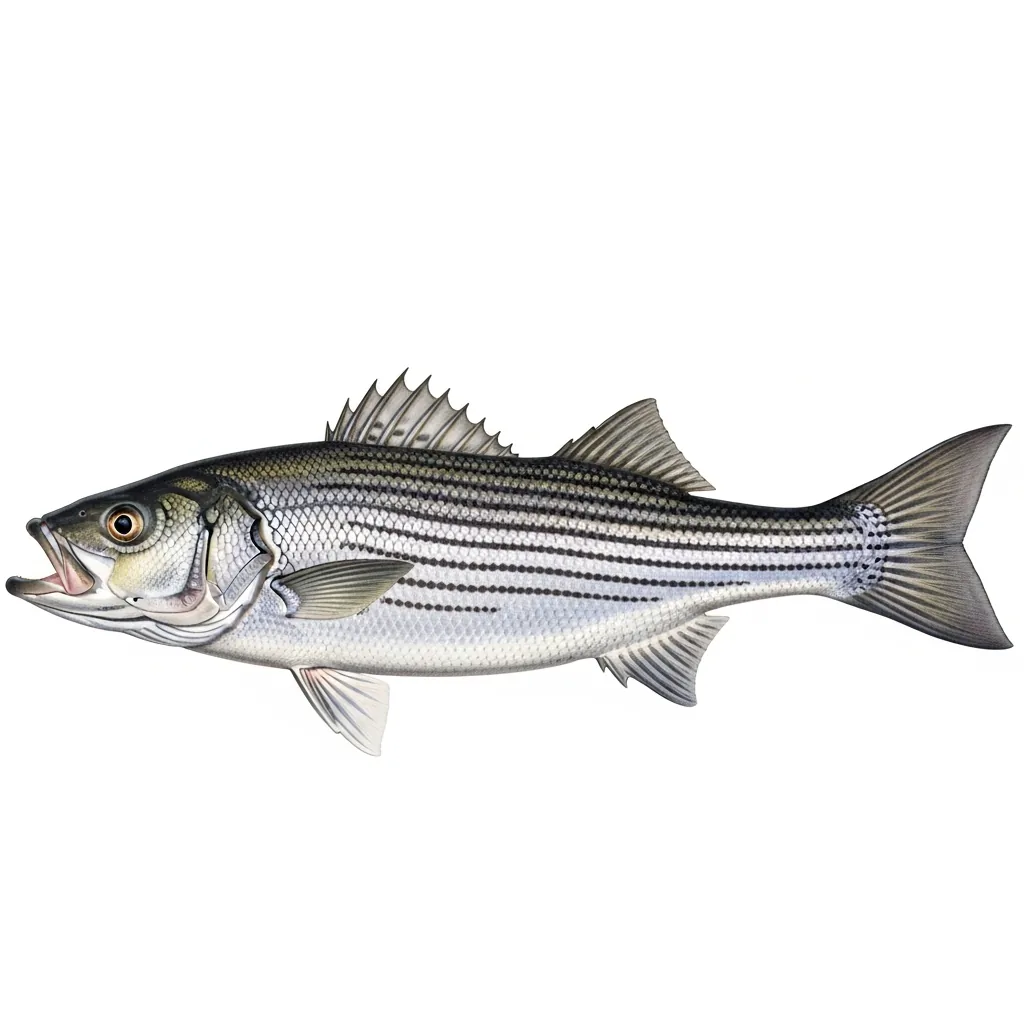 Striped bassMorone saxatilis
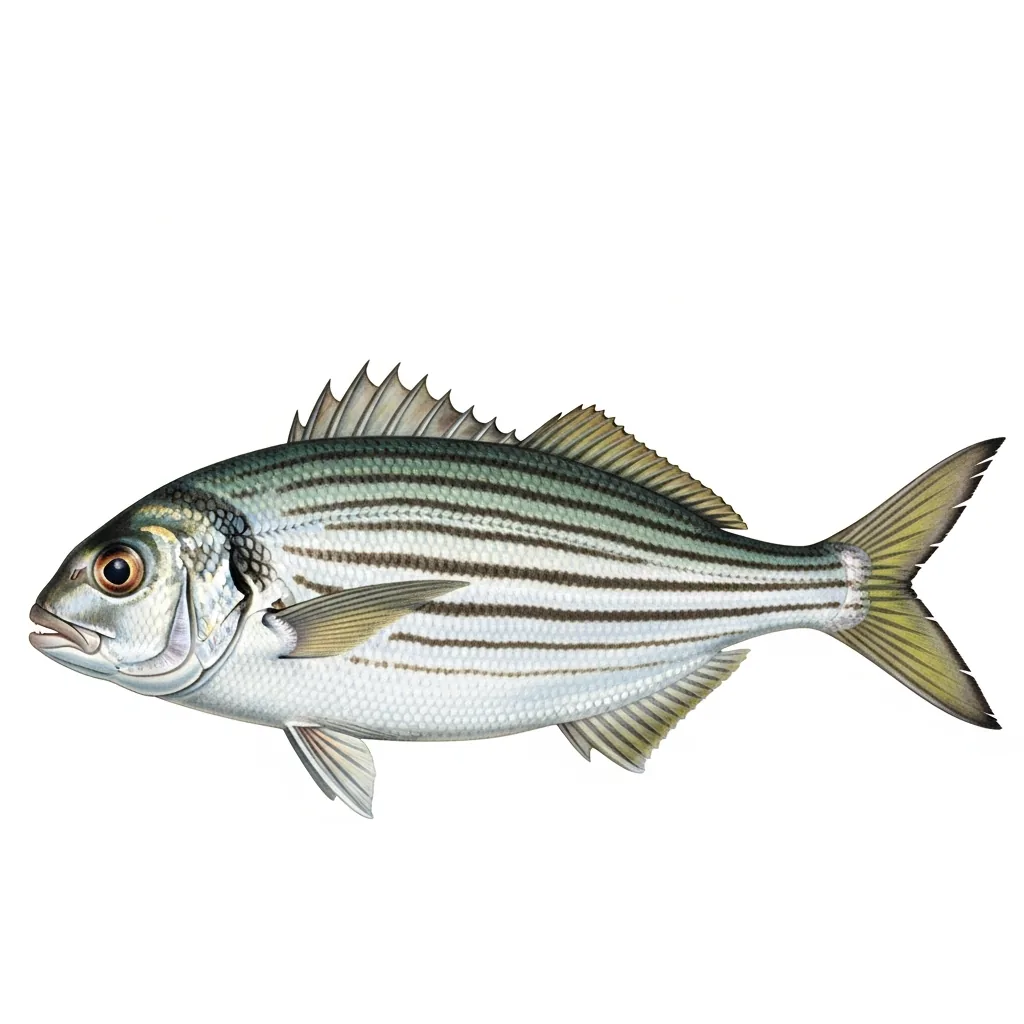 Striped sea breamLithognathus mormyrus
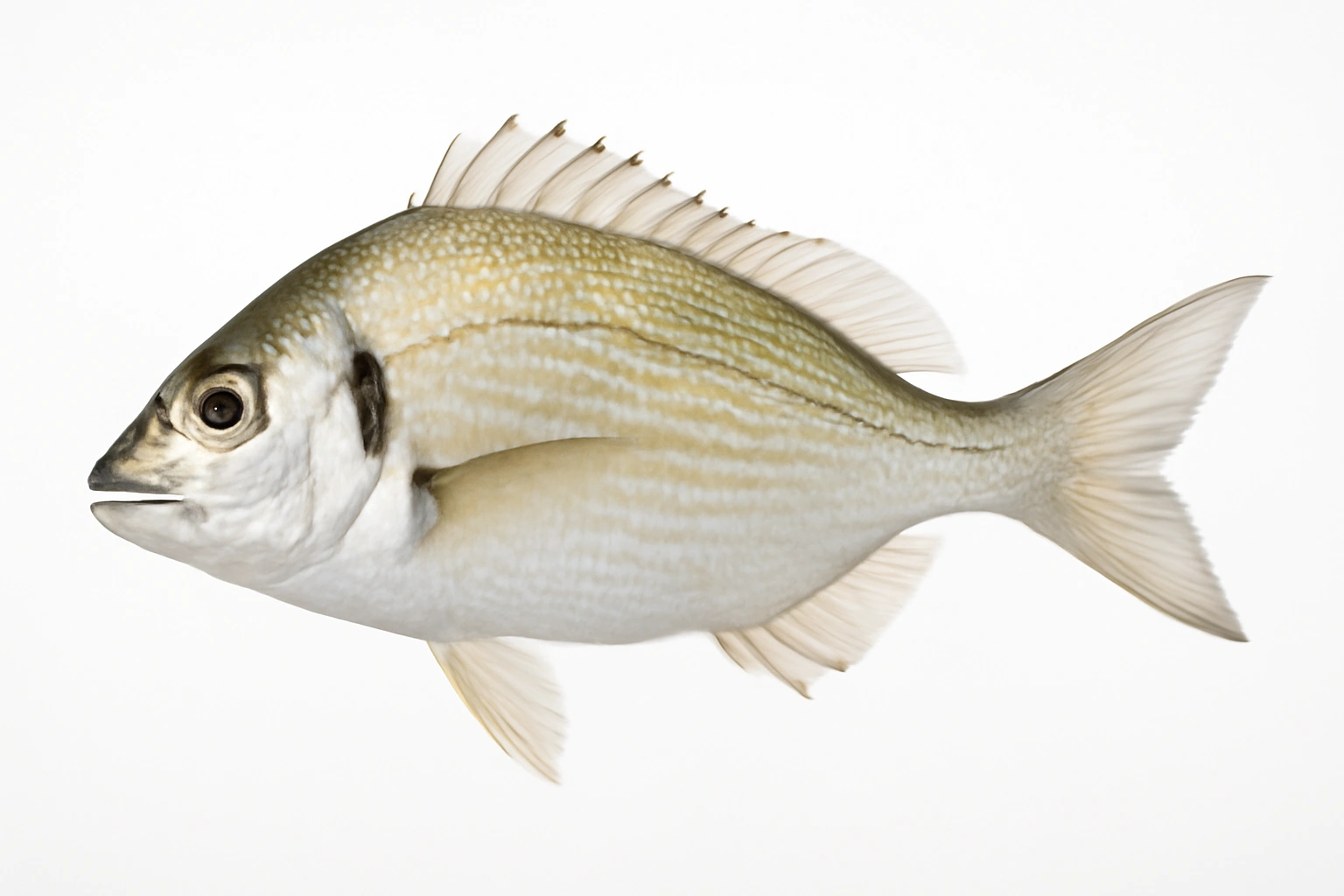 TarwhineRhabdosargus sarba
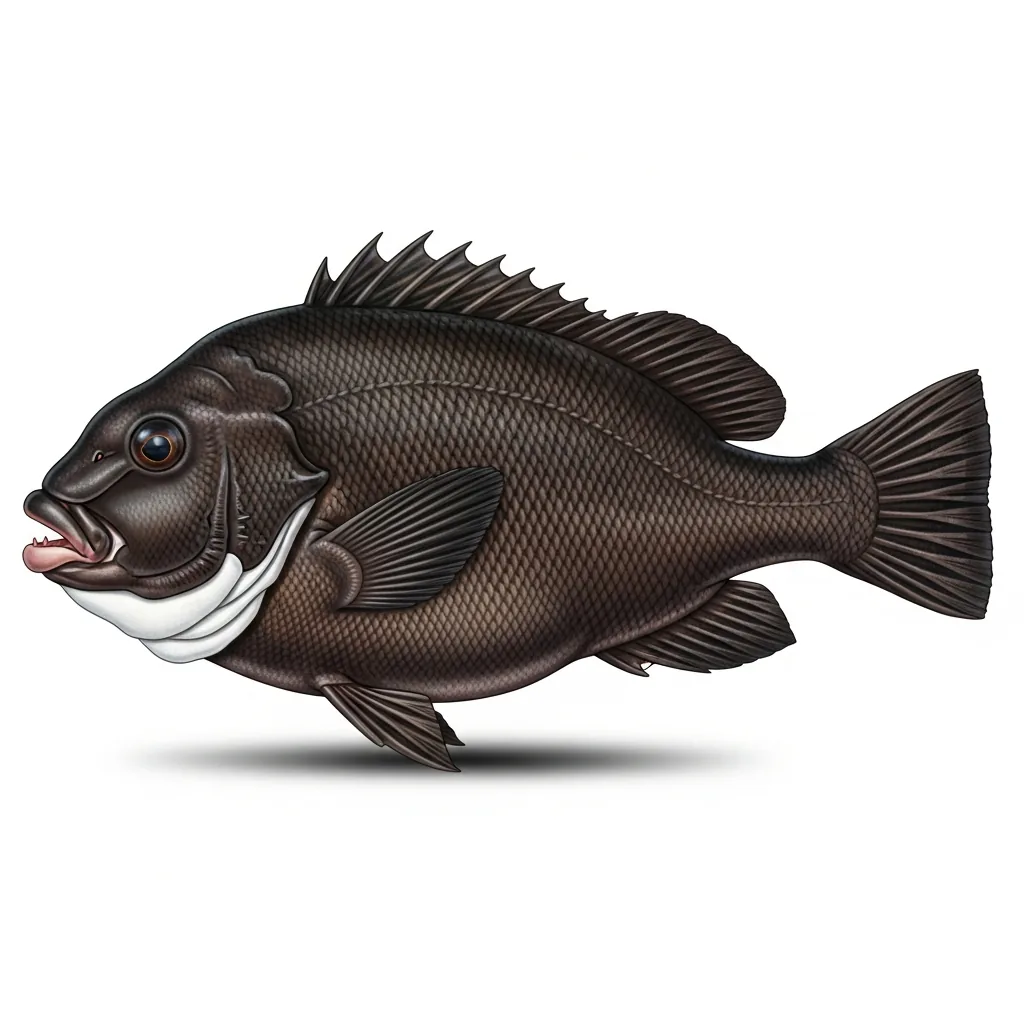 TautogTautoga onitis
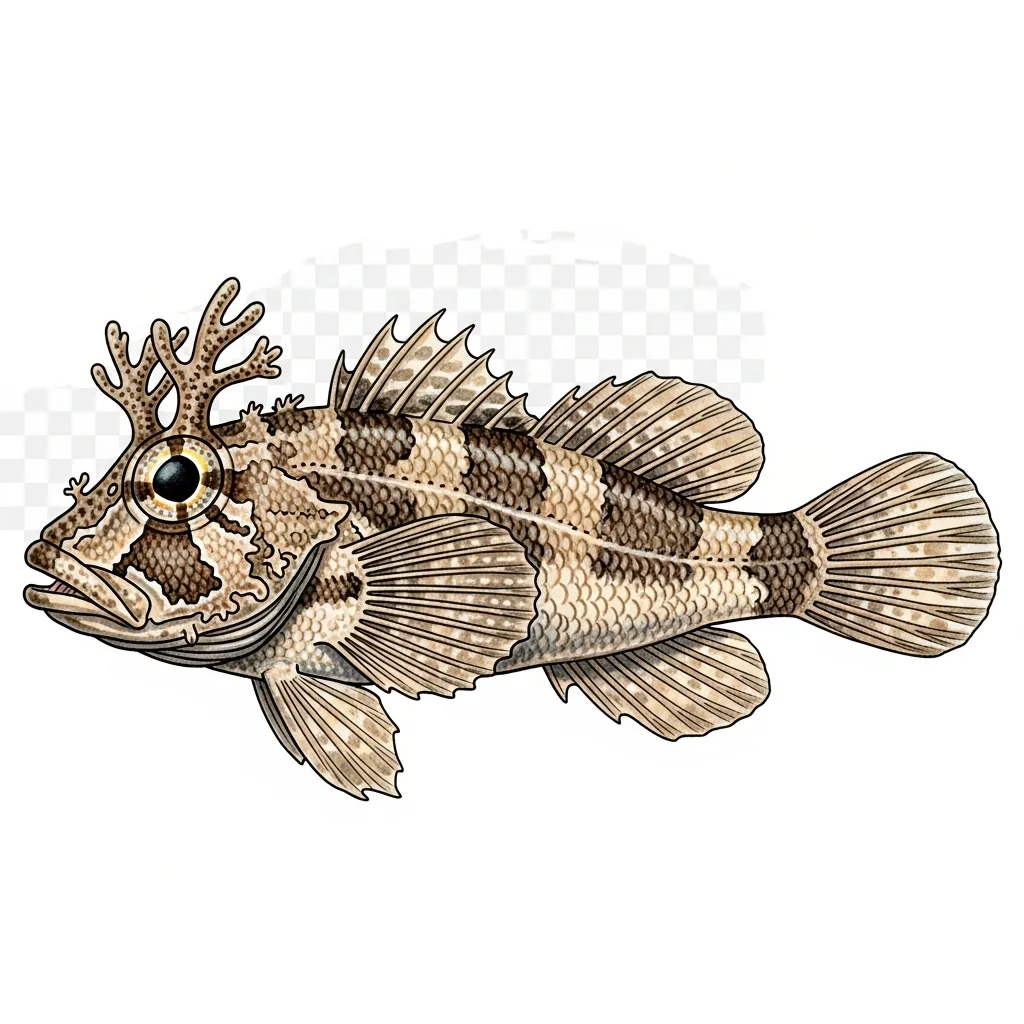 Tompot blennyParablennius gattorugine
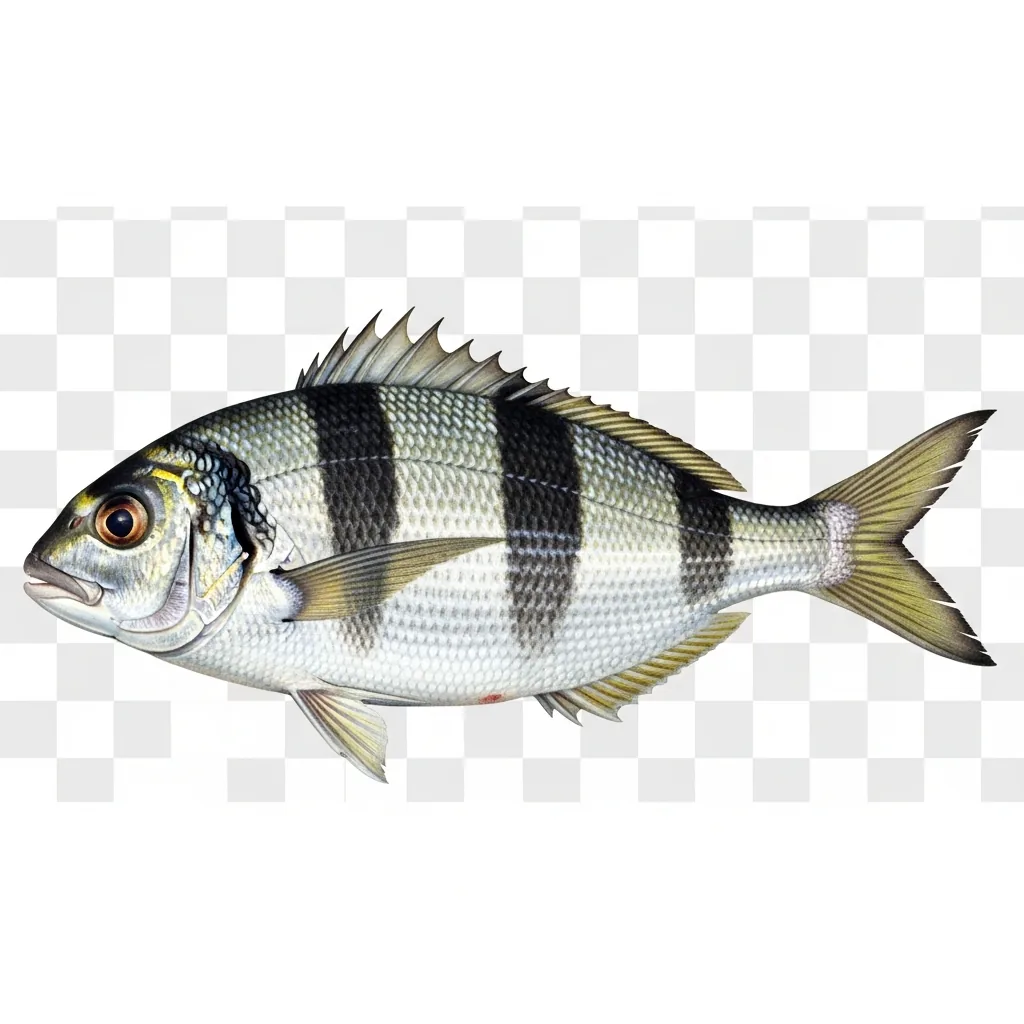 Two-banded sea breamDiplodus vulgaris
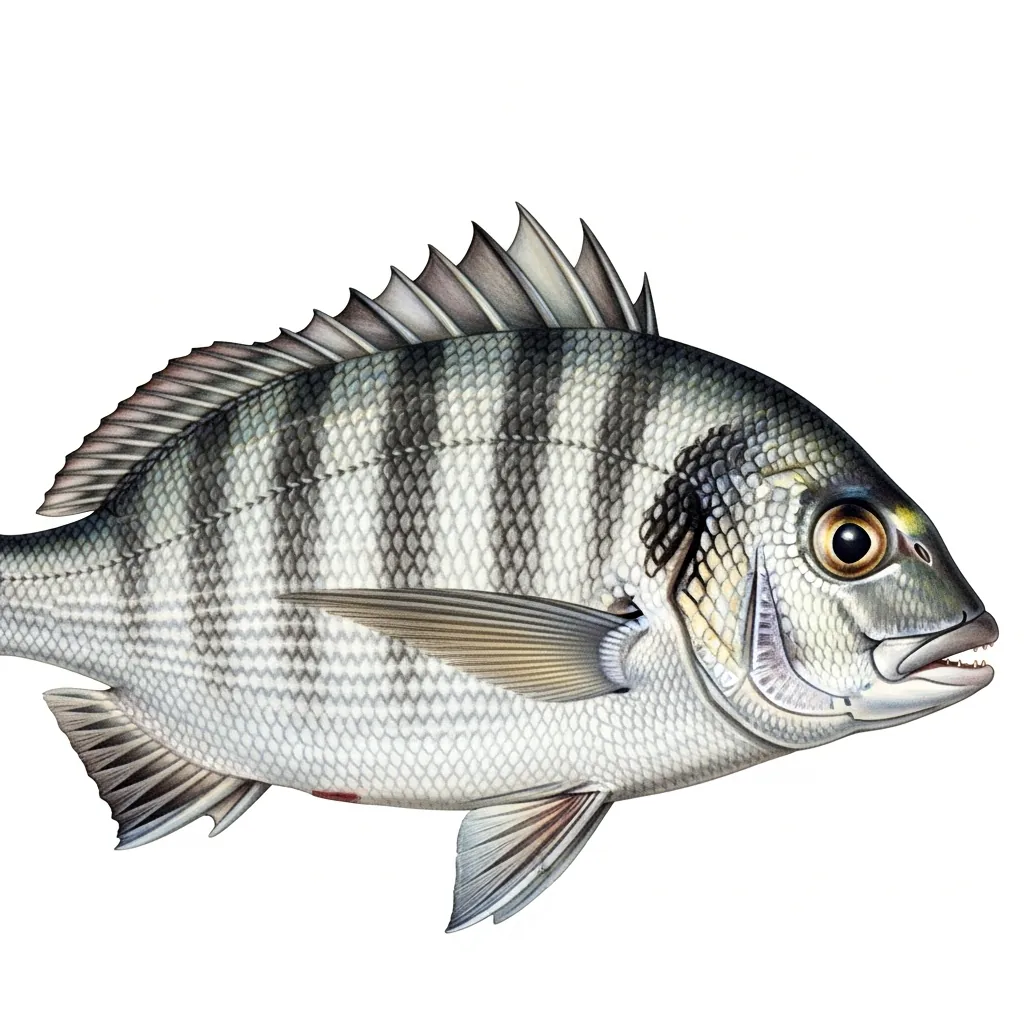 White sea breamDiplodus sargus
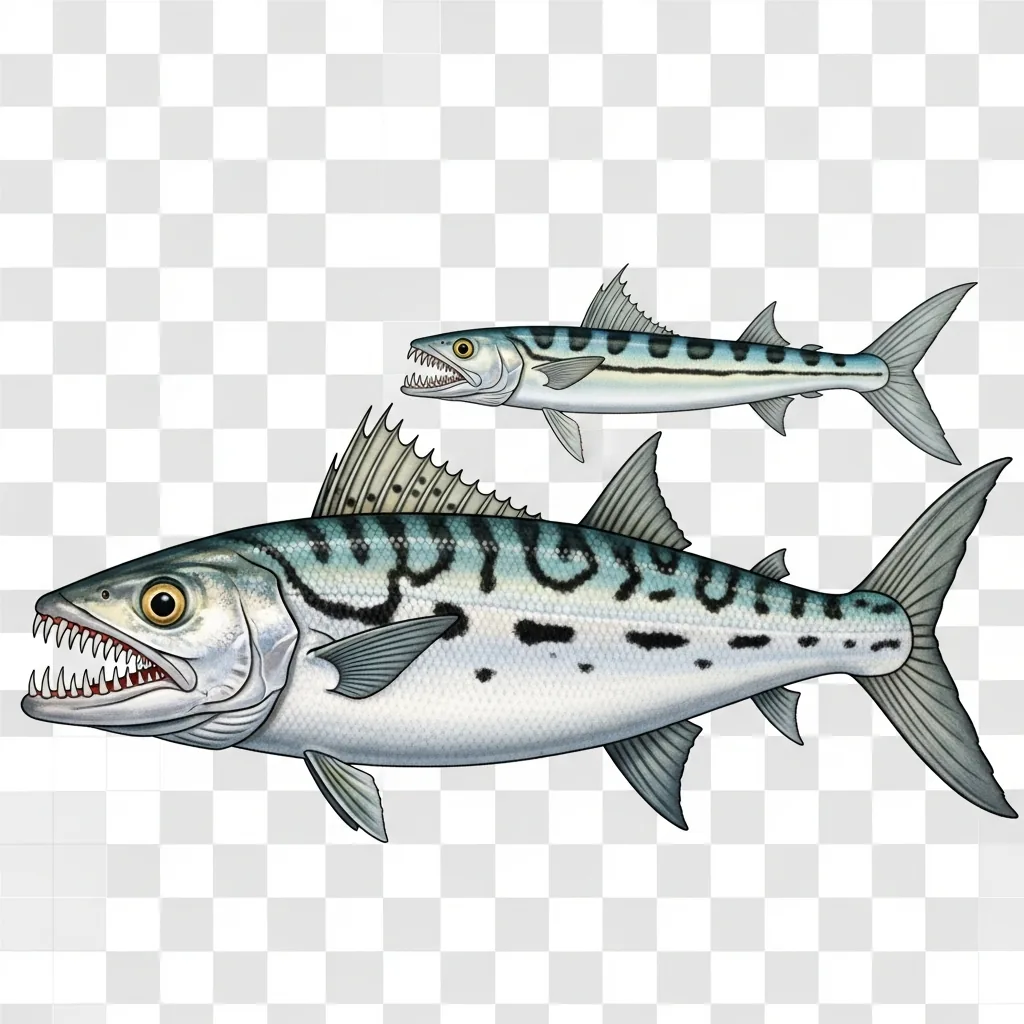 Yellowmouth barracudaSphyraena viridensis
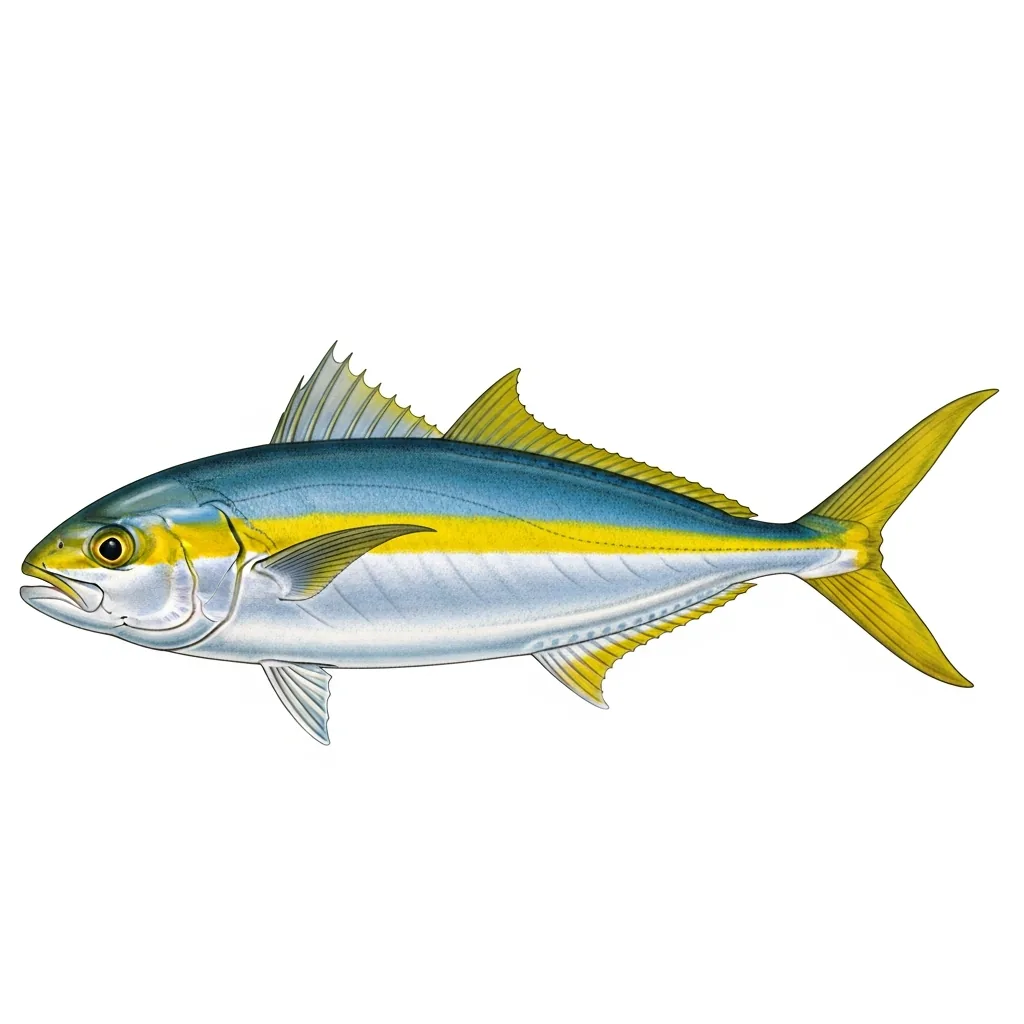 Yellowtail kingfishSeriola lalandi
Frequently asked questions
What is Rock Fishing?
Rock fishing is not a single technique, but a set of approaches practiced from natural rocky shorelines or artificial breakwaters, where fish use cracks, currents, and foam to feed. The big advantage is variety: in the same spot you can target fish on the bottom, mid-water, or on the surface, adapting to sea conditions and light.
Rock Fishing: what tackle do you need?
A rod of about 11.5 to 15 feet remains a versatile choice for keeping the line high over the rocks and handling both light sinkers and somewhat stronger hooklengths. A medium-size reel with a smooth drag is more important than simple retrieve ratio, because from rocky shore the first run toward the bottom must be managed steadily and…
Rock Fishing: what is the best time?
Rather than speaking generically about summer or winter, it is better to think in terms of light, water temperature, pressure, and sea state. Dawn, dusk, and the first nighttime hours are often the most productive periods, especially for wary or predatory species, because low light reduces suspicion and increases feeding activity.
Rock Fishing: where is it best?
The best spots are not always the highest or most comfortable ones, but the ones that combine moving water and shelter. A point exposed to rough seas, a gully between two rocks, a rockfall with immediately deep water, or a line of foam opening over mixed bottom are classic signs of the presence of sea bream, European sea bass, and other…