How to fish Slow Jigging: technique, spots and tackle
Slow and Deep Boat Fishing Technique

Every angler dreams of the perfect day. We show it to you first.
At the heart of ForecastX is an advanced marine-weather engine: it analyses waves, wind, sea temperature, tides, pressure and moon in real time and turns them into a Productivity Index (0-100) for every species. You'll always know, precisely, when the sea is on your side.
Coming soon to the App Store and Google Play — don't miss it.What slow jigging really is
Slow jigging is not simply “slow jigging,” but a vertical technique designed to make the metal jig work mainly on the fall and during mid-water suspensions, which is when many bites truly happen. The idea is to make the jig look like a struggling prey item: it rises with a short impulse, tilts, loses balance, and falls back irregularly. That is why the rod is not just for lifting weight, but for loading and releasing elasticity, giving the jig a broken, natural swimming action. It is a subtle, feel-based style of fishing, even when sturdy tackle is used: those who do it well do not “jerk,” but guide the presentation and let the lure, current, and boat do the work.
Reading the spot and the drift
The first secret is understanding whether the boat is actually fishing vertically: if the line bows out too much, the jig loses its natural action, touches bottom poorly, and snags more often. The best spots are not just “deep water,” but drop-offs, ledges, shoals, rock pinnacles, scattered boulder fields, and sand-to-rock edges where predators wait for disoriented prey. With sonar and charts, you need to distinguish fish glued to the bottom from fish suspended a few feet above it: dentex and groupers often use the first yard above the structure, while amberjack and large pelagics may rise higher. A drift that is too fast requires heavier jigs or the use of a sea anchor; a drift that is too slow, on the other hand, requires more attention to rhythm, because the jig may work in a weak and unresponsive way.
The right tackle and why
A slow jigging rod must have a progressive action and a tip able to load the weight of the jig without becoming a broomstick: it is this bend that creates the classic “kick” that makes the lure kick out to the side. Reels can be conventional or spinning, but the conventional reel is highly valued for vertical control, sensitivity on the drop, and precise line management; spinning remains versatile and intuitive for many anglers. Thin braid helps maintain a vertical presentation and read the bottom, while the fluorocarbon leader absorbs abrasion and impacts near rocks, teeth, and gill plates. The whole setup must be balanced: a rod that is too stiff deadens the jig’s swim, a reel that is too fast encourages nervous fishing, and an oversized leader hurts natural action and reduces the number of strikes.
Choosing the jig
SHAPE, WEIGHT, COLOR: Jig weight is not chosen based only on depth, but on the relationship between depth, current, and drift speed: the goal is to reach bottom and stay as vertical as possible, not to drop “lead” at random. Wide, asymmetrical jigs emphasize side kicks and flutter on the fall, excellent when fish are sluggish or feeding on slow prey; slimmer ones hold the water column better in stronger current. Natural colors work well in clear water and with wary fish, while glow, silver, pink, blue, or zebra patterns can help with depth, low light, or stained water. One detail that is often underestimated is the finish: a heavily hammered jig or one with shifting reflective tones can make the difference when fish follow but do not commit.
Assist hooks and proper rigging
In slow jigging, assist hooks are an integral part of the action and not a secondary accessory: they are generally mounted at the head, because many bites come when the fish attacks the jig as it flips or falls. The length of the assists should be chosen so the hooks move freely without extending too far past the body of the jig, otherwise they are more likely to foul on the line or the metal. Strong but light hooks, well sharpened and tied with quality cord, allow for clean hooksets even with soft takes, typical of reluctant groupers and dentex. When fish are short-striking or biting at the tail, some anglers add a rear assist, but it must be done with judgment because it can increase snags and tangles around structure.
Animation and presentation
The classic retrieve involves one or more turns of the handle combined with small lifts of the rod, followed by a moment of controlled release in which the jig comes alive on its own again. The main variations are the regular pitch, useful for methodically probing, the long fall, which emphasizes a wide and slow drop, and the dead slow with pauses, often deadly when fish are glued to the bottom and refuse aggressive movement. The working depth should be decided by reading the signal: if you see low arches, it is worth insisting in the first few feet off the bottom; if fish are suspended, it is worth extending the pass much higher. Many bites happen on the drop: that is why contact with the jig should never be completely lost, and any abnormal slowdown, sudden lightness, or abrupt stop may already be a hookset to make.
When it works best
SEASON, LIGHT, SEA CONDITIONS: Slow jigging produces year-round, but it excels when predators are hunting close to the bottom or along depth breaks, a common situation in the transitional seasons and during light changes. Dawn and dusk are classic windows, but even the middle of the day can produce in deeper water, especially with clean water and active current. Slightly choppy seas or clearly noticeable current often help, because they bring the jig to life and activate the fish; completely still conditions may require subtler presentations and longer pauses. Rather than chasing rigid rules, it is better to read the real combination of light, clarity, current, and fishing pressure: fish disturbed by heavy boat traffic or by overly aggressive jigs often respond better to a slower, less flashy approach.
Target species and behavior
Dentex, grouper, amberjack, red porgy, and several other predators respond to slow jigging, but not all in the same way, and understanding that leads to many more catches. Dentex often strike after following the jig, so pauses and controlled falls are decisive; grouper tends to hit close to its lair and must be turned immediately to keep it from reaching the rocks. Amberjack, despite being powerful and mobile, can rise from the bottom and eat on a regular pitch sequence, especially if it sees a lure losing balance like a vulnerable prey item. Even non-“classic” fish may come into play: this is one of the technique’s strengths, because it presents a believable morsel at different depths and over different types of habitat.
Common mistakes and how to fix them
The most frequent mistake is fishing too fast: many anglers turn slow jigging into a meaningless form of vertical jigging, losing the falling phase that is often the most productive. Another mistake is using a jig that is too light for the current drift, forcing yourself to fish out of vertical; if the line bows too much, first change weight and only then change rhythm. Many anglers set the hook too hard or, on the contrary, wait too long: with sharp assist hooks, a short, firm hookset is enough while immediately maintaining steady pressure. Finally, neglecting knots, split rings, and worn assists is a serious mistake, because in this style of fishing strikes often come from powerful fish and close to abrasive structure.
Trade tip and safety
One little-known but very useful trick is to mentally mark, or note with a line counter and line reference marks, the exact height at which strikes occur: if two bites happen, for example, a few feet above the bottom, it is worth repeating that window instead of continuing with random passes. Another trick is to leave the jig still for an instant just after it touches bottom, before the first pitch: it often looks like a small organism settling and moving off again, and this triggers the strike from an ambushing predator. During the fight, especially over shoals and ledges, the drag must be set with judgment and checked before starting: a bad start means losing fish or tackle in the first seconds. Never forget safety and order on board: loose hooks, heavy jigs, and vertical work on a drifting boat require gloves when needed, a clear deck, and constant attention to your fishing partners.
Related guides
Fish to target with this technique
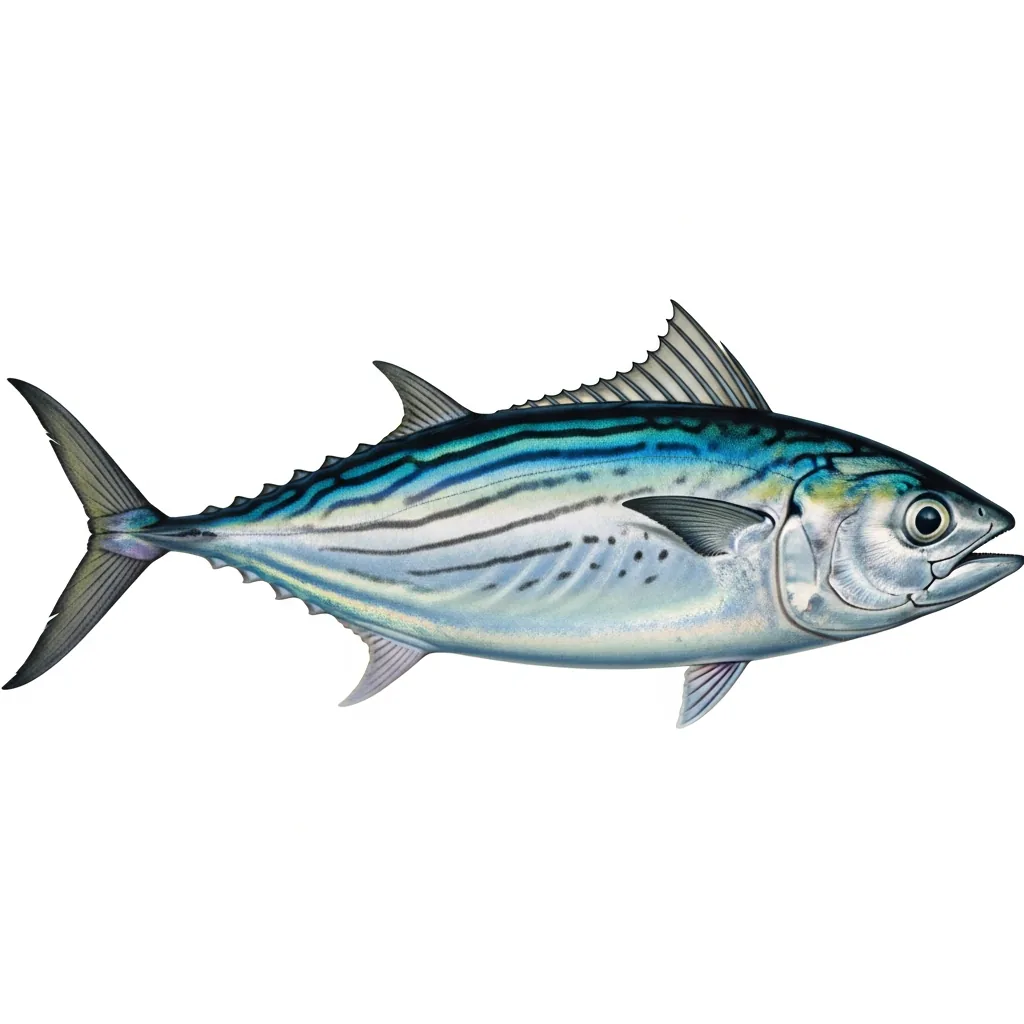 Atlantic bonitoSarda sarda
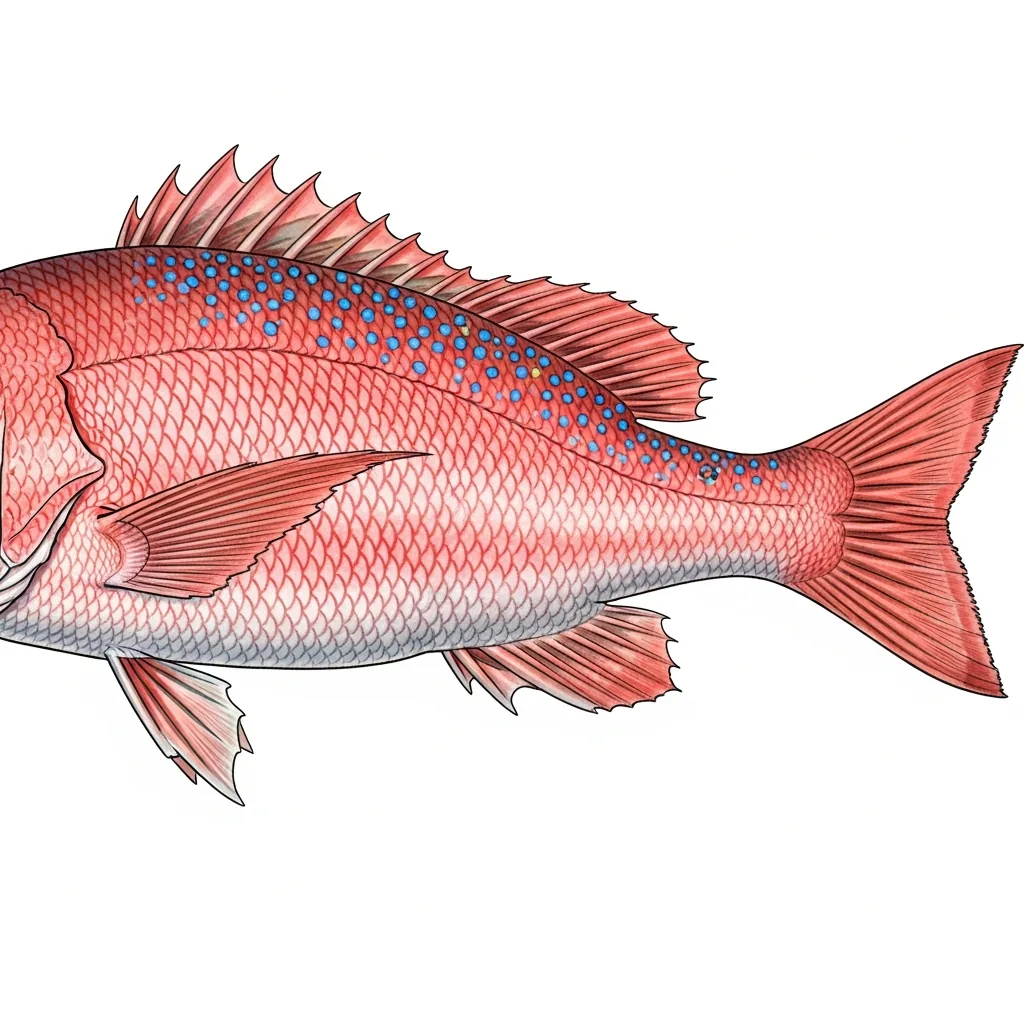 Australian snapperPagrus auratus
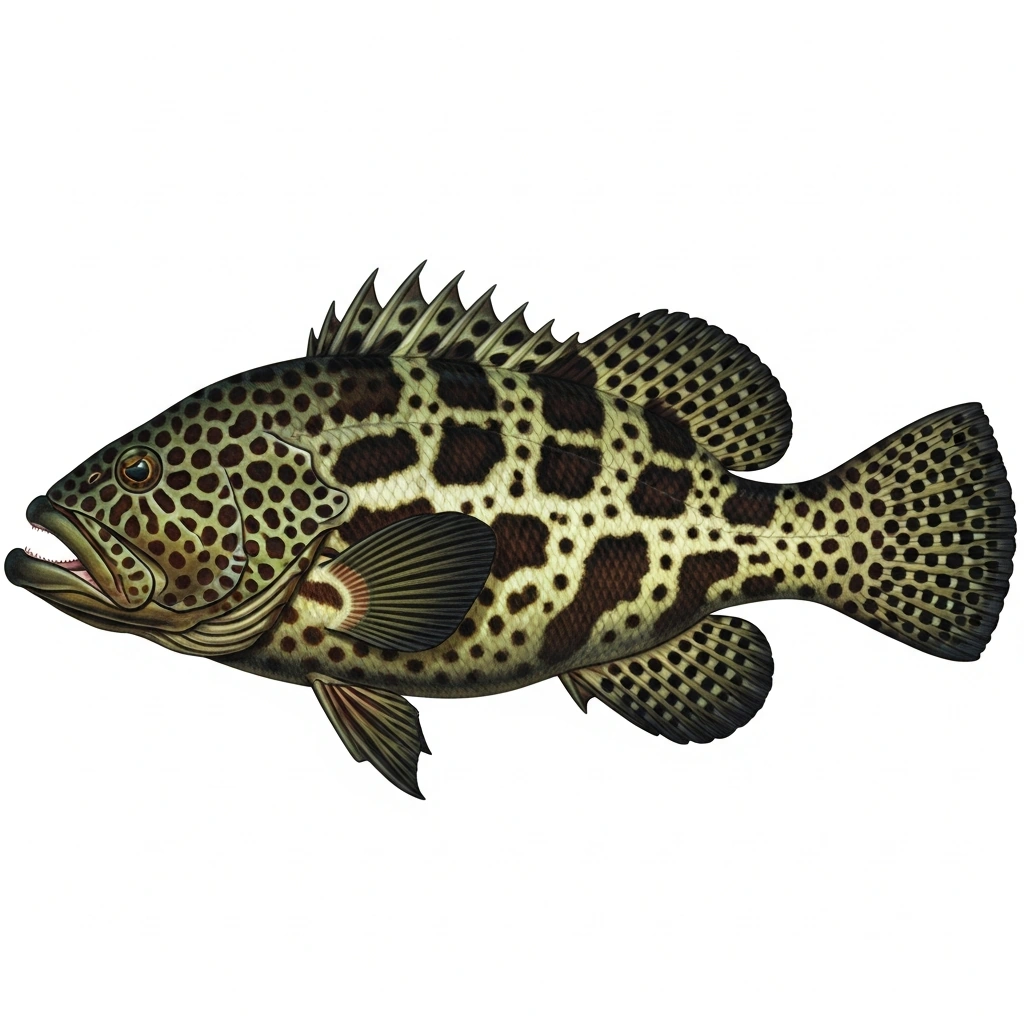 Black grouperMycteroperca bonaci
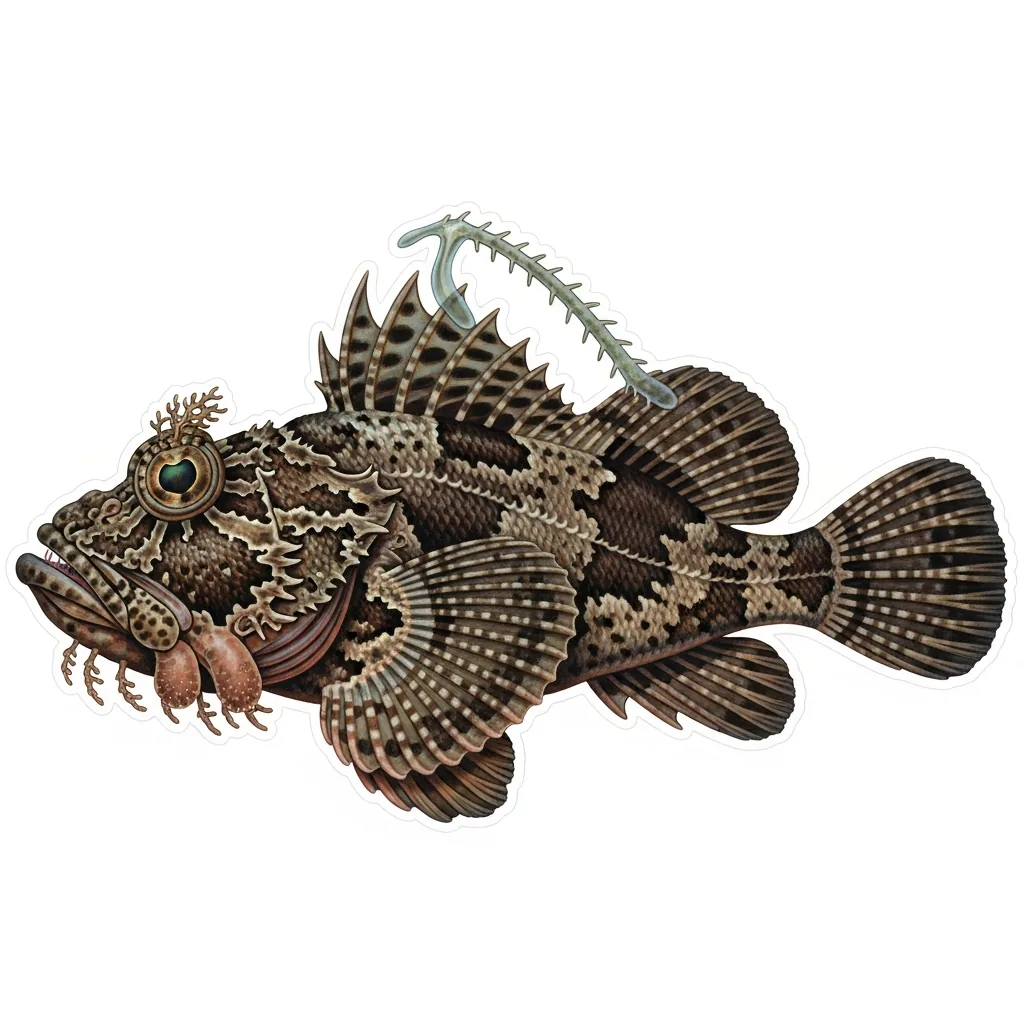 Black scorpionfishScorpaena porcus
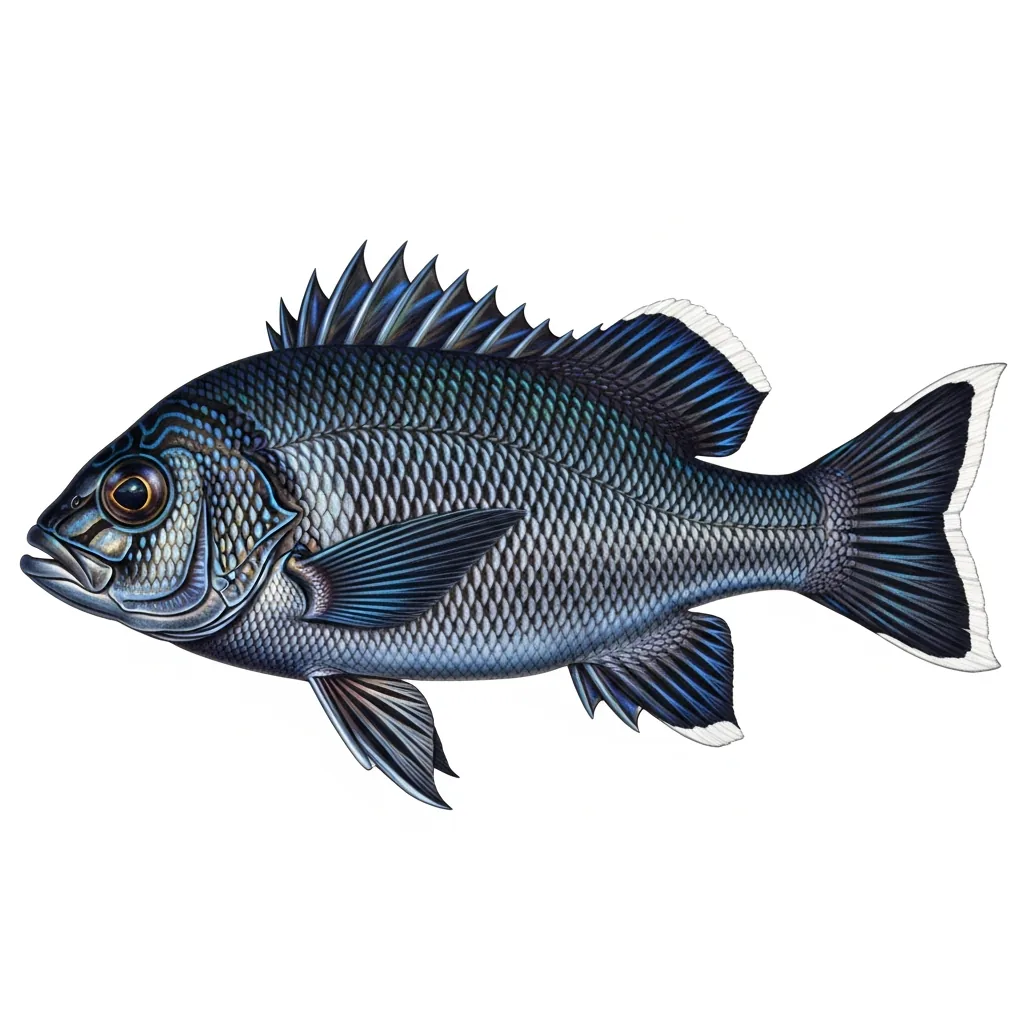 Black Sea BassCentropristis striata
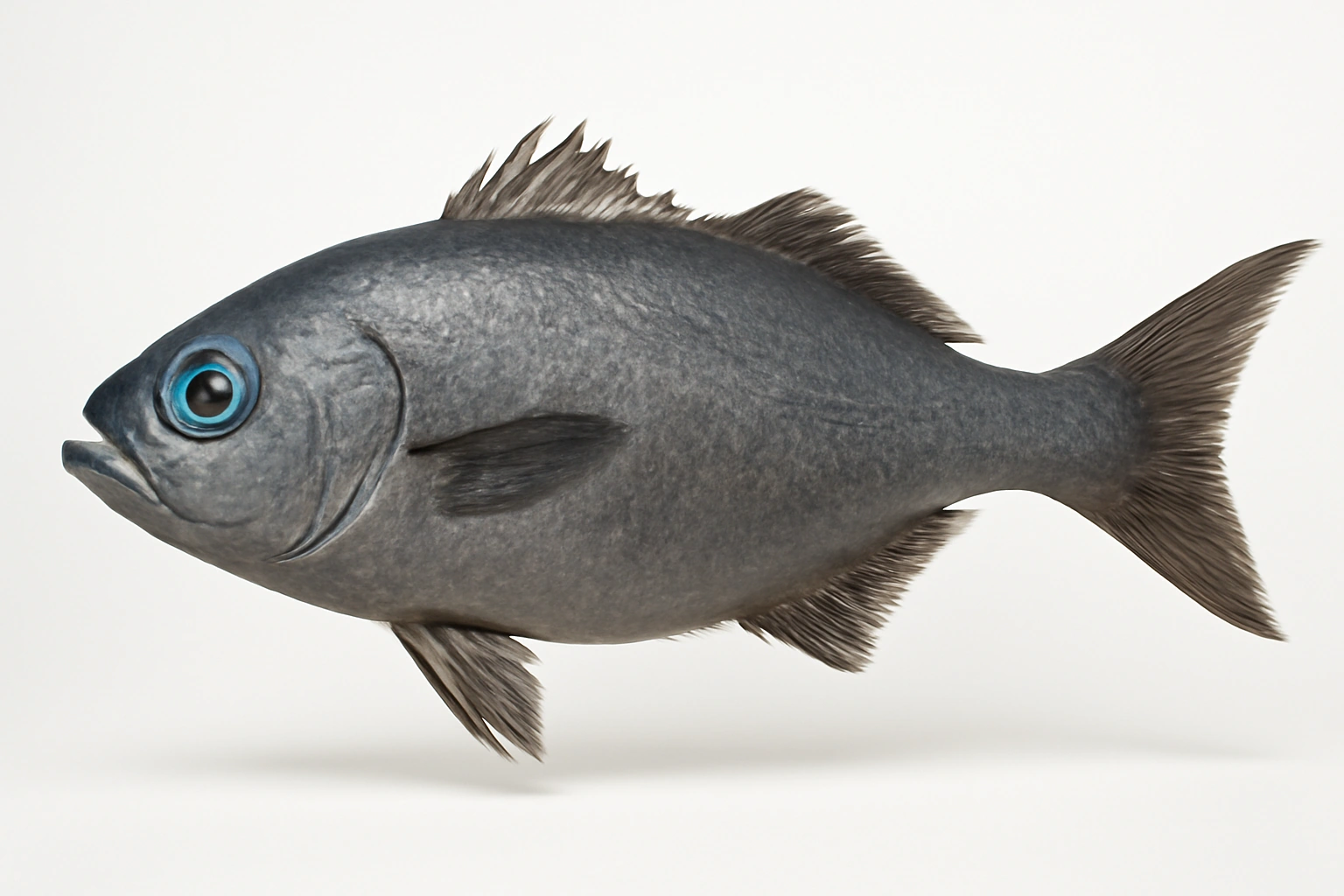 Blue-eye TrevallaHyperoglyphe antarctica
 Bluefish / TailorPomatomus saltatrix
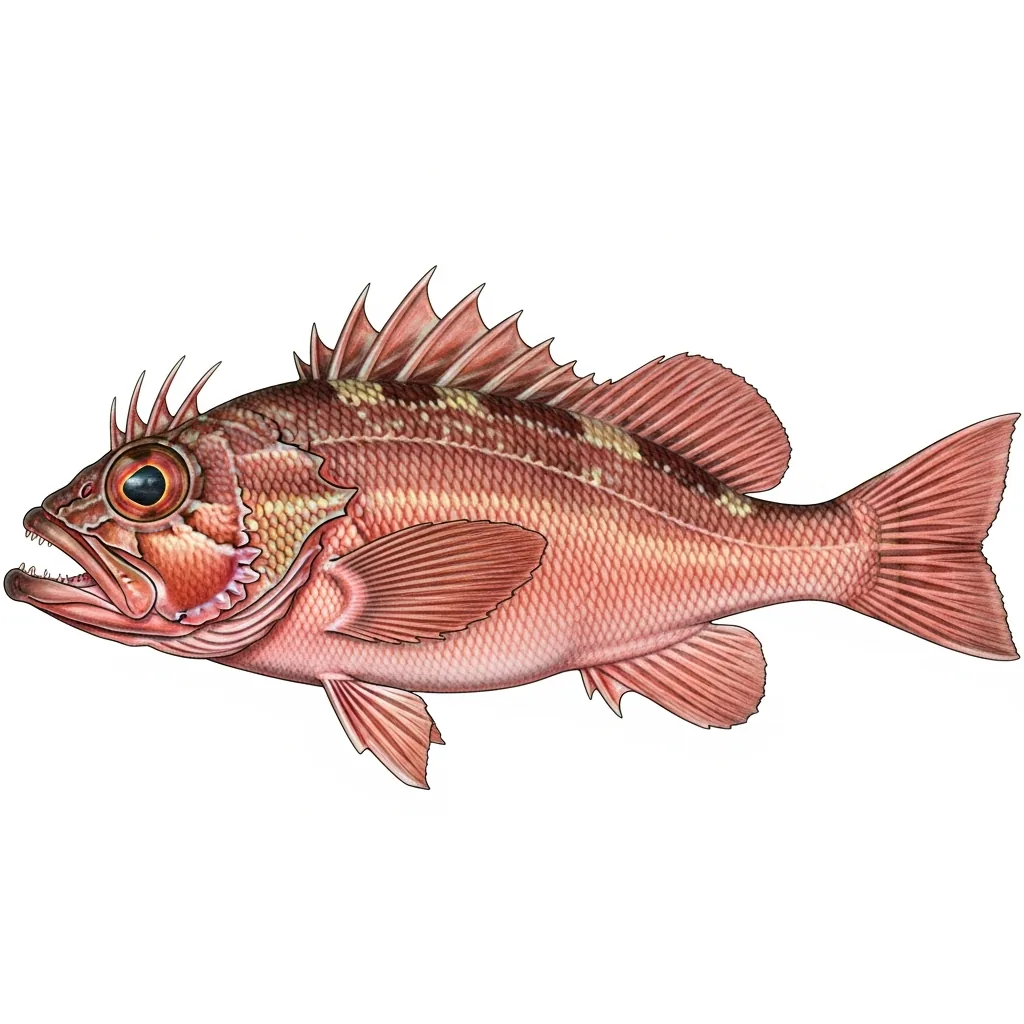 Bocaccio RockfishSebastes paucispinis
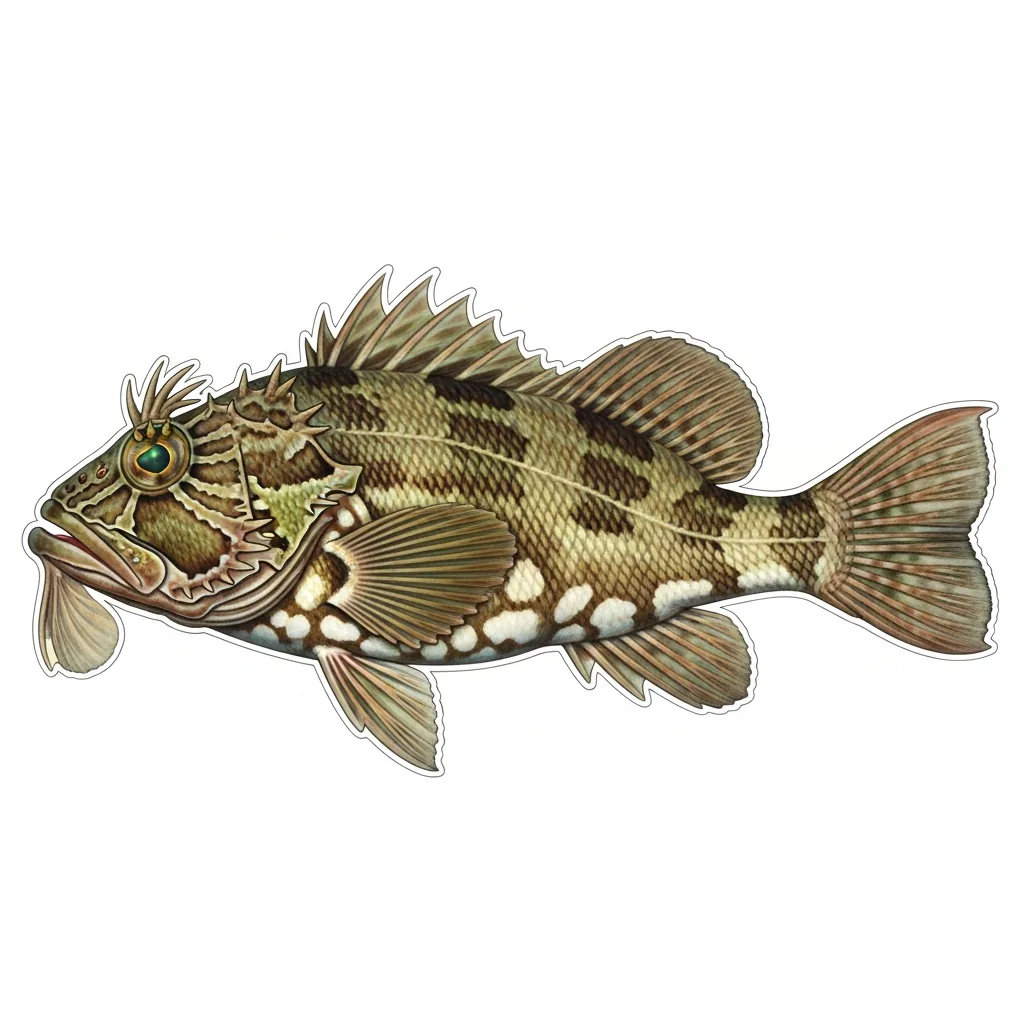 CabezonScorpaenichthys marmoratus
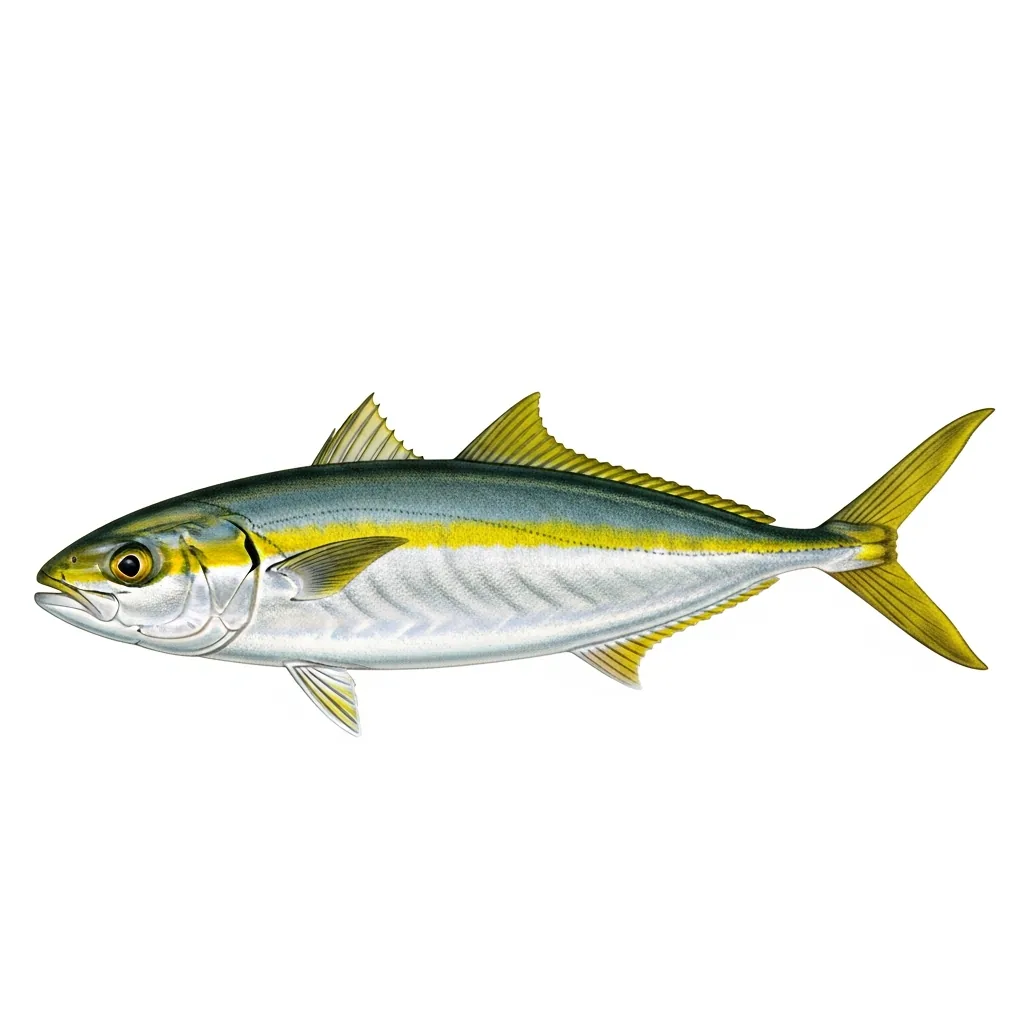 California YellowtailSeriola dorsalis
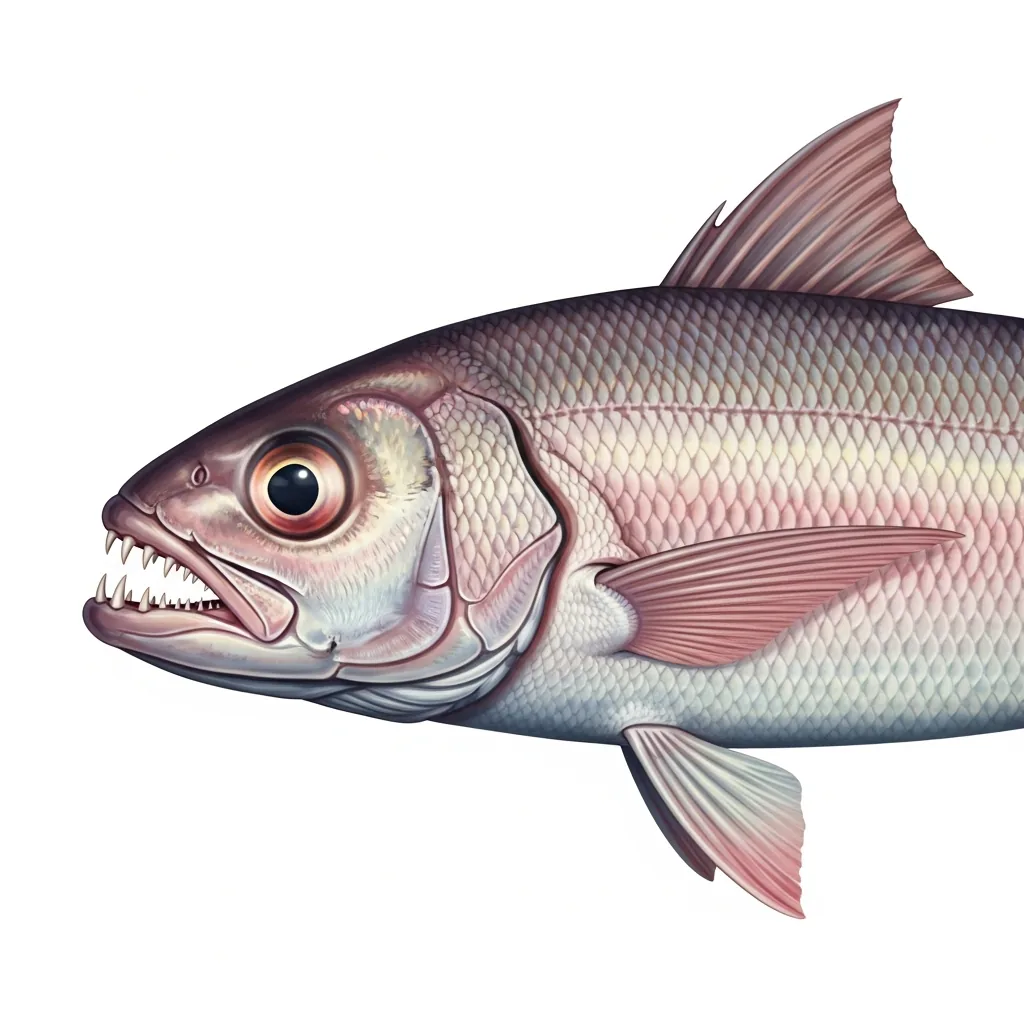 Common dentexDentex dentex
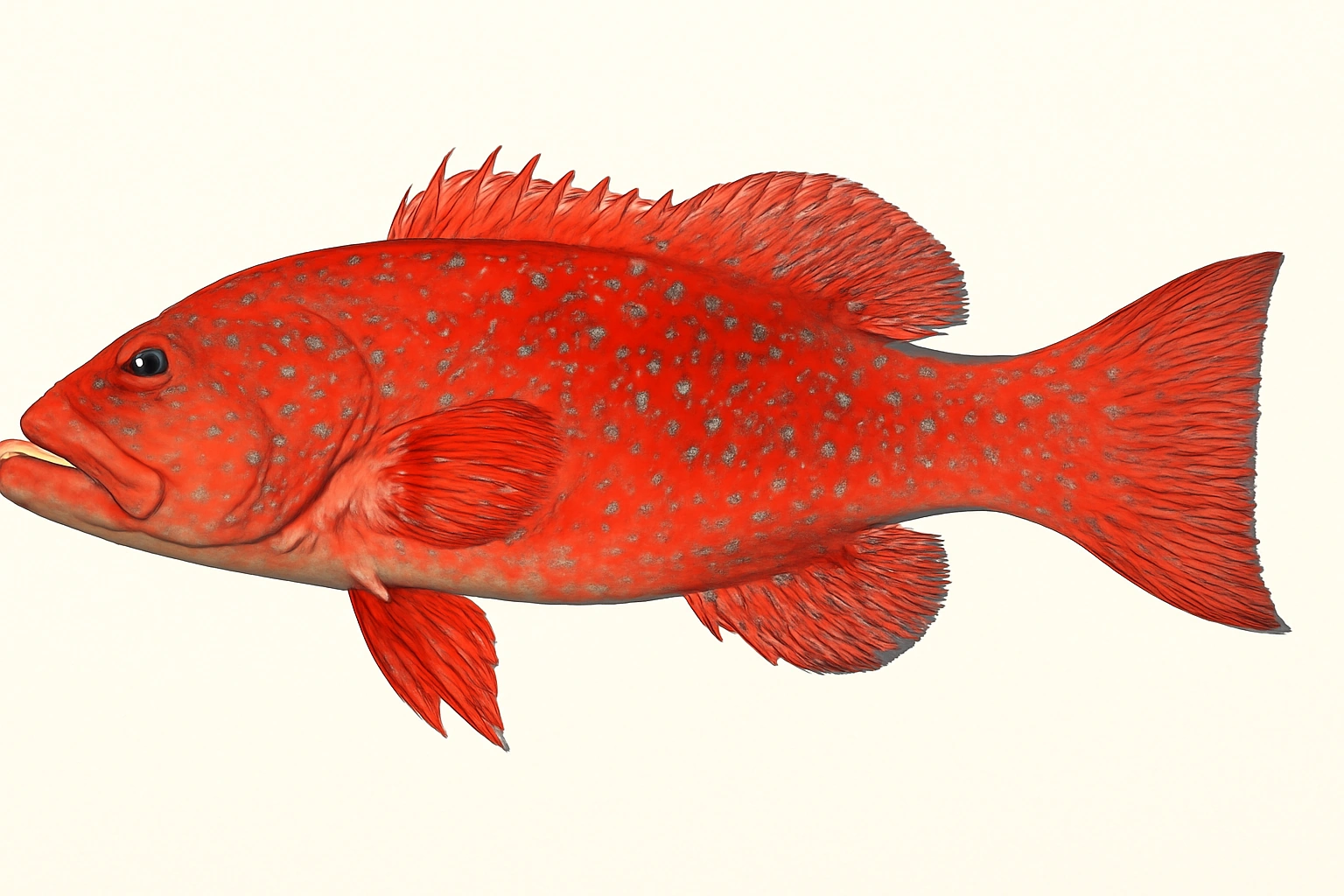 Coral troutPlectropomus leopardus
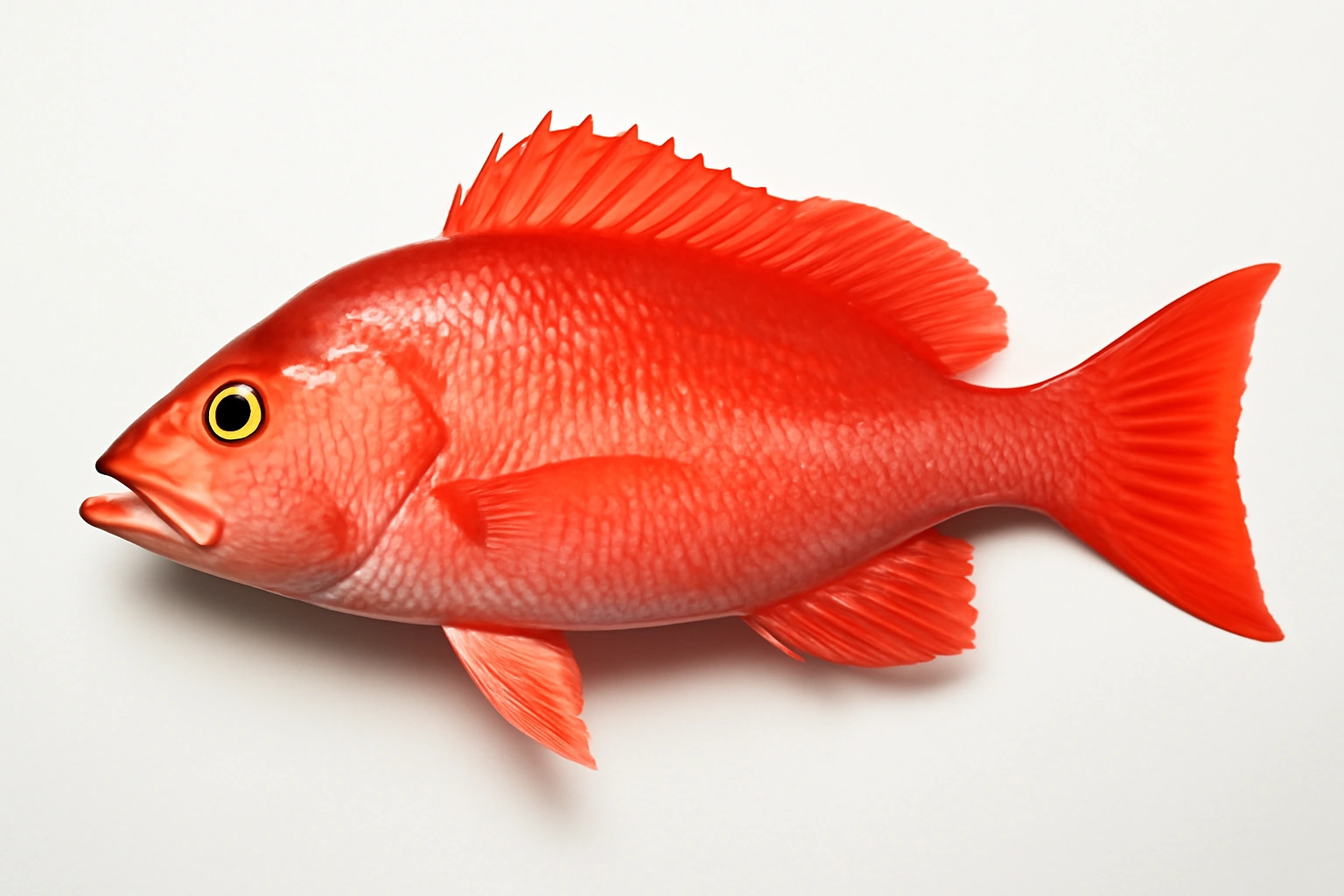 Crimson SnapperLutjanus erythropterus
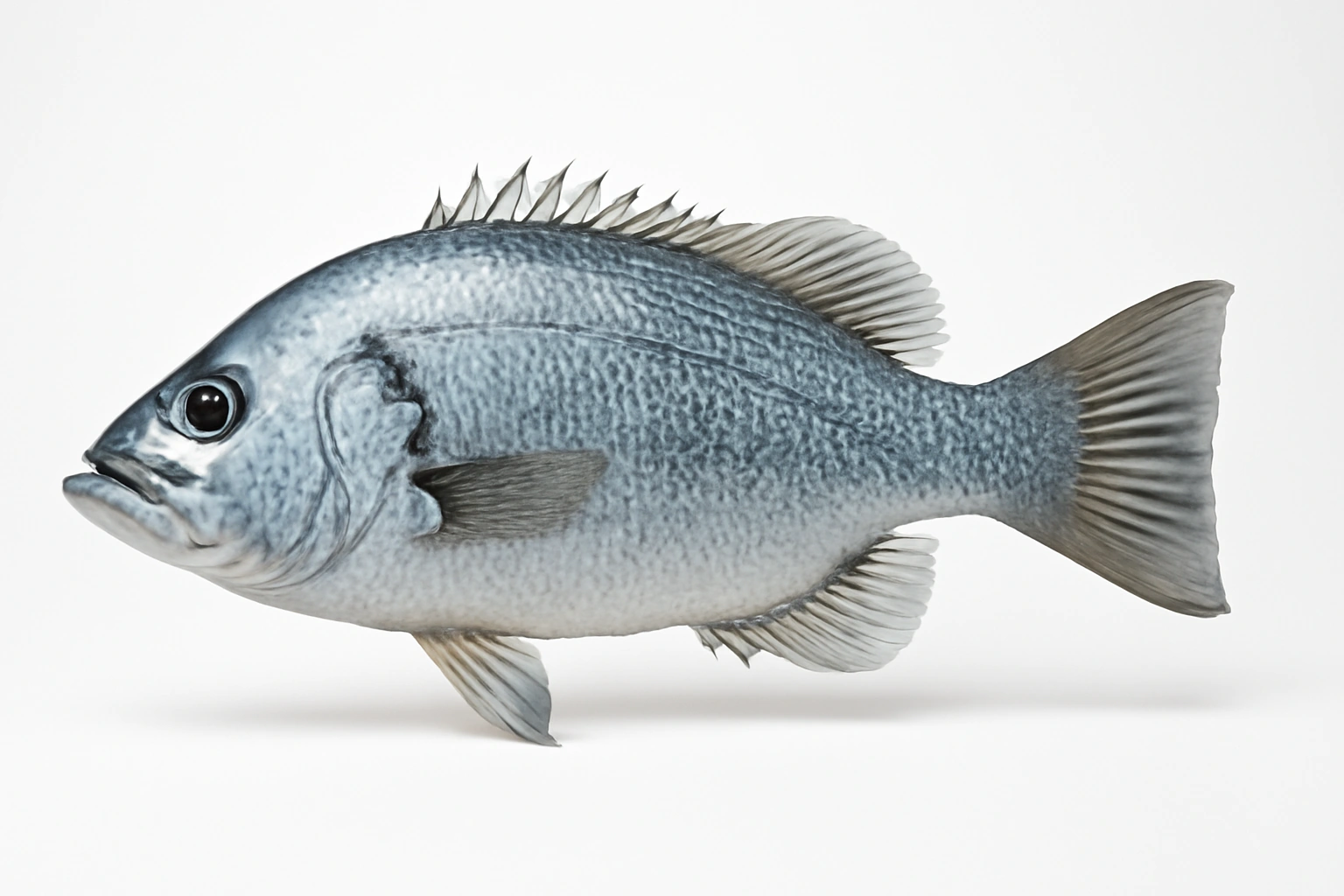 DhufishGlaucosoma hebraicum
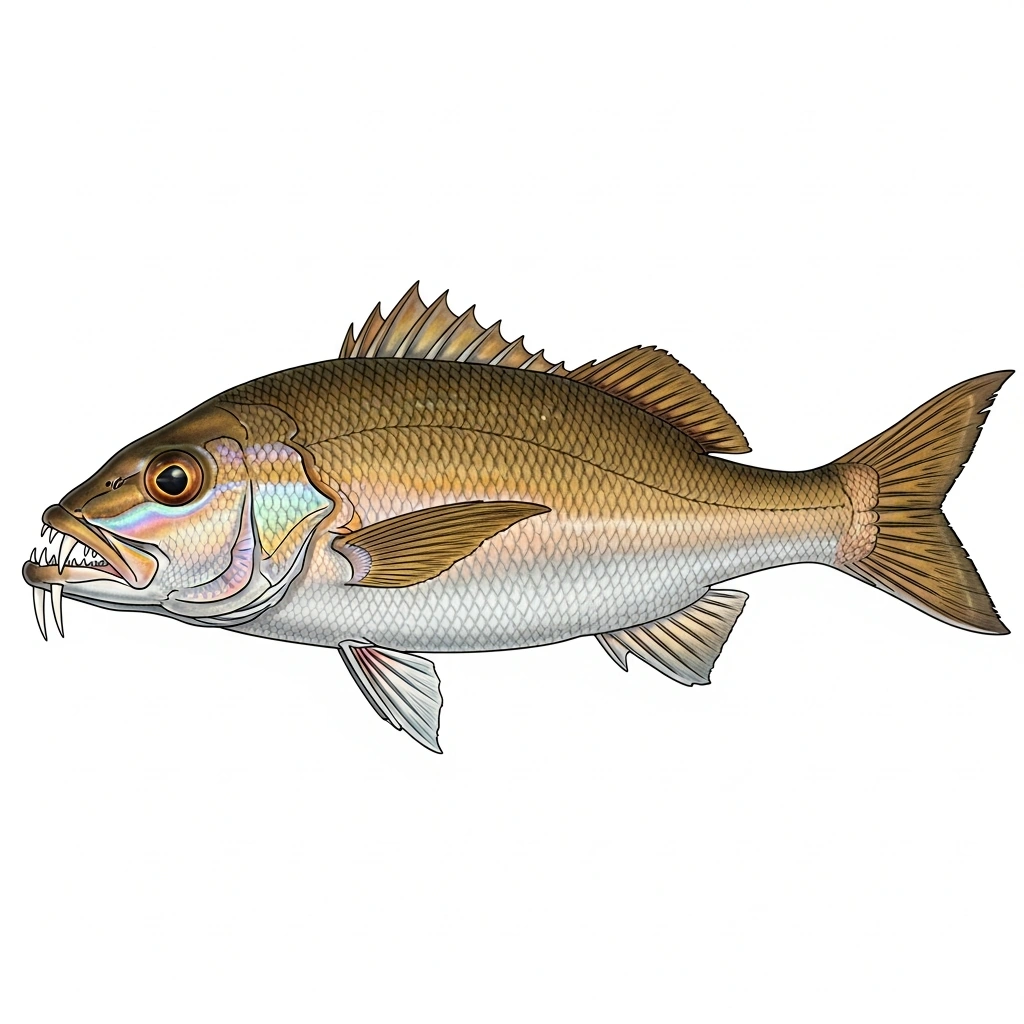 Dog snapperLutjanus jocu
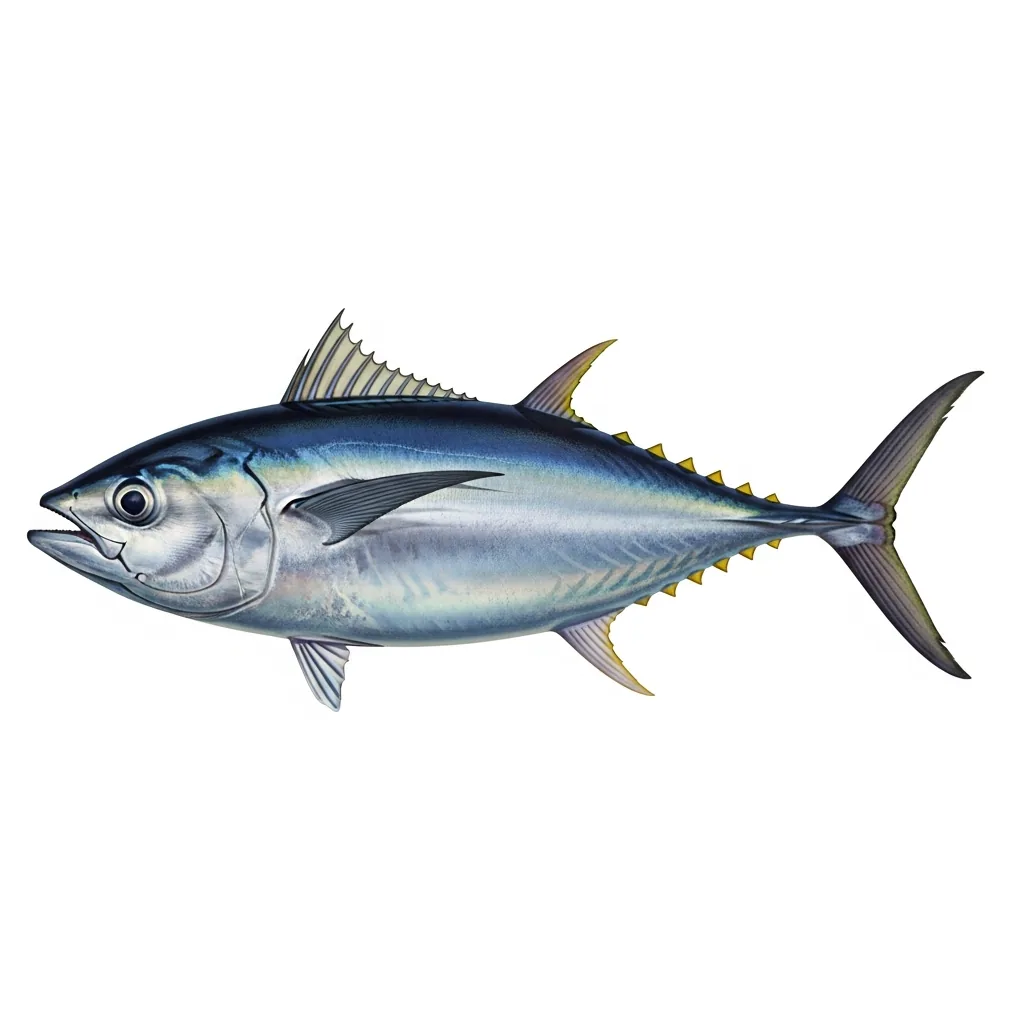 Dogtooth tunaGymnosarda unicolor
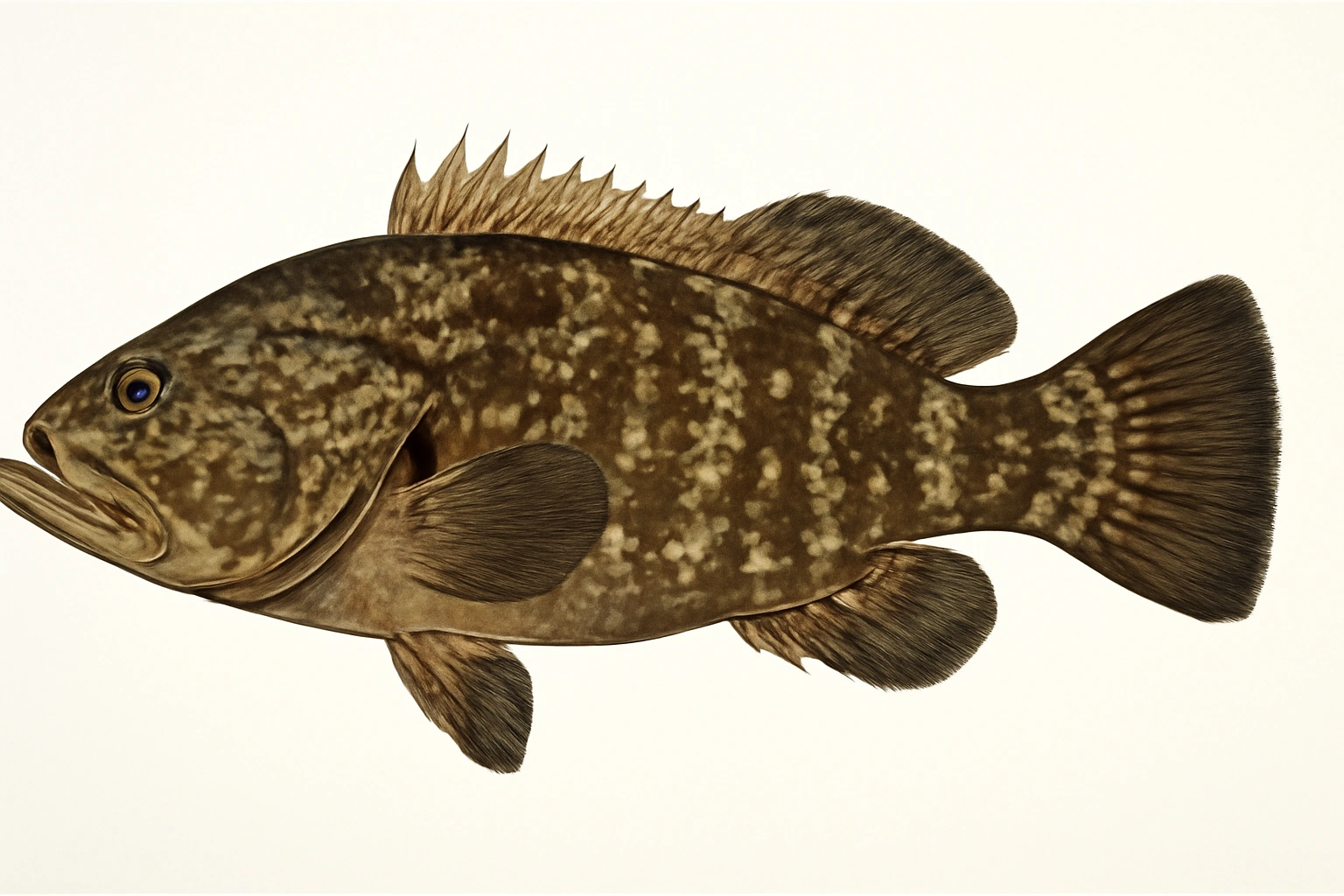 Dusky grouperEpinephelus marginatus
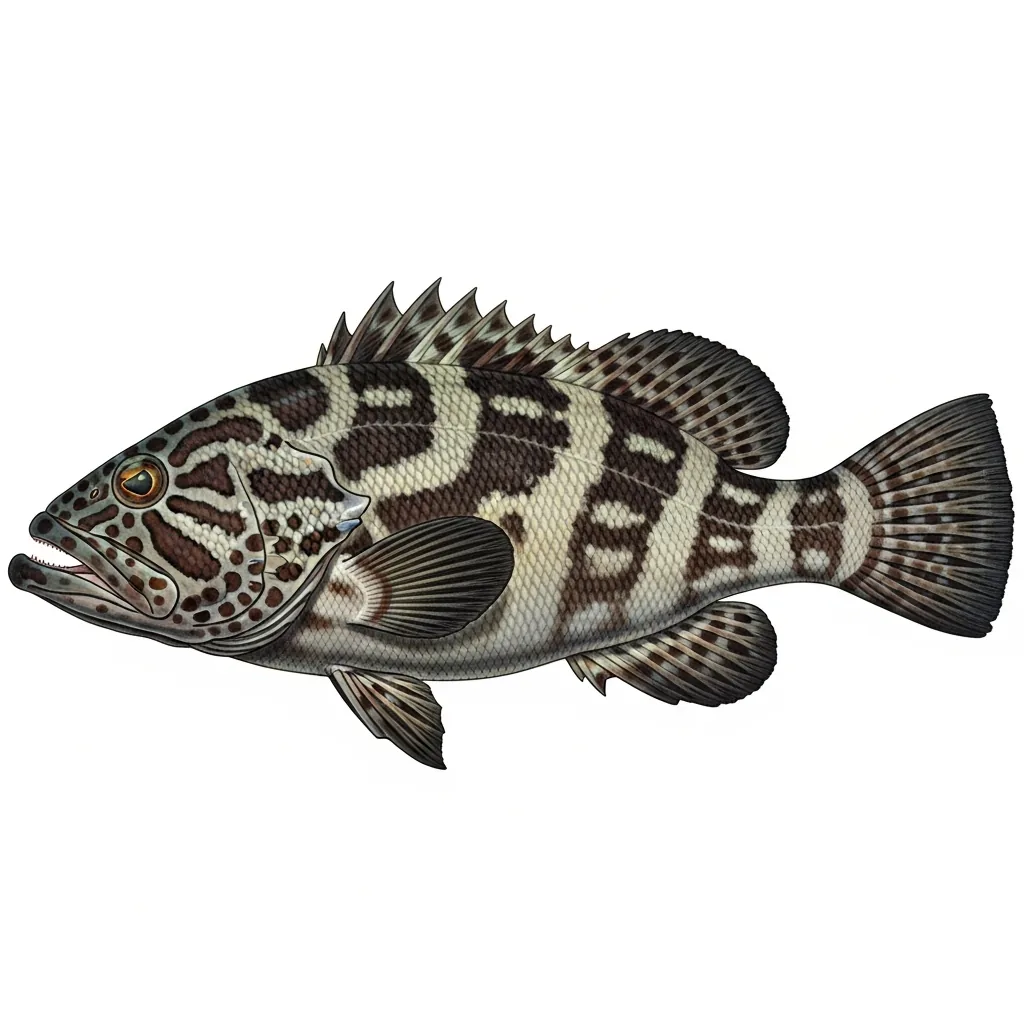 Gag GrouperMycteroperca microlepis
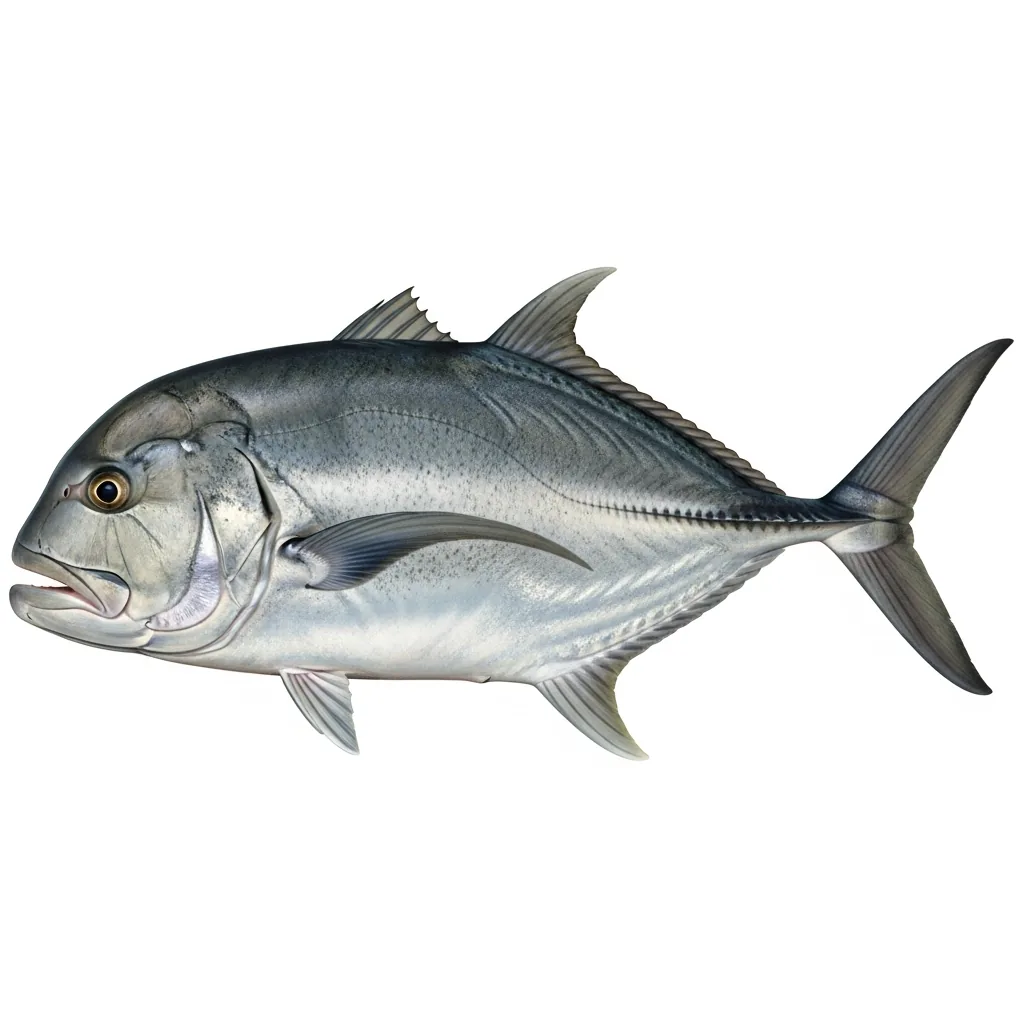 Giant trevallyCaranx ignobilis
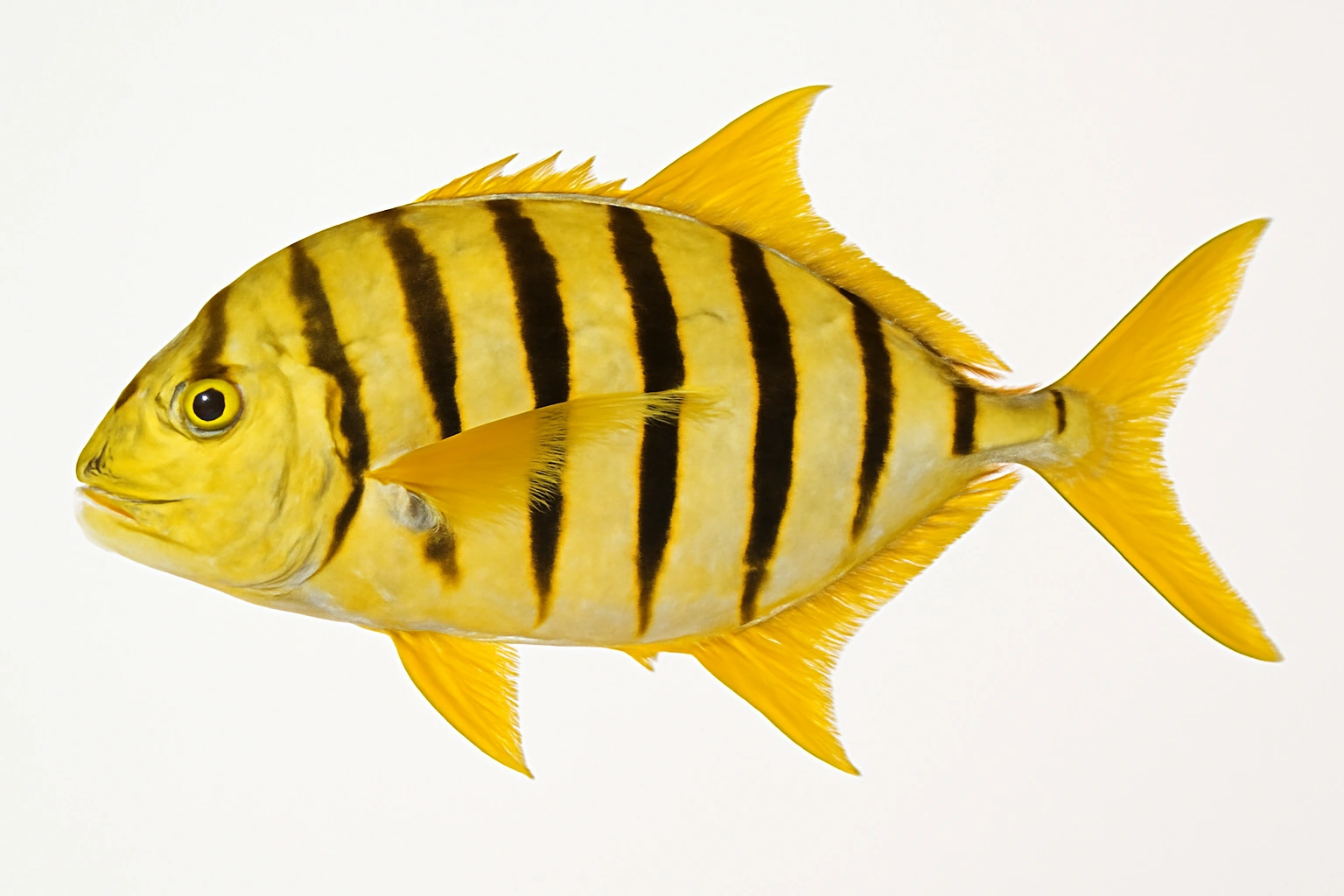 Golden TrevallyGnathanodon speciosus
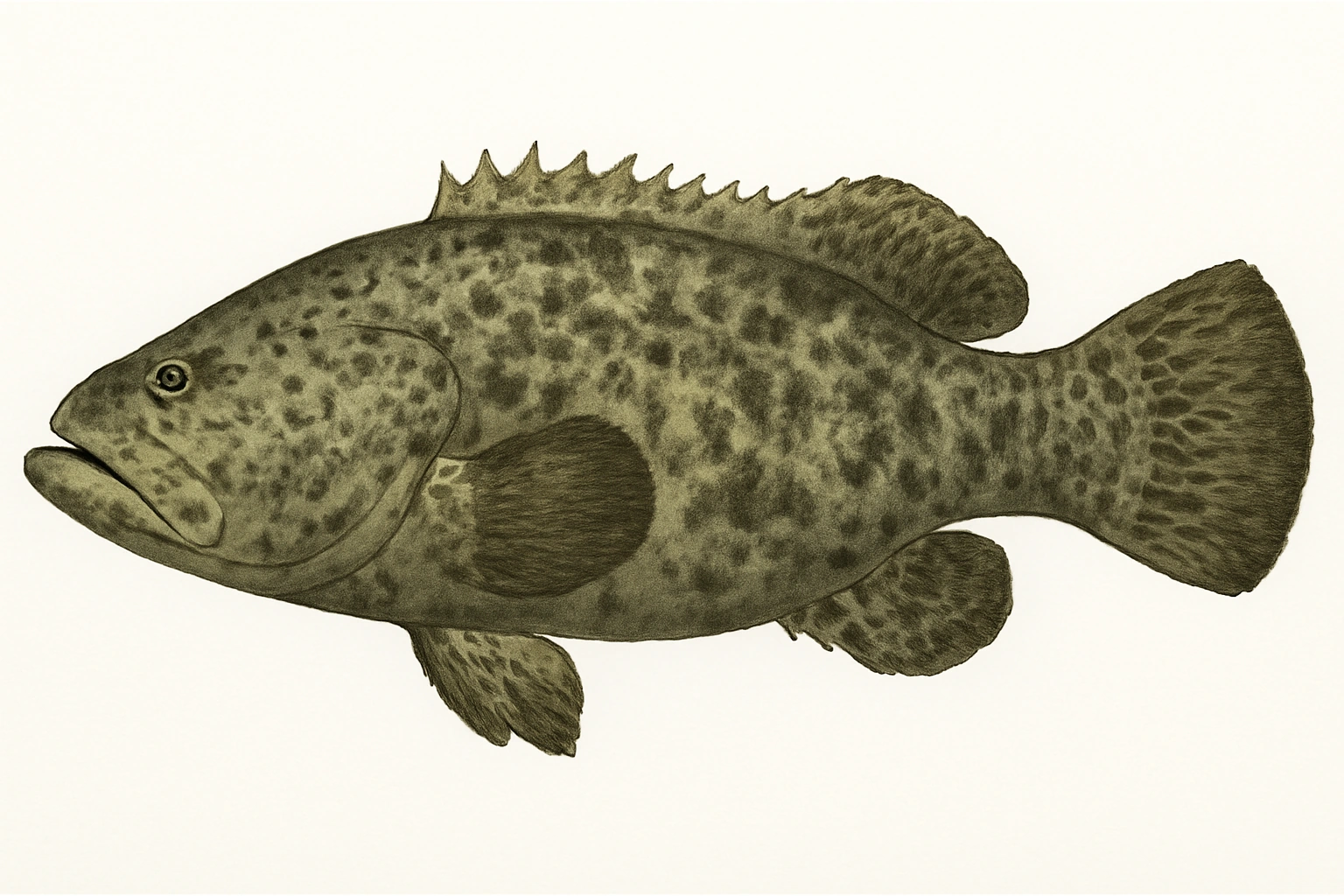 Goliath grouperEpinephelus itajara
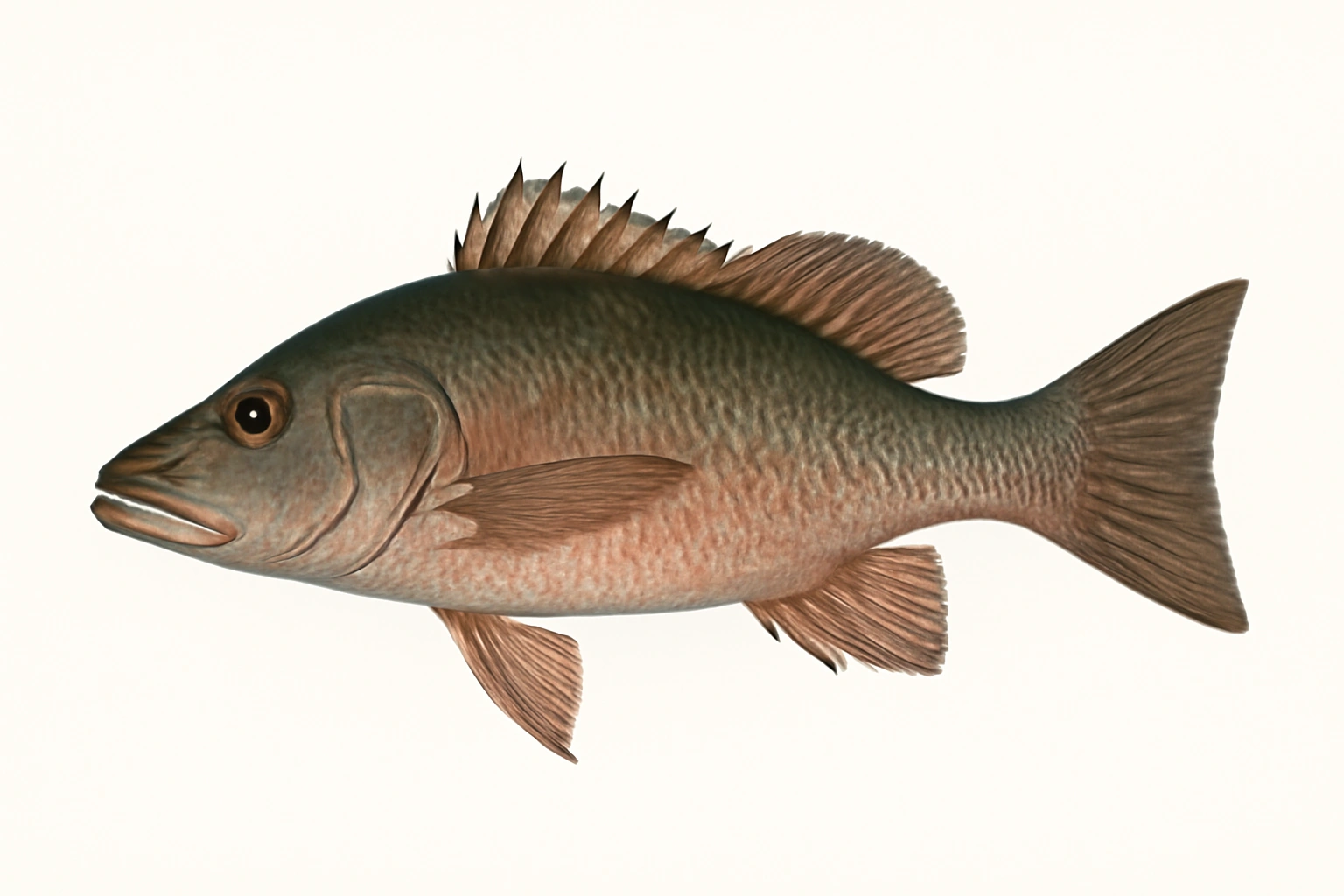 Gray snapperLutjanus griseus
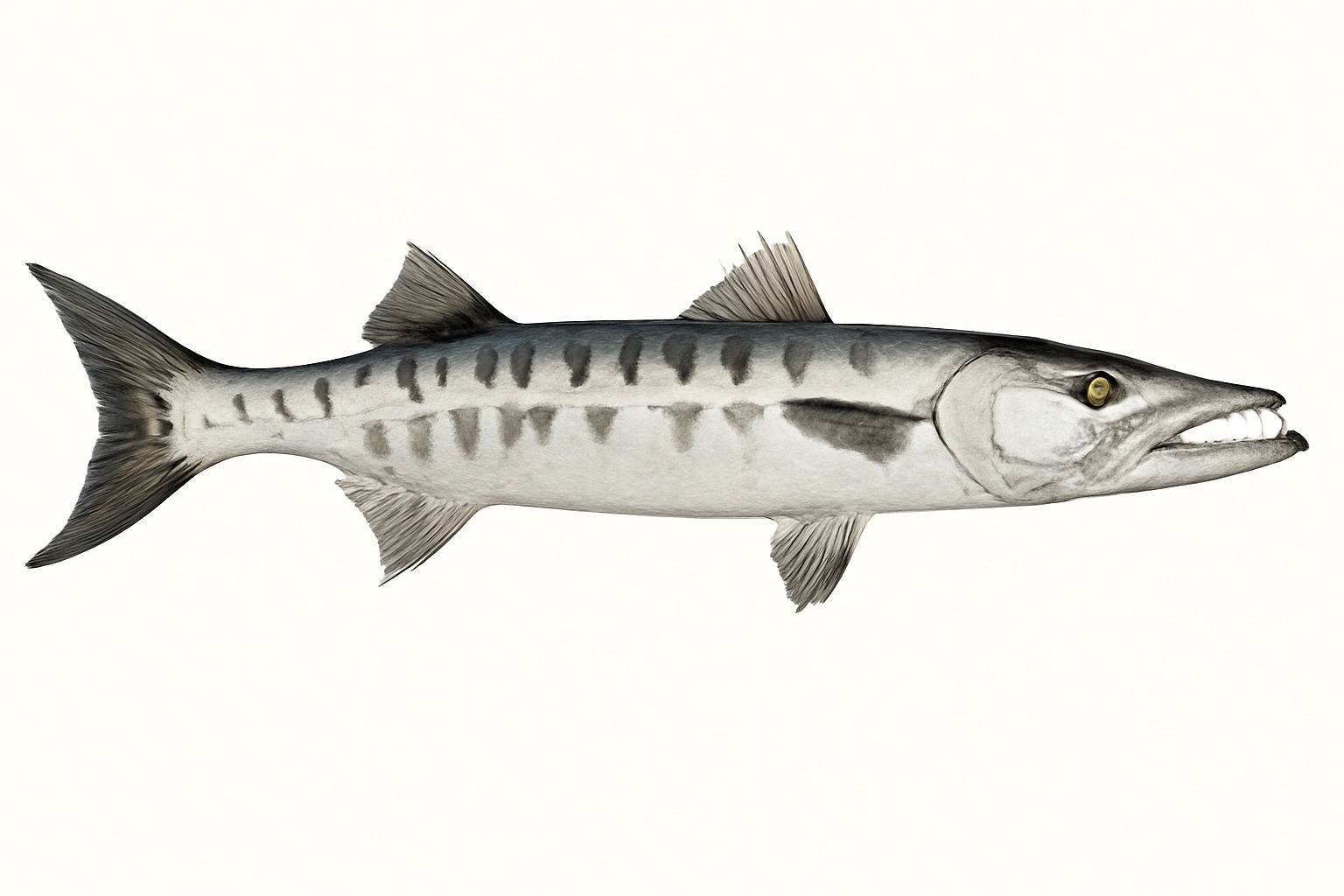 Great barracudaSphyraena barracuda
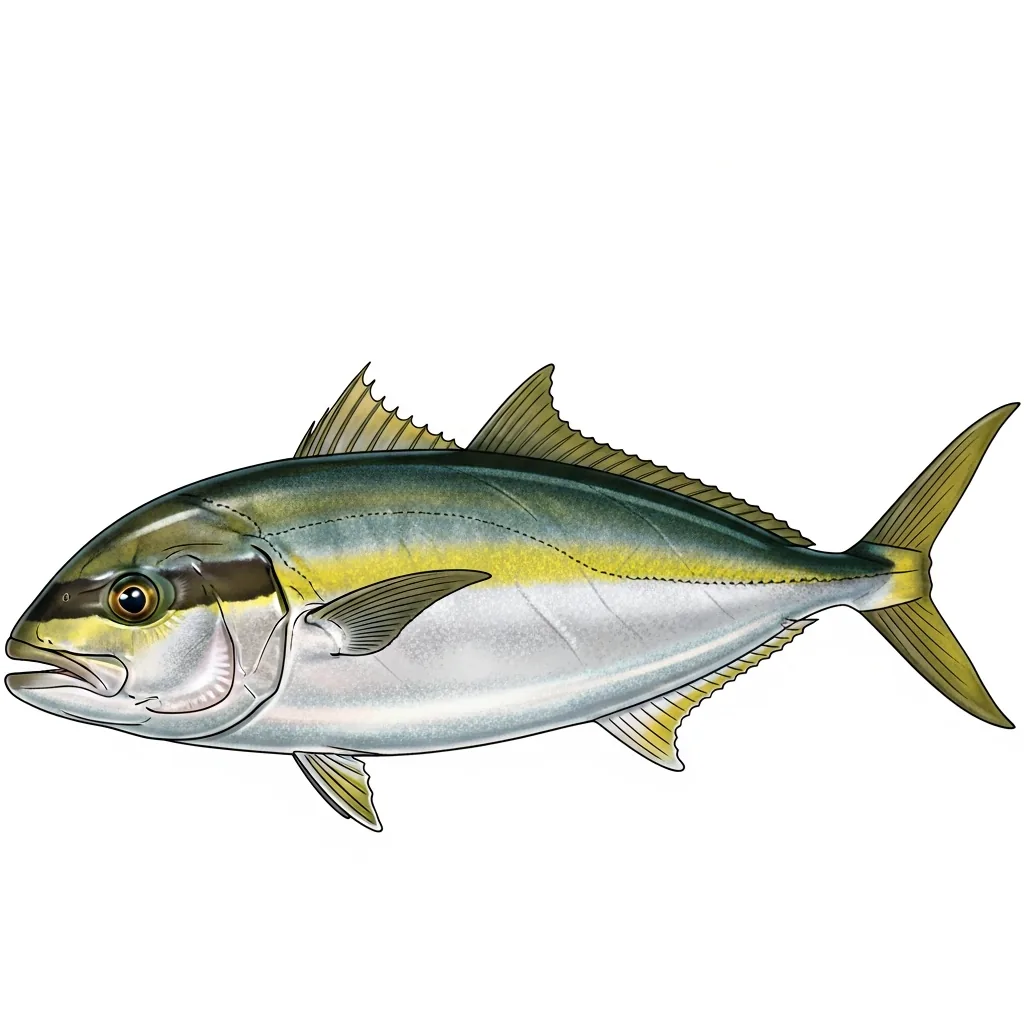 Greater amberjackSeriola dumerili
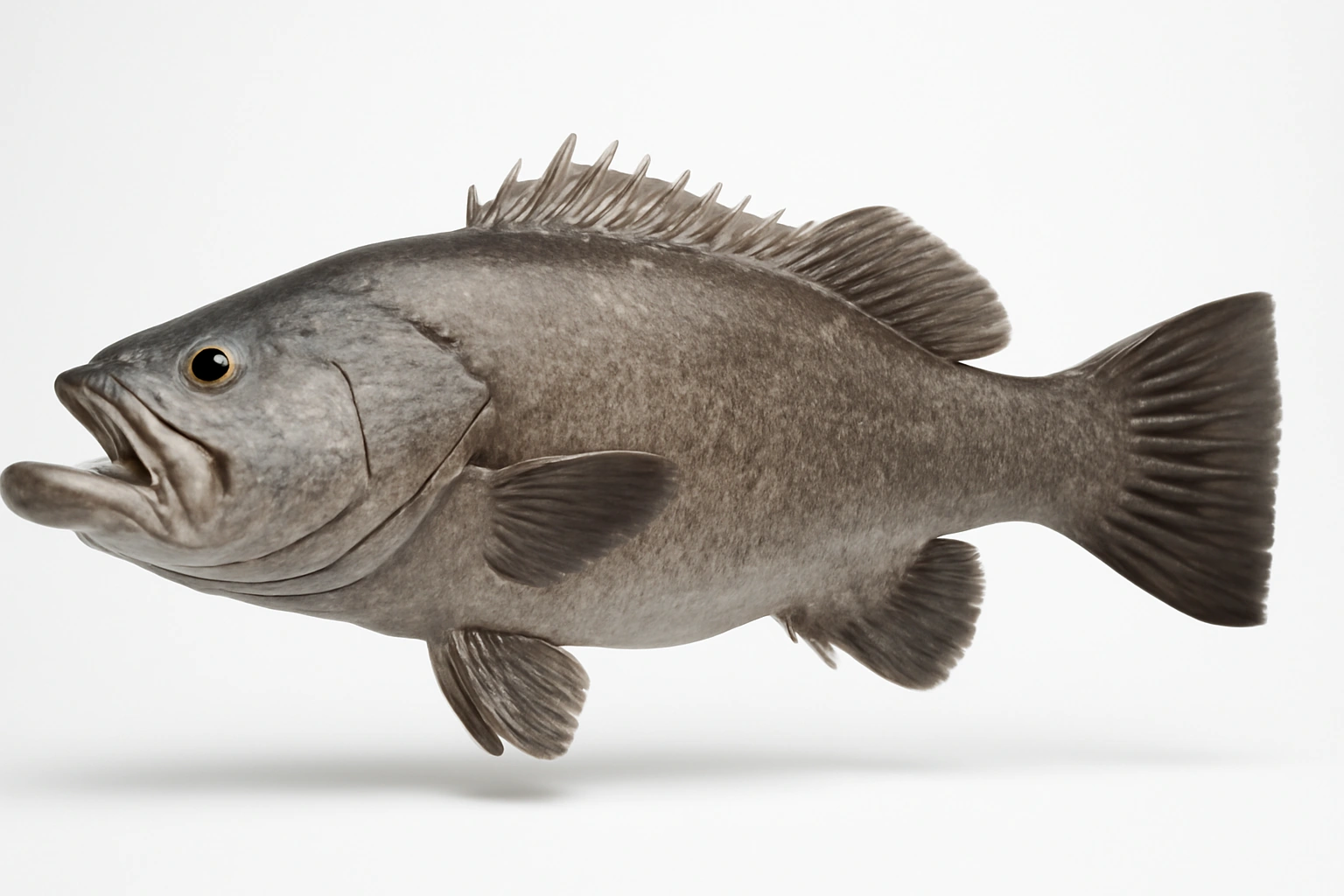 HapukaPolyprion oxygeneios
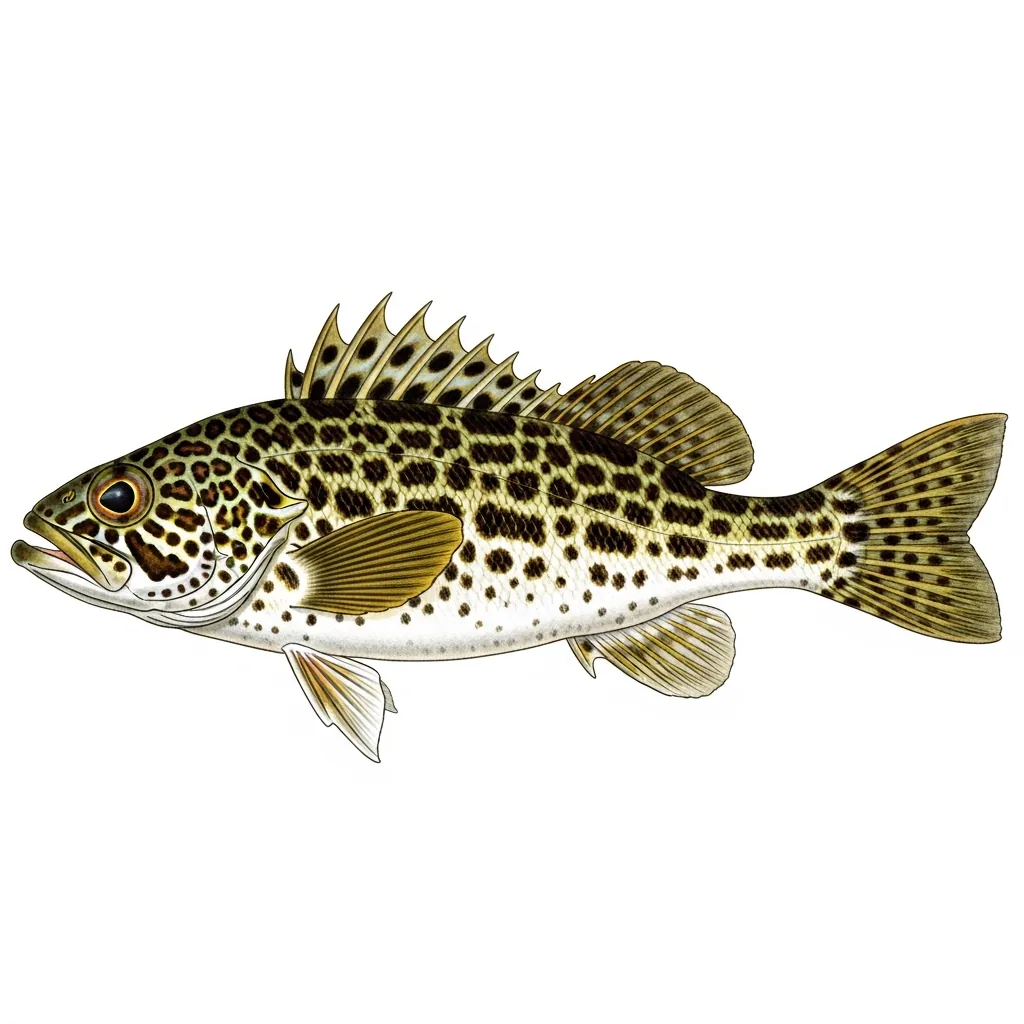 Kelp BassParalabrax clathratus
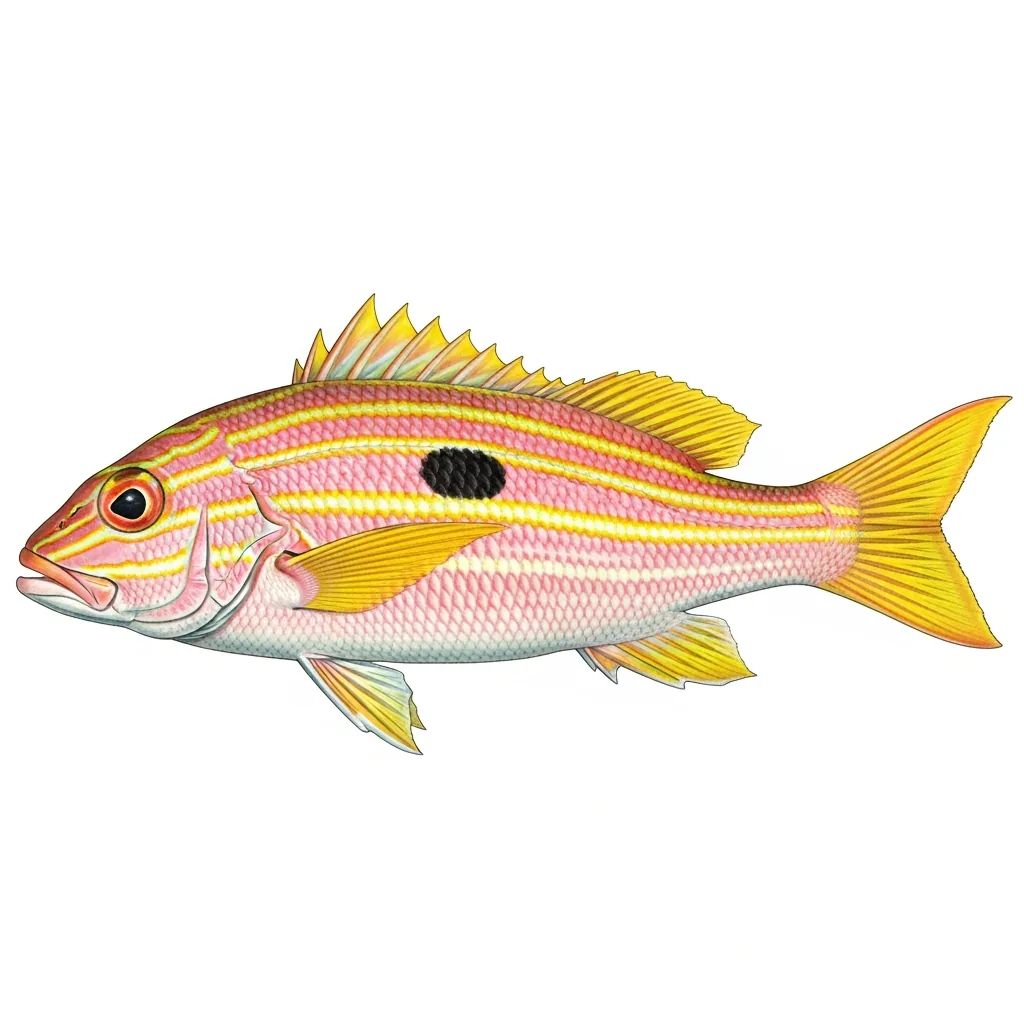 Lane SnapperLutjanus synagris
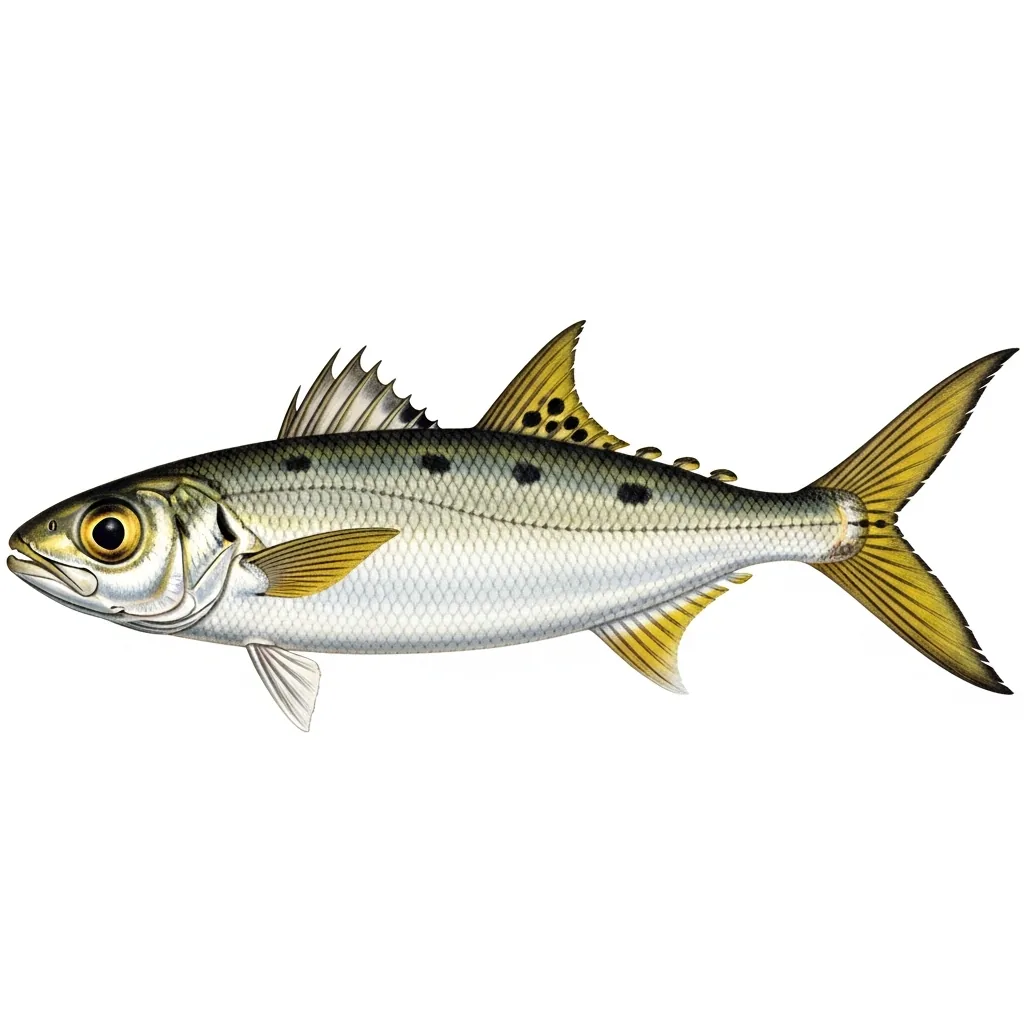 LeerfishLichia amia
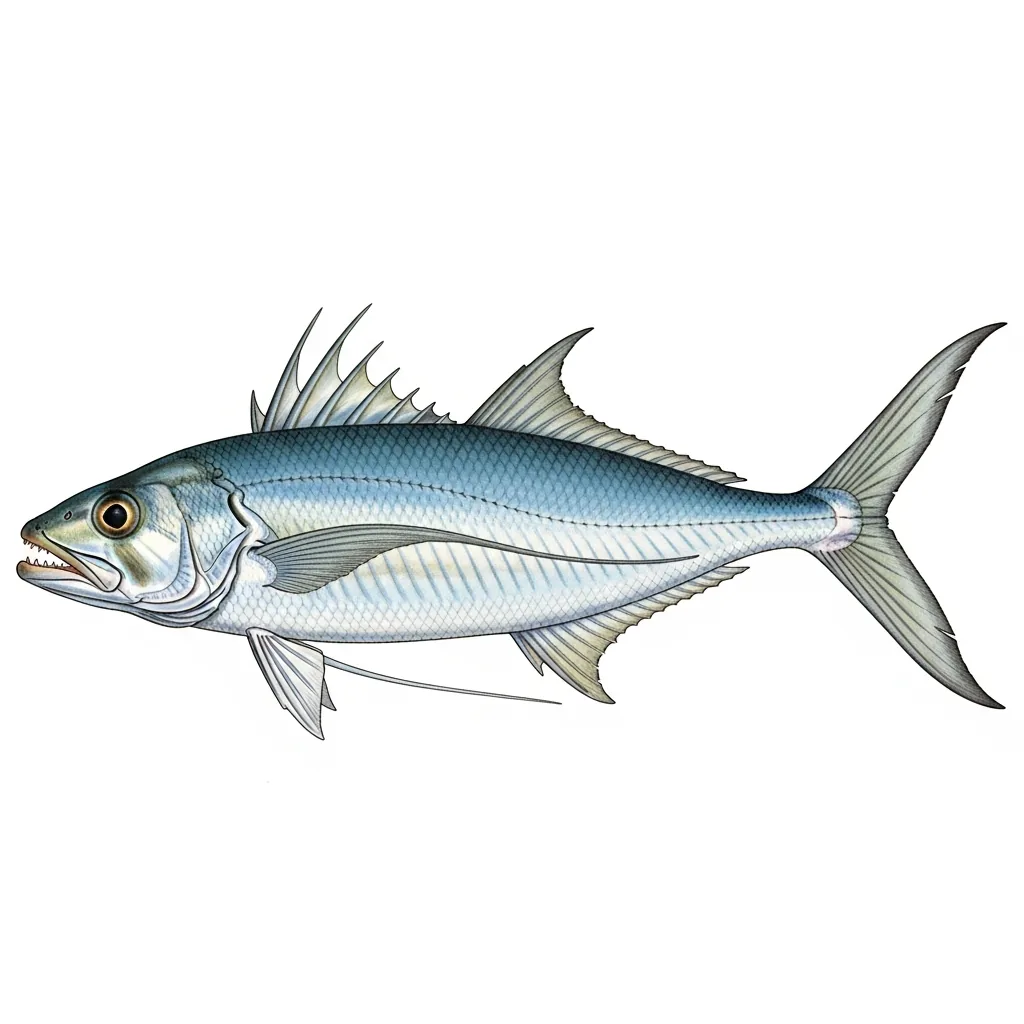 LeerfishTrachinotus ovatus
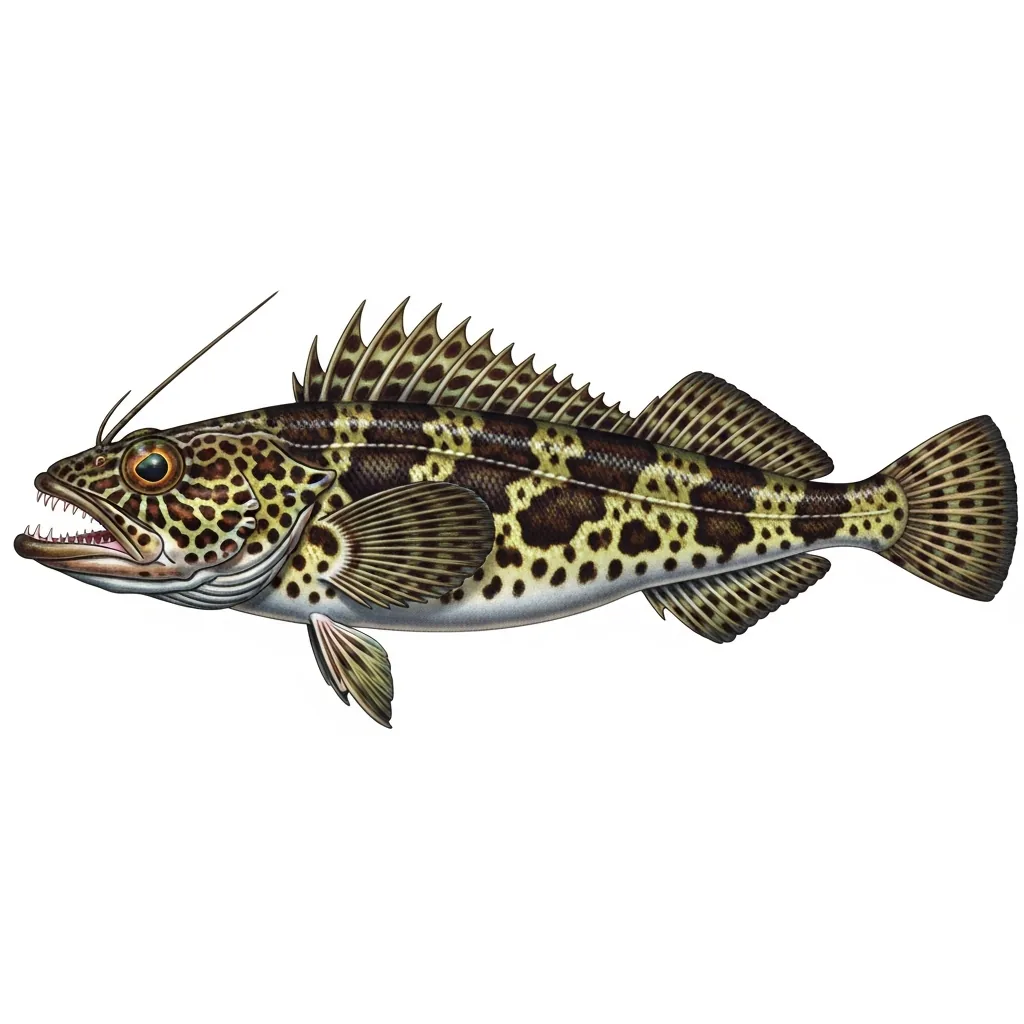 LingcodOphiodon elongatus
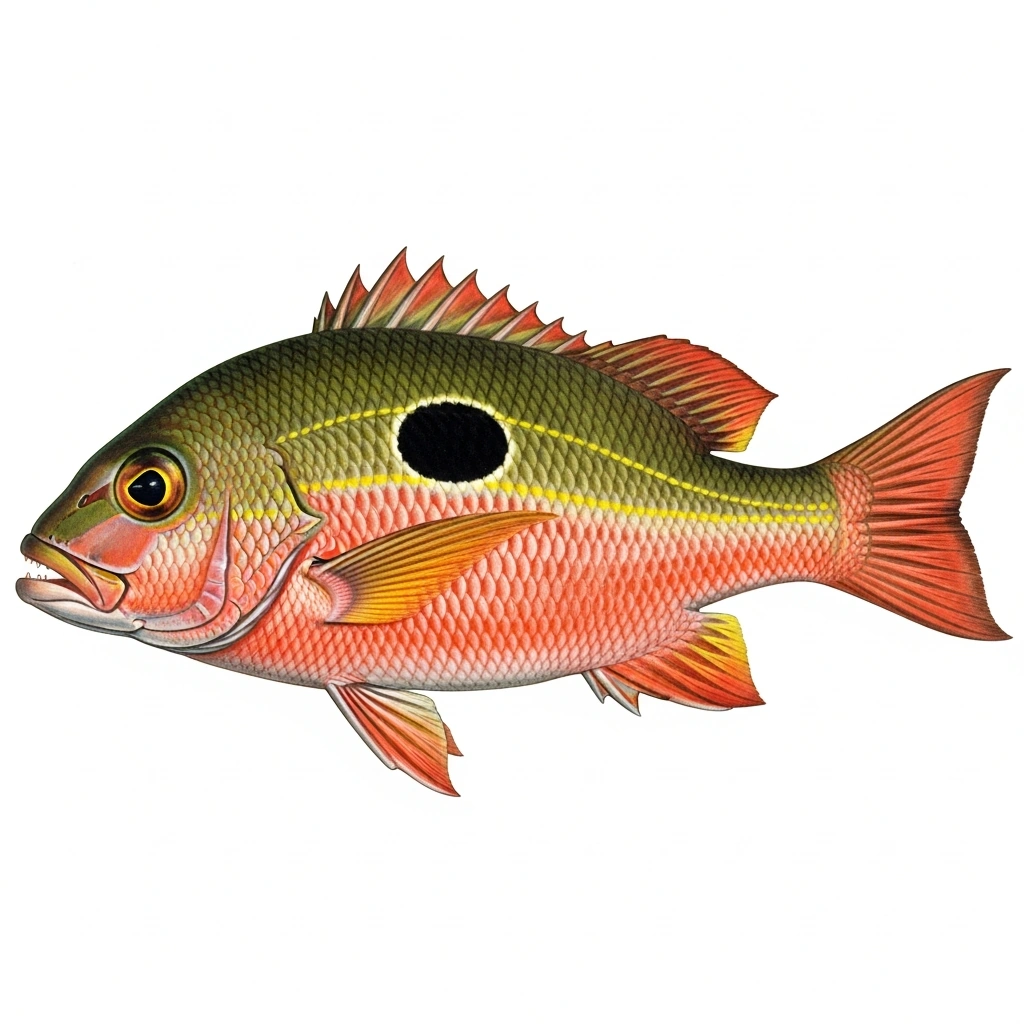 Mutton snapperLutjanus analis
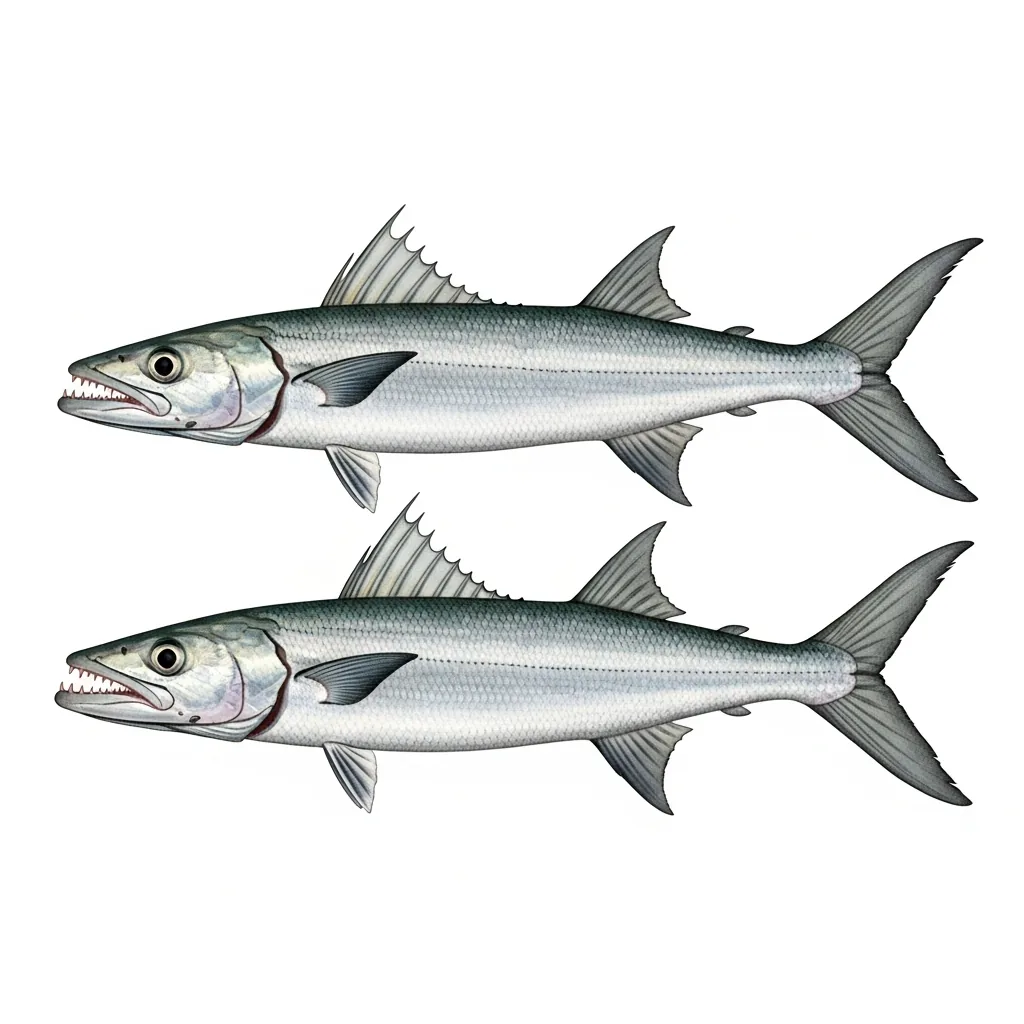 Pacific BarracudaSphyraena argentea
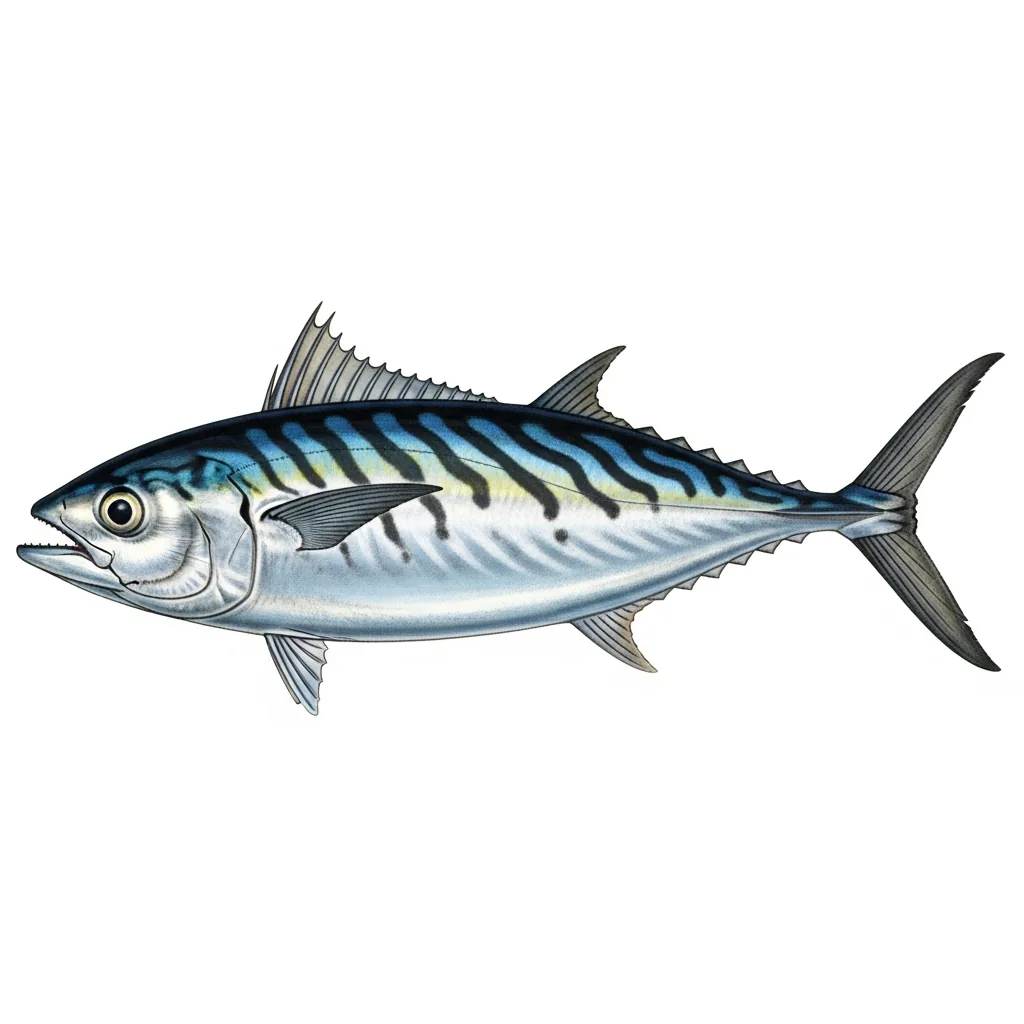 Pacific BonitoSarda chiliensis
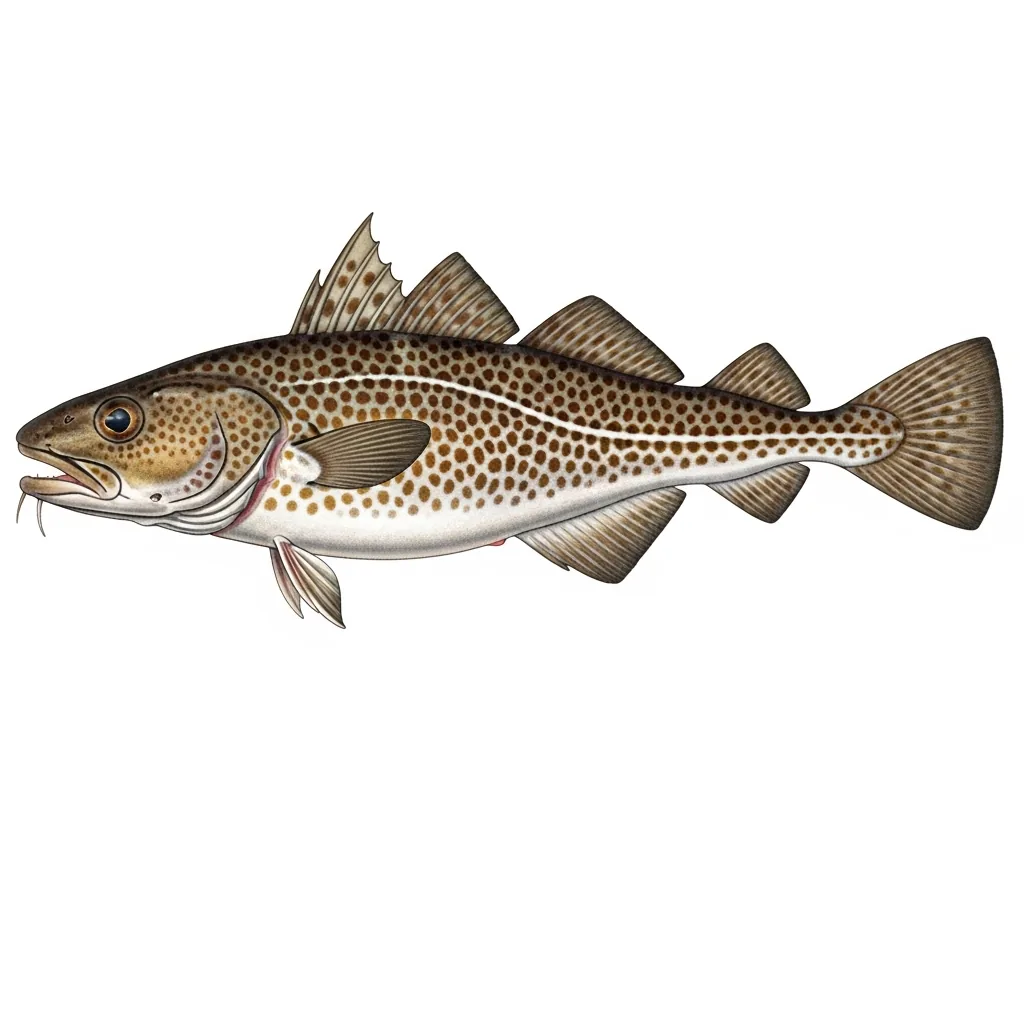 Pacific CodGadus macrocephalus
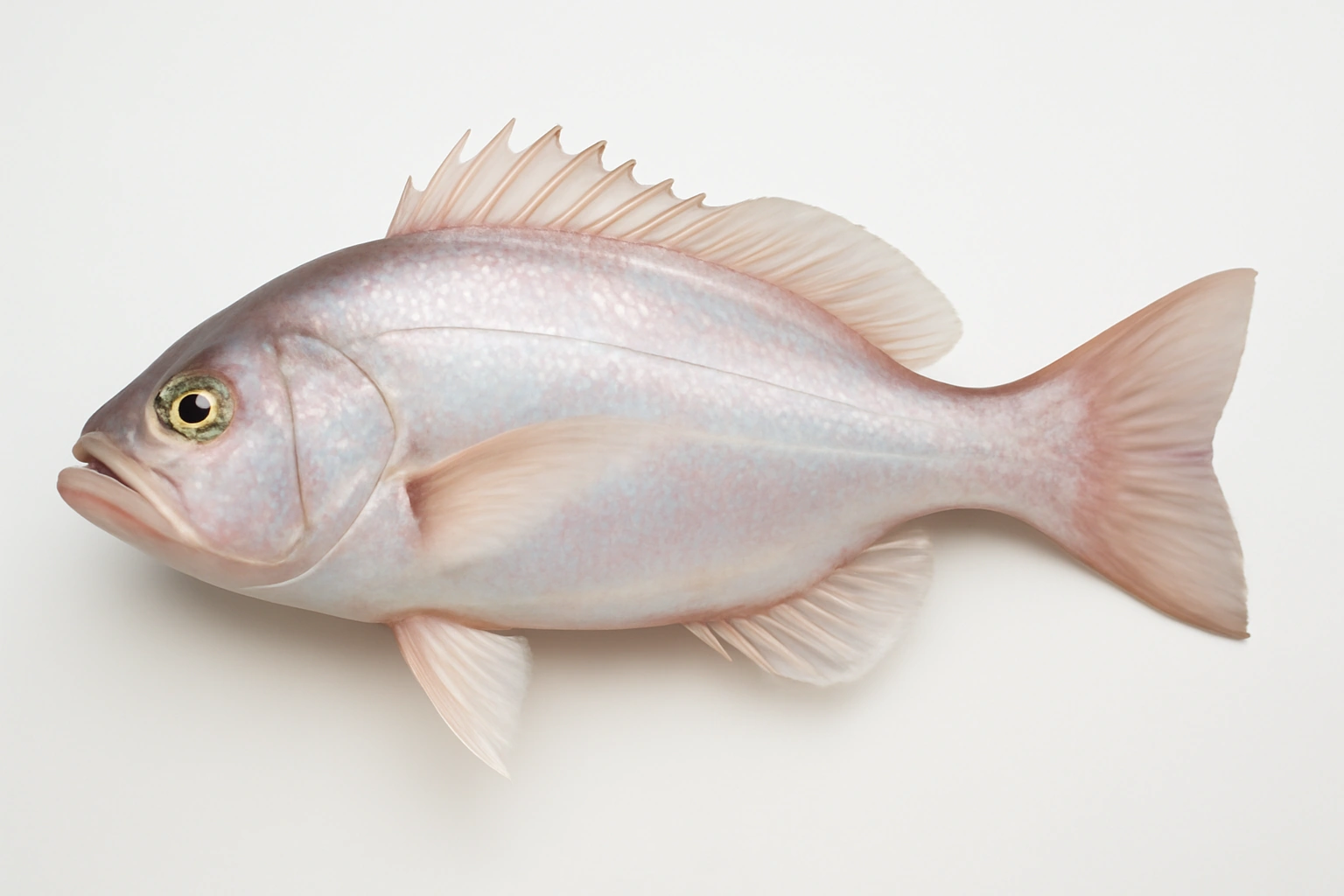 Pearl PerchGlaucosoma scapulare
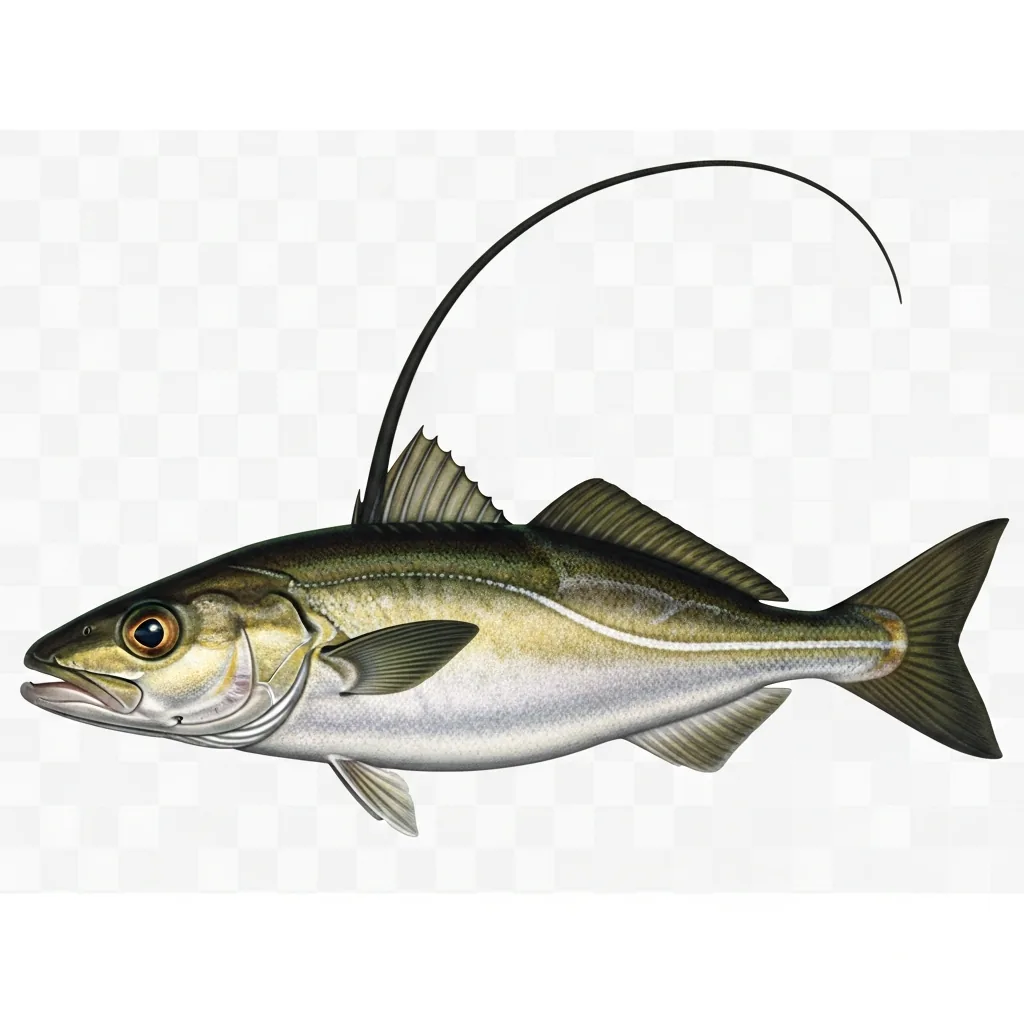 PollackPollachius pollachius
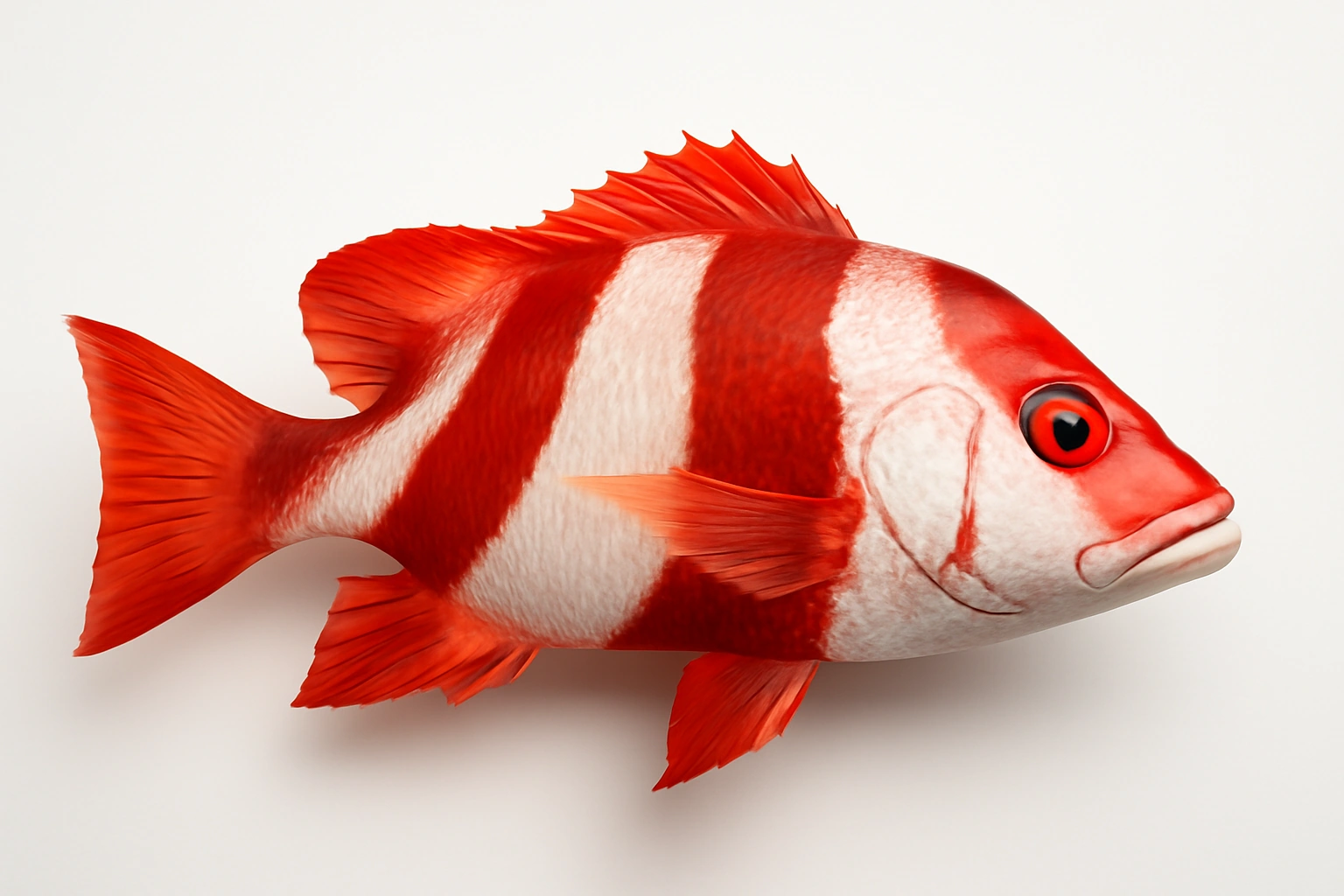 Red EmperorLutjanus sebae
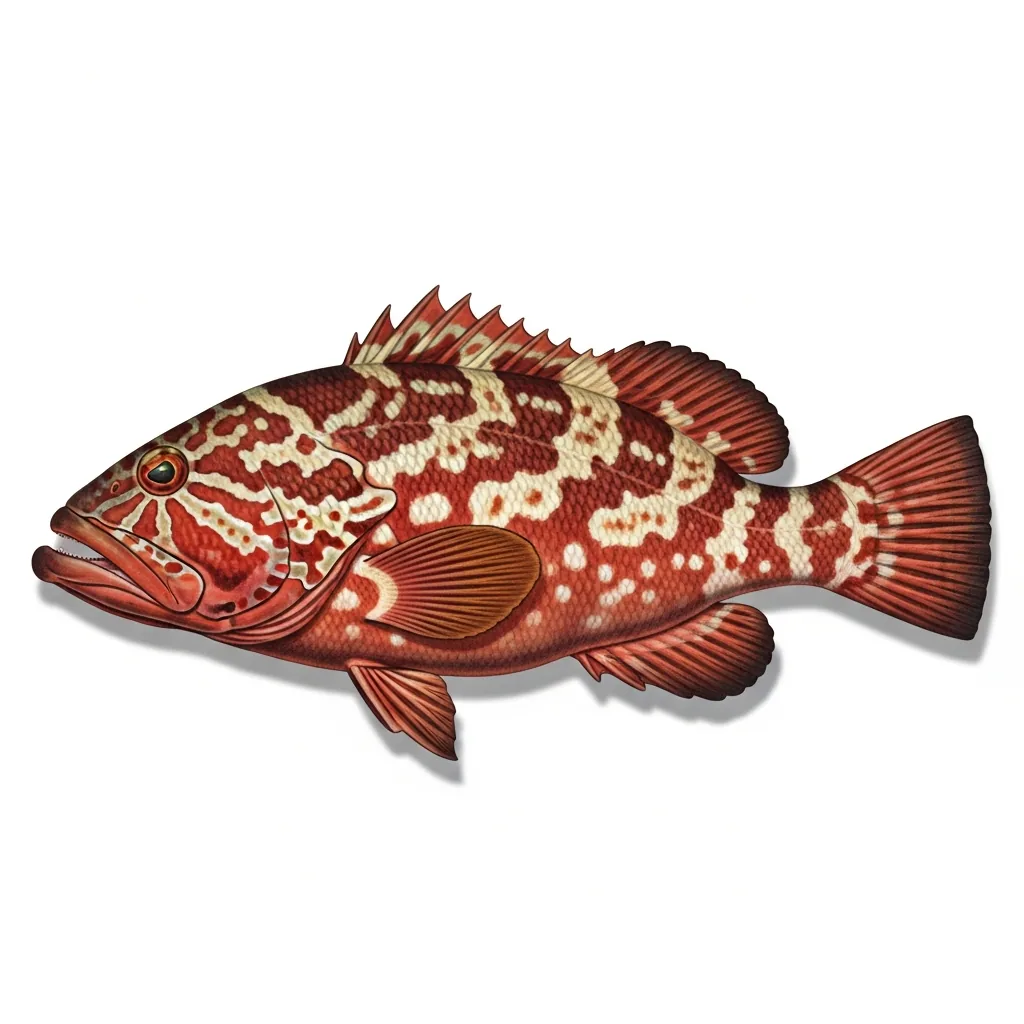 Red GrouperEpinephelus morio
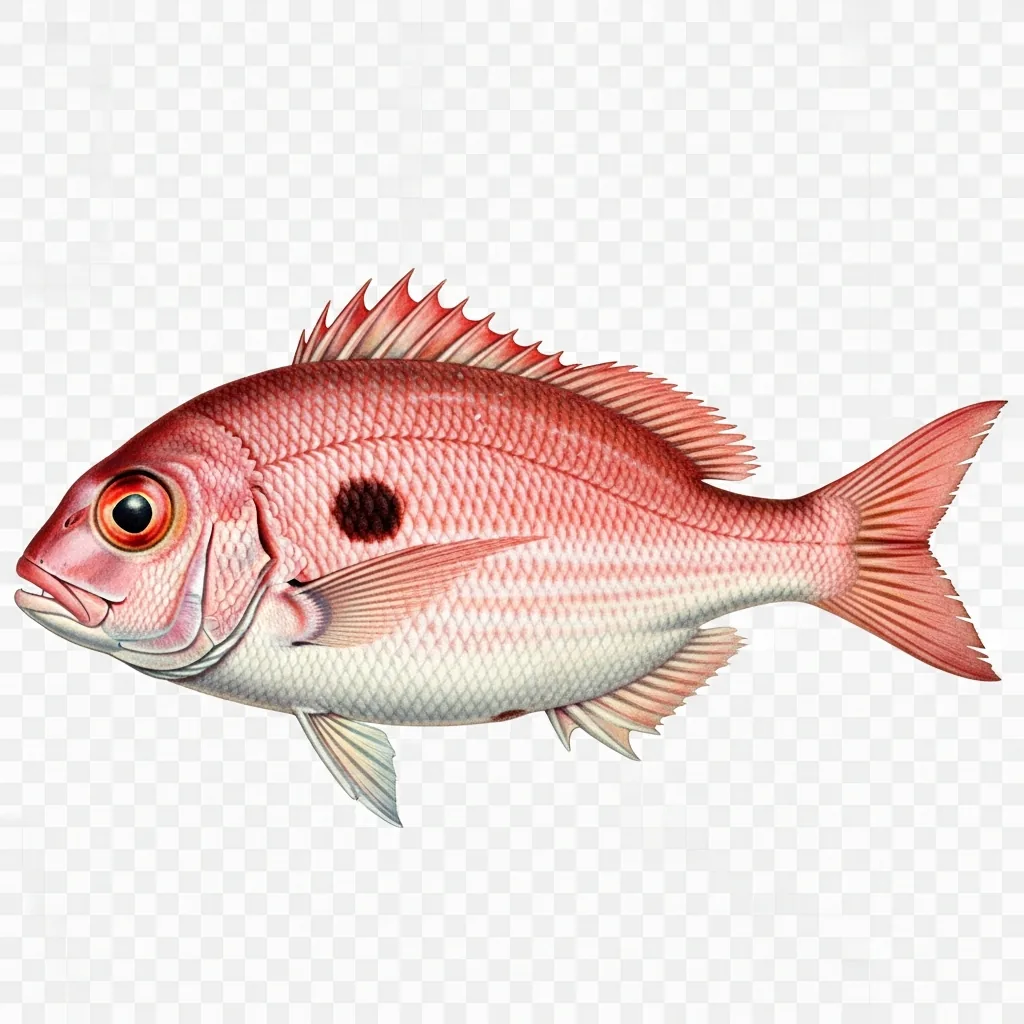 Red porgyPagrus pagrus
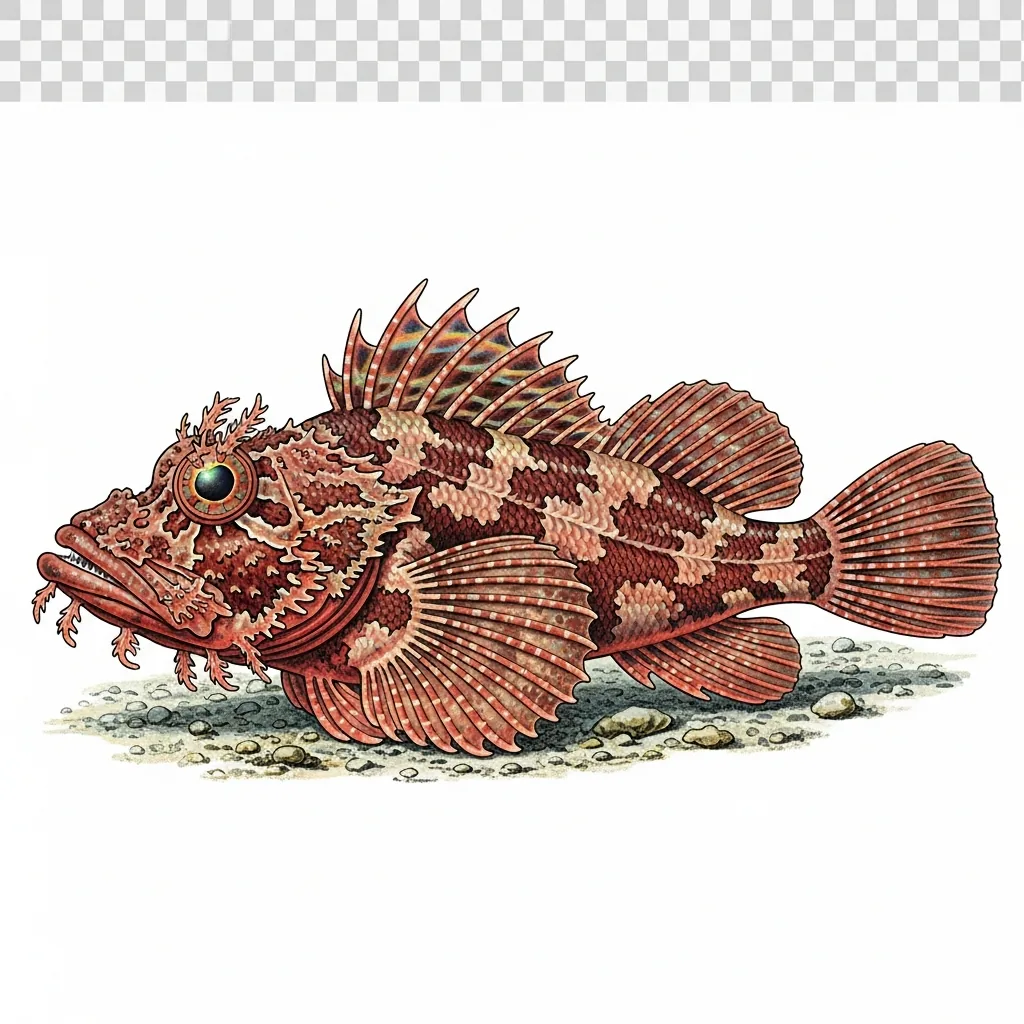 Red scorpionfishScorpaena scrofa
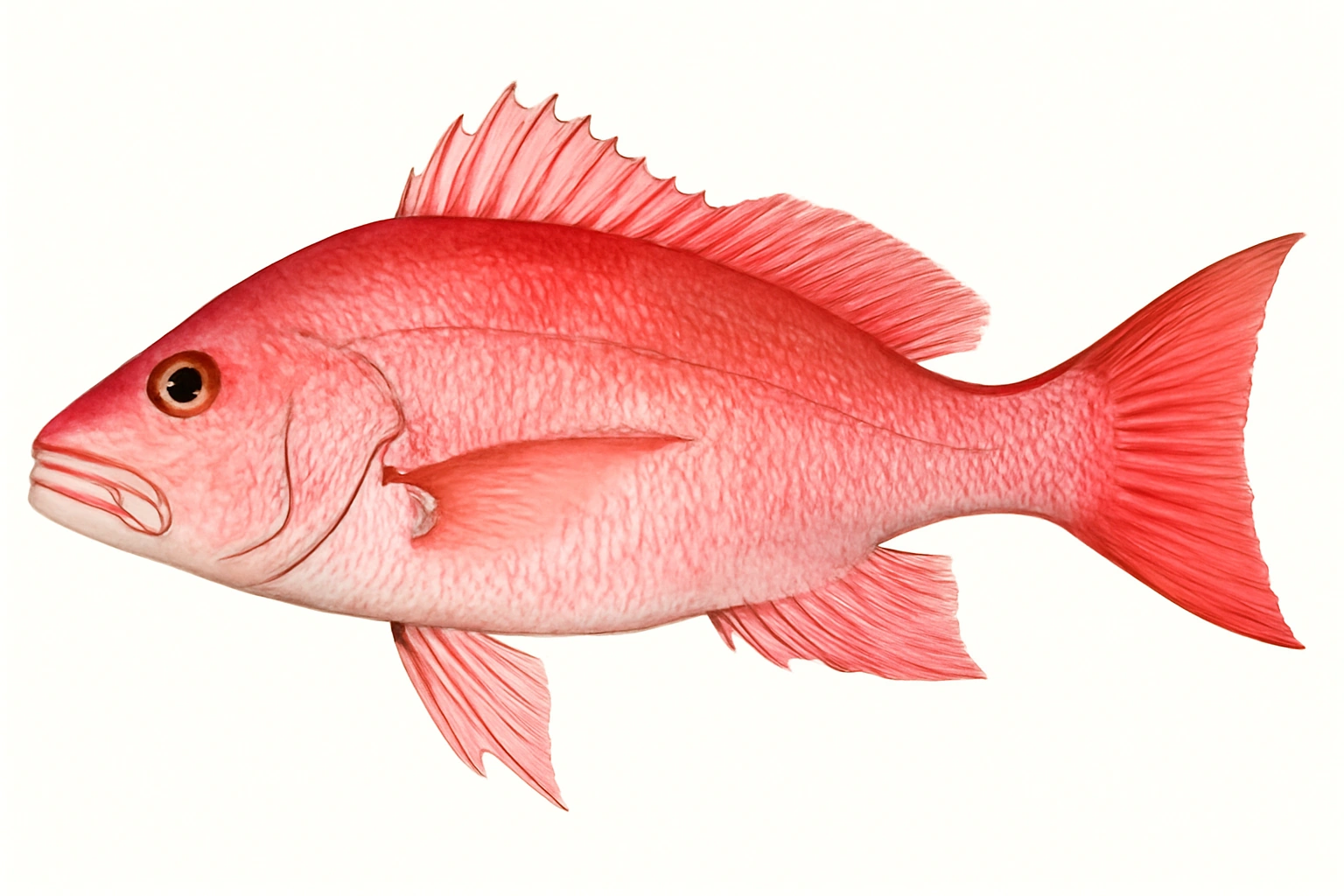 Red snapperLutjanus campechanus
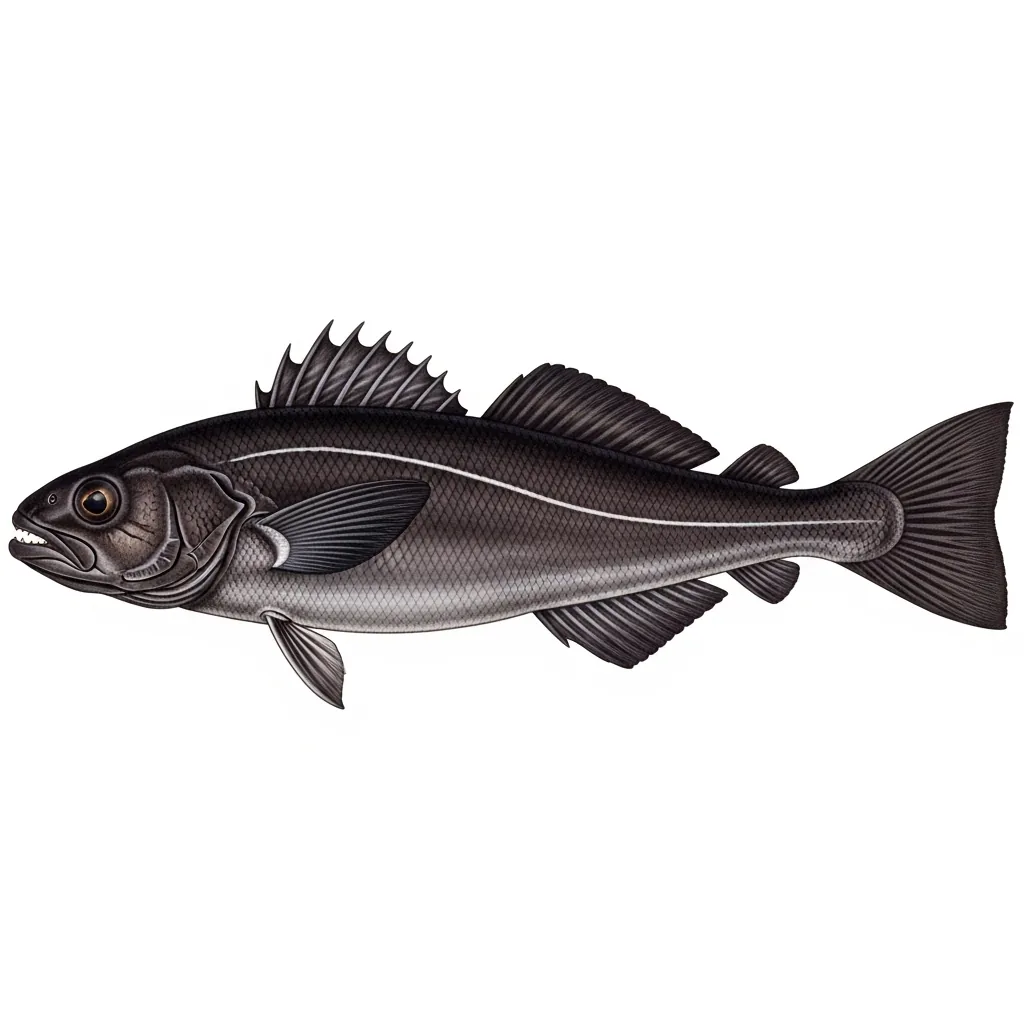 SablefishAnoplopoma fimbria
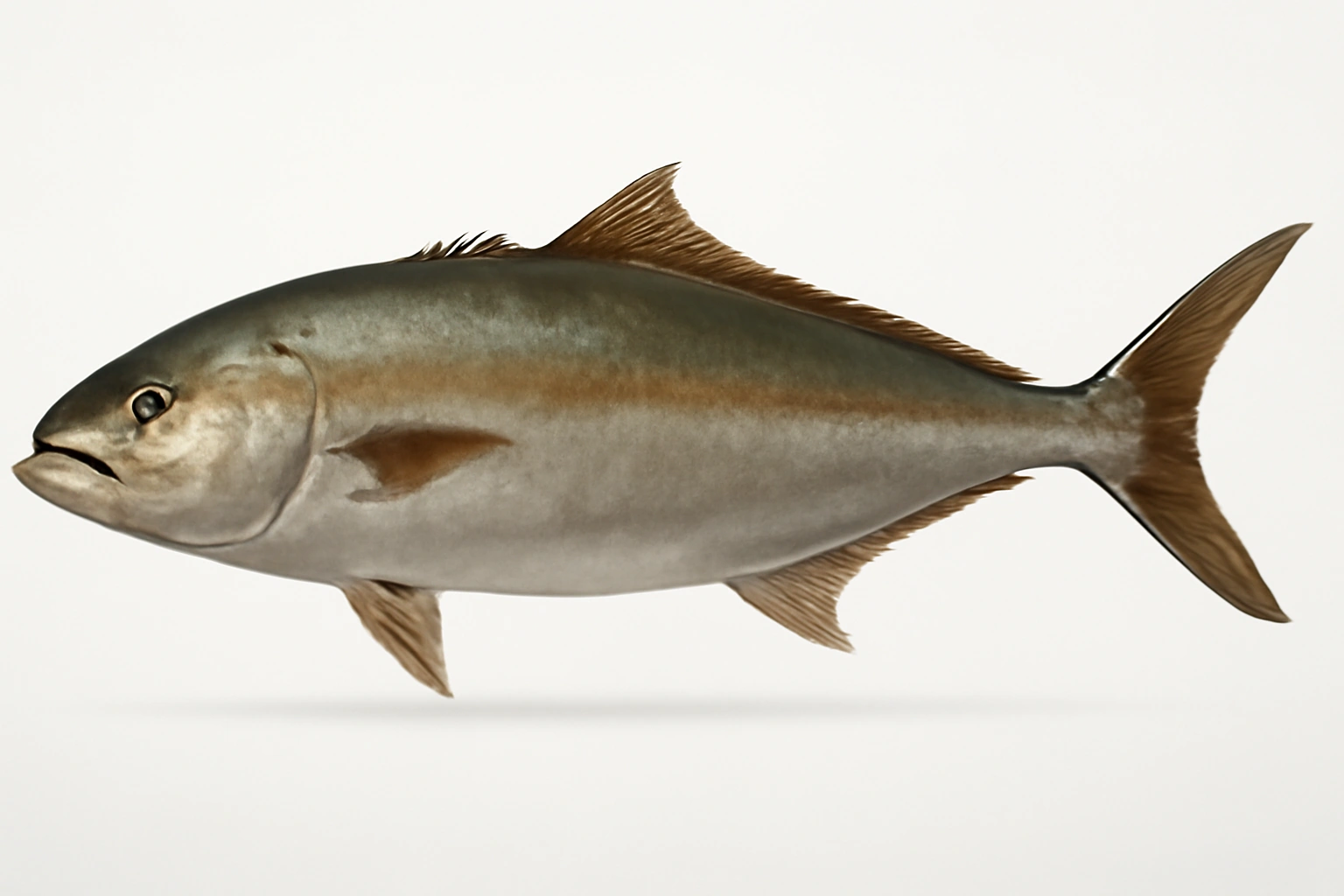 Samson FishSeriola hippos
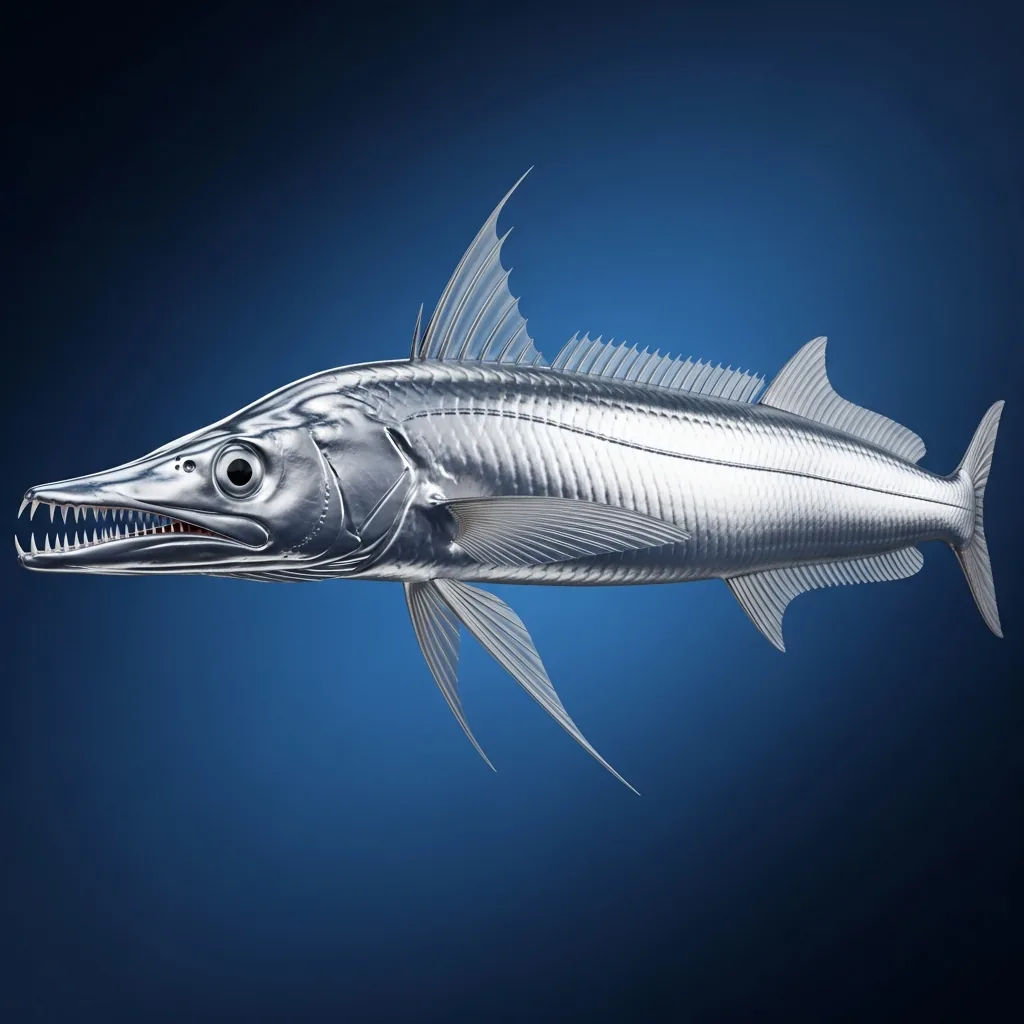 Silver scabbardfishLepidopus caudatus
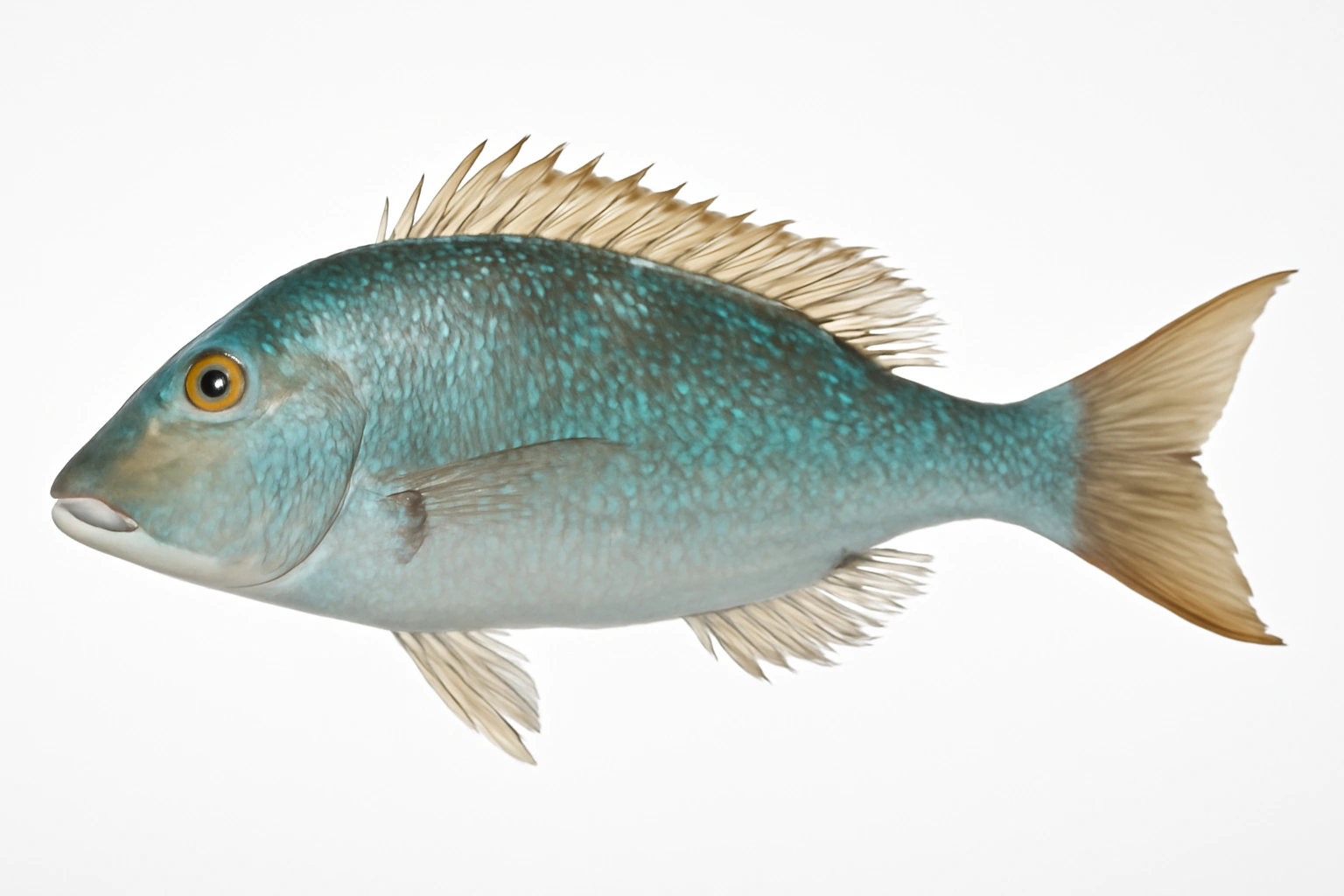 Spangled EmperorLethrinus nebulosus
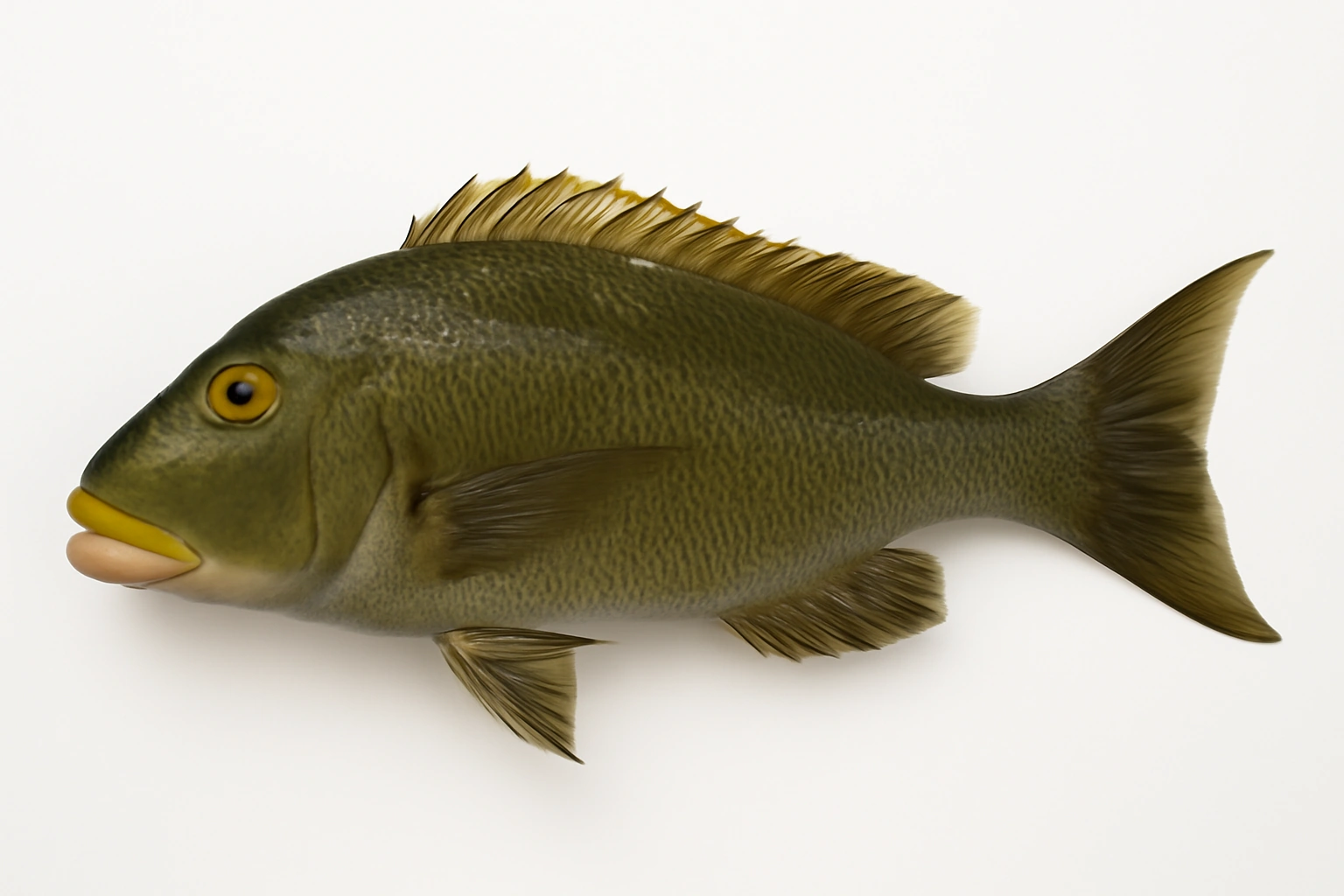 Sweetlip EmperorLethrinus miniatus
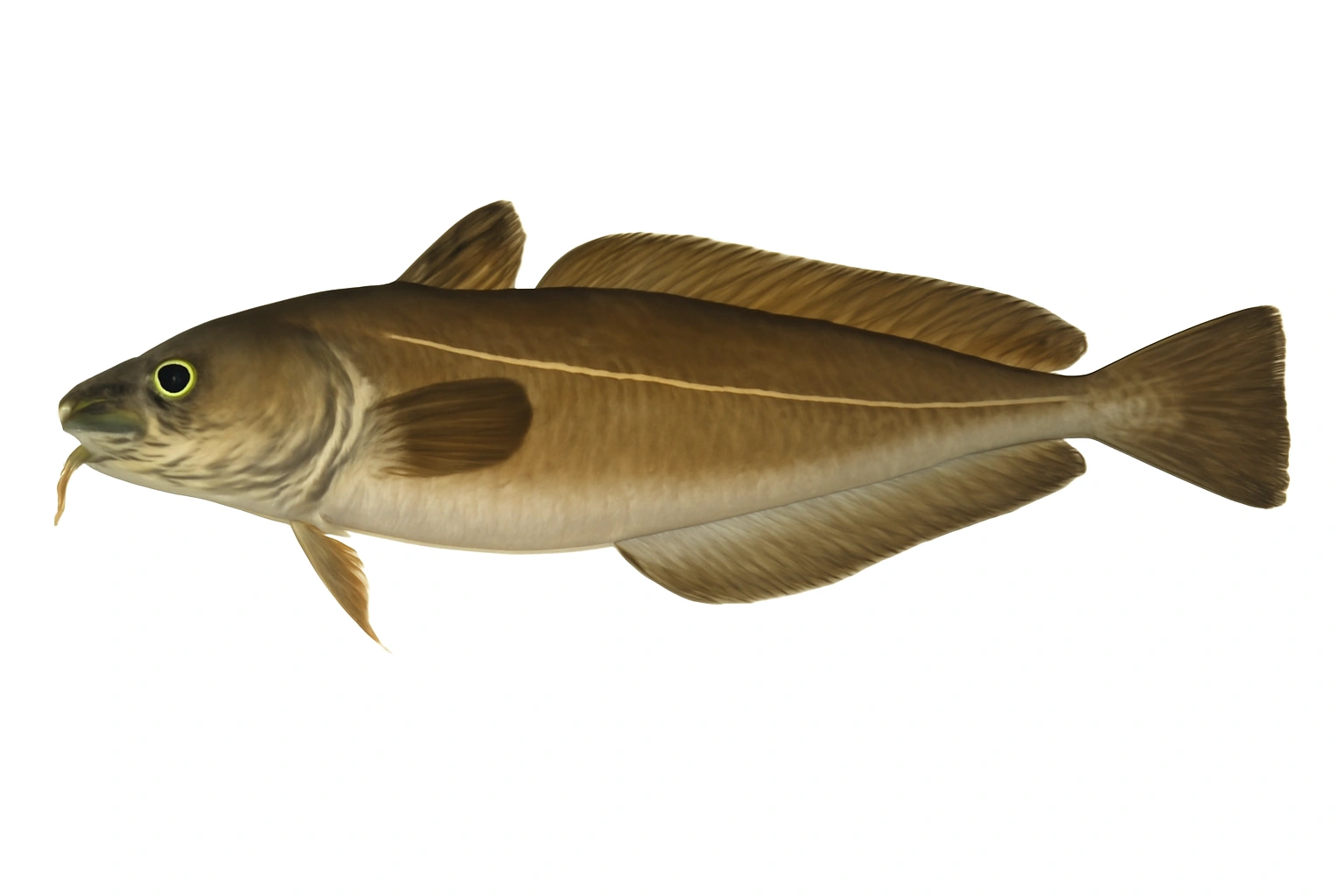 TuskBrosme brosme
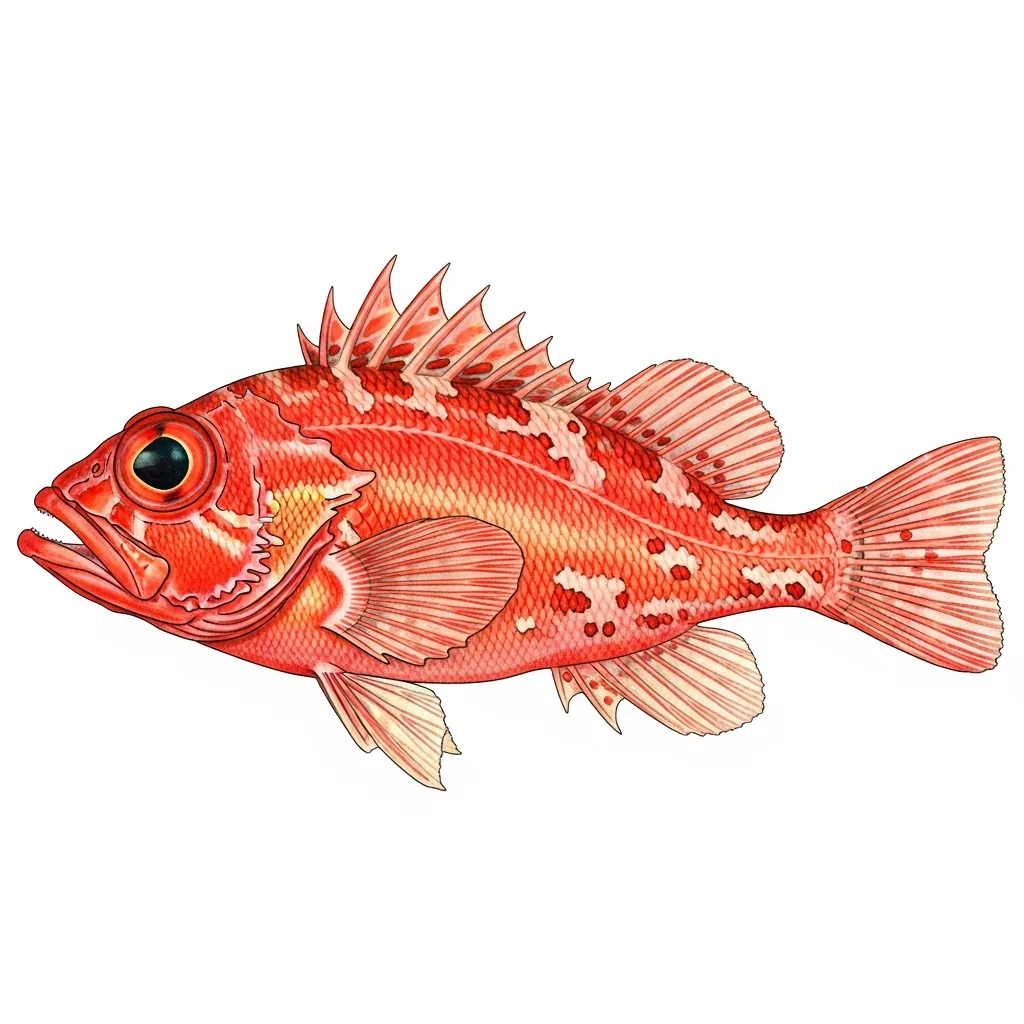 Vermilion RockfishSebastes miniatus
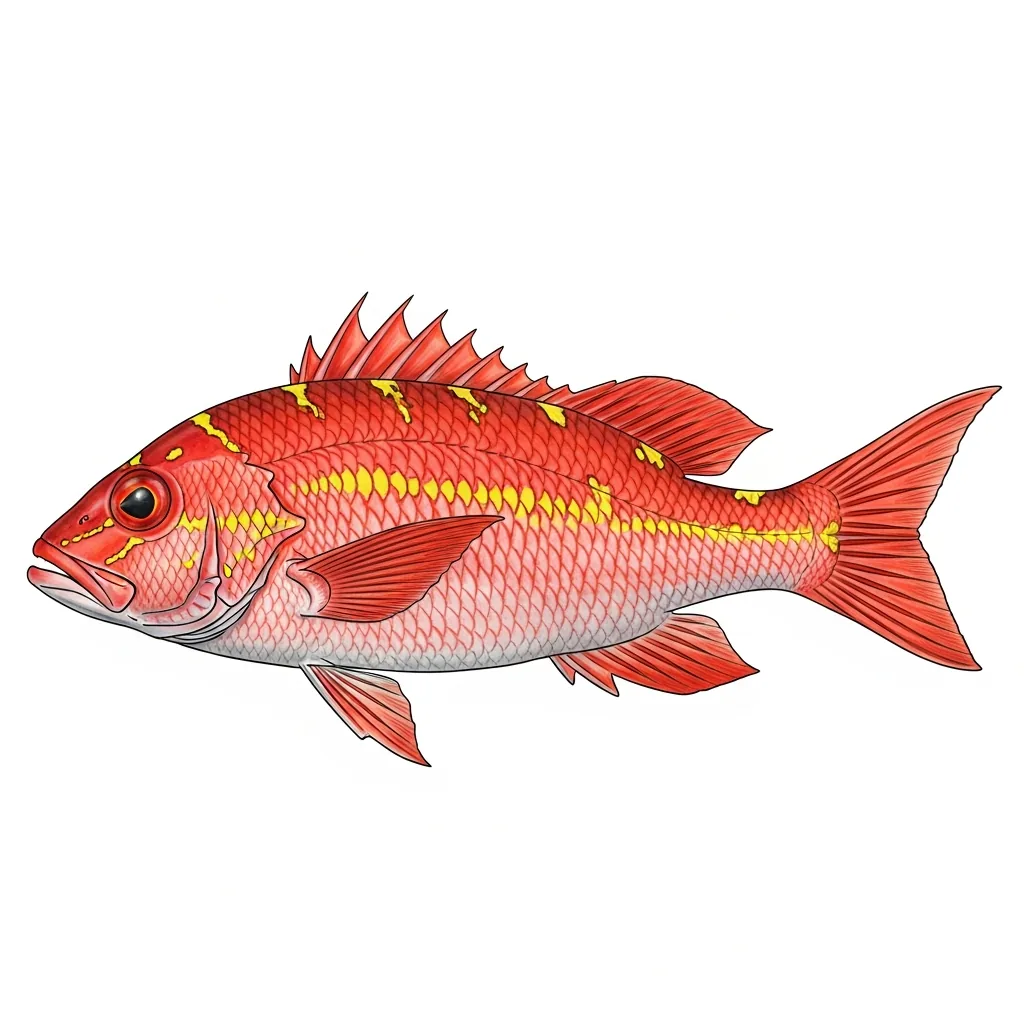 Vermilion SnapperRhomboplites aurorubens
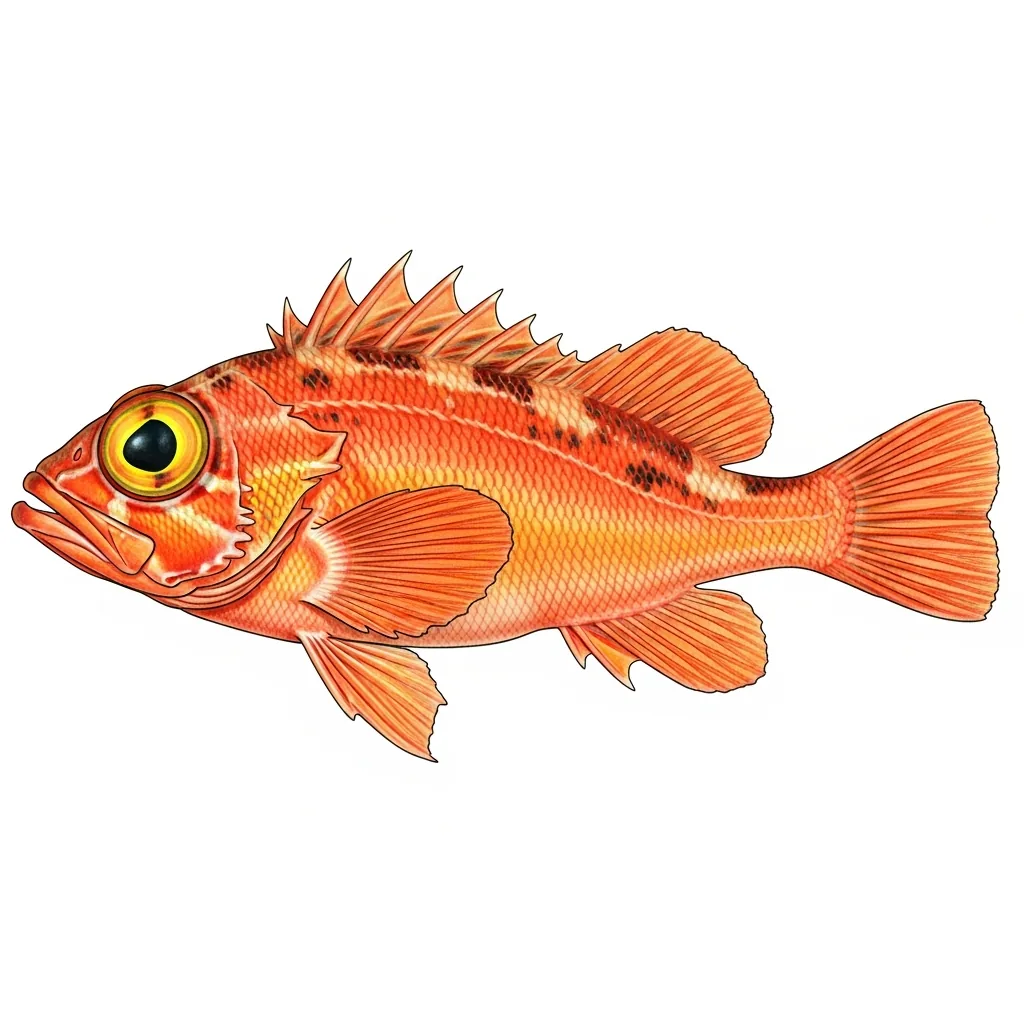 Yelloweye RockfishSebastes ruberrimus
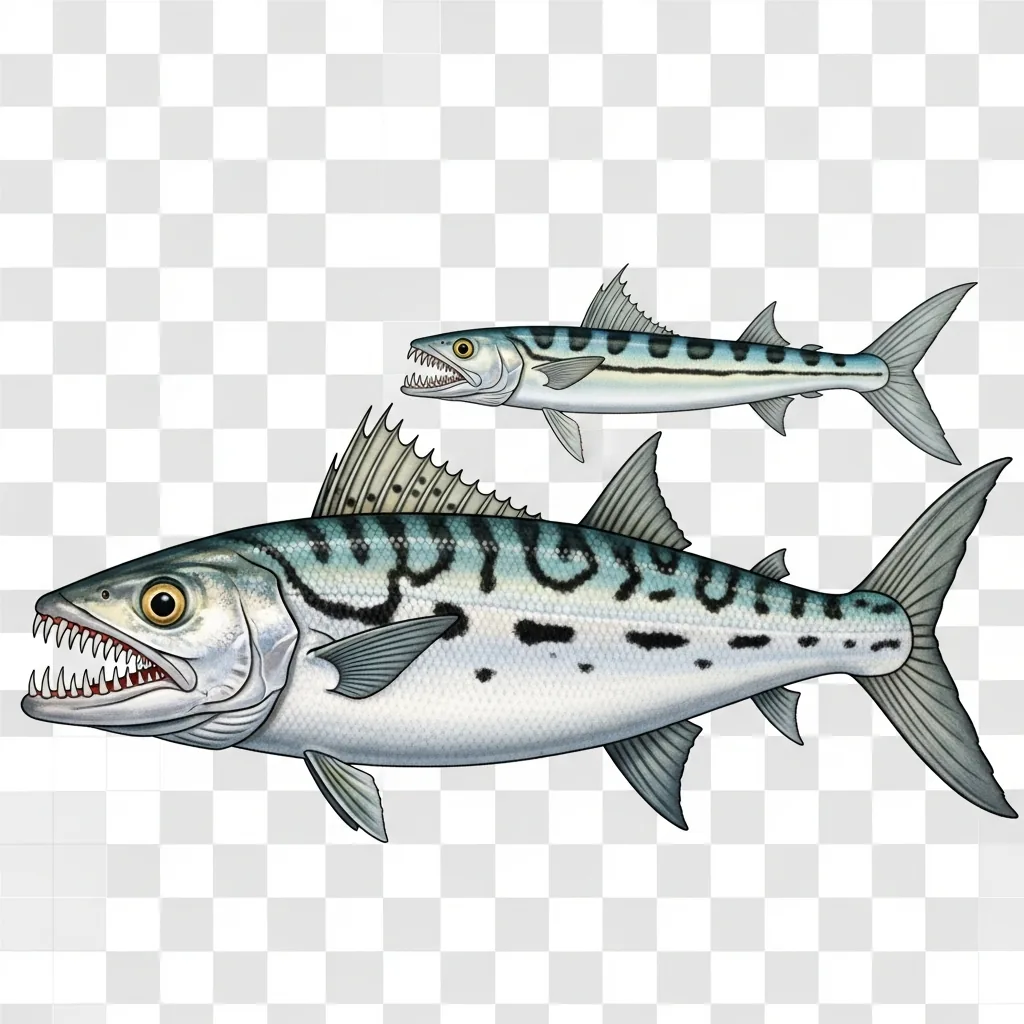 Yellowmouth barracudaSphyraena viridensis
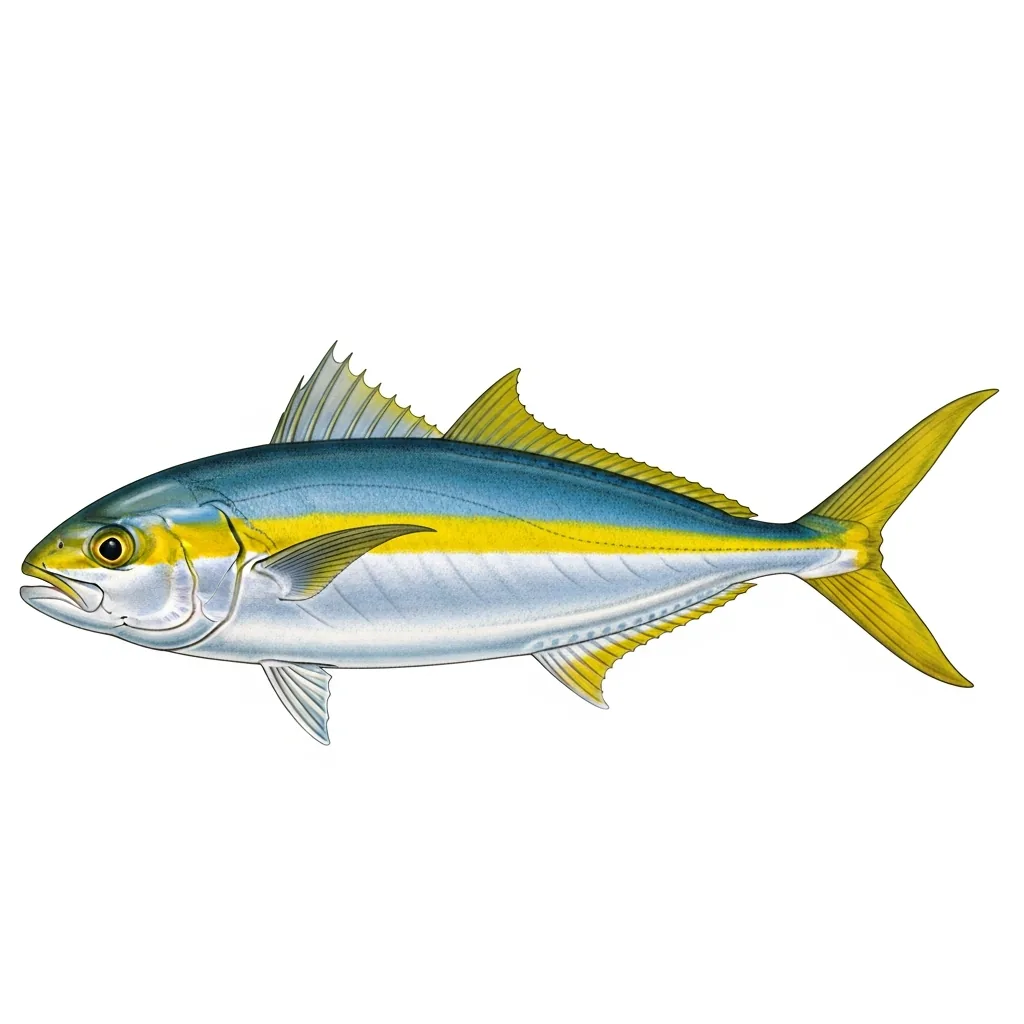 Yellowtail kingfishSeriola lalandi
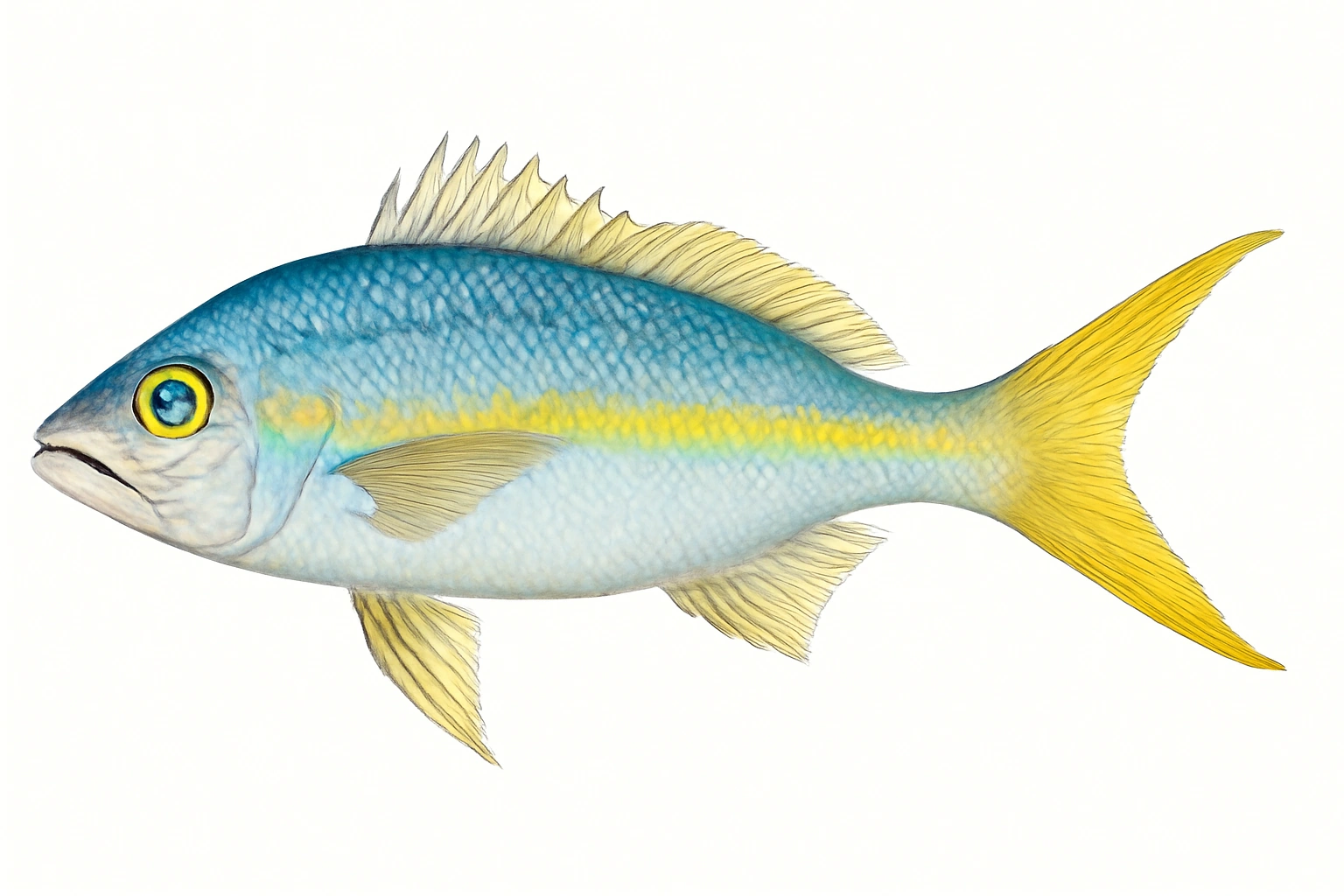 Yellowtail snapperOcyurus chrysurus
Frequently asked questions
How do you fish Slow Jigging?
Slow jigging is not simply “slow jigging,” but a vertical technique designed to make the metal jig work mainly on the fall and during mid-water suspensions, which is when many bites truly happen. The idea is to make the jig look like a struggling prey item: it rises with a short impulse, tilts, loses balance, and falls back irregularly.
Slow Jigging: what tackle do you need?
A slow jigging rod must have a progressive action and a tip able to load the weight of the jig without becoming a broomstick: it is this bend that creates the classic “kick” that makes the lure kick out to the side.
Slow Jigging: what is the best time?
SEASON, LIGHT, SEA CONDITIONS: Slow jigging produces year-round, but it excels when predators are hunting close to the bottom or along depth breaks, a common situation in the transitional seasons and during light changes.
Slow Jigging: where is it best?
The first secret is understanding whether the boat is actually fishing vertically: if the line bows out too much, the jig loses its natural action, touches bottom poorly, and snags more often.