How to fish Spinning: technique, spots and tackle
A Versatile Technique for Spinning Fishing

Every angler dreams of the perfect day. We show it to you first.
At the heart of ForecastX is an advanced marine-weather engine: it analyses waves, wind, sea temperature, tides, pressure and moon in real time and turns them into a Productivity Index (0-100) for every species. You'll always know, precisely, when the sea is on your side.
Coming soon to the App Store and Google Play — don't miss it.Introduction to spinning
Saltwater spinning is an active technique based on searching for the predator with artificial lures, reading the water, and controlling the presentation. It is not just “cast and retrieve,” but making the lure pass through the exact spot, at the right depth, and with the rhythm the fish expects from a vulnerable prey item. That is why it is an extremely educational discipline: it teaches you to observe current, foam, bottom structure, light, and bait behavior. Sea bass, bluefish, pompano, bonito, and mahi-mahi respond well, but success depends far more on interpreting the spot than on simply changing lures.
Reading the spot
The best areas are not generically “where there is water,” but where the sea creates discontinuities: harbor mouths, river mouths, rocky points, troughs between breakers, jetties, depth changes, and the edges of seagrass beds or rocky reefs. Predators love current lines and edges, because that is where baitfish lose their tight formation and become vulnerable; for this reason it pays to look for stained water bordering cleaner water, foam opening up, wave return corridors, and shadowed zones under structures. In a harbor or river mouth, a moderate flow carrying food is often more interesting than completely still water. A common mistake is always fishing “right in front of your feet”: many strikes instead come along the side of the current or just a few yards from shore, during the last turns of the handle.
Sea, weather, light, and season
European sea bass often favor rough water or the dropping swell, overcast skies, and slightly stained water, conditions that allow them to hunt with an advantage; by contrast, in flat, clear water they become more wary and require subtle lures and restrained retrieves. Bonito and other pelagics readily move in with feeding frenzies, visible bait schools, active birds, and lively water, especially when wind and current concentrate the forage. Dawn, dusk, night, and light changes are classic windows, but not by magic: at those times visual contrast changes and prey become more disoriented. In spring and fall the coastal zone is often highly productive; in summer it is better to focus on early hours, shade, and oxygen-rich areas, while in winter weather stability, well-formed dropping swells, and spots that hold food become crucial.
Thoughtful tackle
A coastal spinning rod between 2.40 and 3 meters covers most situations, but the real choice depends on lures, wind, and spot: a longer rod helps from rocks and beaches, while a shorter one improves accuracy and comfort in harbors or on low jetties. The reel must be balanced, smooth, and reliable in a saltwater environment; more than retrieve speed alone, what matters is the ability to maintain contact with the lure and manage the hookset and fight. Braid offers sensitivity and casting distance, while a fluorocarbon leader protects against abrasion and adds a bit of stretch; diameter should be matched to bottom, water clarity, and species, without falling into the temptation to always fish too heavy. A quick clip is convenient, but if you use WTDs, finesse minnows, or small jigs it must be the right size, because an oversized clip affects the action more than many anglers realize.
Lures and smart choices
Minnows are often the first choice when fish are feeding in the mid-to-upper layer or near foam and current; long jerk models allow sharp jerks and side darts, highly effective on active sea bass. Soft plastics on jigheads or on lighter systems come into play when you need to slow down, probe shallow water, follow the bottom, or offer a subtler profile; they are deadly on lethargic fish if presented naturally. WTDs and pencils work well with fish on the surface, warm water, visible bait, or chasing predators, while metal jigs and casting jigs are irreplaceable in wind, when distance is needed, and with hunting pelagics. Natural colors in clear water and bright light, more visible or high-contrast colors in foam, stained water, and backlight: more than the “miracle” color, what matters is a silhouette that is easy to read in the given context.
Presentation and retrieve
Every lure has a performance window, so the angler’s job is to find the depth, speed, and range of movement that trigger the strike. With a minnow, a steady straight retrieve can be enough in strong current, because the water itself gives life to the lure; in calmer water, pauses, micro jerks, and short bursts of speed become useful to simulate hesitation or escape. With soft plastics, intermittent contact often pays off: small lifts, short controlled drops, and a retrieve slow enough to let the tail work without pulling the lure out of balance. One underappreciated trick of the trade is changing angle before changing lure: casting more across, more with, or more against the current changes depth, drift, and swimming profile, and can turn a lifeless retrieve into a believable one.
Target species and behavior
Sea bass do not always strike violently: they often follow, bump, or inhale very subtly, so attention to the line is needed and the hookset should not be exaggerated but prompt, while maintaining constant tension. Bluefish are more aggressive and love fleeing prey, retrieves with acceleration, and situations with compressed bait schools; where they are present, the risk of bite-offs requires careful choices about leader and lure. Pompano and small tunas reward casting distance, speed of execution, and the ability to reach the feeding frenzy immediately without wasting precious seconds getting set up. In general, seeing surface activity does not mean casting “into the middle of the boil”: it is often better to intercept the school or work its edge, where predators pick off disoriented prey.
Common mistakes and corrections
The first mistake is always retrieving at the same speed, without reading the fish’s response, the current, and the lure’s balance; the fix is to proceed in sequences, systematically testing surface, mid-water, and lower layer. Another classic mistake is oversizing everything for “security”: braids and leaders that are too thick reduce casting, hurt the swimming action, and reduce naturalness, especially with wary sea bass in clear water. Many anglers set the hook as soon as they feel the hit, even with topwaters or soft plastics: in many cases it is better to keep retrieving for a brief moment and load the rod when the weight becomes real. Finally, neglecting hooks and trebles is costly: perfect points, sound split rings, and correctly set drag are worth more than many tackle trends.
Safety and session management
Spinning often takes you onto rocks, breakwaters, and beaches with changing sea conditions, so reading the spot also means understanding where not to stand: backwash, slippery stones, deep cuts, and rising tide or undertow must be assessed before the first cast. Proper footwear, pliers within reach, attention to hooks while unhooking fish, and respect for distance from other anglers are not details, but part of the technique. It is best to approach the session as a search: a few well-thought-out casts in the right places, changing angle, depth, and lure methodically, are worth more than a hundred random casts. The real leap in quality comes when you stop asking yourself “which lure should I use” and start asking “where will the prey feel safe, and from where will the predator attack it?”
Related guides
Fish to target with this technique
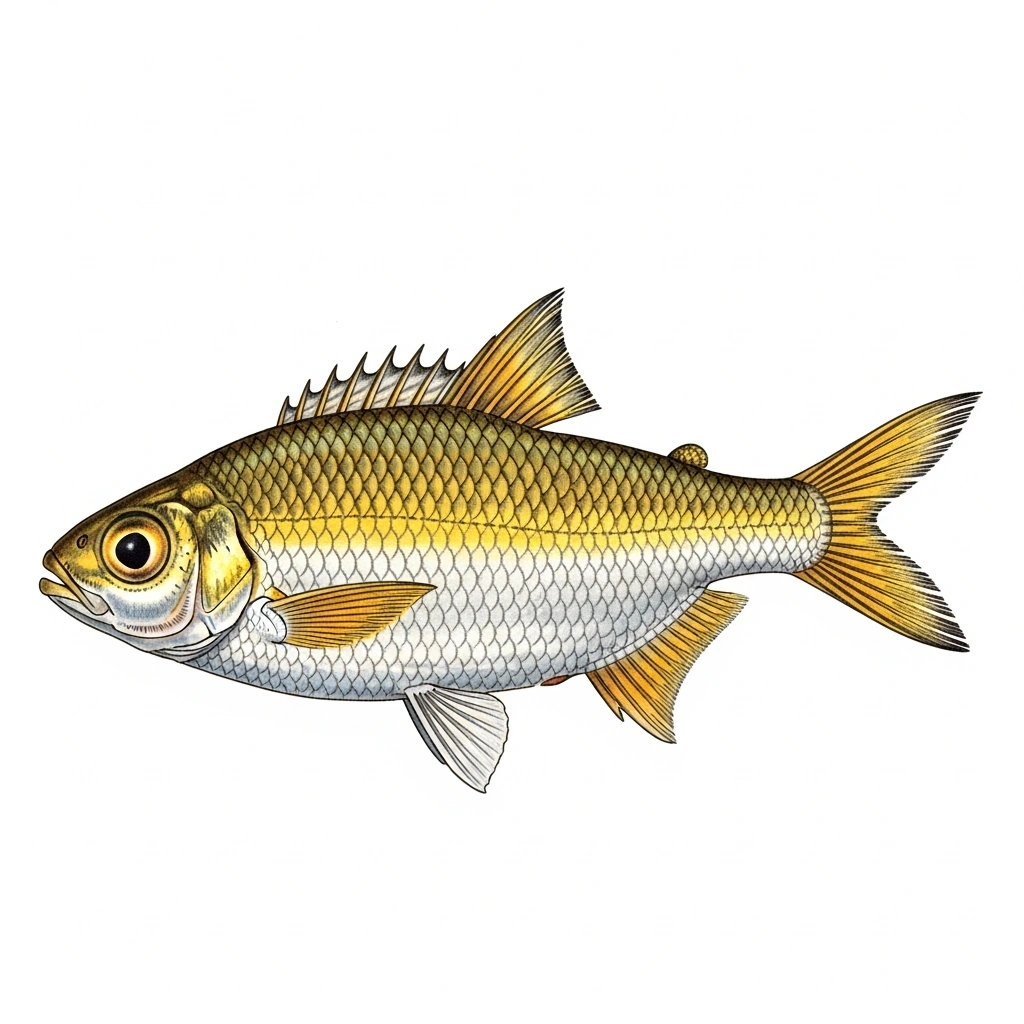 Acoupa weakfishCynoscion acoupa
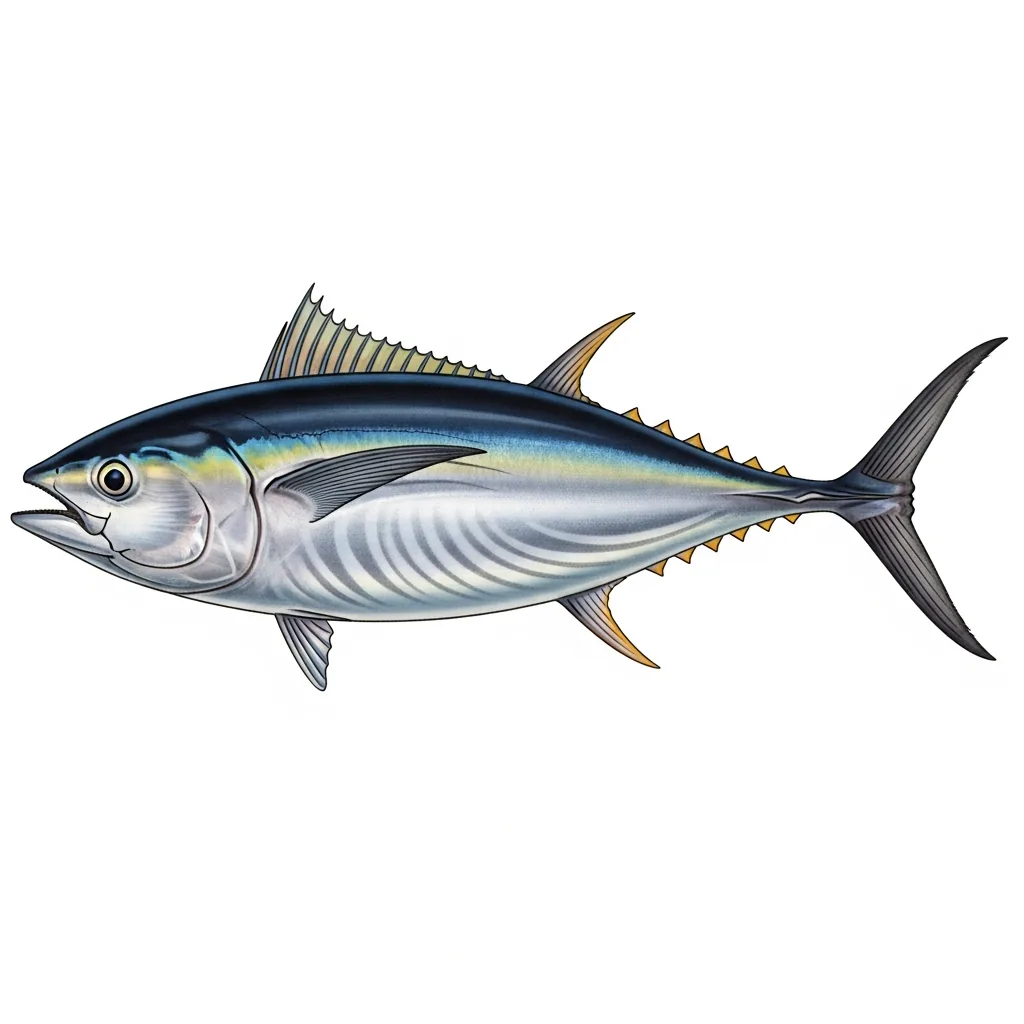 Albacore TunaThunnus alalunga
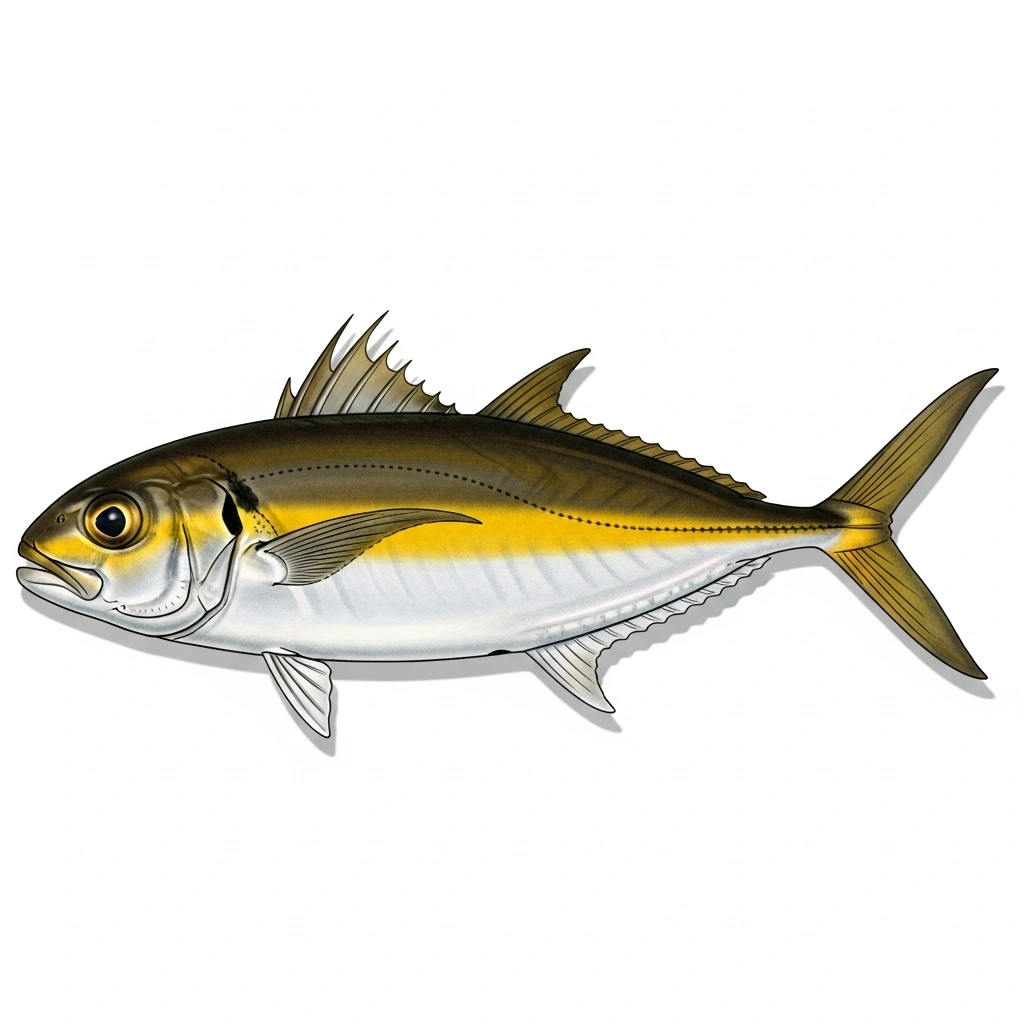 Almaco jackSeriola rivoliana
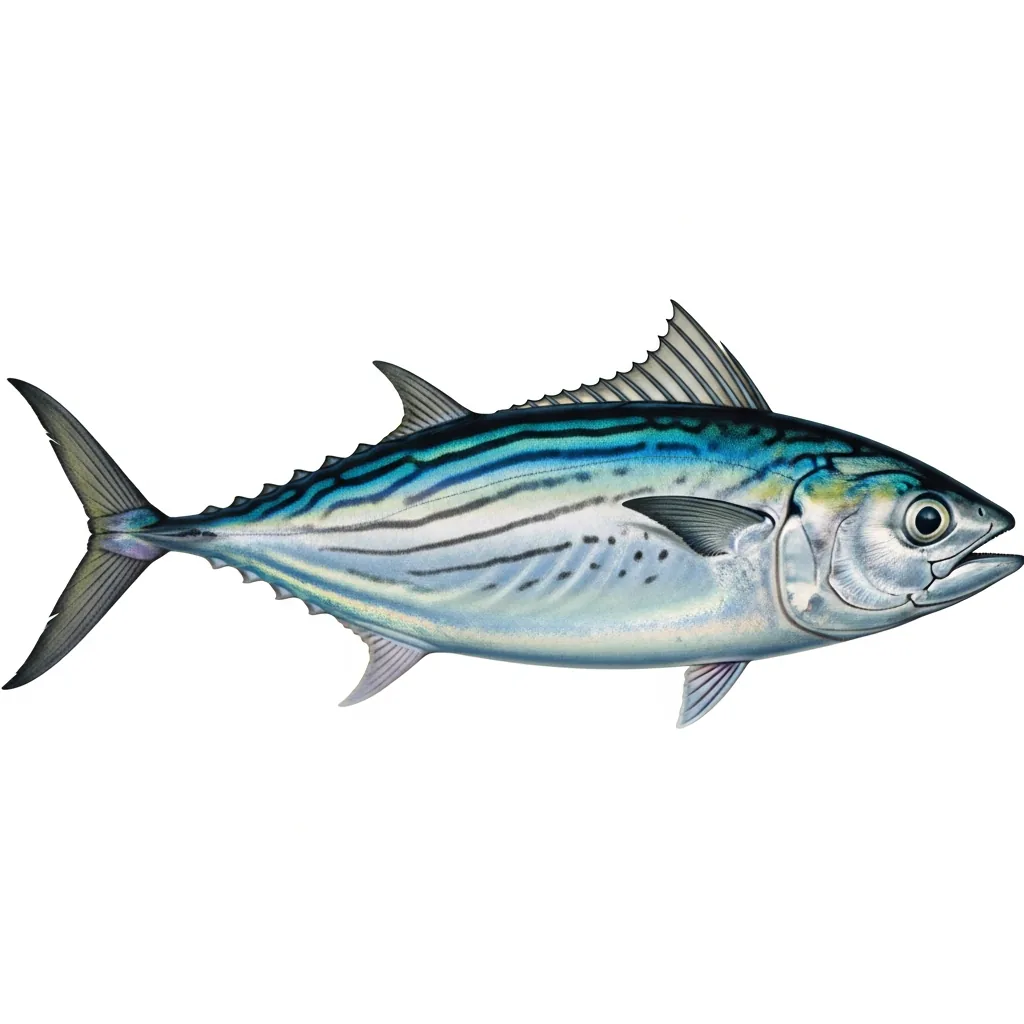 Atlantic bonitoSarda sarda
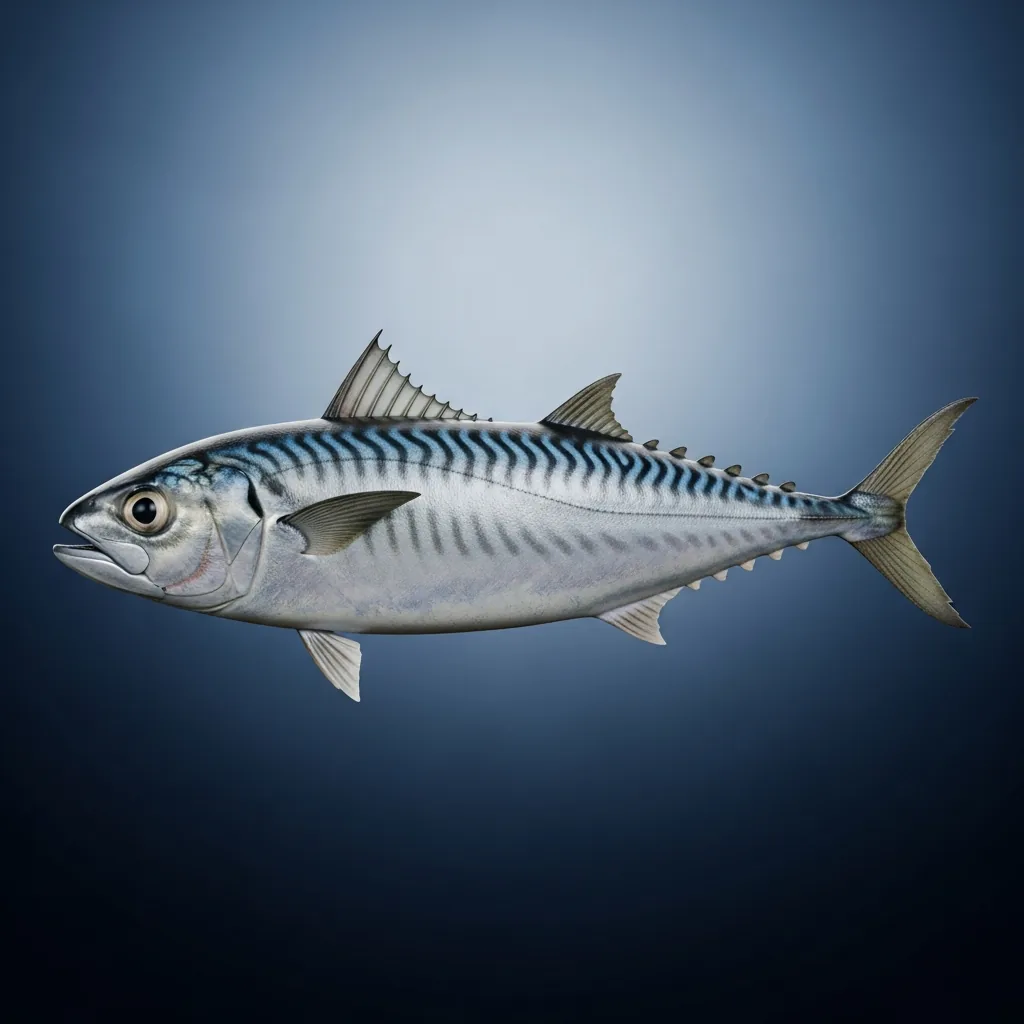 Atlantic horse mackerelTrachurus trachurus
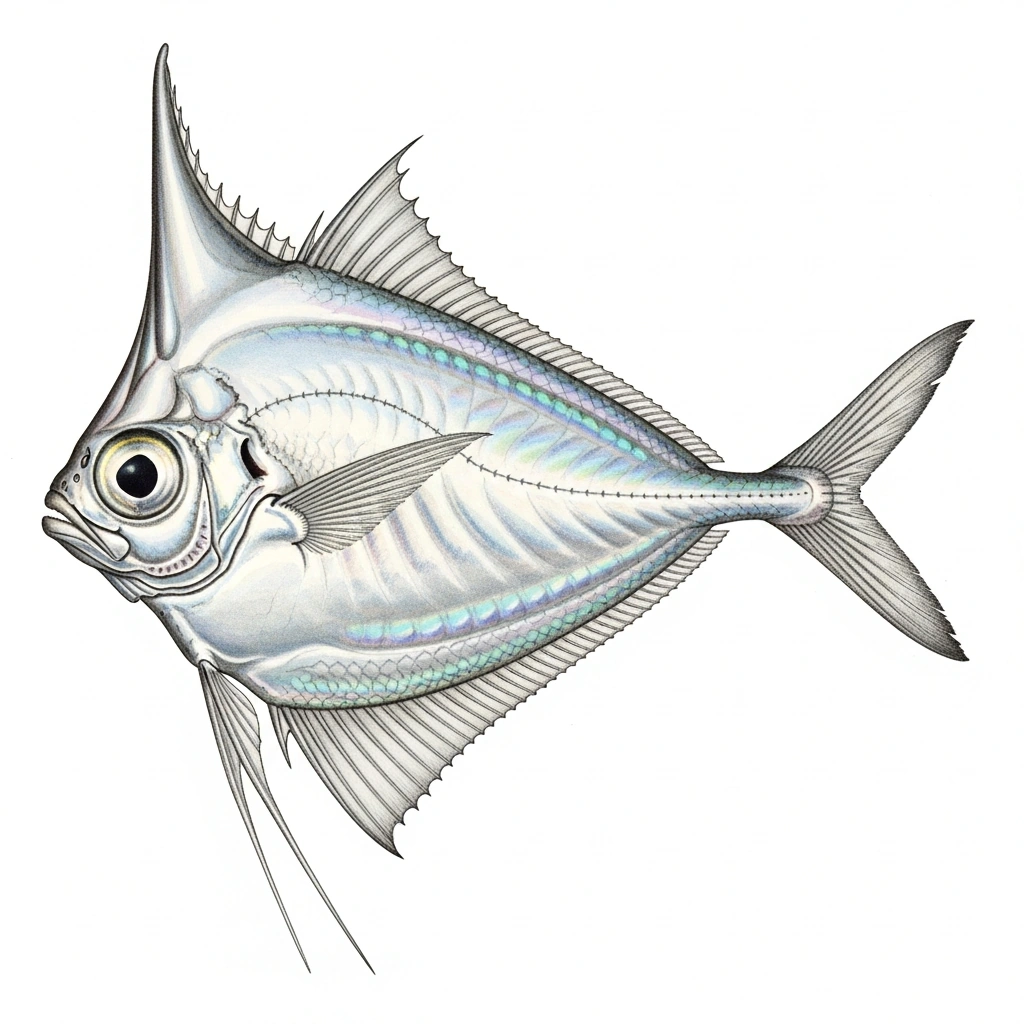 Atlantic lookdownSelene vomer
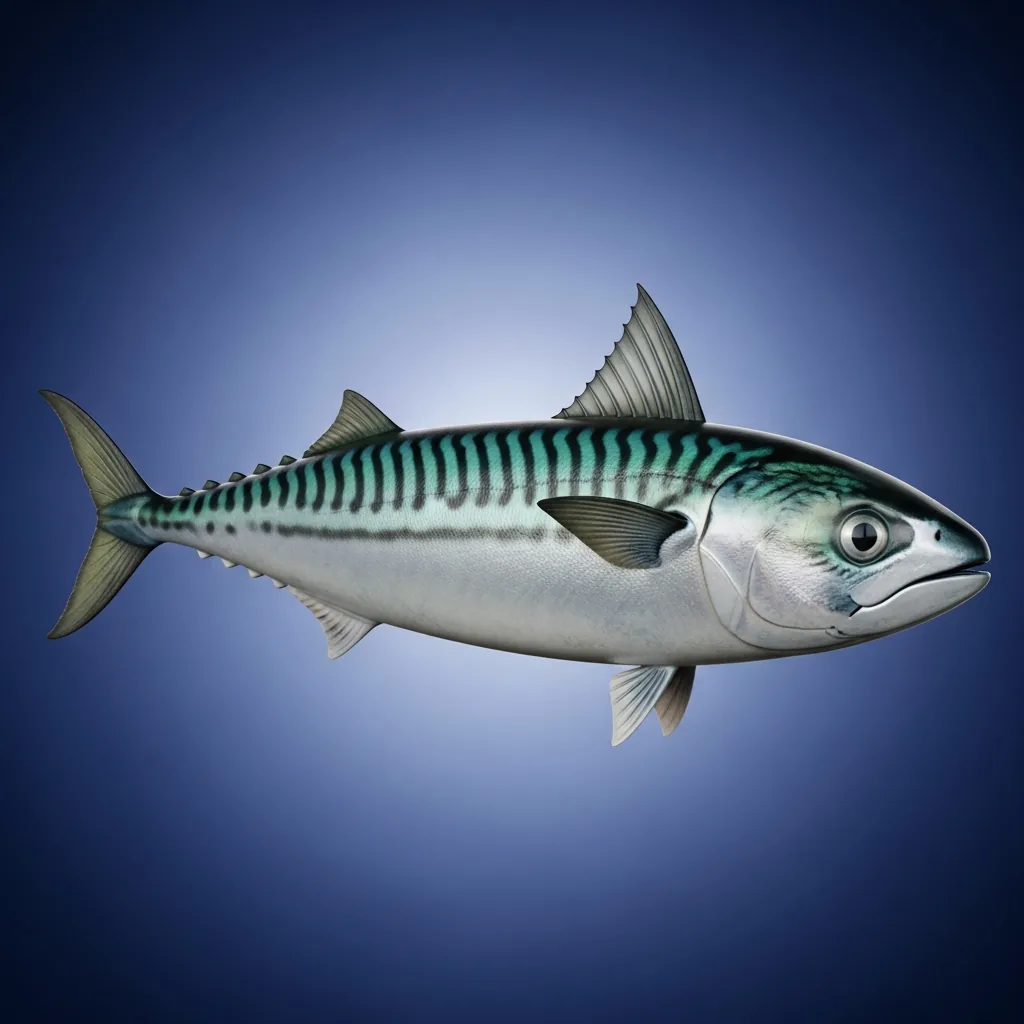 Atlantic mackerelScomber scombrus
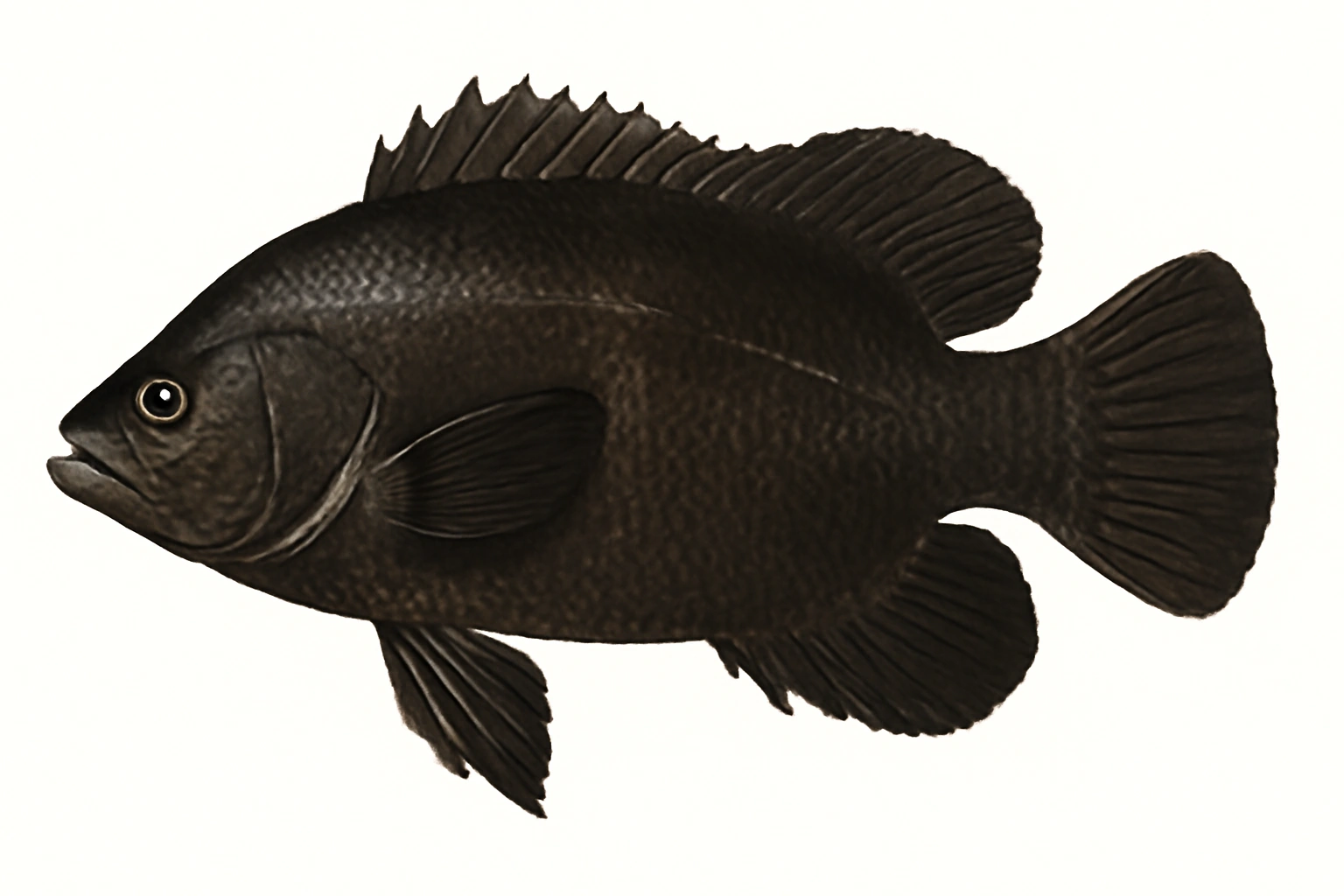 Atlantic tripletailLobotes surinamensis
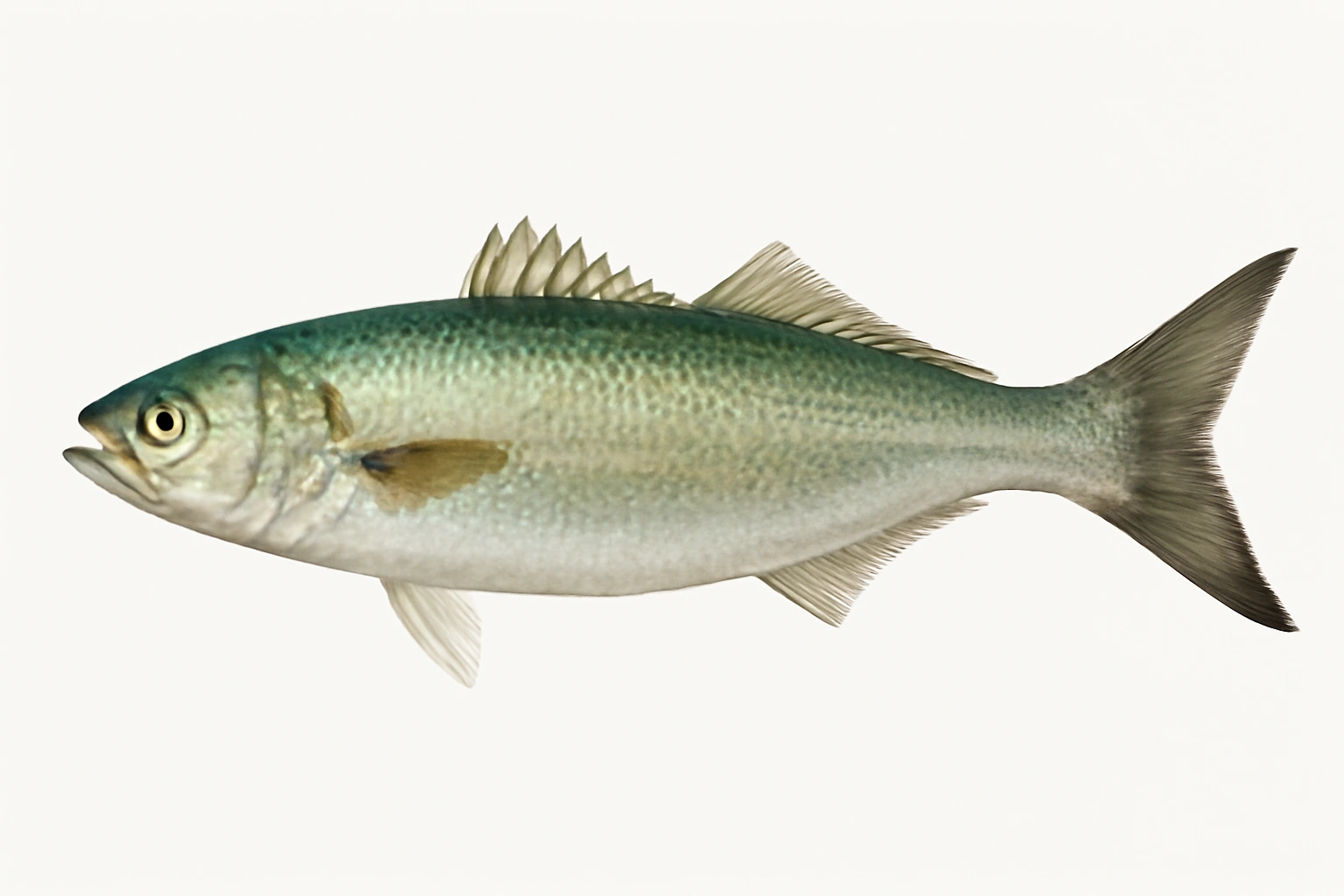 Australian HerringArripis georgianus
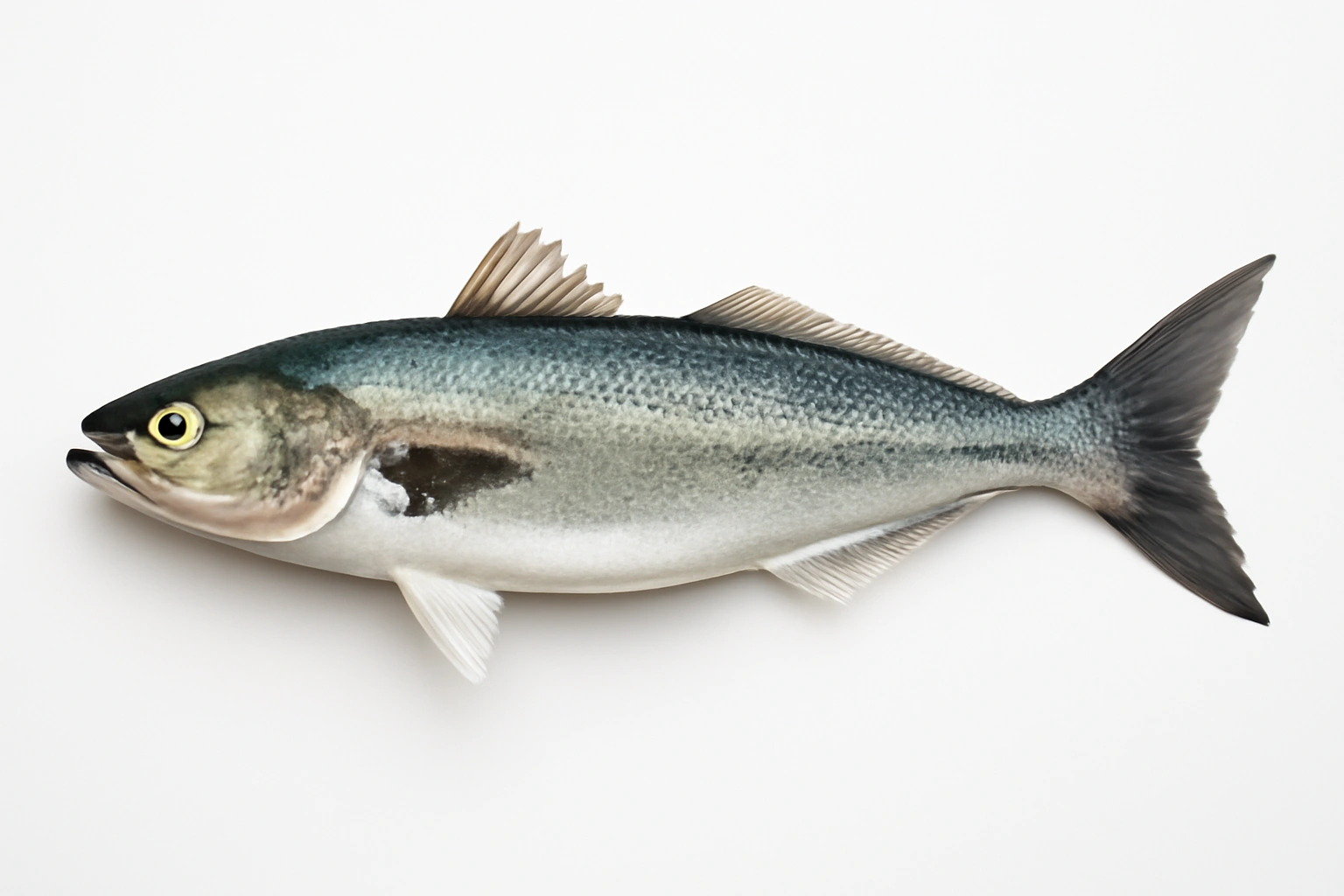 Australian SalmonArripis trutta
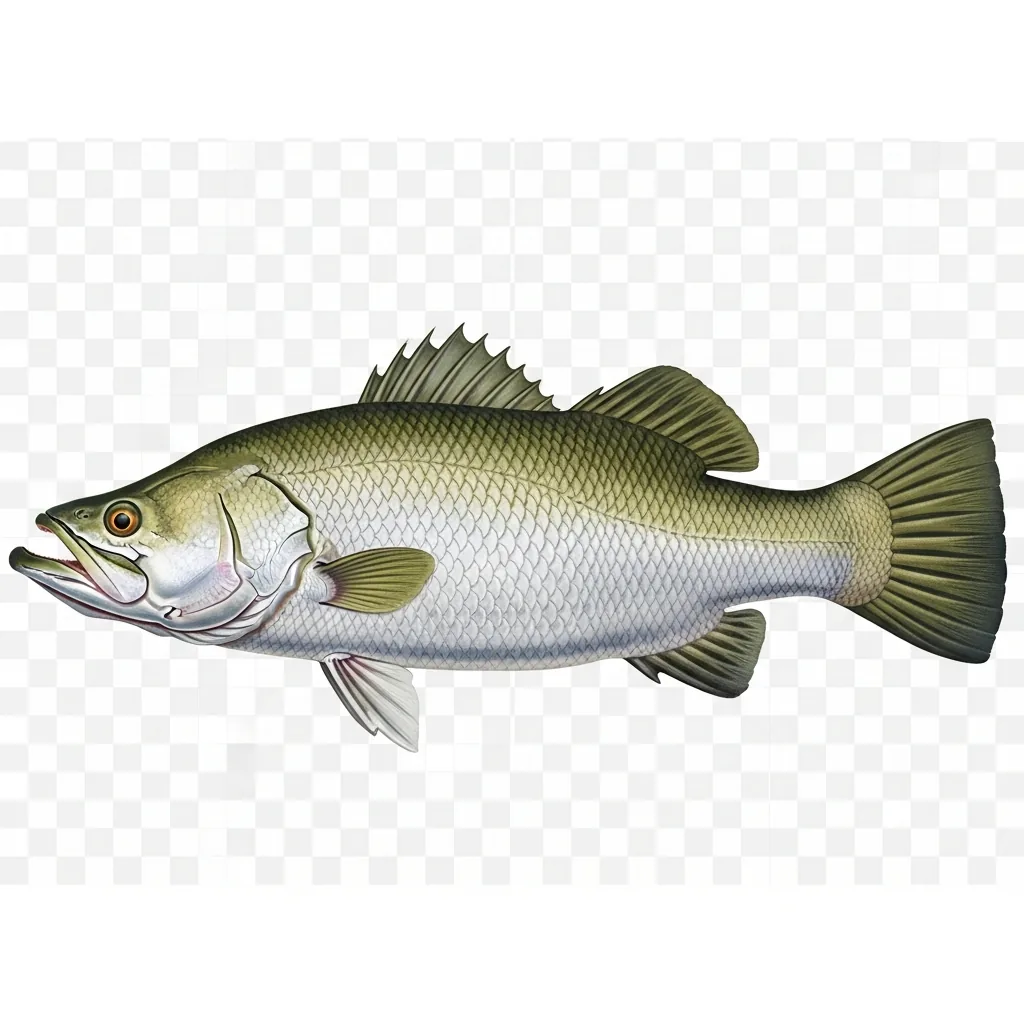 BarramundiLates calcarifer
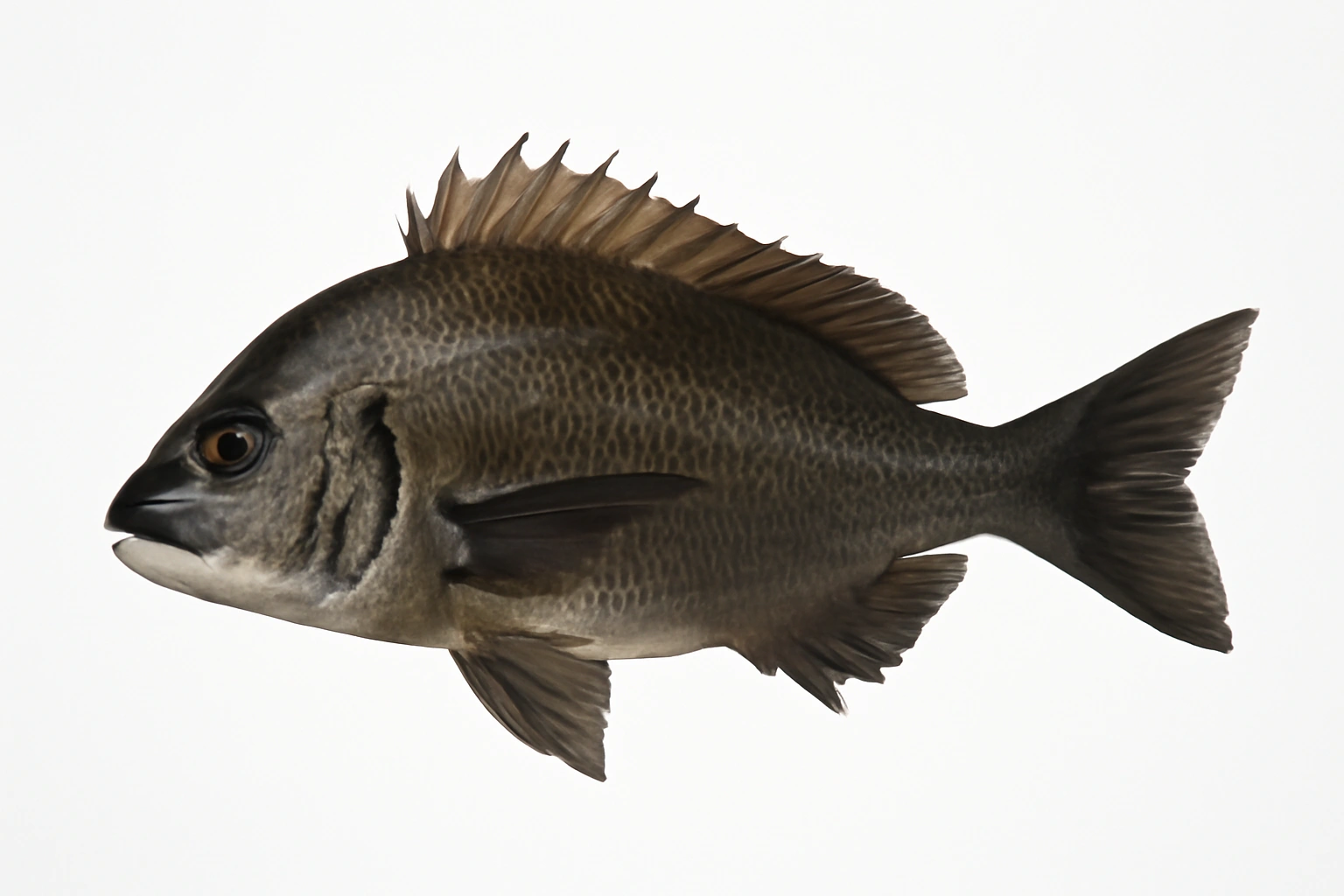 Black BreamAcanthopagrus butcheri
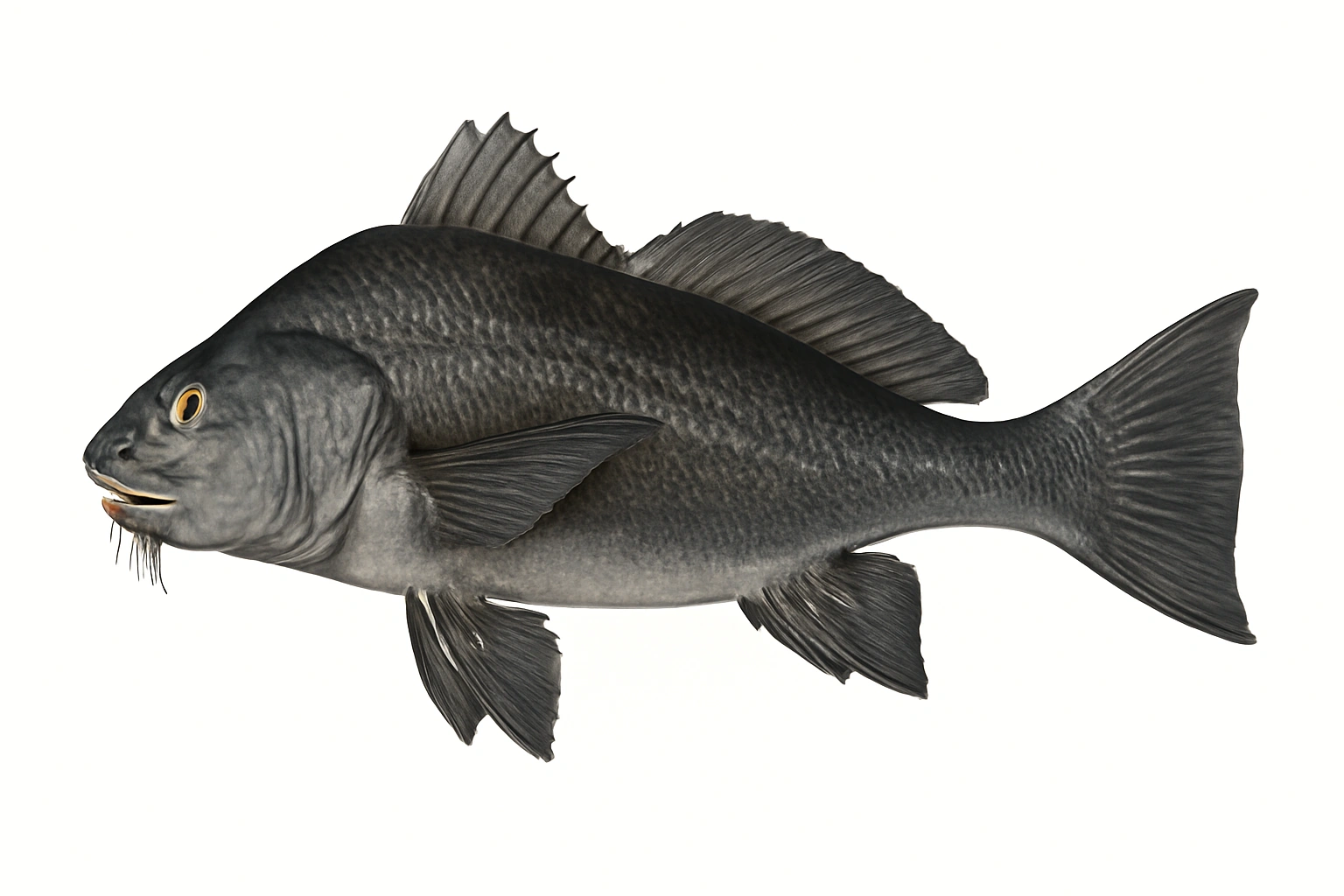 Black drumPogonias cromis
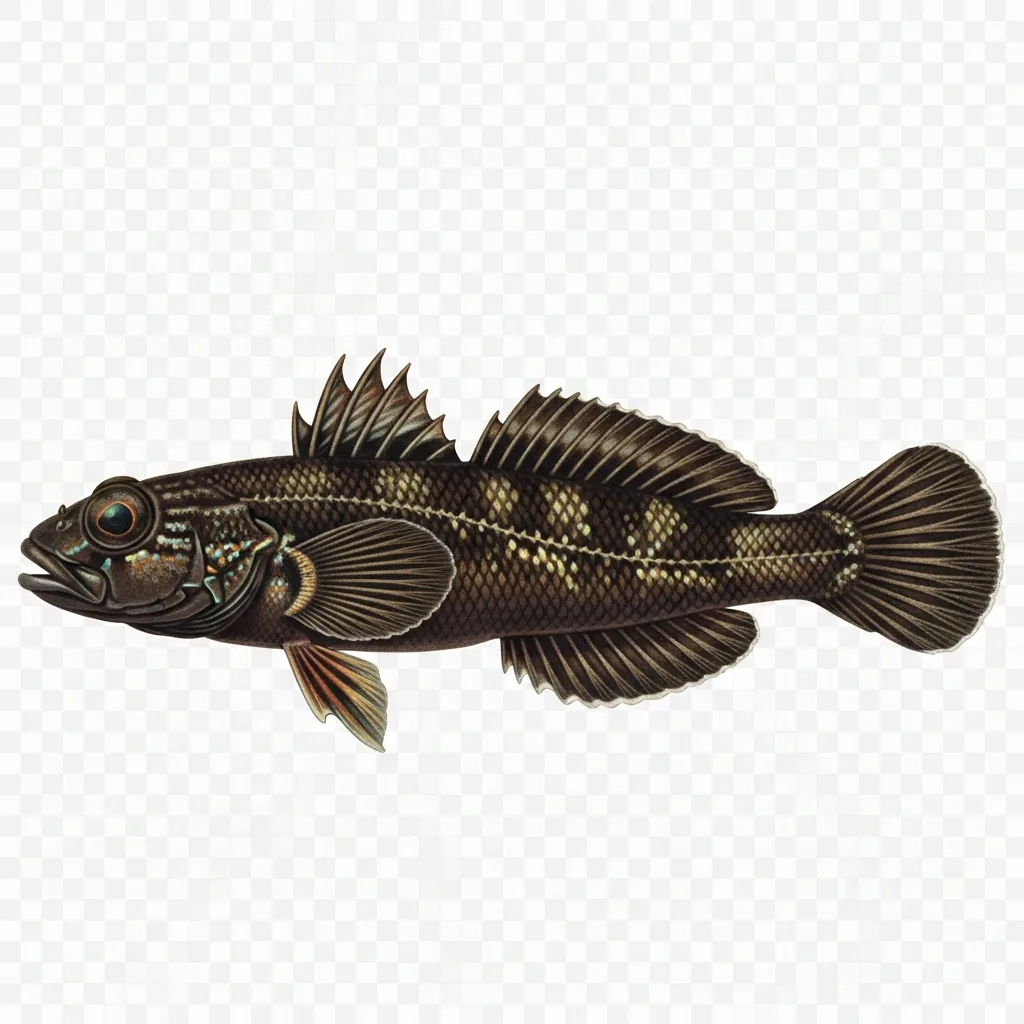 Black gobyGobius niger
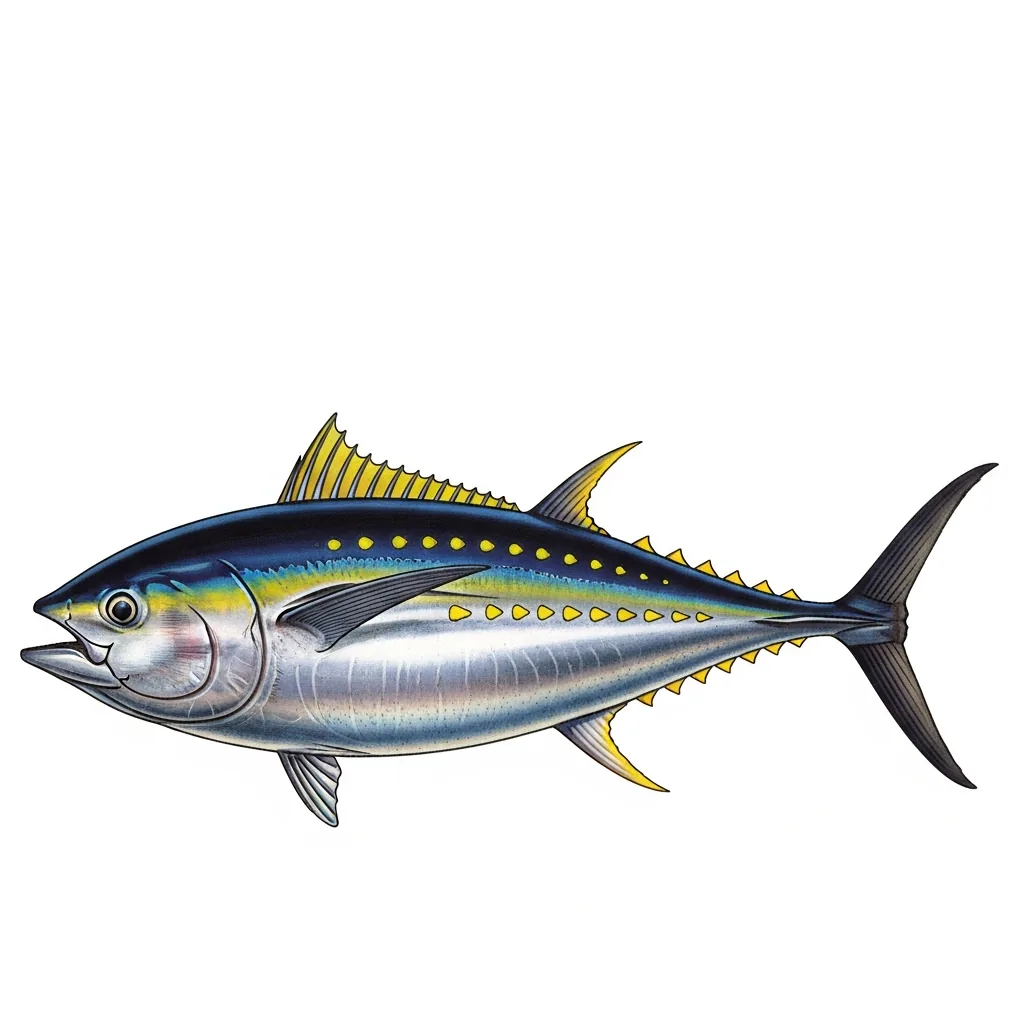 Bluefin tunaThunnus thynnus
 Bluefish / TailorPomatomus saltatrix
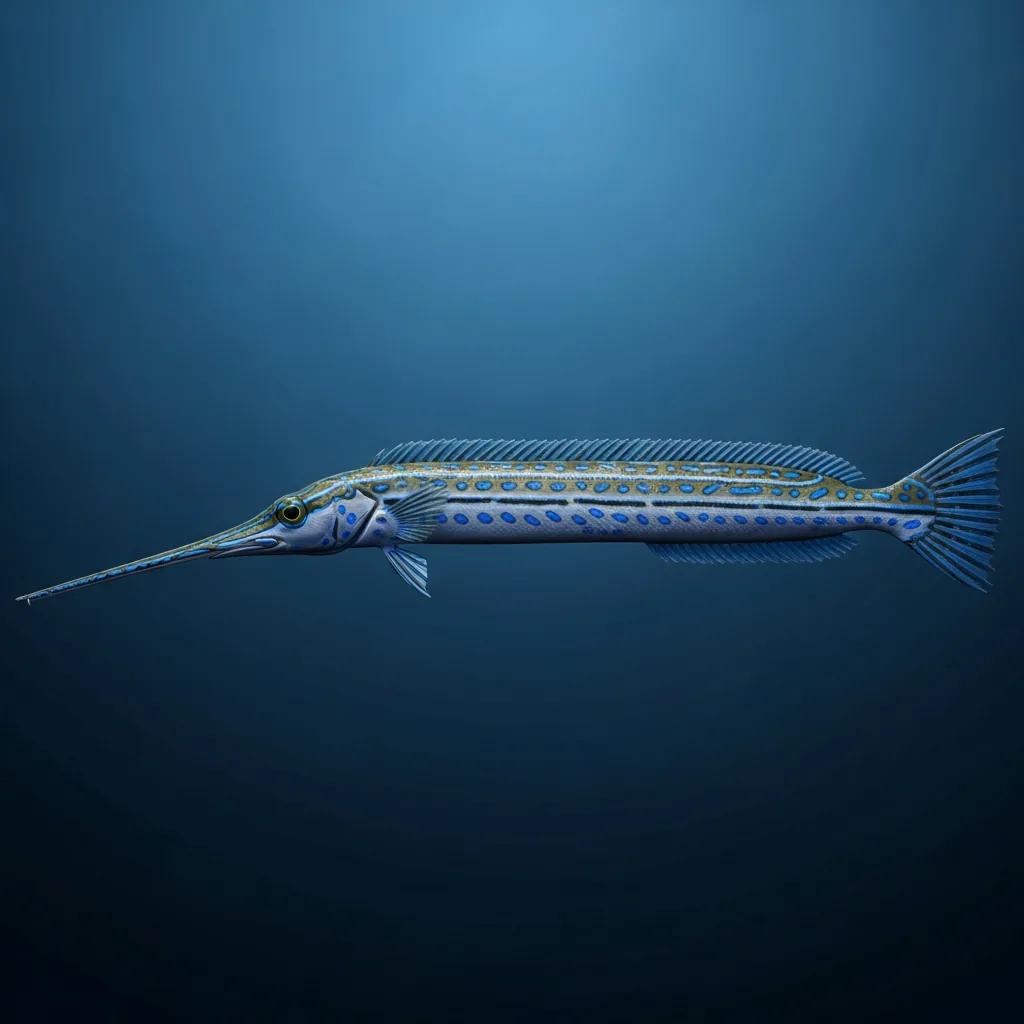 Bluespotted cornetfishFistularia commersonii
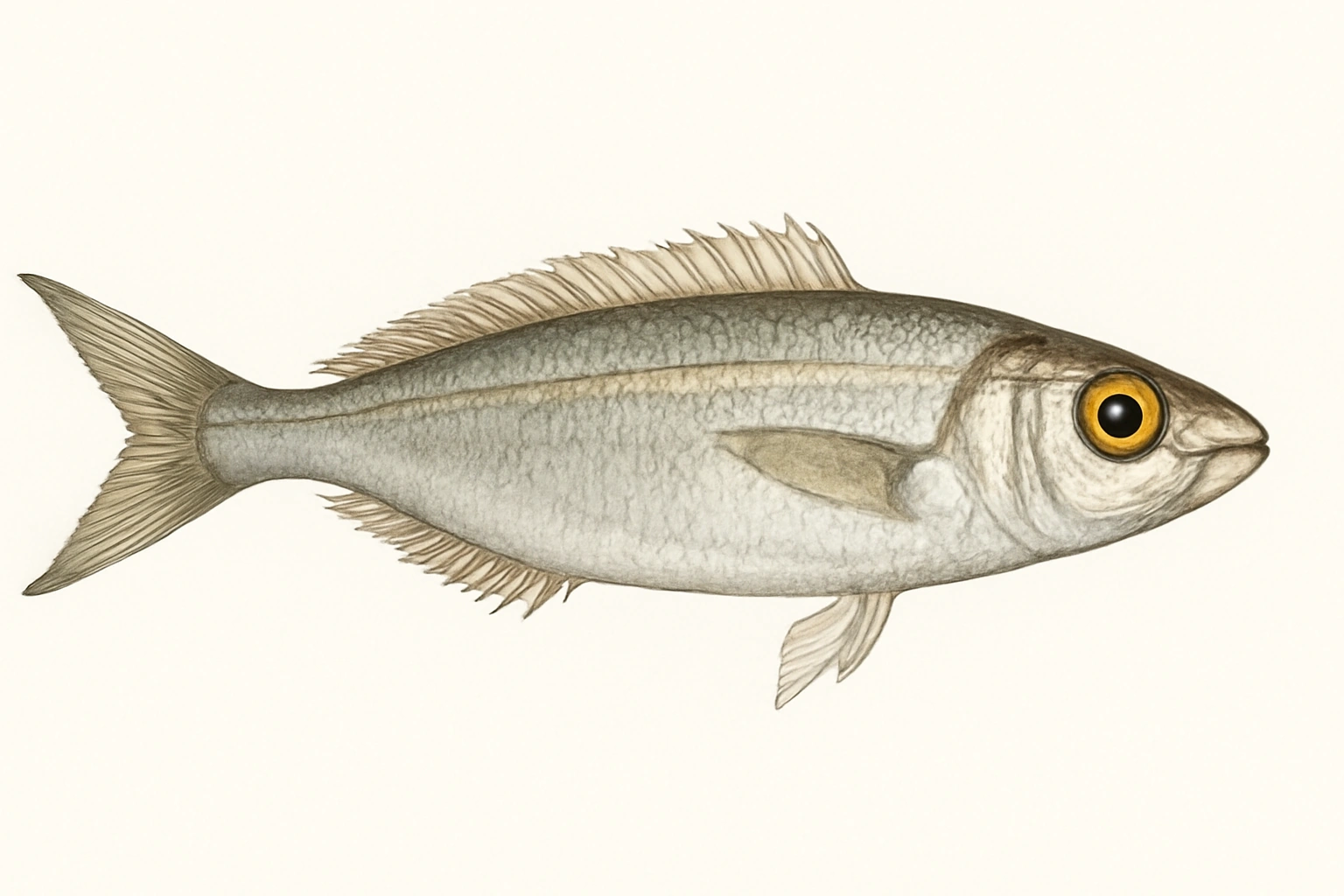 BogueBoops boops
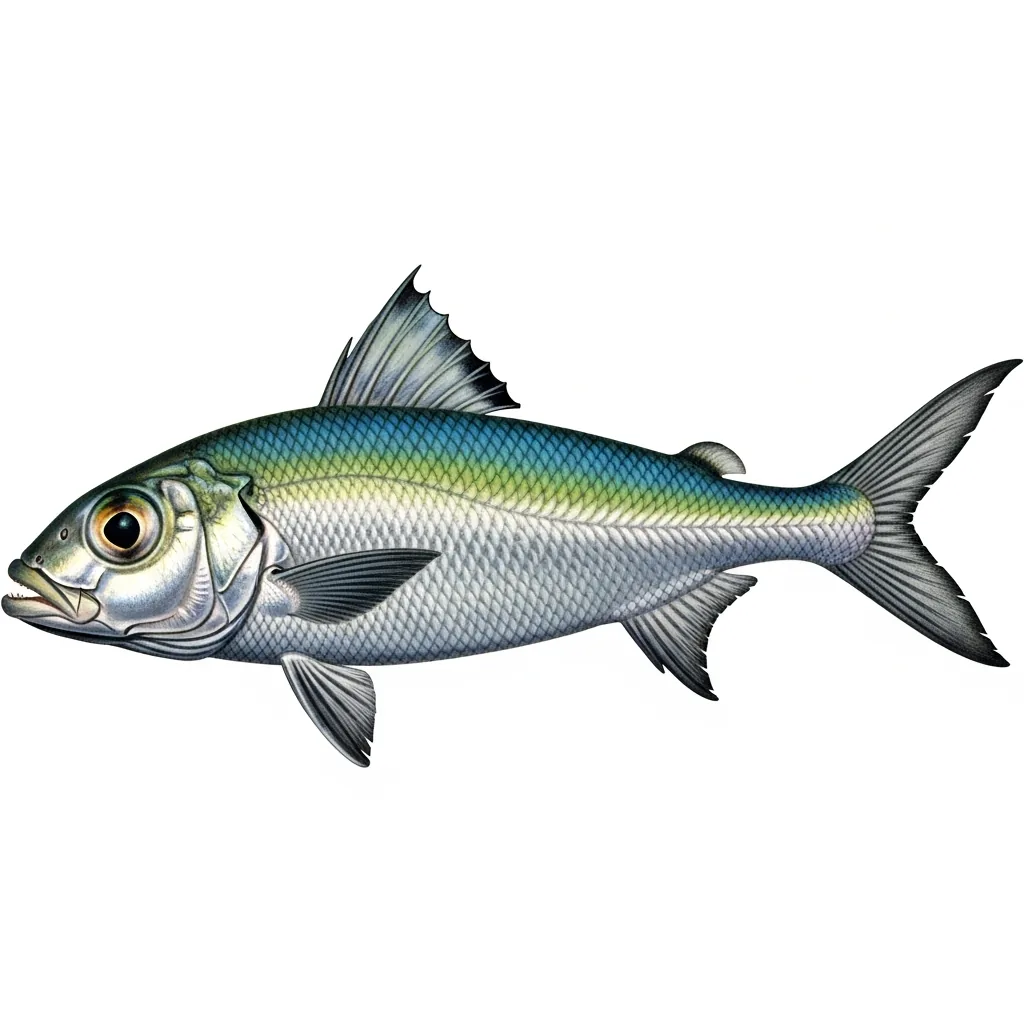 BonefishAlbula vulpes
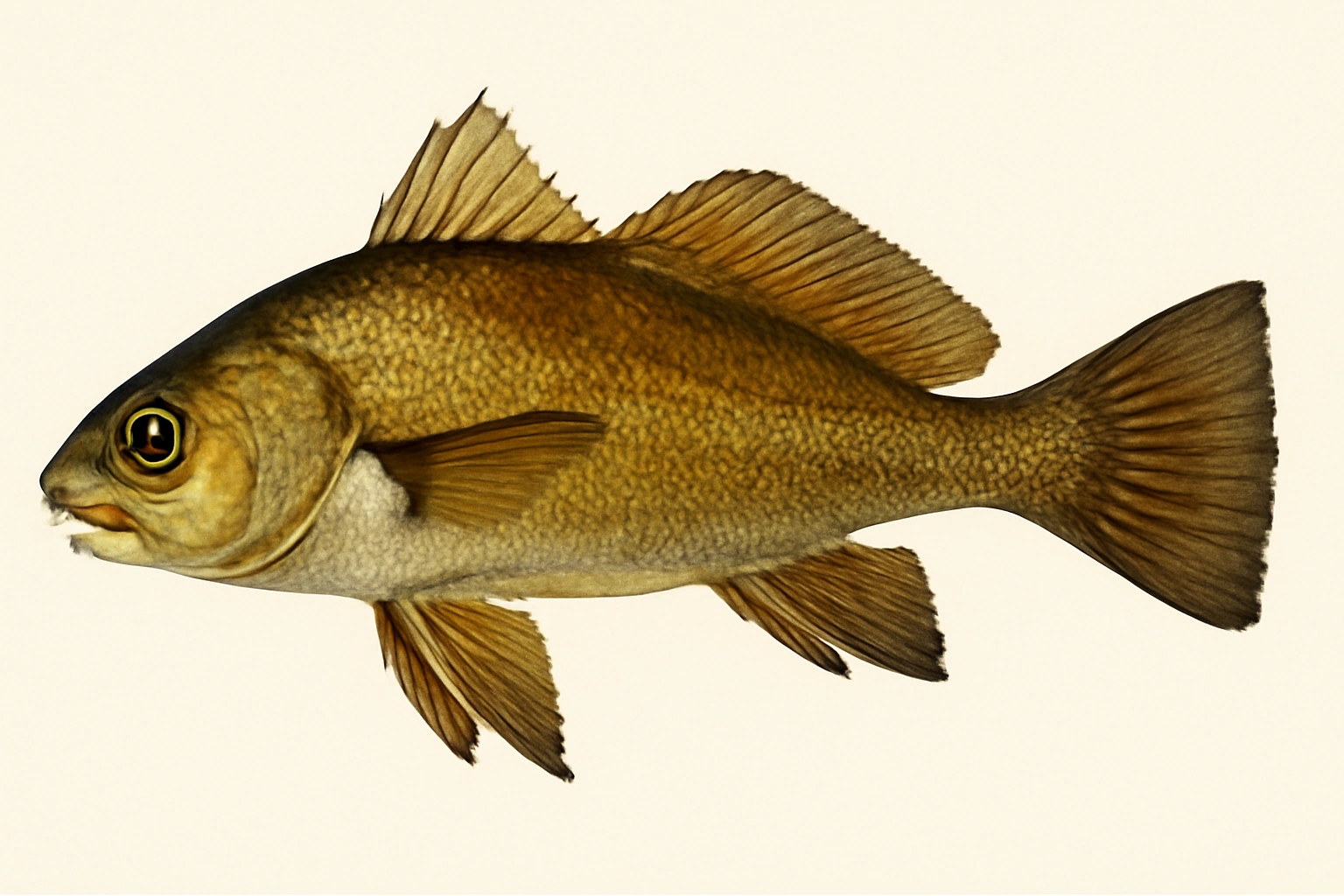 Brown meagreSciaena umbra
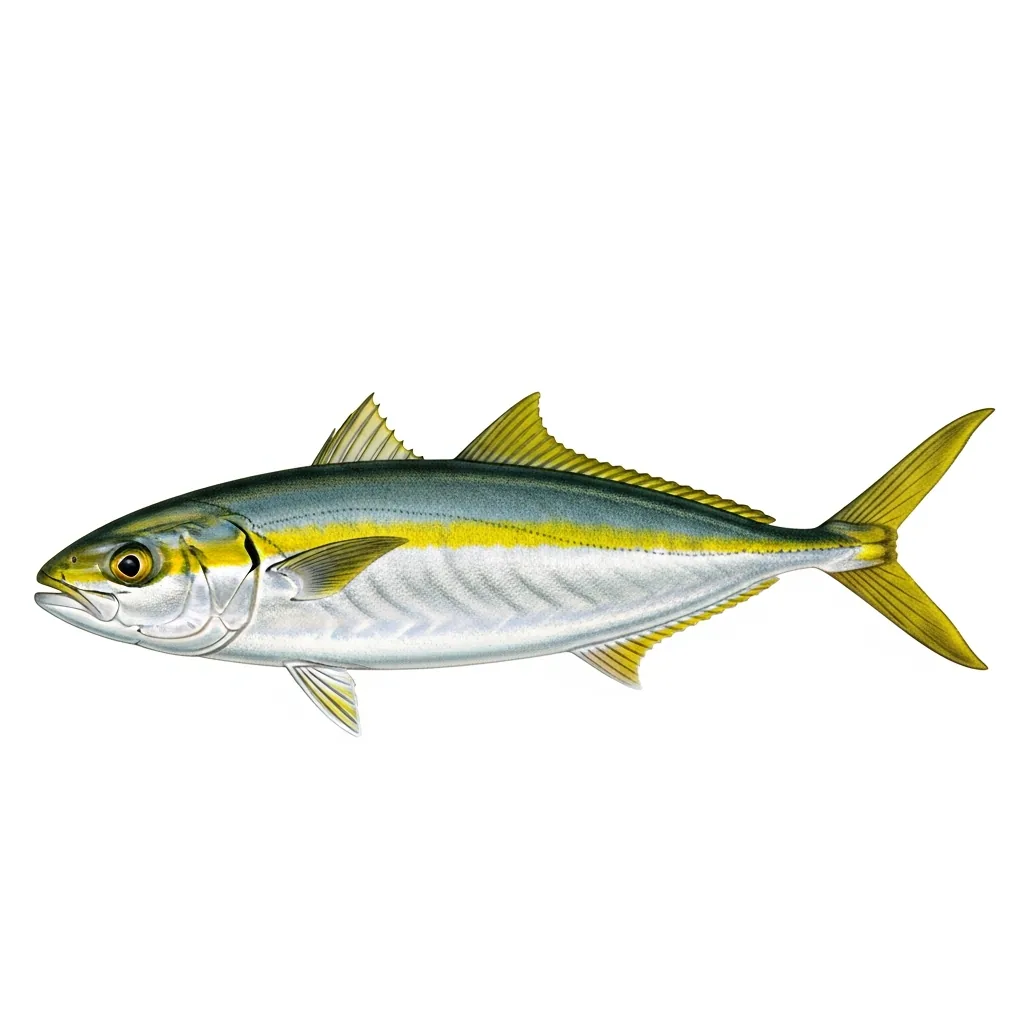 California YellowtailSeriola dorsalis
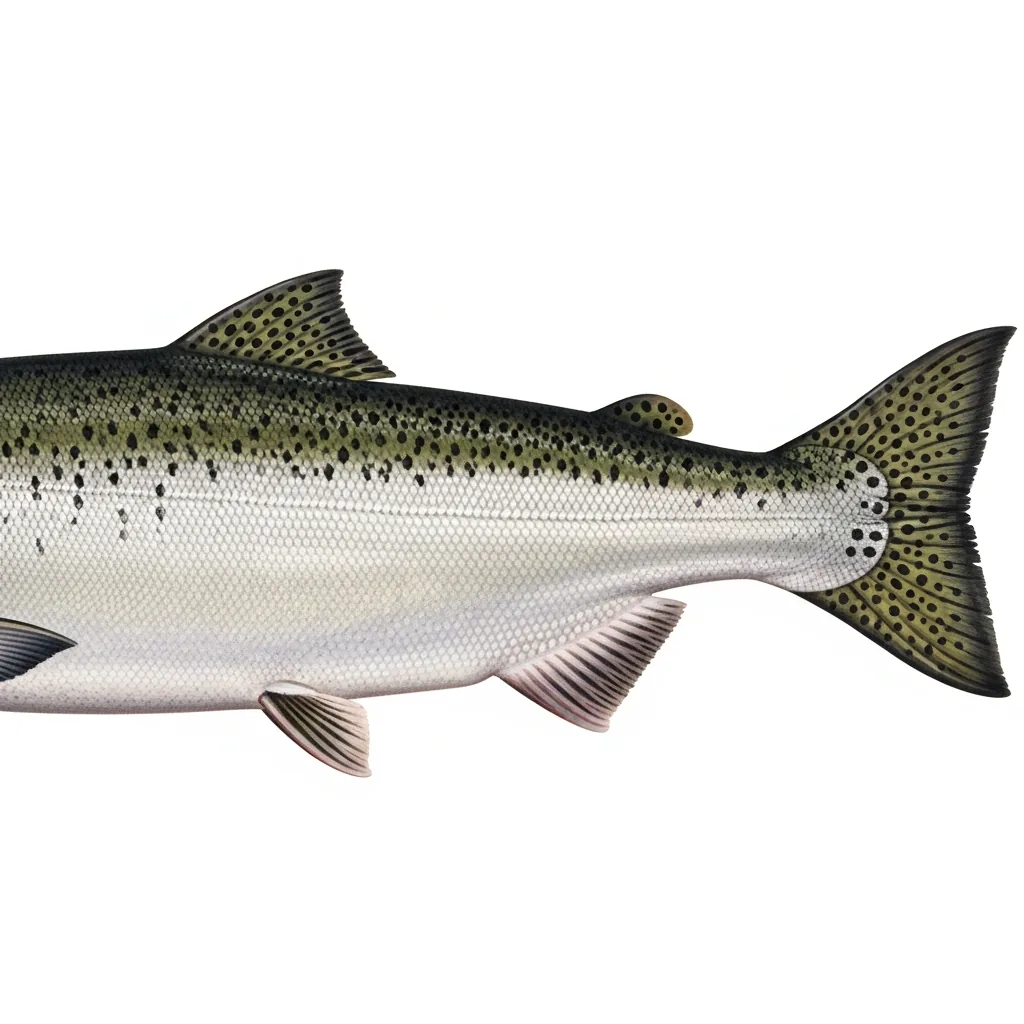 Chinook salmonOncorhynchus tshawytscha
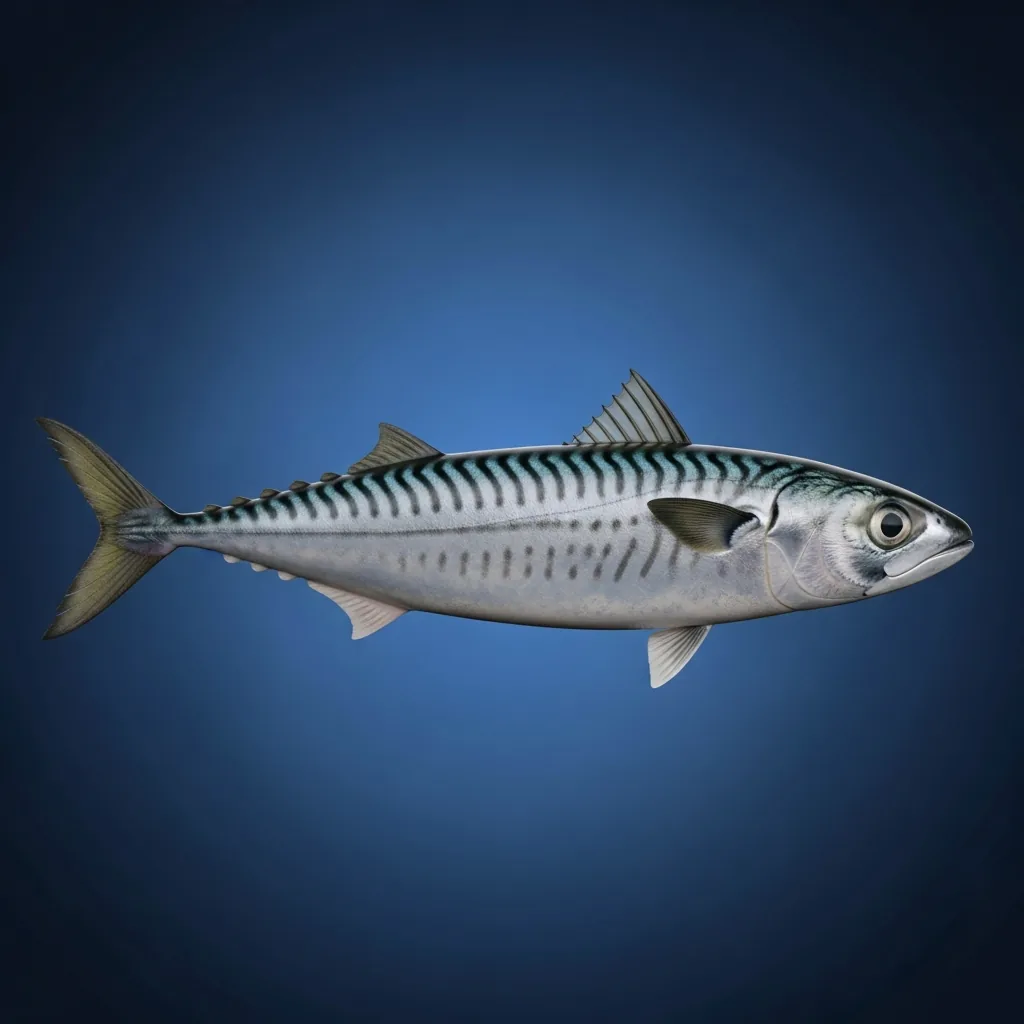 Chub mackerelScomber colias
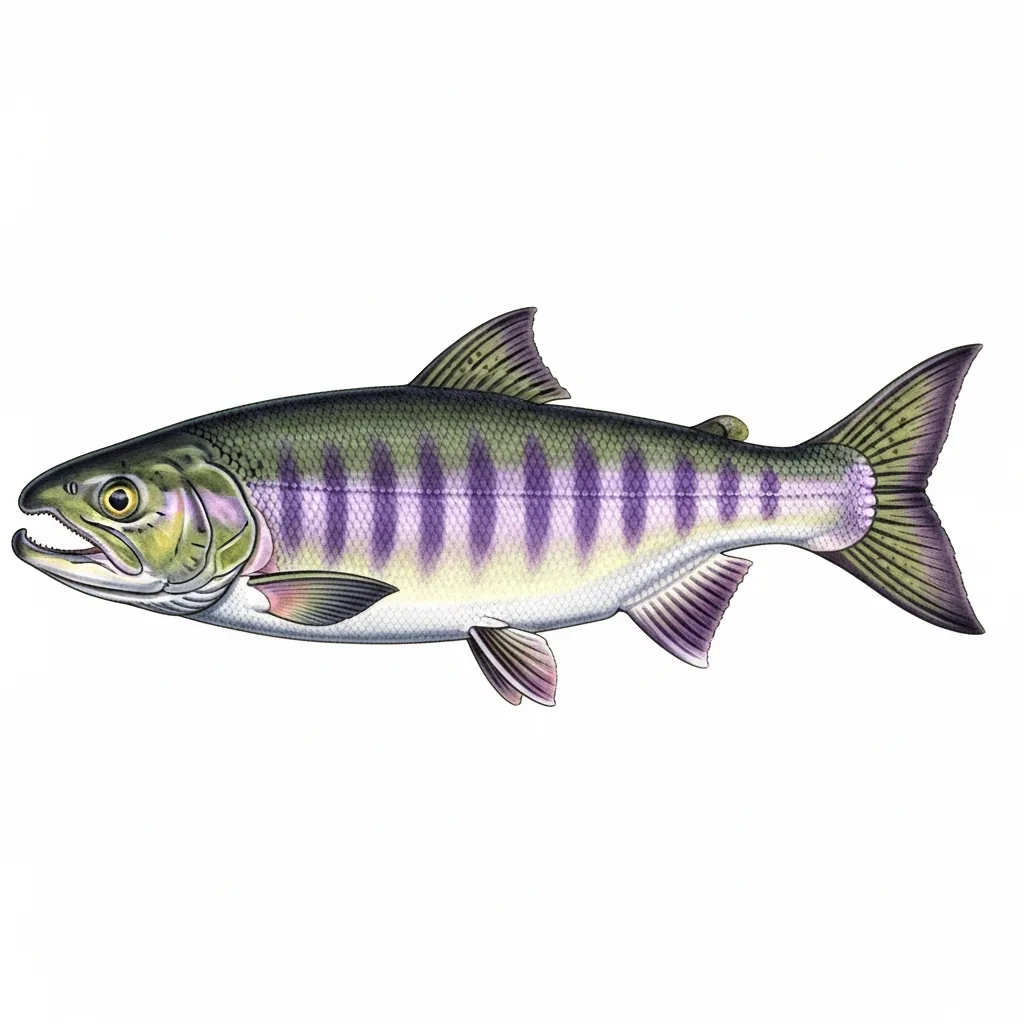 Chum SalmonOncorhynchus keta
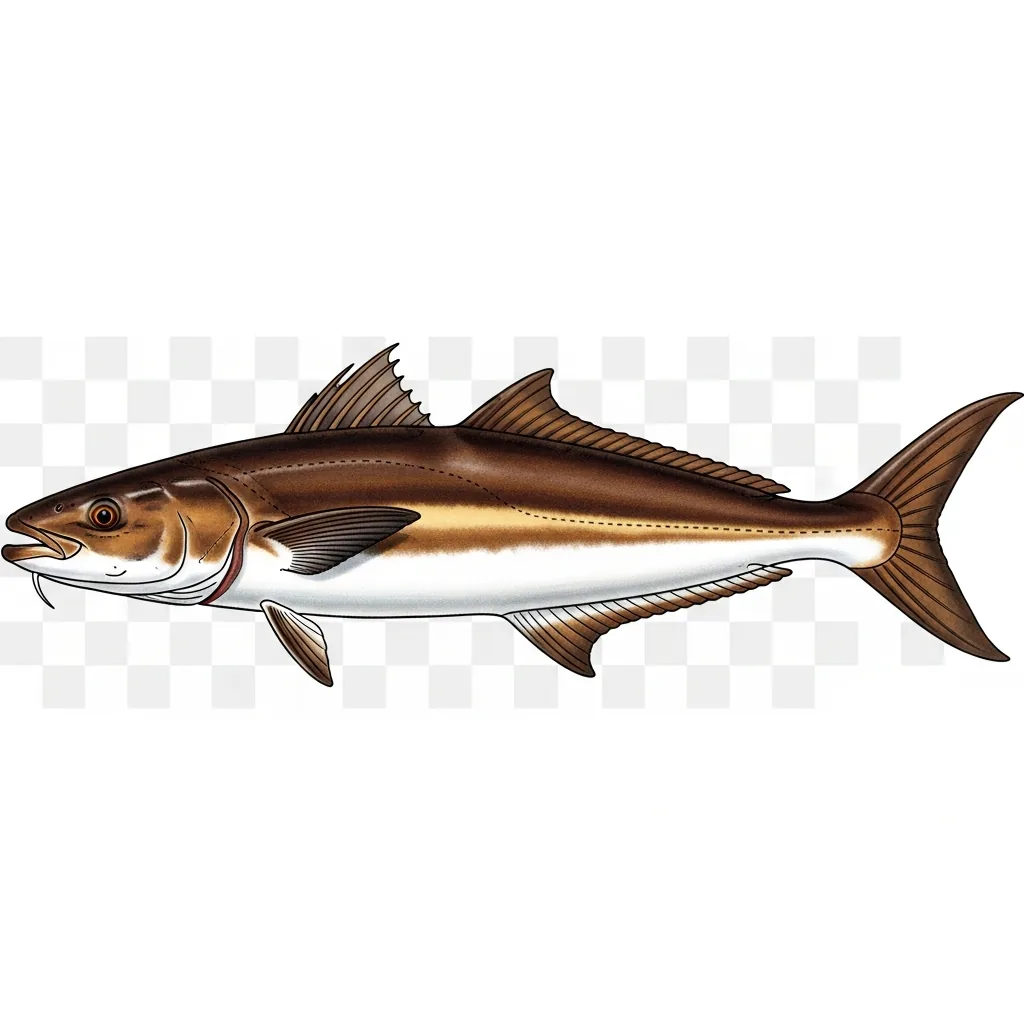 CobiaRachycentron canadum
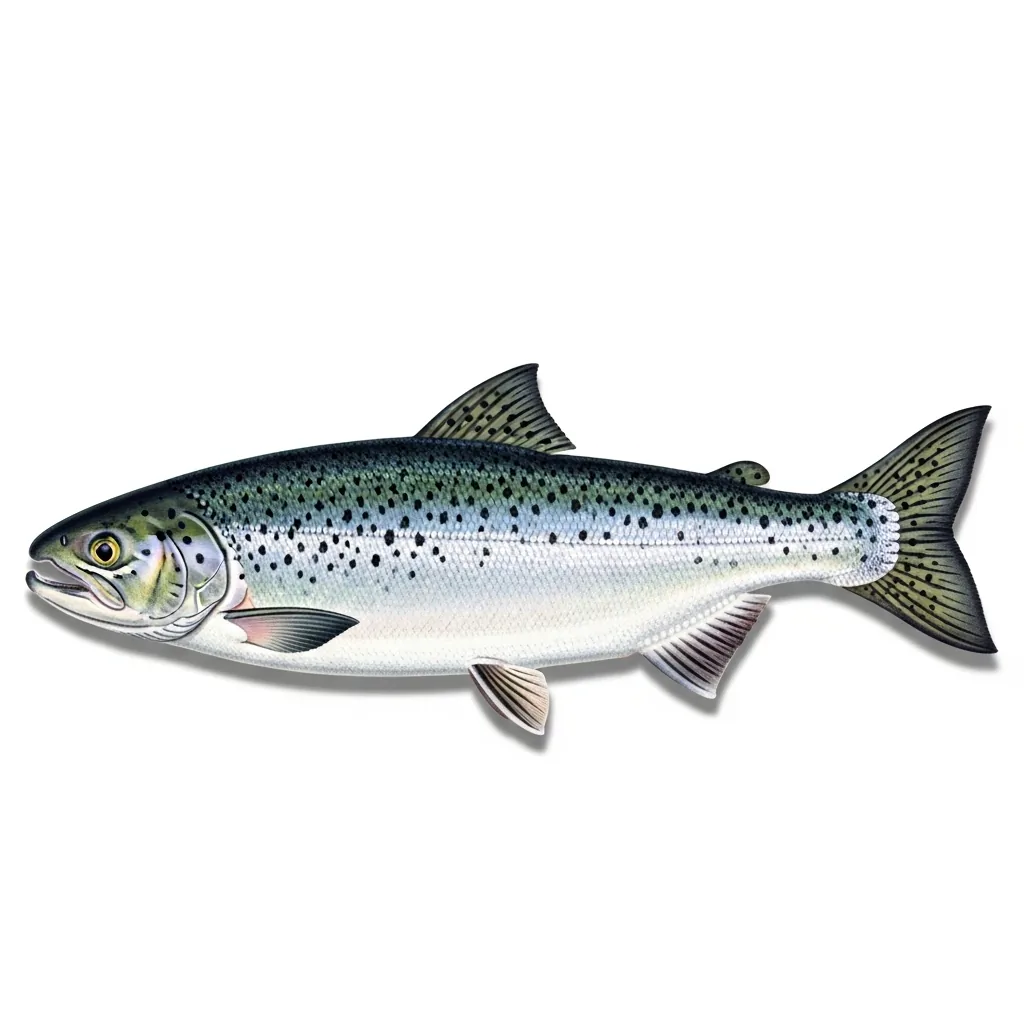 Coho SalmonOncorhynchus kisutch
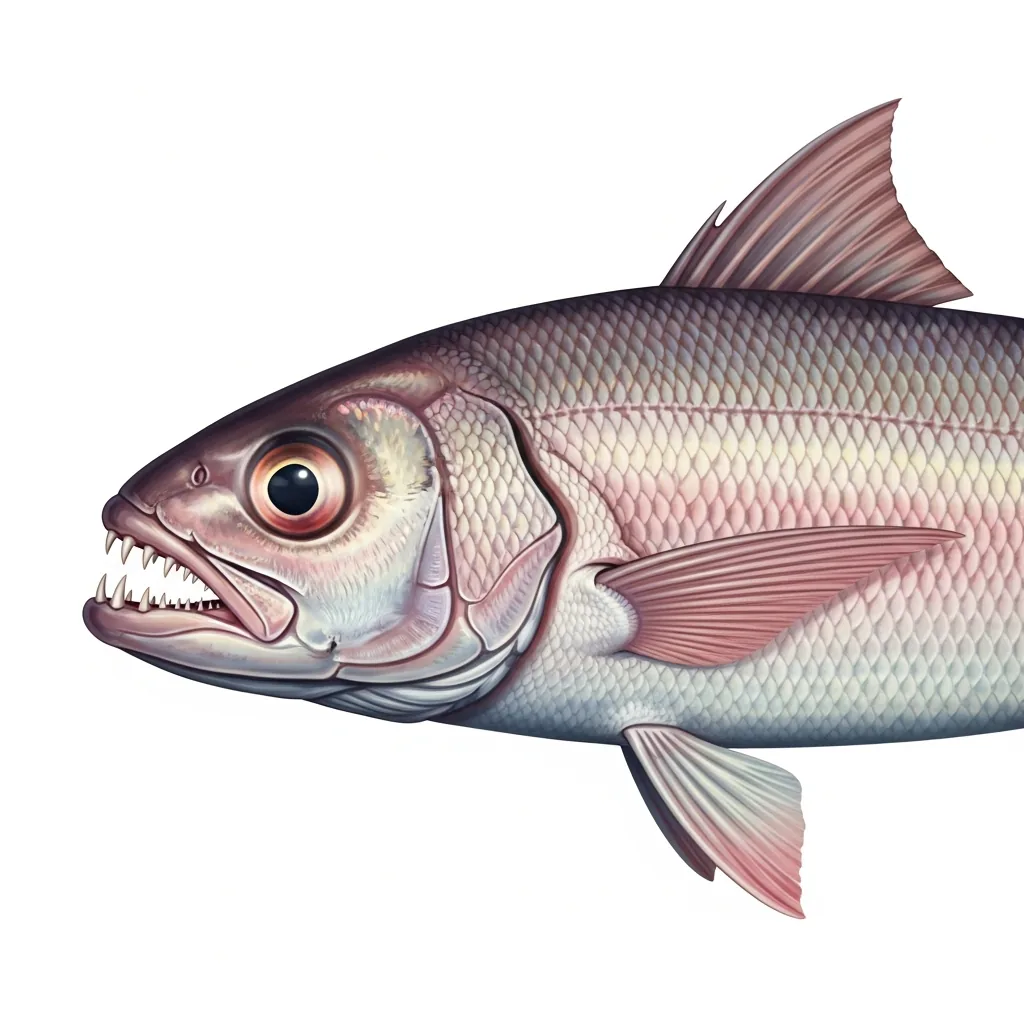 Common dentexDentex dentex
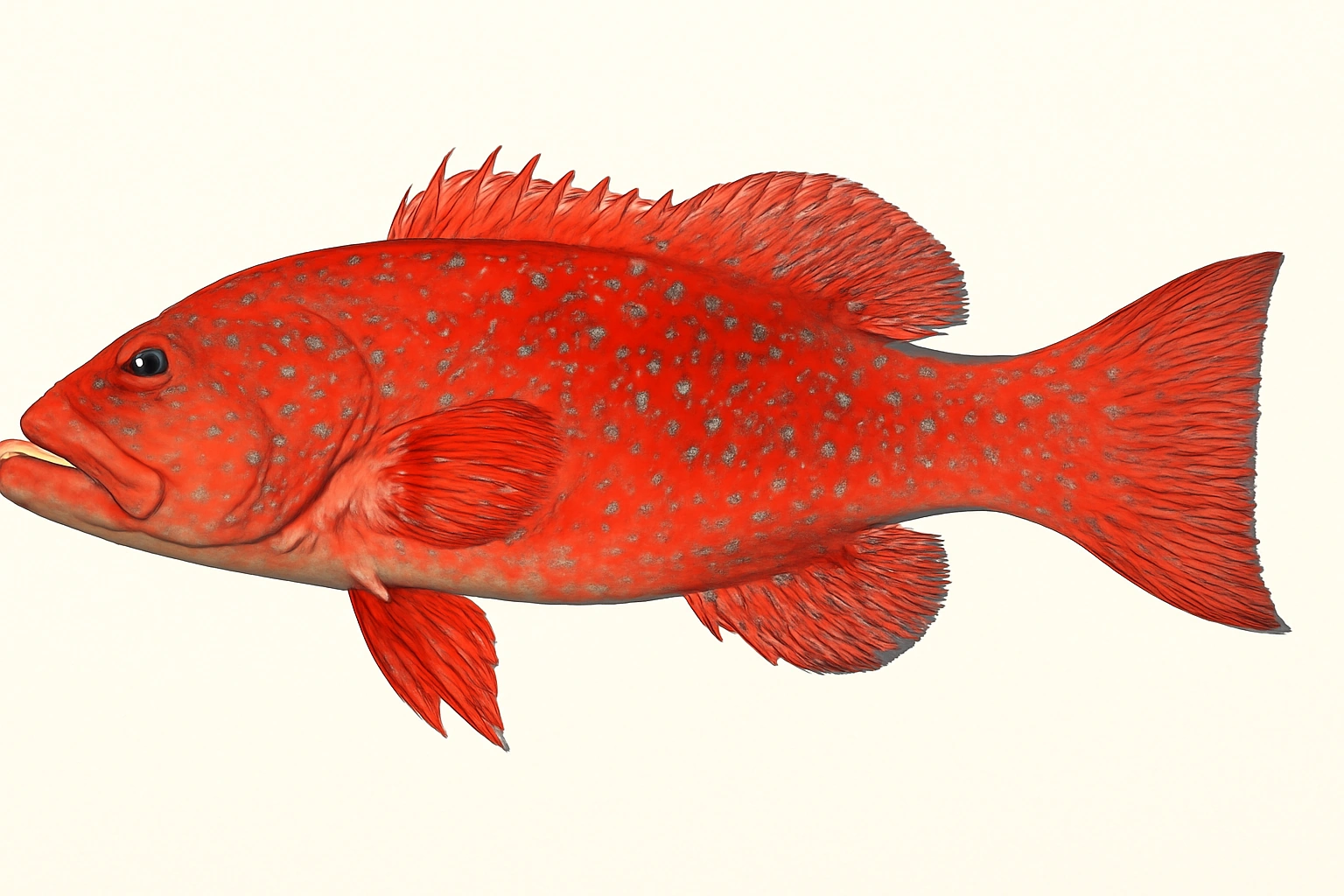 Coral troutPlectropomus leopardus
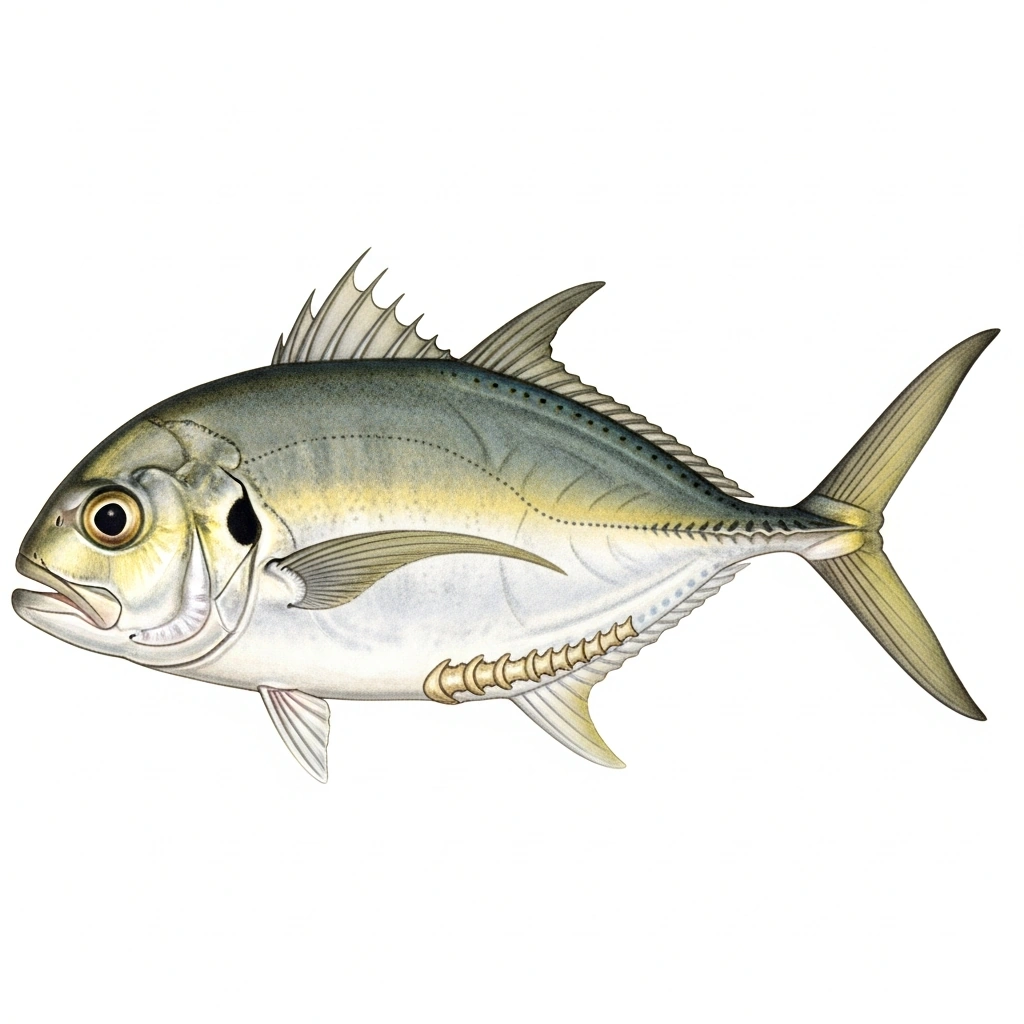 Crevalle jackCaranx hippos
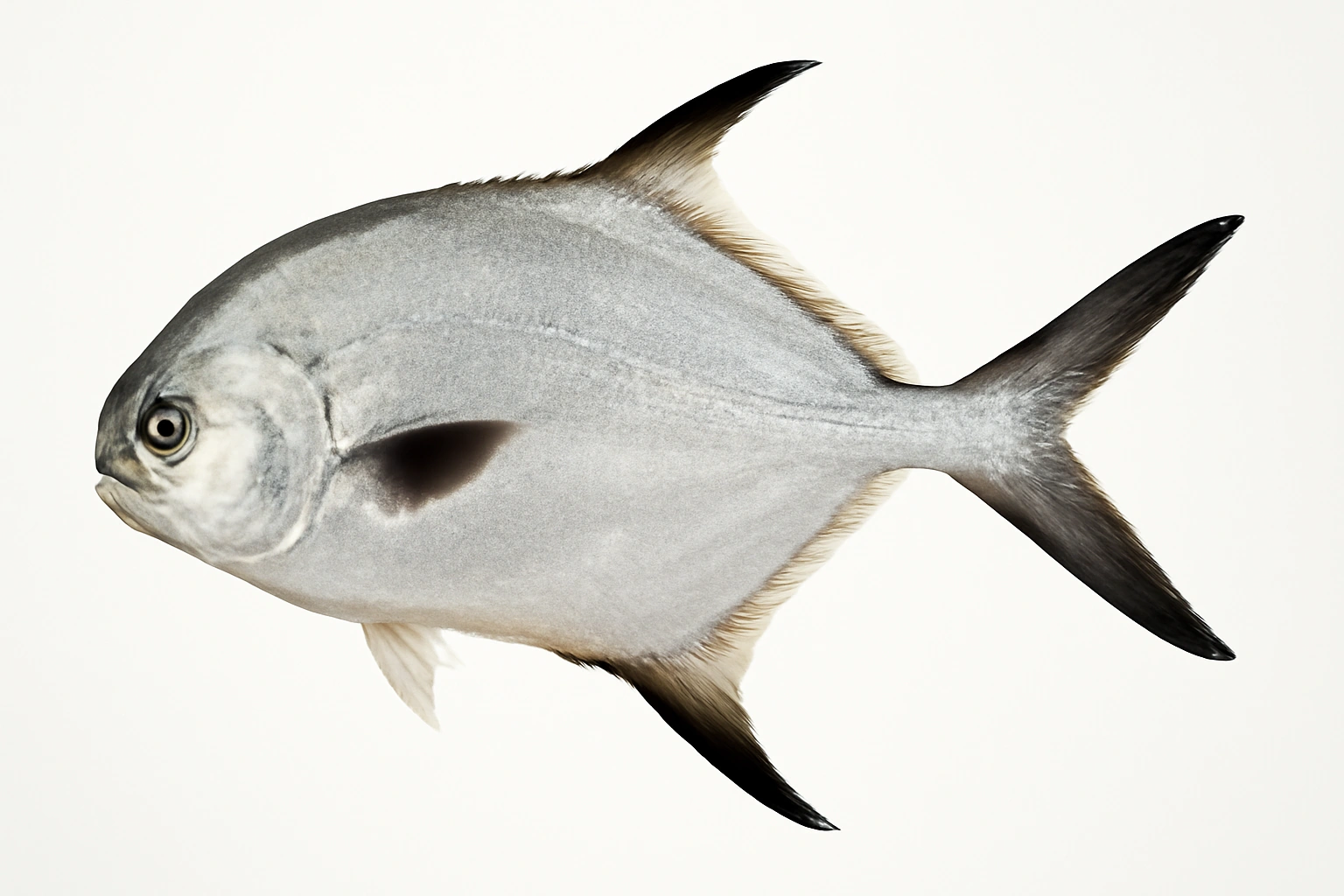 DartTrachinotus botla
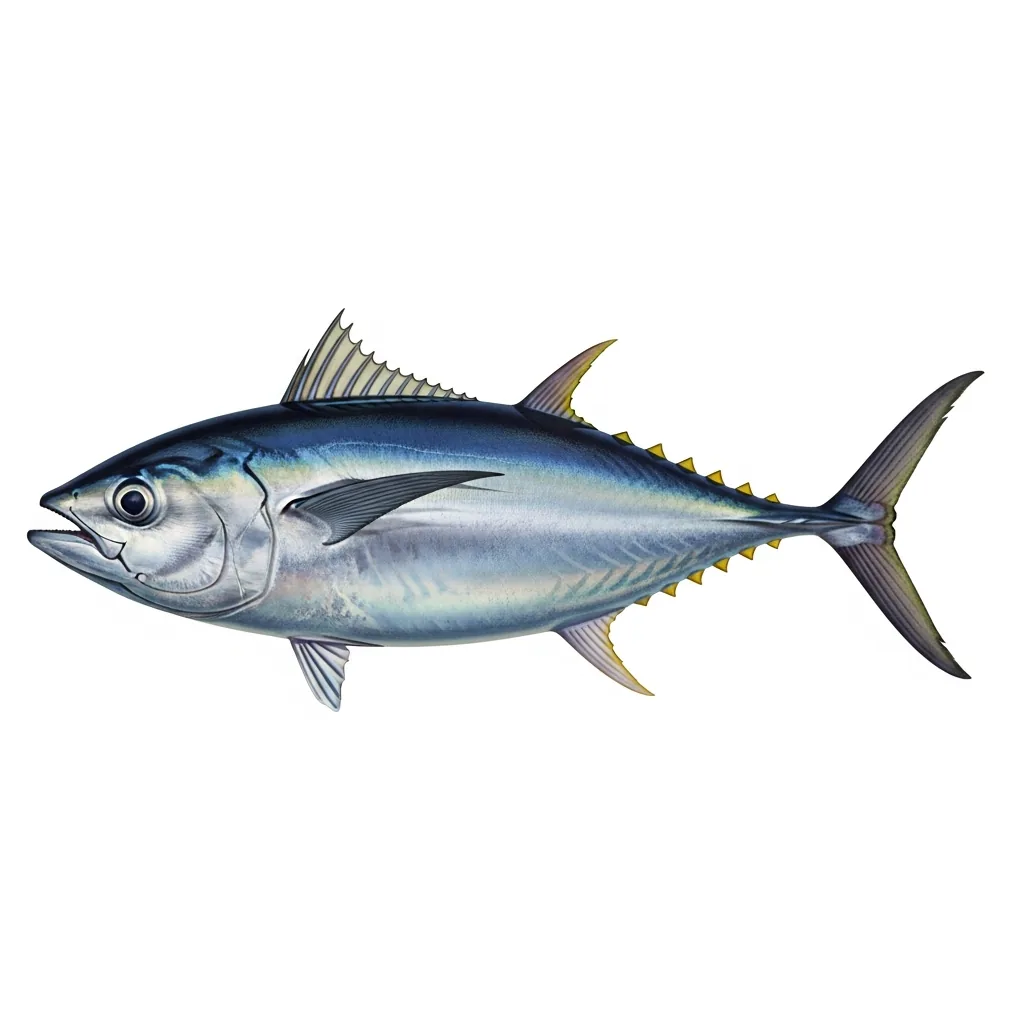 Dogtooth tunaGymnosarda unicolor
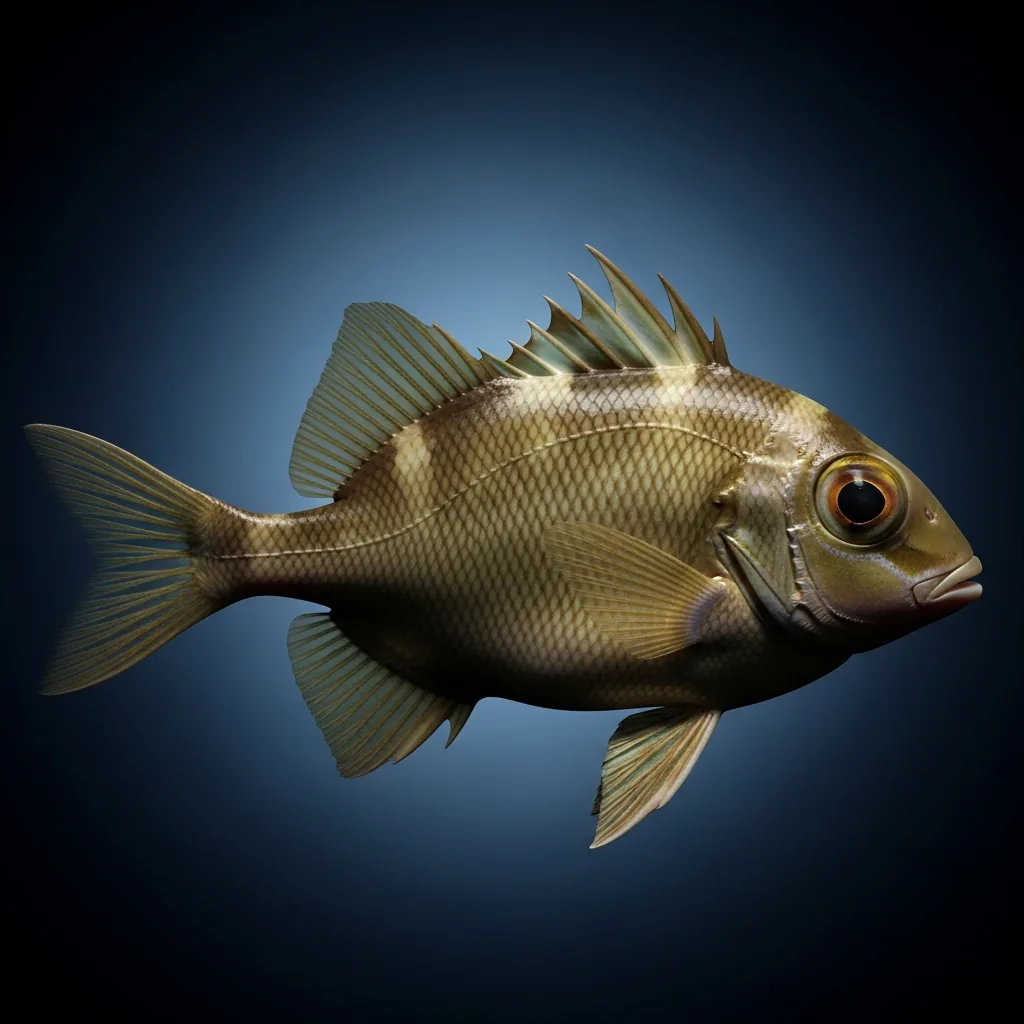 Dusky spinefootSiganus luridus
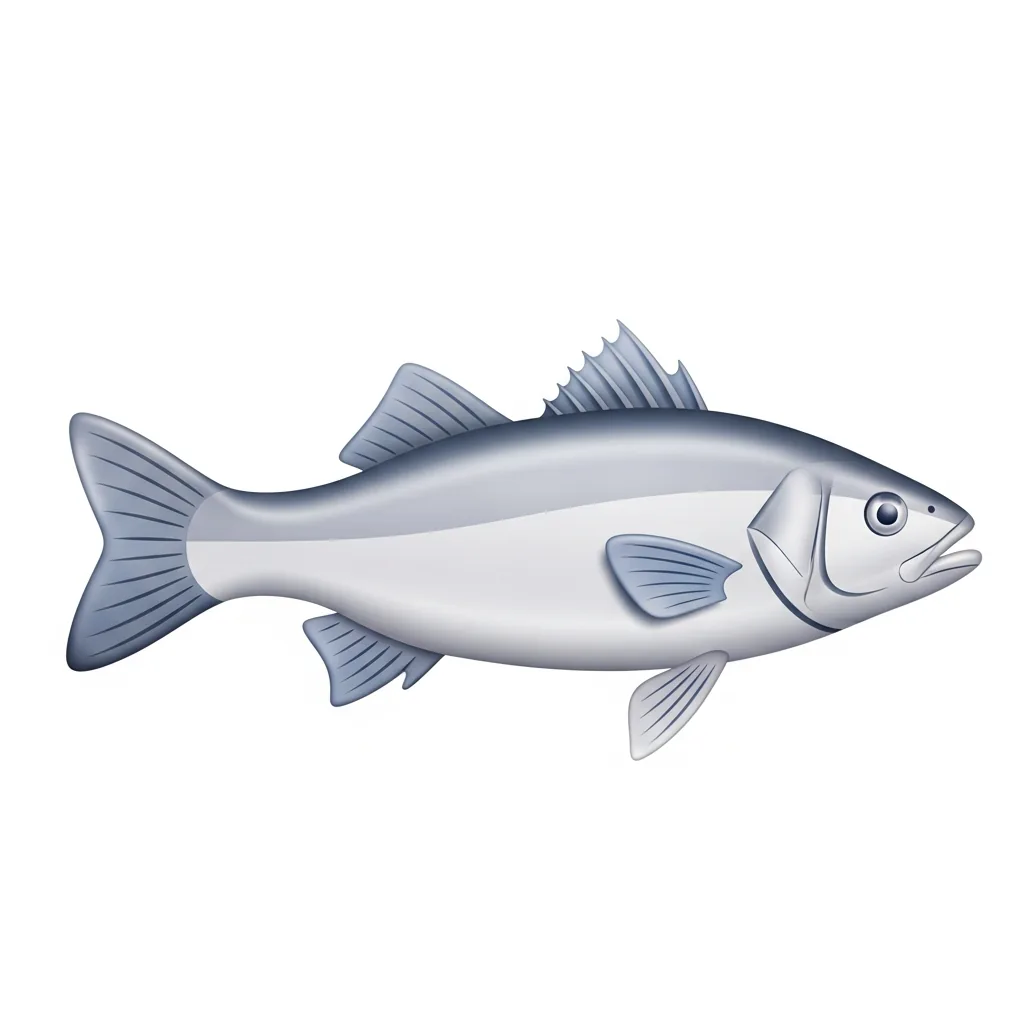 European sea bassDicentrarchus labrax
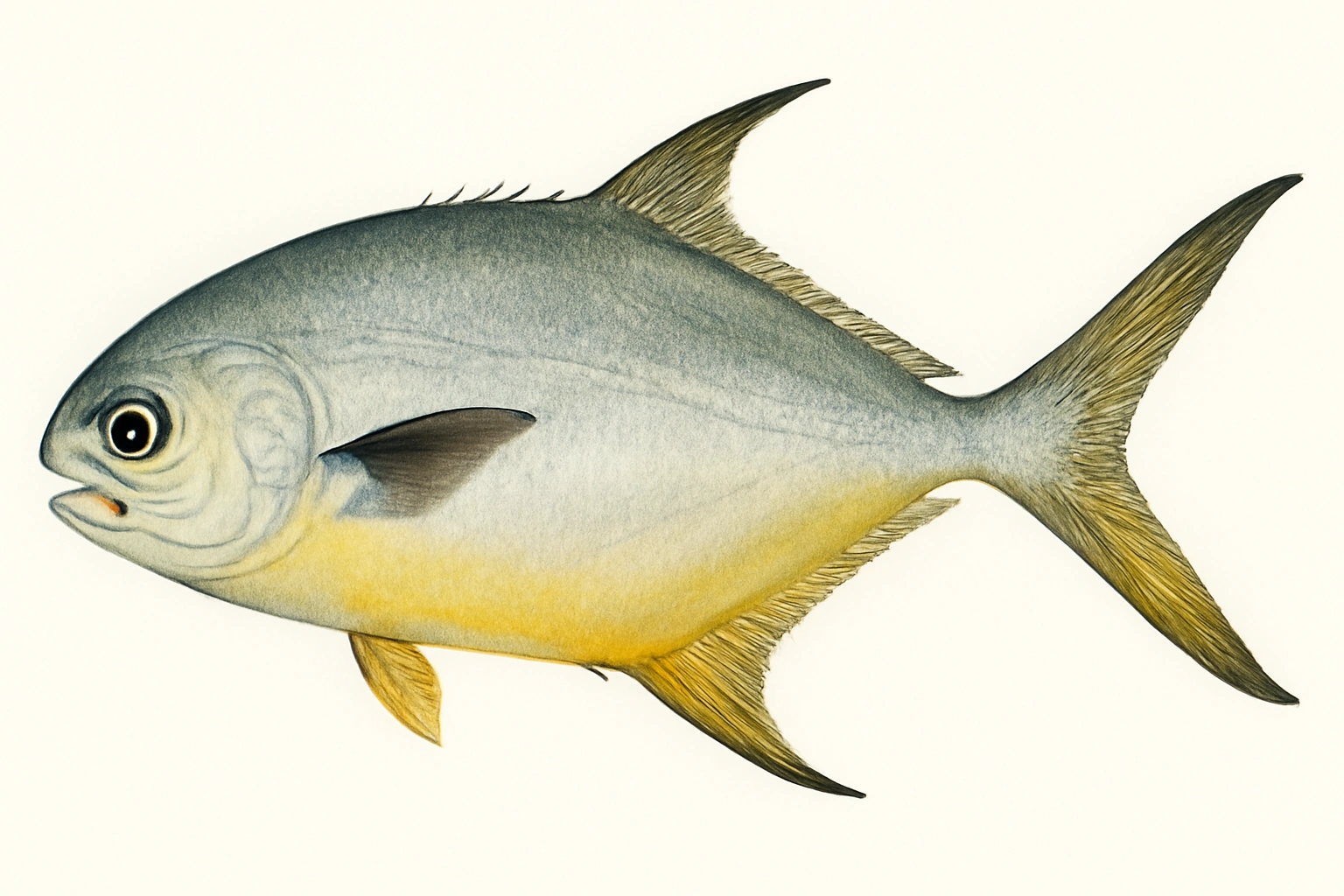 Florida pompanoTrachinotus carolinus
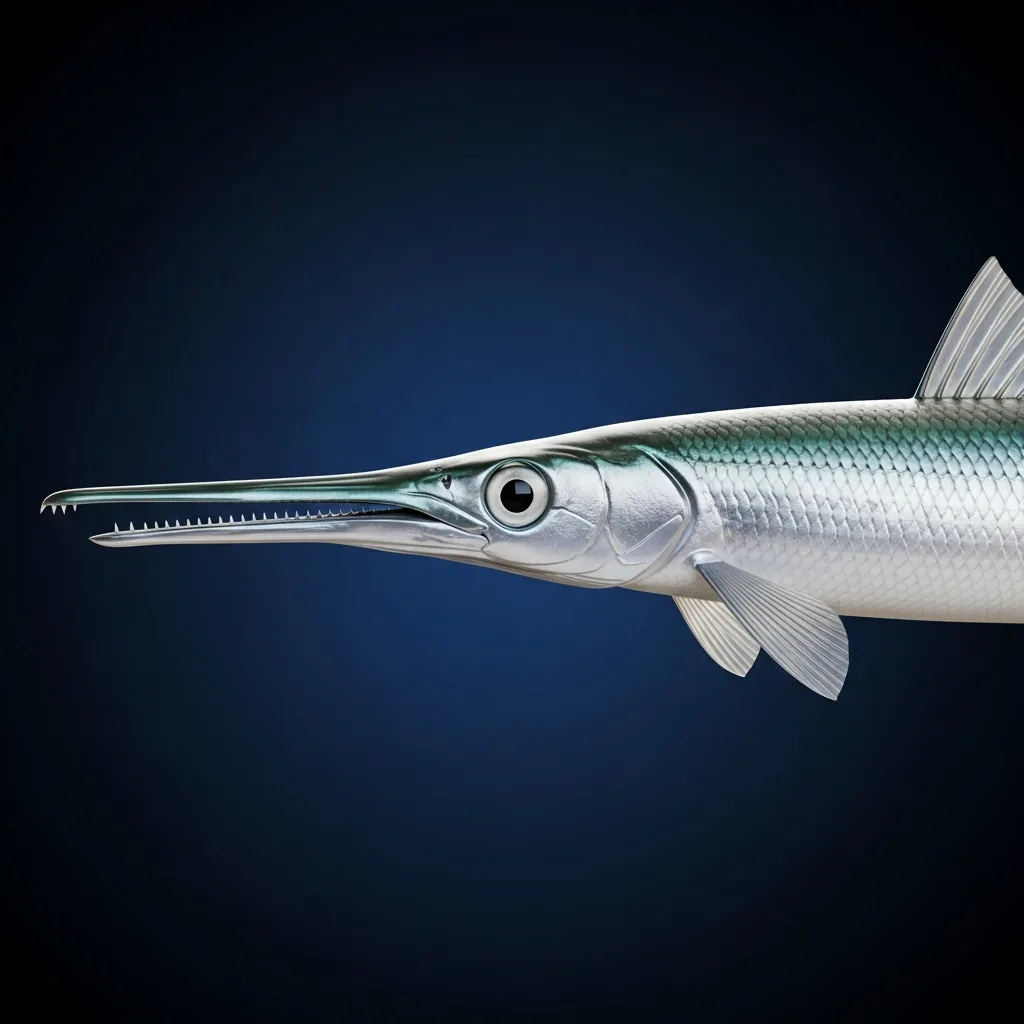 GarfishBelone belone
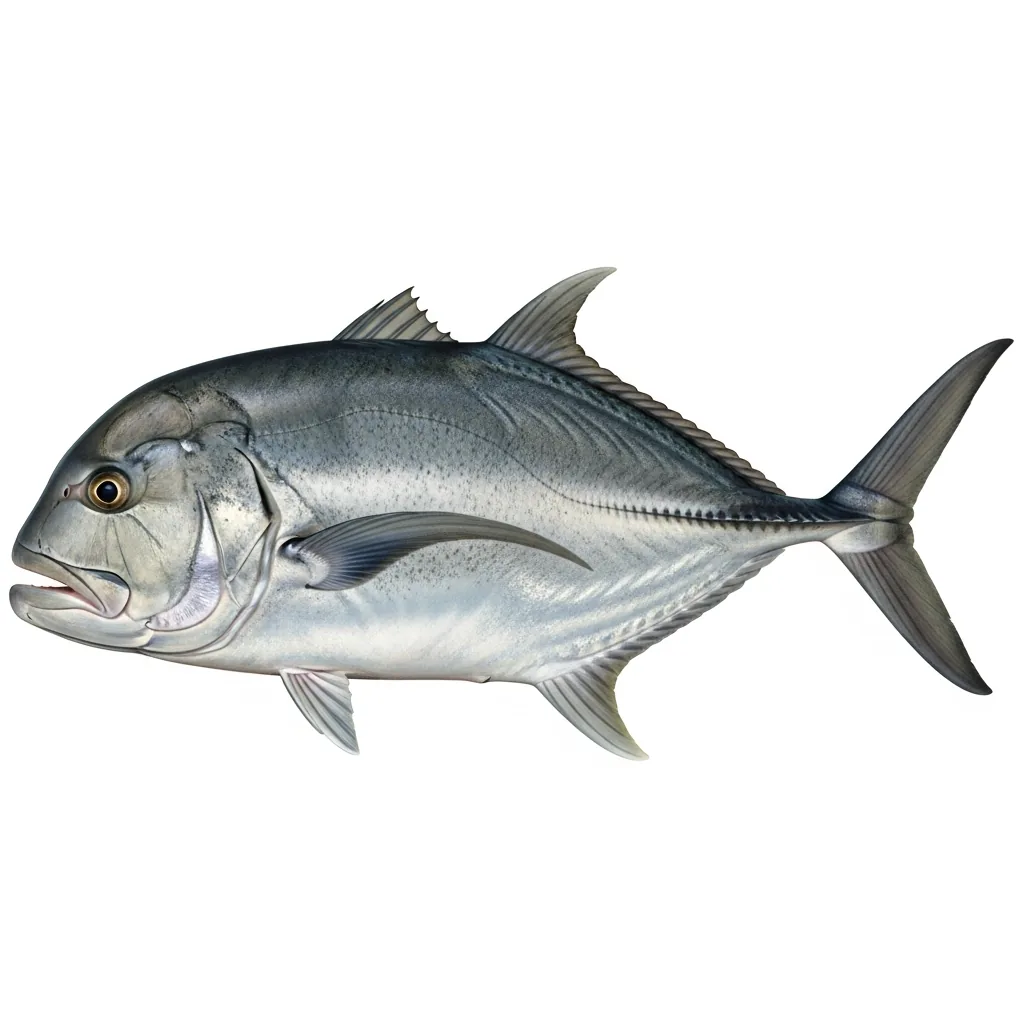 Giant trevallyCaranx ignobilis
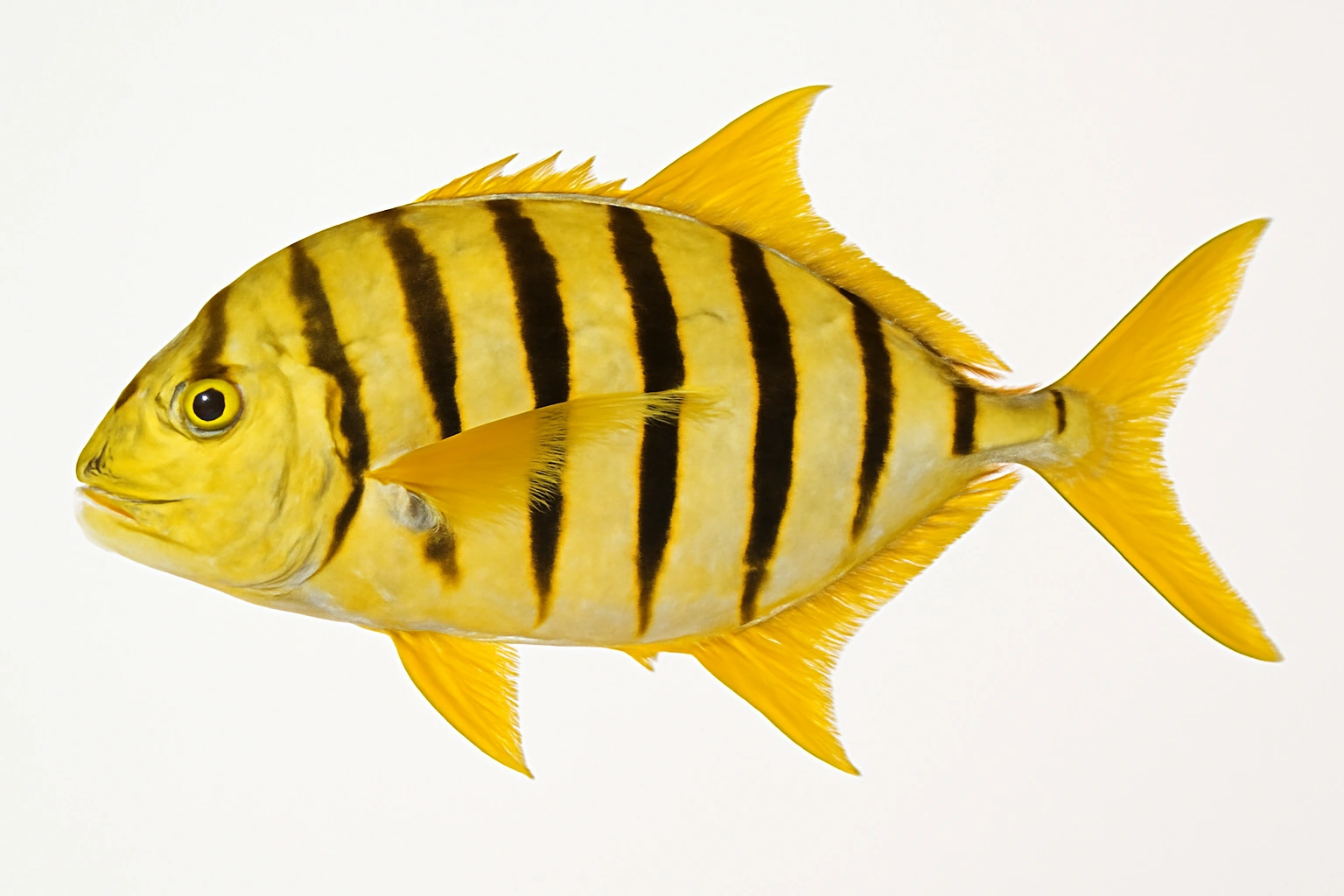 Golden TrevallyGnathanodon speciosus
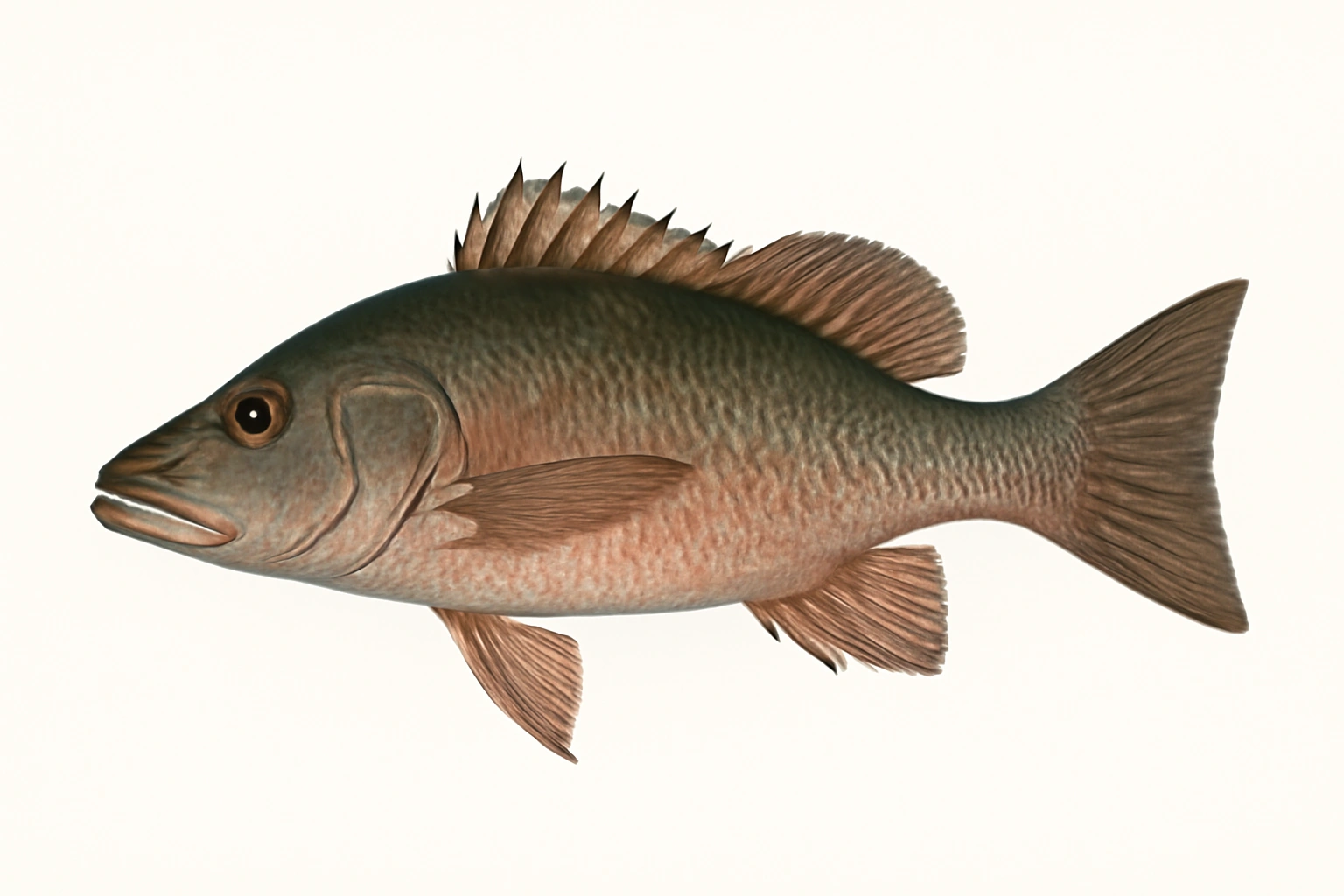 Gray snapperLutjanus griseus
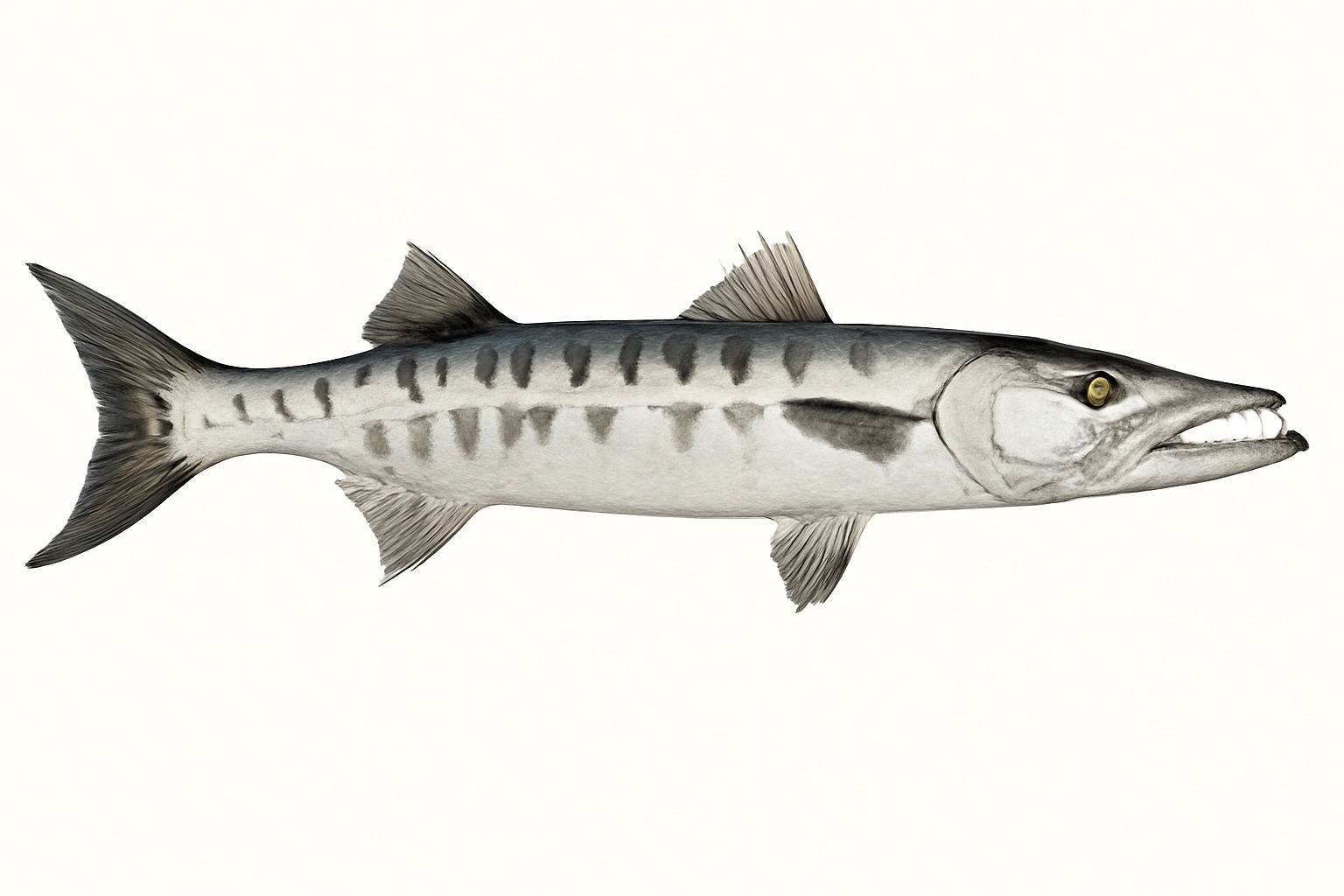 Great barracudaSphyraena barracuda
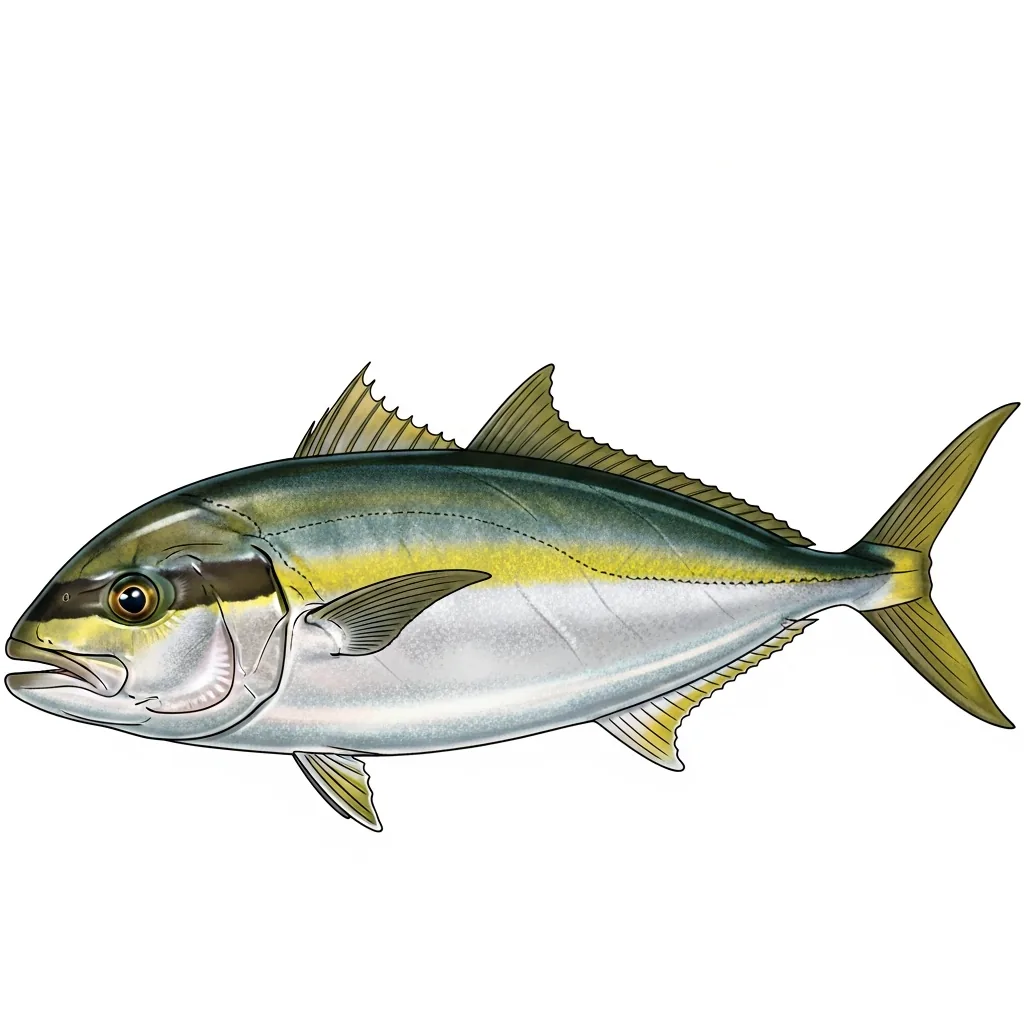 Greater amberjackSeriola dumerili
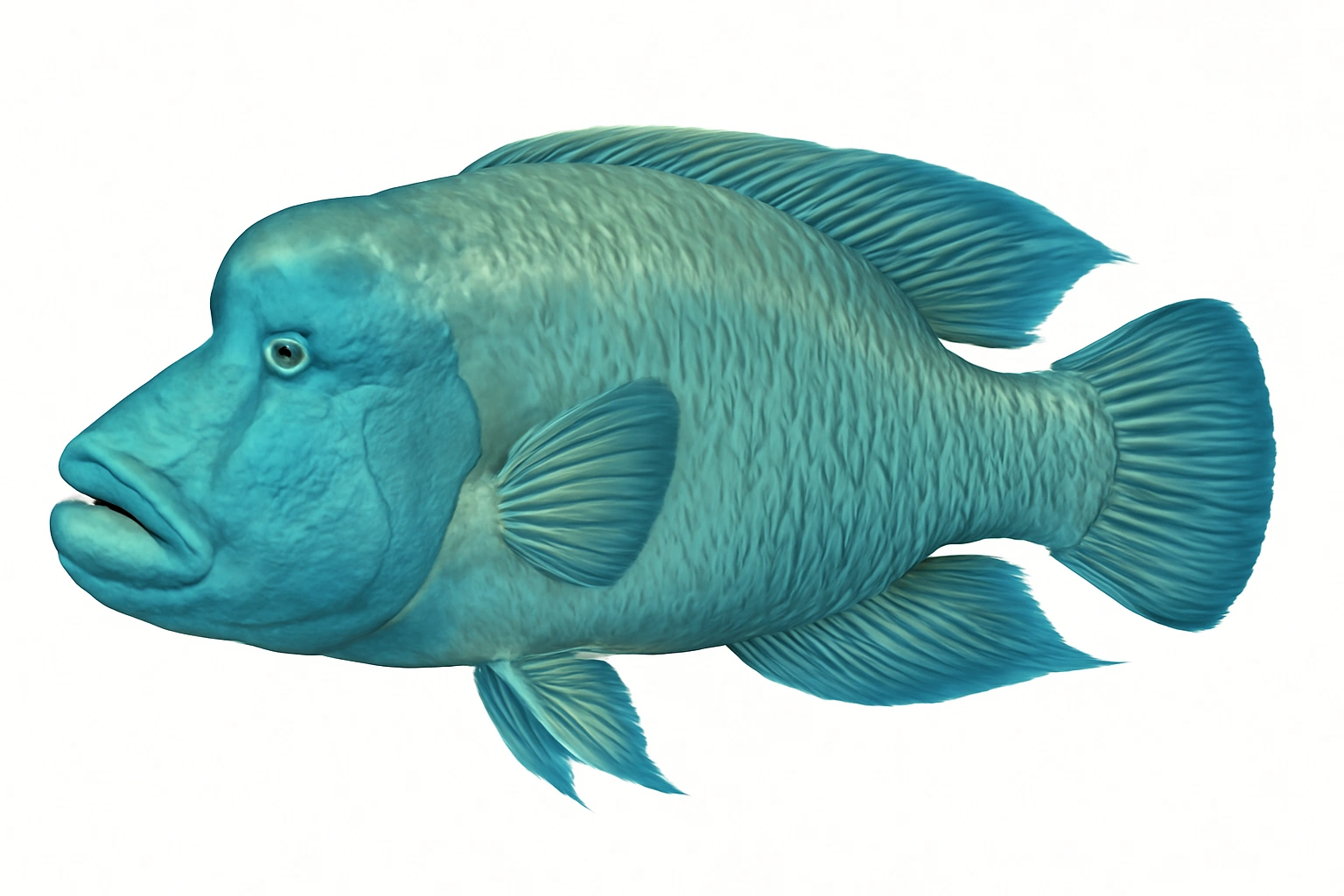 Humphead wrasseCheilinus undulatus
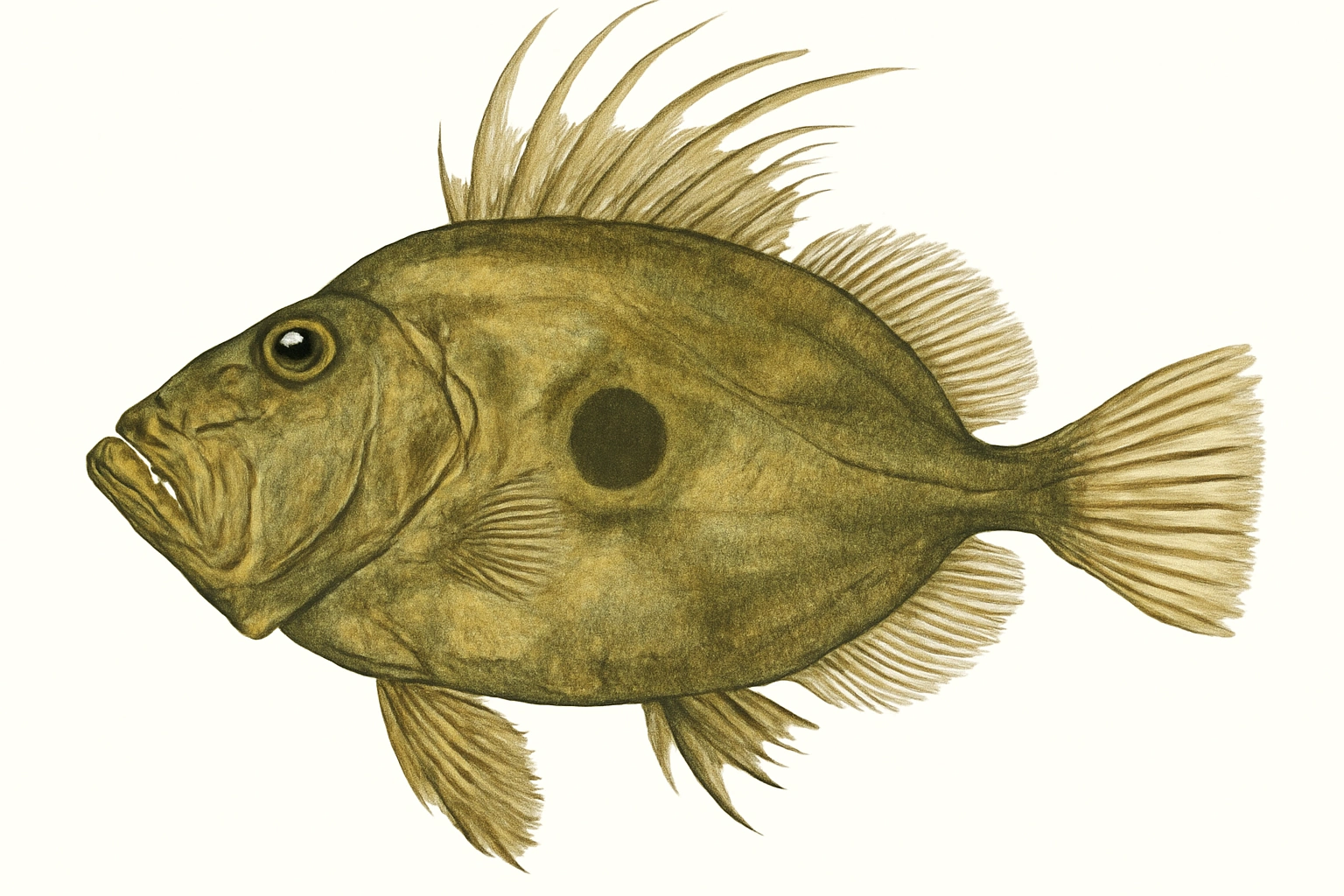 John DoryZeus faber
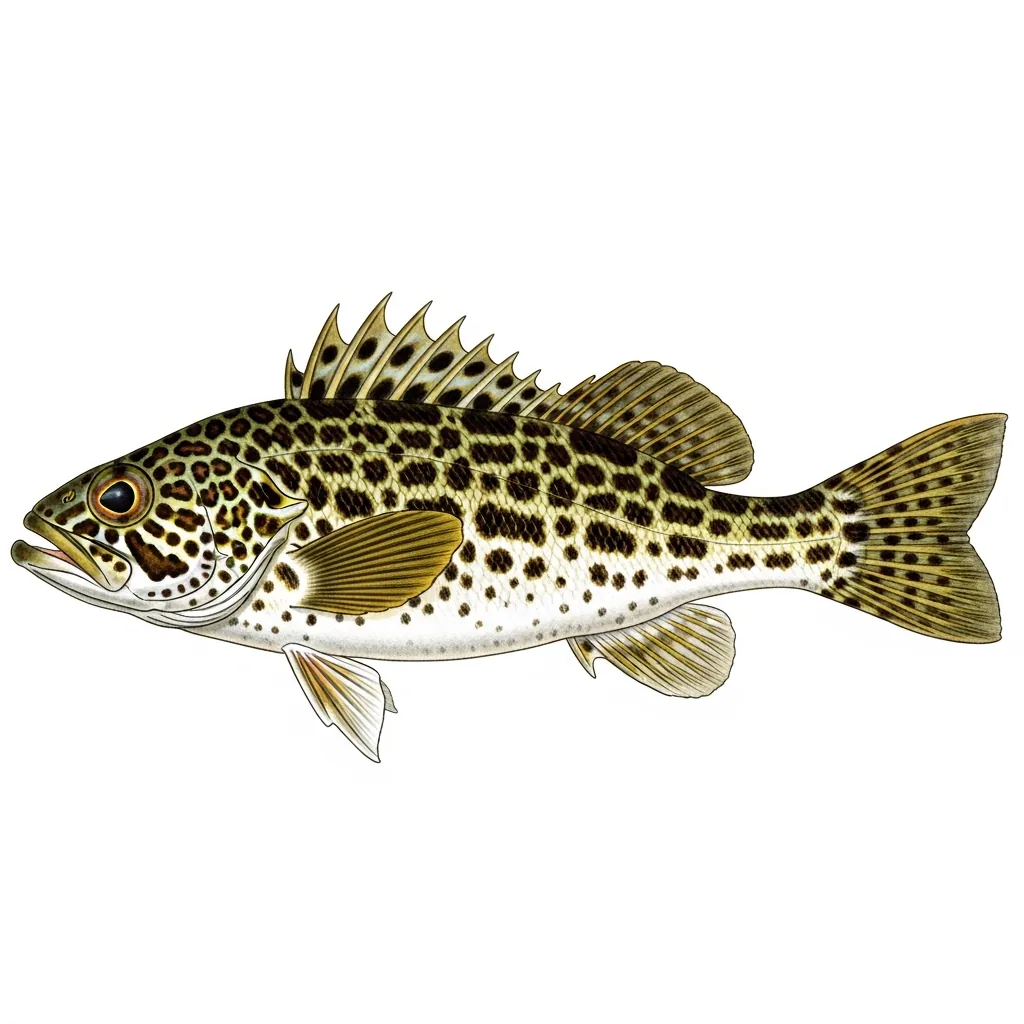 Kelp BassParalabrax clathratus
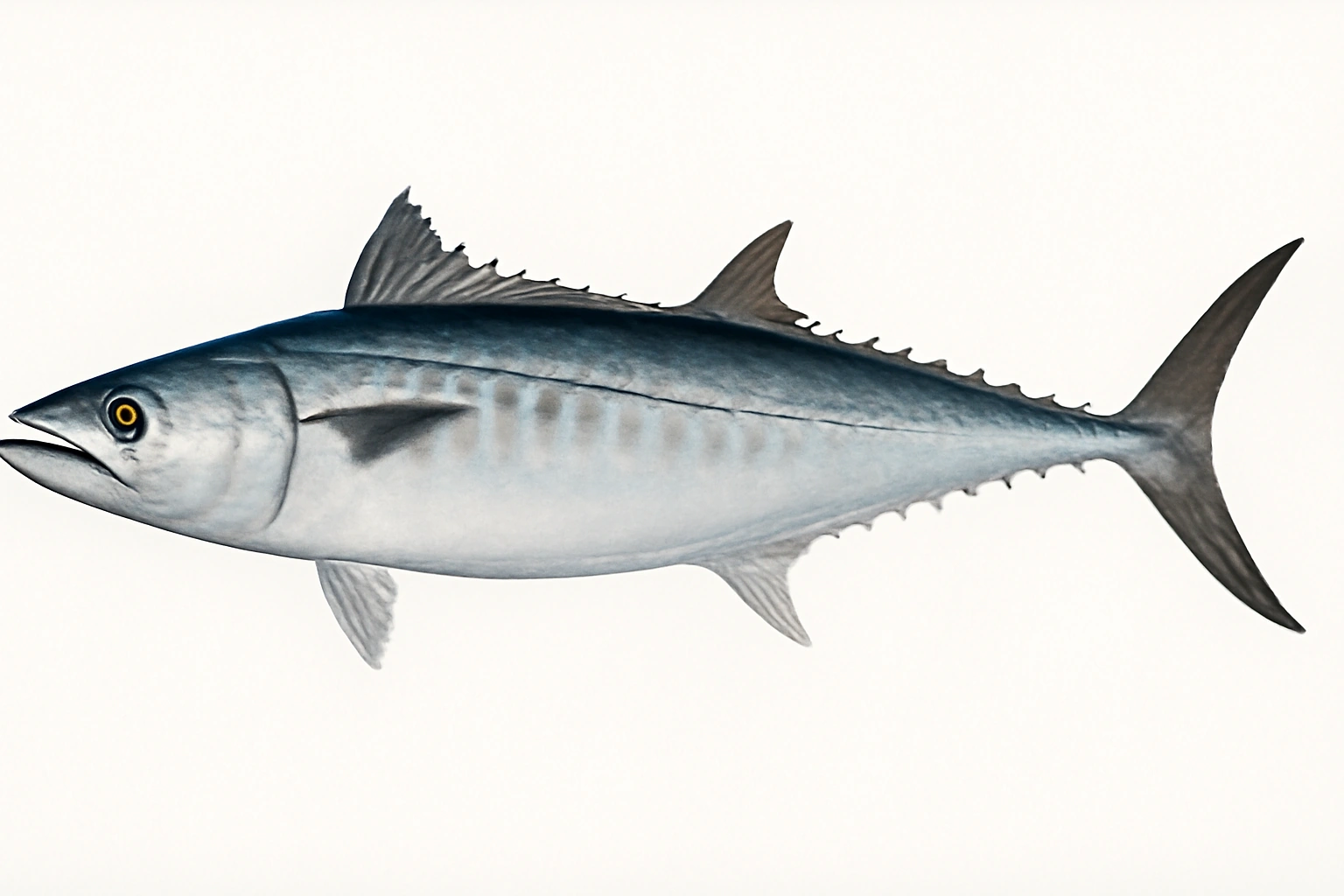 King mackerelScomberomorus cavalla
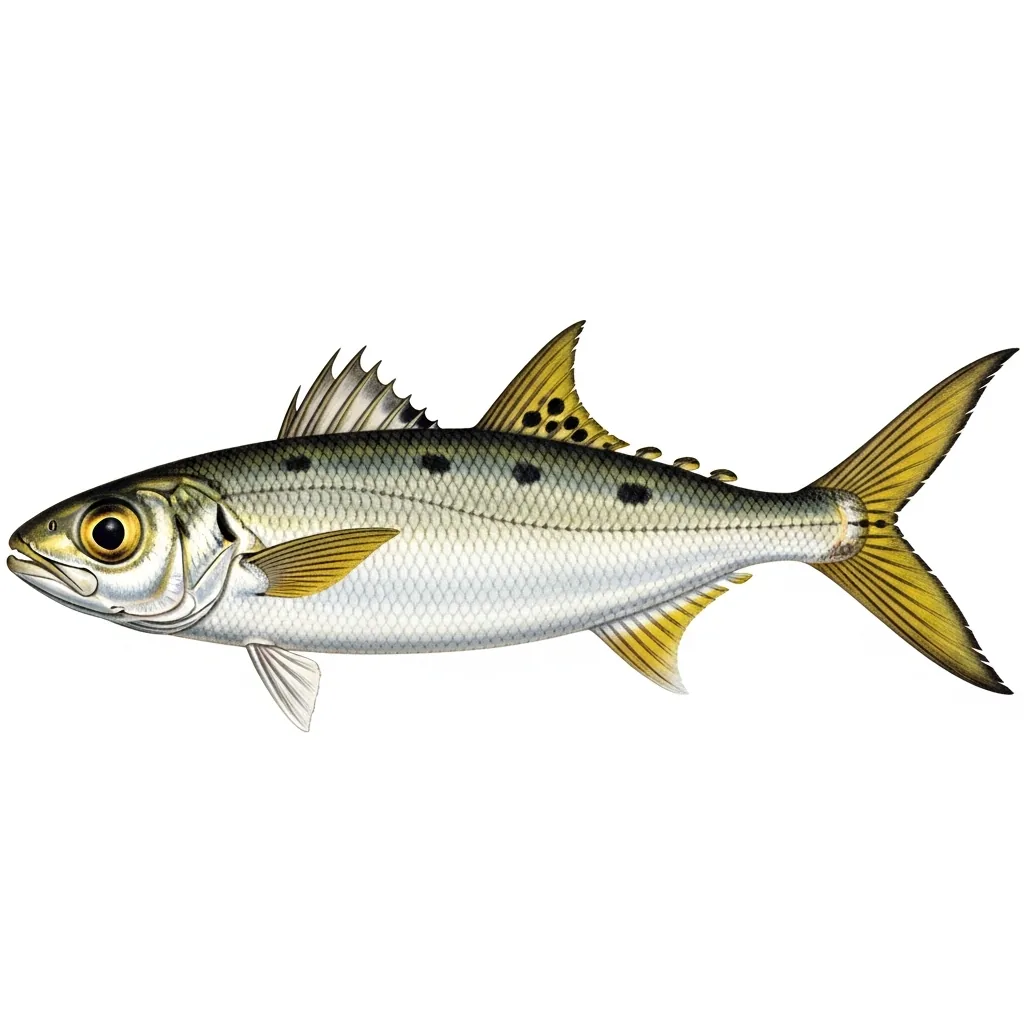 LeerfishLichia amia
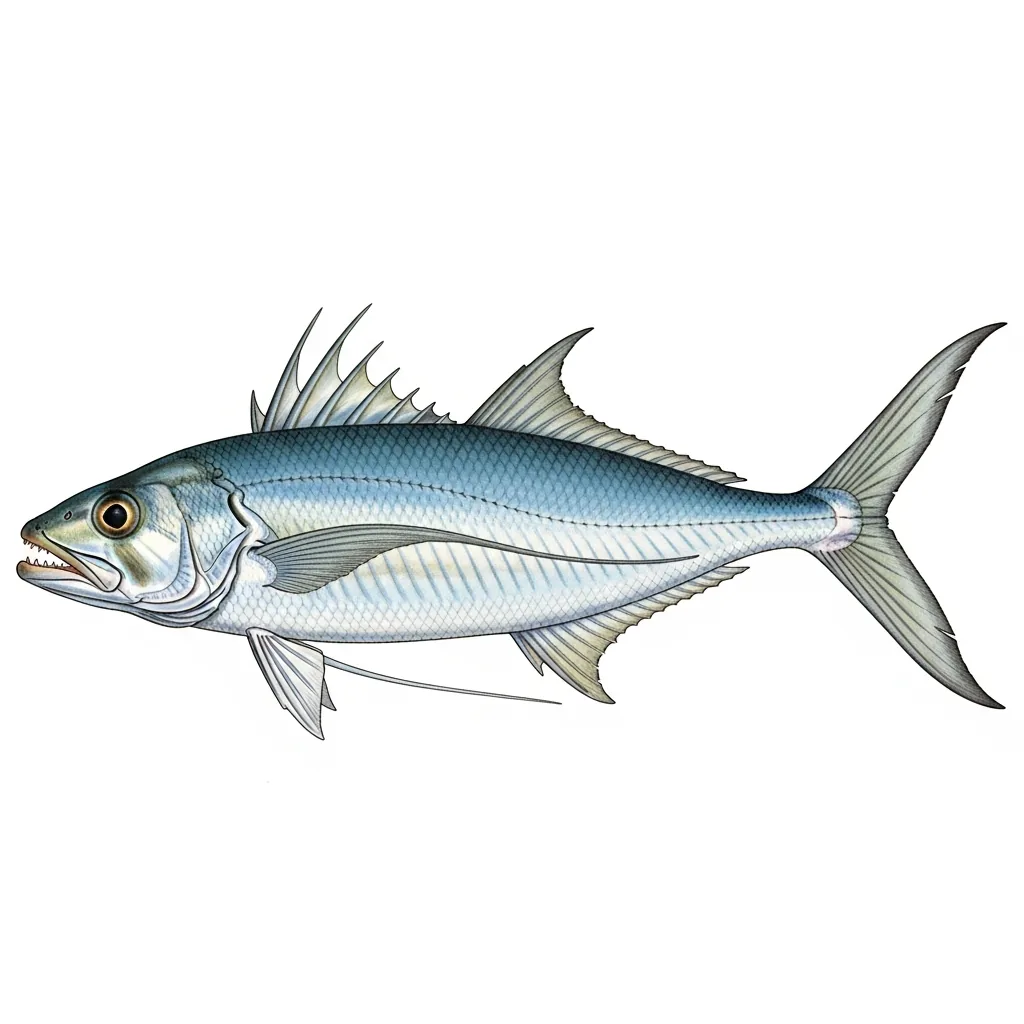 LeerfishTrachinotus ovatus
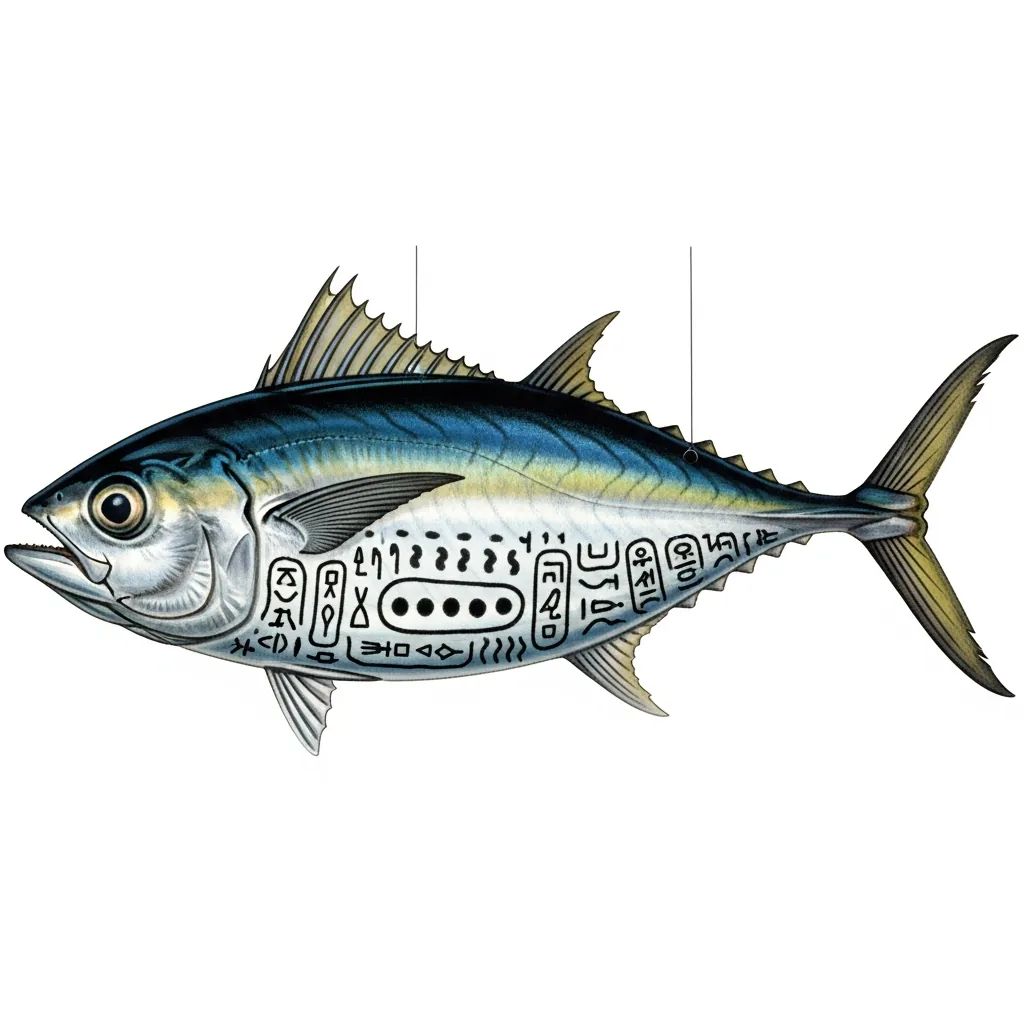 Little tunnyEuthynnus alletteratus
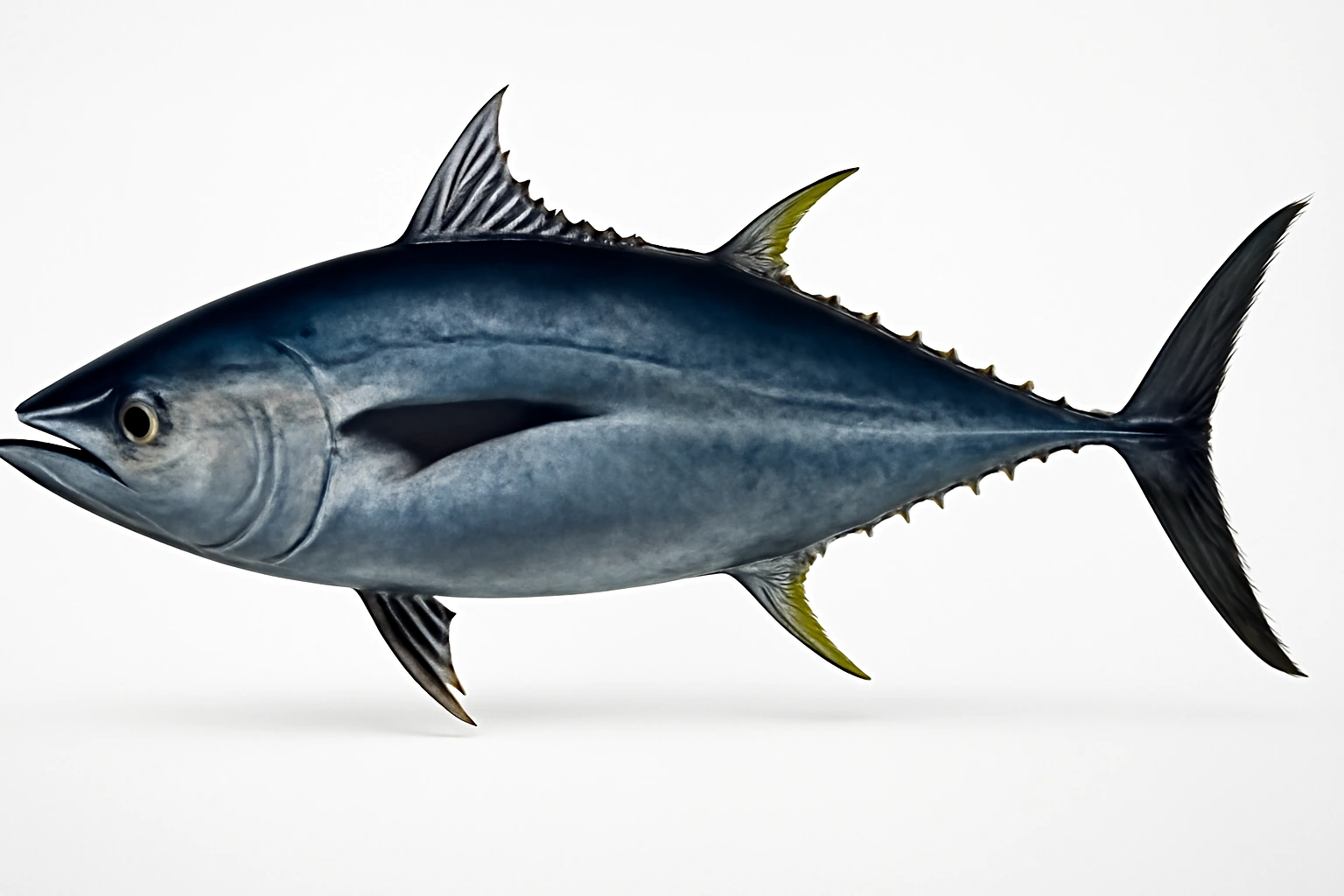 Longtail TunaThunnus tonggol
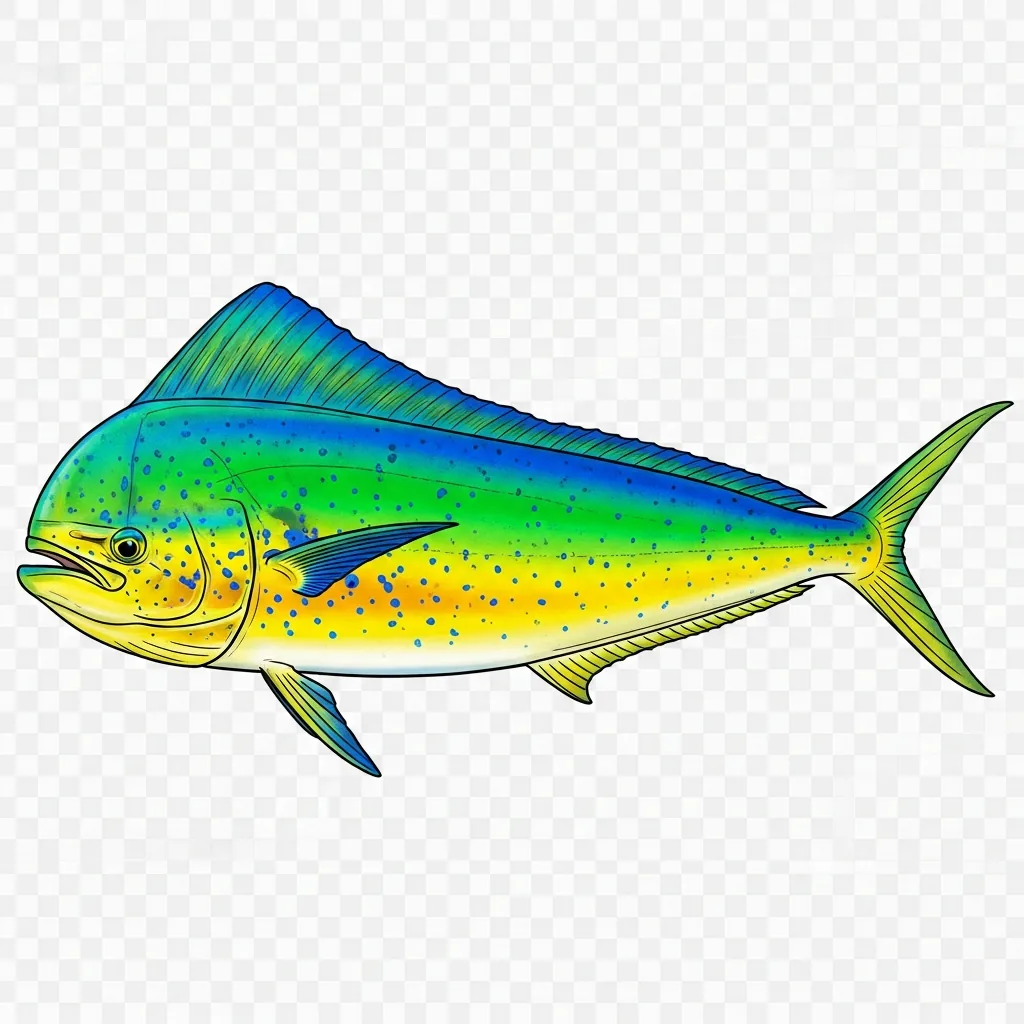 Mahi-mahi / DolphinfishCoryphaena hippurus
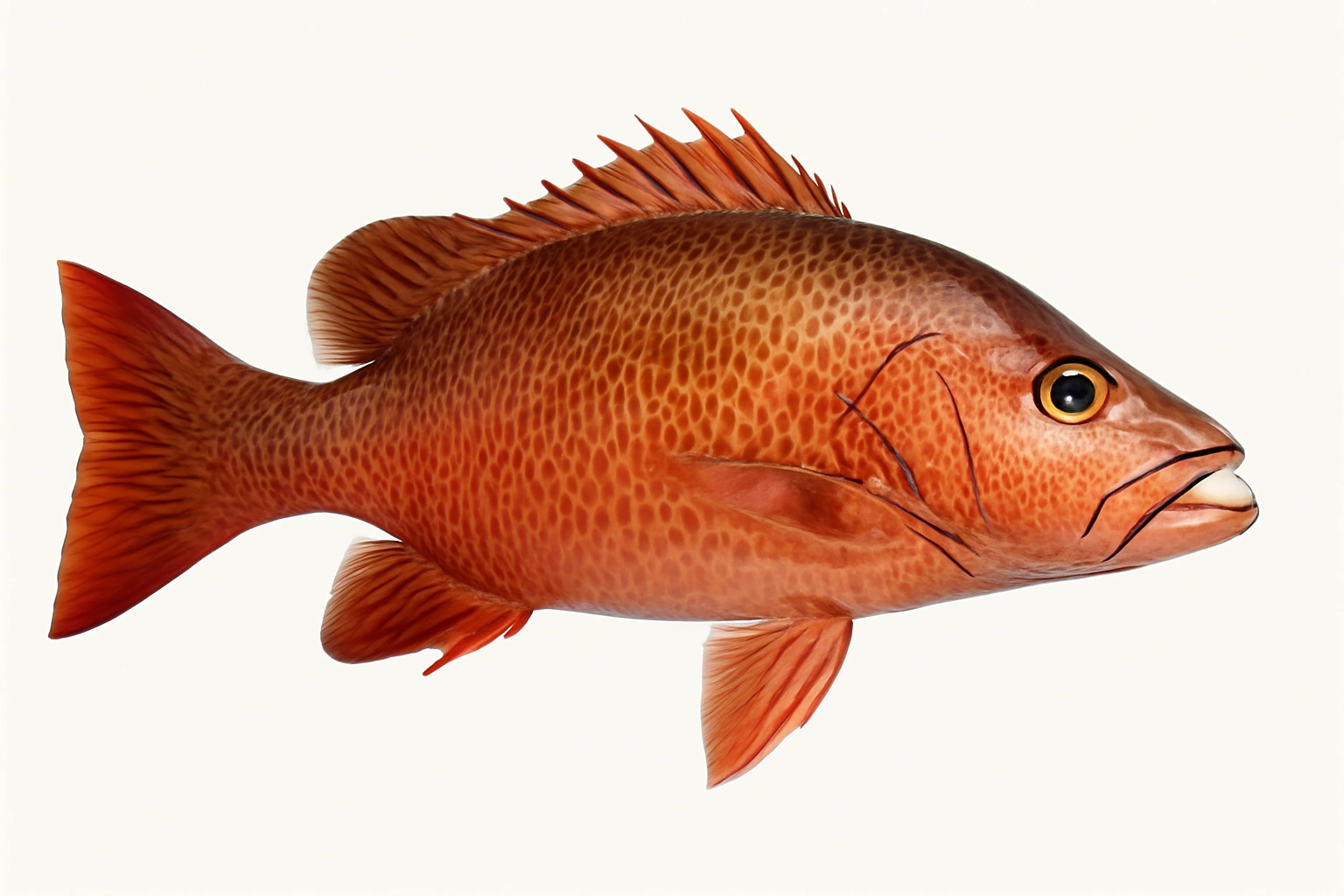 Mangrove JackLutjanus argentimaculatus
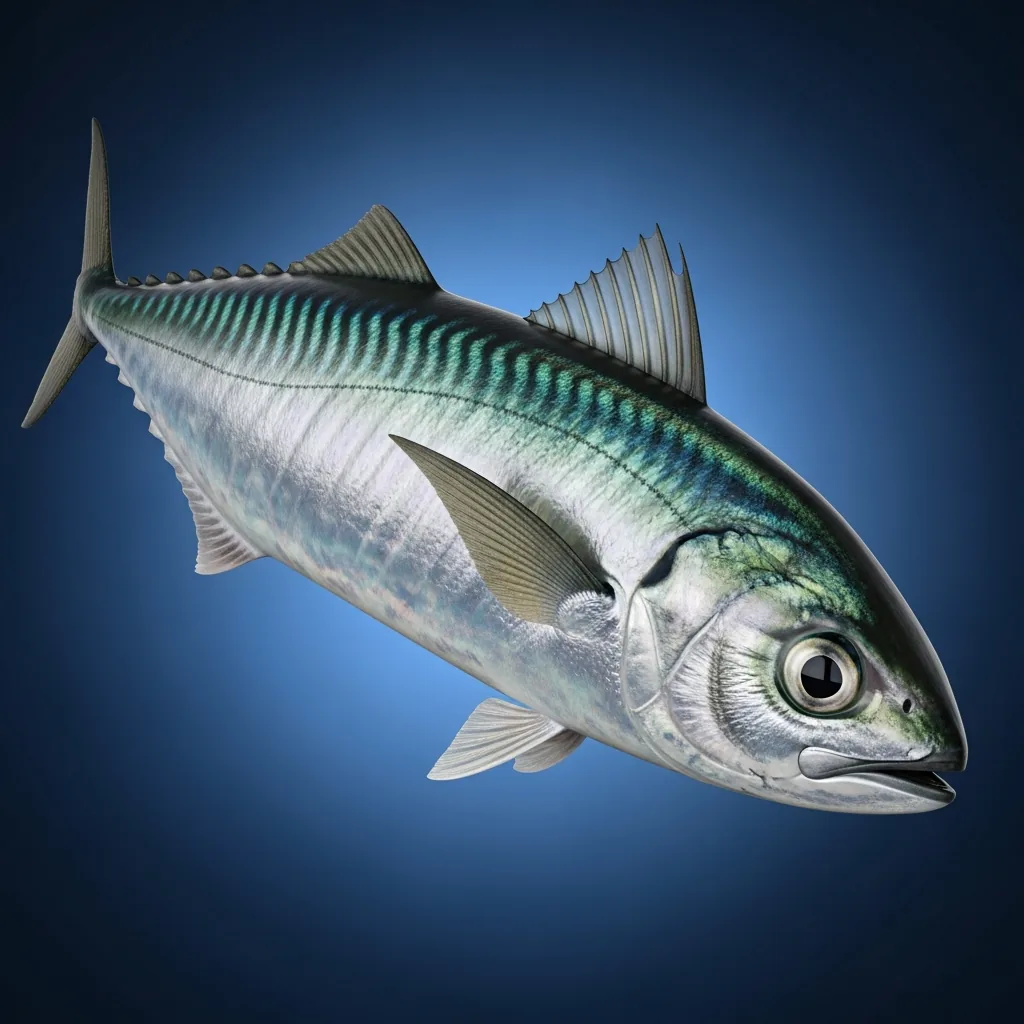 Mediterranean horse mackerelTrachurus mediterraneus
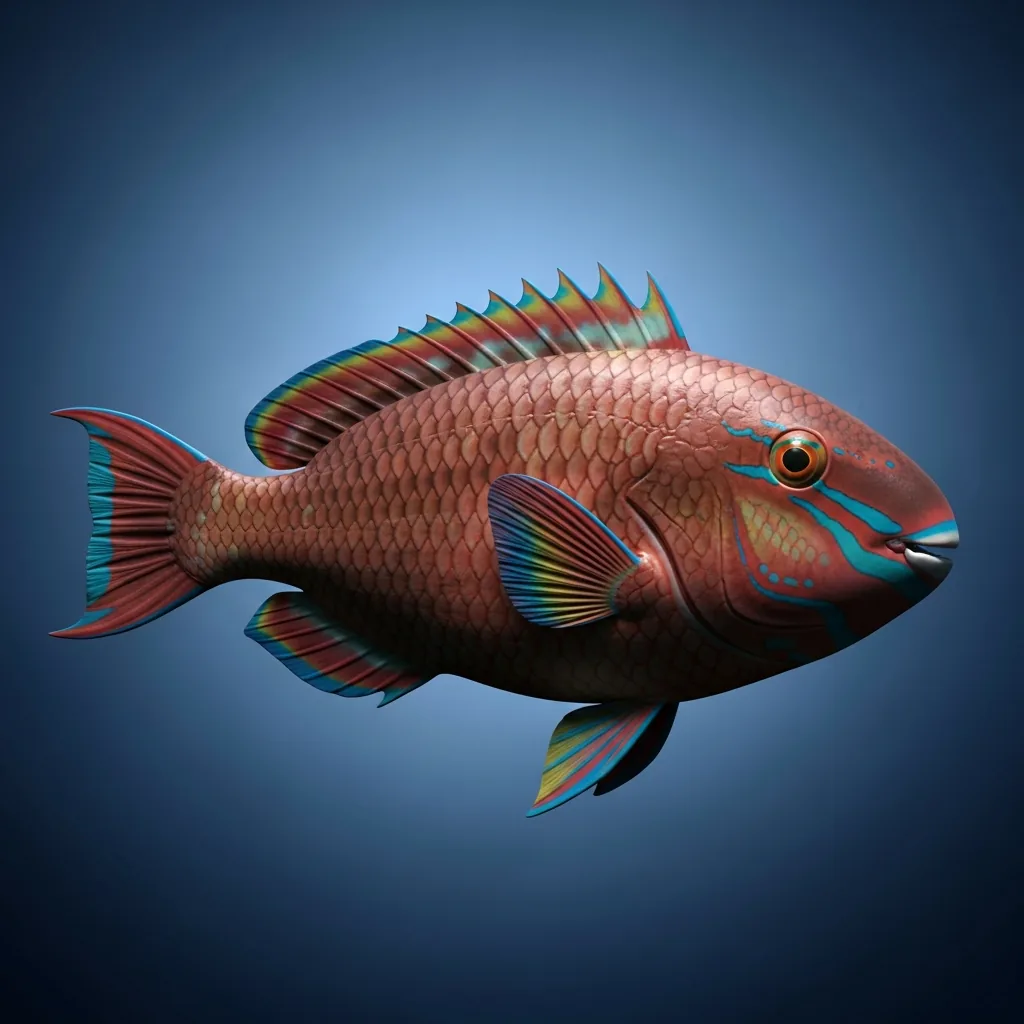 Mediterranean parrotfishSparisoma cretense
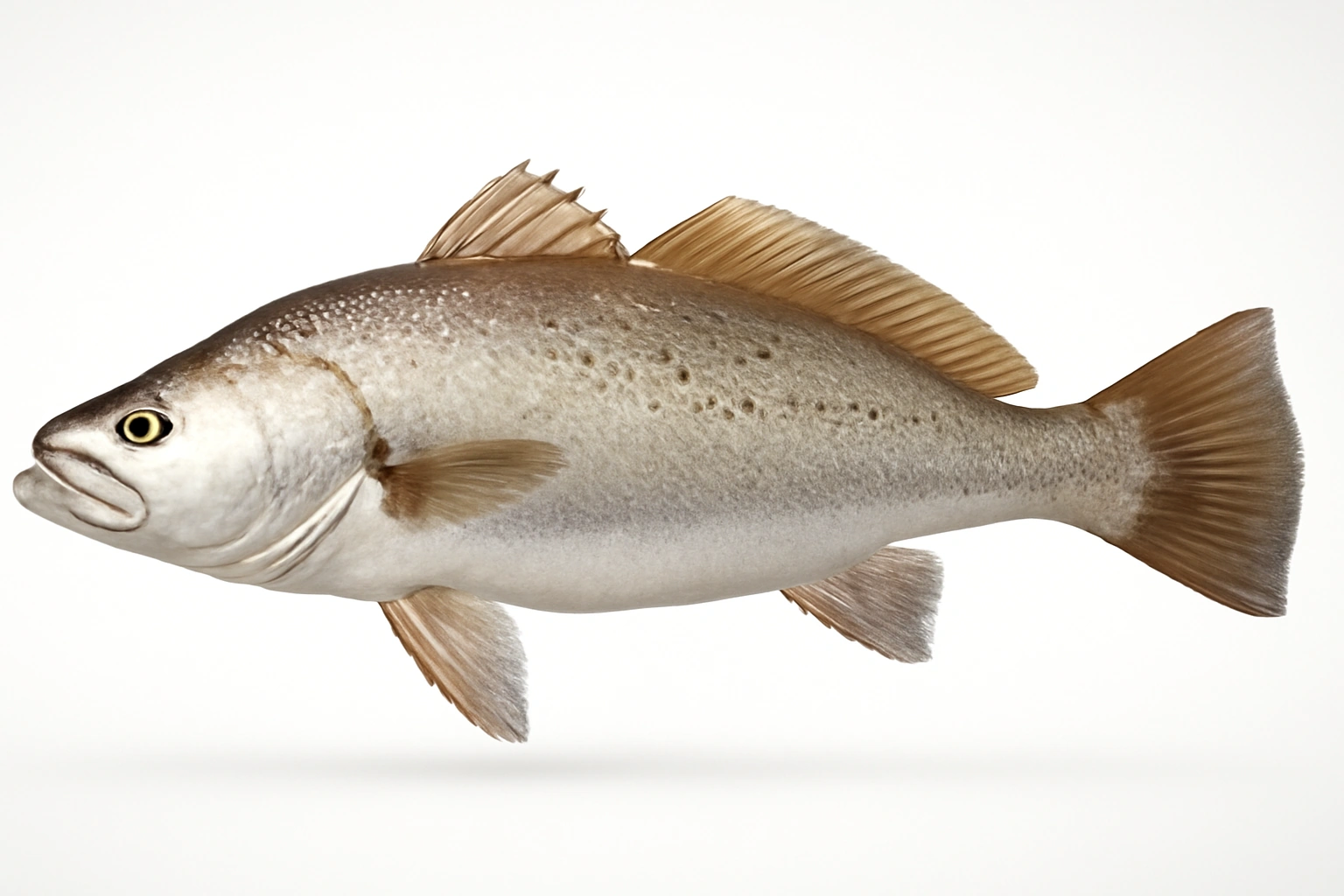 MullowayArgyrosomus japonicus
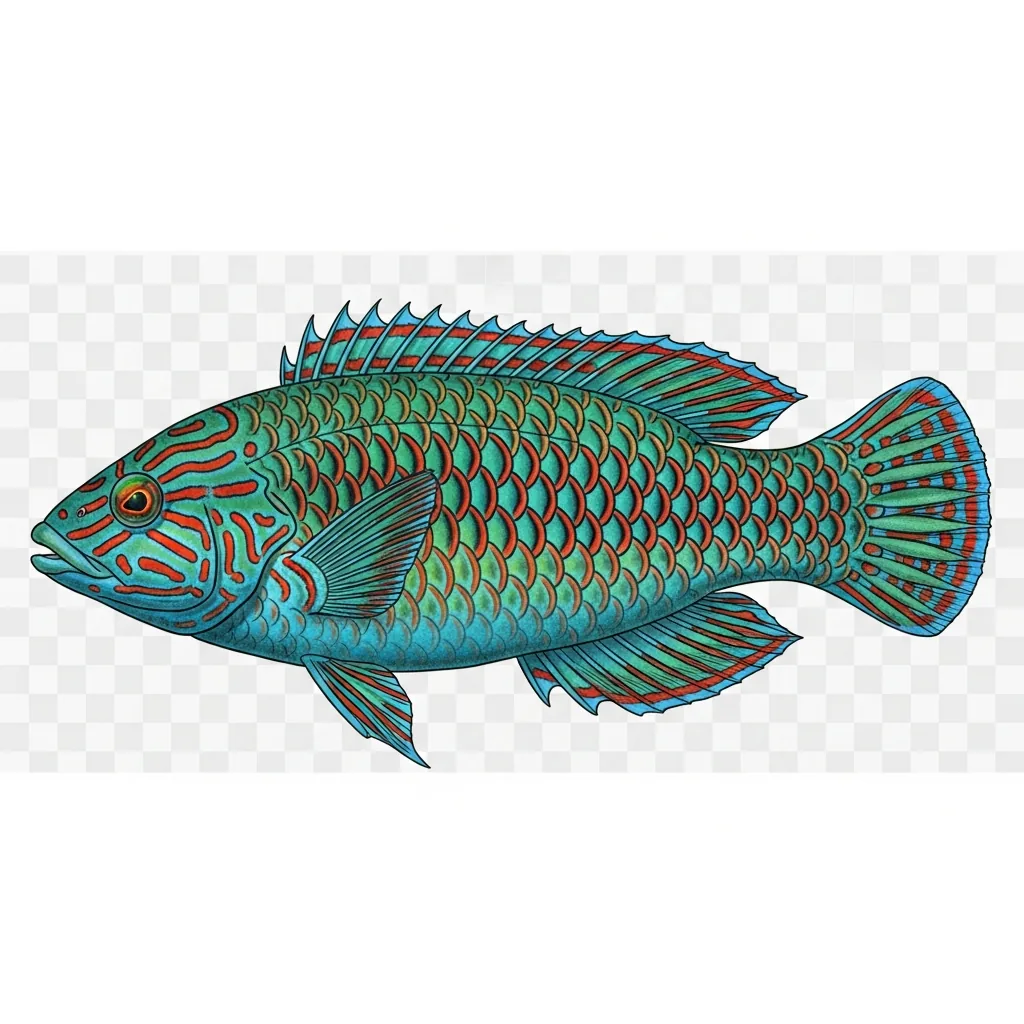 Ornate wrasseThalassoma pavo
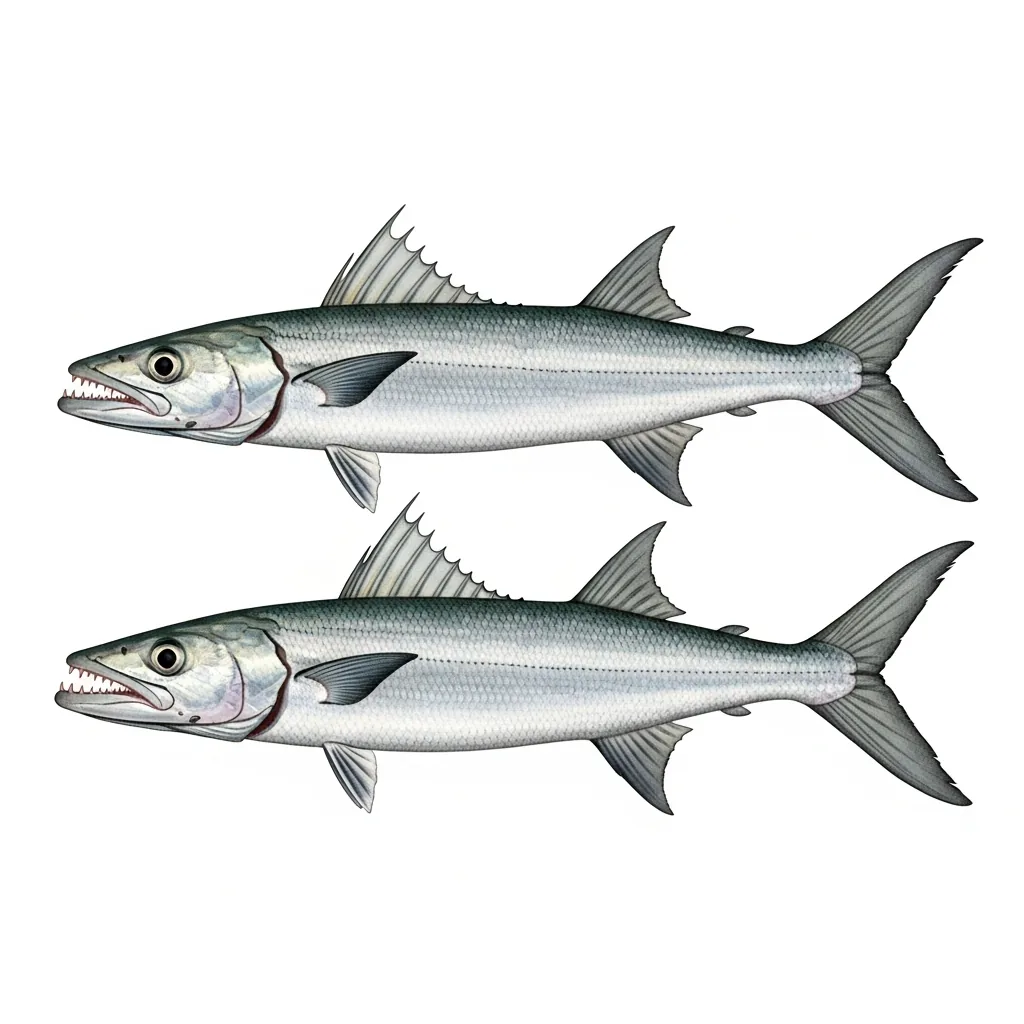 Pacific BarracudaSphyraena argentea
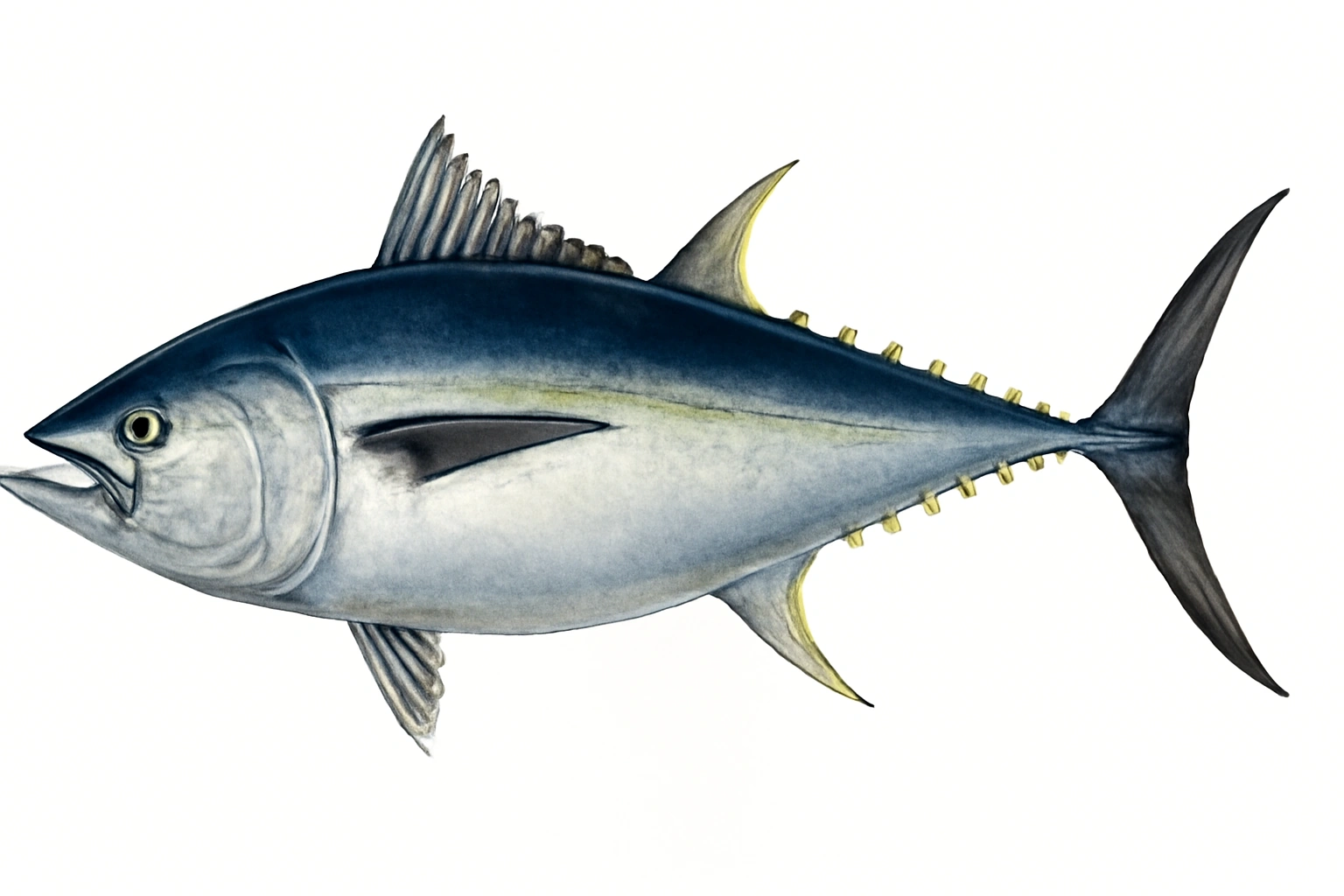 Pacific bluefin tunaThunnus orientalis
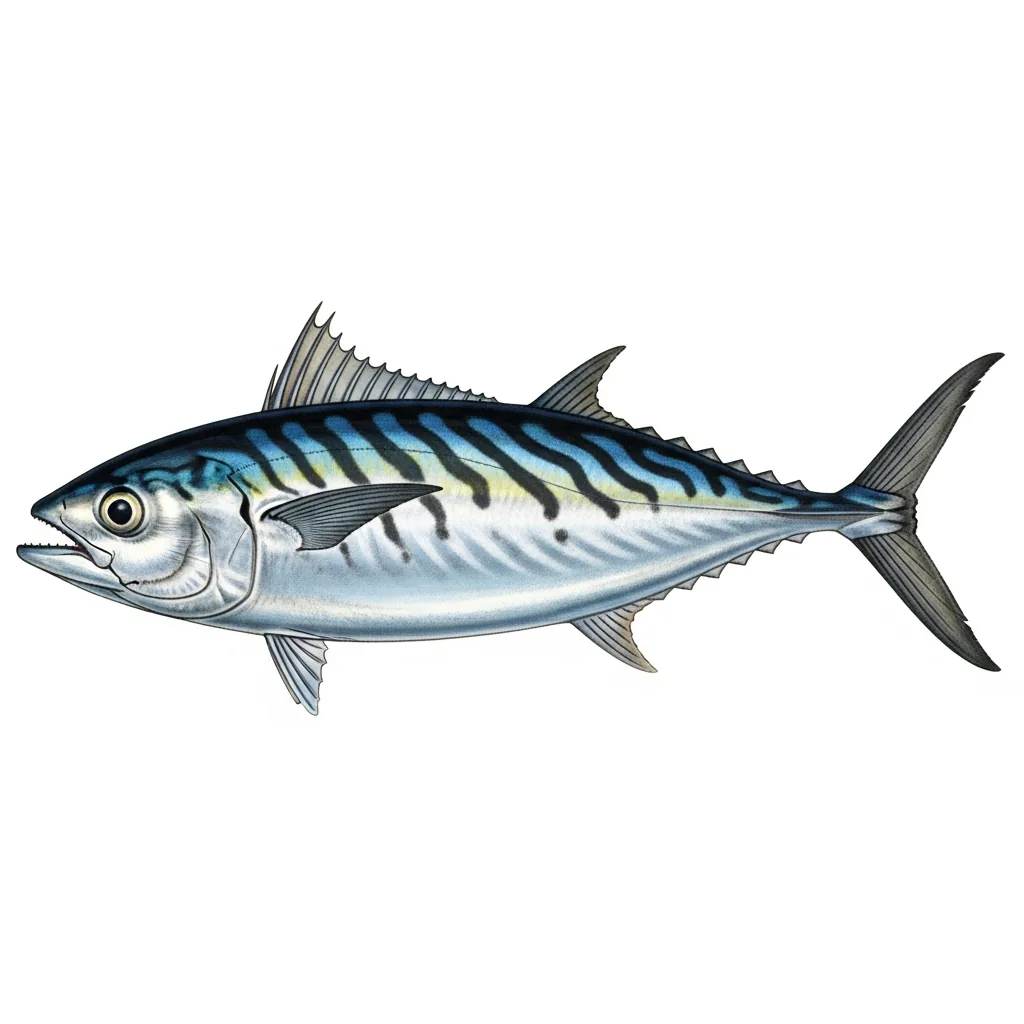 Pacific BonitoSarda chiliensis
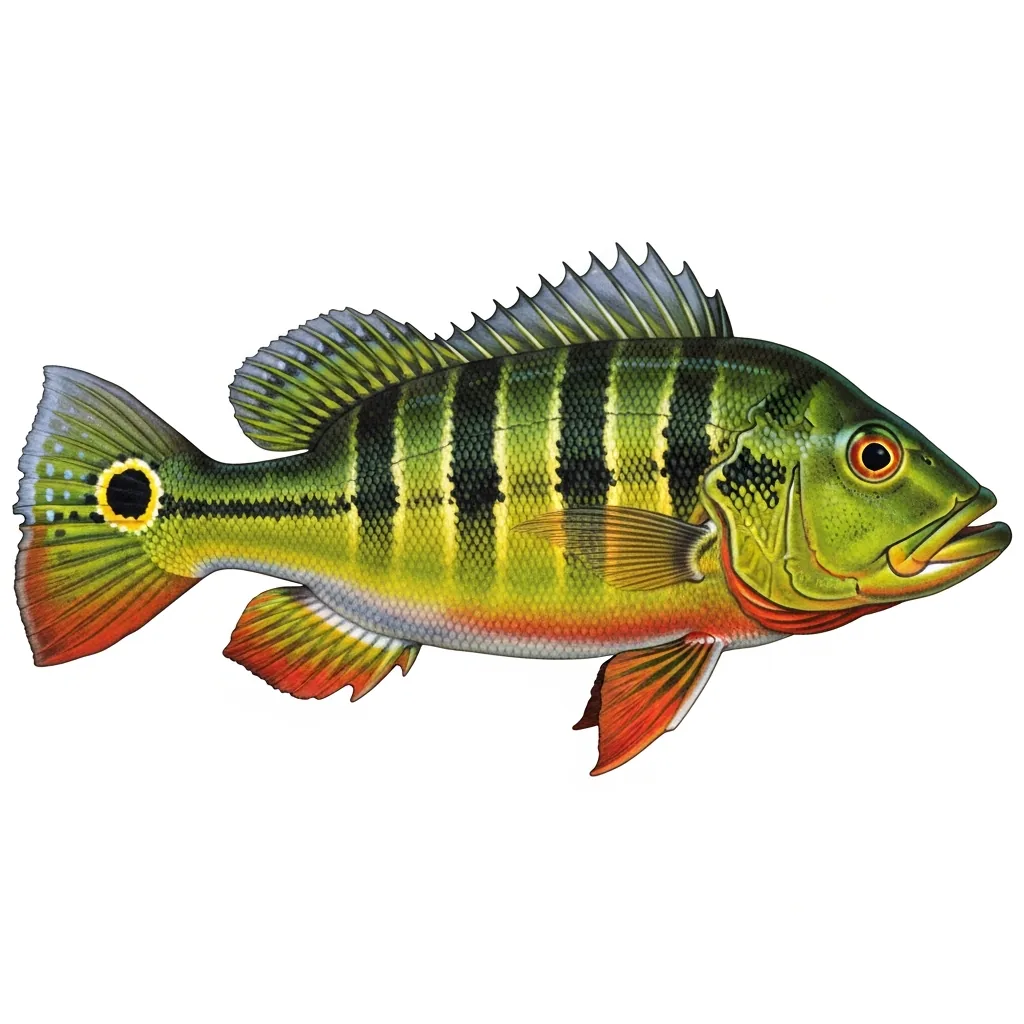 Peacock bassCichla ocellaris
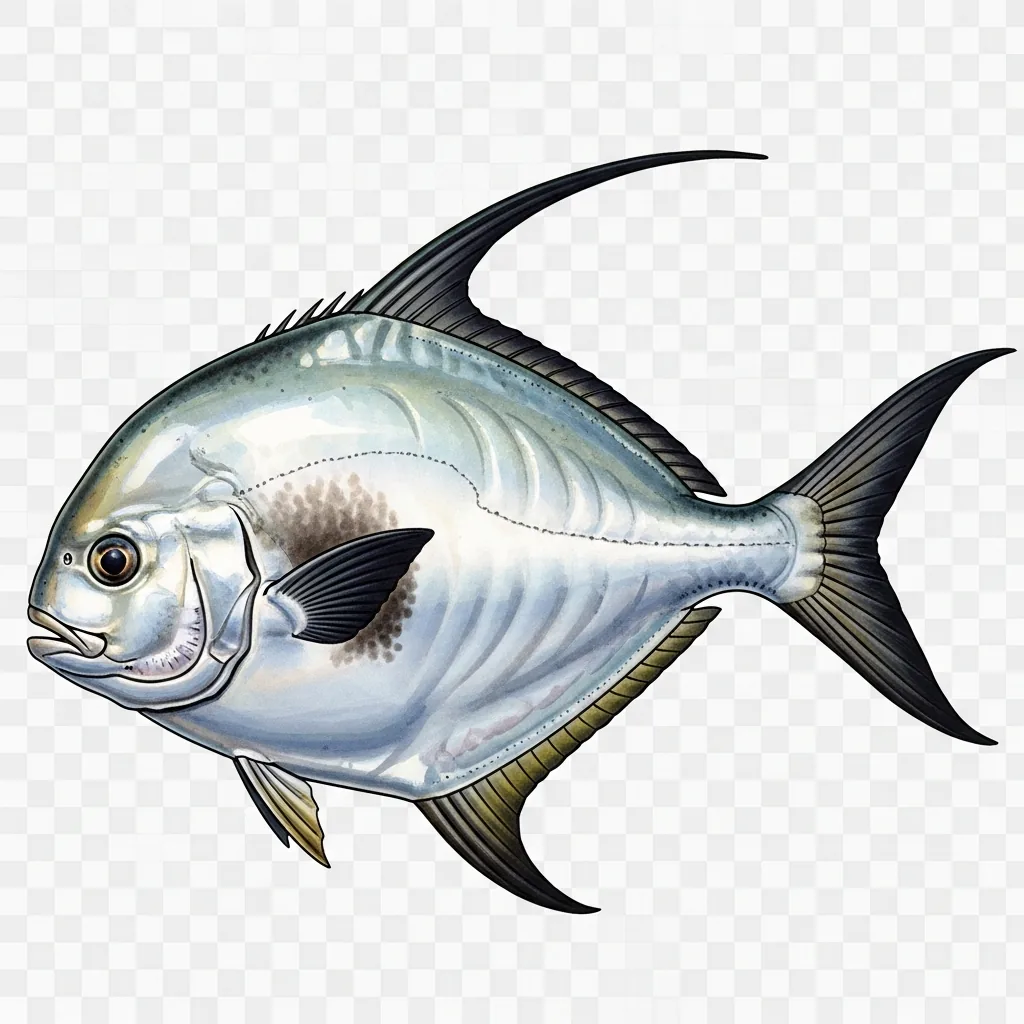 PermitTrachinotus falcatus
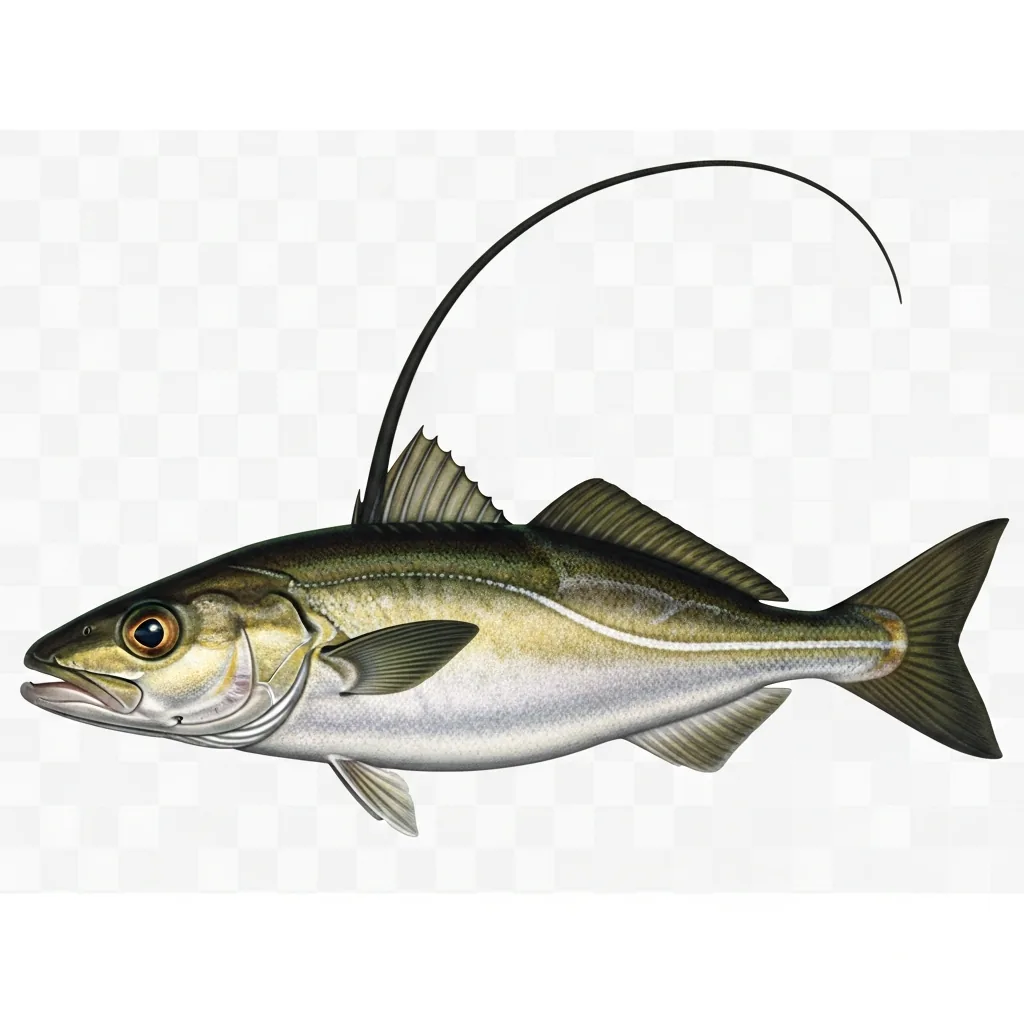 PollackPollachius pollachius
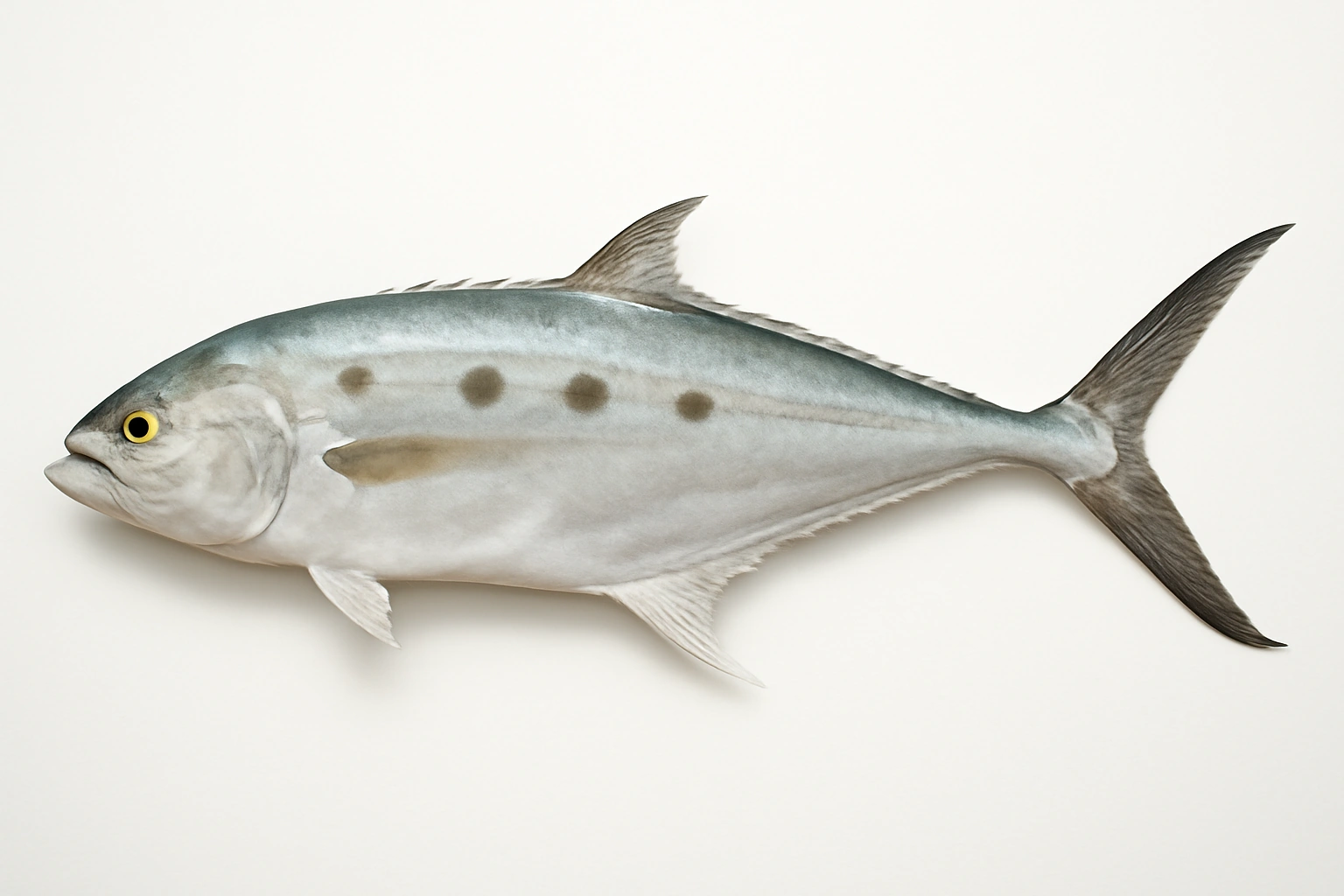 QueenfishScomberoides commersonnianus
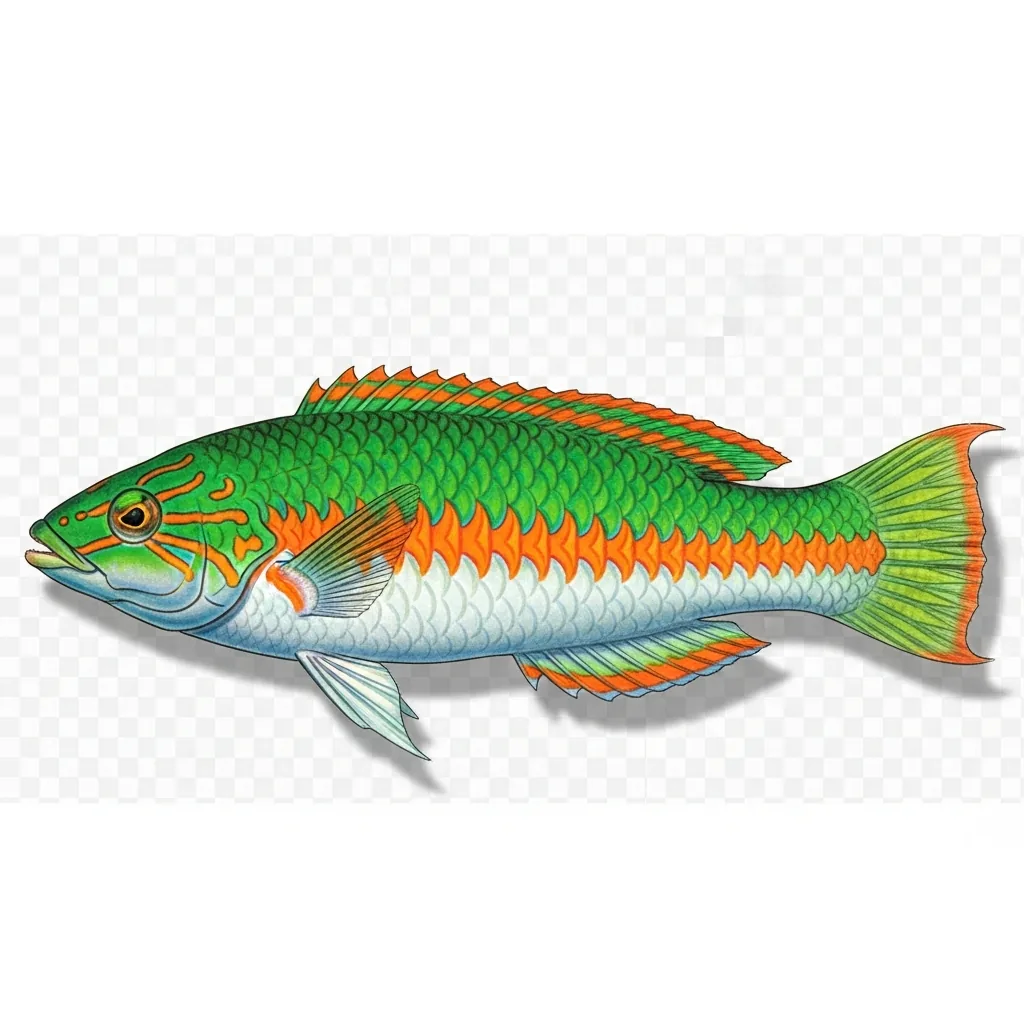 Rainbow wrasseCoris julis
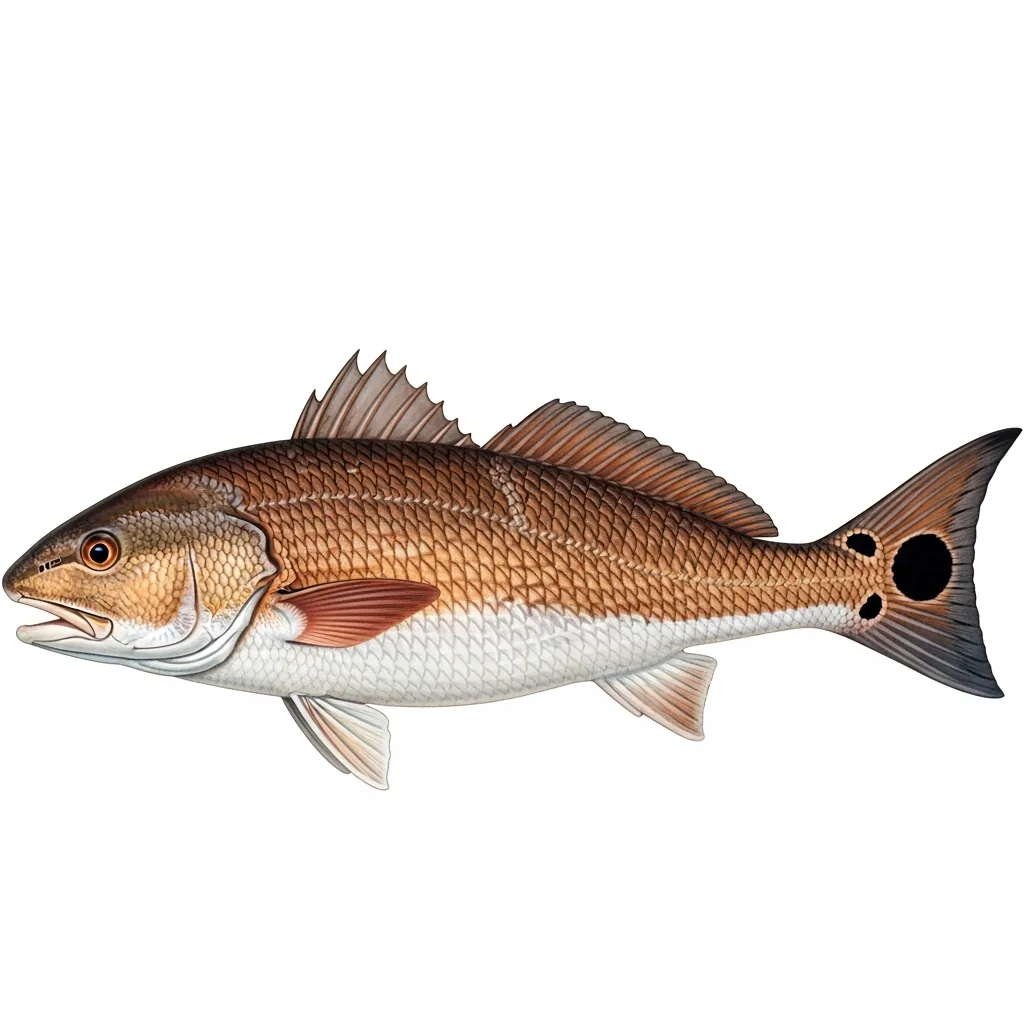 Red drumSciaenops ocellatus
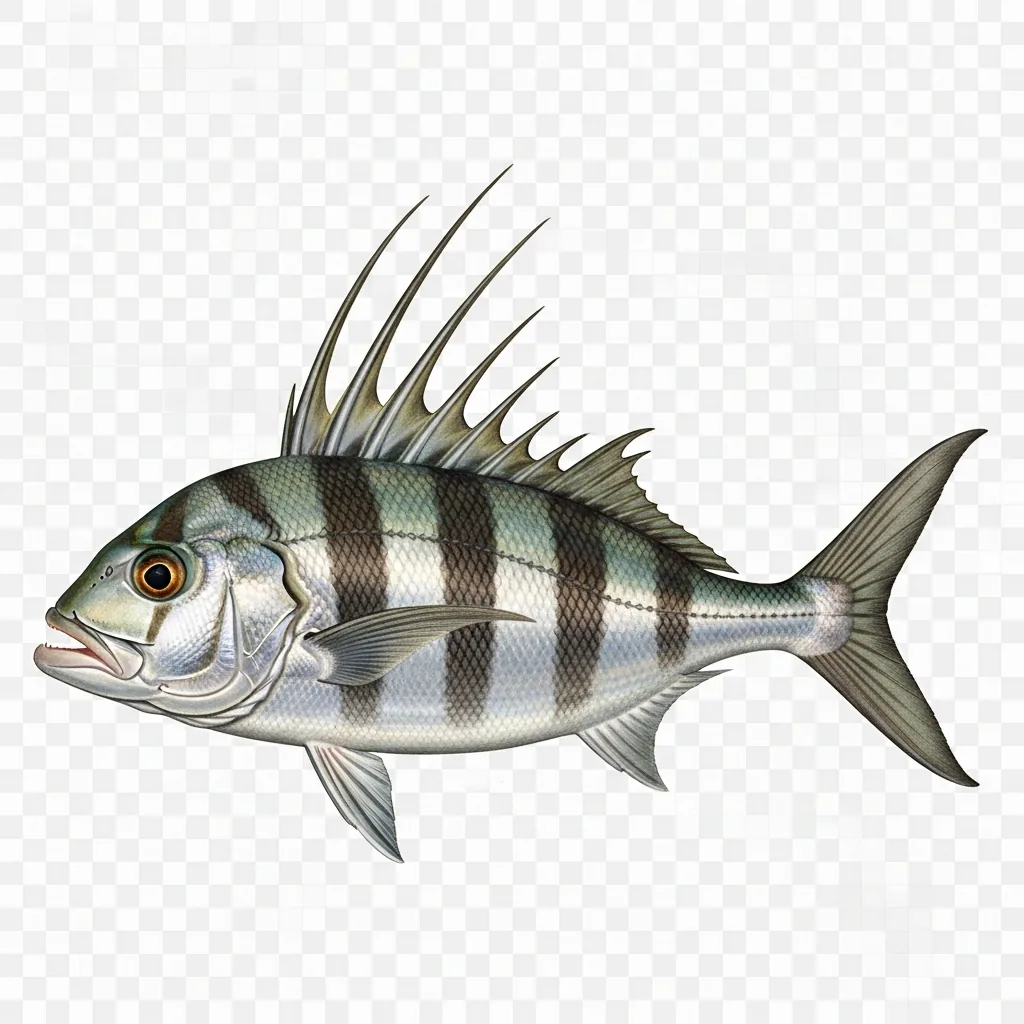 RoosterfishNematistius pectoralis
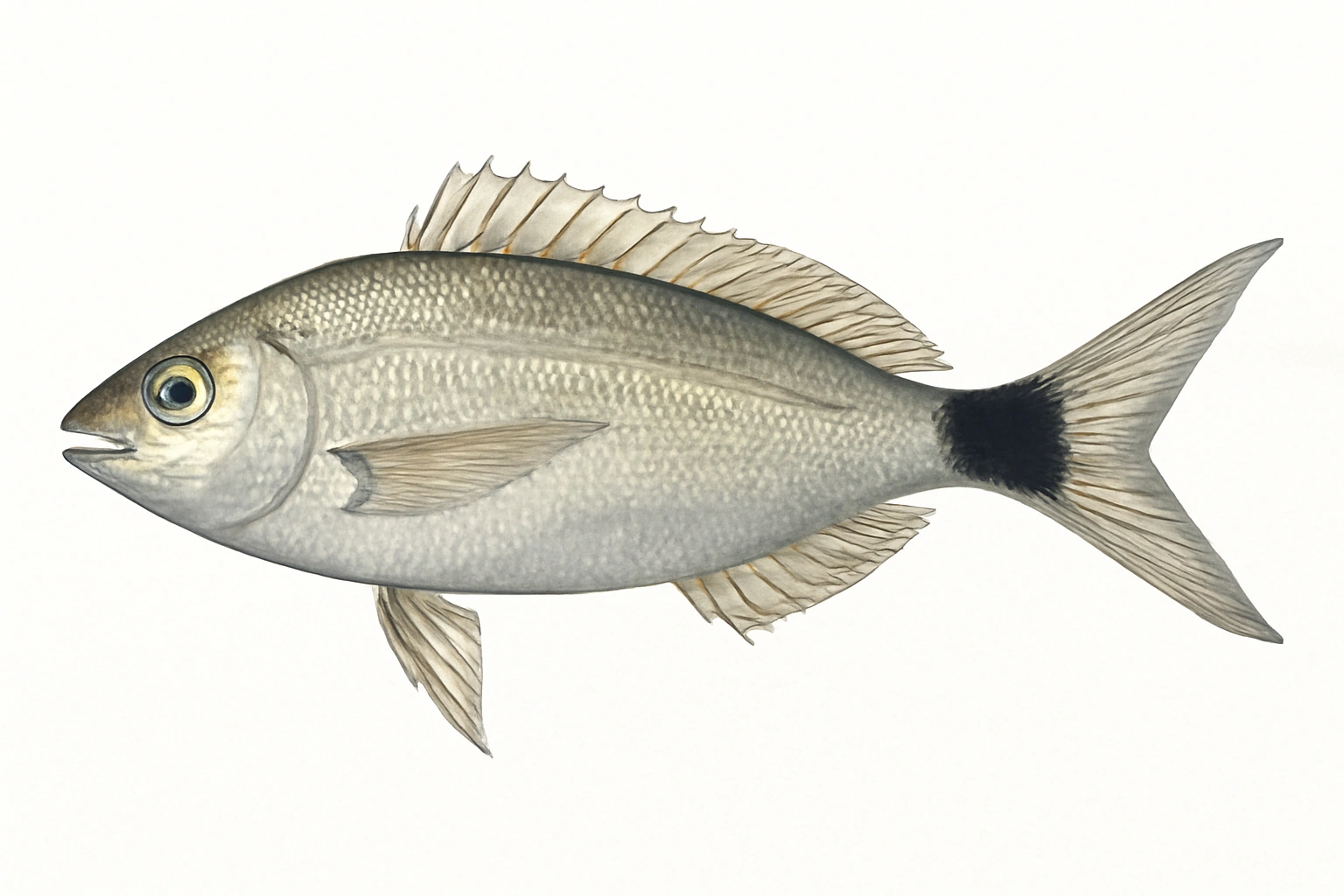 Saddled seabreamOblada melanura
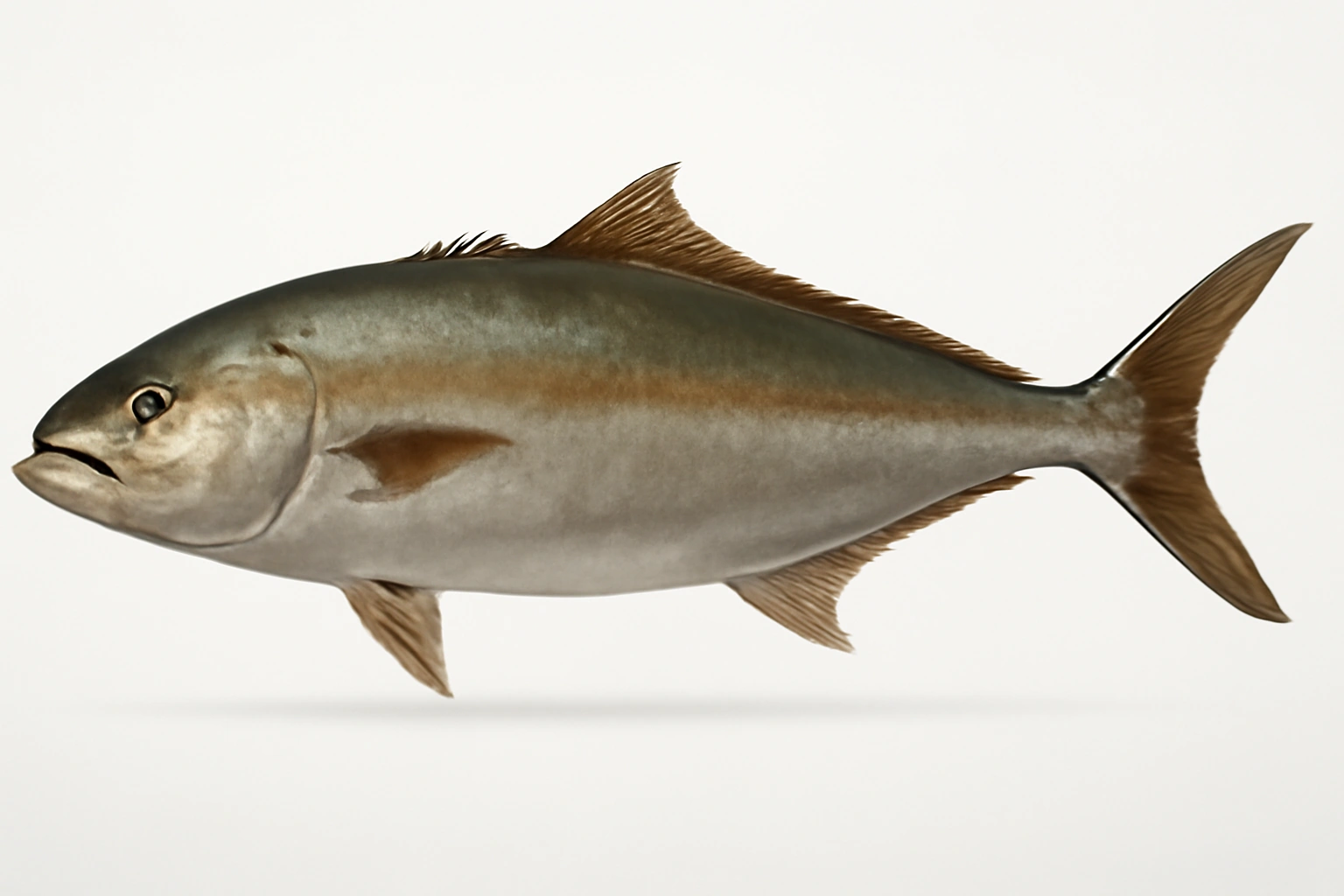 Samson FishSeriola hippos
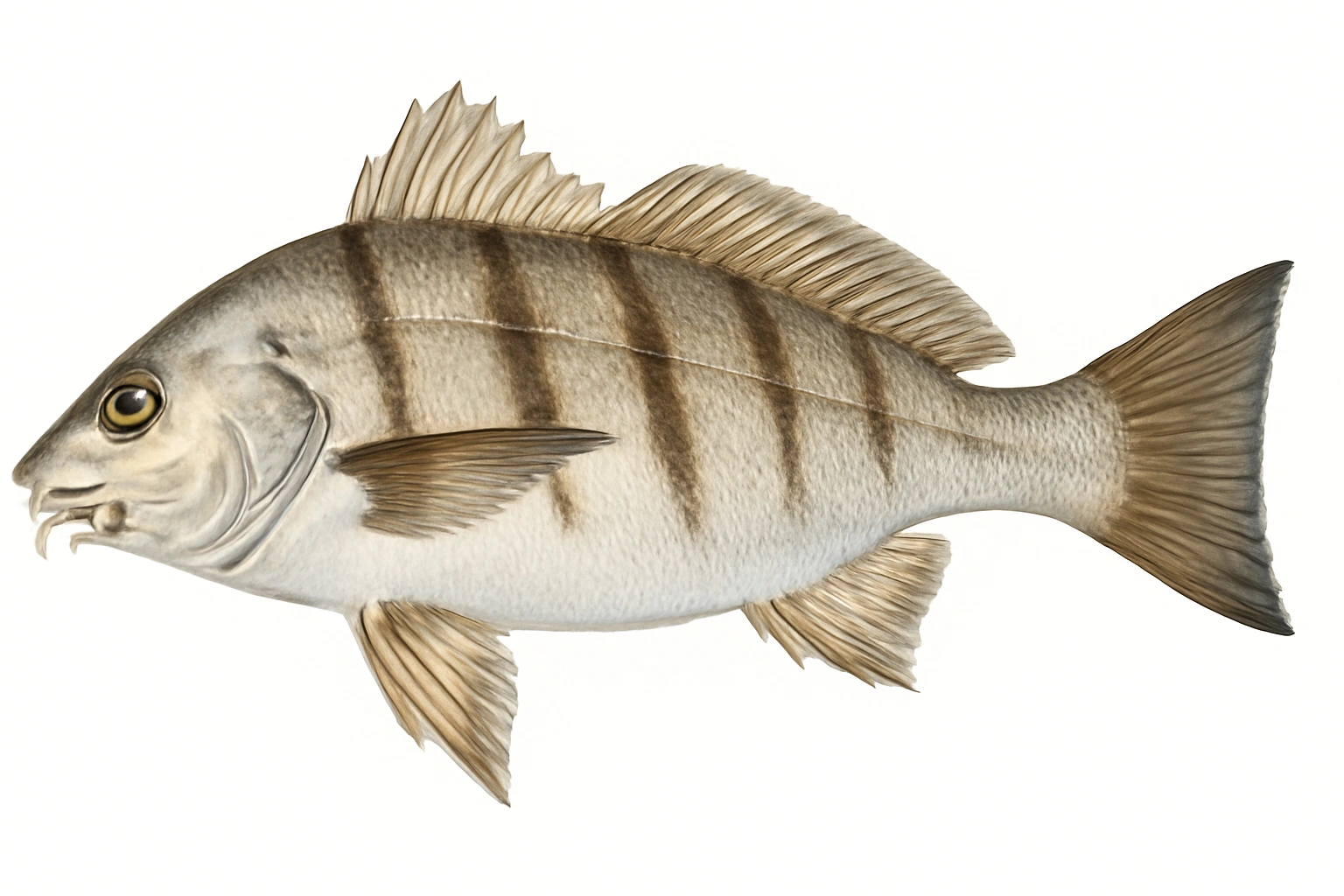 Shi drumUmbrina cirrosa
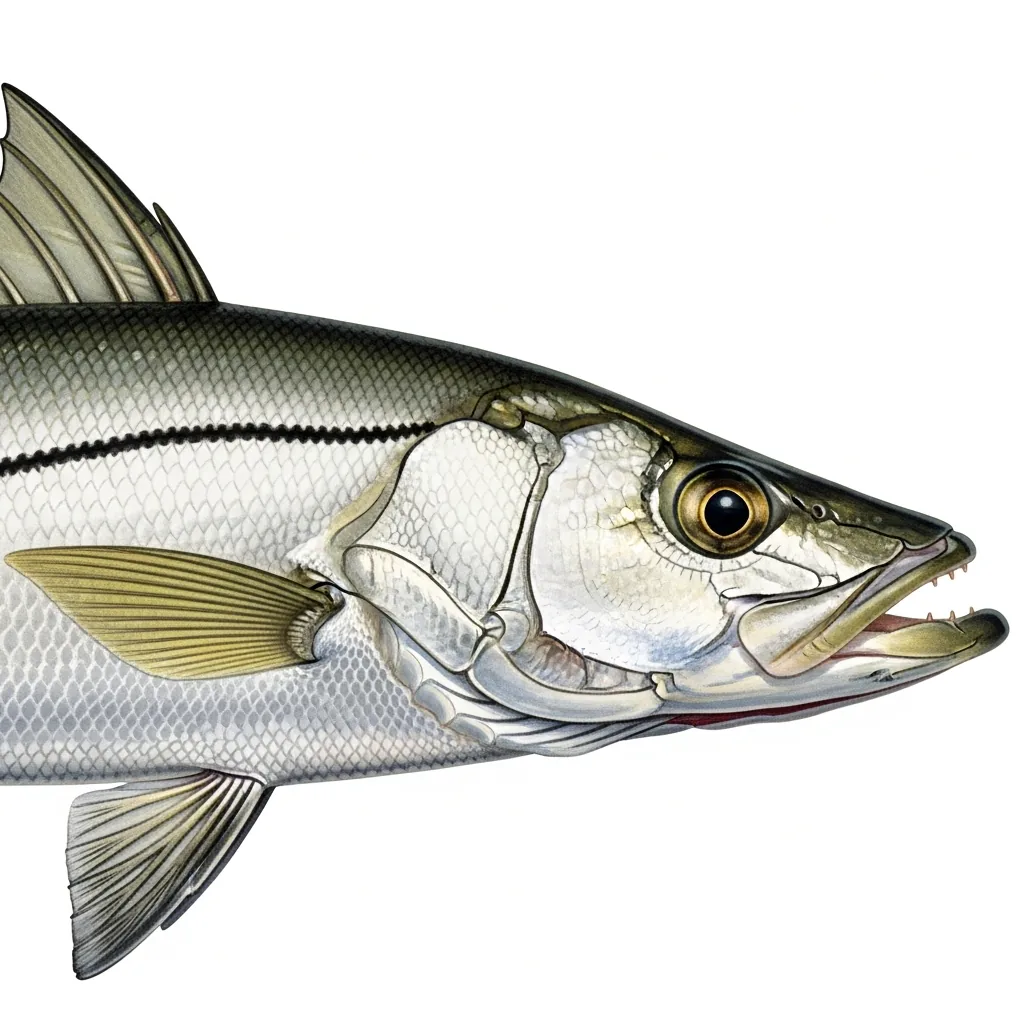 SnookCentropomus undecimalis
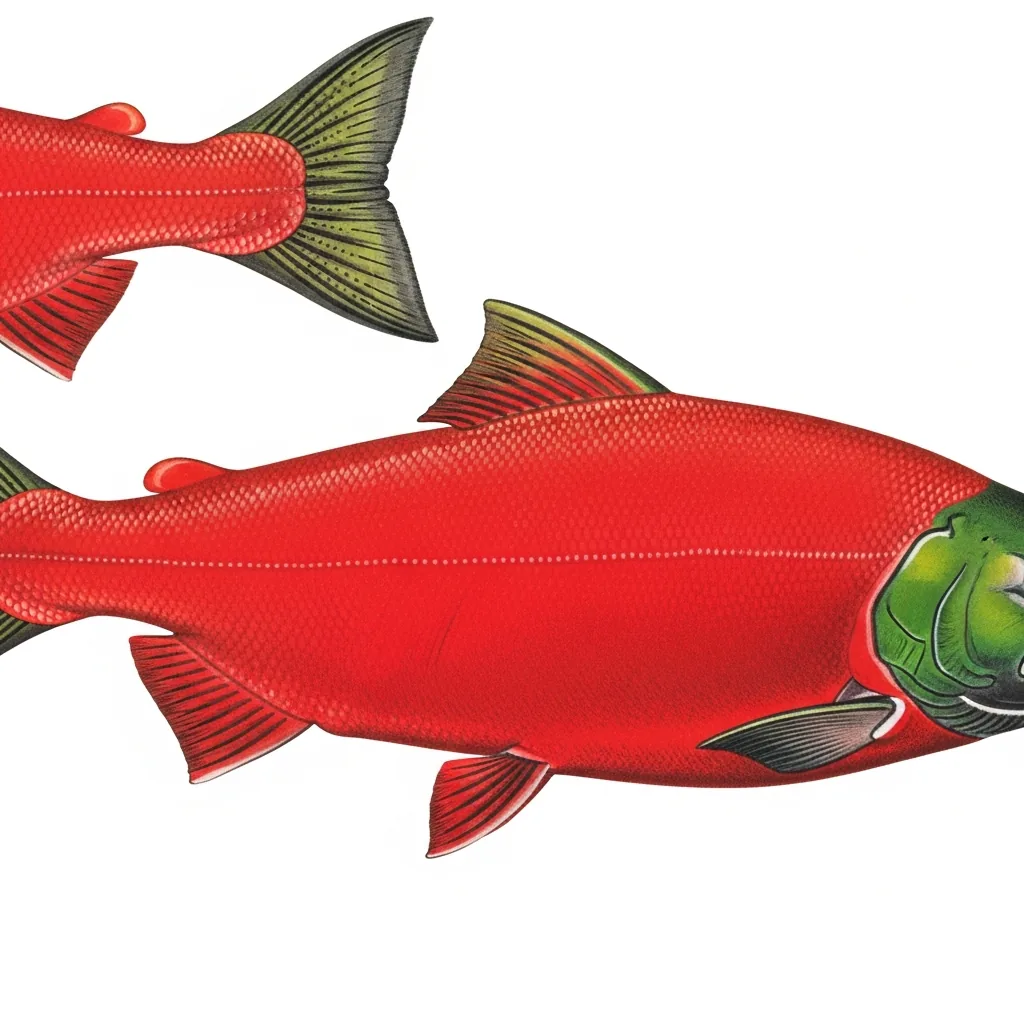 Sockeye SalmonOncorhynchus nerka
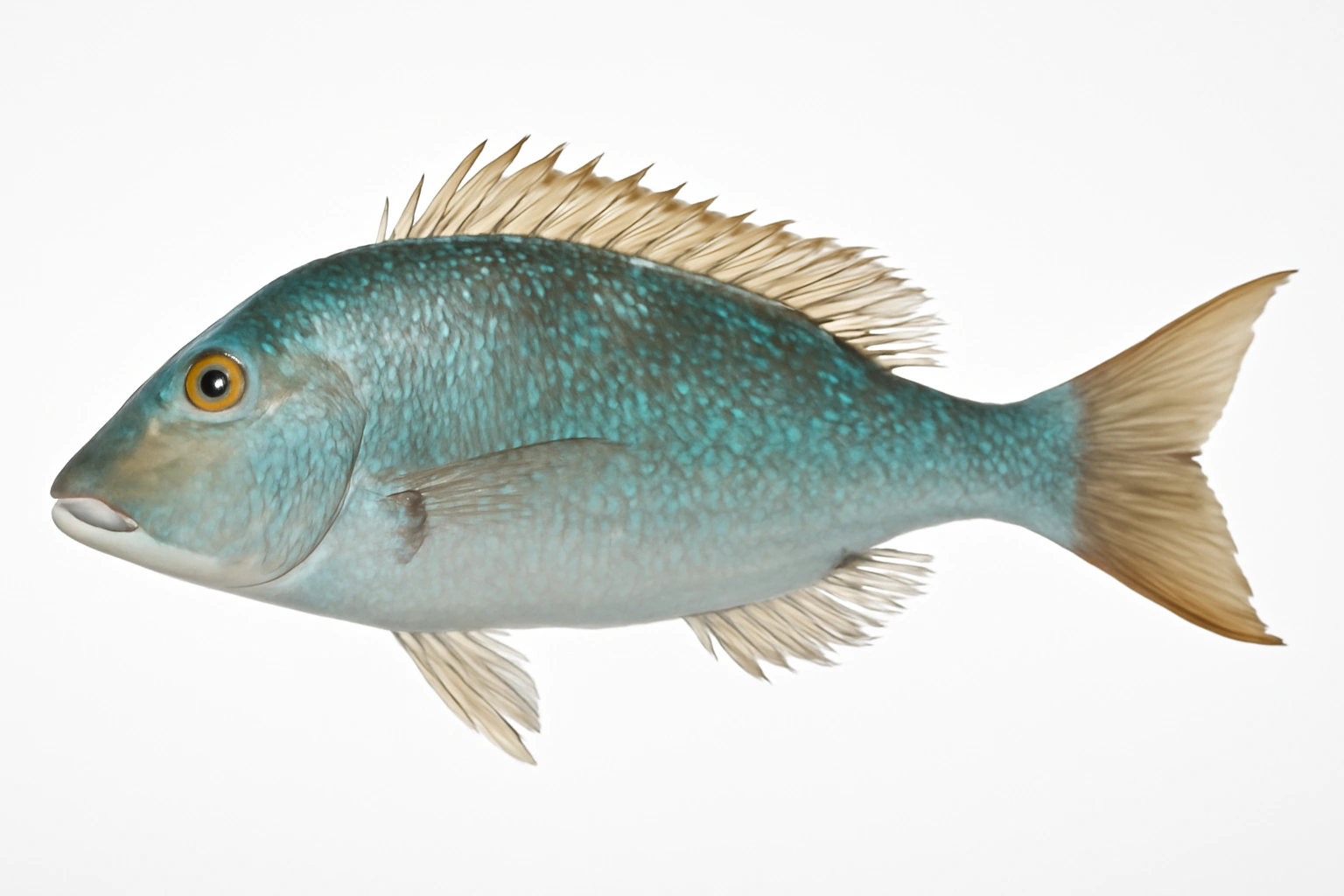 Spangled EmperorLethrinus nebulosus
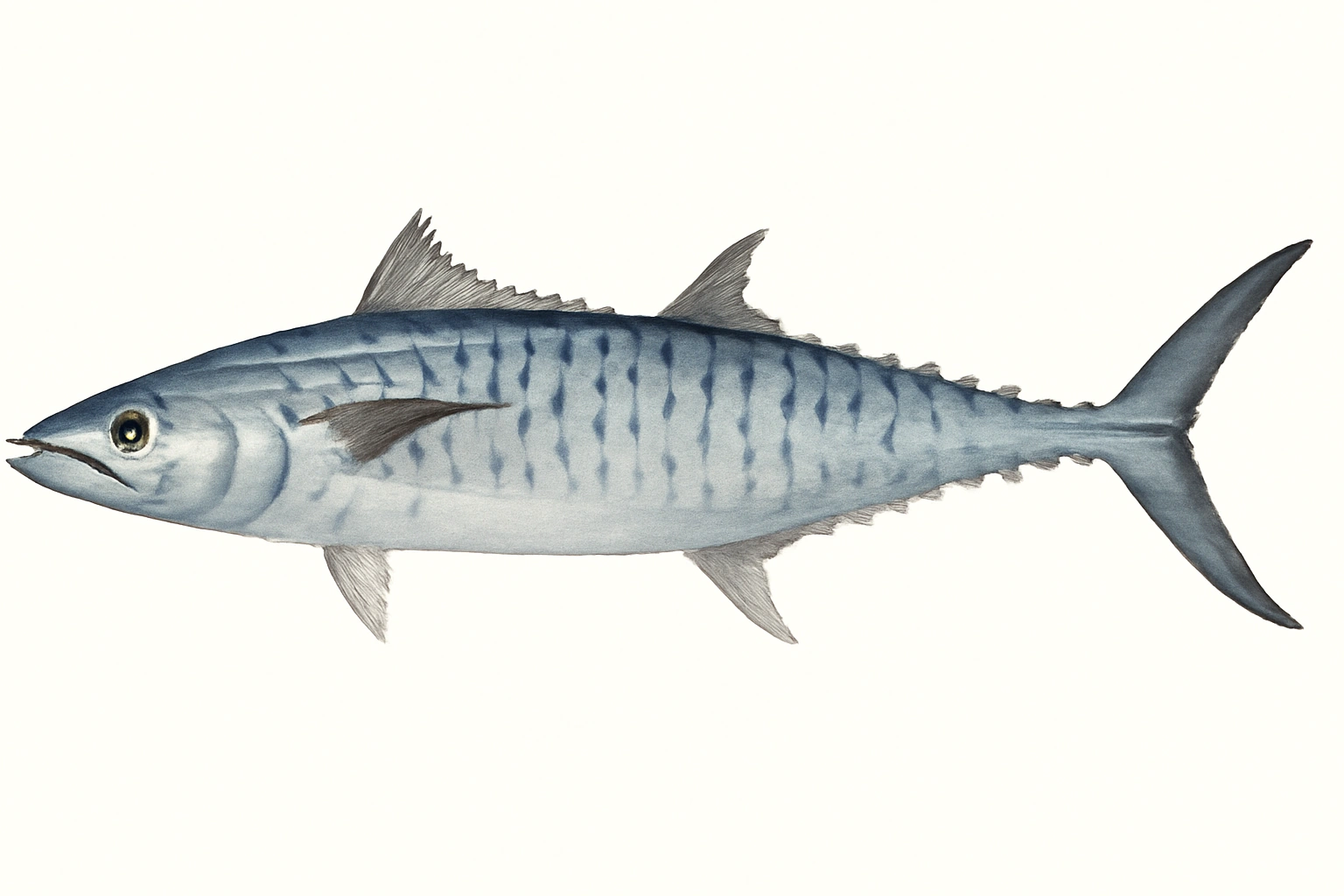 Spanish mackerelScomberomorus commerson
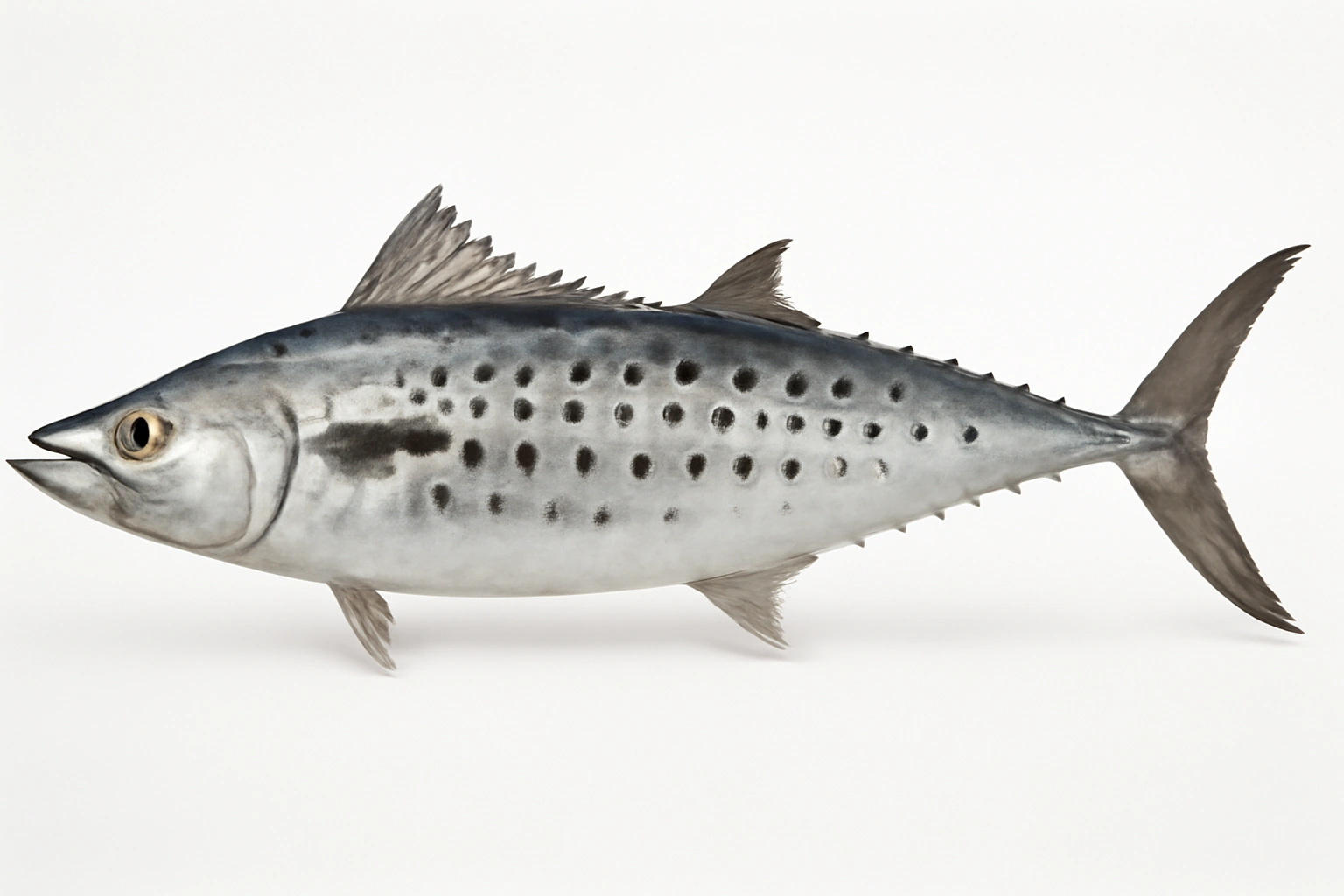 Spotted MackerelScomberomorus munroi
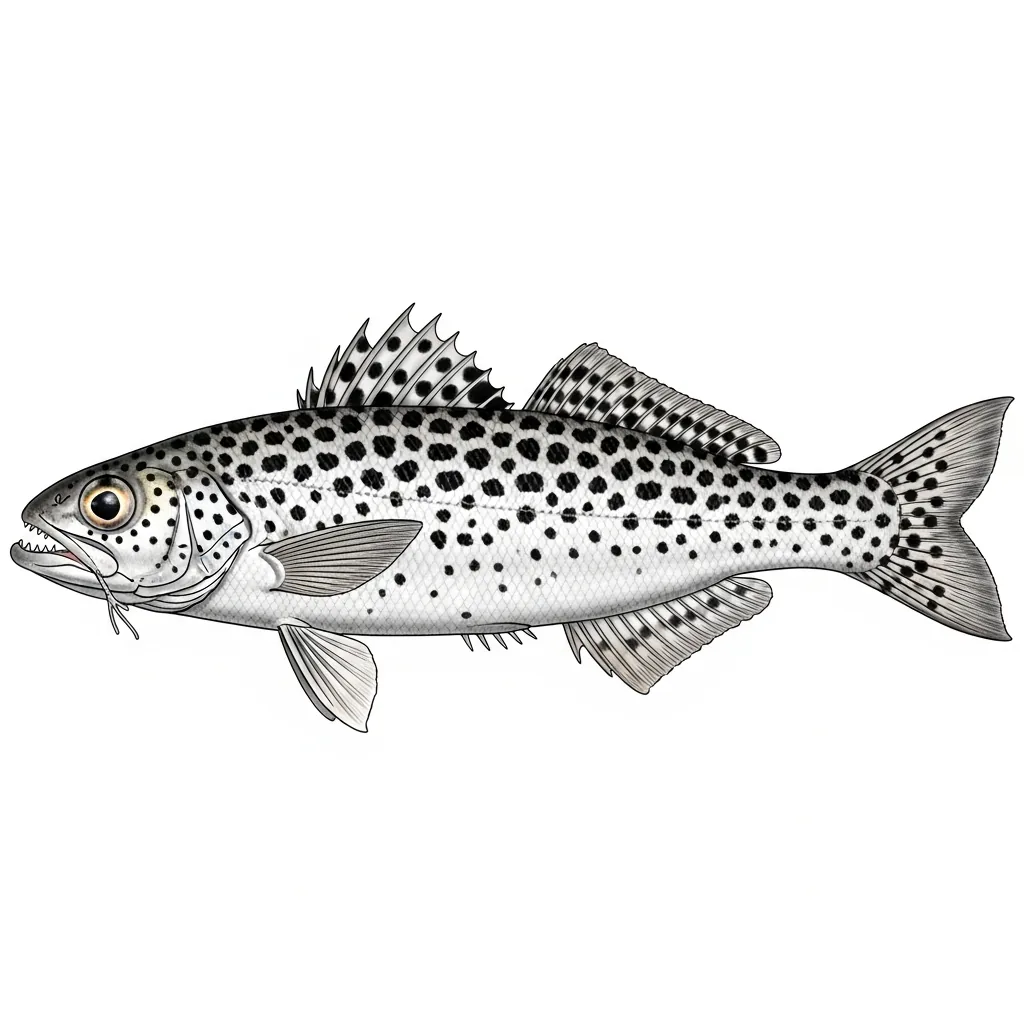 Spotted seatroutCynoscion nebulosus
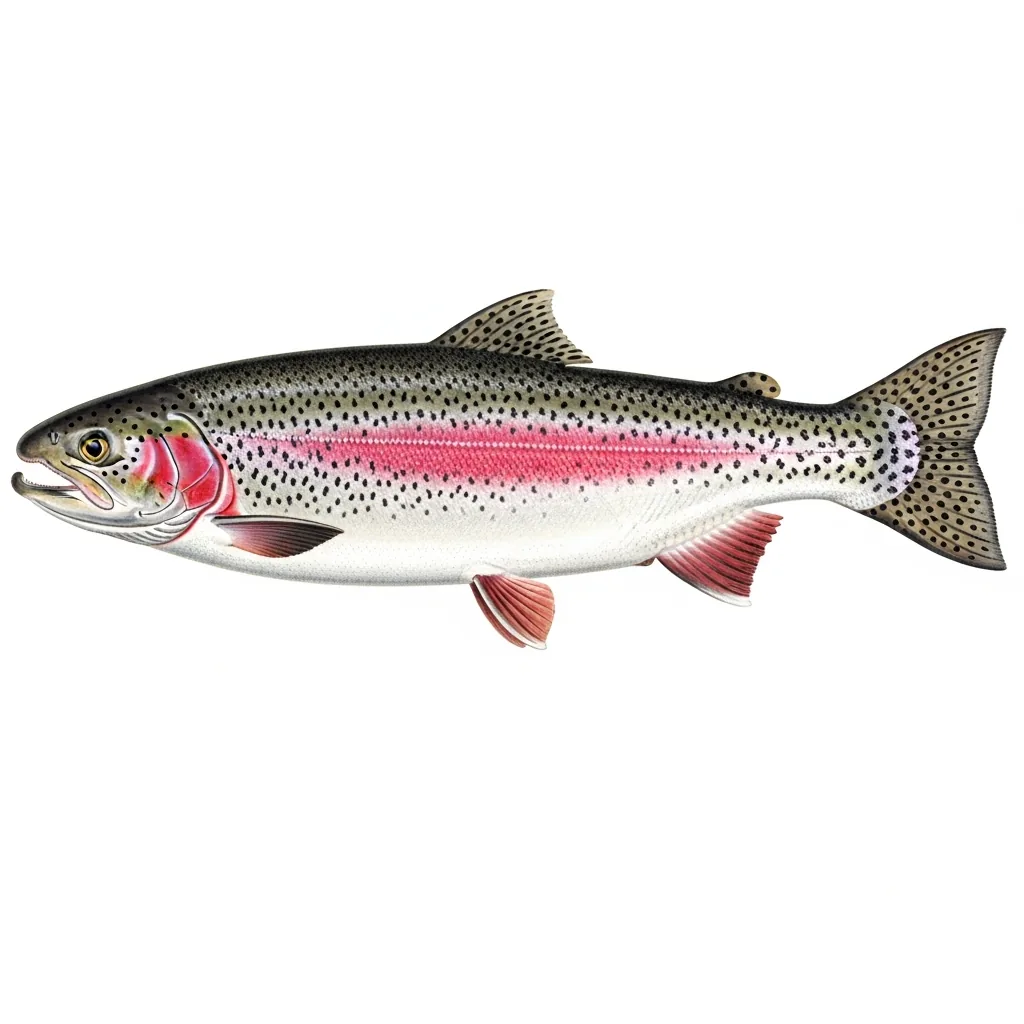 Steelhead TroutOncorhynchus mykiss
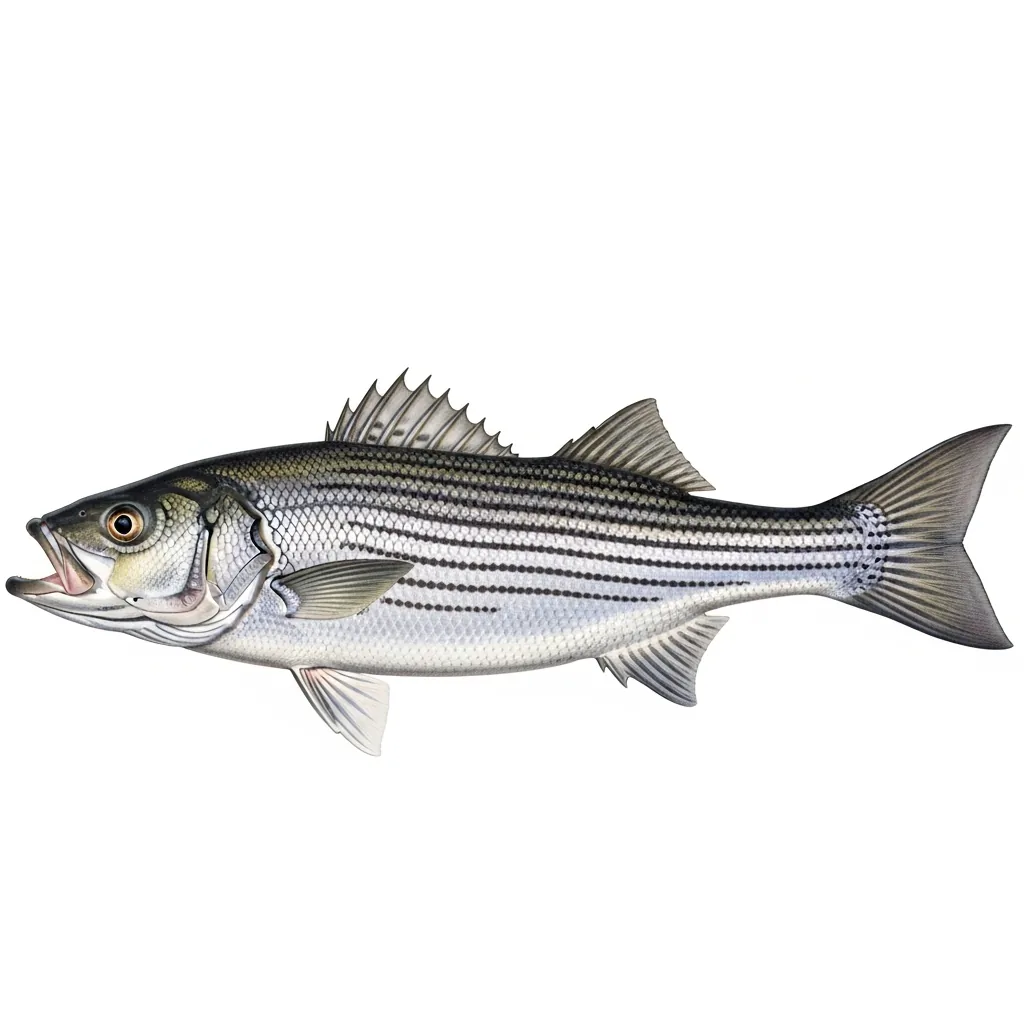 Striped bassMorone saxatilis
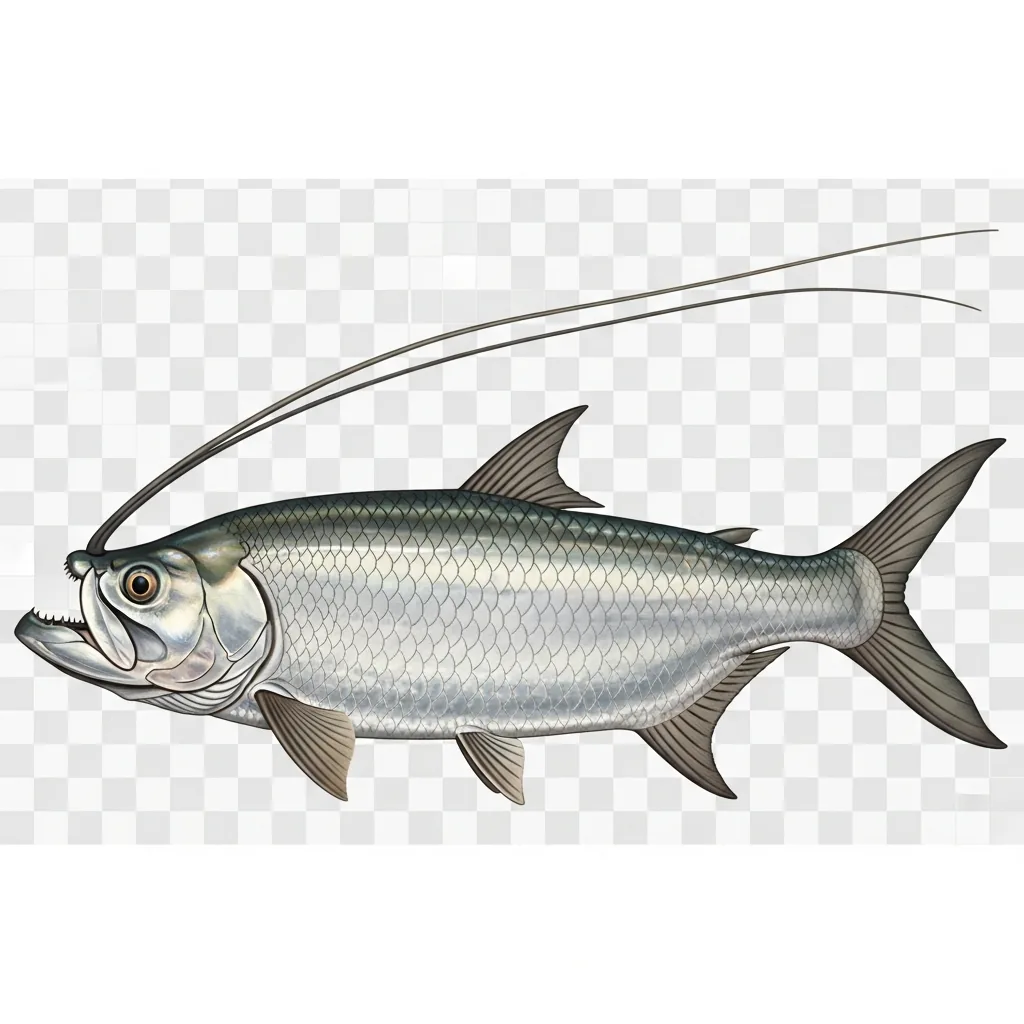 TarponMegalops atlanticus
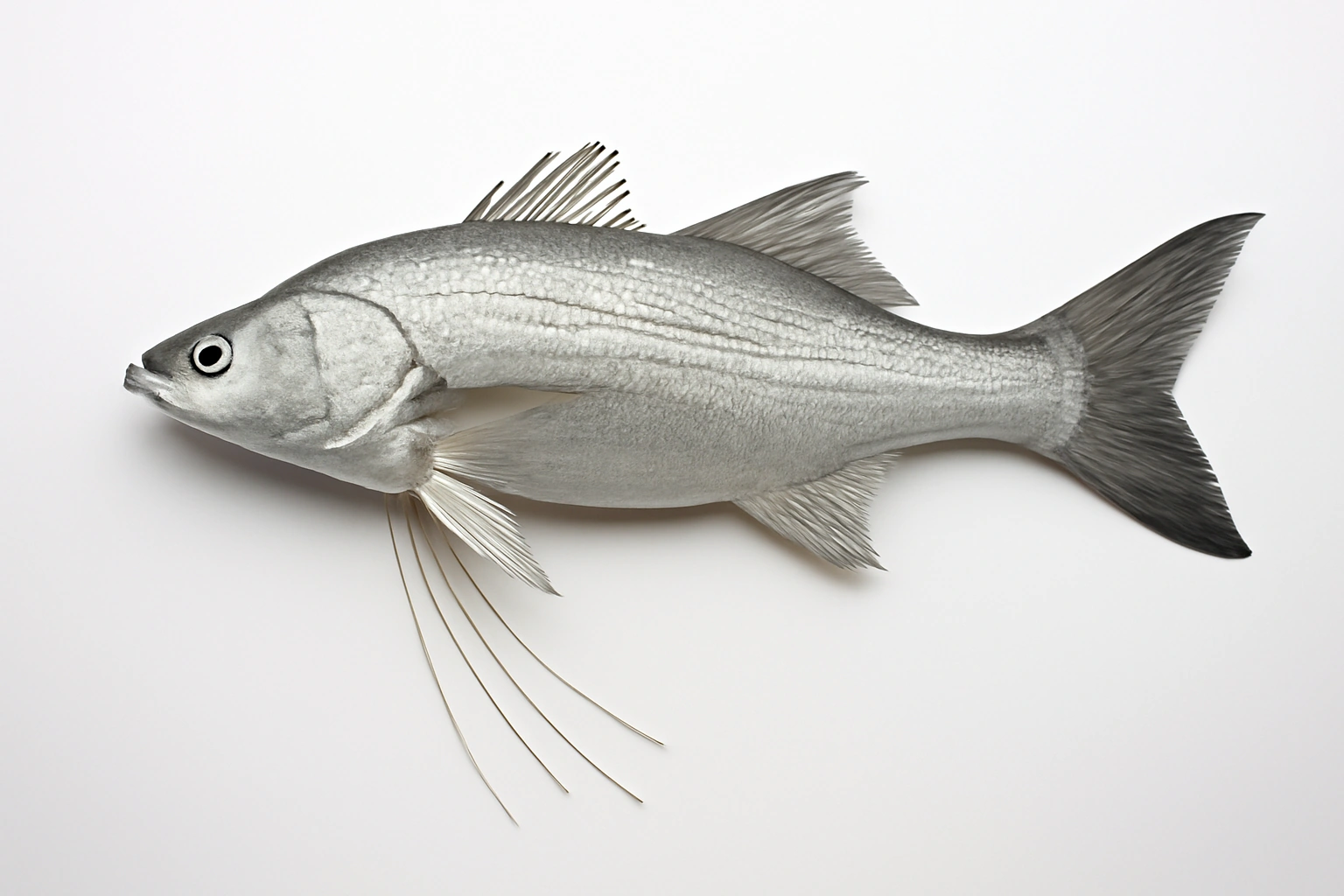 Threadfin SalmonPolydactylus sheridani
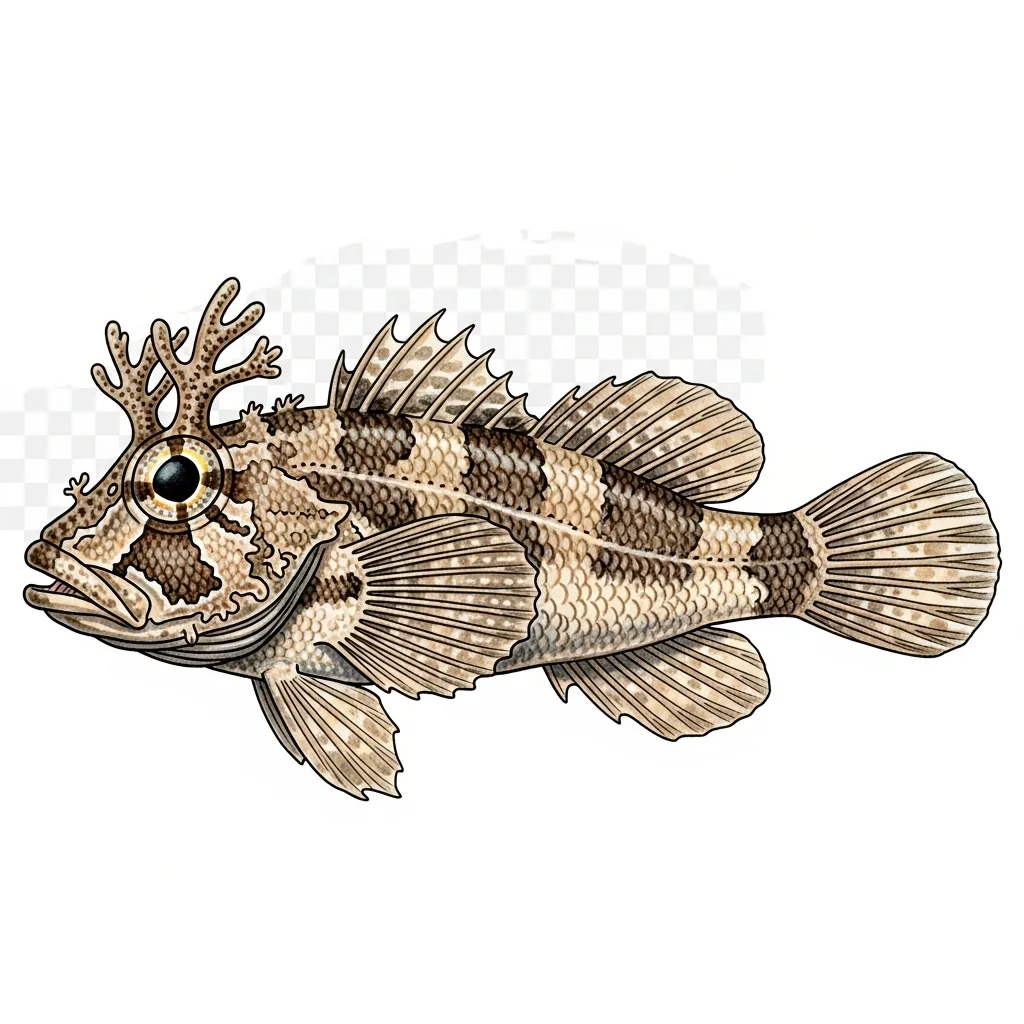 Tompot blennyParablennius gattorugine
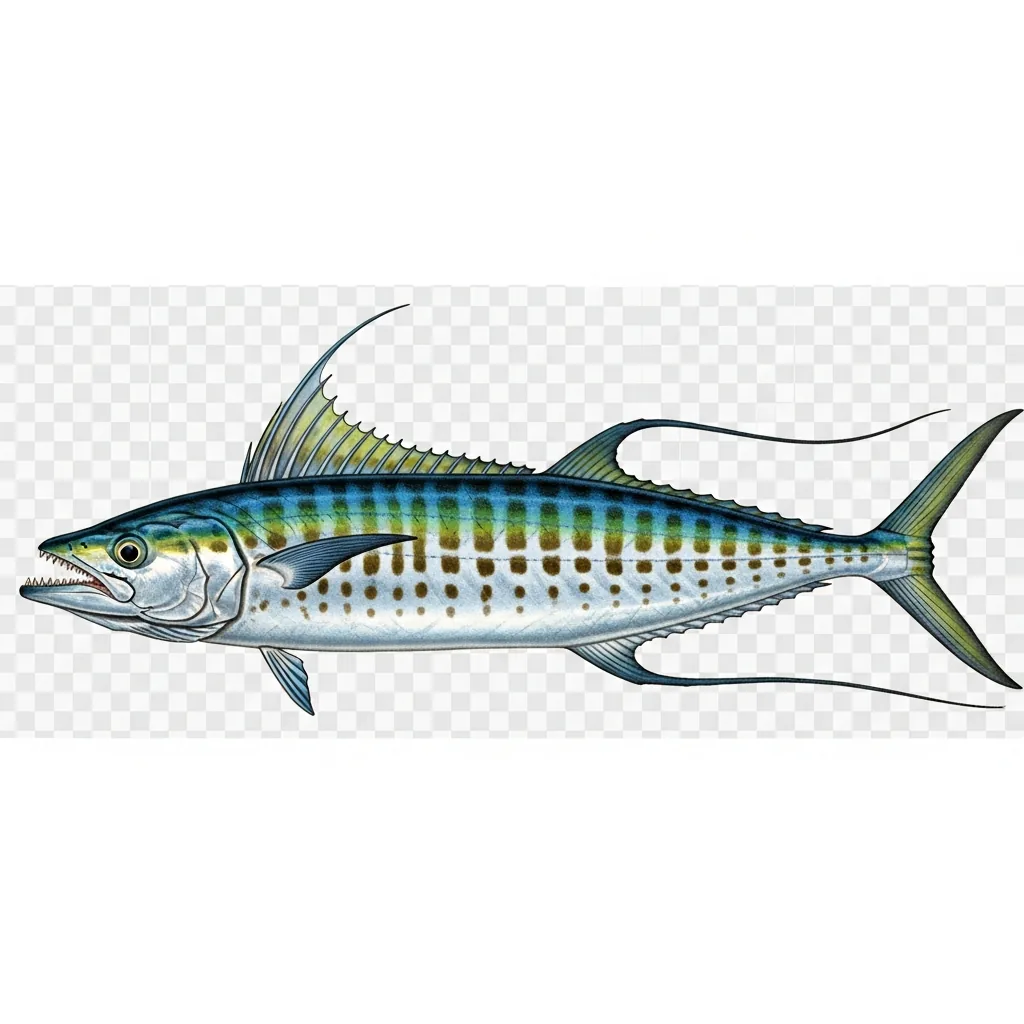 WahooAcanthocybium solandri
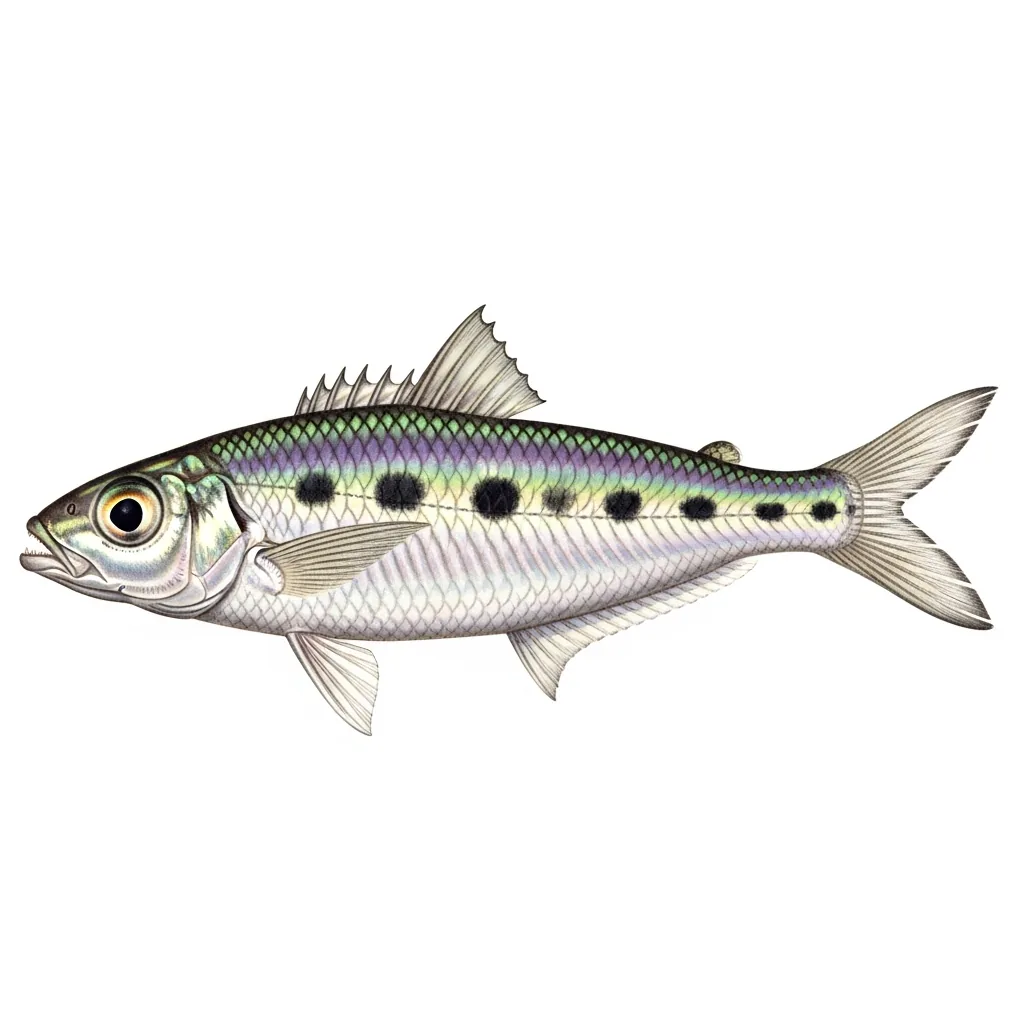 WeakfishCynoscion regalis
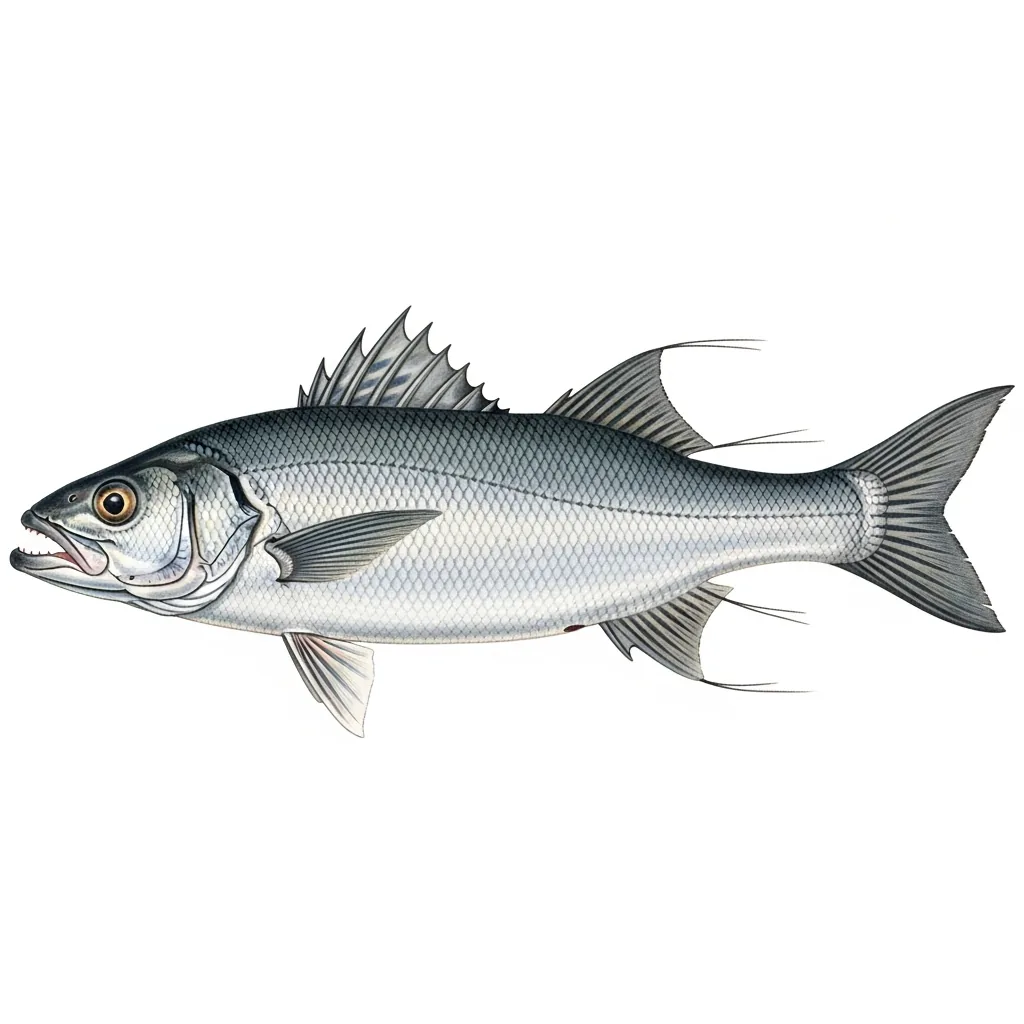 White SeabassAtractoscion nobilis
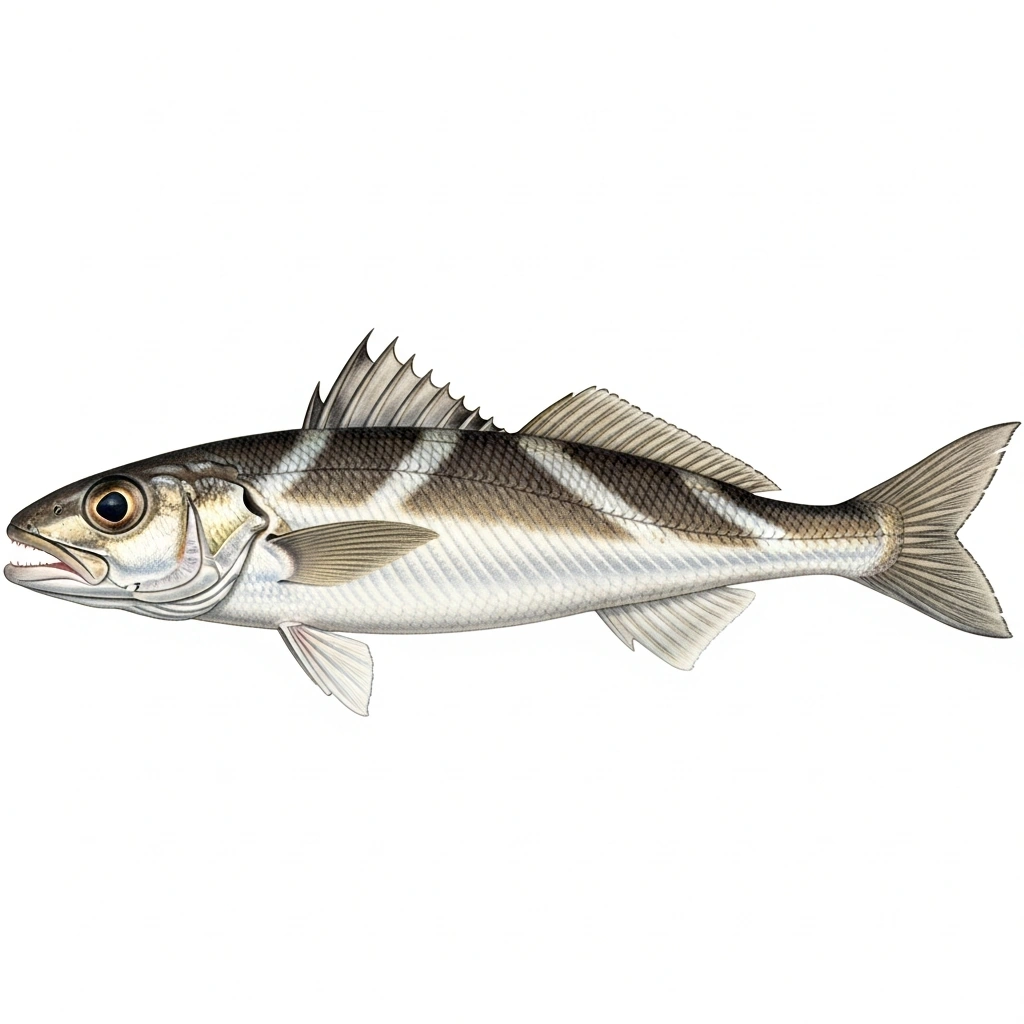 Whitemouth croakerMicropogonias furnieri
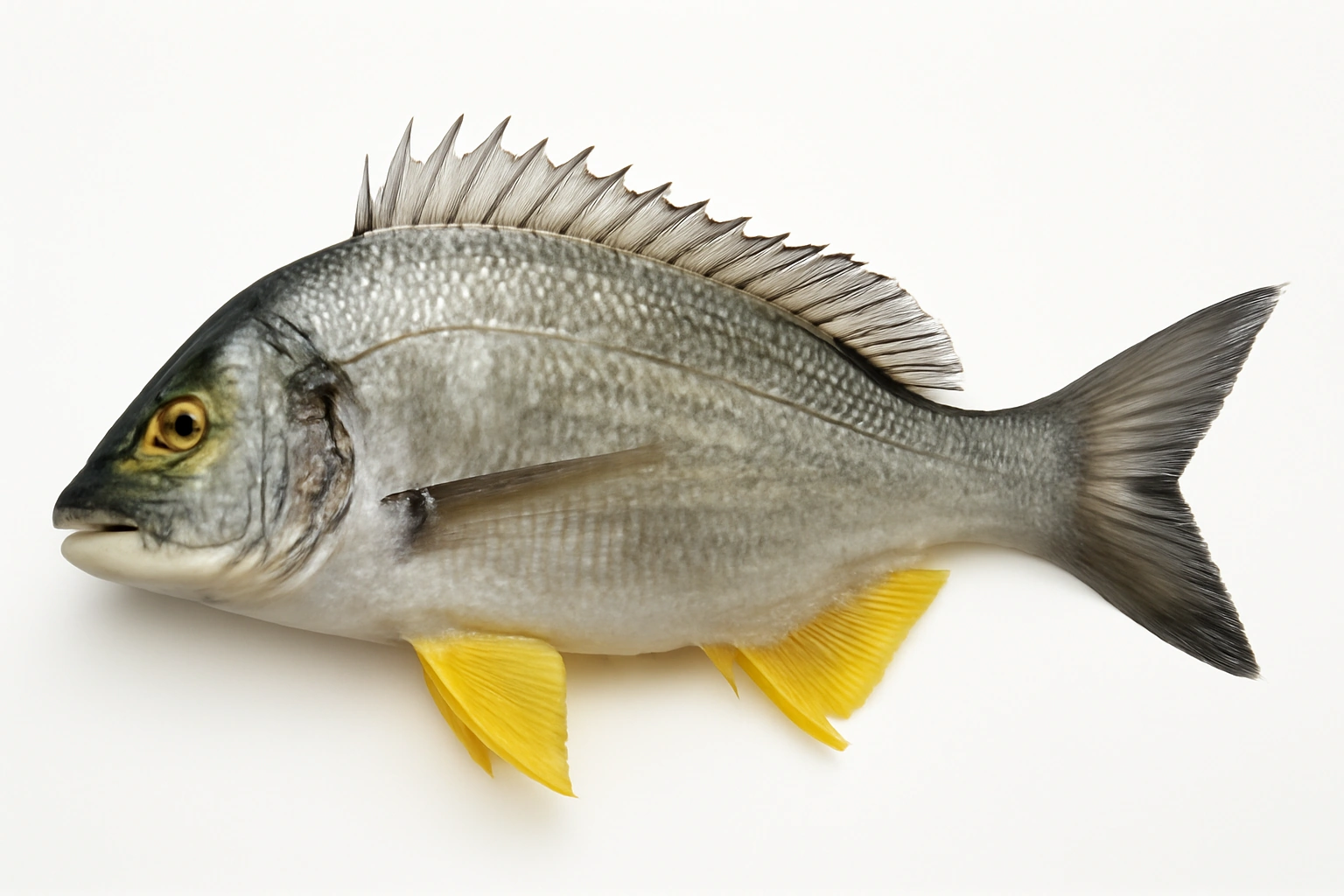 Yellowfin BreamAcanthopagrus australis
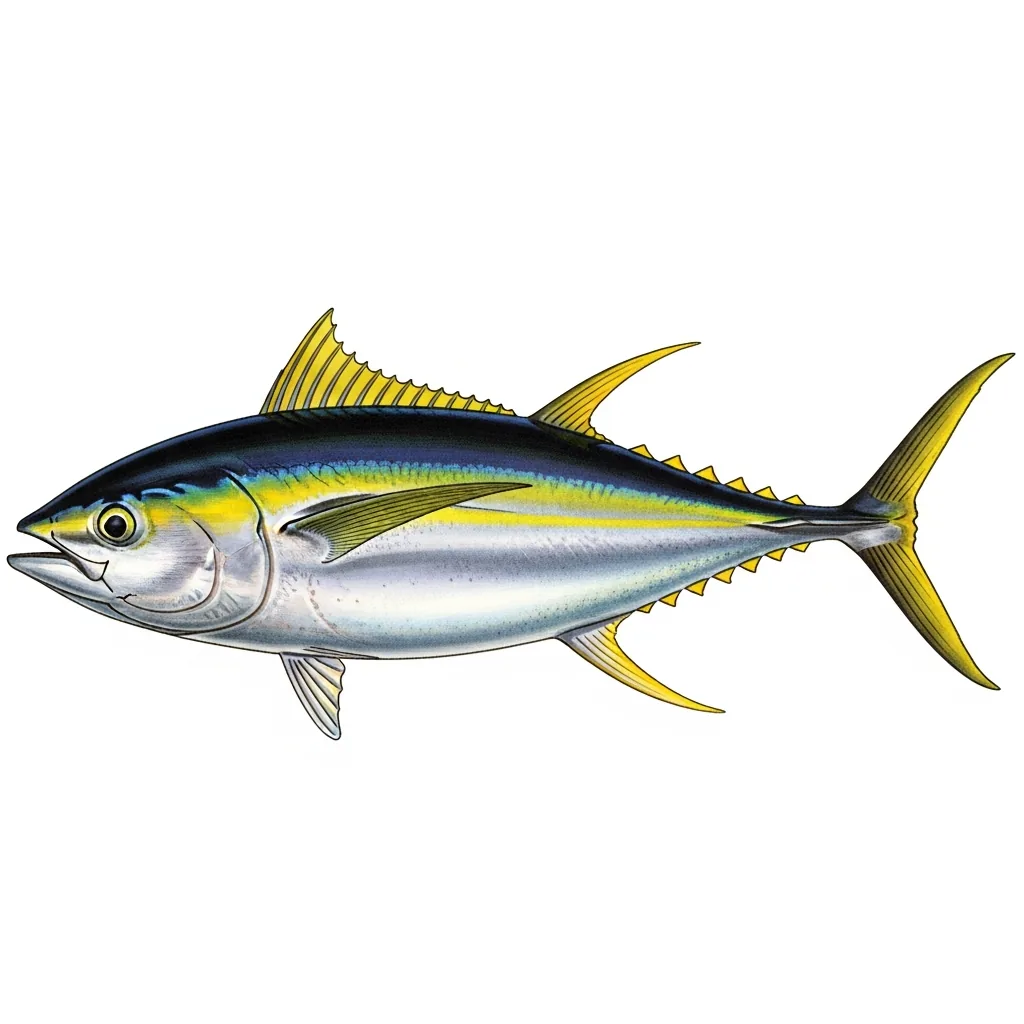 Yellowfin tunaThunnus albacares
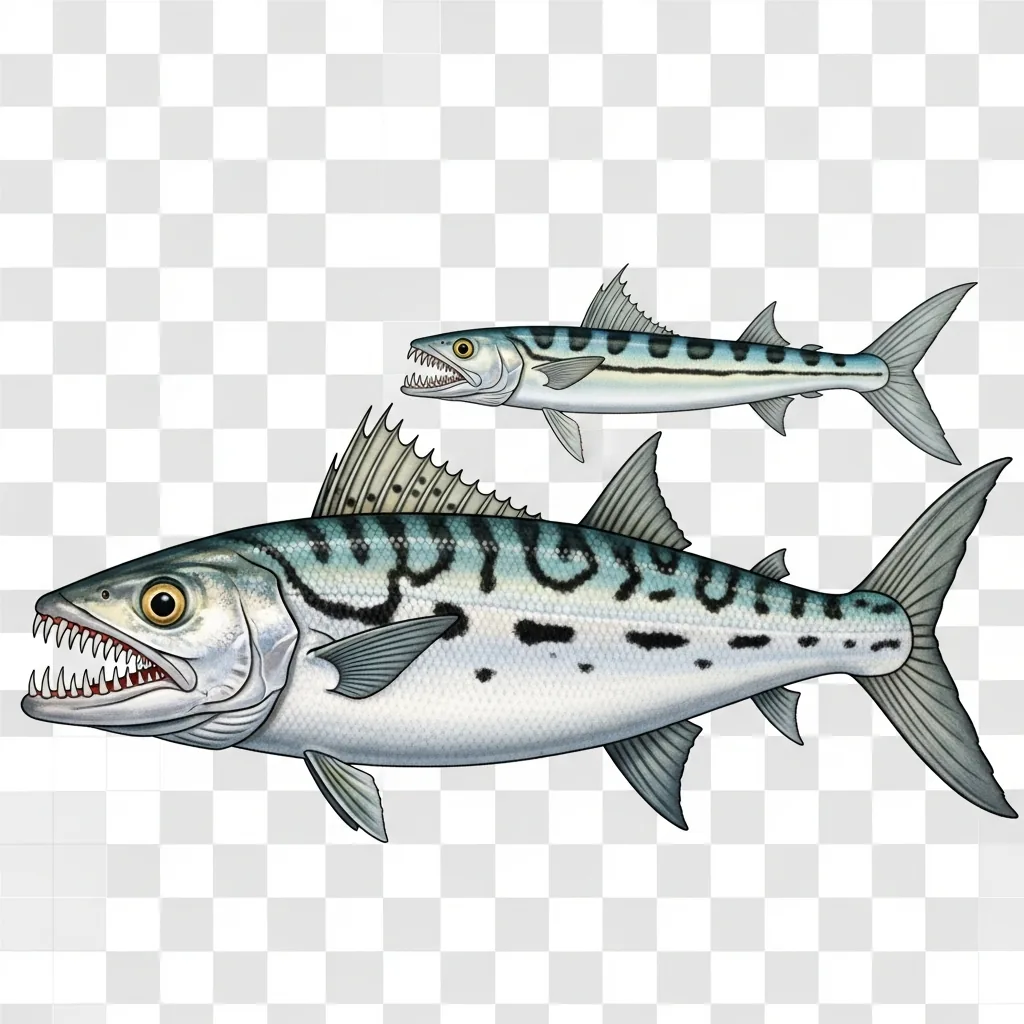 Yellowmouth barracudaSphyraena viridensis
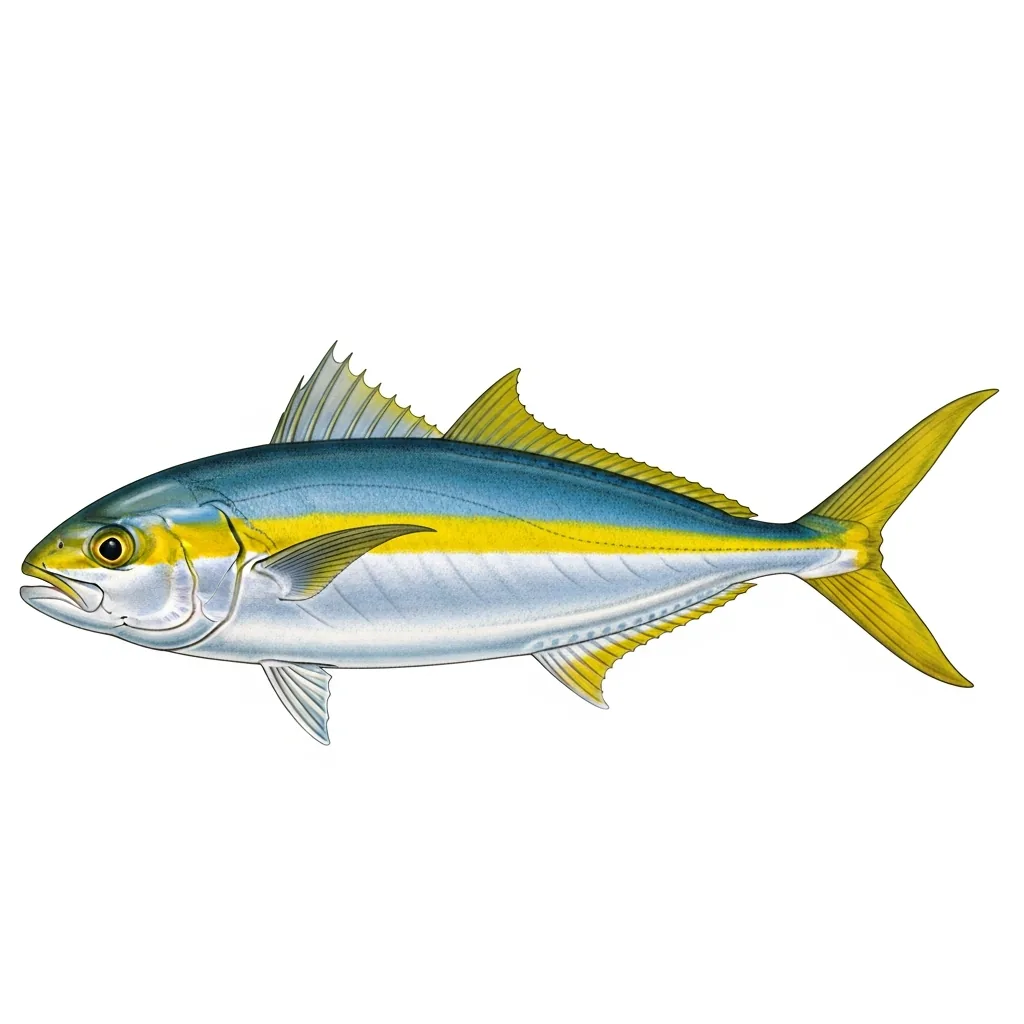 Yellowtail kingfishSeriola lalandi
Frequently asked questions
How do you fish Spinning?
Saltwater spinning is an active technique based on searching for the predator with artificial lures, reading the water, and controlling the presentation. It is not just “cast and retrieve,” but making the lure pass through the exact spot, at the right depth, and with the rhythm the fish expects from a vulnerable prey item.
Spinning: what tackle do you need?
A coastal spinning rod between 2.40 and 3 meters covers most situations, but the real choice depends on lures, wind, and spot: a longer rod helps from rocks and beaches, while a shorter one improves accuracy and comfort in harbors or on low jetties. The reel must be balanced, smooth, and reliable in a saltwater environment;
Spinning: what is the best time?
European sea bass often favor rough water or the dropping swell, overcast skies, and slightly stained water, conditions that allow them to hunt with an advantage; by contrast, in flat, clear water they become more wary and require subtle lures and restrained retrieves.
Spinning: where is it best?
The best areas are not generically “where there is water,” but where the sea creates discontinuities: harbor mouths, river mouths, rocky points, troughs between breakers, jetties, depth changes, and the edges of seagrass beds or rocky reefs.