How to fish Surfcasting: technique, spots and tackle
A comprehensive guide to shore fishing technique

Every angler dreams of the perfect day. We show it to you first.
At the heart of ForecastX is an advanced marine-weather engine: it analyses waves, wind, sea temperature, tides, pressure and moon in real time and turns them into a Productivity Index (0-100) for every species. You'll always know, precisely, when the sea is on your side.
Coming soon to the App Store and Google Play — don't miss it.Introduction to surfcasting
Surfcasting is fishing from the beach using tackle designed to target fish beyond the shoreline break, but its real meaning is not “casting as far as possible”: it is placing the bait in the right band of water at the right time. It was born to deal with rough seas, lateral current, foam, and shifting bottoms, in other words conditions in which many coastal species feed with confidence. European seabass, gilthead seabream, sand steenbras, white seabream, and shi drum can move in surprisingly close to shore if the bottom offers food and visual cover. Surfcasting, then, is a technique of reading the sea even before it is a matter of casting power.
Reading the spot
On a beach that appears uniform, the best areas are often troughs, holes, slope changes, interrupted sandbars, and zones where the wave “opens” or breaks differently. Slightly darker water often indicates greater depth; a smoother strip between two breaking zones can signal a channel where the backwash concentrates food. River mouths, the outlets of small channels, and mixed sand-mud or sand-shell stretches always deserve attention because they hold benthic organisms. The real advantage is arriving in daylight and observing the beach before setting up: five minutes spent reading the bottom are worth more than many random casts.
Sea, wind, light, and season
With rough water or easing seas, European seabass uses colored water, foam, and turbulence to hunt; with calmer water and a clean bottom, the chances for sand steenbras and gilthead seabream often increase, especially if the bait is presented delicately. An onshore wind stirs the inshore zone and can make the beach come alive, while a crosswind complicates holding bottom and calls for more suitable sinkers and less exposed rigs. Dawn, dusk, and night are classic windows, but in winter an overcast day with orderly seas can be excellent even in full daylight. The season changes not only the species but also the productive range: in cold water many bites come during the most stable hours, while in warm water it is often better to focus on the hours with less disturbance and lower temperature.
Well-thought-out tackle
A surfcasting rod must allow you to handle sinkers suited to the surf and to read the bite well, so the choice is not based only on power but also on tip sensitivity and your actual casting technique. The reel must have even line lay, a smooth drag, and good line capacity, because in surf reliability and clean retrieval under salt and sand matter. As for the main line, mono and braid are not equivalent: mono absorbs the sea’s jolts better and is more forgiving, while braid increases sensitivity but requires more attention to rigs, shock leader, and wind management. A tapered or calibrated shock leader is a safety choice even before it is a performance choice, because it protects during the cast with heavy sinkers.
Rigs and when to use them
The long arm is a classic for natural presentations over fairly clean bottom, useful when fish are wary and the bait must move freely. The paternoster or low slider rig offers more control in rough water and strong currents, reducing tangles and allowing the bait to be lifted just enough off the bottom. A running sinker rig can be deadly on wary fish in calm conditions, while grapnel sinkers are valuable when you need to hold position in the current or in the wave wash. The practical rule is simple: the more the sea interferes, the more the rig must be tidy, stable, and short; the calmer the sea, the more you can lengthen and lighten the presentation.
Baits, hooking, and presentation
Lugworm, bibi, razor clam, American worm, Korean worm, shrimp, strips of cuttlefish, or sardine each have different moments and targets, and the main difference is how well they stay intact after the cast and in the turbulence. For sand steenbras and gilthead seabream, a clean, streamlined baiting often outperforms a bulky mouthful; for European seabass and large predators, a smelly, substantial bait can be more selective. Bait elastic is not only used to “hold” the bait: if used sparingly it makes it more aerodynamic, protects the soft parts, and limits attacks from crabs. One little-regarded trade trick is checking the bait after 10–15 minutes in areas infested with crabs or bait-stealers: many blank sessions come from perfect hooks that are by then completely stripped.
Distance, position, and line management
Not all fish are beyond casting range: on many productive nights the bite comes in the first trough or just behind the first bar, where the backwash carries food. For this reason it is often worth fishing different distances with two rods, one shorter and one longer, until you identify the active zone. A high rod position on the tripod helps keep more line out of the water with laterally pushing seas, while a lower position can be useful with moderate surf and when seeking greater contact with the bite. Retrieving and recasting constantly does not always increase catches: if the bait is working well and the area is right, consistency beats restlessness.
Common mistakes and how to fix them
The most common mistake is choosing the spot based on convenience rather than bottom morphology; the second is using the same rig in all conditions. Many anglers overestimate the distance needed and instead underestimate sinker hold, the naturalness of the baiting, and the alignment of the line with the current. Another classic mistake is tightening the drag too much or leaving too much slack line, missing hooksets or shifting the rig’s balance. The correction is methodical: change one variable at a time, observe how the rig works in the first few minutes, and note where the bites come in relation to light, wave action, and wind direction.
Target species and deliberate choices
European seabass likes rough, colored water and current structure, and often rewards smelly baits or sturdy baitings presented in foamy areas and channels. Gilthead seabream looks for bottoms rich in life, shell-covered stretches, small irregularities, or areas near river mouths, where a well-secured and convincing bait makes the difference. Sand steenbras often prefers lightly disturbed or easing seas, clean sandy bottom, and finer rigs, with very natural worm baits. Knowing what you want to target changes everything: not only the bait, but also diameters, hooklength length, choice of area, and the patience to devote to that specific feeding window.
Safety, ethics, and details of a true surfcaster
Safety on the beach also means reading the sea from a human perspective: rogue waves, holes in the swash zone, backwash, and a rising tide can turn an ordinary session into a serious problem, especially at night. A reliable headlamp, waterproof clothing, free hands, and an orderly setup are as much a part of the gear as rod and reel. Ethically, respecting minimum sizes, properly releasing fish that are not kept, and disposing of nylon, hooks, and unused bait are part of the technique just as much as the cast. The detail that sets the most experienced anglers apart is keeping a small log of spots, wind, sea state, bait, and catch times: after one season, the sea begins to speak consistently to those who know how to listen.
Fish to target with this technique
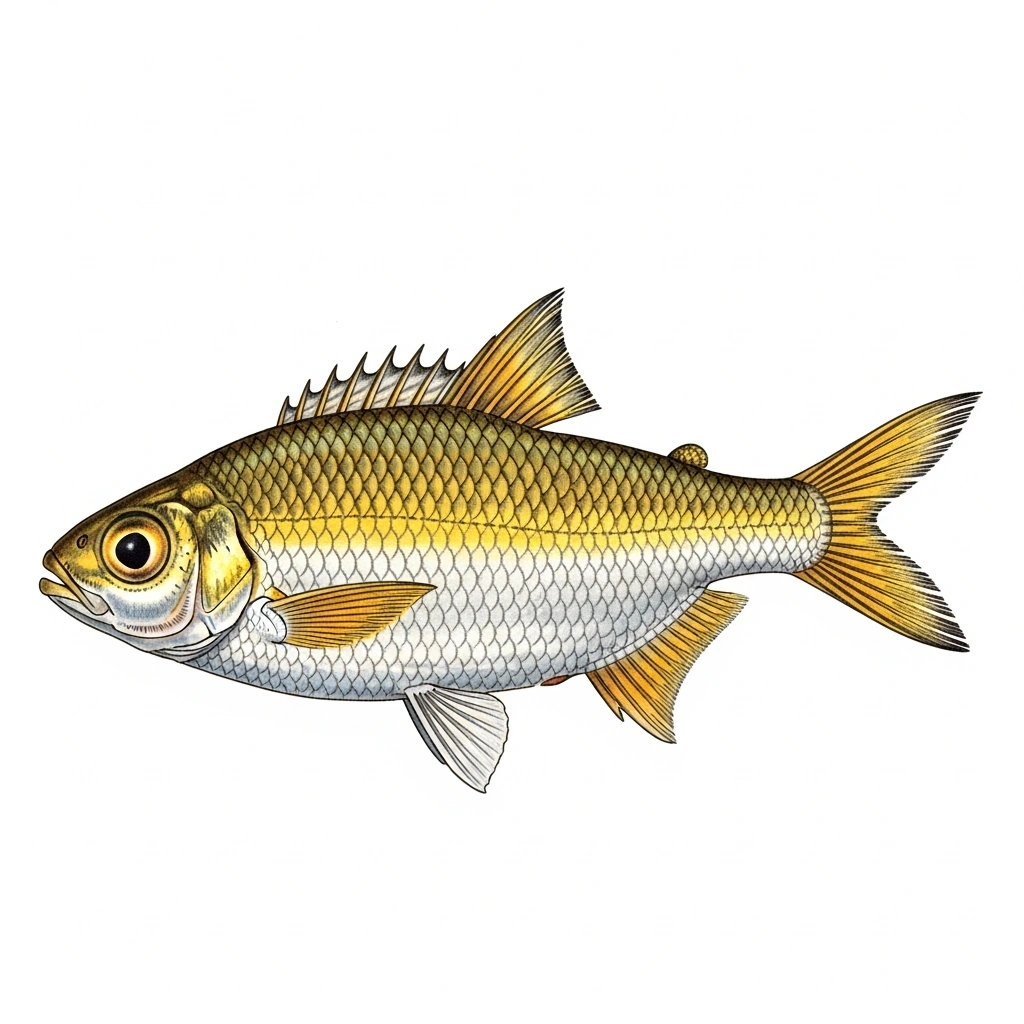 Acoupa weakfishCynoscion acoupa
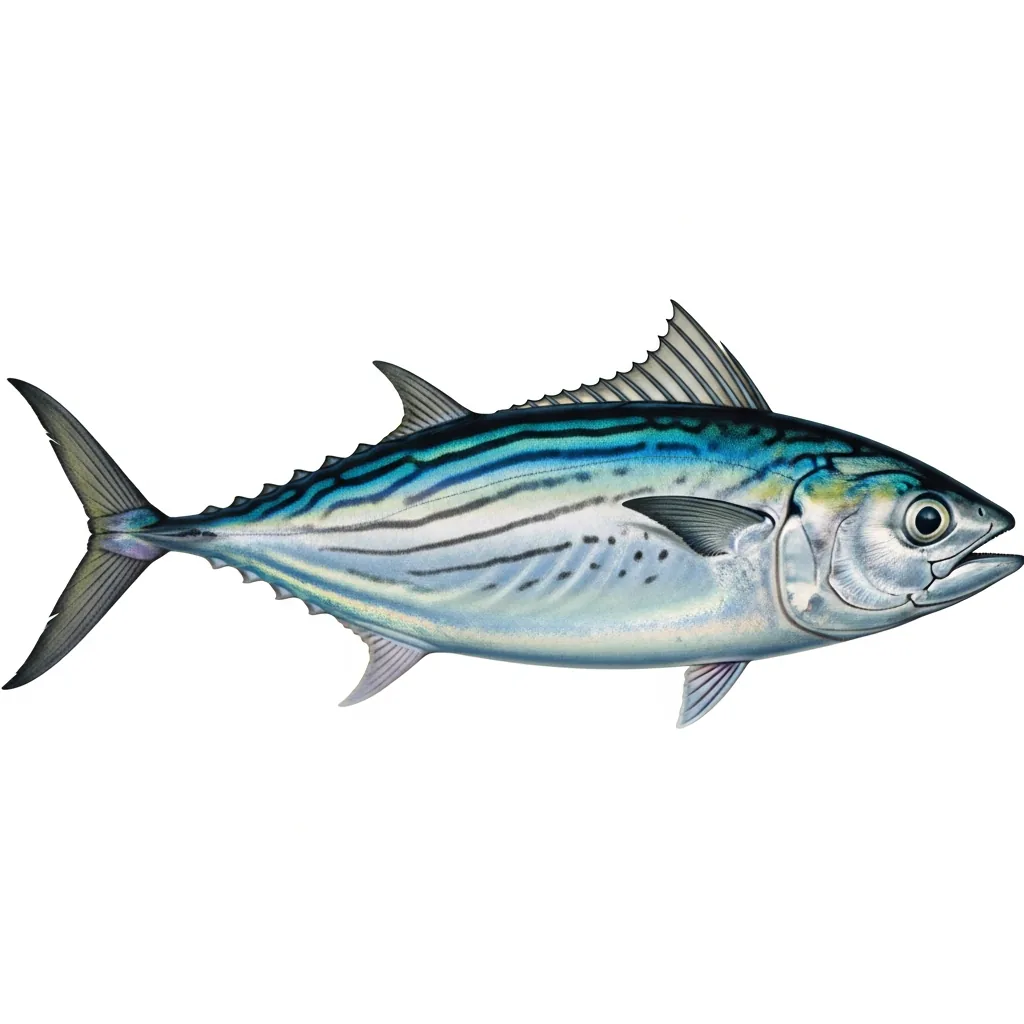 Atlantic bonitoSarda sarda
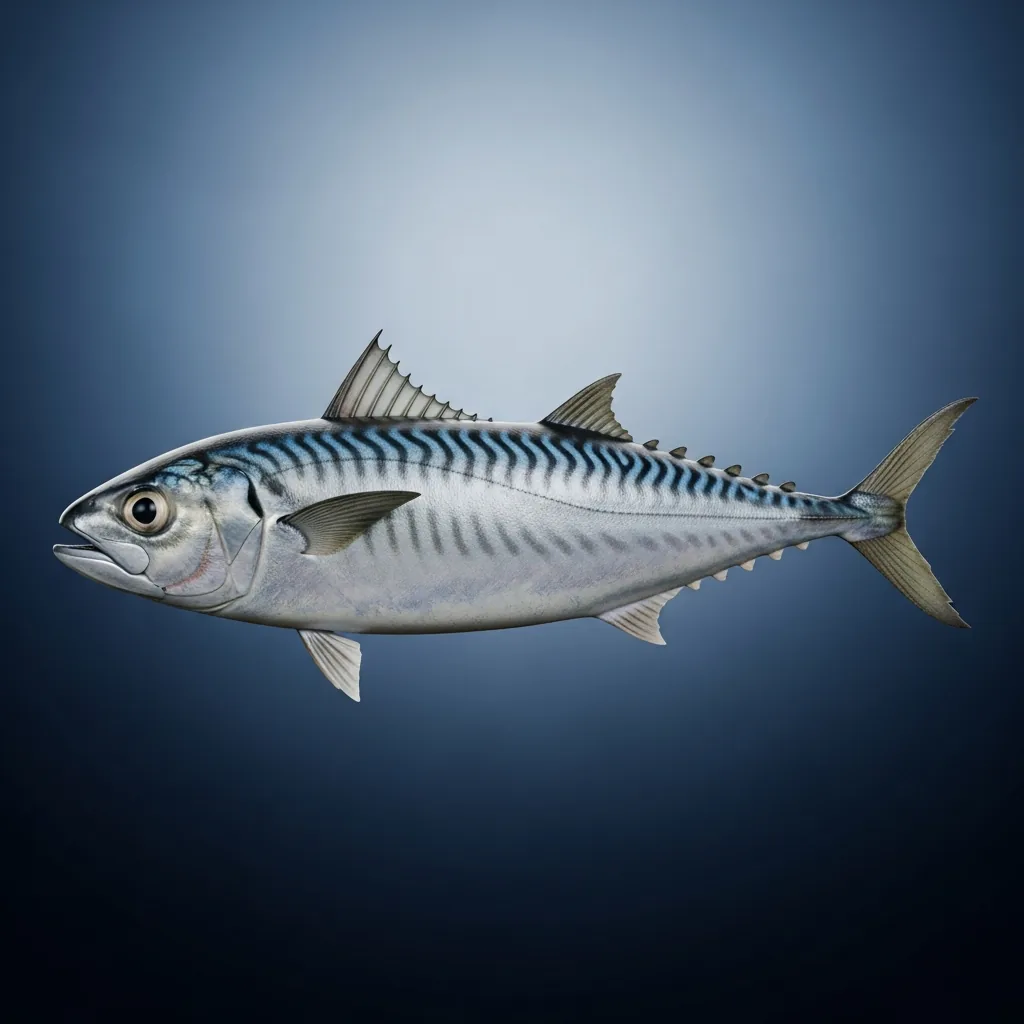 Atlantic horse mackerelTrachurus trachurus
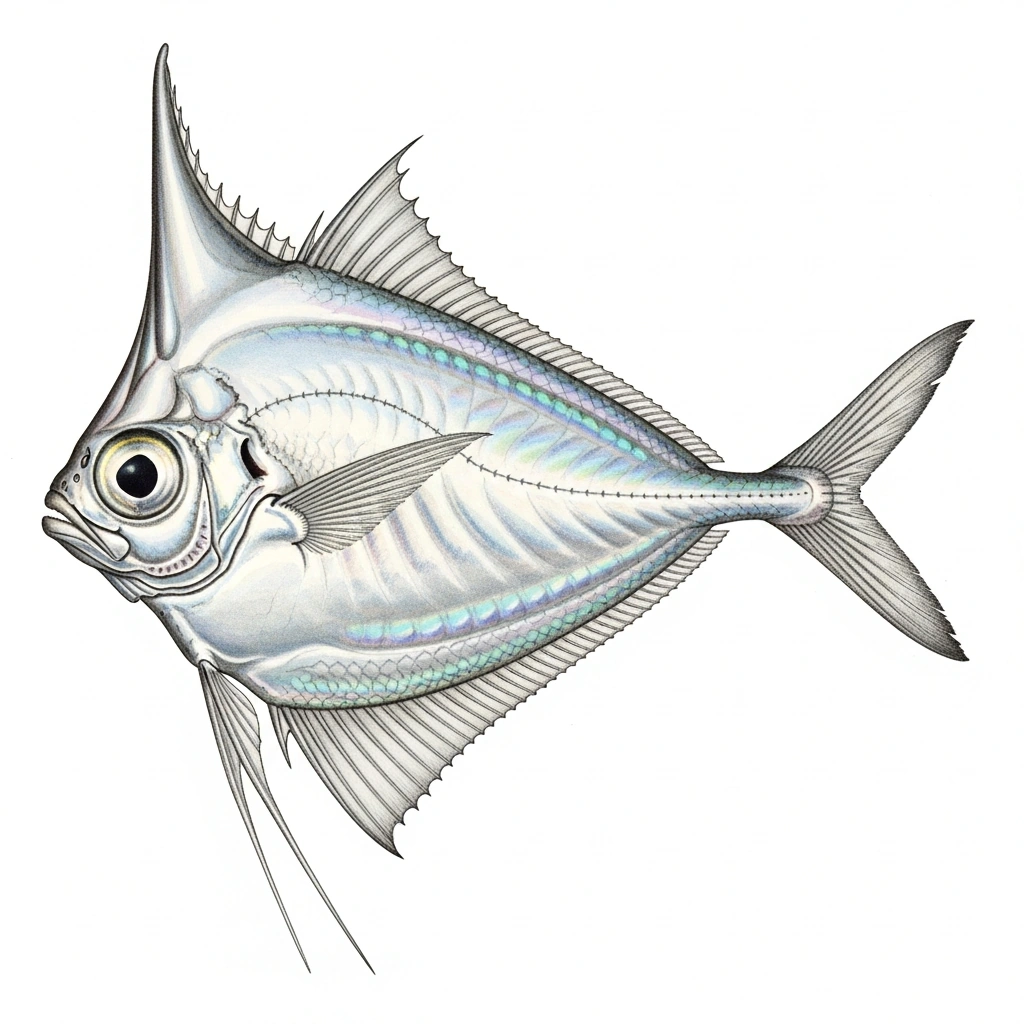 Atlantic lookdownSelene vomer
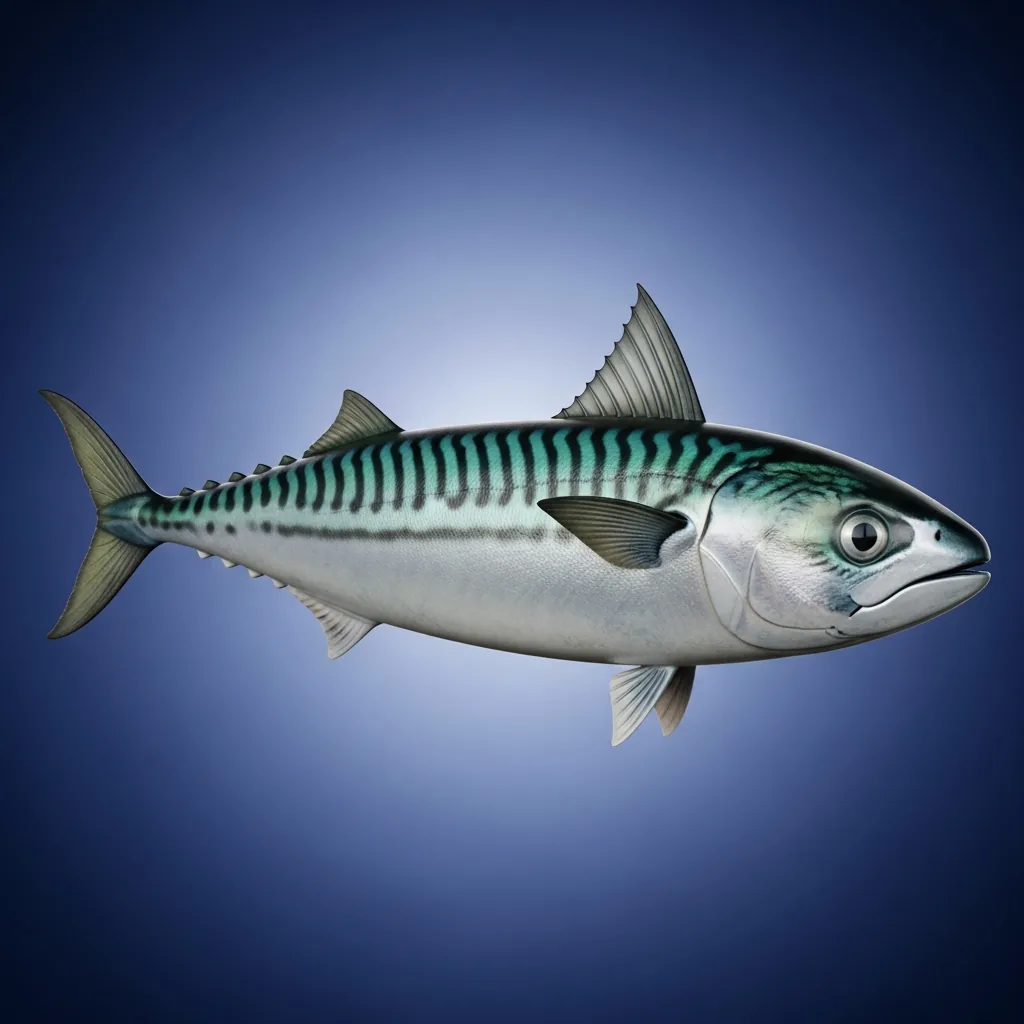 Atlantic mackerelScomber scombrus
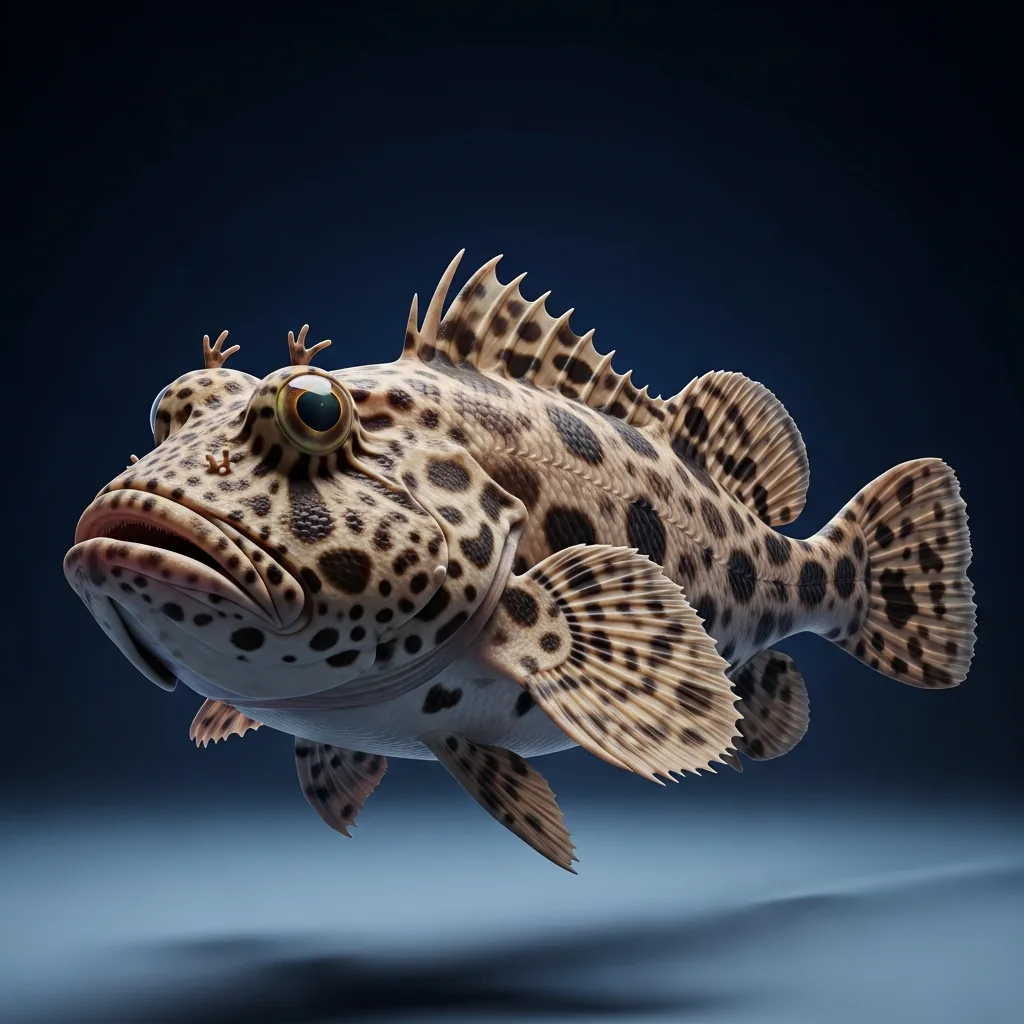 Atlantic stargazerUranoscopus scaber
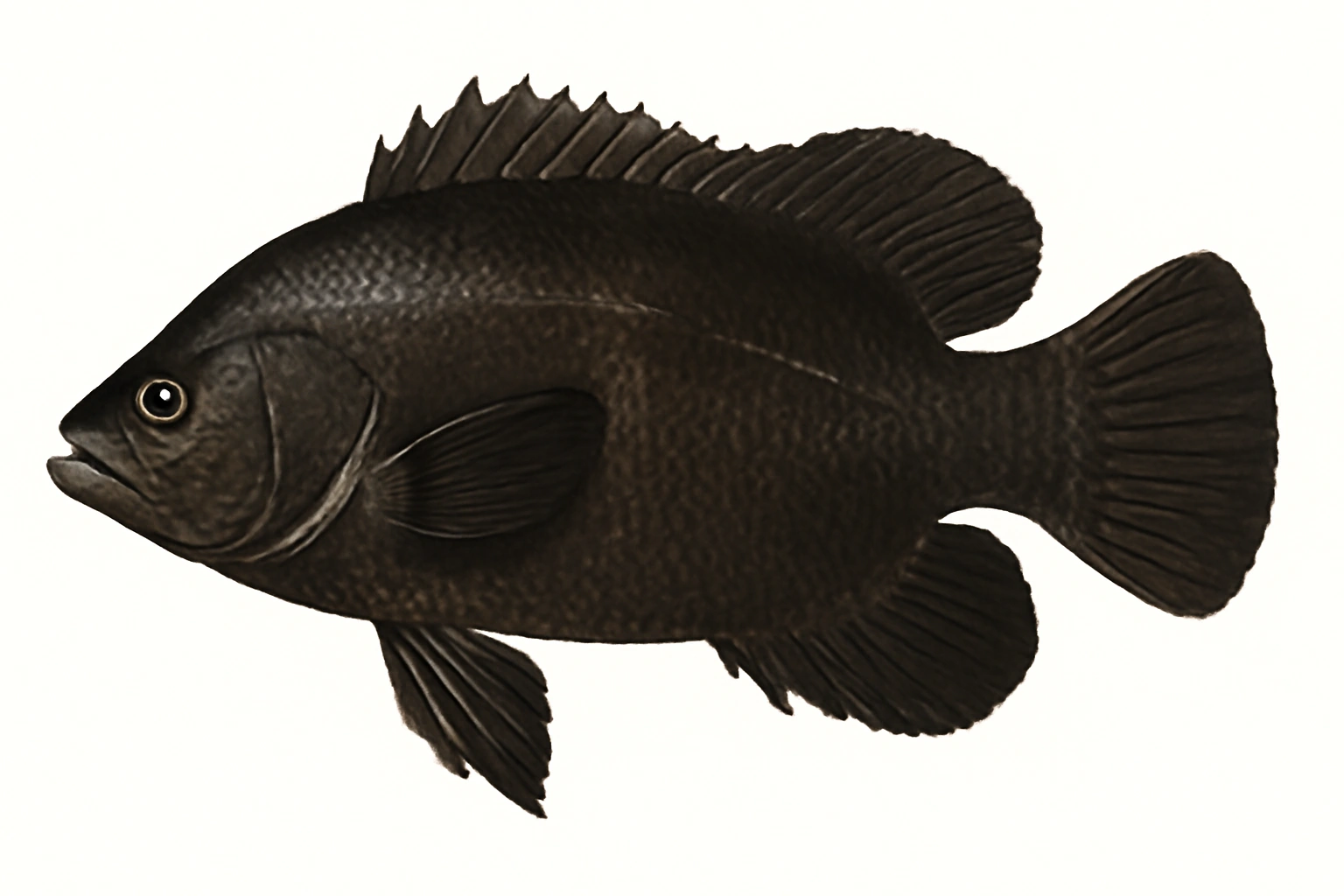 Atlantic tripletailLobotes surinamensis
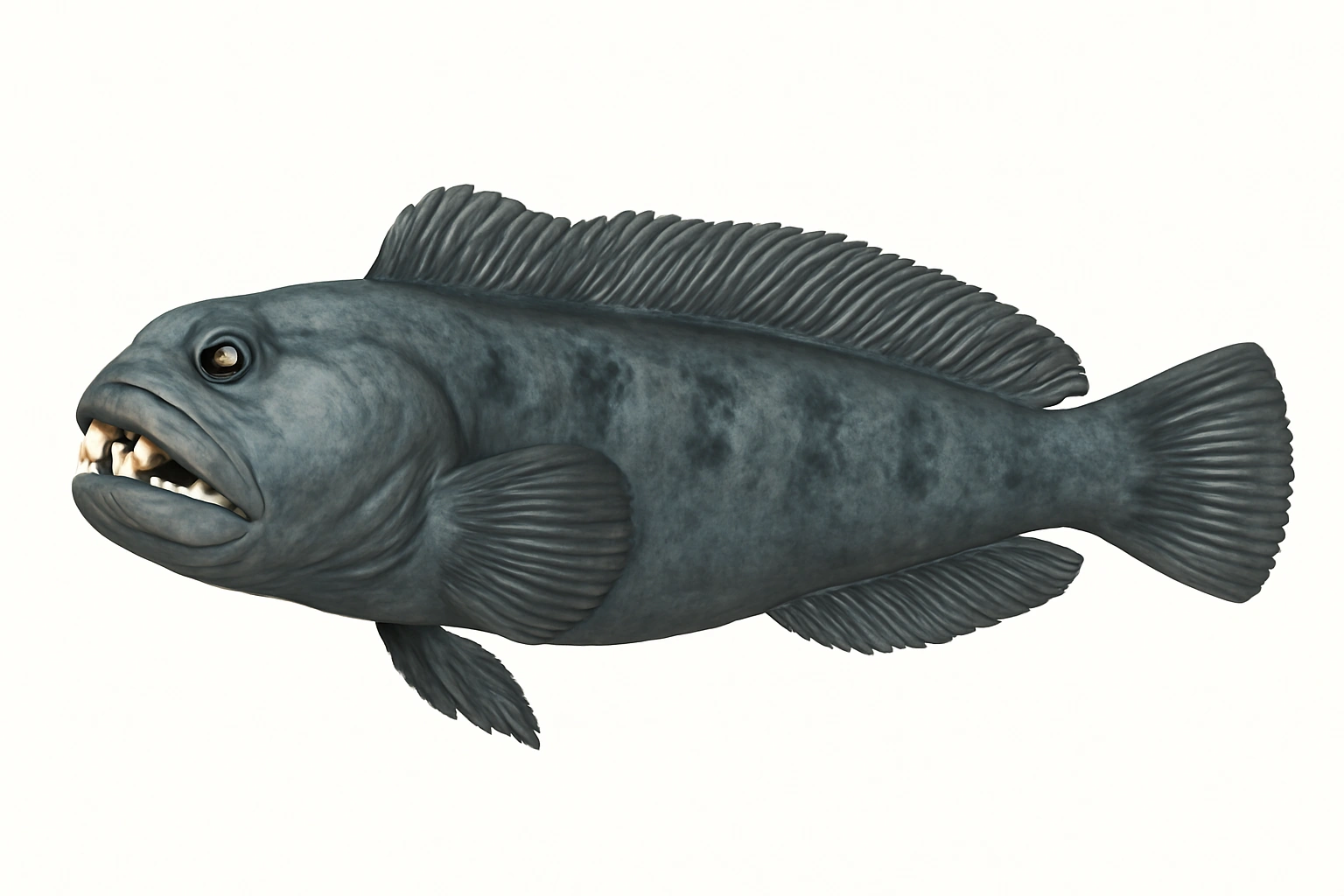 Atlantic wolffishAnarhichas lupus
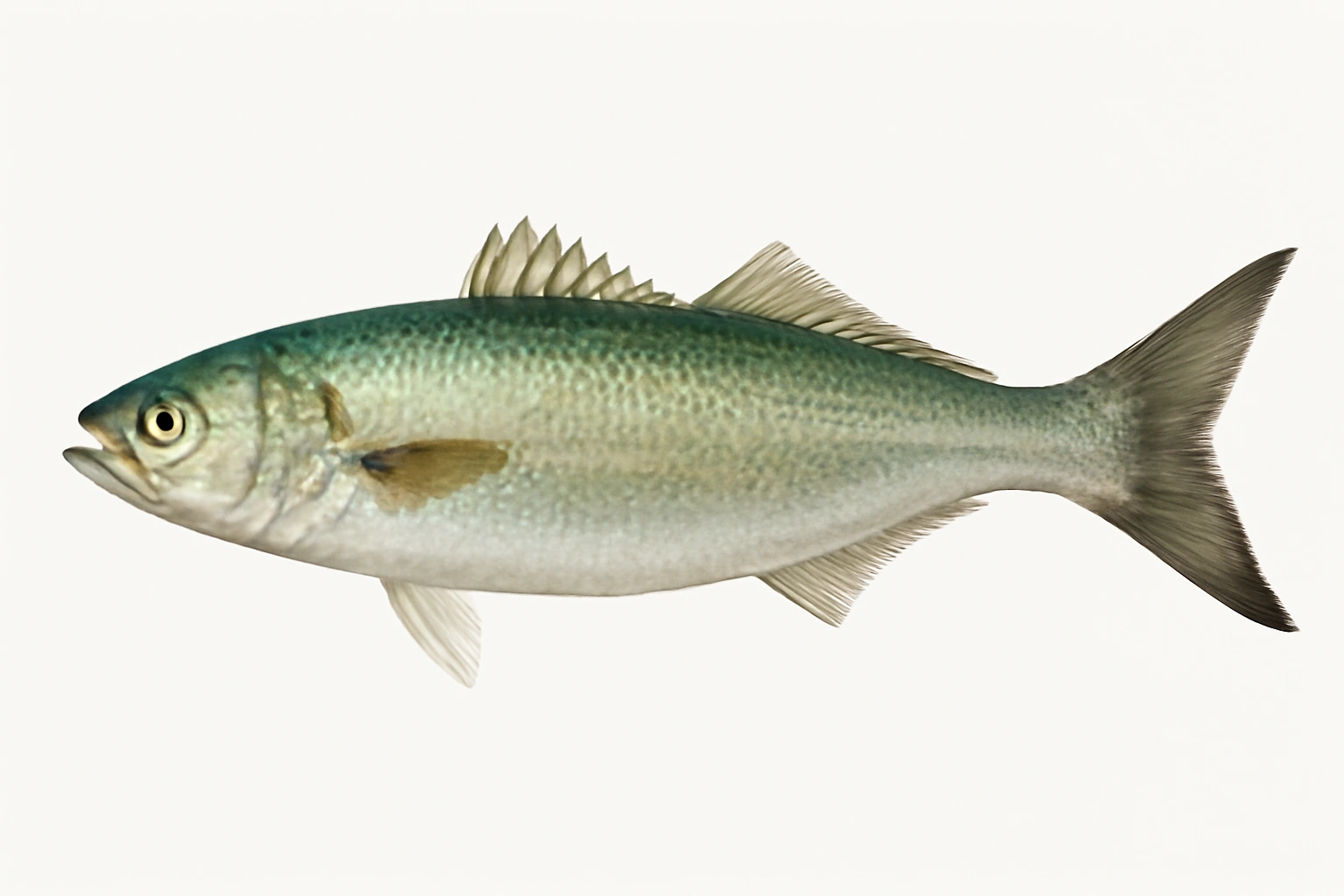 Australian HerringArripis georgianus
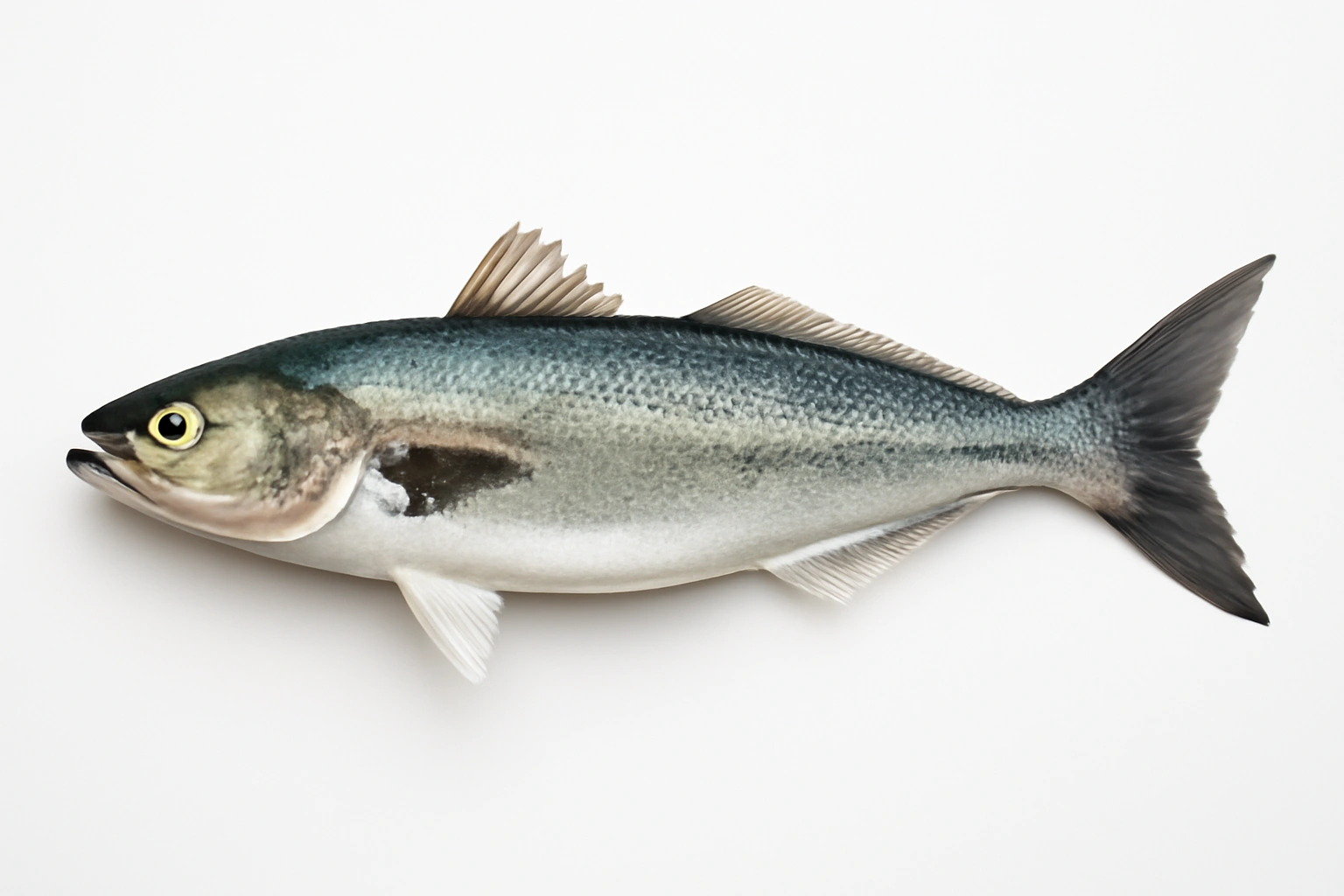 Australian SalmonArripis trutta
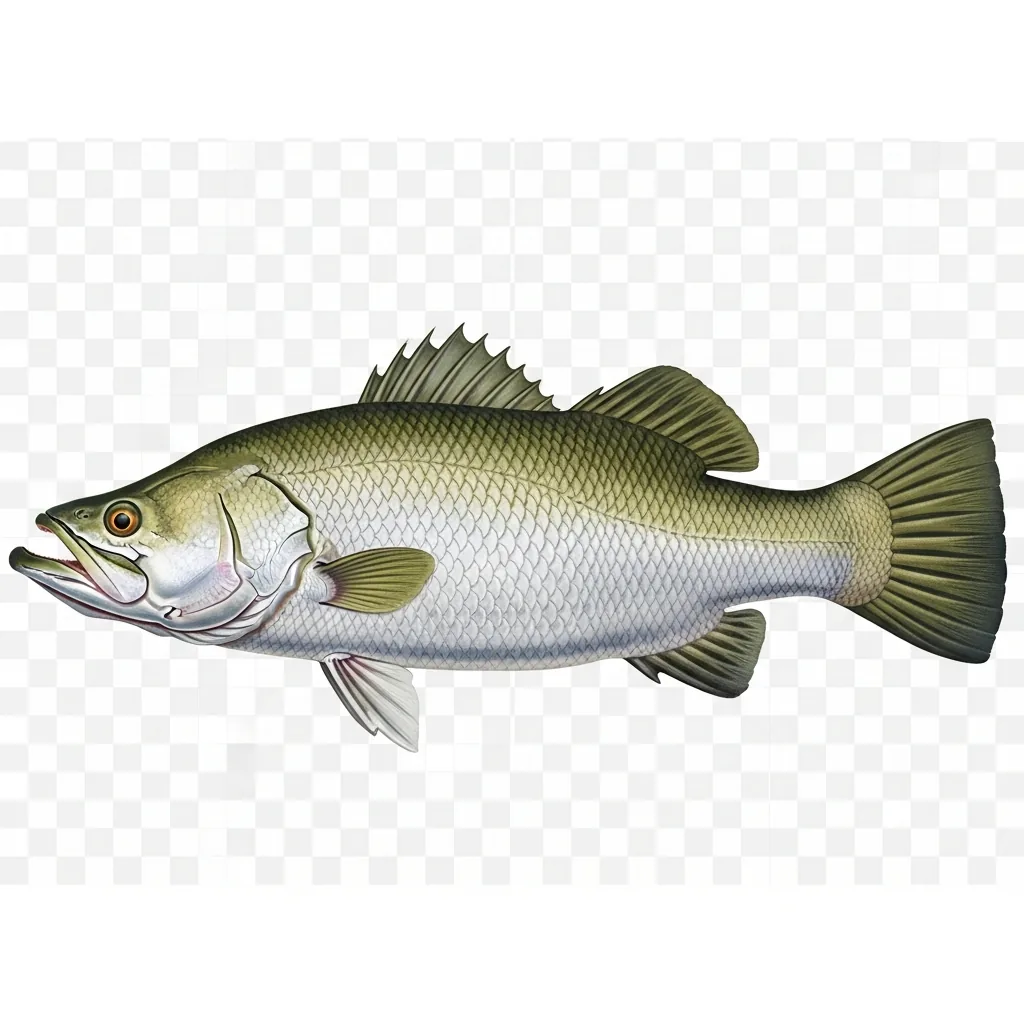 BarramundiLates calcarifer
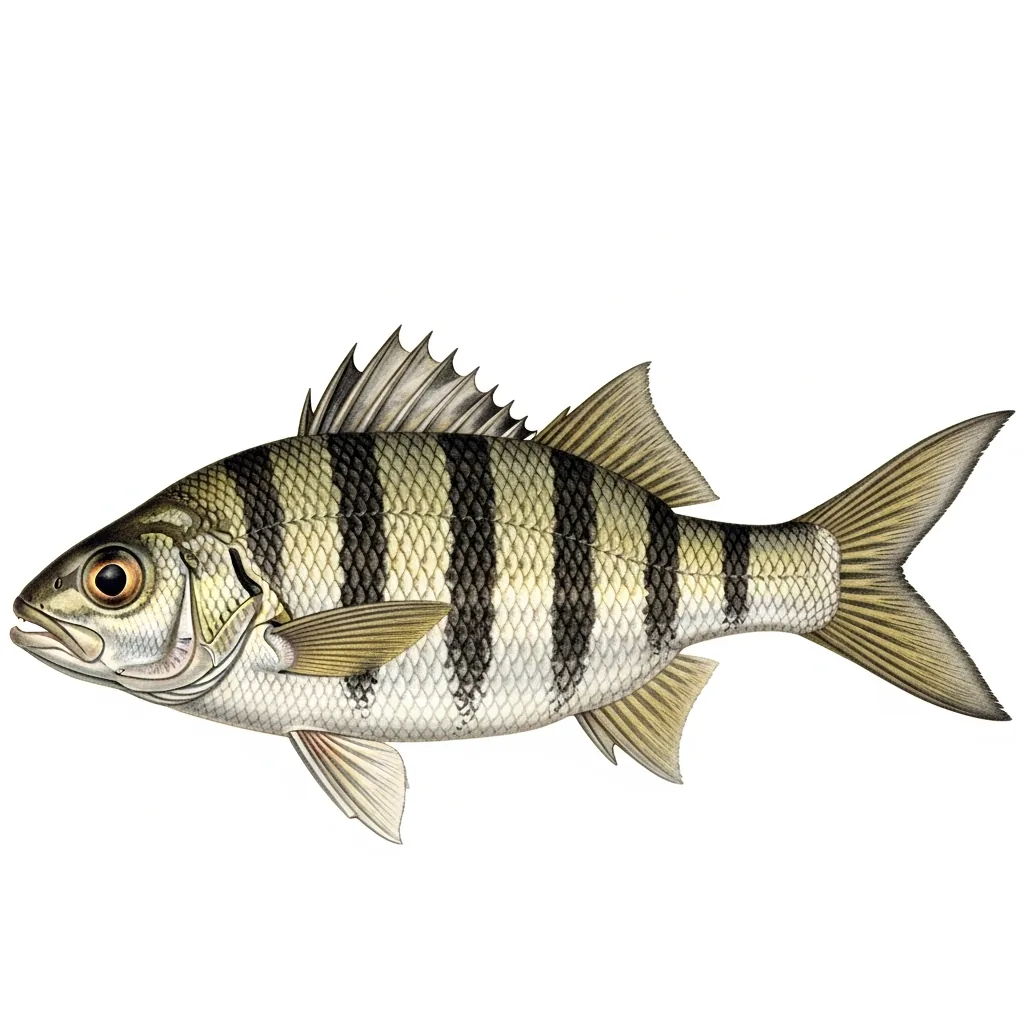 Barred SurfperchAmphistichus argenteus
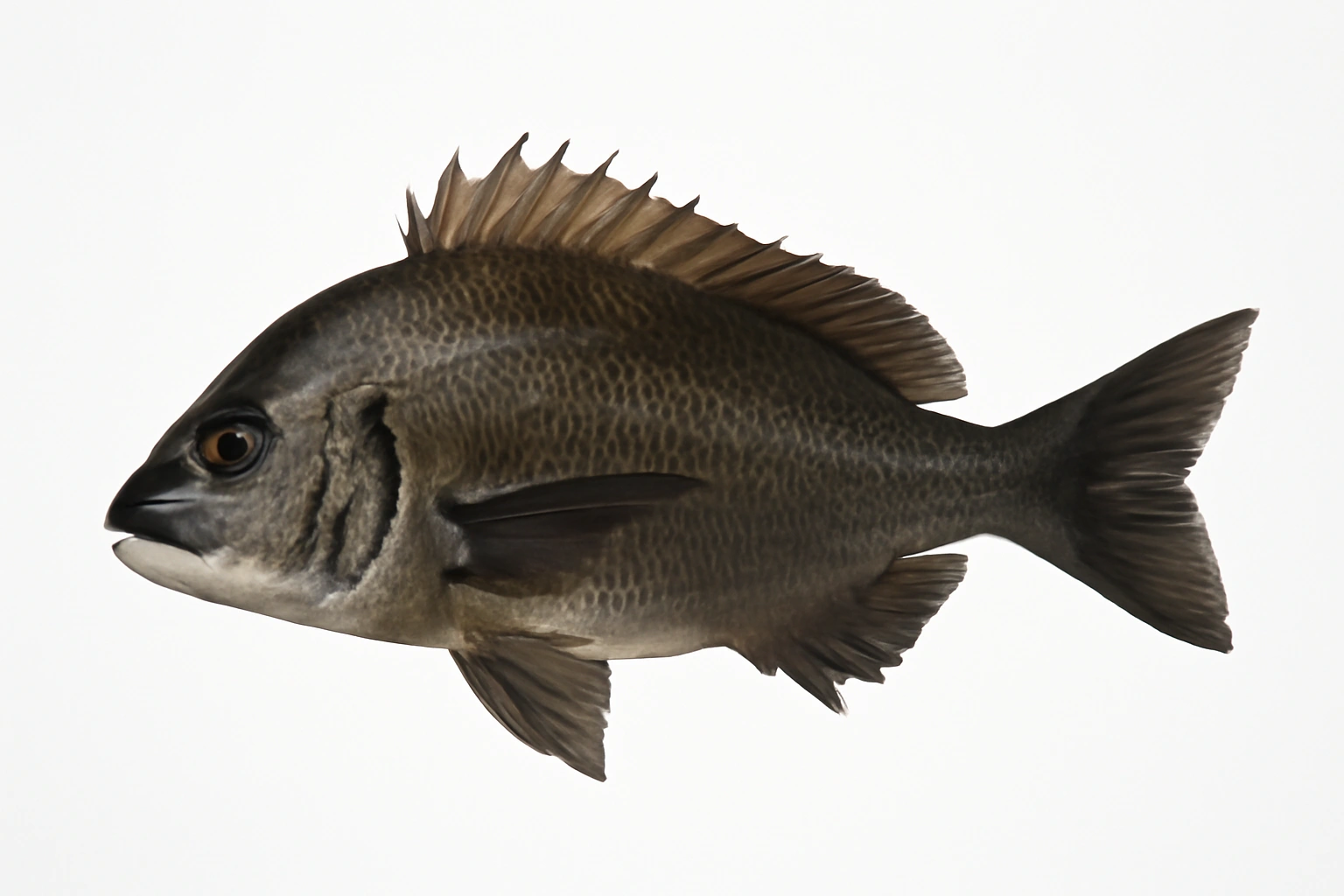 Black BreamAcanthopagrus butcheri
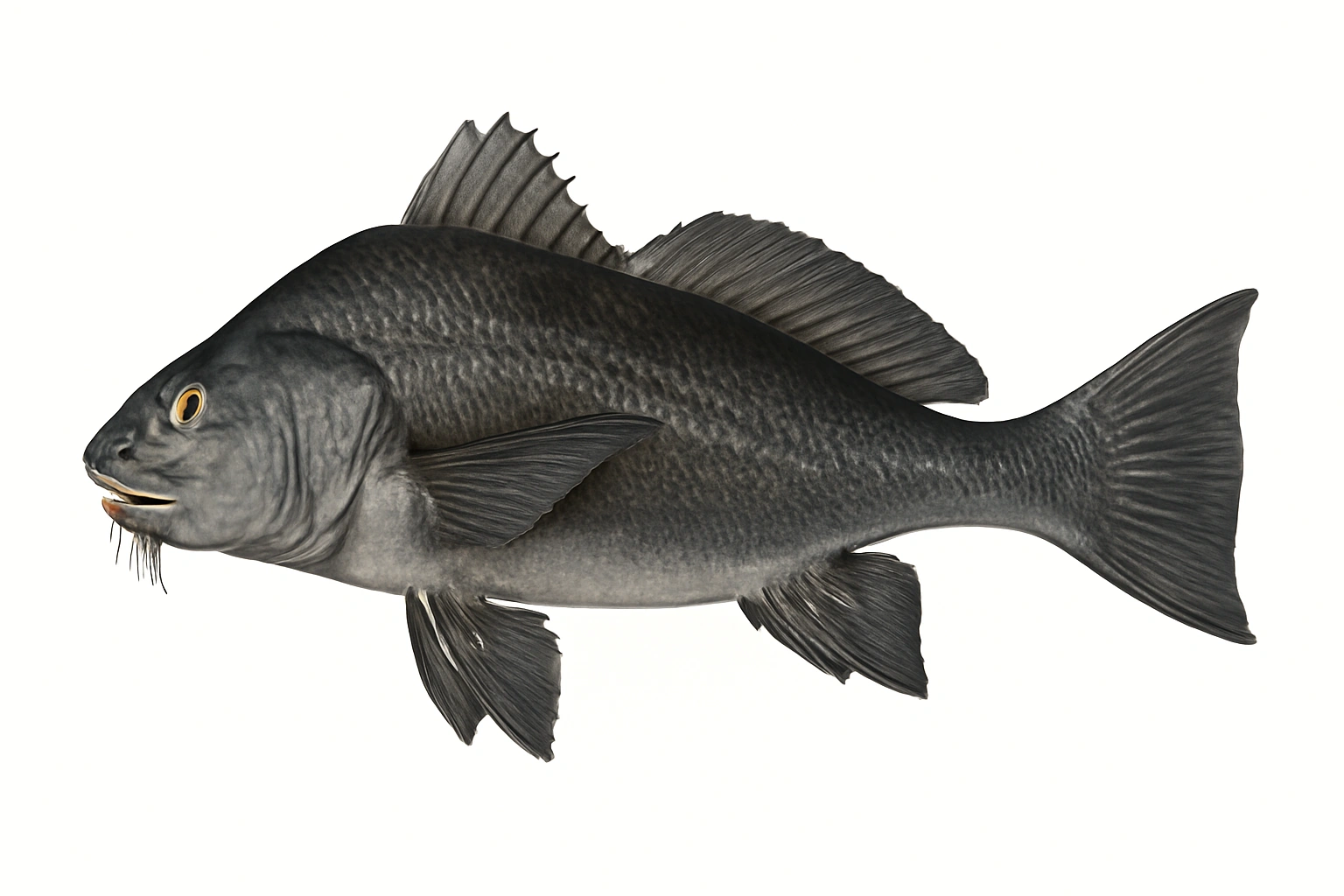 Black drumPogonias cromis
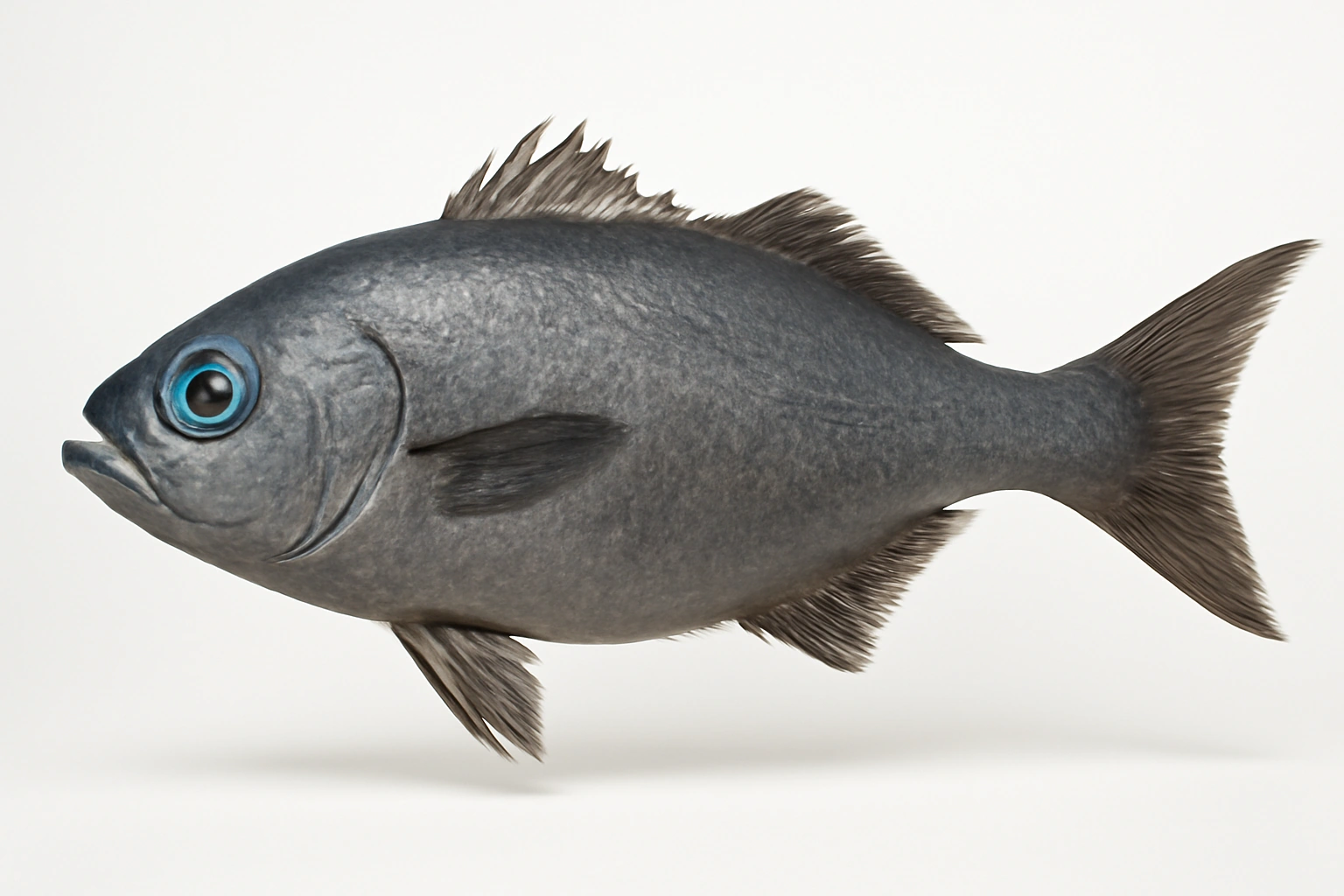 Blue-eye TrevallaHyperoglyphe antarctica
 Bluefish / TailorPomatomus saltatrix
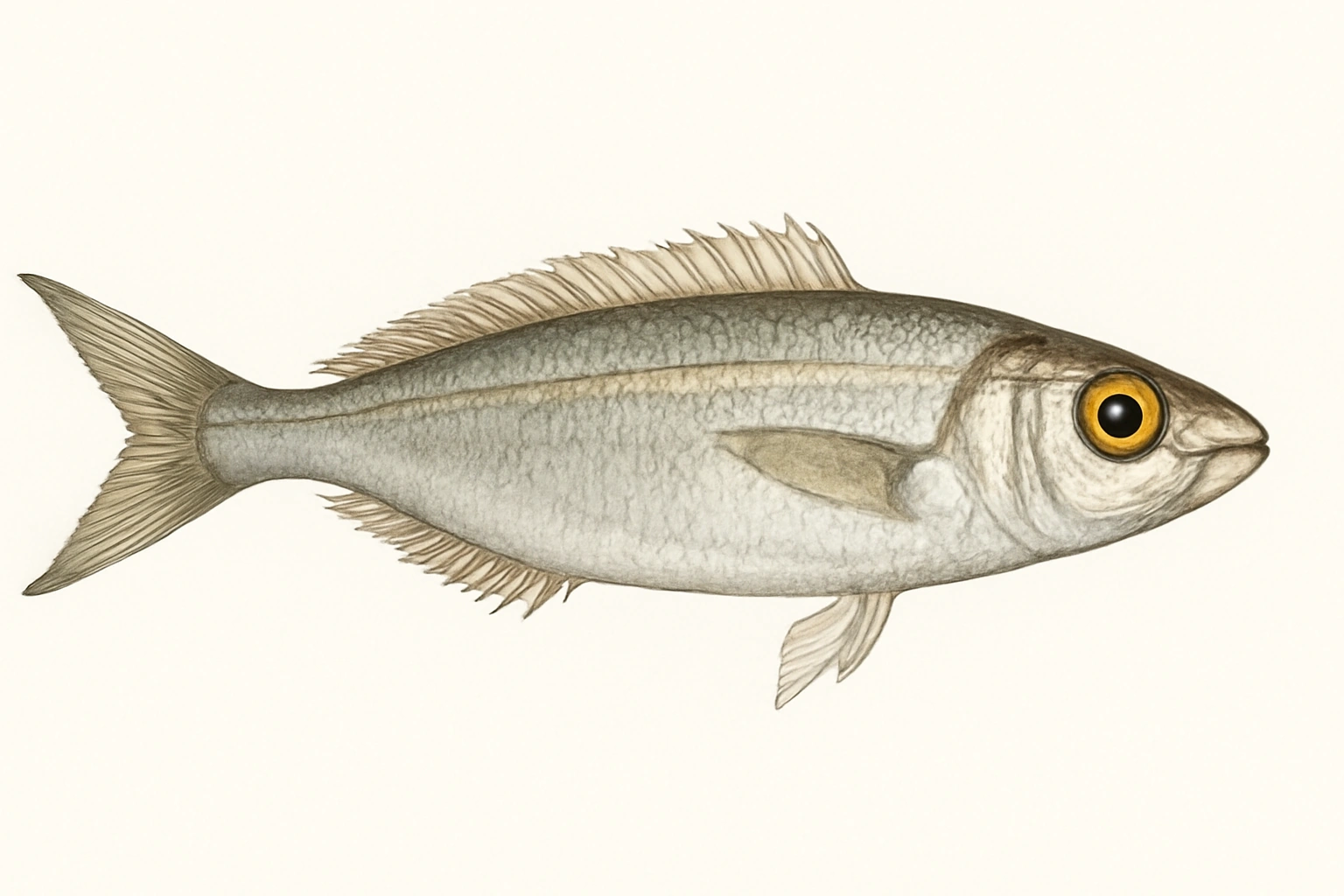 BogueBoops boops
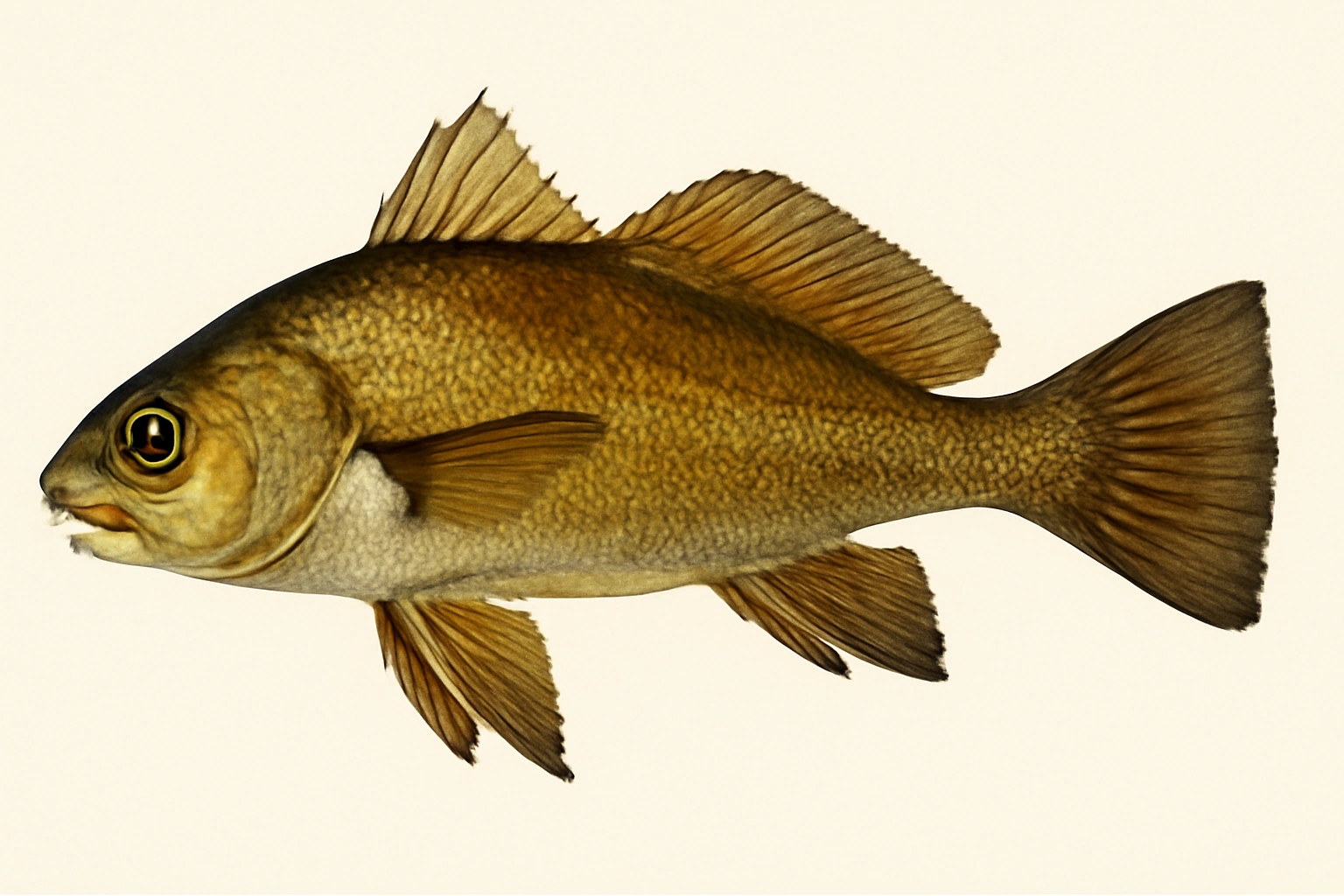 Brown meagreSciaena umbra
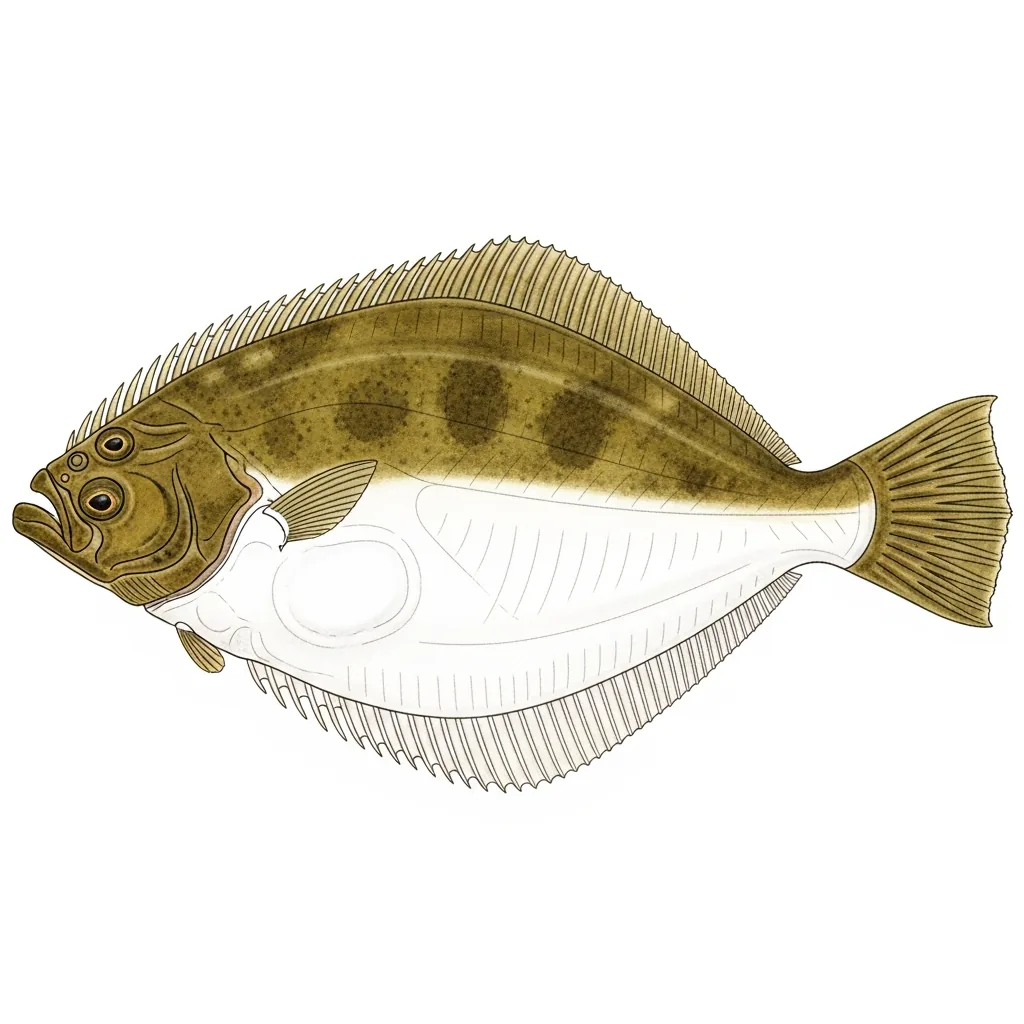 California HalibutParalichthys californicus
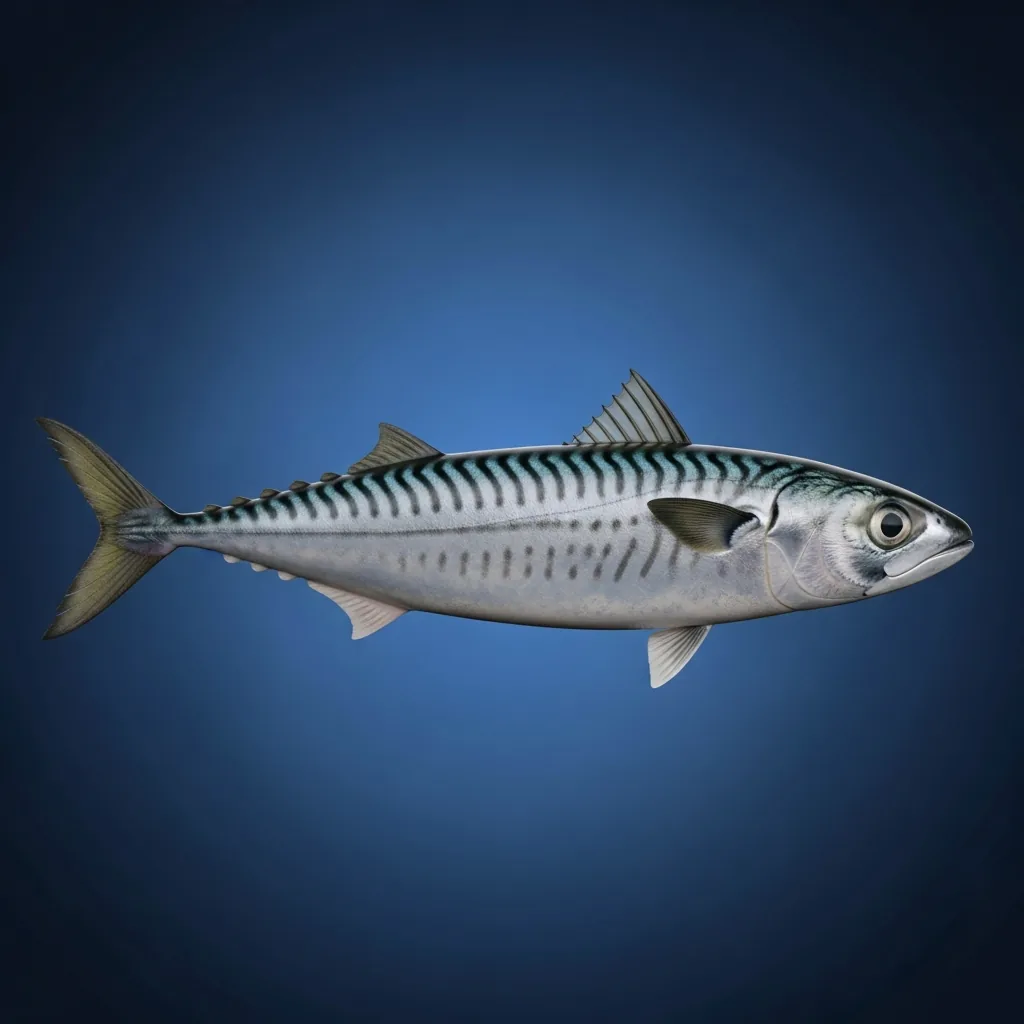 Chub mackerelScomber colias
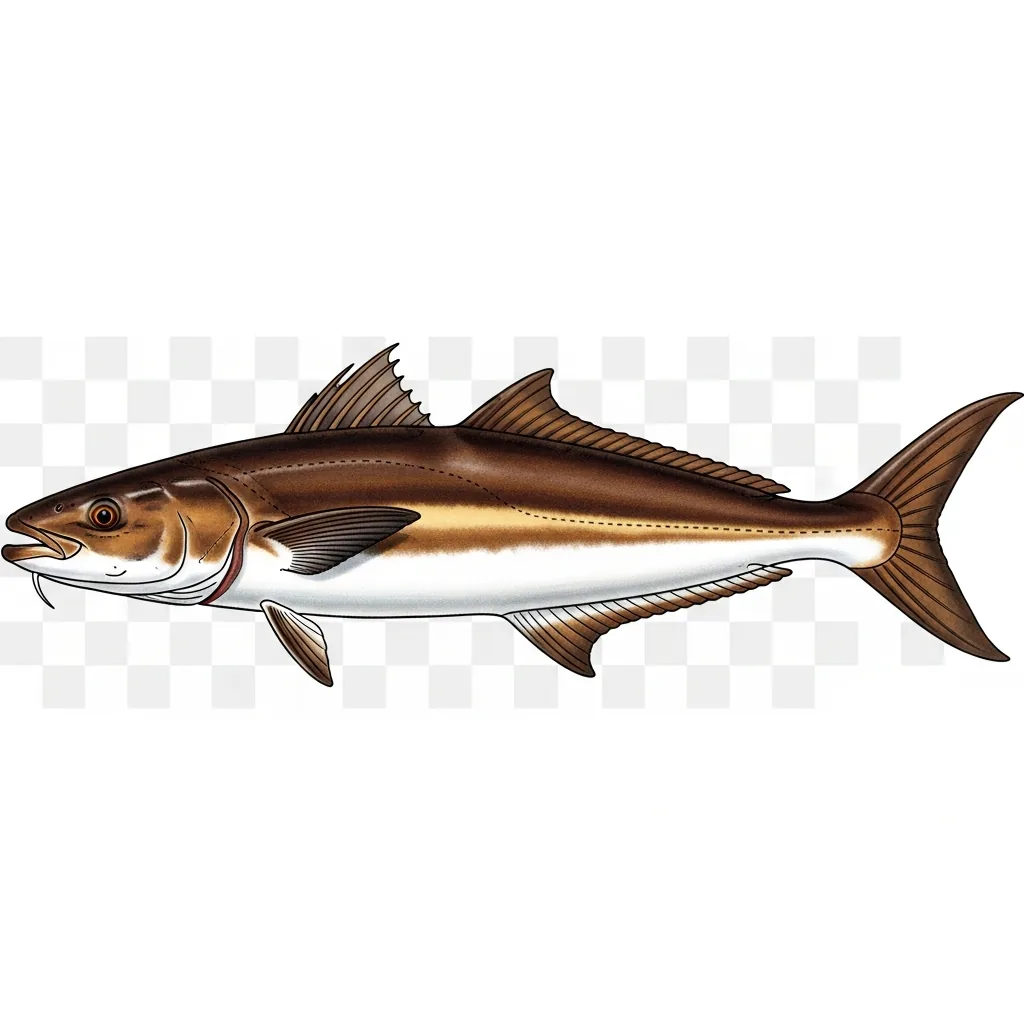 CobiaRachycentron canadum
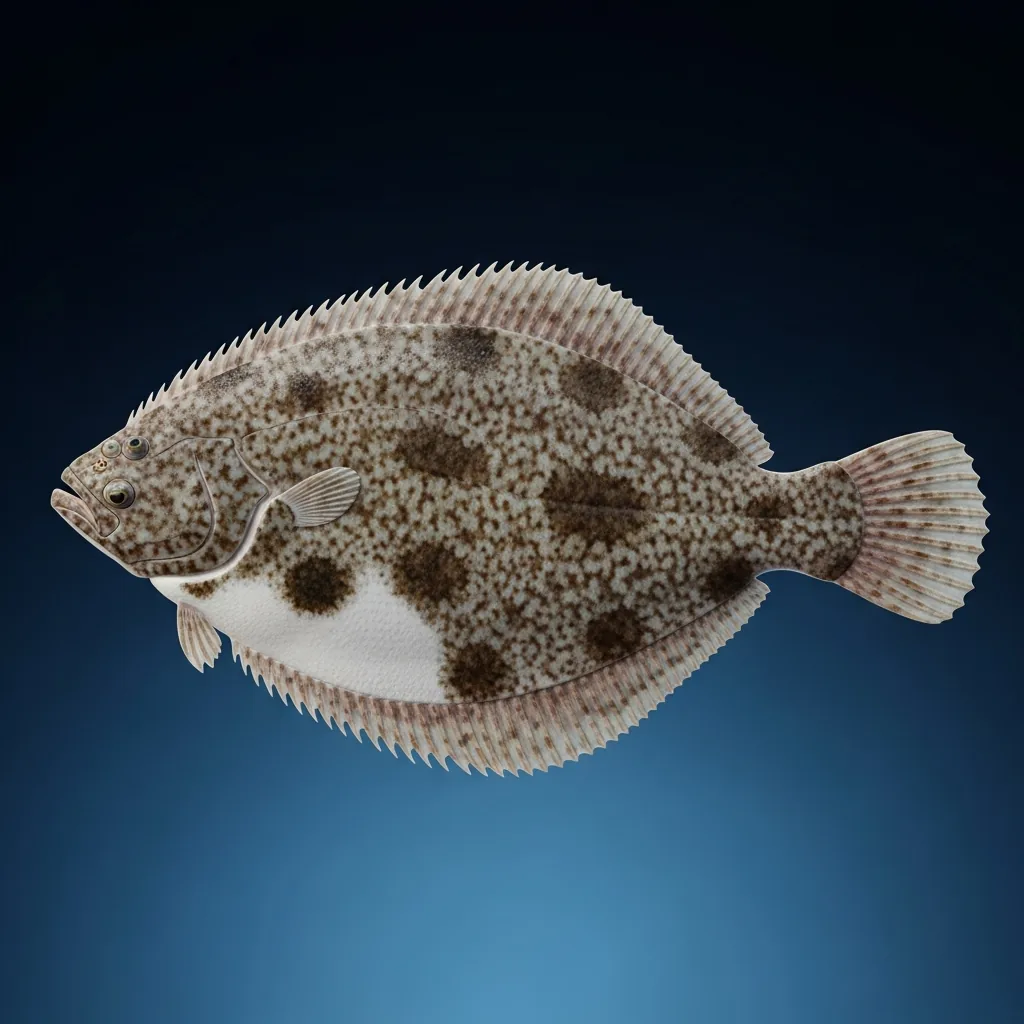 Common soleSolea solea
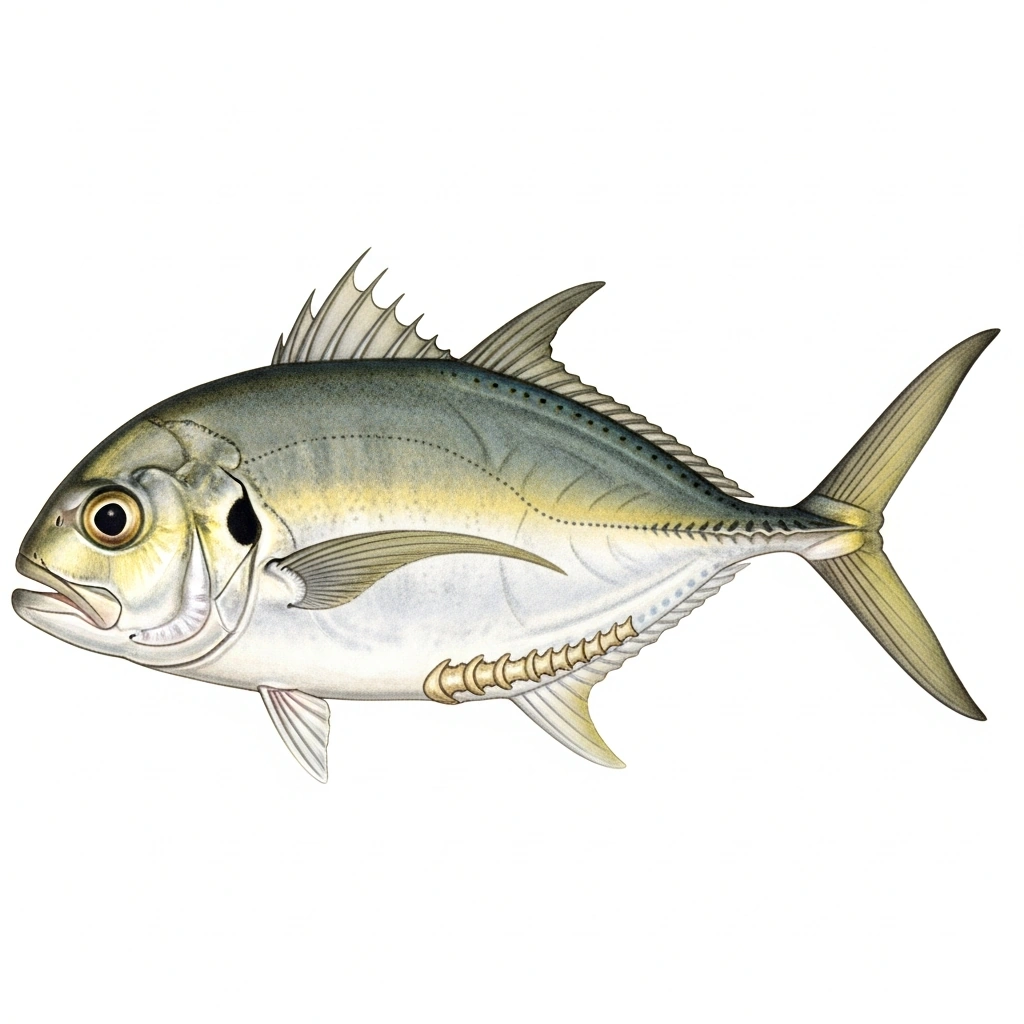 Crevalle jackCaranx hippos
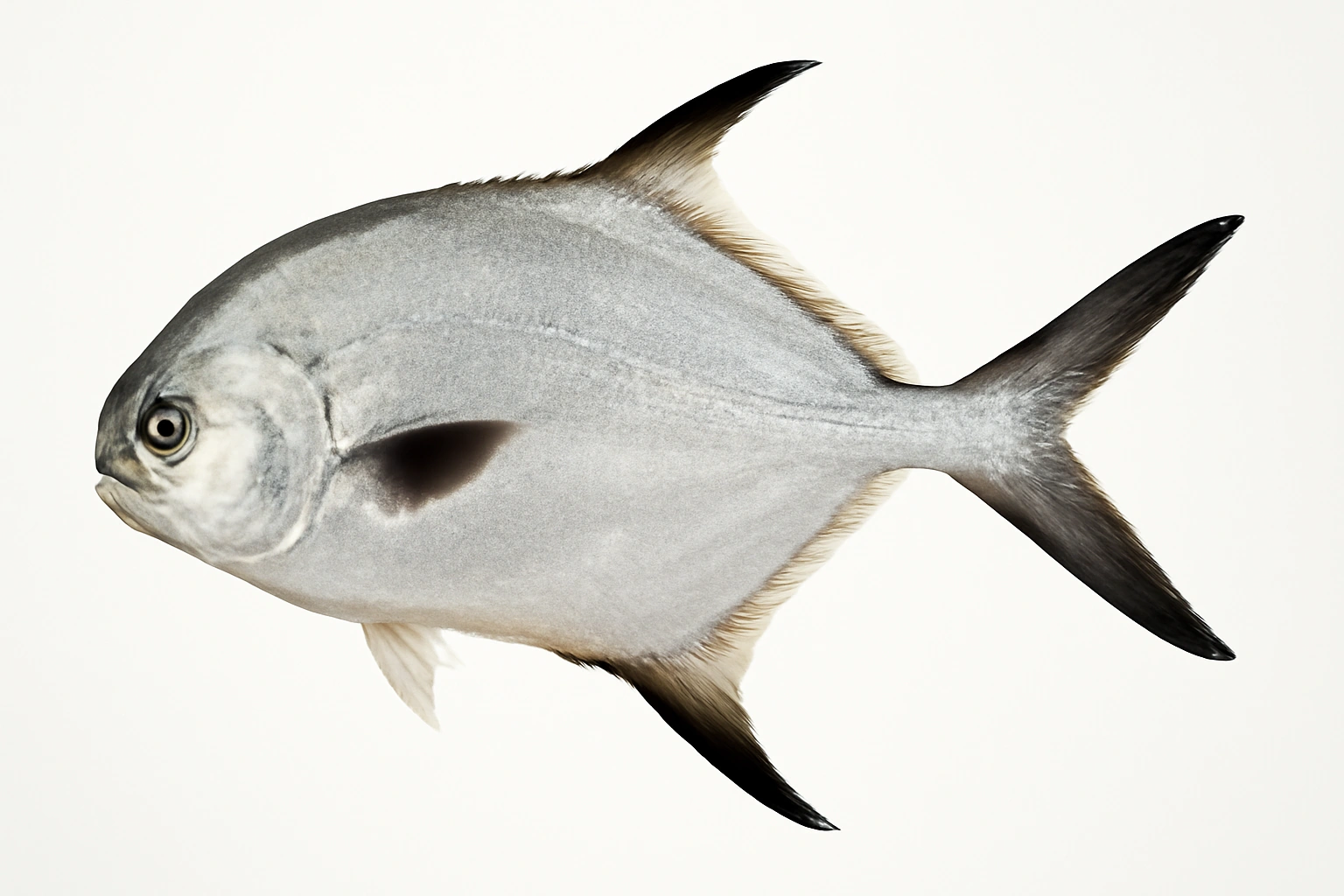 DartTrachinotus botla
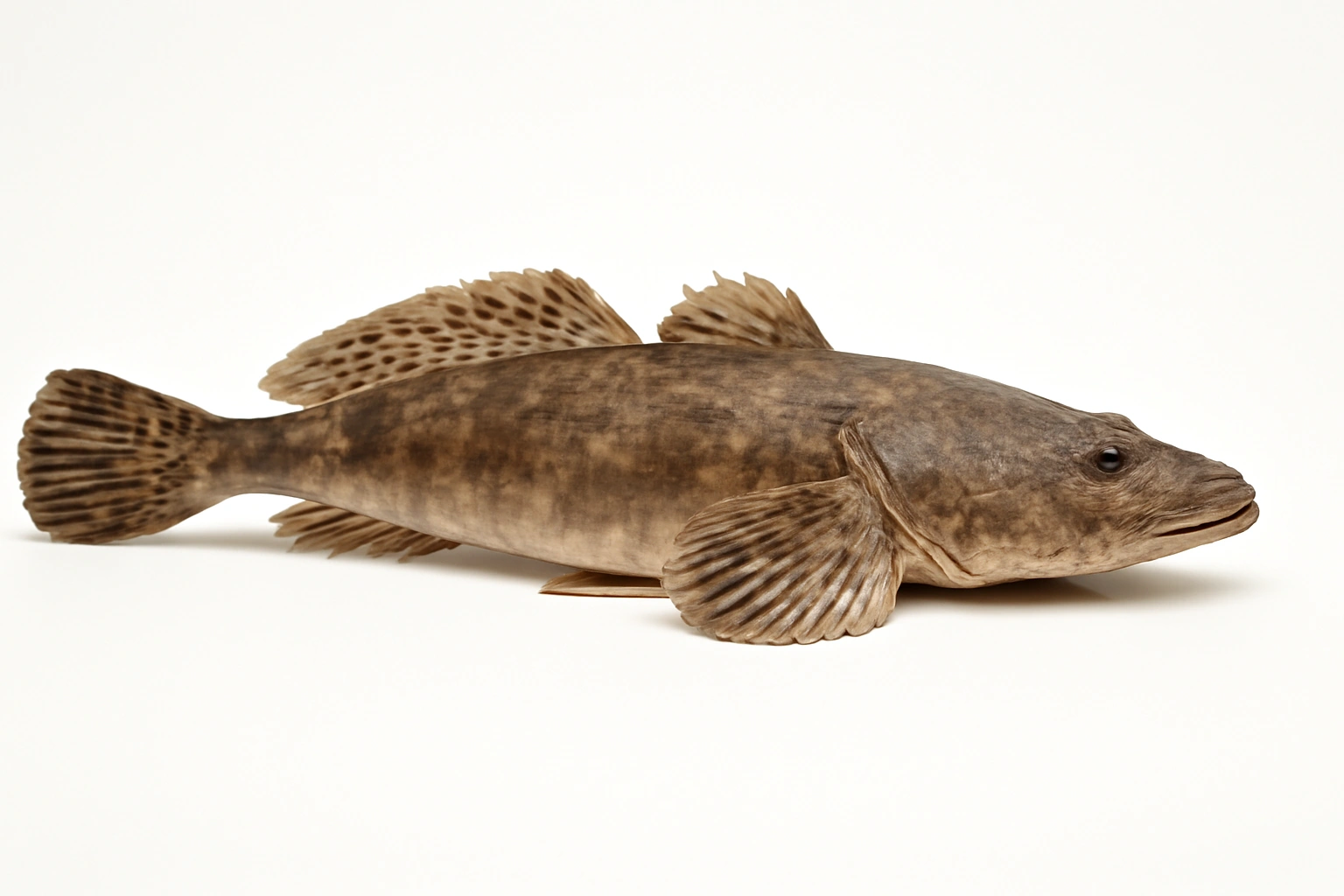 Dusky FlatheadPlatycephalus fuscus
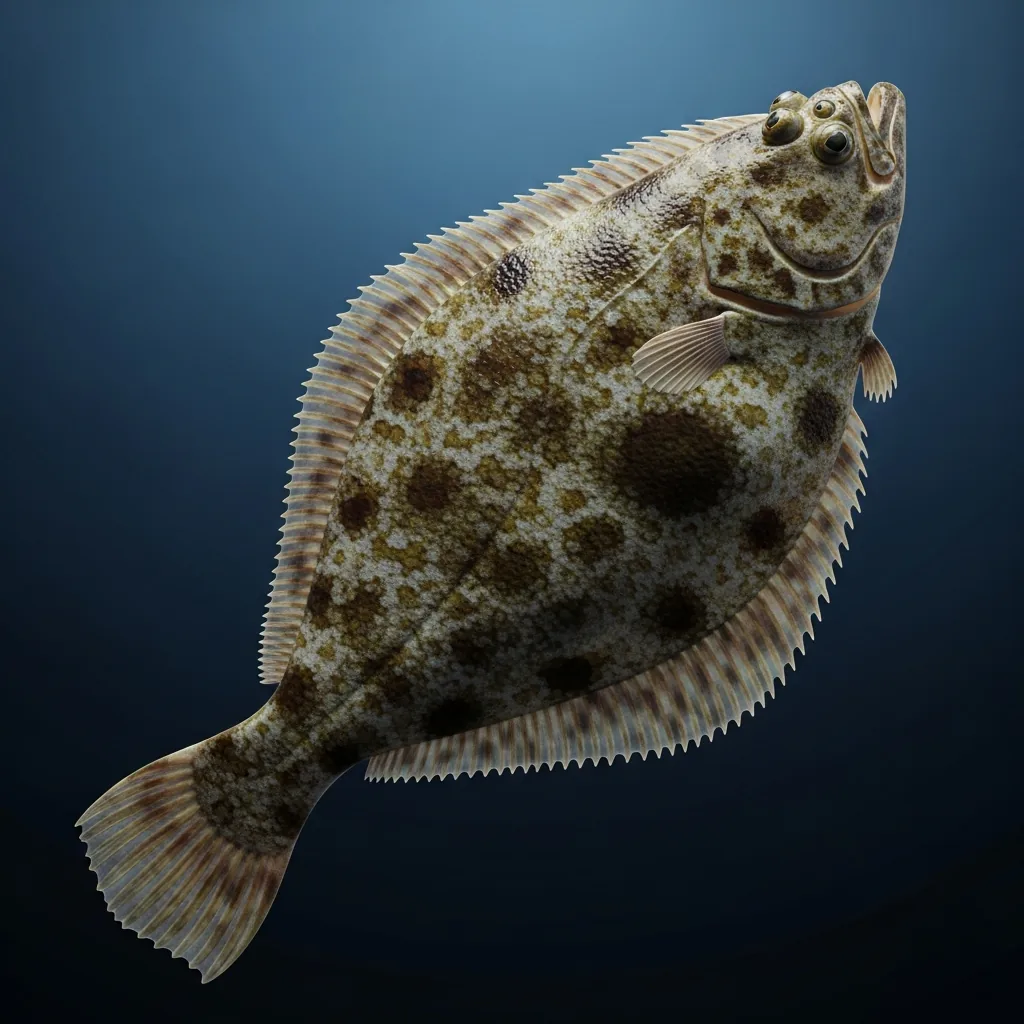 European flounderPlatichthys flesus
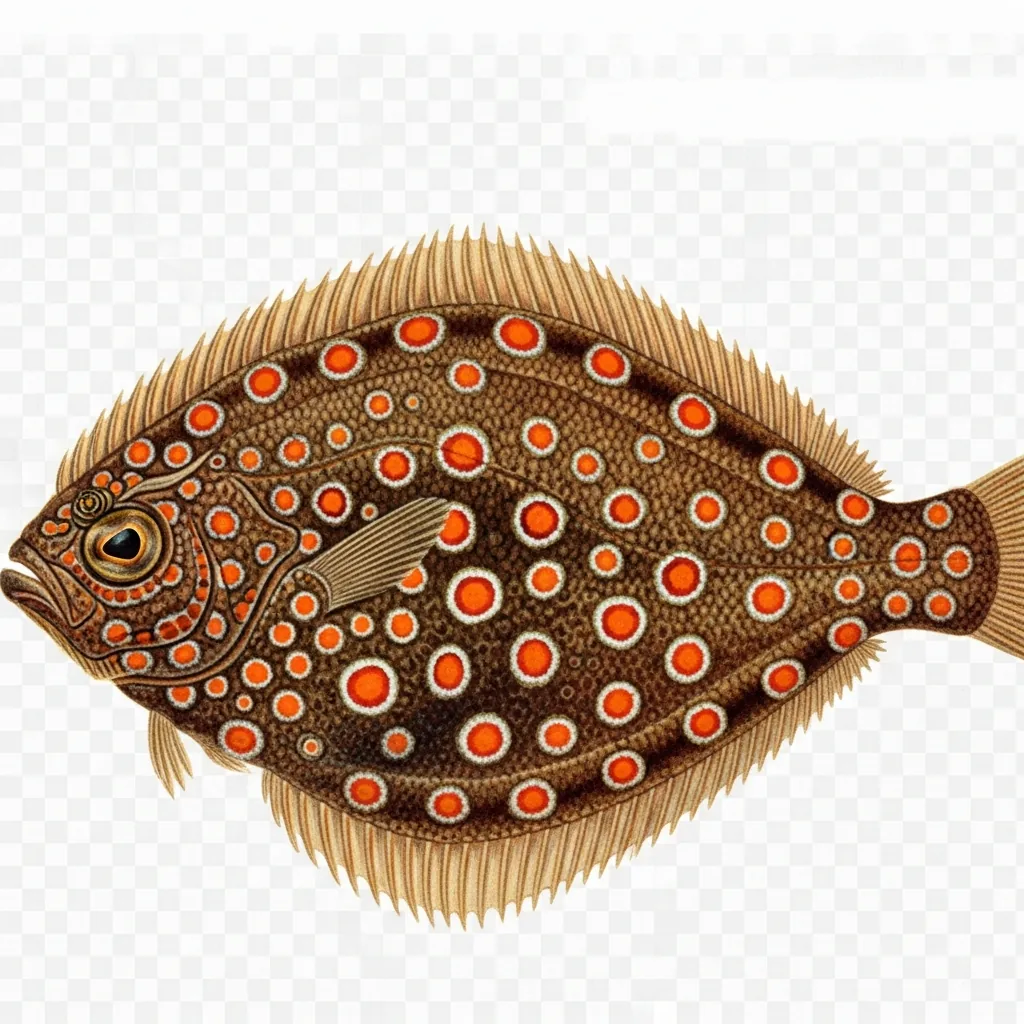 European plaicePleuronectes platessa
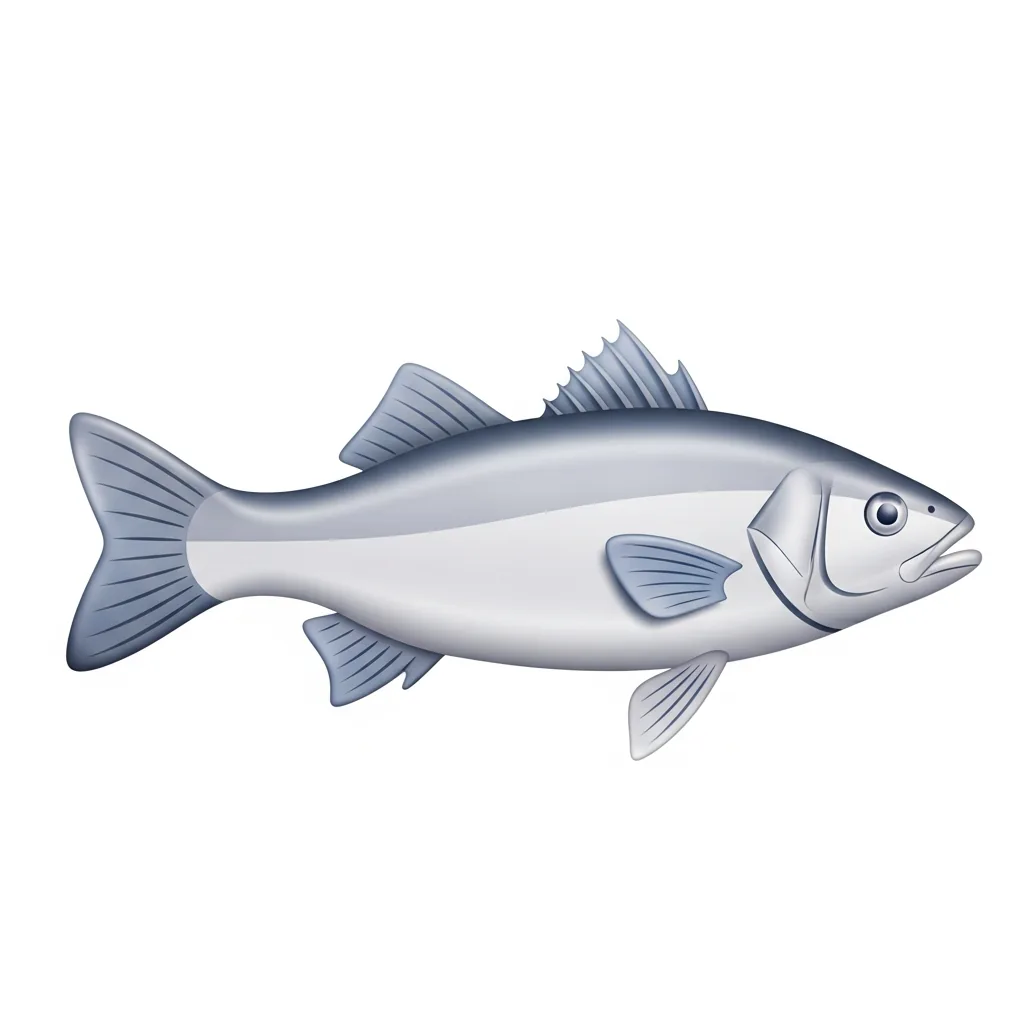 European sea bassDicentrarchus labrax
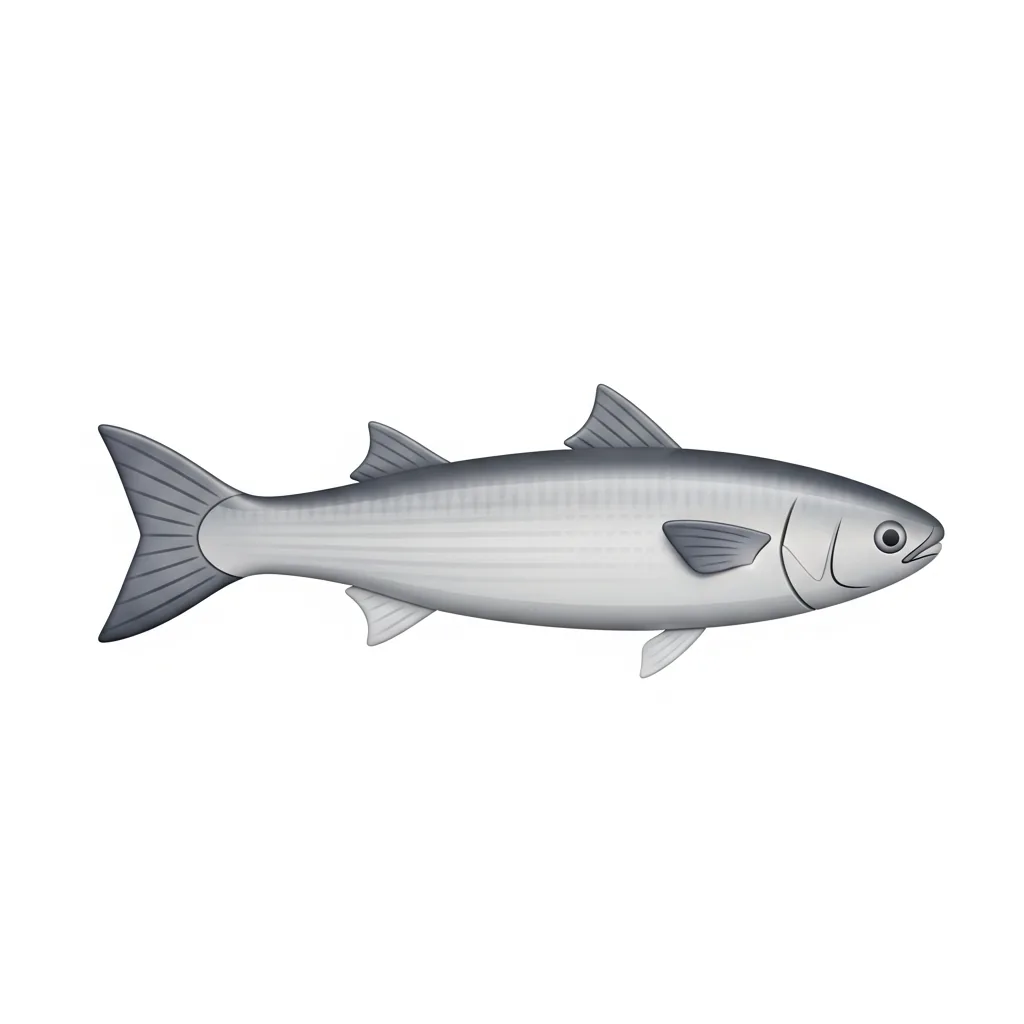 Flathead grey mulletMugil cephalus
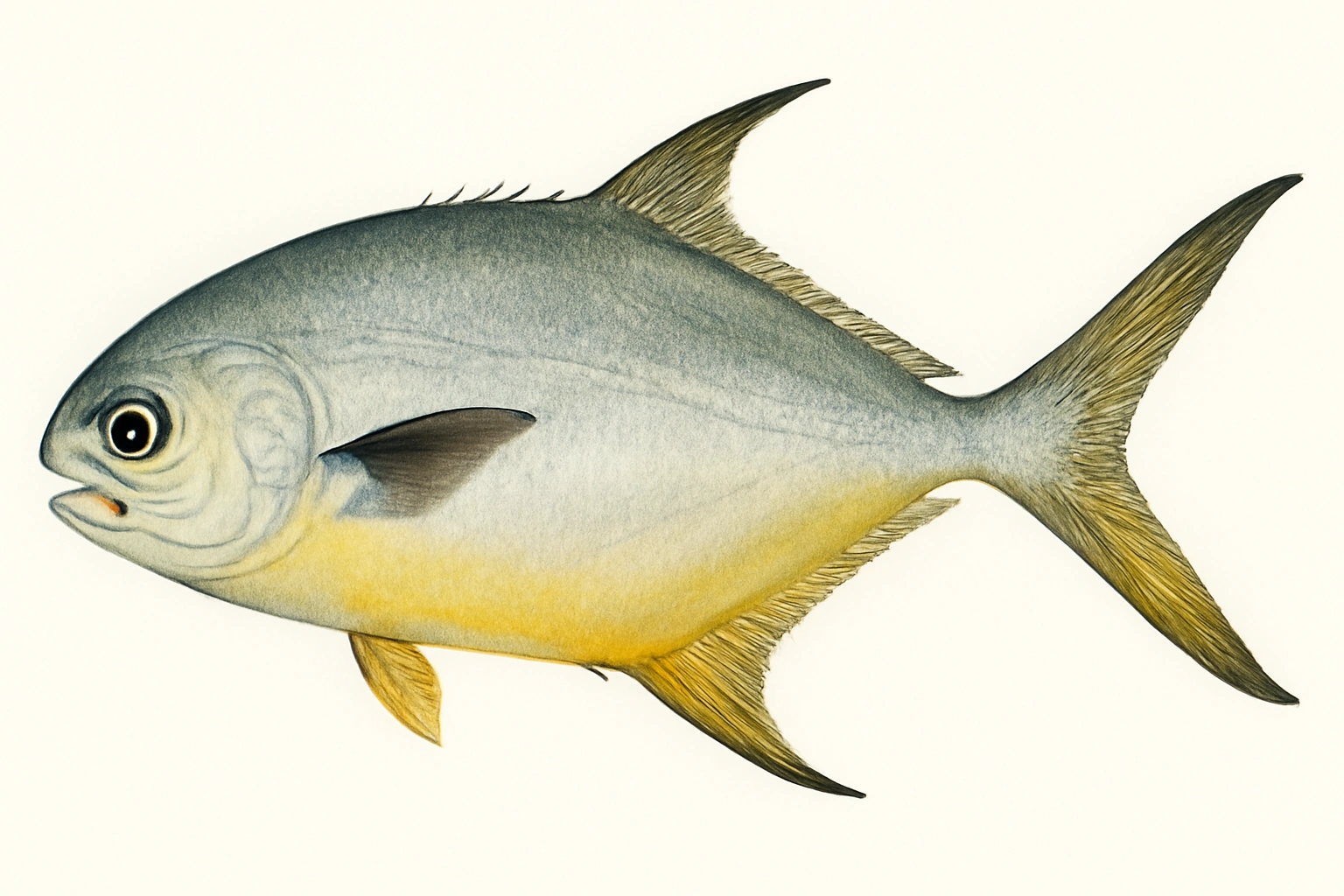 Florida pompanoTrachinotus carolinus
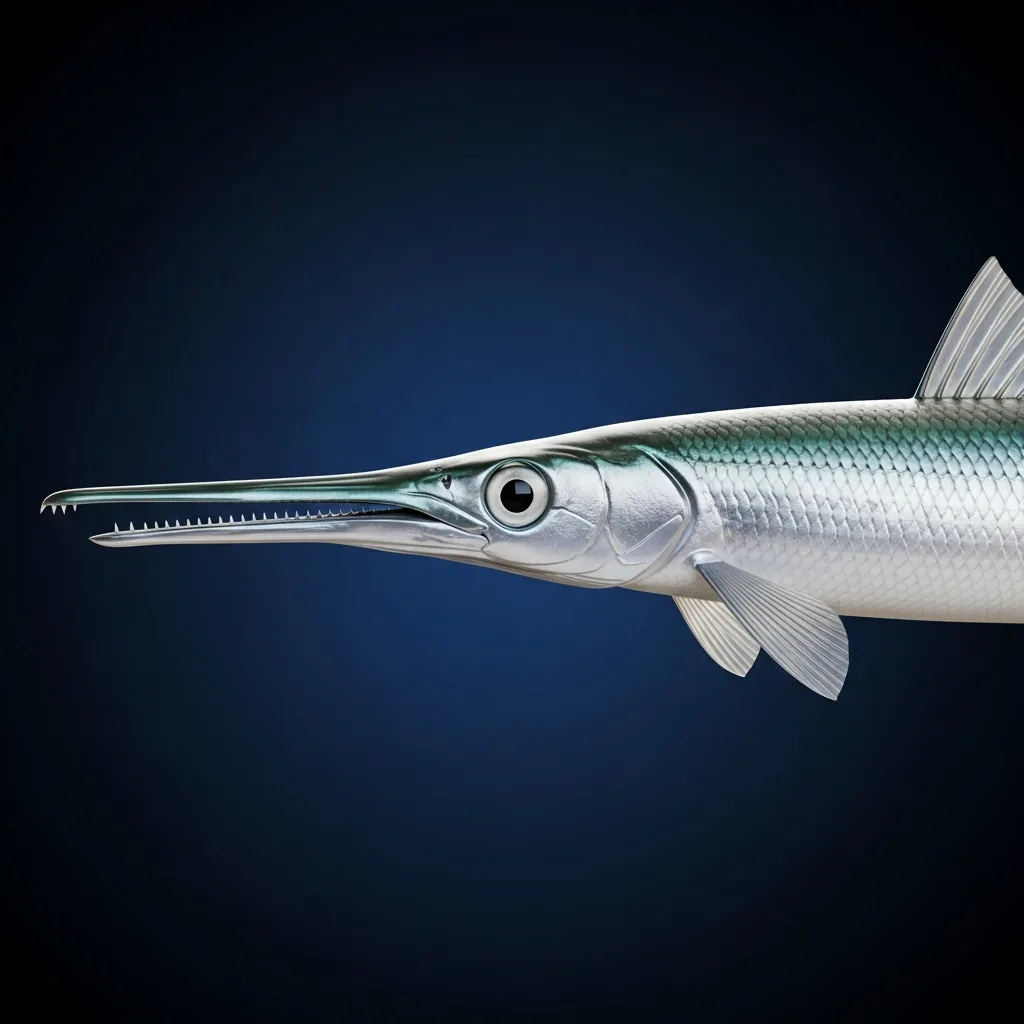 GarfishBelone belone
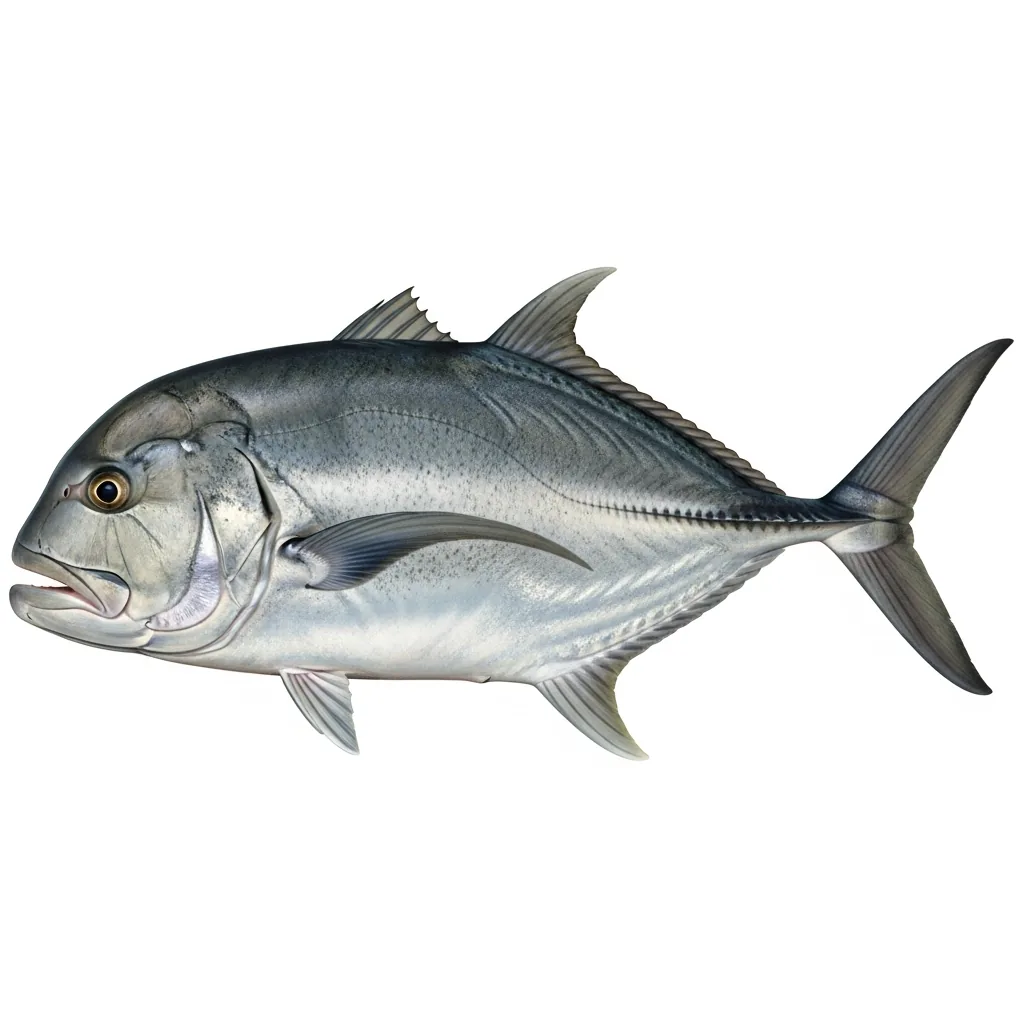 Giant trevallyCaranx ignobilis
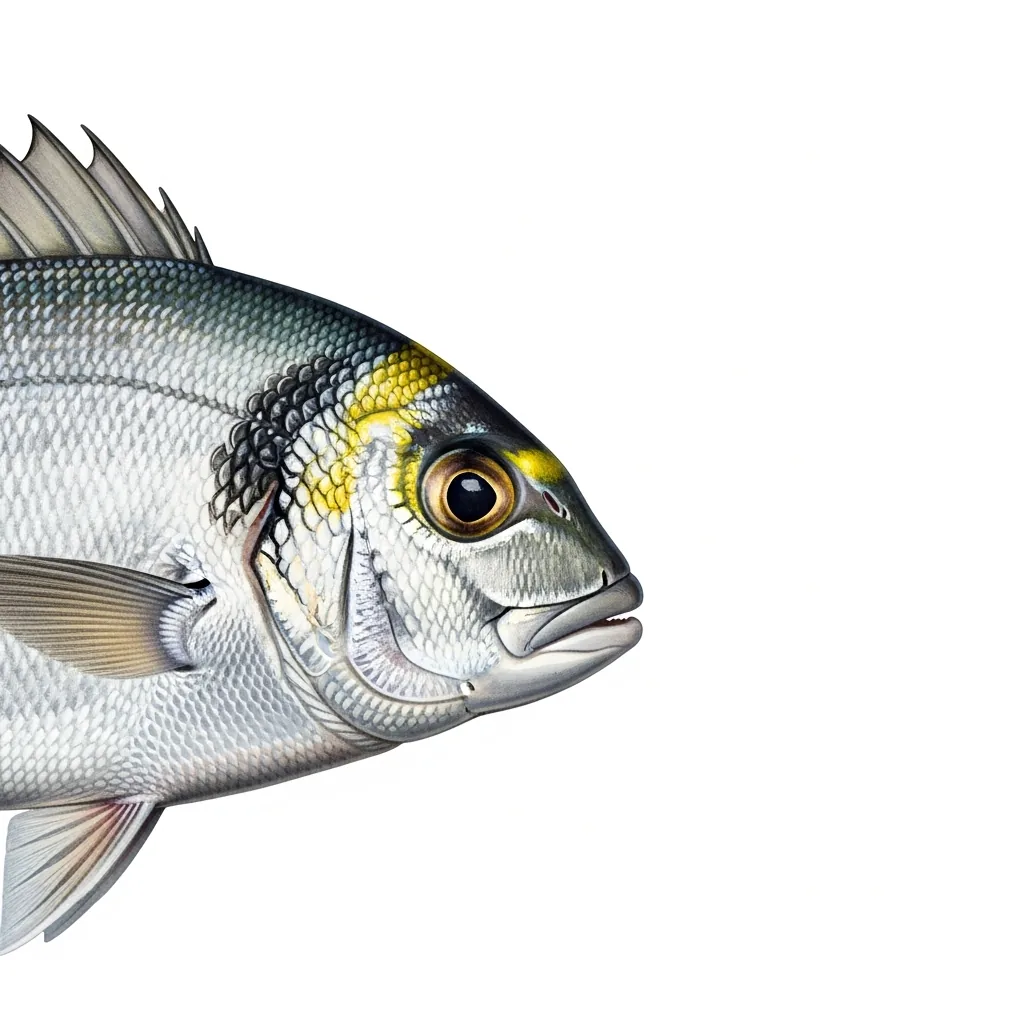 Gilthead sea breamSparus aurata
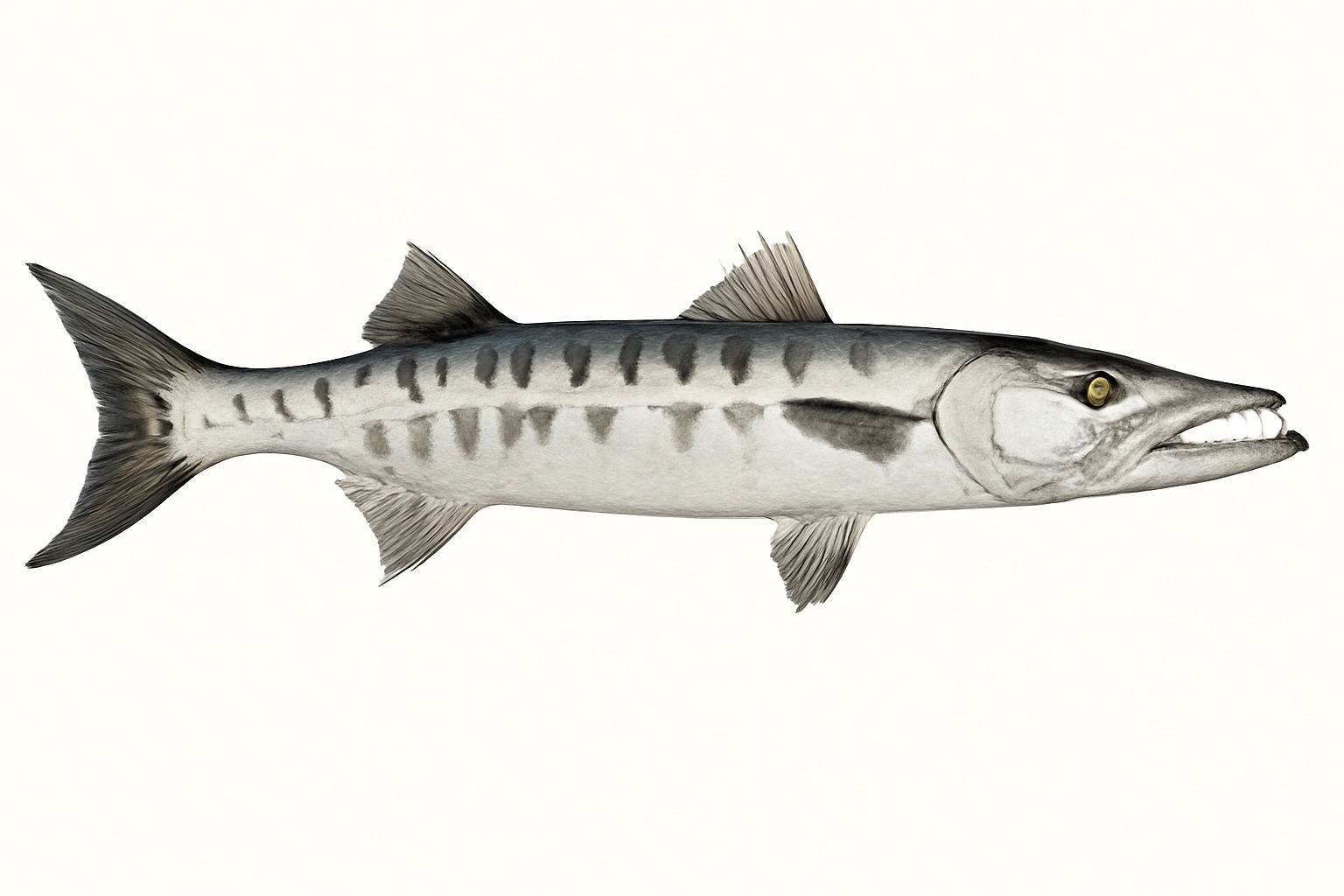 Great barracudaSphyraena barracuda
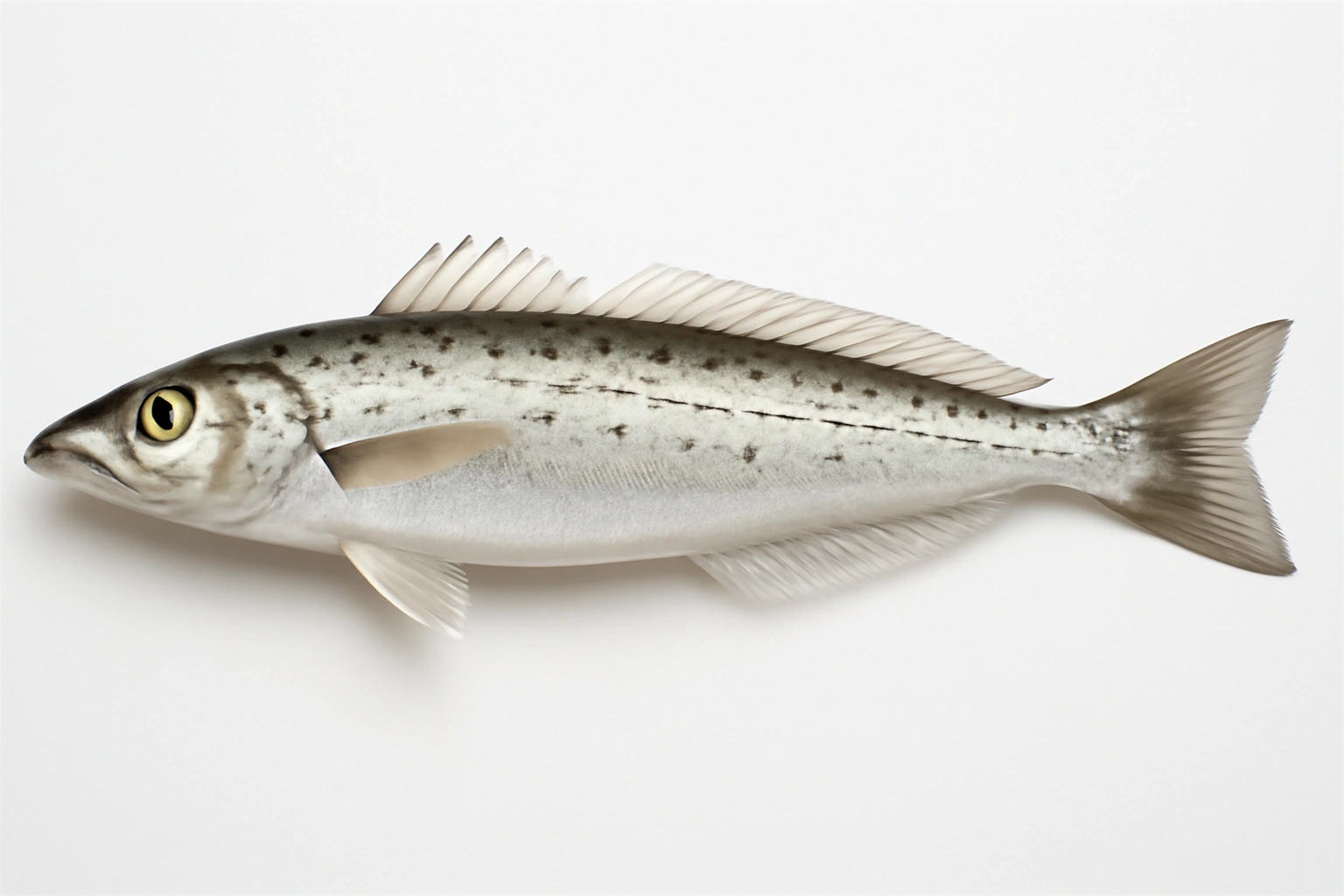 King George WhitingSillaginodes punctatus
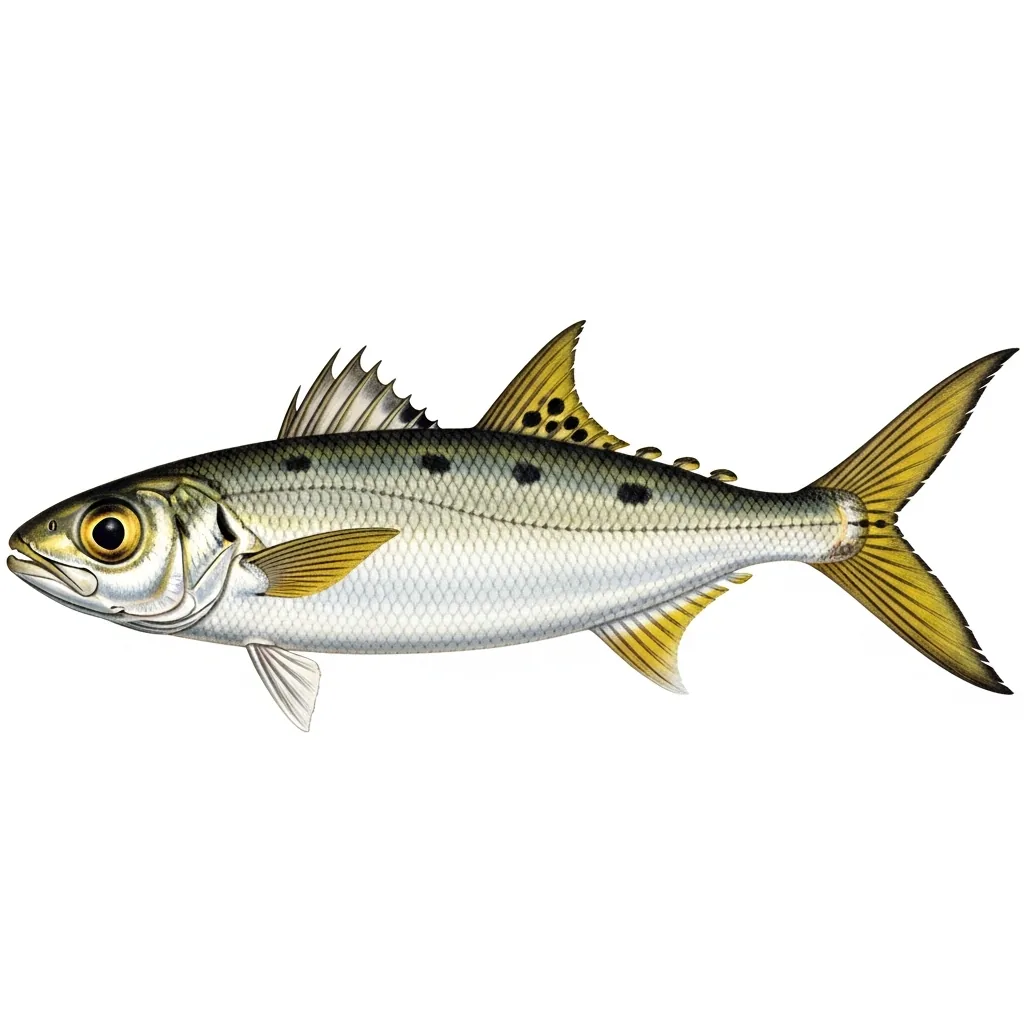 LeerfishLichia amia
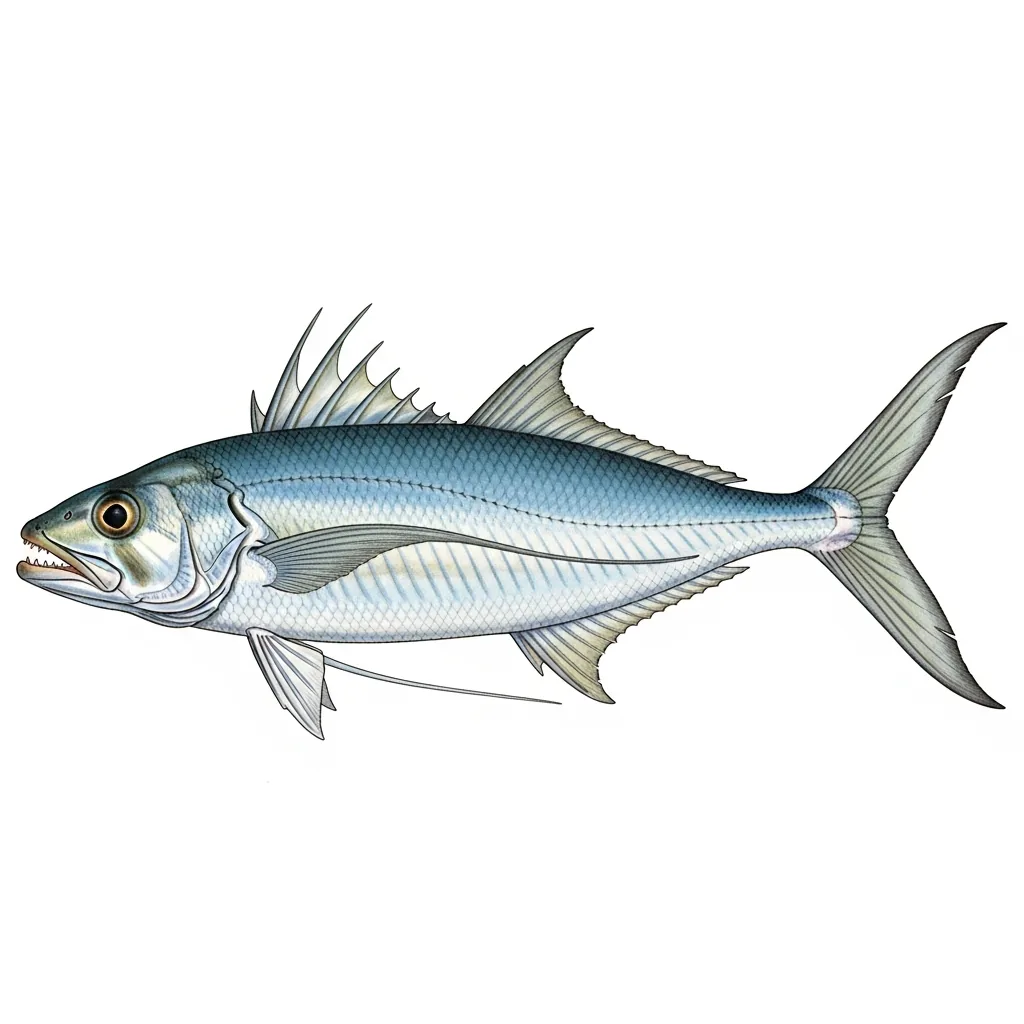 LeerfishTrachinotus ovatus
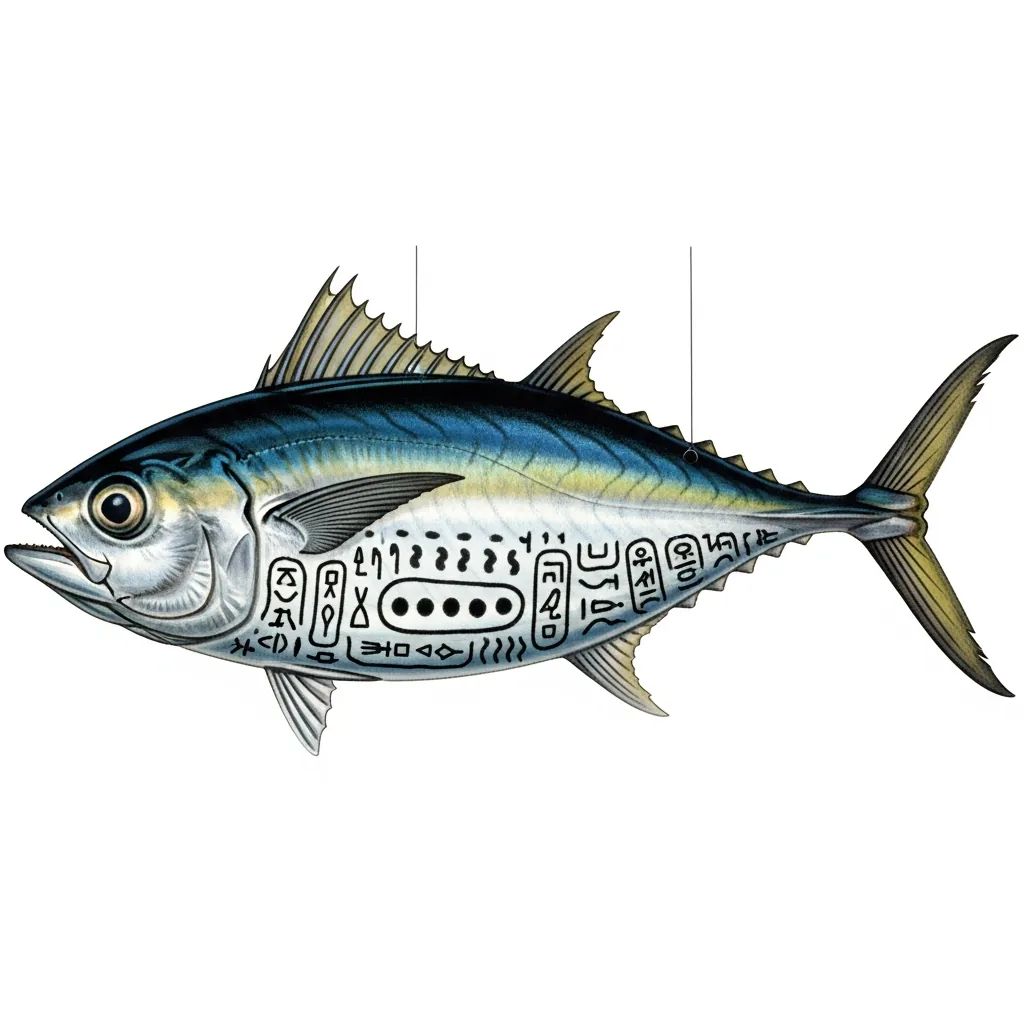 Little tunnyEuthynnus alletteratus
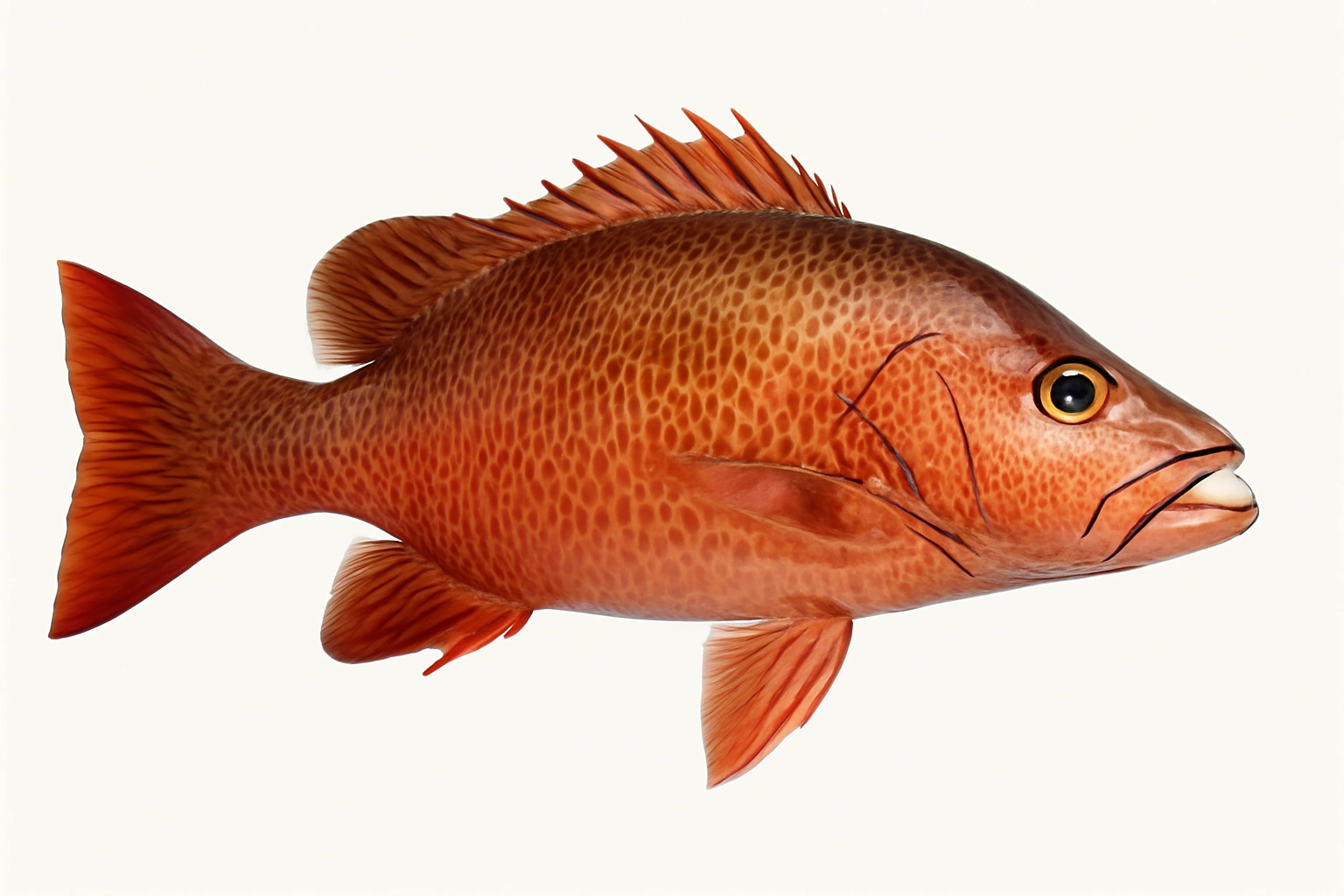 Mangrove JackLutjanus argentimaculatus
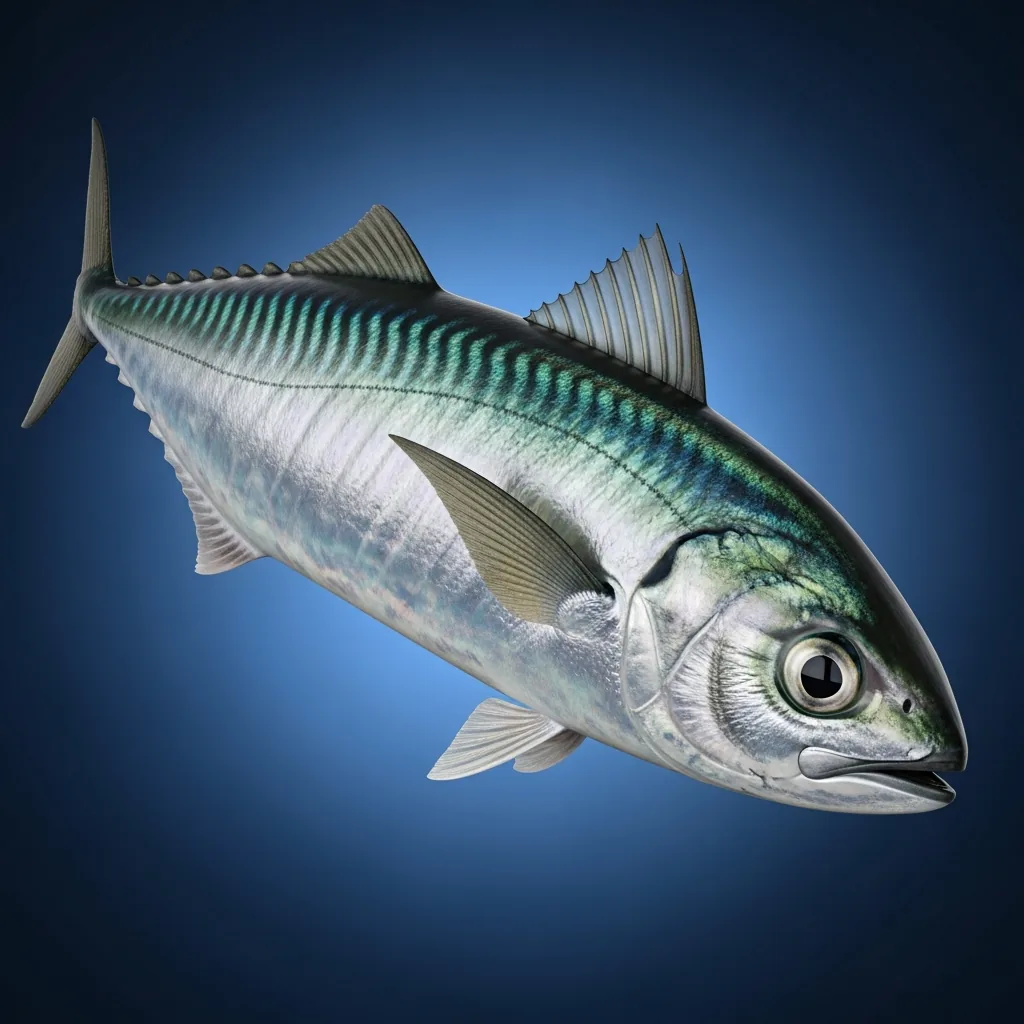 Mediterranean horse mackerelTrachurus mediterraneus
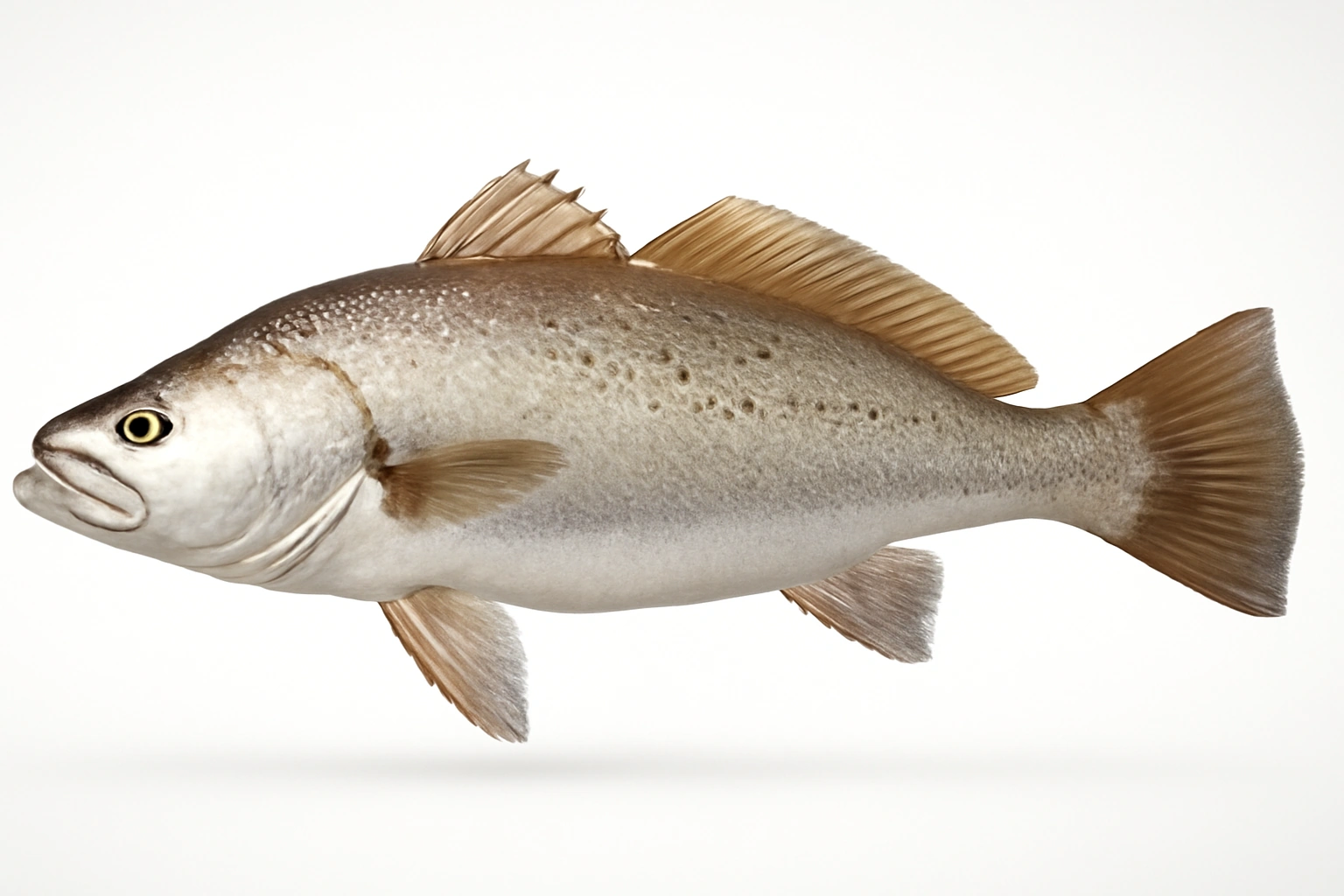 MullowayArgyrosomus japonicus
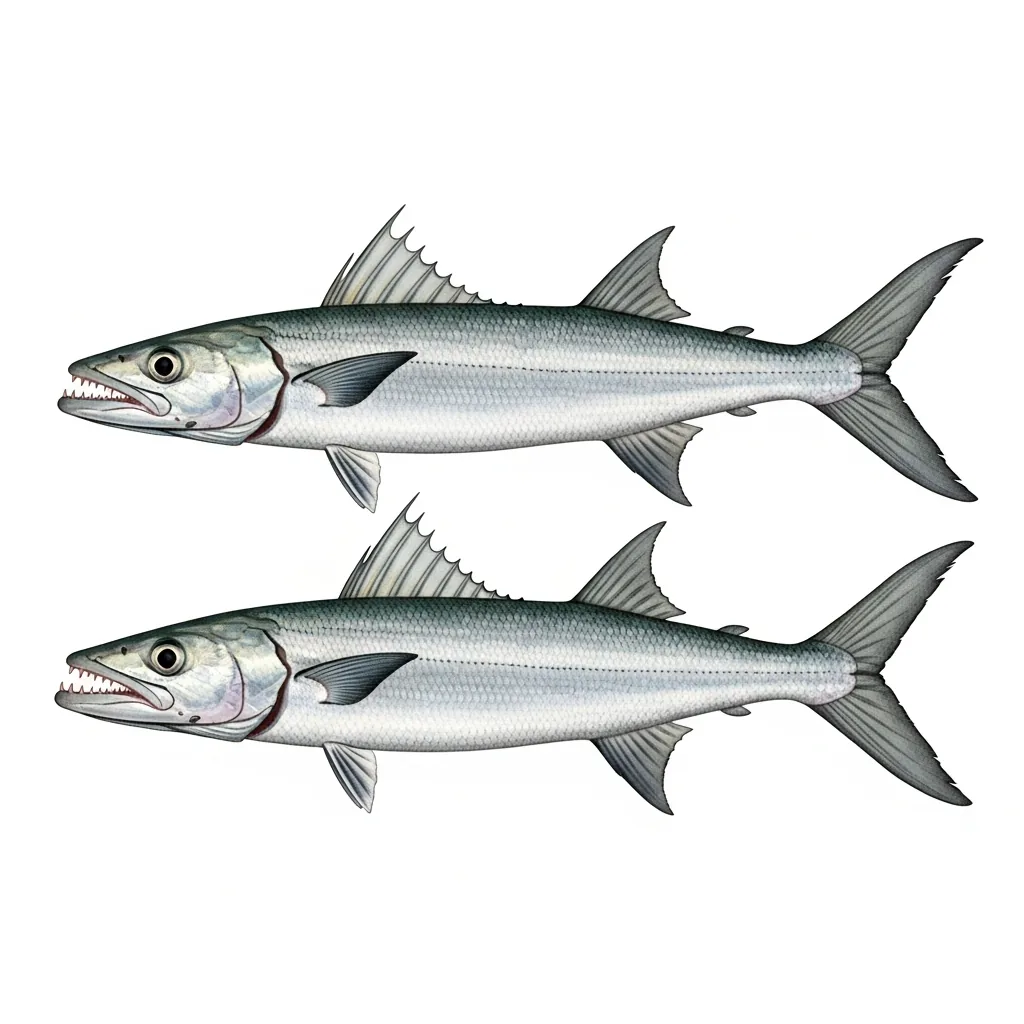 Pacific BarracudaSphyraena argentea
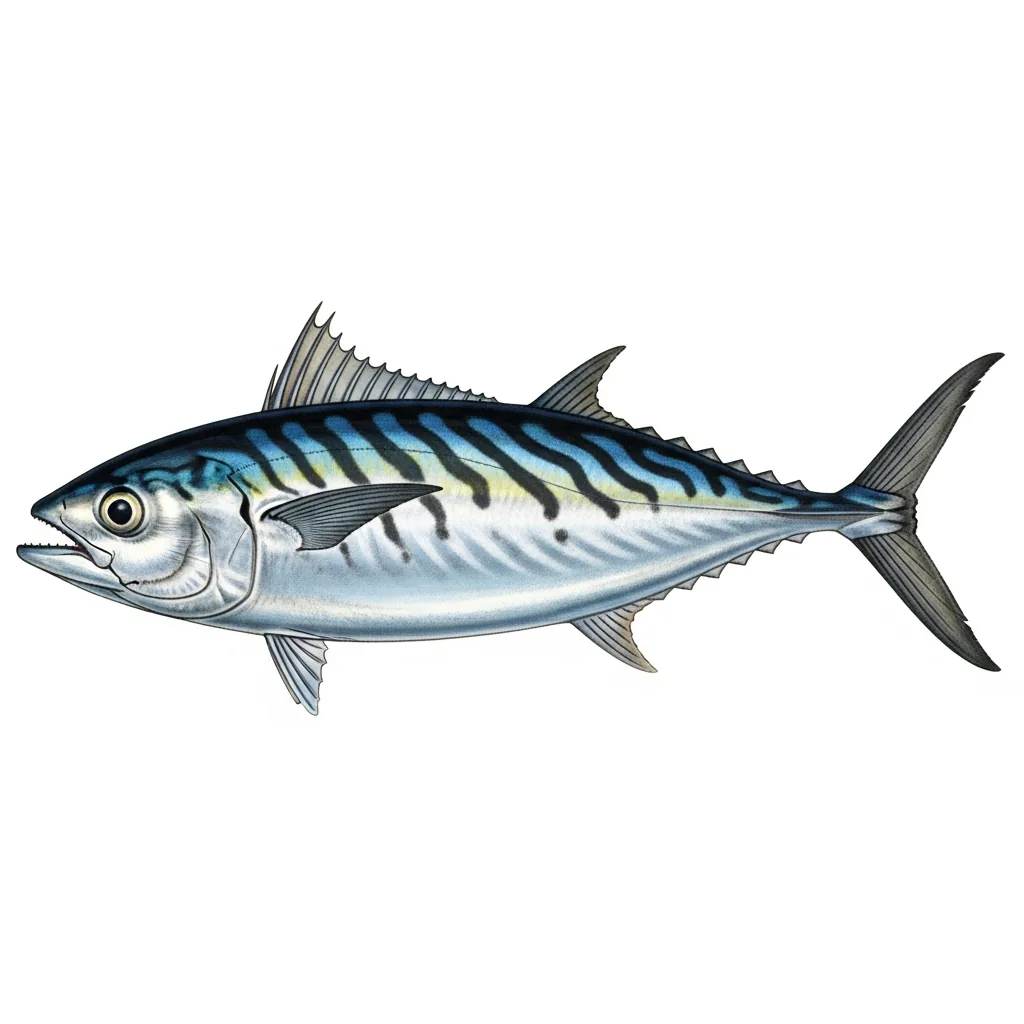 Pacific BonitoSarda chiliensis
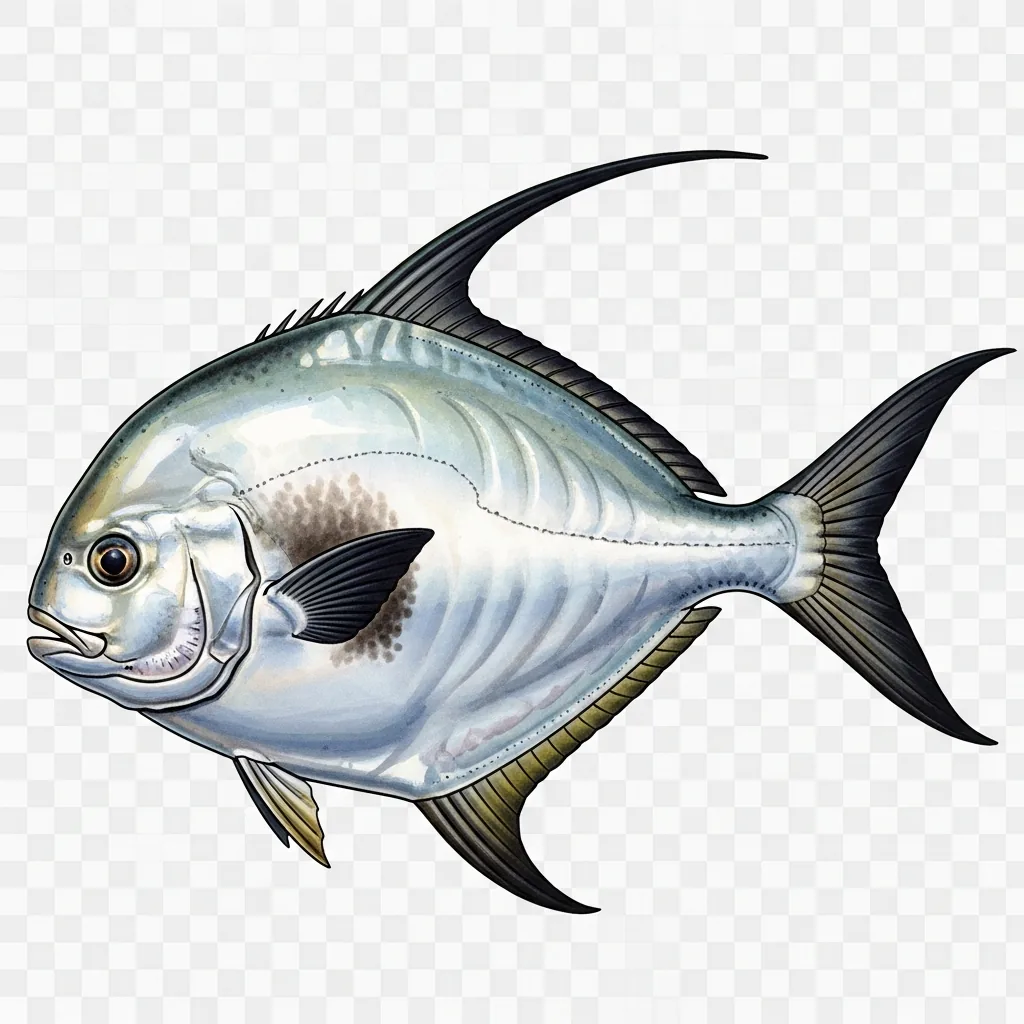 PermitTrachinotus falcatus
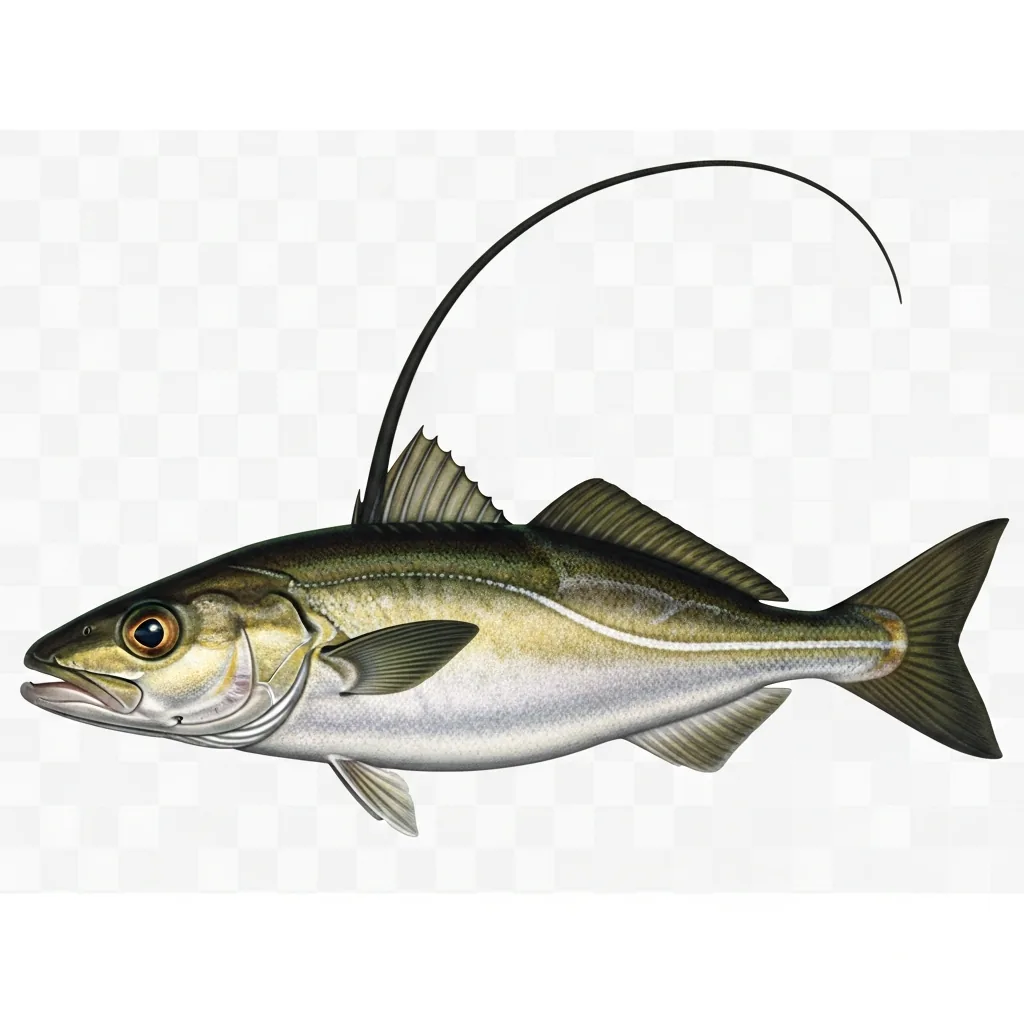 PollackPollachius pollachius
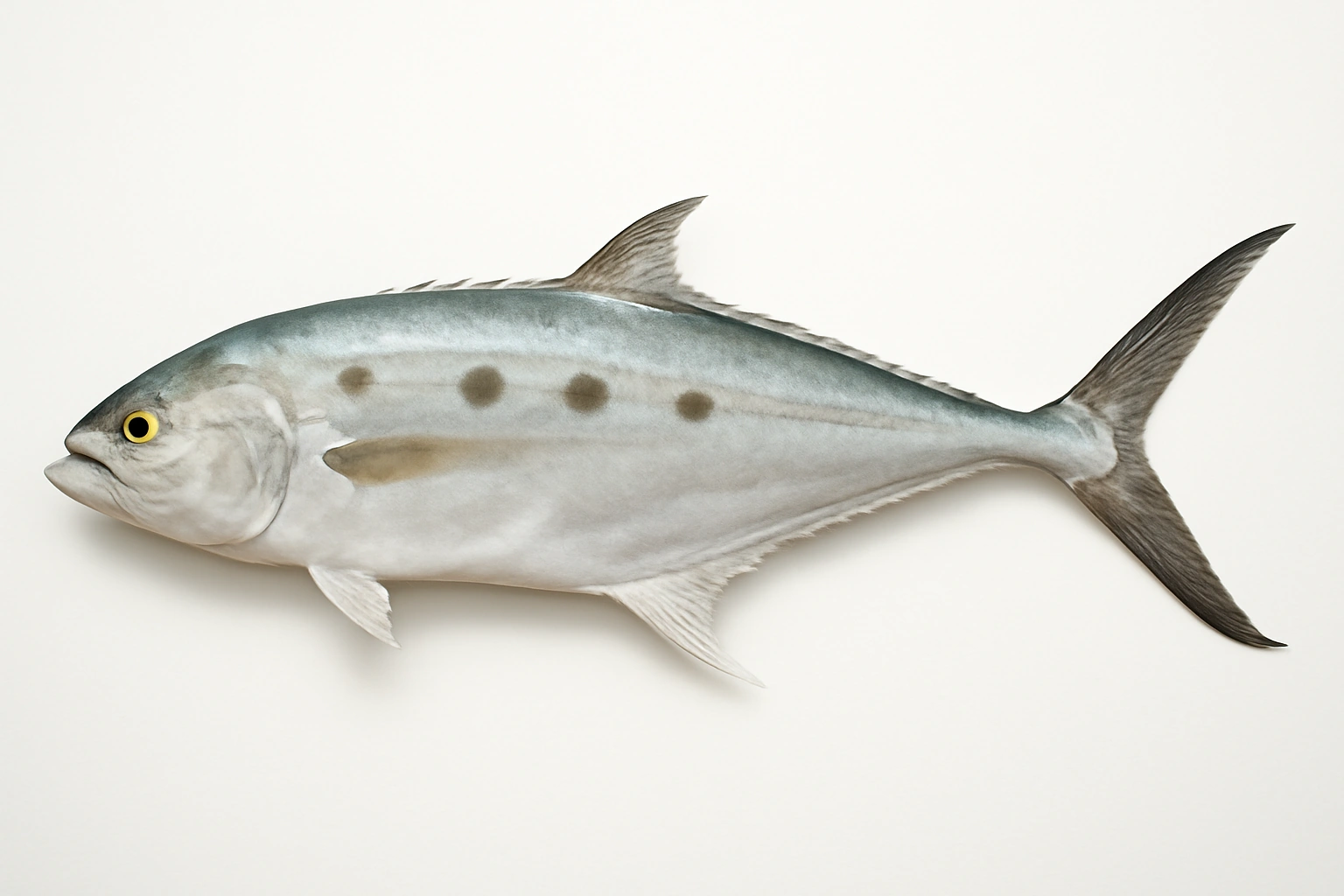 QueenfishScomberoides commersonnianus
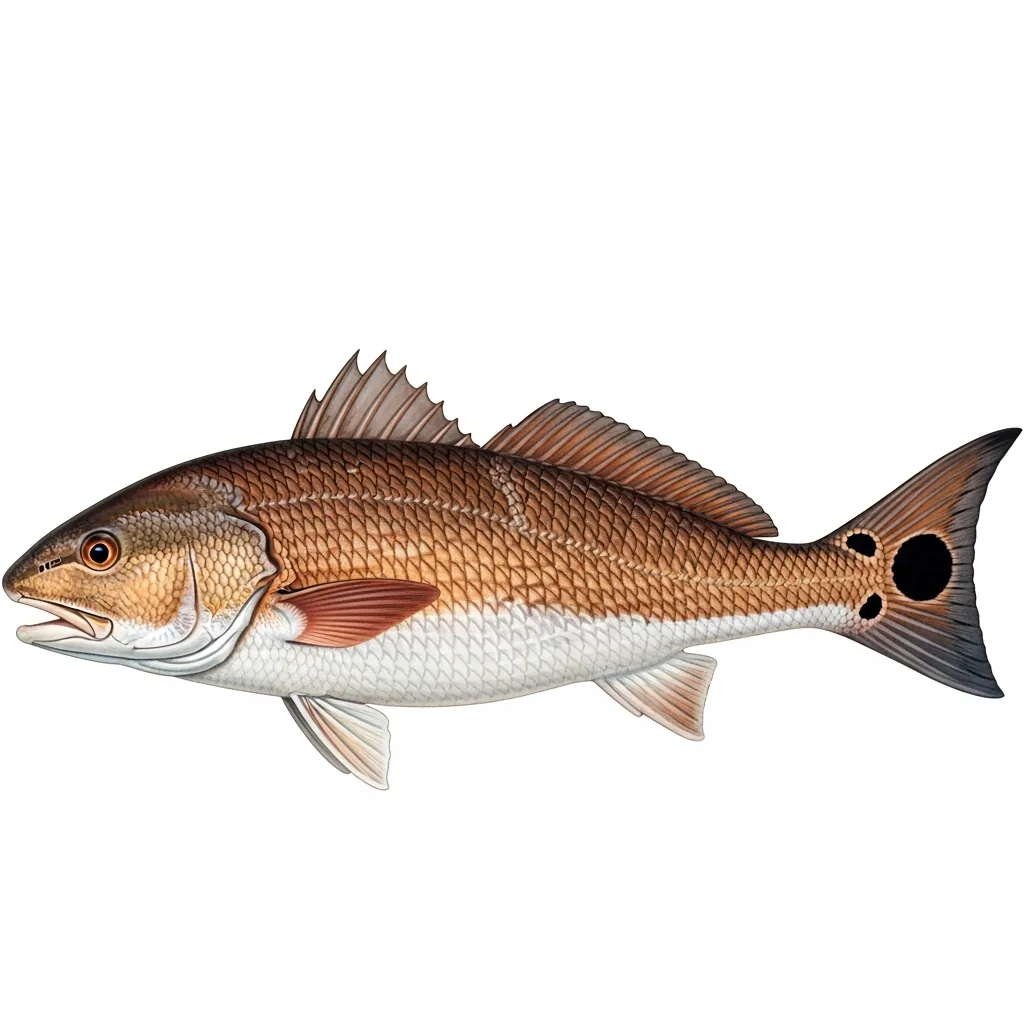 Red drumSciaenops ocellatus
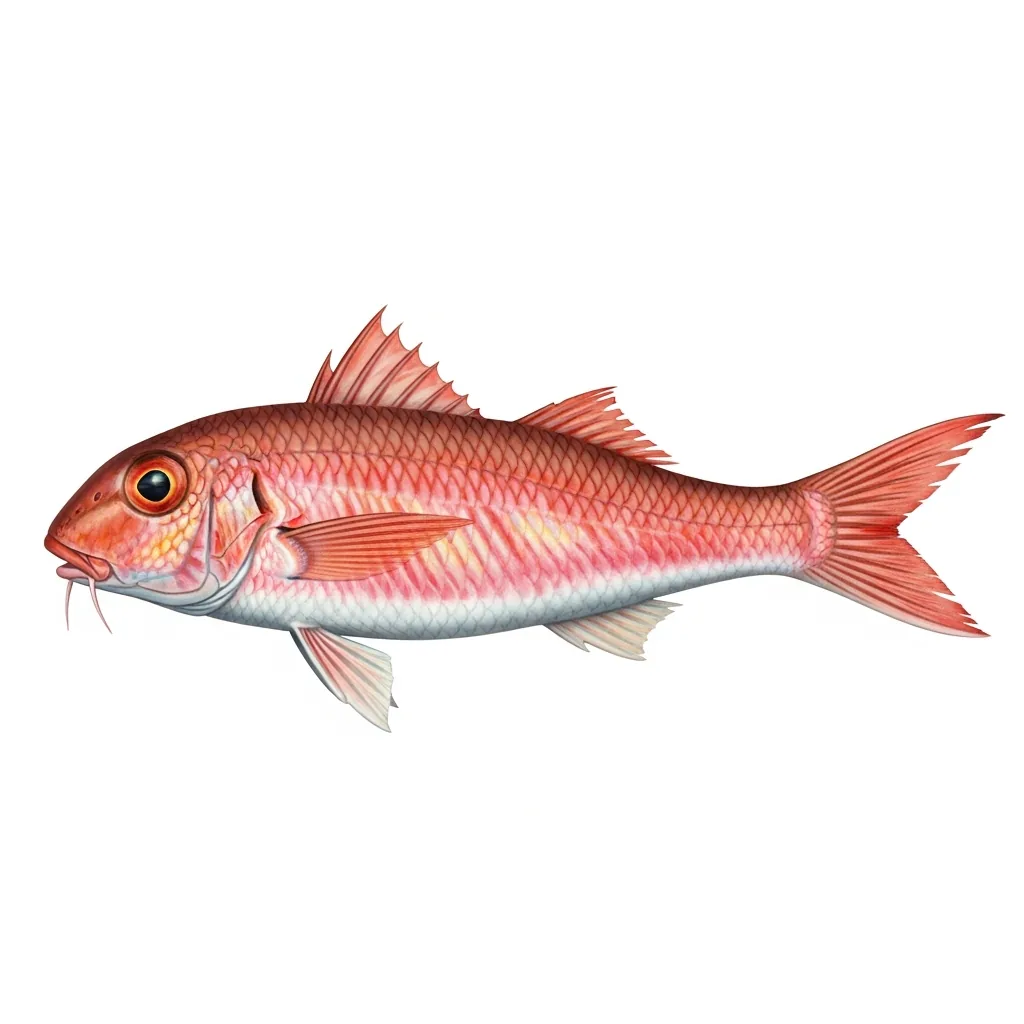 Red mulletMullus barbatus
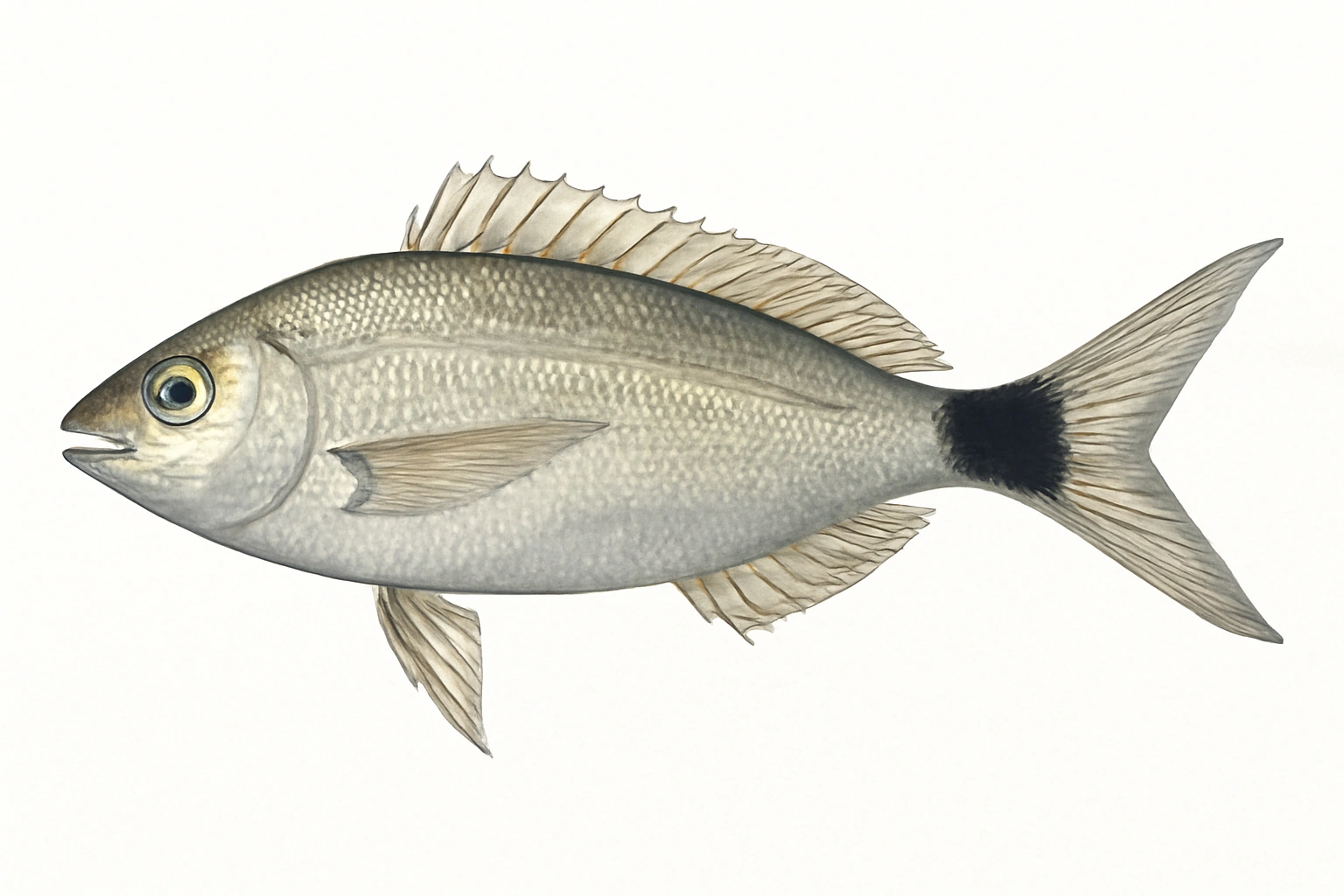 Saddled seabreamOblada melanura
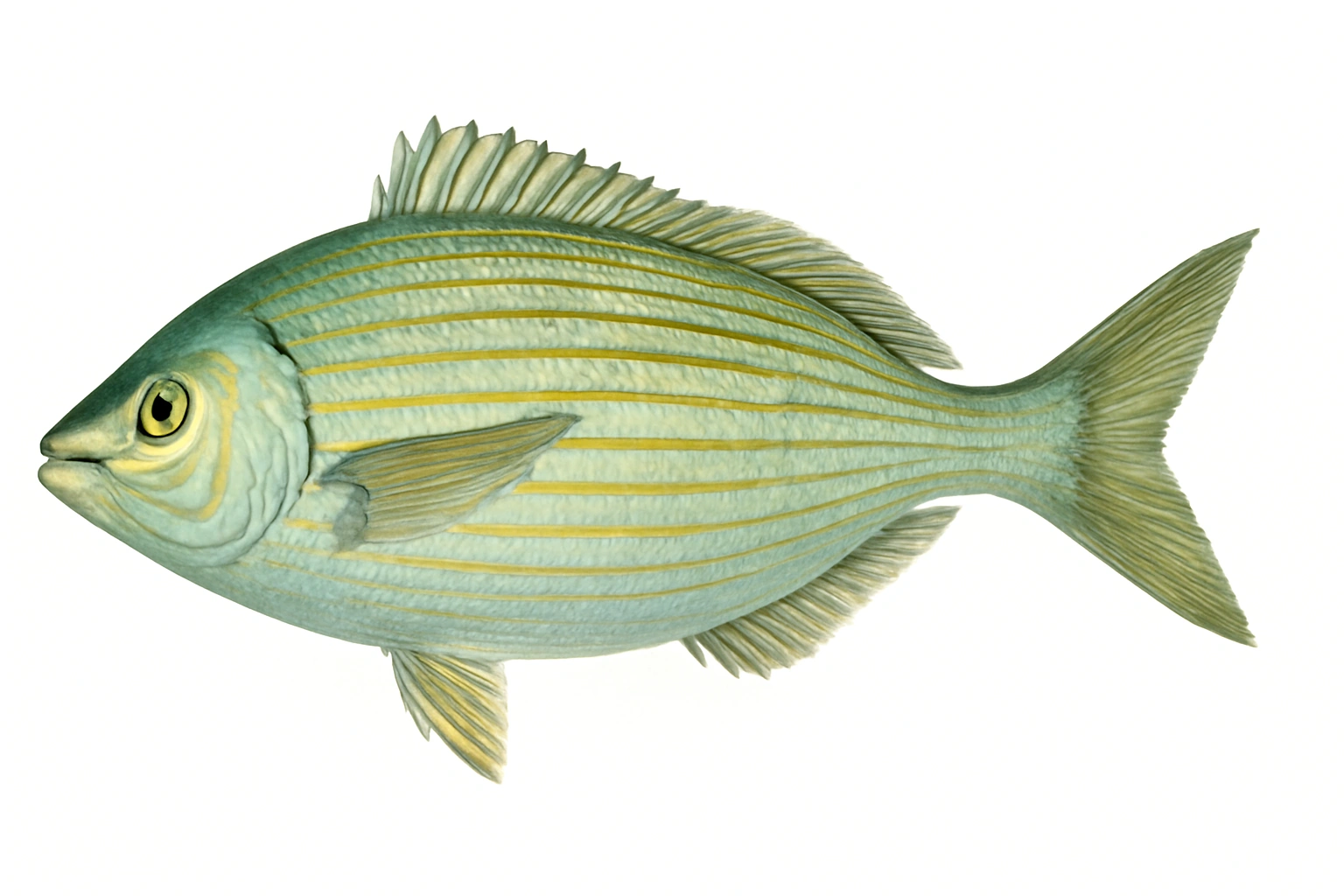 SalemaSarpa salpa
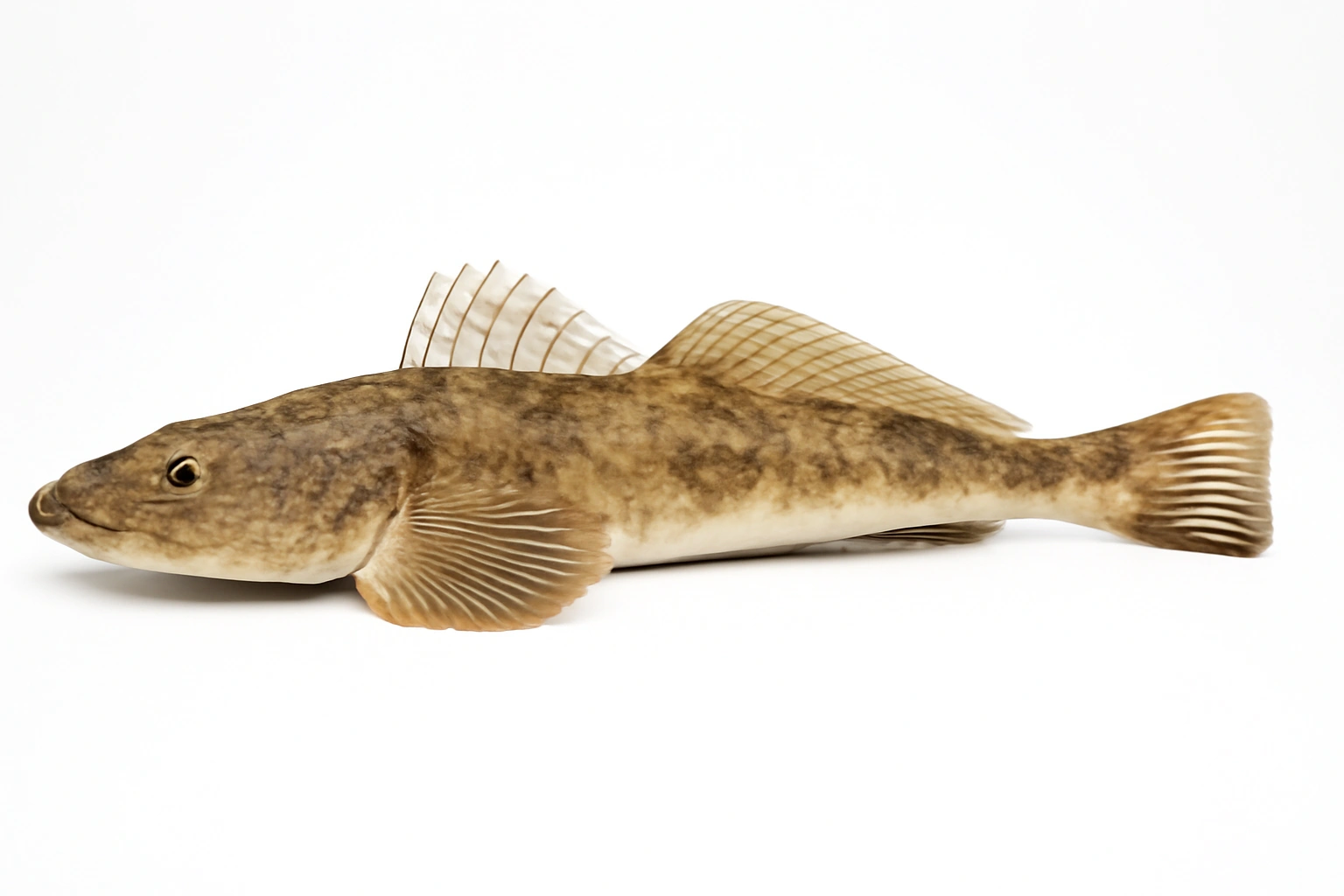 Sand FlatheadPlatycephalus bassensis
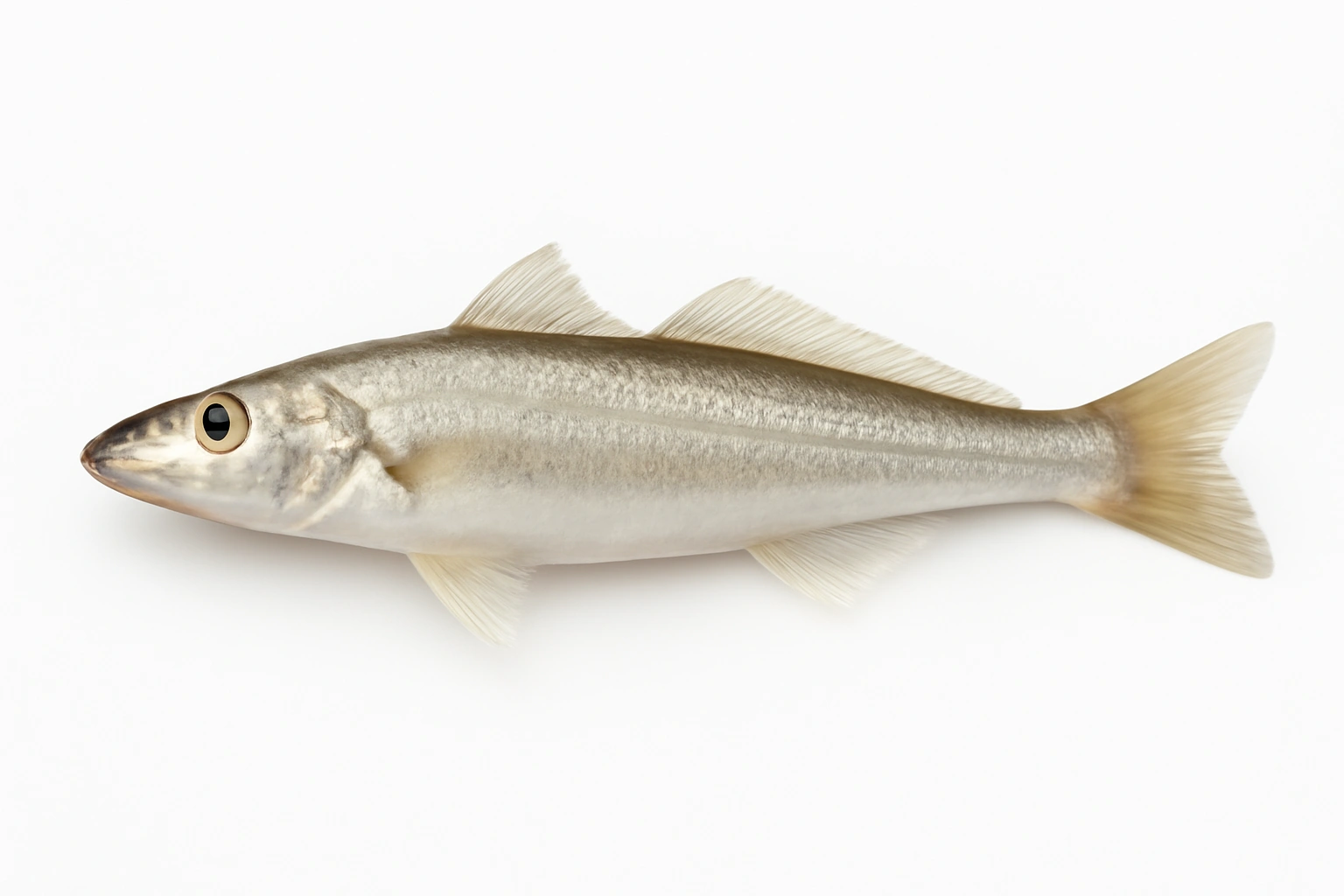 Sand WhitingSillago ciliata
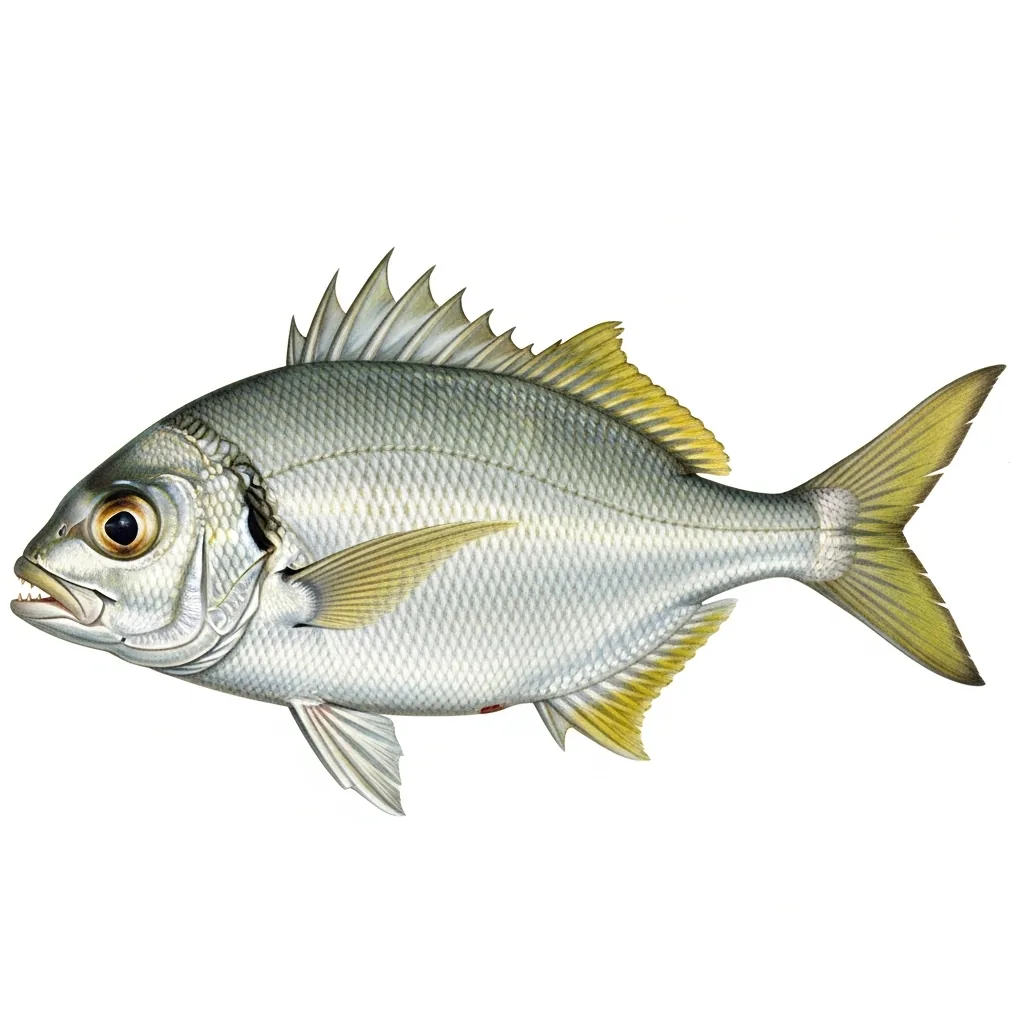 ScupStenotomus chrysops
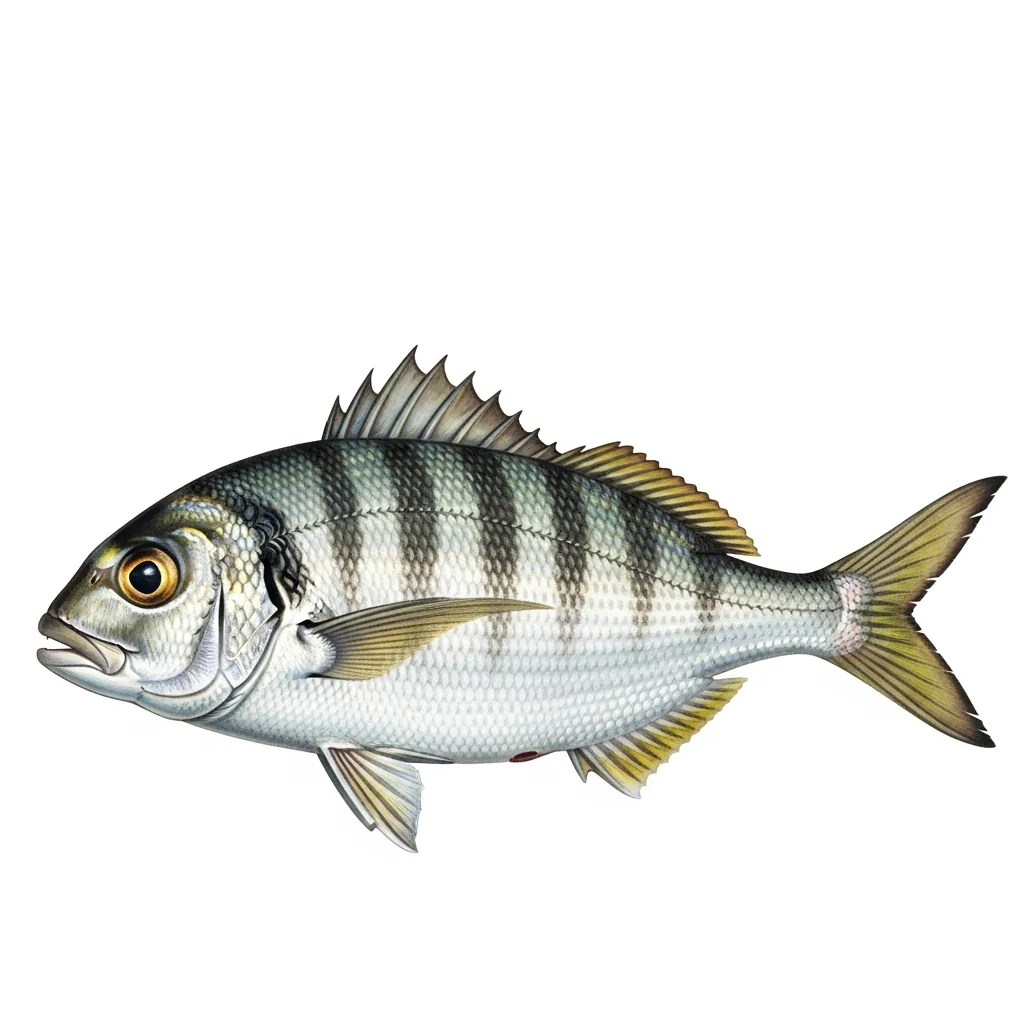 Sharpsnout sea breamDiplodus puntazzo
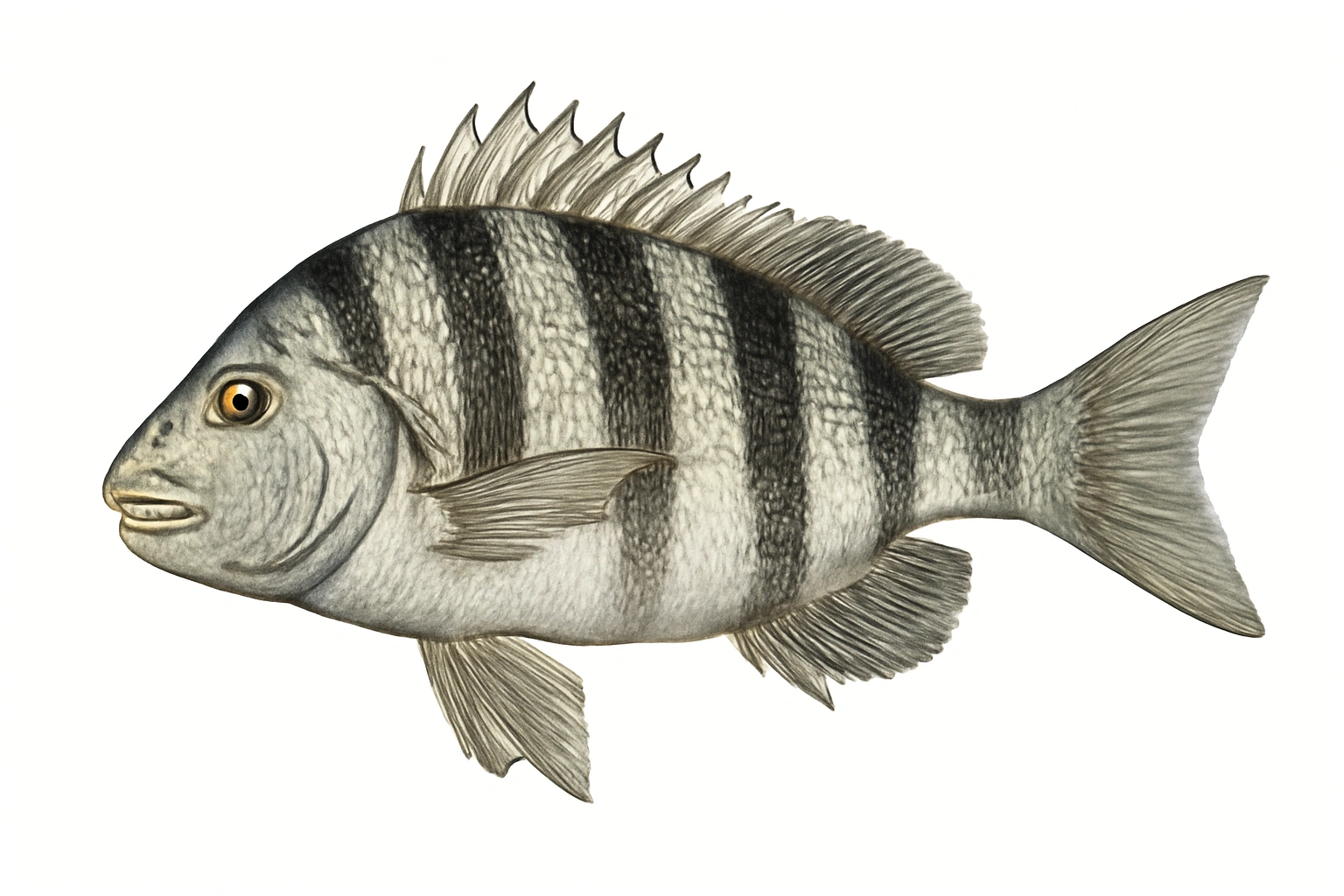 SheepsheadArchosargus probatocephalus
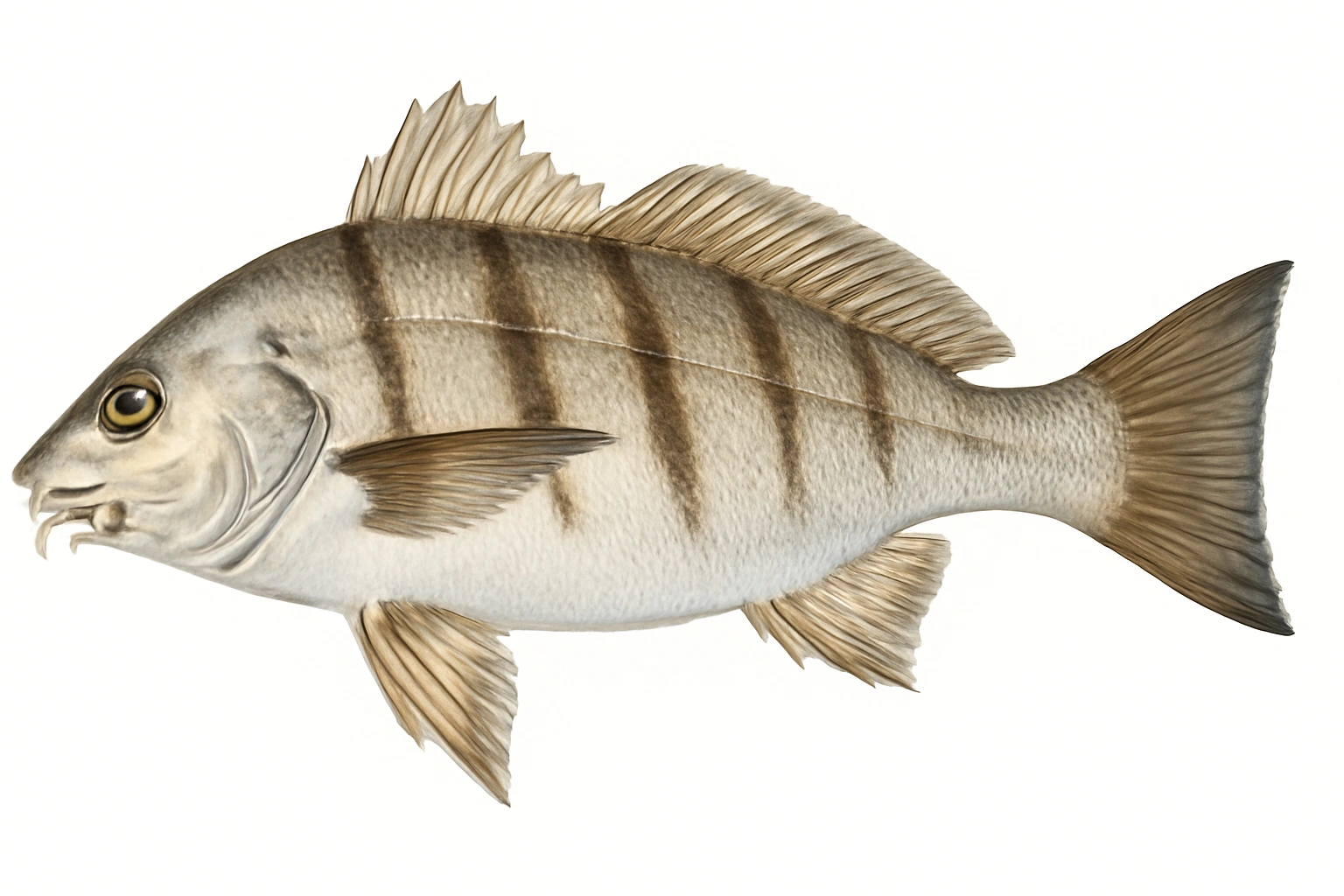 Shi drumUmbrina cirrosa
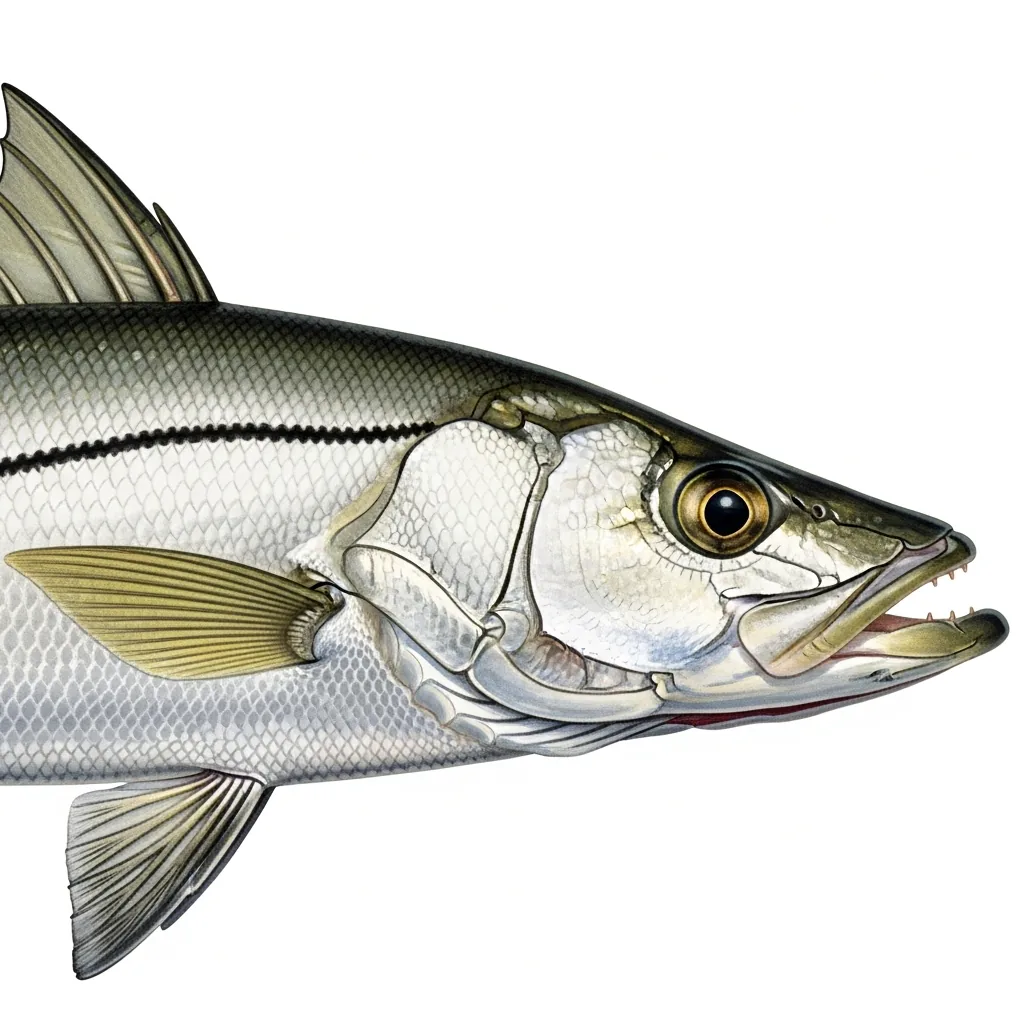 SnookCentropomus undecimalis
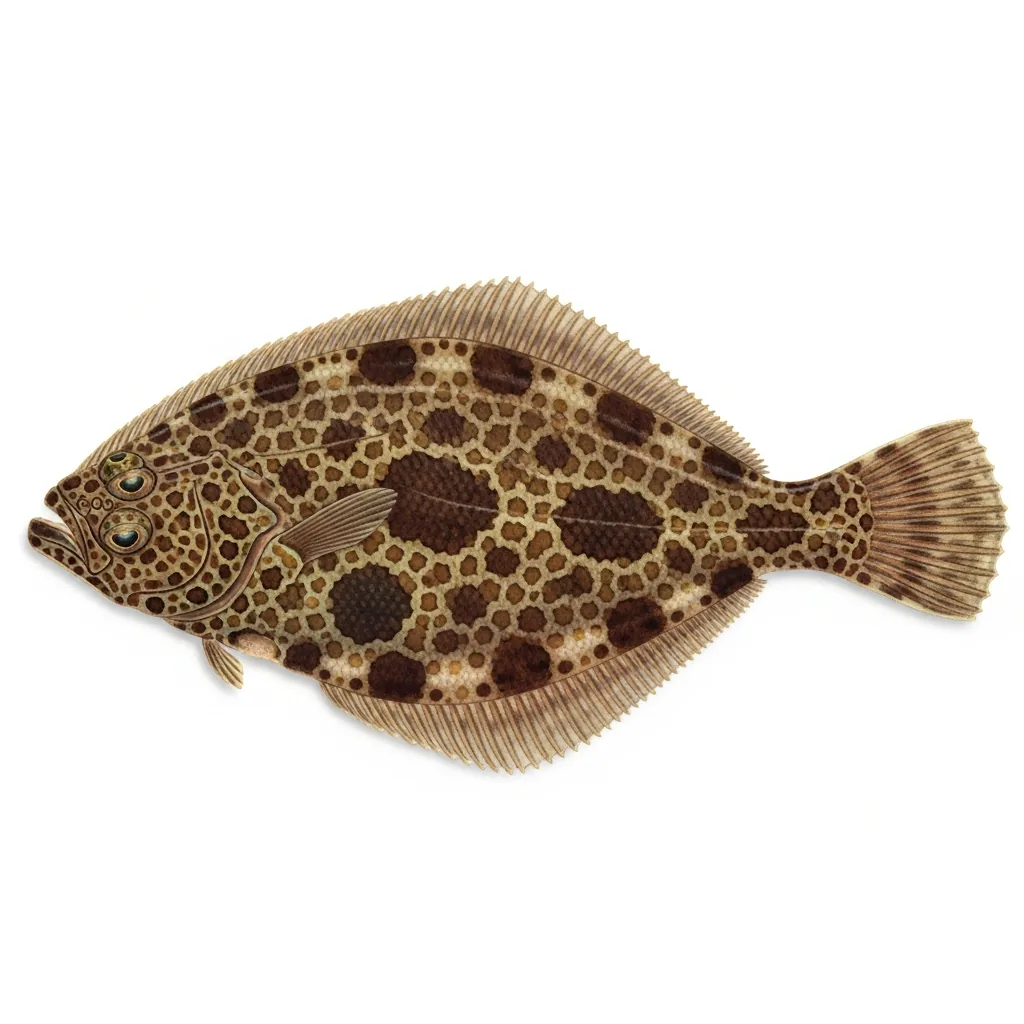 Southern FlounderParalichthys lethostigma
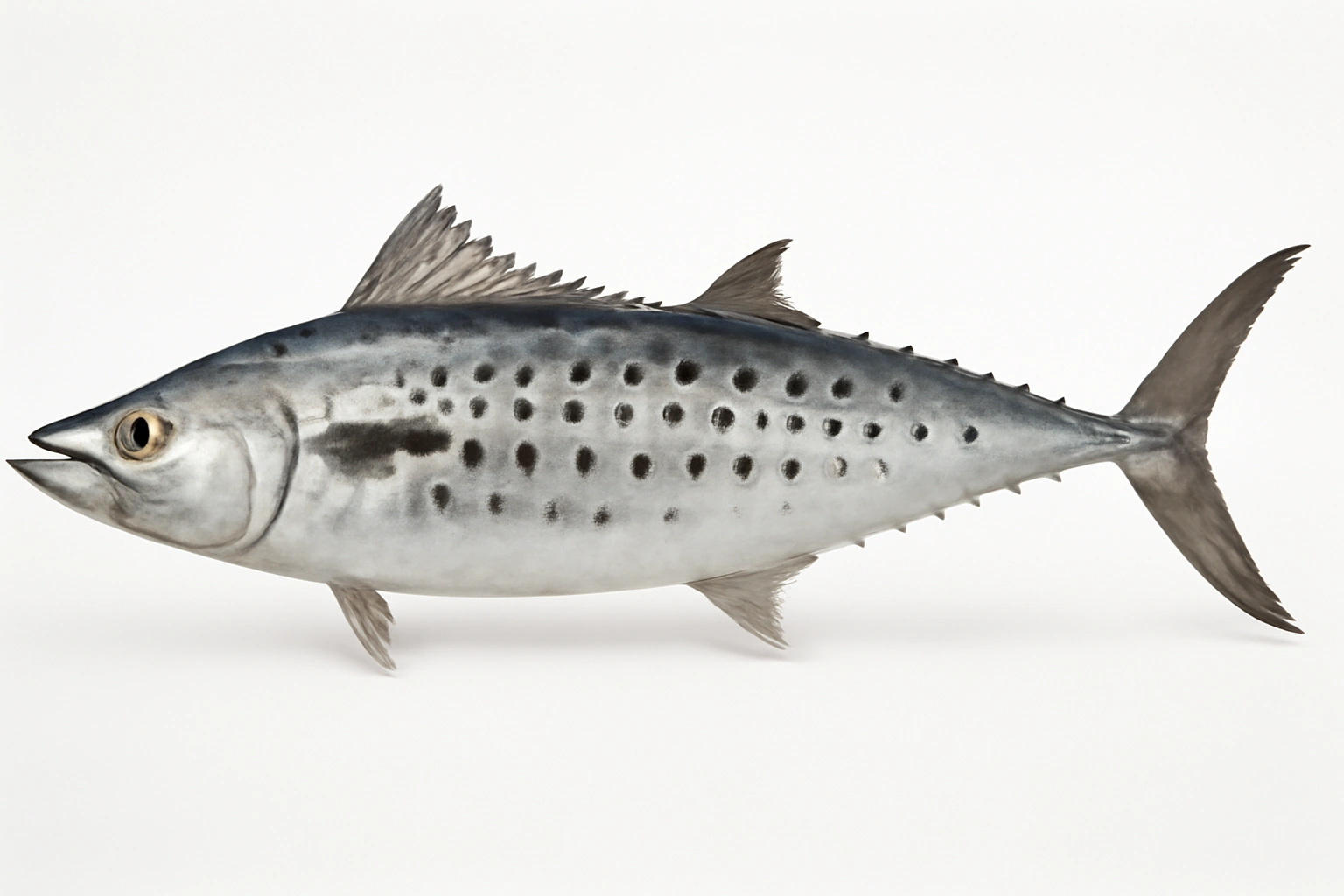 Spotted MackerelScomberomorus munroi
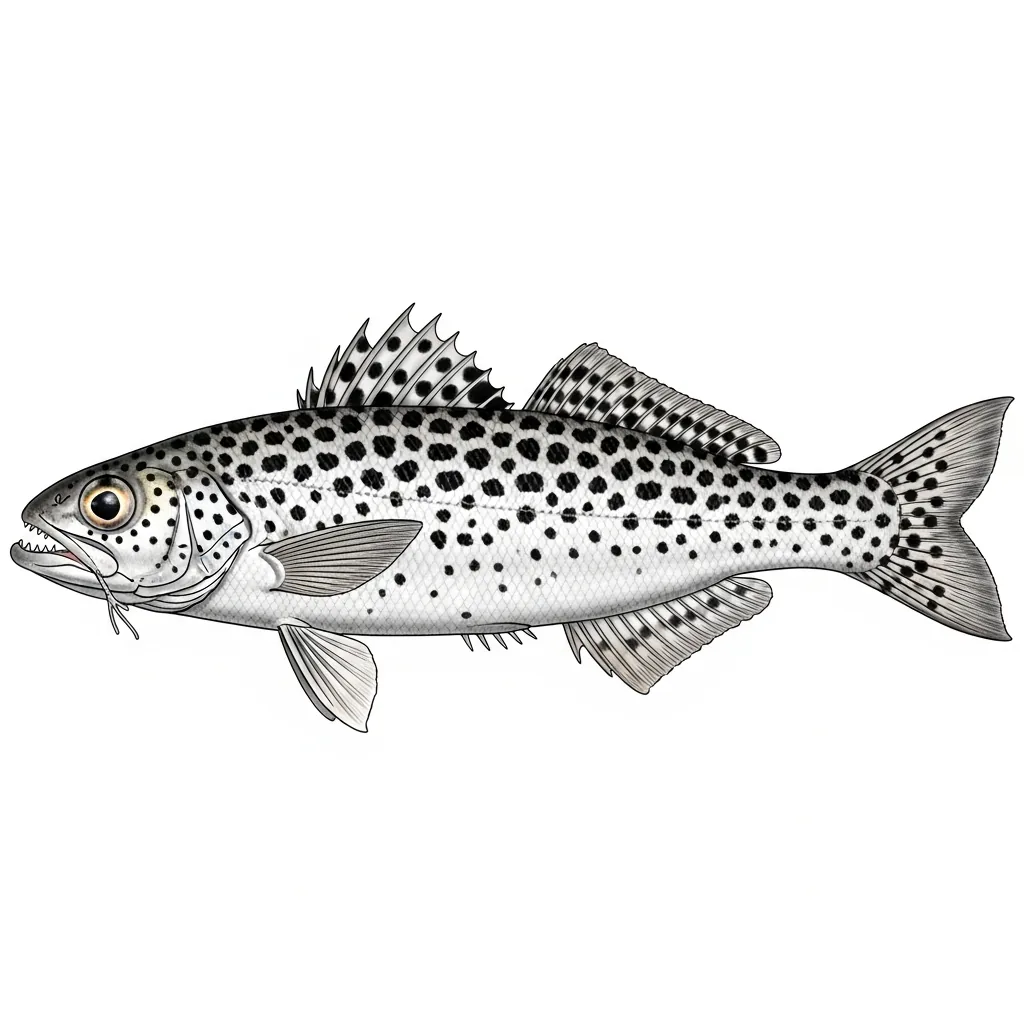 Spotted seatroutCynoscion nebulosus
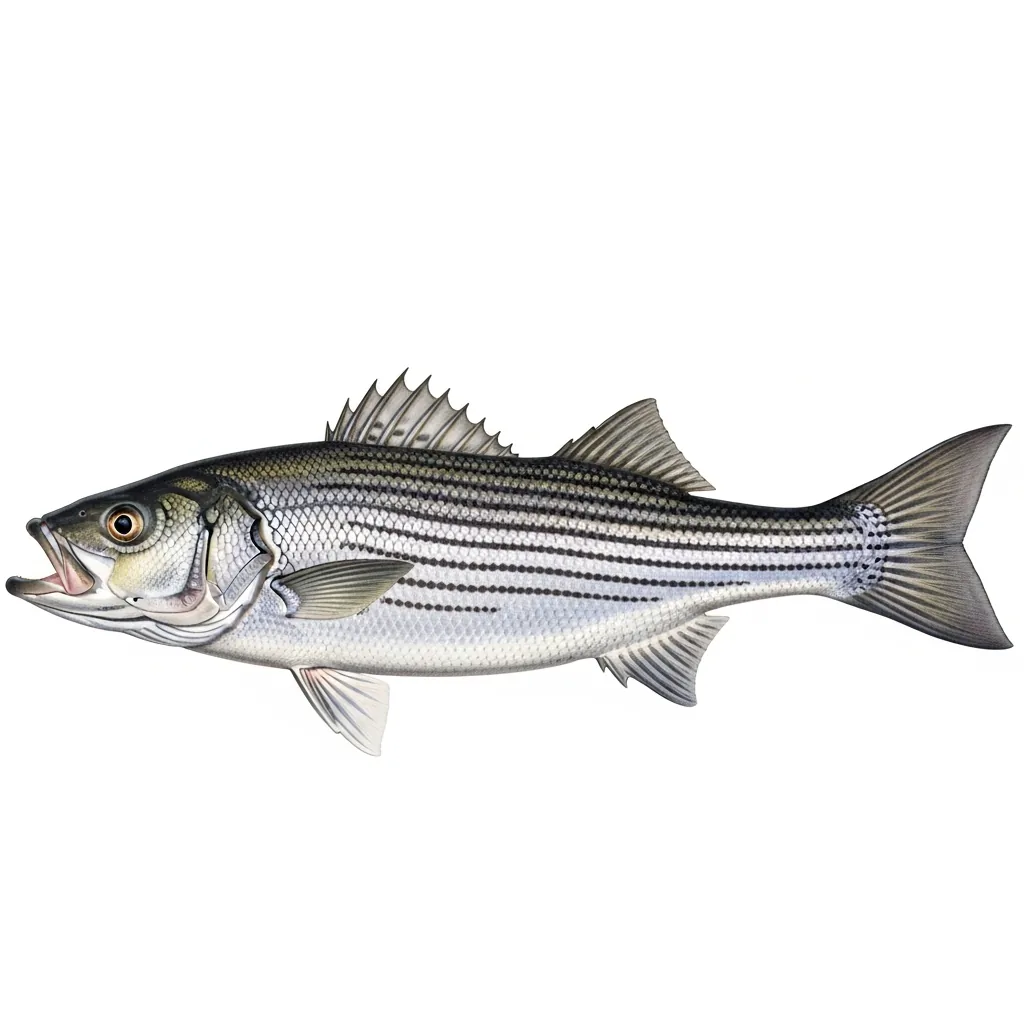 Striped bassMorone saxatilis
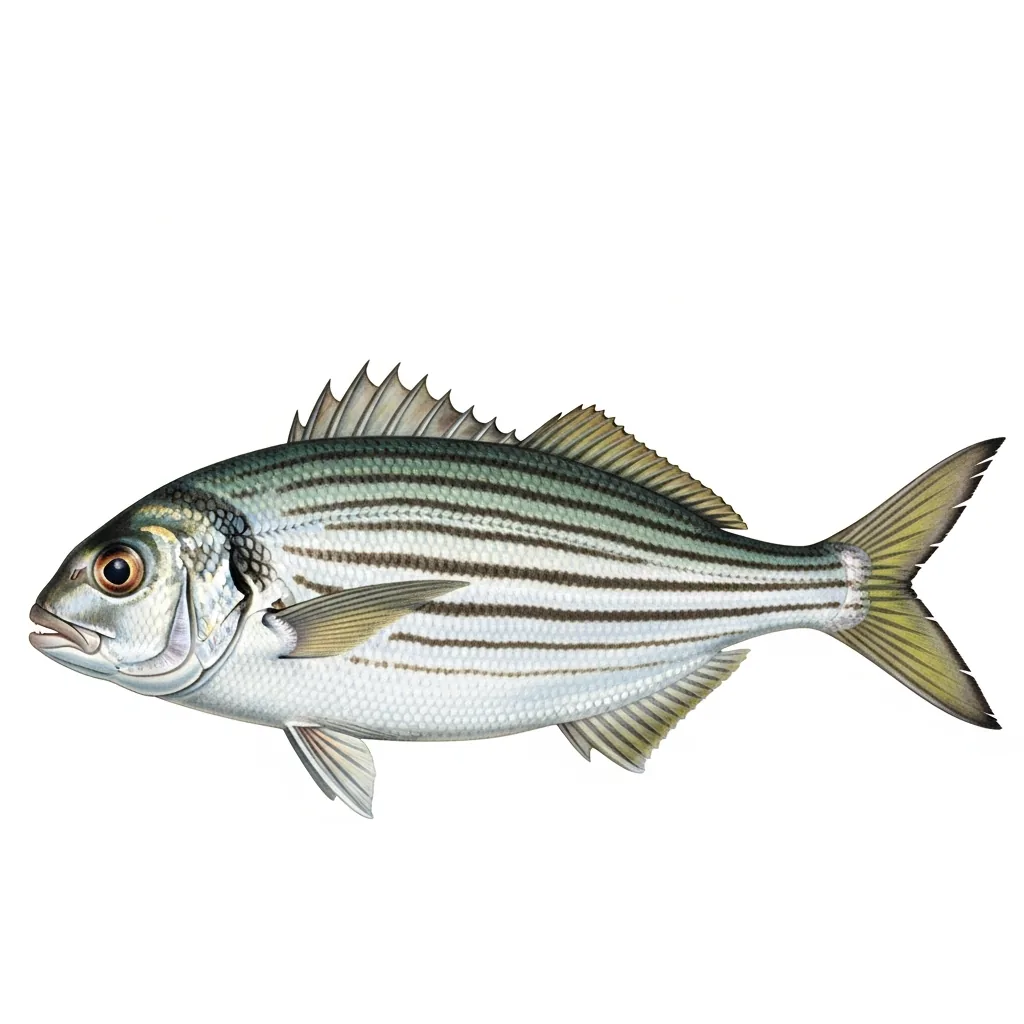 Striped sea breamLithognathus mormyrus
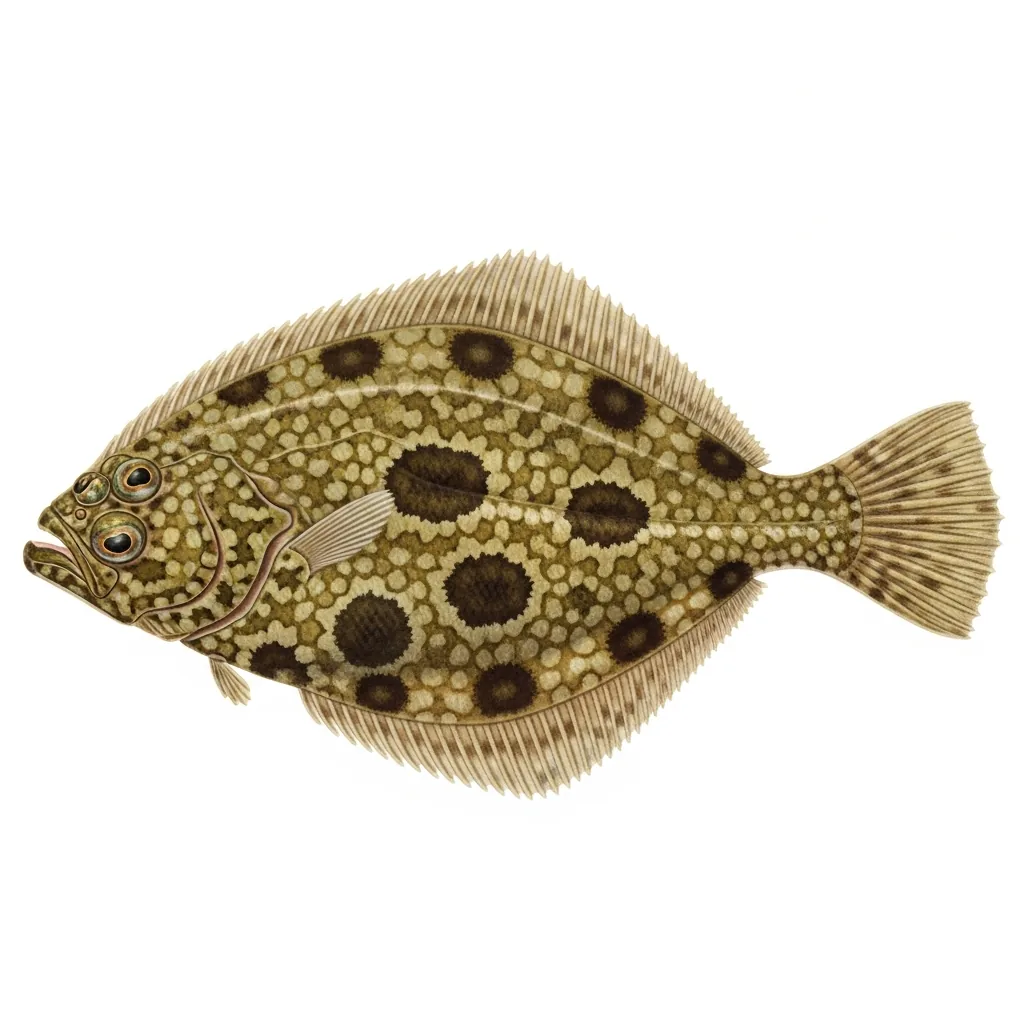 Summer FlounderParalichthys dentatus
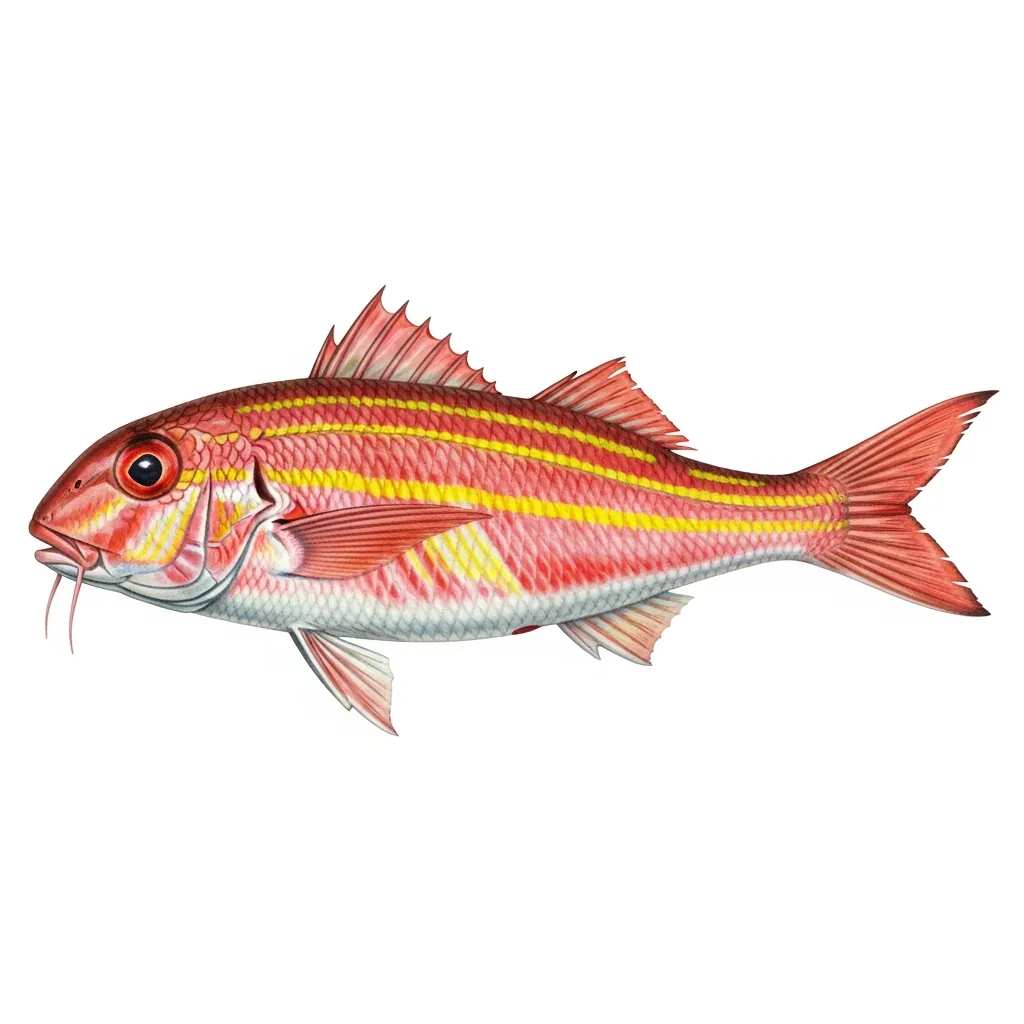 SurmulletMullus surmuletus
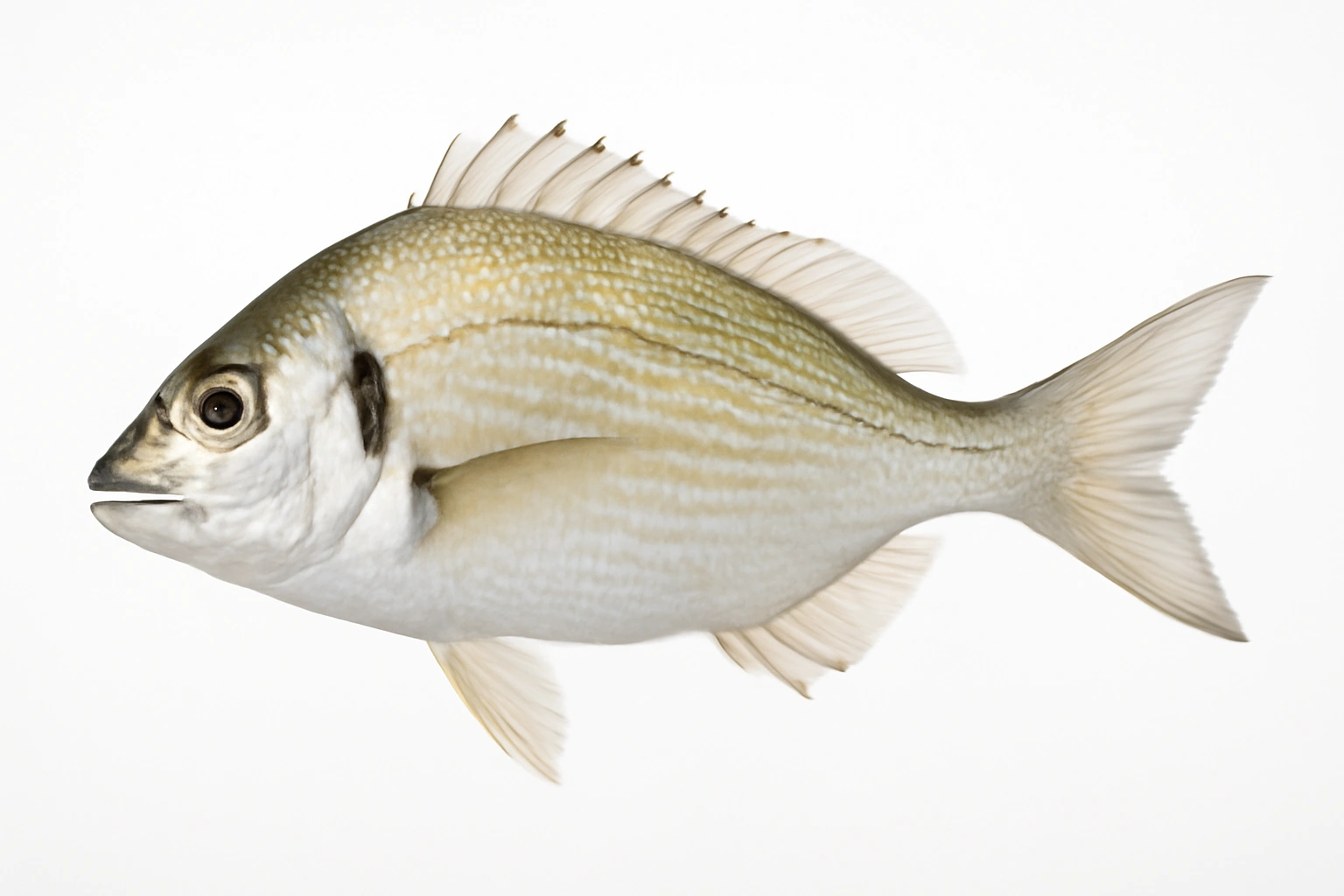 TarwhineRhabdosargus sarba
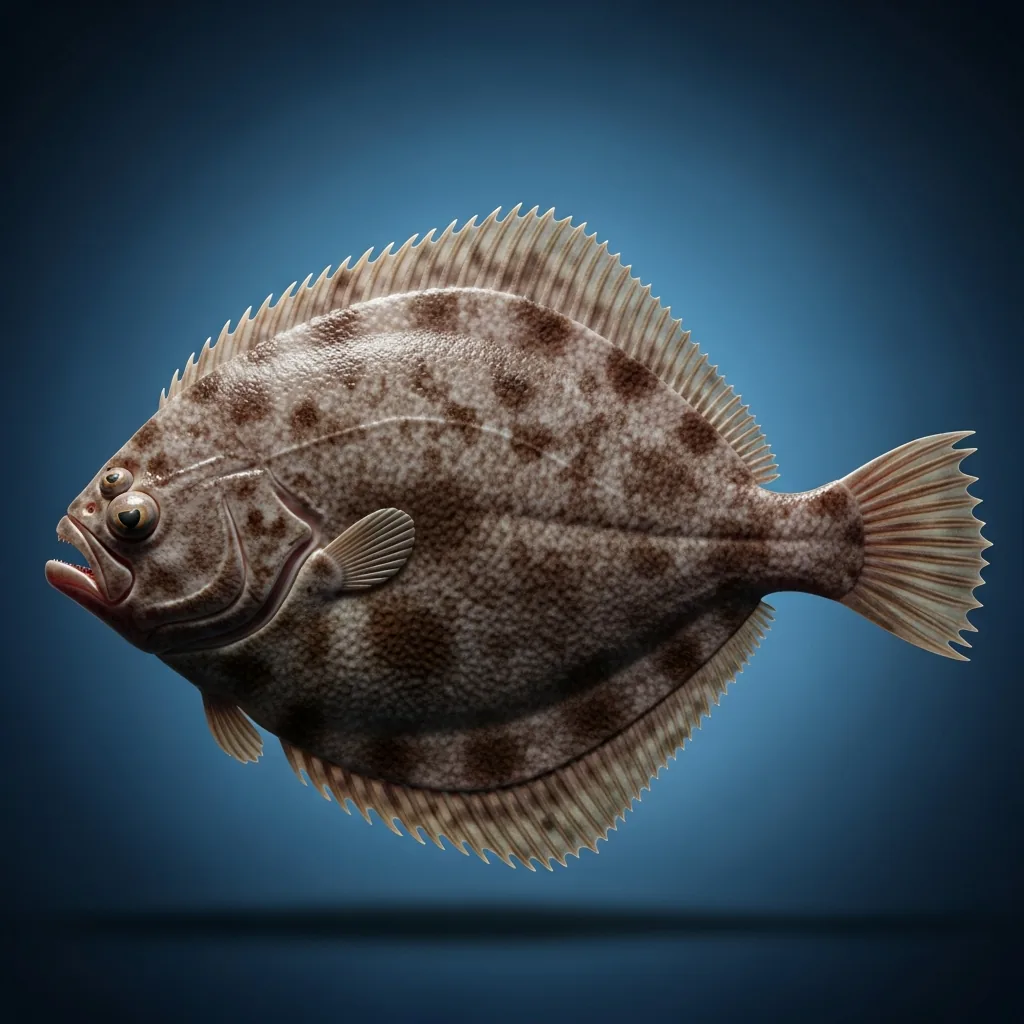 TurbotScophthalmus maximus
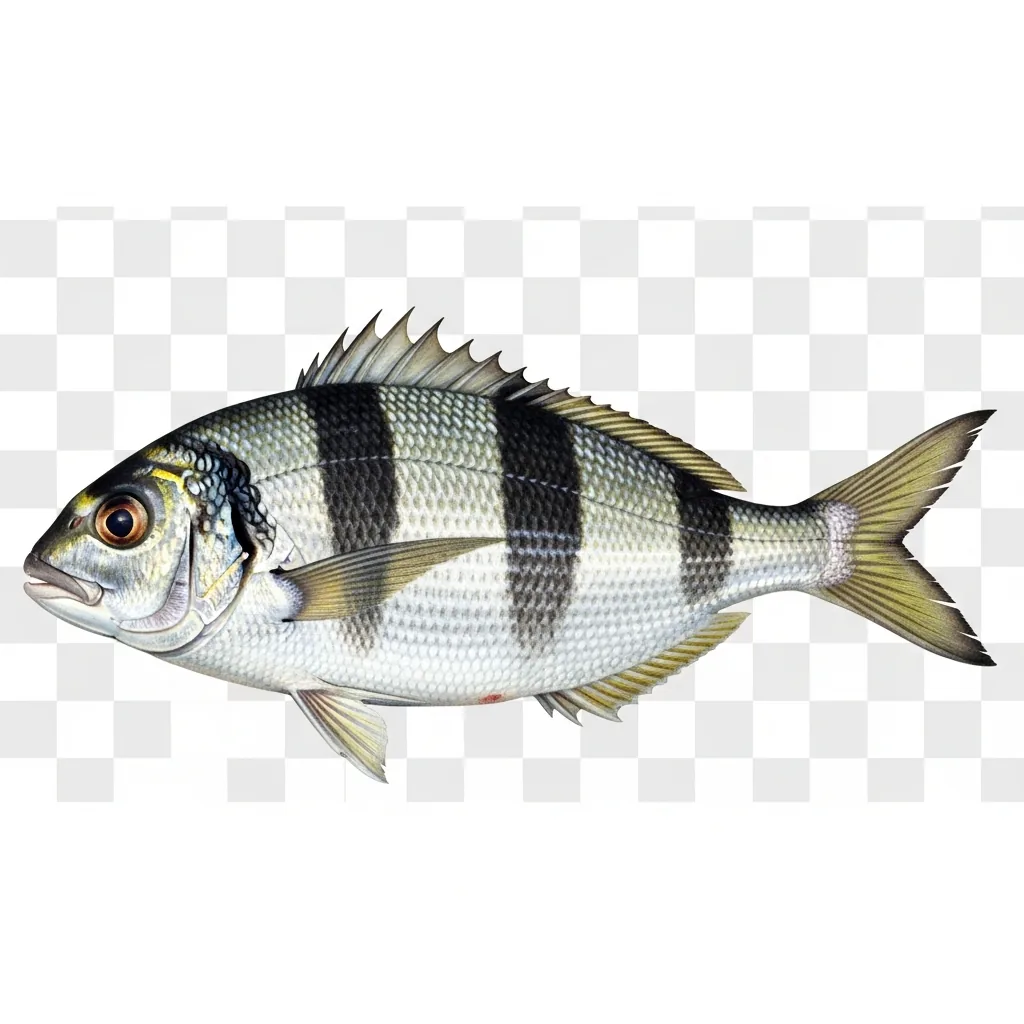 Two-banded sea breamDiplodus vulgaris
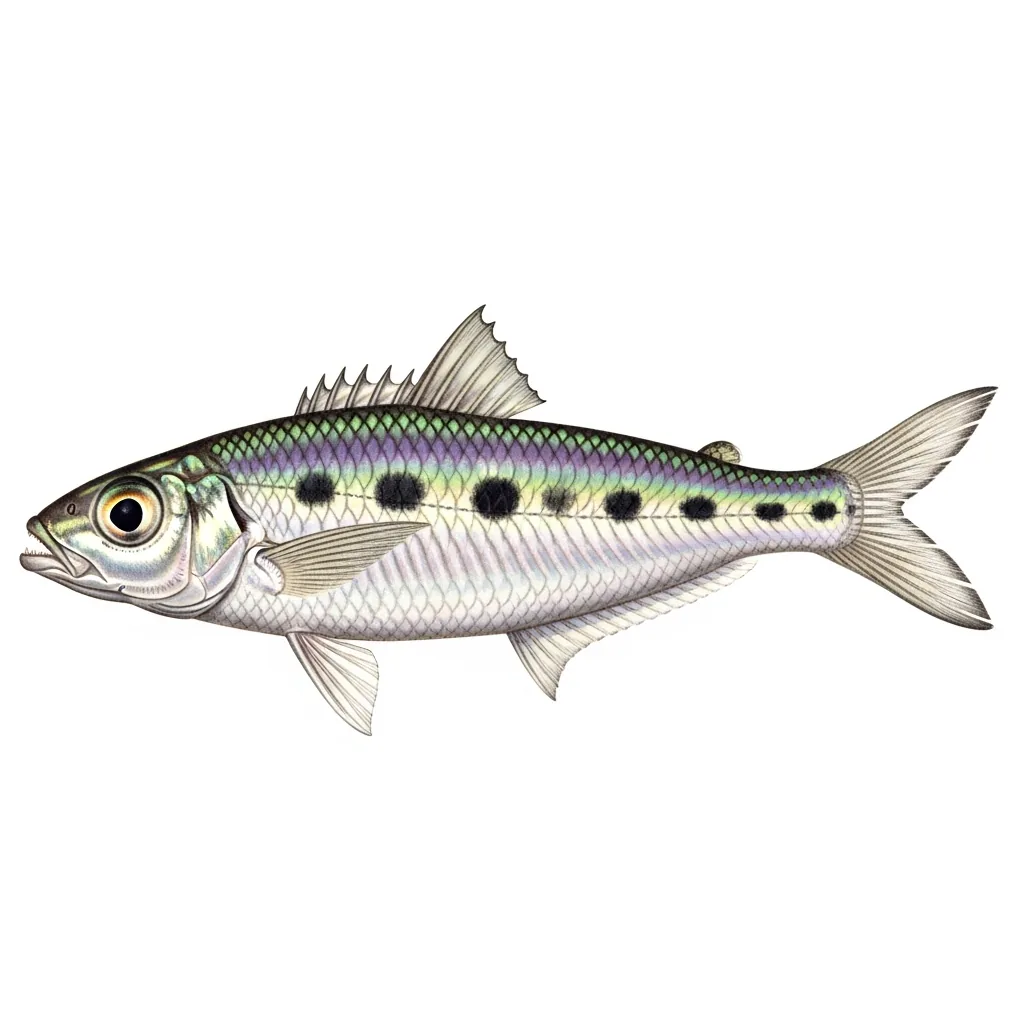 WeakfishCynoscion regalis
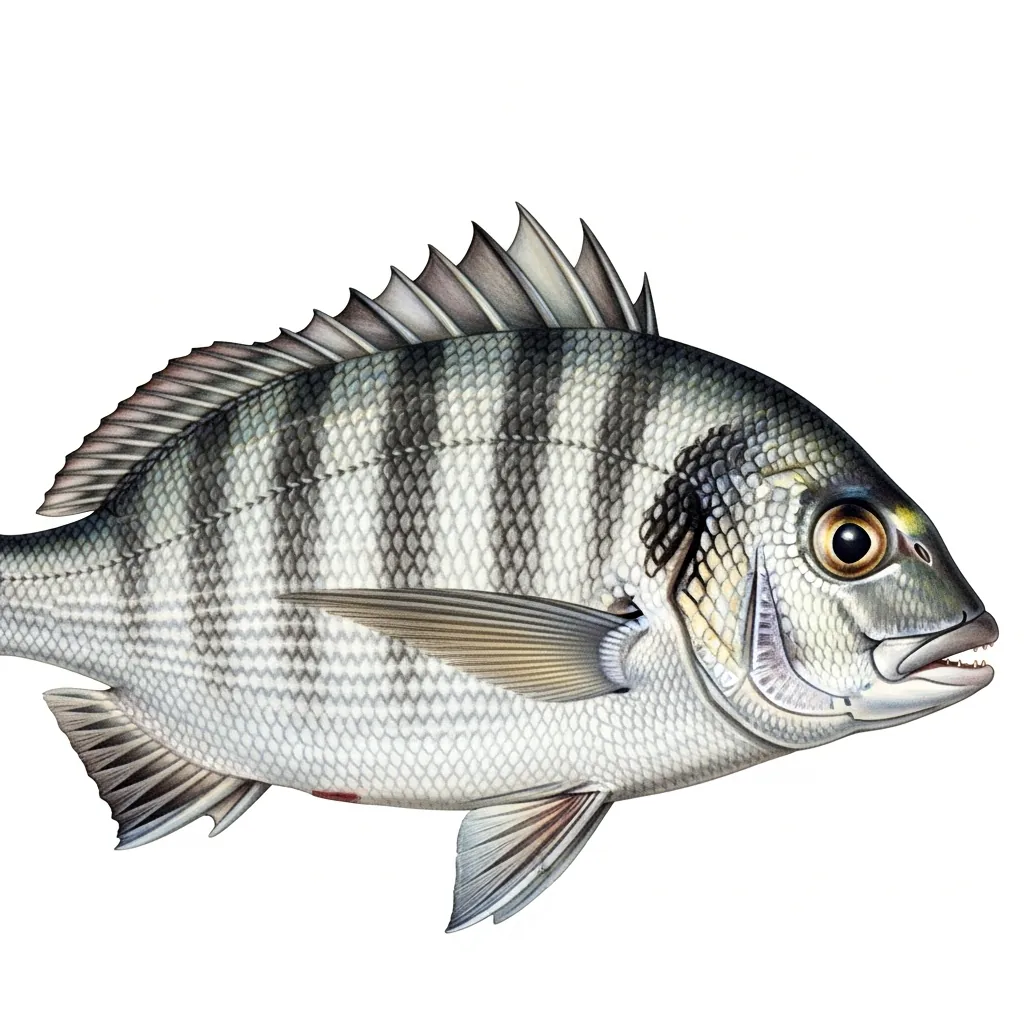 White sea breamDiplodus sargus
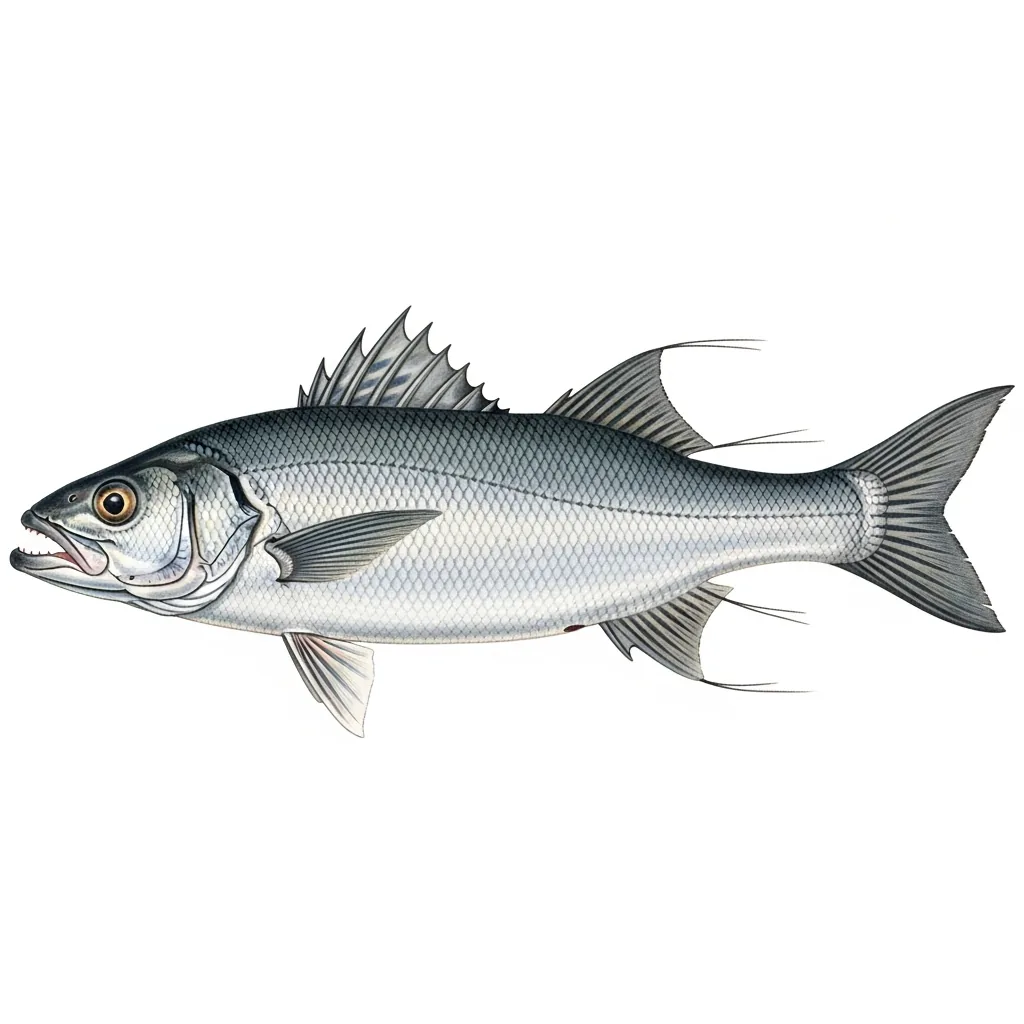 White SeabassAtractoscion nobilis
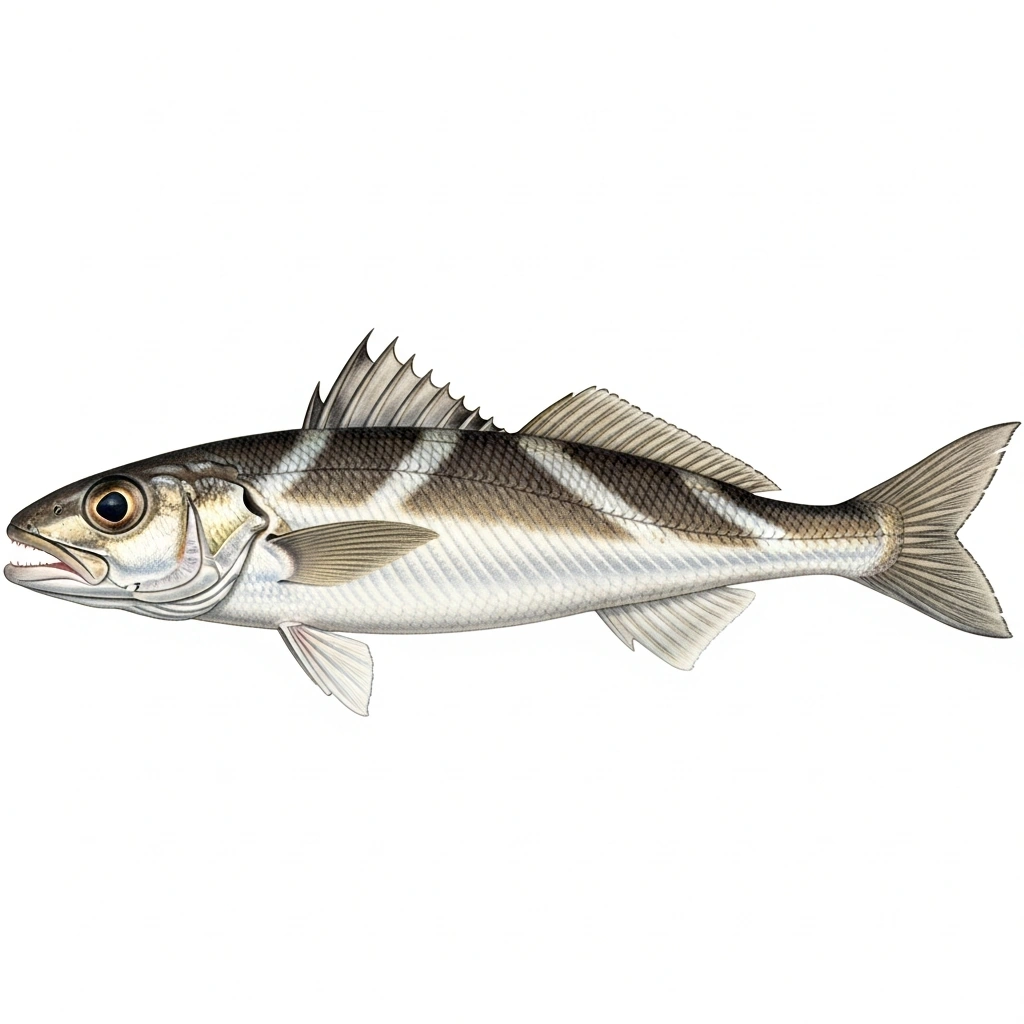 Whitemouth croakerMicropogonias furnieri
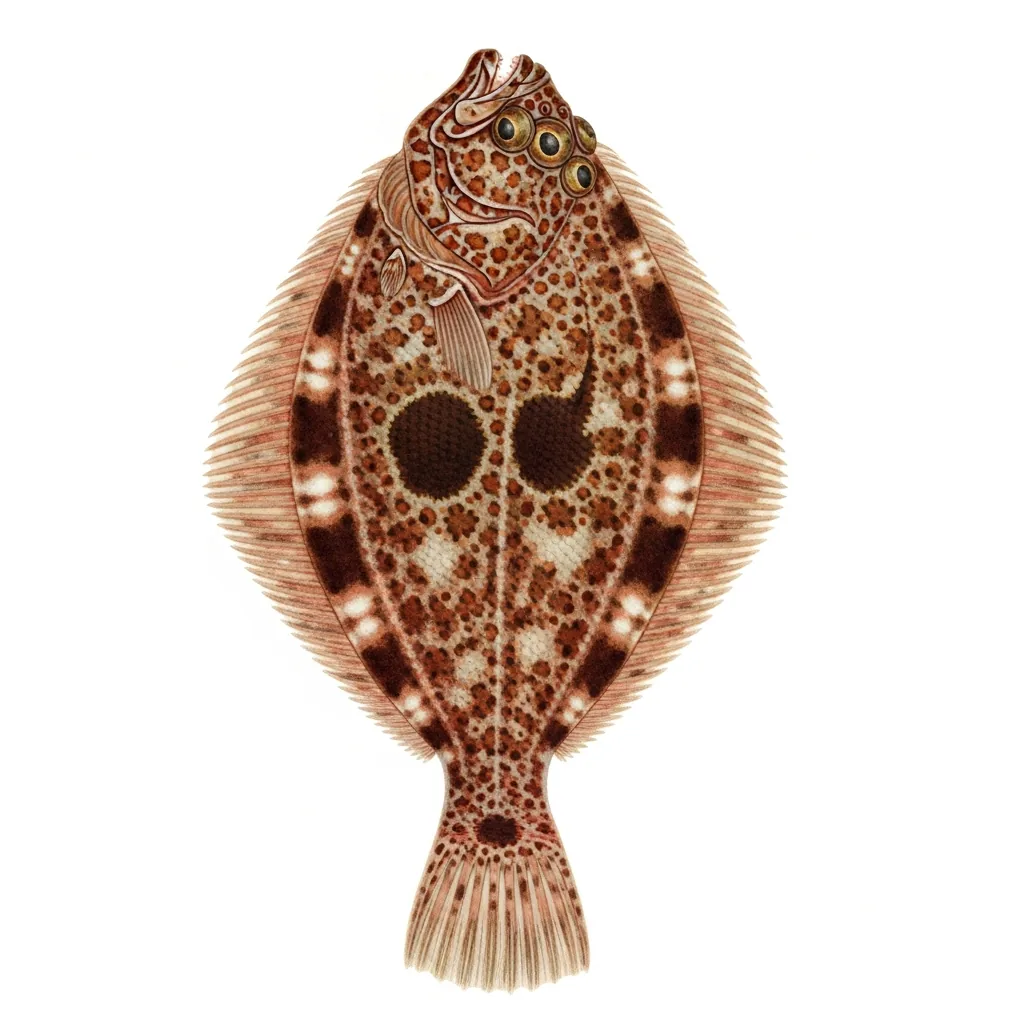 Winter FlounderPseudopleuronectes americanus
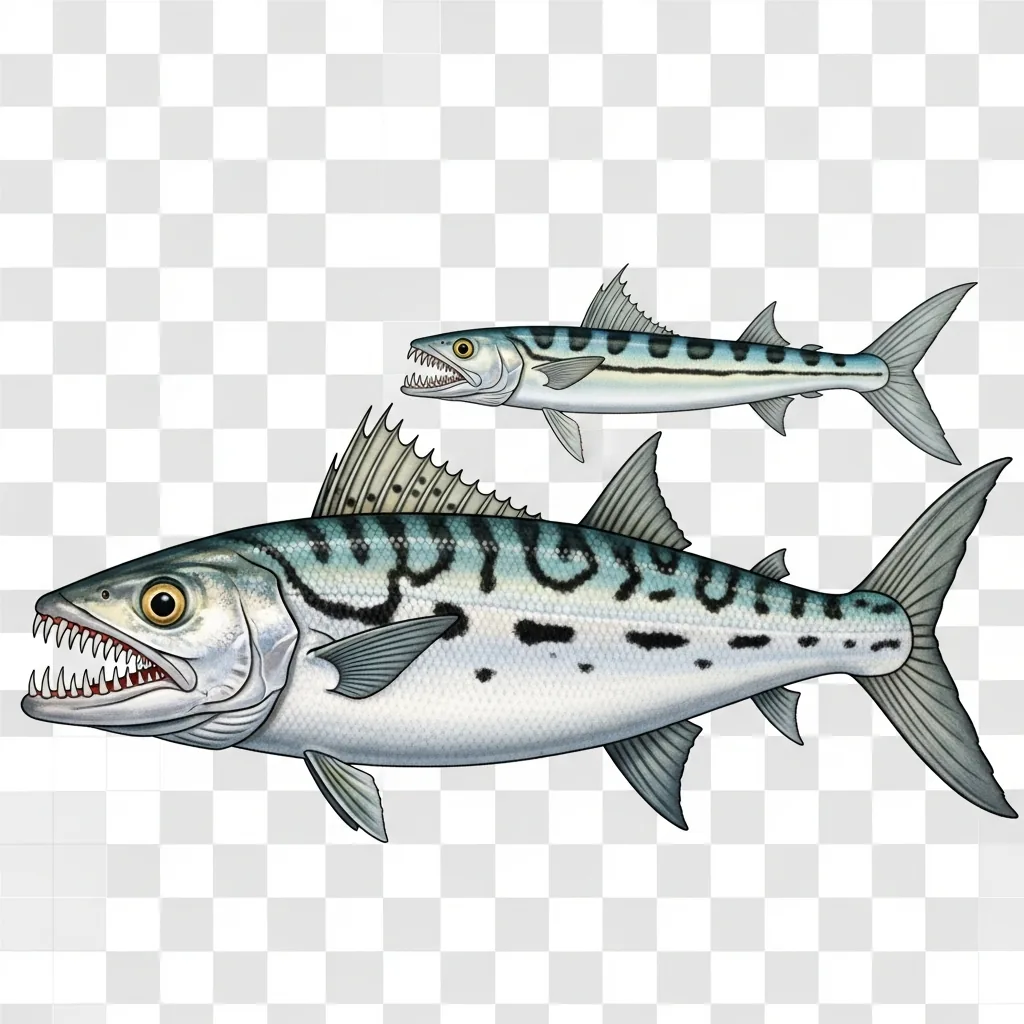 Yellowmouth barracudaSphyraena viridensis
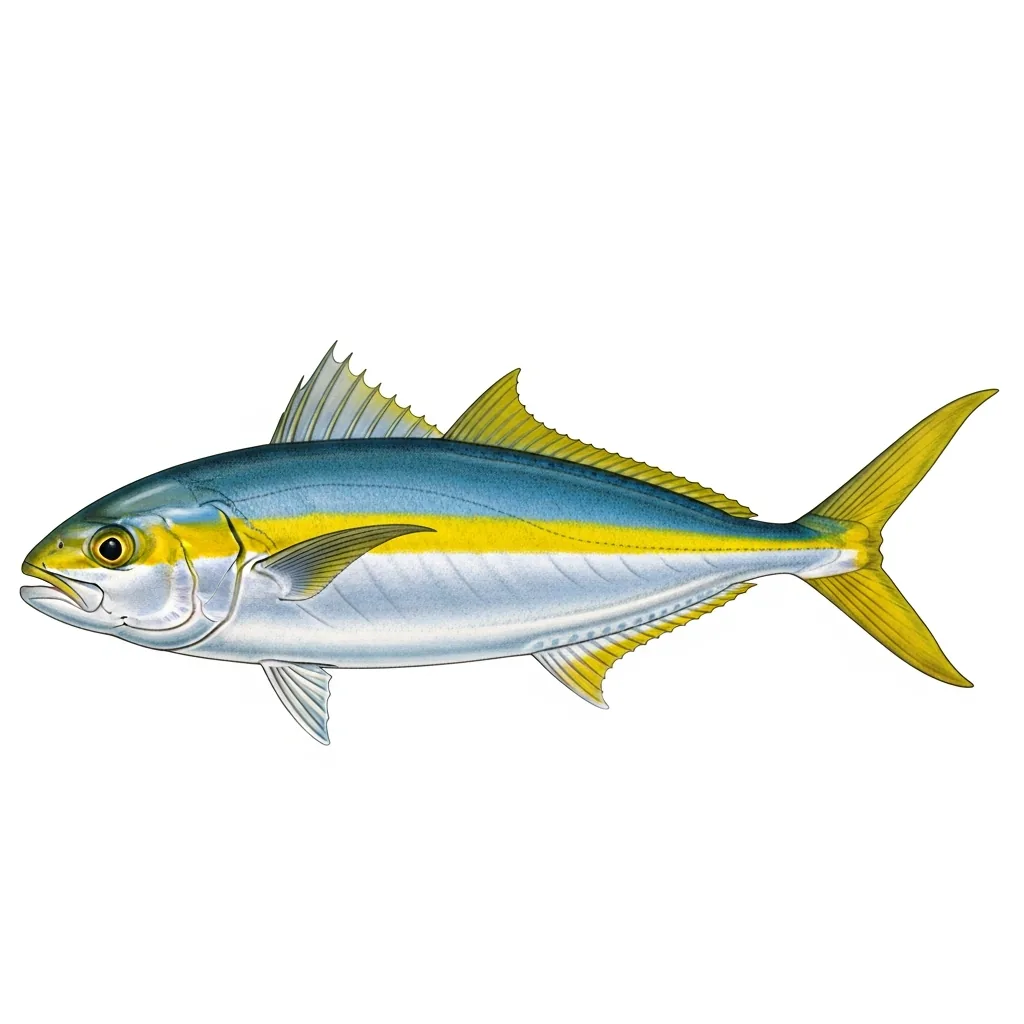 Yellowtail kingfishSeriola lalandi
Frequently asked questions
How do you fish Surfcasting?
Surfcasting is fishing from the beach using tackle designed to target fish beyond the shoreline break, but its real meaning is not “casting as far as possible”: it is placing the bait in the right band of water at the right time.
Surfcasting: what tackle do you need?
A surfcasting rod must allow you to handle sinkers suited to the surf and to read the bite well, so the choice is not based only on power but also on tip sensitivity and your actual casting technique.
Surfcasting: what is the best time?
With rough water or easing seas, European seabass uses colored water, foam, and turbulence to hunt; with calmer water and a clean bottom, the chances for sand steenbras and gilthead seabream often increase, especially if the bait is presented delicately.
Surfcasting: where is it best?
On a beach that appears uniform, the best areas are often troughs, holes, slope changes, interrupted sandbars, and zones where the wave “opens” or breaks differently. Slightly darker water often indicates greater depth; a smoother strip between two breaking zones can signal a channel where the backwash concentrates food.