How to fish Live Bait Trolling: technique, spots and tackle
Advanced Techniques for Catching Big Game

Every angler dreams of the perfect day. We show it to you first.
At the heart of ForecastX is an advanced marine-weather engine: it analyses waves, wind, sea temperature, tides, pressure and moon in real time and turns them into a Productivity Index (0-100) for every species. You'll always know, precisely, when the sea is on your side.
Coming soon to the App Store and Google Play — don't miss it.When and why it works
Live-bait trolling is a highly selective technique because it presents the predator with a real, vulnerable, believable target, capable of triggering a strike even when fish ignore artificials or dead baits. It performs best during periods when predators are hunting concentrated forage along drop-offs, reefs, points, tidal currents, and feeding frenzies, with a frequent peak during low-angle light hours, though full daylight over clean, deep water should not be ruled out. More than the month itself, what matters is the presence of stable bait activity, favorable temperature, and well-oxygenated water: if you see nervous bait, isolated surface boils, or suspended marks mid-water, live bait is truly in play. The technique excels when fish are wary, hold on precise depth contours, or follow the bottom profile without chasing for long.
Reading the spot
Do not troll at random: look for places where the bottom changes abruptly, transition zones between sand and rock, reef tops, posidonia edges, wrecks, and channels, because these are natural hunting corridors. The predator uses current, shade, and depth change to compress the forage; for this reason, a pass parallel to the edge is often more productive than a pass directly over the top. If you have a fishfinder, interpret three signals together: presence of bait, arcs or marks detached from the bottom, and the depth of the thermocline, which on many days literally organizes the water column. One often overlooked detail is the direction of the sun: on some reefs predators set up on the shaded side or down-current side, where the bait arrives less alert and easier to isolate.
Setup and tackle
The rod must be sturdy yet progressive, able to work well with live bait without tearing it and to absorb the initial runs; lengths around 2.1-2.4 meters are practical on a boat, with a power reserve suited to the target species. The reel, conventional or large spinning, should prioritize drag reliability and smooth retrieve more than sheer speed, because live-bait trolling often means fighting powerful fish close to structure. Braid offers sensitivity and depth control, but it should always be matched with a leader suited to the environment and the prey's teeth: fluorocarbon for stealth, wire only when bluefish are a real and constant presence. Leaders that are too heavy prevent abrasion problems but kill the bait's swim; the sweet spot is the minimum diameter that still provides safety in the spot's real conditions.
Choosing and managing live bait
The best bait is almost always the one present in the area and in the size predators are hunting: horse mackerel, bogue, saddled seabream, garfish, small mullet, or sardine, as long as they are intact, well oxygenated, and very reactive. A stressed live bait spins on itself, works poorly, and produces unnatural signals; this is why the real secret is taking care of the livewell before the rod, with regular water exchange, not too much density, and minimal handling. The practical rule is simple: if the bait loses balance after a few minutes or swims belly-up, do not insist, replace it. A little-known trade trick is to select baits not only for liveliness but also for being 'directional': some horse mackerel and garfish naturally tend to hold depth and swim straight, and they make the difference on long passes.
Hooking and presentation
The hook placement must hold the bait securely but keep it alive, allowing gills and tail to move freely without restriction; the classic points are the nostril, back, or shoulder, to be chosen according to bait species, speed, and working depth. Nose-hooking is for slow trolling and natural swimming near the surface or mid-water, dorsal hooking when you want more stability and a bait that holds its track better, bridle rigs or light lashings when you want maximum freedom for wary fish. Circle hooks are often preferable because they hook automatically in the corner of the mouth if you do not force the hookset, whereas traditional J-hooks or double-hook systems require more experience and must be calibrated carefully so as not to compromise the swim. The ideal presentation is not simply 'behind the boat': it is at the right depth, with a live bait pulsing steadily and without abnormal vibrations at the rod tip.
Speed, distance, and depth
In live-bait trolling, speed is the bait's speed, not the GPS speed: you need to see a composed swim, without spinning or excessive effort, correcting immediately if the bait rises, drops, or wags erratically. Distance from the boat varies with clarity, depth, and fish behavior: the flatter and clearer the water, the more often it pays to lengthen it; over broken bottom or in the presence of compact bait schools, a closer and more precise presentation may instead pay off. To work different depths, anglers use trolling sinkers, breakaway weights, downriggers, or simply different baits, but depth should be chosen by reading where the forage is, not by habit. If the live bait stays above the marked fish, they will not see it as available prey; if it fishes too low, it tires, snags, and loses naturalness.
Target species and variations
Greater amberjack and dentex reward clean passes over reefs, edges, and depth contours with a well-controlled live bait and precise depth, often close to the bottom but without dragging. Bluefish require attention to wire, strong hook placements, and paths along river mouths, surf lines, harbors, and the edges of bait activity, while bonito and little tunny prefer lively water, suspended forage, and passes on birds or moving surface boils. On migrating tuna the presentation must be flawless and quiet, with an orderly boat, wide turns, and no sudden acceleration. The smartest variation is not changing everything, but modifying only one variable at a time: depth, distance, type of live bait, or hook point, so you truly understand what is triggering the strike.
Hookset, fight, and boat handling
With circle hooks, the golden rule is not to jerk: on the take you let the fish turn and come tight under steady pressure, then load the rod and let the hook geometry do the work. With traditional J-hooks, timing is more delicate and depends on the species, the size of the live bait, and how the predator attacks; instinctive and premature hooksets often pull the bait out of the mouth. During the fight the boat is part of the tackle: it must be used to change the angle on the fish, lift it off the bottom, or follow it when needed, avoiding braid going too vertical over abrasive structure. Drag set too tight at the start and violent pumping are classic mistakes; much better are constant pressure, orderly line recovery, and guiding the fish toward open water.
Common mistakes and corrections
The first mistake is trolling with a live bait that is already compromised, thinking that 'something will come by anyway': in reality a tired bait cuts the credibility of the presentation in half and also worsens the hook placement. The second is keeping the same pass and the same depth even though the fishfinder, current, or light say otherwise; live-bait trolling rewards fine adaptation, not automatism. Another frequent mistake is oversizing everything: huge leaders, heavy hooks, and excessive weights hold up well but kill the swim, and that is often exactly where strikes from the biggest and wariest fish are lost. Practical correction: watch the rod tip and the live bait's behavior at every change of speed or direction, because that is your immediate indicator of correct presentation.
Weather, safety, and the real edge
Wind, waves, and current are not just obstacles: they create food lines, oxygenated water, and shaded zones that concentrate forage, but they require safe trajectories and a boat always under control, especially near reefs, boat traffic, and steep shorelines. On days with long swell or headwind, a pass that is perfect on paper can become terrible for the live bait, which gets battered and exhausted; in these cases boat trim matters more than the urge to insist on the spot. Never neglect an orderly storage compartment, landing nets or boga grips ready, a knife within reach, working communications, and full respect for regulations, size limits, and protected species. The professional edge is this: before looking for the predator, look for the behavior of the forage; when you understand where it feels unsafe, you have already found half of live-bait trolling.
Fish to target with this technique
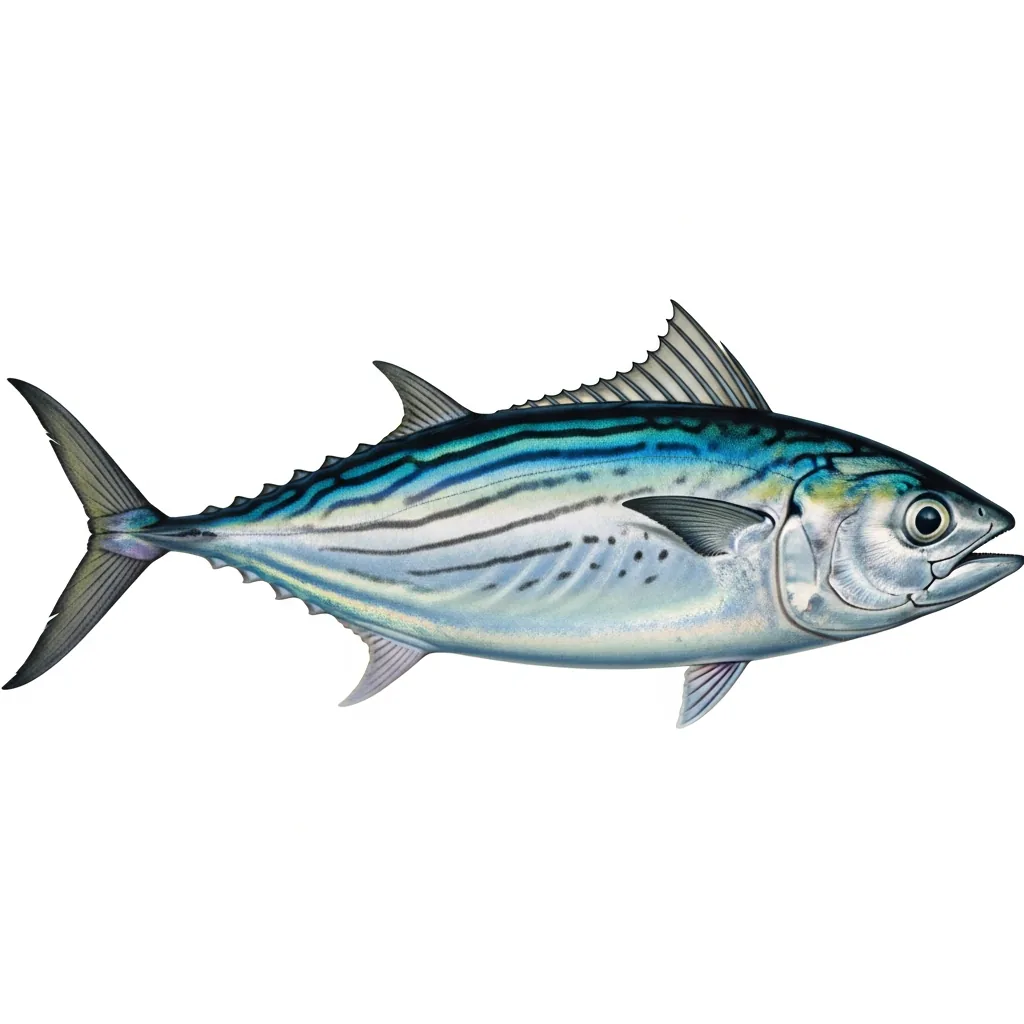 Atlantic bonitoSarda sarda
 Bluefish / TailorPomatomus saltatrix
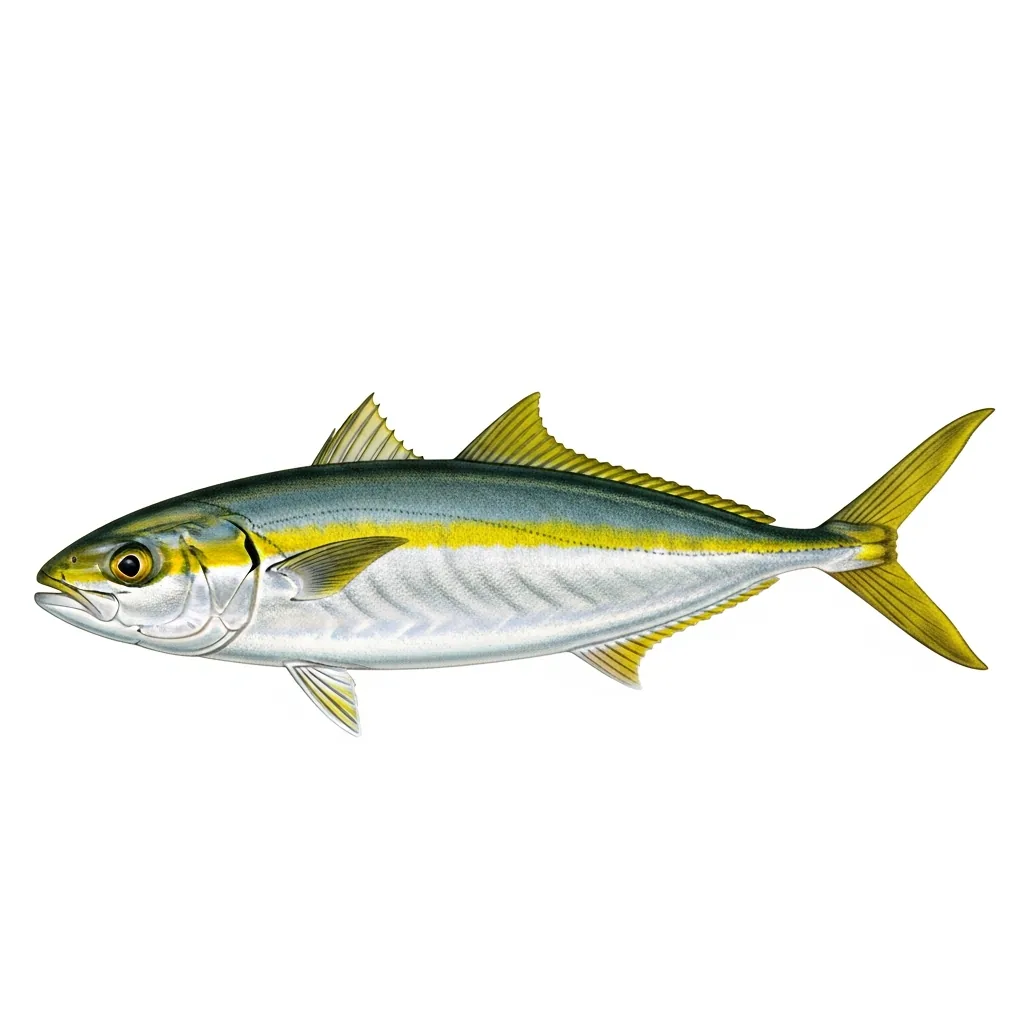 California YellowtailSeriola dorsalis
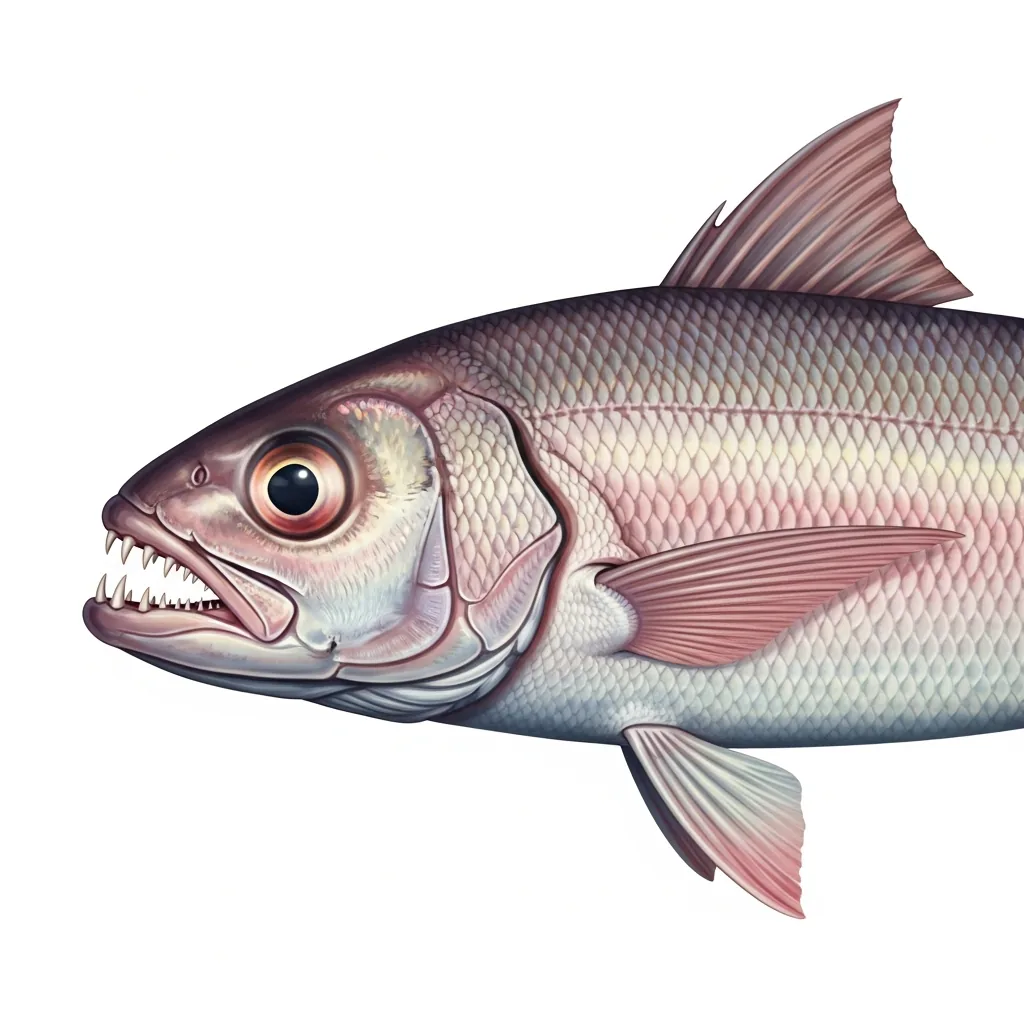 Common dentexDentex dentex
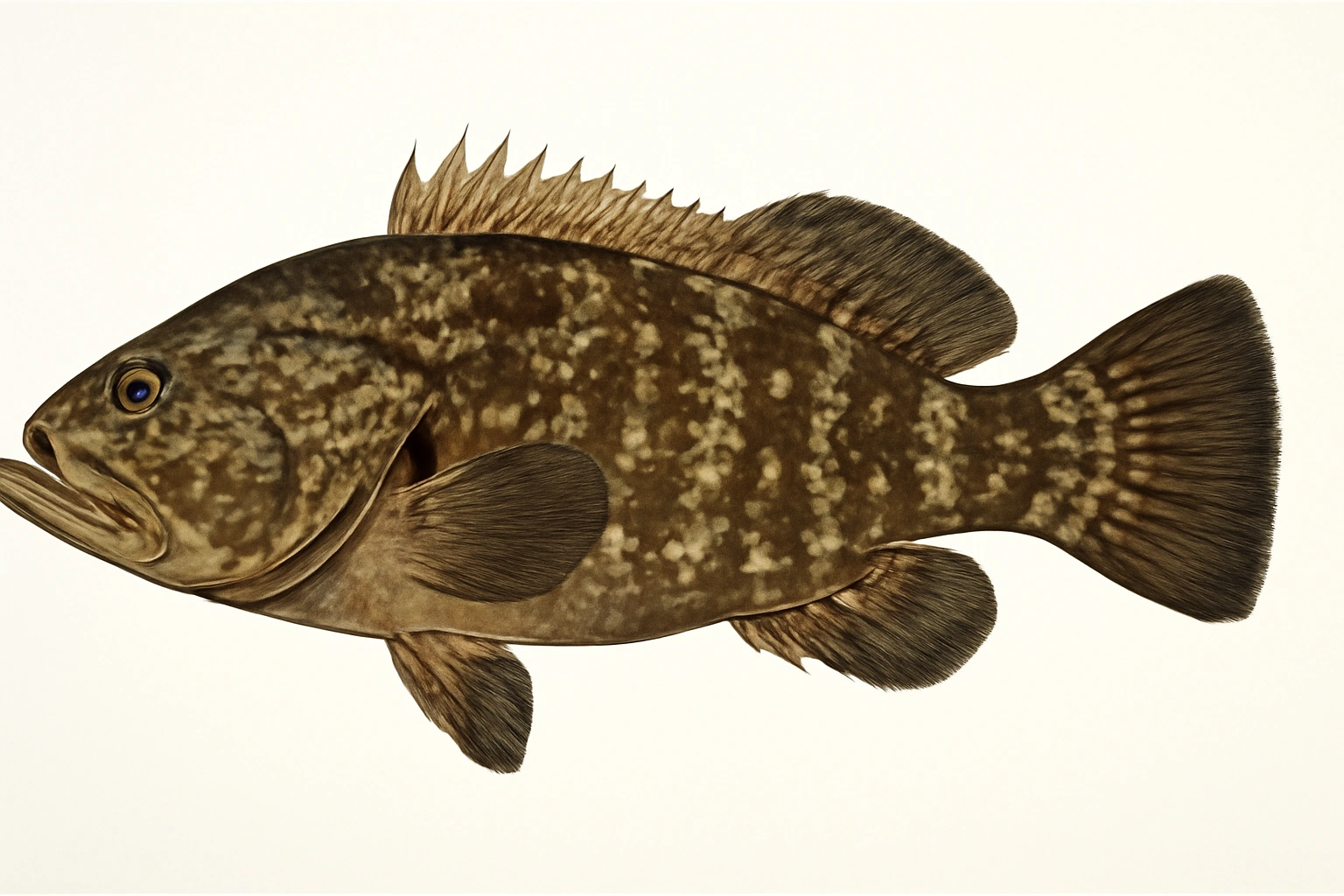 Dusky grouperEpinephelus marginatus
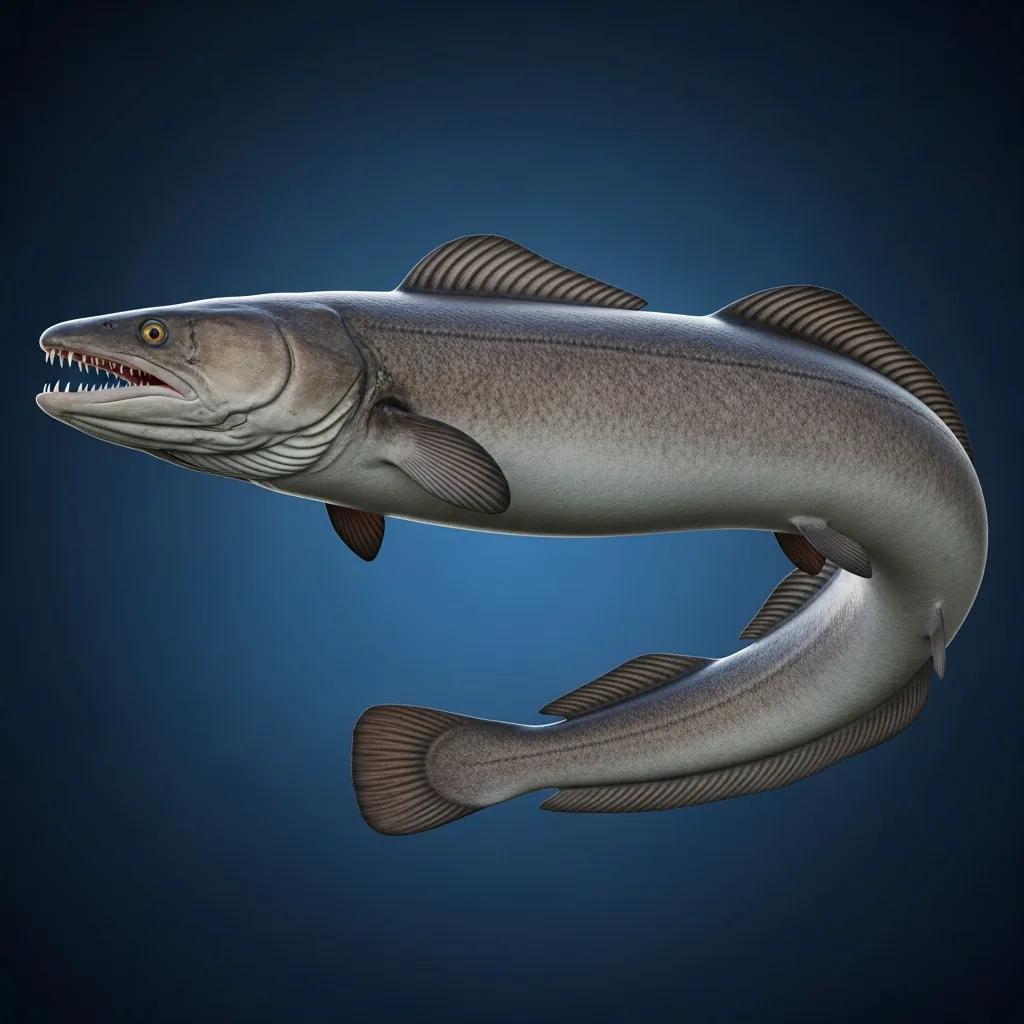 European congerConger conger
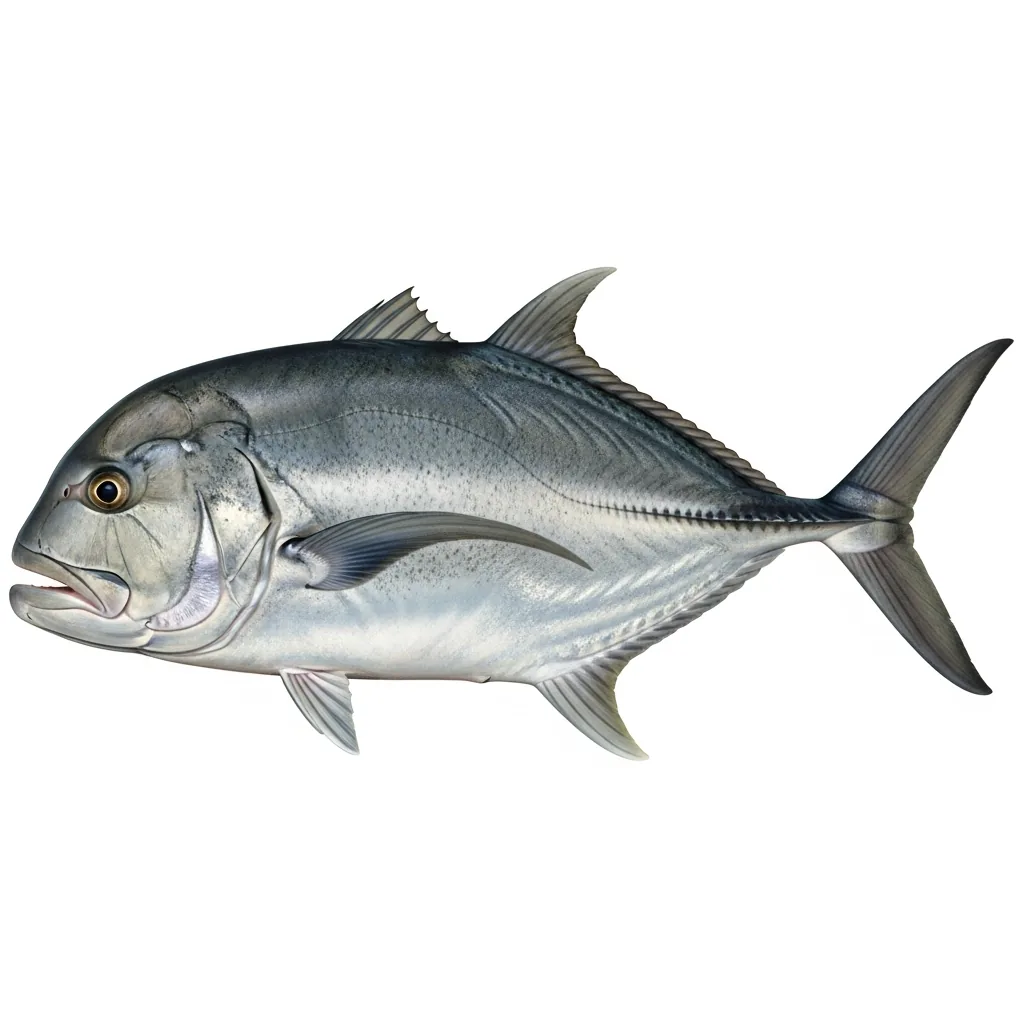 Giant trevallyCaranx ignobilis
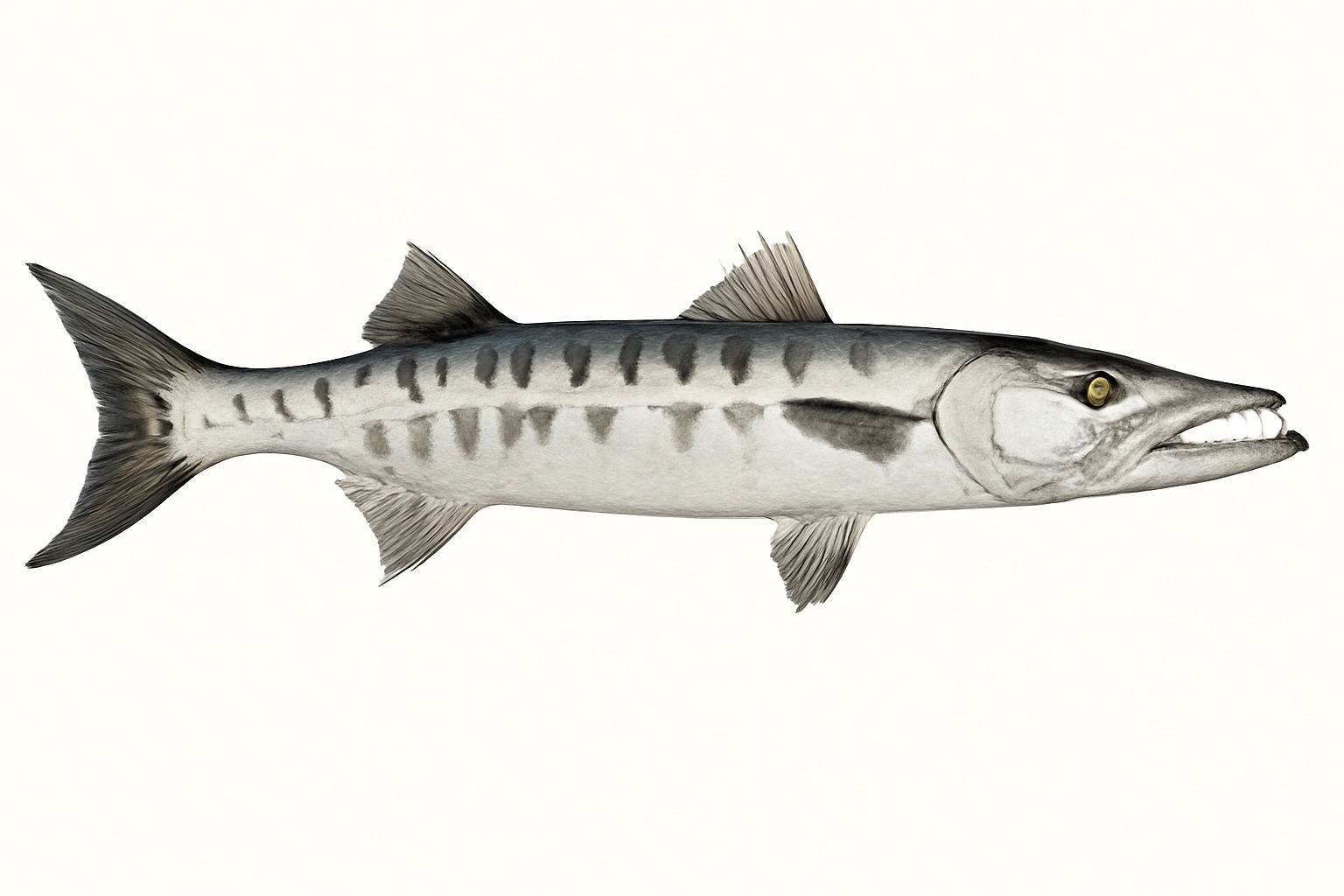 Great barracudaSphyraena barracuda
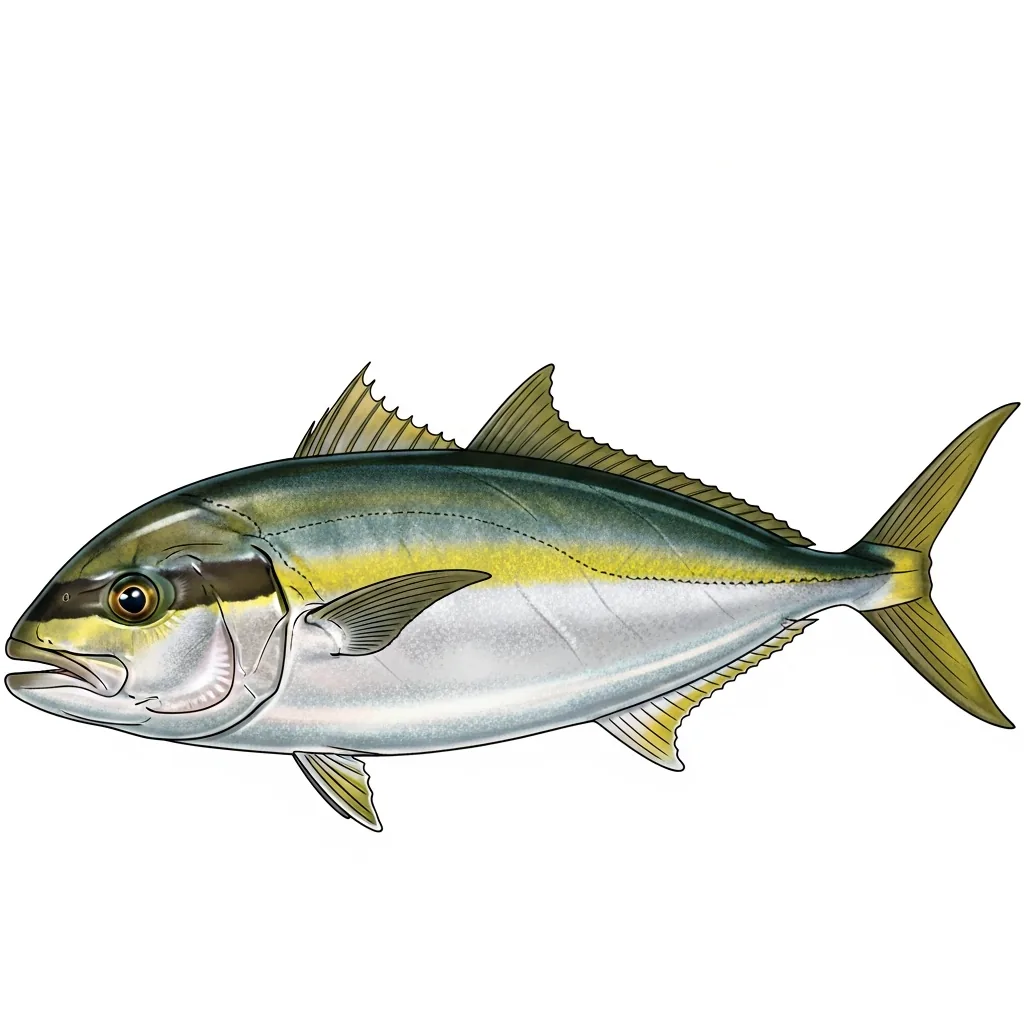 Greater amberjackSeriola dumerili
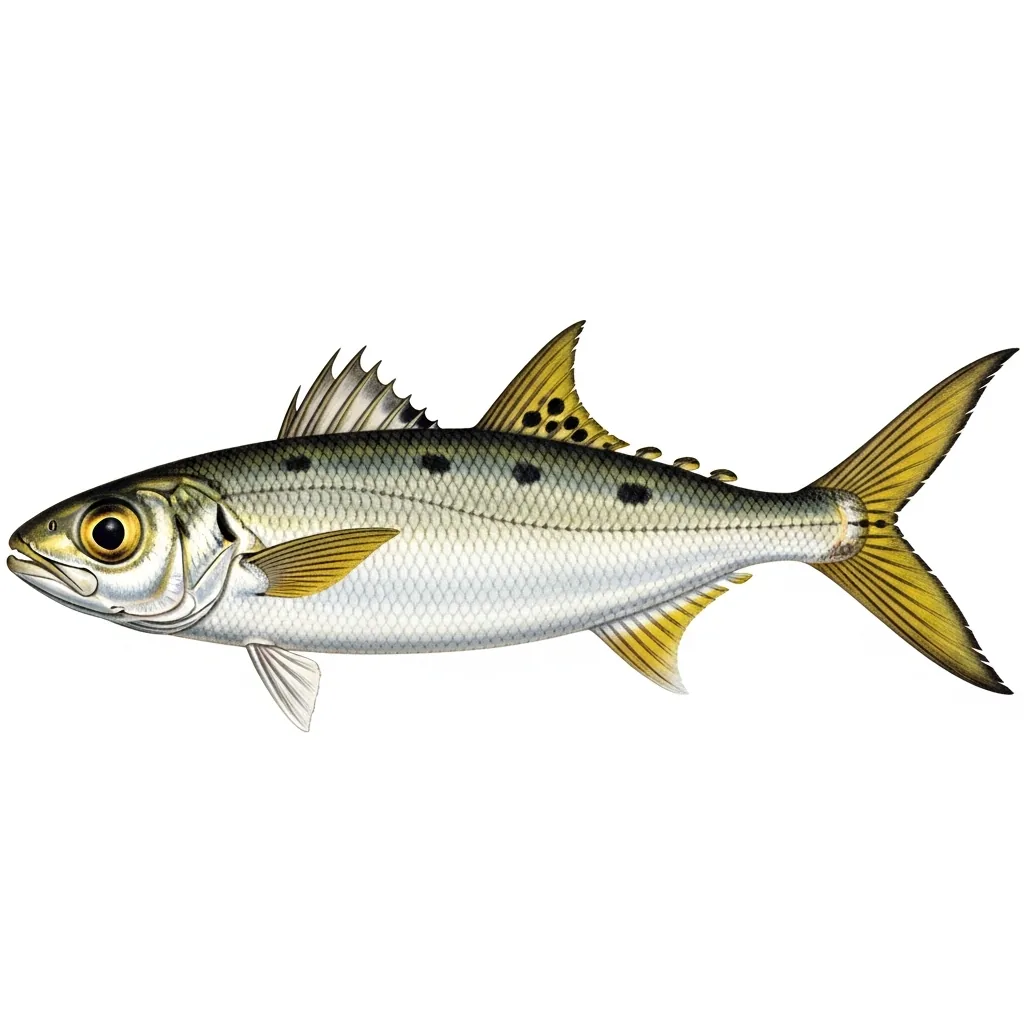 LeerfishLichia amia
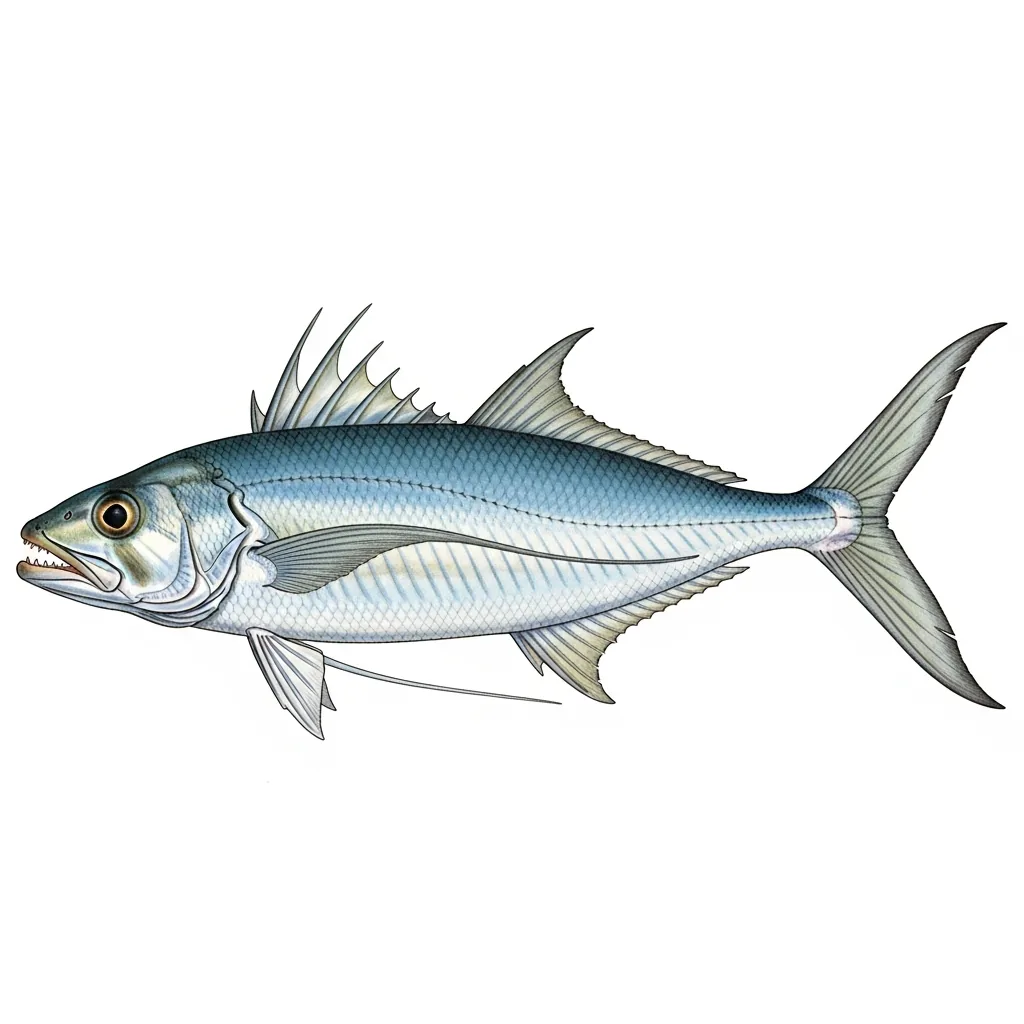 LeerfishTrachinotus ovatus
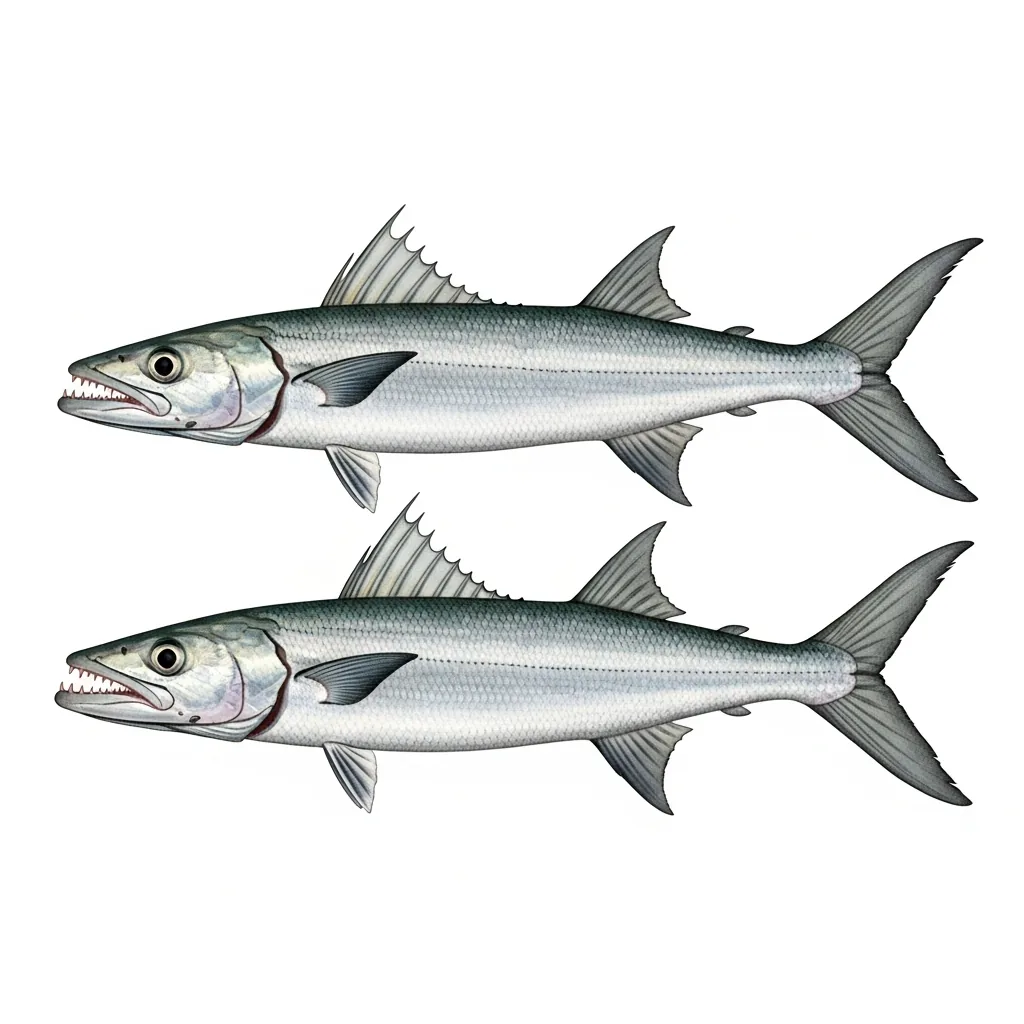 Pacific BarracudaSphyraena argentea
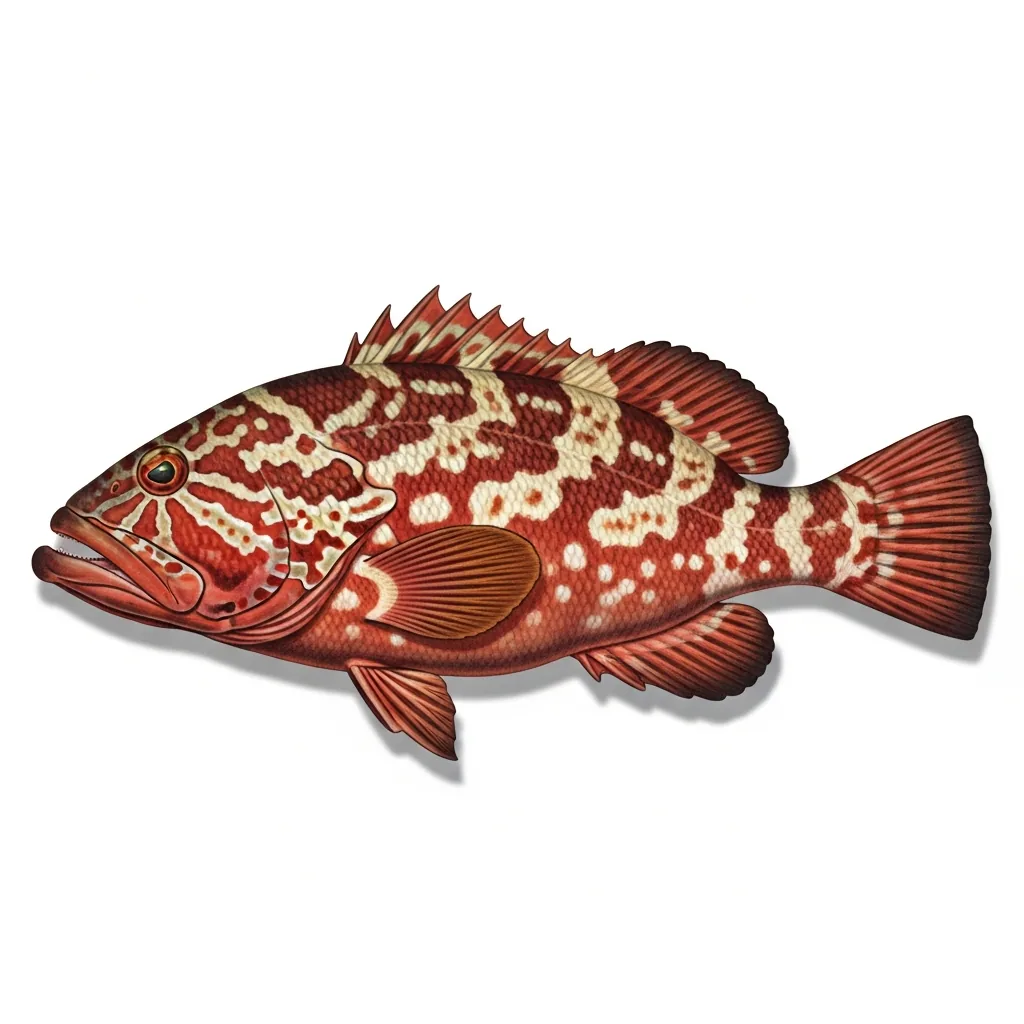 Red GrouperEpinephelus morio
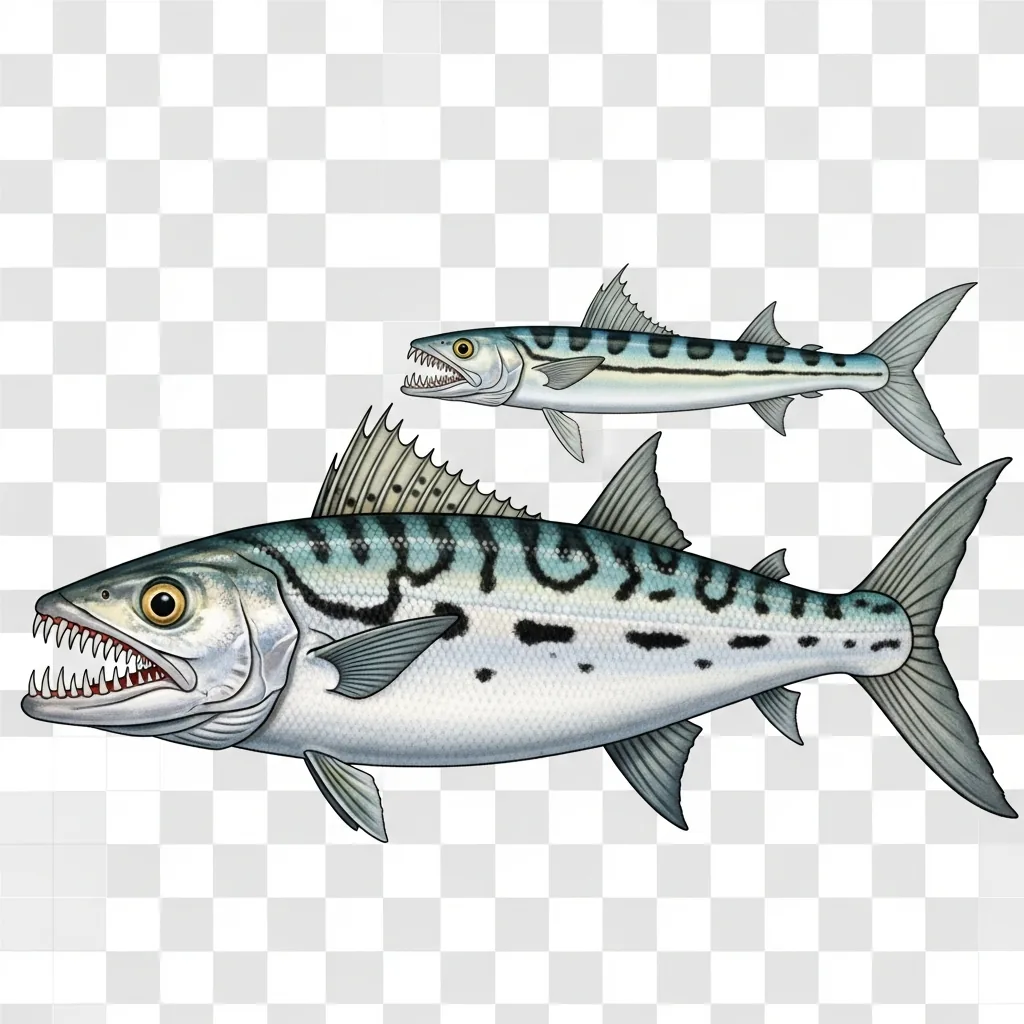 Yellowmouth barracudaSphyraena viridensis
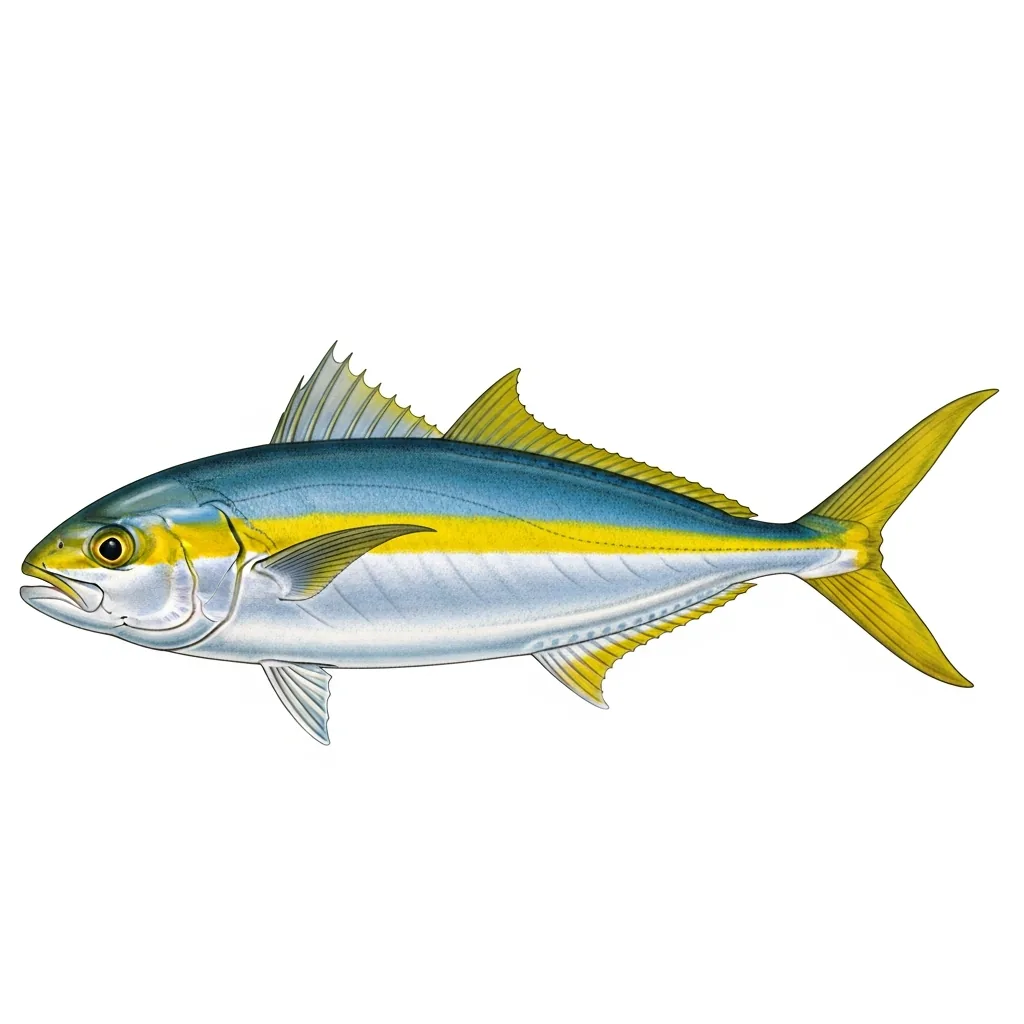 Yellowtail kingfishSeriola lalandi
Frequently asked questions
How do you fish Live Bait Trolling?
Live-bait trolling is a highly selective technique because it presents the predator with a real, vulnerable, believable target, capable of triggering a strike even when fish ignore artificials or dead baits.
Live Bait Trolling: what tackle do you need?
The rod must be sturdy yet progressive, able to work well with live bait without tearing it and to absorb the initial runs; lengths around 2.1-2.4 meters are practical on a boat, with a power reserve suited to the target species.
Live Bait Trolling: what is the best time?
Wind, waves, and current are not just obstacles: they create food lines, oxygenated water, and shaded zones that concentrate forage, but they require safe trajectories and a boat always under control, especially near reefs, boat traffic, and steep shorelines.
Live Bait Trolling: where is it best?
Do not troll at random: look for places where the bottom changes abruptly, transition zones between sand and rock, reef tops, posidonia edges, wrecks, and channels, because these are natural hunting corridors. The predator uses current, shade, and depth change to compress the forage;