How to fish Inshore Trolling: technique, spots and tackle
Trolling techniques for inshore fishing from a boat

Every angler dreams of the perfect day. We show it to you first.
At the heart of ForecastX is an advanced marine-weather engine: it analyses waves, wind, sea temperature, tides, pressure and moon in real time and turns them into a Productivity Index (0-100) for every species. You'll always know, precisely, when the sea is on your side.
Coming soon to the App Store and Google Play — don't miss it.Introduction to inshore trolling
Inshore trolling is an active search technique practiced along surf lines, points, shoals, harbor entrances, rocky shorelines, and the edges of posidonia beds, moving at moderate speed with one or more artificial or natural baits trailing in the wake. It is not just “going slowly close to shore”: its real value lies in covering a lot of water while reading the underwater terrain and intercepting hunting predators such as sea bass, bonito, amberjack, dolphinfish close to shore in certain conditions, barracuda, bluefish, and little tunny where present. It is an extremely educational technique because it forces you to connect bottom structure, current, light, wind direction, and the presence of bait. When done well, it teaches more than many static fishing sessions about how fish use the shoreline to feed.
Reading the spot
The best stretches are not generically “close to shore,” but the breaking points: depth changes, channels between rocks, sandy ledges next to rock, points exposed to the current, shadow zones created by piers and walls. Inshore predators use these edges to ambush bait, so the boat must follow paths that cut across or run alongside these natural corridors without passing directly over them in a clumsy way. A simple fishfinder is enough to identify drop-offs, posidonia carpets, suspended bait schools, and clouds of fry: when you find bait, slow down, widen the loop, and pass through again from a different angle. One detail that is often decisive is the direction of the pass: many strikes come when the lure works against the current or crosses the “live” side of the structure, not simply because it passes through the same point.
Sea, weather, light, and season
Hours with low-angle light are excellent because small fish move and predators patrol higher in the water column, but in stained water or with a slight sea running even broad daylight can become very productive. With a sea that is too flat and crystal-clear water, wary fish, especially sea bass, require smaller lures, carefully prepared leaders, and less intrusive passes; on the other hand, a bit of foam along the shoreline makes predators feel more secure. In spring and fall, the coast often offers the best balance between the presence of bait and predator activity, while in summer it pays to focus at dawn, dusk, and near sources of current or cooler water. Wind should not be judged only as a nuisance: a side of the coast where it pushes plankton and fry can ignite the food chain, provided navigation remains safe and controllable.
Tackle and boat setup
For inshore trolling, light trolling rods or sturdy spinning rods of moderate length are ideal, able to handle medium-small artificials but with enough backbone for a bluefish or a passing amberjack. Reliable reels with smooth, progressive drags, spooled with braid or quality monofilament, should prioritize consistency and strength more than pure speed; the fluorocarbon leader is chosen based on water clarity, expected fish size, and abrasion risk. In the presence of bluefish or barracuda, it may make sense to add a suitable bite-proof terminal section, but it must be used with judgment because it stiffens the presentation. Setup also matters: rods well spaced, rod guides and lines organized, pliers and landing net ready, and above all a steady speed without constant acceleration that would spoil the lure’s action.
Lures, depth, and variations
Sinking or shallow minnows, small trolling long jerks, spoons, feathers, raglou soft lures, and jigheads with soft plastics are all valid options, but they must be chosen according to running depth, fishing pressure, and target species. If fish are feeding near the surface or over visible bait schools, a lure that runs high and clean is often better than one that “plows” too much; if, instead, the bottom rises and falls or the predator holds in midwater, you need a lure that maintains depth with stability. For bonito and inshore tunas, slim and fast profiles often work, while for sea bass and bluefish in foam or over shallow ledges, more natural wobbling actions and less frantic passes are preferable. The practical rule is simple: first find the level where the bait is, then put the lure just above or to the side of it, because a predator is more willing to attack an isolated prey item than an artificial that is out of the scene.
Speed, distance, and presentation
The right speed is not guessed in the abstract: it is checked by watching the lure work next to the boat before setting it out, making sure it swims straight, without excessive rolling and without leaving its intended trim band. In general, small speed changes during a pass can make the difference because they simulate prey that accelerates or loses balance; it is often exactly these micro-changes that trigger the strike. The distance from the boat should be adapted to noise, water clarity, and sun height: the calmer and clearer the water, the farther back the lure should be; in foam or stained water, you can also fish relatively short with great effectiveness. Presenting well also means taking care with turns: the inside lure slows and drops, the outside one speeds up and rises, and a great many strikes happen precisely during that change in action.
Target species and approach
Sea bass like edges, foam, estuaries, river mouths, and mixed areas, and they appreciate precise tracks more than high speed; here, the discretion of the pass matters as much as lure choice. Bluefish take advantage of bait schools, rocky shorelines, and moving water, strike violently, and require attention to the hookset, final leader section, and landing the fish boatside. Bonito and small inshore tunas often require wider passes, slightly higher speeds, and the ability to follow birds and signs of surface activity without charging into the school in a disorderly way. Passing amberjack, especially on points, shoals, and wrecks close to shore, reward anglers who repeat the pass along the right edge of the structure and keep the lure in the actual yard of water used by the fish.
Common mistakes and how to correct them
The most frequent mistake is trolling “randomly” along uniform coastline instead of focusing on a few high-probability stretches and repeating them from different angles. Many anglers always use the same speed and the same set-back distance, ignoring that water, light, and fish mood change throughout the day; the correction is to mentally note every touch, depth, turn, and condition at the time. Another classic mistake is not checking the artificial after weed, a strike, or a tight turn: even a tiny tuft or a bent split ring is enough to make the lure swim poorly and kill the action. Finally, noise is underestimated: slamming hatches, heavy footsteps, a poorly adjusted engine, and abrupt maneuvers can ruin passes, especially over shallow bottom with suspicious fish.
Trade trick and safety
A little-considered trick is to use the first pass as a “reading” pass rather than a frontal attack: go slightly outside the promising spot to understand wind, drift, current, and bait depth, then tighten up on the second lap with the lure already tuned. This avoids burning the spot right away and allows better presentation of the artificial on the most active side of the structure. Another very effective adjustment is to mentally mark, or mark on the GPS, every touch, even without a hookup: often it is not an isolated event but a precise strike point that should be passed again from a different direction. Safety remains the priority: watch out for exposed rocks, nets, marked divers, boat traffic, and shore break, because in inshore trolling a misjudgment arrives faster than offshore.
Related guides
Fish to target with this technique
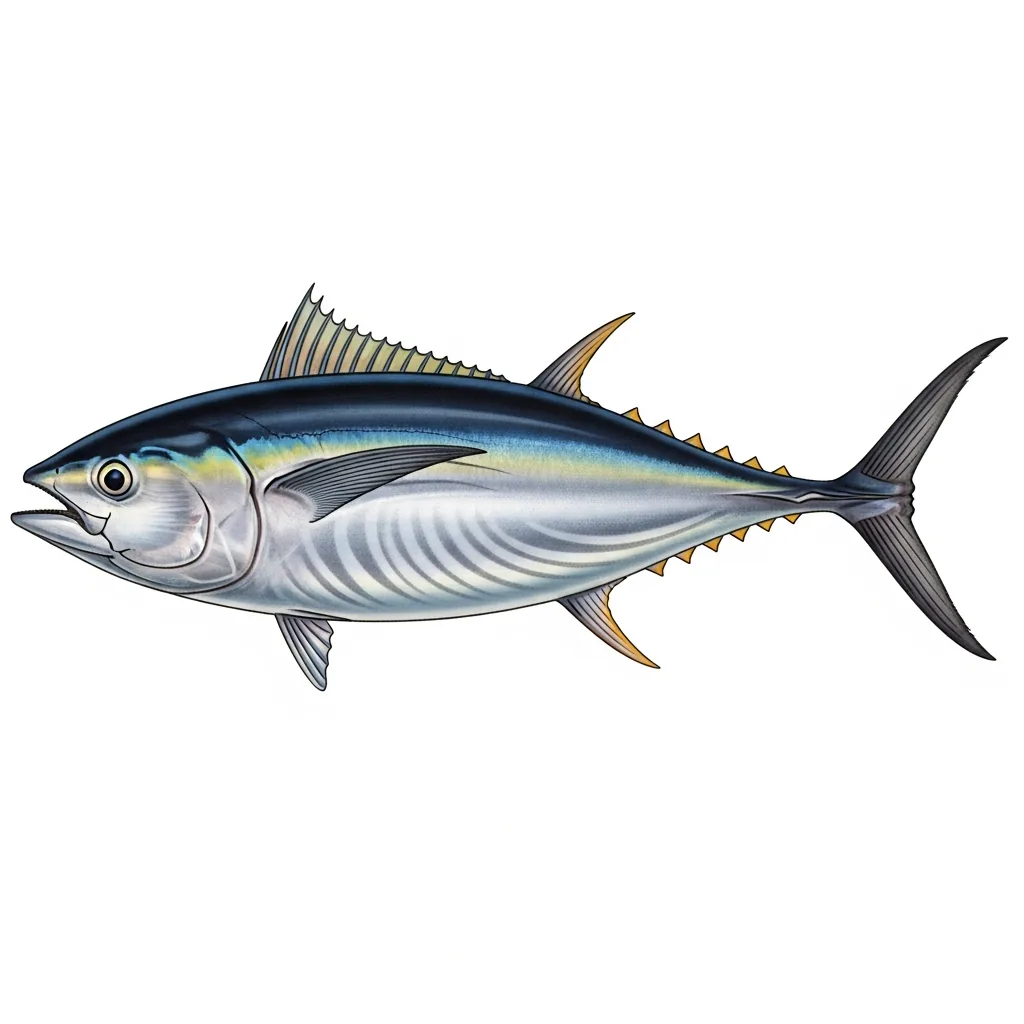 Albacore TunaThunnus alalunga
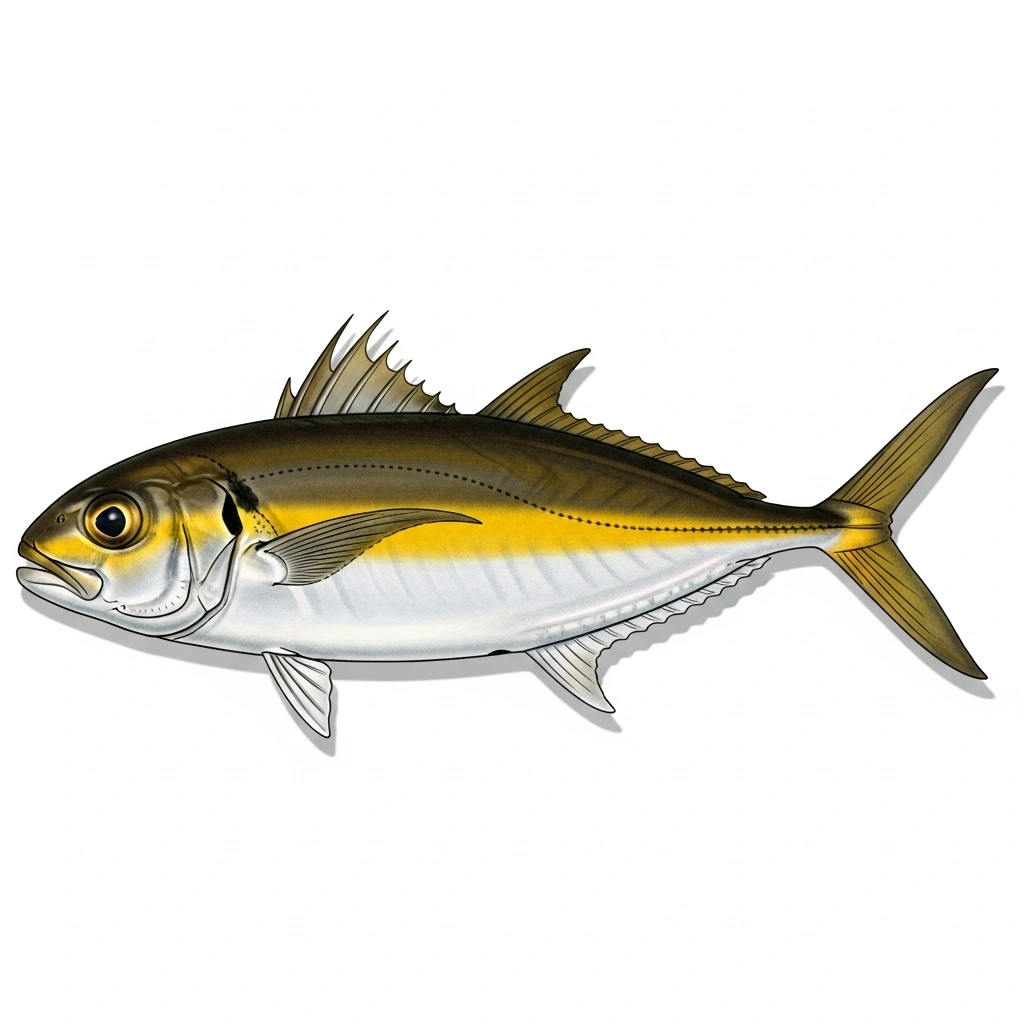 Almaco jackSeriola rivoliana
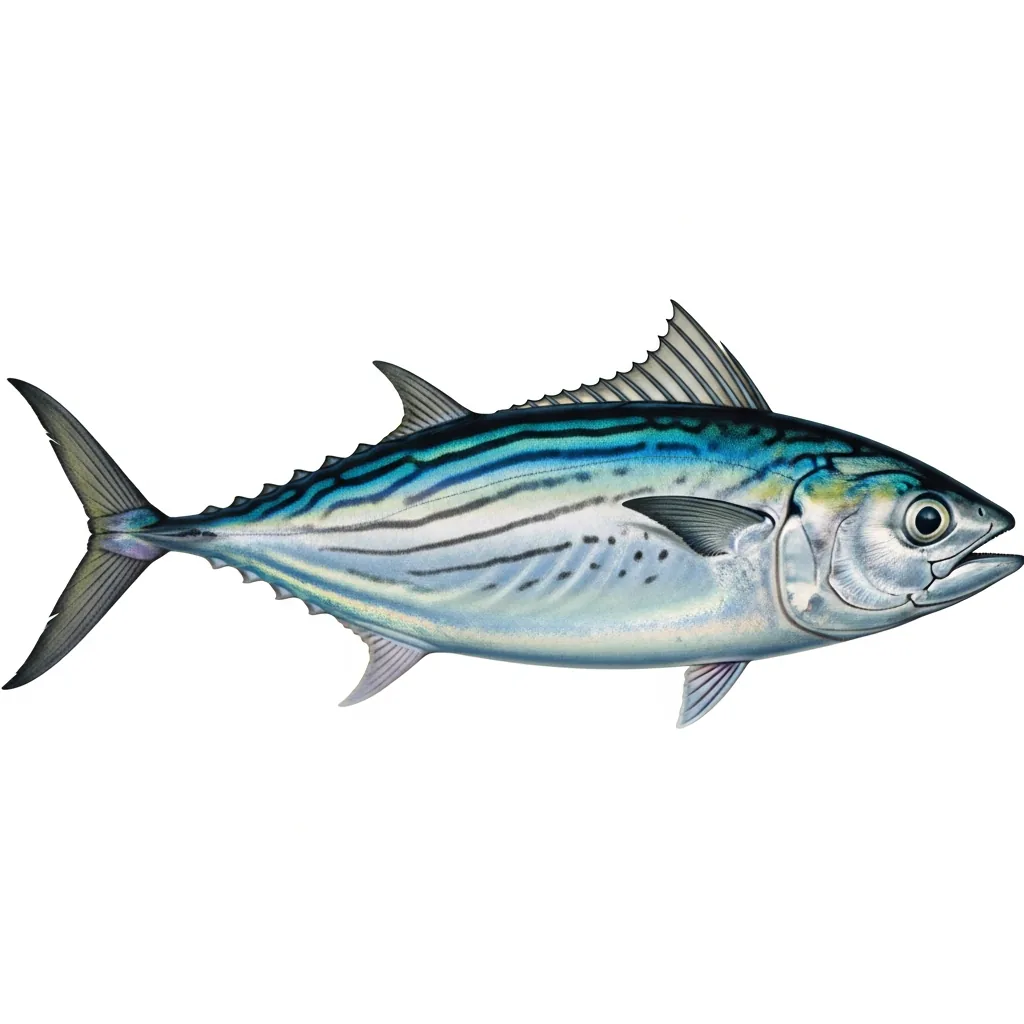 Atlantic bonitoSarda sarda
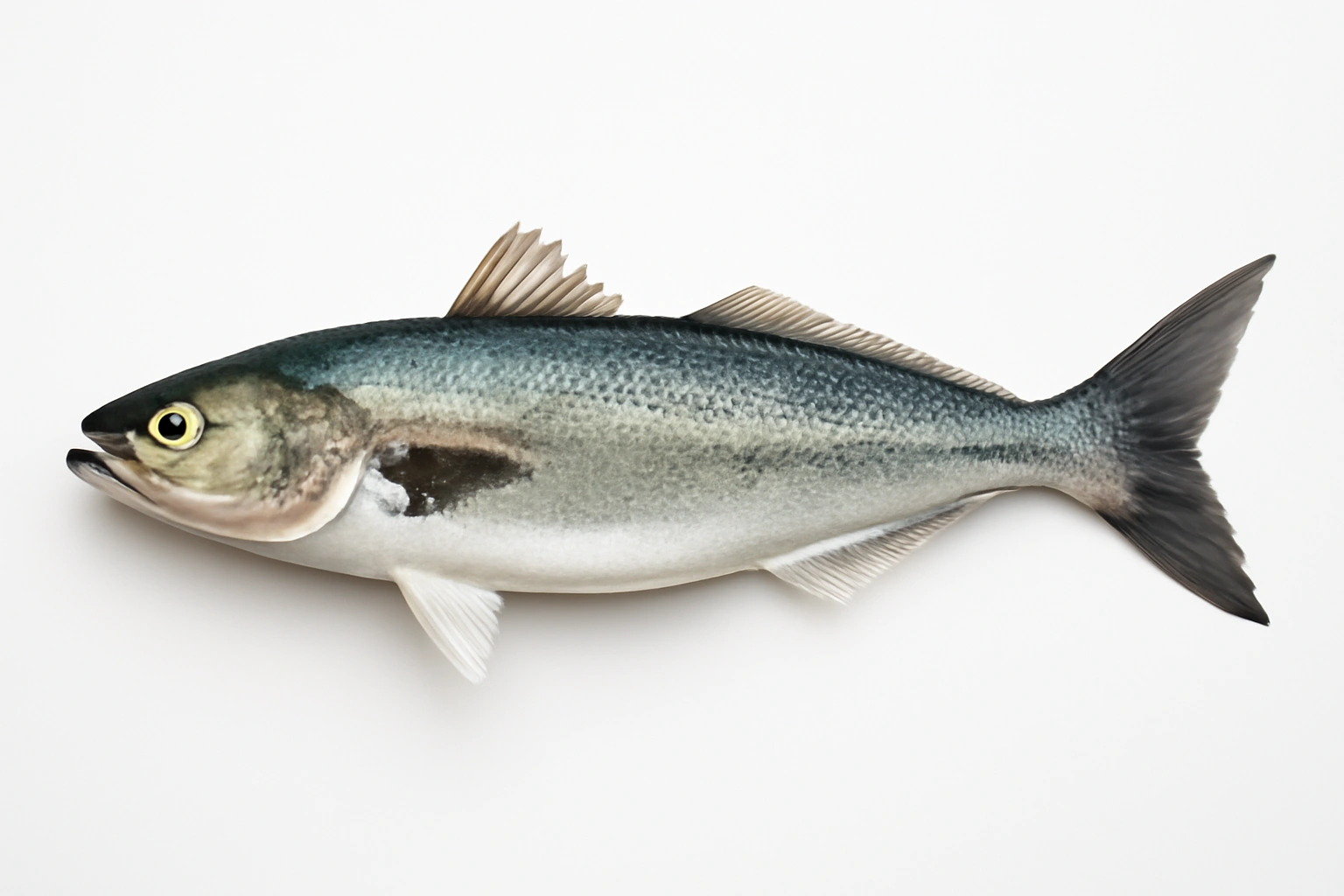 Australian SalmonArripis trutta
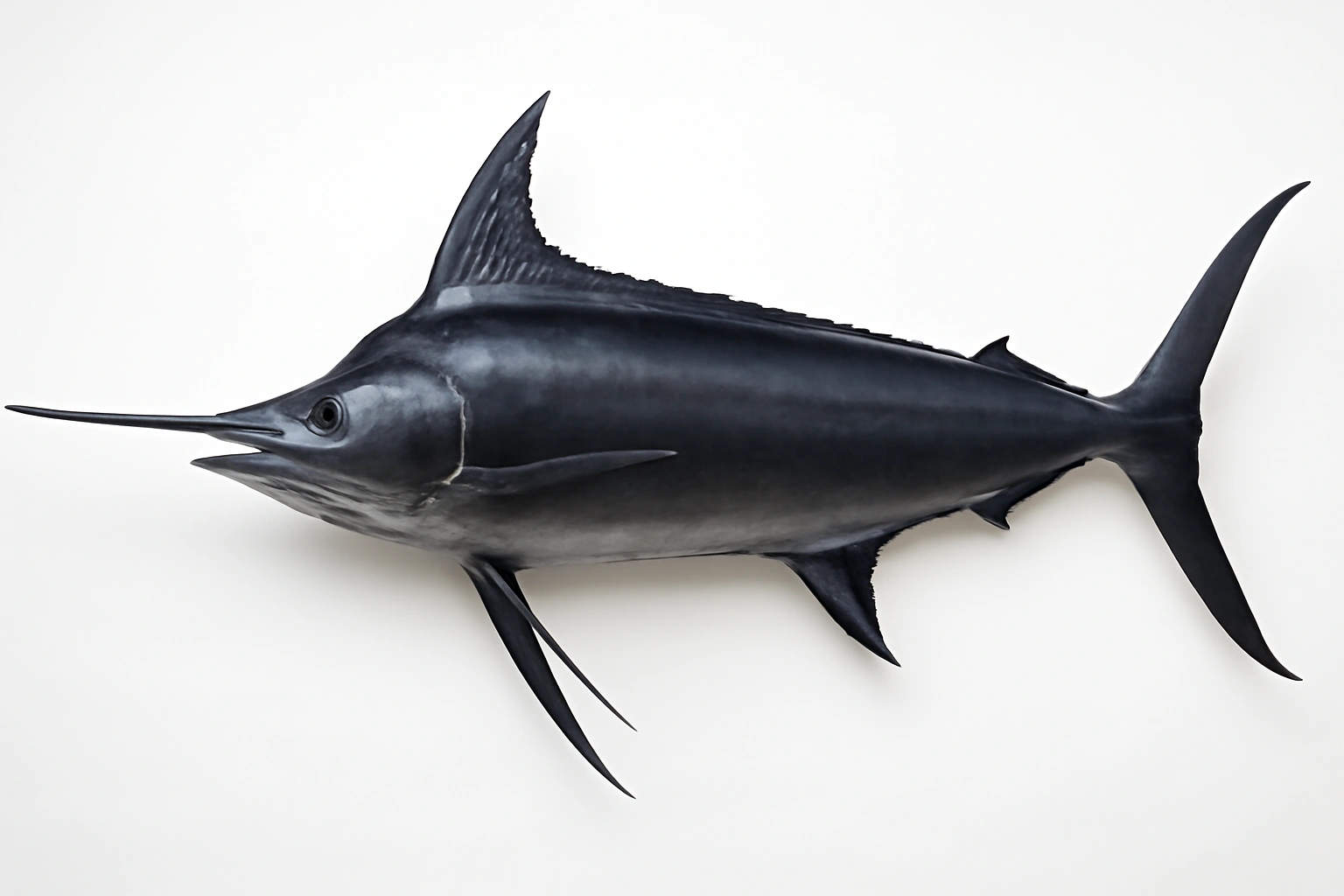 Black MarlinIstiompax indica
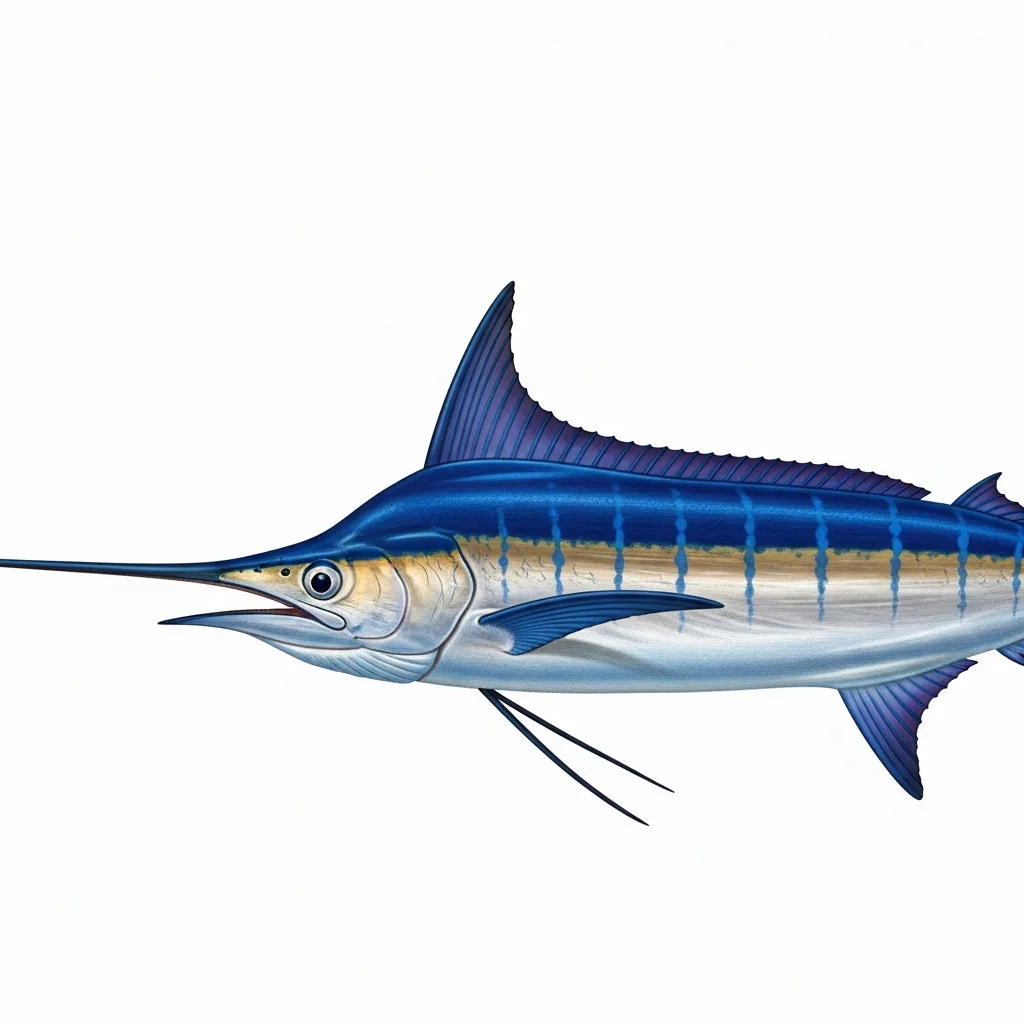 Blue marlinMakaira nigricans
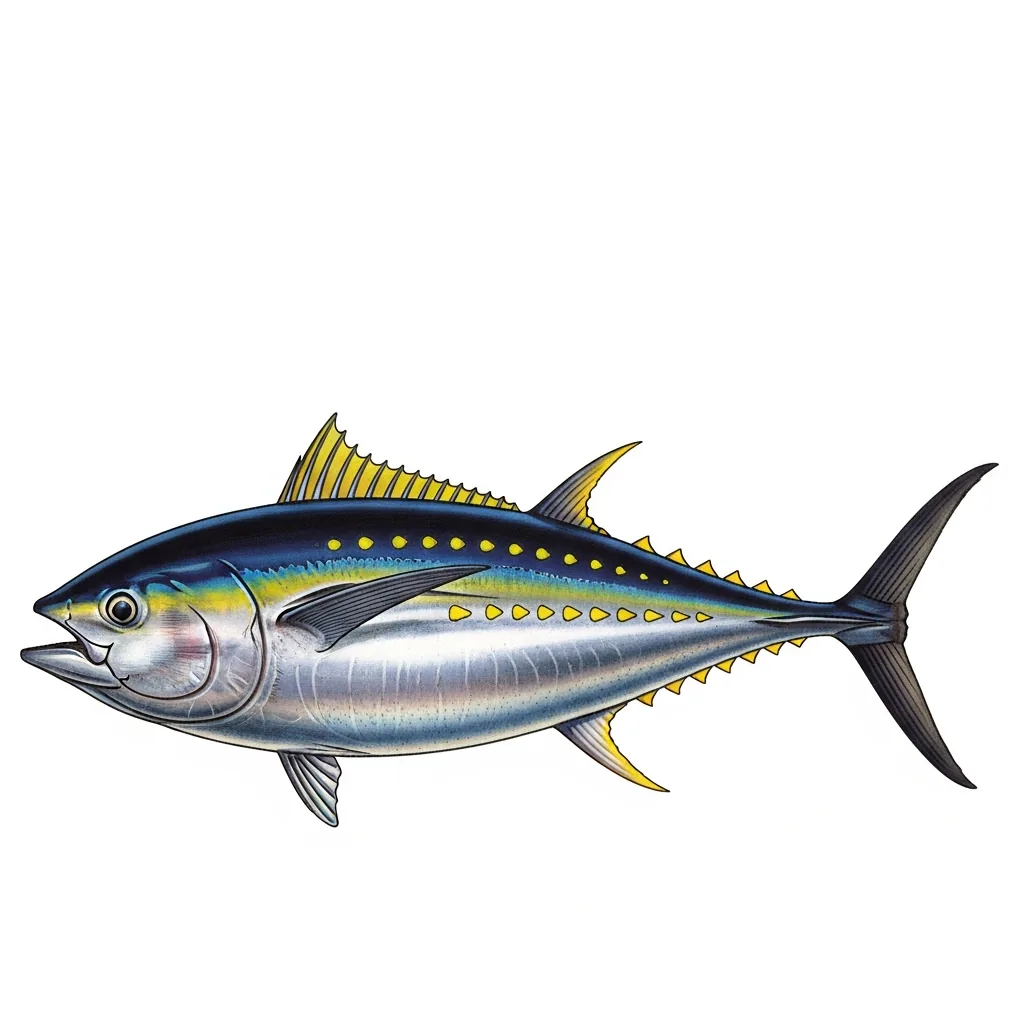 Bluefin tunaThunnus thynnus
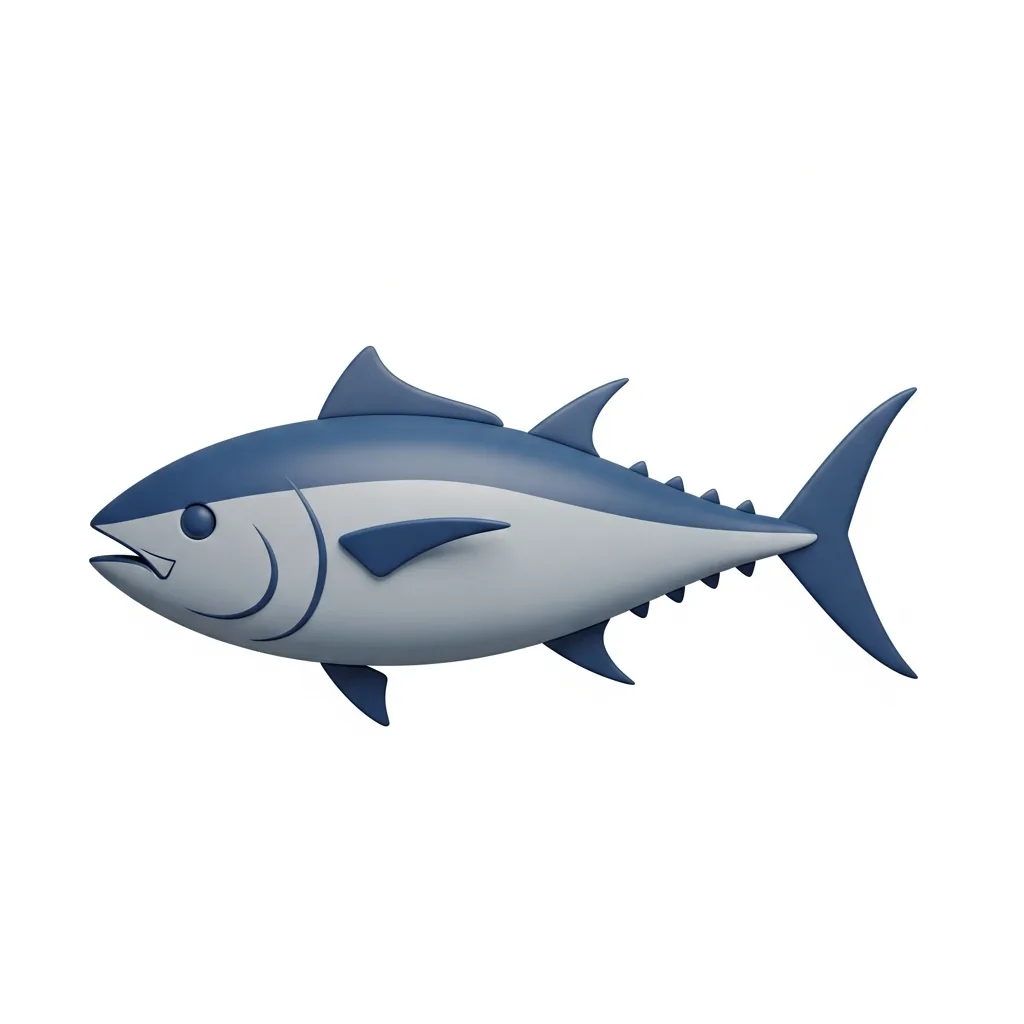 Bluefish / TailorPomatomus saltatrix
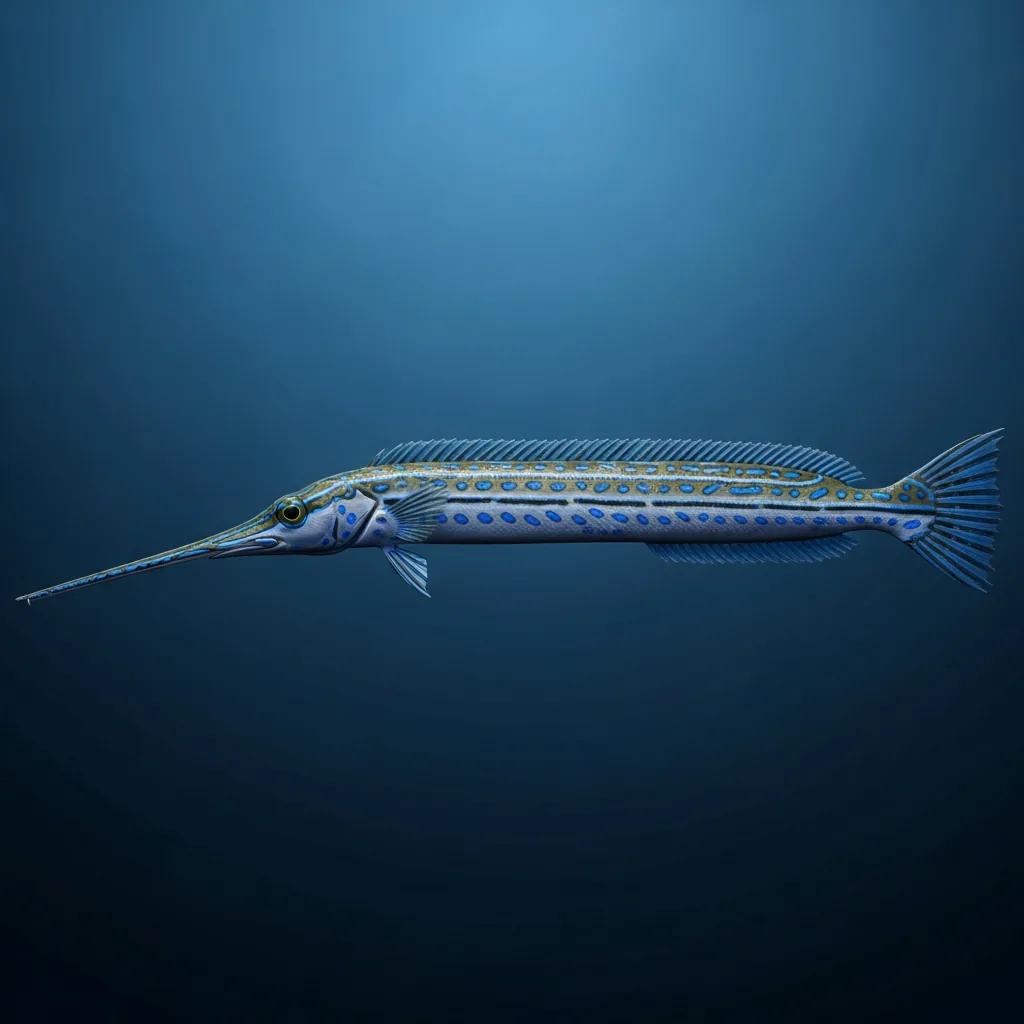 Bluespotted cornetfishFistularia commersonii
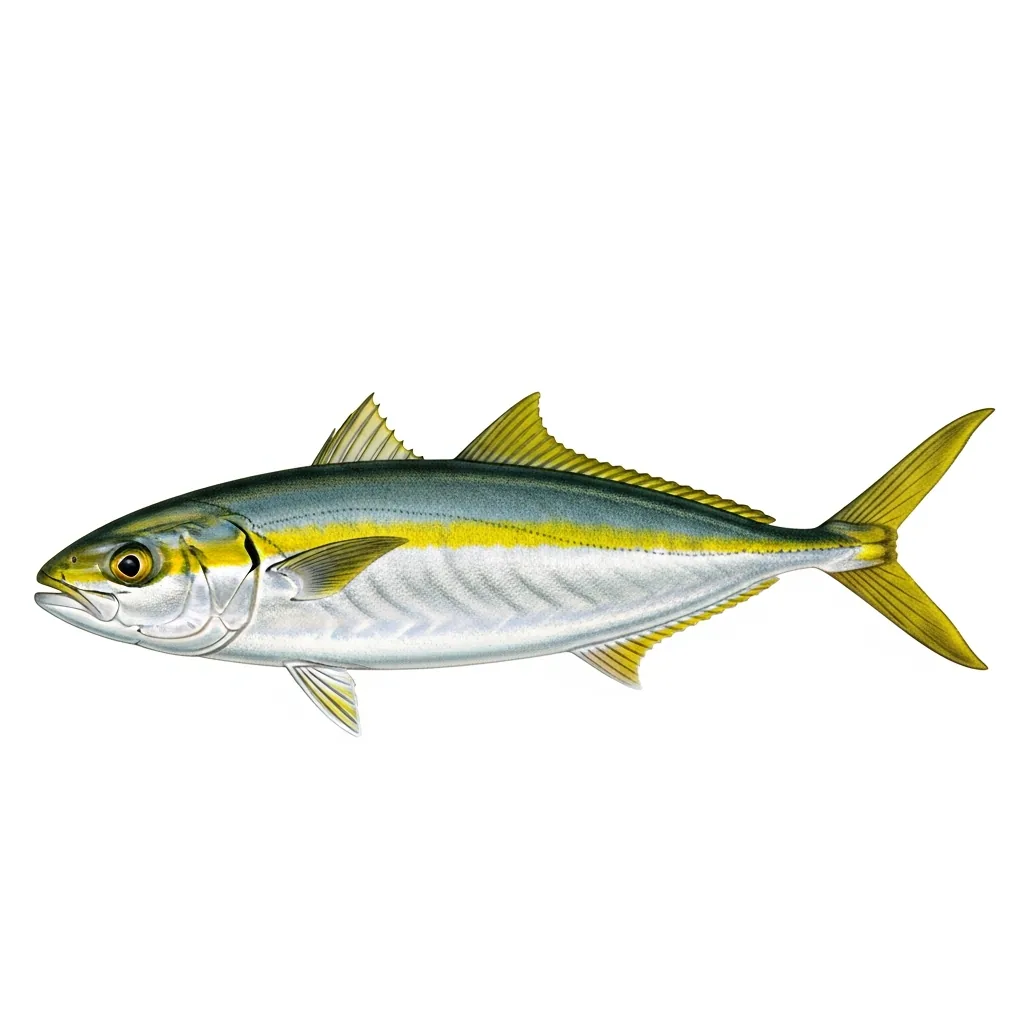 California YellowtailSeriola dorsalis
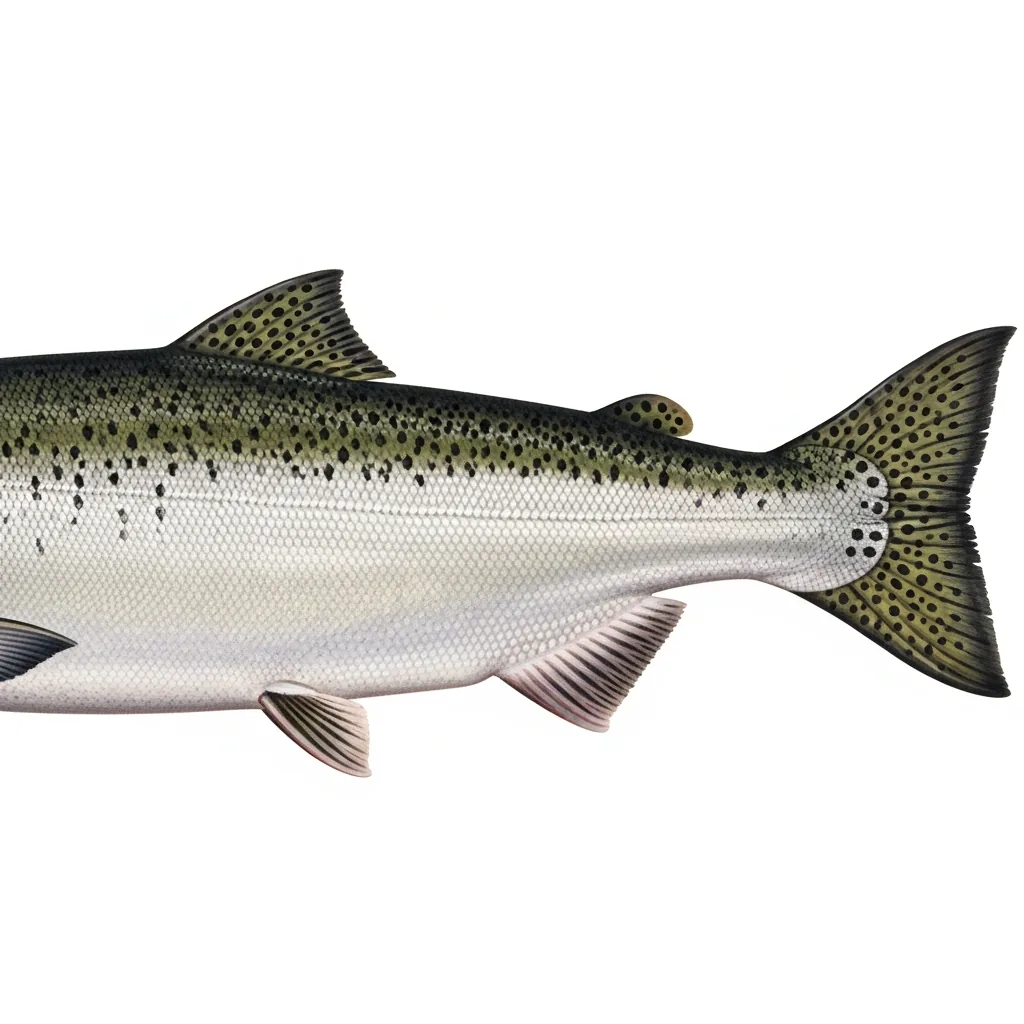 Chinook salmonOncorhynchus tshawytscha
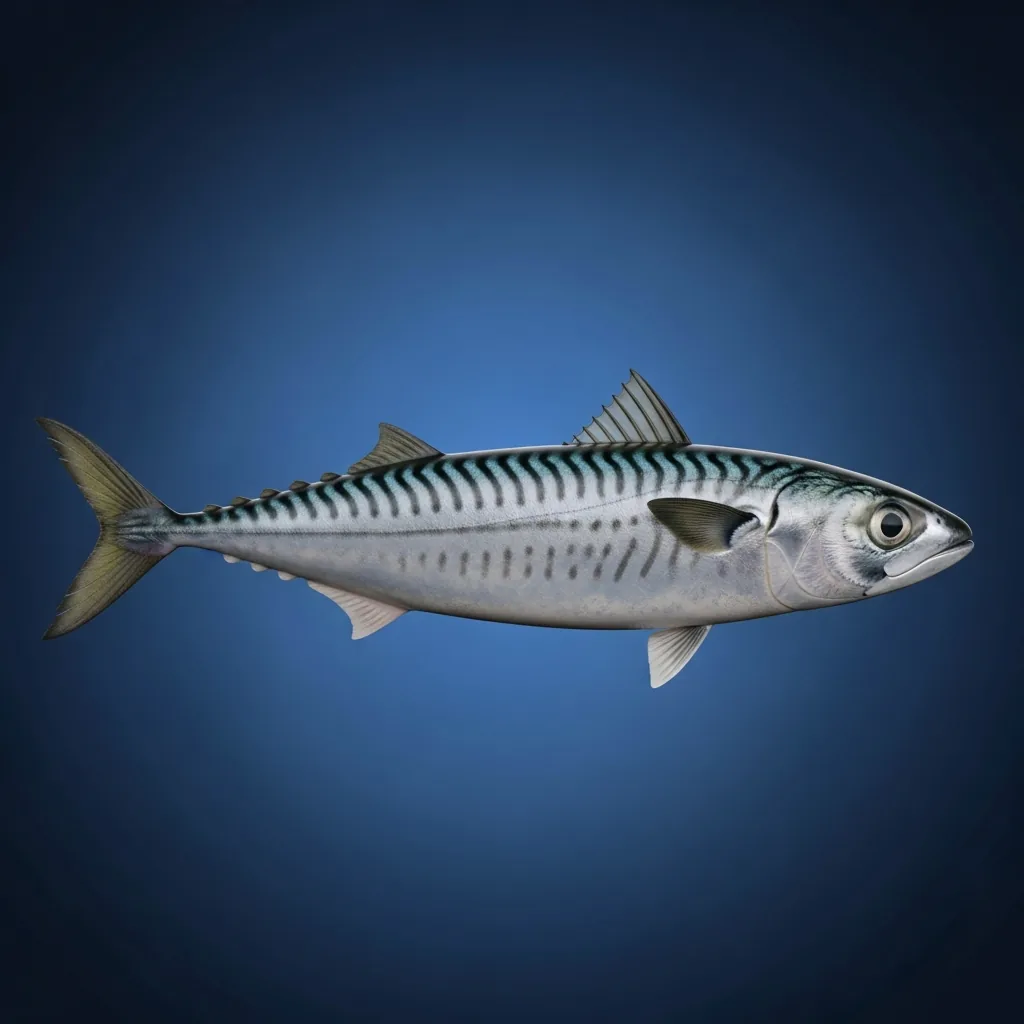 Chub mackerelScomber colias
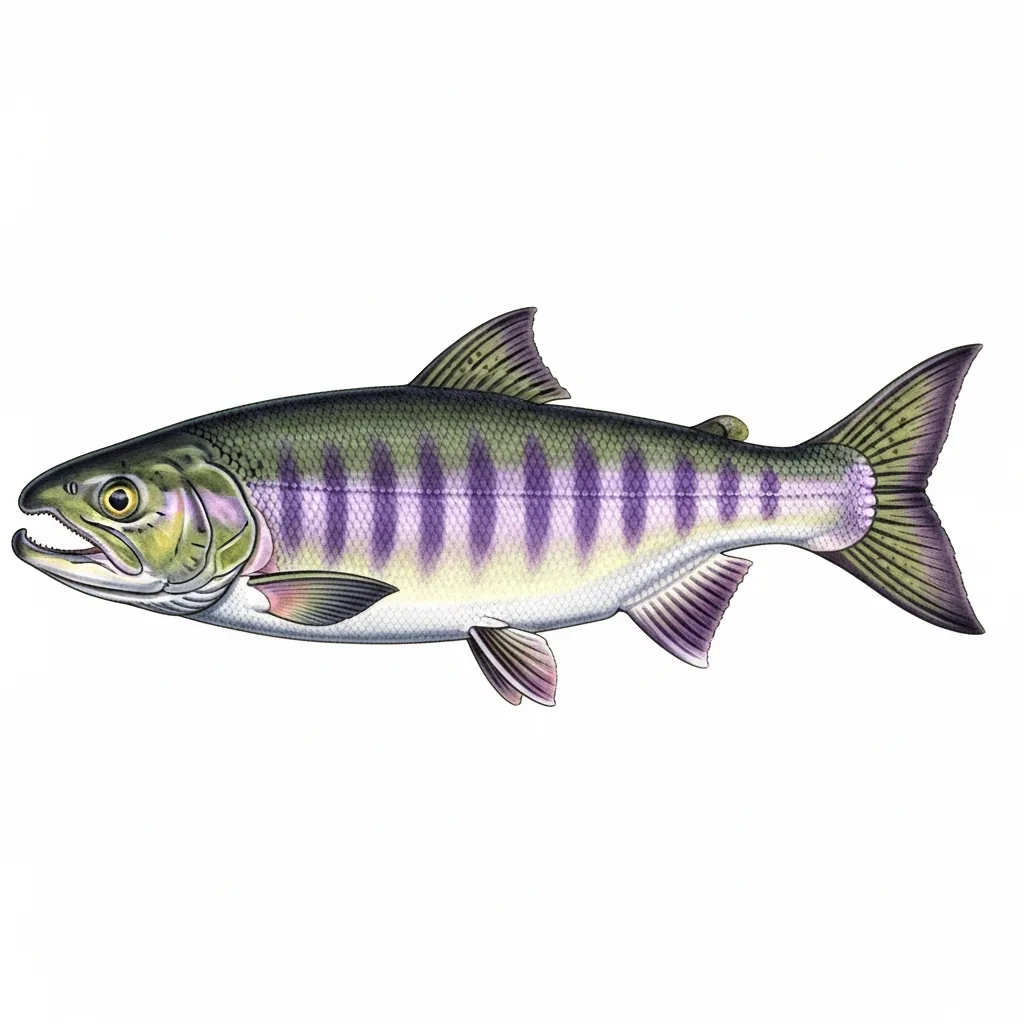 Chum SalmonOncorhynchus keta
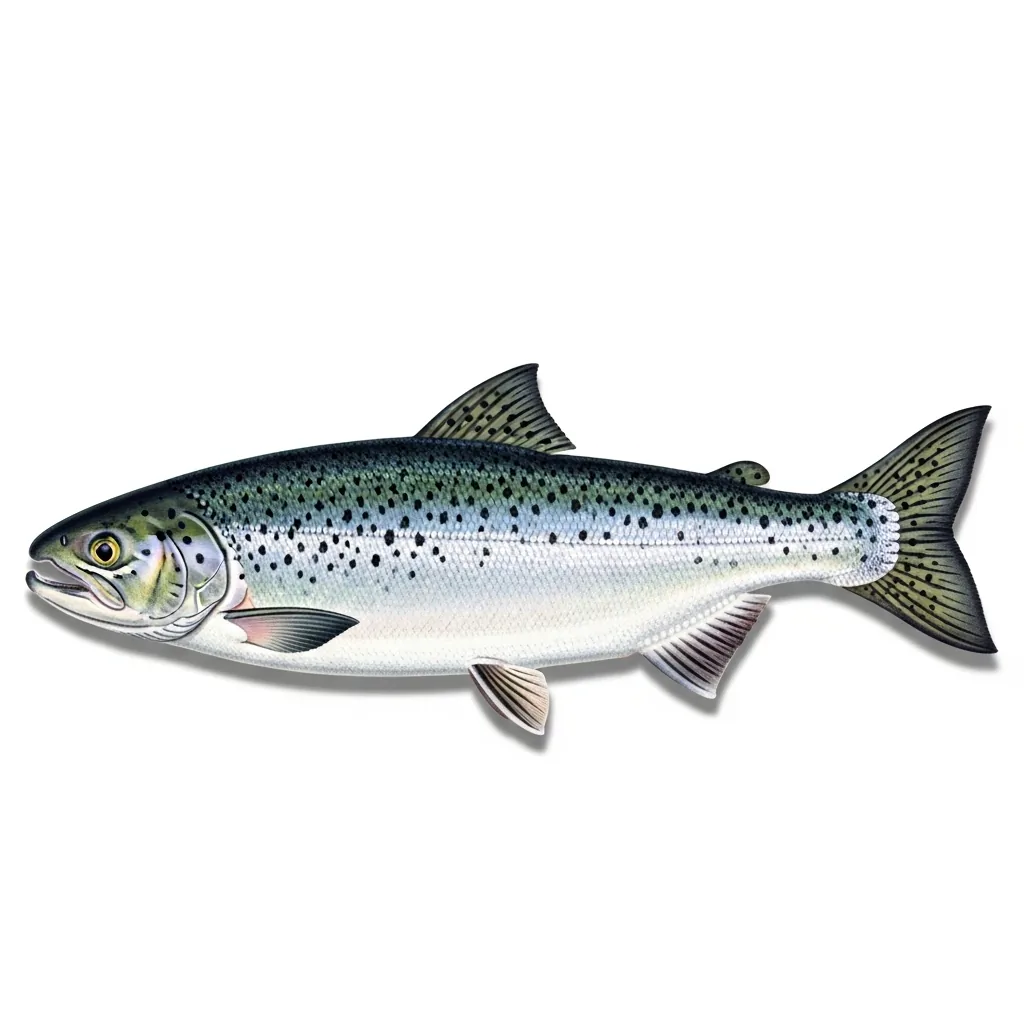 Coho SalmonOncorhynchus kisutch
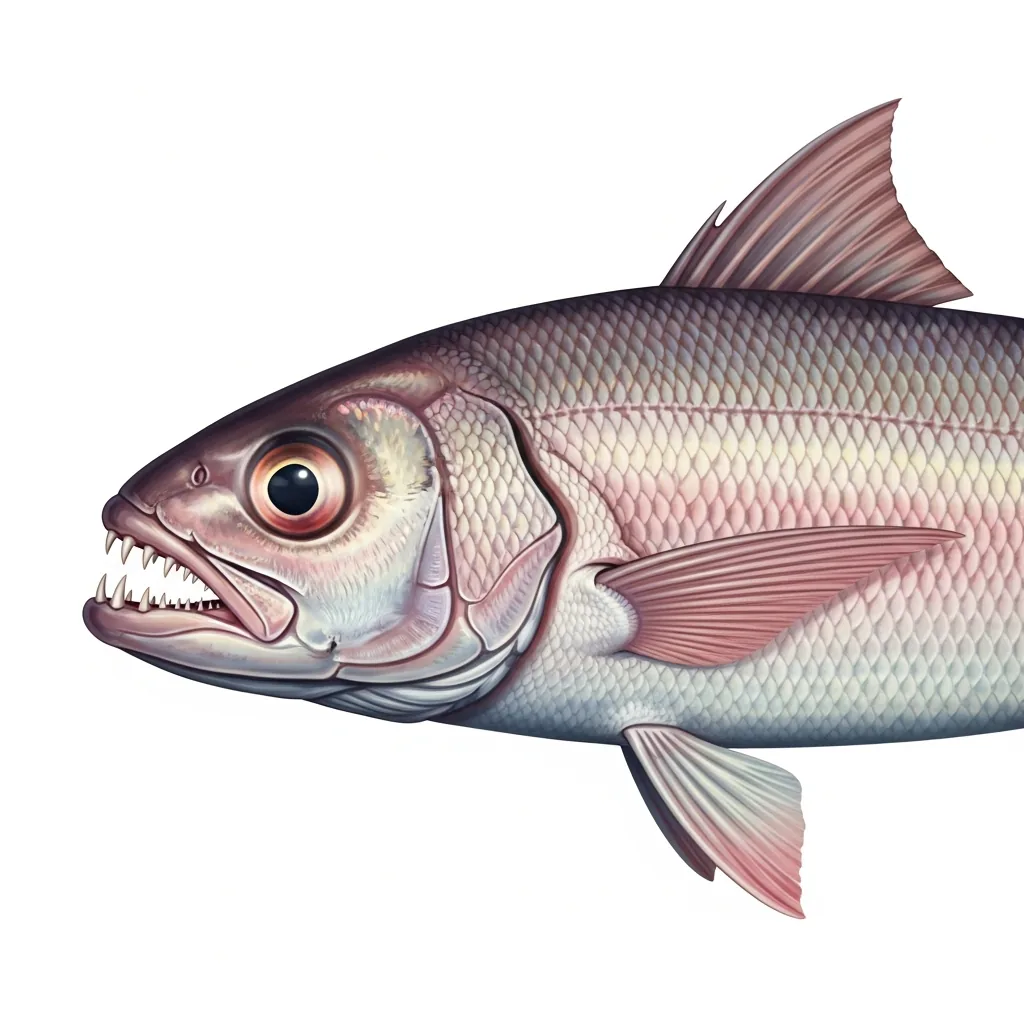 Common dentexDentex dentex
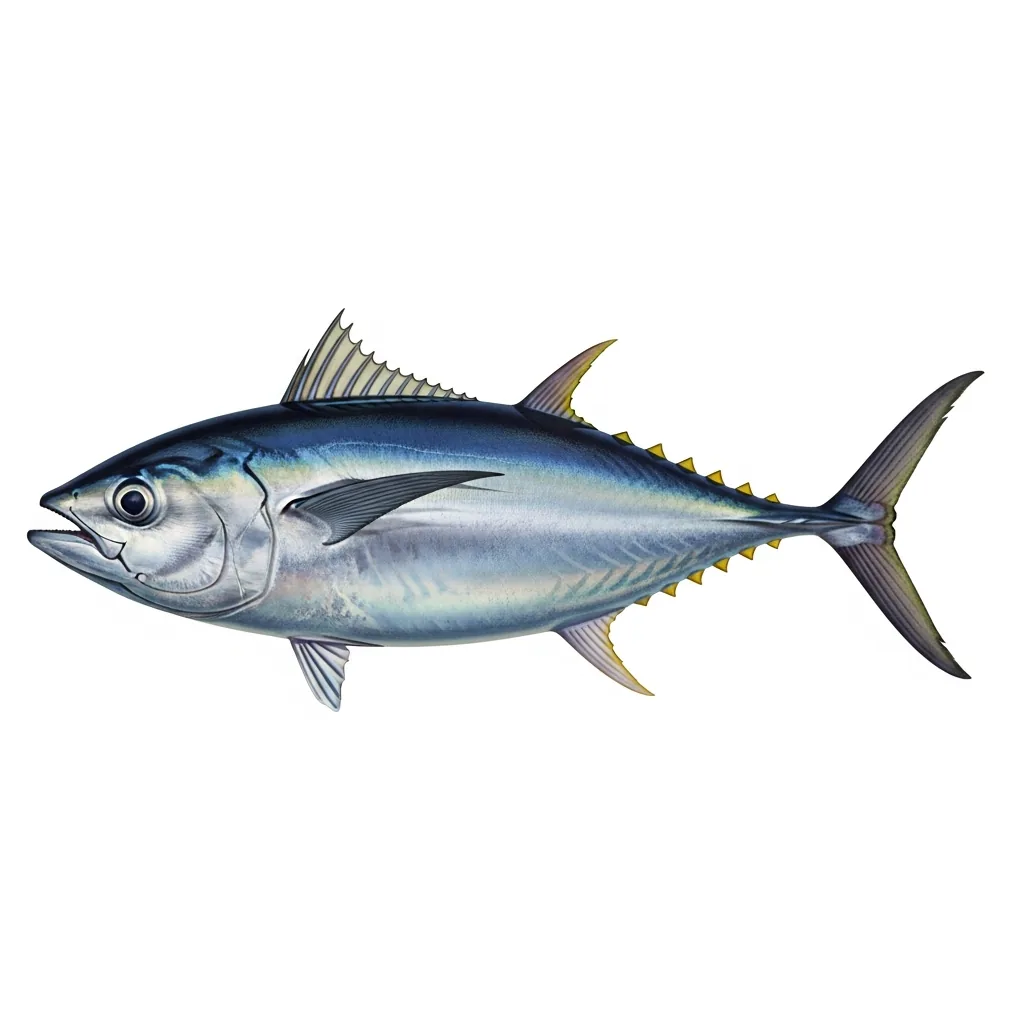 Dogtooth tunaGymnosarda unicolor
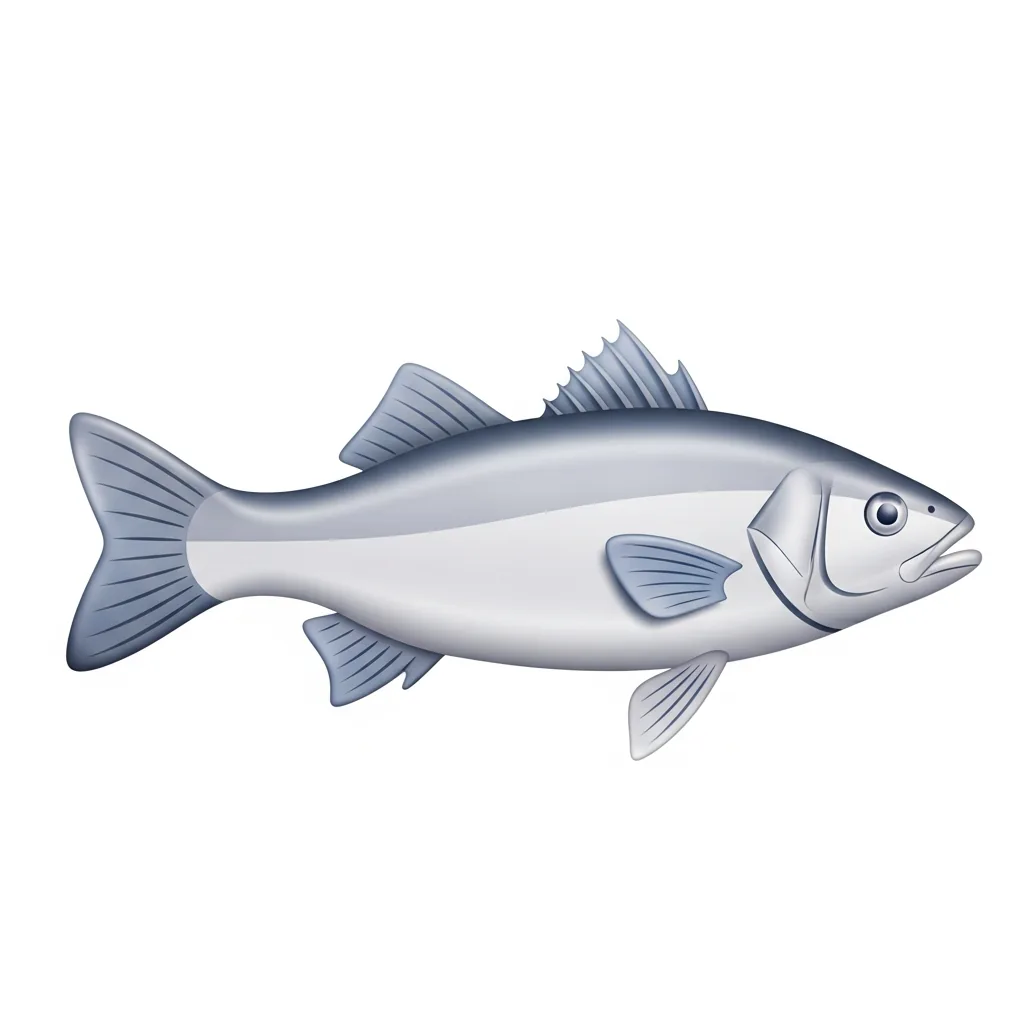 European sea bassDicentrarchus labrax
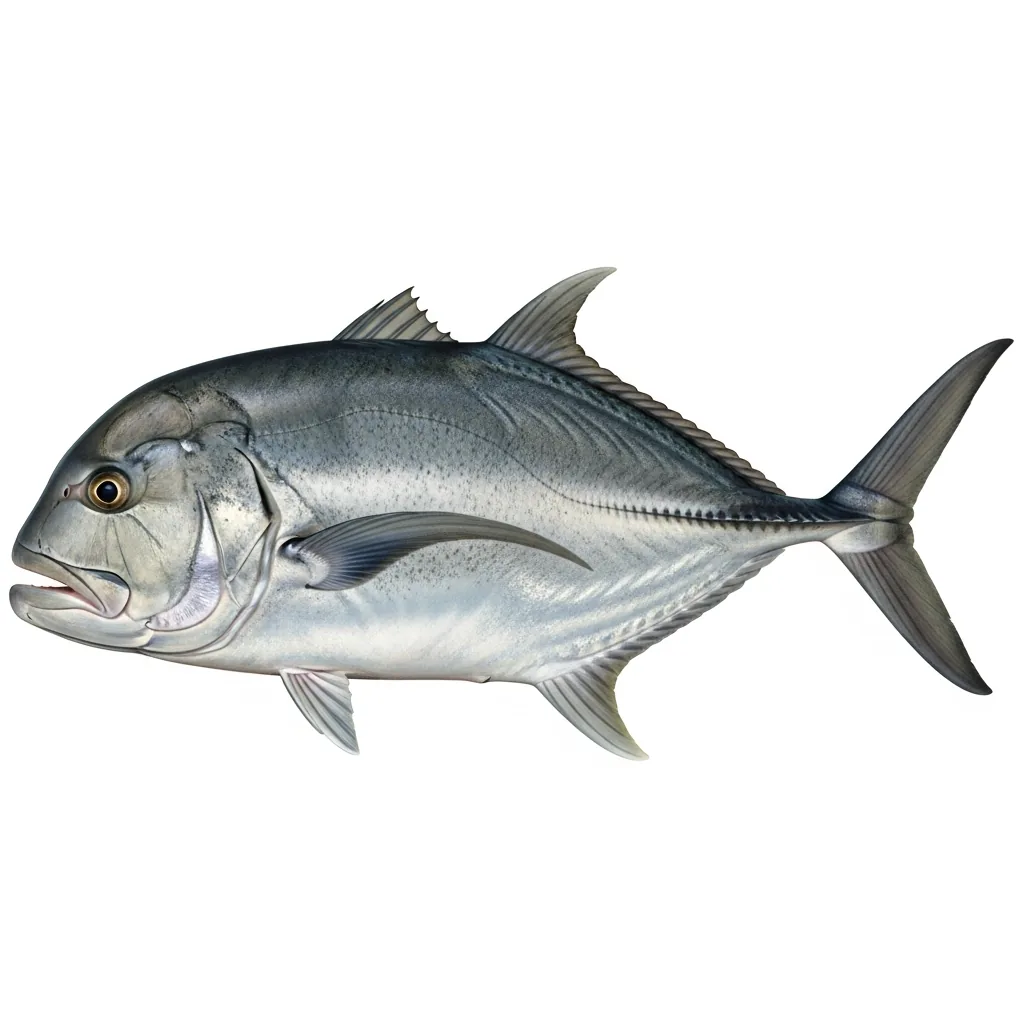 Giant trevallyCaranx ignobilis
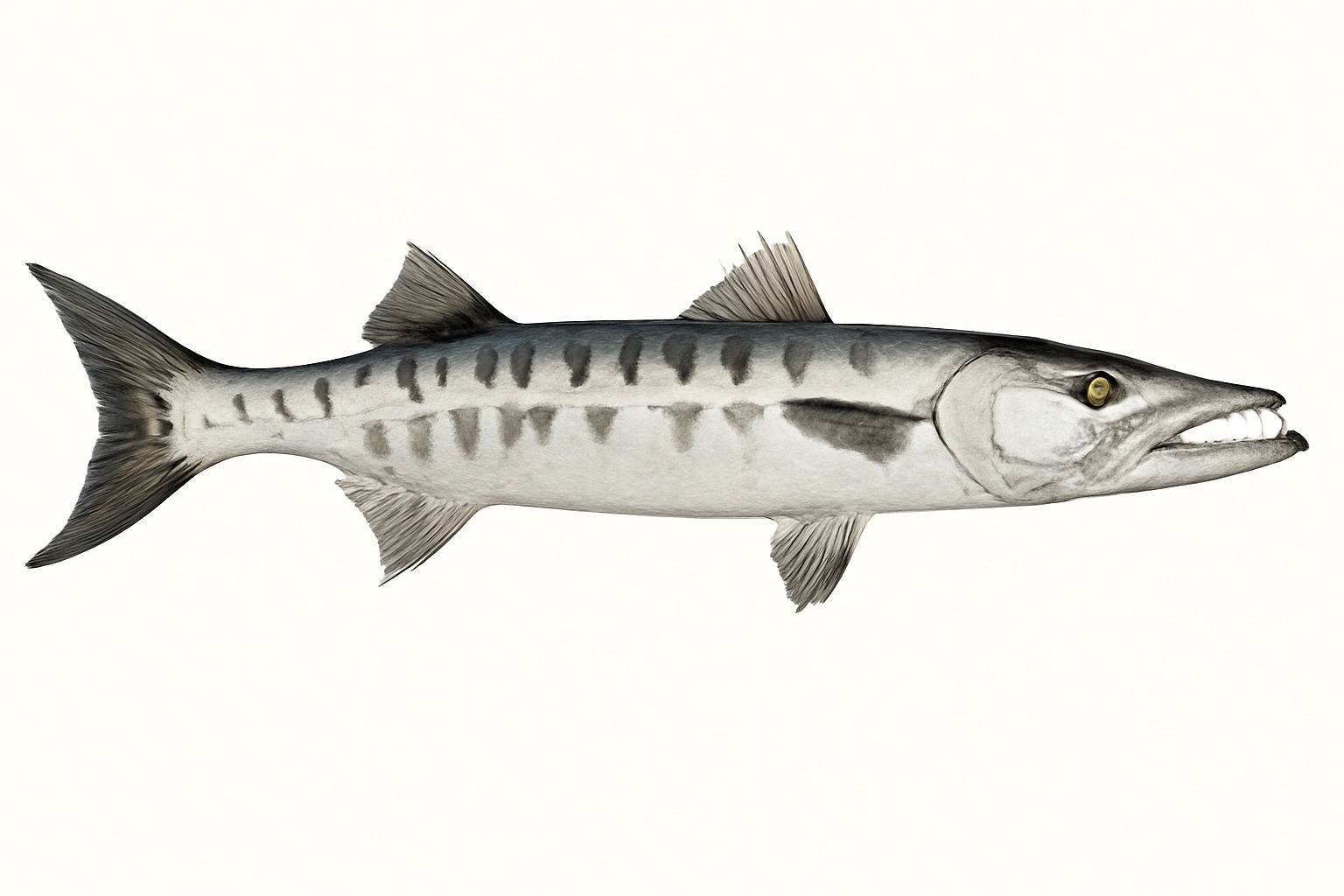 Great barracudaSphyraena barracuda
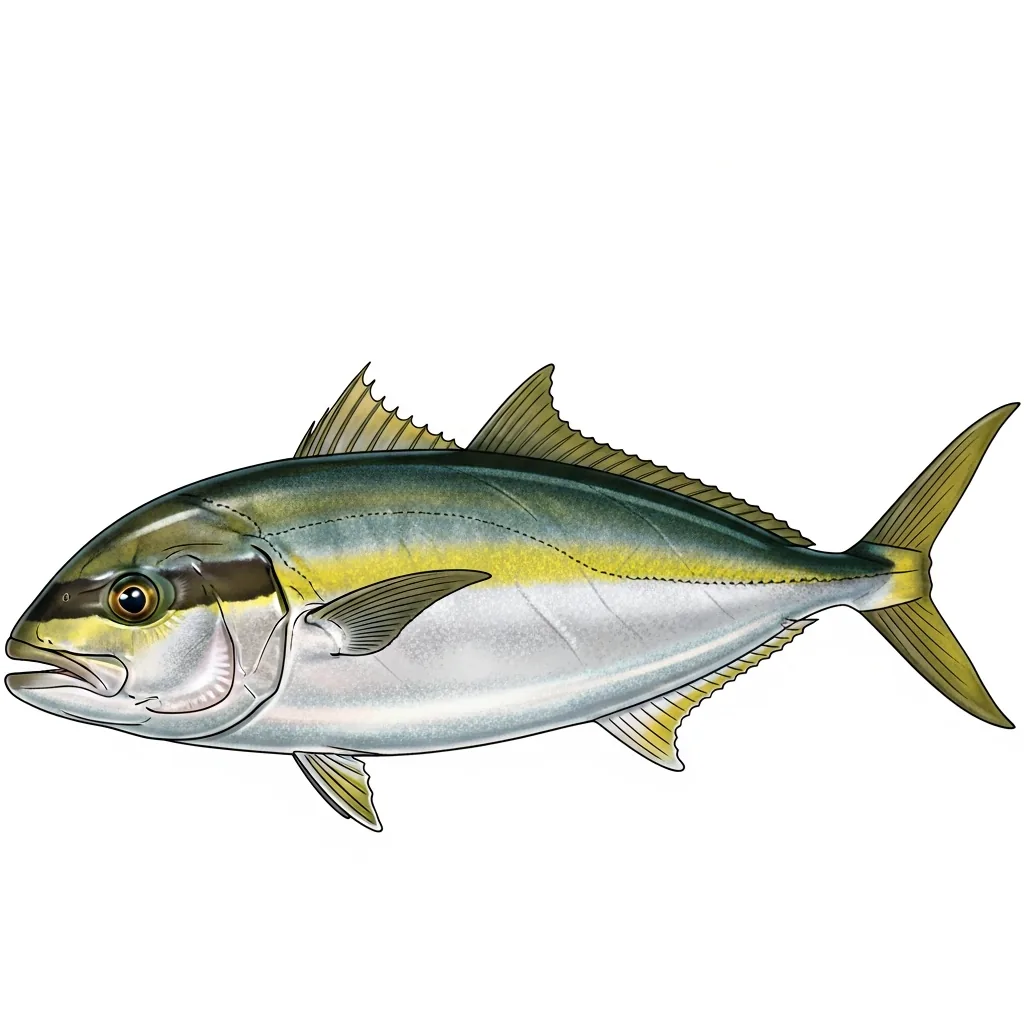 Greater amberjackSeriola dumerili
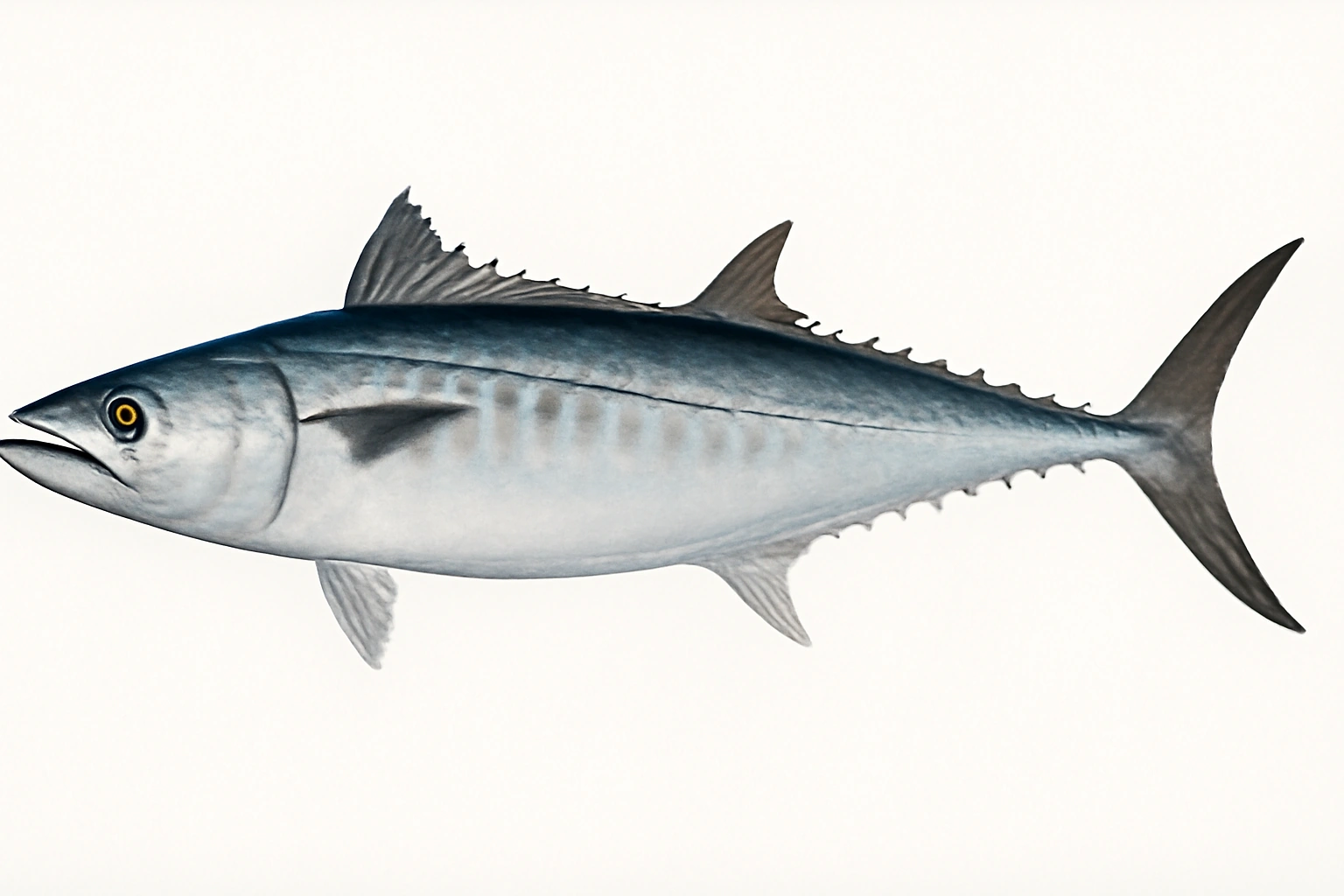 King mackerelScomberomorus cavalla
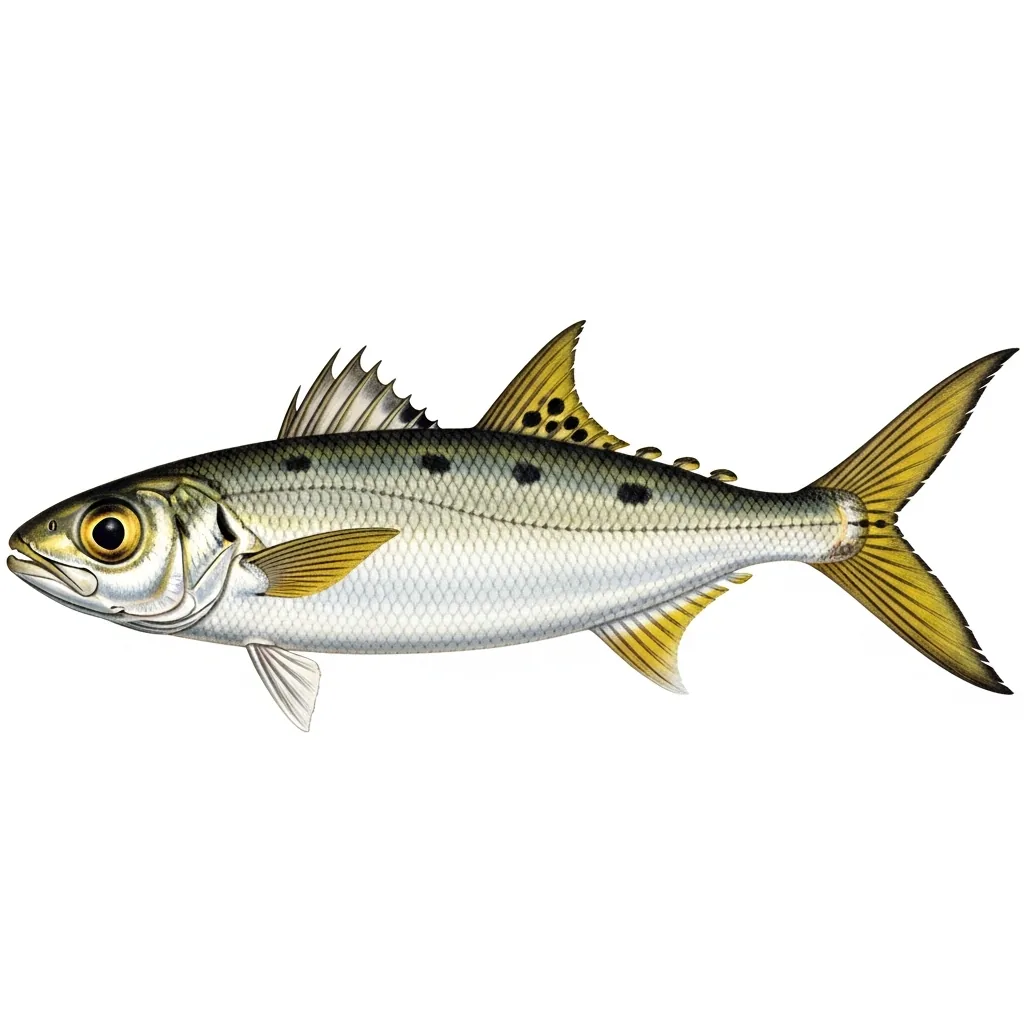 LeerfishLichia amia
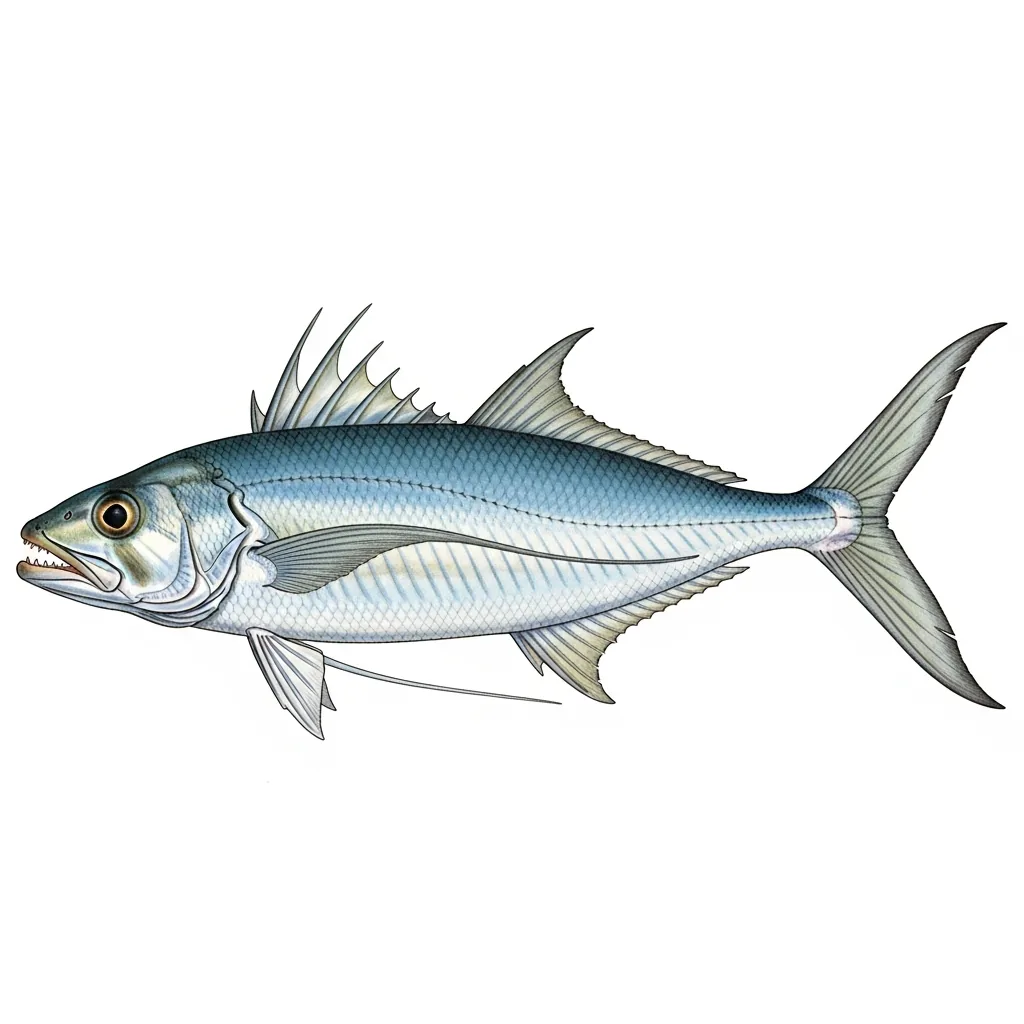 LeerfishTrachinotus ovatus
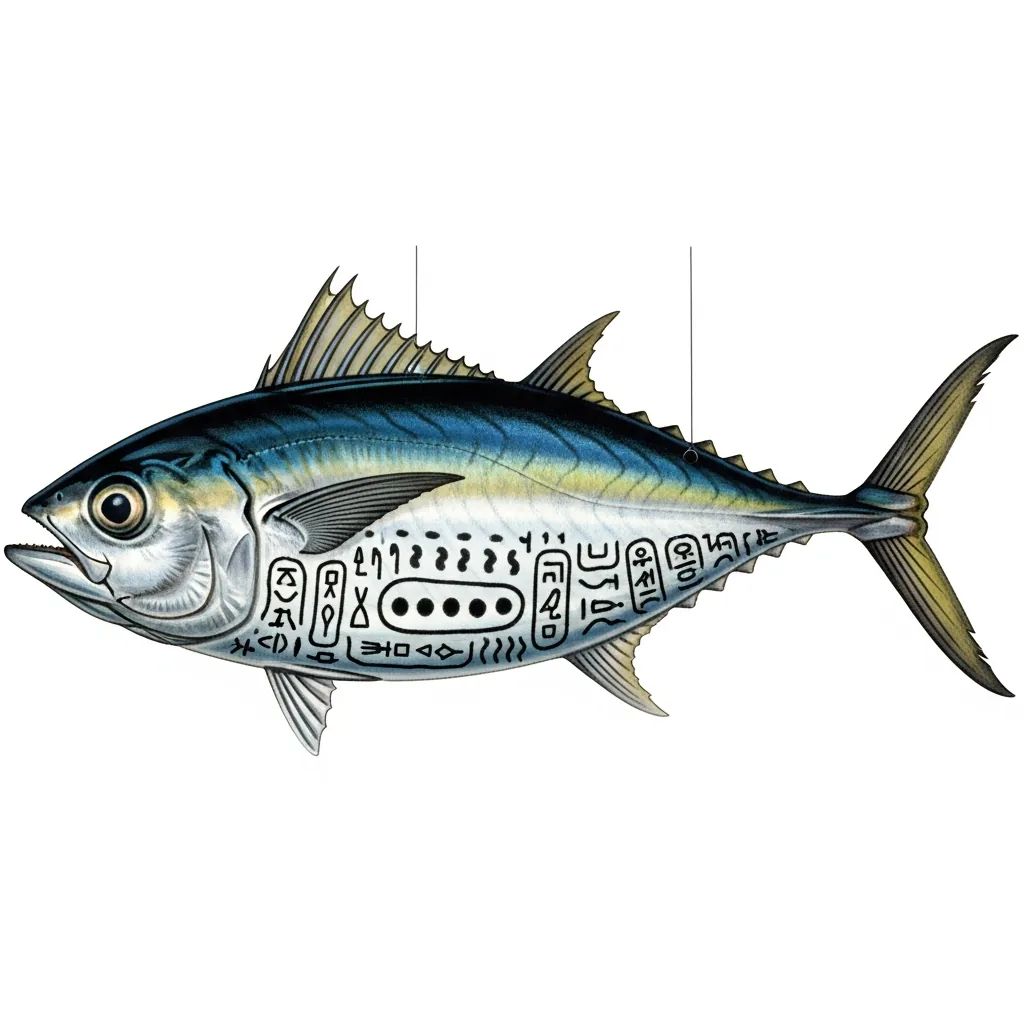 Little tunnyEuthynnus alletteratus
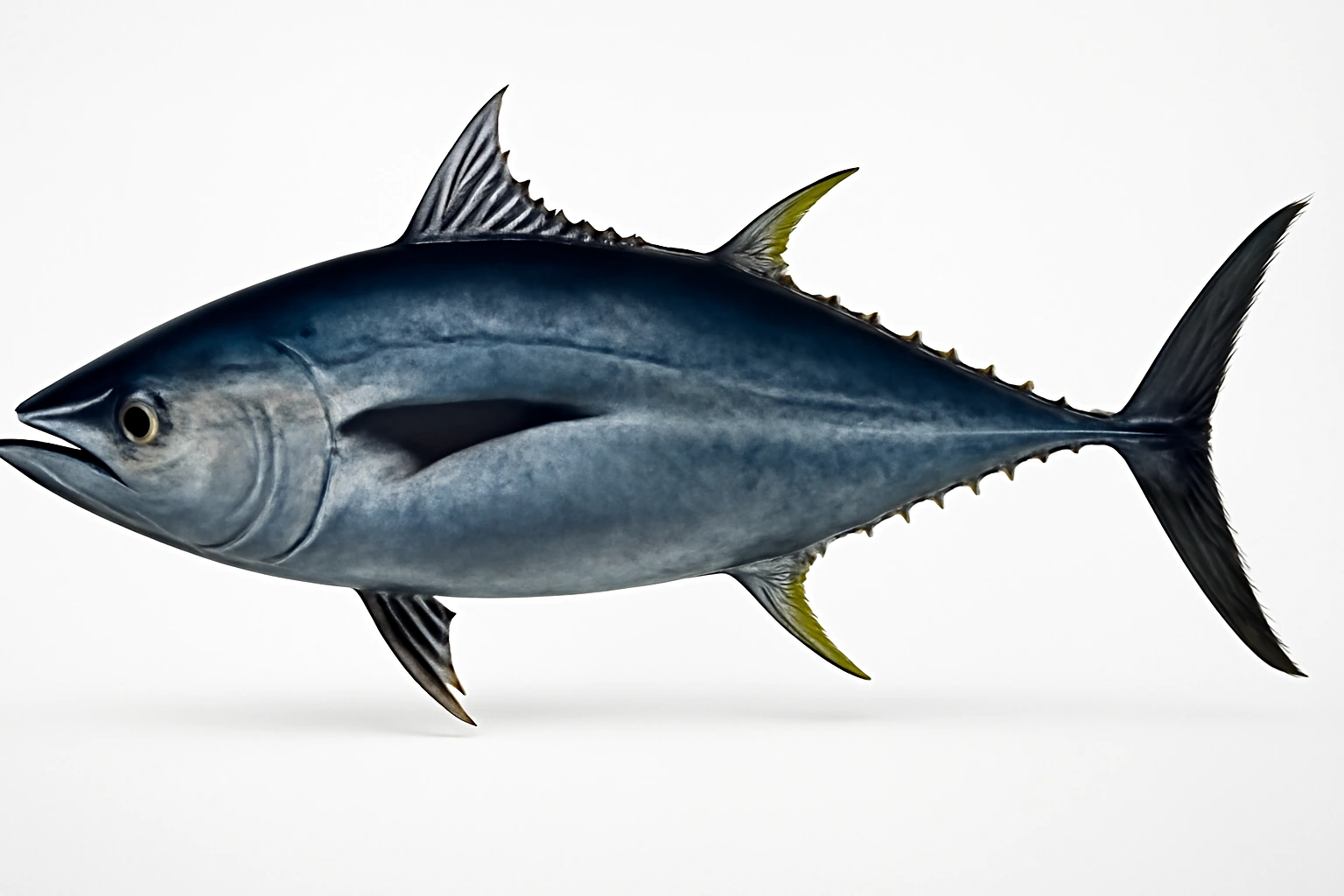 Longtail TunaThunnus tonggol
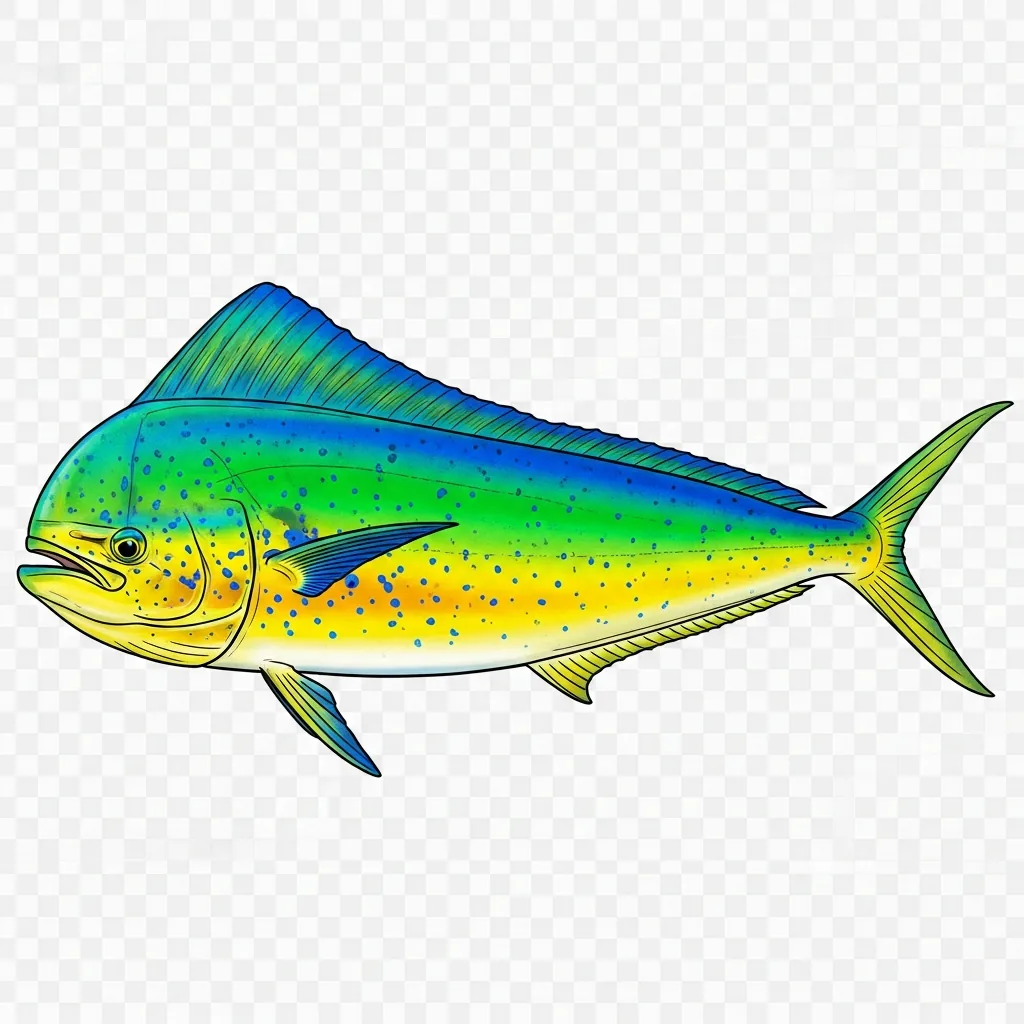 Mahi-mahi / DolphinfishCoryphaena hippurus
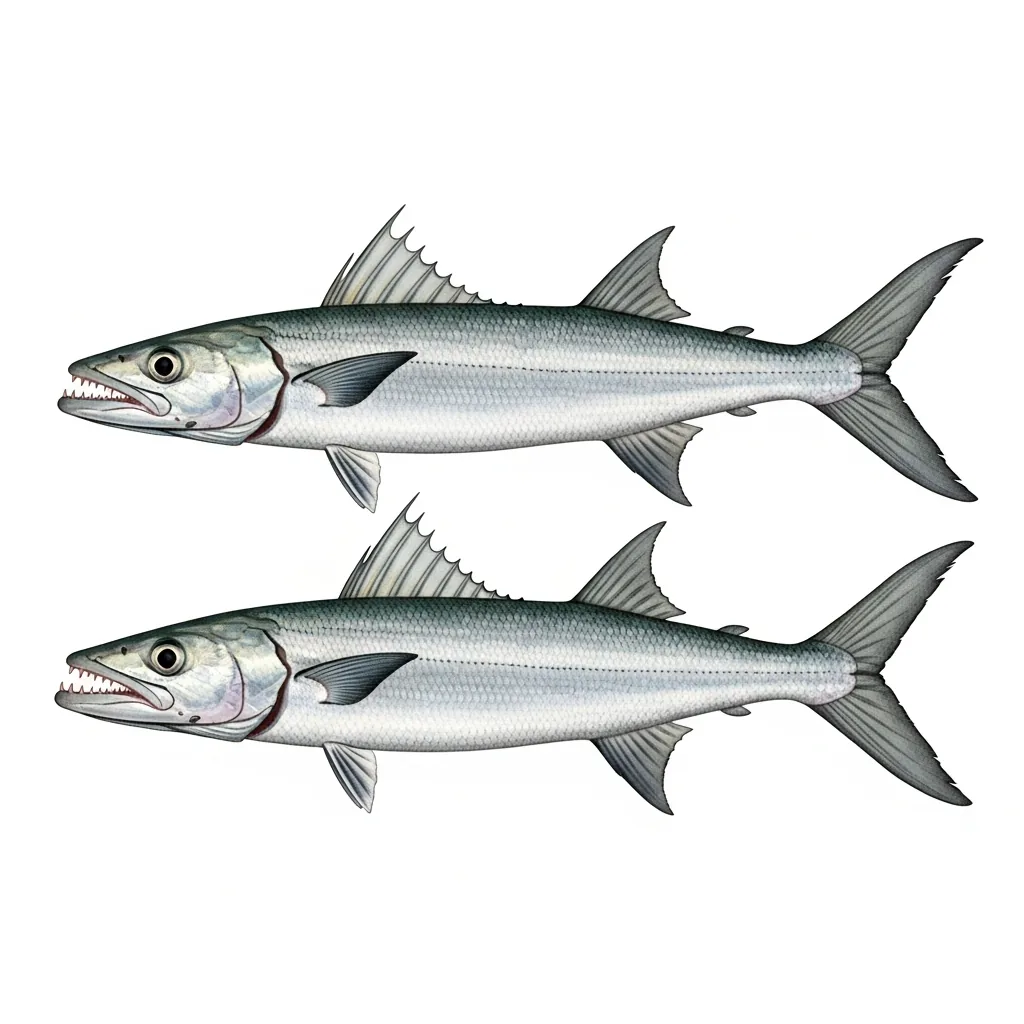 Pacific BarracudaSphyraena argentea
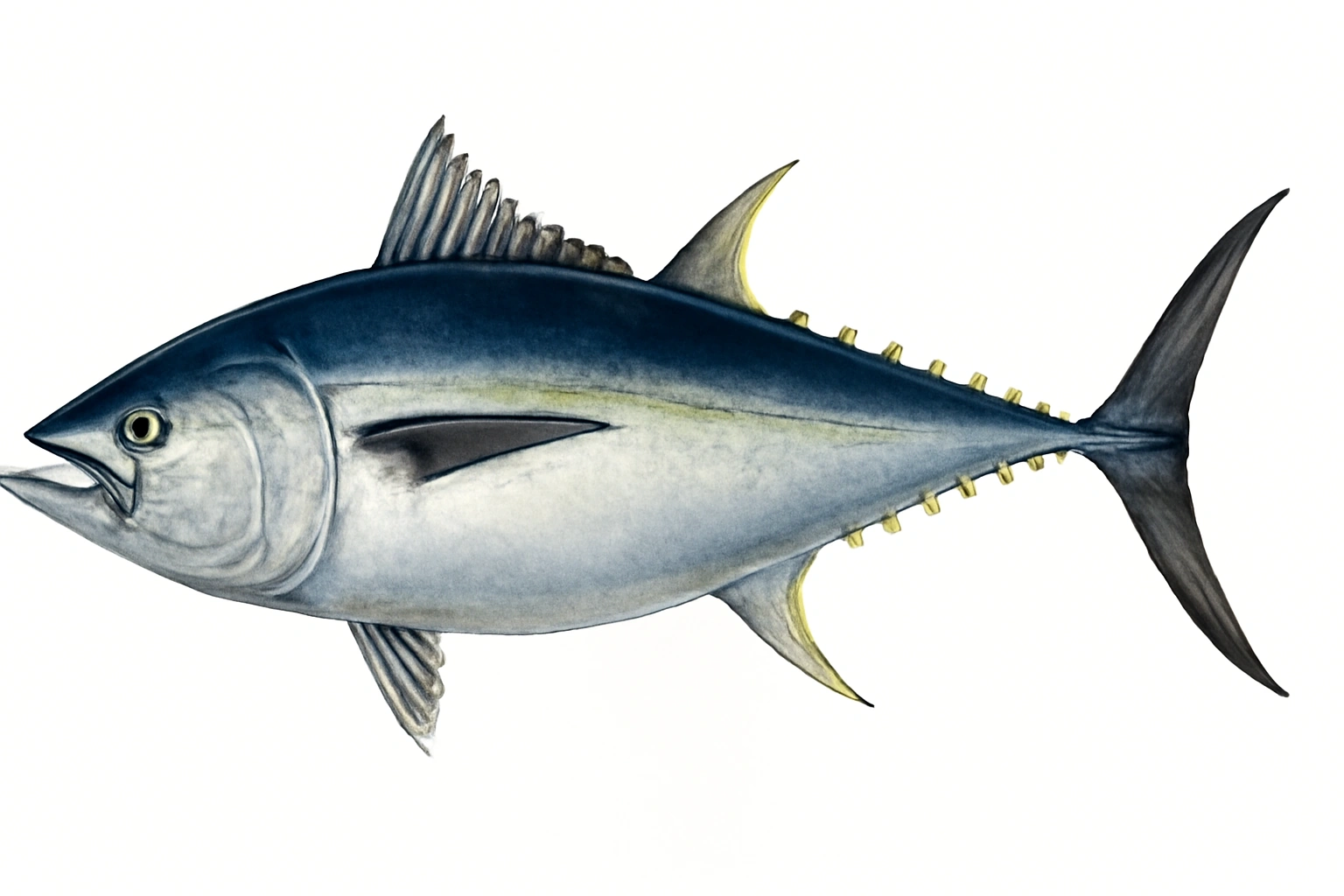 Pacific bluefin tunaThunnus orientalis
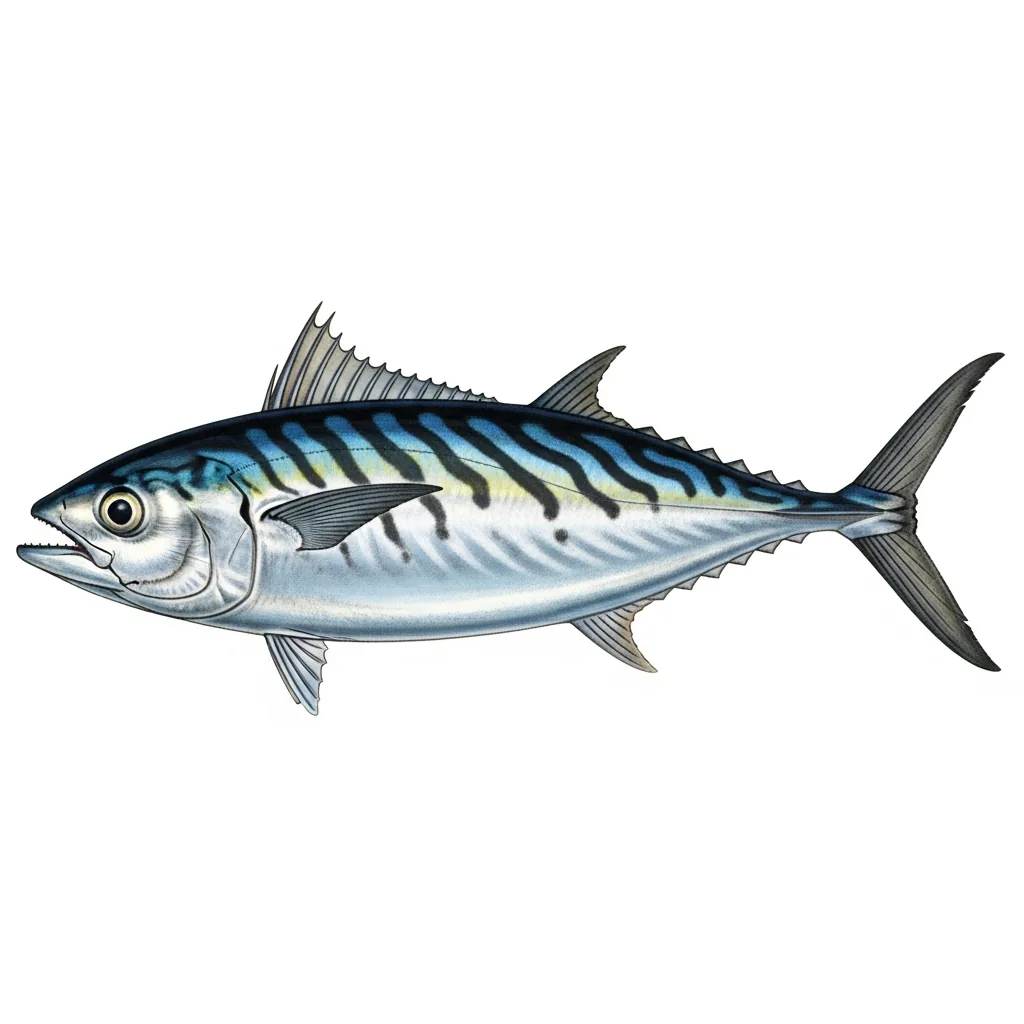 Pacific BonitoSarda chiliensis
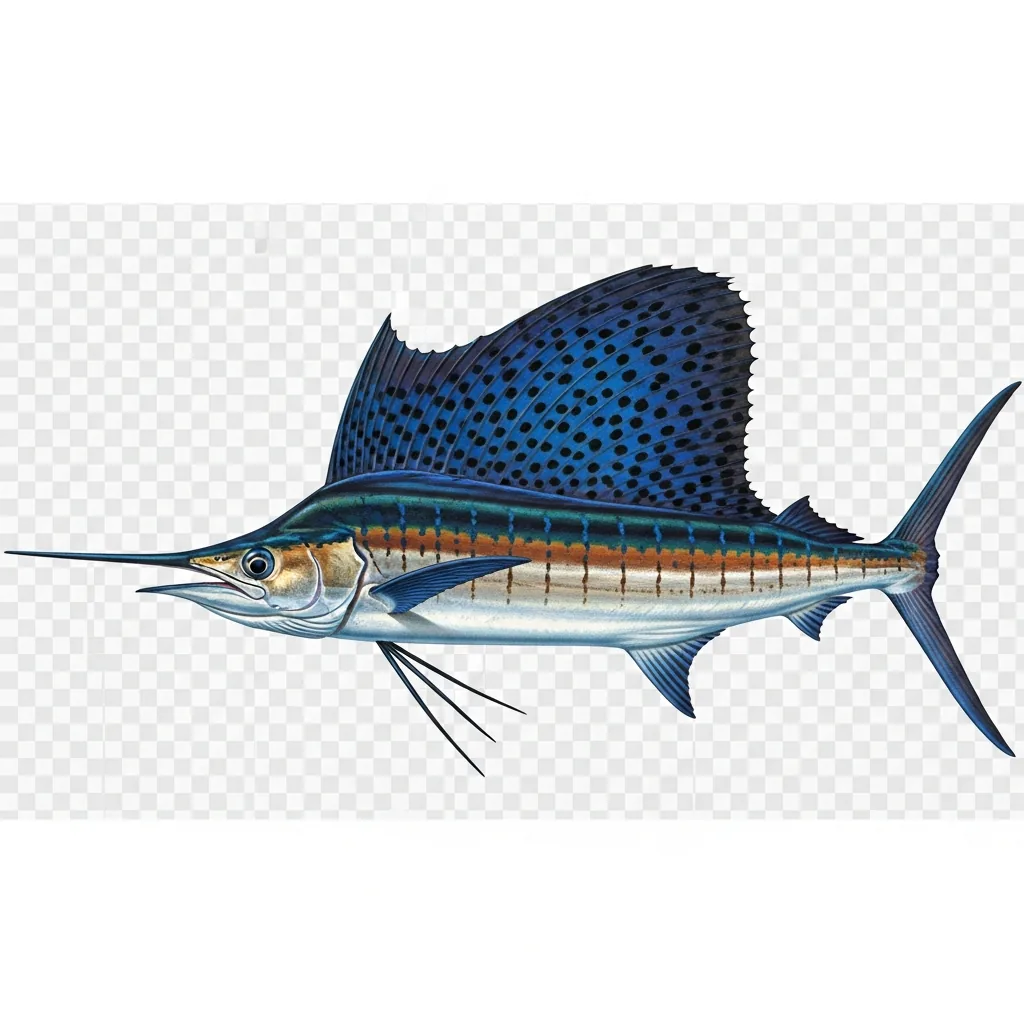 SailfishIstiophorus platypterus
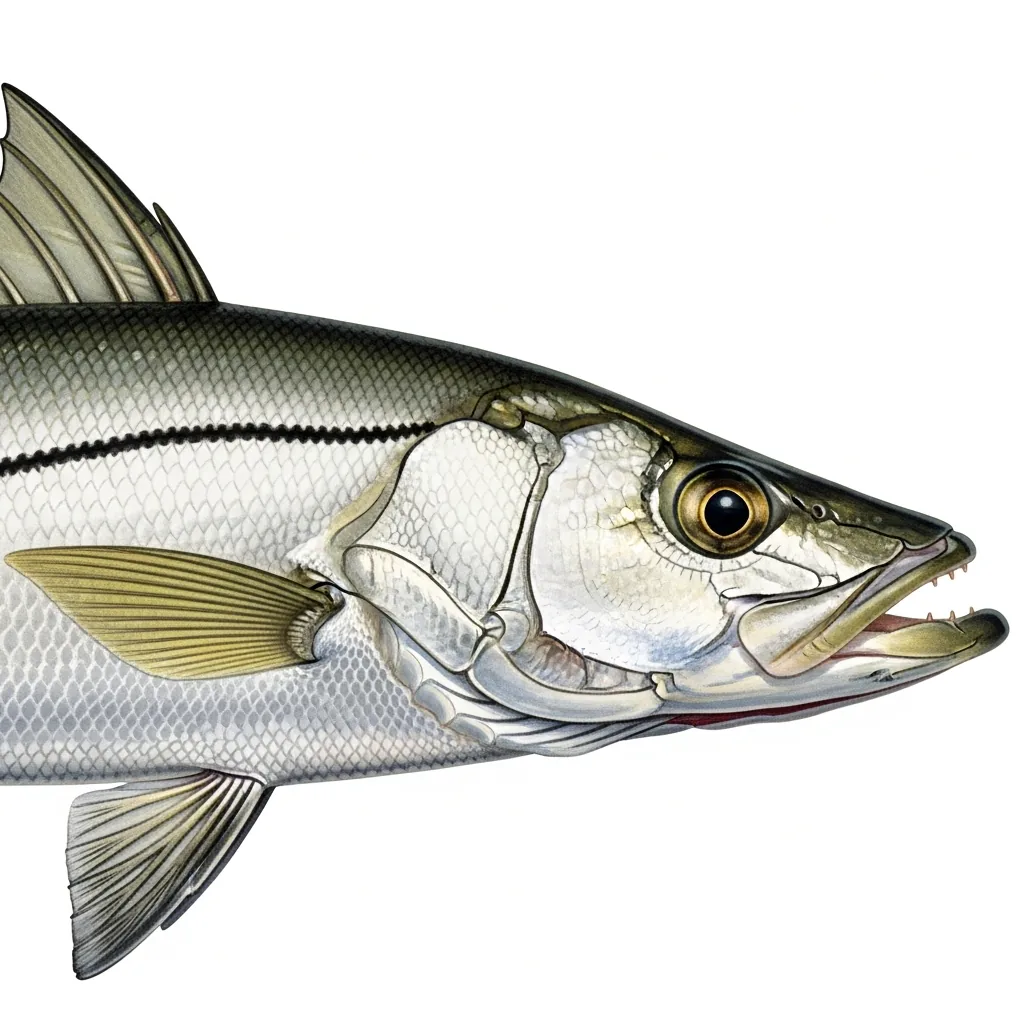 SnookCentropomus undecimalis
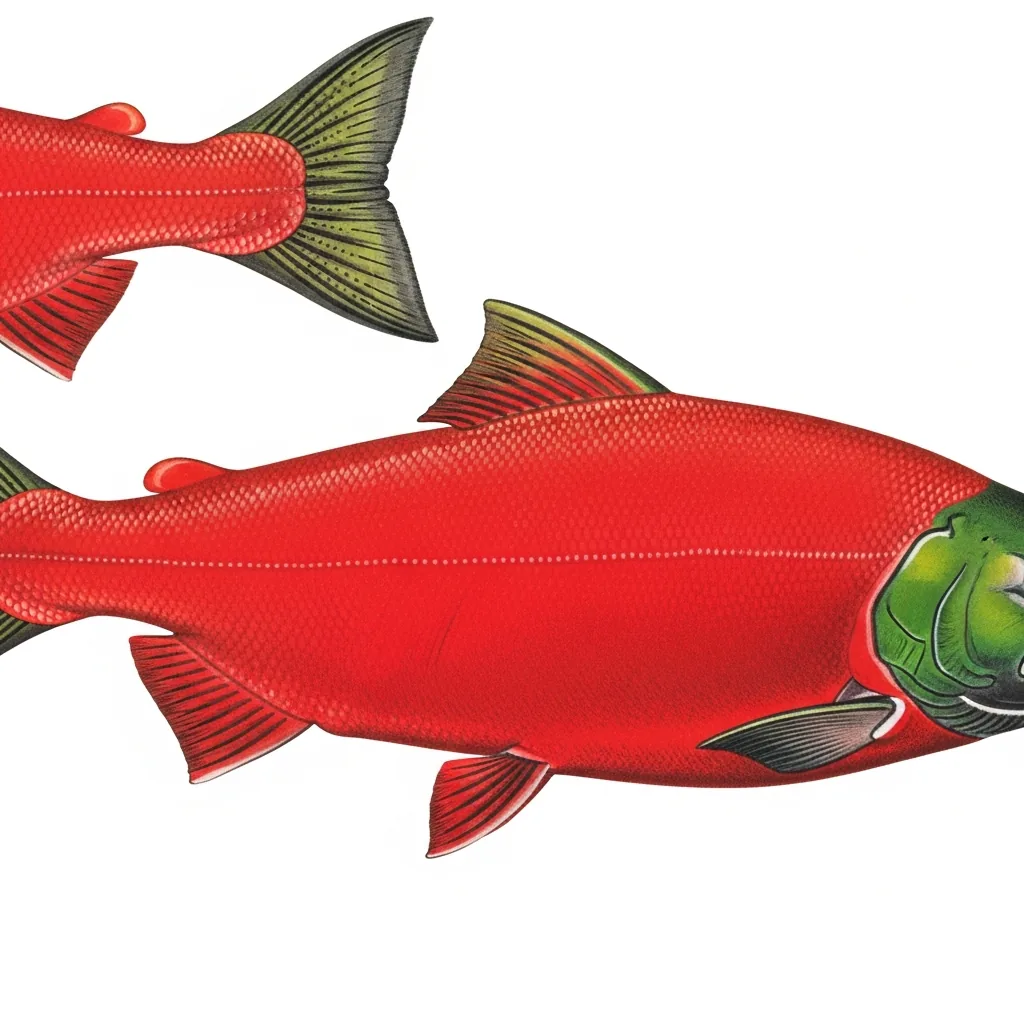 Sockeye SalmonOncorhynchus nerka
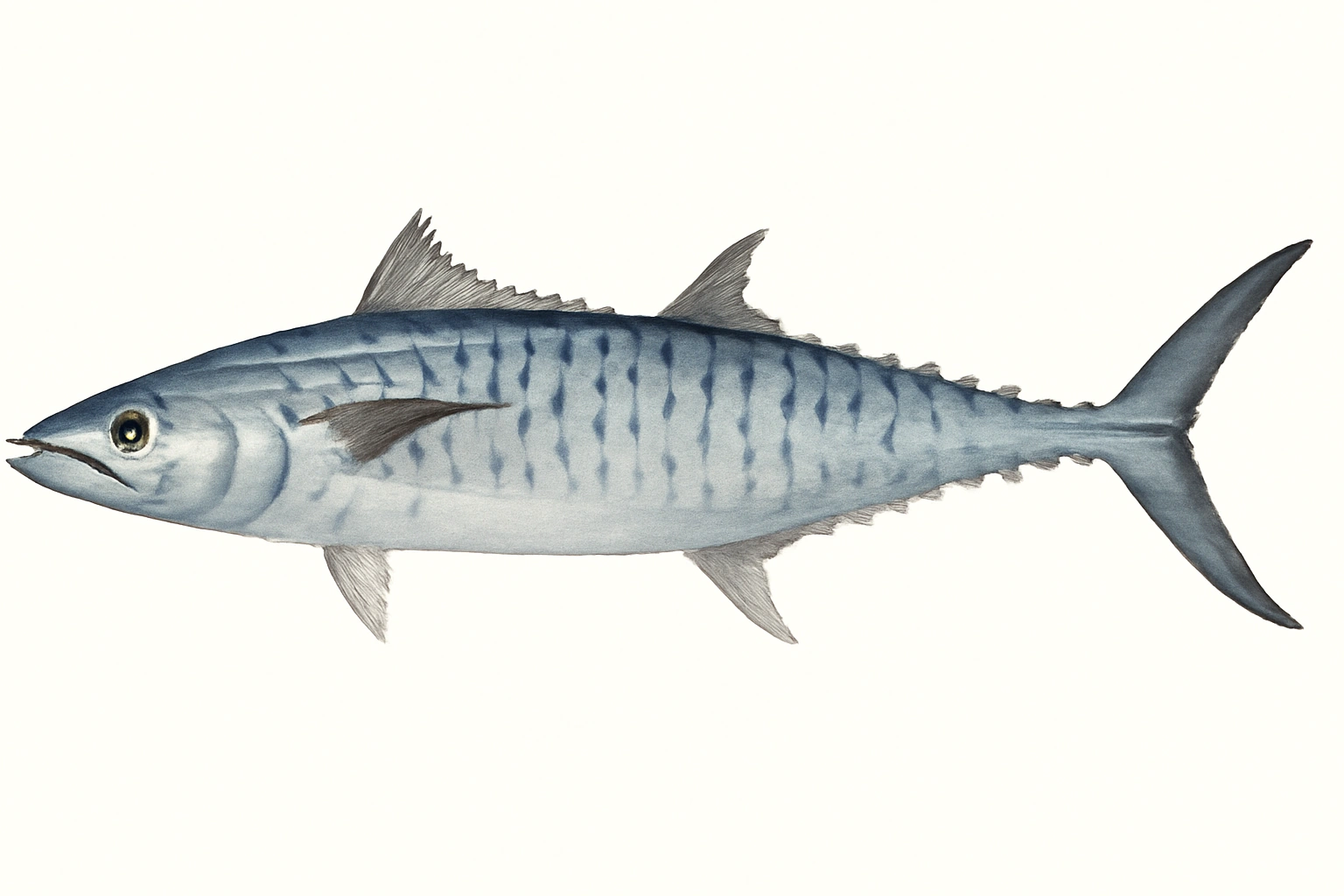 Spanish mackerelScomberomorus commerson
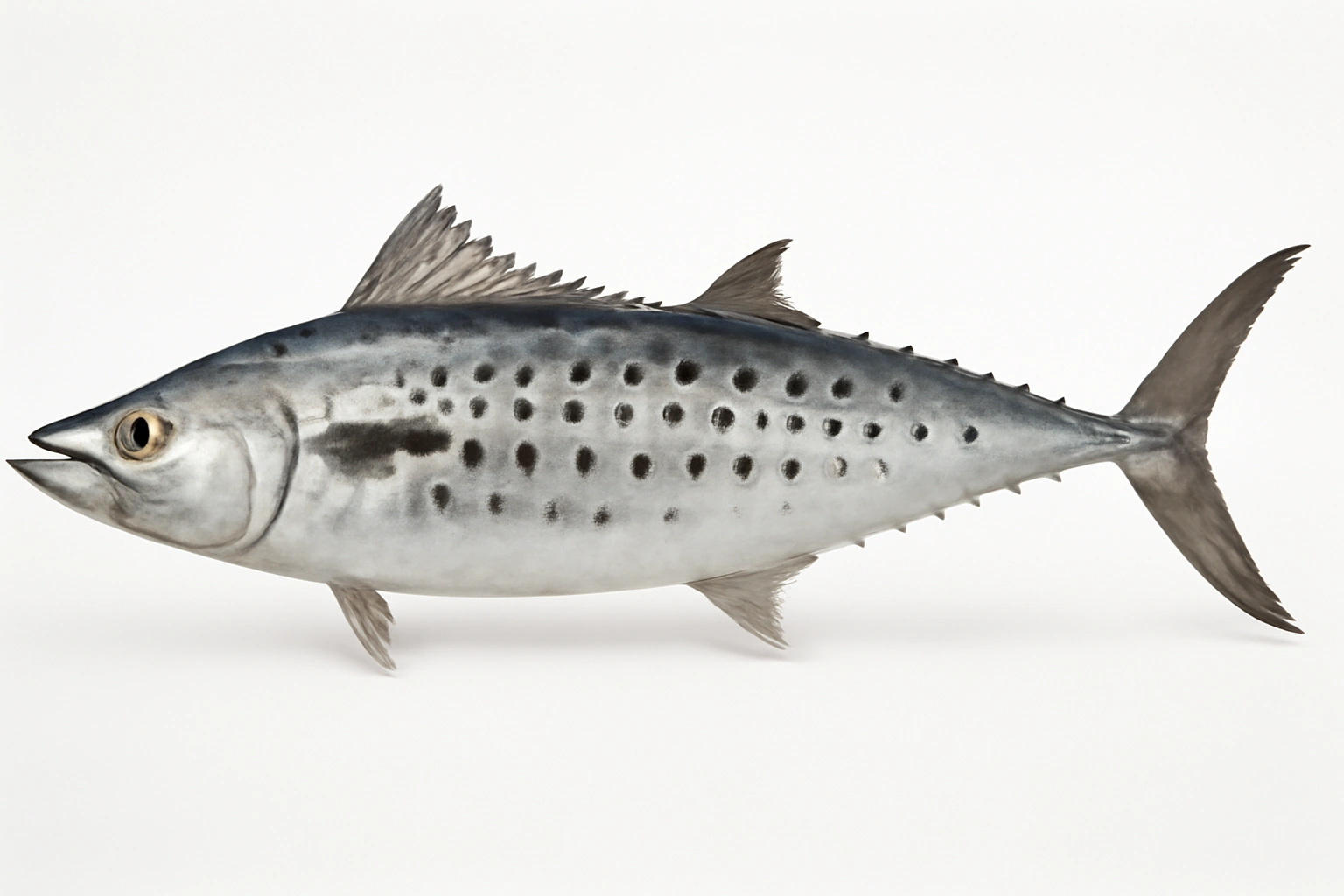 Spotted MackerelScomberomorus munroi
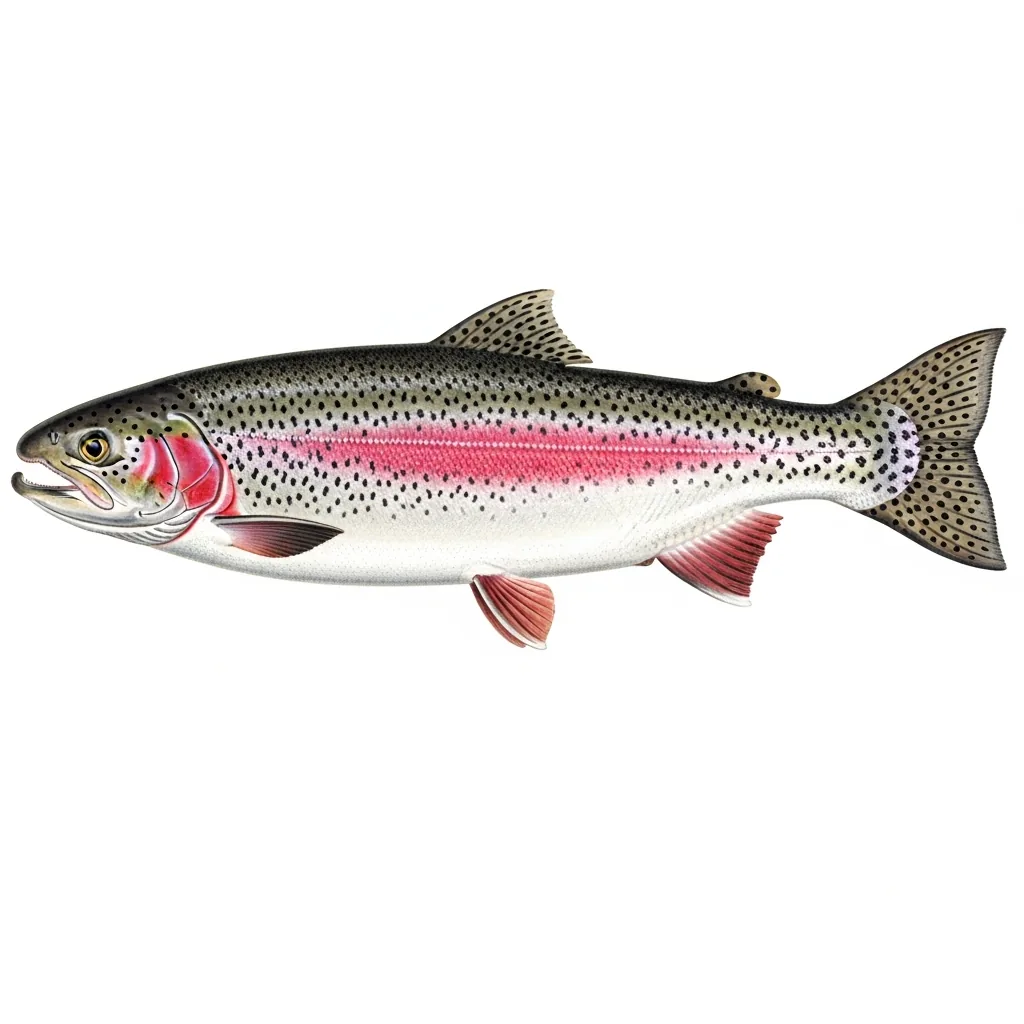 Steelhead TroutOncorhynchus mykiss
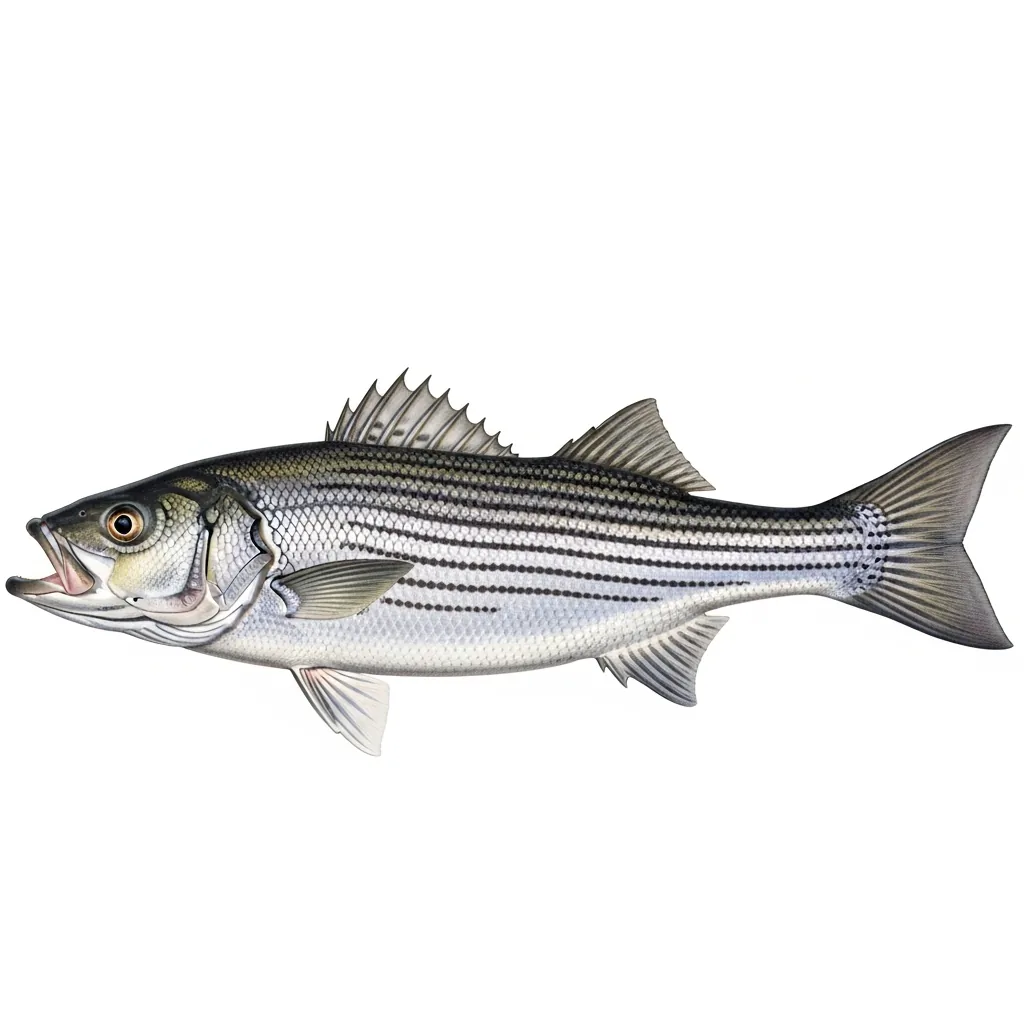 Striped bassMorone saxatilis
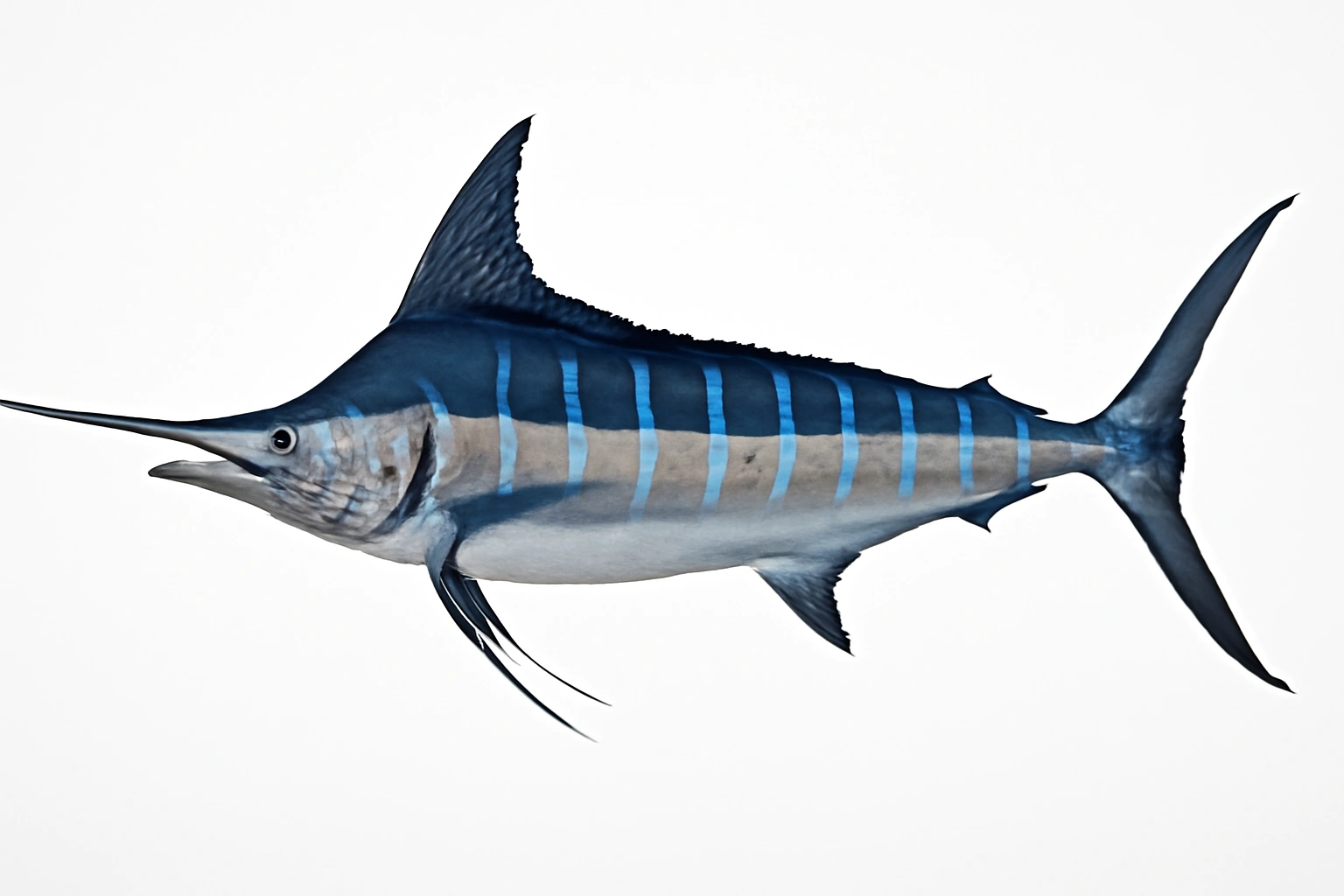 Striped MarlinKajikia audax
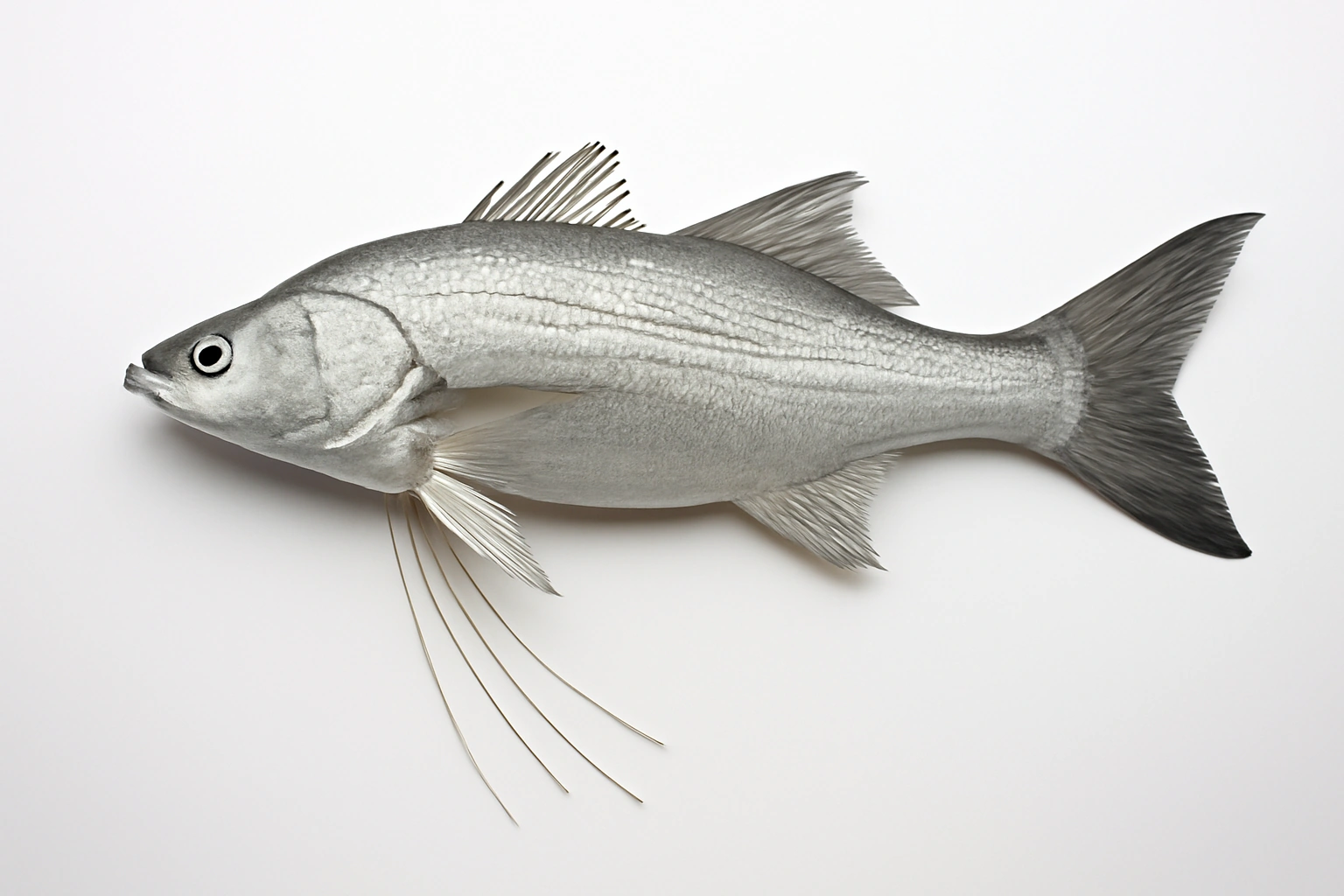 Threadfin SalmonPolydactylus sheridani
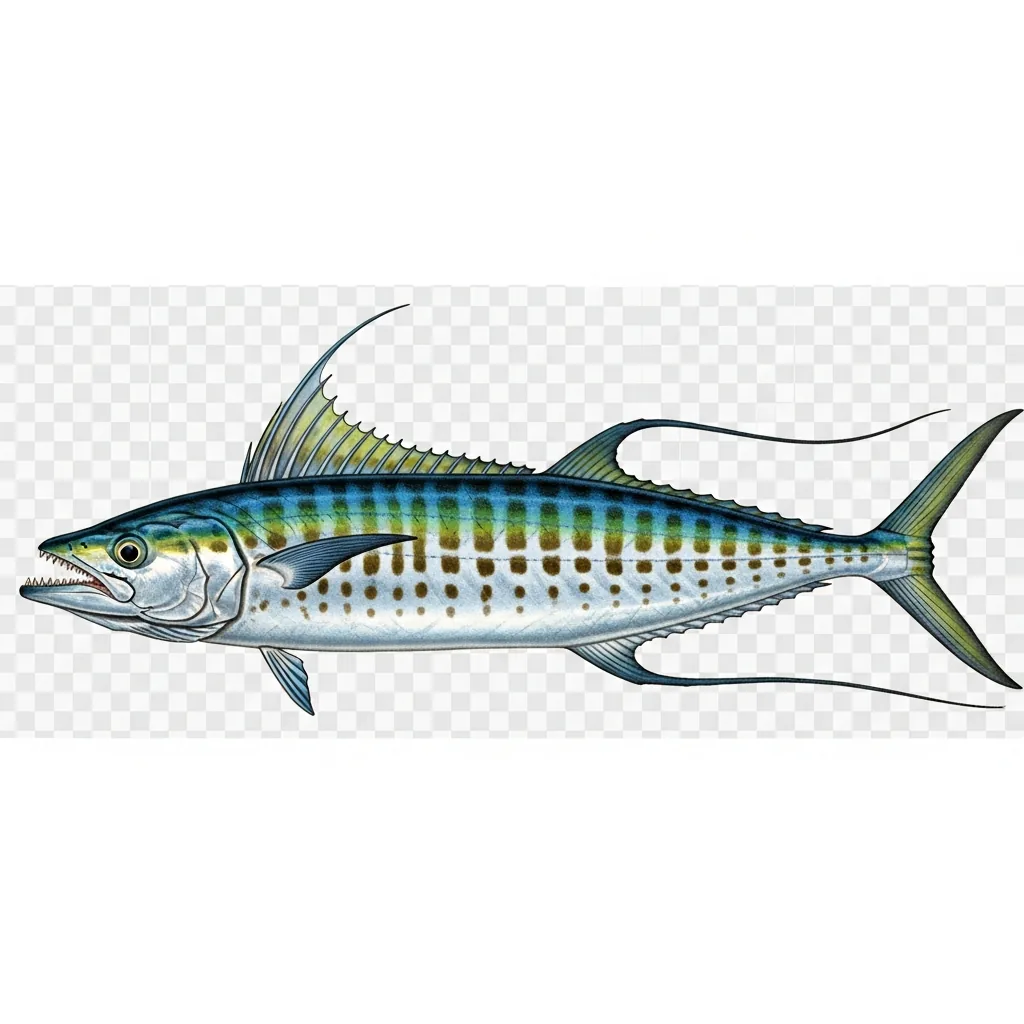 WahooAcanthocybium solandri
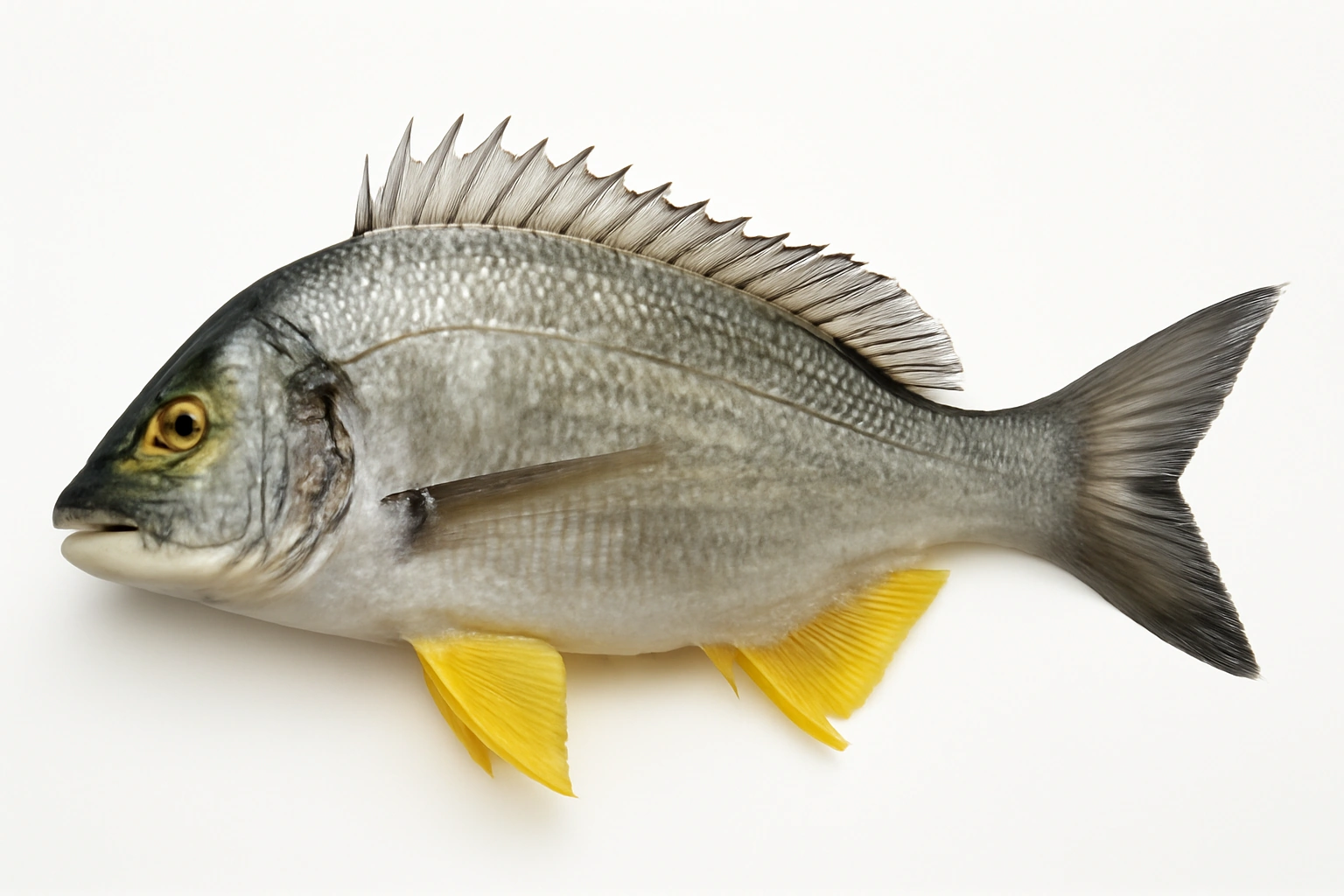 Yellowfin BreamAcanthopagrus australis
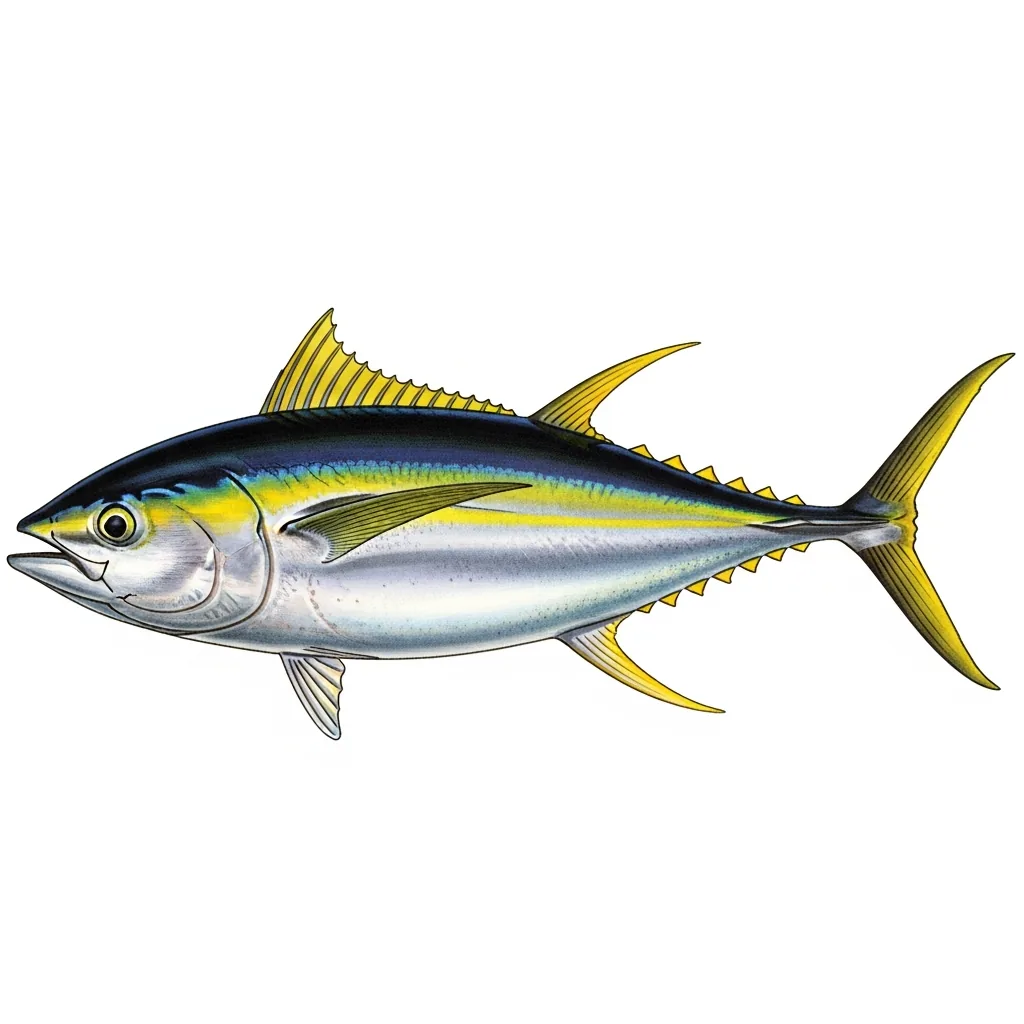 Yellowfin tunaThunnus albacares
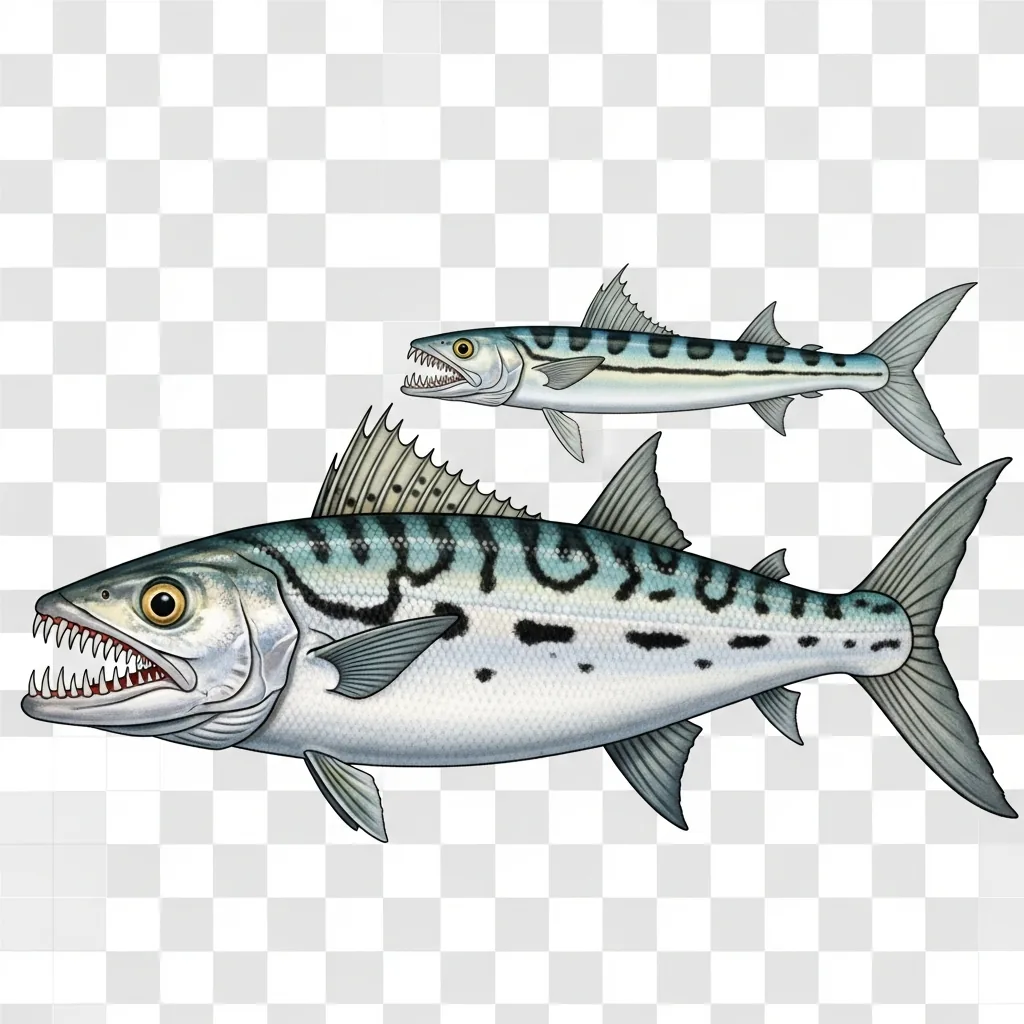 Yellowmouth barracudaSphyraena viridensis
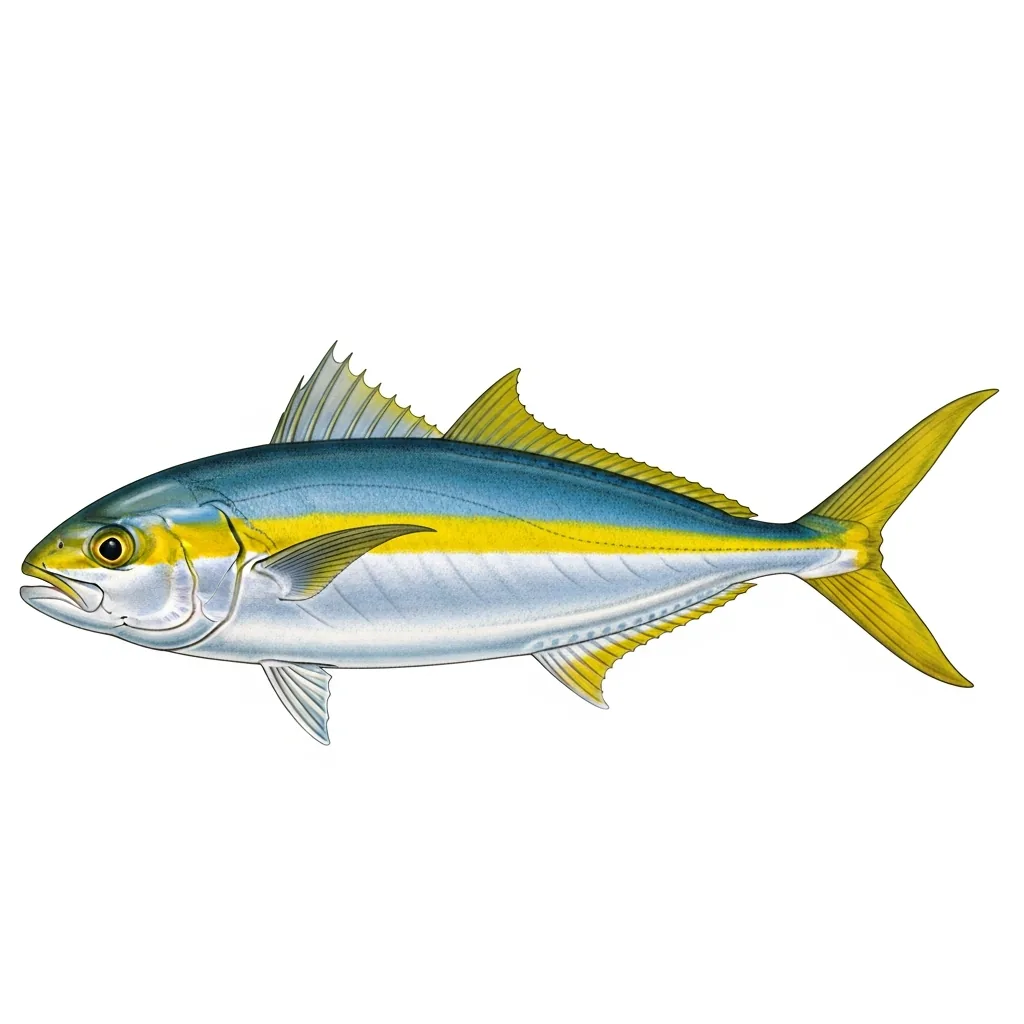 Yellowtail kingfishSeriola lalandi
Frequently asked questions
How do you fish Inshore Trolling?
Inshore trolling is an active search technique practiced along surf lines, points, shoals, harbor entrances, rocky shorelines, and the edges of posidonia beds, moving at moderate speed with one or more artificial or natural baits trailing in the wake.
Inshore Trolling: what tackle do you need?
For inshore trolling, light trolling rods or sturdy spinning rods of moderate length are ideal, able to handle medium-small artificials but with enough backbone for a bluefish or a passing amberjack.
Inshore Trolling: what is the best time?
Hours with low-angle light are excellent because small fish move and predators patrol higher in the water column, but in stained water or with a slight sea running even broad daylight can become very productive.
Inshore Trolling: where is it best?
The best stretches are not generically “close to shore,” but the breaking points: depth changes, channels between rocks, sandy ledges next to rock, points exposed to the current, shadow zones created by piers and walls.