How to fish Vertical Jigging: technique, spots and tackle
Advanced Technique for Deep Water Fishing

Every angler dreams of the perfect day. We show it to you first.
At the heart of ForecastX is an advanced marine-weather engine: it analyses waves, wind, sea temperature, tides, pressure and moon in real time and turns them into a Productivity Index (0-100) for every species. You'll always know, precisely, when the sea is on your side.
Coming soon to the App Store and Google Play — don't miss it.Description of the technique
Vertical jigging is a boat-fishing method in which the lure works almost straight below the boat, using sink rate, accelerations, and pauses to imitate fleeing or wounded prey. It is not simply “drop and retrieve”: the key is controlling depth, speed, and the jig’s attitude in relation to current, drift, and the school’s position. It works for both pelagic and bottom predators because it allows you to precisely cover well-defined water layers, from the first meter above the bottom up to mid-water. When everything is properly tuned, the jig does not drag off diagonally but stays in the strike zone as long as possible, and that is what truly increases the chances of a hit.
Reading the spot and the sonar
The right spot is rarely flat bottom; ledges, reefs, slide areas, wrecks, rock pinnacles, and sharp changes in bottom hardness are usually far more productive. On the fishfinder, it helps to distinguish three signals: fish holding tight to the bottom, fish suspended mid-water, or compact bait with predator arches to the sides or below. If marks are glued to the structure, the jig should be worked short and precisely in the first few meters off the bottom; if the school is suspended, you need to count the true depth and work the lure exactly in the layer where the fish are showing. One often decisive detail is watching the boat’s drift direction in relation to wind and current: making the pass upwind or uptide of the reef lets the jig drop into the productive zone instead of reaching it already off line.
When to fish it
Vertical jigging produces year-round, but the “where” changes even before the “how.” In summer and early fall, many species follow feeding activity, the thermocline, and bait over reefs and depth changes; in winter and early spring, deeper bottoms and less mobile fish are often more rewarding, to be targeted with more compact, less frantic presentations. Light and sea conditions matter greatly: dawn, dusk, overcast skies, and active current encourage more committed strikes, while very clear water and sluggish fish call for more natural jigs, a slimmer profile, and less aggressive retrieves. The practical rule is simple: when the sea is “moving just enough” and there is life on the screen, vertical jigging has something to say; when current is lacking, it is often better to soften the action and insist more on the pauses.
Target species and behavior
Greater amberjack, dentex, groupers, amberjack, little tunny, and bonito are classic targets, but their strike behavior varies greatly and must be interpreted. Amberjack often respond to fast, long, nervous jigs, with a chase and a hit on the way up; dentex and many demersal species, on the other hand, prefer a presentation closer to the bottom, with short snaps, controlled drops, and very brief pauses. On pelagics, strikes often come halfway up the water column or immediately after a change of pace, while with structure-oriented fish many bites come in the first few meters above the base of the structure. Understanding whether the fish are hunting upward or holding the bottom avoids the common mistake of covering lots of water but at the wrong level.
Tackle and balance
A short jigging rod, powerful yet progressive, must lift the jig without overly tiring the angler and above all manage the hook-set and pumping safely. The reel, conventional or spinning depending on preference and technique, must have a smooth drag, reliable retrieve, and great strength under load; more than pure speed, what matters is the ability to remain efficient when the jig is heavy and the current is pushing. Thin but strong braid and a properly sized fluorocarbon leader improve sensitivity, vertical presentation, and abrasion resistance against gills, rocks, and the fish’s tail. A balanced setup is better than an oversized one: if the tackle is too stiff or too heavy, animation quality drops and you fish fewer hours effectively.
Jig selection and variations
The shape of the jig matters at least as much as the weight. Long, narrow models cut current and depth better and are ideal when you need to stay vertical; wider or asymmetrical ones create more kick-out, flash, and livelier falls, useful with active fish or over suspended bait balls. Color should be chosen according to light and water conditions: natural patterns, blue, sardine, and light pink in clear water; stronger contrasts, glow, or luminous inserts in deep water, under cloudy skies, or in stained water. Rigging also changes the behavior: top-mounted assist hooks are the standard to reduce snags and promote clean hook-ups, while adding a second well-proportioned assist can help with fish that strike short without penalizing the swim too much.
Presentation and action
There are three main retrieve families: high pitch, meaning fast, rhythmic jerks with wide upward lifts; short pitch, shorter and more controlled near the bottom; and long fall or fall jigging, which relies mainly on the drop and the jig’s kick-out. The trick is not moving a lot, but giving the jig a cadence consistent with the fish’s response: if you see follows without a strike, it often works to insert a micro-pause or a sharp speed change. After contact with the bottom, it is useful to lift the jig a few meters right away to avoid snags and work the band where many predators intercept prey. On tough days, a precise sequence repeated always in the same layer is worth more than a frantic, disorganized retrieve from the bottom to the surface.
Common mistakes and corrections
The most common mistake is using jigs that are too light for the depth and current, fishing at a strong diagonal: the fix is to increase weight or change shape until you are retrieving almost directly under the boat. Another mistake is always working the jig at the same rhythm, regardless of sonar signals and fish reactions; instead, you should try distinct sequences and memorize the one that produces follows or taps. Many anglers strike too hard on fish hooked with sharp assist hooks, tearing the hold free: it is far better to keep steady tension and let the rod and drag do the work. Finally, neglecting worn knots, split rings, and assists is a serious oversight in this technique, because the critical moment often comes after minutes of fighting, not on the first run.
Trade secret and drift management
One underrated adjustment is mentally or on the GPS marking the exact point of the bite and repeating the pass not “on the signal,” but slightly before it, taking the boat’s real drift into account. Often the school or single predator is holding on one precise edge of the structure, and making another pass from uptide with the right timing puts the jig into the productive window for only a few seconds but in a perfect way. Another effective trick is stopping the retrieve for a fraction of a second right after a series of jerks, letting the jig slide off in a controlled way: many amberjack and dentex strike exactly on that change of attitude. This technique rewards anglers who constantly observe and adjust, because the real advantage is not “jigging hard,” but making the lure work where the fish decide to feed.
Safety, fatigue, and good practices
Vertical jigging is physical and often takes place far from shore, so an orderly deck, pliers within reach, gloves when needed, and careful hook management are not details but part of the technique. It is wise to rotate fishing turns, stay hydrated, and pay attention to posture and grip, because fatigue leads to sloppy retrieves, wrong hook-sets, and less clarity in reading the sonar. With powerful fish, it is important to set the drag before starting and not impulsively during the fight, especially near the bottom or close to the gunwale. If practicing catch and release on suitable species, unhooking quickly and properly supporting the fish reduces stress; if keeping the catch, it should be handled respectfully and quickly, without improvising when crew safety is involved.
Related guides
Fish to target with this technique
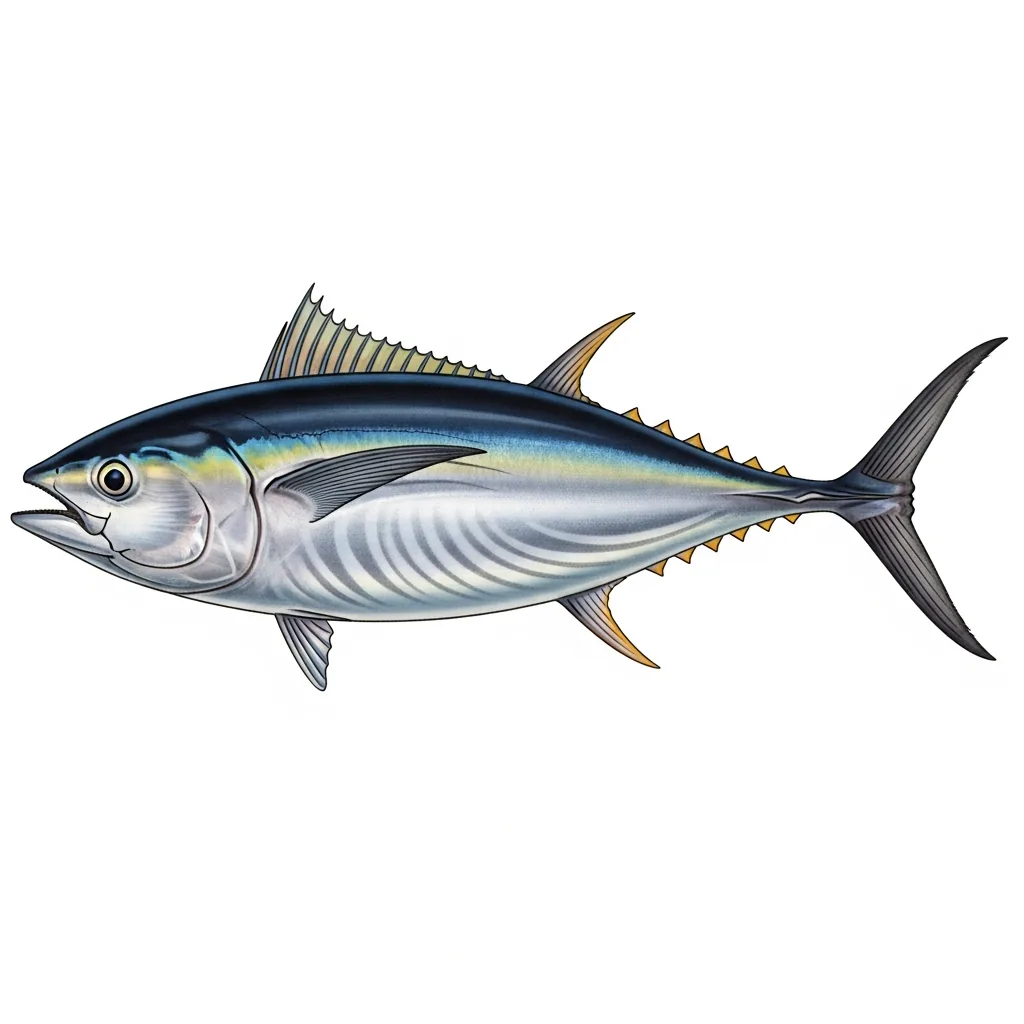 Albacore TunaThunnus alalunga
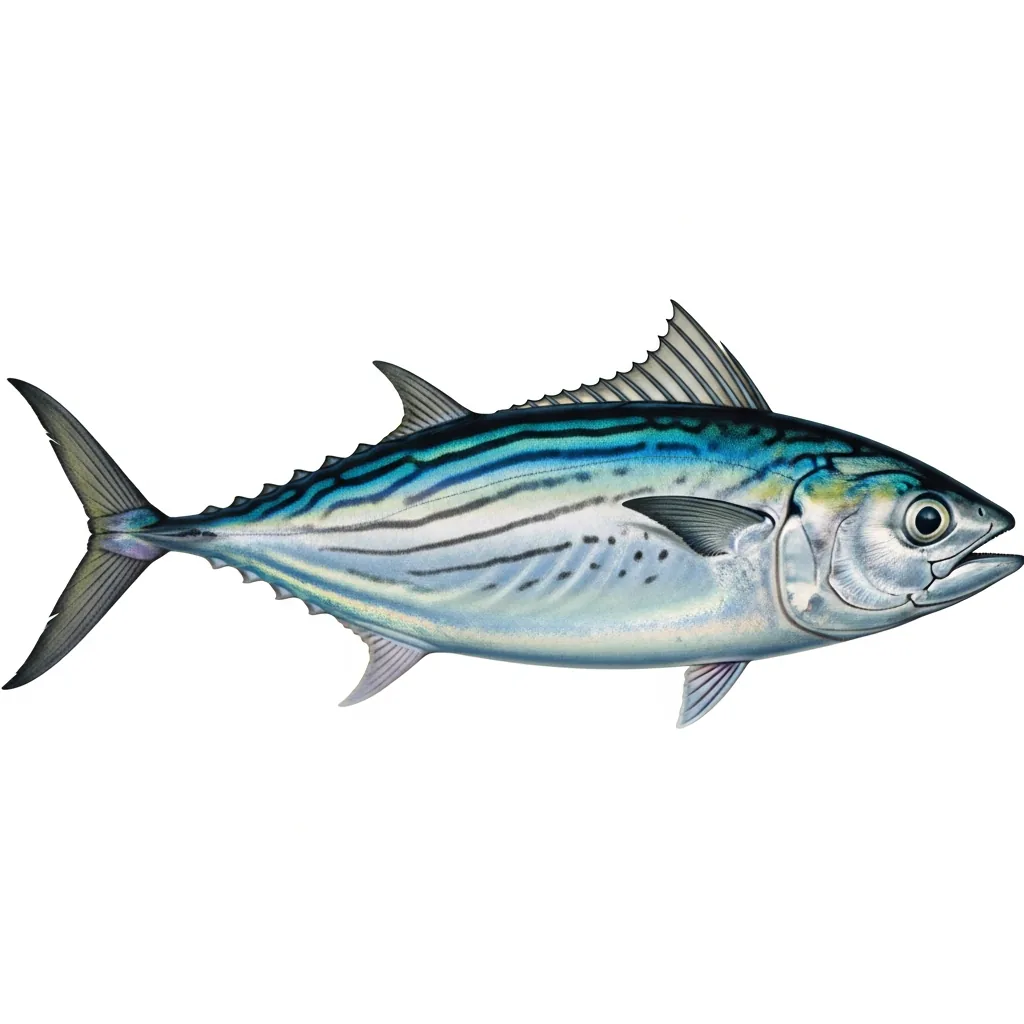 Atlantic bonitoSarda sarda
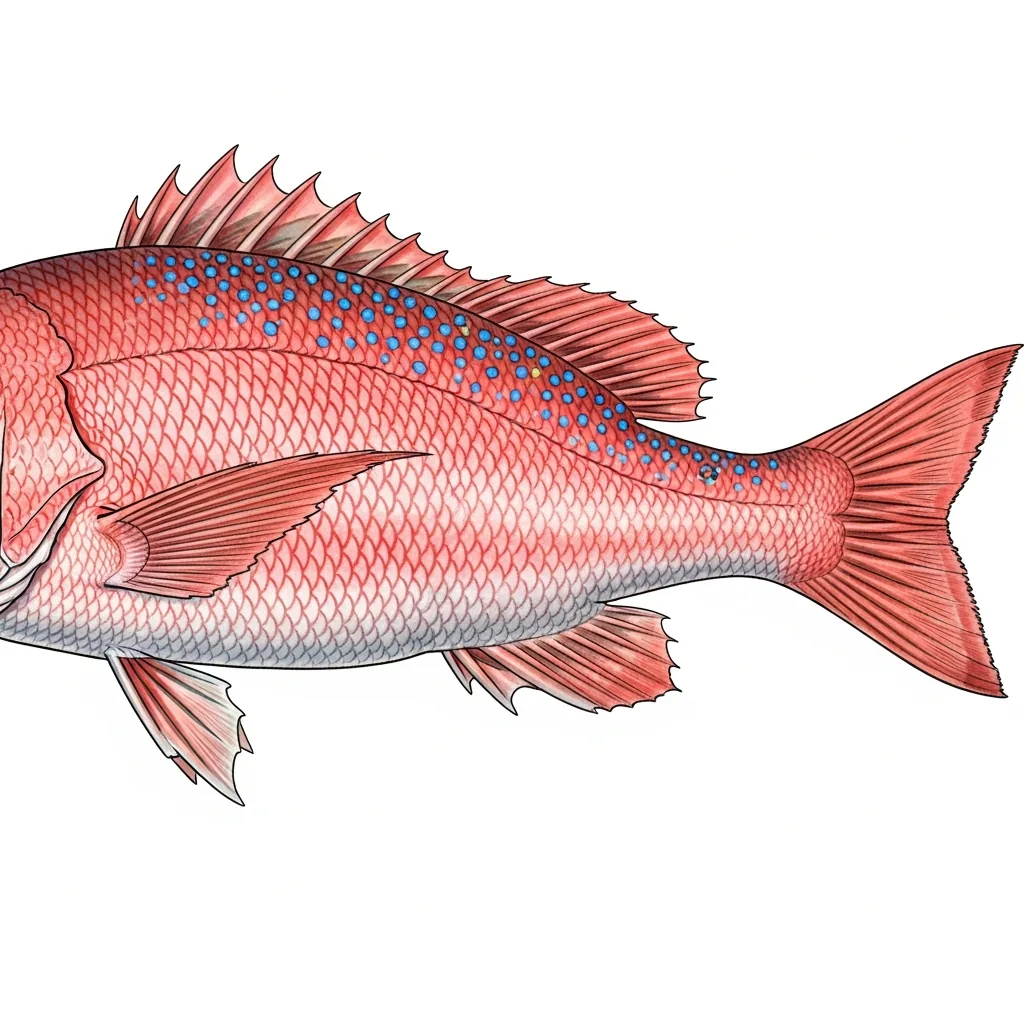 Australian snapperPagrus auratus
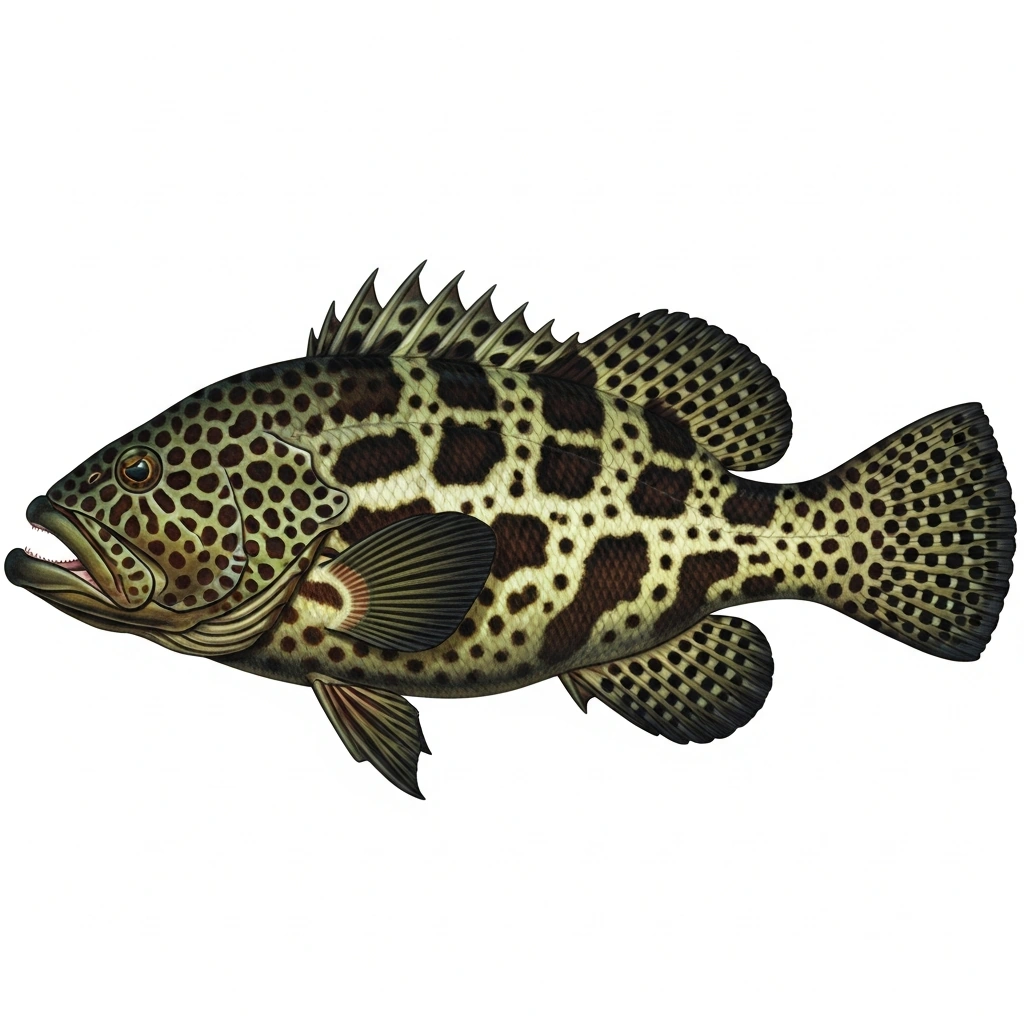 Black grouperMycteroperca bonaci
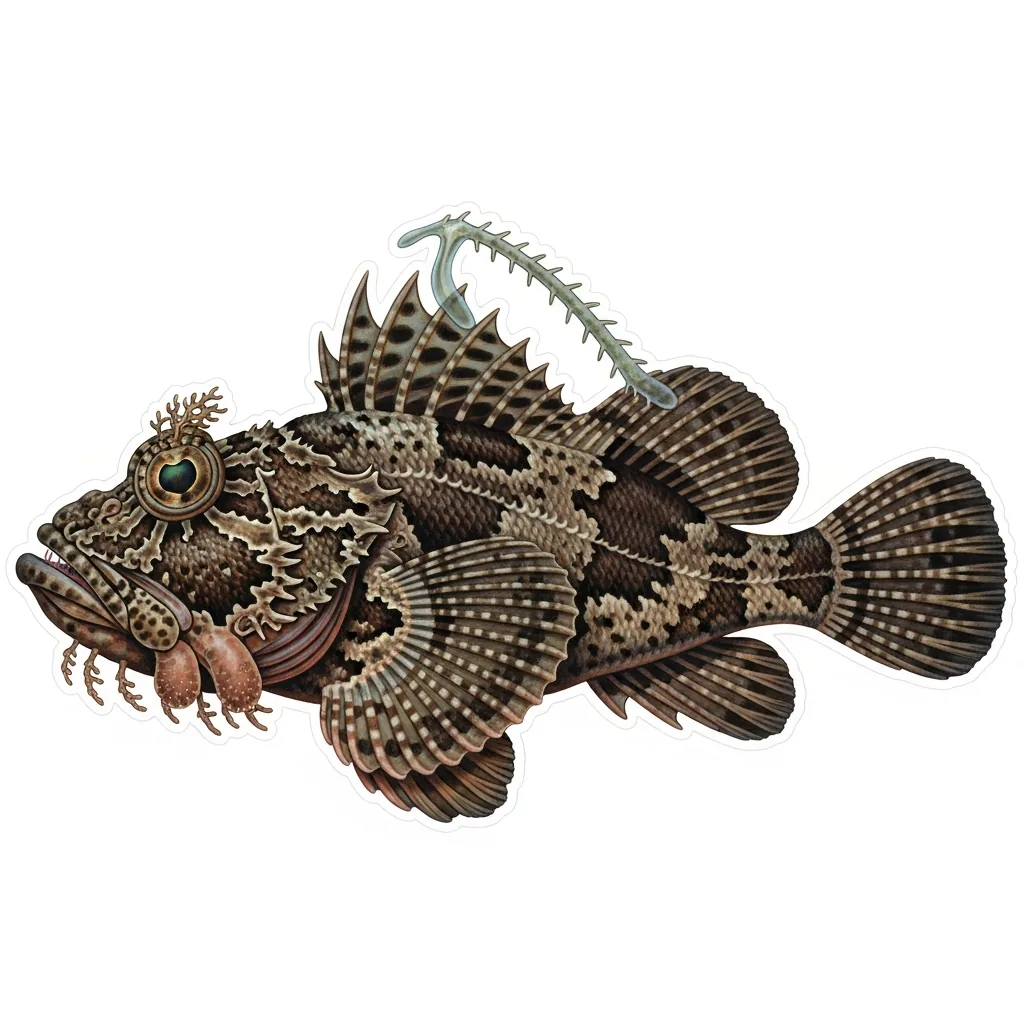 Black scorpionfishScorpaena porcus
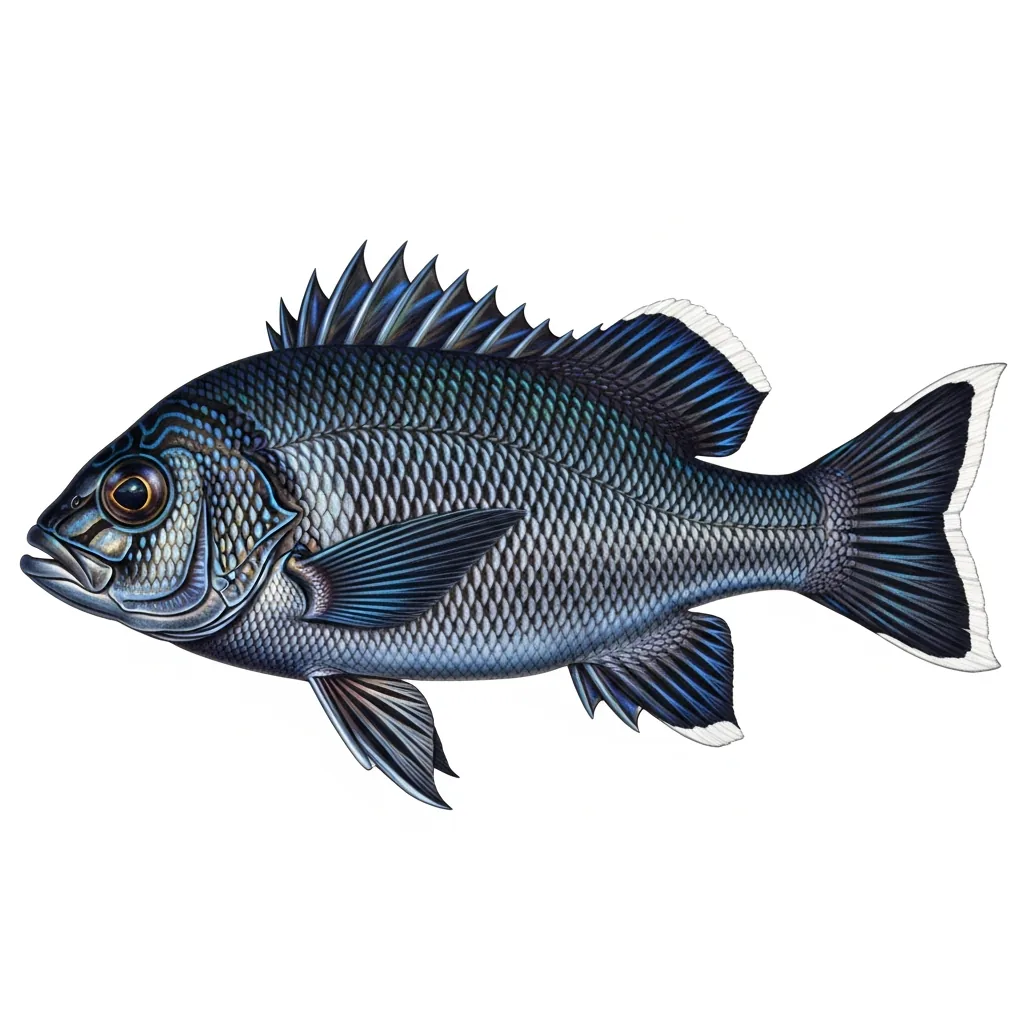 Black Sea BassCentropristis striata
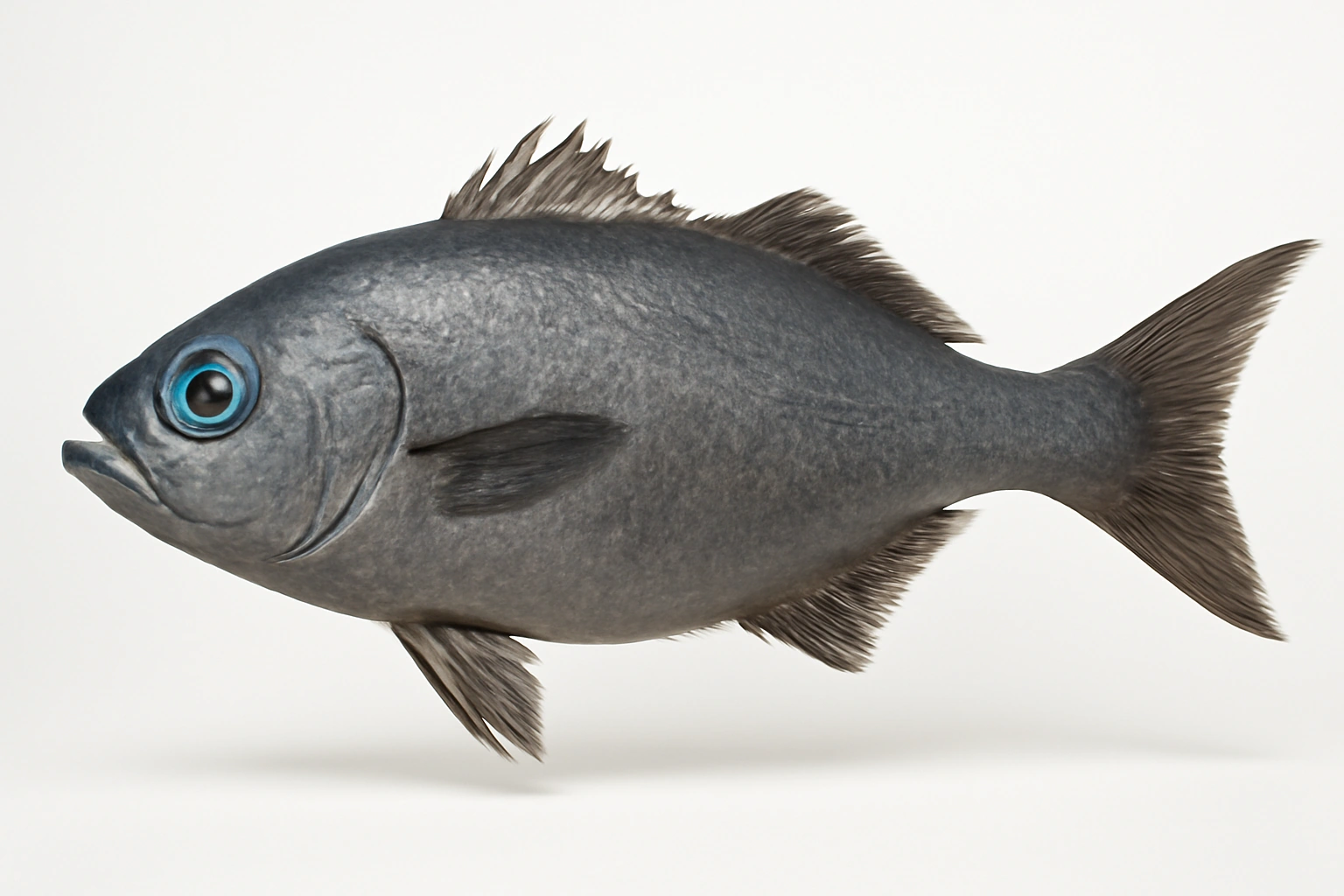 Blue-eye TrevallaHyperoglyphe antarctica
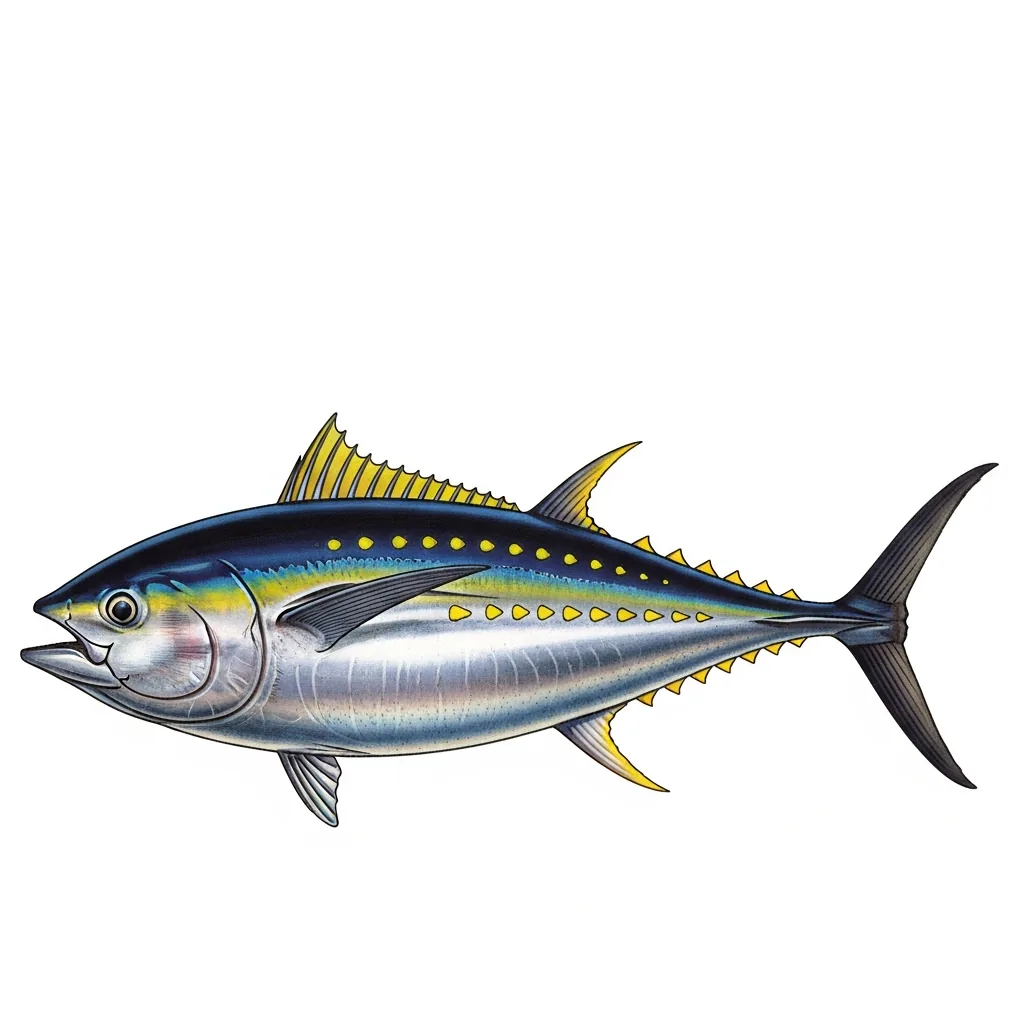 Bluefin tunaThunnus thynnus
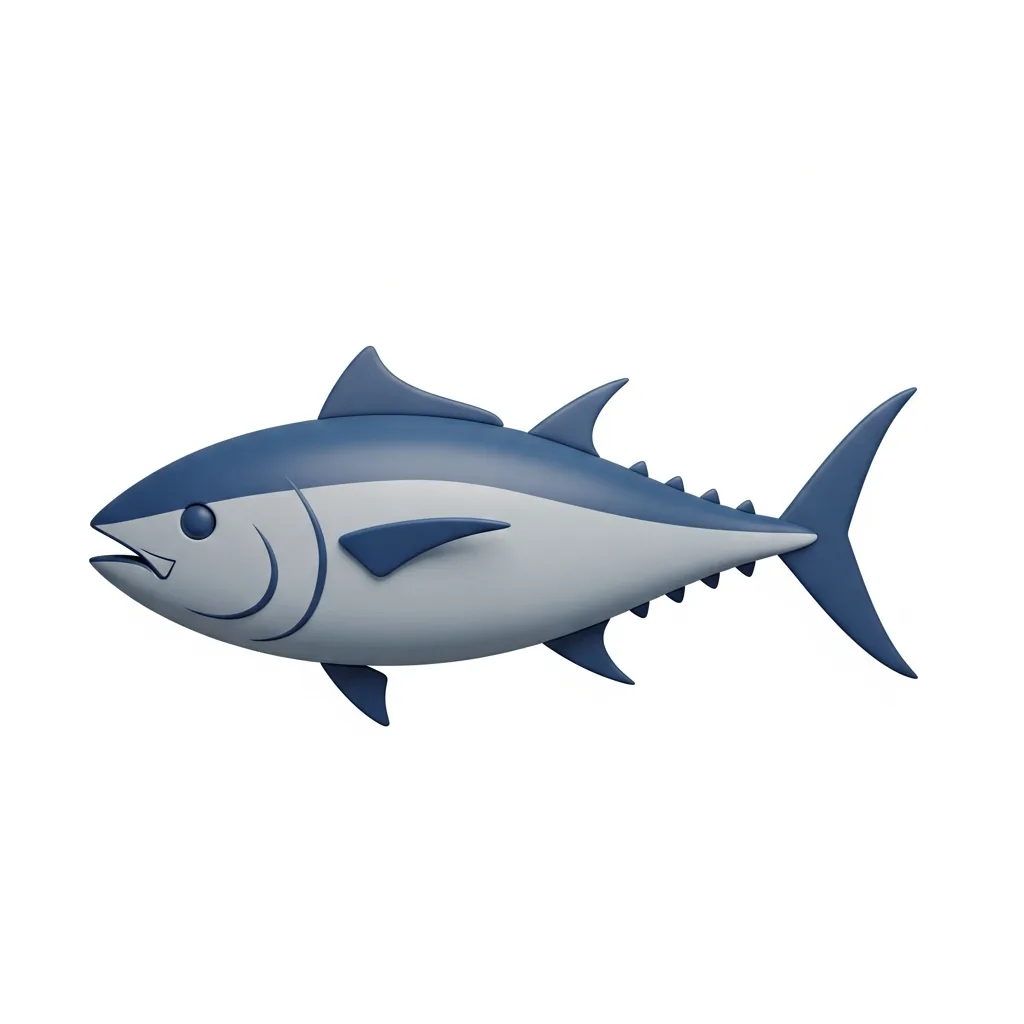 Bluefish / TailorPomatomus saltatrix
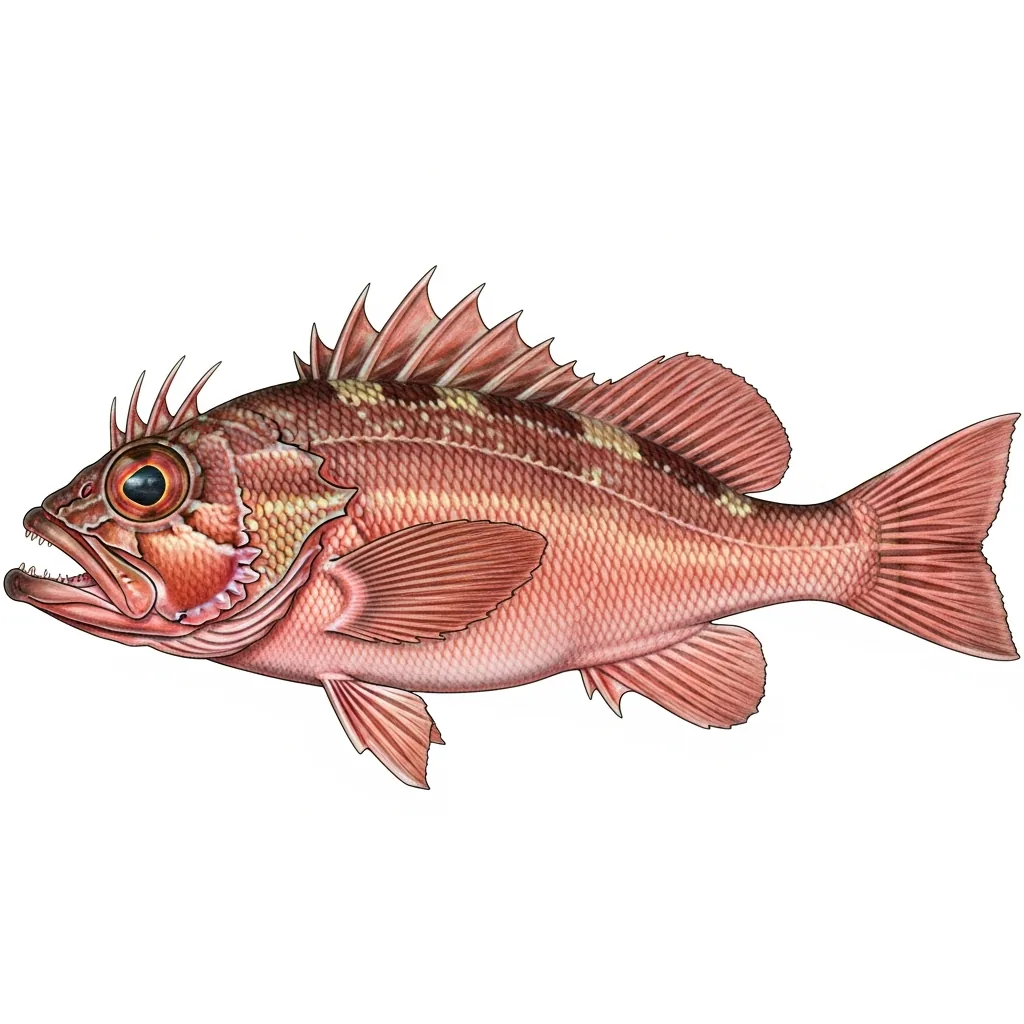 Bocaccio RockfishSebastes paucispinis
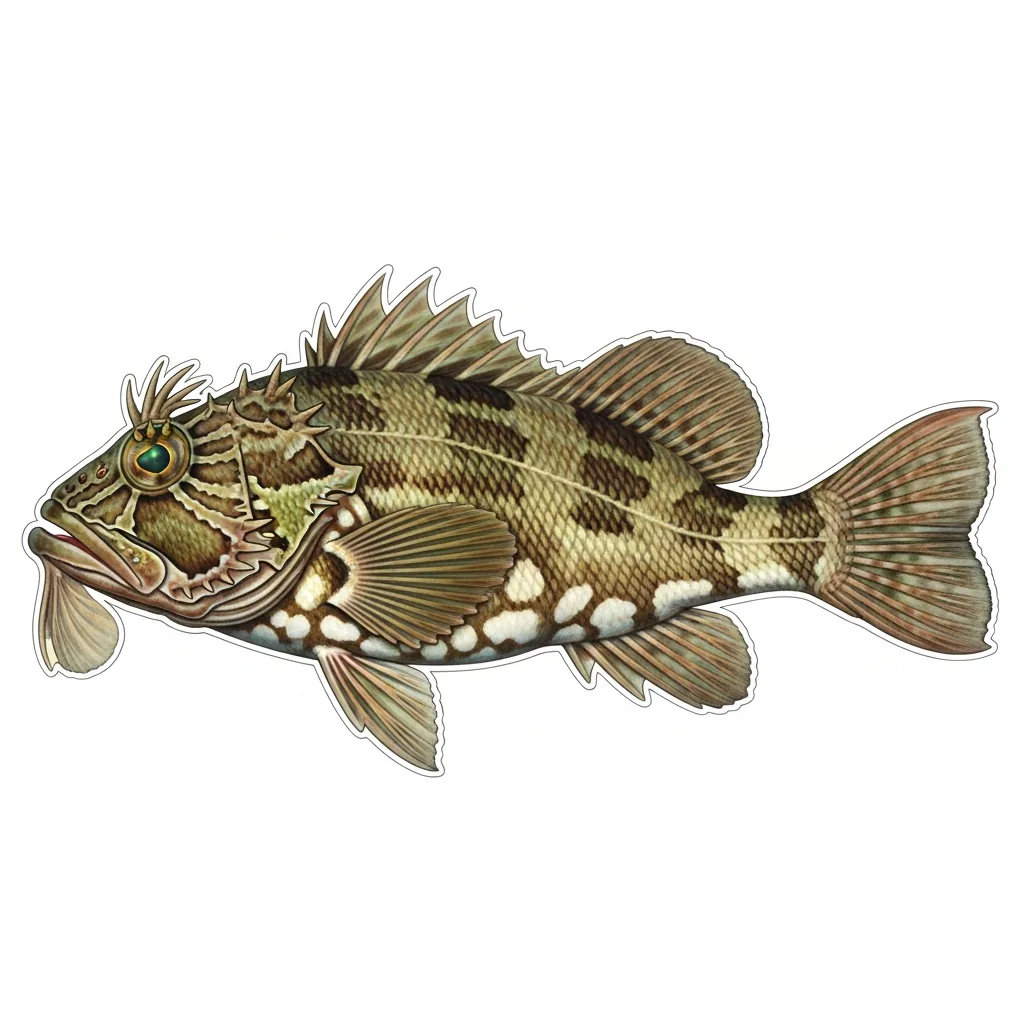 CabezonScorpaenichthys marmoratus
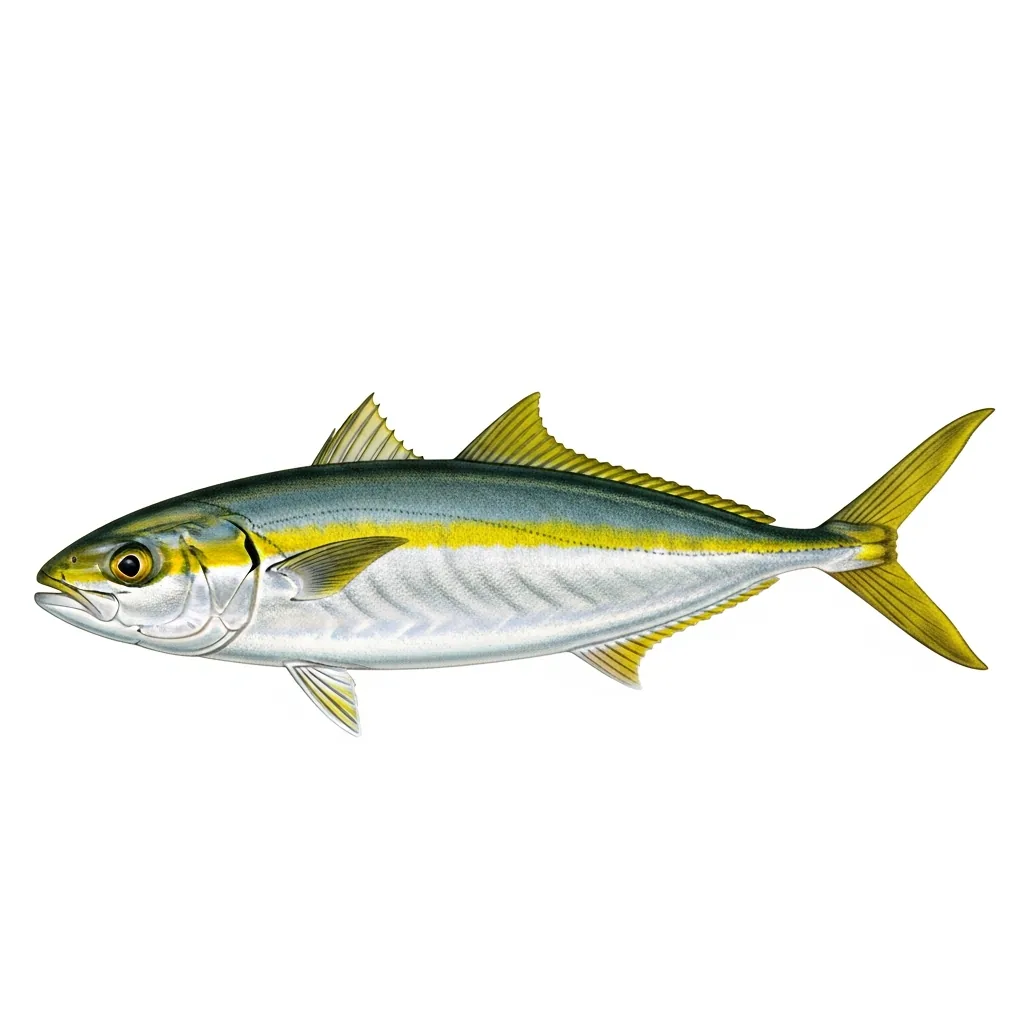 California YellowtailSeriola dorsalis
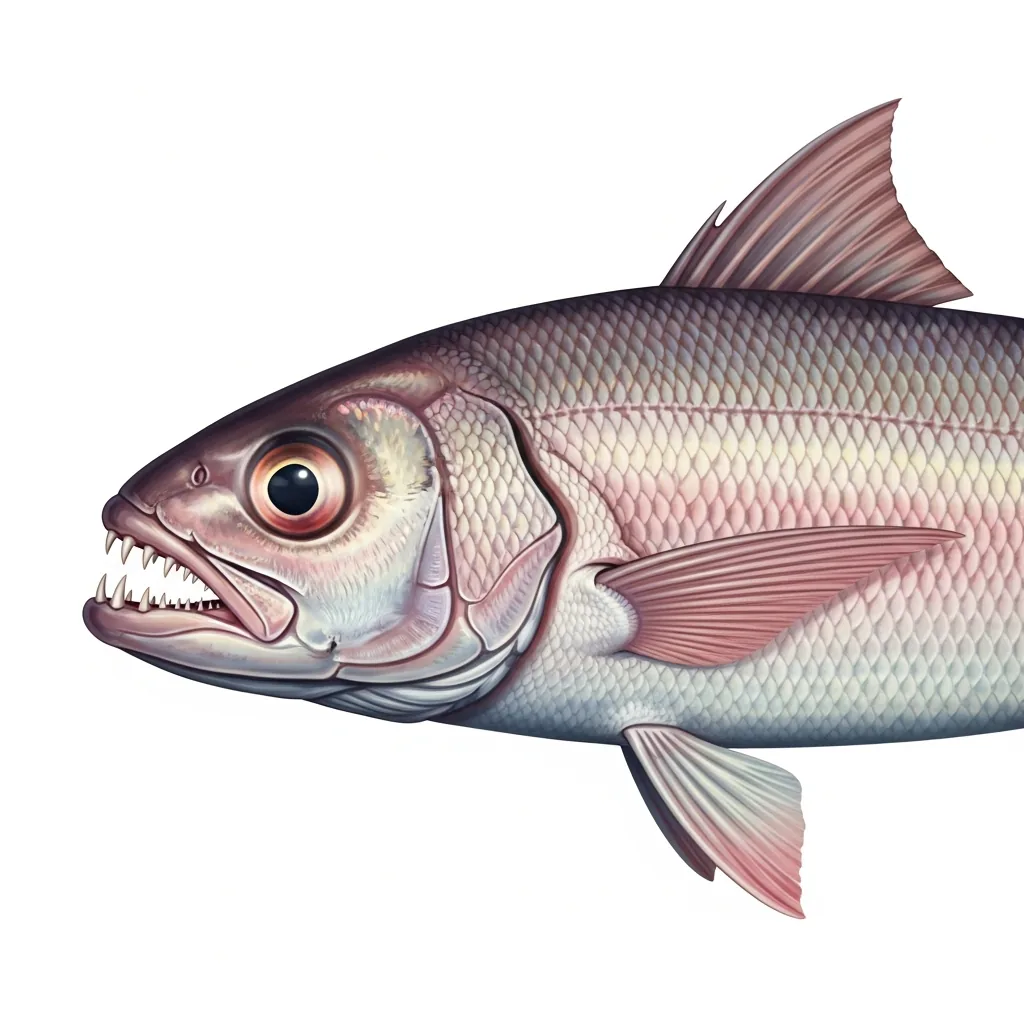 Common dentexDentex dentex
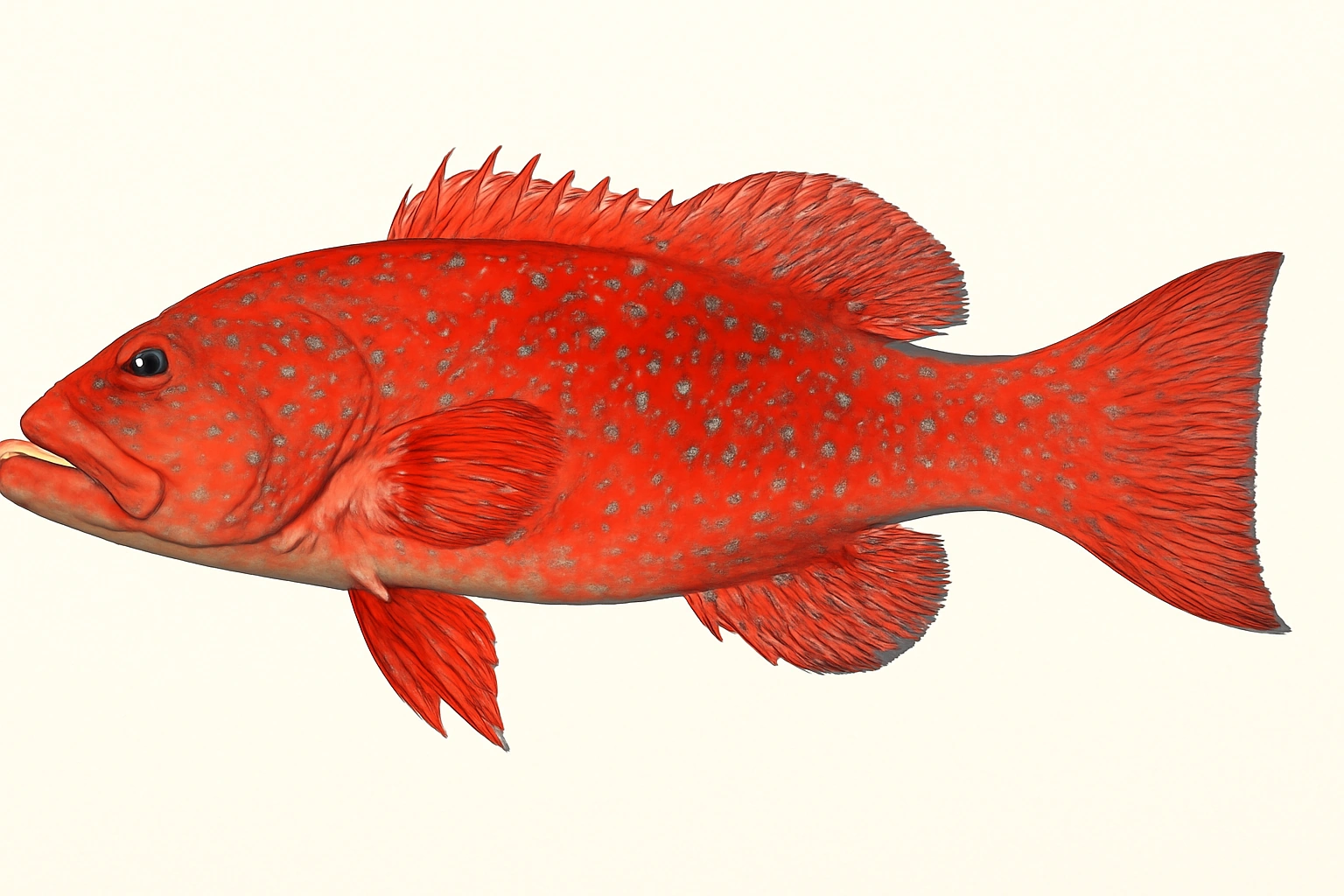 Coral troutPlectropomus leopardus
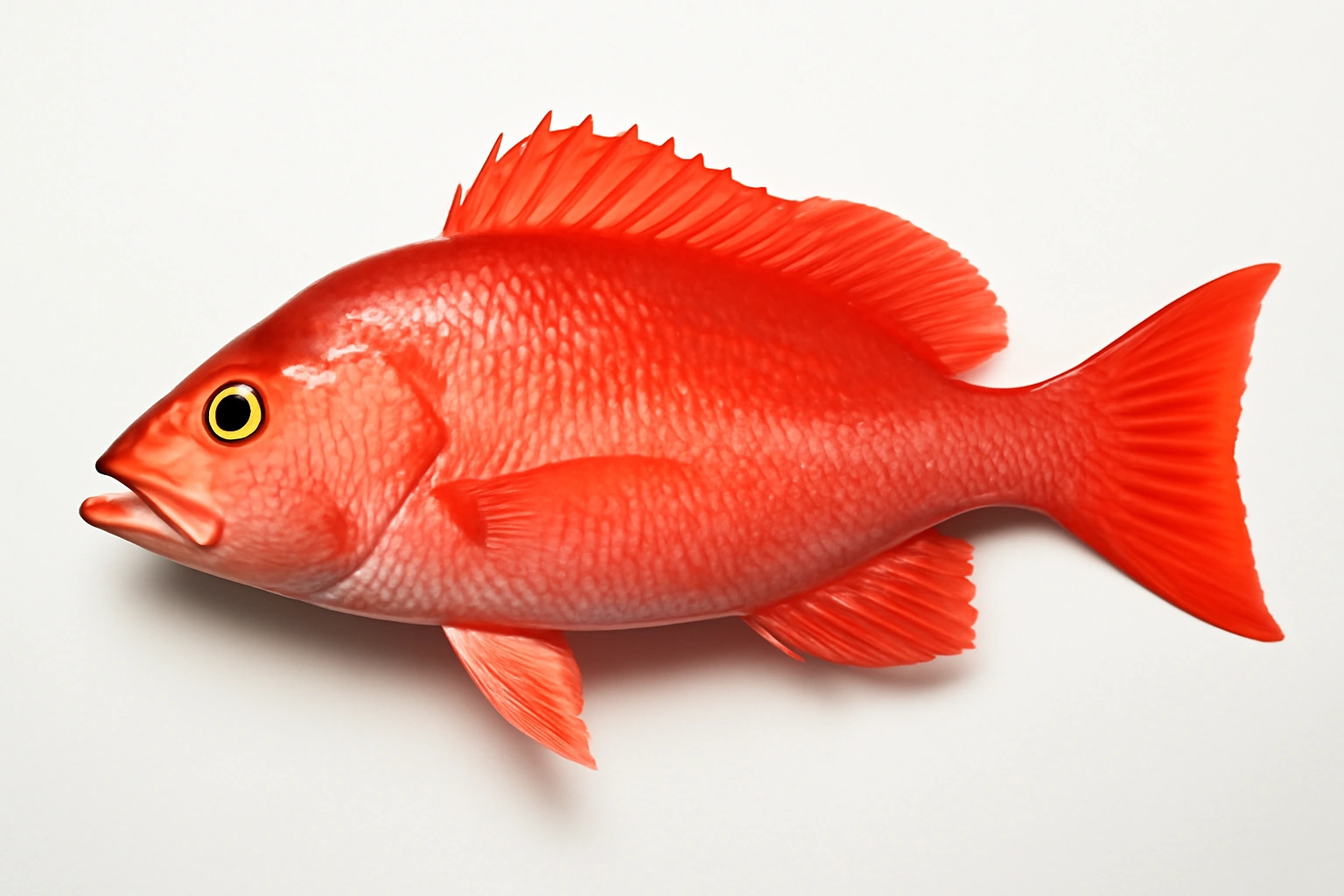 Crimson SnapperLutjanus erythropterus
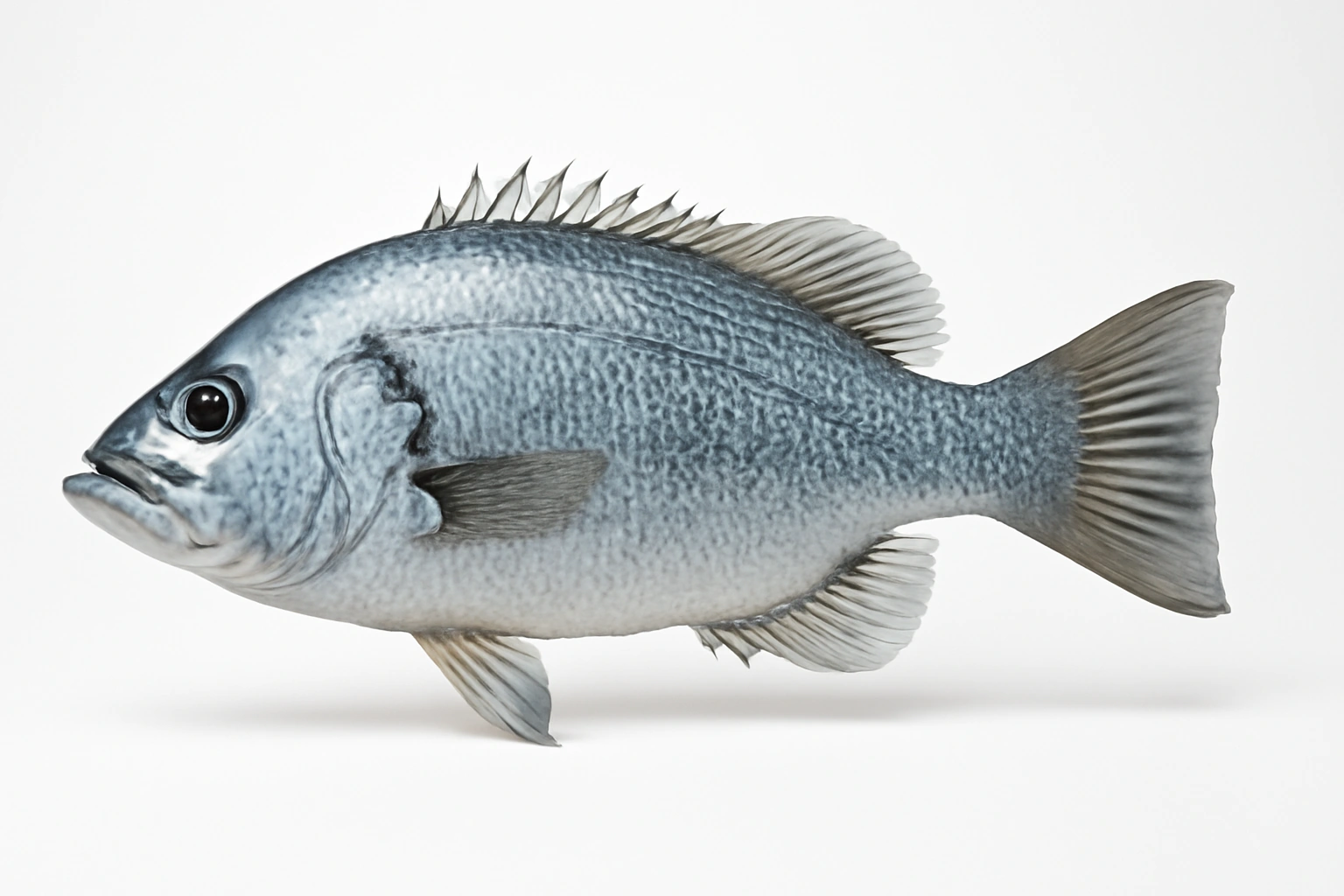 DhufishGlaucosoma hebraicum
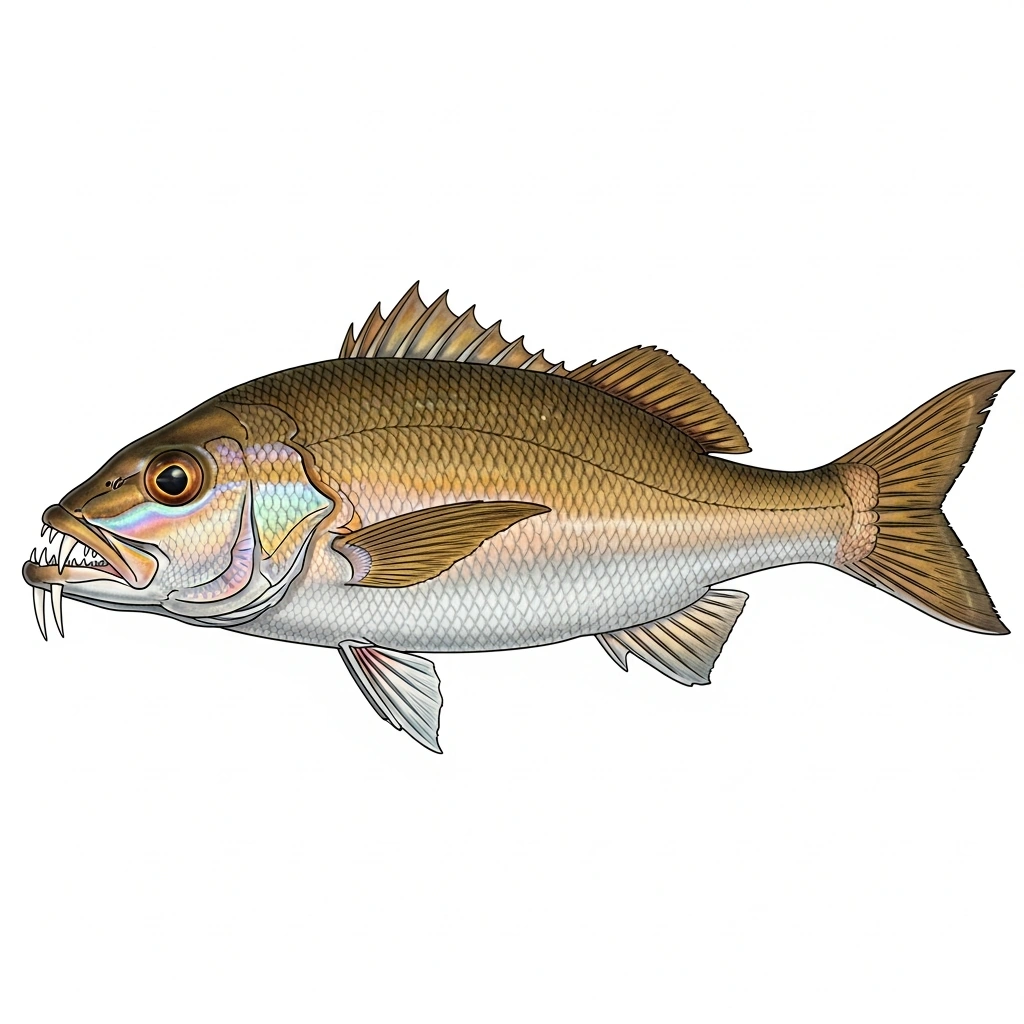 Dog snapperLutjanus jocu
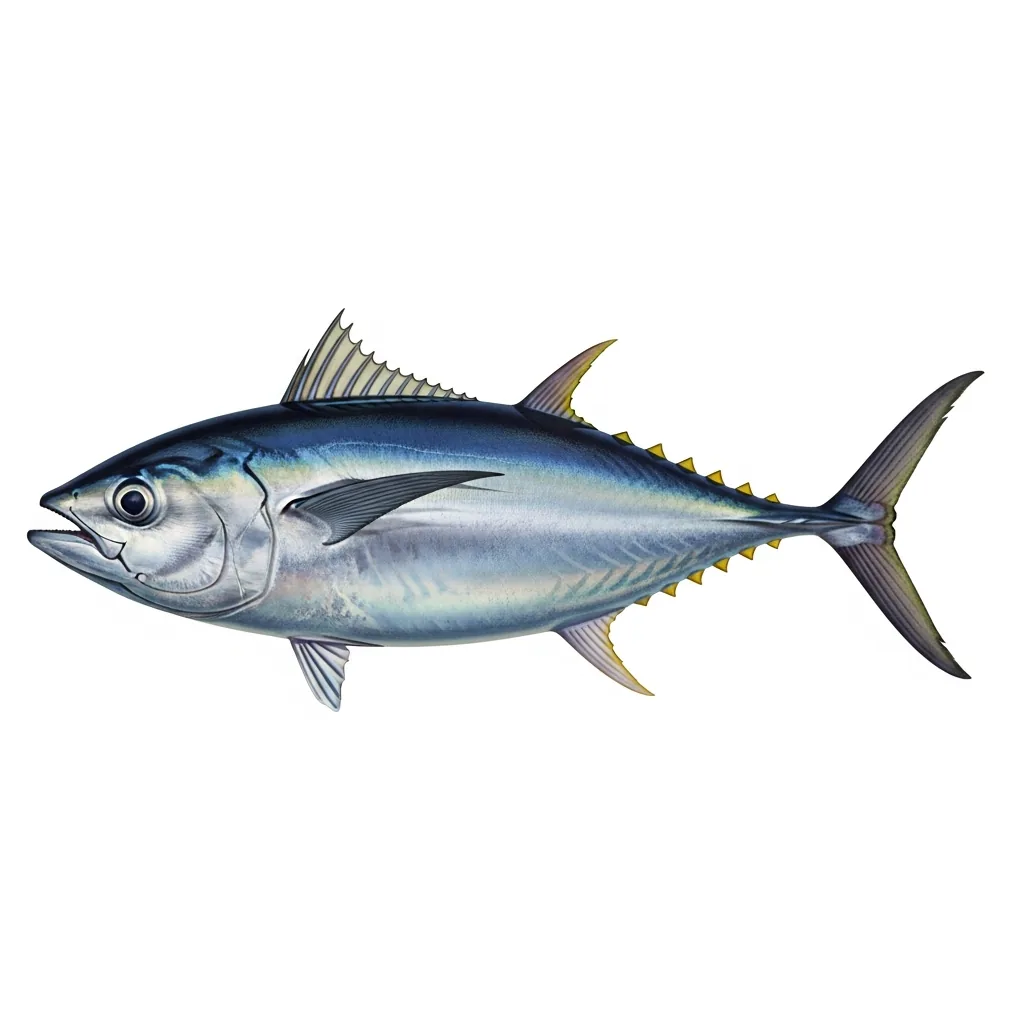 Dogtooth tunaGymnosarda unicolor
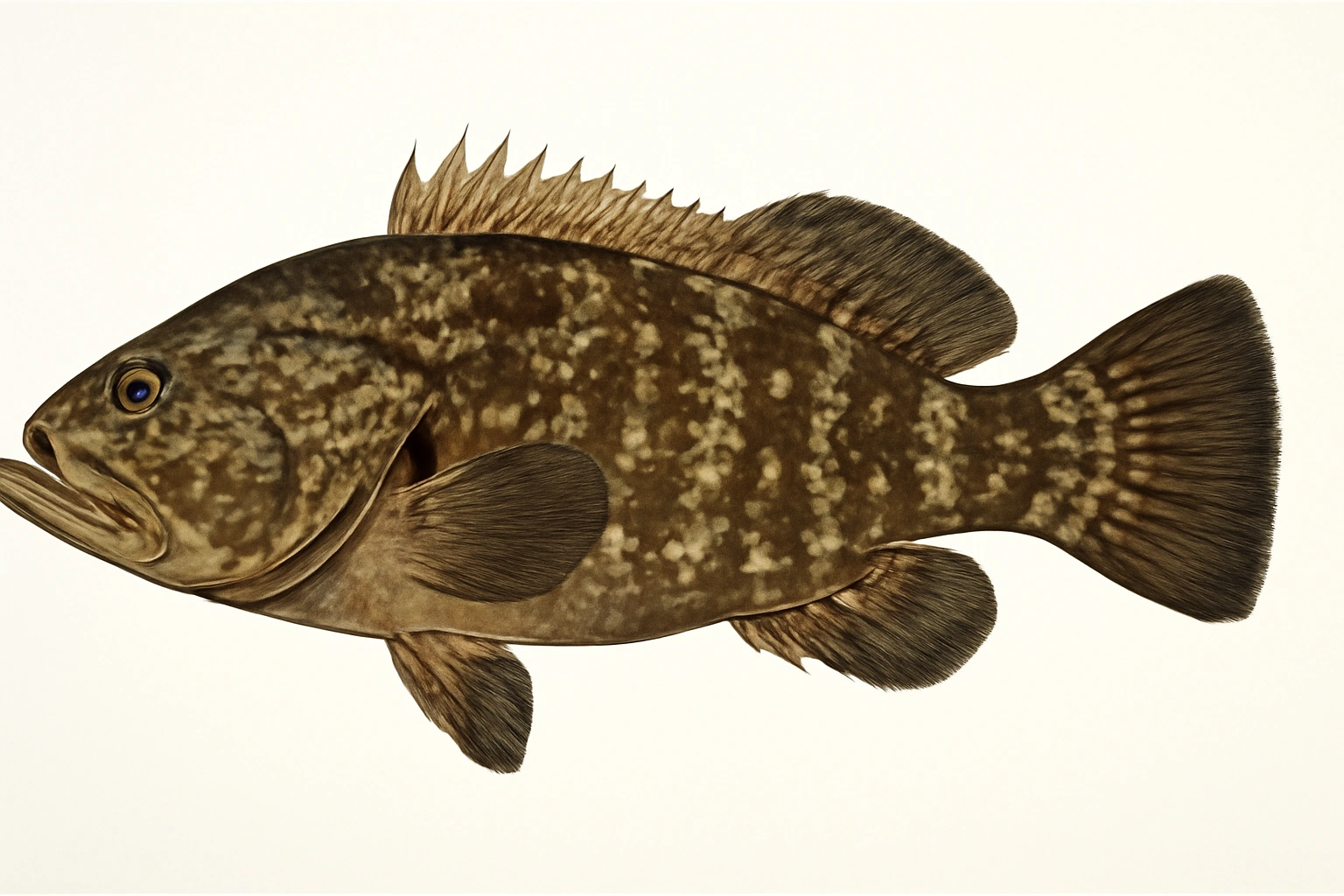 Dusky grouperEpinephelus marginatus
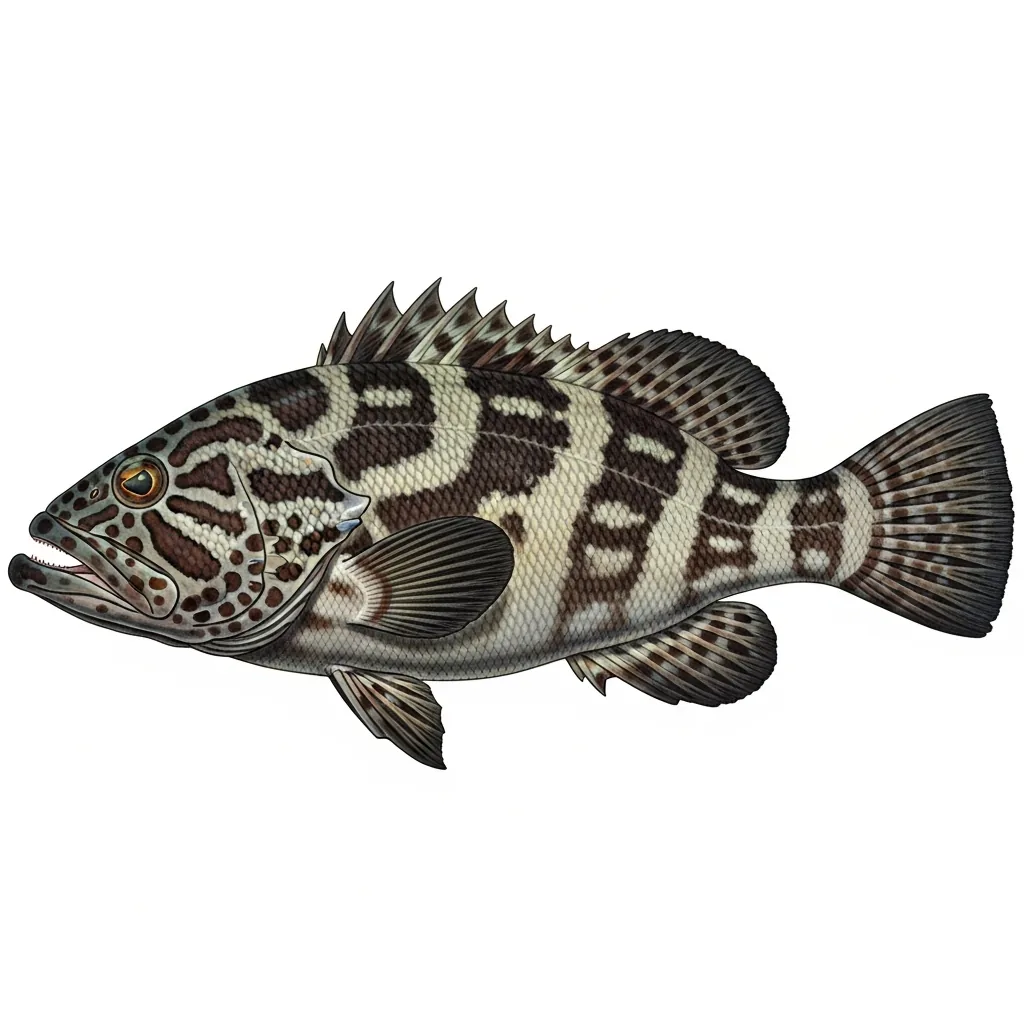 Gag GrouperMycteroperca microlepis
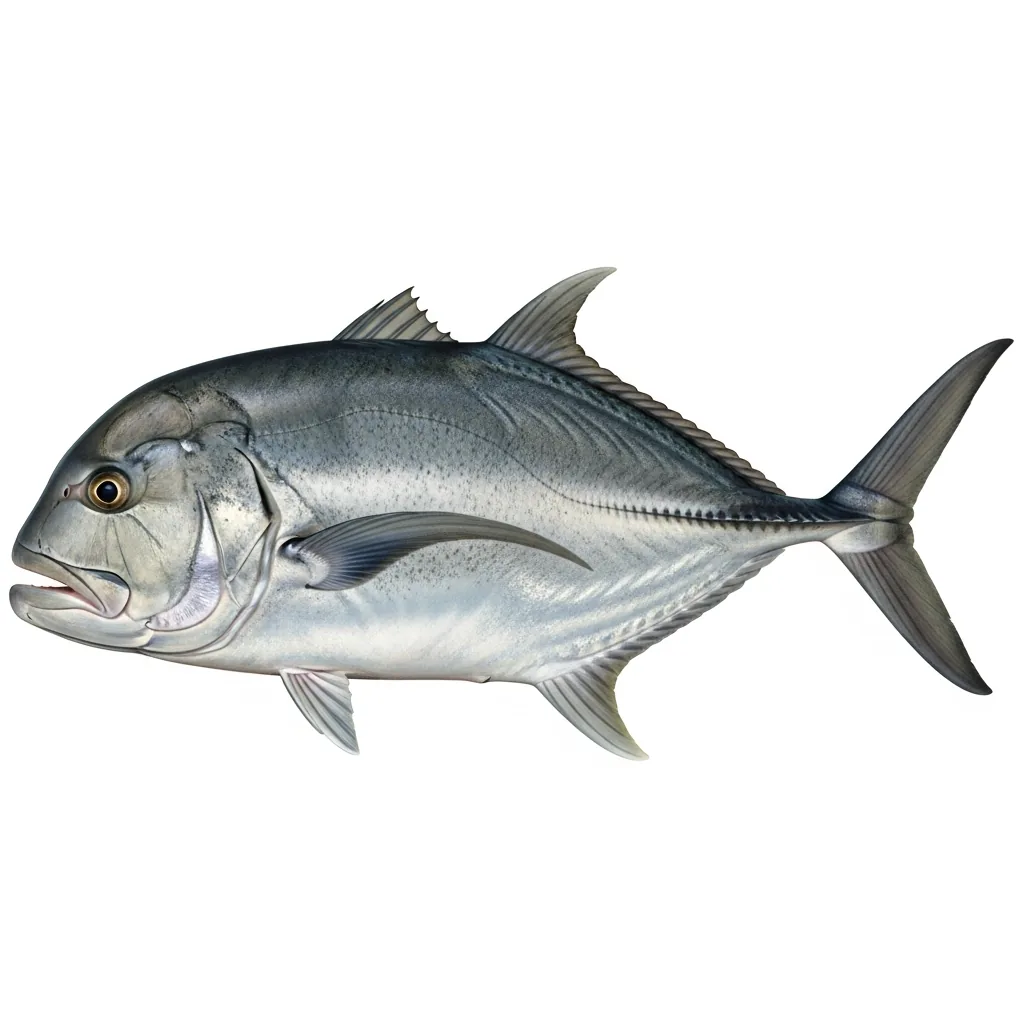 Giant trevallyCaranx ignobilis
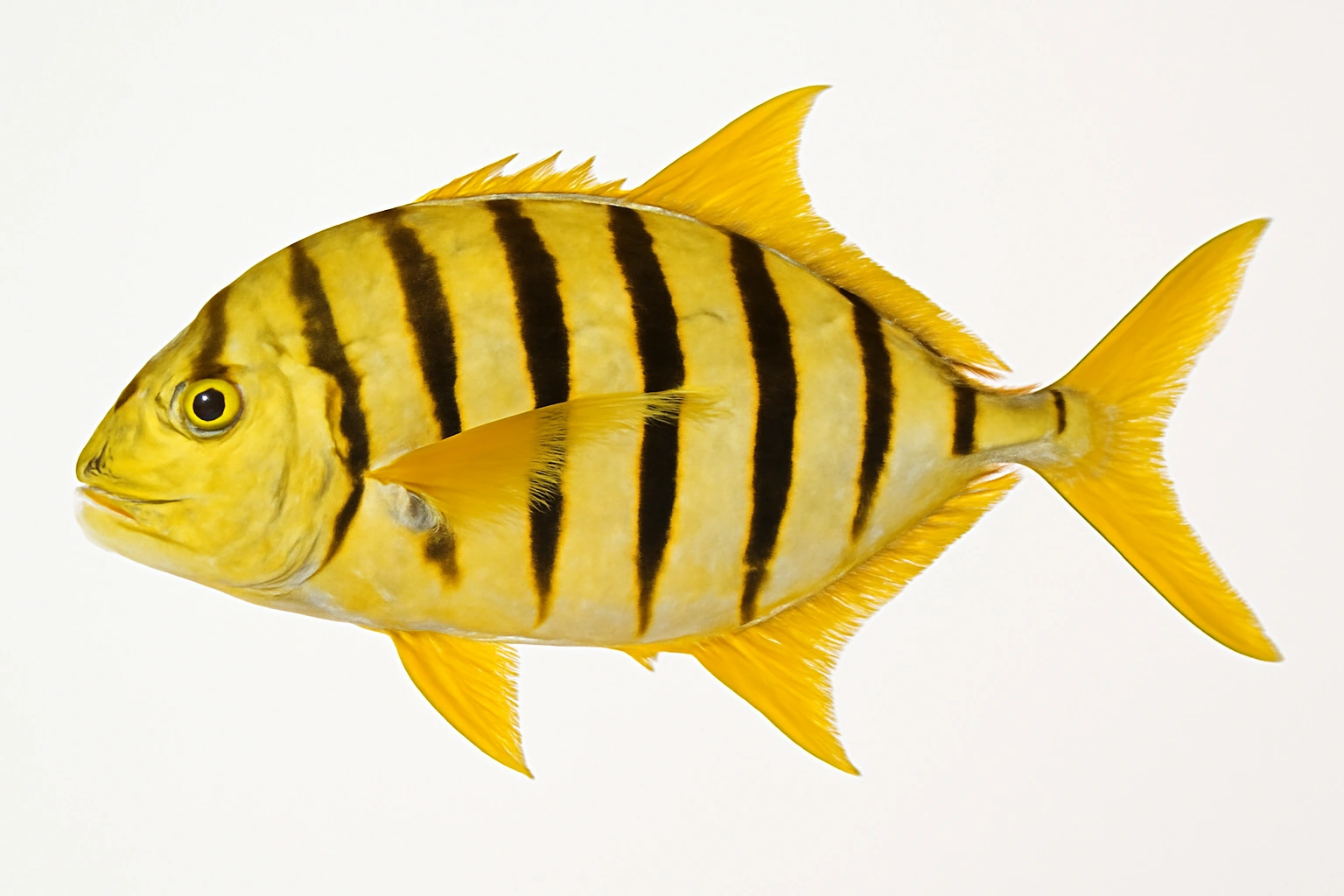 Golden TrevallyGnathanodon speciosus
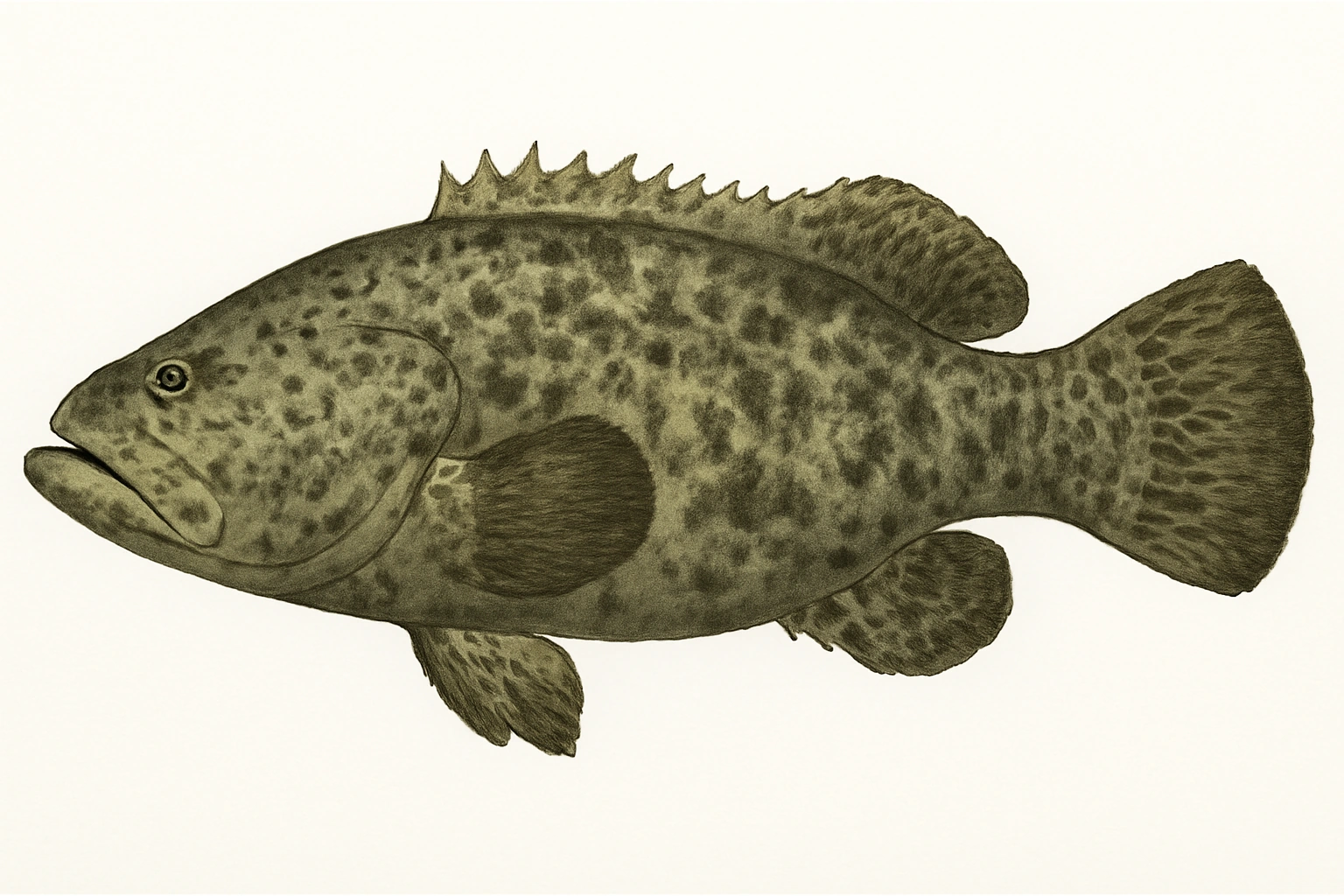 Goliath grouperEpinephelus itajara
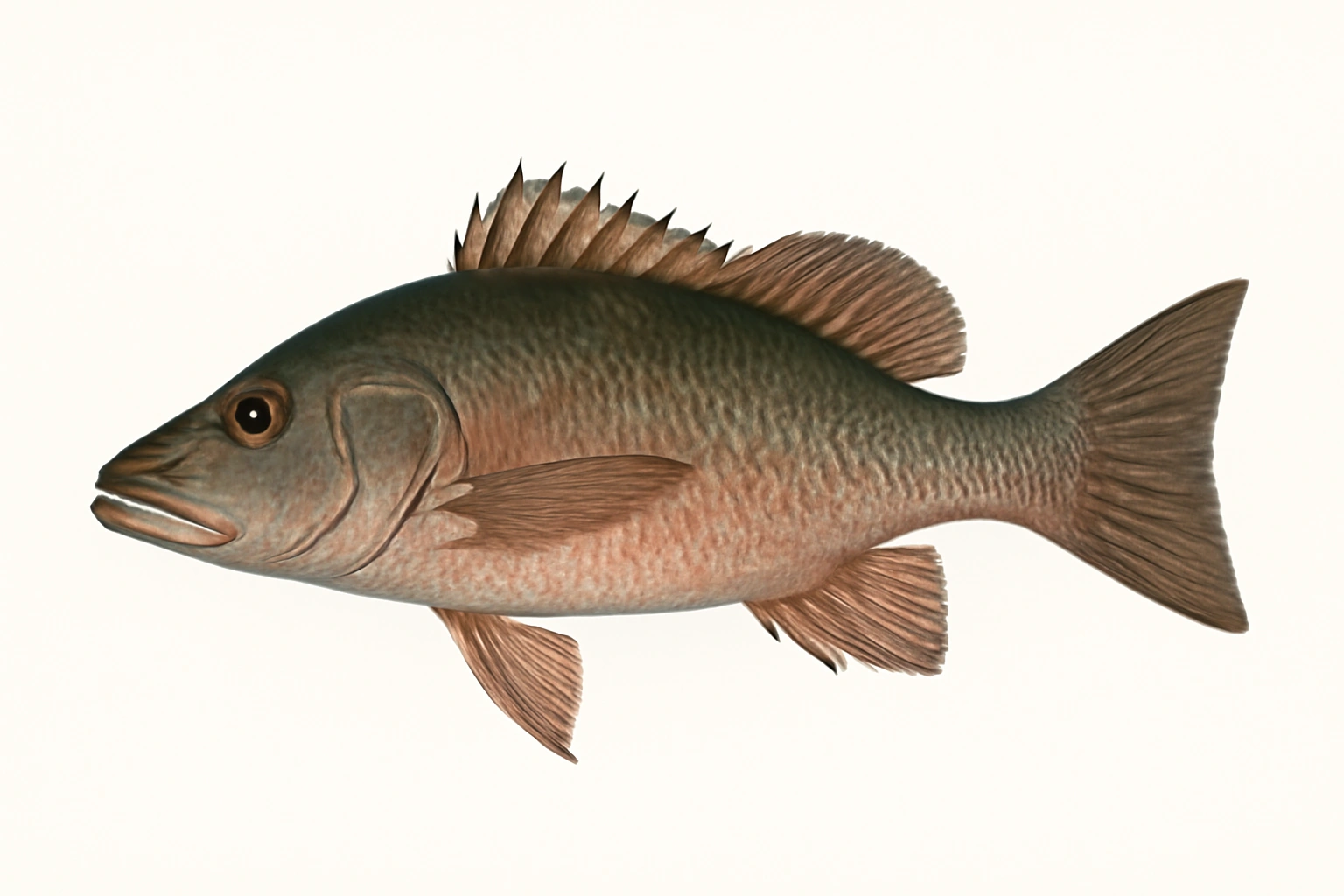 Gray snapperLutjanus griseus
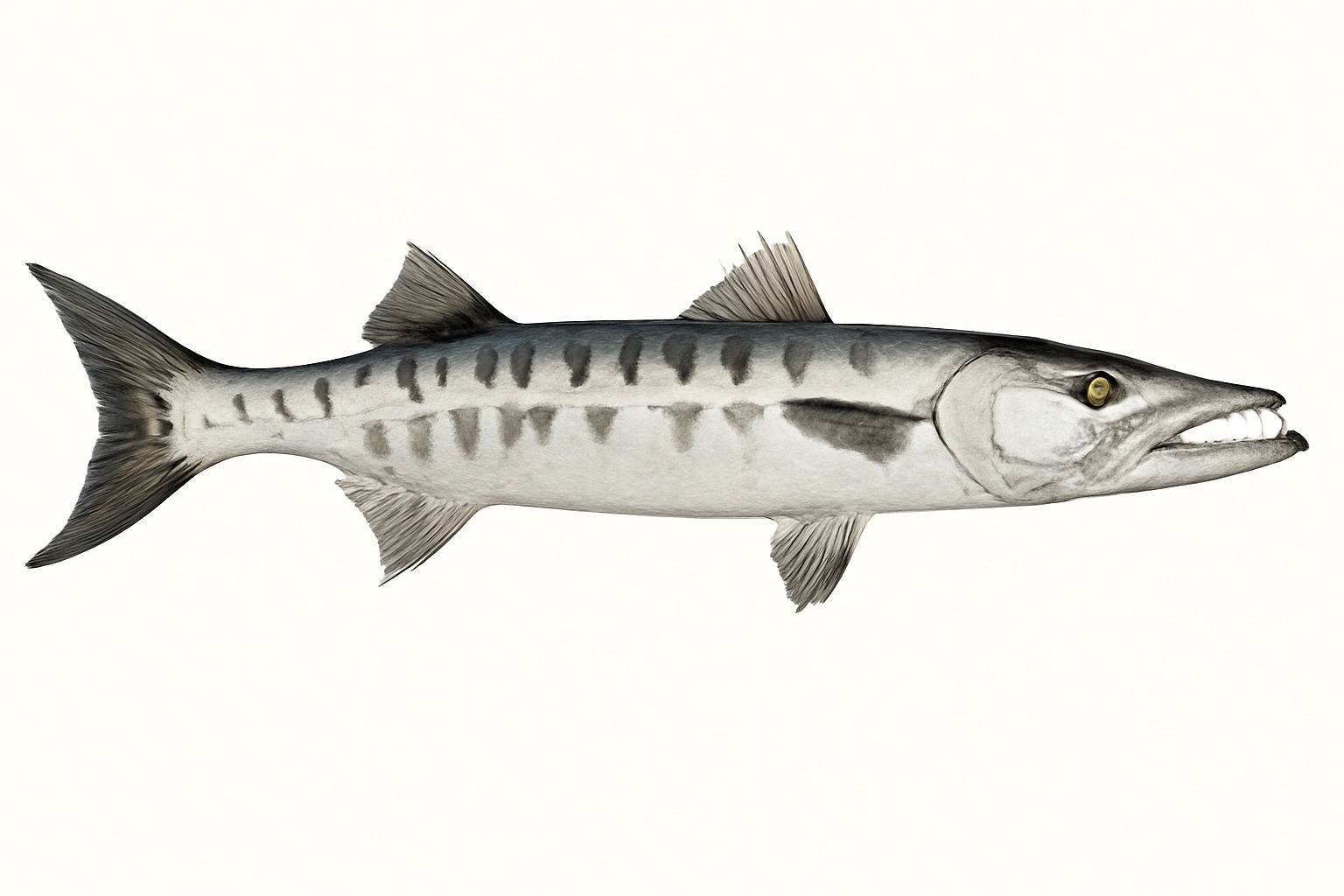 Great barracudaSphyraena barracuda
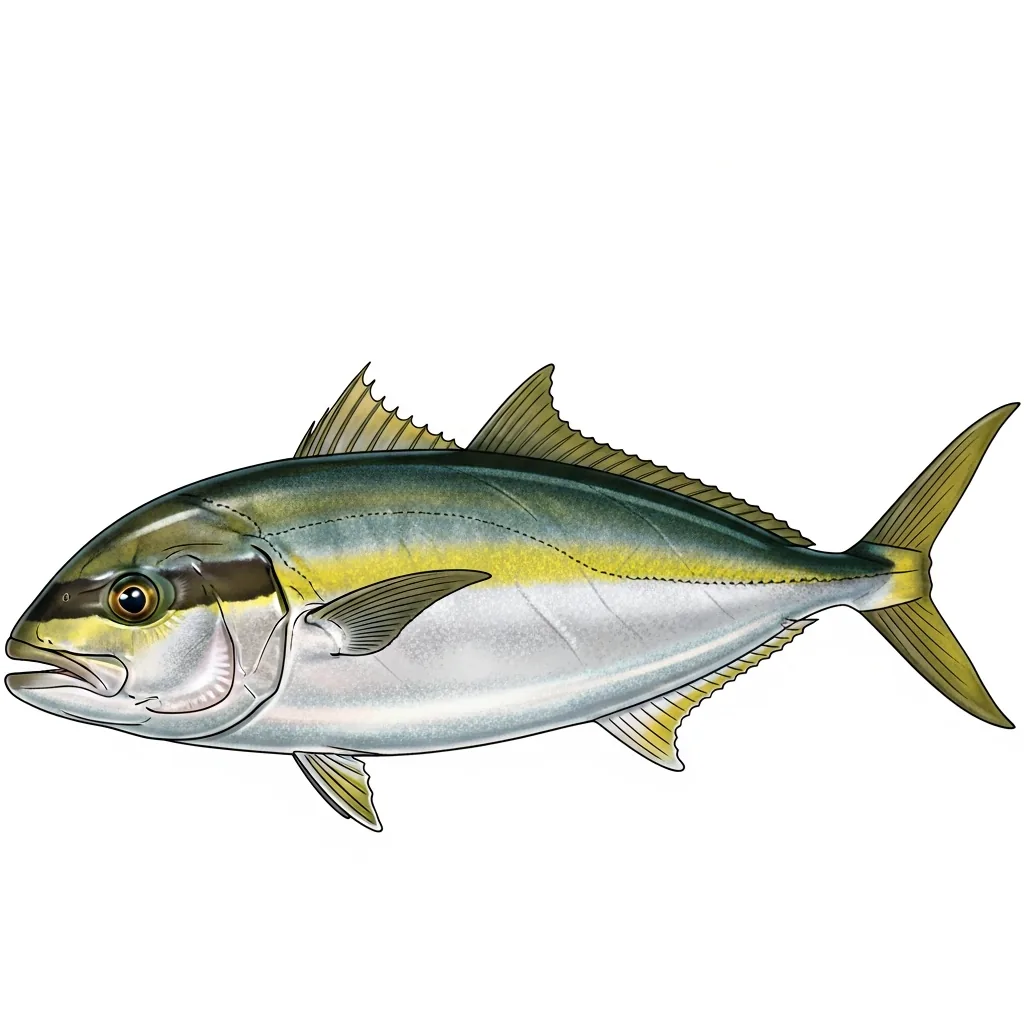 Greater amberjackSeriola dumerili
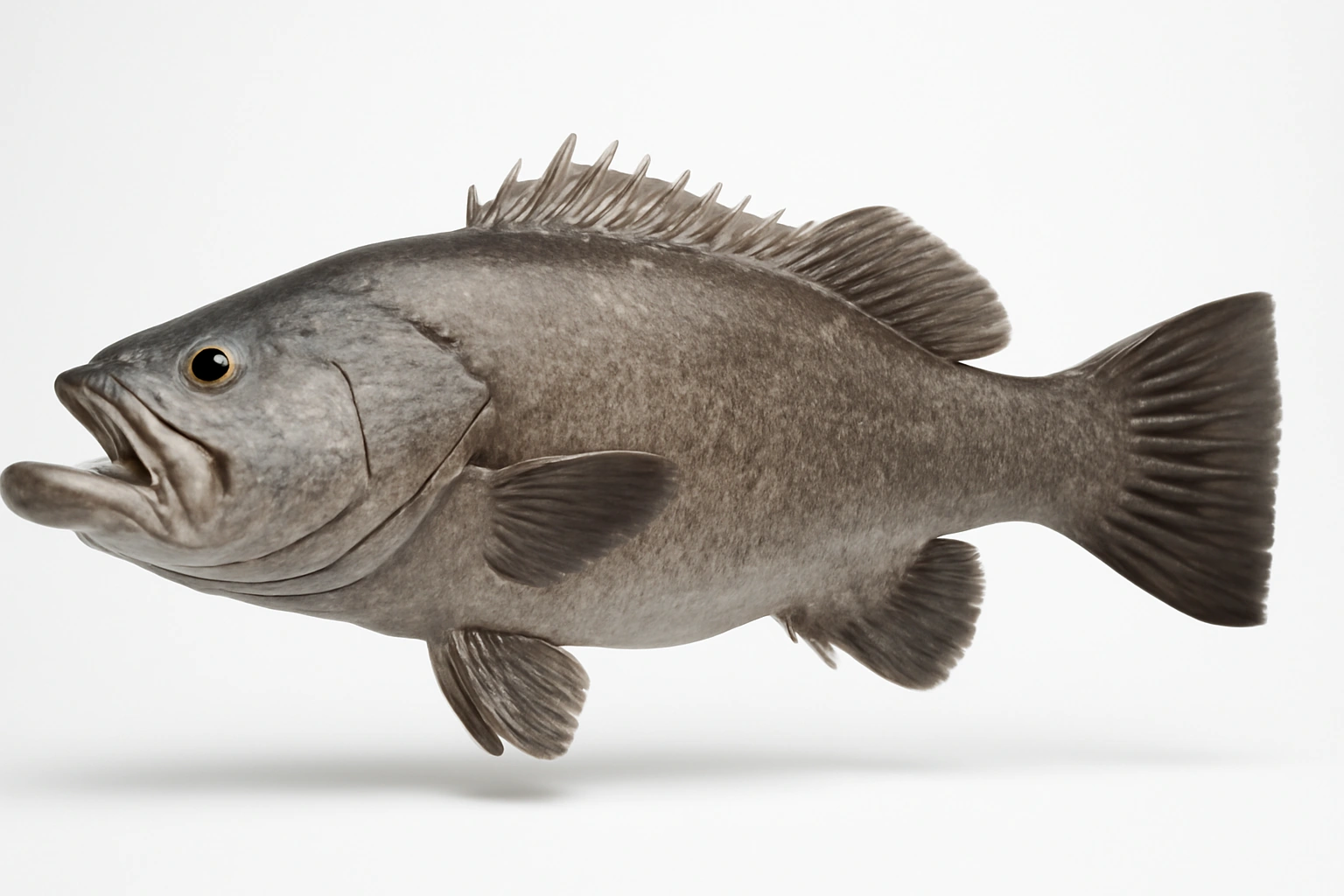 HapukaPolyprion oxygeneios
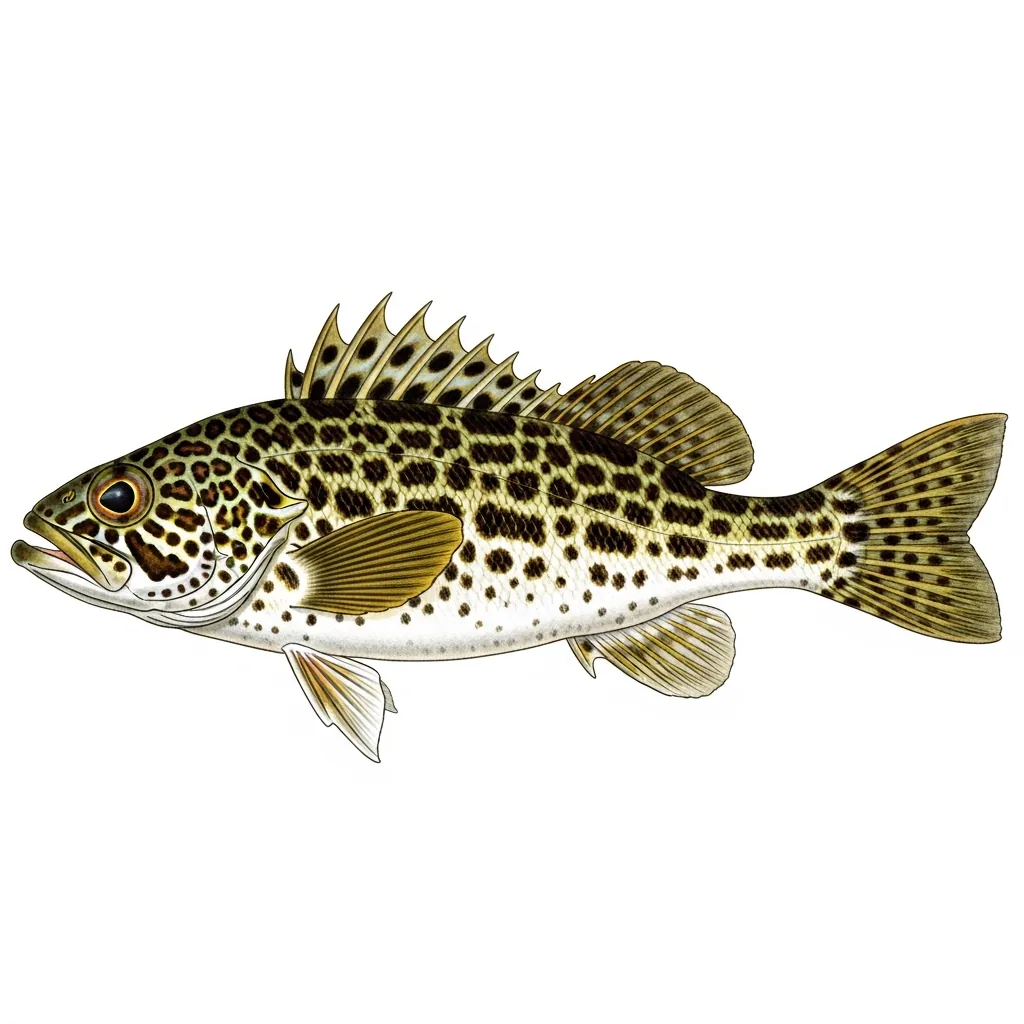 Kelp BassParalabrax clathratus
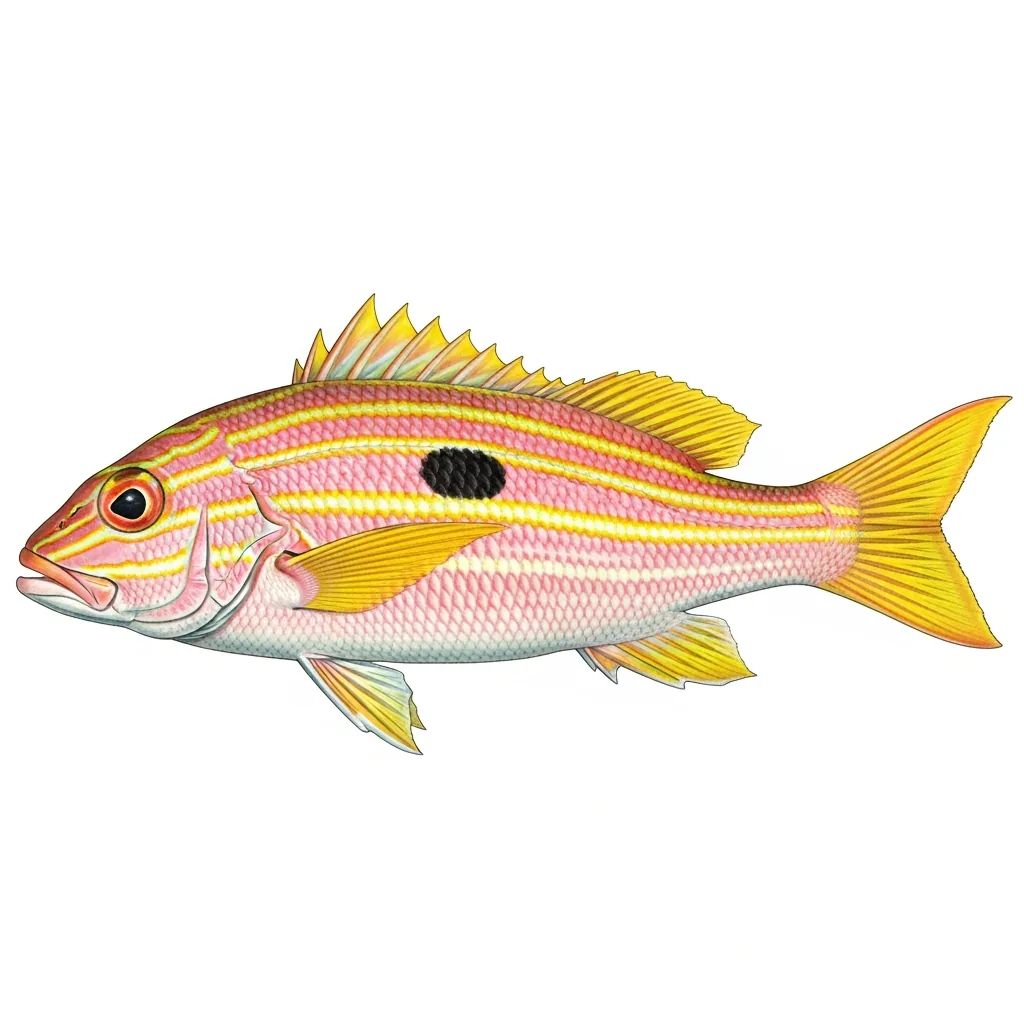 Lane SnapperLutjanus synagris
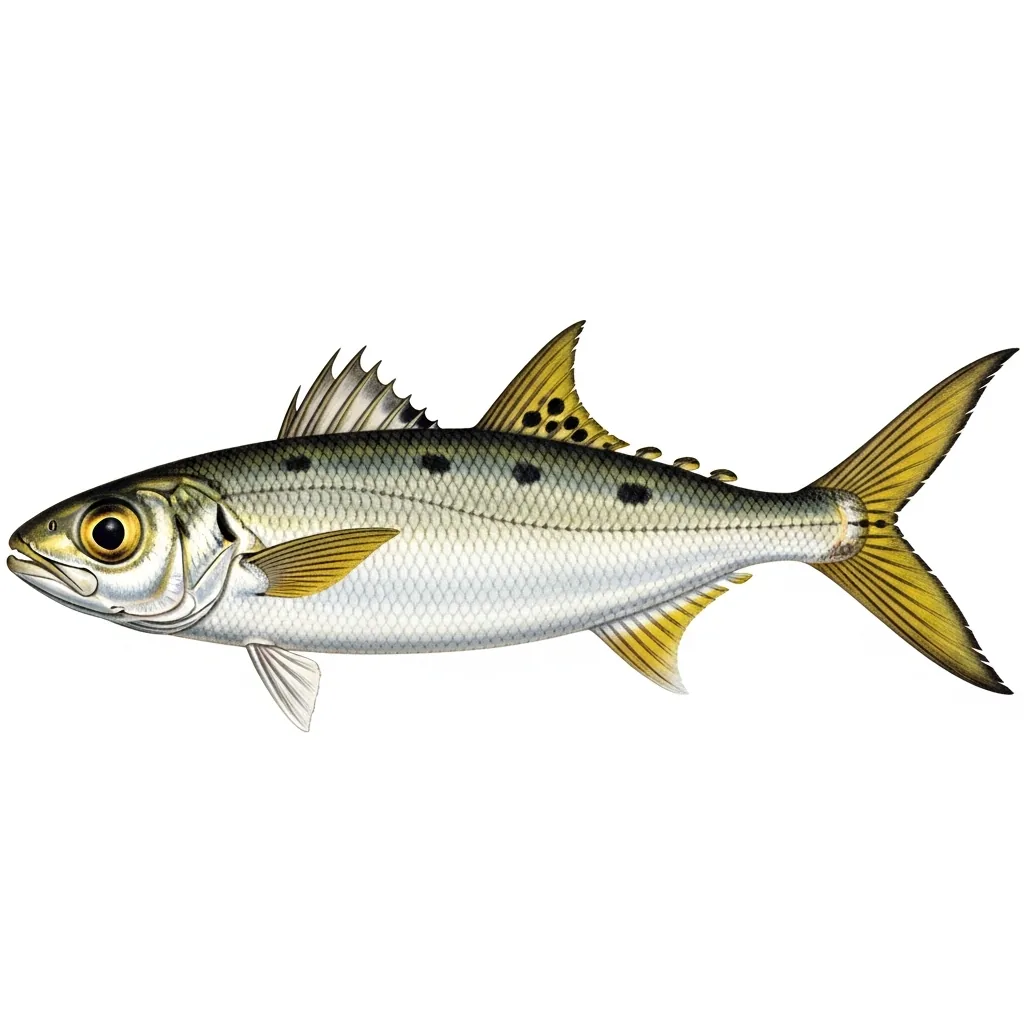 LeerfishLichia amia
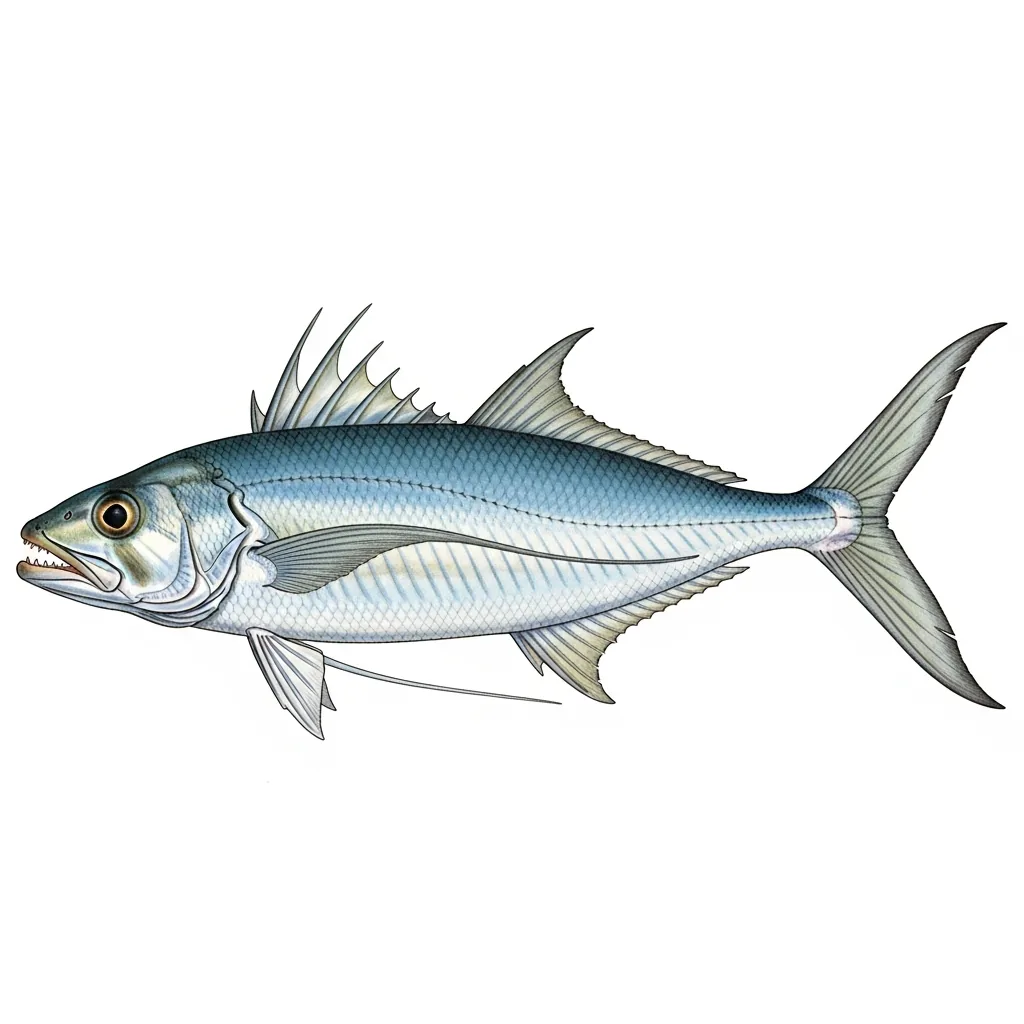 LeerfishTrachinotus ovatus
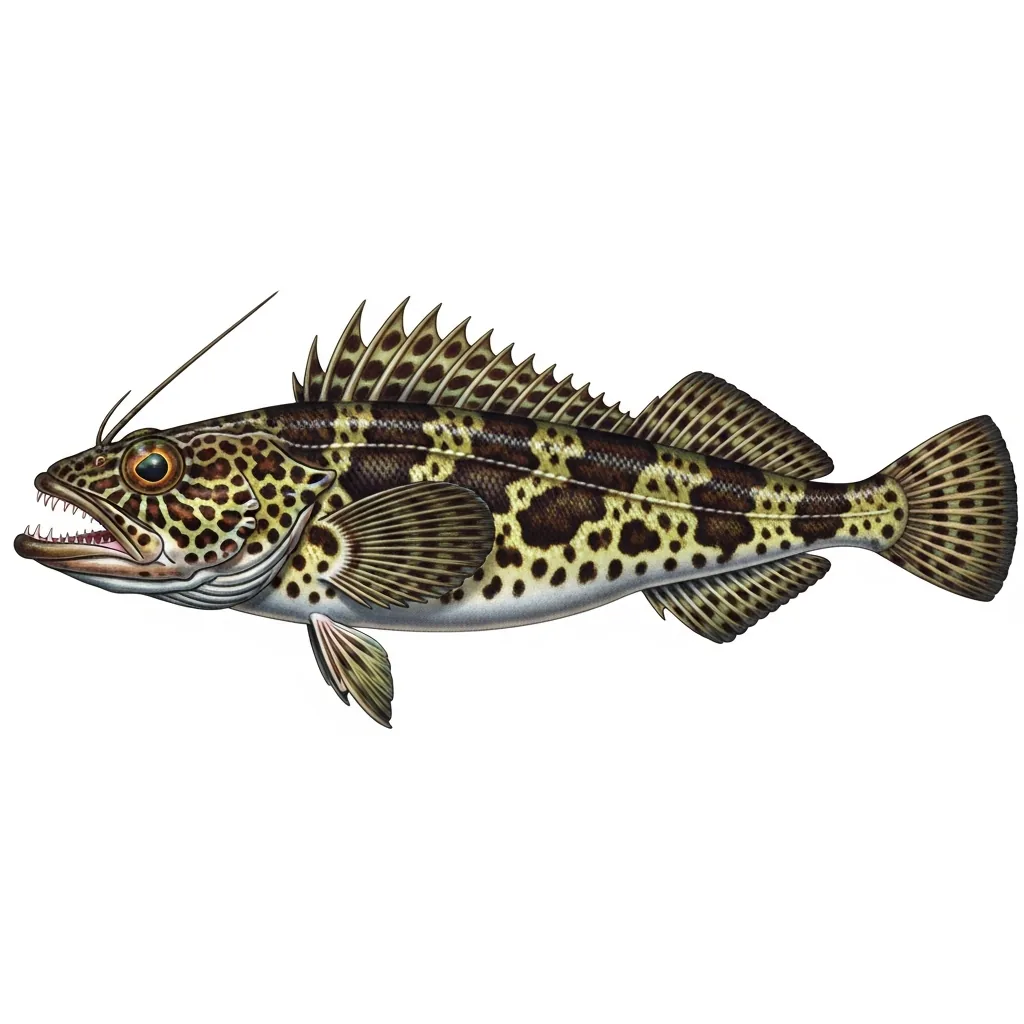 LingcodOphiodon elongatus
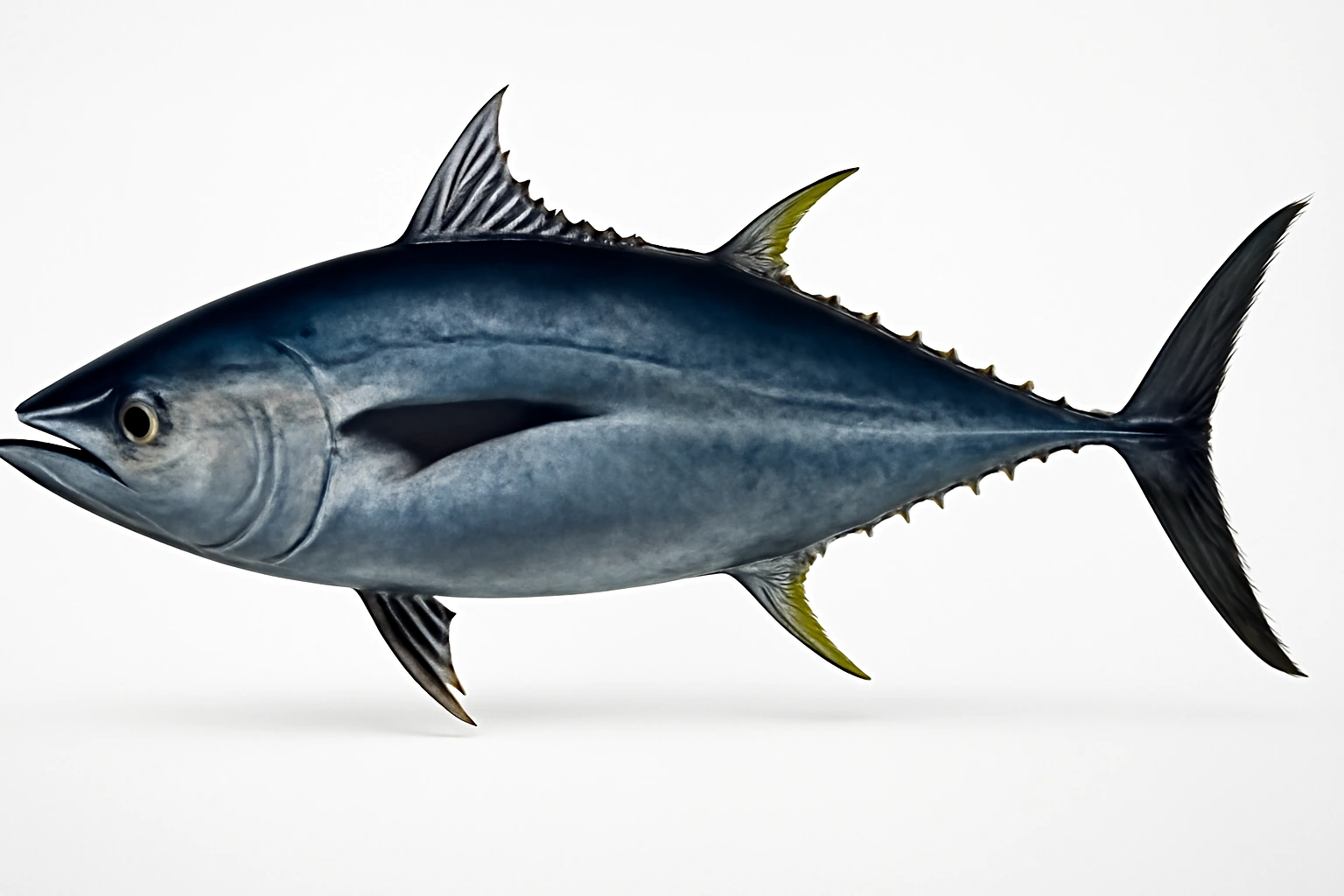 Longtail TunaThunnus tonggol
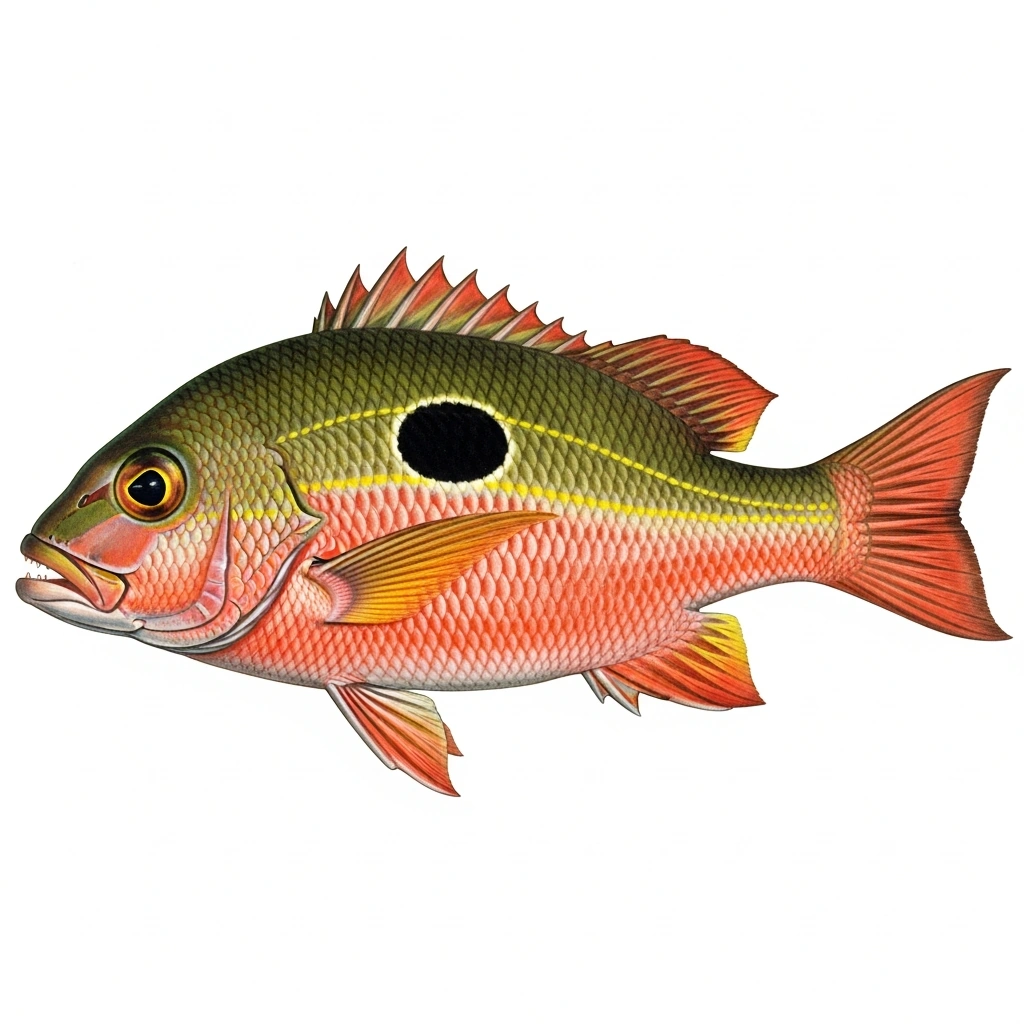 Mutton snapperLutjanus analis
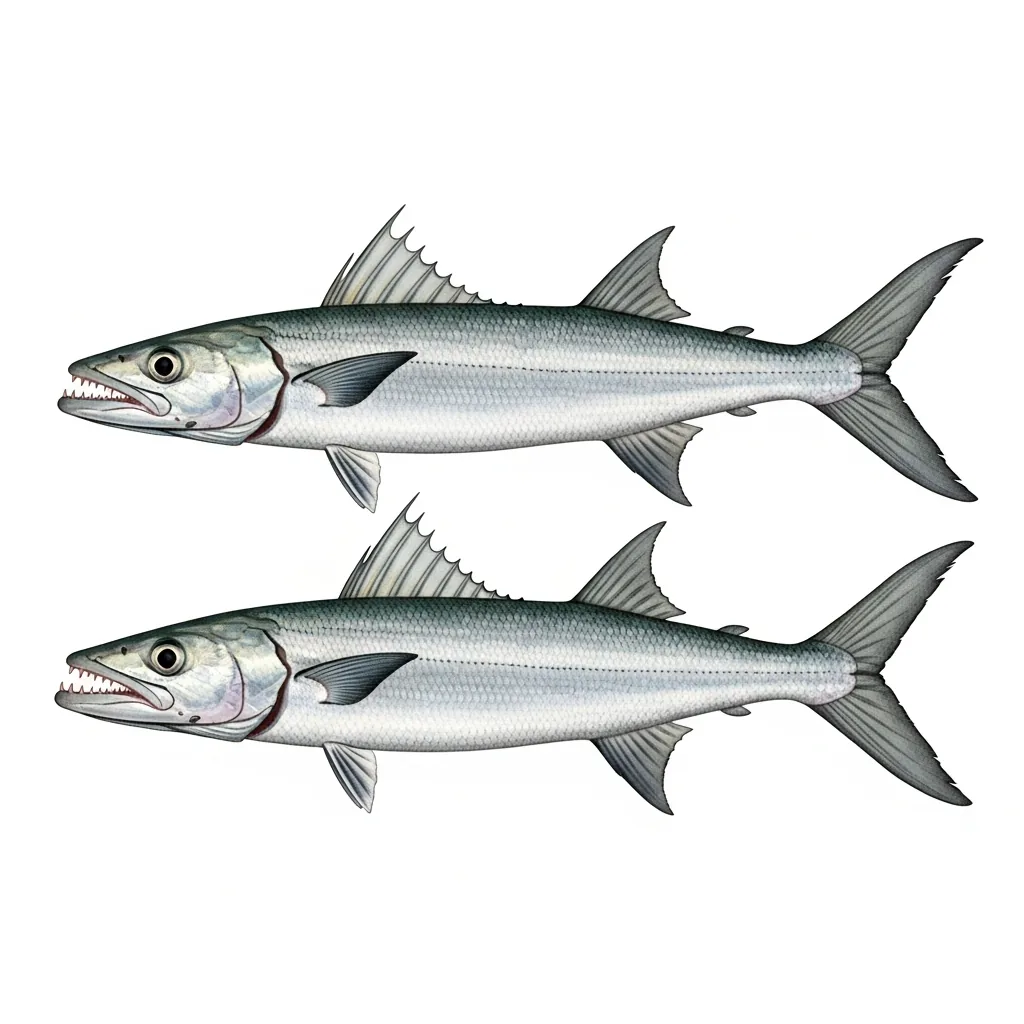 Pacific BarracudaSphyraena argentea
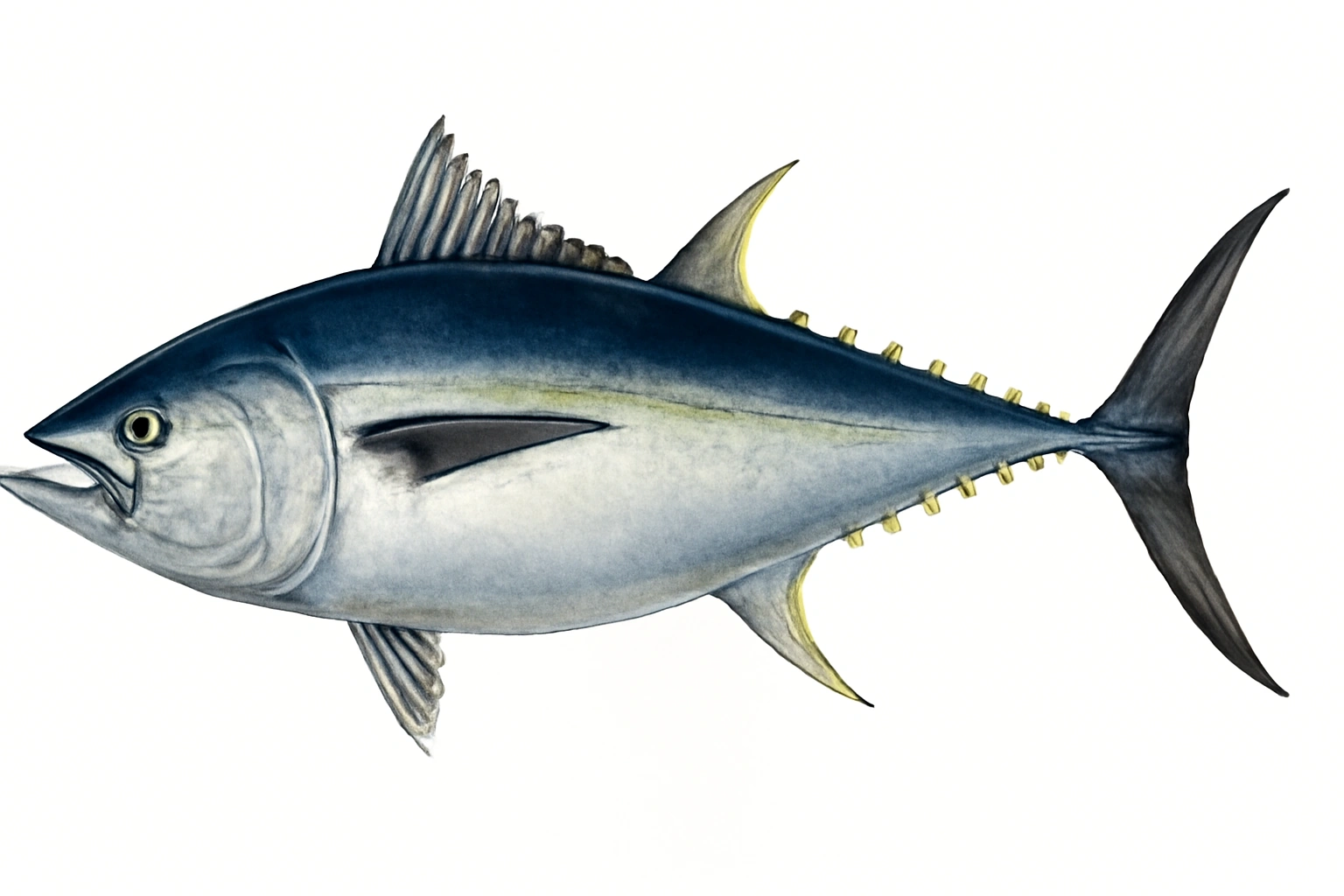 Pacific bluefin tunaThunnus orientalis
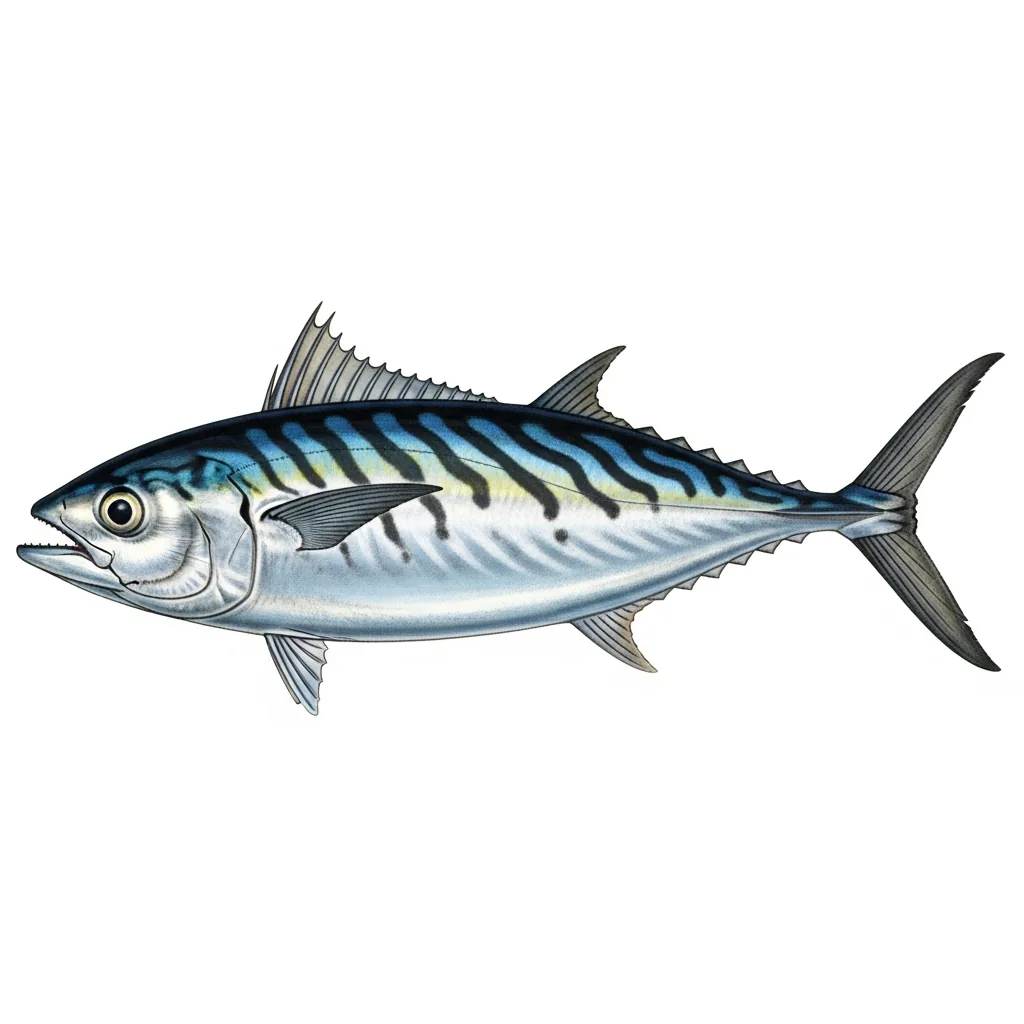 Pacific BonitoSarda chiliensis
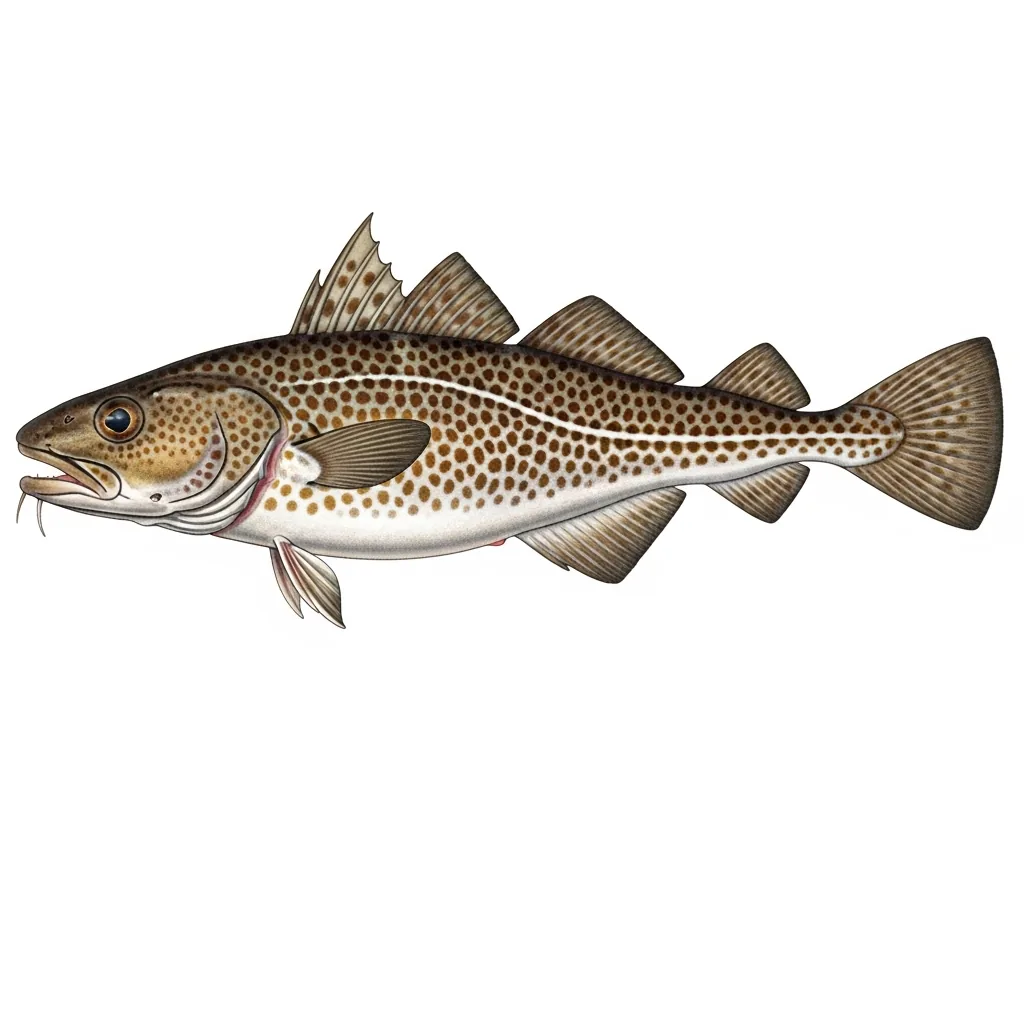 Pacific CodGadus macrocephalus
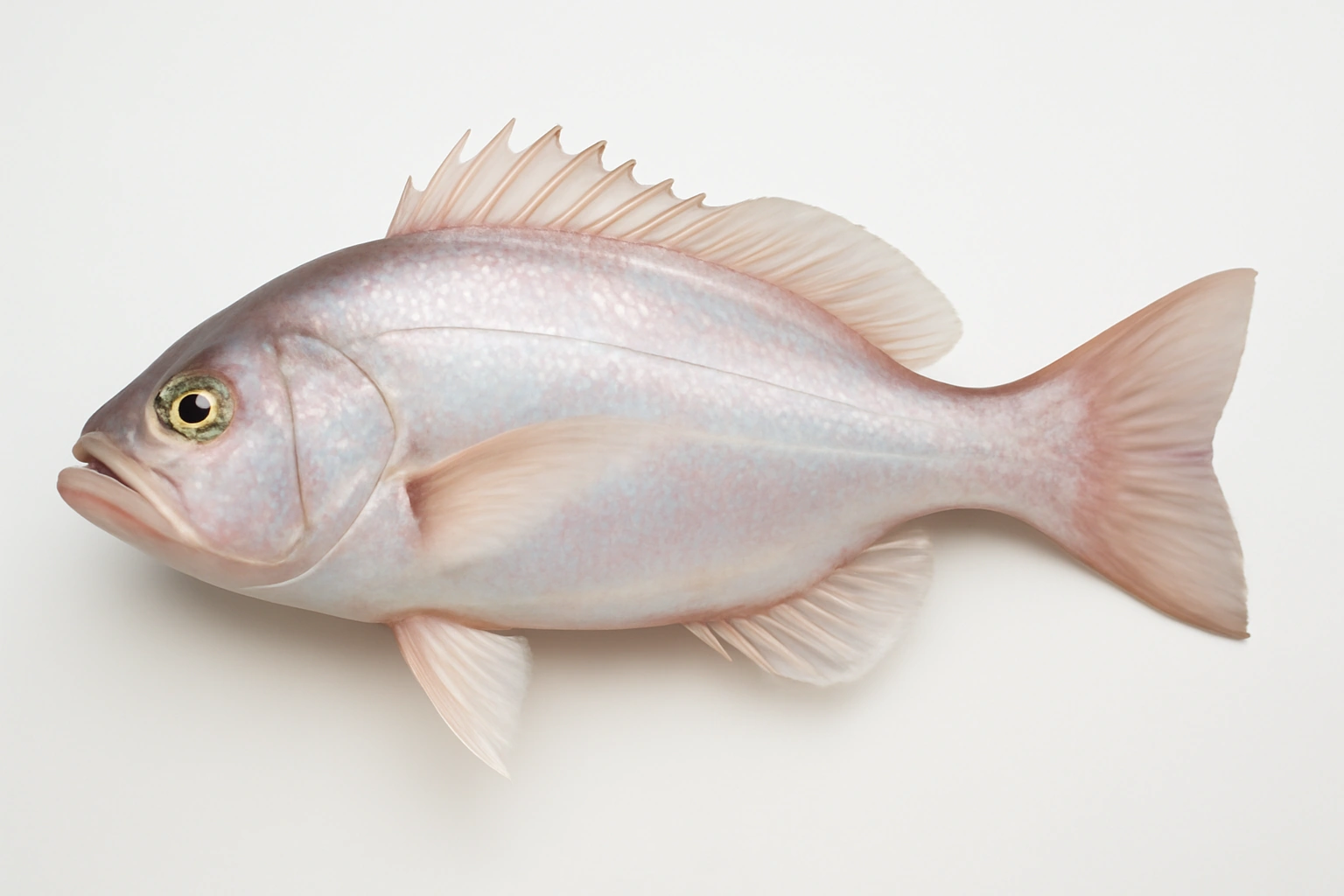 Pearl PerchGlaucosoma scapulare
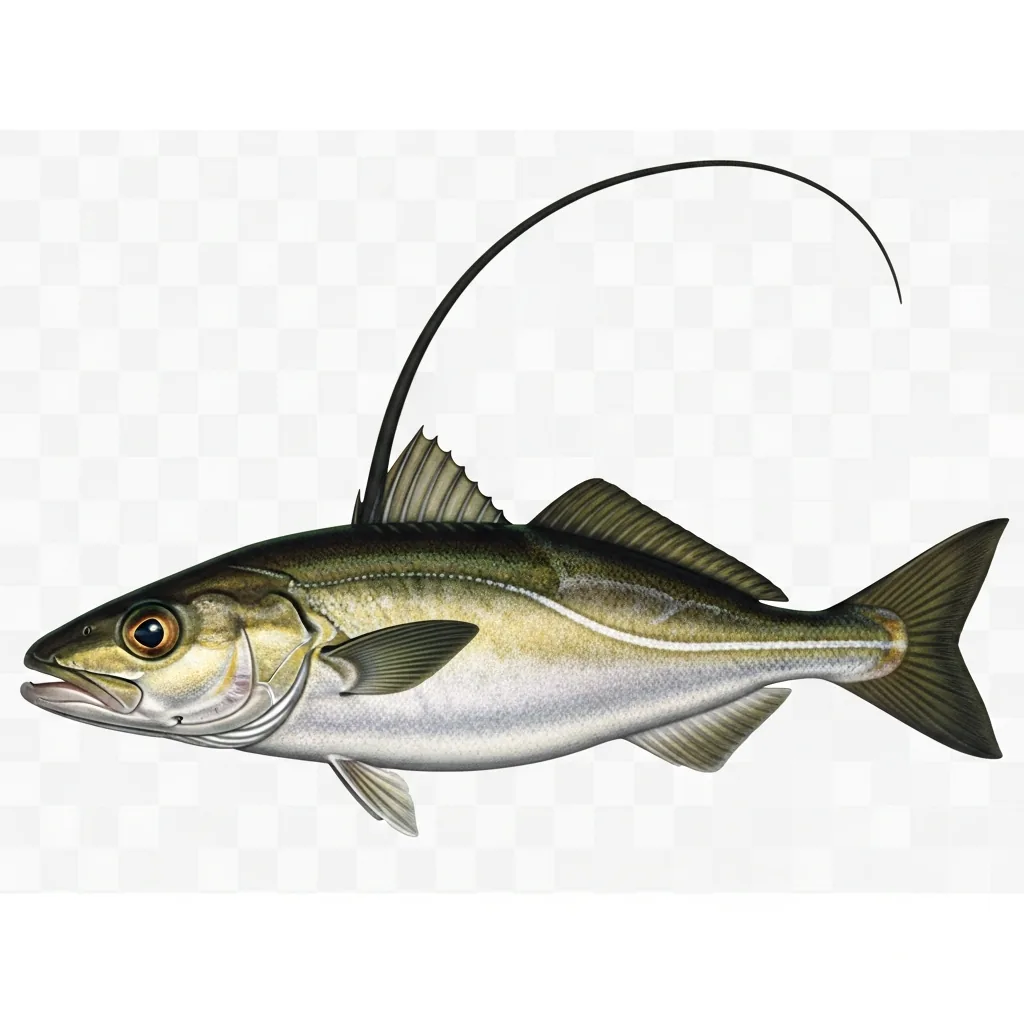 PollackPollachius pollachius
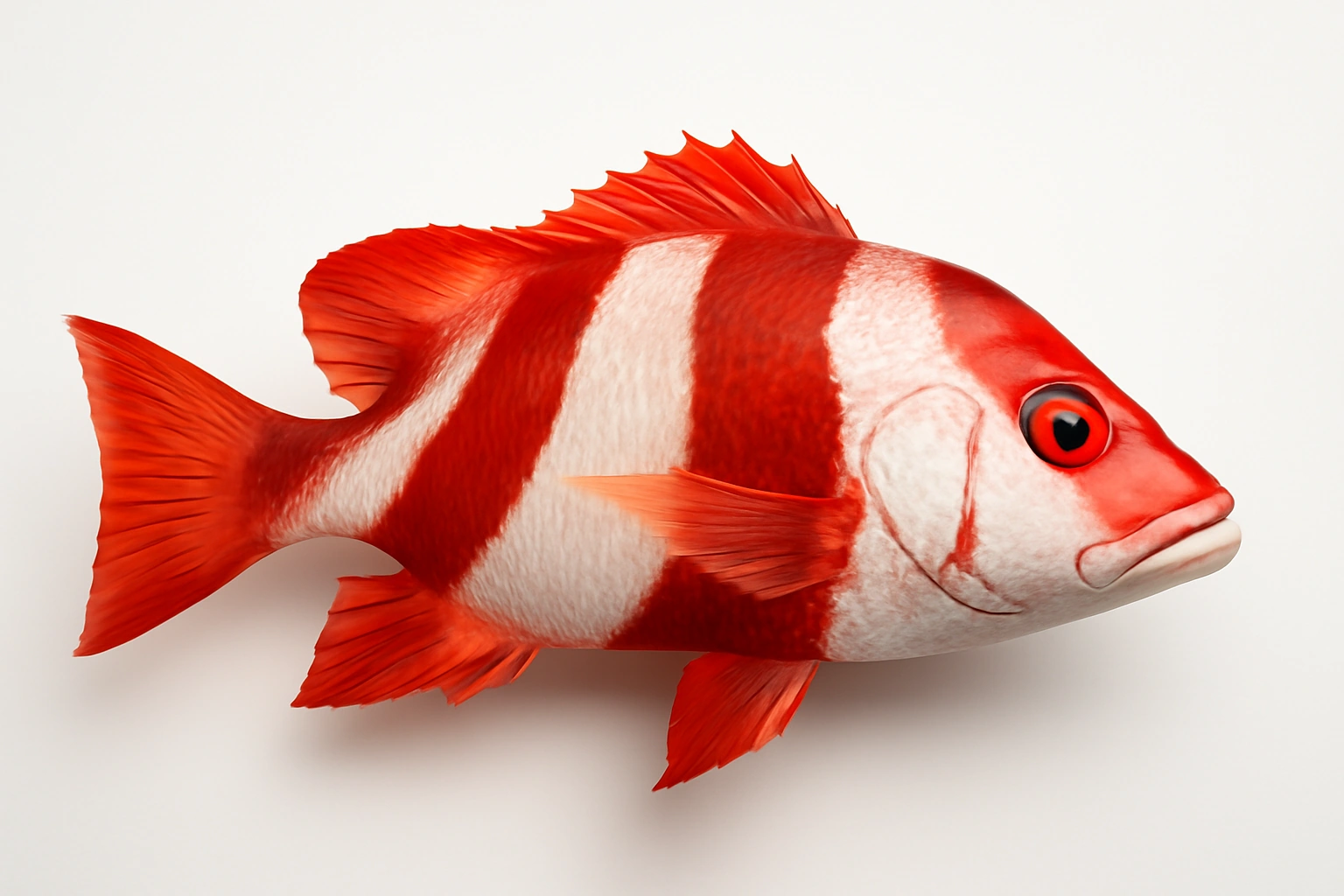 Red EmperorLutjanus sebae
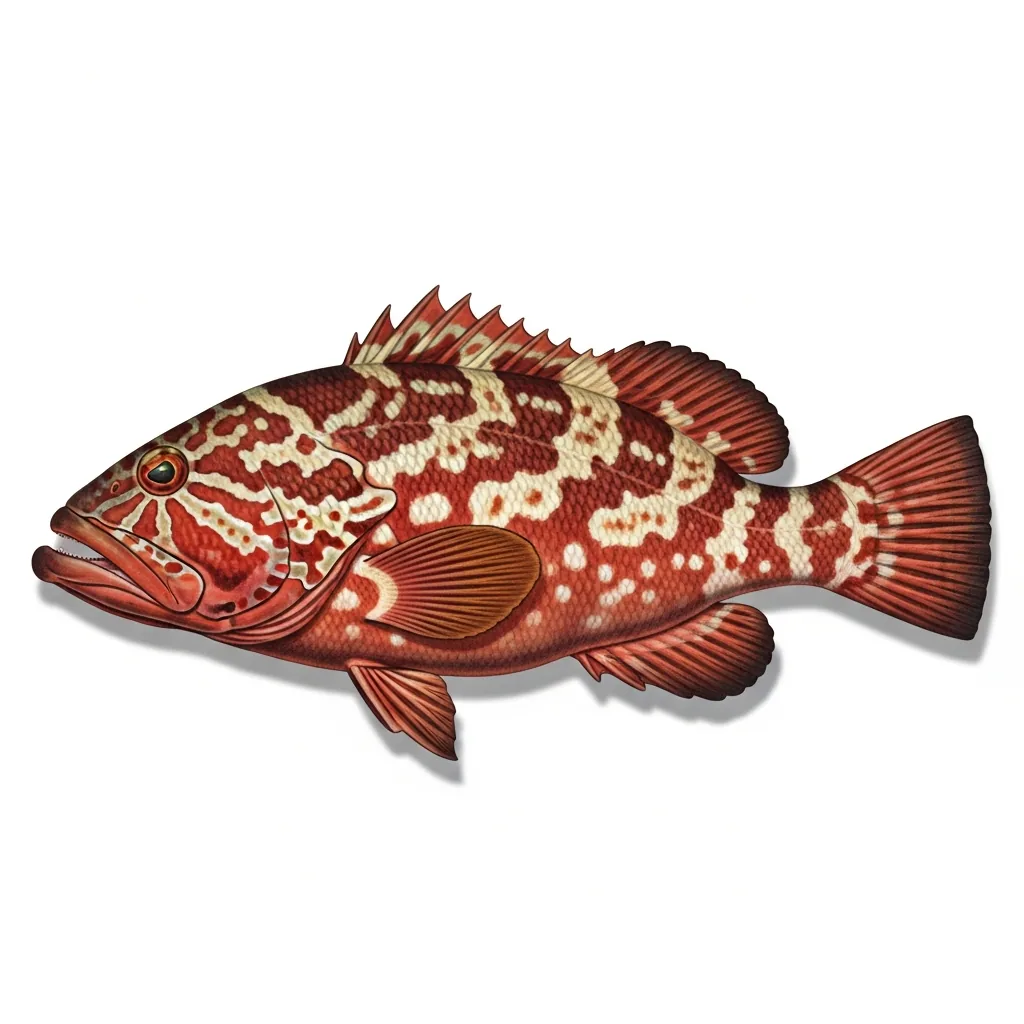 Red GrouperEpinephelus morio
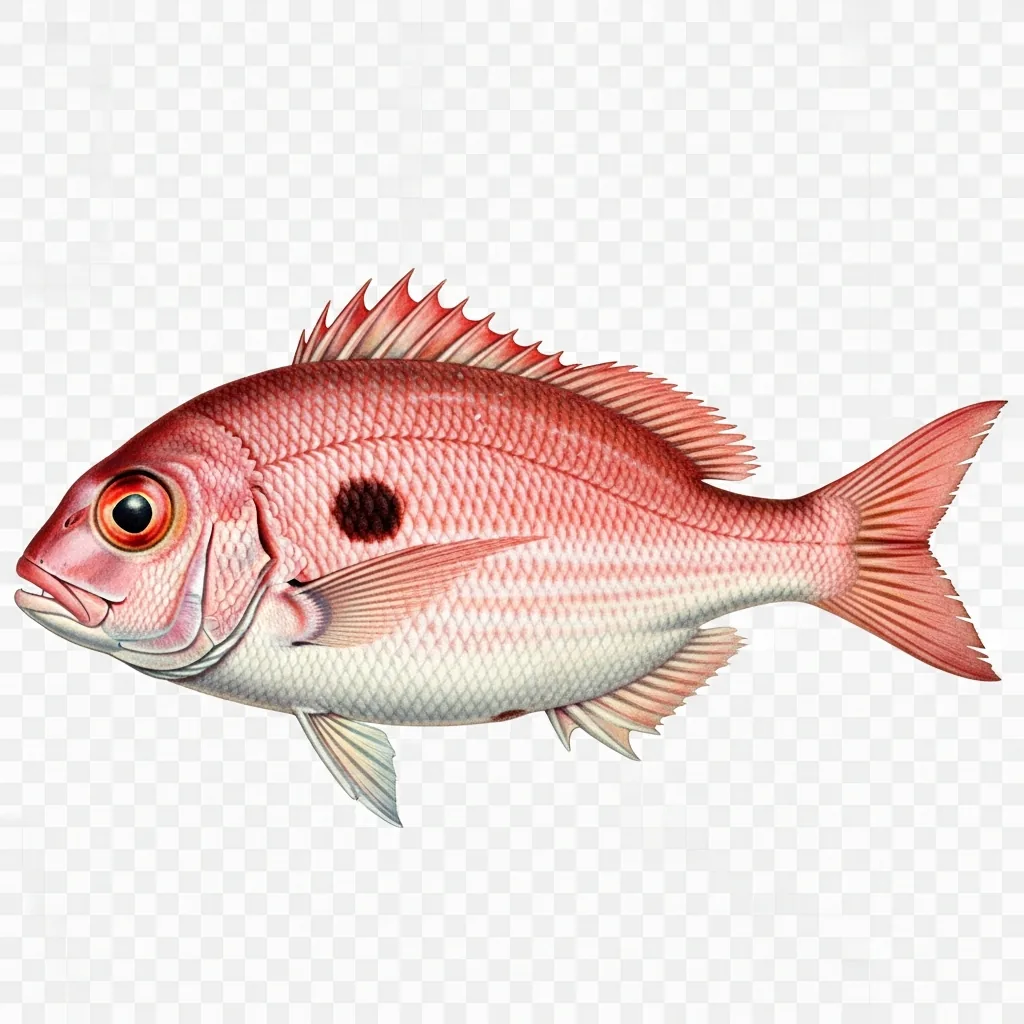 Red porgyPagrus pagrus
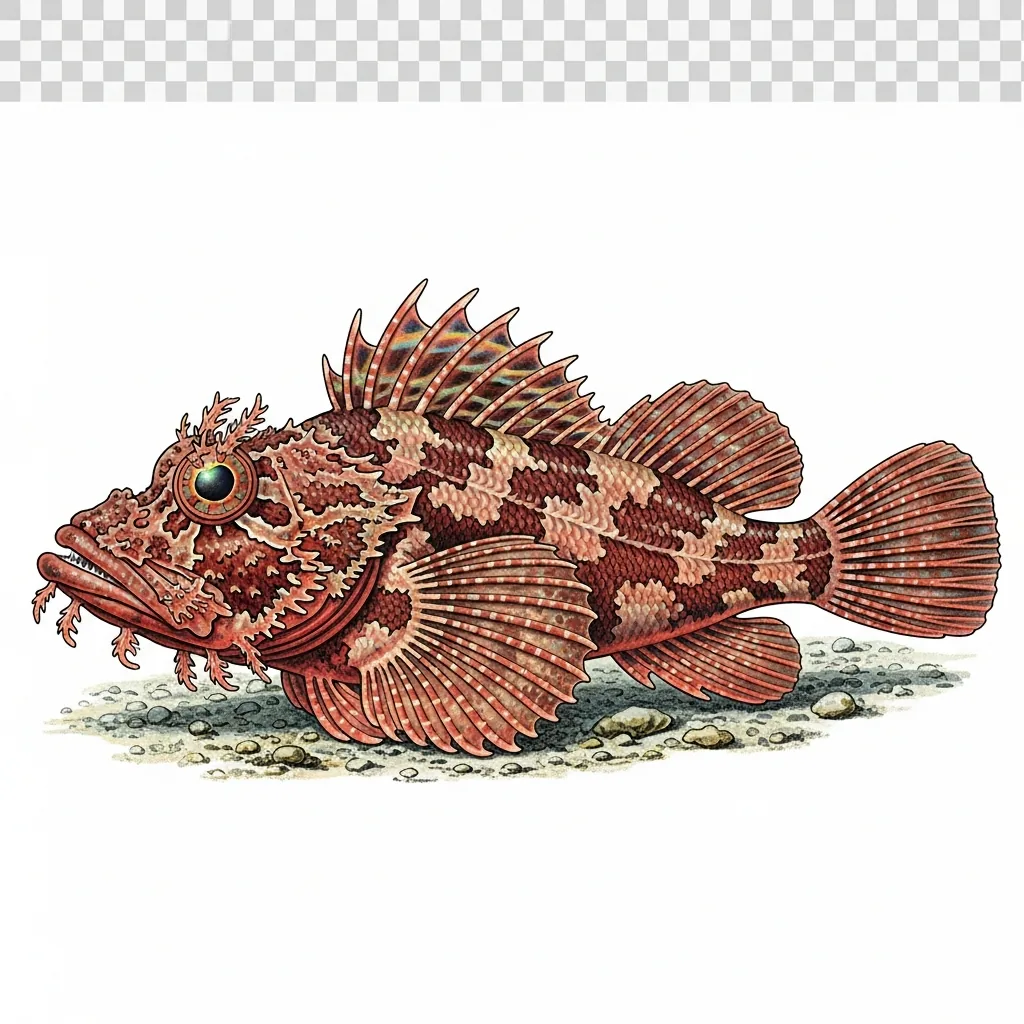 Red scorpionfishScorpaena scrofa
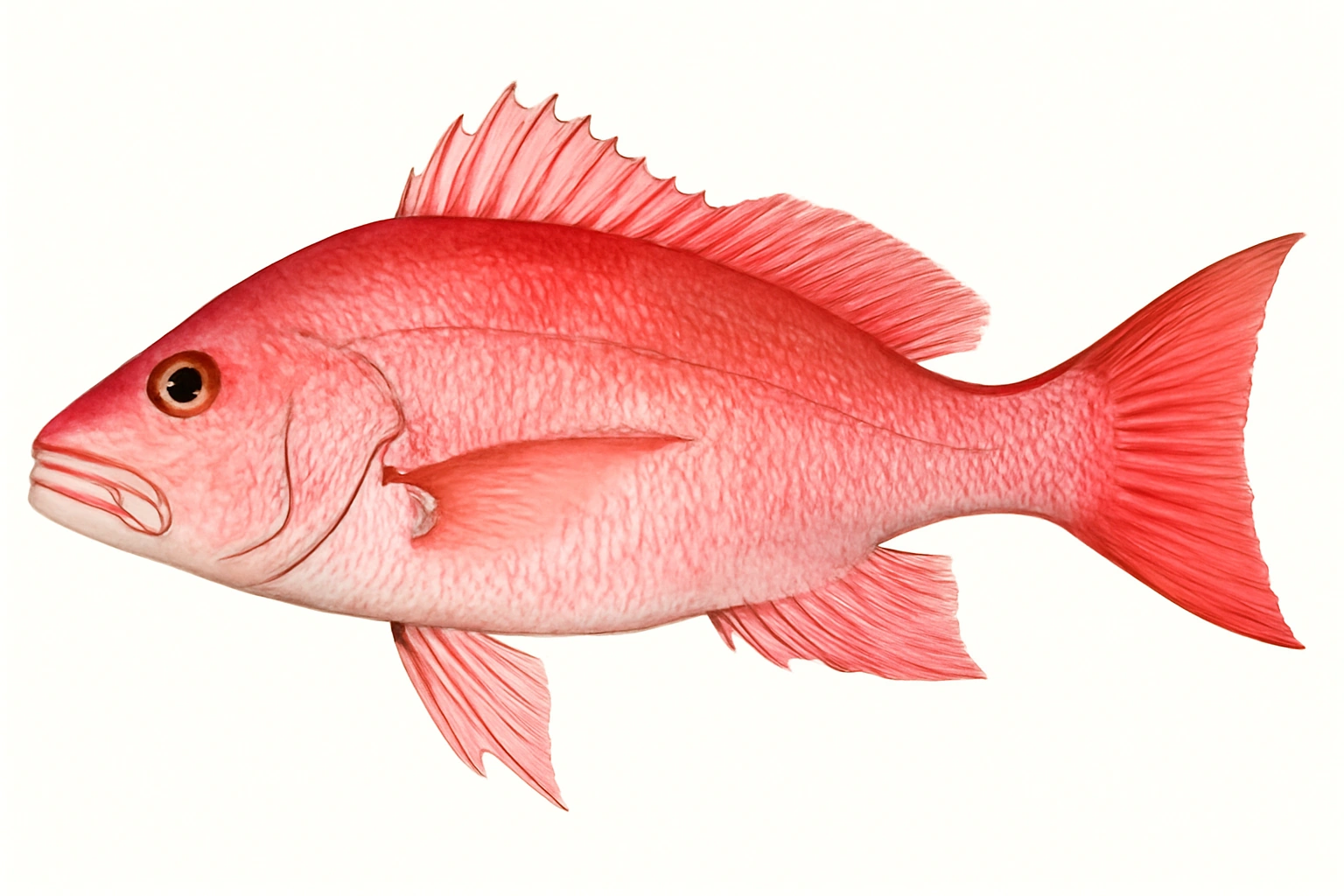 Red snapperLutjanus campechanus
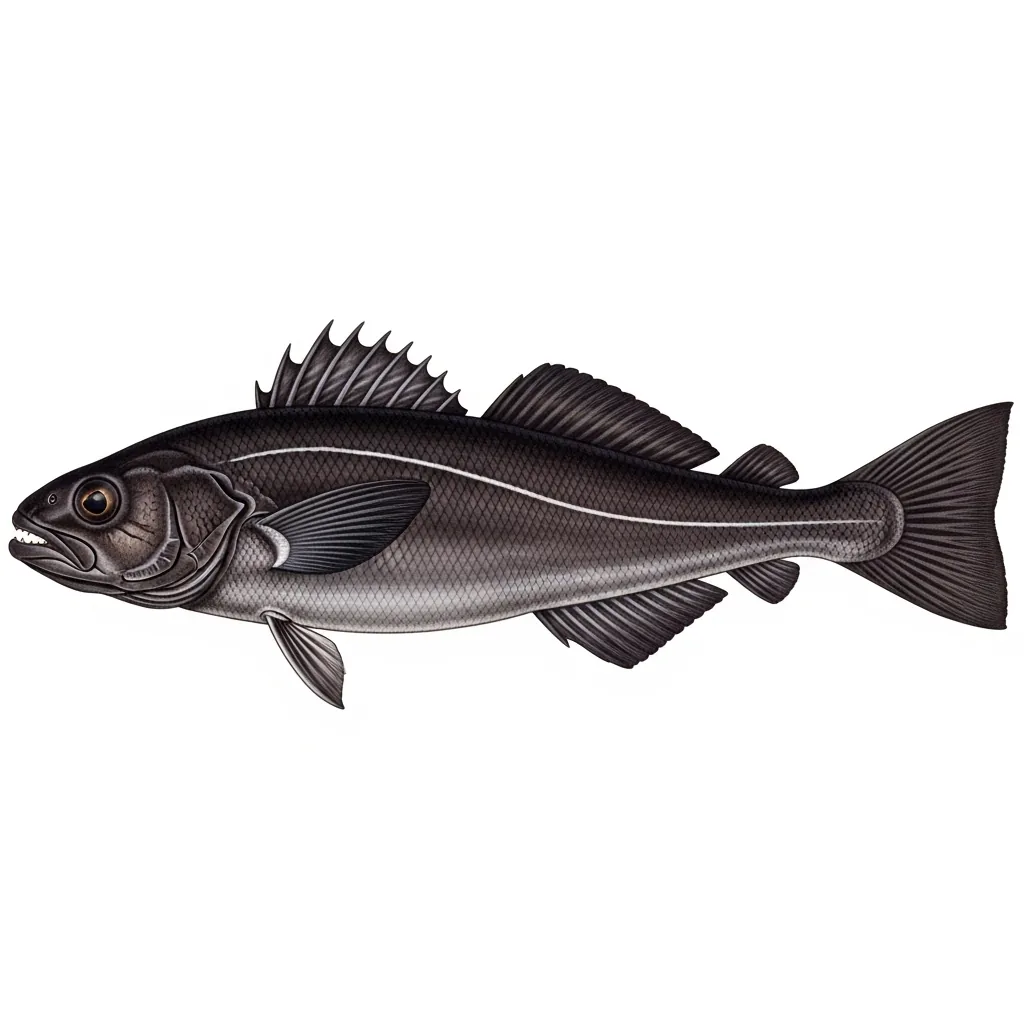 SablefishAnoplopoma fimbria
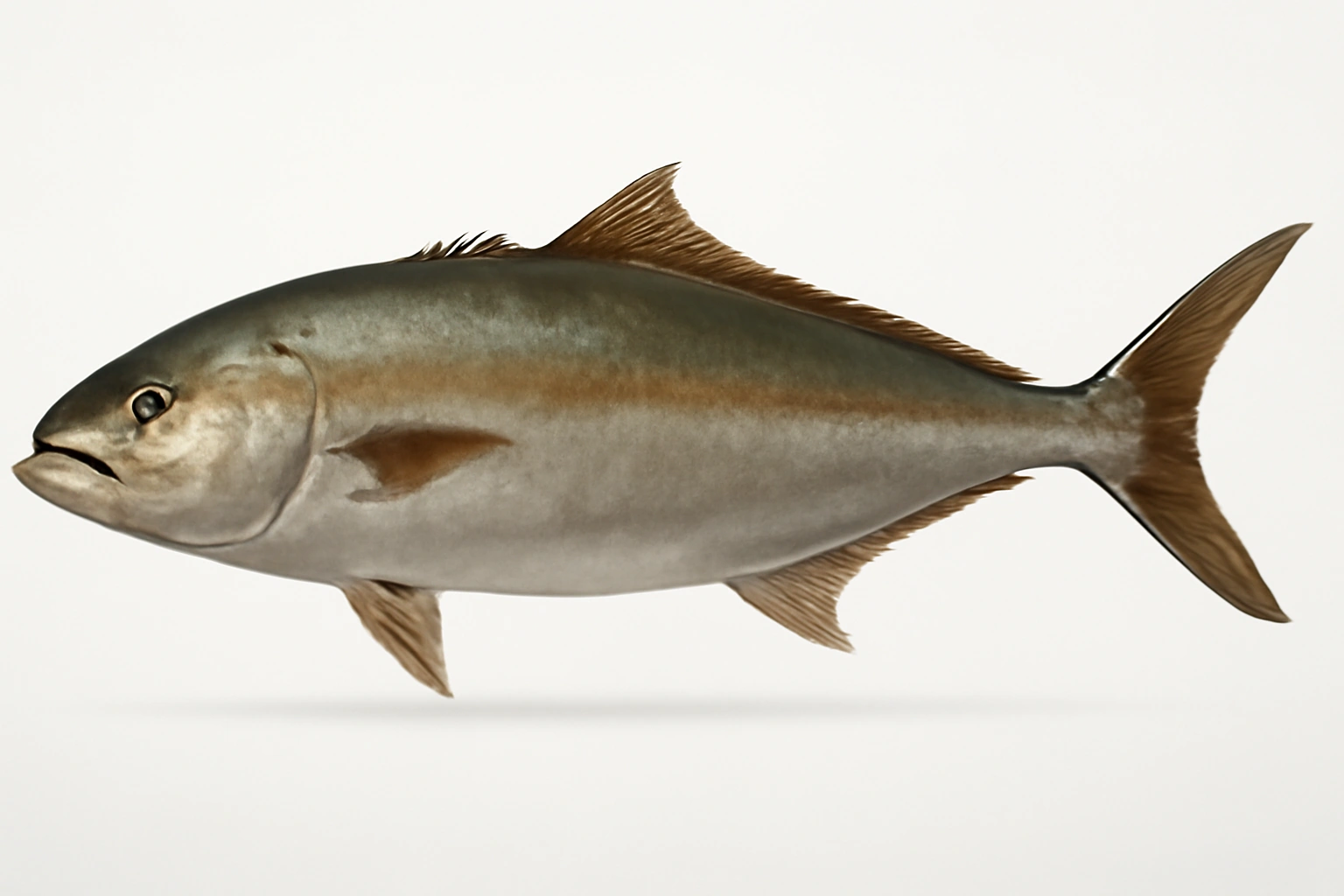 Samson FishSeriola hippos
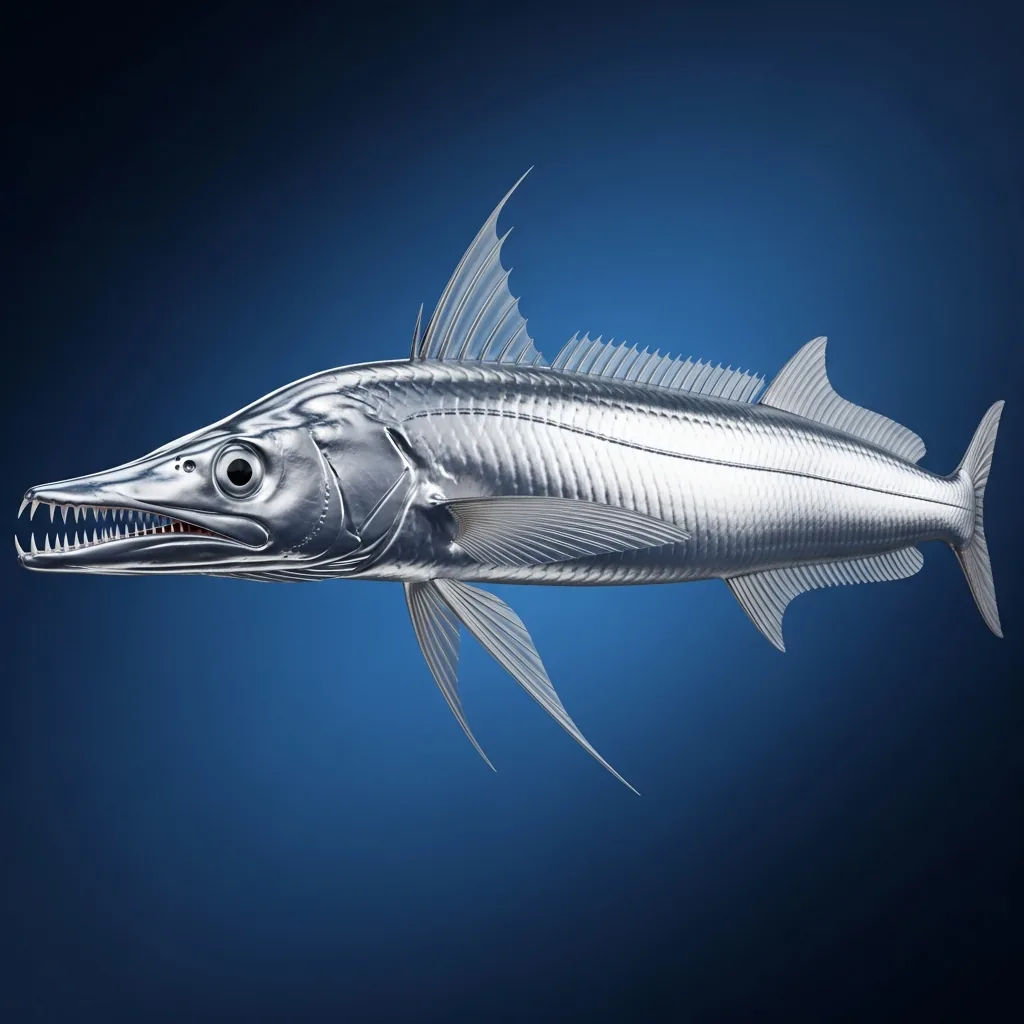 Silver scabbardfishLepidopus caudatus
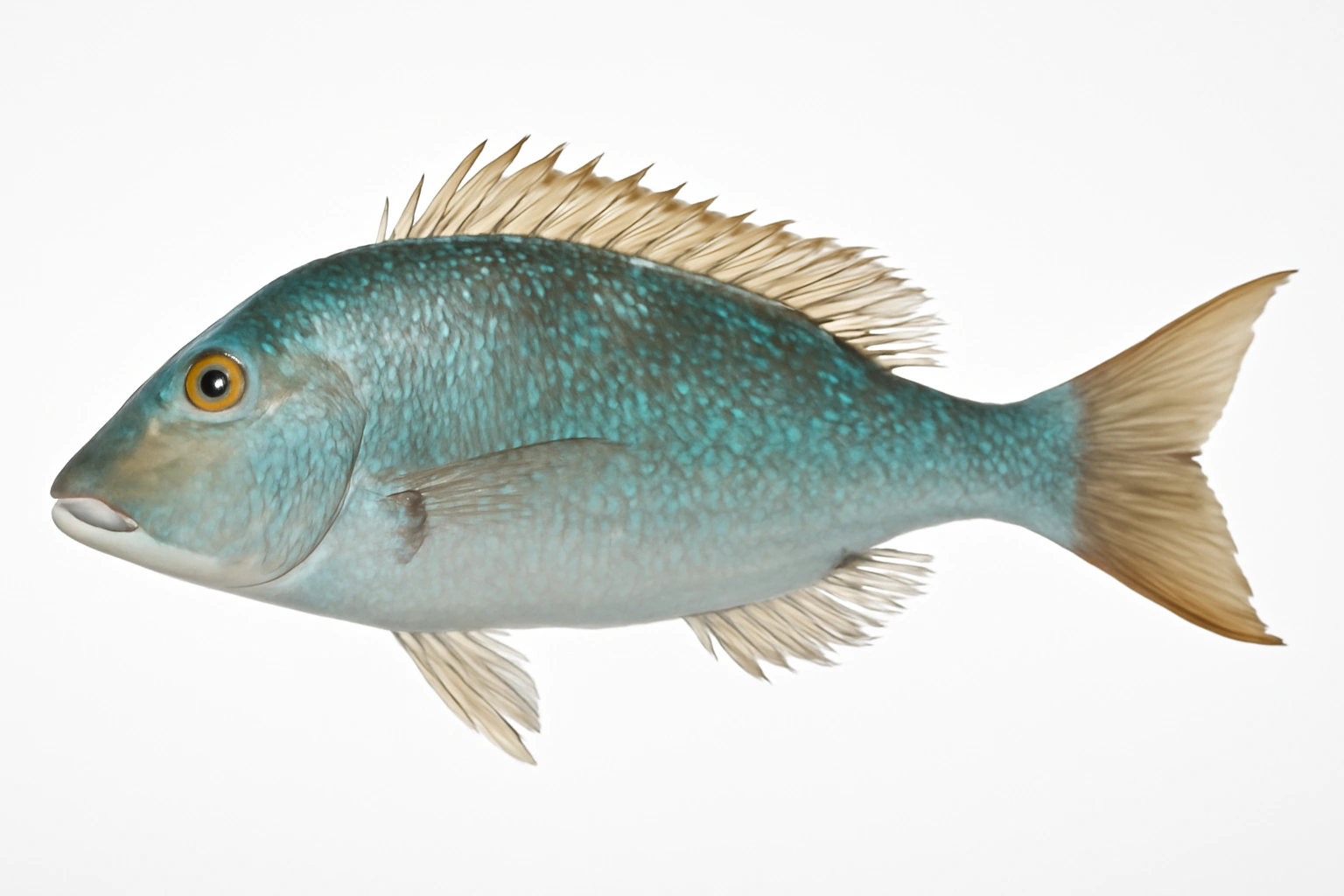 Spangled EmperorLethrinus nebulosus
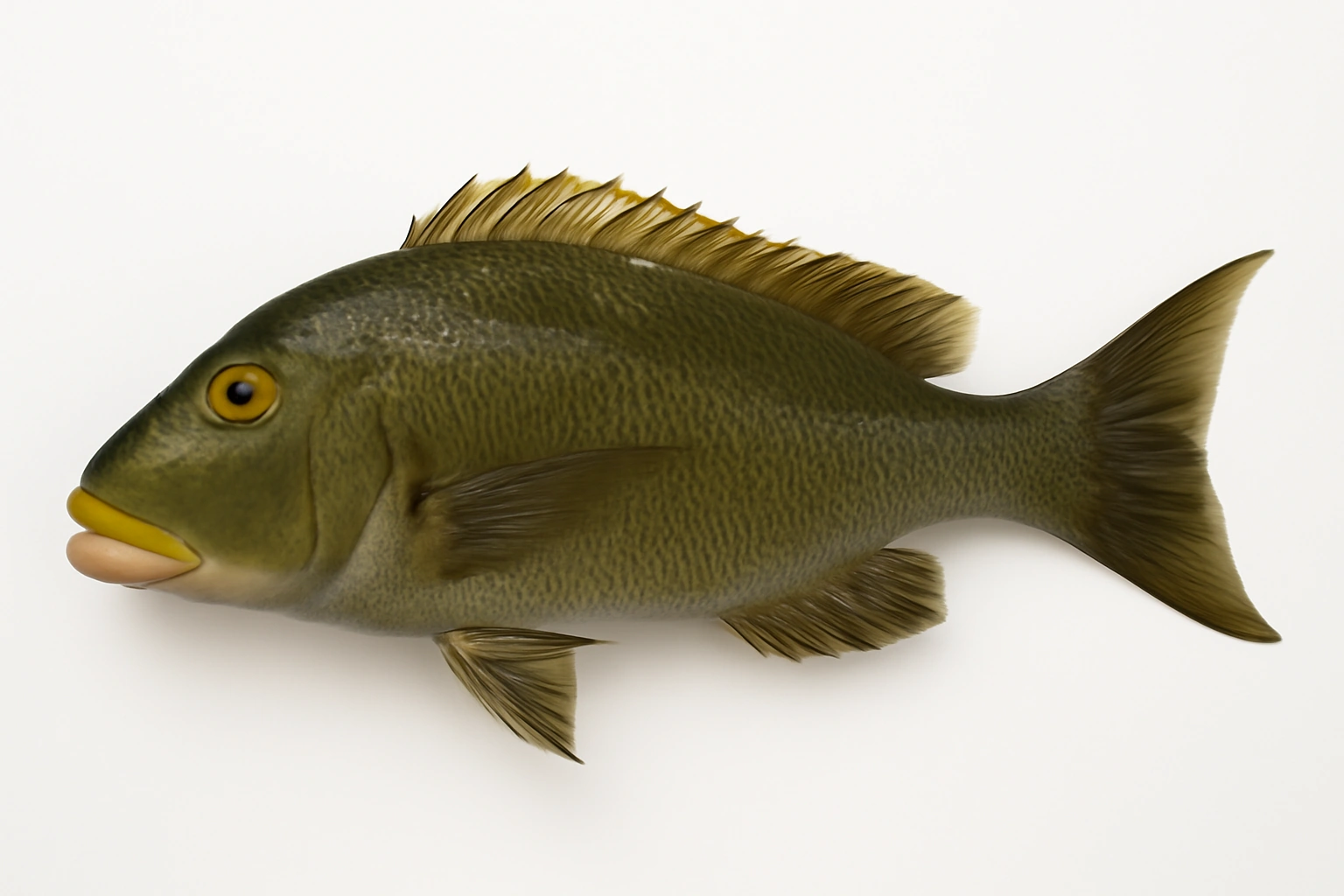 Sweetlip EmperorLethrinus miniatus
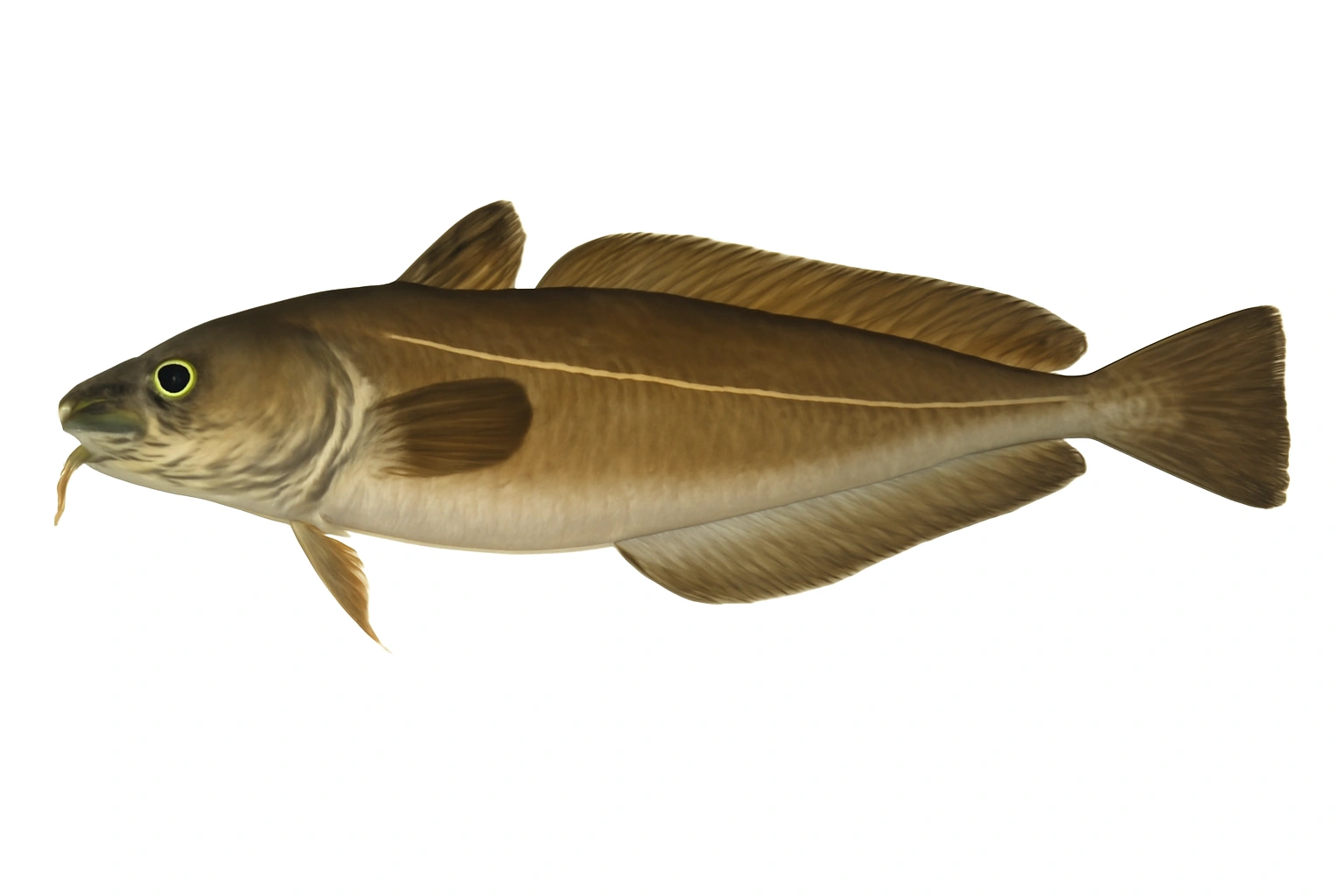 TuskBrosme brosme
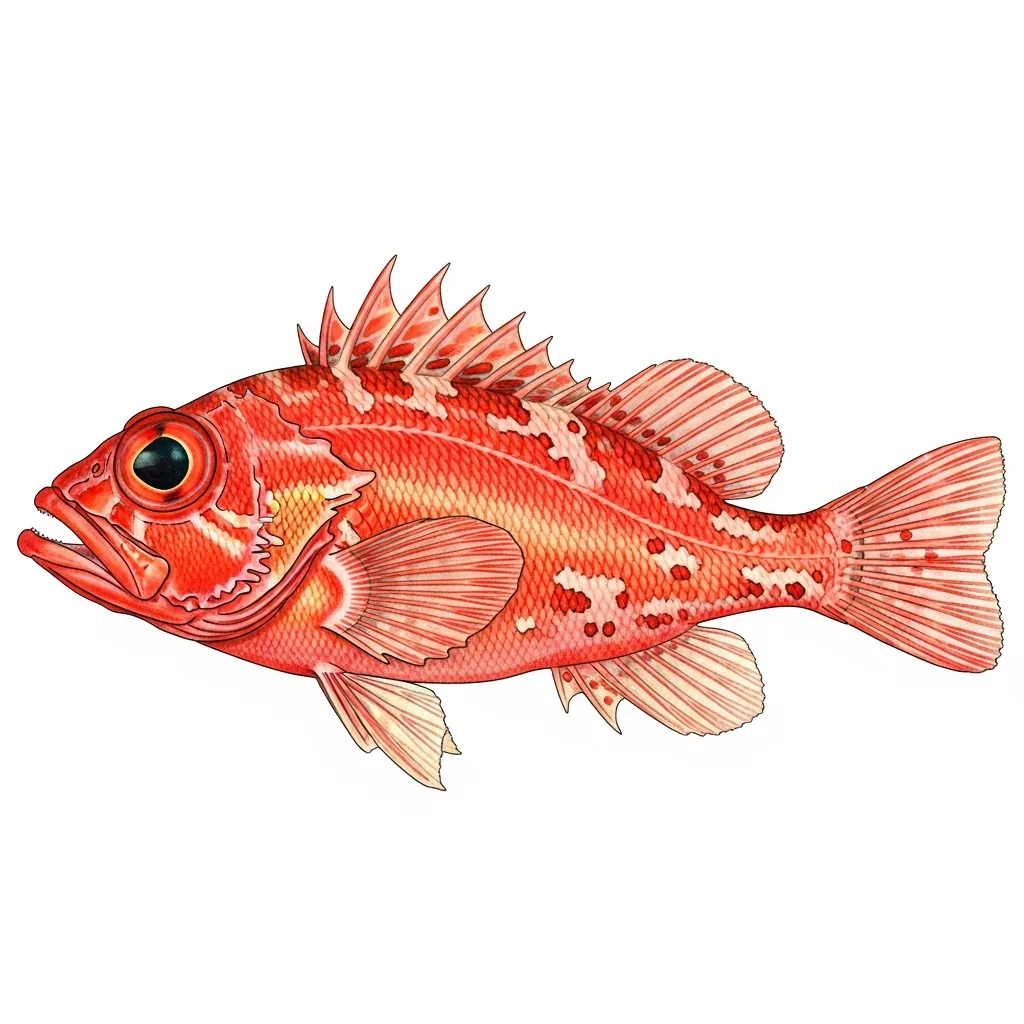 Vermilion RockfishSebastes miniatus
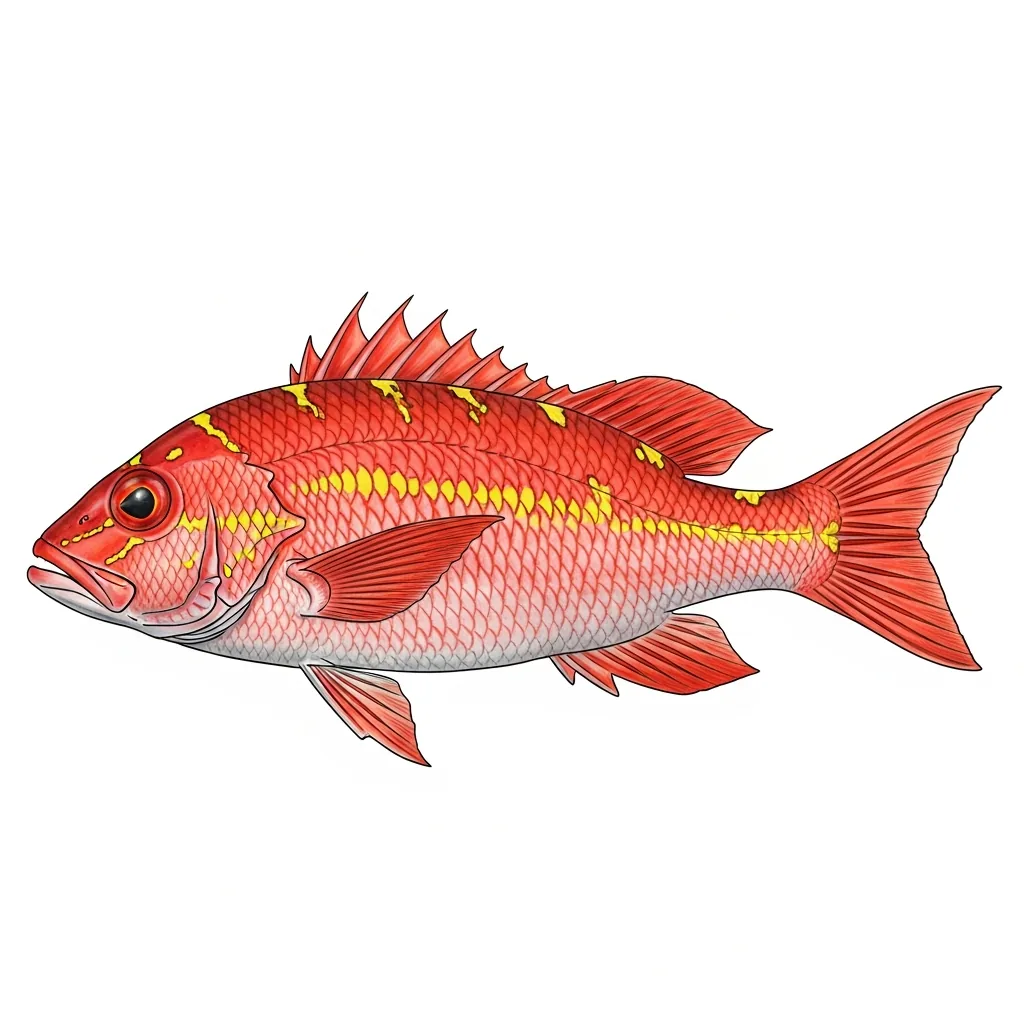 Vermilion SnapperRhomboplites aurorubens
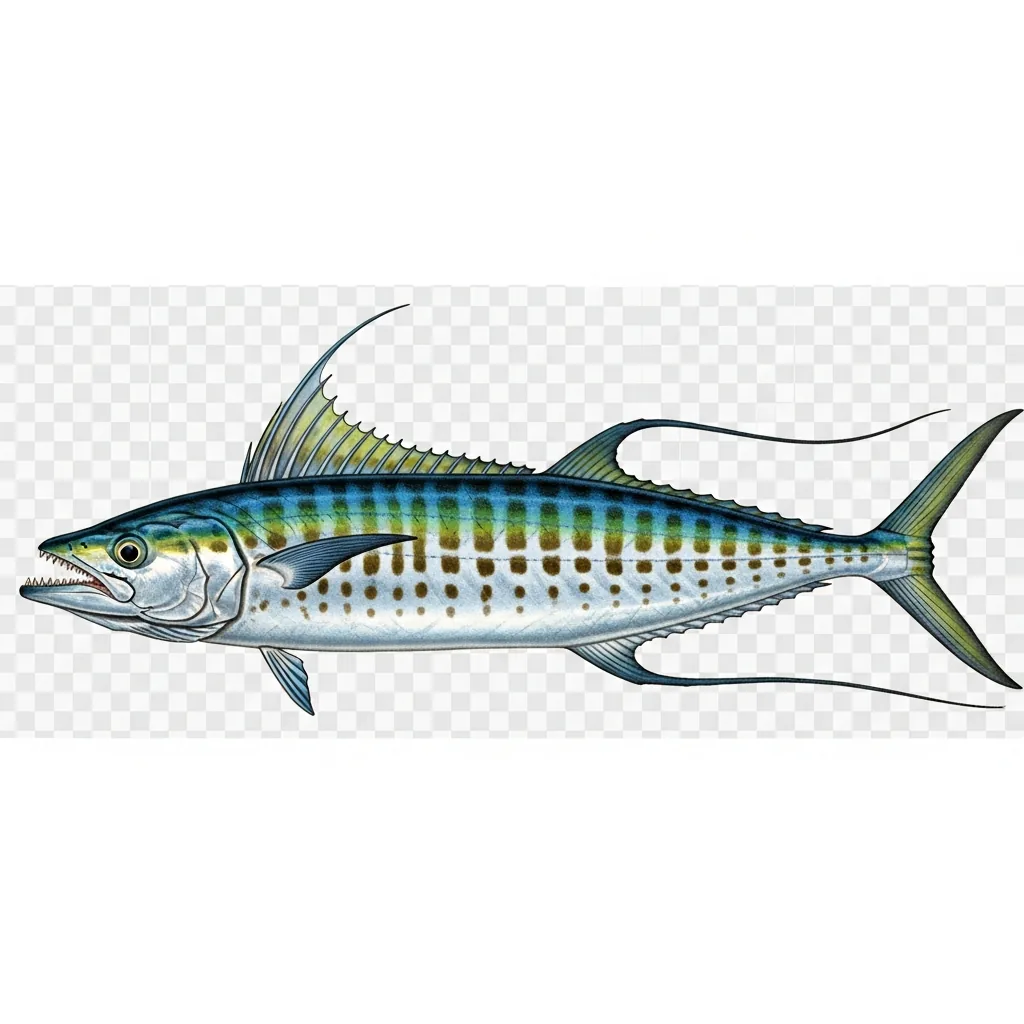 WahooAcanthocybium solandri
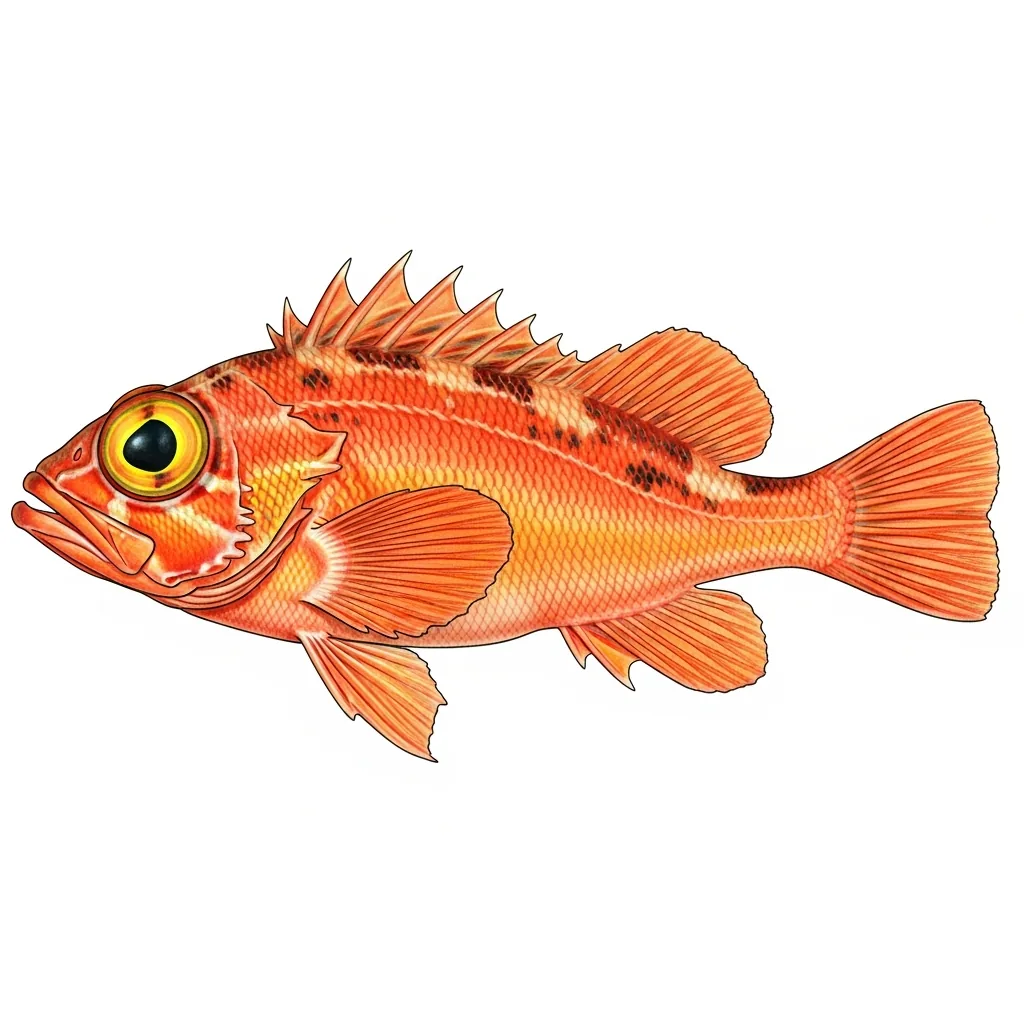 Yelloweye RockfishSebastes ruberrimus
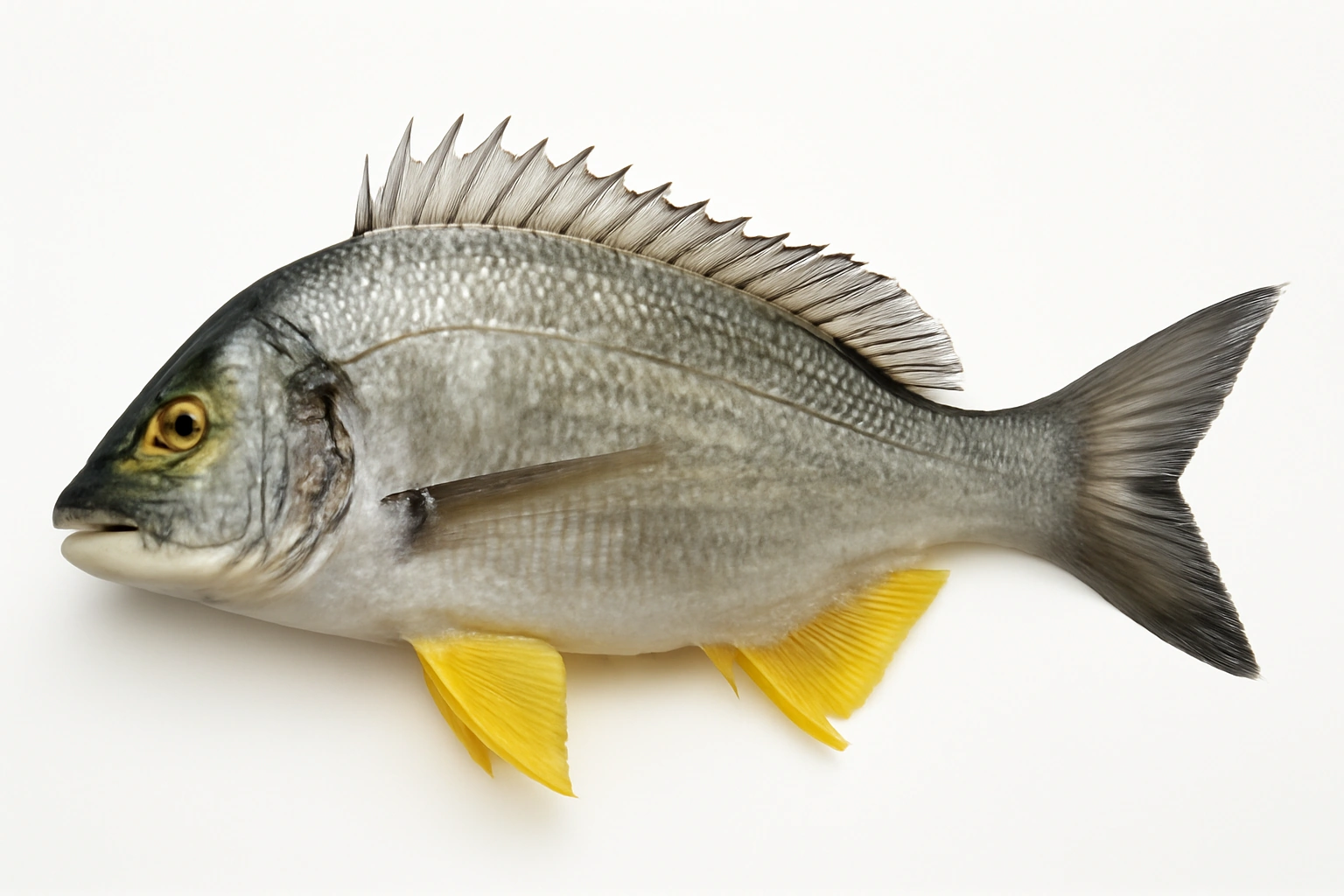 Yellowfin BreamAcanthopagrus australis
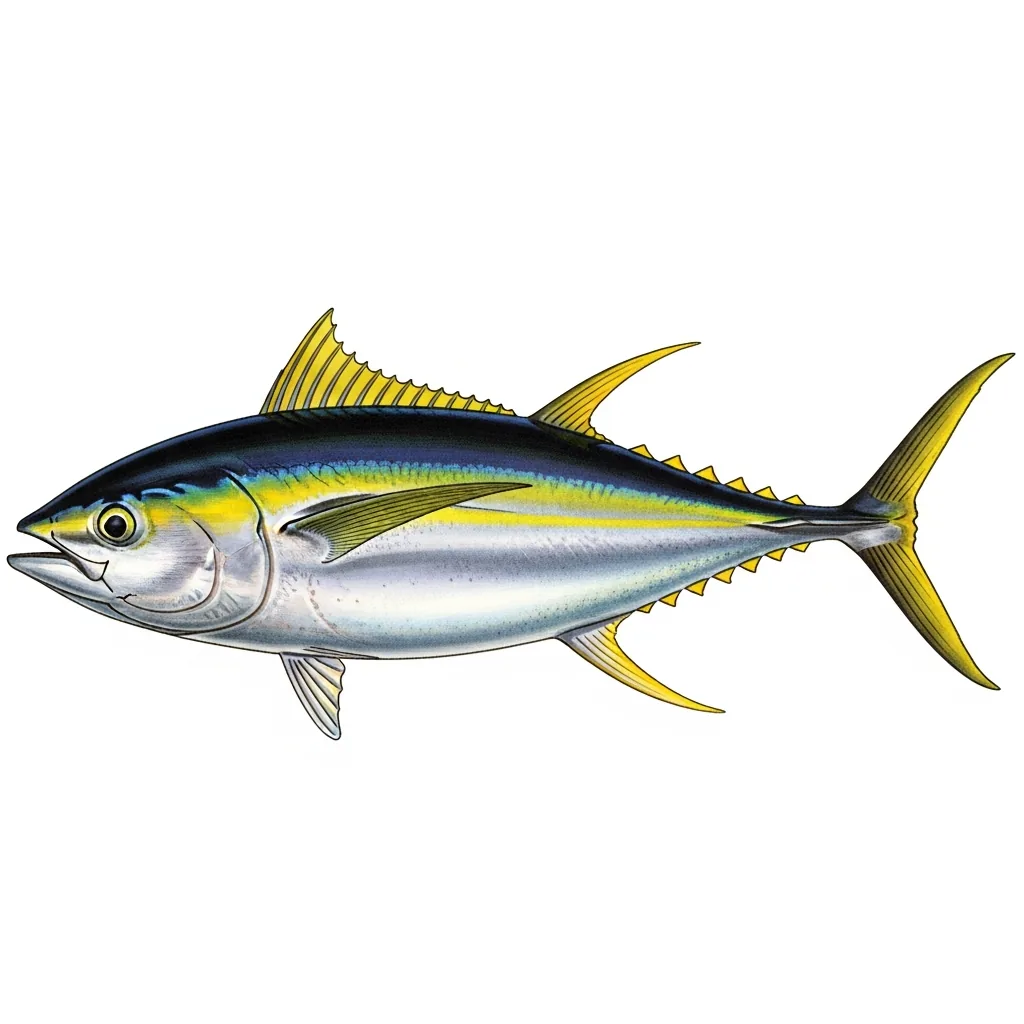 Yellowfin tunaThunnus albacares
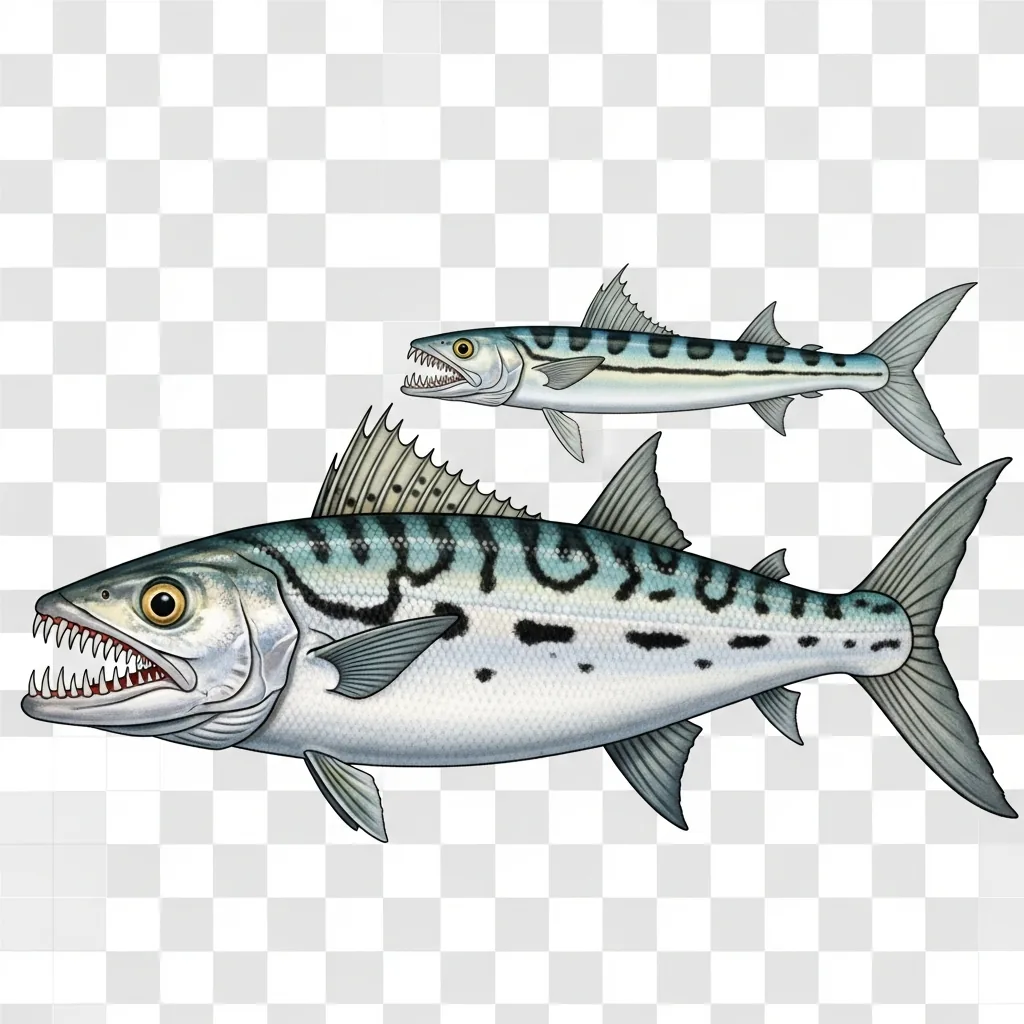 Yellowmouth barracudaSphyraena viridensis
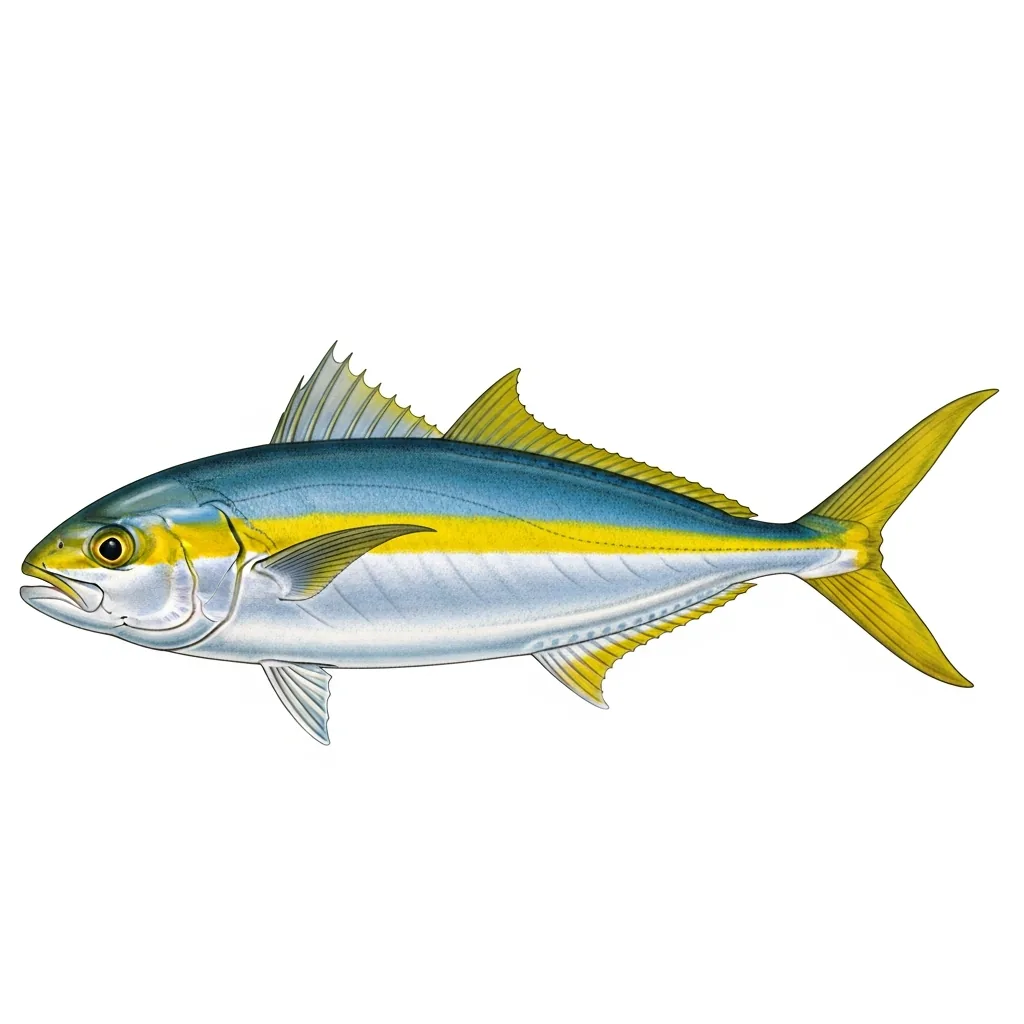 Yellowtail kingfishSeriola lalandi
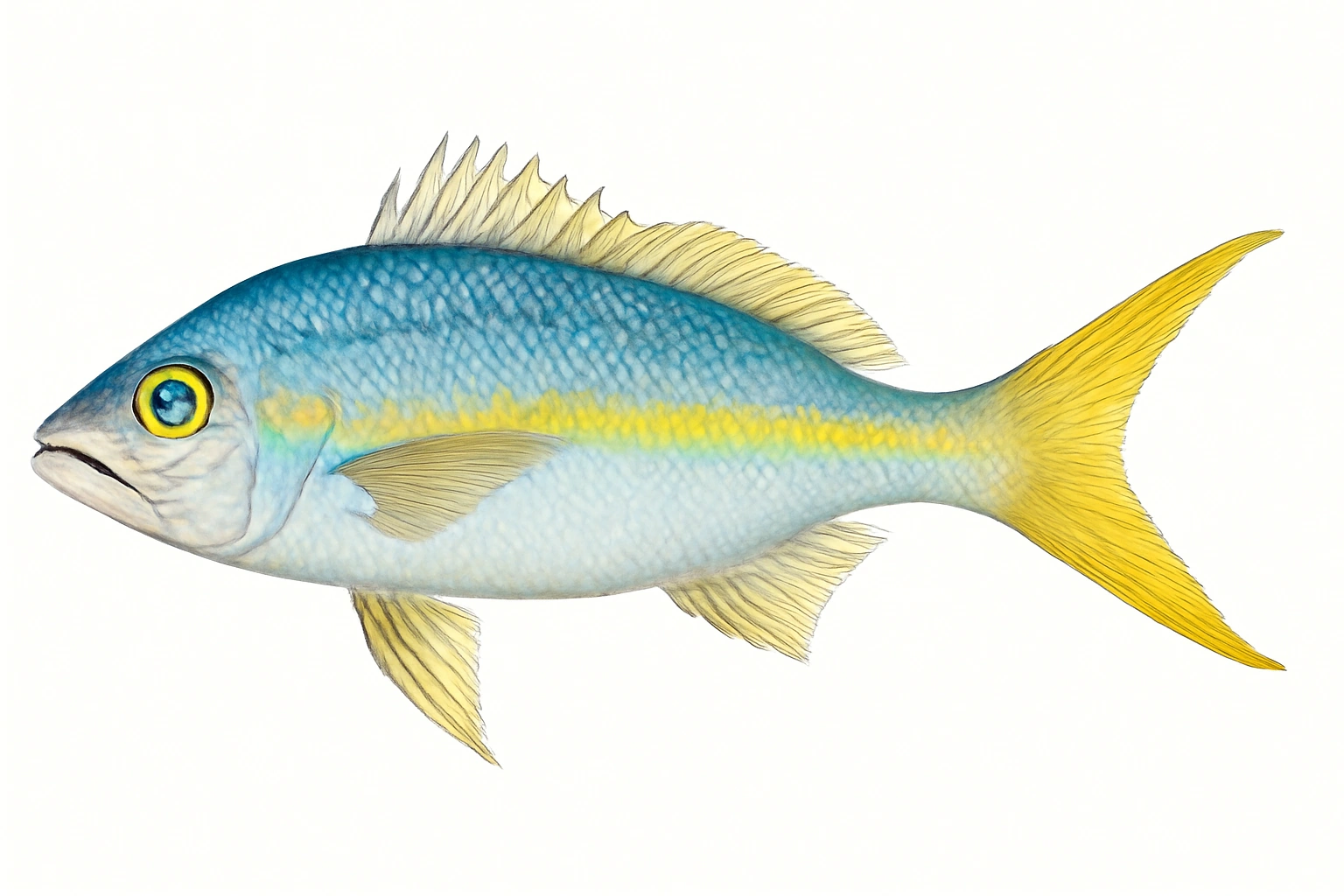 Yellowtail snapperOcyurus chrysurus
Frequently asked questions
How do you fish Vertical Jigging?
Vertical jigging is a boat-fishing method in which the lure works almost straight below the boat, using sink rate, accelerations, and pauses to imitate fleeing or wounded prey. It is not simply “drop and retrieve”: the key is controlling depth, speed, and the jig’s attitude in relation to current, drift, and the school’s position.
Vertical Jigging: what tackle do you need?
A short jigging rod, powerful yet progressive, must lift the jig without overly tiring the angler and above all manage the hook-set and pumping safely. The reel, conventional or spinning depending on preference and technique, must have a smooth drag, reliable retrieve, and great strength under load;
Vertical Jigging: what is the best time?
Vertical jigging produces year-round, but the “where” changes even before the “how.” In summer and early fall, many species follow feeding activity, the thermocline, and bait over reefs and depth changes;
Vertical Jigging: where is it best?
The right spot is rarely flat bottom; ledges, reefs, slide areas, wrecks, rock pinnacles, and sharp changes in bottom hardness are usually far more productive. On the fishfinder, it helps to distinguish three signals: fish holding tight to the bottom, fish suspended mid-water, or compact bait with predator arches to the sides or below.